Your content can rank on the first page of Google and still never be cited or mentioned by LLMs.

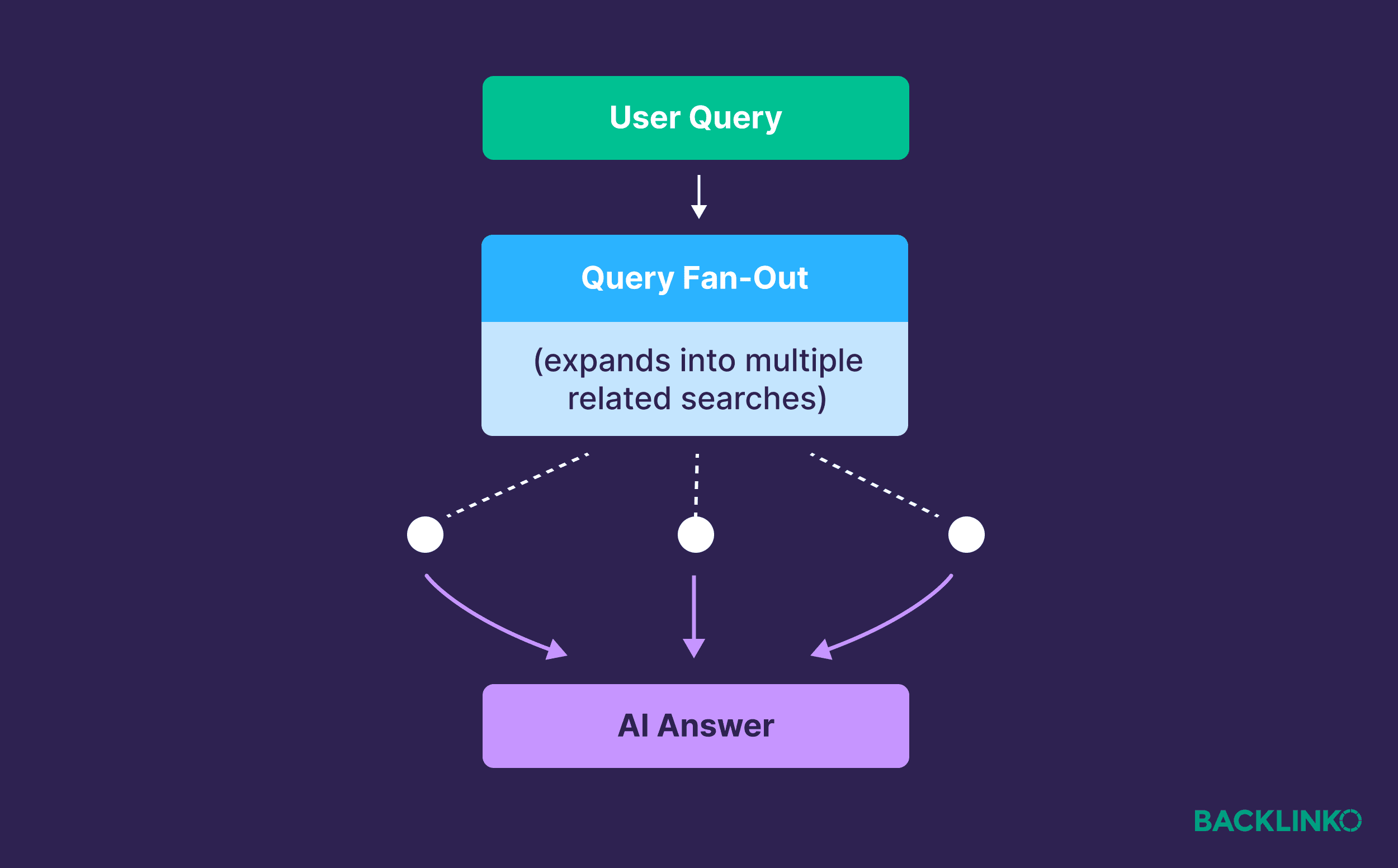
This seemingly counterintuitive reality is rapidly reshaping the landscape of digital content strategy, fundamentally altering how brands achieve visibility in the age of artificial intelligence. The traditional metrics of search engine optimization (SEO), long centered on achieving top Google rankings, are proving insufficient in the new paradigm driven by large language models (LLMs) like ChatGPT, Perplexity, and Google’s evolving AI-powered search features. The key to understanding this divergence lies in a sophisticated background process employed by AI systems: query fan-out.
The Evolution of Search: From Keywords to Conversational AI
For decades, the internet’s primary mode of information retrieval relied on keyword matching. Users typed specific terms into a search engine, and algorithms presented a ranked list of web pages deemed most relevant. SEO professionals meticulously optimized content for these keywords, striving for the coveted top positions on search engine results pages (SERPs). However, the advent of generative AI has ushered in a new era of conversational search, where users pose complex, natural language questions, expecting comprehensive, synthesized answers rather than mere links.
This shift represents a significant evolution in how information is accessed and processed. Modern AI systems are designed not just to find information, but to understand user intent deeply and construct coherent, context-rich responses. This capability is precisely why query fan-out has become an indispensable component of AI search architecture. Unlike traditional search that might simply direct a user to a single "best-ranking" page, AI systems delve deeper, recognizing that a single, broad question often masks a multitude of underlying, interconnected informational needs.
Unpacking Query Fan-Out: The AI’s Deeper Dive
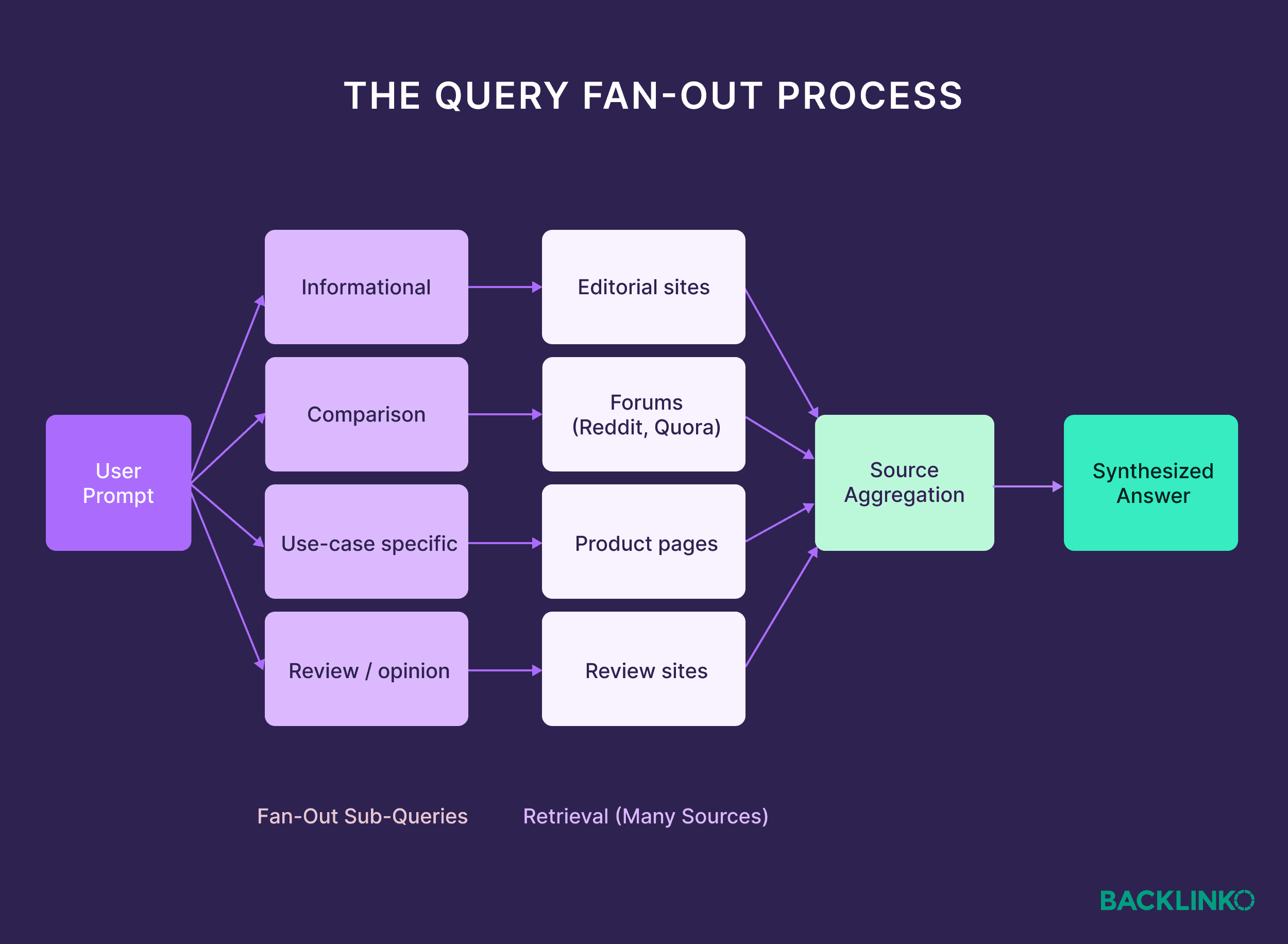
At its core, query fan-out is a sophisticated process where an AI search system deconstructs an initial user query into a series of multiple, more specific sub-queries. This "fanning out" allows the AI to explore various facets of the user’s implicit intent, gathering information from a diverse array of sources to build a truly comprehensive and helpful answer. This mechanism ensures that the AI can anticipate and address related questions the user might have, even if not explicitly stated in the original prompt.
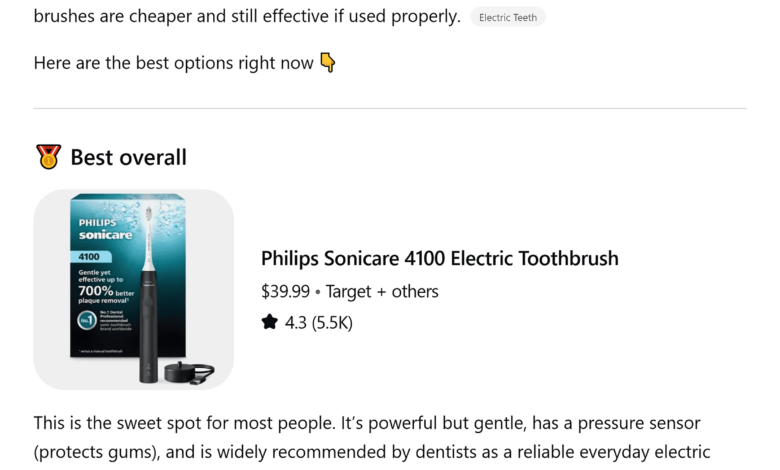
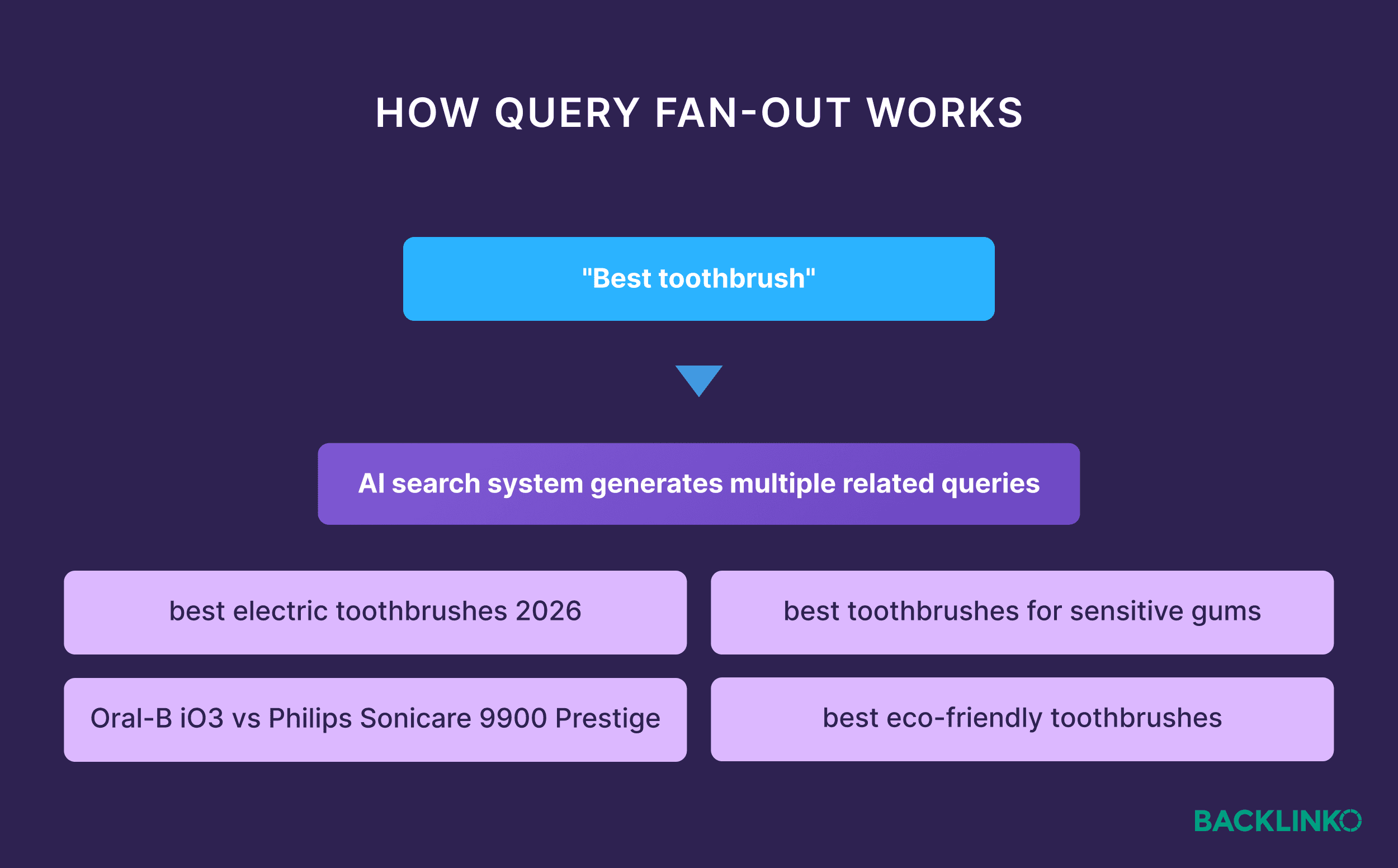
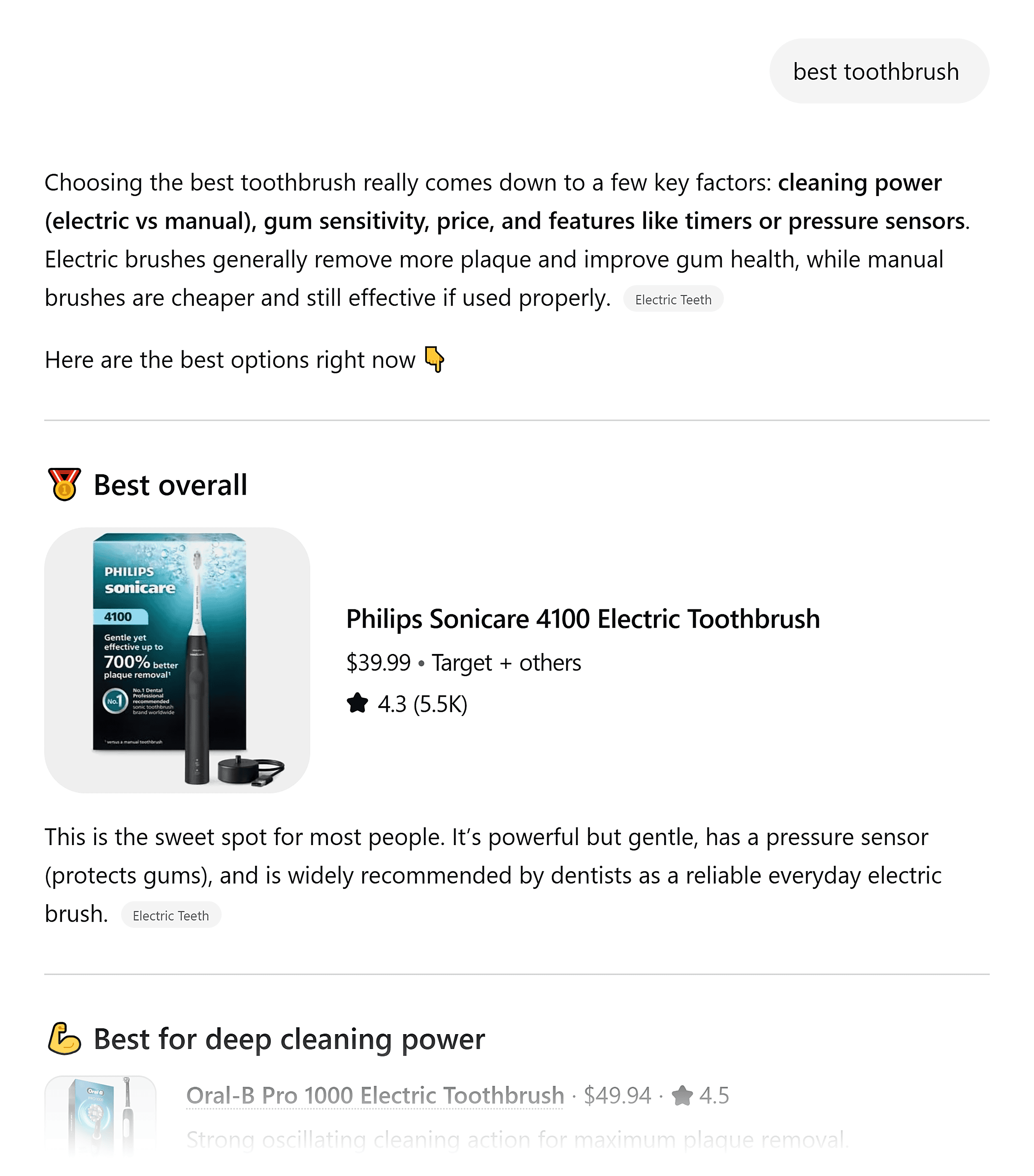
Consider a user asking ChatGPT or Perplexity, "What is the best toothbrush?" A traditional search might prioritize pages with high authority and direct keyword matches for "best toothbrush." However, an AI system employing query fan-out would interpret this seemingly simple request with far greater nuance. It might internally generate sub-queries such as:
- "Best electric toothbrushes [current year]" (seeking top-rated picks and editorial consensus)
- "Best toothbrushes for sensitive gums" (addressing specific use-case recommendations)
- "Oral-B vs. Philips Sonicare" (looking for head-to-head comparison data between leading brands)
- "Best eco-friendly toothbrushes" (exploring value picks or alternative considerations)
- "How often should I replace my toothbrush head?" (an implicit informational need related to toothbrush maintenance)
By executing these diverse sub-queries across its vast index and real-time web searches, the AI can synthesize a multi-dimensional answer. This synthesized response would go beyond a simple list of products, offering insights into different types of toothbrushes, considerations for various oral health needs, brand comparisons, pricing information, and even usage tips. The AI effectively collapses the traditional buying journey—from awareness to consideration to decision—into a single, rich interaction.
It’s crucial to distinguish what query fan-out is not. It is not merely simple keyword matching, nor does it exclusively rely on top-ranking pages. It is not a static process, but rather an adaptive one that can evolve with user interaction and new information. Most importantly, it’s not solely focused on broad informational intent; it actively seeks out specific details, comparisons, and user-generated content from various corners of the web, including editorial sites, specialized forums like Reddit, and product pages, to construct its responses.
The Shifting Sands of AI Visibility: Implications for Content Strategy
Understanding query fan-out reveals four critical shifts that demand a rethinking of traditional content strategies for modern AI visibility:
-
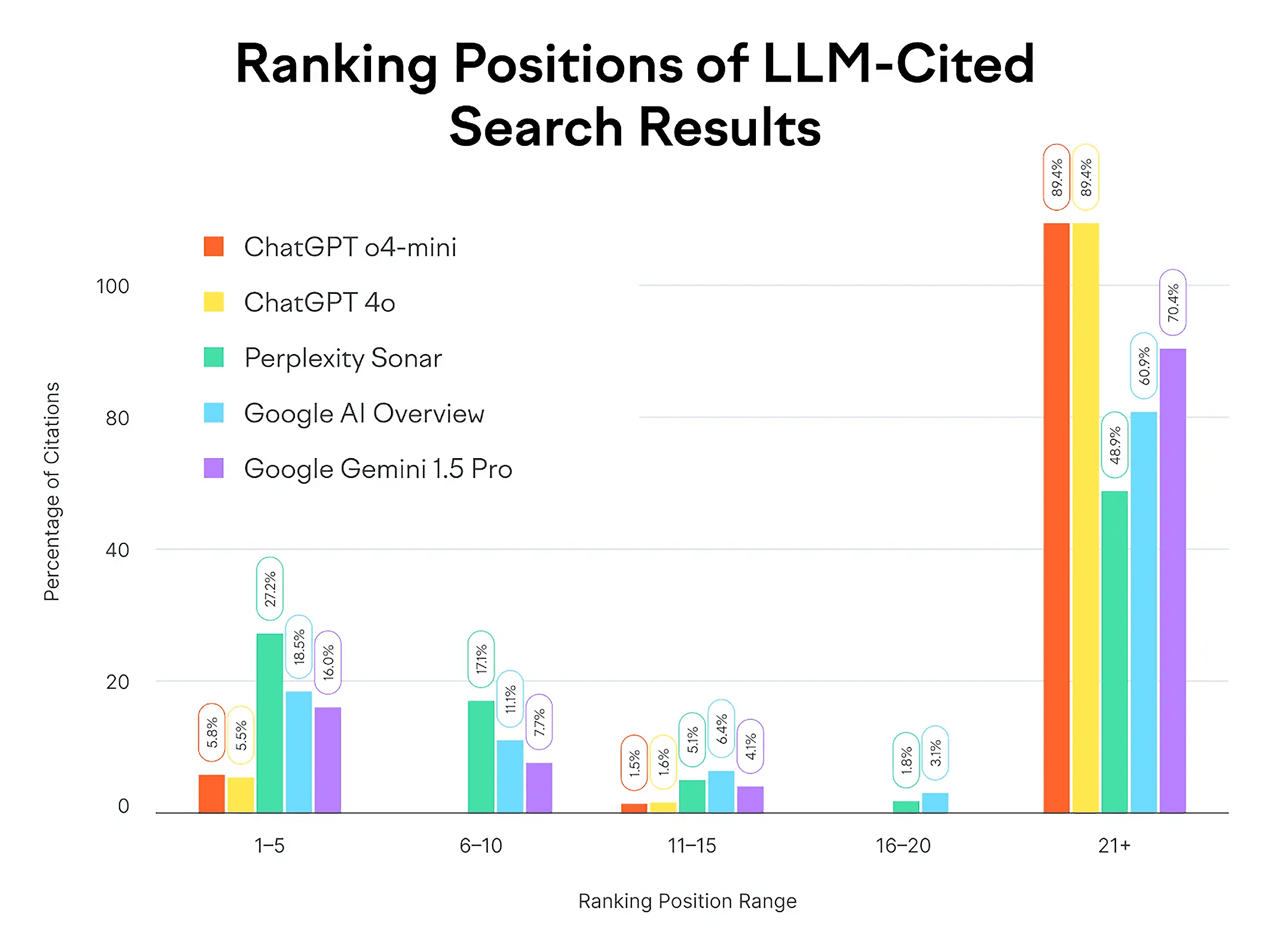
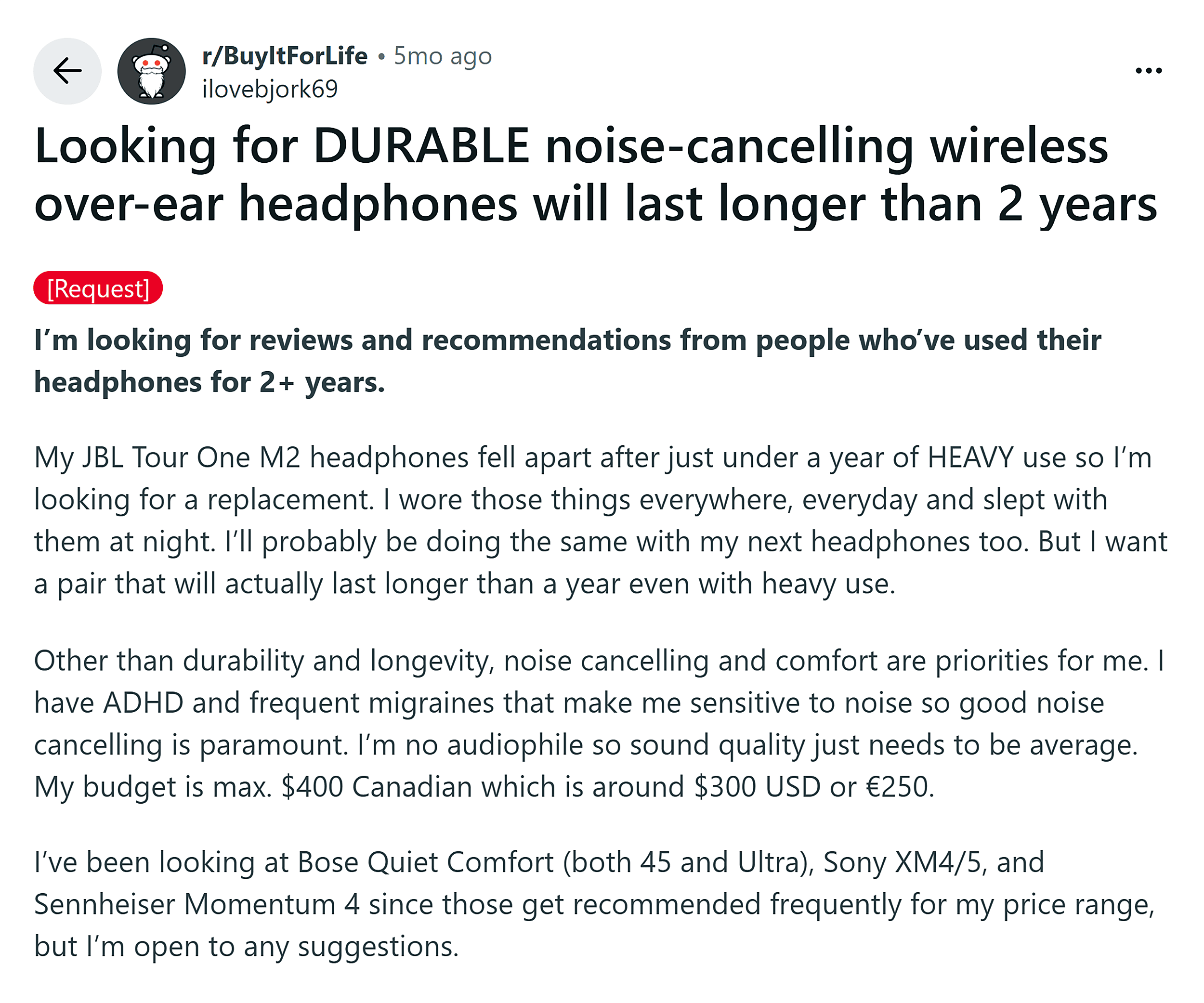
Top Rankings Don’t Guarantee AI Citations: The most striking implication is the decoupling of Google’s first-page ranking from AI citation. A comprehensive Semrush study revealed that ChatGPT cites pages in position 21 or lower almost 90% of the time. Similarly, Perplexity and Google’s AI features demonstrate this pattern. This data underscores that AI prioritizes relevance and completeness for each sub-query, irrespective of a page’s overall SEO ranking. Content creators must focus on directly answering specific, granular questions that AI systems generate, even if those answers reside deep within a website or on pages not traditionally optimized for top-tier organic search.
-
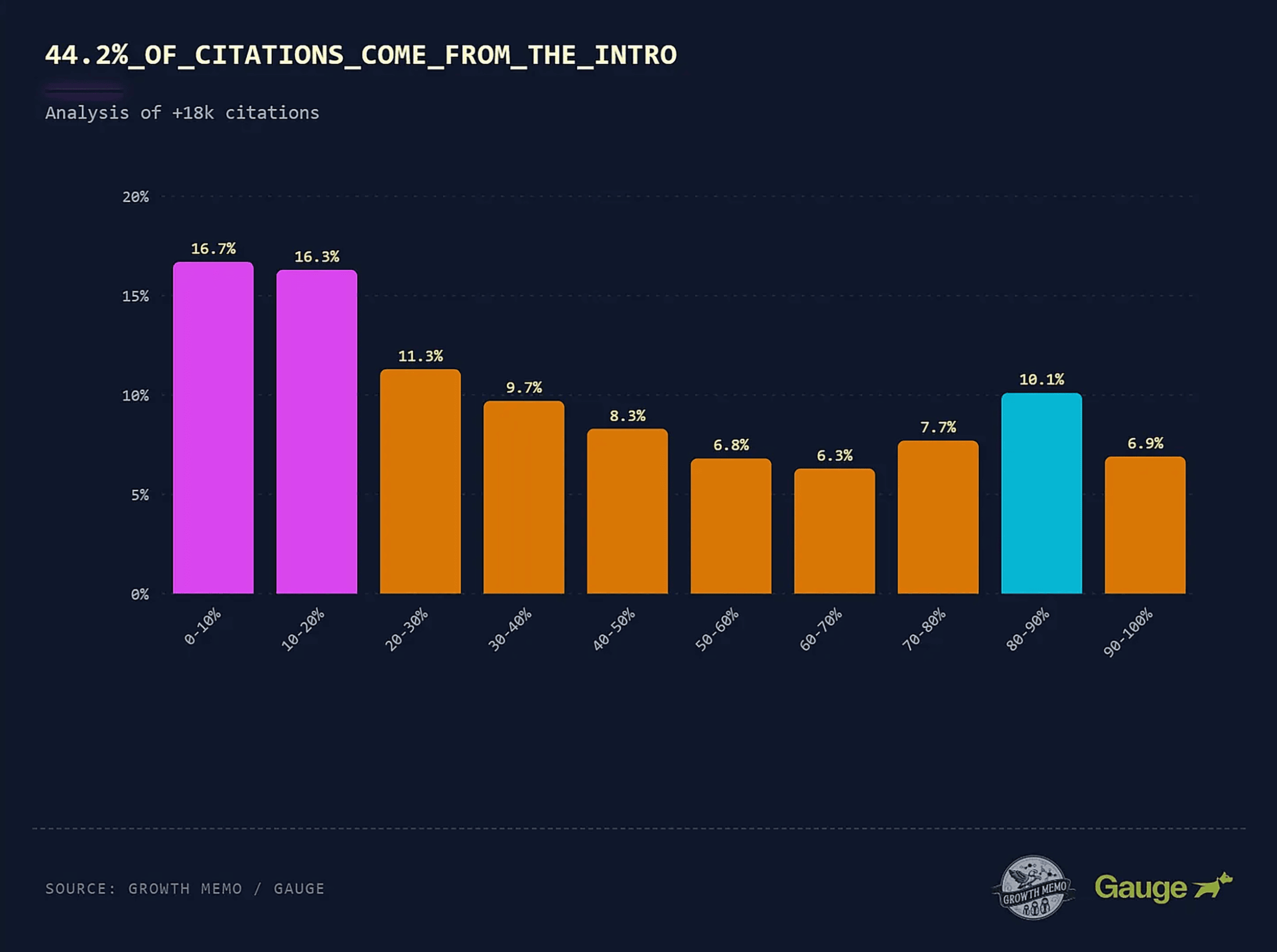
AI Retrieves Passages, Not Just Pages: Unlike traditional search, which often directs users to an entire webpage, AI systems are designed to extract and synthesize precise passages of text that directly resolve a sub-query. This means that where an answer appears on your page matters significantly. Research by growth advisor Kevin Indig, based on an analysis of 1.2 million ChatGPT responses, found that 44.2% of citations originated from the first 30% of a page, with 31.1% from the middle and only 24.7% from the final third. This emphasizes the need to front-load critical information and ensure that key answers are self-contained and easily scannable, making them readily extractable by AI.
-
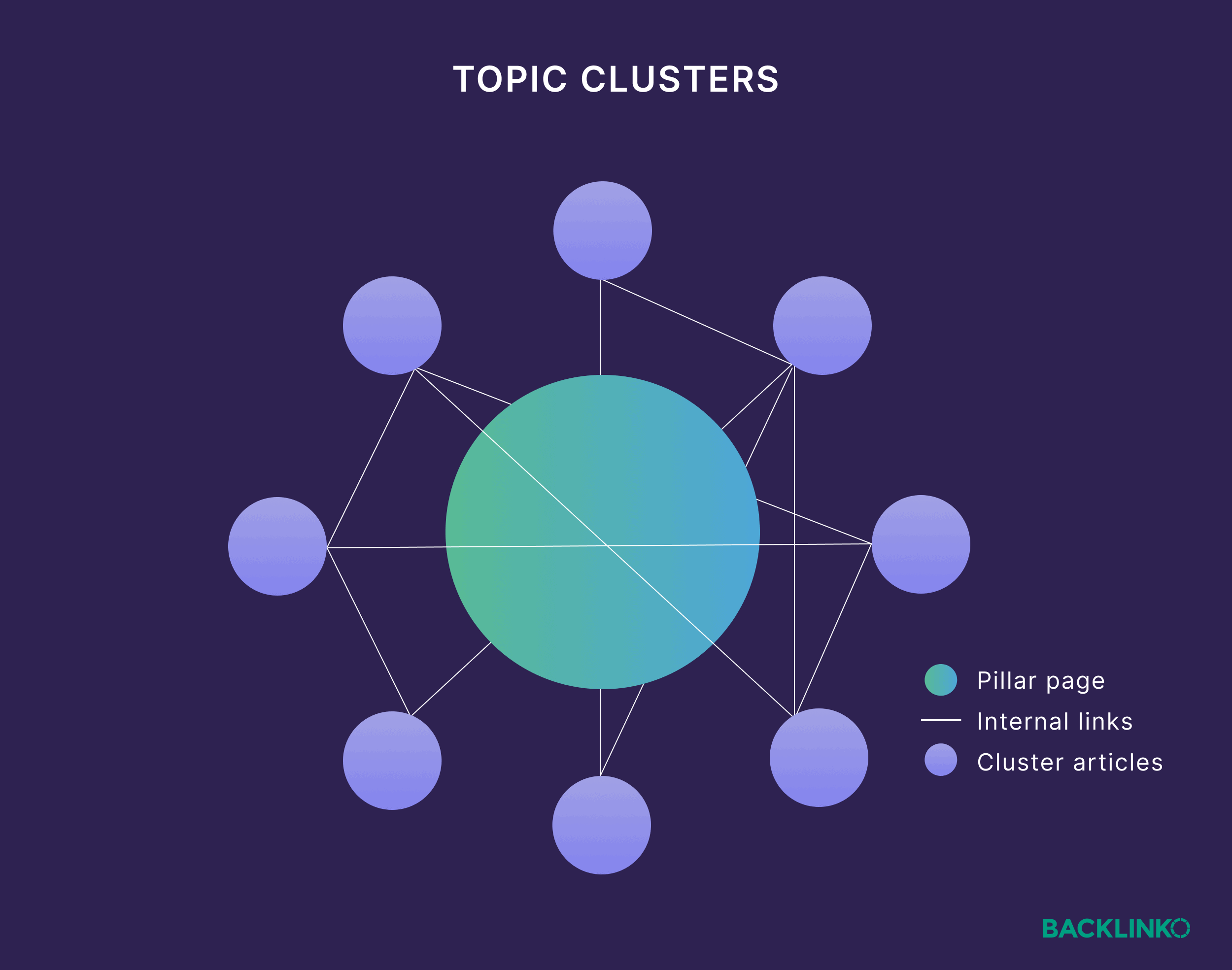
Competition Across Topics, Not Just Keywords: Traditional SEO often fixates on optimizing individual keywords. However, query fan-out operates on a broader thematic level. AI seeks comprehensive coverage across an entire topic. This elevates the importance of "topical authority" and "topic clusters," where a network of interconnected content pages addresses a subject from multiple angles. A brand that comprehensively covers a topic, with interlinked pillar pages and supporting articles, increases its chances of being cited for a wide array of sub-queries related to that subject. This holistic approach signals to AI systems that the brand is a definitive source of information.
-
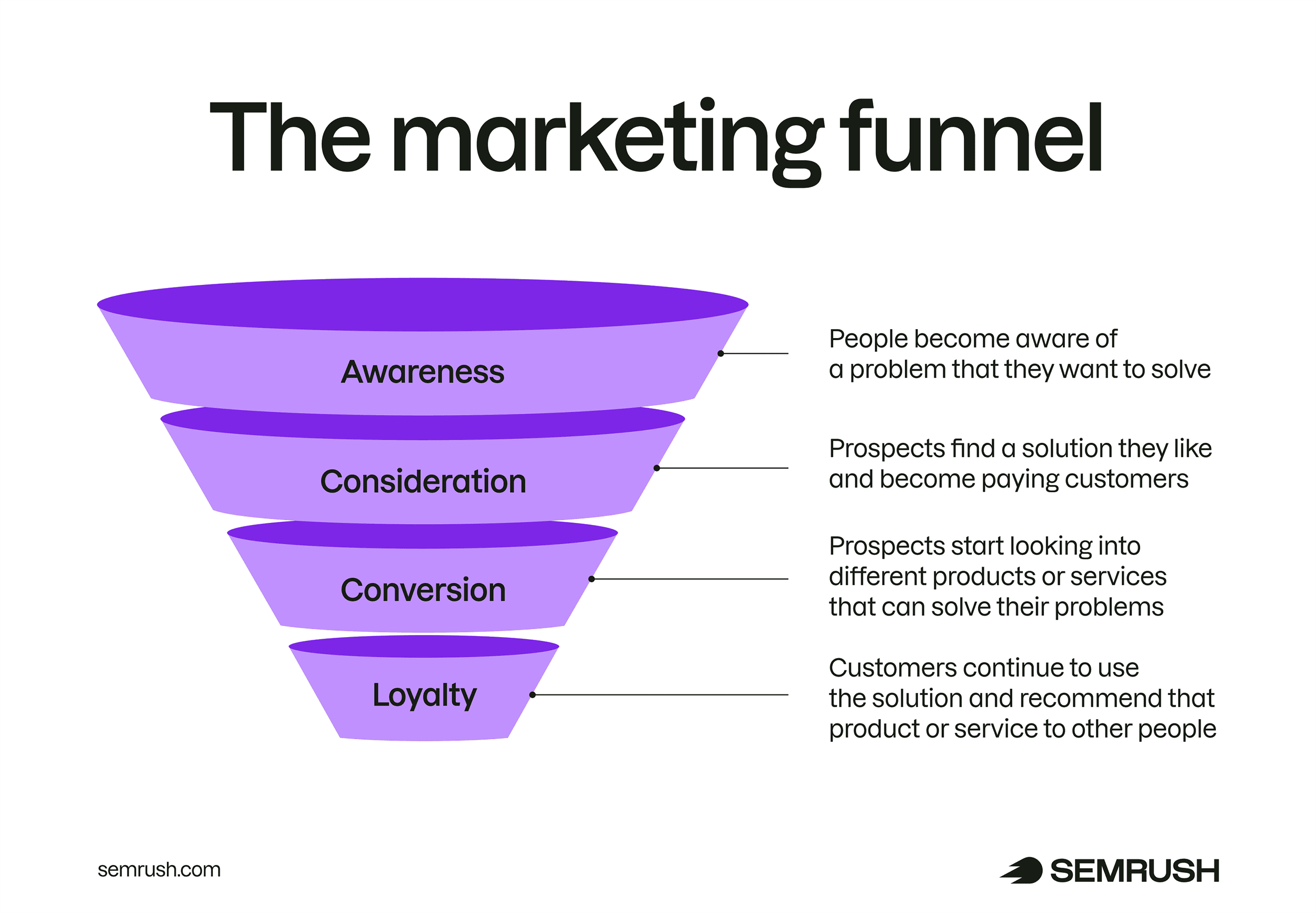
Query Fan-Out Collapses the Buying Journey: The classic marketing funnel (awareness, consideration, decision) has long guided content creation. Marketers developed distinct content types for each stage. With AI, these stages often converge. A single, high-intent prompt can trigger an AI to fan out into sub-queries that touch upon awareness-level context, consideration-level comparisons, and decision-level specifics. This means content must be versatile enough to serve multiple funnel stages within a single AI interaction. Brands need to ensure their content provides complete answers that guide users from initial inquiry to informed decision, all within the AI’s generated response.
The Query Fan-Out Workflow: A Six-Step Guide to AI Visibility
To adapt to this new environment and earn more AI citations, content creators and marketers can implement a structured six-step workflow:
Step 1: Find Your Money Prompts
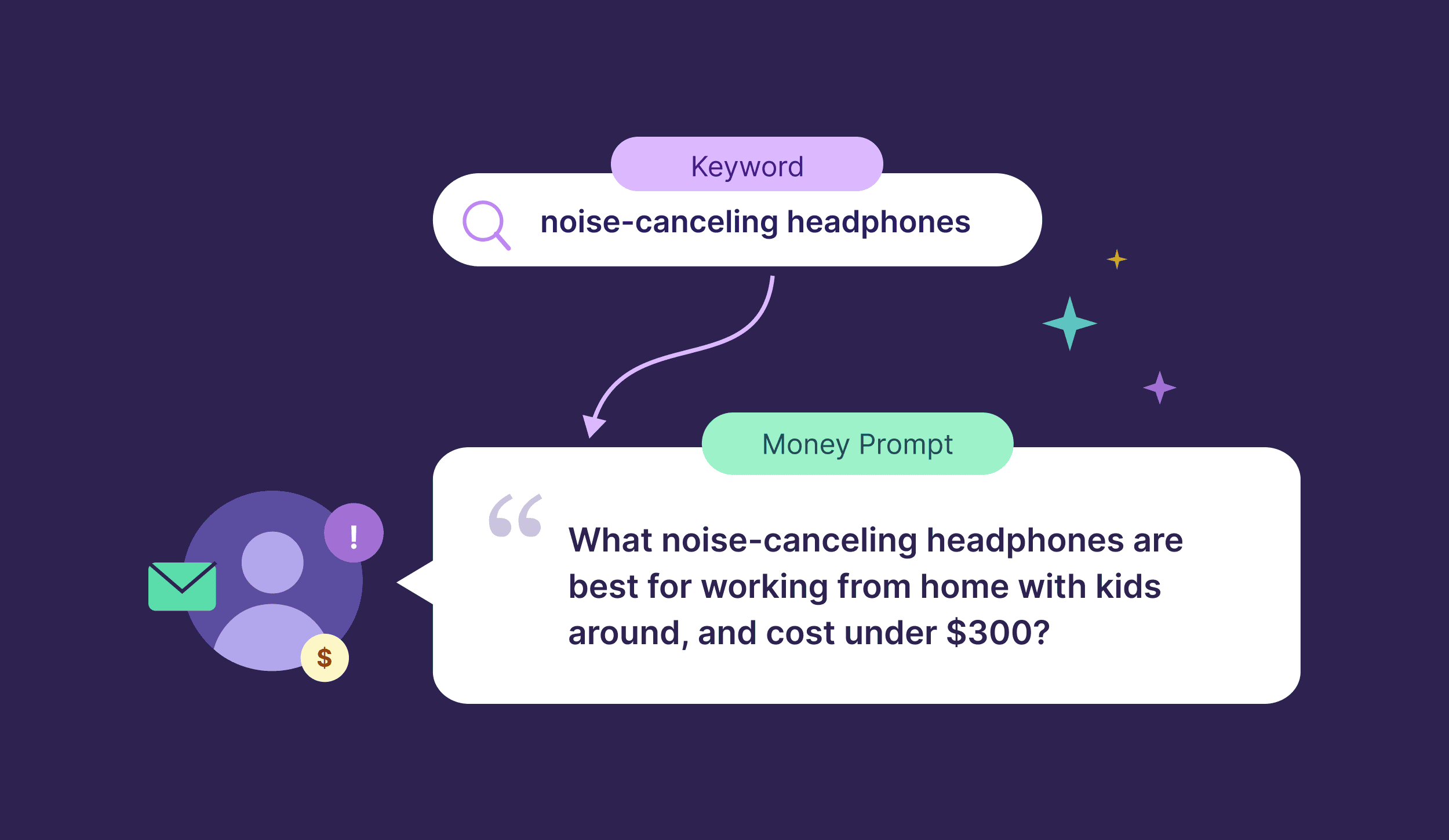
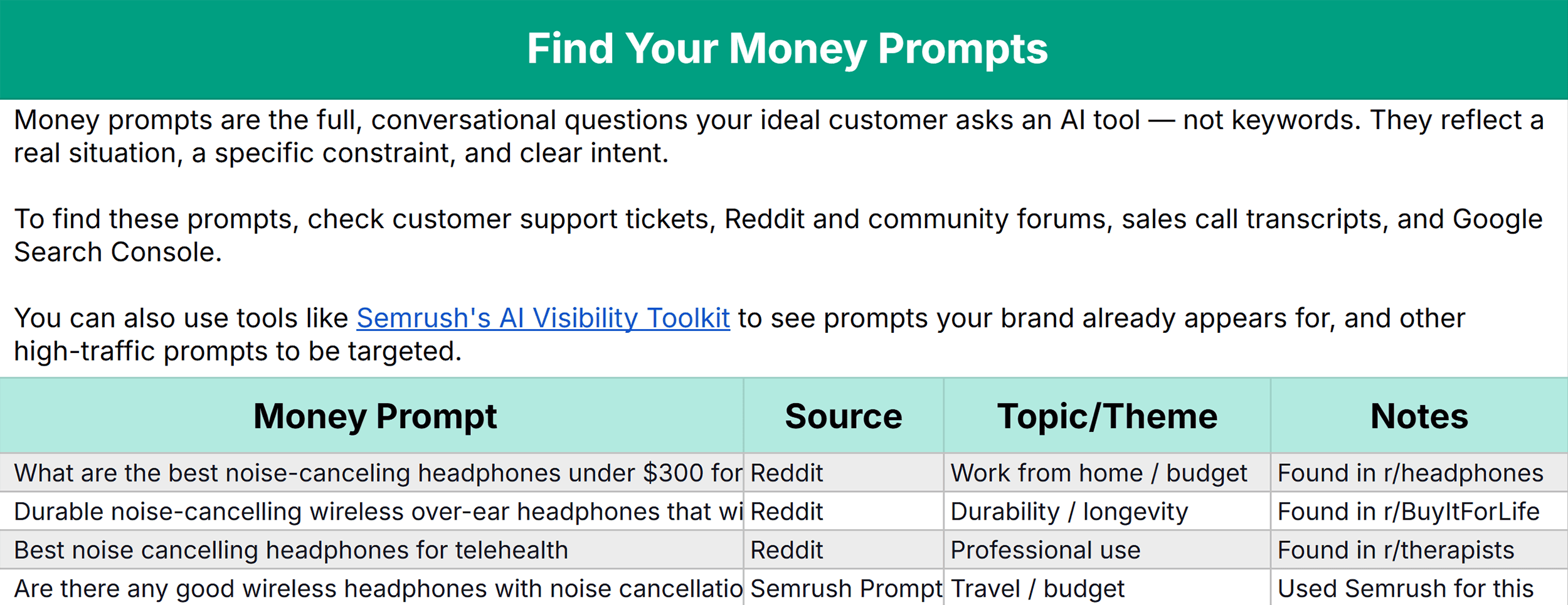
"Money prompts" are the conversational phrases or questions that your ideal customer would ask an AI tool when seeking solutions your product or service provides. These are the AI SEO equivalent of high-commercial-intent keywords. They are typically specific, problem-oriented, and imply a desire for a solution or comparison.
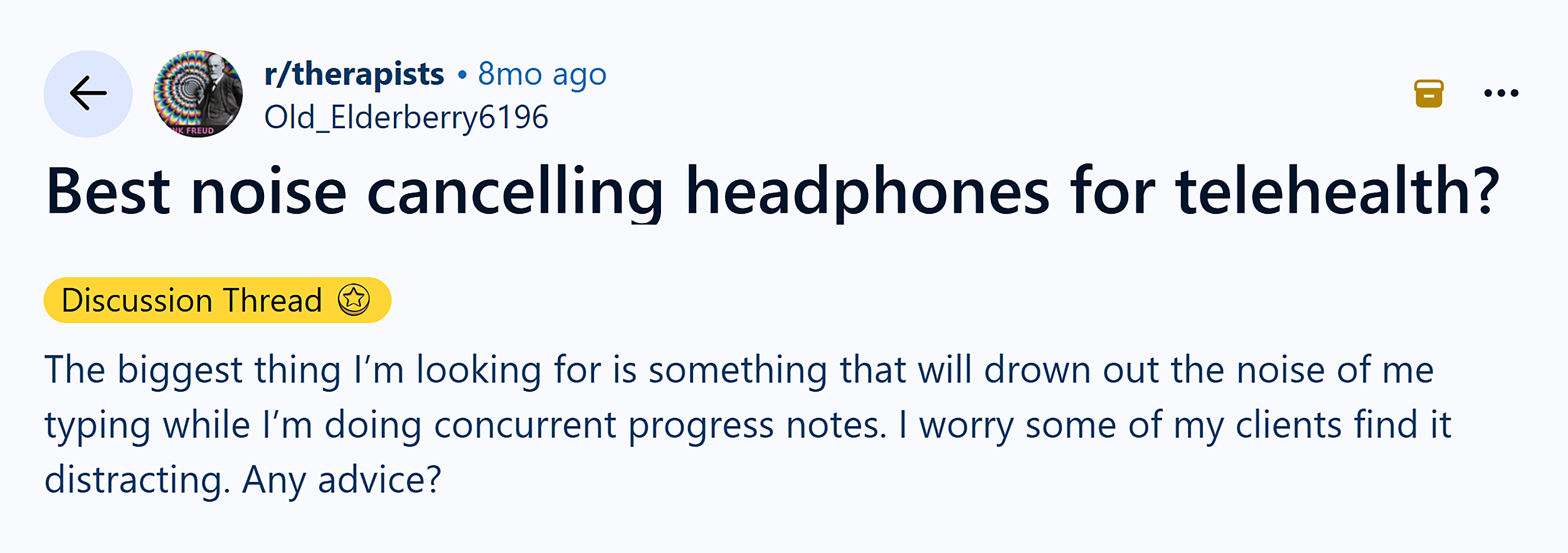
- Identification: Look for prompts where your audience is asking for recommendations, comparisons, troubleshooting advice, or value assessments. Forums like Reddit, customer service transcripts, and internal search data can reveal these.
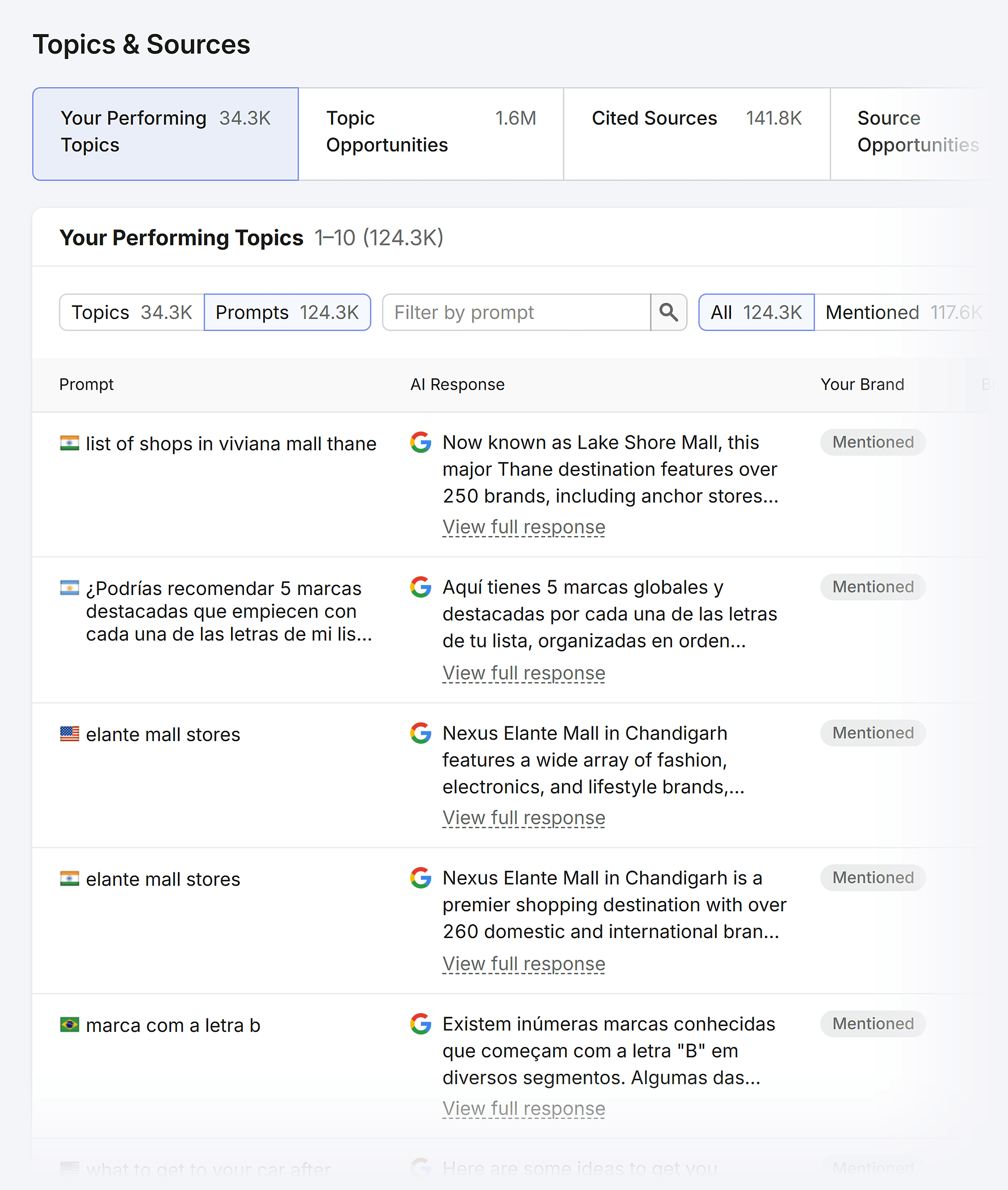
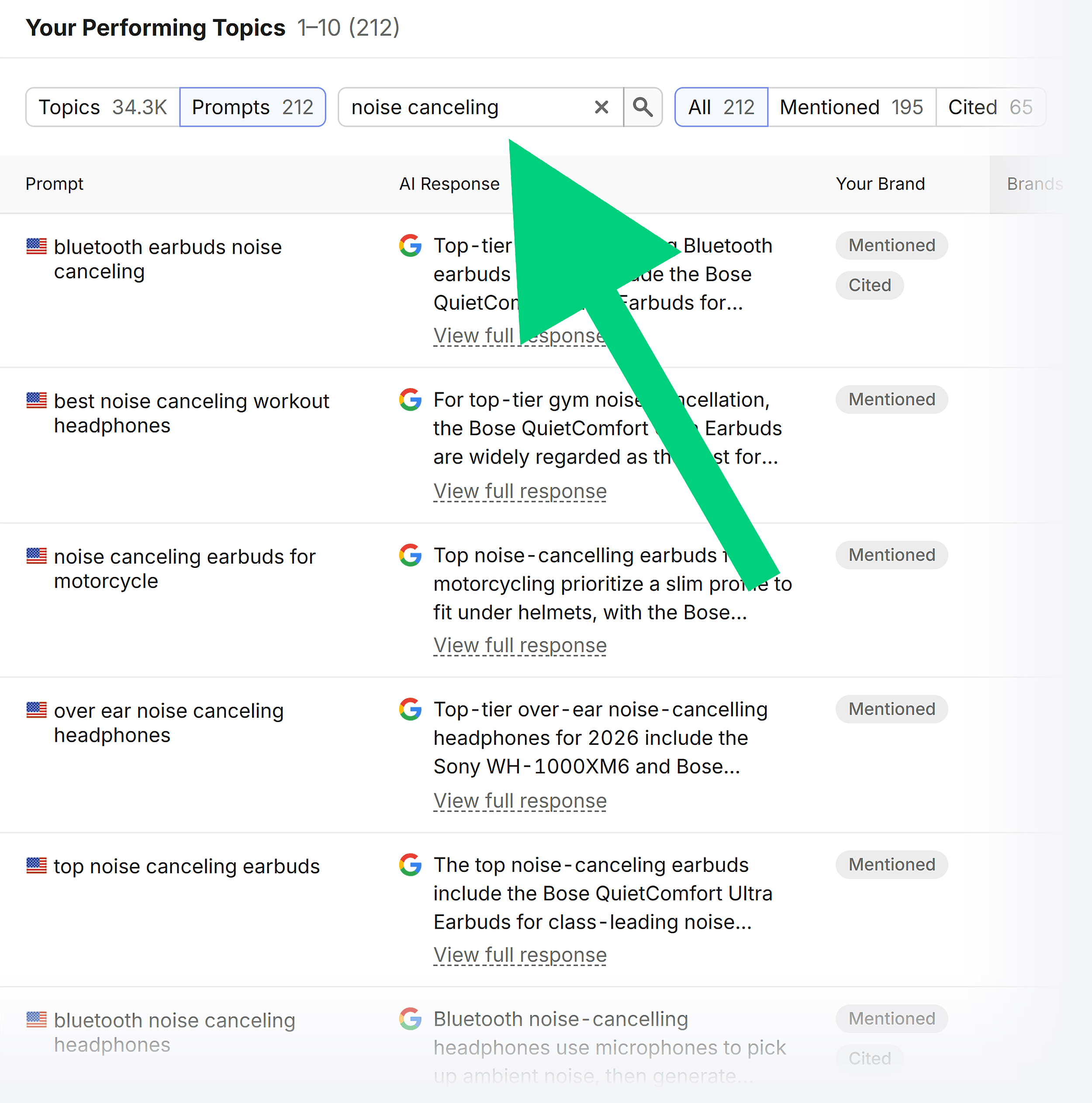
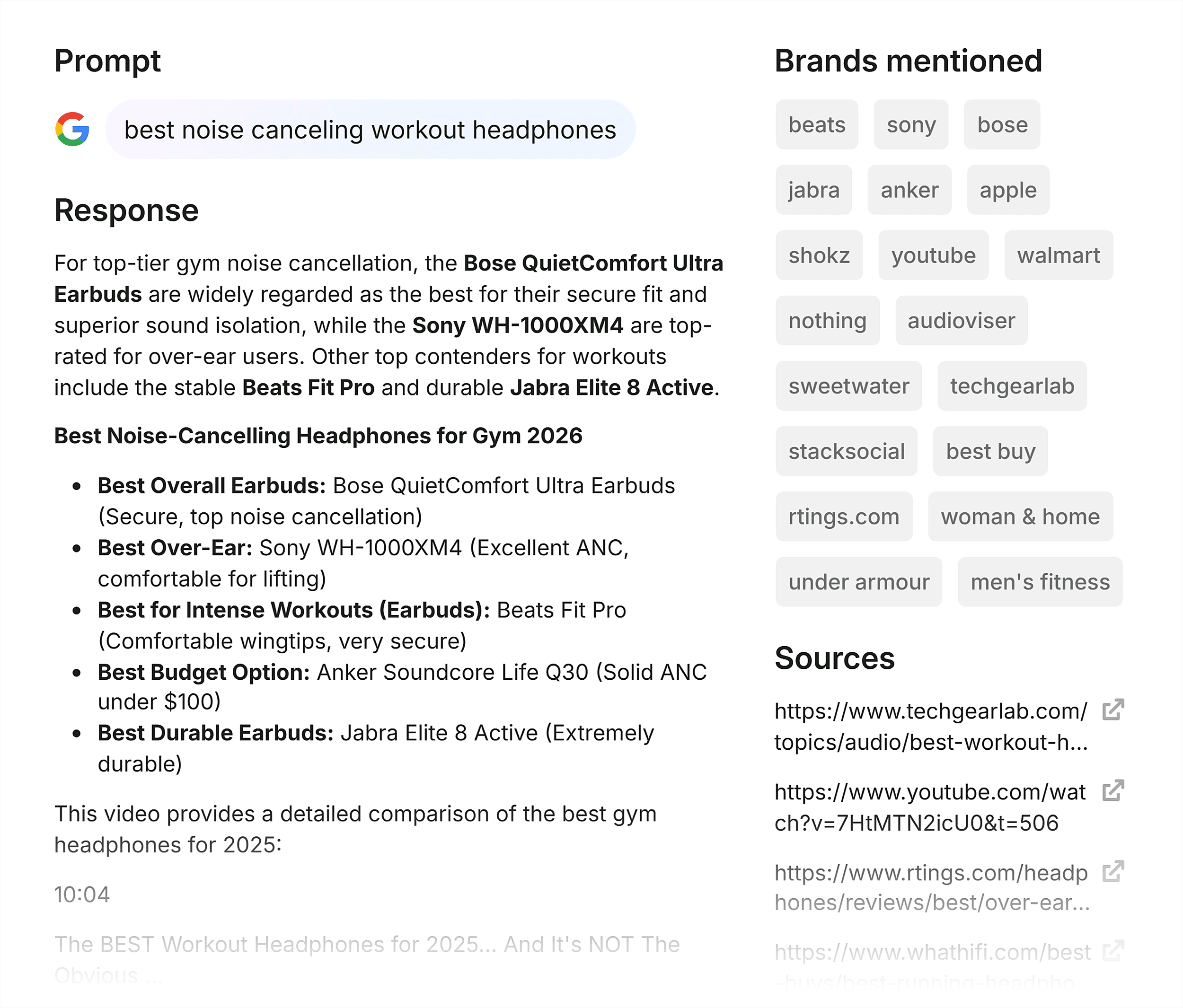
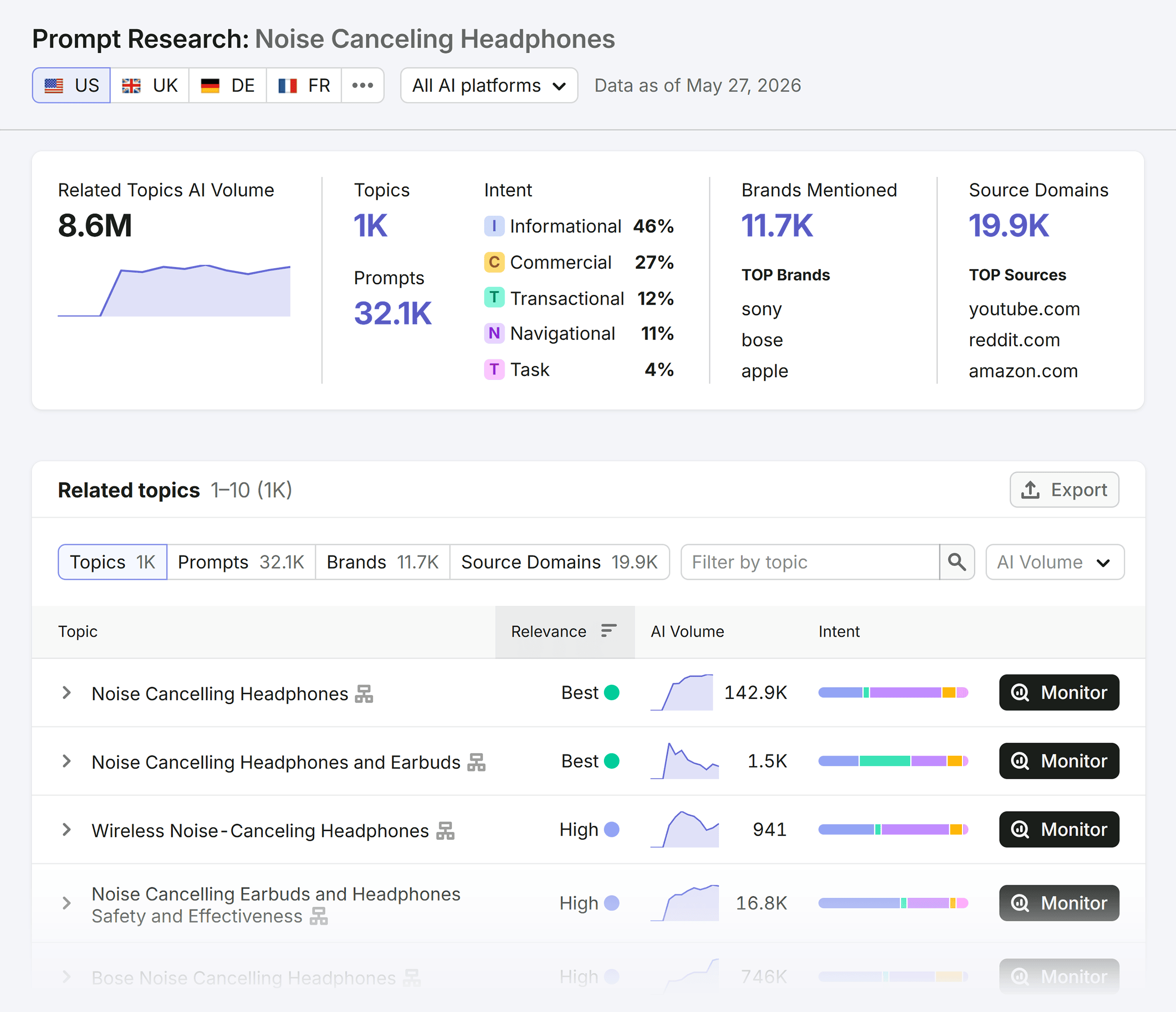
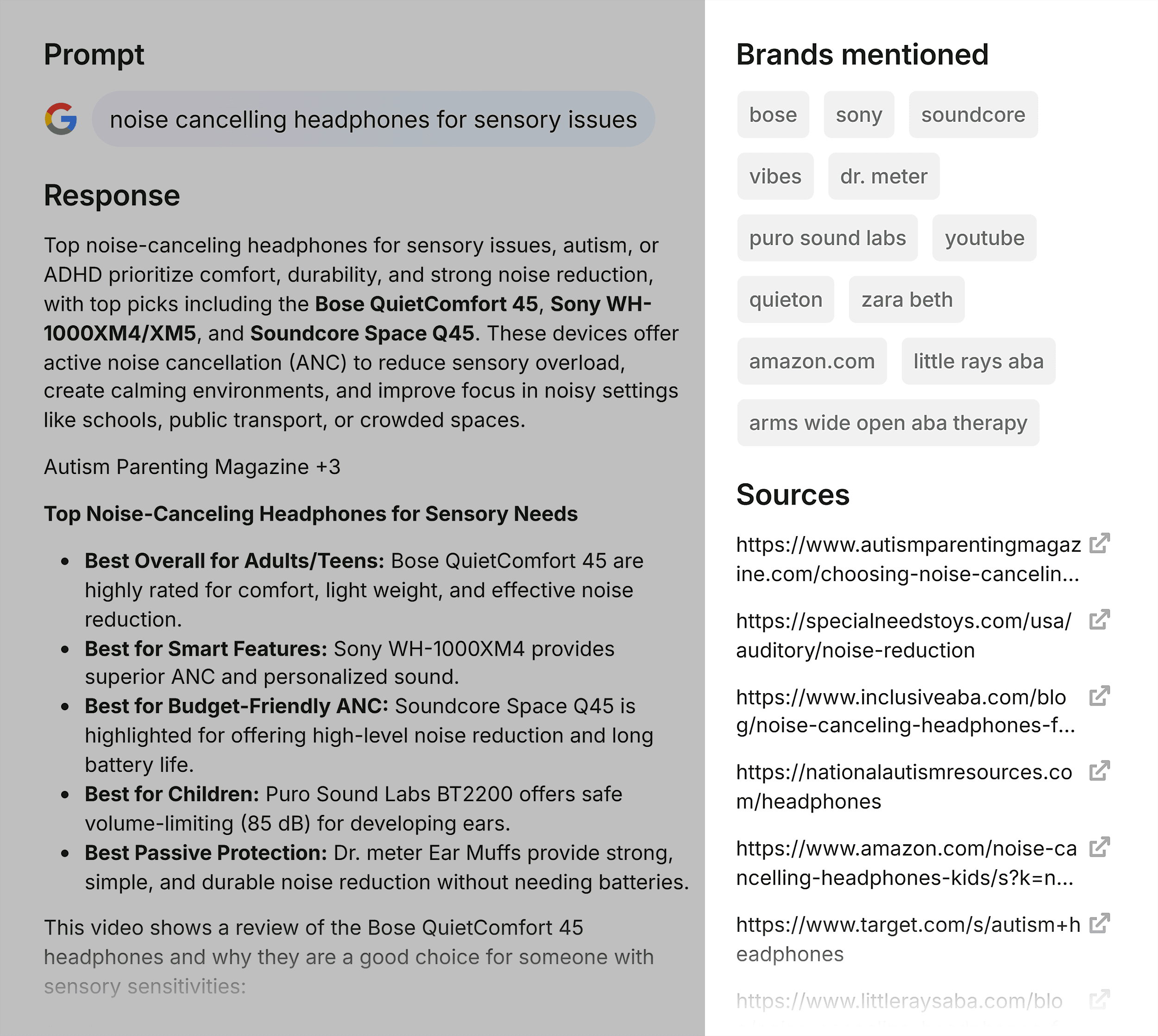
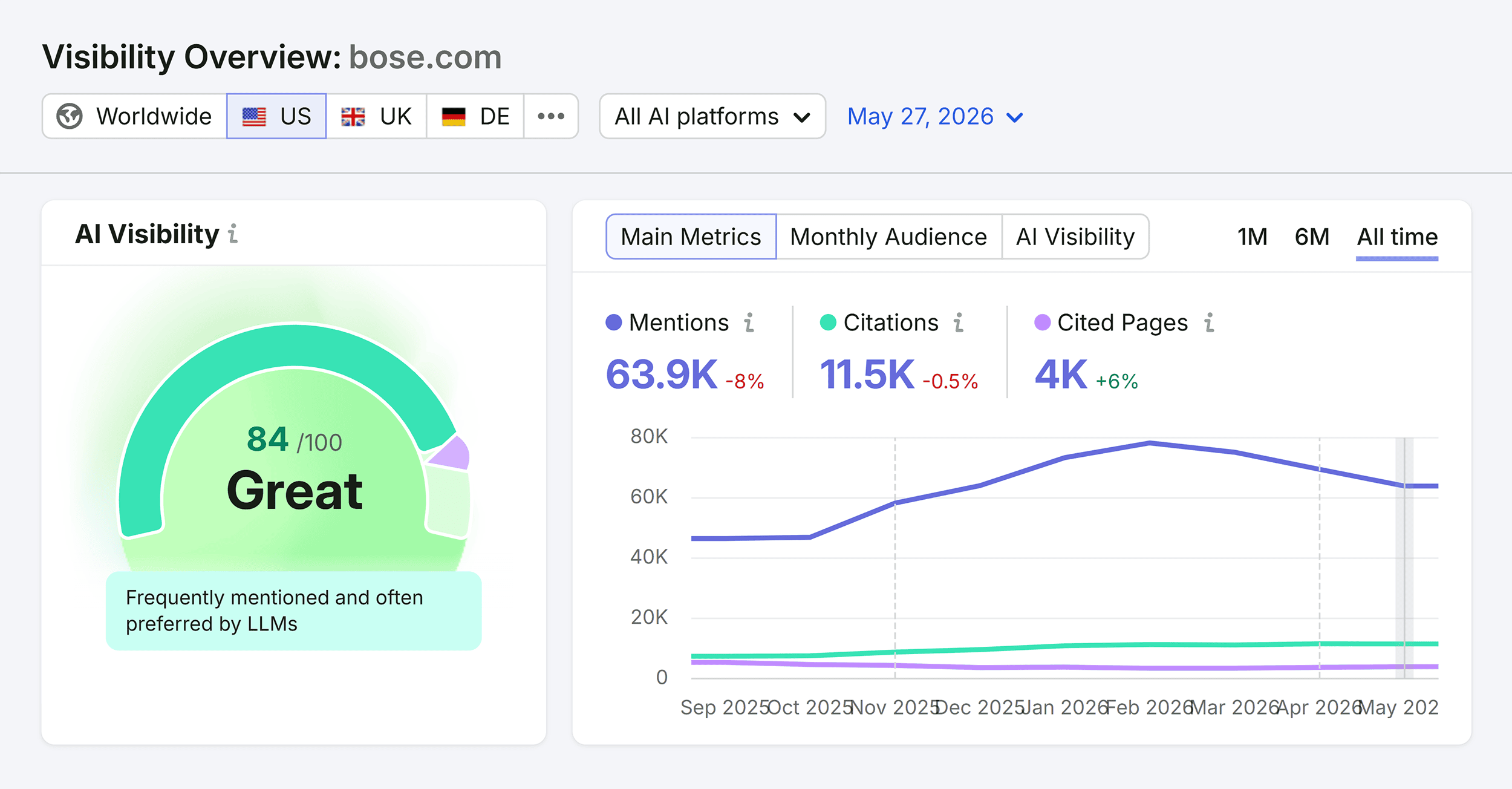
- Tools: Platforms like Semrush’s AI Visibility Toolkit are invaluable here. By searching your domain in the "Visibility Overview," you can uncover prompts where your brand already appears in AI answers. Filtering by specific topics (e.g., "noise-canceling headphones") can highlight niche money prompts (e.g., "noise-canceling headphones for sensory issues"). For brands without existing AI visibility, the "Prompt Research" tool can identify high-volume, industry-relevant prompts. Document these prompts in a spreadsheet.
Step 2: Generate Your Fan-Out Set
Once money prompts are identified, the next step is to understand the full range of sub-queries an AI might generate from them.
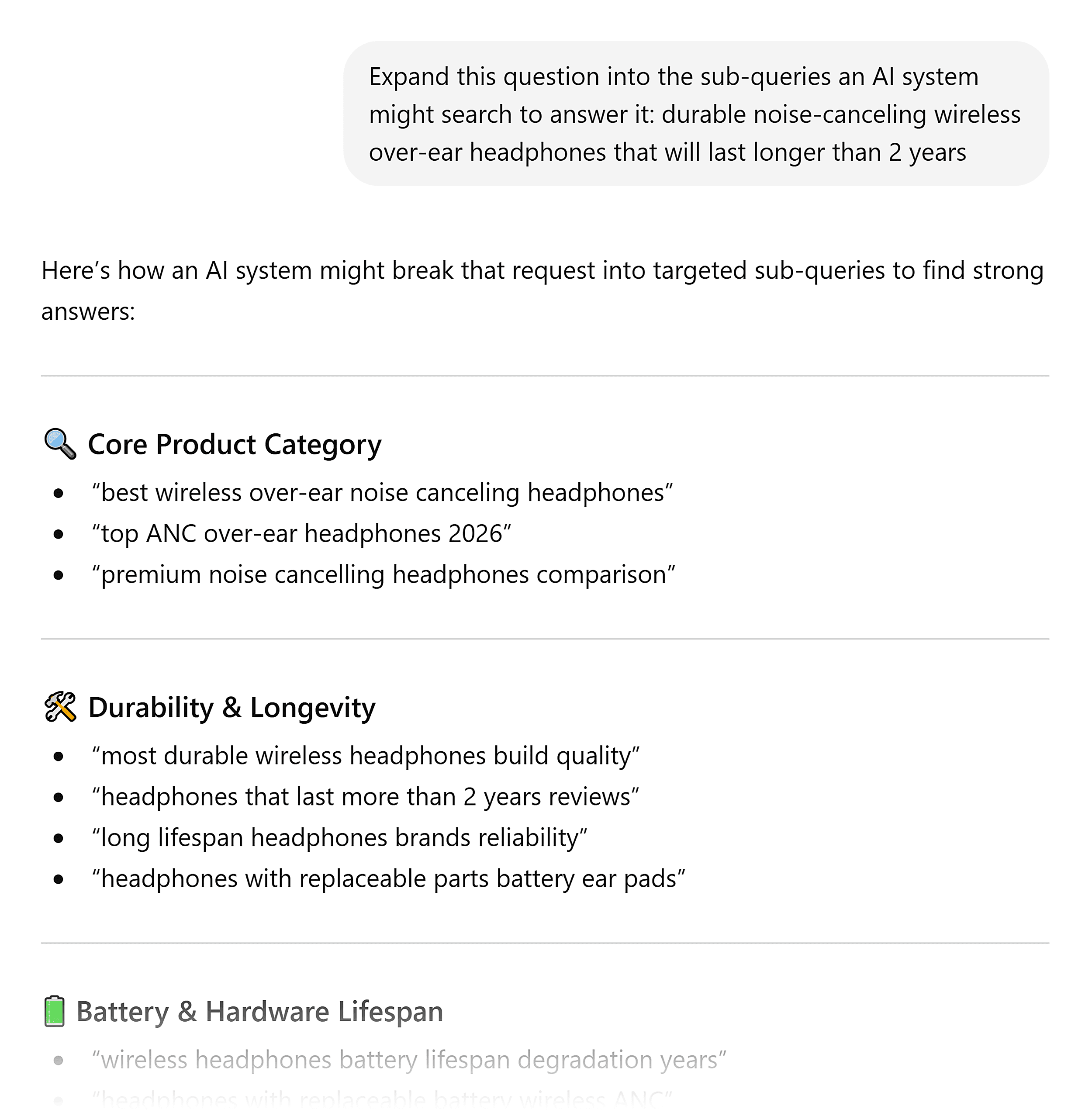
- Manual Method (AI Platforms): Use a prompt template in an AI like ChatGPT: "Act as an AI system and generate a list of all the sub-queries you would run to build an answer to this prompt: [YOUR MONEY PROMPT]." Run this across multiple LLMs, as each may expand queries differently.
- Automated Tools: Tools like Backlinko’s ChatGPT Query Fan-Out Chrome extension can capture sub-queries in real-time within ChatGPT, categorizing them by type:
- Reformulation: A rephrased version of the original query.
- Comparative: Queries weighing options against each other.
- Implicit: Addressing unstated user needs.
- Personalized: Tailored to specific situations.
- Entity Expansion: Drilling into specific brands or products.
- Related: Connected topics the AI anticipates.
Assign a query type to each sub-query in your spreadsheet to inform content format.
Step 3: Bucket Sub-Queries by Intent Type
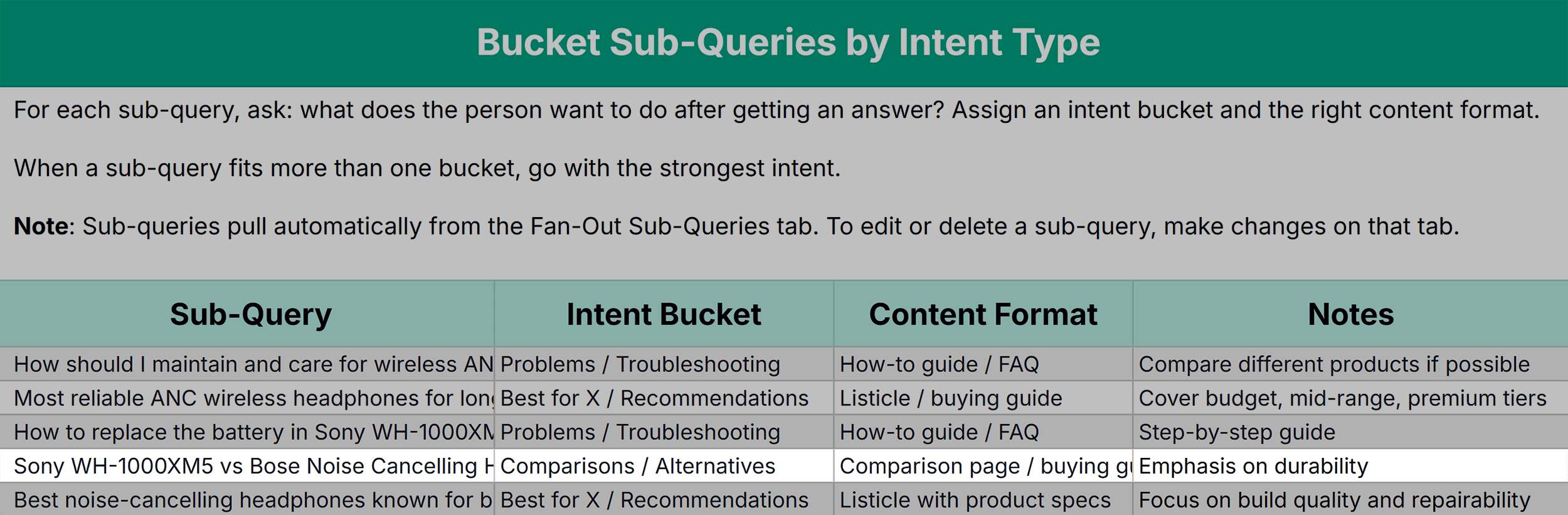
Categorizing sub-queries by intent helps determine the most appropriate content format and approach. The goal is to understand what the user wants to do after receiving an answer.
- Intent Buckets:
- Definitions/Basics: (e.g., "how do noise canceling headphones work?") – Best for explainer articles, glossary sections.
- Comparisons/Alternatives: (e.g., "apple airpods max vs sony wh 1000xm4") – Ideal for comparison pages, head-to-head sections, comparison tables.
- Best for X/Recommendations: (e.g., "best noise canceling headphones for working from home") – Suited for listicles, buying guides, curated recommendations.
- Problems/Troubleshooting: (e.g., "how to get rid of background noise in audio") – Calls for how-to guides, FAQ sections, troubleshooting tips.
- Pricing/Value: (e.g., "are there any good wireless headphones with noise cancellation under $150?") – Best for pricing pages, value comparison sections.
- Social Proof/Discussions: (e.g., "best earbuds for calls in noisy environment reddit") – Requires review roundups, user feedback summaries, case studies.
Some sub-queries may fit multiple buckets; prioritize the strongest underlying intent.
Step 4: Audit Your Existing Content for Gaps
With sub-queries and their intended formats identified, assess your current content landscape.
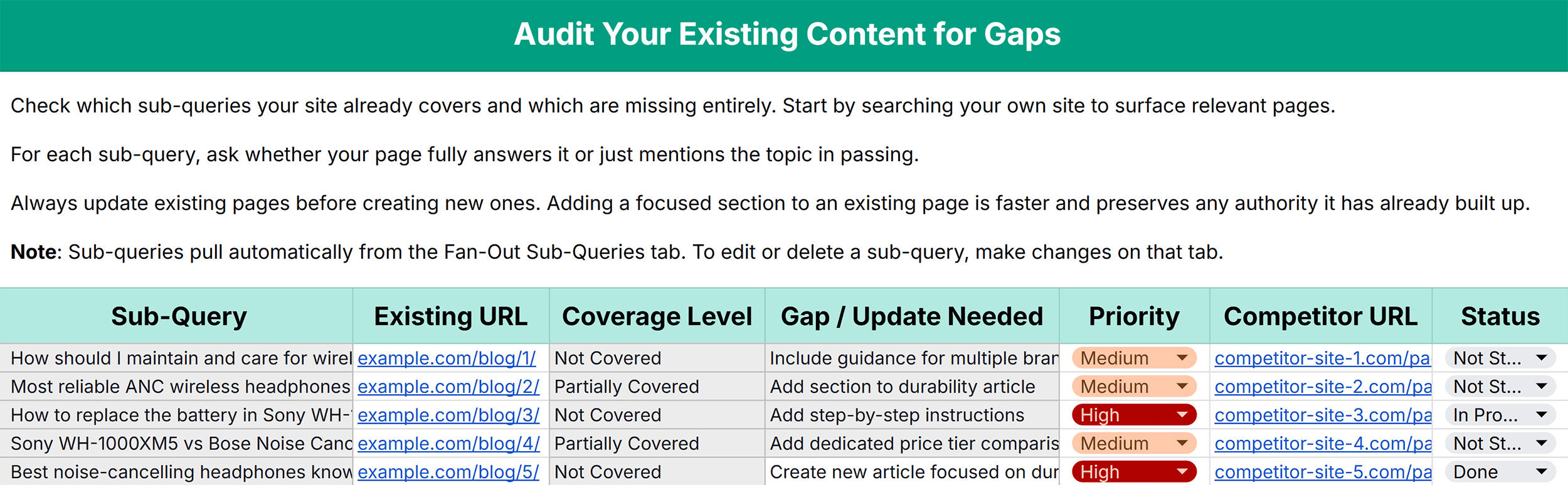
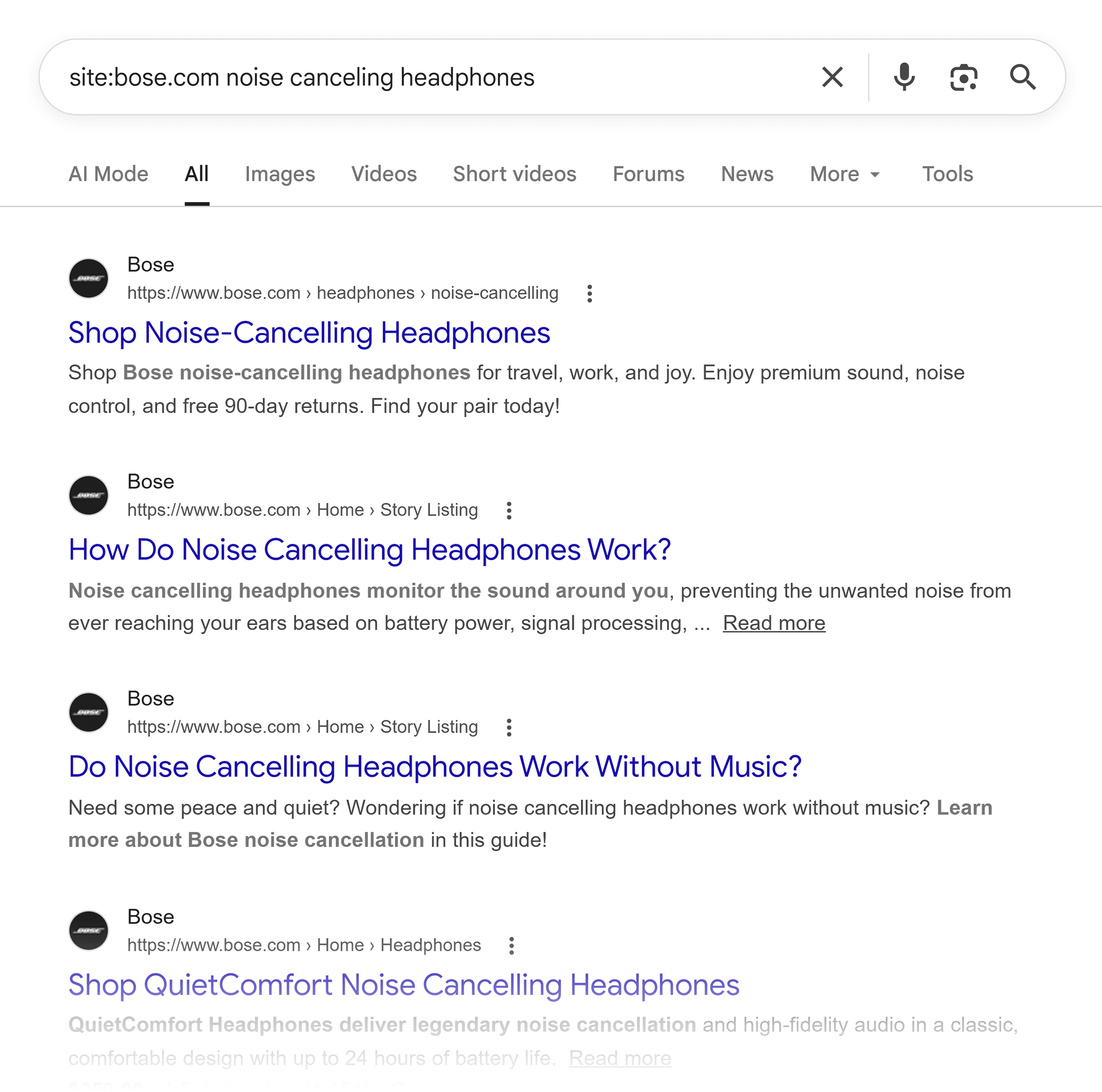
- On-Site Audit: Use Google’s "site:yourdomain.com [sub-query topic]" operator to find relevant pages. Evaluate each page for its ability to comprehensively address the sub-query.
- Coverage Levels:
- Not Covered: No existing content addresses the sub-query. Action: Create new, dedicated content.
- Partially Covered: The topic is mentioned but not fully resolved. Action: Add a dedicated, self-contained section to an existing page.
- Fully Covered: A page or section completely answers the sub-query without needing external context. Action: Monitor for AI citations and maintain currency.
- Competitive Analysis: Use AI tools (or the AI Visibility Toolkit) to see which competitors are cited for your money prompts. This highlights opportunities to gain ground or protect existing visibility. If competitors are mentioned and you’re not, that’s a critical gap to close.
Step 5: Structure Your Content So AI Can Extract It
Effective content for AI visibility goes beyond mere existence; it requires specific structural elements.
- Direct Answers: Answer questions concisely and directly at the beginning of relevant sections.
- Descriptive Subheadings: Use clear, specific H2, H3, and H4 tags that mirror potential sub-queries. This acts as internal signposting for AI.
- Structured Data: Leverage tables, lists, and schema markup (where appropriate) to present information in an organized, machine-readable format.
- Front-Loading: Place crucial information and key takeaways early in passages.
- Self-Contained Passages: Ensure that individual paragraphs or sections can be understood independently, without relying heavily on surrounding text.
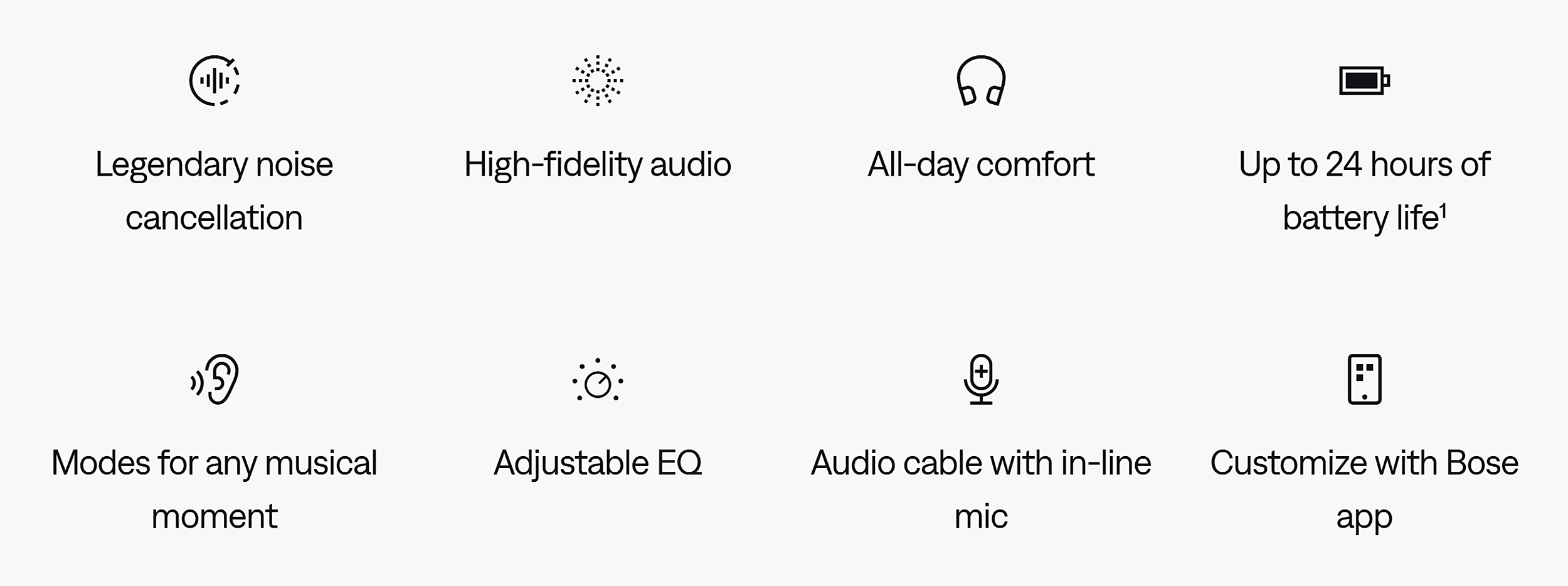
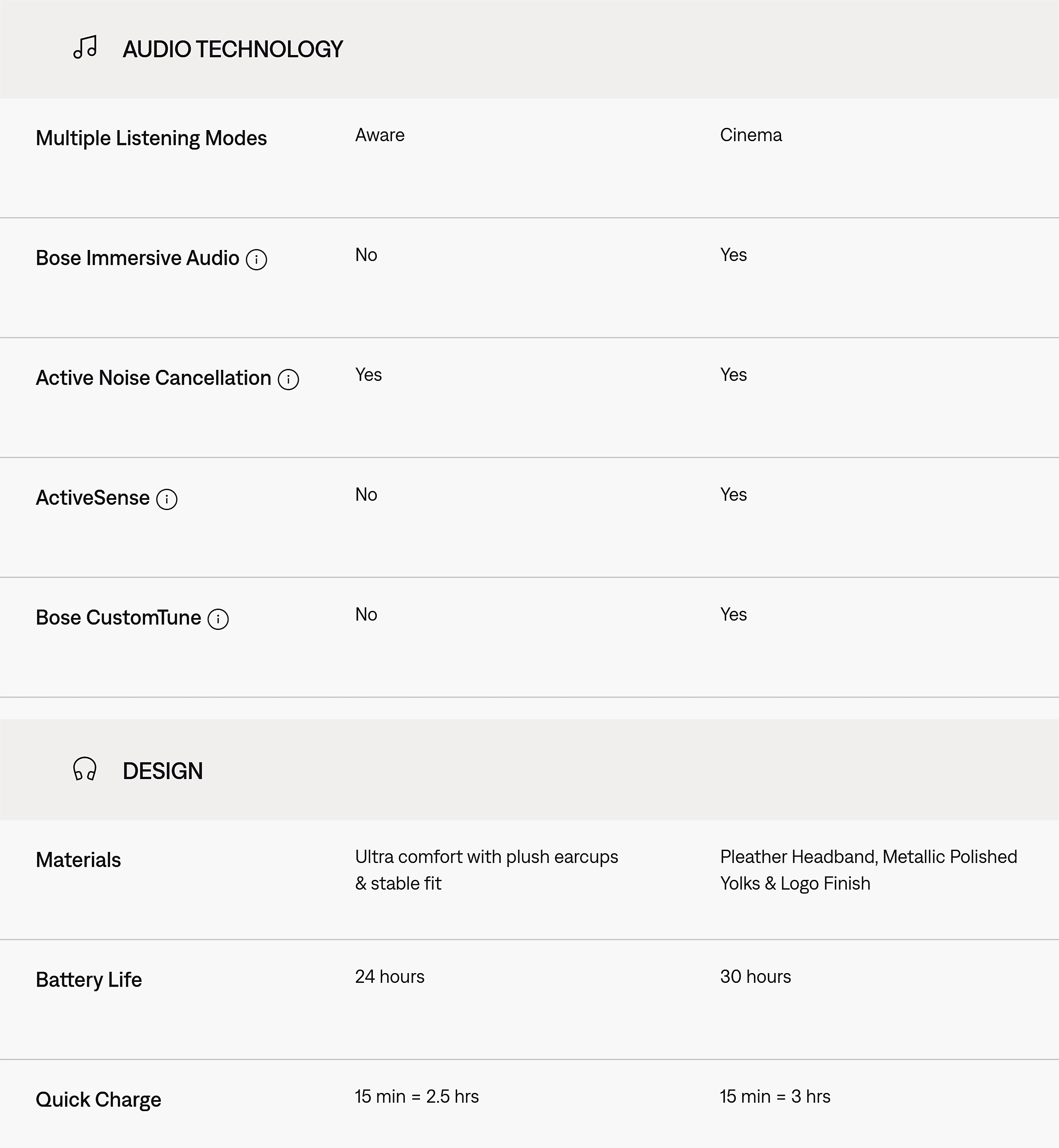
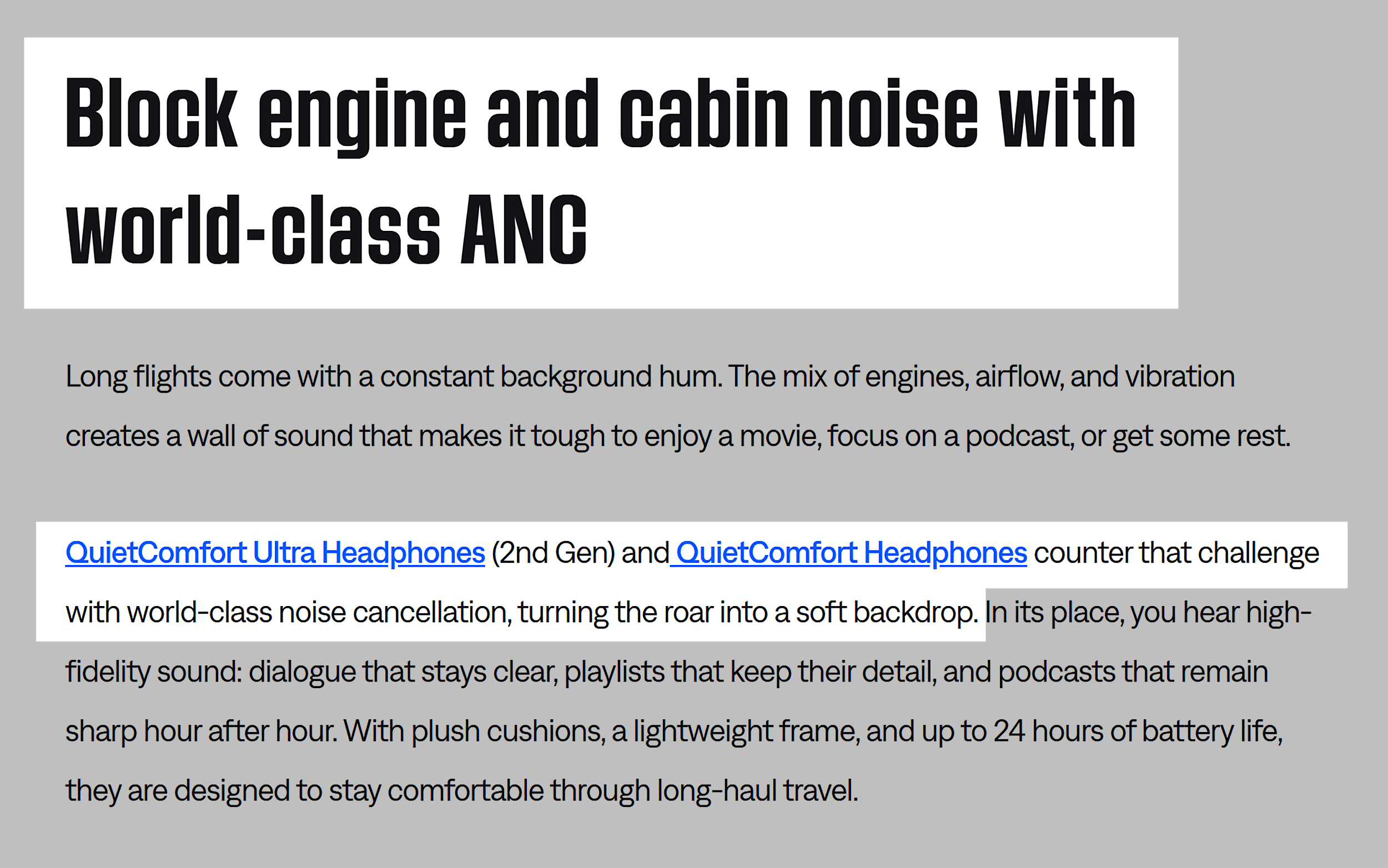
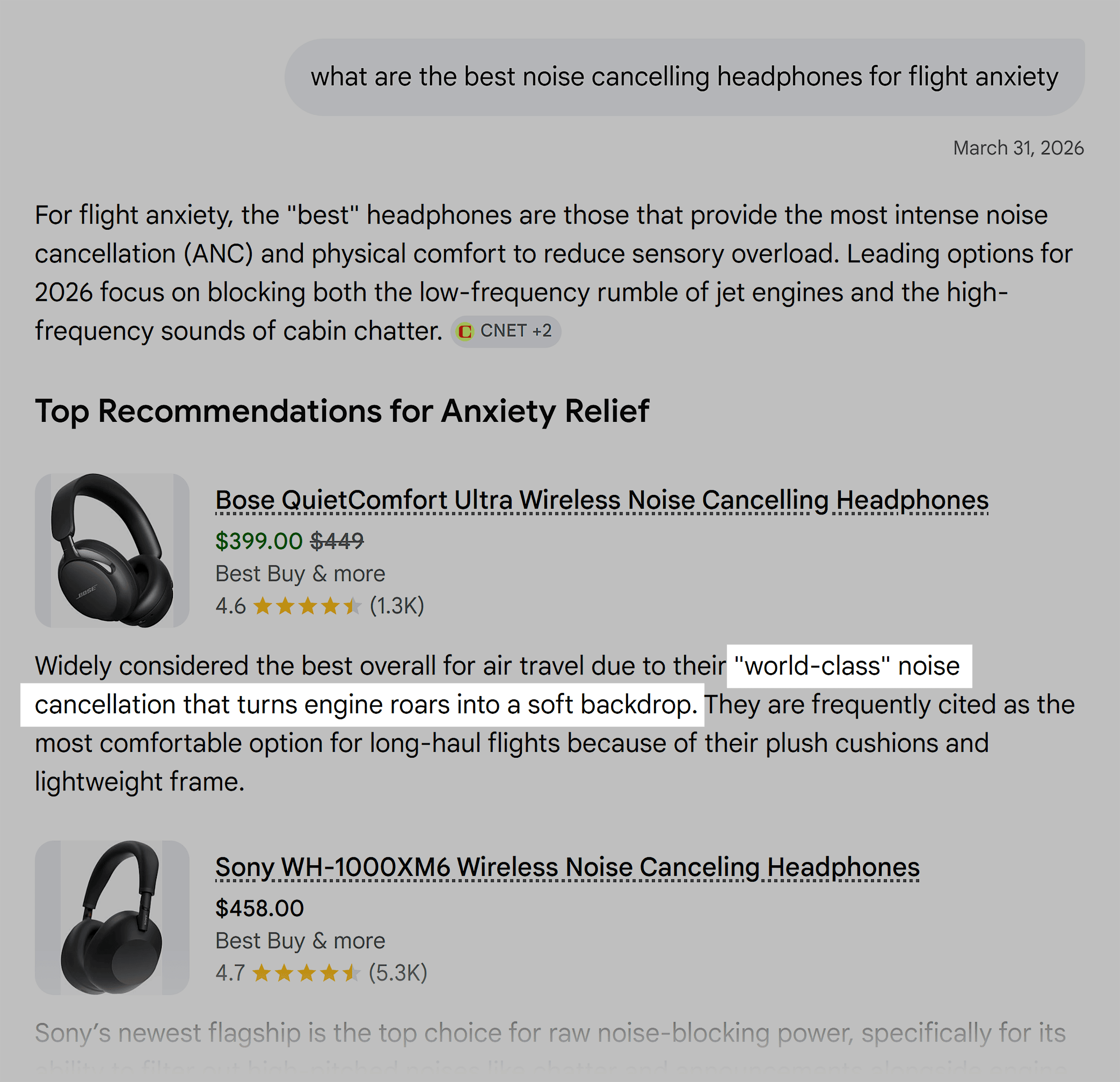
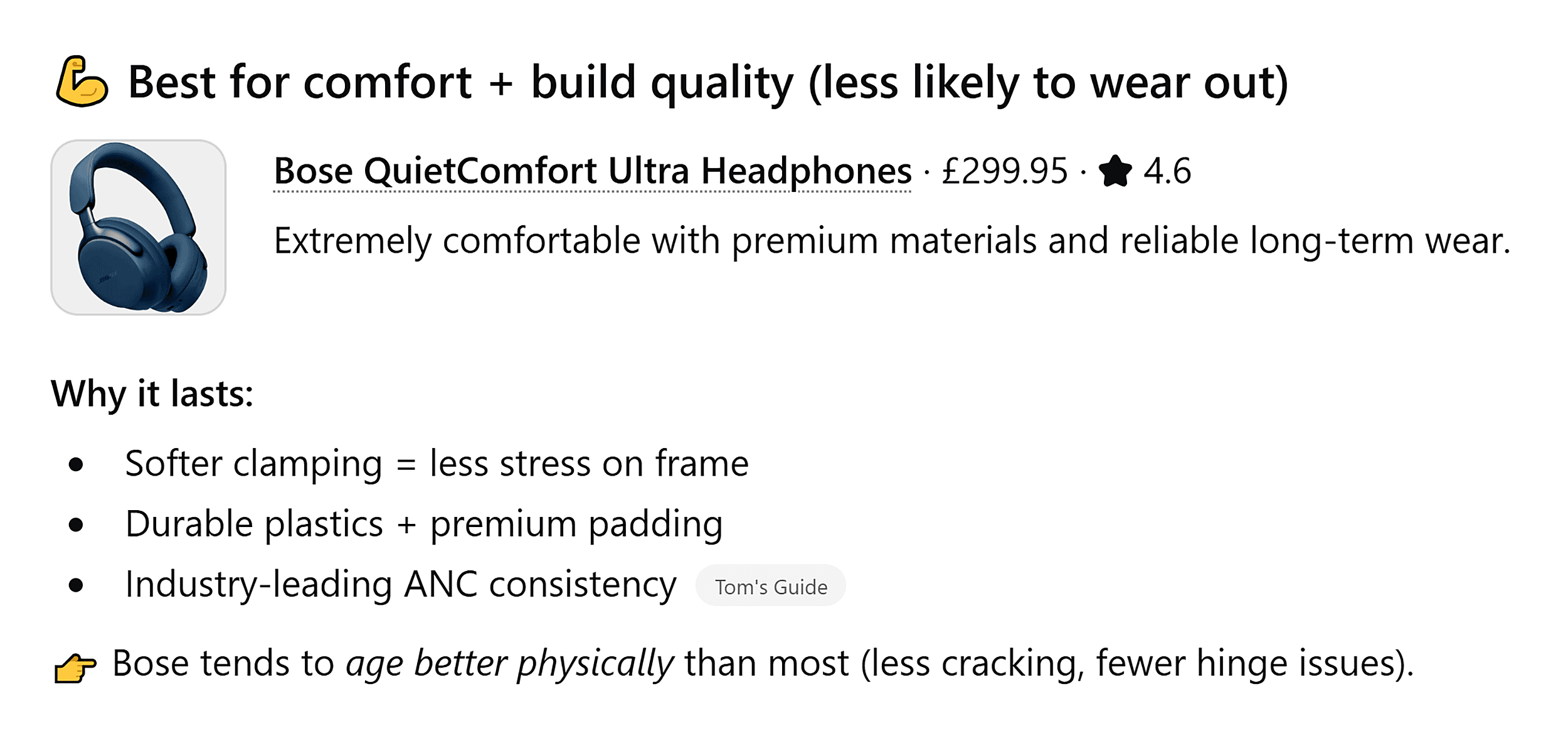
- Use-Case Specificity: Create content that directly addresses specific scenarios or user needs, as AI frequently fans out into these detailed contexts. For example, Bose effectively creates dedicated landing pages for "noise-canceling headphones for flights," using scenario-specific language that AI can easily match to user prompts like "best noise-canceling headphones for flight anxiety." This proactive content creation directly caters to fan-out behavior.
Step 6: Measure Your Performance in AI Search
Continuous monitoring is vital to refine your strategy.
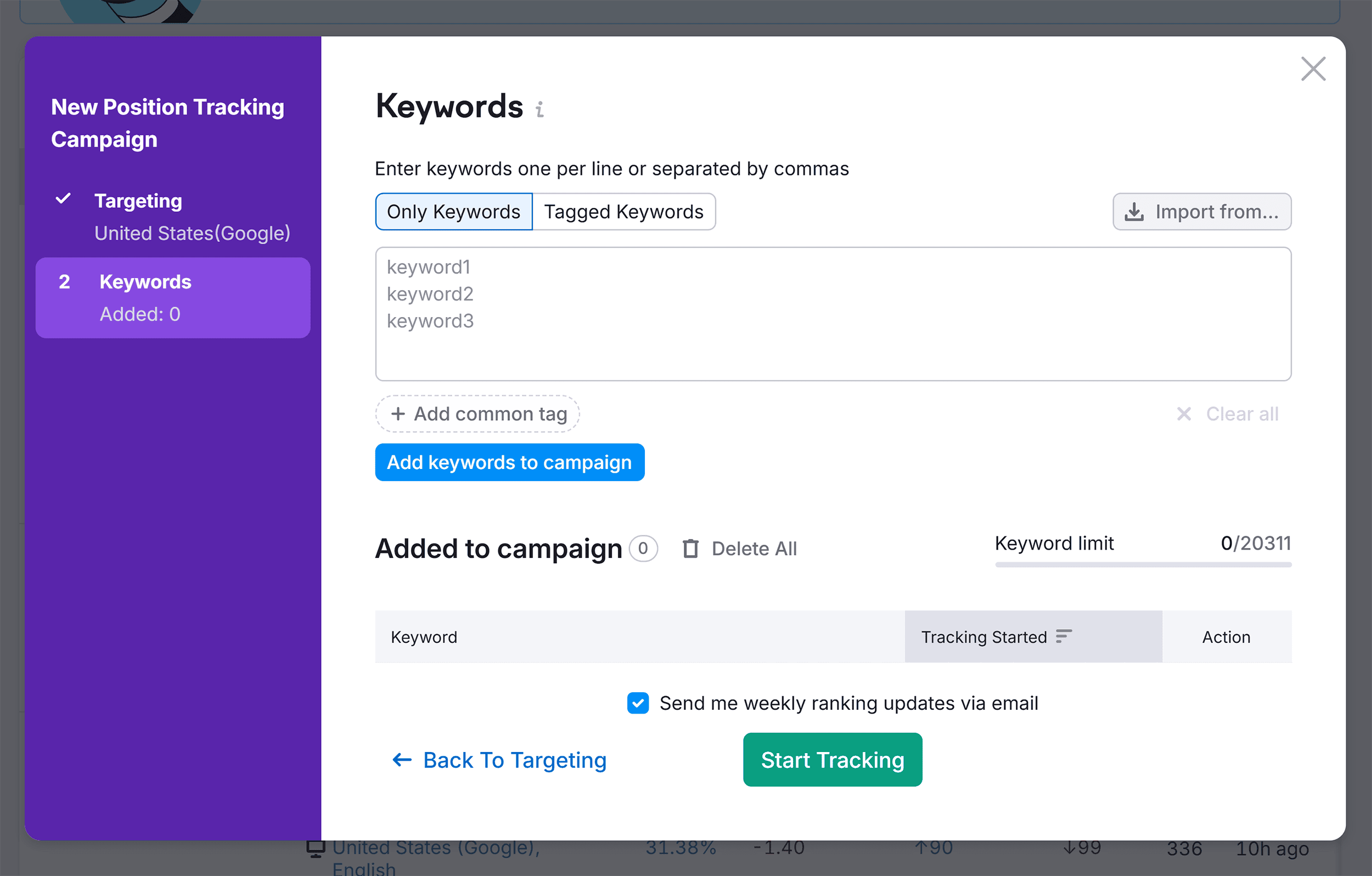
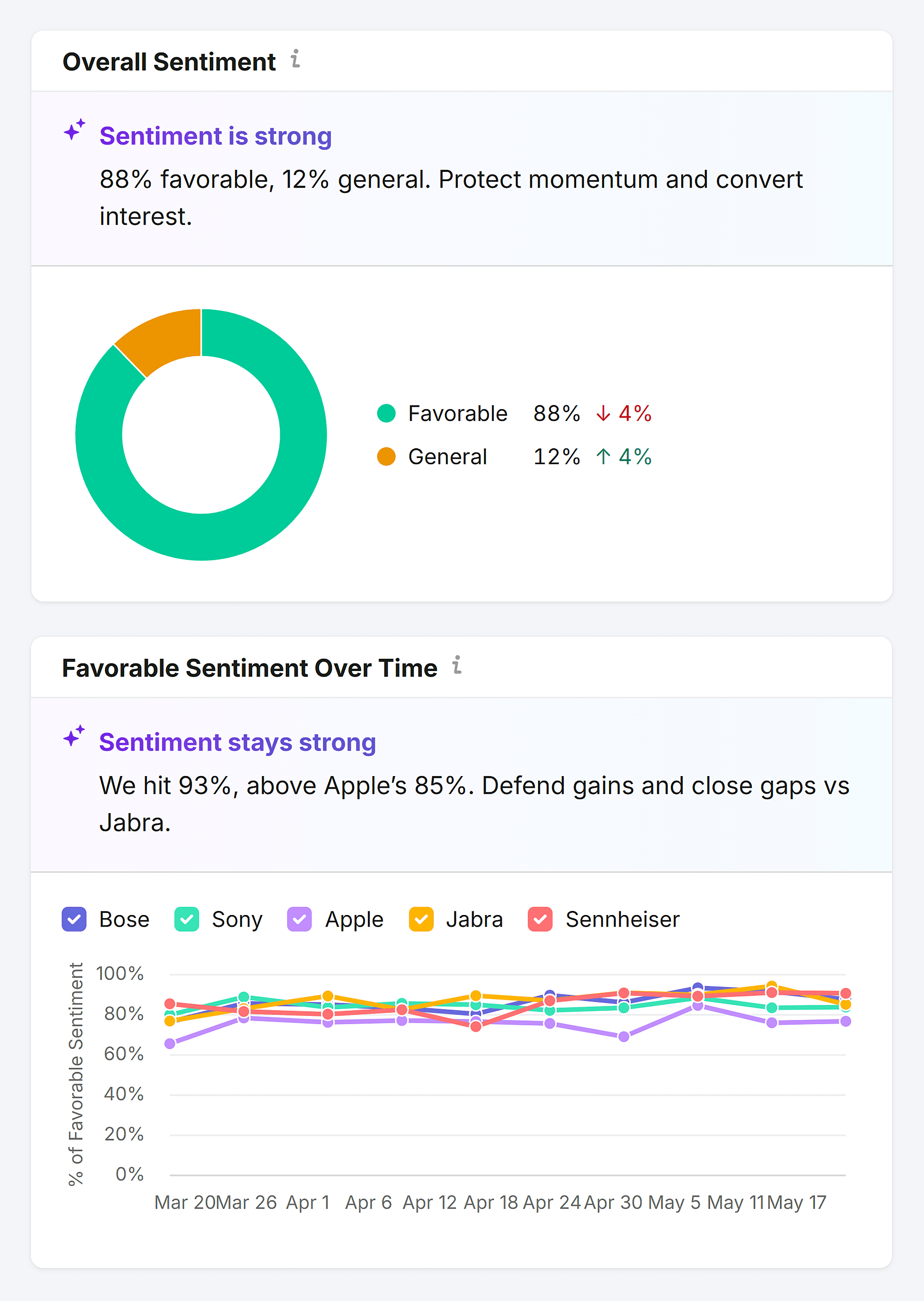
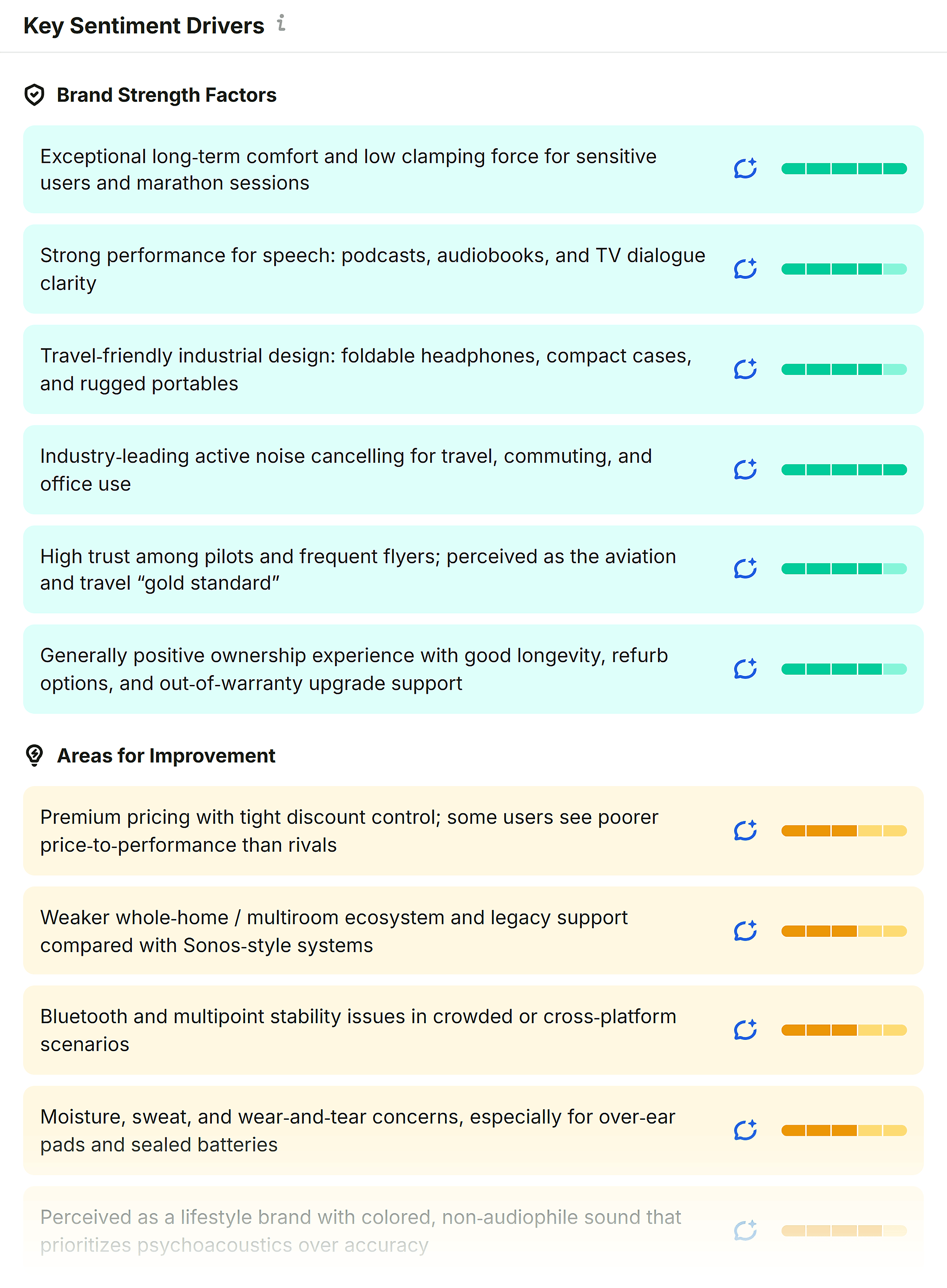
- Key Metrics: Track how often your brand is cited, the sentiment of mentions, and the specific passages being extracted.
- Manual Tracking: Regularly run your money prompts through various LLMs in incognito mode and record the results.
- Automated Tools: Semrush’s Prompt Tracker can automate this, alerting you to changes in mentions for your money prompts. The "Visibility Overview" provides an AI visibility score against competitors, while the "Perception" tool tracks sentiment and identifies key drivers (e.g., "industry-leading noise cancellation" as a strength, "over-the-ear models not sweatproof" as an area for improvement).
Tracking should be an ongoing process, allowing for agile adjustments as AI models evolve and user behaviors shift.
How Query Fan-Out Manifests Across AI Platforms
While the core concept of query fan-out remains consistent, its execution and visible impact vary across different AI platforms:
-
ChatGPT: For straightforward informational queries, ChatGPT often relies on its extensive training data. However, for questions requiring up-to-date data, comparisons, or real-world insights, it initiates live web searches. This internal "reasoning" process generates numerous sub-queries that are typically hidden from the user. (Advanced users can sometimes uncover these by inspecting browser developer tools, looking for "queries" within the network response of a ChatGPT conversation’s unique ID). This implies that for ChatGPT, topical authority and presence across diverse, reputable third-party sources (like Reddit threads and review sites) are critical.
-
Perplexity: This AI platform distinguishes itself by openly displaying the sub-queries it runs. Perplexity operates with two layers of fan-out: a "conversational context" layer that analyzes past user interactions, and a "real-time web search" layer. This means Perplexity might first check if your previous questions indicate a budget constraint or specific brand preference before launching external searches on reliability or ownership costs. Content for Perplexity needs to be both specific enough to answer direct questions and robust enough to hold up when paired with unpredictable conversational context.
-
Claude: Claude prioritizes clarifying user intent before executing extensive searches. When presented with a broad query, it often prompts the user with preference widgets or follow-up questions to narrow down the scope. This results in fewer, but highly targeted, fan-out sub-queries. For content optimization with Claude, focusing on providing direct, well-defined answers to specific use cases, rather than attempting to cover every possible angle on a single page, is more effective.
-
Google AI Overviews and AI Mode: Google’s AI Overviews provide condensed, featured-snippet-style summaries directly within the SERP, with sources cited. AI Mode, a dedicated conversational search tab, offers more interactive depth for complex questions. Both draw from Google’s vast web index. While Google doesn’t explicitly expose the sub-queries, SEOs have developed methods (e.g., using Screaming Frog with a Gemini API) to infer them. For Google’s AI features, the emphasis is on structuring content with clear, descriptive subheadings and ensuring individual passages are self-contained and authoritative, making them ideal candidates for extraction into summaries or conversational responses.
Conclusion: Adapting to the AI-Powered Information Landscape
The rise of query fan-out unequivocally signals a profound shift in digital content strategy. High Google rankings, while still beneficial, no longer guarantee visibility in the burgeoning AI search ecosystem. The new battleground for brand mentions and citations is defined by coverage and retrievability. Brands that succeed will be those that deeply understand their audience’s "money prompts," proactively anticipate the array of sub-queries AI systems generate, and craft content that provides direct, comprehensive, and easily extractable answers across a broad topical landscape.
This isn’t about abandoning traditional SEO, but rather evolving it. It requires a more strategic, user-centric approach to content creation, focusing on the quality, structure, and depth of information that truly serves a user’s multifaceted needs. By embracing the query fan-out framework, businesses can strategically position their content to be seen, trusted, and cited by the AI systems that are increasingly shaping how users discover and interact with information online. The future of digital visibility hinges on understanding and optimizing for the AI’s inquisitive nature.