Mastering Social Media Management for Startups: A Strategic Imperative for Growth


Managing a nascent startup business is an all-consuming endeavor, demanding the lion’s share of founders’ time and resources to meticulously refine strategy and execute day-to-day operations. Consequently, the crucial task of content creation and the maintenance of a robust social media presence often fall by the wayside, perceived as secondary to the immediate pressures of survival and expansion. However, in today’s hyper-connected marketplace, social media has transcended its role as a mere marketing channel, evolving into an indispensable tool for startups seeking to gain traction, engage target audiences, and cultivate brand loyalty, all without the prohibitive costs associated with traditional advertising. The advent of sophisticated automation tools has significantly democratized social media management, rendering it a more achievable objective for even the most time-strapped entrepreneurs. When integrated with a discerning platform selection strategy and a well-defined content production framework, social media emerges as the preeminent channel for forging a potent brand identity and attracting a consistent stream of customers. This comprehensive guide offers a practical roadmap for startups navigating the complexities of social media management.
Defining Social Media Management for Early-Stage Ventures
At its core, social media management for startups is the strategic and systematic process of conceptualizing, creating, and disseminating content across social media platforms with the express purpose of promoting and growing a new business. Beyond the immediate tasks of content generation and publication, this discipline encompasses a spectrum of activities crucial to the success of a broader social media marketing strategy, including rigorous performance analytics and proactive community engagement.
For emerging businesses, the challenge of social media management lies in the imperative to build brand awareness from the ground up. The objective is to establish a foundation of trust with an audience entirely unfamiliar with the brand’s existence, and subsequently, to convert this nascent interest into tangible customer acquisition, all while operating under stringent budgetary constraints. Unlike established corporations that possess the financial latitude to engage in sporadic posting or defer responses to customer inquiries, startups must exhibit a heightened degree of consistency and responsiveness to build credibility and foster meaningful connections.
The Undeniable Significance of Social Media for Early-Stage Businesses
In the initial phases of a startup’s lifecycle, brand recognition is virtually non-existent. The primary hurdle to customer acquisition is effectively introducing the business to a wider audience and assiduously earning their trust. Social media platforms provide an accessible and cost-effective gateway to achieve precisely this, offering a low-barrier entry point for building both awareness and credibility.
Building Credibility and Trust Without Pre-Existing Brand Recognition
An active and engaging social media presence serves as a powerful signal to potential customers, indicating that a brand is legitimate, responsive, and invested in its audience. This consistent engagement cultivates trust over the long term. Data from Sprout Social’s #BrandsGetReal survey corroborates this notion, revealing that a significant 65% of consumers report feeling a stronger connection with brands that maintain a robust presence on social media. This correlation is intuitive; social media platforms offer an unparalleled conduit for sharing authentic narratives and intimate details about a business, thereby humanizing the brand and fostering relatability.

Social media empowers startups to build trust through several key mechanisms:
- Authentic Storytelling: Sharing behind-the-scenes glimpses, founder stories, and the journey of product development allows potential customers to connect with the human element of the brand. For instance, the founder of Every Voice Co. effectively leveraged this by sharing unedited footage and personal anecdotes of her interactions with her son, who previously had communication challenges. This transparency served to establish profound trust in the brand’s innovative inclusive communication tools.
- Showcasing Product Value: Demonstrating the tangible benefits and real-world applications of a product or service through testimonials, case studies, and user-generated content builds confidence in its efficacy.
- Transparency and Openness: Addressing customer concerns, admitting mistakes, and openly discussing business practices can paradoxically enhance credibility.
Establishing a Direct Customer Feedback Loop for Product and Positioning Refinement
The interactive nature of social media, particularly through comments and direct messages, establishes a direct and invaluable communication channel between startups and their customer base. This direct line of communication provides an unparalleled opportunity to glean audience insights, which are critical for refining product positioning and development strategies.
Customer feedback, whether in the form of complaints, inquiries, or feature requests, offers crucial data points that can inform product evolution and strategic pivots. Brands like Oak & Willow exemplify this by proactively soliciting customer input. They often create dedicated posts specifically requesting feedback, such as one instance where they showcased a stack of purple shampoo bars and invited customers to share their honest experiences in the comments. This not only gathers valuable data but also demonstrates to customers that their opinions are valued, fostering a sense of co-creation and loyalty.
Common Social Media Pitfalls for Startups
The overwhelming nature of social media management often leads new businesses to inadvertently fall into common traps. Many attempt to execute a broad social media presence without a foundational strategy, leading to burnout and diminished returns. Identifying and actively avoiding these prevalent mistakes is paramount for startup success:
The Illusion of Omnipresence: Trying to Be Everywhere
Establishing a presence on every conceivable social media platform might seem like a logical strategy to maximize reach. However, this approach is a swift route to overwhelm. Founders often find themselves struggling to publish even infrequent content while simultaneously attempting to monitor and respond to messages across a multitude of channels. While cross-posting tools can offer some efficiency, they cannot compensate for the inevitable delays in responses and missed messages that arise from attempting to juggle too many platforms effectively. The dilution of effort across too many fronts ultimately hinders deep engagement and timely communication.
The Peril of Unstructured Posting: Lacking Strategy and a Content Calendar
While established brands with significant brand equity might tolerate an erratic posting schedule, emerging businesses cannot afford to neglect this fundamental social media best practice. Consistency is the bedrock of maintaining visibility and staying top-of-mind in the crowded digital landscape. The absence of a coherent content strategy often prevents startups from adhering to a regular publishing cadence. Sporadic posting, driven by the intermittent emergence of content ideas, renders it nearly impossible to satisfy algorithmic demands or genuinely engage an audience.

The Blind Spot of Performance Measurement: Not Tracking Results
A significant number of startups engage in content creation with a hope-for-the-best mentality, neglecting to track content performance or measure key metrics. This oversight often stems from time constraints or a lack of understanding regarding analytics. Without this crucial data, it becomes impossible to discern which content resonates most effectively with the target audience, which formats garner the highest visibility, or which platforms yield the best results. This reactive approach stifles strategic optimization and hinders growth.
The Costly Oversight: Forgoing Social Media Management Tools
In their nascent stages and with limited budgets, startups frequently default to manual social media management, eschewing investment in dedicated tools. This often involves relying solely on native platform publishing features and scheduling each post individually. The primary drawback of this manual approach is the significant time expenditure it demands, detracting from other critical business functions. Furthermore, the lack of a centralized, visual overview of the content schedule makes it difficult to assess posting frequency and ensure a balanced content mix.
Social media management tools are specifically designed to address these challenges. They provide visual content calendars that facilitate strategic planning and allow for easy adjustment of posting frequency. Crucially, they automate the publishing process, enabling consistent content delivery. Platforms like Sprout Social offer tiered pricing structures tailored to the needs and budgets of startups, with plans like Essentials providing essential publishing tools at an accessible price point, starting around $75 per month. These tools are not merely about efficiency; they offer a strategic advantage by enabling a more organized, data-driven, and consistent social media presence.
Architecting a Strategic Social Media Blueprint for Your Startup
Startups, by their very nature, must be judicious in their allocation of time and resources. A well-defined social media strategy is not a luxury but a necessity for optimizing the management workflow and maximizing return on investment. The following steps provide a foundational framework for building an effective social media strategy:
Establishing Goals Aligned with Tangible Business Outcomes
Every investment in social media marketing for startups must be tethered to measurable business objectives. Whether the aim is to generate qualified leads, enhance brand awareness, or drive website traffic, social media goals should directly contribute to overarching business growth. These clearly defined objectives will serve as the compass for all subsequent social media management efforts.
Exemplary goals for startups include:

- Increasing Website Traffic: Driving a targeted percentage increase in referral traffic from social media platforms to the company website within a specified timeframe.
- Lead Generation: Capturing a defined number of qualified leads through social media campaigns or gated content.
- Brand Awareness: Achieving a specific growth in brand mentions, follower count, or reach across key social platforms.
- Customer Engagement: Improving the rate of interactions (likes, comments, shares) on social media posts.
- Customer Support: Reducing response times to customer inquiries received via social media.
Strategic Platform Selection: Where Your Audience Resides
Effective social media management for startups hinges on a strategic focus on platforms where the target audience is most active and engaged. Rather than attempting to be present everywhere, it is more effective to identify a select few platforms that align with the business’s niche and customer demographics.
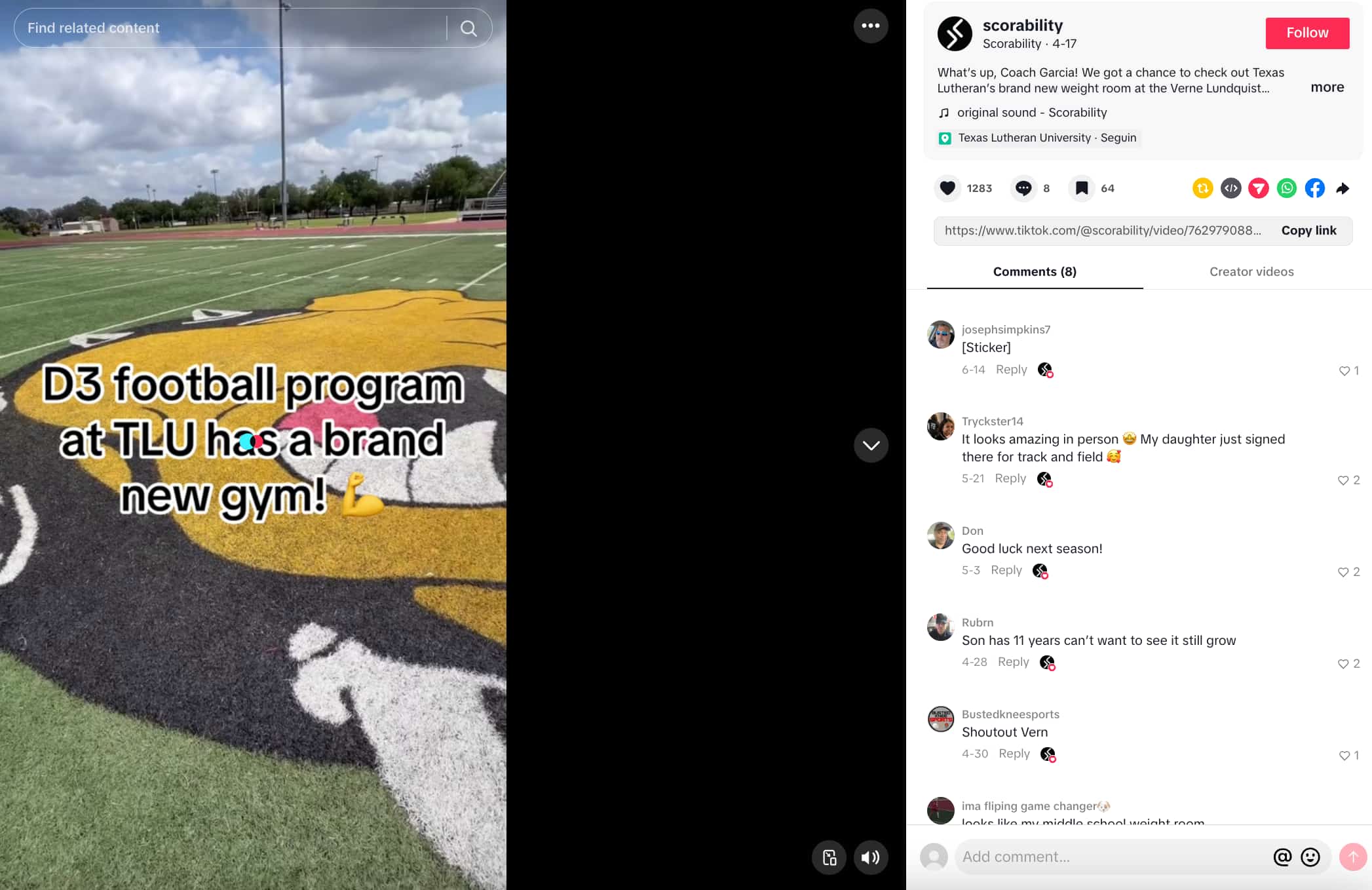
For instance, platforms like TikTok have become dominant in reaching younger demographics. Sprout Social’s 2026 Social Media Content Strategy Report indicates that 72% of Gen Z social media users are active on TikTok. This makes it a highly relevant platform for a startup like Scorability, which connects student-athletes with college coaches. By maintaining an active TikTok presence, Scorability can effectively engage with college-aged users who represent a significant portion of its target market.
Cultivating a Distinct Brand Voice
Defining and consistently applying a distinct brand voice is crucial for establishing a recognizable identity. This involves understanding the desired tone and personality of the brand. Is the brand aiming for a youthful, trendy persona that incorporates contemporary slang, or does it cater to a professional audience requiring industry-specific language and a more formal tone? Does the brand aspire to be bold and empowering, or does it thrive on wit and sarcasm?
The brand voice dictates the language, tone, and style of all marketing communications, including social media posts and customer interactions. Consistent application of this voice across all touchpoints ensures brand coherence and strengthens audience recognition.
Establishing Core Content Pillars
The content strategy should be built upon 3-5 core content pillars that directly support the brand’s objectives and resonate with the target audience. These pillars provide a thematic framework for content creation, ensuring variety while maintaining focus.
For a startup focused on brand awareness and community building, potential content pillars could include:
- Educational Content: Sharing industry insights, how-to guides, and tips related to the product or service.
- Behind-the-Scenes: Offering glimpses into company culture, team members, and the product development process.
- User-Generated Content: Featuring testimonials, reviews, and content created by customers.
- Interactive Content: Posing questions, running polls, and hosting Q&A sessions to encourage audience participation.
- Promotional Content: Highlighting product features, special offers, and company news.
It is important to acknowledge that user expectations for brand presence vary across platforms. Content that performs exceptionally well on TikTok, such as humorous skits or engaging video challenges, might not be suitable for LinkedIn, which typically demands thought leadership pieces and professional updates. Therefore, content pillars should be adapted to align with the unique characteristics and user behaviors of each chosen platform.
Determining Platform-Specific Posting Cadence
The optimal frequency for posting varies significantly across social media platforms. Some platforms thrive on a high volume of daily content to maintain visibility, while others may see audiences become overwhelmed by excessive posting.
A sample posting cadence to consider and refine based on performance data:
| Platform | Recommended Cadence | Notes |
|---|---|---|
| 3-5 Reels/feed posts per week | Supplement with 2-4 Stories daily | |
| 3-5 posts per week | Prioritize community-driven content over sheer volume | |
| 2-5 posts per week | Avoid posting more than twice a day with at least a 7-hour gap | |
| X (formerly Twitter) | 1-2 posts per day | Requires resources for sustained real-time engagement |
| TikTok | 2-5 videos per week | Fast-paced environment, needs continuous content for momentum |
| YouTube | 1 long-form + 1-3 Shorts per week | Prioritize depth and value over quantity |
This cadence should be considered a starting point, subject to ongoing refinement based on audience engagement patterns and content performance metrics. Furthermore, the timing of posts is as critical as their frequency. Strategic scheduling ensures that content is visible to the largest segment of the target audience during their peak online activity. Tools like Sprout Social’s Essentials plan offer insights into optimal posting times, leveraging data on audience behavior and content performance to maximize reach and engagement.
Constructing a Lightweight Content Calendar
A social media calendar serves as a centralized hub for visualizing content ideas and tracking posting schedules, ensuring a consistent publishing strategy. This calendar need not be overly complex. Essential elements to include are:
- Date and Time of Post: Precise scheduling for each piece of content.
- Platform: Specifying which social network the post will be published on.
- Content Pillar: Categorizing the post according to its thematic focus.
- Content Type: Indicating whether it’s an image, video, text post, or link.
- Caption and Visuals: Placeholder for the accompanying text and media.
- Status: Tracking the progress of the content (e.g., drafted, scheduled, published).
Sprout Social’s Essentials plan includes a visual content calendar that simplifies the planning process, allowing for the organization of social media posts across multiple platforms for an entire month. Once the publishing plan is outlined, adopting a content batching strategy—dedicating specific time blocks to create multiple posts at once—can significantly streamline content production and ensure adherence to the publishing schedule.

Simplifying Social Media for Startup Success
The most effective approach to social media management for startups is one of deliberate simplicity. By focusing efforts on the most impactful platforms, maintaining a consistent posting schedule, and leveraging available tools for efficiency, startups can unlock the significant potential of social media marketing. Tools like Sprout Social’s Essentials plan are specifically engineered to streamline publishing efforts and automate workflows, making robust social media management an achievable reality for lean startup teams. A 30-day free trial of such services can provide invaluable insight into how these platforms can transform a startup’s social media presence.