• Home
VIP SEO Tools
keep your memories alive
Data Analytics and Visualization

The Evolution of Strategic Intelligence: Transitioning from Data-Driven Reporting to AI-Powered Predictive Analytics

by Siti Muinah March 26, 2026
written by Siti Muinah

The modern corporate landscape is currently grappling with a paradox where, despite multi-million dollar investments in data infrastructure, the majority of strategic decisions are still dictated by the Highest Paid Person’s Opinion, commonly referred to as the HiPPO effect. While organizations have successfully built sophisticated "clean rooms" and unified consumer-view cloud platforms, the efficacy of these investments is frequently undermined by what industry experts define as "insights latency." This delay between data collection and actionable intelligence has rendered traditional analytical workflows—characterized by manual reporting and reactive segmentation—increasingly obsolete in a high-velocity digital economy.

The Structural Failure of Traditional Analytics

For over two decades, the "marketing funnel" has served as the foundational blueprint for budget allocation and human resource management. However, empirical data spanning several decades suggests that this linear model no longer reflects the complexities of modern consumer behavior. The traditional analytics workflow, which relies on a four-stage process of report generation, manual analysis, insight extraction, and executive presentation, is fundamentally ill-equipped to handle the high-dimensionality of current datasets.

Human analysts, while capable of identifying "known knowns," often struggle with the "last-mile barrier." This occurs when data-driven insights compete with conflicting corporate priorities or are lost in translation during the transition to execution. Furthermore, the sheer volume of variables—tracking hundreds of points per user engagement across non-linear paths—makes it nearly impossible for human teams to identify subtle, non-intuitive patterns or emerging anomalies in real-time. This systemic inefficiency has prompted a radical reassessment of the "10/90 Rule of Analytics," a concept originally introduced twenty years ago which suggested that for every $100 spent, $10 should go to tools and $90 to human analysts. In the age of artificial intelligence, this ratio is being redefined: $10 for human analytical strategists and $90 for AI activation.

Chronology of the Analytical Shift

The transition from manual reporting to AI-driven intelligence has evolved through several distinct phases:

  1. The Descriptive Era (2006–2014): Focused on "what happened." This era was dominated by the Trinity Model, which sought to balance experience, behavior, and outcomes.
  2. The Diagnostic Era (2015–2020): Focused on "why it happened." Organizations began investing heavily in cloud-based Business Intelligence (BI) and manual segmentation to understand consumer friction.
  3. The Predictive Era (2021–Present): Focused on "what will happen." This current phase sees the integration of Machine Learning (ML) and Large Language Models (LLMs) to automate the mundane and provide real-time propensity scoring.
  4. The Prescriptive Future (2028 and Beyond): A forecasted state where "Analyst 2028" roles shift entirely toward strategic validation and AI orchestration, reducing the human-to-automation cost ratio even further.

Supporting Data: The Impact of AI Activation

The shift toward AI-powered analytics is not merely theoretical; it is backed by significant performance metrics across various industries, particularly in e-commerce and SaaS (Software as a Service). Data from implementations across three continents indicates that organizations moving toward AI-driven models experience transformative gains.

In the realm of Propensity Modeling, which uses ML algorithms like XGBoost and Random Forest to predict which users are likely to convert, upgrade, or churn, the results are quantifiable. Targeted segments have shown a 35% to 60% improvement in conversion rates. Furthermore, by focusing ad spend on high-propensity individuals rather than broad audiences, companies have reported a 20% to 35% reduction in customer acquisition costs (CAC).

Advanced Customer Segmentation via unsupervised learning has also yielded high returns. By moving beyond basic demographics—such as "mobile users" or "logged-in users"—and employing clustering algorithms like K-Means or DBSCAN, firms can identify "unknown unknowns." In one B2B SaaS case study, AI identified four distinct sub-segments within the "free trial" category, ranging from "High-Intent Explorers" to "Feature-Specific Researchers." Tailoring the onboarding experience to these algorithmic segments resulted in a 25% to 50% increase in activation rates and a 60% to 75% reduction in the time analysts spent on manual cohort analysis.

Integrating the Voice of the Customer (VoC)

A significant leap in modern analytics is the achievement of multi-modality—the ability of AI to synthesize structured behavioral data with unstructured text, voice, and video. Historically, survey responses, support tickets, and social media mentions lived in silos, disconnected from actual user behavior on a website or app. This fragmentation made it impossible to connect the "why" (customer sentiment) with the "what" (user clicks).

Through Natural Language Processing (NLP) and sentiment analysis, multimodal AI systems can now process thousands of chat transcripts and call recordings simultaneously. Practical applications have shown that this integration can lead to an 8 to 12-point improvement in Net Promoter Scores (NPS). By identifying specific points of friction—such as technical bugs mentioned in chatbots that correlate with cart abandonment—companies have achieved a 20% to 25% reduction in "fails" or abandoned transactions through real-time interventions.

Industry Responses and the "Analyst 2028" Framework

The reaction from the global business community suggests a mixture of urgency and restructuring. Chief Marketing Officers (CMOs) are increasingly under pressure to demonstrate the ROI of their data lakes, leading to a surge in demand for AI-literate analytical strategists. The consensus among industry leaders is that the traditional role of the "data reporter" is reaching its expiration date.

By January 2028, the role of the analyst is expected to undergo a "S.H.I.F.T." for relevance. This framework implies a transition toward:

  • Strategic Validation: Moving from hunting for insights to validating AI-generated hypotheses.
  • Hyper-Automation: Overseeing systems that handle routine anomaly detection and report generation.
  • Intelligence Orchestration: Managing the flow of data between various AI models (Propensity, CLV, and NLP).
  • Friction Reduction: Focusing on the "last-mile" of execution to ensure insights lead to immediate action.

While Artificial General Intelligence (AGI) remains a future milestone, current "Narrow AI" applications are already providing what experts call a "25x improvement" over traditional manual methods. The grit and persistence required to implement these systems today are viewed as the necessary groundwork for the eventual arrival of more autonomous intelligence systems.

Broader Impact and Strategic Implications

The integration of AI into analytics represents the most significant paradigm shift since the field’s inception as a formal science. The primary competitive advantage in the coming decade will not belong to the organizations with the largest datasets, but to those with the lowest "insights latency."

The ability to move from reactive historical reporting to predictive intelligence and prescriptive optimization allows for "liquid merchandising" and real-time pricing—strategies that were previously impossible to manage at scale. For example, AI can now adjust offers and discounts dynamically for every individual user based on their predicted Customer Lifetime Value (CLV), ensuring that high-value customers receive premium service while acquisition costs for low-value segments are minimized.

As organizations rebuild their analytics infrastructure from the ground up, the focus is shifting toward "AI activation" as the primary driver of profitability. The reduction in the cost of intelligence, combined with the exponential increase in the scale of automation, suggests a future where strategic decision-making is more objective, faster, and significantly more accurate than the HiPPO-led cultures of the past. The bottom line for global enterprises is clear: those who fail to transition their digital analytics to AI-powered models within the next 18 to 24 months risk falling several years behind their more agile competitors. In this new era, the "10/90 rule" is not just a guideline for investment—it is a mandate for survival.

March 26, 2026 0 comments
0 FacebookTwitterPinterestEmail
Data Analytics and Visualization

The Controversy of COVID-19 Mortality Metrics: Evaluating Data Presentation and Journalistic Integrity in the Wake of the 2020 Pandemic Analysis

by Asro March 25, 2026
written by Asro

In the height of the global COVID-19 pandemic, the dissemination of accurate, clear, and contextually complete information became a cornerstone of public health and national policy. However, the complexity of epidemiological data often led to significant friction between political narratives and journalistic reporting. A pivotal moment in this tension occurred in early August 2020, following a high-profile interview between then-President Donald Trump and Axios reporter Jonathan Swan. The subsequent media coverage, specifically by National Public Radio (NPR), raised critical questions about how data visualization can inadvertently obscure the reality of a crisis through the omission of broader comparative datasets.

The Intersection of Politics and Epidemiology: The Axios Interview

The catalyst for the debate was an interview aired on HBO on August 3, 2020, in which Jonathan Swan challenged President Trump on the escalating death toll in the United States. At that juncture, the U.S. had recorded approximately 160,000 deaths, a figure that led many health experts to label the American response as lagging behind other developed nations. During the exchange, the President asserted that the United States was "doing better than any other country" regarding COVID-19 mortality.

To support this claim, the President presented a series of charts focusing on the "case fatality ratio" (CFR)—the number of deaths divided by the number of confirmed infections. Swan countered by emphasizing "deaths per capita," which measures the number of deaths relative to the total population. The President famously dismissed this metric, stating, "You can’t do that," sparking a nationwide conversation on which statistical measures truly reflect the severity of an outbreak. Epidemiologists generally agree that both metrics are essential: CFR provides insight into the clinical severity and the effectiveness of healthcare interventions, while per capita rates indicate the overall impact of the virus on the general population.

NPR’s August 2020 Analysis: A Case Study in Data Visualization

On August 5, 2020, NPR published an article titled "Charts: How the U.S. Ranks On COVID-19 Deaths Per Capita – And By Case Count," authored by Jessica Craig. The piece was intended to provide clarity following the Axios interview but eventually faced scrutiny for its presentation of data. The primary concern involved two specific charts that compared the U.S. to other countries that had reported 50,000 or more cases.

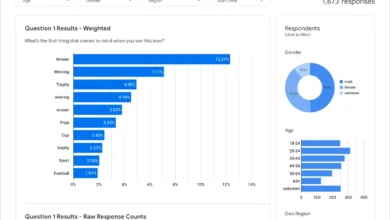
The first chart, focusing on per capita deaths, featured only 10 countries. In this limited visualization, the U.S. appeared to be performing better than several European counterparts, such as France, while trailing behind Brazil. However, critics pointed out that by the first week of August 2020, 45 countries had surpassed the 50,000-case threshold. By limiting the chart to a "Top 10" list, 35 relevant nations were omitted. Statistical analysis of the full dataset at the time revealed that 37 of the 44 other countries with more than 50,000 cases actually had lower per capita death rates than the United States. This phenomenon, often referred to as the "curse of the top 10," can create a skewed perception of performance by arbitrarily narrowing the field of comparison.

Understanding the Metrics: Case Fatality Ratio vs. Per Capita Mortality

To evaluate the accuracy of pandemic reporting, it is necessary to distinguish between the two primary metrics at the heart of the 2020 controversy.

Case Fatality Ratio (CFR)

The CFR is calculated by dividing the number of deaths by the number of confirmed cases. In August 2020, the U.S. CFR appeared relatively favorable compared to countries like the United Kingdom or Italy. However, experts noted that CFR is heavily influenced by testing capacity. A country that tests aggressively, identifying many mild or asymptomatic cases, will naturally have a lower CFR even if the total number of deaths is high. Because the U.S. had scaled up testing significantly by mid-2020, its CFR was lower than nations that were only testing the most severely ill patients.

Visual Business Intelligence – To Tell the Story Clearly, Omit Nothing Significant

Per Capita Mortality

The per capita death rate measures the number of deaths per 100,000 or 1,000,000 residents. This metric is widely considered the most "honest" representation of a pandemic’s toll because it is not dependent on a country’s testing volume. It answers the fundamental question: How many people in the population are dying from this disease? When viewed through this lens, the U.S. frequently ranked among the hardest-hit nations globally during the first year of the pandemic.

Chronology of the Data Debate

The timeline of this specific data controversy highlights the rapid pace of information exchange during the pandemic:

  • August 3, 2020: The Axios on HBO interview airs. President Trump insists on using CFR to define success, while Jonathan Swan pushes for per capita mortality figures.
  • August 4, 2020: Public health experts and fact-checkers across major networks (CNN, BBC, New York Times) analyze the interview, largely supporting Swan’s use of per capita data as a more accurate reflection of the "disease burden."
  • August 5, 2020: NPR releases its chart-based analysis. While the article includes both metrics, the visual limitation to 10 countries draws criticism for potentially validating a misleading narrative of American "exceptionalism" in pandemic management.
  • Late August 2020: Subsequent data from Johns Hopkins University and the World Health Organization (WHO) continues to show the U.S. leading the world in total deaths, reinforcing the need for comprehensive rather than "top-slice" data visualization.

The Misapplication of Epidemiological Terms

A secondary point of contention in the NPR report involved the definition of "disease burden." The article quoted Justin Lessler, an associate professor of epidemiology at Johns Hopkins University, stating that the per capita death rate is an indication of the "overall disease burden."

In clinical and public health contexts, "disease burden" is a specific term often measured in Disability-Adjusted Life Years (DALYs). This calculation combines years of life lost (YLL) due to premature mortality and years lived with disability (YLD). Critics argued that the NPR article conflated "proportional burden" with "overall burden." While the per capita rate shows the proportional impact, the total case count and death count represent the absolute magnitude of the crisis. Furthermore, the technical definition of disease burden involving long-term disability could not be accurately captured by 2020 mortality rates alone, as the long-term effects of "Long COVID" were only beginning to be understood.

Reactions from the Scientific and Journalistic Communities

The critique of NPR’s reporting underscores a broader challenge for journalists: the balance between being "even-handed" and being "accurate." In an effort to avoid appearing partisan, some media outlets may present data in a way that gives undue weight to misleading claims.

Data visualization experts, including those from the Perceptual Edge school of thought, emphasize that the goal of a chart should be to tell the "whole truth." By omitting 35 out of 45 comparable countries, the visualization failed to show that the U.S. was actually in the "middle of the pack" or worse, rather than at the top of the performance list. Scientific communicators argued that during a public health emergency, the "middle ground" in reporting is not always the most factual ground. If 80% of comparable nations are performing better than the U.S., a chart showing the U.S. in 3rd or 4th place out of 10 is statistically factual but contextually false.

Broader Impact and Implications for Future Reporting

The 2020 data dispute serves as a lasting lesson for the field of data journalism. The way information is framed—whether by selecting specific dates, thresholds, or a limited number of comparative subjects—can fundamentally alter public perception and, by extension, public compliance with health measures.

  1. Transparency in Filtering: When news outlets apply filters (such as "countries with 50,000+ cases"), they must explain why those filters are used and ensure the resulting visualization does not cherry-pick a narrative.
  2. The Responsibility of "Reliable Sources": Outlets like NPR carry a high level of public trust. When they produce misleading visualizations, it can provide ammunition for misinformation, as seen when political entities utilize such charts to deflect from broader systemic failures.
  3. Data Literacy: The pandemic highlighted a global deficit in data literacy. The debate between CFR and per capita rates demonstrated that even high-level officials and seasoned journalists can struggle to find a common language for statistical reality.

As the world moves beyond the acute phase of the COVID-19 pandemic, the analysis of these 2020 reports remains relevant. They serve as a reminder that in the age of information, the clarity of a chart is just as important as the accuracy of the numbers it contains. Misleading data, even when presented by reputable sources, can obscure the path to effective policy and informed citizenship. The ultimate goal of pandemic reporting must remain the presentation of a complete and unvarnished picture of the truth, regardless of the political implications.

March 25, 2026 0 comments
0 FacebookTwitterPinterestEmail
Tech News Global

Amazon Strengthens Strategic Alliance with Anthropic Through Five Billion Dollar Investment and Massive Cloud Infrastructure Commitment

by Jia Lissa March 25, 2026
written by Jia Lissa

Amazon has announced a significant expansion of its partnership with the artificial intelligence startup Anthropic, committing an additional $5 billion in funding to the San Francisco-based firm. This latest injection brings Amazon’s total investment in the AI developer to $13 billion, marking one of the largest corporate backings in the history of the burgeoning generative AI sector. In a reciprocal long-term agreement, Anthropic has committed to spending more than $100 billion on Amazon Web Services (AWS) infrastructure over the next decade. This multi-year roadmap secures Anthropic up to 5 gigawatts (GW) of new computing capacity, specifically designed to facilitate the training and deployment of its Claude family of large language models (LLMs).

The deal represents a pivotal moment in the intensifying arms race between global technology titans and the independent AI labs developing foundational models. By deepening its ties with Anthropic, Amazon is not only securing a premier partner for its cloud ecosystem but is also positioning its proprietary silicon as a viable alternative to the industry-standard hardware provided by Nvidia. This collaboration underscores a broader trend where cloud providers leverage their massive infrastructure and capital reserves to secure exclusive or preferred access to the most advanced AI technologies.

The Architecture of the Deal and Financial Significance

The financial structure of this agreement mirrors the escalating scale of investments required to compete at the frontier of artificial intelligence. Amazon’s $5 billion contribution follows a series of previous investments that began with a $1.25 billion stake in late 2023, followed by an additional $2.75 billion in early 2024. With this new $5 billion tranche, Amazon solidifies its position as Anthropic’s primary strategic partner.

Crucially, the $100 billion commitment from Anthropic to AWS highlights the sheer cost of compute necessary to develop the next generation of AI. Training advanced models requires hundreds of thousands of specialized chips working in parallel, supported by sophisticated cooling systems and massive amounts of electricity. The provision for 5 GW of capacity is particularly noteworthy; to put this in perspective, 5 GW is approximately the amount of power required to support several million average American homes, illustrating the unprecedented energy demands of modern AI data centers.

This announcement follows closely on the heels of another landmark deal in the sector. Only two months prior, Amazon participated in a $110 billion funding round for OpenAI, the creator of ChatGPT. In that transaction, Amazon contributed $50 billion, contributing to a pre-money valuation of $730 billion for OpenAI. Like the Anthropic deal, the OpenAI investment was structured largely through cloud infrastructure credits and services, emphasizing that in the current market, "compute" is often as valuable as—if not more valuable than—liquid cash.

A Strategic Pivot to Custom Silicon: Trainium and Graviton

At the technical core of the Amazon-Anthropic partnership is a transition toward Amazon’s in-house semiconductor technology. While much of the AI world remains reliant on Nvidia’s H100 and Blackwell GPUs, Amazon has been aggressively developing its own AI-optimized chips to reduce costs and improve efficiency.

The agreement specifically focuses on Anthropic’s adoption of Amazon’s Trainium family of chips. These are purpose-built high-performance machine learning accelerators designed for deep learning training. The deal encompasses the current Trainium2 line and extends to the forthcoming Trainium3 and Trainium4 architectures. Although Trainium4 is still in the developmental phase, Anthropic’s commitment to this future hardware suggests a high level of confidence in Amazon’s silicon roadmap.

In addition to Trainium, the partnership utilizes Amazon’s Graviton CPUs. Graviton is based on the Arm architecture and is designed to provide high performance for cloud workloads while consuming significantly less power than traditional x86 processors. By integrating Trainium for training and Graviton for general-purpose computing and inference, Anthropic aims to optimize the performance-per-watt of its operations, a critical factor given the 5 GW power allocation.

Chronology of the Amazon-Anthropic Relationship

The evolution of the partnership between Amazon and Anthropic has been rapid, reflecting the fast-paced nature of the AI industry:

  • September 2023: Amazon makes its initial foray into Anthropic with a $1.25 billion investment, securing a minority stake and naming AWS as Anthropic’s primary cloud provider.
  • March 2024: Amazon completes its initial $4 billion investment pledge by adding another $2.75 billion. Anthropic begins utilizing Trainium chips for model development.
  • December 2024: Amazon releases Trainium3, offering significant performance improvements over the previous generation. Anthropic begins benchmarking its latest models on the new hardware.
  • February 2025: Amazon joins the historic $110 billion funding round for OpenAI, signaling a multi-pronged strategy to back the world’s leading AI labs.
  • May 2025: Anthropic and Amazon announce the current $5 billion investment and the $100 billion, 10-year infrastructure commitment.

This timeline demonstrates a clear trajectory toward deeper vertical integration, where the software developer (Anthropic) and the infrastructure provider (Amazon) become increasingly interdependent.

Industry Context and Competitive Landscape

The scale of the Amazon-Anthropic deal must be viewed within the context of the "Big Three" cloud providers—Amazon (AWS), Microsoft (Azure), and Google (GCP)—and their respective AI strategies.

Microsoft pioneered this model through its multi-billion dollar partnership with OpenAI, which granted Microsoft exclusive rights to integrate OpenAI’s models into its product suite, from Bing to Office 365. Google has followed a hybrid approach, developing its own foundational models (Gemini) while also investing heavily in Anthropic.

Amazon’s strategy is distinct in its emphasis on choice and hardware. Through its "Bedrock" service, Amazon offers customers access to a variety of models, including those from Meta, Mistral, and Cohere. However, by securing Anthropic as its "premier" partner, Amazon ensures it has a model capable of competing directly with OpenAI’s GPT-4 and GPT-5. Furthermore, by tying these investments to the use of Trainium chips, Amazon is attempting to break the Nvidia monopoly, potentially offering lower costs to developers who choose to build on AWS.

Official Responses and Strategic Rationale

While formal statements often highlight "innovation" and "customer value," the strategic rationale from both parties is clear. For Anthropic, the deal provides the financial and physical runway necessary to pursue "Artificial General Intelligence" (AGI) without the immediate pressure of an initial public offering (IPO). Access to 5 GW of power and $100 billion in compute ensures that Anthropic will not be bottlenecked by hardware availability—a common issue for smaller AI startups.

For Amazon, the investment serves several purposes:

  1. Cloud Revenue: The $100 billion commitment guarantees a massive, long-term customer for AWS.
  2. Silicon Validation: Having a top-tier AI lab like Anthropic optimize its models for Trainium provides a powerful case study for other enterprises considering Amazon’s custom chips.
  3. Equity Upside: As AI valuations soar, Amazon’s $13 billion stake could eventually be worth significantly more, particularly if Anthropic reaches the rumored $800 billion valuation currently being discussed by venture capitalists.

Broader Implications: Energy, Economics, and Regulation

The sheer magnitude of this deal carries significant implications for the broader economy and the environment. The 5 GW power commitment highlights the "energy wall" that many experts believe could slow AI progress. Data center expansion is already straining electrical grids globally, leading to a resurgence in interest in nuclear power and other high-capacity energy sources. Amazon’s ability to deliver this level of power will likely require massive investments in energy infrastructure, potentially including direct partnerships with utility companies or the development of small modular reactors (SMRs).

From an economic perspective, the deal reinforces the "winner-takes-most" dynamic of the AI industry. The barrier to entry for new foundational model developers is now measured in the tens of billions of dollars, making it nearly impossible for startups to compete without the backing of a major cloud provider. This concentration of power has already drawn the attention of antitrust regulators in the United States, the United Kingdom, and the European Union. The Federal Trade Commission (FTC) and the Competition and Markets Authority (CMA) have previously expressed concerns regarding the "quasi-merger" nature of these cloud-AI partnerships, where a large company exerts significant influence over a startup without a full acquisition.

Future Outlook: Toward an $800 Billion Valuation

The $5 billion investment may be a precursor to a larger traditional funding round. Reports suggest that venture capital firms are eager to participate in a deal that would value Anthropic at $800 billion or more. Such a valuation would place Anthropic among the most valuable private companies in the world, rivaling the market caps of established tech giants.

As Anthropic prepares to train its next generation of models on Trainium4, the industry will be watching closely to see if the performance of Claude continues to keep pace with OpenAI’s offerings. The success of this partnership will ultimately be judged by whether Amazon’s custom silicon can deliver the efficiency gains promised and whether Anthropic can translate its massive compute resources into AI breakthroughs that justify the $100 billion price tag. For now, the deal stands as a testament to the unprecedented scale of the AI revolution and the radical realignment of the global technology landscape.

March 25, 2026 0 comments
0 FacebookTwitterPinterestEmail
Tech News Global

The Best Kitchen Composters and Food Recyclers for Sustainable Waste Management in 2026

by Basiran March 24, 2026
written by Basiran

The global shift toward sustainable household management has catalyzed a significant surge in the popularity of countertop kitchen composters and food recyclers, devices designed to transform organic waste into manageable byproducts. While the traditional vision of composting involves long-term biological decomposition resulting in nutrient-dense humus, the current market of electronic kitchen gadgets presents a more complex reality. For many urban and suburban residents, these machines offer a solution to the perennial problems of odor, pests, and the logistical challenges of backyard composting. However, as the industry matures, a clear distinction has emerged between true biological composters and thermal-mechanical recyclers, often referred to as "grind-and-dry" machines.

Best Kitchen Composters and Food Recyclers (2026)

The Environmental Imperative: Food Waste and Methane Emissions

The rise of these devices is driven by alarming environmental data. According to the Environmental Protection Agency (EPA), food waste comprises approximately 24 percent of municipal solid waste in the United States—more than any other material in landfills. When organic matter is buried in a landfill, it undergoes anaerobic decomposition, a process that releases methane. Methane is a potent greenhouse gas, estimated by the USDA to be approximately 25 times more effective at trapping heat in the atmosphere than carbon dioxide over a 100-year period.

In response to these statistics, several municipalities have begun implementing organic waste mandates, with some regions introducing composting fines for households that fail to divert food scraps from the general trash. This regulatory environment, combined with growing consumer eco-consciousness, has created a robust market for domestic waste processing technology.

Best Kitchen Composters and Food Recyclers (2026)

Technological Classification: Composting vs. Recycling

Industry experts and environmental advocates, including the Sierra Club, have raised concerns regarding "greenwashing" in the marketing of these devices. A primary point of contention is the use of the term "composter." In a strictly biological sense, composting requires a specific balance of nitrogen and carbon, moisture, and time for microorganisms to break down complex organic matter.

Most countertop "composters" are, in fact, food recyclers. These machines use a combination of heat and mechanical grinding to dehydrate and pulverize food scraps. The resulting output is shelf-stable, odor-free, and significantly reduced in volume—often by as much as 90 percent—but it lacks the microbial diversity of true compost. Despite these criticisms, proponents argue that the value of these devices lies in their ability to make households more aware of their waste production and to provide a convenient "pre-treatment" for organic matter before it enters municipal green bins or backyard piles.

Best Kitchen Composters and Food Recyclers (2026)

Leading Microbial Solutions: The Reencle Series

Among the devices currently available, the Reencle Prime and its larger counterpart, the Reencle Gravity, are recognized for producing a byproduct that most closely resembles traditional compost. Originally gaining popularity in South Korea—a nation with some of the world’s most stringent food waste recycling laws—the Reencle system utilizes a proprietary blend of microbes known as "ReencleMicrobe."

Unlike thermal recyclers, the Reencle operates as a continuous-feed system. It functions similarly to a heated trash can, utilizing a sensor-activated lid. Once food is deposited, a trio of patented microbes, supported by activated carbon and wood pellets, begins the decomposition process.

Best Kitchen Composters and Food Recyclers (2026)

Reencle Performance Data:

  • Capacity: The Prime model handles approximately 1.5 pounds of waste daily, while the Gravity model accommodates 3.3 pounds.
  • Acoustics: The Prime operates at roughly 30 decibels, while the Gravity model is described as nearly silent.
  • Byproduct Usage: The output must be mixed with potting soil at a 1:4 ratio and allowed to cure for approximately three weeks before use with plants.
  • Versatility: Unlike many competitors, the Reencle system can process small amounts of meat and dairy products.

Thermal-Mechanical Recyclers: Lomi and FoodCycler

For households primarily concerned with volume reduction and odor control, the "grind-and-dry" category remains the most accessible. The Lomi 3, the latest iteration from the manufacturer Lomi, has addressed several design flaws found in its predecessor, the Lomi 2. The new model features a simplified two-mode system—Grow and Express—and a 3-liter countertop bucket.

Best Kitchen Composters and Food Recyclers (2026)

However, the Lomi 3 has faced scrutiny regarding its durability. Reports indicate that the plastic lids on some units may warp over time, potentially compromising the seal and allowing odors to escape. Despite this, the machine is noted for its "Express" cycle, which can process waste in as little as three hours.

Similarly, the FoodCycler Eco 3, a compact version of the Vitamix FoodCycler FC-50, has earned praise for its transparent marketing. The company explicitly labels the device as a "food waste recycler" rather than a composter. The Eco 3 produces a finely ground "Foodilizer" soil amendment. While the machine is effective, longitudinal testing has revealed that it can develop mechanical creaking or groaning sounds after several months of regular use, with decibel levels reaching approximately 36 dB.

Best Kitchen Composters and Food Recyclers (2026)

High-Capacity and Circular Economy Models: The Mill

The Mill Food Recycler represents a different approach to the waste problem, focusing on a circular economy model. It is a large-capacity device that can store up to a month’s worth of food grounds. Its unique value proposition is a subscription service that allows users to ship their processed grounds to a specialized facility where they are repurposed as chicken feed.

While the Mill is among the more expensive options—with a purchase price near $999 or a monthly rental fee of $35—it offers the highest ease of use. The device is managed through a comprehensive app that tracks waste diversion and provides an encyclopedic directory of compatible food items. However, its processing cycle is louder than microbial units, measuring around 60 dB, necessitating nighttime operation for many users.

Best Kitchen Composters and Food Recyclers (2026)

Market Analysis and Efficiency Data

A common concern among prospective buyers is the energy consumption of these devices. Factual analysis shows that the average power consumption for a standard cycle is approximately 1 kilowatt-hour (kWh). In the context of a typical American household, this is comparable to the energy used by a modern dishwasher or a large load of laundry.

Comparative Breakdown of Leading Models (2026):

Best Kitchen Composters and Food Recyclers (2026)
Model Technology Type Capacity Cycle Time Primary Benefit
Reencle Prime Microbial 1.5 lbs/day Continuous Closest to true compost
Lomi 3 Thermal-Mechanical 3 Liters 3–16 hours Refined user interface
FoodCycler Eco 3 Thermal-Mechanical 3.5 Liters 4–9 hours Compact footprint
Vego Thermal-Mechanical 3 Liters 2 hours Fastest processing time
Mill Thermal-Mechanical High Scheduled Chicken feed repurposing

Critical Reception and Official Responses

The industry has faced a "reality check" from environmental groups who argue that these machines do not replace the need for healthy soil ecosystems. The Sierra Club has pointed out that the high heat used in many recyclers kills the very beneficial bacteria that gardens need. In response, companies like Vego have introduced "compost enhancer tablets" (VegoTabs) intended to reintroduce biological activity to the dehydrated output.

Furthermore, the "AI-powered" marketing of newer devices, such as the GEME Terra II, has been met with skepticism. Critics note that while these machines claim to use industrial-grade microbes to handle meat and pet waste, the internal temperatures often fail to reach the levels required to safely neutralize pathogens. Thermal probes in independent tests recorded temperatures around 97 degrees Fahrenheit, which is insufficient for the sterilization of fecal matter.

Best Kitchen Composters and Food Recyclers (2026)

Broader Impact and Future Outlook

As of April 2026, the market continues to expand with new entries like the Clear Drop Organics Collector (OC), which focuses solely on odor-free storage for municipal pickup rather than processing. This suggests a bifurcation in the market: one segment moving toward high-tech home processing, and another focusing on bridging the gap to municipal composting infrastructure.

The long-term impact of these devices extends beyond simple waste reduction. They serve as educational tools that force consumers to confront the volume of organic waste they generate. While they may not be a "magic" solution for creating garden-ready soil in hours, they play a critical role in diverting organic matter from landfills, thereby directly reducing methane emissions. As testing continues on emerging brands like Airthereal, the focus remains on improving mechanical durability and lowering the cost of entry for the average household. For the modern consumer, the choice between a microbial "composter" and a mechanical "recycler" ultimately depends on whether their goal is garden enrichment or simple waste volume management.

March 24, 2026 0 comments
0 FacebookTwitterPinterestEmail
Tech News Global

Stargazing Guide for the Waxing Crescent Moon and the Upcoming Lunar Calendar Transitions

by Laily UPN March 23, 2026
written by Laily UPN

As the lunar cycle progresses into its fourth day, the Moon is entering a phase of increasing visibility that offers a unique opportunity for both amateur astronomers and seasoned observers to witness the emerging topographical details of Earth’s only natural satellite. On Tuesday, April 21, the Moon reached the Waxing Crescent phase, a period characterized by a thin sliver of light that gradually expands each night. According to data provided by NASA’s Daily Moon Guide, the lunar surface is currently approximately 20% illuminated. This specific stage of the lunar month is often considered one of the most rewarding for observation, as the "terminator"—the line separating the dark and light sides of the Moon—casts long shadows that highlight the depth and texture of lunar craters and mountain ranges.

The Waxing Crescent phase occurs shortly after the New Moon, when the Moon has moved far enough in its orbit around the Earth for a small portion of its sunlit side to become visible from our perspective. While the New Moon remains invisible because it is positioned between the Earth and the Sun, the Waxing Crescent represents the rebirth of the lunar cycle. For observers in the Northern Hemisphere, this illumination appears on the right side of the lunar disk, growing larger each night until the Moon reaches its First Quarter phase.

Observing the Lunar Surface: Key Features for Tonight

The current level of illumination provides an excellent window for identifying specific geological landmarks. For those observing with the naked eye, two prominent features are visible: Mare Crisium and Mare Fecunditatis.

Mare Crisium, also known as the "Sea of Crises," is a lunar mare located in the Moon’s Crisium basin, just northeast of Mare Tranquillitatis. It is approximately 345 miles (555 kilometers) in diameter and is notable for its flat, dark floor composed of ancient basaltic lava. Because it is isolated from the larger complexes of lunar maria, it is easily distinguishable even without magnification.

Adjacent to this is Mare Fecunditatis, or the "Sea of Fertility." This mare spans roughly 522 miles (840 kilometers) and is characterized by a thinner layer of basalt compared to other lunar basins. Its surface is punctuated by interesting features like the Messier craters, though these typically require higher-powered optics to resolve.

For enthusiasts utilizing binoculars or a modest telescope, the Endymion Crater becomes a focal point of the evening. Located near the Moon’s northeastern limb, Endymion is an ancient impact crater that has been flooded with lava, leaving it with a smooth, dark floor. Its high walls catch the sunlight during the Waxing Crescent phase, creating a sharp contrast against the surrounding rugged terrain. Observing this crater during this phase is particularly advantageous because the low angle of the sun emphasizes its circular rim and the shadows within its 78-mile diameter.

The Mechanics of the Lunar Cycle: A 29.5-Day Journey

The Moon’s transition through its phases is a result of its synodic period, which lasts approximately 29.5 days. This is the time it takes for the Moon to return to the same position relative to the Sun as seen from Earth. Although the Moon completes a full sidereal orbit around Earth in about 27.3 days, the Earth’s own movement around the Sun means the Moon must travel a bit further to complete its phase cycle.

NASA scientists emphasize that while the same side of the Moon—the "near side"—always faces Earth due to tidal locking, the amount of sunlight hitting that face changes constantly. This celestial dance produces the eight distinct phases recognized by astronomers:

  1. New Moon: The Moon is positioned between the Earth and the Sun, rendering it invisible to the naked eye.
  2. Waxing Crescent: A thin sliver of light appears on the right side as the Moon moves away from the Sun’s glare.
  3. First Quarter: Exactly half of the Moon is illuminated, appearing as a semi-circle.
  4. Waxing Gibbous: More than half is lit, but the Moon has not yet reached full illumination.
  5. Full Moon: The Earth is between the Sun and the Moon, allowing the entire near side to reflect sunlight.
  6. Waning Gibbous: The Moon begins its journey back toward the Sun, and the light on the right side starts to recede.
  7. Third Quarter: The left half of the Moon is illuminated, signifying the final week of the cycle.
  8. Waning Crescent: A final sliver of light remains on the left before the Moon disappears into the New Moon phase once again.

Chronology and Upcoming Celestial Events

Following the current Waxing Crescent phase on April 21, the lunar progression will lead toward the First Quarter later in the week. The most significant upcoming milestone for observers is the arrival of the Full Moon.

The next Full Moon is scheduled to occur on May 1. This particular Full Moon is often referred to in folklore as the "Flower Moon," a name originating from Native American traditions that signal the abundance of spring blooms in the Northern Hemisphere. Interestingly, May will be a rare month for lunar enthusiasts, as it is slated to feature two Full Moons, the second of which is colloquially known as a "Blue Moon."

The transition from the current 20% illumination to the 100% illumination of the Full Moon involves a steady increase in the Moon’s altitude in the evening sky. During the Waxing Crescent phase, the Moon sets shortly after the Sun, but as it approaches the Full Moon stage, it will rise at sunset and remain visible throughout the entire night.

Scientific and Exploration Context: The Role of Modern Lunar Missions

The study of lunar phases is not merely a hobby for stargazers; it remains a critical component of modern space exploration. NASA and private aerospace entities, such as ispace, continue to monitor lunar conditions to plan future landings and surface operations.

The mention of ispace in recent lunar guides highlights the growing involvement of private industry in lunar exploration. The Japanese company’s HAKUTO-R program, for instance, represents a significant step toward commercializing lunar transport. Such missions rely heavily on the lunar cycle for solar power management and thermal control. During the 14-day lunar day (the period of illumination), landers must harvest enough energy to survive the subsequent 14-day lunar night, where temperatures can plummet to minus 208 degrees Fahrenheit (minus 133 degrees Celsius).

NASA’s Artemis program also utilizes detailed lunar mapping and phase data to identify landing sites near the lunar South Pole. This region is of particular interest because of the presence of "permanently shadowed regions" (PSRs) in craters that may contain water ice. Understanding the exact angle of sunlight—dictated by the lunar phase and the Moon’s axial tilt—is essential for navigating these treacherous environments.

Implications of Lunar Observation for Earth-Based Science

The regularity of the lunar cycle provides a stable framework for various scientific disciplines on Earth. Marine biologists study the Moon’s phases to predict tidal patterns, which are driven by the gravitational pull of the Moon and the Sun. The "spring tides," which are the highest and lowest tides, occur during the Full and New Moon phases when the gravitational forces are aligned. Conversely, "neap tides" occur during the Quarter phases.

For astronomers, the Waxing Crescent phase is an ideal time for "Deep Sky" photography. Because the Moon is only 20% lit, its reflected light is not strong enough to wash out distant stars, nebulae, or galaxies. This allows photographers to capture the Moon’s detailed craters while still maintaining a dark enough sky to see the Milky Way and other celestial phenomena.

Furthermore, the phenomenon known as "Earthshine" is often visible during the Waxing Crescent. Earthshine, or the "Da Vinci Glow," occurs when sunlight reflects off the Earth’s surface, hits the dark part of the Moon, and reflects back to our eyes. This creates a faint, ghostly glow on the unlit portion of the lunar disk, allowing observers to see the outline of the entire Moon even when only a sliver is officially illuminated.

Technical Data and Observational Tips

To get the most out of tonight’s 20% illumination, experts recommend the following:

  • Timing: The best time to view a Waxing Crescent is shortly after sunset. Look toward the western horizon. The Moon will be relatively low in the sky, so ensure you have a clear view unobstructed by buildings or trees.
  • Atmospheric Conditions: A clear, crisp night with low humidity will provide the best "seeing" conditions. High-altitude turbulence can cause the Moon to appear to "shimmer," which reduces the clarity of fine details like the Endymion Crater.
  • Equipment: While the 20% Moon is beautiful to the naked eye, a pair of 7×50 or 10×50 binoculars will reveal the jagged edges of the terminator line. If using a telescope, a lunar filter can help reduce glare and improve contrast, making the basaltic plains of Mare Crisium appear more defined.

As the world looks toward the May 1 Full Moon, the current Waxing Crescent serves as a reminder of the dynamic nature of our solar system. The Moon is not a static object but a changing world that has influenced human culture, navigation, and science for millennia. Whether viewed as a target for future colonization or a subject of nightly wonder, the Moon’s current phase offers a glimpse into the complex mechanics of the cosmos.

By monitoring these shifts, NASA and other global space agencies continue to refine our understanding of the Moon’s geology and its relationship with Earth. For the casual observer, tonight represents an opportunity to connect with the broader universe, beginning with the simple act of looking up at a 20% illuminated sliver of light in the evening sky.

March 23, 2026 0 comments
0 FacebookTwitterPinterestEmail
Tech News Global

Semrush Unveils Brand Visibility Framework and Agentic Search Optimisation at Adobe Summit as AI-Driven Search Reshapes Digital Discovery

by Neng Nana March 22, 2026
written by Neng Nana

Semrush utilized its prominent platform at the Adobe Summit in Las Vegas to debut the Brand Visibility Framework, a sophisticated strategic model designed to quantify and manage brand presence across the rapidly evolving landscape of traditional search engines, AI-generated responses, and autonomous AI agents. At the heart of this launch is the introduction of Agentic Search Optimisation (ASO), a new operational discipline necessitated by a digital environment where artificial intelligence increasingly acts as an intermediary between brands and consumers. This framework is underpinned by a massive proprietary database of more than 213 million large language model (LLM) prompts, providing an unprecedented look into how brands are discussed, recommended, or entirely omitted within systems that bypass traditional link-based browsing.

The unveiling of this framework comes at a pivotal moment for Semrush, as the company navigates a $1.9 billion acquisition by Adobe. The deal, which was announced in November 2025 and is expected to reach completion in the first half of 2026, positions Semrush as the essential "visibility layer" within Adobe’s extensive marketing technology stack. As generative AI fundamentally rewrites the rules of online discovery, the integration of Semrush’s data-driven insights into Adobe’s content creation and delivery tools represents a strategic move to secure brand relevance in an era where the traditional organic click is becoming a rare commodity.

The Crisis of the Organic Click

The data driving the development of the Brand Visibility Framework highlights a stark reality for digital marketers. For over two decades, the industry has relied on the predictable mechanics of Search Engine Optimization (SEO) to drive traffic. However, recent trends suggest those mechanics are failing. According to research from Seer Interactive, organic click-through rates (CTR) have plummeted by 61% for search queries where Google’s AI Overviews are present. This decline is not an isolated incident but part of a broader structural shift in user behavior.

In February 2024, Gartner issued a forecast predicting that traditional search engine volume would drop by 25% by 2026, driven by the rise of AI chatbots and virtual agents. Current metrics suggest this prediction is largely on track. Google’s AI Overviews now appear in 48% of all tracked search queries—a 58% increase year-over-year—and dominate 80% to 88% of informational queries depending on the specific industry. This shift toward "zero-click" searches, where users receive their answers directly on the search results page without ever visiting a third-party website, has seen an increase from 56% to 69% of all queries between May 2024 and May 2025.

The commercial impact of this shift is profound. While traditional search still exists, the traffic that does arrive via AI-mediated search engines like ChatGPT Search or Perplexity converts at a significantly higher rate of 14.2%, compared to just 2.8% for traditional Google search. However, the volume of this traffic is drastically lower, and brands currently find themselves with almost no control over whether an AI system chooses to mention them at all.

Understanding Agentic Search Optimisation

To address this loss of control, Semrush’s framework introduces Agentic Search Optimisation (ASO). The company defines brand visibility in this new era as "the degree to which a brand is discoverable, authoritatively represented, and commercially actionable across both human- and machine-mediated discovery surfaces."

ASO represents a departure from traditional SEO in several fundamental ways. While SEO was designed for a world where humans scanned a list of links and made a choice, ASO is designed for a world where an AI agent—acting on behalf of the user—evaluates brand relevance and authority to provide a single, synthesized recommendation. AI systems do not "rank" pages in the traditional sense; they synthesize answers based on training data, real-time information retrieval, and internal reasoning.

The factors that determine whether a brand is included in this synthesis are often disconnected from traditional ranking signals. Semrush’s research indicates a startling gap: only 8% to 12% overlap exists between results that appear in AI-generated answers and those that rank well in traditional search. Crucially, ChatGPT Search has been observed primarily citing pages that rank 21st or lower on Google. This suggests that the entire edifice of search engine optimization, which Semrush helped build, does not reliably translate into visibility in the AI-driven systems that are replacing traditional search.

A Chronology of Strategic Transformation

The launch of the Brand Visibility Framework is the culmination of a multi-year strategic pivot for Semrush. Understanding the timeline of these events provides context for the company’s current trajectory:

  • February 2024: Gartner predicts a 25% decline in traditional search volume by 2026, signaling the beginning of the AI search era.
  • March 2025: Bill Wagner assumes the role of CEO, with co-founder Oleg Shchegolev transitioning to Chief Technology Officer to focus on product innovation.
  • May 2025: Data reveals that zero-click searches have reached 69% of all queries. ChatGPT reports 800 million weekly active users, and Perplexity processes 780 million queries in a single month.
  • October 2025: Semrush launches the AI Visibility Index, a tool designed to track brand mentions and share of voice across ChatGPT, Google AI Mode, Perplexity, and Gemini.
  • November 2025: Adobe announces its intent to acquire Semrush for $1.9 billion in an all-cash deal at $12 per share.
  • March 2026: Semrush completes a comprehensive brand identity refresh and receives unconditional clearance from German competition authorities for the Adobe merger.
  • Current (Adobe Summit): Semrush launches the Brand Visibility Framework and formally introduces Agentic Search Optimisation as a necessary marketing discipline.

Financial Performance and Market Validation

Semrush’s financial results reflect the market’s appetite for AI-specific solutions. The company reported $443.6 million in revenue for fiscal 2025, marking an 18% increase year-over-year. Its annual recurring revenue (ARR) reached $471.4 million, supported by a base of 117,000 paying customers and over 10 million total users.

However, the most significant indicator of the company’s future direction is the growth of its AI product suite. ARR from AI-specific tools surged from $4 million to more than $38 million in a single year—an 850% growth rate. Additionally, the segment of customers paying more than $50,000 annually grew by 74%, suggesting that large enterprises are increasingly turning to Semrush to solve the complex problem of AI visibility.

The acquisition by Adobe is strategically designed to capitalize on this growth. Adobe’s marketing cloud is proficient at content creation (via tools like Firefly and Express) and content delivery (via Experience Cloud), but it has historically lacked a comprehensive layer for understanding "discoverability." By integrating Semrush, Adobe can offer a closed-loop system where marketers can create content, optimize it for AI agents, and measure its visibility across the entire digital ecosystem.

Industry Reactions and Regulatory Context

The shift toward agentic search is not occurring in a vacuum. Major competitors in the SEO space are also racing to adapt. Ahrefs has integrated AI Overviews tracking into its Keywords Explorer, and Moz Pro has launched an AI Visibility feature in open beta. Simultaneously, a new wave of startups is emerging to bridge the gap between AI agents and commerce. For instance, Lemrock recently raised $6 million to build an "agentic commerce" layer that connects retailers directly to LLMs like Claude and Perplexity.

Regulatory bodies are also taking notice of the changing landscape. The European Commission, under the Digital Markets Act (DMA), recently issued preliminary findings that classify AI chatbots with search functionalities alongside traditional search engines. This regulatory signal suggests that the distinction between "search" and "AI answers" is collapsing not just in terms of technology, but also in terms of legal and policy frameworks.

Implications for the Modern Marketing Organization

The research accompanying Semrush’s framework underscores a critical organizational challenge: the "visibility gap" is often as much about internal structure as it is about external technology. Semrush found that among marketing teams that are fully aligned on search and AI optimization, 55% reported that brand visibility is "clearly measurable and actionable." In contrast, among siloed teams where SEO, content strategy, and AI initiatives are managed separately, that figure drops to 15.5%.

For Chief Marketing Officers (CMOs), the framework suggests that the traditional separation of digital marketing functions is no longer tenable. If AI agents are synthesizing answers from a variety of sources—including social media, technical documentation, and customer reviews—then "visibility" becomes a cross-functional responsibility.

As the Adobe acquisition nears completion, the industry will be watching to see if Semrush’s Brand Visibility Framework becomes the new gold standard for digital strategy. While SEO remains a foundational requirement, it is no longer sufficient. The emergence of Agentic Search Optimisation marks the beginning of a new chapter in digital marketing, one where the goal is no longer just to rank on page one, but to ensure that when an AI agent makes a decision on behalf of a human, your brand is the one it chooses to recommend. The question for modern brands is no longer just how to be seen by people, but how to be understood and trusted by the machines that people rely on.

March 22, 2026 0 comments
0 FacebookTwitterPinterestEmail
  • Facebook
  • Twitter

@2021 - All Right Reserved. Designed and Developed by PenciDesign


Back To Top
VIP SEO Tools
  • Home