Google’s continuous refinement of its search algorithms has once again reshaped the landscape of digital content, introducing a critical update to its longstanding E-A-T framework. The addition of a second "E" for "Experience" transforms the acronym into E-E-A-T, emphasizing the paramount importance of firsthand, personal engagement with a topic. This strategic evolution underscores Google’s commitment to prioritizing high-quality, authentic, and truly helpful content, particularly in an era increasingly saturated with synthetic and superficial information. For content creators, SEO professionals, and digital marketers, understanding and adapting to this nuanced requirement is no longer optional but essential for maintaining search visibility and building user trust.
The Evolution of Google’s Quality Mandate: From E-A-T to E-E-A-T

Google has consistently iterated on its search algorithms to deliver the most relevant and reliable results to its users. This pursuit of quality began in earnest with updates like Panda (2011), targeting low-quality content farms, and Penguin (2012), combating manipulative link schemes. However, a more explicit framework for assessing content quality emerged with the introduction of E-A-T – Expertise, Authoritativeness, and Trustworthiness – into Google’s Search Quality Rater Guidelines in 2014.
Initially, E-A-T served as a foundational principle for human quality raters, who evaluate websites based on specific criteria to provide feedback that helps Google improve its algorithms. These guidelines, though not direct ranking factors, heavily influence the signals Google’s automated systems use to assess content. Over time, E-A-T’s importance steadily grew, culminating in significant algorithm updates, notably the "Medic Update" in August 2018. This core algorithm change disproportionately impacted "Your Money or Your Life" (YMYL) websites – those dealing with topics critical to users’ health, finances, or safety – making E-A-T a cornerstone of SEO strategy, especially for sensitive industries. Sites demonstrating clear expertise, established authority, and unwavering trustworthiness saw improved rankings, while those lacking these attributes often experienced substantial drops.
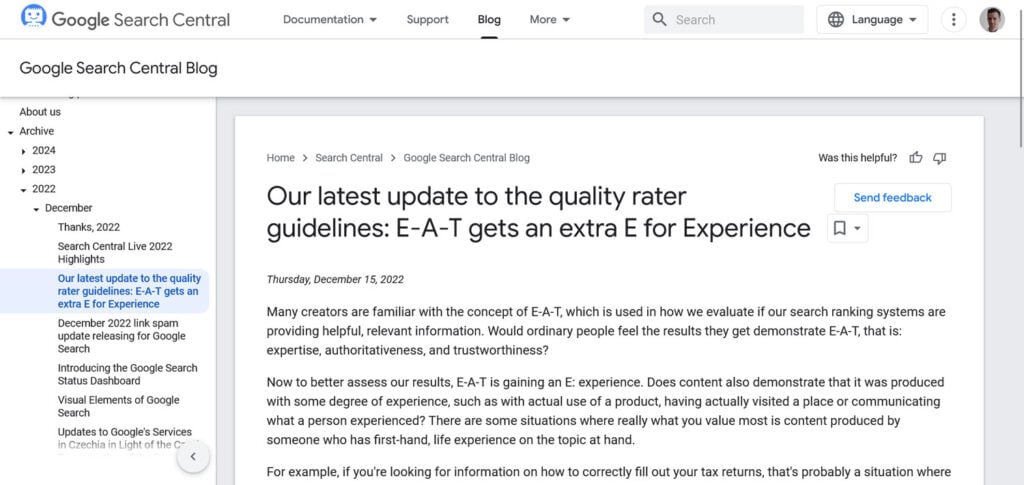
The digital landscape, however, is dynamic. The late 2022 and early 2023 surge in generative artificial intelligence (AI) tools, such as ChatGPT, presented a new challenge. While AI offers immense potential for productivity and content generation, its widespread and often uncritical adoption led to a proliferation of content that, despite being grammatically correct and superficially coherent, often lacked genuine insight, originality, or verifiable experience. This influx of AI-generated content, often indistinguishable from human-written text without careful scrutiny, threatened to dilute the quality of search results. In response, Google updated its Search Quality Rater Guidelines in December 2022, formally adding the "Experience" component to E-A-T, thus forming E-E-A-T. This move was a clear signal: beyond academic expertise and established authority, Google now explicitly values and seeks content infused with real-world, firsthand understanding.
The Catalyst: Generative AI and the Need for Authentic Experience
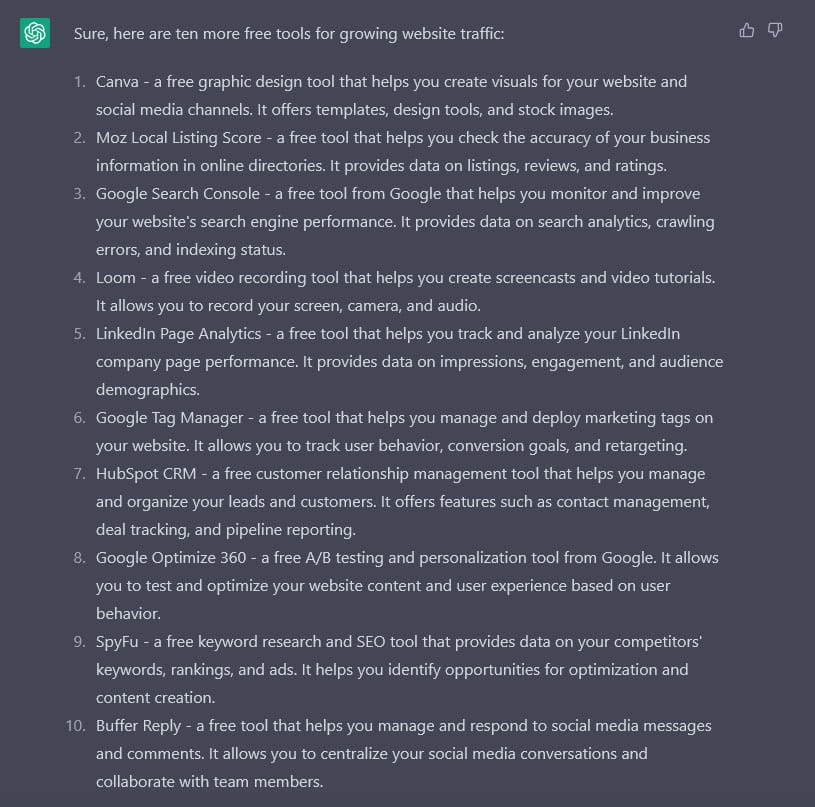
The rapid ascent of generative AI marked a pivotal moment in content creation. Tools capable of producing text, images, and even code with remarkable speed and proficiency democratized content generation. While this technology holds promise for assisting writers, streamlining processes, and generating ideas, its unbridled use without human oversight quickly revealed limitations. AI-generated articles, reviews, and guides often suffer from a lack of genuine perspective. They can synthesize information from existing sources but cannot replicate the subjective insights, practical nuances, or emotional resonance that comes from personal experience.
Consider a product review: an AI can list features, specifications, and even summarize other reviews. But it cannot describe the tactile feel of a device, the specific frustrations of a user interface, or the unexpected joy of a particular feature in real-world usage. Similarly, an AI can provide instructions, but it cannot convey the subtle difficulties of a complex DIY project or the feeling of accomplishment upon its completion. This inherent inability of AI to possess "life experiences" made the web vulnerable to an inundation of competent yet ultimately hollow content.

Google’s "Helpful Content System," introduced earlier in 2022, was a precursor to E-E-A-T, aiming to reward content created for people, not just for search engines. The addition of "Experience" in E-E-A-T is a direct and robust amplification of this initiative, explicitly designed to combat the potential erosion of quality by mass-produced, unverified AI content. It signals a strategic shift to prioritize human-centric content that genuinely helps users by sharing practical insights gleaned from personal interaction and engagement.
Deconstructing "Experience": What it Means for Content Creators
The new "E" in E-E-A-T signifies personal, hands-on experience. It asks: "Does the content creator have the necessary first-hand experience for the topic?" This goes beyond merely being an expert or an authority figure. An expert might have theoretical knowledge, but experience implies practical application and direct engagement.
For content creators, this translates into a fundamental shift in approach:
- Product Reviews: Instead of summarizing manufacturer specifications or other reviews, a truly E-E-A-T compliant review requires the author to have actually used the product. This means testing its features, evaluating its performance, and articulating personal observations. For instance, a tech gadget review should detail setup, daily use, battery life in various scenarios, and specific user interface interactions, supported by original photos or videos of the product in action.
- Service Evaluations: For services (e.g., web hosting, online courses, software subscriptions), authors must demonstrate firsthand engagement. This could involve signing up, using the service’s core functionalities, interacting with customer support, and providing a narrative of their personal journey and results.
- Tutorials and How-To Guides: These pieces demand that the author has successfully performed the task they are instructing others on. A coding tutorial should feature code snippets that the author has personally tested and debugged. A recipe should include details of the cooking process, potential pitfalls, and a photo of the final dish prepared by the author.
- Personal Narratives and Advice: For topics where subjective experience is paramount (e.g., coping with a specific life challenge, travel guides, personal finance tips), the author’s direct involvement and unique perspective become the core value proposition. Sharing anecdotes, challenges faced, and lessons learned from their own journey significantly boosts the "Experience" factor.
The essence of "Experience" is authenticity. Google seeks content that resonates with real-world application, offering insights that only someone who has "been there, done that" can provide.
Practical Strategies for Demonstrating E-E-A-T in Content
To master the "Experience" component of E-E-A-T, content creators must integrate several key practices into their workflow:
- Embrace Authenticity Over Automation: While AI can be a useful tool for brainstorming, outlining, or drafting, it should never be the sole author of content intended to convey experience. Human writers must inject their unique voice, insights, and, crucially, their direct experiences. If AI is used, extensive human editing, fact-checking, and the addition of personal touches are non-negotiable.
- Actively Engage with the Subject Matter: For product reviews, service evaluations, or practical guides, authors must physically interact with what they are writing about. This involves purchasing or acquiring the product, subscribing to and utilizing the service, or performing the task themselves. This hands-on approach naturally generates genuine insights that AI cannot replicate.
- Show, Don’t Just Tell: Provide Visual Proof: The most compelling evidence of firsthand experience comes from original visual content.
- Original Photos: For product reviews, capture unique photos from various angles, showing the product in use, its packaging, or specific features. Avoid relying solely on manufacturer stock images.
- Screenshots: For software, apps, or online services, take clear, annotated screenshots of the interface, specific features, and results achieved.
- Videos/GIFs: Short videos or animated GIFs demonstrating a product’s functionality, a step in a tutorial, or a user interface interaction can dramatically enhance proof of experience.
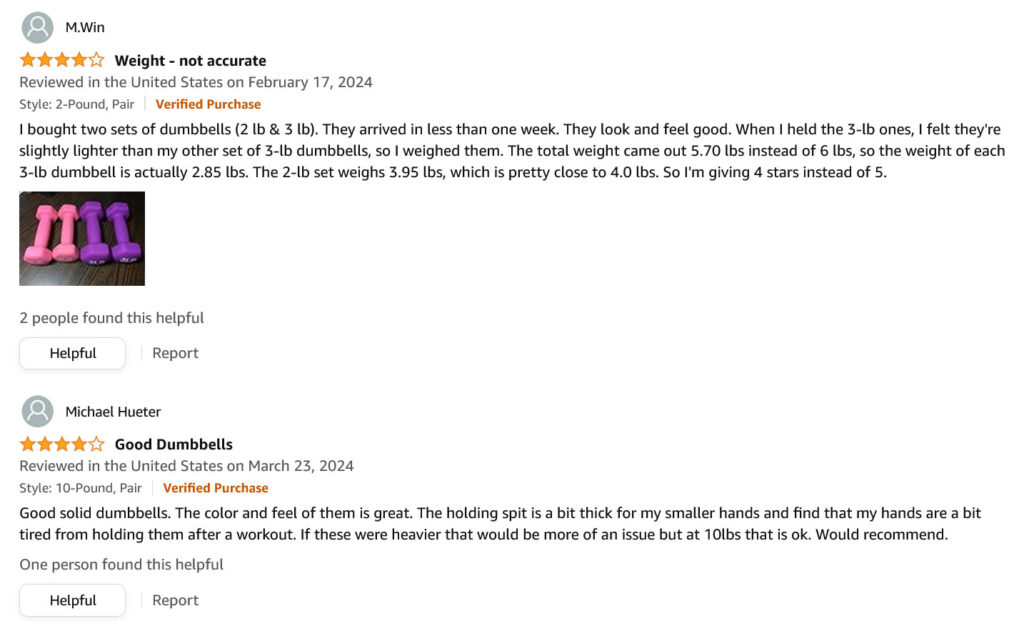
- Offer Honest and Balanced Perspectives: No product or service is perfect. Genuine experience often involves encountering both strengths and weaknesses. Providing a balanced review that includes honest criticisms, alongside compelling reasons for recommendation, significantly boosts trustworthiness. A thoughtful four-star review that details specific pros and cons often holds more credibility than an uncritical five-star rating that sounds generic.
- Rigorously Cite Sources: When integrating factual information or external data, always cite credible sources. This practice, often overlooked in AI-generated content (which can even fabricate references), reinforces the trustworthiness and expertise of the author and the website.
- Cultivate a Strong Author and Site Identity: Transparency about who is behind the content is crucial for E-E-A-T.
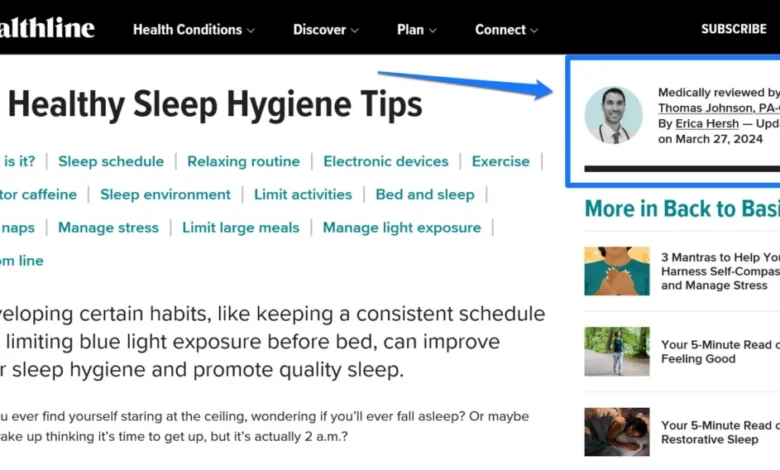
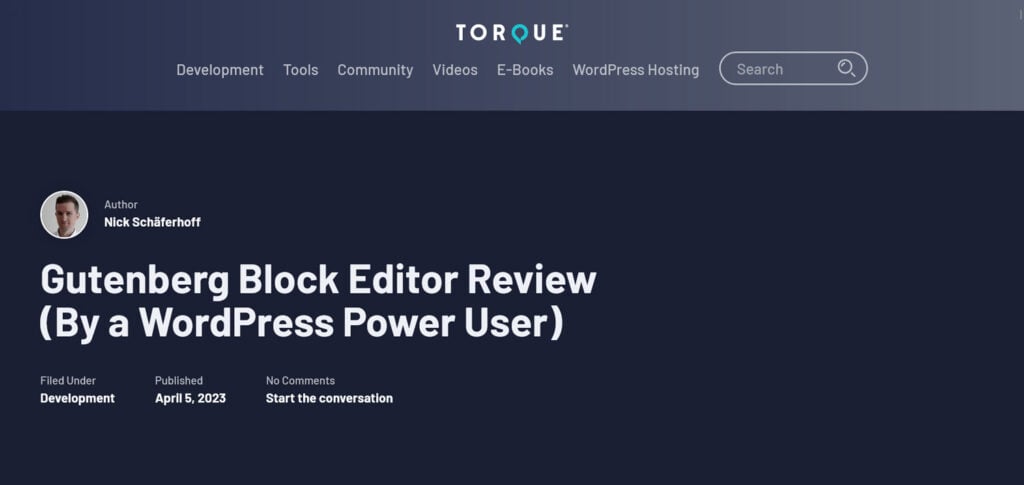
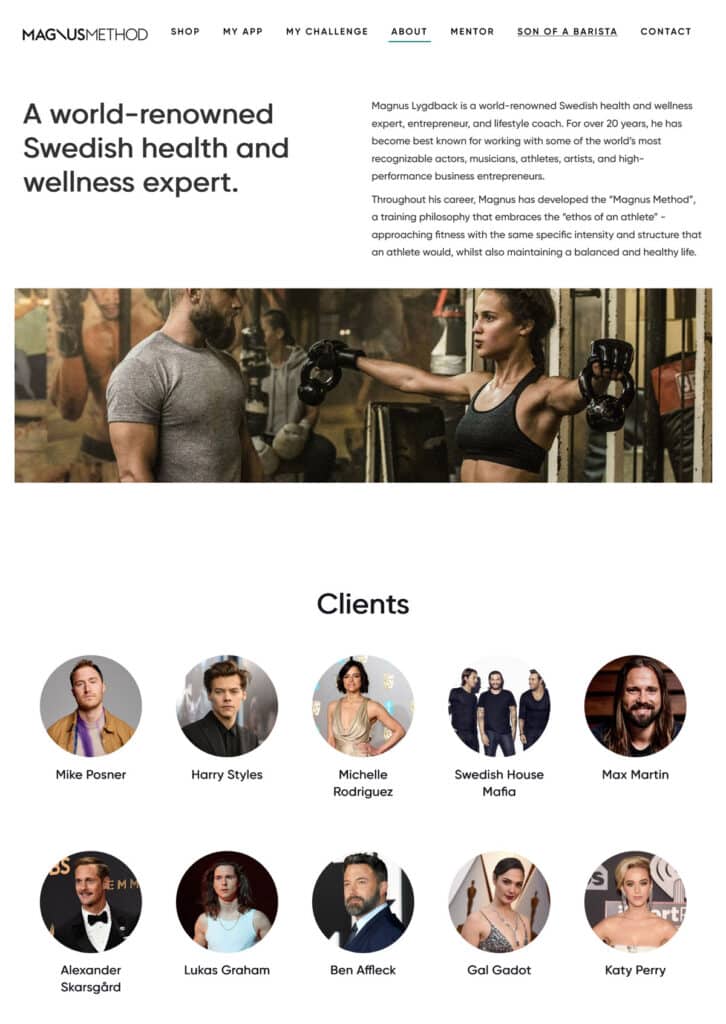
- Detailed Author Bios: Each article should link to an author bio that highlights their relevant qualifications, professional experience, and, importantly, their personal experience related to the topic. For example, a travel writer should mention their extensive travels, a financial blogger their personal investment journey, or a fitness expert their background in training.
- Comprehensive "About Us" Page: The website’s "About Us" page should clearly articulate the site’s mission, its editorial standards, the team behind it, and any collective expertise or experience the organization possesses. This builds institutional trust and authority.
- Build a Public Profile: Encourage authors to have public profiles (LinkedIn, personal websites, social media) that further demonstrate their expertise and experience. This external validation contributes to the overall authority and trustworthiness signals.
The Spectrum of E-E-A-T: Google’s Quality Rating System
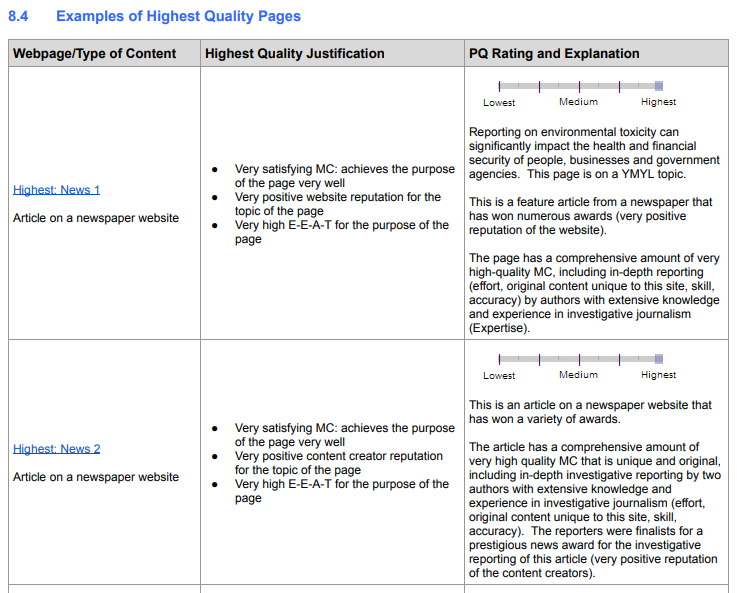
Google’s Search Quality Rater Guidelines delineate E-E-A-T across a spectrum, from "Lowest" to "Very High." Understanding these levels helps content creators benchmark their efforts:
- Lowest E-E-A-T: This category is reserved for pages that are actively harmful, deceptive, or offer no legitimate value. Examples include scam websites, pages with malicious intent, or those promoting dangerous misinformation. Such sites are severely penalized and often removed from search results.
- Lacking E-E-A-T: Pages in this category fail to meet basic E-E-A-T standards. This can include content that is poorly researched, regurgitated from other sources without added value, lacks clear authorship, or offers advice without any demonstrated experience or expertise. Even well-intentioned sites can fall here if they don’t consciously integrate E-E-A-T principles. A page that purports to review a product but clearly hasn’t used it, or a medical advice page written by someone without medical credentials, would likely receive this rating.
- High Level of E-E-A-T: Websites achieving this level successfully demonstrate credible experience, expertise, authority, and trustworthiness. Their content is well-researched, offers genuine insights, and is created by identifiable individuals or organizations with relevant credentials or proven track records. Such pages serve a clear, beneficial purpose for users.
- Very High Level of E-E-A-T: This is the pinnacle of content quality, reserved for pages that are exceptionally authoritative and trustworthy, often recognized as industry leaders or definitive sources. These sites not only meet but exceed E-E-A-T requirements, providing profound insights, original research, and a consistently superior user experience. This level often applies to established scientific journals, highly reputable news organizations, or leading experts in specialized fields whose experience is undeniable and widely recognized.
Special Considerations: YMYL (Your Money or Your Life) Content
For YMYL topics, E-E-A-T, particularly "Expertise" and "Trustworthiness," has always been critically important. With the addition of "Experience," the stakes are even higher.
- Professional Expertise is Paramount: For medical advice, financial planning, legal guidance, or safety instructions, content must be written or rigorously vetted by individuals with appropriate professional qualifications (e.g., licensed doctors, certified financial advisors, legal professionals). The "Experience" here might also relate to the professional’s years of practice and direct patient or client interaction.
- Personal Experience as a Complement: While professional expertise cannot be substituted for YMYL topics, personal experience can play a valuable, complementary role. For example, a financial blog might feature a certified financial planner providing investment advice (Expertise), alongside personal stories from individuals who successfully managed debt or saved for retirement (Experience). Similarly, a medical website might offer medically reviewed information on a condition (Expertise) alongside a patient’s personal narrative of living with that condition and coping strategies (Experience). Google’s guidelines explicitly differentiate between topics where professional expertise is non-negotiable and those where life experience can be a primary qualification (e.g., reviews of local restaurants, forums for support groups).
Beyond E-E-A-T: Other Intersecting Ranking Factors
While E-E-A-T is a powerful framework, it intersects with other crucial SEO considerations:
- The Needs Met Rating: This fundamental concept evaluates whether a search result fully satisfies the user’s query and intent. Even with high E-E-A-T, if a page doesn’t directly answer the user’s question or fulfill their underlying need, its "Needs Met" rating will suffer. Content creators must deeply understand their target audience’s search intent and structure their content to provide comprehensive, actionable answers.
- Overall Page Quality: Beyond the content itself, the entire user experience contributes to page quality. This includes site design, mobile-friendliness, page load speed, absence of intrusive ads, clear navigation, and a generally professional presentation. A site with excellent E-E-A-T content but a poor user interface may still struggle in rankings.
- Helpful Content System: Google’s broader "Helpful Content System" reinforces the E-E-A-T mandate. It aims to identify and reward content that is truly helpful, original, and created for people, rather than solely for search engines. E-E-A-T is a key pillar of what constitutes "helpful content."
Implications for SEO and the Digital Content Landscape
The E-E-A-T update, with its amplified focus on "Experience," marks a significant directional shift for the digital content industry:
- Shift Towards Quality and Value: The era of mass-produced, generic, or AI-spun content as a primary SEO strategy is drawing to a close. Content creators must now prioritize depth, originality, and the unique value that only human experience can provide.
- Increased Investment in Original Research and Testing: Companies and content teams will need to allocate more resources to conducting genuine product tests, service trials, and firsthand research to meet the "Experience" mandate. This may involve purchasing products, hiring testers, or dedicating more time for authors to personally engage with topics.
- Opportunity for Niche Experts and Independent Creators: Individuals and small teams with genuine, demonstrable experience in niche fields stand to gain significant advantages. Their unique insights, often overlooked by larger content mills, now become a powerful ranking signal.
- Challenges for Content Mills and Generic Affiliate Sites: Websites that rely heavily on syndicated content, thin affiliate reviews, or unverified information will likely face increasing penalties. The competitive landscape will favor those who can consistently prove their direct engagement.
- Google’s Ongoing Challenge: While the guidelines are clear, effectively scaling the assessment of "Experience" across billions of web pages remains a complex challenge for Google’s algorithms. The role of human quality raters, providing nuanced feedback, will continue to be crucial in training these systems.
In conclusion, the evolution to E-E-A-T underscores Google’s unwavering commitment to user satisfaction and the integrity of its search results. For content creators, this is an invitation to elevate their craft, to move beyond mere information aggregation, and to infuse their work with the unique, invaluable perspective that only genuine, firsthand experience can provide. By embracing the tenets of Experience, Expertise, Authoritativeness, and Trustworthiness, content creators can not only meet Google’s quality guidelines but also build deeper trust and loyalty with their audience, ensuring long-term success in the dynamic digital ecosystem.