The Evolving Landscape of SEO Services: Spending Trends, Client Satisfaction, and Future Outlook

The realm of Search Engine Optimization (SEO) services has undergone profound transformations in recent years, propelled by dynamic shifts in search engine algorithms, the integration of Artificial Intelligence (AI) into search results, and intensified competition across virtually every industry. A comprehensive report, drawing on data from multiple sources including a significant survey of 1,200 business owners, provides a detailed snapshot of the industry’s current state, revealing critical trends in spending, client satisfaction, and the factors influencing provider selection and retention.
A Multi-Billion Dollar Industry with Evolving Dynamics
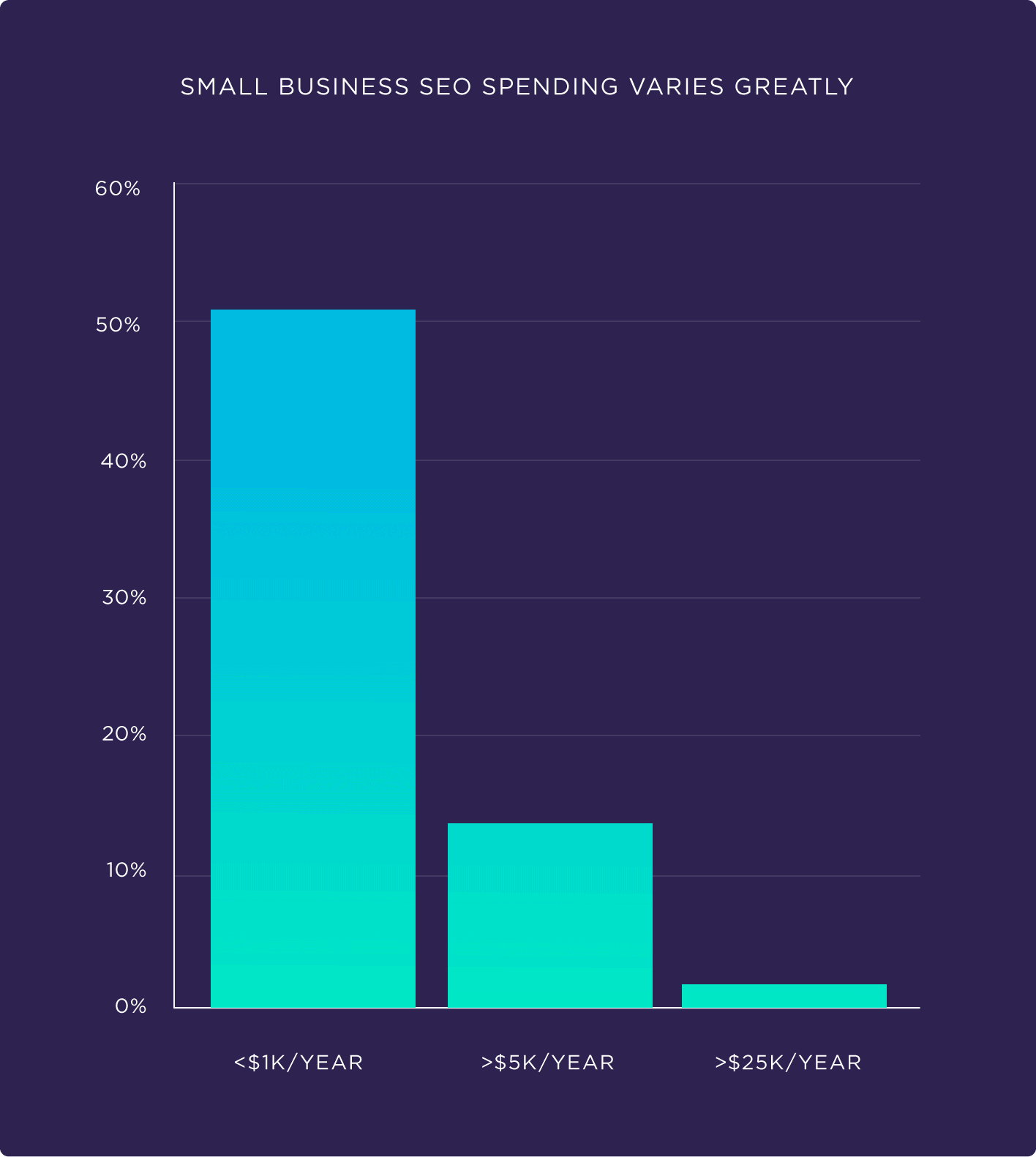
The scale of investment in SEO and digital marketing consulting in the United States alone is staggering, with companies spending an estimated $119.4 billion annually in 2025. This figure underscores the critical importance businesses place on online visibility. While the average monthly spend for small businesses was identified as $497.16 in 2019, the data reveals a broad spectrum of investment, with half of respondents allocating less than $1,000 per year, yet a notable 14% investing over $5,000 annually, and 2% exceeding $25,000.
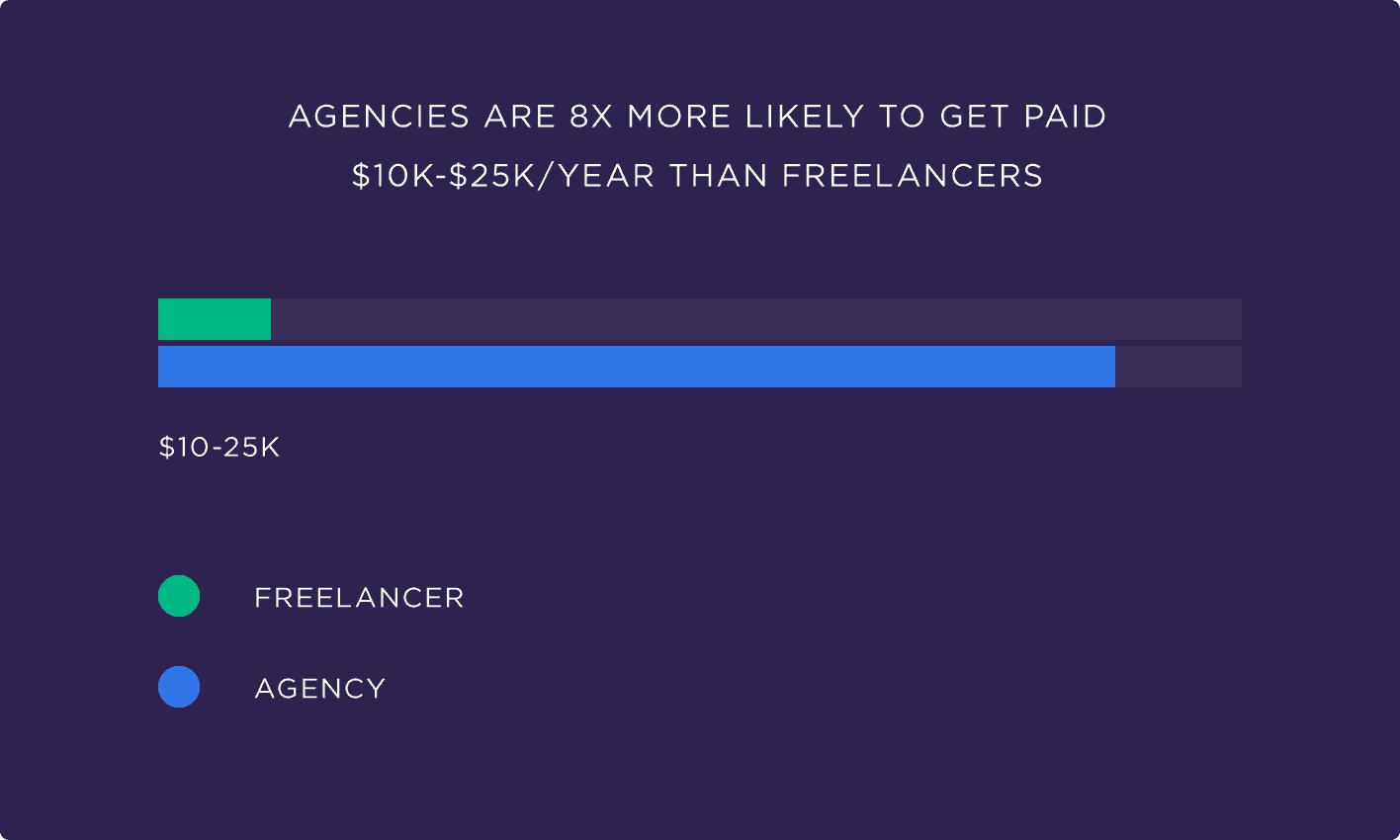
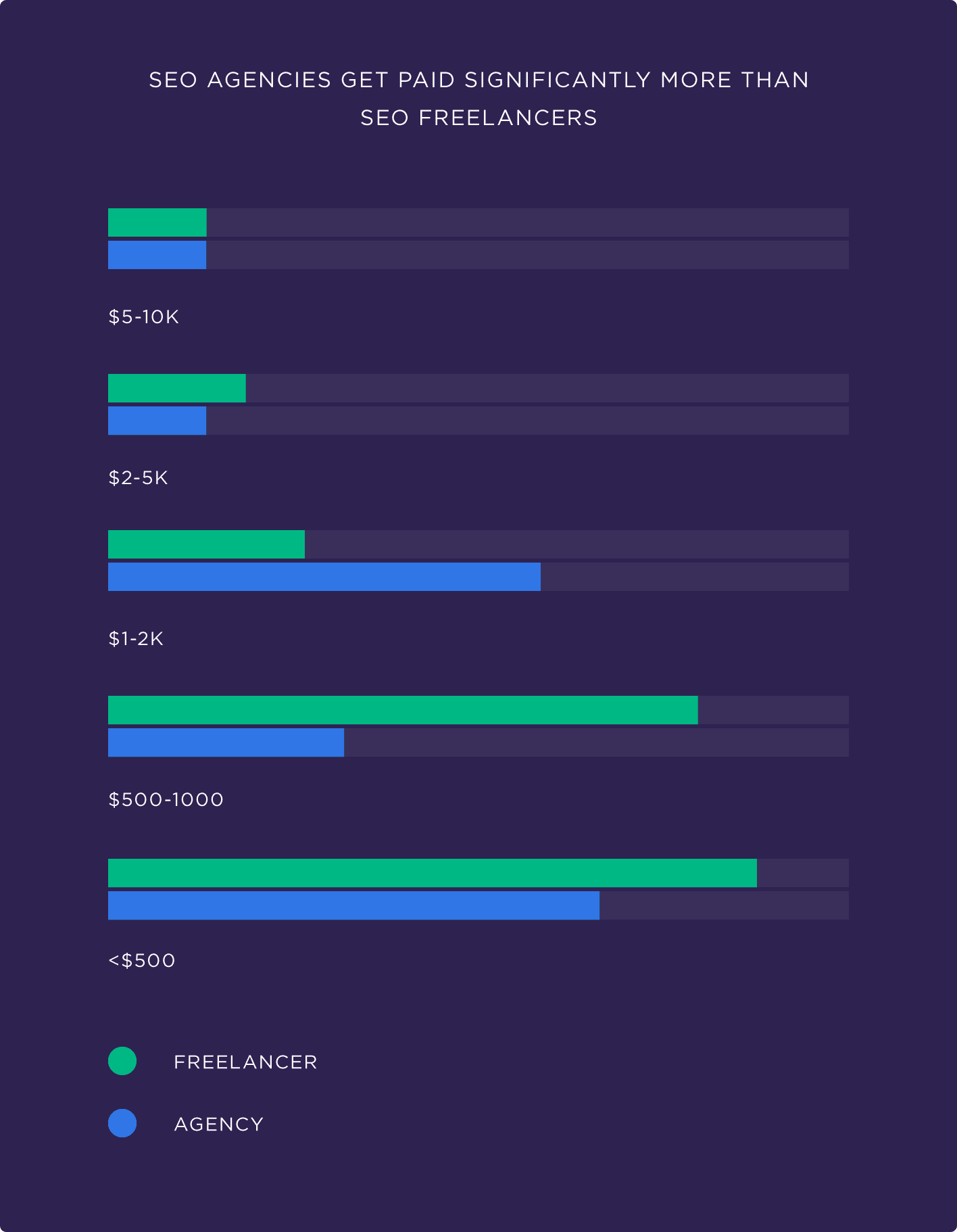
This varied spending pattern is often linked to the type of provider chosen. Marketing agencies, for instance, command significantly higher fees than freelance SEO professionals. Agencies were found to be twice as likely to receive monthly payments in the $1,000-$2,000 range compared to freelancers, who typically operate within the $500-$1,000 bracket. Furthermore, agencies dominate the higher-end market, with 24% of small businesses working with agencies spending $10,000-$25,000 per year, in stark contrast to just 2% of those engaging freelancers. This financial disparity suggests a perception of greater value, comprehensive service, or specialized expertise offered by agencies, enabling them to attract and retain clients with larger budgets.
The Paradox of Spending and Satisfaction
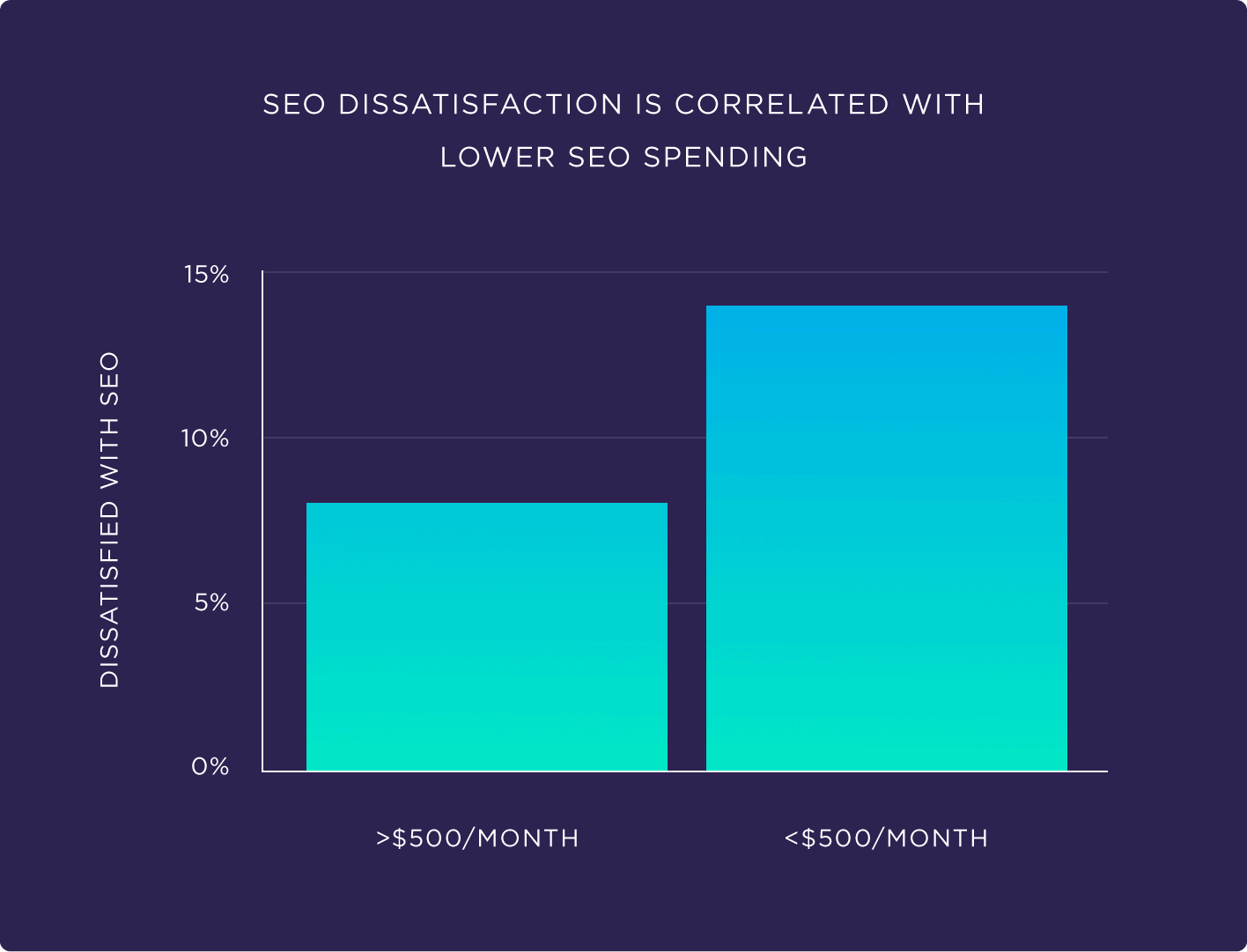
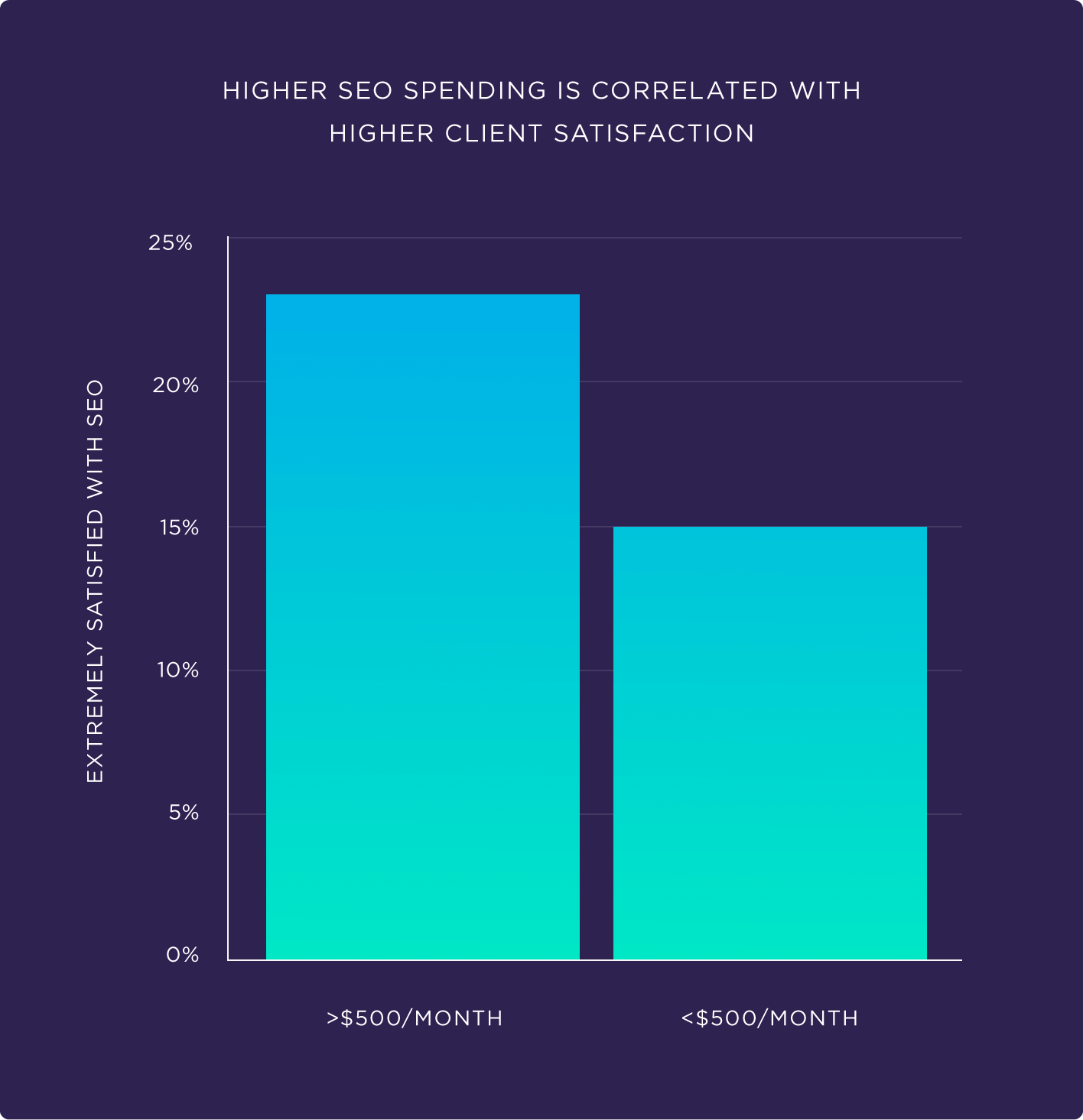
Intriguingly, the study uncovers a strong correlation between increased spending on SEO and higher client satisfaction. Clients investing over $500 per month were 53.3% more likely to report being "extremely satisfied" with their small business SEO services compared to those spending less. Conversely, business owners in the sub-$500 category were 75% more prone to dissatisfaction. This trend holds true irrespective of whether clients engaged freelancers, agencies, or a hybrid model, suggesting that adequate investment is often a prerequisite for achieving desired outcomes and fostering positive client experiences. Industry experts often posit that higher budgets allow for more robust, multi-faceted strategies, better tools, and more experienced professionals, all of which contribute to better results and, consequently, higher client contentment.
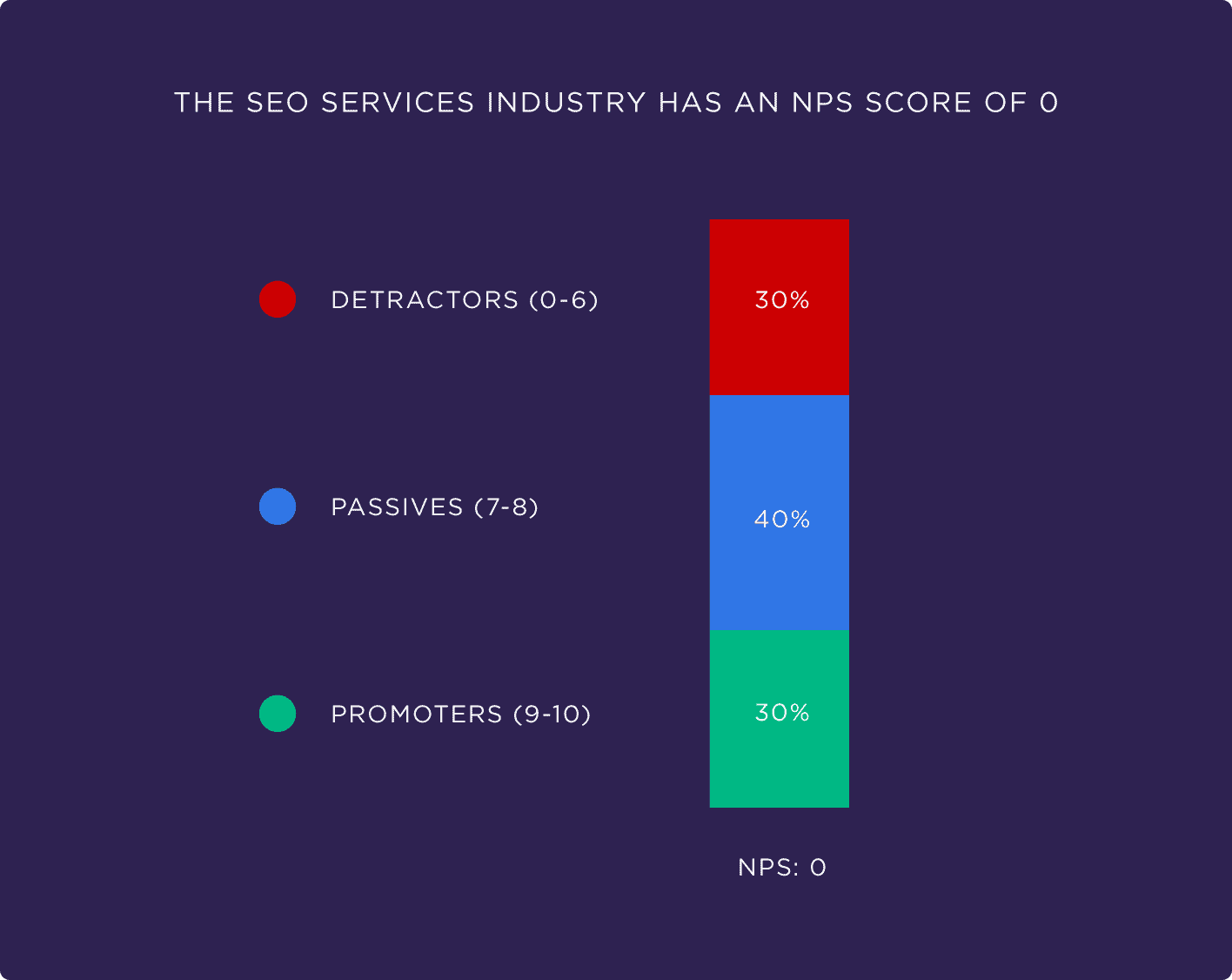
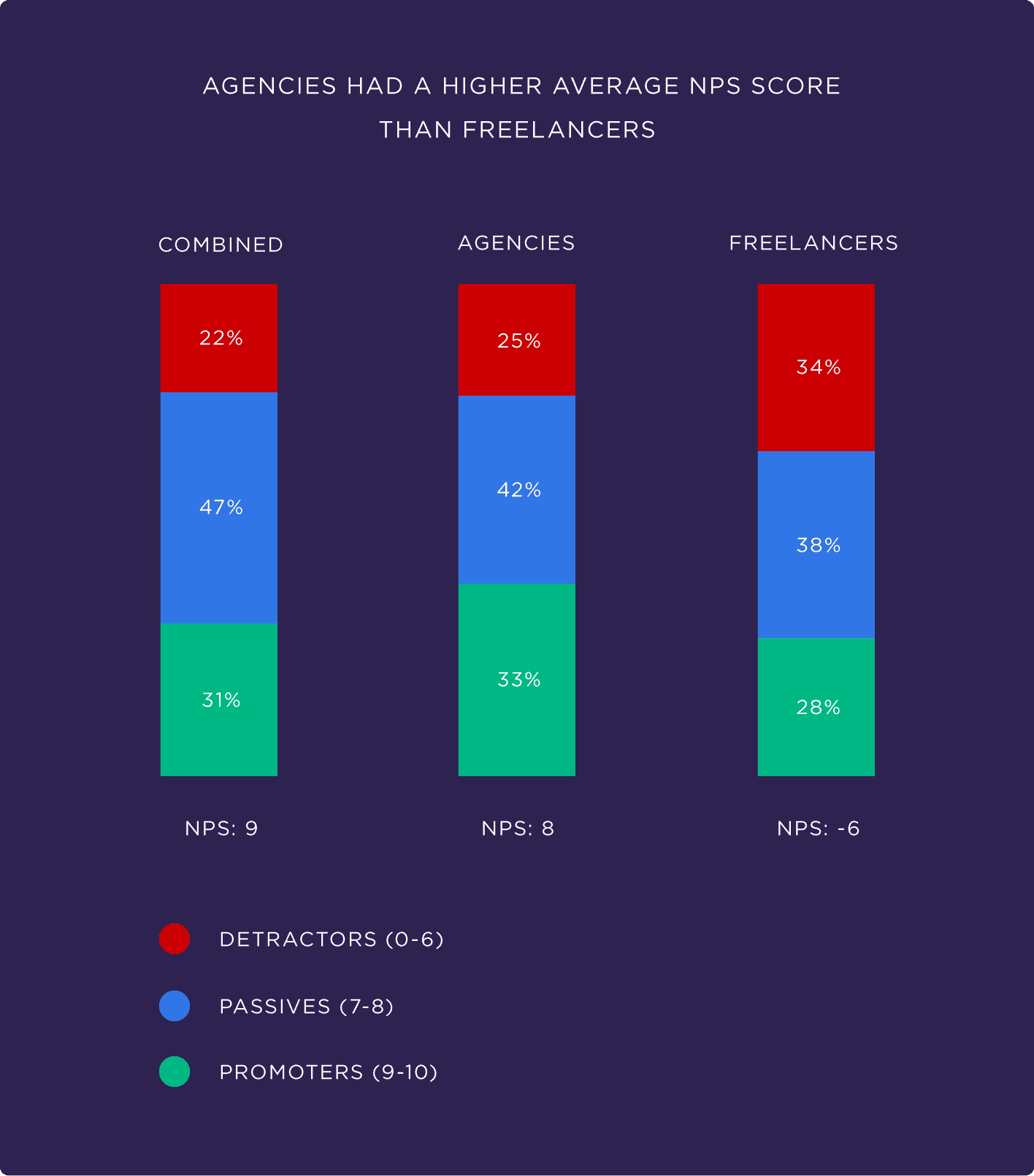
Despite the correlation with higher spending, overall satisfaction within the SEO services industry remains remarkably low. A striking finding is that only 30% of small business owners would recommend their current SEO provider to a friend or colleague. This translates to a Net Promoter Score (NPS) of 0 for the industry as a whole, indicating a general sentiment of "not likely to recommend." While marketing agencies generally boasted a slightly higher NPS than freelancers, all provider types exhibited low scores. This widespread dissatisfaction points to systemic issues beyond just the quality of individual providers, hinting at challenges inherent in the nature of SEO itself and client-provider communication.
Navigating the Search for an SEO Partner
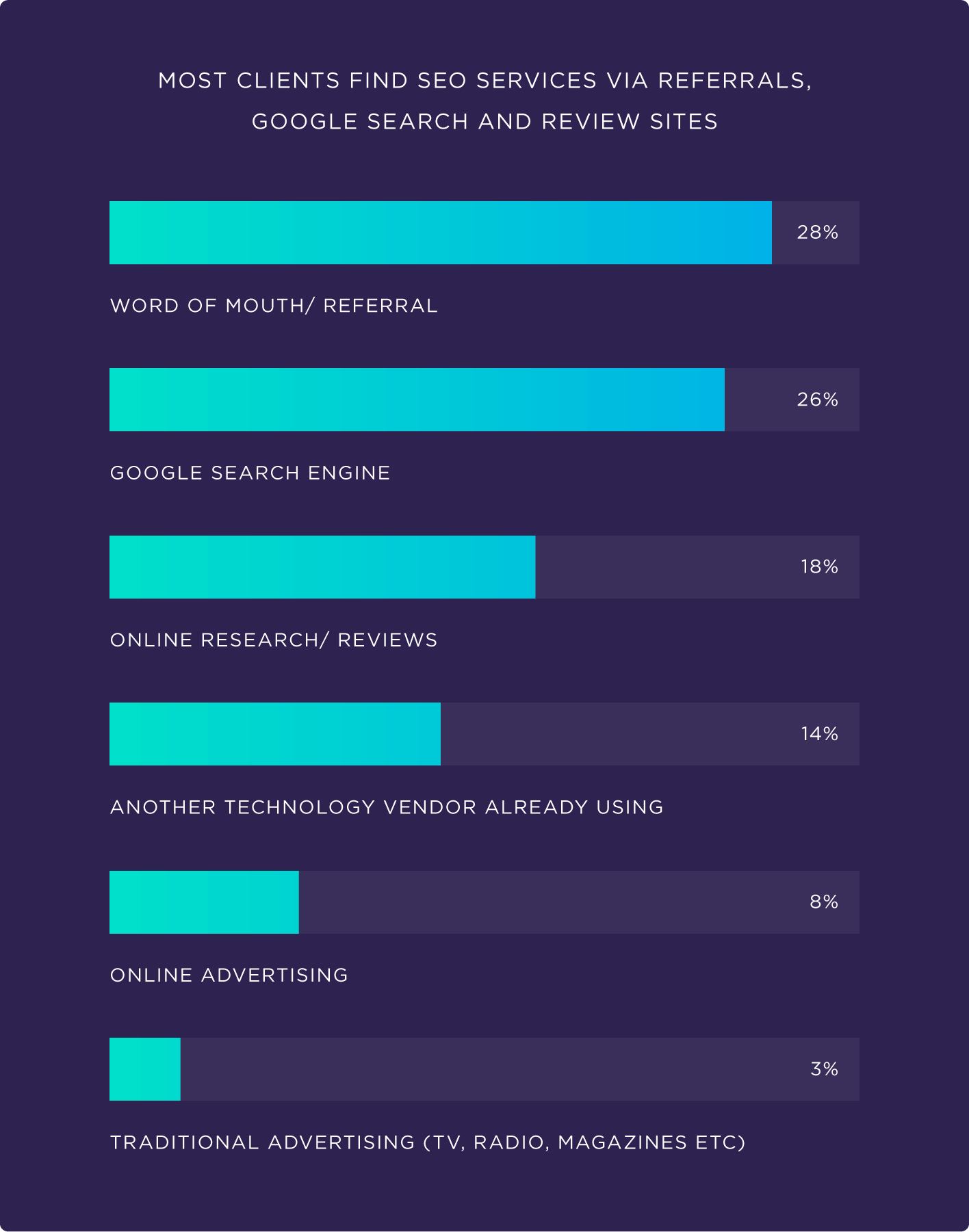
When businesses embark on the journey to find an SEO provider, their primary avenues are referrals, Google searches, and online review platforms such as Yelp. This highlights the enduring power of word-of-mouth and the critical importance of a strong online presence for SEO firms themselves. In a somewhat paradoxical twist, only a small fraction (8%) of SEO clients found their current provider through online advertising, and even fewer through offline advertising or referrals from other vendors like web designers. This suggests that while SEO companies help others get found online, their own client acquisition often relies on organic visibility and trusted recommendations.
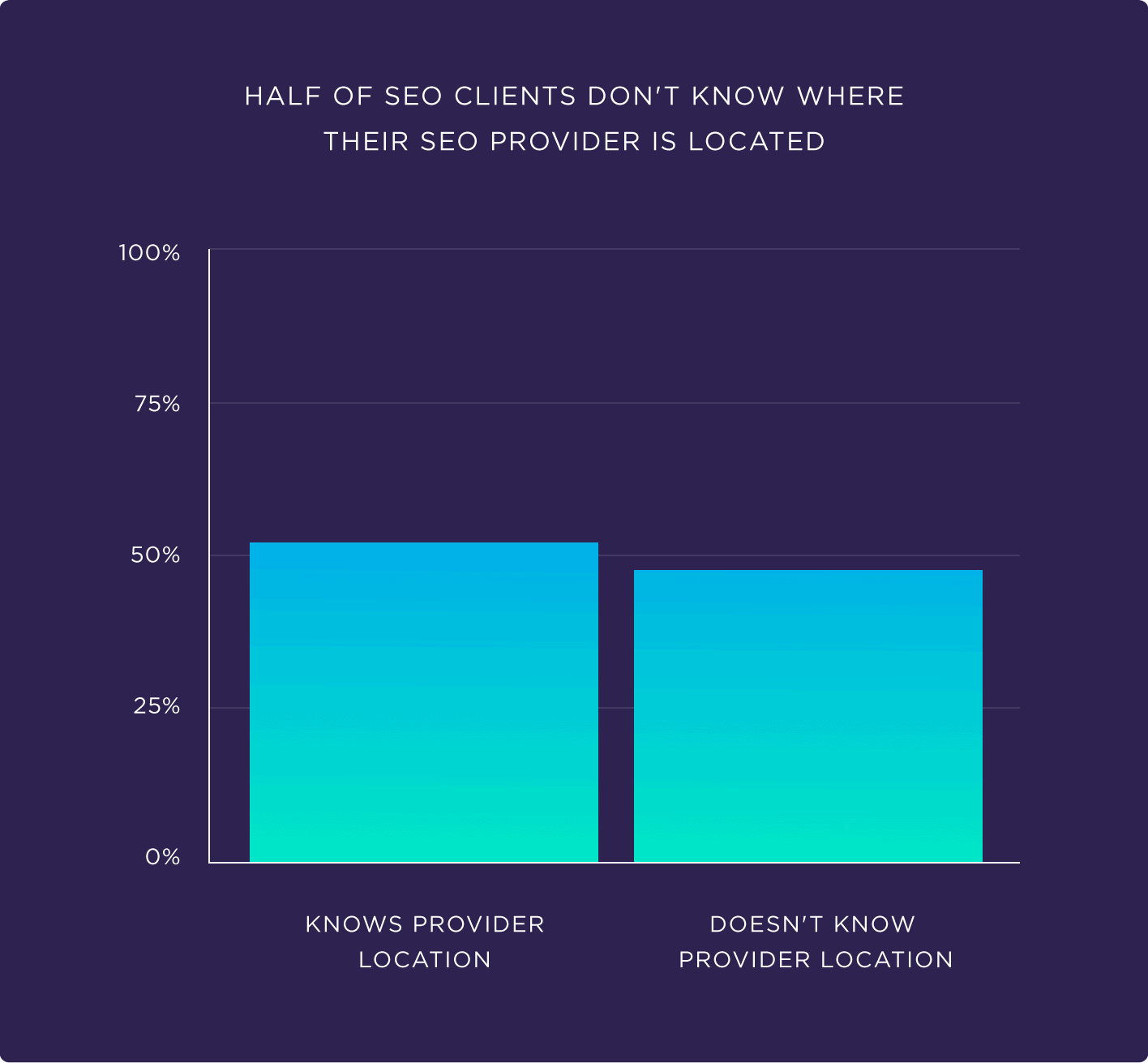
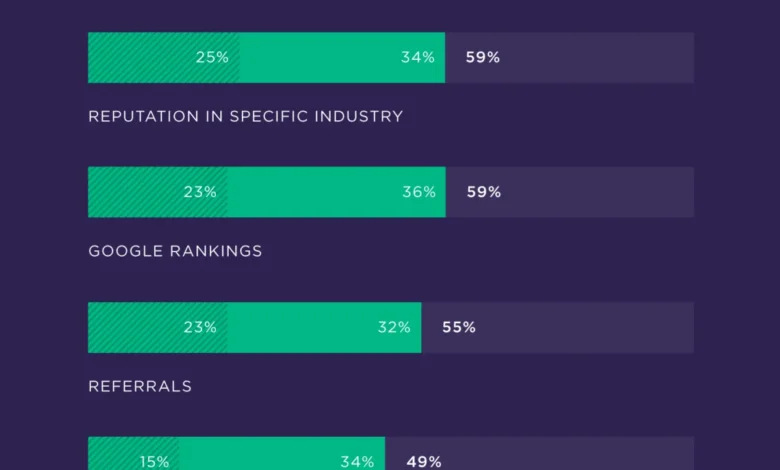
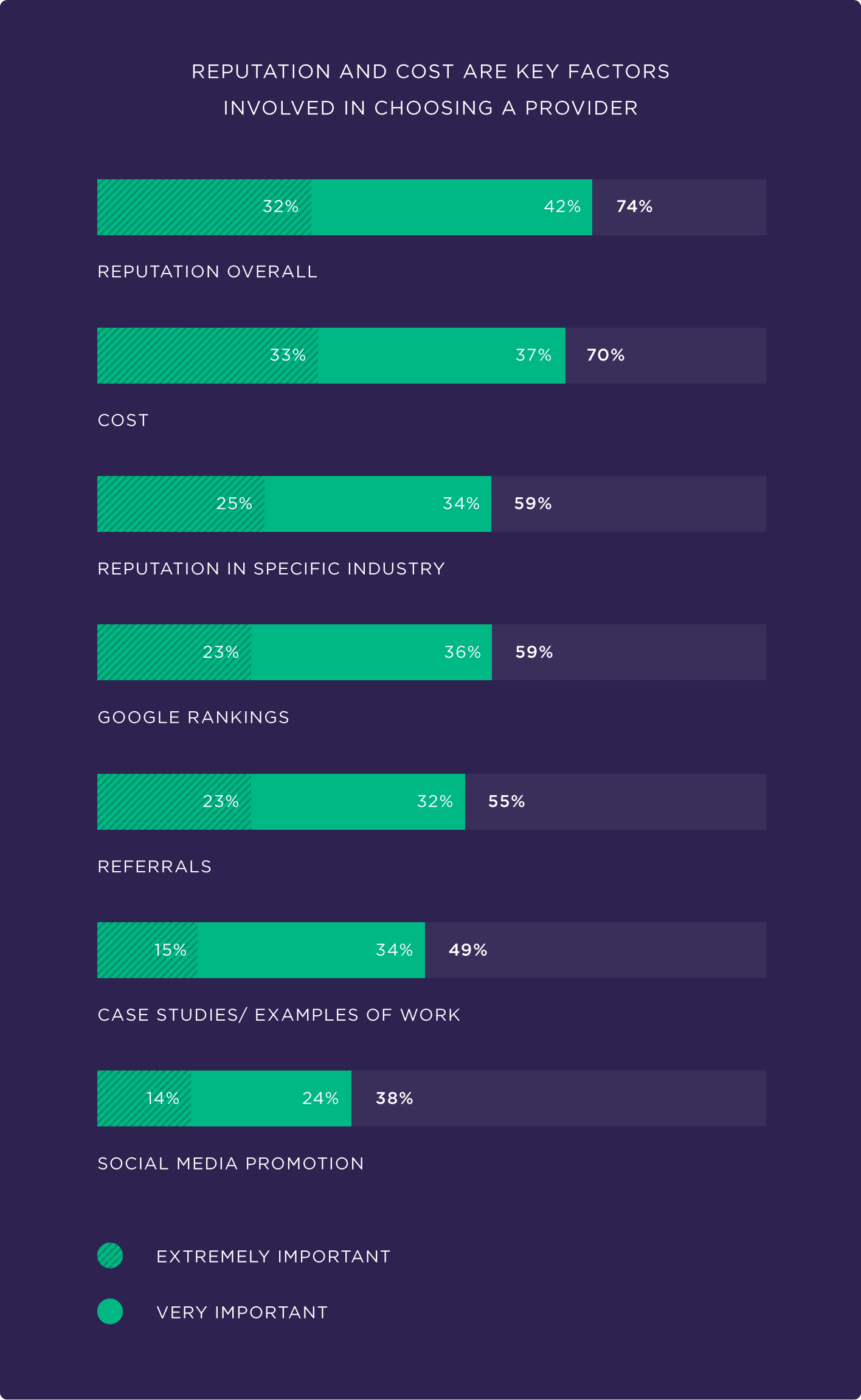
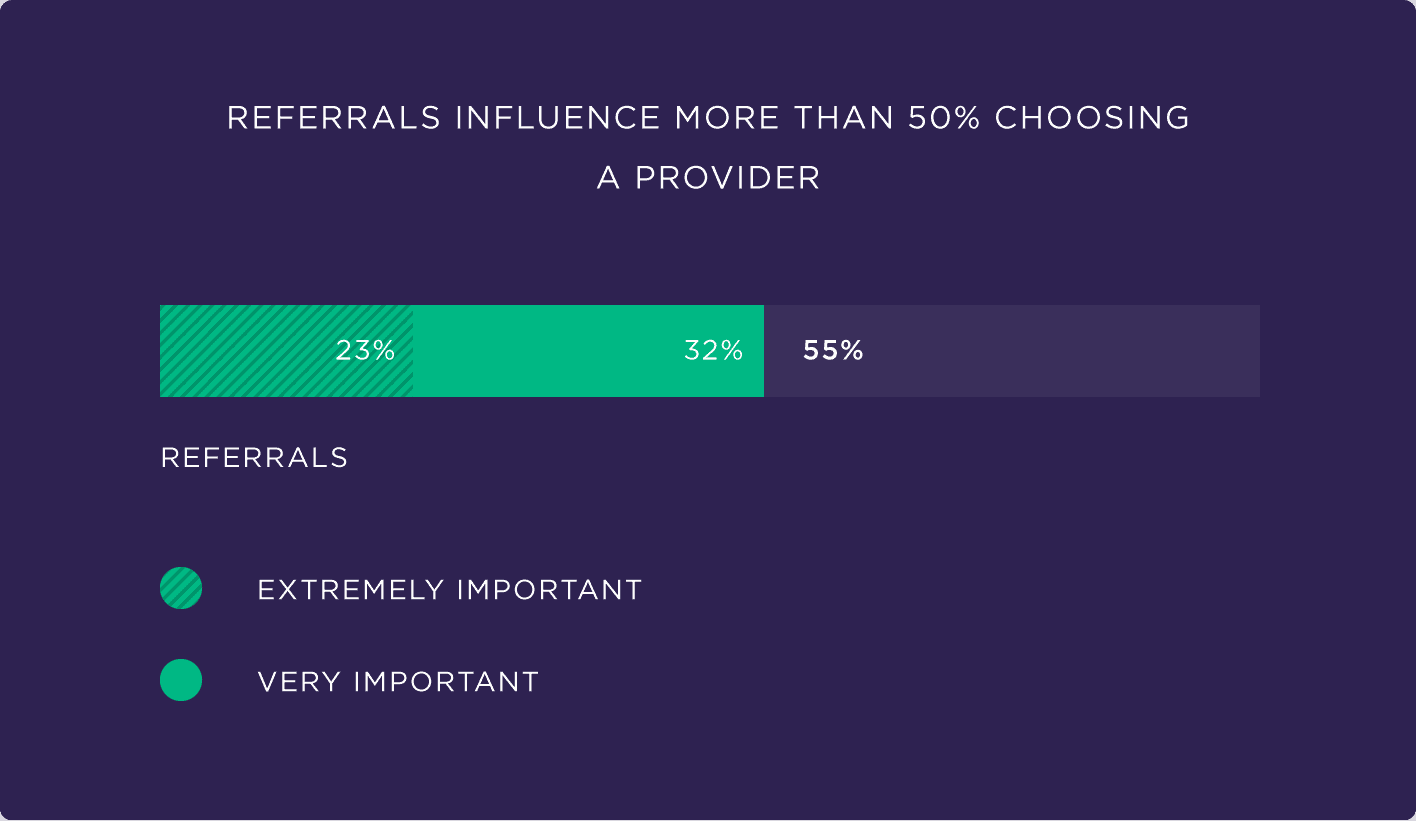
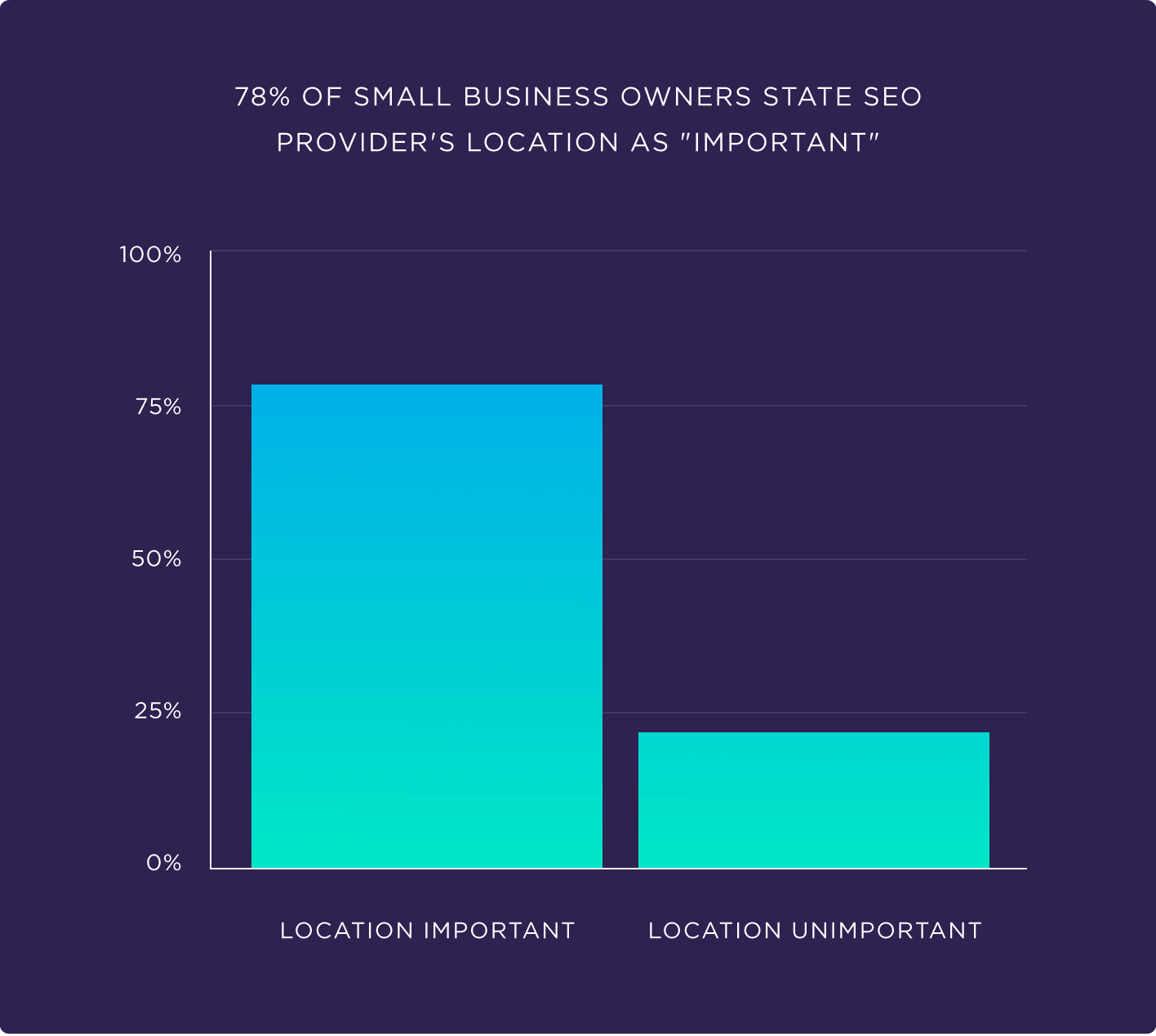
The decision-making process for selecting a provider is heavily weighted towards reputation, cost, and the provider’s own Google rankings. A significant 74% of business owners consider an SEO provider’s reputation "very" or "extremely" important. While factors like client case studies and social media presence were deemed less crucial, they still played a role, with 55% citing referrals as an important consideration. Furthermore, a provider’s location surprisingly matters, with 78% of US-based small businesses considering it "important," despite only 51% knowing their current provider’s exact location. This indicates a preference for local expertise or at least a tangible business presence, even in a largely remote-friendly service industry. SEO providers would do well to clearly communicate their physical location, if applicable, to build trust and meet client expectations.
Bridging the Expectation Gap: What Clients Truly Value

Client expectations from SEO services are overwhelmingly focused on tangible business growth. A 2025 survey revealed that 91% of SEO service users reported a positive impact on website performance and marketing goals, setting a high bar for new engagements. The most paramount expectations identified were "accessing new customers," "increasing traffic," "increasing brand awareness," and "building trust."
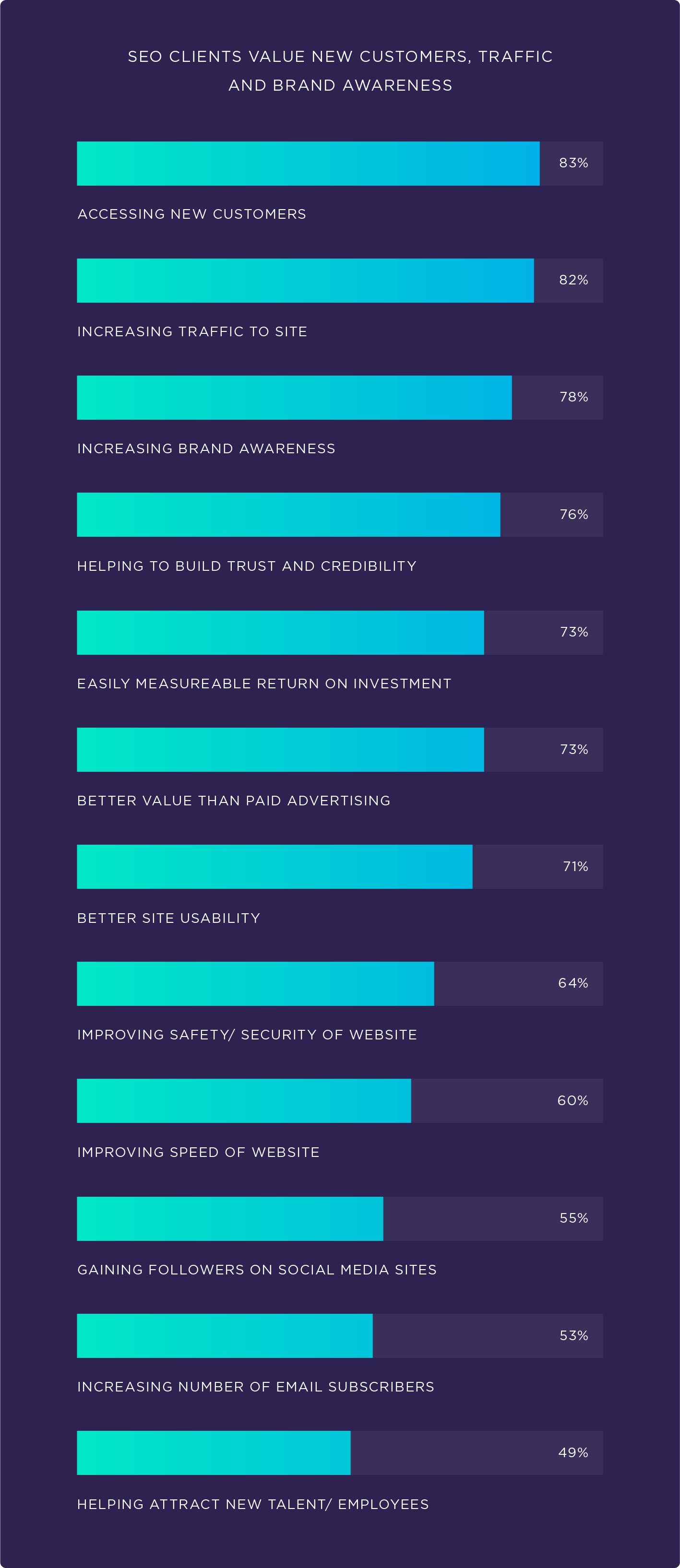
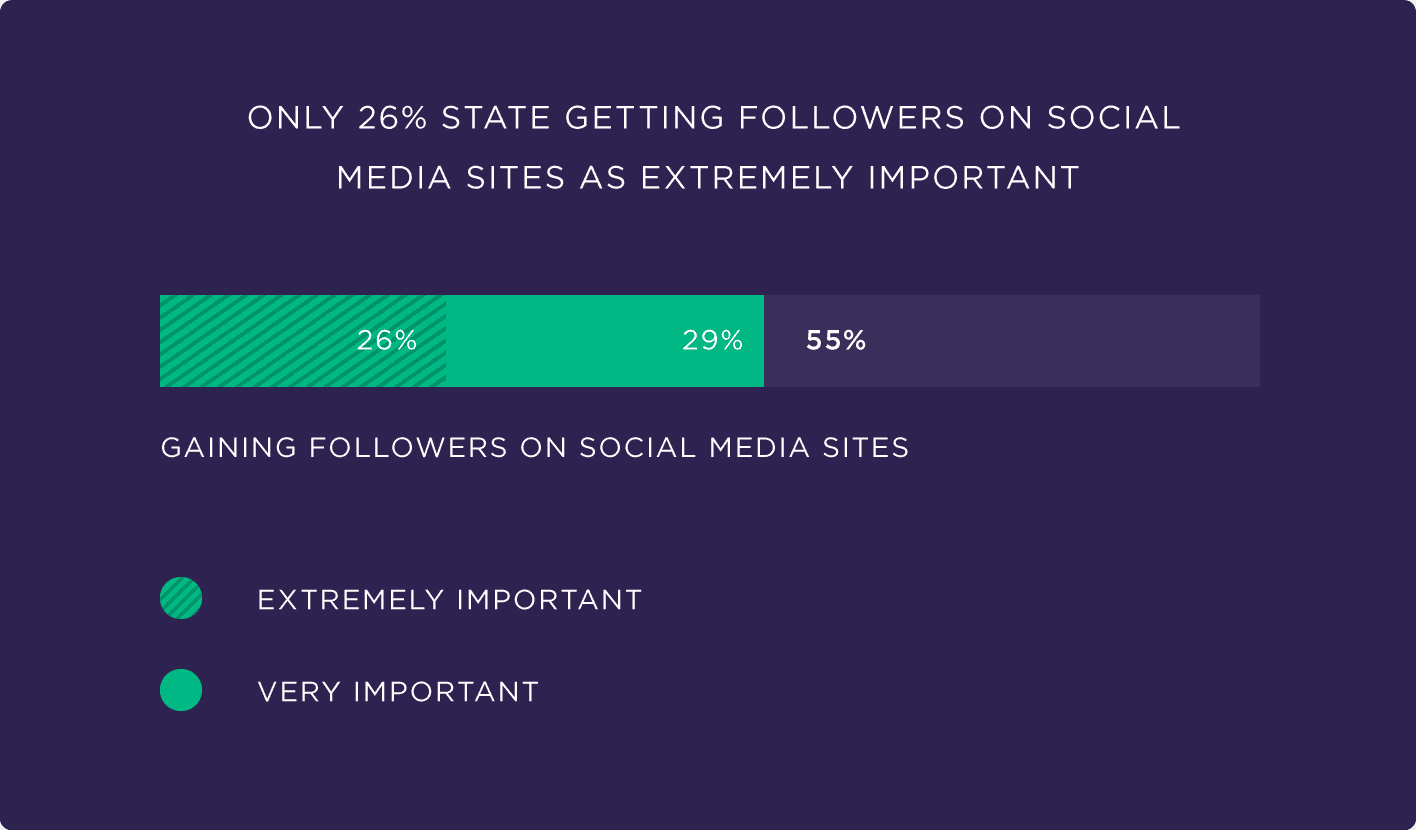
Conversely, metrics such as "gaining social media followers," "increasing email subscribers," and "helping to attract new talent" were considered relatively unimportant. Only 26% of respondents considered gaining social media followers "extremely important." This is a crucial insight for SEO providers: aligning initial conversations and ongoing reporting with clients’ core business objectives – customer acquisition and traffic growth – rather than vanity metrics or technical jargon, is vital for managing expectations and fostering satisfaction. A provider who frames their strategy around "getting more targeted traffic and customers" will resonate far more with a client than one focused on "improving Facebook likes."
SEO ROI: High Potential, Varied Realities, and AI’s Influence

SEO is widely celebrated as one of the marketing channels offering the highest return on investment (ROI), with some estimates suggesting an average ROI of approximately 22:1 – meaning businesses could potentially earn $22 for every $1 invested. Moreover, a substantial 34% of qualified leads are attributed directly to SEO efforts.
However, this impressive ROI is not uniform across all sectors. The report highlights significant variations by industry:
- Medical Device: 1,183% ROI, 13 months breakeven
- Higher Education & College: 994% ROI, 13 months breakeven
- Oil & Gas: 906% ROI, 10 months breakeven
- Industrial IoT: 866% ROI, 7 months breakeven
- Pharmaceutical: 826% ROI, 9 months breakeven
- Manufacturing: 813% ROI, 9 months breakeven
- Biotech: 788% ROI, 8 months breakeven
- Solar Energy: 770% ROI, 9 months breakeven
- Commercial Insurance: 758% ROI, 9 months breakeven
- B2B SaaS: 702% ROI, 7 months breakeven
- Construction: 681% ROI, 5 months breakeven
- HVAC Services: 678% ROI, 6 months breakeven
- IT Staffing: 612% ROI, 10 months breakeven
- Legal Services: 526% ROI, 14 months breakeven
- Healthcare: 532% ROI, 11 months breakeven
- Financial Services: 447% ROI, 9 months breakeven
- E-commerce: 317% ROI, 9 months breakeven
These figures underscore that while SEO’s potential is immense, the specific returns and time to breakeven are heavily influenced by sector-specific market dynamics, competition, and customer behavior.
The rapid emergence of AI is also reshaping SEO ROI. The study indicates a largely positive impact, with 39% of respondents reporting a "moderate increase" and 29% claiming a "significant ROI increase" due to AI integration in their SEO strategies. Only a mere 1% reported a reduction in ROI due to AI, signaling a strong consensus that AI tools and methodologies are enhancing, rather than detracting from, SEO effectiveness. This trend emphasizes the growing importance for SEO providers to integrate AI-powered solutions into their offerings to maximize client value.

Root Causes of Dissatisfaction and High Turnover
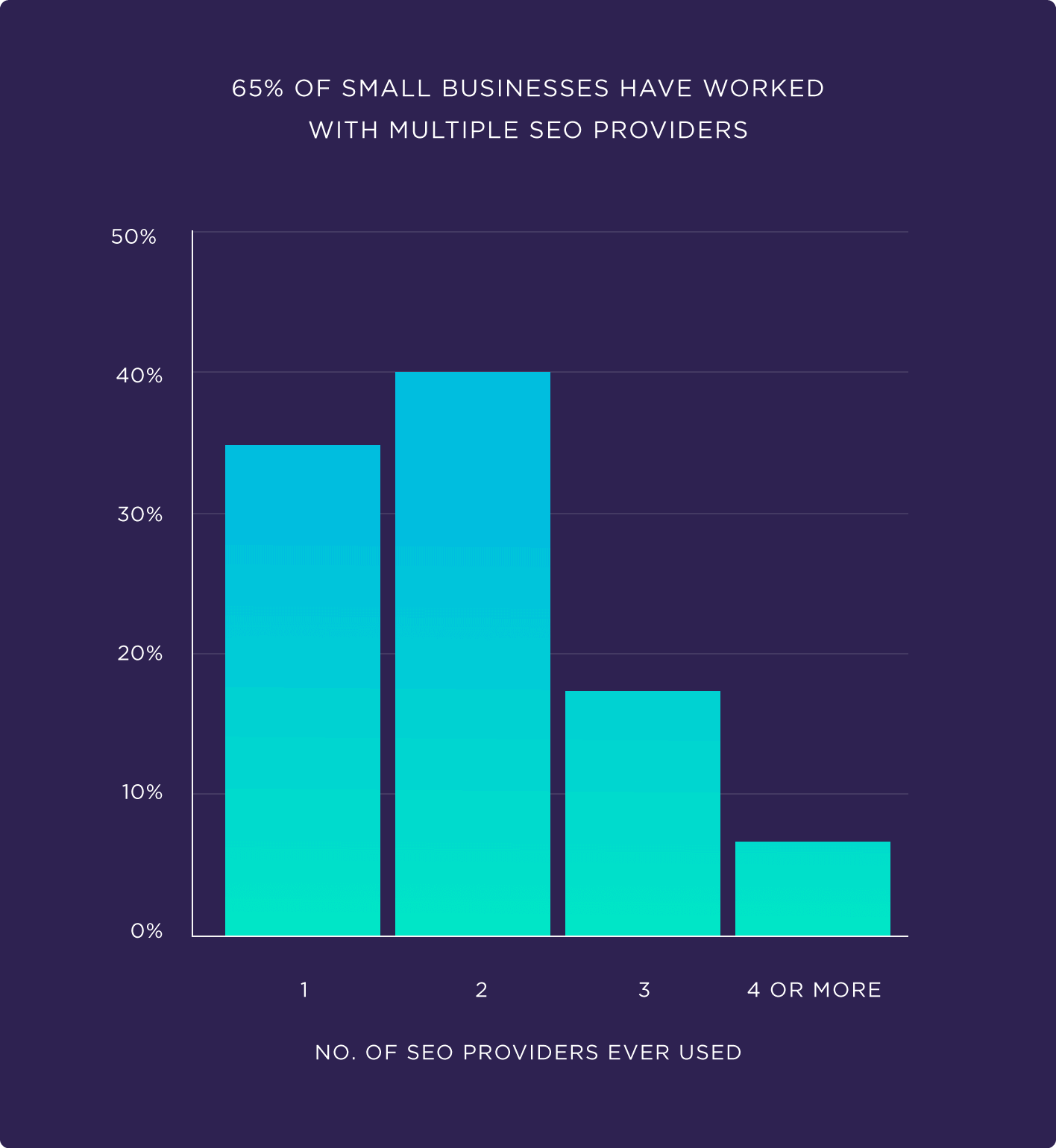
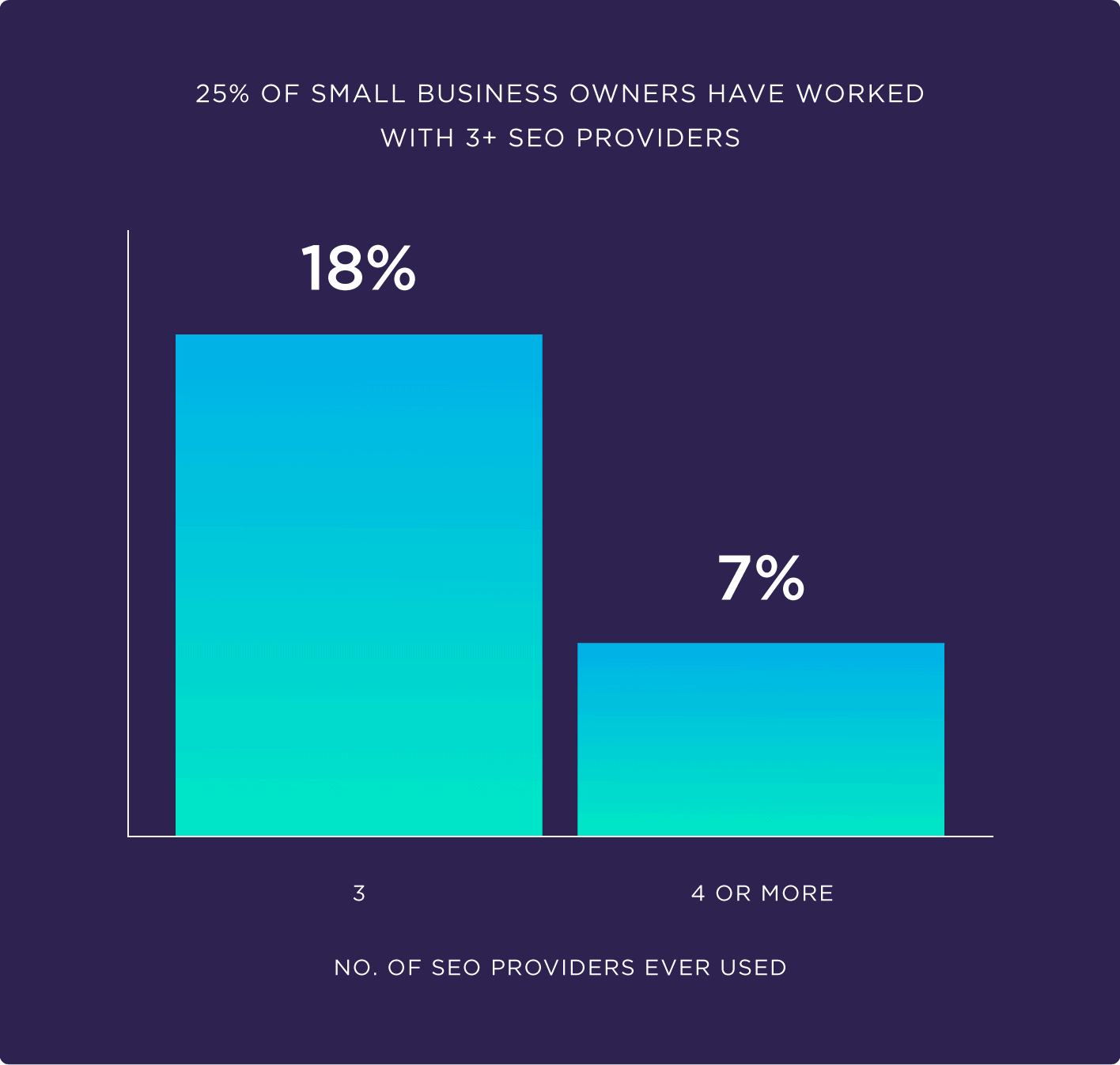
The low overall satisfaction and high turnover rates within the SEO industry – with 65% of small business owners having worked with multiple providers and 25% with three or more – can be attributed to a confluence of factors. SEO is inherently a long-term investment, with many campaigns requiring 6-12 months just to reach breakeven. This slower payoff, coupled with unclear reporting and misaligned expectations, often leads to client frustration.
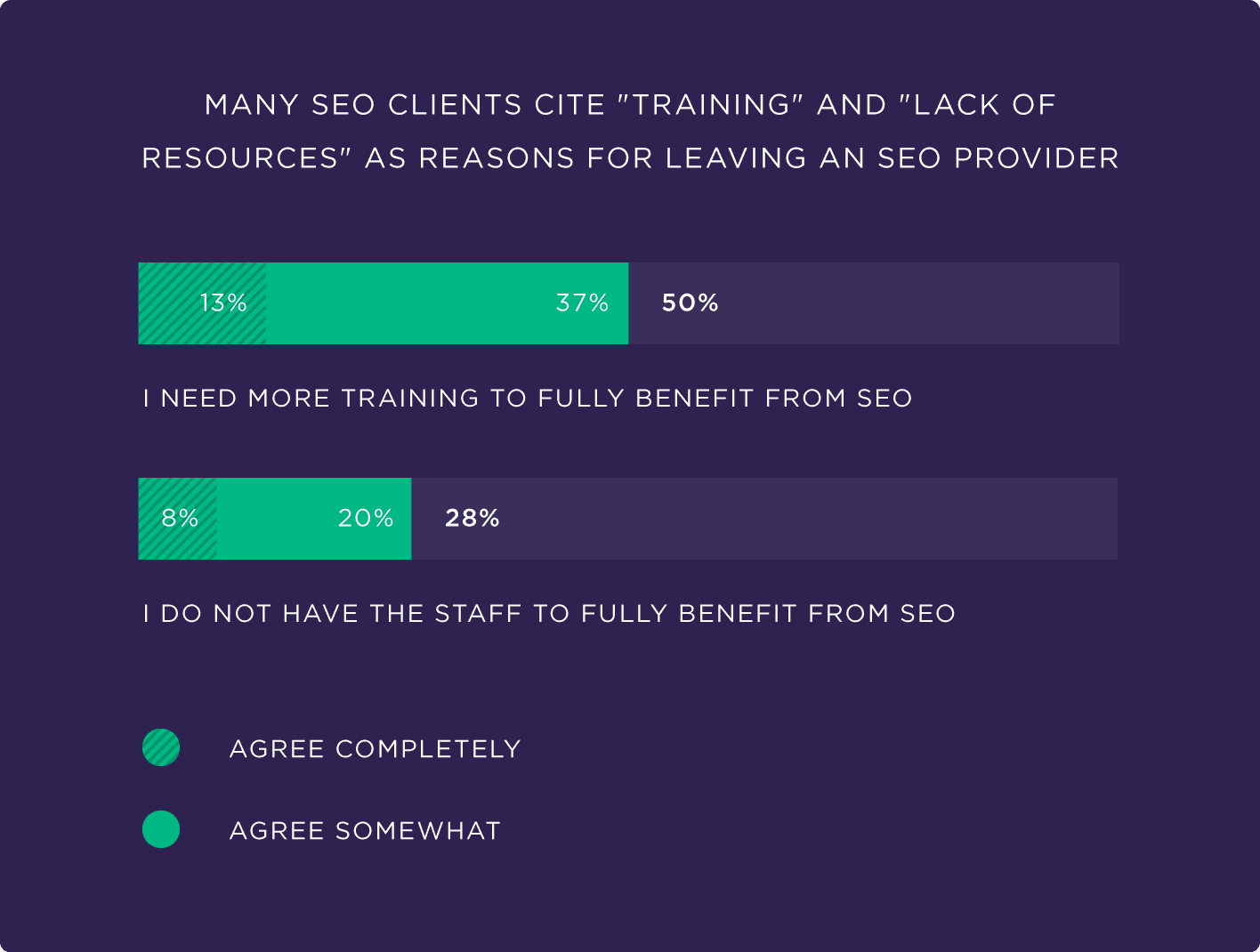
A surprising insight from the study is that many unhappy SEO clients partially or fully blame themselves. Half of them stated, "I feel like I need more training to fully benefit from what SEO offers," and 28% admitted to not having the "staff resources to properly benefit from SEO." This suggests that dissatisfaction isn’t solely a reflection of poor provider performance but also stems from clients’ internal limitations or lack of understanding. The intricate nature of SEO often requires internal alignment and resources (e.g., developer time for technical fixes), which if not prioritized, can impede progress and lead to perceived underperformance.
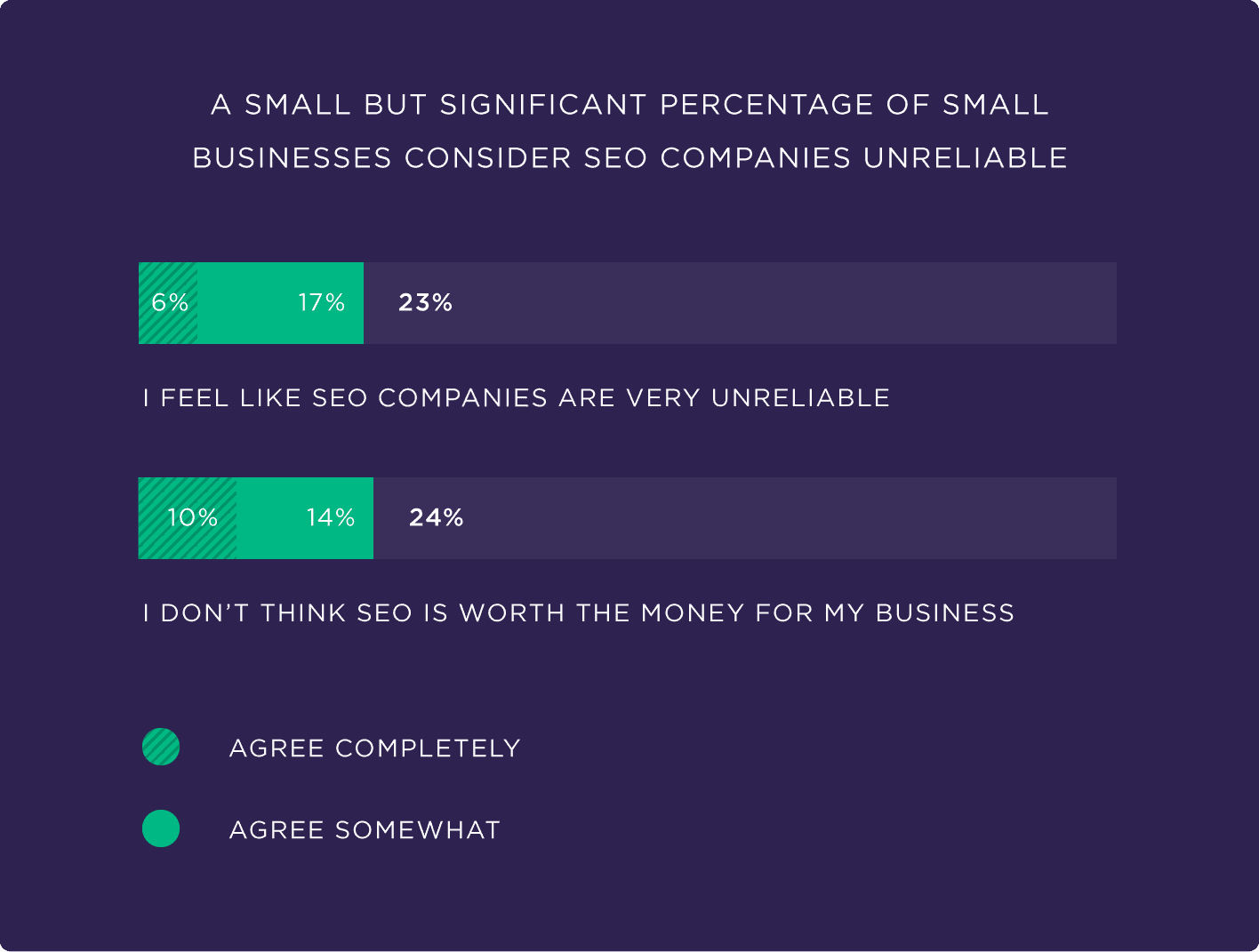
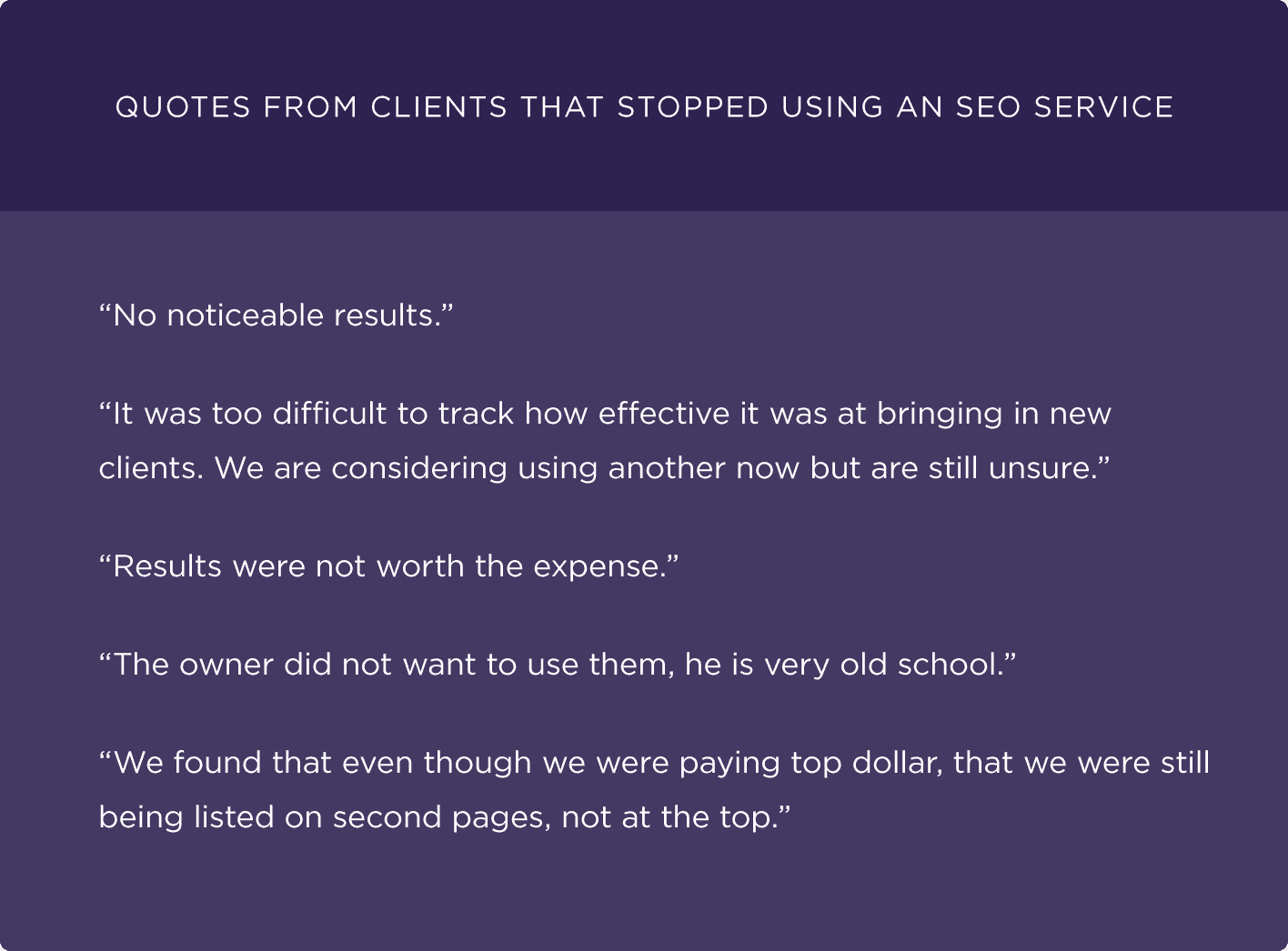
Further compounding this issue is a lack of clarity and transparency from providers. Over a quarter (27%) of clients found SEO to be "confusing and unclear about what services they offer," and 25% were unsure "what I am really paying for with SEO." This indicates a critical communication breakdown where technical work isn’t effectively translated into understandable business value. While a subset of clients directly cited "unreliability" (17%) and "not worth the money" (17%) as reasons for dissatisfaction, these are often symptoms of the broader issues of unclear results and a perceived lack of ROI.
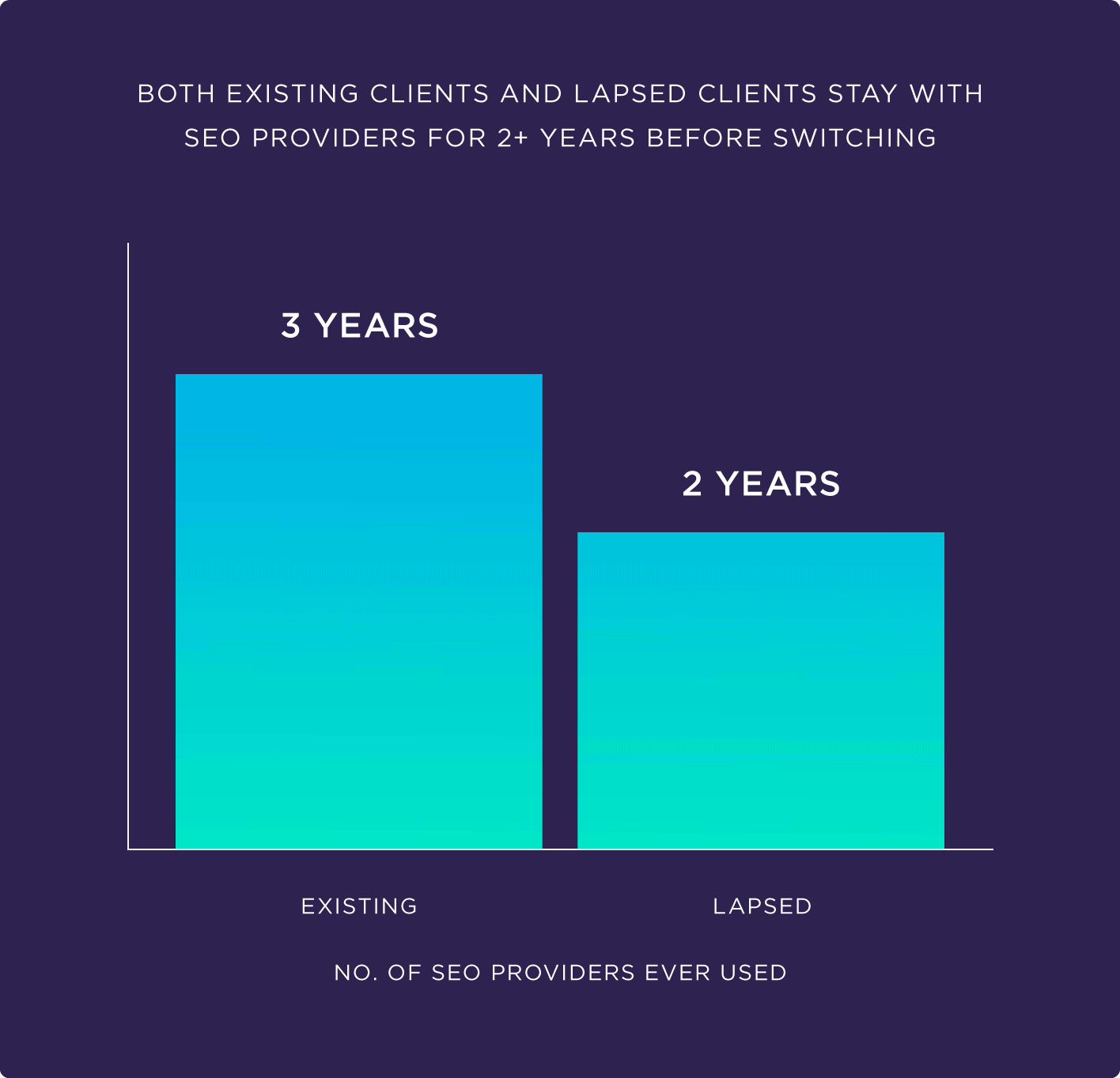
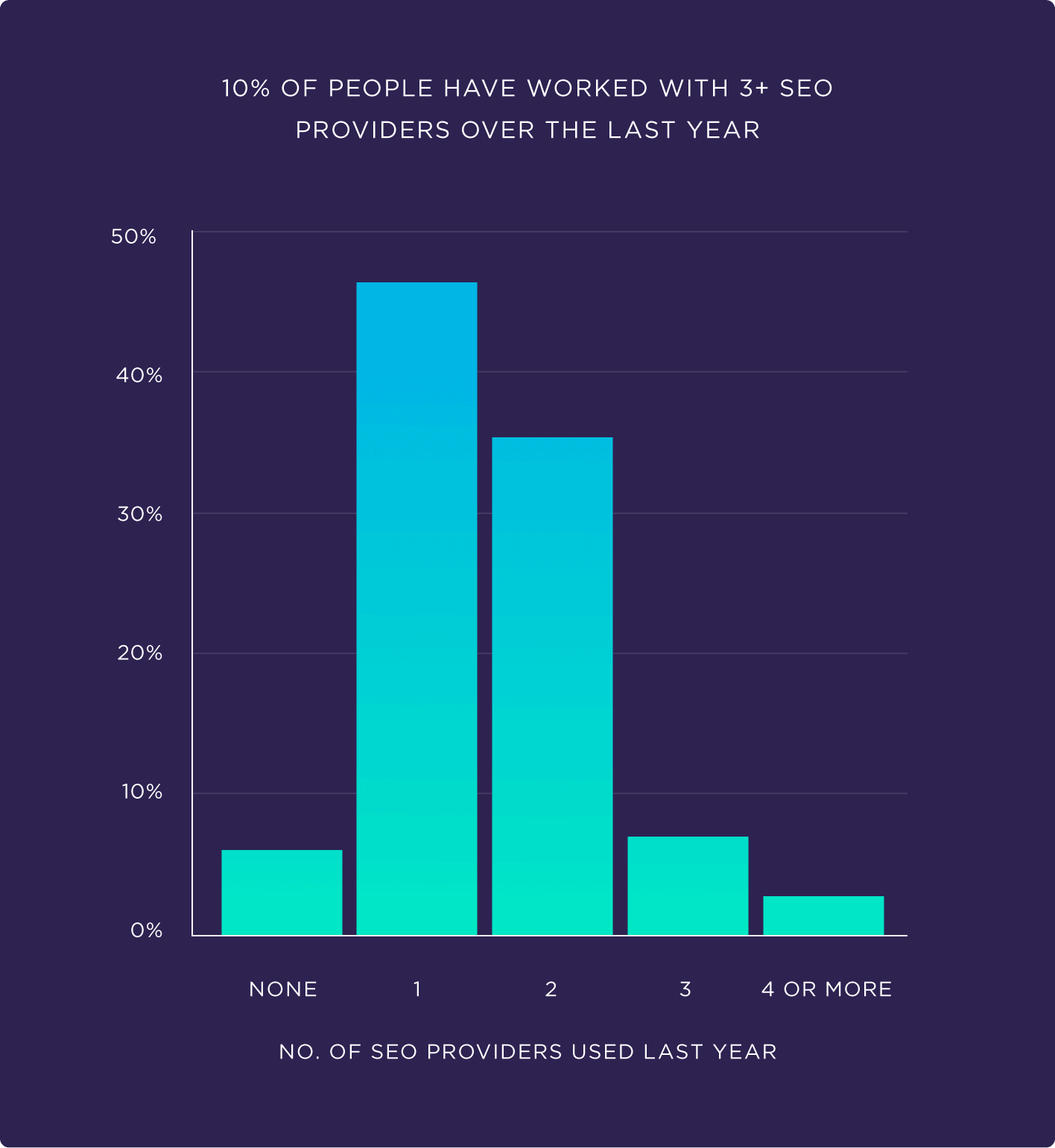
Despite the high turnover, clients generally don’t switch providers impulsively. Existing clients have an average tenure of three years, and even "lapsed clients" typically give their providers an average of two years to deliver before moving on. However, a "rapid switcher" segment, comprising 10% of panelists, changes providers three or more times within a year, indicating a persistent struggle to find a suitable match.
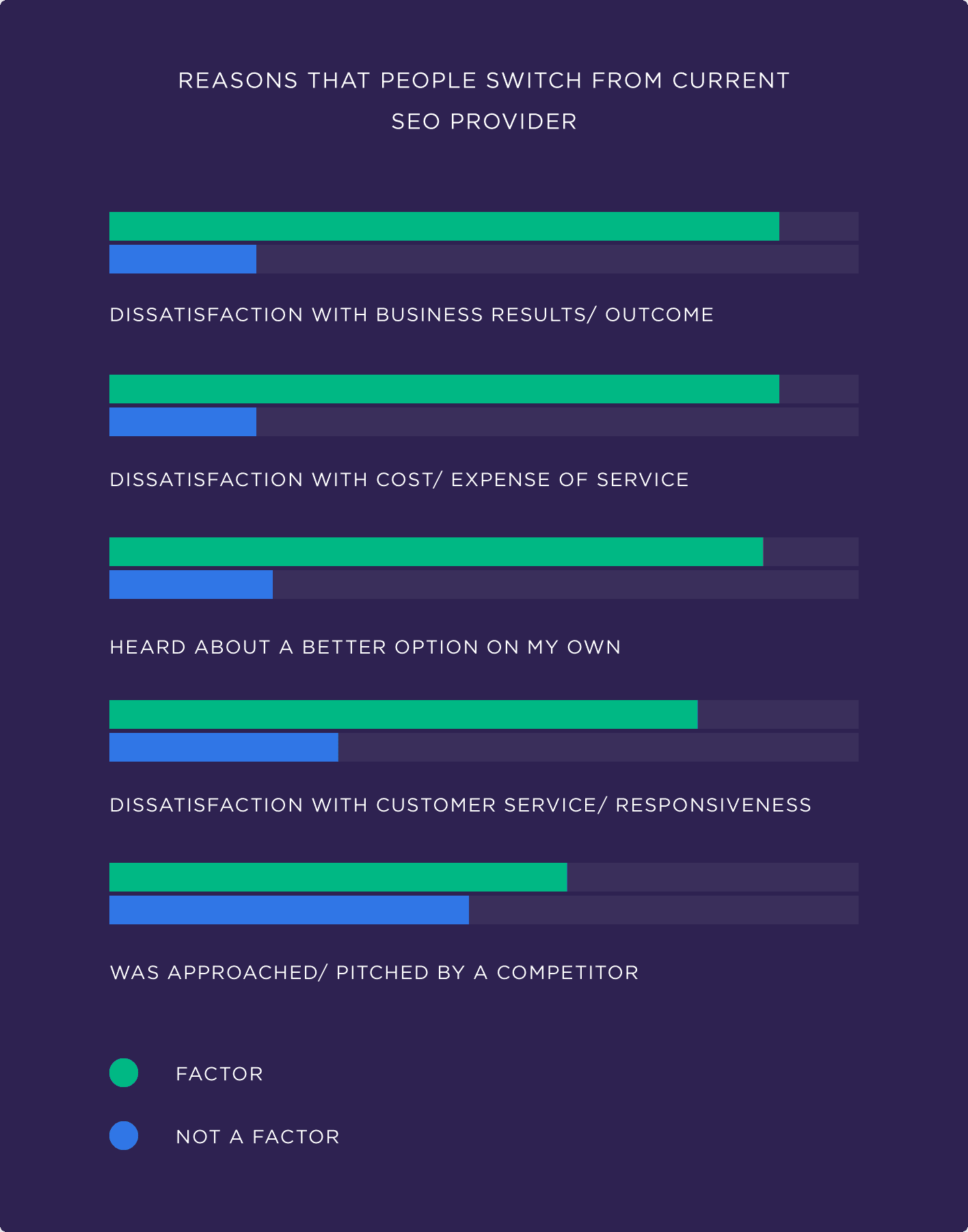
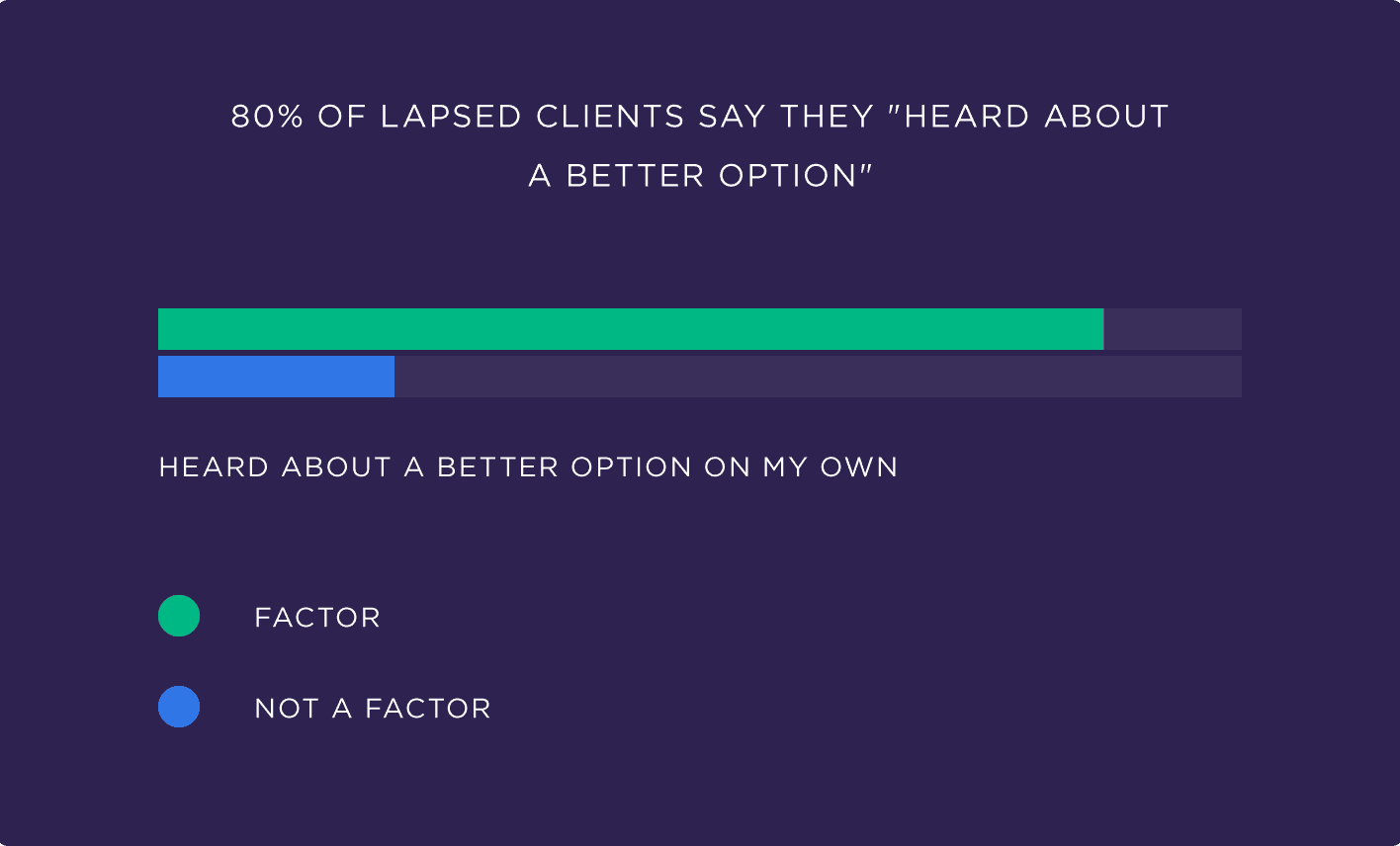
When clients do decide to leave, the overwhelming reasons are "dissatisfaction with business results" (82%) and "cost" (81%). This emphasizes that results are not viewed in isolation but in the context of their financial investment. A substantial 80% also reported finding a "better option" on their own, suggesting a proactive search for alternatives rather than being passively "pitched by a competitor" (only 17% cited this). This highlights the importance of consistent performance and proactive client retention efforts.
The Crucial Role of "Web Savviness" and Communication
The study also shed light on the impact of client "web savviness." A significant 37% of SEO clients self-reported as "somewhat" or "not very" web-savvy. Crucially, existing, satisfied clients were twice as likely to consider themselves "extremely web savvy" compared to lapsed clients. This suggests that clients with a better understanding of digital marketing principles are better equipped to comprehend the value and progress of their SEO campaigns, leading to greater satisfaction and retention.
For SEO providers, this implies a dual responsibility: not only to execute effective strategies but also to educate clients in clear, jargon-free language. Focusing on business outcomes – leads, sales, and first-page Google rankings – rather than technical terms like "title tags" or "backlinks," can bridge the knowledge gap and help clients understand the tangible benefits of their investment. Tailored reporting that highlights ROI and progress in terms clients understand can significantly improve perception and reduce churn.
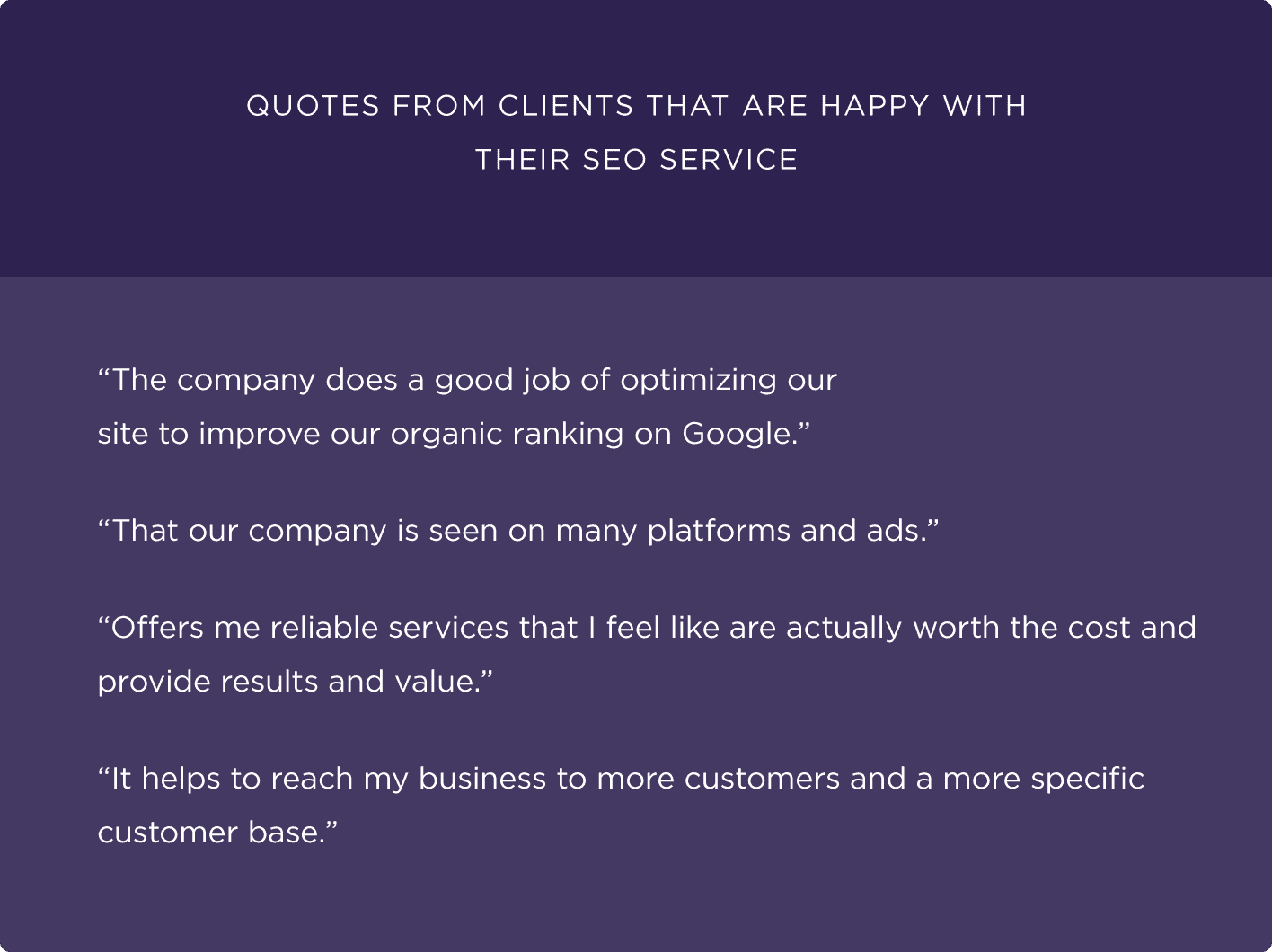
In conclusion, the SEO services industry, while thriving in terms of investment, faces significant challenges in client satisfaction and retention. The path forward for providers lies in transparent communication, managing expectations by focusing on core business objectives, demonstrating clear ROI, and potentially incorporating client education as a fundamental part of their service offering. By addressing these critical areas, the industry can move towards a future of stronger, more enduring client relationships and elevated overall satisfaction.