The Indispensable Role of Share of Voice in Navigating the Fragmented Digital Landscape.


Traditional digital analytics, while adept at tracking immediate user actions like clicks, increasingly fail to provide a holistic understanding of a brand’s true market presence. In an era dominated by rapidly evolving search behaviors and the rise of generative artificial intelligence, a mere tally of website traffic offers an incomplete and often misleading picture. Consider a scenario where a potential buyer encounters an AI-generated answer that prominently features a competitor, or where a brand is conspicuously absent from a relevant community discussion forum like Reddit. These instances represent significant lost visibility, yet they remain invisible to conventional traffic data dashboards, which only register direct interactions with a brand’s owned digital properties.

This critical gap in measurement underscores the growing importance of Share of Voice (SoV). SoV is a sophisticated metric designed to quantify a brand’s visibility and prominence relative to its competitors across the diverse array of channels where consumers actively conduct research and make purchasing decisions. While SoV historically originated in the realm of traditional advertising, measuring a brand’s proportion of total ad spend within a market, its contemporary application has dramatically expanded. Today, SoV encompasses an expansive spectrum of digital touchpoints, including organic search, AI-powered search, social media platforms, public relations mentions, paid media campaigns, industry review sites, and online community forums. This comprehensive approach ensures that brands can gauge their influence across every stage of the buyer’s journey, irrespective of whether that interaction directly translates into a click on their website. In essence, SoV reveals the percentage of the market conversation a brand effectively "owns" within its specific category, offering a much richer, forward-looking indicator than traffic data alone.
For most organizations seeking to implement a robust SoV strategy, search—both traditional organic search and the burgeoning field of AI search—presents the most logical starting point. This is primarily because search channels attract buyers exhibiting the strongest purchase intent, making visibility here directly correlated with revenue potential. Furthermore, competitive measurement in search has matured significantly, with advanced tools offering increasingly actionable data. This guide will meticulously outline four strategic steps to effectively measure Share of Voice across organic and AI search environments, subsequently demonstrating how to translate this invaluable data into strategic decisions that meaningfully impact business outcomes.

The Evolution and Definition of Share of Voice
At its core, Share of Voice quantifies a brand’s relative visibility compared to its rivals across a multitude of marketing channels. This now includes critical emergent platforms like AI search, alongside established avenues such as organic search, social media, review portals, and online communities. The transformation of SoV from a simple metric of advertising expenditure to a comprehensive measure of brand presence reflects the profound shifts in consumer information consumption over the past two decades. In the early 2000s, brand influence was largely dictated by media budgets and prime advertising slots. As the internet matured, and search engines became the primary gateway to information, organic search rankings and website traffic gained prominence. The current decade, however, is witnessing another paradigm shift, with generative AI tools fundamentally altering how users discover information and interact with brands. This continuous evolution necessitates a dynamic measurement framework like modern SoV.
While there is no universally prescribed benchmark for what constitutes a "good" Share of Voice, its efficacy as a metric is best understood within the context of specific market dynamics. Key factors in establishing an appropriate SoV target include the brand’s position within its category (e.g., market leader vs. challenger), the overall maturity of the industry, and the competitive intensity. For instance, a well-established brand in a mature market might aim to maintain a dominant SoV, while a challenger brand might focus on rapidly growing its SoV in niche, high-potential segments. Beyond these internal and immediate competitive factors, market shifts also play a crucial role. A high SoV in a shrinking market, for example, could be a vanity metric; true success lies in expanding SoV within a growing category, indicating genuine market penetration and influence.

Distinguishing SoV in Traditional vs. AI Search
Both traditional SEO Share of Voice and AI Share of Voice aim to answer a fundamental question: "What percentage of category demand does your brand effectively capture?" However, they operate within distinct search contexts and, consequently, measure different aspects of brand visibility.
SEO Share of Voice traditionally calculates a brand’s proportion of organic search traffic. For example, if a brand tracks 100 high-intent keywords that collectively generate 50,000 monthly visits across all ranking websites, and its own content captures 15,000 of those visits, its organic SoV would be 30%. This calculation is typically based on keyword rankings, estimated click-through rates (CTR) for those positions, and the associated search volume.

AI Share of Voice, a more nascent but rapidly critical metric, measures how frequently a brand is mentioned or cited in the responses generated by Large Language Models (LLMs) such as ChatGPT, Perplexity, and Google AI Mode. For instance, if a brand tests 100 category-specific prompts and is mentioned in 45 AI responses, with 15 of those mentions including a direct citation to its content, while a competitor receives 30 mentions and 10 citations, an AI visibility tool can calculate a weighted AI SoV based on these occurrences. The nuance here lies in distinguishing between a mere mention and a credible citation, with the latter often carrying more weight in establishing authority and trust with AI models.
The current landscape demonstrates that search SoV serves as a foundational metric. A comprehensive understanding of a brand’s visibility in both organic and AI search results provides a robust baseline upon which to layer insights from other channels, creating a truly integrated view of market presence.

Why Share of Voice is More Critical Than Ever
The escalating importance of Share of Voice, particularly in the current digital climate, stems from several interconnected factors that are fundamentally reshaping how consumers interact with information and brands.
Tracking Visibility Beyond Traditional Traffic Data: Organic traffic data, once the gold standard for digital marketers, now presents an increasingly incomplete narrative. The proliferation of "zero-click searches"—where users find their answers directly within Google’s Search Engine Results Pages (SERPs) via featured snippets, knowledge panels, or increasingly, AI Overviews—means that a significant portion of brand visibility is never recorded in traditional analytics platforms like Google Analytics. Studies by industry leaders like SparkToro have consistently shown that over half of all Google searches now end without a click to an external website, with this trend only accelerating with the widespread adoption of generative AI in search. This renders traffic a lagging indicator, capturing only the tail end of the discovery process.
Share of Voice, conversely, is a superior metric because it quantifies a brand’s presence within the critical "consideration set," even when a direct click to the website does not occur. Imagine a user searching for "best project management software for remote teams." An AI Overview might list five tools, including yours. The user reads this overview, internalizes the information, and later, without clicking through, navigates directly to your website to sign up for a demo. Traditional analytics would categorize this as "direct traffic," completely obscuring the initial, crucial brand exposure that occurred within the AI search environment. SoV, however, would accurately capture that your brand was a visible and considered option for this high-intent query, providing a more truthful reflection of market influence.
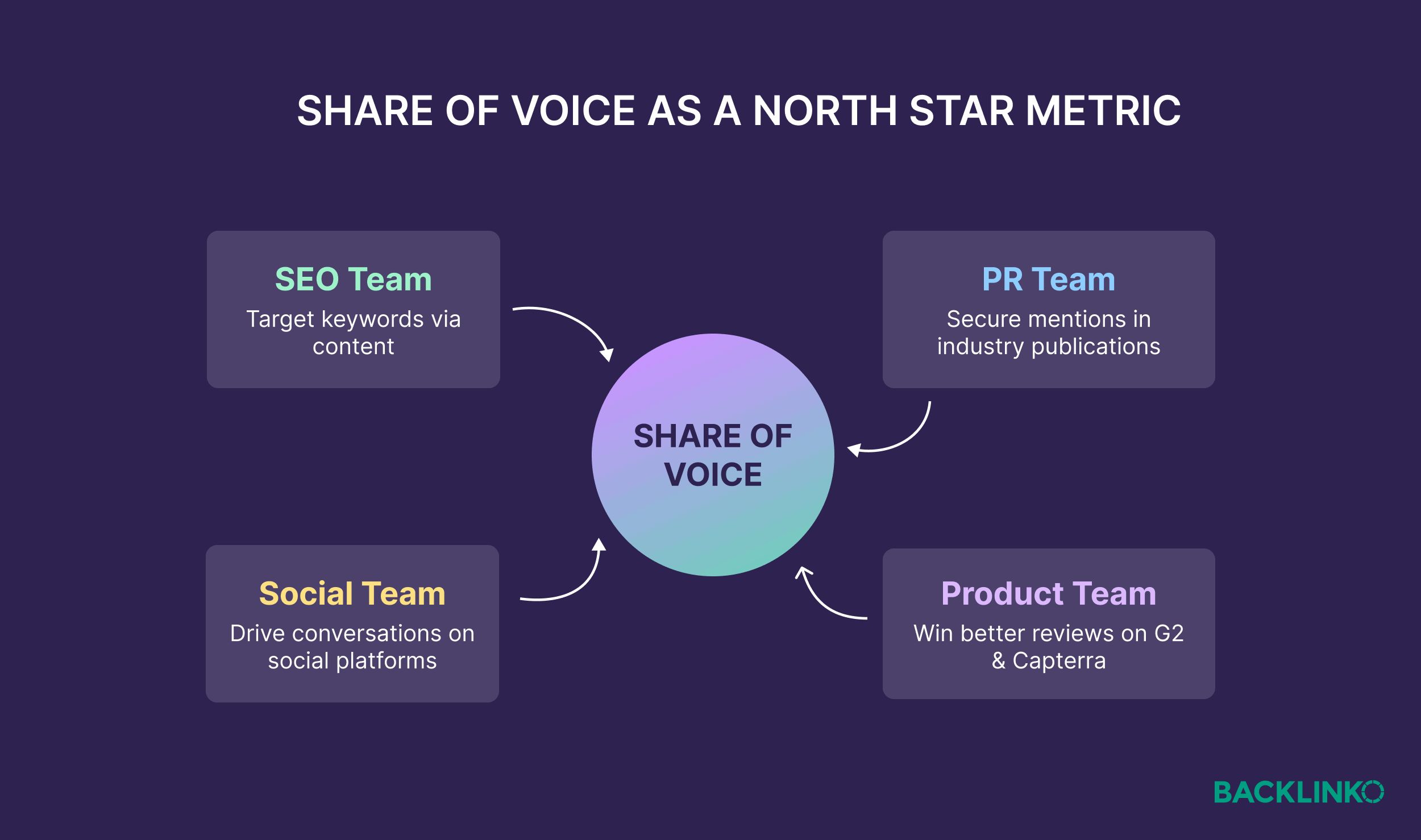
Cultivating a Unified North Star Metric for Marketing Teams: A common challenge within many marketing departments is operational silos, where SEO teams chase website visits, PR teams prioritize media mentions, and social media teams focus on engagement rates. Each department optimizes for its own specific Key Performance Indicators (KPIs), often leading to disjointed strategies and a fragmented brand message.

The profound long-term power of SoV lies in its capacity to serve as a singular, unifying "North Star" metric around which all marketing efforts can coalesce. When every team understands how their individual contributions feed into a collective brand visibility percentage, it fundamentally transforms collaboration and strategic alignment. For instance:
- The SEO team, beyond chasing rankings, will now actively work to ensure content is structured and authoritative enough to be cited by AI models, contributing directly to AI SoV.
- The PR team will not just aim for media mentions but strategically target publications and platforms that are highly trusted by AI algorithms, thereby increasing the likelihood of brand citations.
- The social media team will focus on fostering genuine community engagement and thought leadership that positions the brand as a credible source, further enhancing its overall digital footprint and potential for AI mentions.
This holistic approach, though taking time to build, begins with establishing a strong foundation in search SoV. Once this baseline is understood, incorporating other channels becomes a more streamlined and strategically informed process, ensuring that every marketing dollar contributes to a coherent objective.

Strategic Measurement: A Four-Step Framework
Effectively measuring Share of Voice requires a systematic and data-driven approach. The following four steps provide a robust framework for calculating SoV in both organic and AI search, turning raw data into actionable business insights.
Step 1: Defining Your Industry Landscape
The initial phase involves meticulously outlining the specific competitive environment and the keywords/topics that will be tracked for SoV. Without clearly defined boundaries, the analysis risks either missing critical competitive nuances or becoming overwhelmed by irrelevant data.
To accurately map this competitive terrain, brands must identify "topic clusters" that are directly tied to revenue generation. For a fictional project management software company, these clusters might include:
- Agile Project Management: Covering methodologies, tools, and best practices.
- Team Collaboration Software: Focusing on communication, task management, and shared workspaces.
- Project Planning Tools: Encompassing scheduling, resource allocation, and timeline management.
Crucially, these clusters should be mapped to specific stages of the buyer’s journey:
- Awareness Stage: Keywords like "what is agile methodology," "benefits of project management."
- Consideration Stage: Queries such as "best collaboration tools for remote teams," "project management software features."
- Decision Stage: High-intent searches like "[Brand A] vs. [Brand B]," "project management software pricing," "alternatives to Asana."
Analyzing SoV at each funnel stage provides invaluable insight into where a brand is winning or losing influence, enabling precise resource allocation for maximum business impact. For example, if the project management software discovers high SoV in the awareness stage but negligible presence at the decision stage, it signals a critical problem: the brand is effectively educating the market but failing to appear when prospects are actively evaluating solutions. The strategic takeaway would be an immediate pivot towards prioritizing comparison pages, detailed product reviews, and compelling case studies.
Furthermore, defining competitors is paramount. This includes both direct competitors (brands offering similar products/services) and indirect competitors (informational sites, industry publications, aggregators) that vie for visibility in search results. Tracking both provides a complete picture of who controls the conversation and identifies opportunities for market penetration.

Step 2: Building Comprehensive Keyword and Prompt Libraries
The next step is to compile a rich library of 200-500 queries that authentically reflect how target audiences search within the category. This library must encompass both traditional keywords (for organic search) and conversational prompts (for AI search) to capture the full spectrum of search visibility.
Pulling SEO Data: Begin by leveraging existing data sources where the brand already exhibits visibility. Google Search Console (GSC) is an excellent starting point, as its "Queries" tab within the "Performance" report displays actual impressions—every instance where the brand appeared in search results, regardless of whether a click occurred. Exporting this list, sorted by impressions, provides a foundation of proven visibility. Similarly, if Google Ads campaigns are running, exporting keyword lists with high conversion rates or click-through rates (CTR) adds another layer of high-value terms.

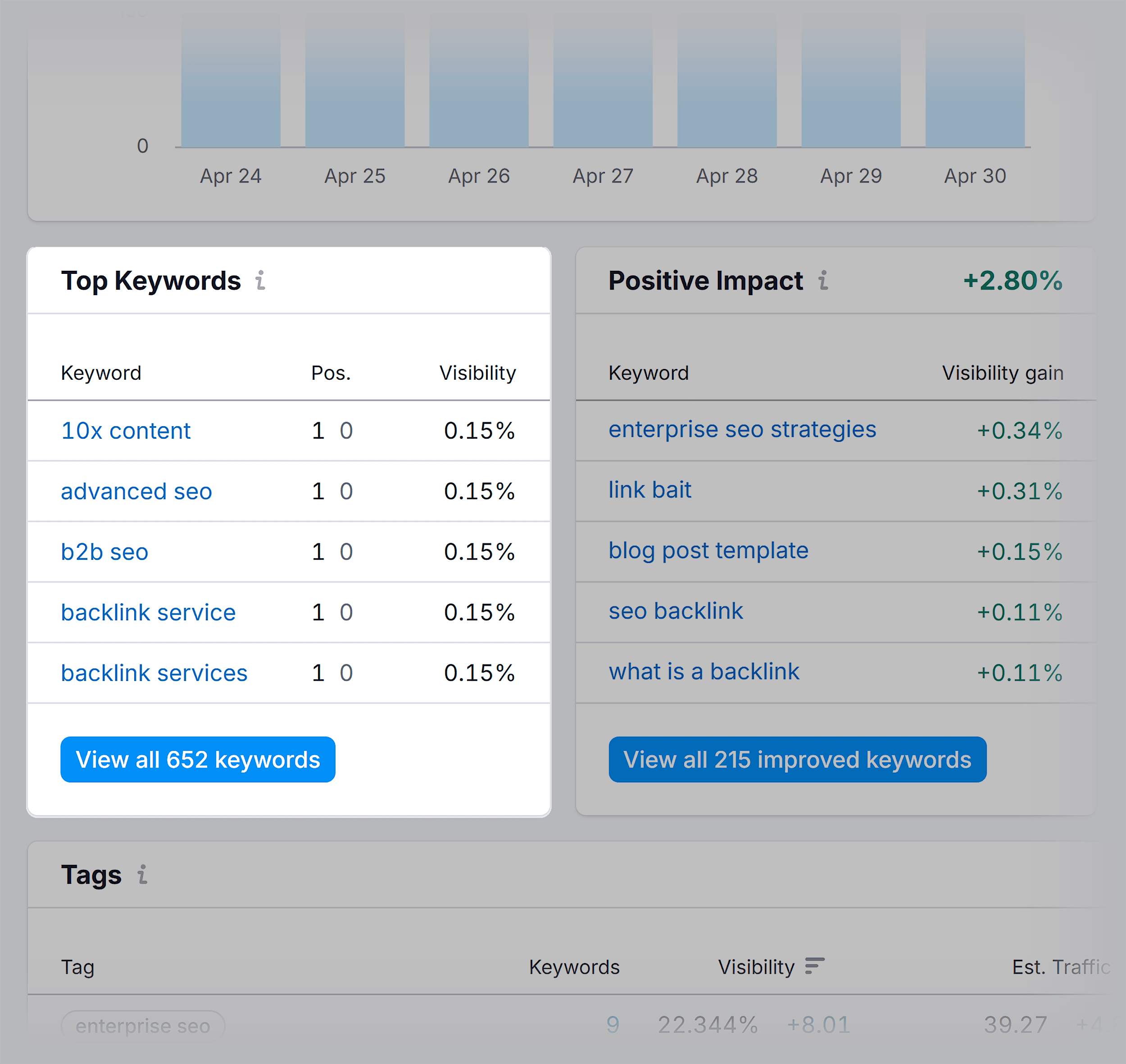
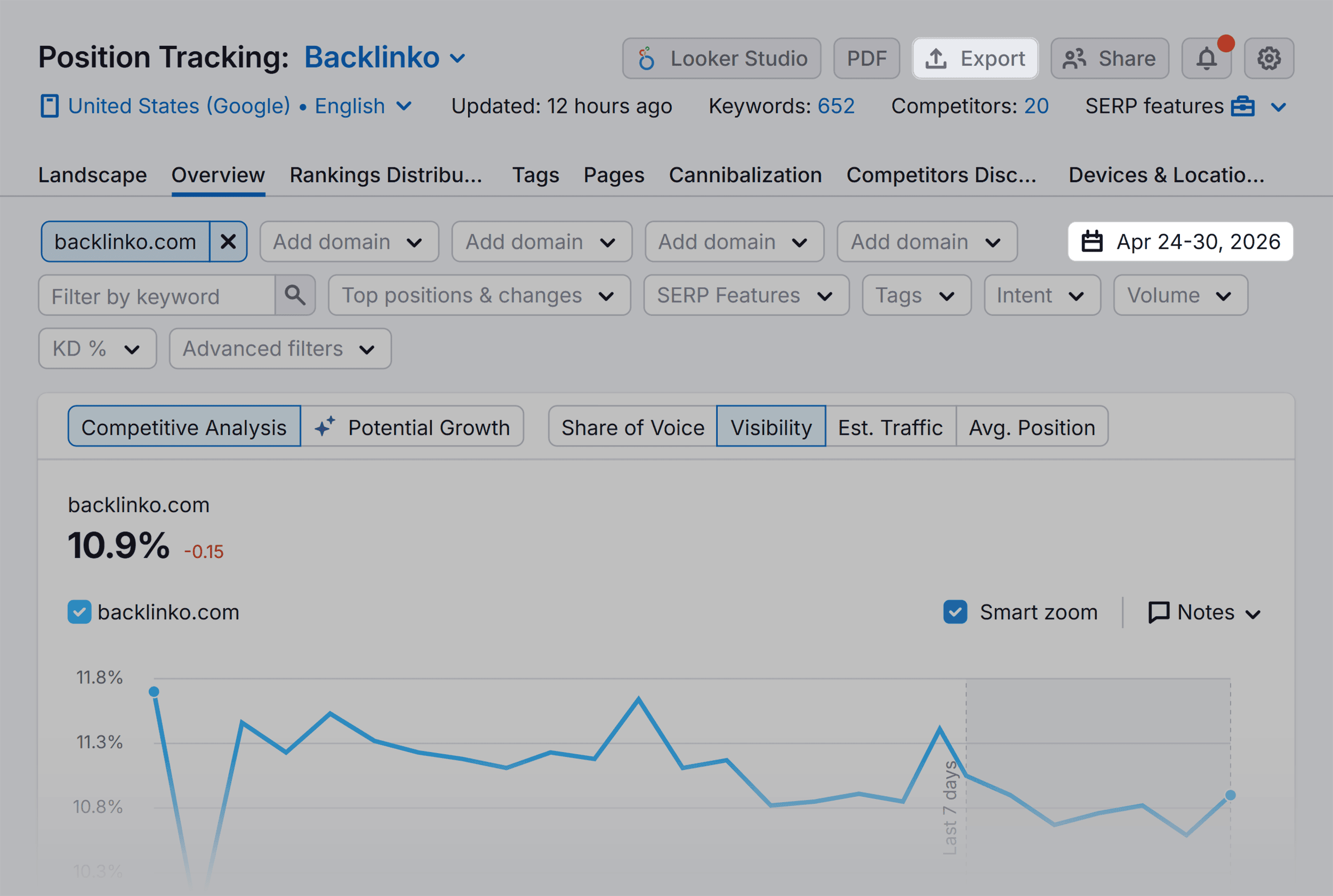
Advanced SEO tools like Semrush further enhance this process. By setting up a Position Tracking project, brands can automatically monitor their rankings for a specified keyword list, along with those of their competitors.
Layering in Competitor Intelligence: Beyond a brand’s own data, understanding where competitors excel is crucial. Tools like Semrush’s Keyword Gap analysis allow brands to identify "missing" keywords—terms for which competitors rank prominently but the brand does not. For the project management software, this might reveal missed opportunities for keywords like "Gantt chart software" or "project timeline tools," indicating areas where visibility needs to be built.

Building Your AI Prompt Library: The shift towards conversational AI search necessitates a distinct approach to prompt research. AI queries are often more natural language-based and exploratory. Valuable insights can be gleaned by monitoring online communities such as Reddit, Facebook groups, and Slack channels where the target audience discusses their needs and pain points. For instance, a Reddit thread discussing "user-friendly project management tools for small creative agencies" directly translates into an AI prompt like, "What’s the most intuitive project management tool for creative teams?"
For decision-stage AI prompts, review sites like G2 and Capterra are invaluable. These platforms often list "alternatives to [Competitor]" or "best [Category] for [Use Case]" queries, which directly inform high-intent AI prompts. Semrush’s AI Visibility Toolkit also offers a "Prompt Research" feature, allowing brands to input core topics (e.g., "agile project management") and discover real-world prompts where competitors are mentioned in AI responses, but the brand is not.

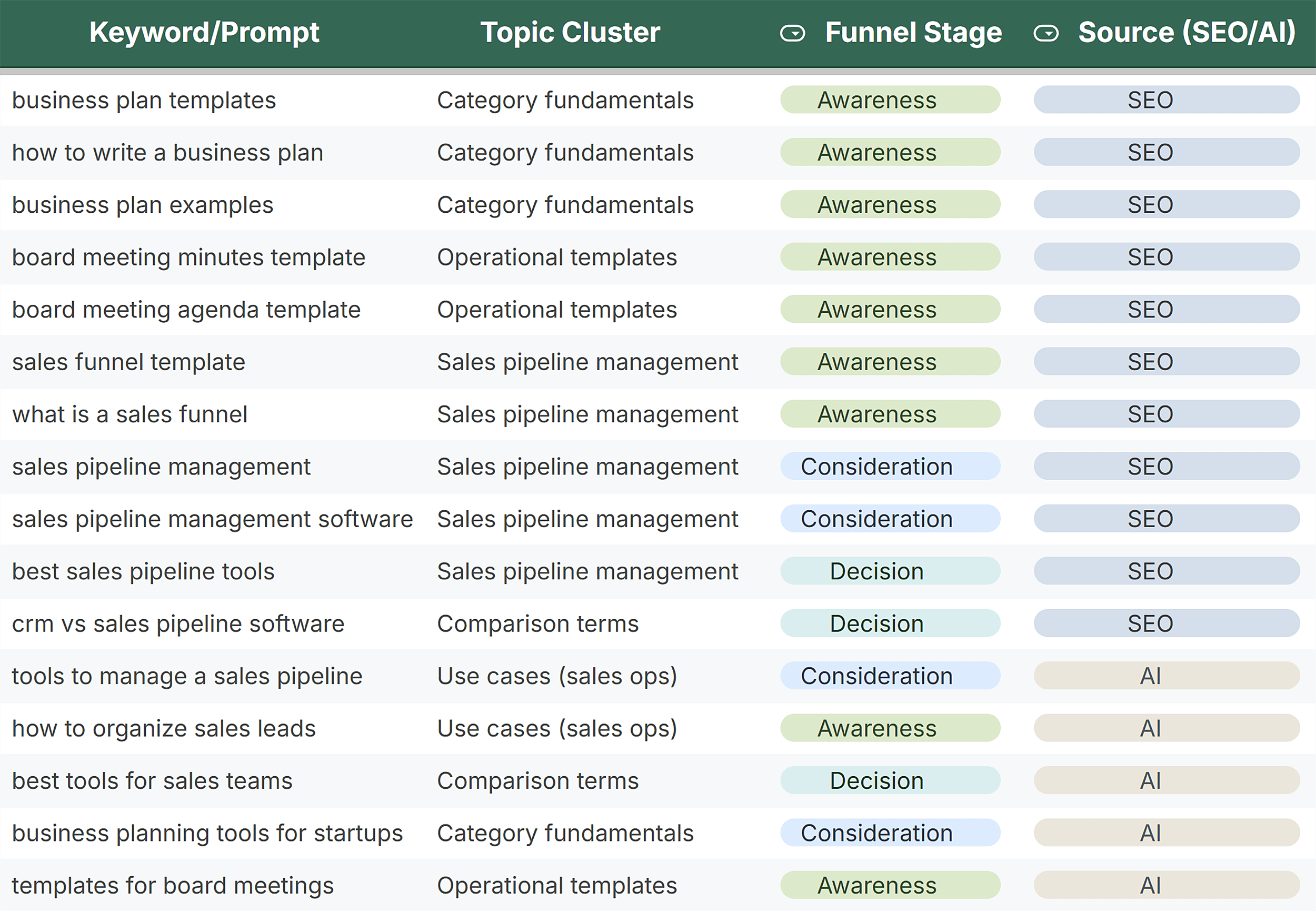
Documenting Metadata: All collected keywords and prompts should be organized in a master spreadsheet with critical metadata, including:
- Keyword/Prompt
- Estimated Search Volume/Query Frequency
- Buyer Intent (Informational, Navigational, Commercial)
- Associated Topic Cluster
- Buyer Journey Stage (Awareness, Consideration, Decision)
This metadata transforms raw data into a strategic lens, enabling informed decisions on content prioritization, identification of weak funnel stages, and understanding where SEO and AI visibility diverge.

Step 3: Calculating Your Share of Voice
With the competitive landscape defined and comprehensive keyword/prompt libraries built, the next step is the actual calculation of SoV for both organic and AI search.
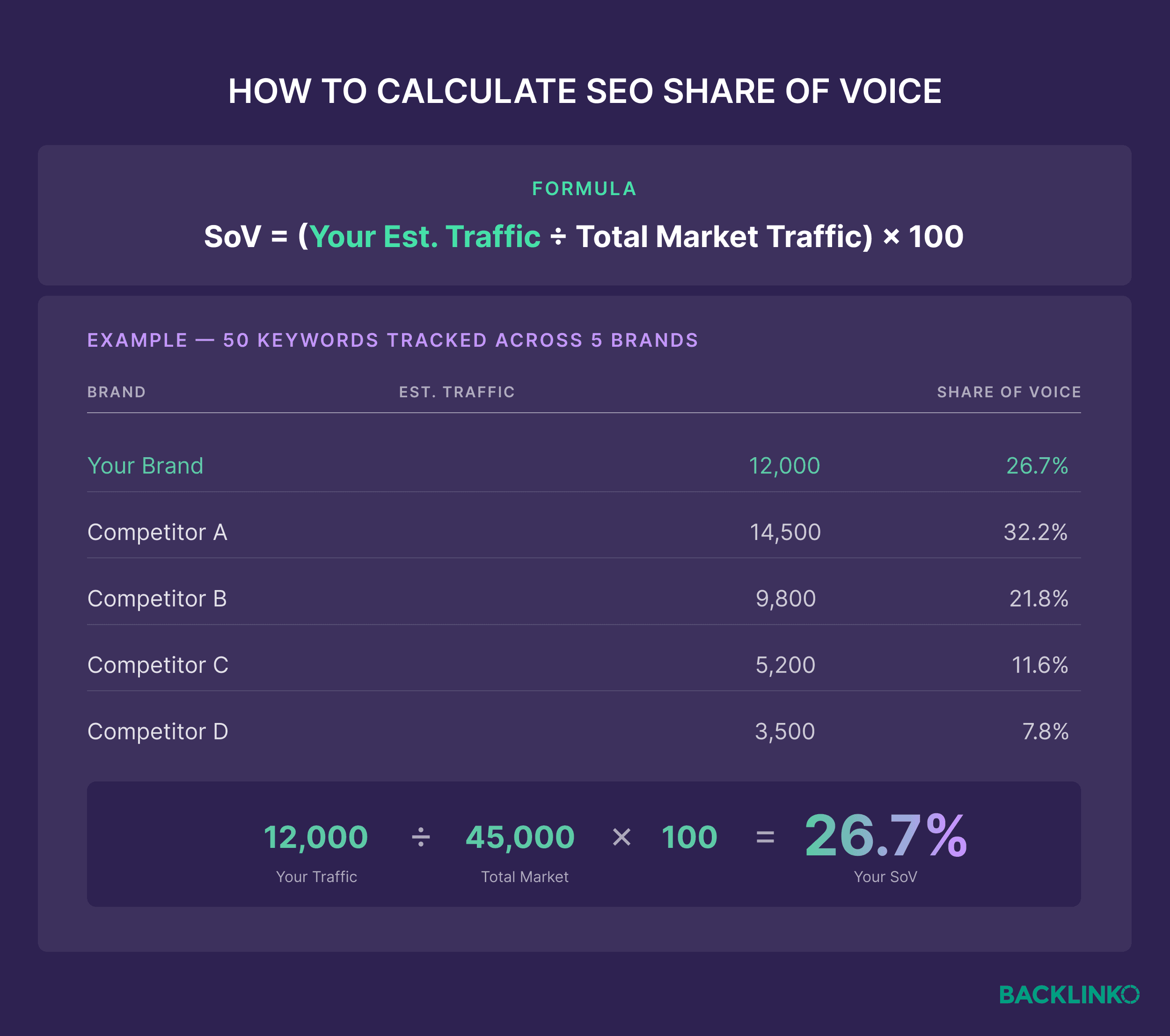
Calculating SEO Share of Voice: The manual calculation of SEO SoV involves:
- Tracking current keyword rankings for the brand and its competitors across the defined keyword list.
- Assigning an estimated click-through rate (CTR) to each ranking position (e.g., position 1 often receives around 27% of clicks, but this varies by SERP features).
- Multiplying each keyword’s monthly search volume by the CTR for the brand’s ranking position to estimate monthly traffic for that keyword.
- Summing estimated traffic across all keywords for the brand and each competitor.
- Calculating SoV: (Your Total Estimated Traffic / Total Estimated Traffic for All Tracked Brands) * 100.
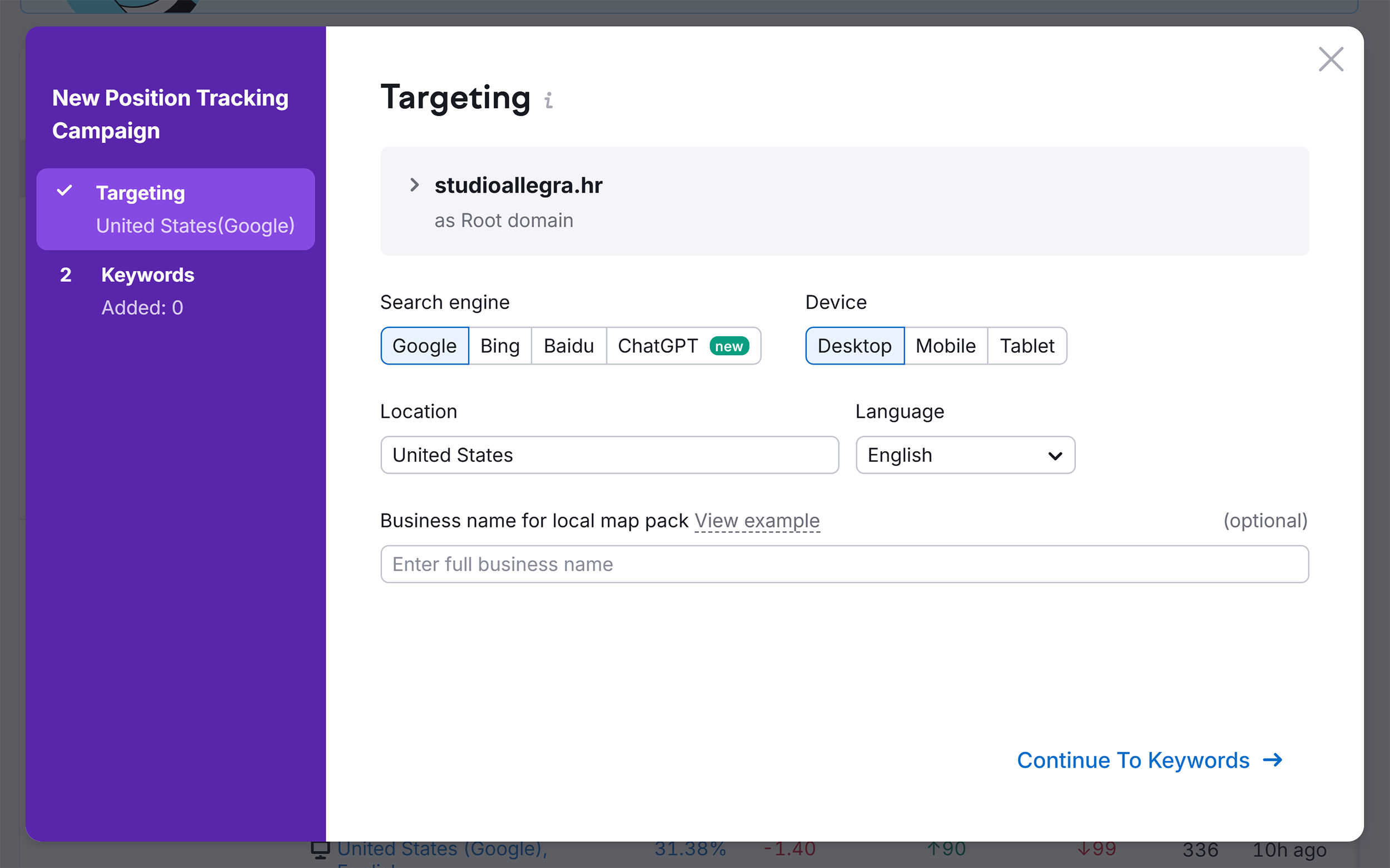
While this manual process is feasible for smaller lists, it becomes labor-intensive for hundreds of keywords. Semrush’s Position Tracking tool automates this by allowing users to create a project, import their keyword list, specify target search engines, device types, and geographical locations (crucial for accurate local SoV). Once configured, the tool continuously collects daily ranking data and automatically calculates SoV percentages for the brand and its chosen competitors, presenting the data in an intuitive dashboard.
Calculating AI Share of Voice: Measuring AI SoV quantifies how frequently LLMs cite a brand in category-related answers. While a manual, standardized method is still evolving, a directional approach involves:
- Inputting each prompt from the AI prompt library into selected LLMs (e.g., ChatGPT, Google AI Mode, Perplexity).
- Recording whether the brand and its competitors are mentioned or cited in the AI response.
- Calculating SoV: (Your Total Mentions/Citations / Total Number of Prompts Tested) * 100.
It is crucial to acknowledge that AI responses can vary by session, phrasing, location, and platform, making this a directional rather than a live, precise metric. Regular testing and trend tracking are therefore essential.
For large-scale, automated AI SoV measurement, tools like Semrush’s AI Visibility Toolkit are indispensable. By entering a brand’s domain and selecting an AI platform, the tool analyzes hundreds of category-relevant prompts, identifying brand mentions, direct citations, and even the sentiment of the AI’s portrayal. This aggregated data provides a percentage of total AI visibility and offers insights into how the brand compares to competitors across key business drivers (frequently mentioned topics). This allows for identification of platform-specific visibility gaps and strategic content adjustments.
Interpreting SEO vs. AI Share of Voice: It’s vital to recognize that SEO and AI SoV may not always align. A brand could have a strong organic SoV (high rankings) but a weak AI SoV if LLMs don’t perceive its content as credible or authoritative enough to cite. Conversely, a brand with less organic visibility but highly credible content might achieve a stronger AI SoV. A simple matrix helps interpret these scenarios:
| | High AI SoV | Low AI SoV |
| :—————- | :———————————————————————————————————————————————————————————————————————————————————————————————————————————————— | :——————————————————————————————————————————————————————————————————————————————————————————————————————————————————————————————————————————————————————————————————————————————————————————————————————————————————————————————————————————————————————————————————————————————————————————————————————————————————————————————————————————————————————————————————————————————————————————————————————————————————————————————————————————————————————————————————————————————————————————————————————————————————————————————————————————————————————————————————————————————————————————————————————————————————————————————————————————————————————————————————————————————————————————————————————————————————————————————————————————————————————————————————————————————————————————————————————————————————————————————————————————————————————————————————————————————————————————————————————————————————————————————————————————————————————————————————————————————————————————————————————————————————————————————————————————————————————————————————————————————————————————————————————————————————————————————————————————————————————————————————————————————————————————————————————————————————————————————————————————————————————————————————————————————————————————————————————————————————————————————————————————————————————————————————————————————————————————————————————————————————————————————————————————————————————————————————————————————————————————————————————————————————————————————————————————————————————————————————————————————————————————————————————————————————————————————————————————————————————————————————————————————————————————————————————————————————————————————————————————————————————————————————————————————————————————————————————————————————————————————————————————————————————————————————————————————————————————————————————————————————————————————————————————————————————————————————————————————————————————————————————————————————————————————————————————————————————————————————————————————————————————————————————————————————————————————————————————————————————————————————————————————————————————————————————————————————————————————————————————————————————————————————————————————————————————————————————————————————————————————————————————————————————————————————————————————————————————————————————————————————————————————————————————————————————————————————————————————————————————————————————————————————————————————————————————————————————————————————————————————————————————————————————————————————————————————————————————————————————————————————————————————————————————————————————————————————————————————————————————————————————————————————————————————————————————————————————————————————————————————————————————————————————————————————————————————————————————————————————————————————————————————————————————————————————————————————————————————————————————————————————————————————————————————————————————————————————————————————————————————————————————————————————————————————————————————————————————————————————————————————————————————————————————————————————————————————————————————————————————————————————————————————————————————————————————————————————————————————————————————————————————————————————————————————————————————————————————————————————————————————————————————————————————————————————————————————————————————————————————————————————————————————————————————————————————————————————————————————————————————————————————————————————————————————————————————————————————————————————————————————————————————————————————————————————————————————————————————————————————————————————————————————————————————————————————————————————————————————————————————————————————————————————————————————————————————————————————————————————————————————————————————————————————————————————————————————————————————————————————————————————————————————————————————————————————————————————————————————————————————————————————————————————————————————————————————————————————————————————————————————————————————————————————————————————————————————————————————————————————————————————————————————————————————————————————————————————————————————————————————————————————————————————————————————————————————————————————————————————————————————————————————————————————————————————————————————————————————————————————————————————————————————————————————————————————————————————————————————————————————————————————————————————————————————————————————————————————————————————————————————————————————————————————————————————————————————————————————————————————————————————————————————————————————————————————————————————————————————————————————————————————————————————————————————————————————————————————————————————————————————————————————————————————————————————————————————————————————————————————————————————————————————————————————————————————————————————————————————————————————————————————————————————————————————————————————————————————————————————————————————————————————————————————————————————————————————————————————————————————————————————————————————————————————————————————————————————————————————————————————————————————————————————————————————————————————————————————————————————————————————————————————————————————————————————————————————————————————————————————————————————————————————————————————————————————————————————————————————————————————————————————————————————————————————————————————————————————————————————————————————————————————————————————————————————————————————————————————————————————————————————————————————————————————————————————————————————————————————————————————————————————————————————————————————————————————————————————————————————————————————————————————————————————————————————————————————————————————————————————————————————————————————————————————————————————————————————————————————————————————————————————————————————————————————————————————————————————————————————————————————————————————————————————————————————————————————————————————————————————————————————————————————————————————————————————————————————————————————————————————————————————————————————————————————————————————————————————————————————————————————————————————————————————————————————————————————————————————————————————————————————————————————————————————————————————————————————————————————————————————————————————————————————————————————————————————————————————————————————————————————————————————————————————————————————————————————————————————————————————————————————————————————————————————————————————————————————————————————————————————————————————————————————————————————————————————————————————————————————————————————————————————————————————————————————————————————————————————————————————————————————————————————————————————————————————————————————————————————————————————————————————————————————————————————————————————————————————————————————————————————————————————————————————————————————————————————————————————————————————————————————————————————————————————————————————————————————————————————————————————————————————————————————————————————————————————————————————————————————————————————————————————————————————————————————————————————————————————————————————————————————————————————————————————————————————————————————————————————————————————————————————————————————————————————————————————————————————————————————————————————————————————————————————————————————————————————————————————————————————————————————————————————————————————————————————————————————————————————————————————————————————————————————————————————————————————————————————————————————————————————————————————————————————————————————————————————————————————————————————————————————————————————————————————————————————————————————————————————————————————————————————————————————————————————————————————————————————————————————————————————————————————————————————————————————————————————————————————————————————————————————————————————————————————————————————————————————————————————————————————————————————————————————————————————————————————————————————————————————————————————————————————————————————————————————————————————————————————————————————————————————————————————————————————————————————————————————————————————————————————————————————————————————————————————————————————————————————————————————————————————————————————————————————————————————————————————————————————————————————————————————————————————————————————————————————————————————————————————————————————————————————————————————————————————————————————————————————————————————————————————————————————————————————————————————————————————————————————————————————————————————————————————————————————————————————————————————————————————————————————————————————————————————————————————————————————————————————————————————————————————————————————————————————————————————————————————————————————————————————————————————————————————————————————————————————————————————————————————————————————————————————————————————————————————————————————————————————————————————————————————————————————————————————————————————————————————————————————————————————————————————————————————————————————————————————————————————————————————————————————————————————————————————————————————————————————————————————————————————————————————————————————————————————————————————————————————————————————————————————————————————————————————————————————————————————————————————————————————————————————————————————————————————————————————————————————————————————————————————————————————————————————————————————————————————————————————————————————————————————————————————————————————————————————————————————————————————————————————————————————————————————————————————————————————————————————————————————————————————————————————————————————————————————————————————————————————————————————————————————————————————————————————————————————————————————————————————————————————————————————————————————————————————————————————————————————————————————————————————————————————————————————————————————————————————————————————————————————————————————————————————————————————————————————————————————————————————————————————————————————————————————————————————————————————————————————————————————————————————————————————————————————————————————————————————————————————————————————————————————————————————————————————————————————————————————————————————————————————————————————————————————————————————————————————————————————————————————————————————————————————————————————————————————————————————————————————————————————————————————————————————————————————————————————————————————————————————————————————————————————————————————————————————————————————————————————————————————————————————————————————————————————————————————————————————————————————————————————————————————————————————————————————————————————————————————————————————————–S————————————————————————————————————————————————————————————————————————————————————————————————————————————————————————————————————————————————————————————————————————————————————————————————————————————————————————————————————————————————————————————————————————————————————————————————————————————————————————————————————————————————————————————————————————————————————————————————————————————————————————————————————————————————————————————————————————————————————————————————————————————————————————————————————————————————————————————————————————————————————————————————————————————————————————————————————————————————————————————————————————————————————————————————————————————————————————————————————————————————————————————————————————————————————————————————————————————————————————————————————————————————————————————————————————————————————————————————————————————————————————————————————————————————————————————————————————————————————————————————————————————————————————————————————————————————————————————————————————————————————————————————————————————————————————————————————————————————————————————————————————————————————————————————————————————————————————————————————————————————————————————————————————————————————————————————————————————————————————————————————————————————————————————————————————————————————————————————————————————————————————————————————————————————————————————————————————————————————————————————————————————————————————————————————————————————————————————————————————————————————————————————————————————————————————————————————————————————————————————————————————————————————————————————————————————————————————————————————————————————————————————————————————————————————————————————————————————————————————————————————————————————————————————————————————————————————————————————————————————————————————————————