Mastering Topical Authority: Why Strong Brands Like Great Jones Struggle in AI Search and How to Win

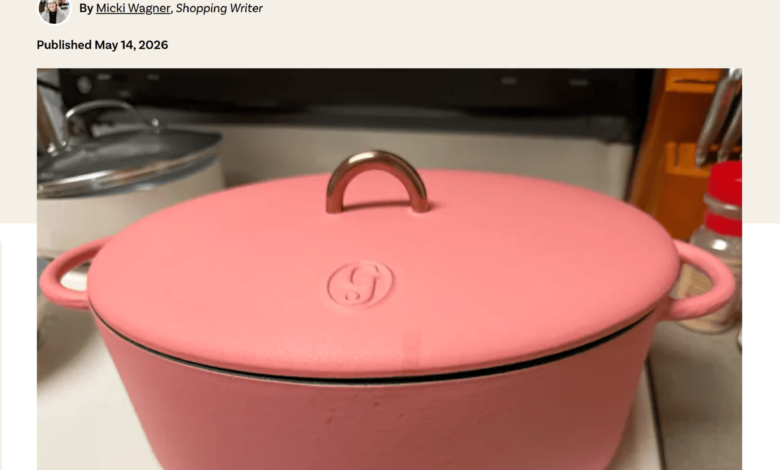
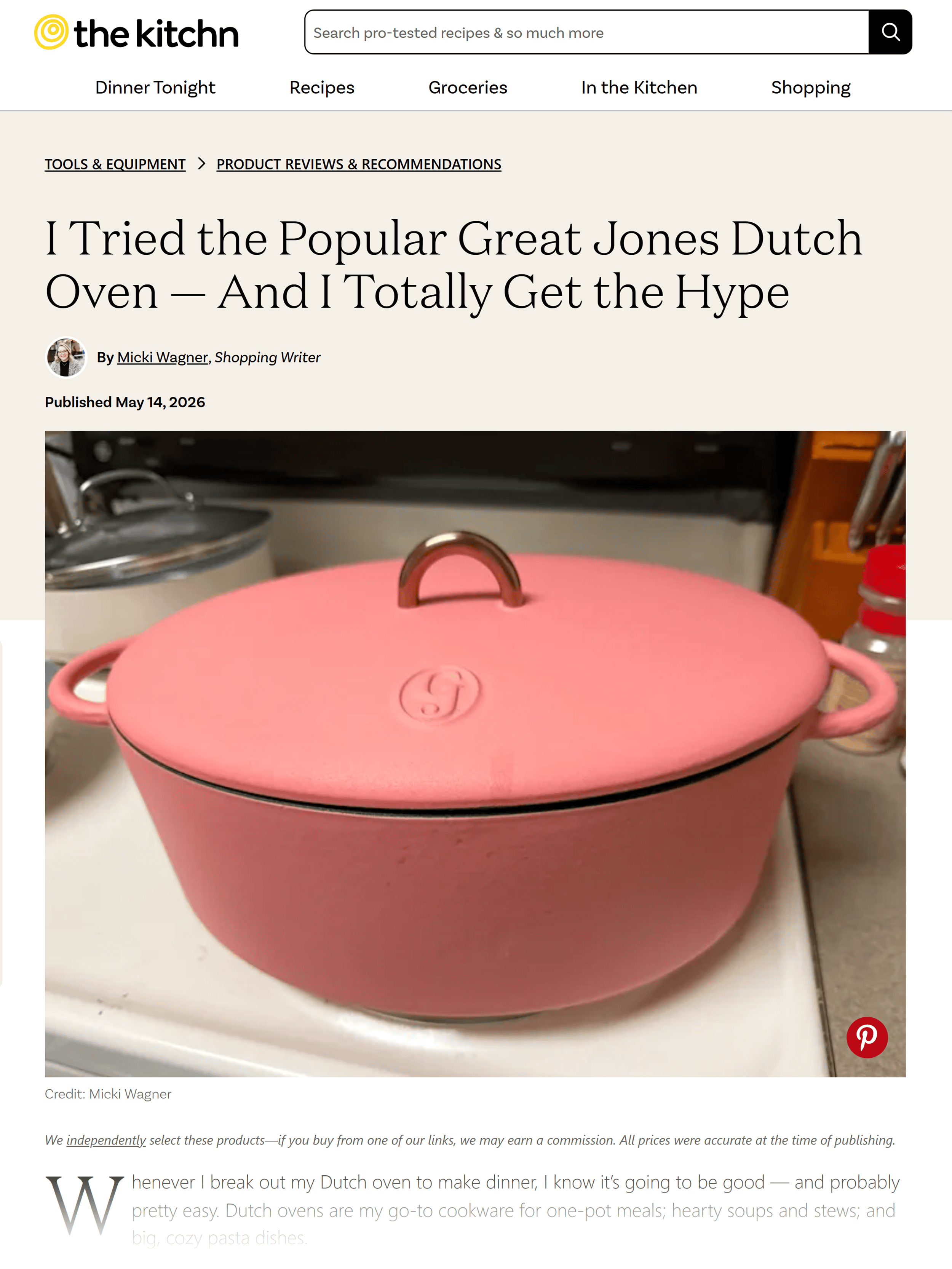
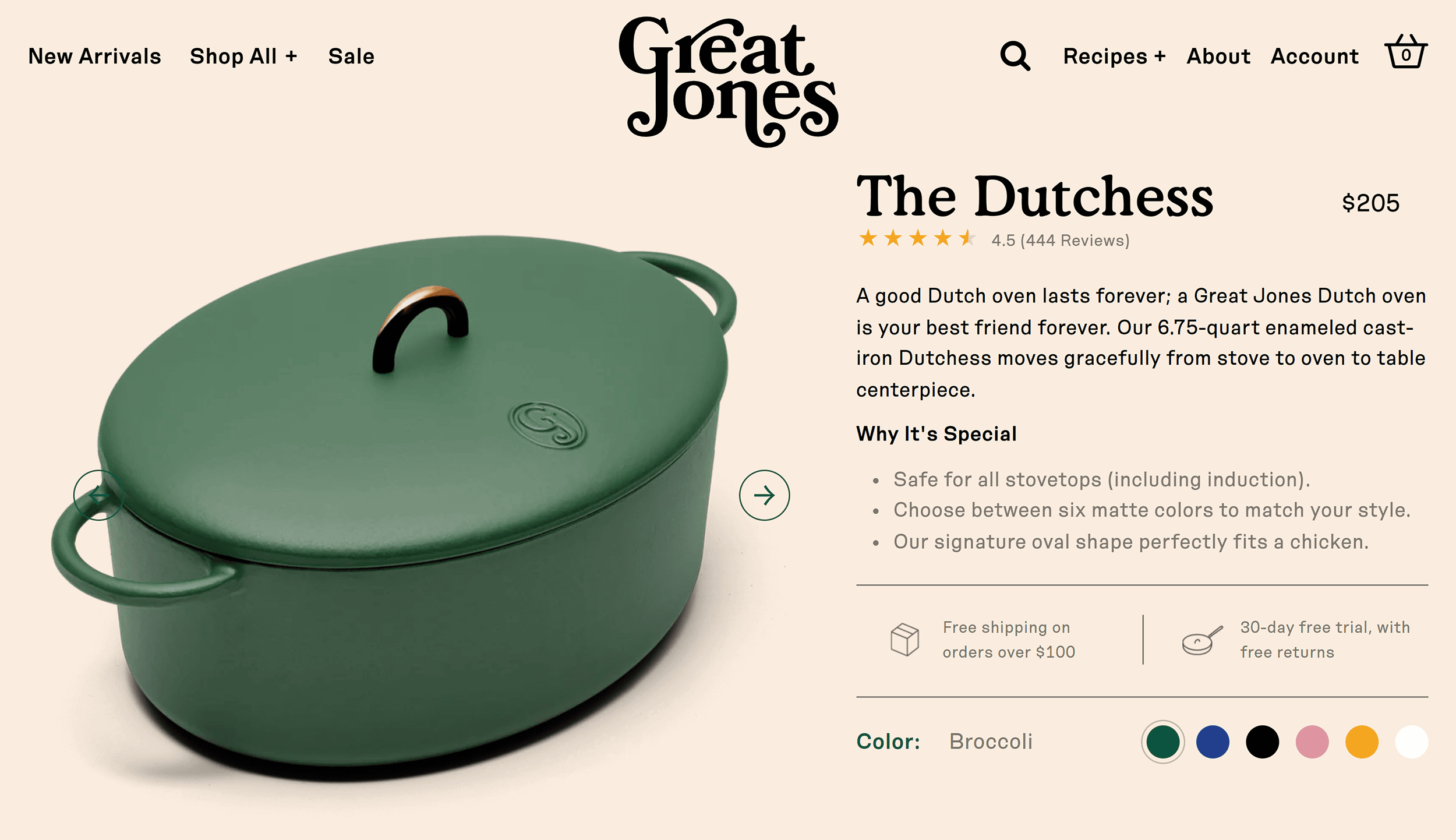
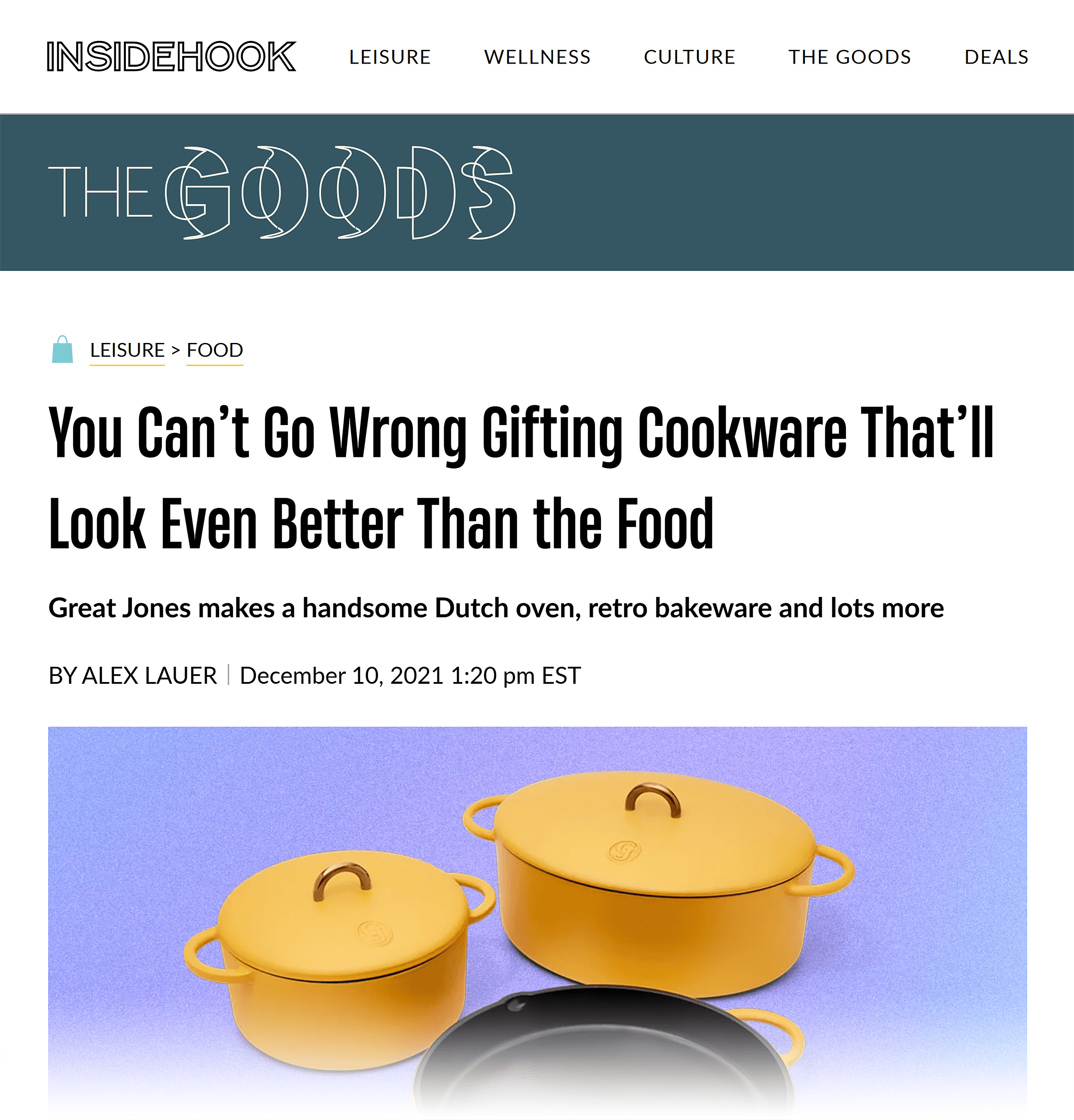
Even highly recognized brands, celebrated for their quality products and extensive media coverage, can find themselves overlooked in the era of artificial intelligence-driven search if they lack true topical authority. A compelling illustration of this phenomenon is Great Jones, a contemporary kitchenware company renowned for its stylish and functional products. Their flagship Dutch oven, affectionately named "The Dutchess," epitomizes this paradox: it boasts an aesthetically pleasing design, garners excellent reviews, and has been prominently featured in prestigious publications such as Vogue, The New York Times, Bon Appétit, and The Kitchn. Yet, despite this impressive traditional brand visibility, a simple search query like "best Dutch ovens" on Google or a direct request to a Large Language Model (LLM) for recommendations rarely yields Great Jones as a top result. This discrepancy highlights a critical challenge for modern businesses: the difference between brand recognition and established topical authority in the eyes of intelligent search systems.
The Evolution of Search: From Keywords to Context and AI
The landscape of online search has undergone a profound transformation. What once relied heavily on keyword density and basic link profiles has evolved into a sophisticated ecosystem that prioritizes comprehensive understanding, user intent, and demonstrable expertise. This shift began in earnest with Google’s emphasis on E-E-A-T (Experience, Expertise, Authoritativeness, and Trustworthiness), moving towards a more semantic understanding of content. The advent of generative AI in search, powered by LLMs, has accelerated this evolution, making topical authority more crucial than ever. These advanced systems don’t merely index keywords; they interpret the full context of information across the web to determine a brand’s genuine standing on a given subject. For a brand like Great Jones, their challenge isn’t a deficit of quality content or positive press in isolation. Instead, it’s the absence of a discernible, consistent narrative—a positive framing that repeatedly and explicitly connects the brand to Dutch ovens across both its owned digital properties and various third-party sources. Without this cohesive pattern, search engines and LLMs cannot confidently establish the brand as a definitive expert on the topic, defaulting instead to competitors with stronger, more persistent topical signals. This gap is a common affliction for many brands, and AI search has only served to expose its severity and impact on market visibility.
Introducing the Topical Authority Pyramid: A Strategic Framework
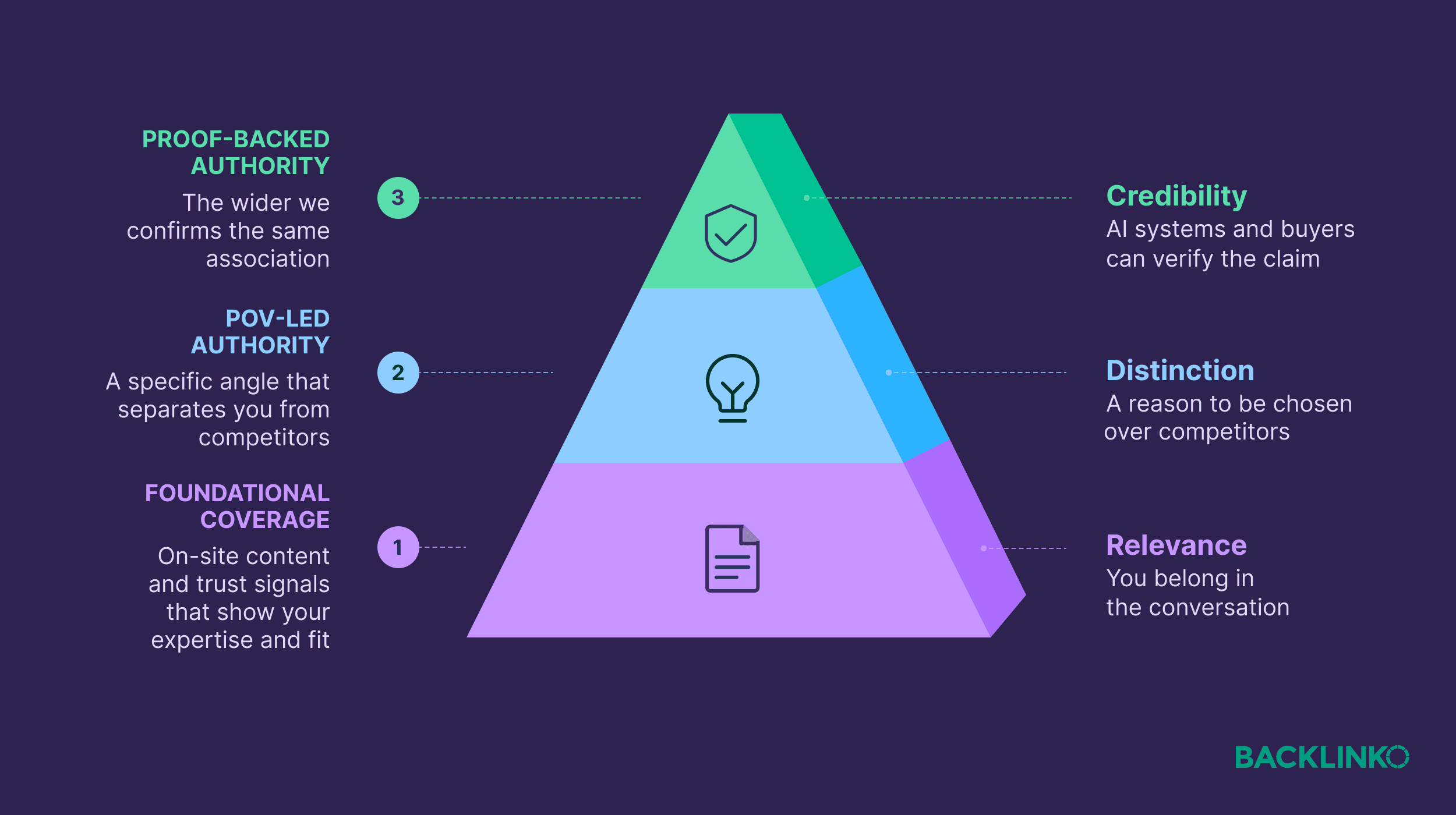
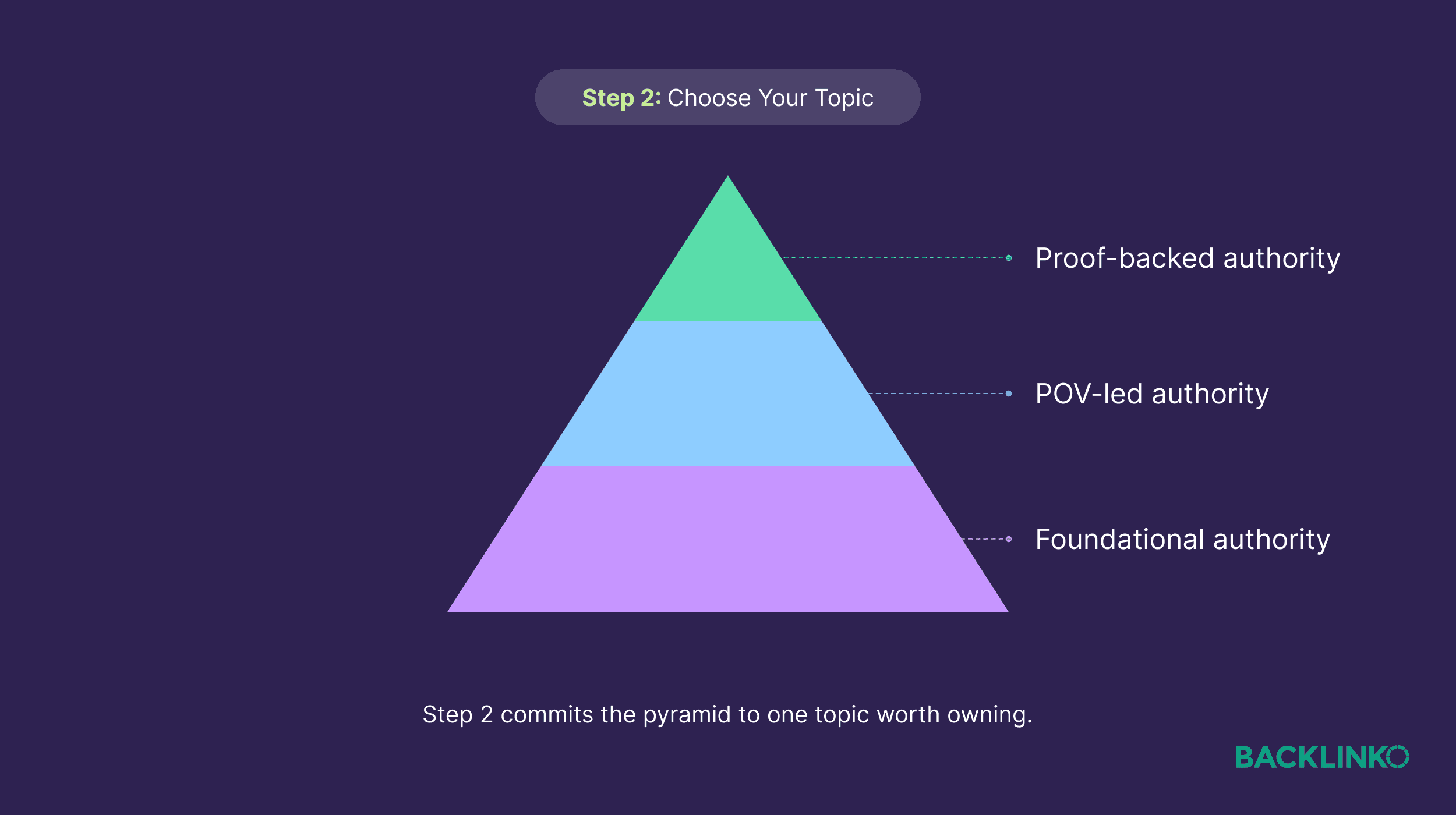
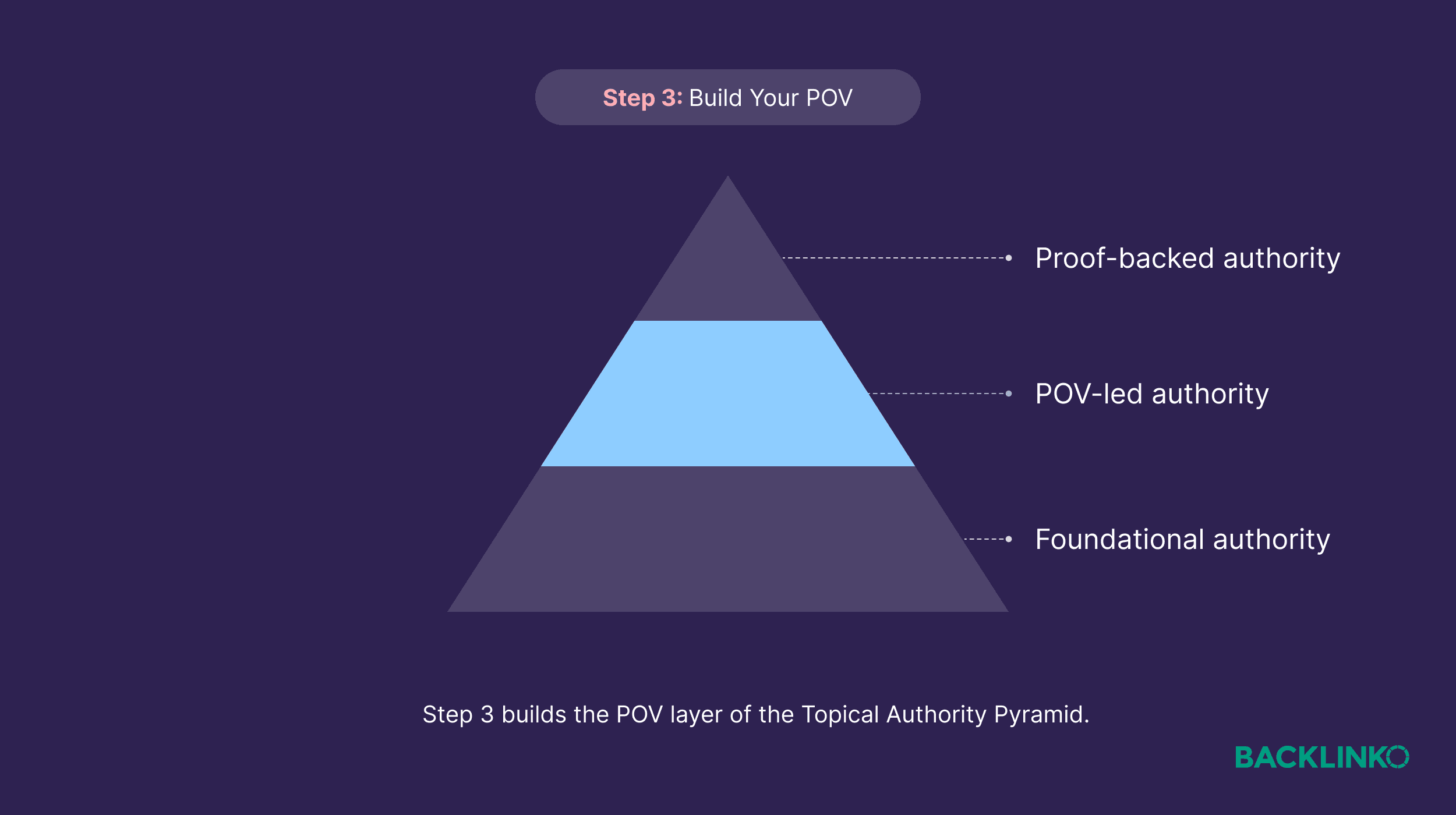
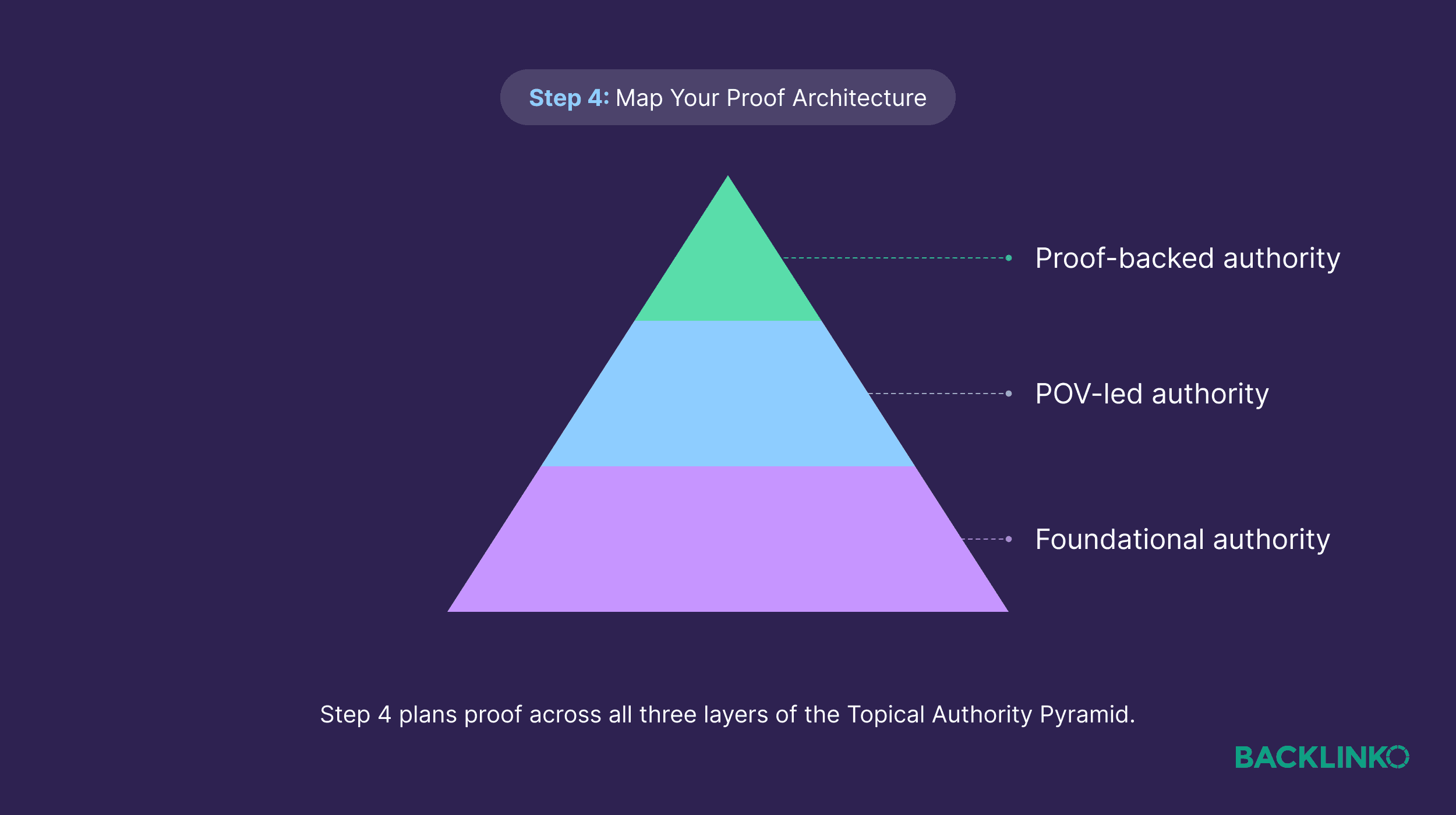
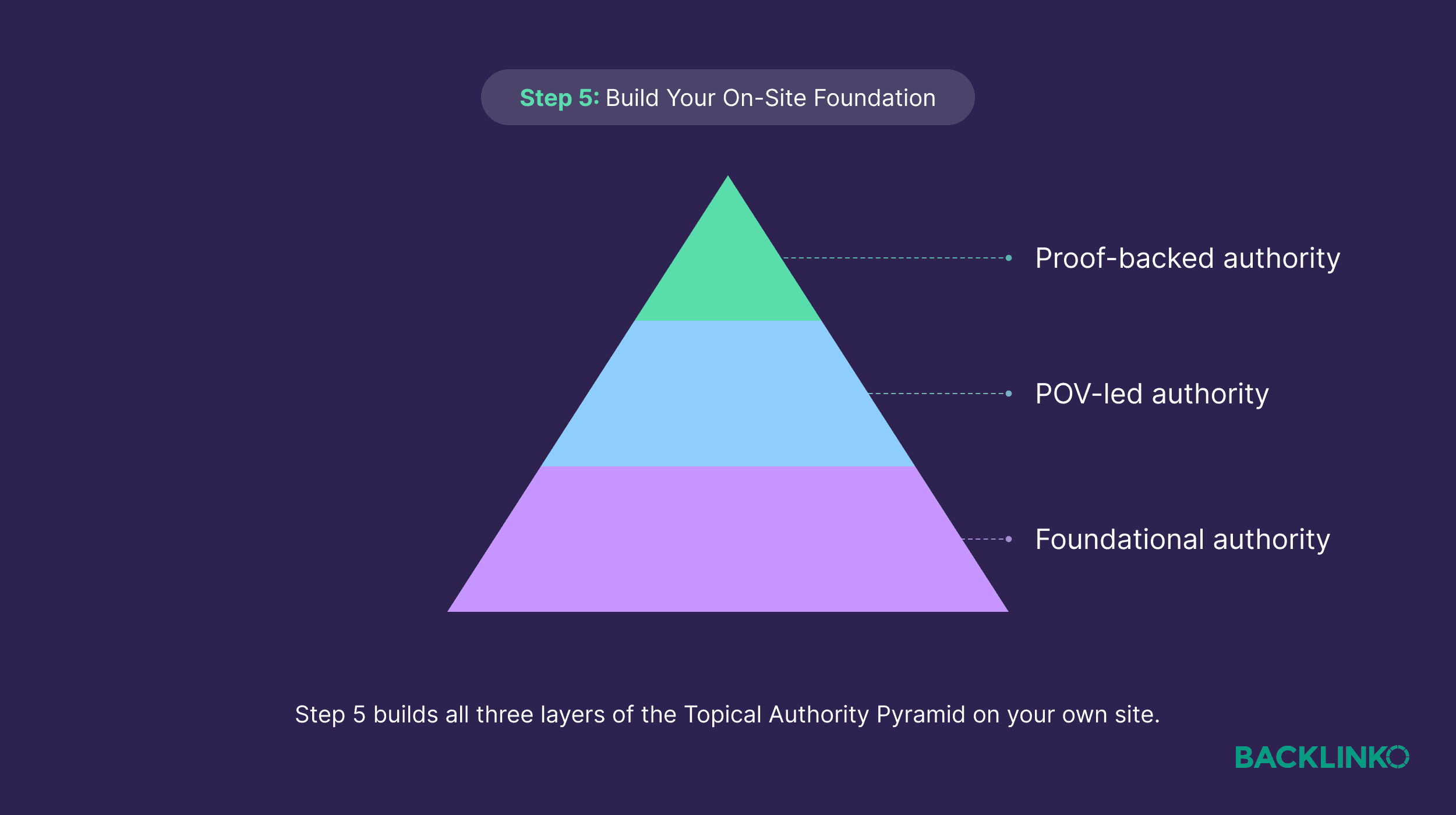
To address this modern marketing imperative, a structured approach is essential. The Topical Authority Pyramid, a framework developed in collaboration with industry leaders like Amanda Milligan, Content and Growth Manager at Semrush, offers a systematic methodology for brands to cultivate a dominant presence in their niche. Historically, topical authority was largely defined by the sheer volume and breadth of content published on a subject. The prevailing wisdom was that comprehensive coverage would inherently lead to ownership of a topic. However, as Milligan emphasizes, "Today, search engines and LLMs look for more than coverage. They look for a clear position on the topic and external evidence that supports it." The Topical Authority Pyramid is designed to meet this demand, breaking down the complex task into three interconnected layers:
- Foundational Authority: The base layer, representing the broad presence and relevance of a brand within a general topic.
- Point of View (POV) Authority: The middle layer, defining the brand’s unique angle or specialized perspective within that topic.
- Proof Authority: The top layer, comprising the concrete, verifiable evidence from both internal and external sources that validates the brand’s POV.
Each layer of this pyramid synergistically supports the others, working to establish a brand as the undisputed expert in its specific niche, thereby earning greater visibility in traditional search engines and generative AI responses. Many brands, including Great Jones, possess a strong foundational authority and scattered pieces of proof but critically lack a consistent POV that unifies their narrative and makes them distinctly authoritative in specific sub-topics.
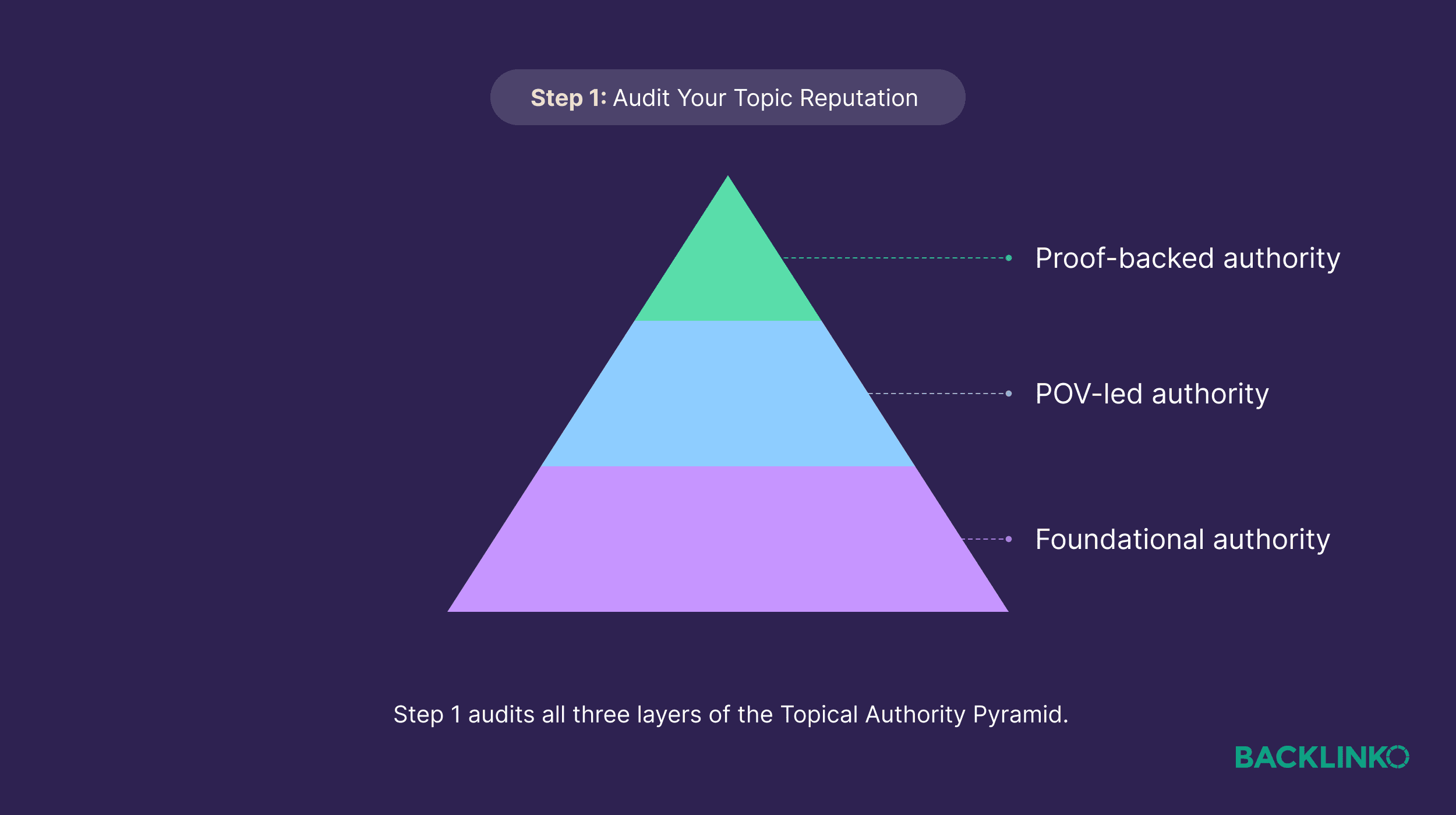
Step 1: Auditing the Current Topic Reputation
Before embarking on a strategy to build topical authority, an initial assessment of a brand’s existing reputation is crucial. This audit reveals the current on-site and off-site associations, highlighting the discrepancies between desired perception and actual recognition. As Amanda Milligan has noted from her experience, "The gap between what you publish and what you want to be known for may be wider than you expect."
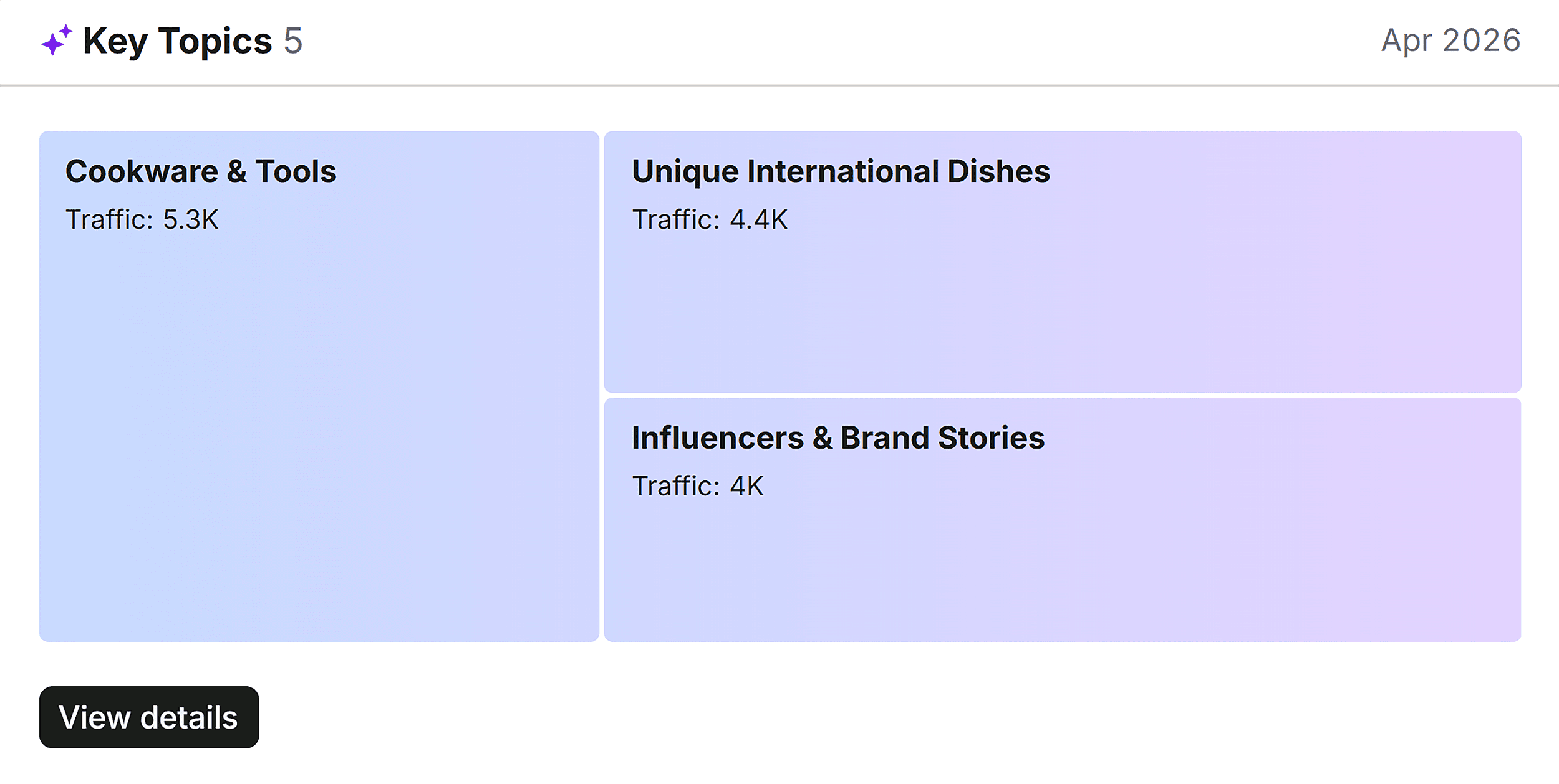
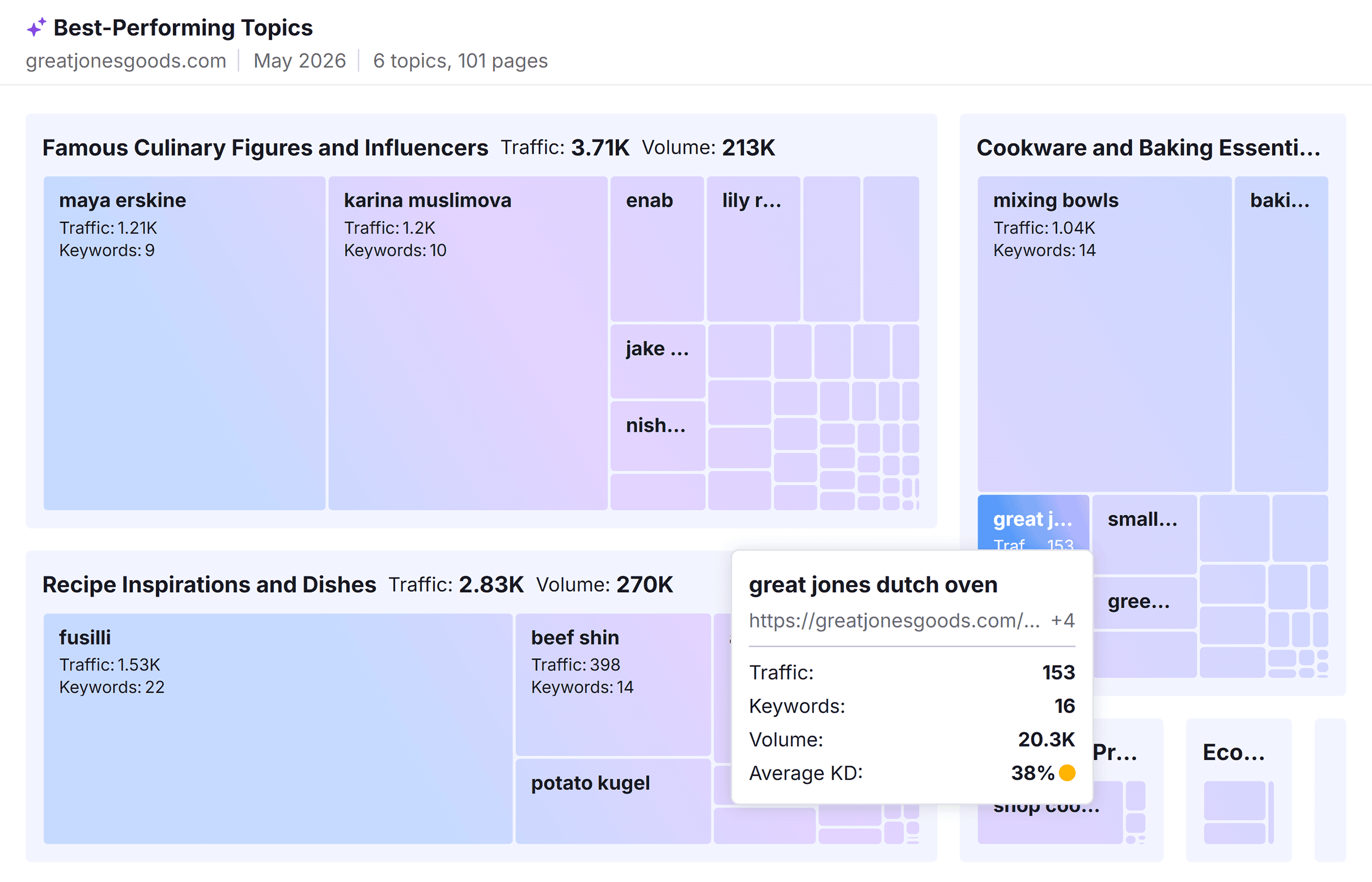
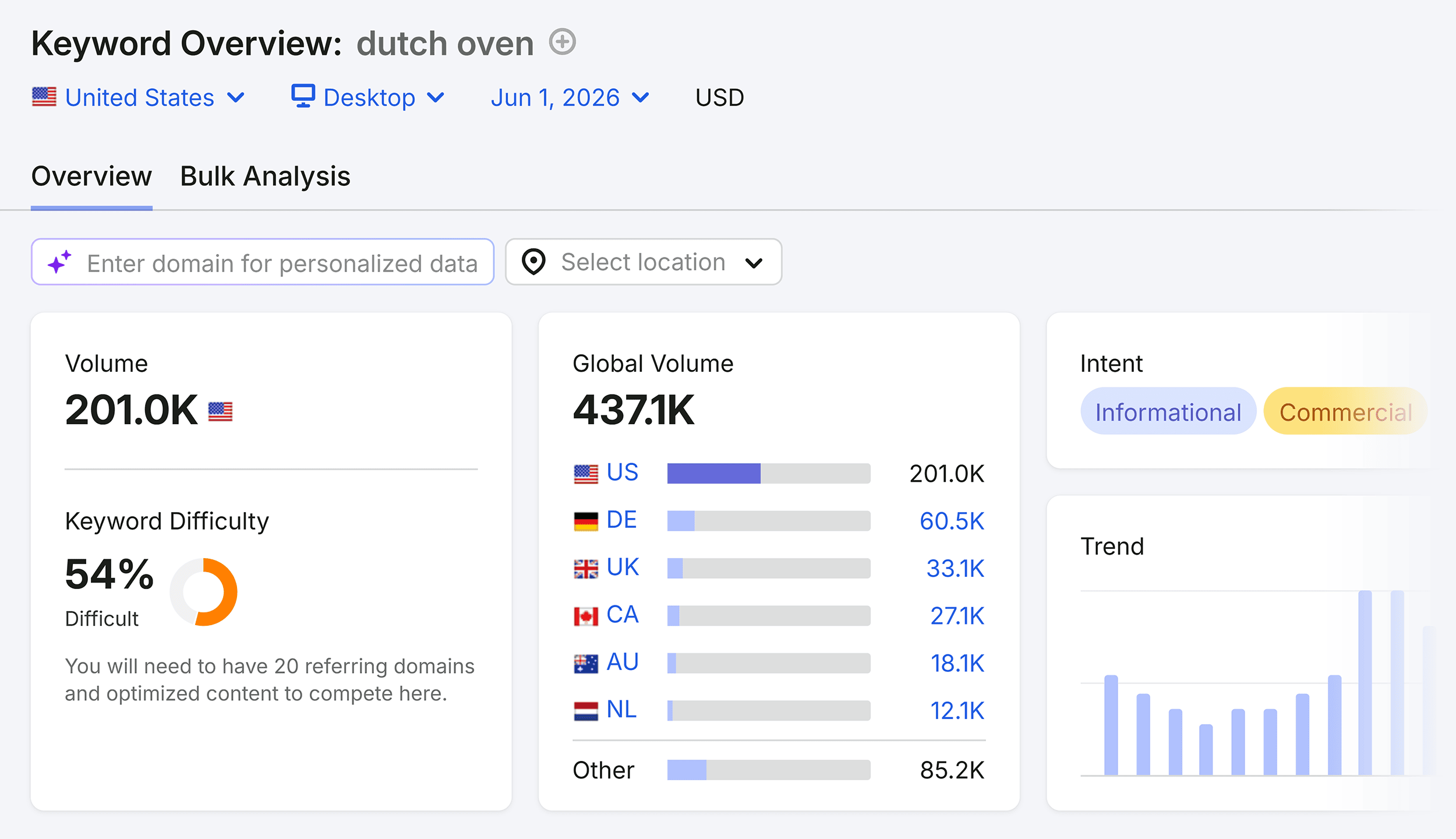
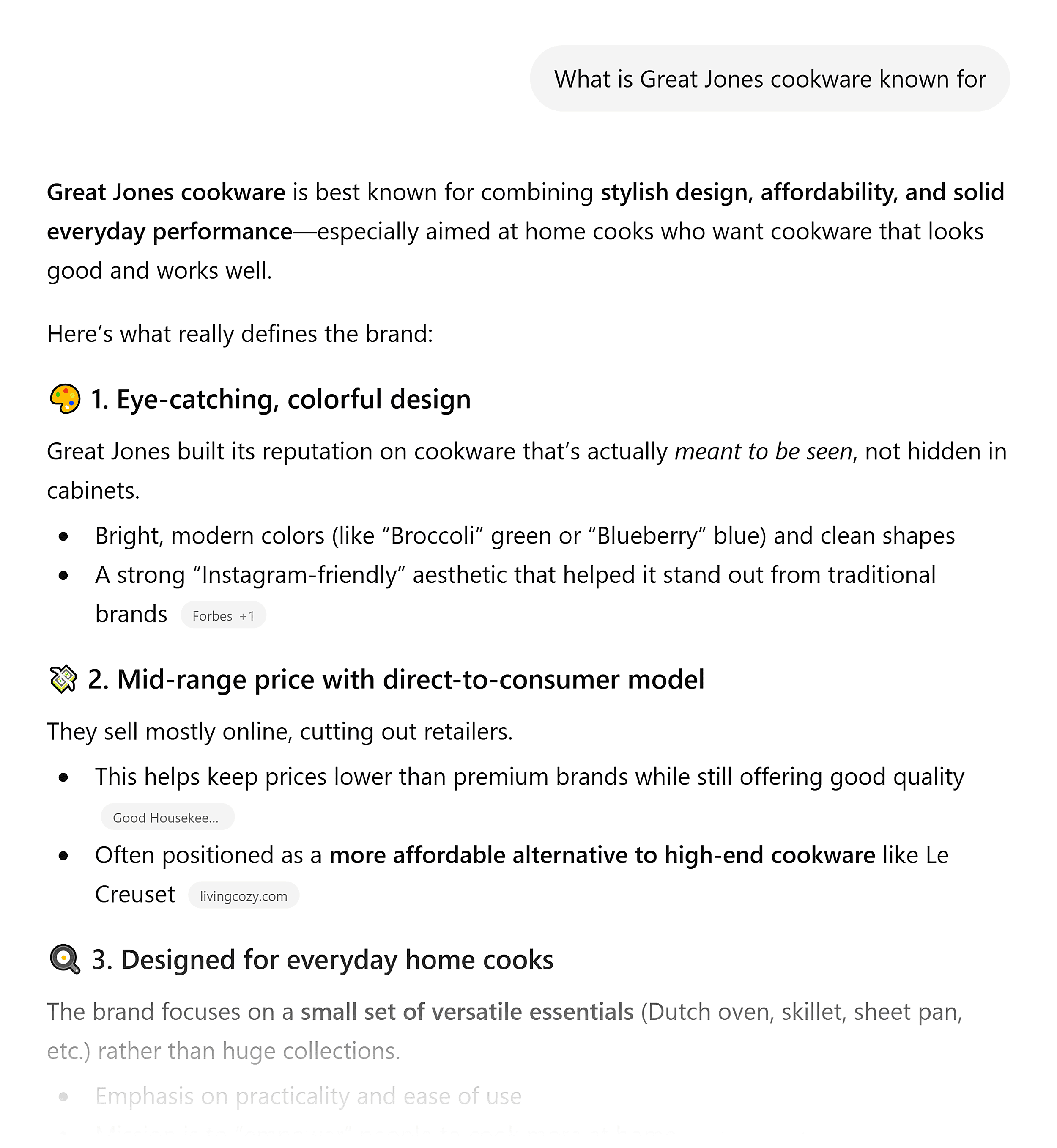
Researching On-Site Associations: Utilizing tools like Semrush’s Organic Rankings, brands can quickly gauge their primary topic associations. For Great Jones, despite their flagship Dutch oven, the analysis revealed that their website’s strongest organic associations were with "recipes" and "celebrity chefs." "Dutch ovens" barely registered, underscoring a significant disconnect between their core product and their digital footprint. This is particularly problematic given that "Dutch oven" alone garners over 200,000 monthly Google searches, representing a massive missed opportunity for Great Jones to capture buyer interest. Further investigation should include analyzing internal site search data to understand what users are looking for and evaluating Google Search Console performance for relevant keywords to identify current ranking positions and impressions. LLMs, when prompted with brand-specific queries (e.g., "What is Great Jones cookware known for?"), may also reveal how their internal models currently categorize the brand, which can sometimes differ from manual perception.
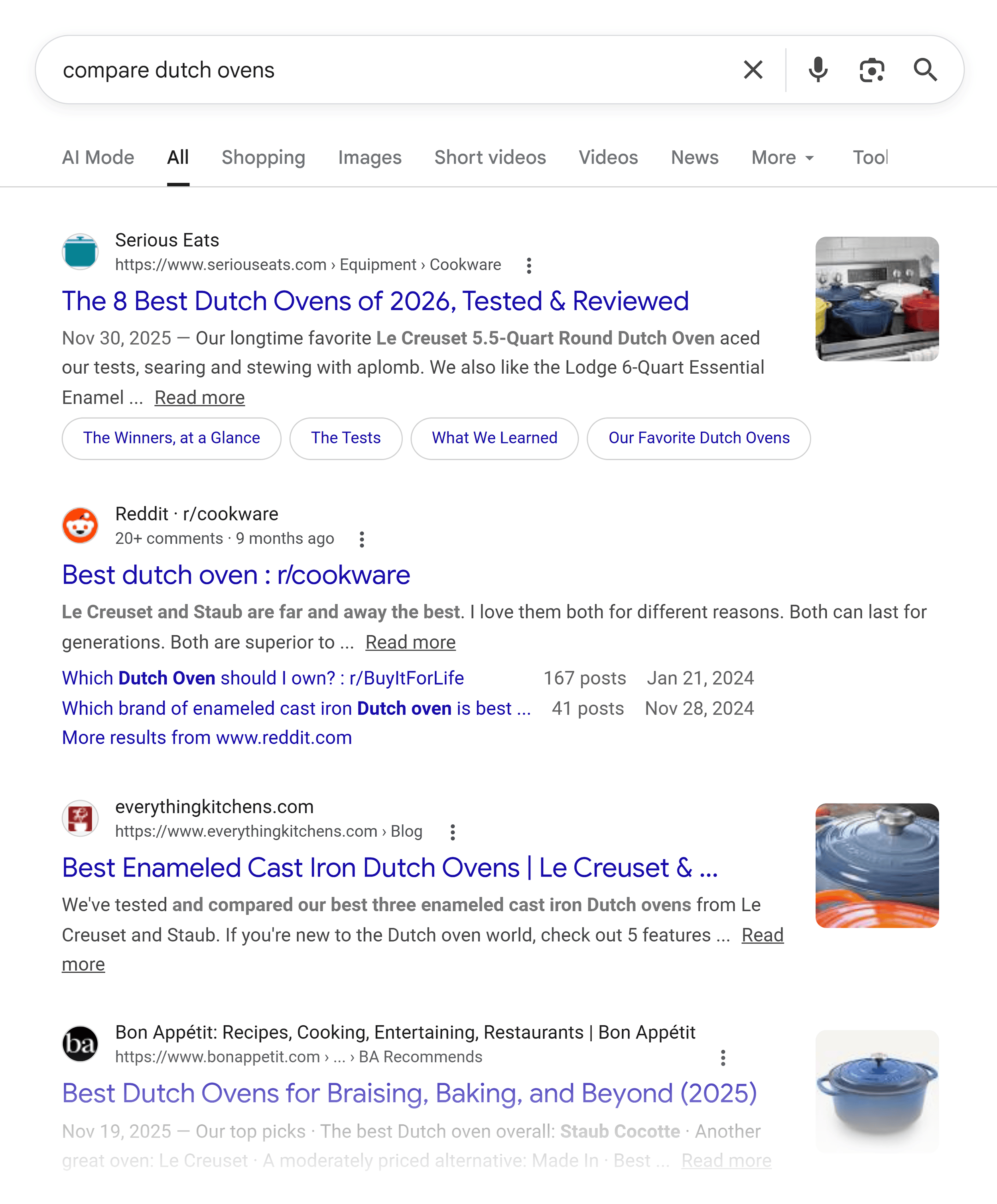
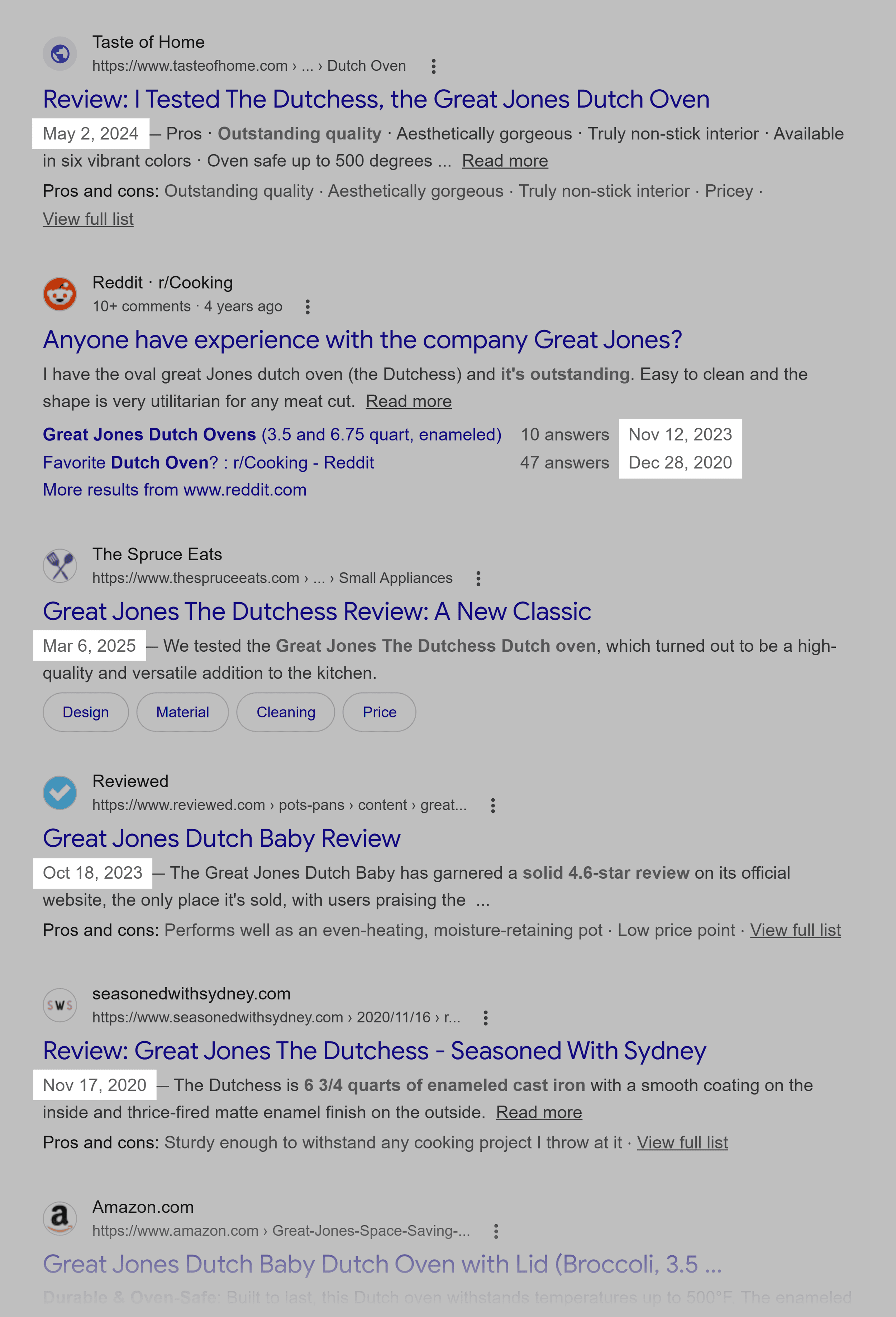
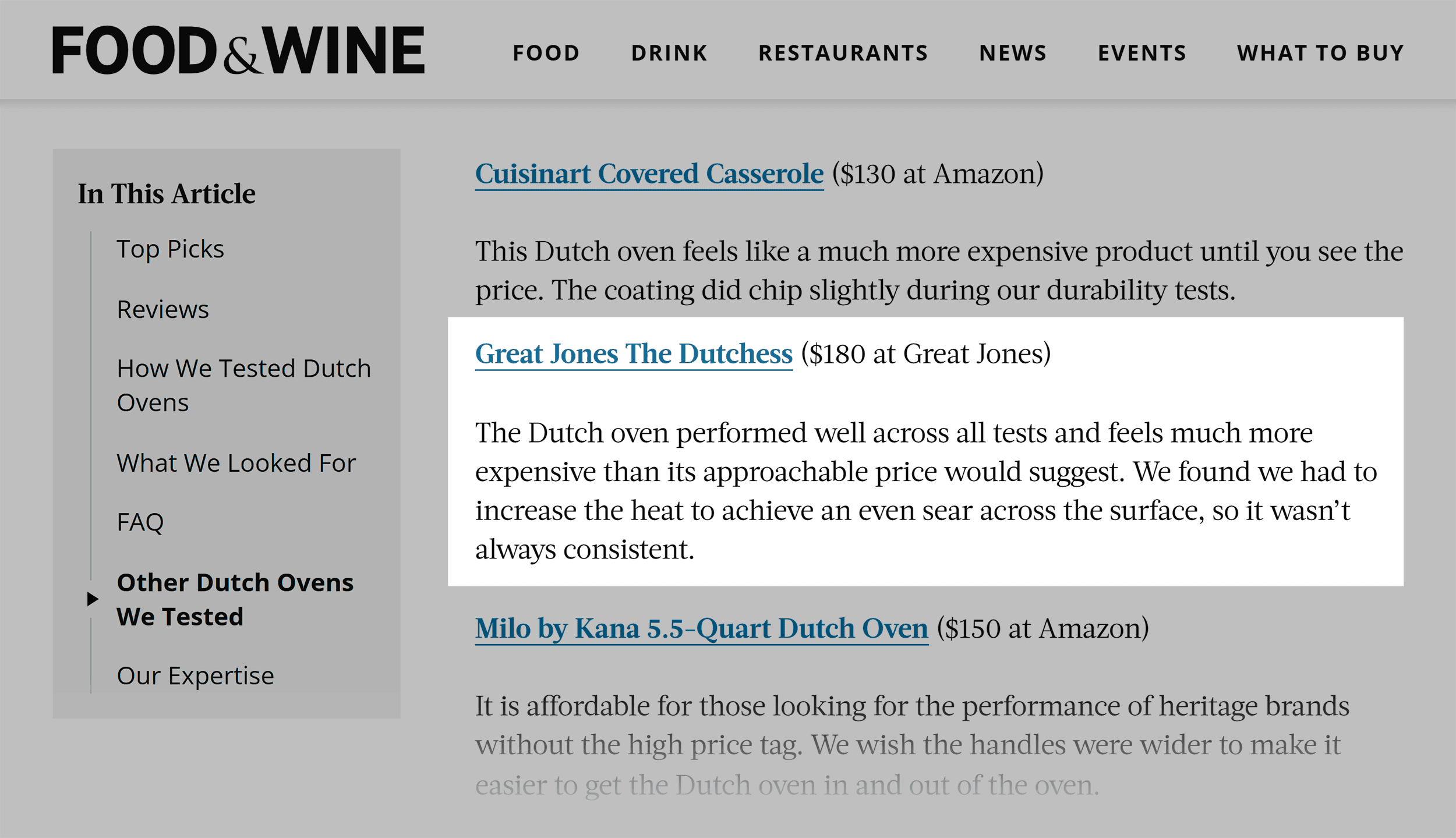
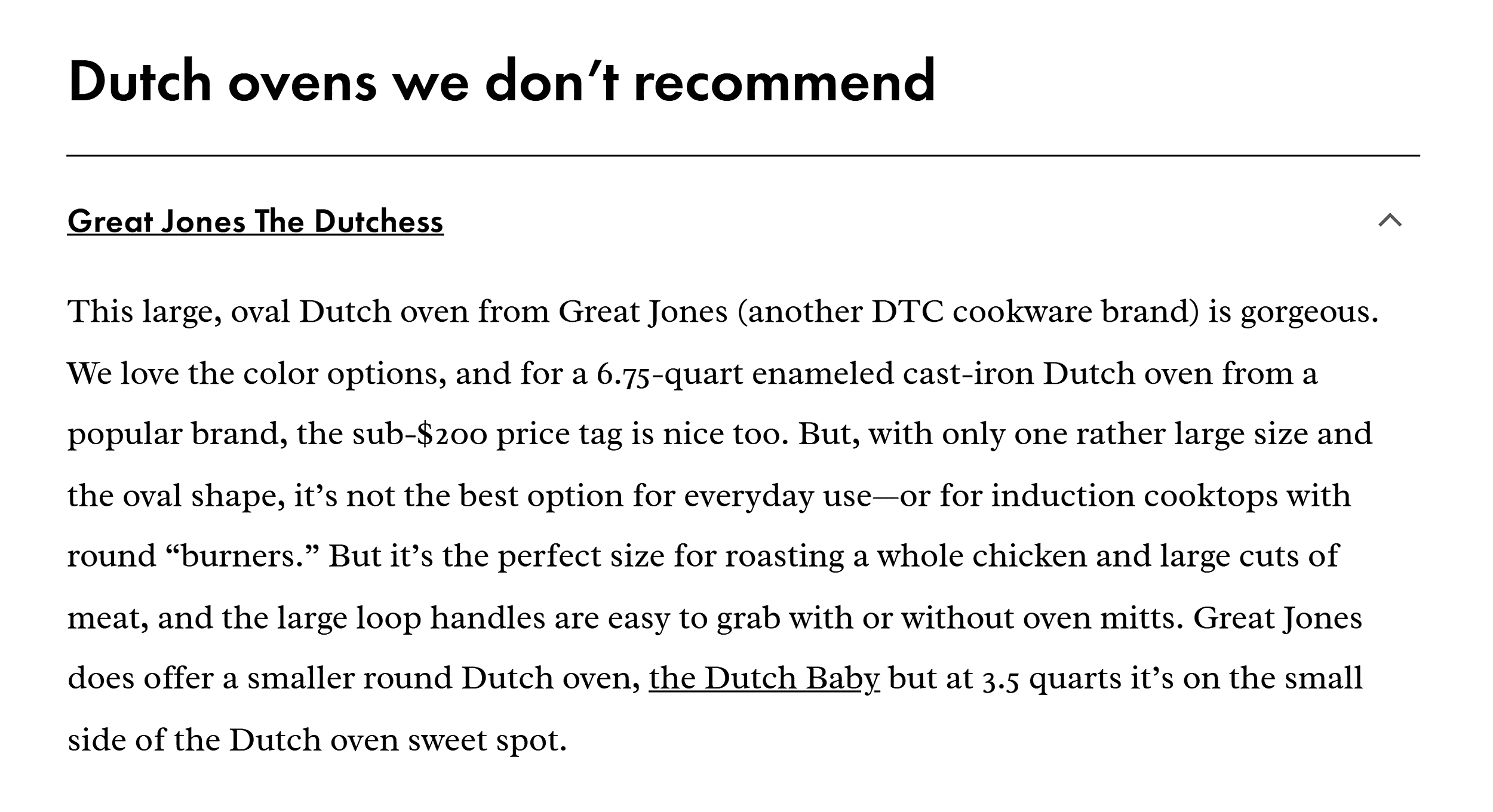
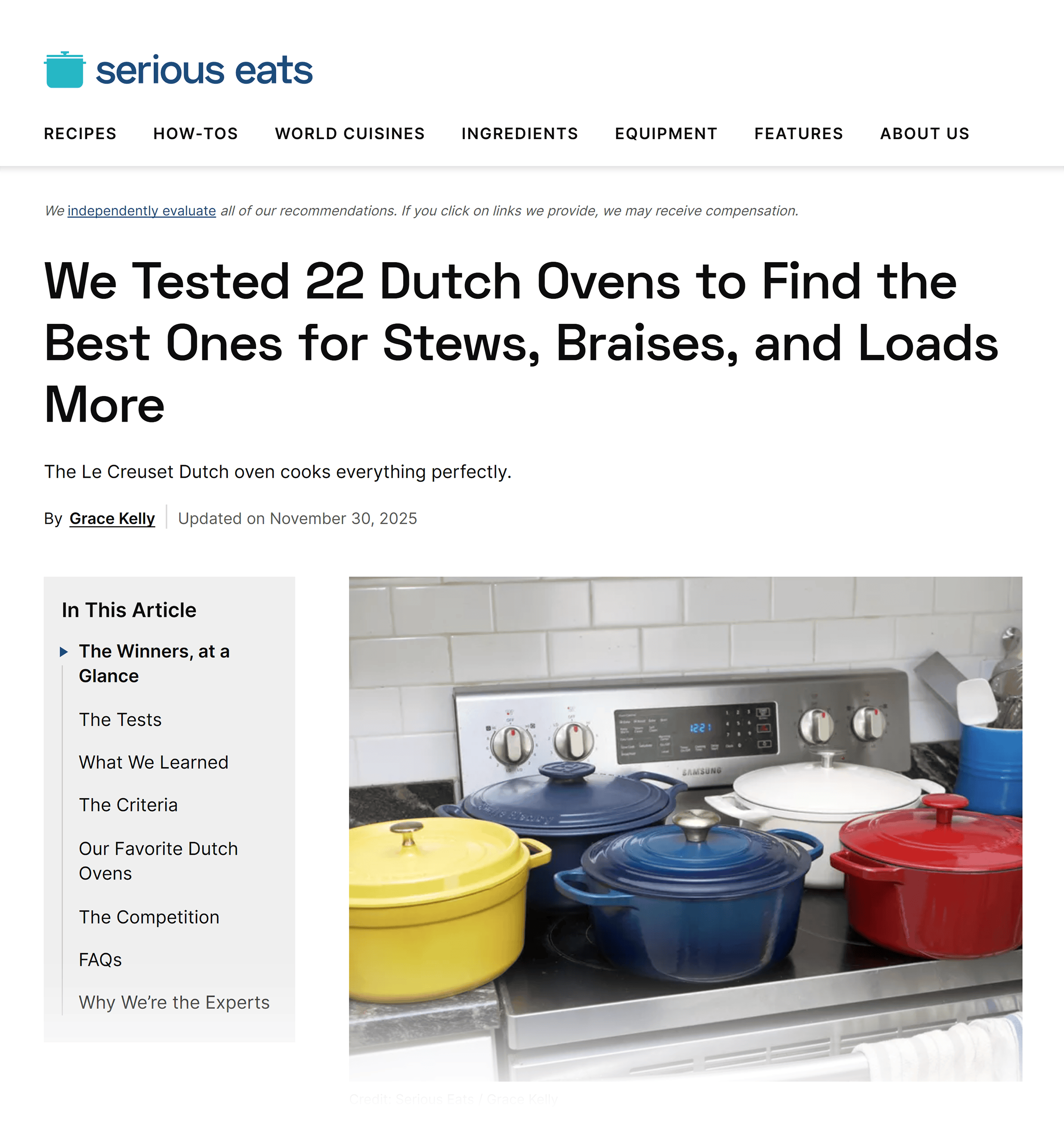
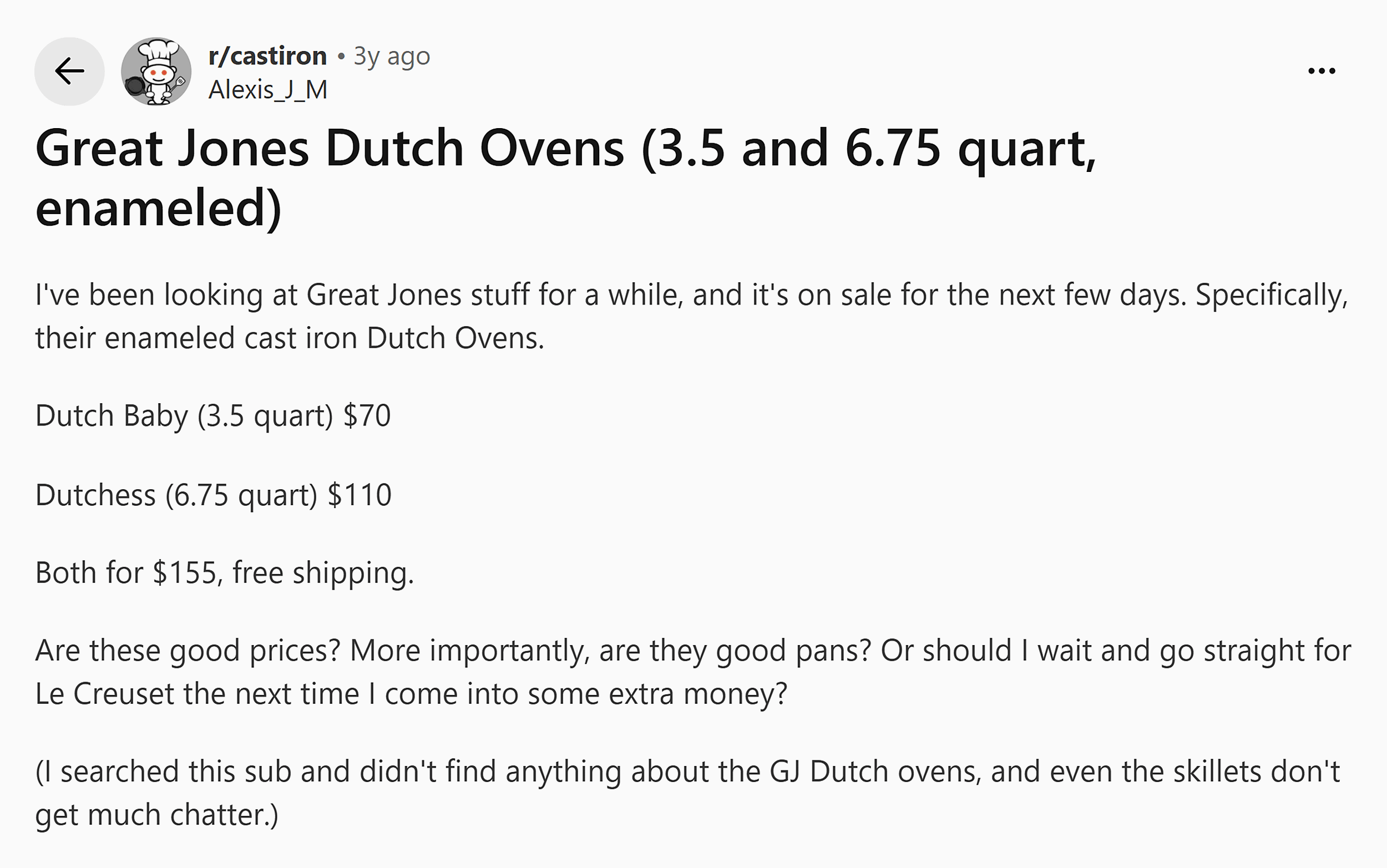
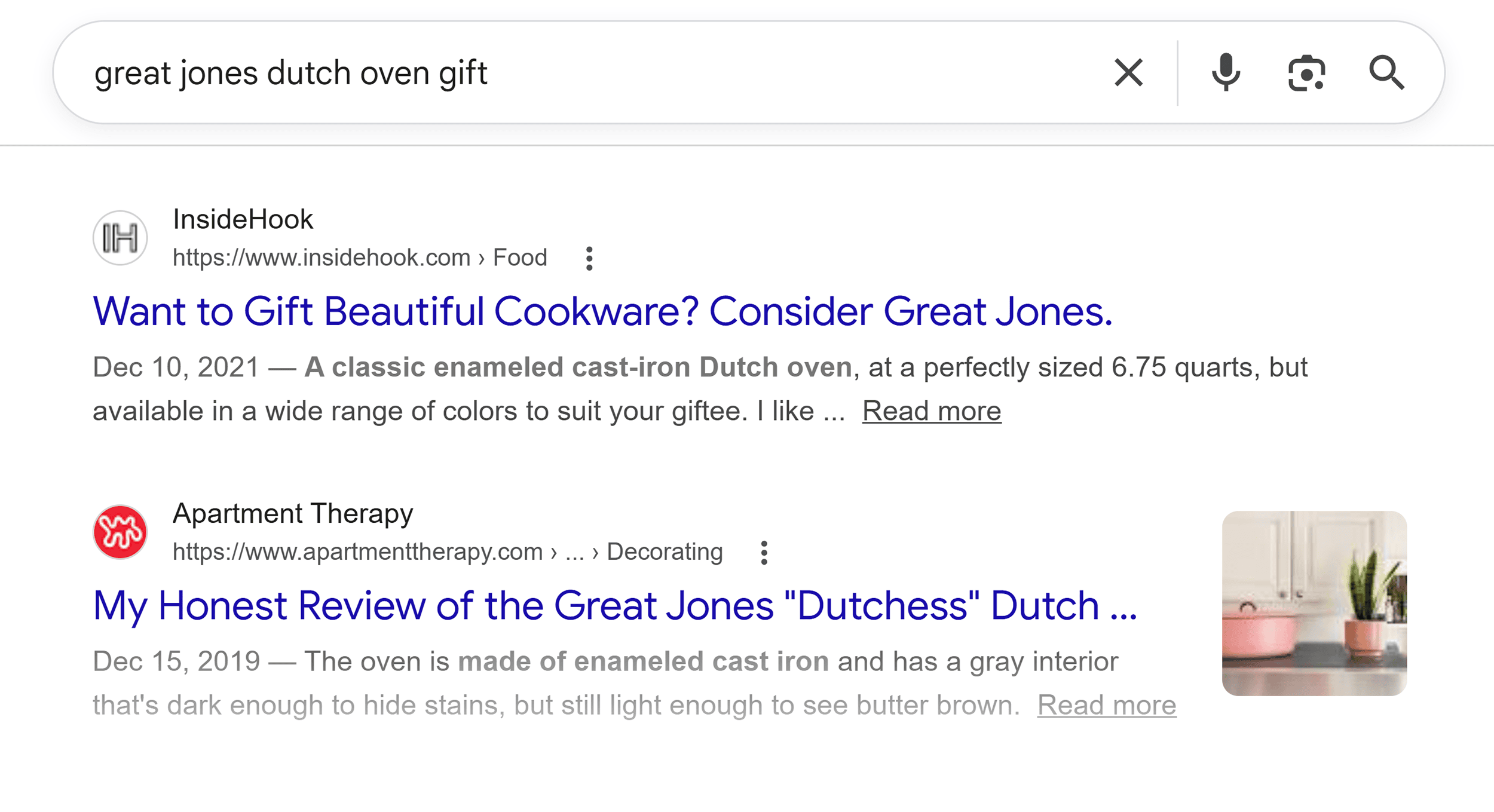
Auditing Off-Site Presence: The off-site audit is particularly revealing, as it often exposes the largest gaps and carries substantial weight with AI systems. This involves scrutinizing third-party mentions, product reviews, industry roundups, and editorial press. For Great Jones, a superficial off-site audit confirmed an enviable level of general brand coverage, with features in prominent lifestyle publications and collaborations with notable culinary figures. However, when specifically examining coverage related to Dutch ovens, the inconsistencies became glaring. Many top-ranking articles featuring Great Jones’s Dutch oven were several years old, indicating a lack of recent, sustained endorsement. More critically, the sentiment was inconsistent; for example, Food & Wine listed The Dutchess under "Other" with heating caveats, and Bon Appétit relegated it to a "don’t recommend" category. Furthermore, the brand was conspicuously absent from specialized roundups by authoritative culinary sites like Serious Eats. In organic discussions on platforms like Reddit, where consumers actively seek Dutch oven recommendations, Great Jones was rarely mentioned, and existing threads were often outdated. This comprehensive audit clearly demonstrated that while Great Jones had substantial brand equity, it had yet to translate into a robust, consistent reputation for Dutch ovens, particularly in the critical domain of third-party validation that AI systems prioritize.
Step 2: Choosing the Topic for Authority Building
Given the extensive insights from the topic reputation audit, the next critical step is to strategically select a single topic around which to build definitive authority. It is impractical and ineffective to attempt to own every conceivable topic simultaneously. This focused approach ensures concentrated effort and measurable impact. The selection process involves evaluating topics against crucial factors: the brand’s core offerings, market demand, competitive landscape, and the potential for a unique angle.
Initially, a broad list of potential topics should be generated, encompassing products, categories, use cases, and problems the brand aims to solve. For Great Jones, beyond "Dutch ovens," this list might include "slow cooking," "one-pot meals," "kitchen gifting," or "cookware care." Special attention should be given to topics where the brand already has some traction, where competitors exhibit weaknesses, or where a clear association should exist but currently doesn’t.
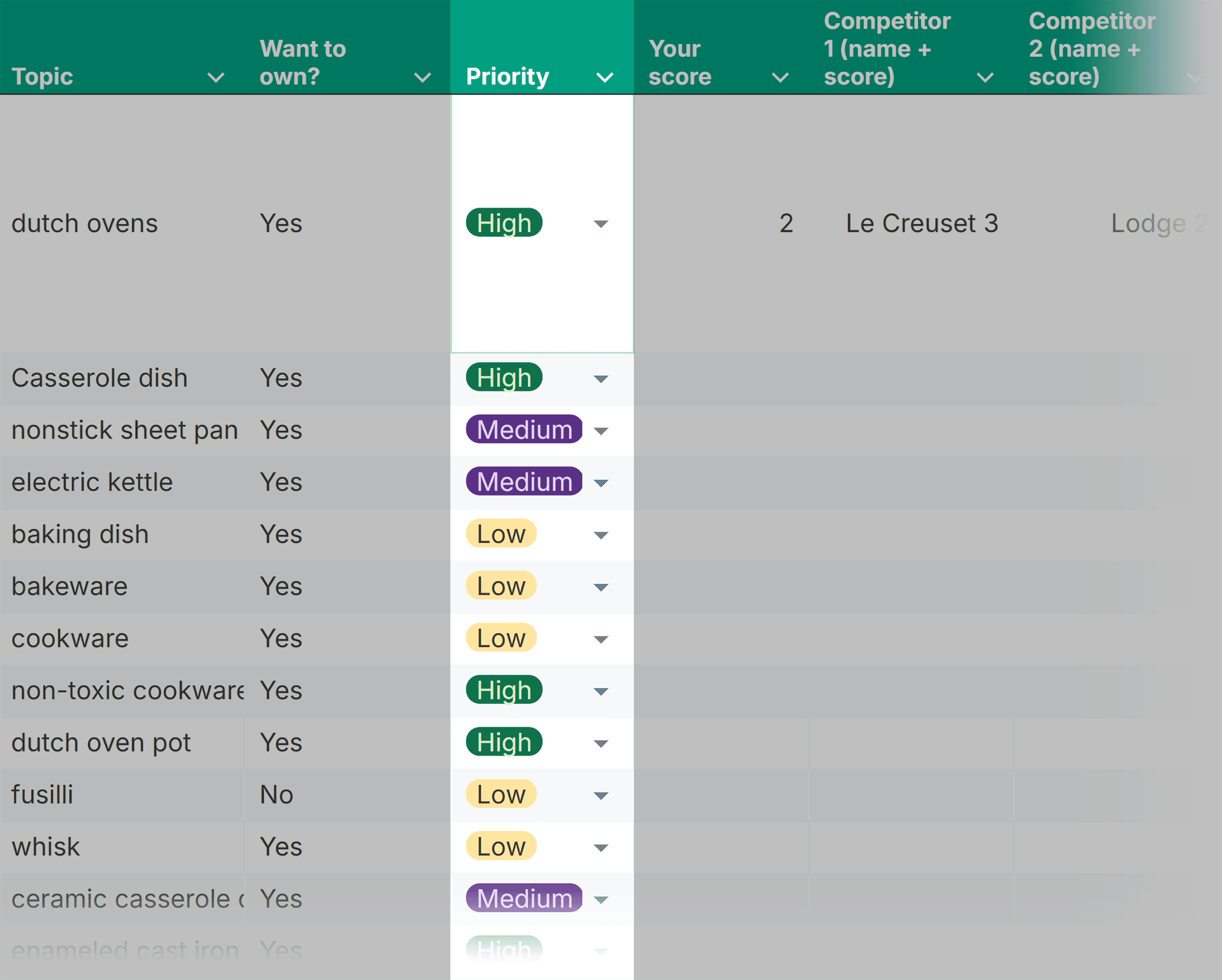
Once a preliminary list of 10-15 topics is compiled, they must be prioritized. Two key questions guide this narrowing process:
- Desirability: Does owning this topic directly drive revenue, support a flagship product, or cultivate a reputation that naturally attracts target customers?
- Urgency/Opportunity: Is there a significant market demand (high search volume)? Is the competitive landscape relatively open, or are current leaders vulnerable? Is there an existing, albeit weak, association for the brand to leverage?
This process should yield three to five high-priority topics for further investigation. For Great Jones, the audit revealed that while competitors dominated broad "best Dutch oven" queries, there was an untapped opportunity in niches like "Dutch ovens for gifting," "visual appeal of cookware," or "beginner-friendly cooking."
Running a Query Audit: Each shortlisted topic then undergoes a "query audit" to precisely map the existing landscape of ownership and identify white space. This involves executing four types of searches on both Google and leading LLMs:
- Head Term: A broad query (e.g., "Dutch ovens") to understand general topic ownership and AI’s default recommendations.
- Best Query: A qualifying query (e.g., "best Dutch ovens under $200") to uncover buyer intent and AI’s specific brand recommendations for conversion-focused searches.
- Brand Query: A brand-specific query (e.g., "Great Jones Dutch oven") to gauge current direct recognition and how AI describes the brand.
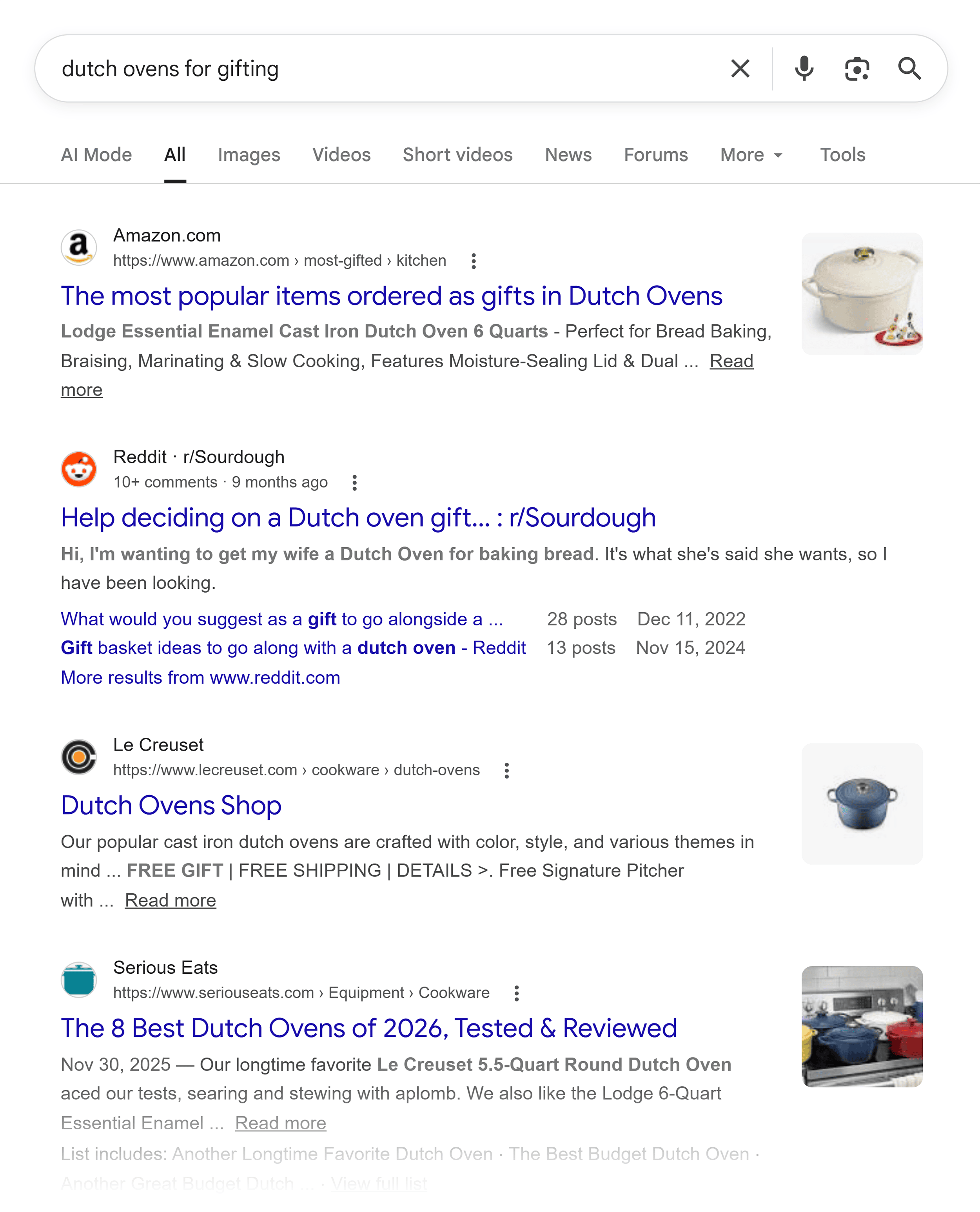
- Specific Angle Query: A query tied to a potential unique association (e.g., "Dutch oven for gifting") to assess whether that specific territory is claimed or open.
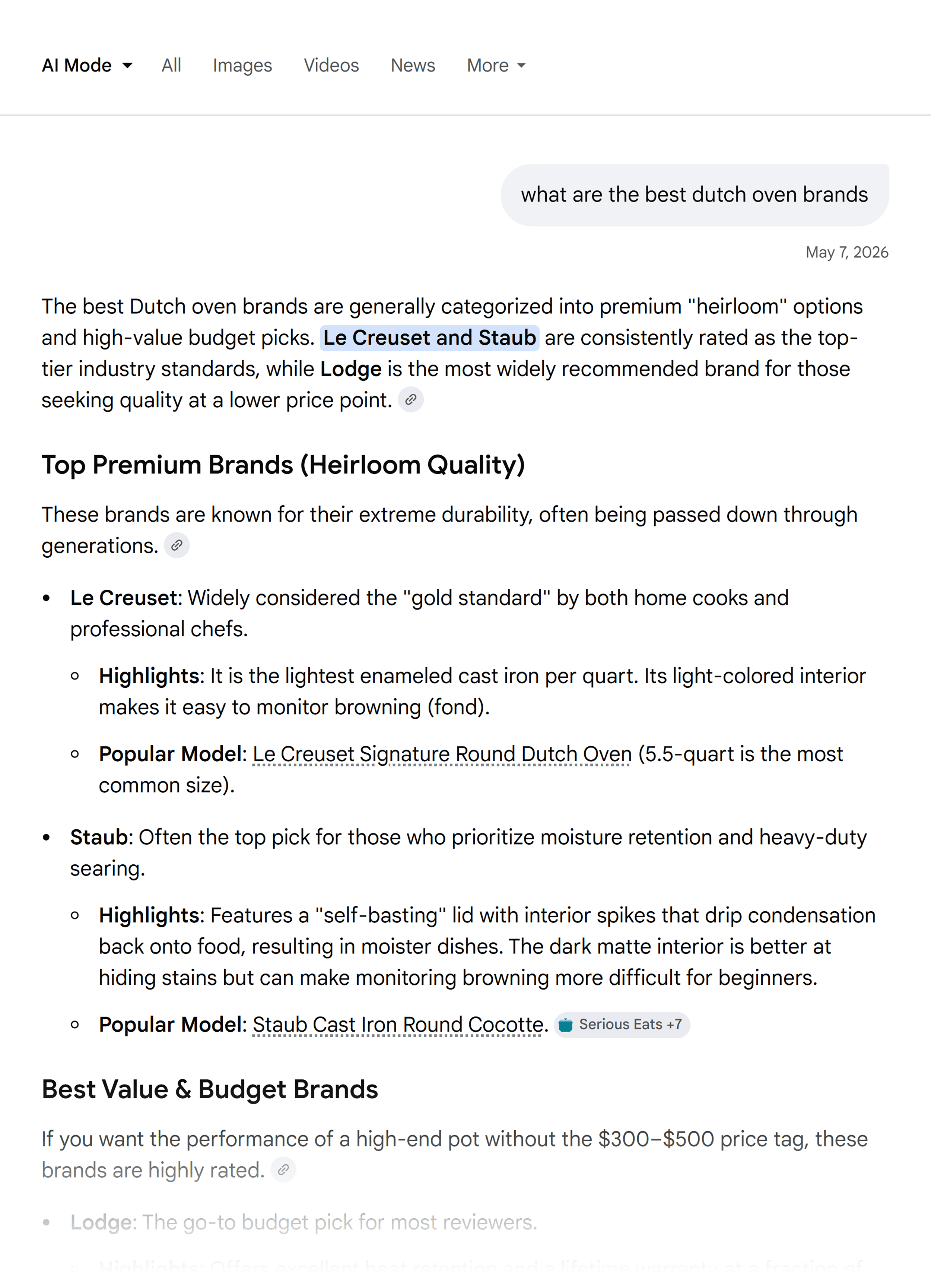
During this audit, detailed notes are taken on: the top-ranking brands, the presence and nature of AI-generated answers, the freshness of content, and the overall sentiment toward the brand and its competitors. For Great Jones, while "Le Creuset," "Staub," "Lodge," and "Caraway" consistently appeared for general "Dutch oven" searches, Great Jones was conspicuously absent. Crucially, queries like "Dutch oven for gifting" showed significant buyer intent but lacked a clear brand leader. This revealed a significant opportunity.
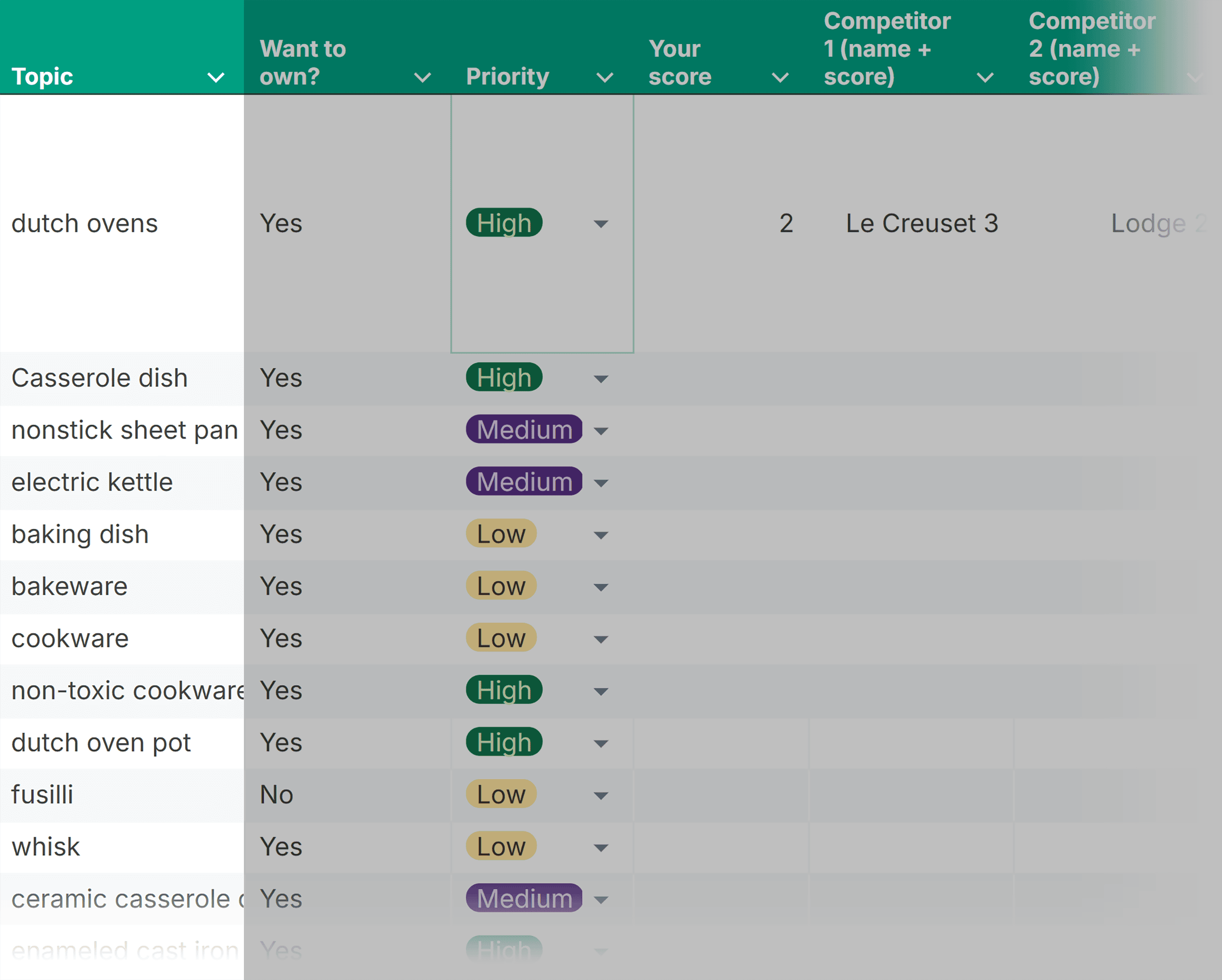
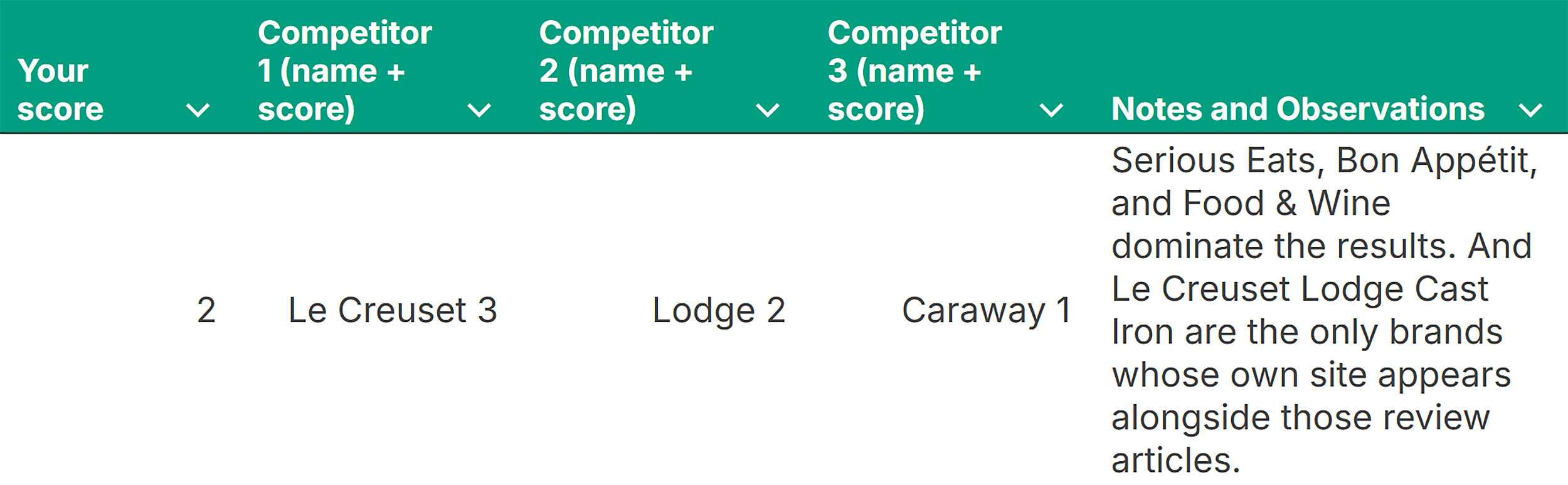
Scoring by Association Strength: The final stage of Step 2 involves scoring the brand’s and its competitors’ presence for each high-priority topic on a 0-3 scale, reflecting combined foundational, POV, and proof authority. A score of 0 indicates no presence, 1 signifies weak or negative presence, 2 means positive but inconsistent, and 3 represents consistent prominence across high-authority sources and AI. This scoring objectively highlights topics where the brand scores a 1 or 2, and at least one competitor scores 0 or 1, indicating a "winnable position" where buyer demand exists, the brand has some footing, and competition is weak. For Great Jones, "Dutch ovens for gifting" perfectly fit this criterion, becoming the singular focus for authority building.
Step 3: Identifying Your Topic Point of View (POV)
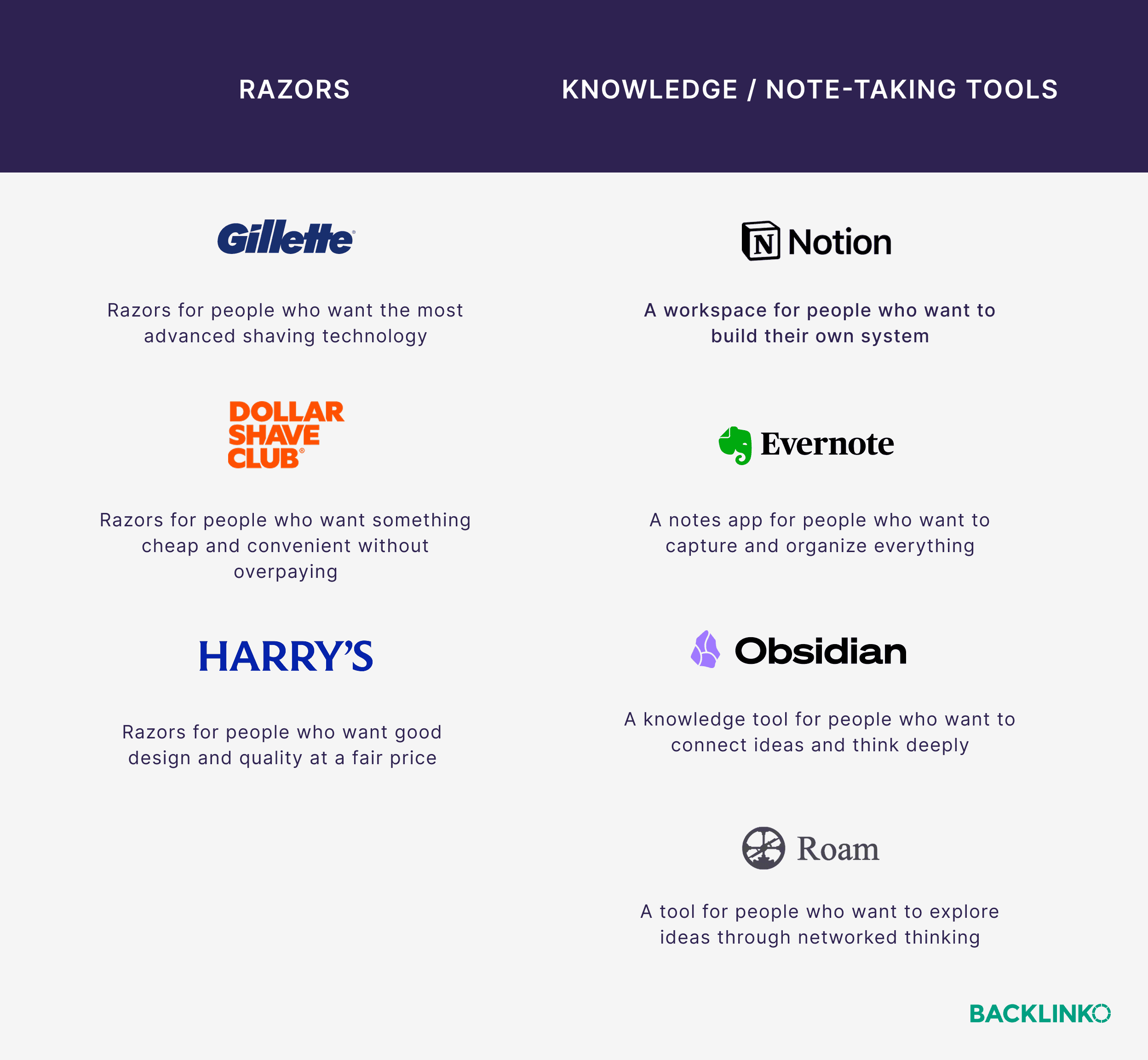
With a viable topic selected, the next step is to define the specific reputation or unique angle a brand intends to cultivate within that space. This Point of View (POV) is what differentiates a brand in the minds of consumers, search engines, and AI systems, transforming it from a general participant to a specialized authority. Consider the razor market: Gillette is known for innovation, Dollar Shave Club for affordability, and Harry’s for a premium grooming experience—all operate in the same market but own distinct POVs.
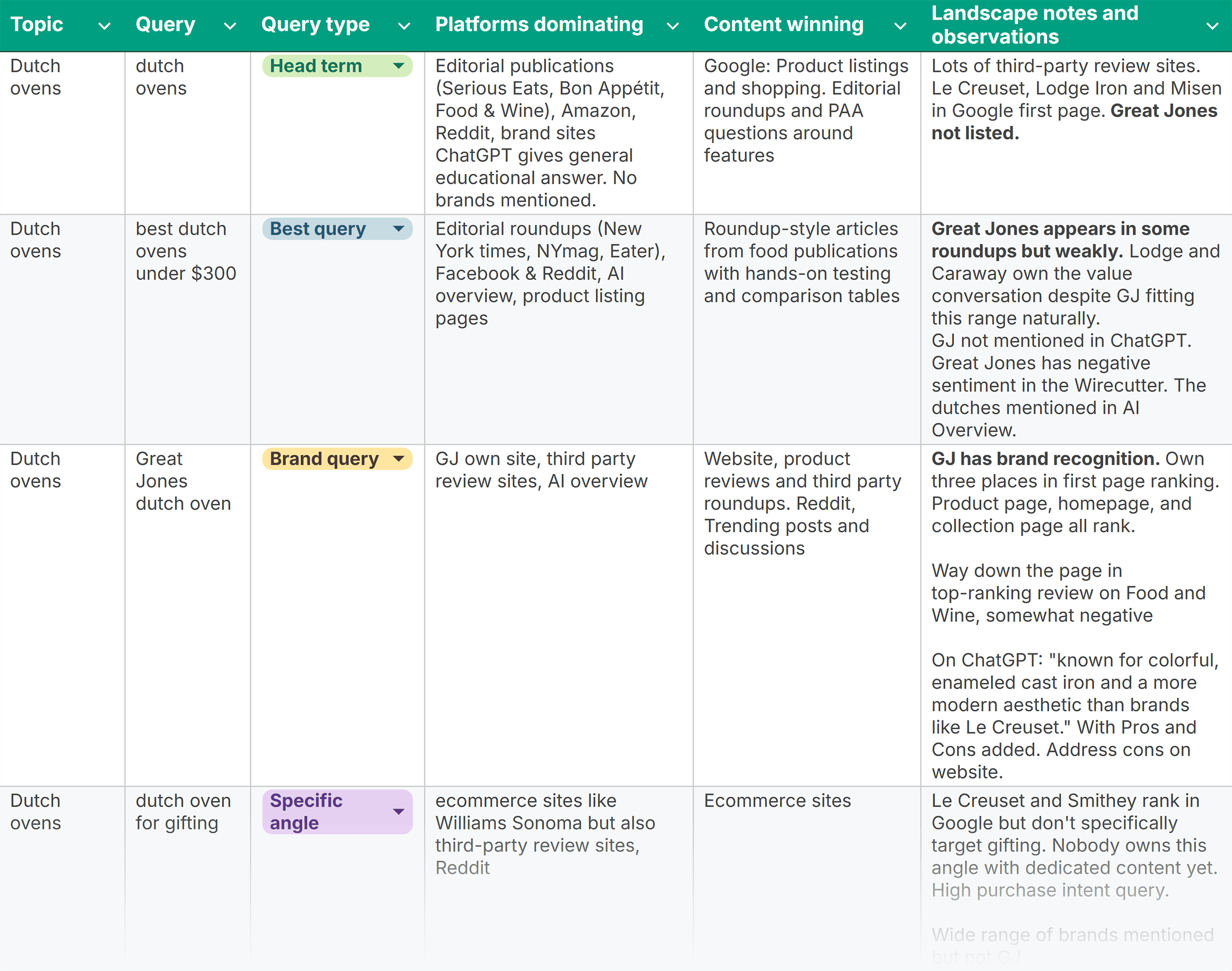
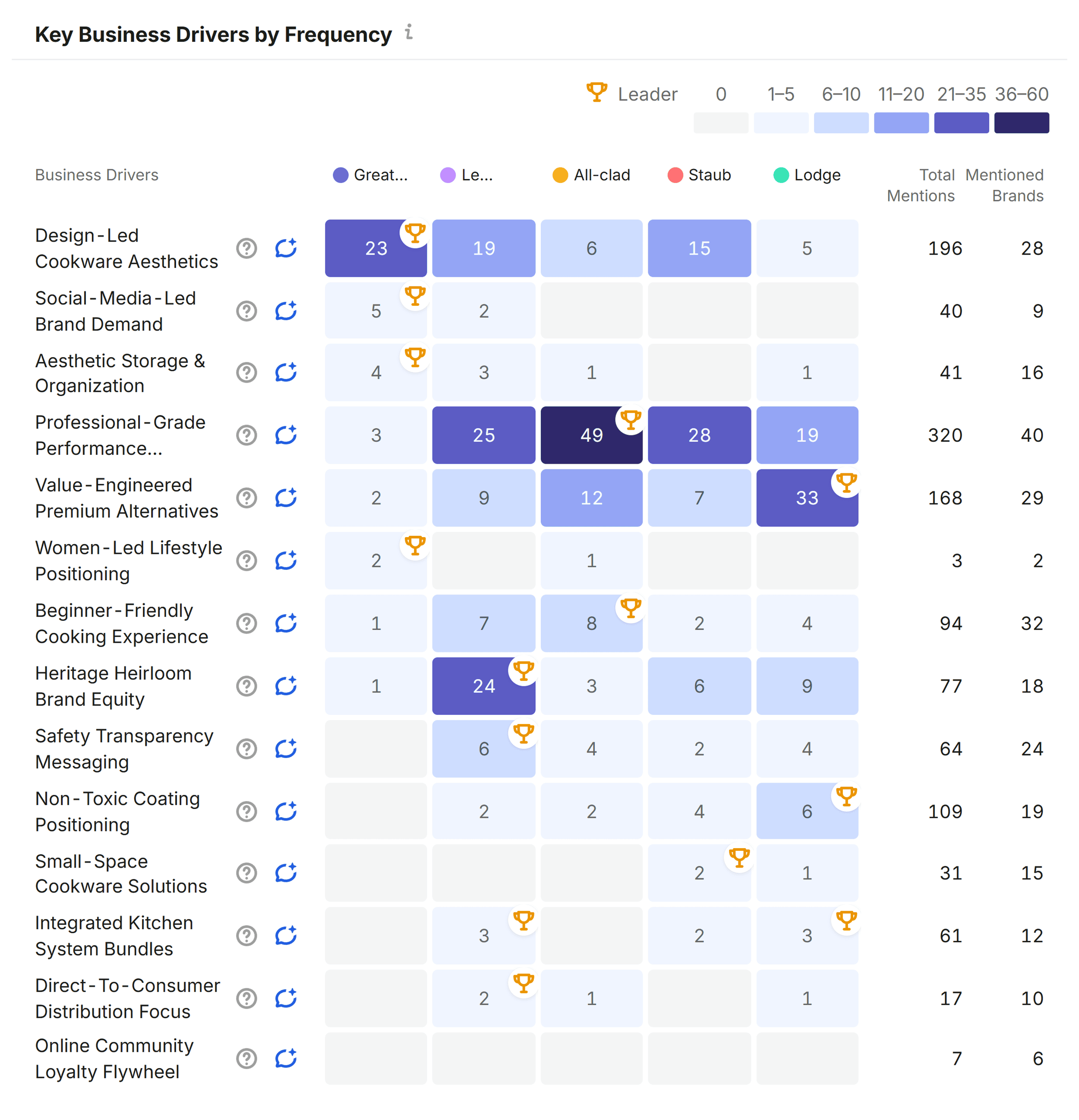
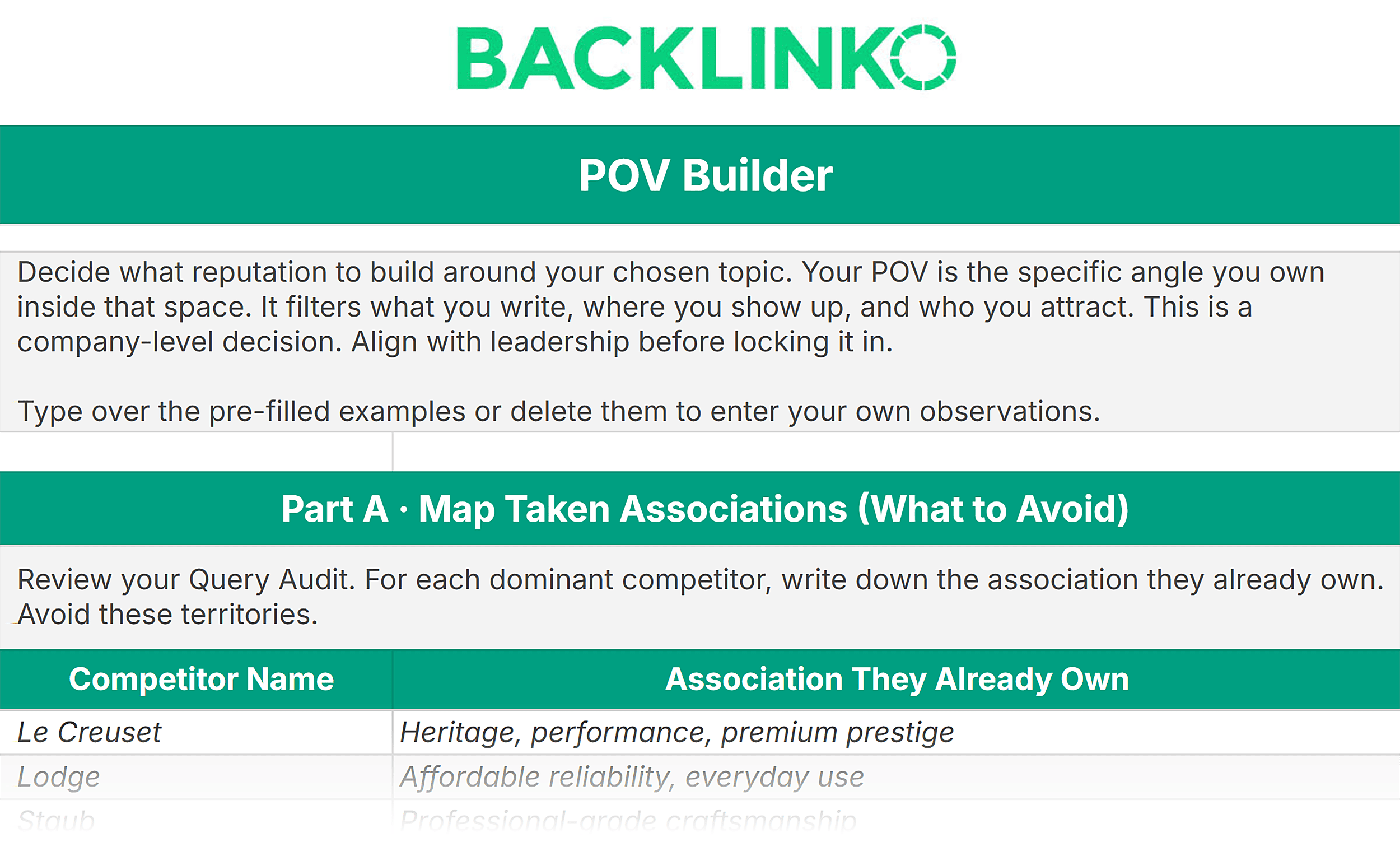
Researching Existing POVs: Before establishing a unique POV, it is essential to map out what dominant brands in the target space are already known for. These established POVs are territories to avoid direct competition in. The insights from the Query Audit in Step 2 are invaluable here. Further depth can be achieved using tools like the Semrush AI Visibility Toolkit, specifically its Brand Performance tool, which reveals how competitors are winning associations within AI-generated answers and how the brand compares. For Dutch ovens, the analysis showed:
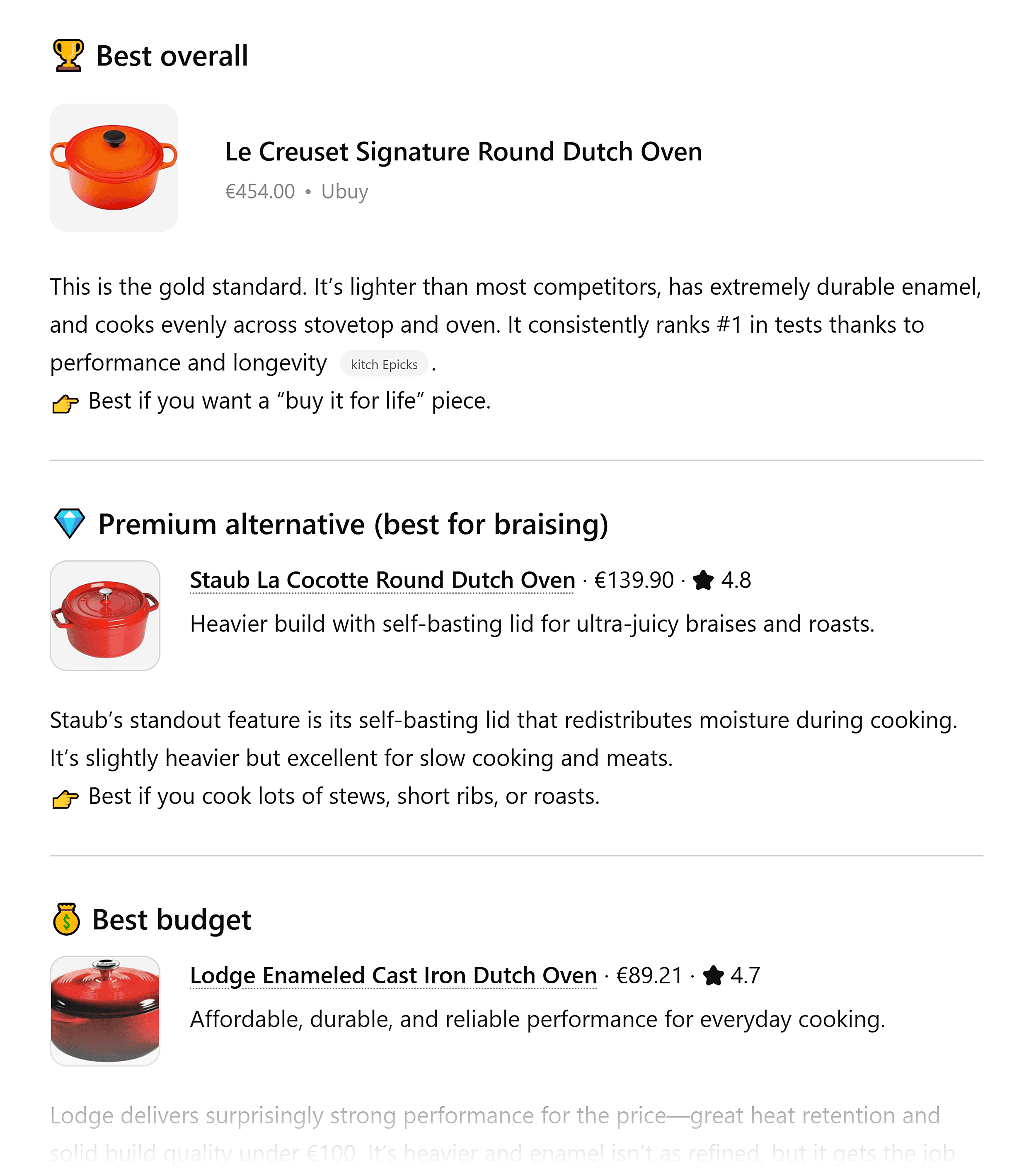
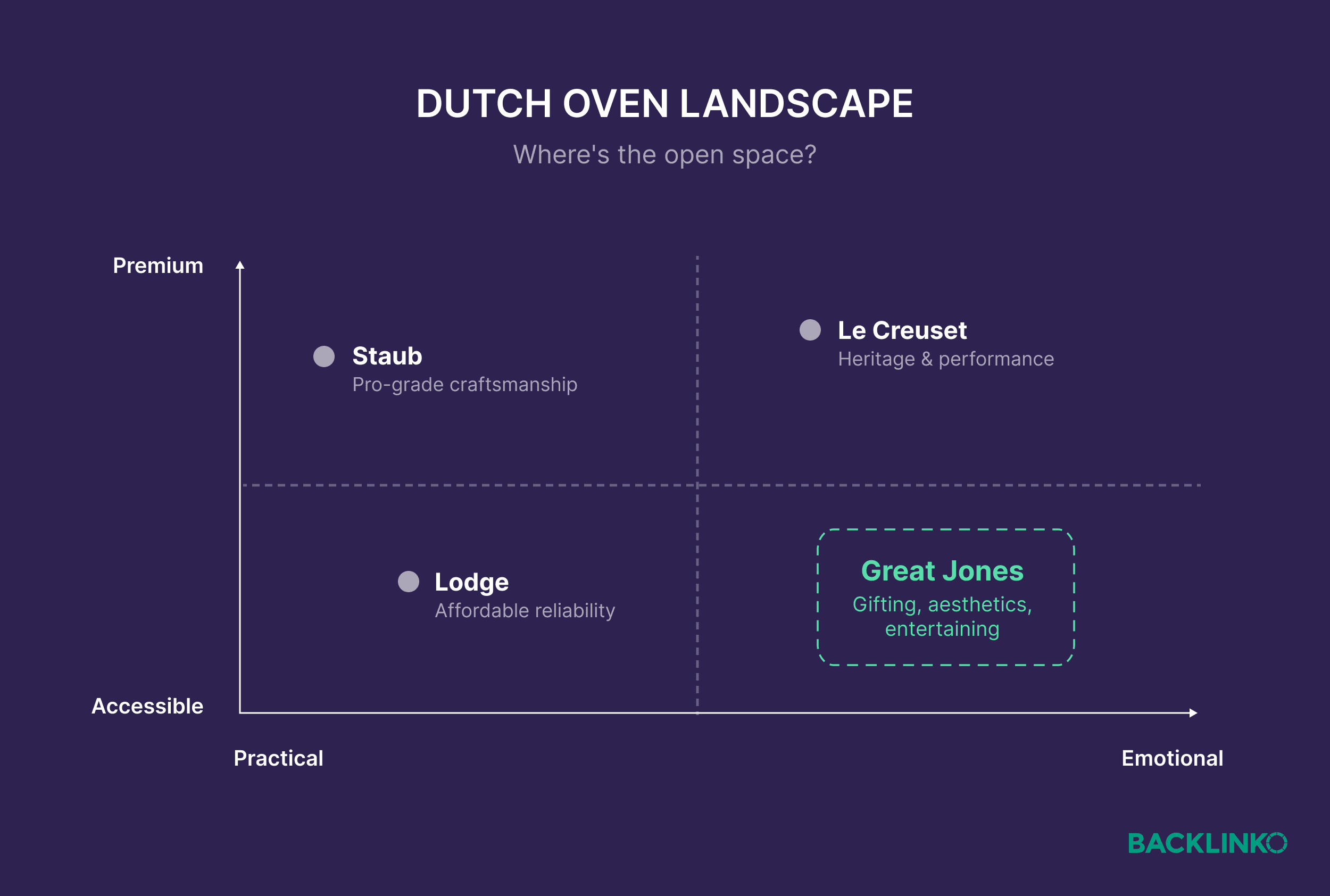
- Le Creuset: Premium, heritage, investment piece.
- Staub: Professional, durability, even heating.
- Lodge: Affordable, robust, cast-iron classic.
- Caraway: Non-toxic, modern aesthetics, healthy cooking.
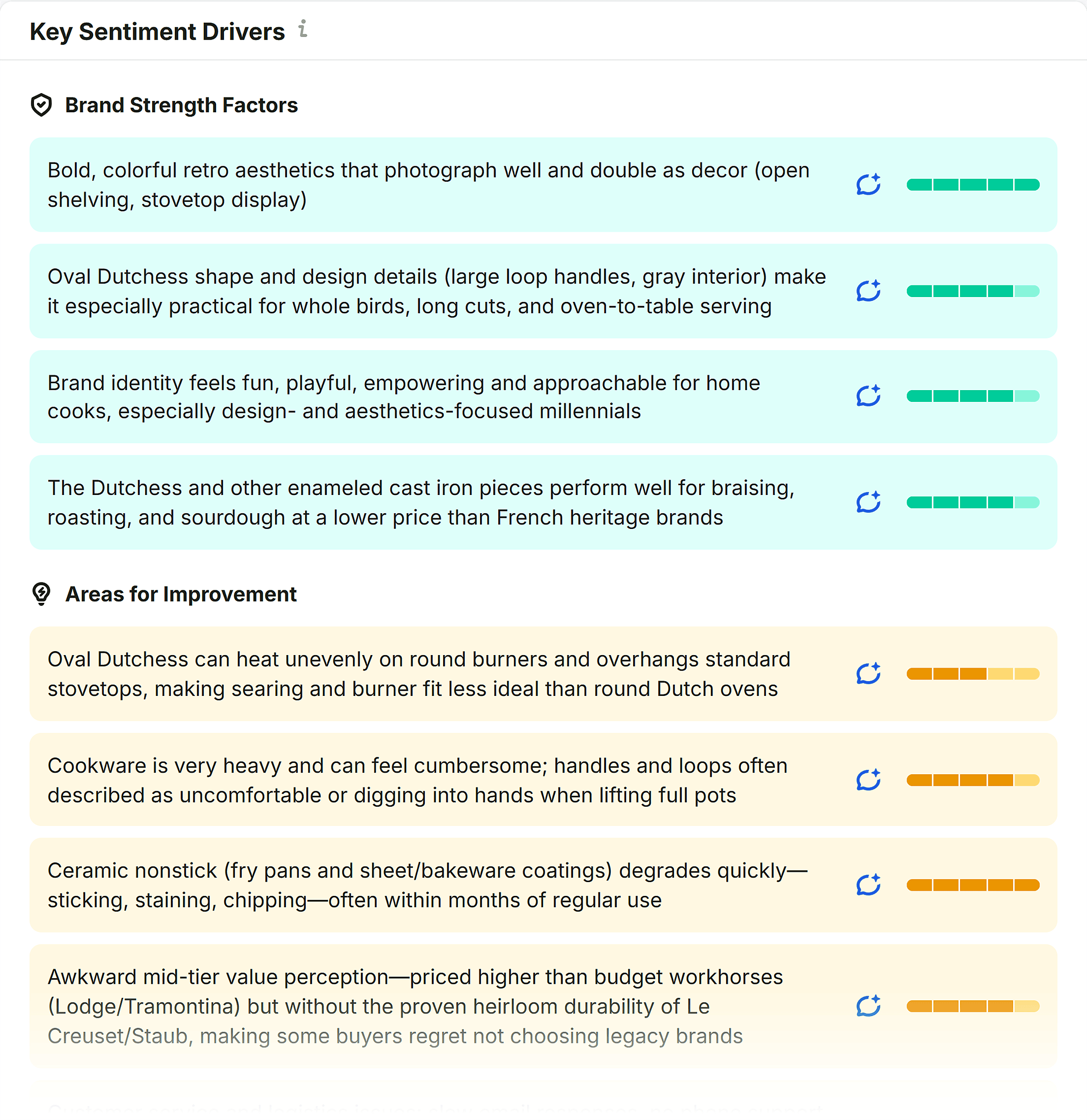
These are established territories. However, Great Jones, as Semrush data also indicated, already had a head start in design appeal. This, combined with the unmet demand for "gifting," created an opening.
Choosing a Unique POV: To solidify a POV, three critical questions must be asked:
- Is it authentic? Does the POV genuinely align with the brand’s values, products, and existing customer perceptions?
- Is it defensible? Can the brand consistently deliver on this POV, and can it be difficult for competitors to replicate?
- Is there market demand? Do buyers actively seek information or products related to this POV?
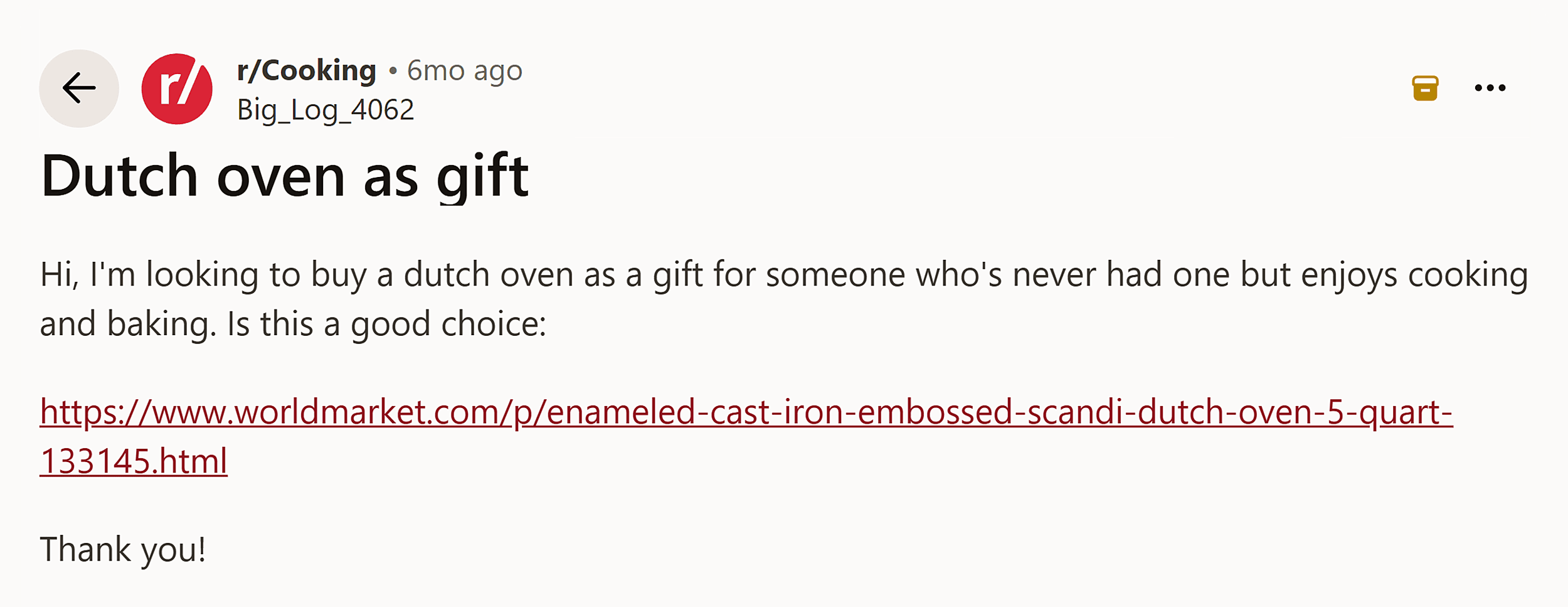
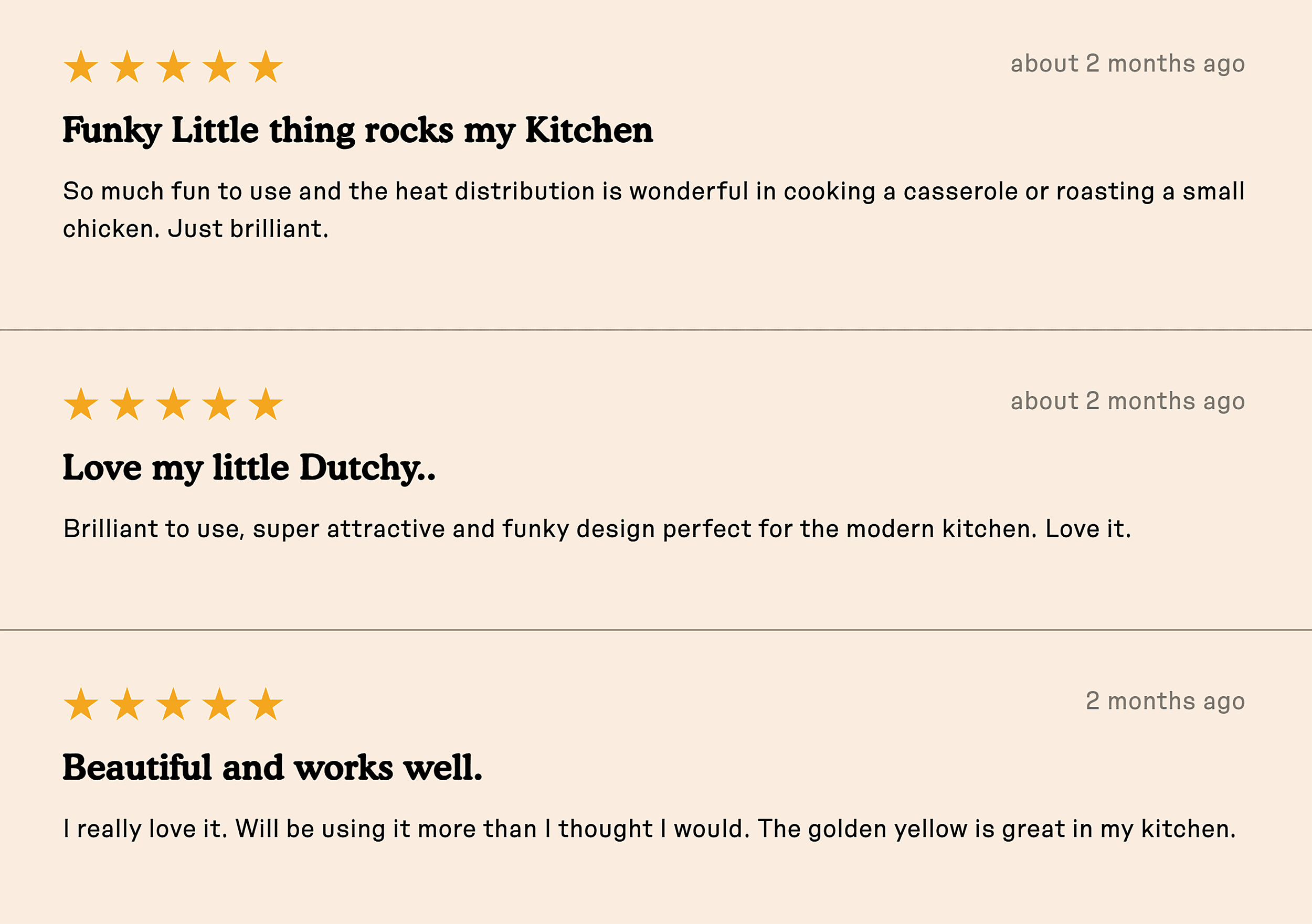
If a candidate POV fails any of these questions, it should be discarded. For Great Jones, the POV "Dutch ovens for gifting" passed all three. People frequently purchase Dutch ovens as gifts, as evidenced by Reddit threads seeking "Dutch oven gift" recommendations. Existing customer reviews for The Dutchess often praised its "super attractive," "modern," and "beautiful" design, perfectly aligning with a gifting narrative. Crucially, no major competitor had explicitly claimed "gifting" as their primary Dutch oven POV.
Crafting a One-Sentence POV: A strong POV must be concise, memorable, and easily repeatable. The "one-sentence test" ensures clarity. For Great Jones, a potential POV could be: "Great Jones is the go-to brand for beautifully designed Dutch ovens that make the perfect gift for any occasion." This clear statement immediately communicates the brand’s unique value proposition within the broader Dutch oven market, targeting a specific buyer need and leveraging an existing product strength. This precision in defining the POV is paramount for guiding all subsequent content and outreach efforts.
Step 4: Mapping Your POV Proof Architecture
Defining a Point of View (POV) is merely the first step; substantiating it with concrete evidence is what builds credibility and convinces both human audiences and AI systems. This "proof architecture" outlines the types of evidence required to validate the chosen POV across the entire buyer journey. It’s a blueprint, not yet the execution, ensuring a strategic and comprehensive approach to content and external validation.
A POV without proof remains an unsubstantiated claim. To truly build authority, a brand needs evidence that confirms two fundamental aspects:
- Category Belonging: The brand is a legitimate player in the broader topic.
- POV Leadership: The brand is the premier choice for the specific POV it has claimed.
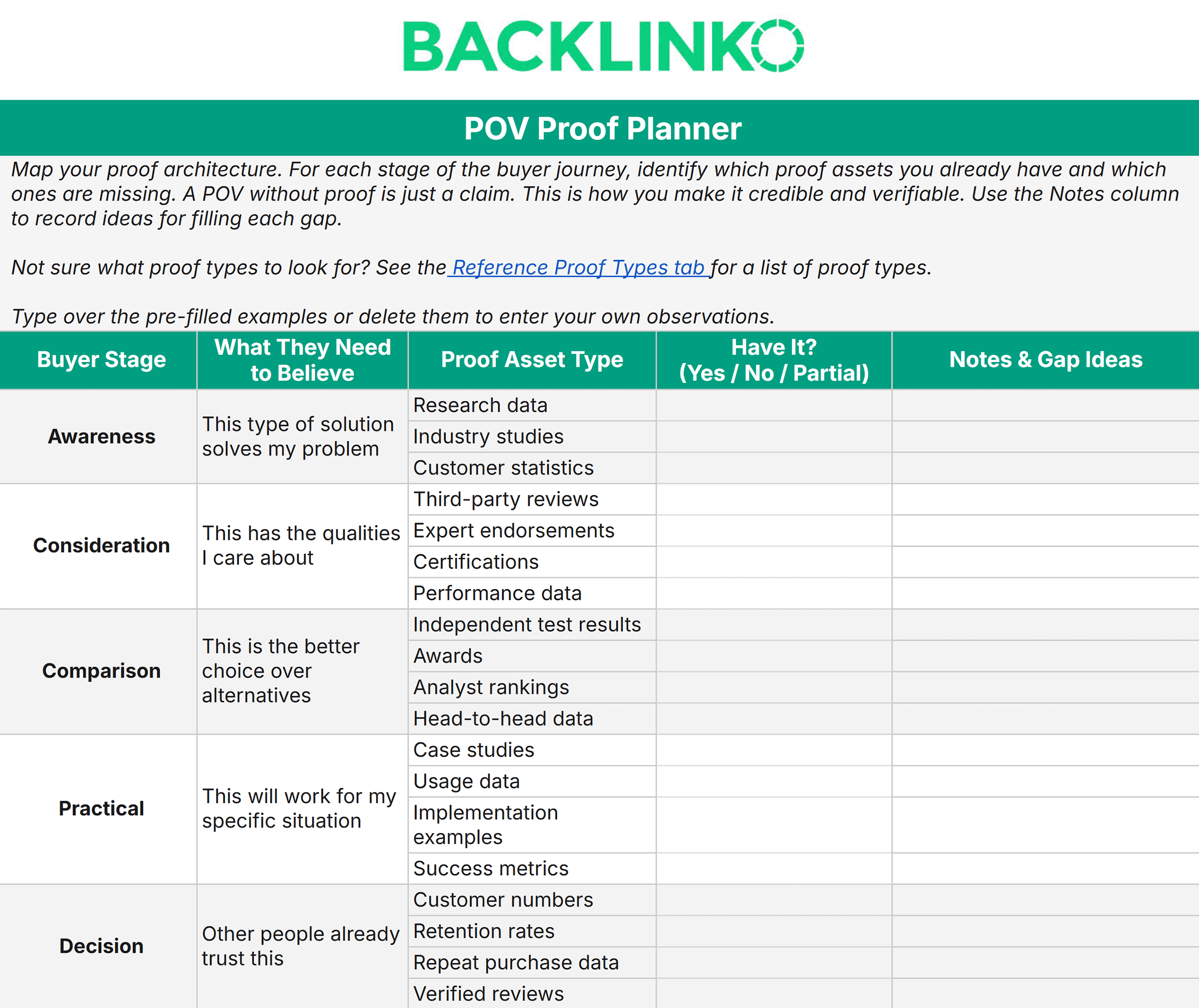
This proof must be strategically deployed across different stages of the buyer journey, as buyer needs and trust signals vary:
- Awareness: Buyers need to believe the solution type solves their problem. Proof assets: Research data, industry studies, general customer statistics.
- Consideration: Buyers need to believe the product possesses desired qualities. Proof assets: Third-party reviews, expert endorsements, certifications, performance data.
- Comparison: Buyers need to believe the product is superior to alternatives. Proof assets: Independent test results, awards, analyst rankings, head-to-head data.
- Active Evaluation: Buyers need to believe the product will work for their specific situation. Proof assets: Case studies, usage data, implementation examples, success metrics.
- Decision: Buyers need reassurance that others trust the brand. Proof assets: Customer numbers, retention rates, repeat purchase data, verified reviews.
To conduct this audit, brands should systematically go through each belief and identify existing proof assets while highlighting critical gaps. For Great Jones’s "Dutch ovens for gifting" POV, a quick audit reveals:
- Existing Proof: Positive customer reviews praising design (Consideration/Decision stage). Some scattered mentions in gift guides (Consideration).
- Missing Proof: Dedicated research on gifting trends (Awareness). Independent comparisons of Dutch ovens as gifts (Comparison). Specific examples or testimonials of "gifting success stories" (Active Evaluation). Data on repeat gift purchases (Decision).
The "POV Proof Planner" in a dedicated template helps document these findings, creating a clear roadmap for content creation and outreach. For Great Jones, the "Comparison" stage presented a clear deficiency. To genuinely convince buyers that The Dutchess is the superior gift option, they would need dedicated comparison content, backed by credible awards, endorsements from influential culinary or lifestyle figures, and perhaps even data-driven comparisons focused on gifting attributes (e.g., packaging, unboxing experience, aesthetic versatility). This meticulous planning ensures that every piece of content and every outreach effort serves to reinforce the chosen POV.
Step 5: Building Your On-Site Foundation
Before external sources can effectively associate a brand with its chosen Point of View (POV), the brand must first establish and articulate this POV clearly on its own website. This foundational layer of the Topical Authority Pyramid is about constructing the digital infrastructure—the hub and supporting pages—where the topic, POV, and initial proof signals converge in a cohesive, machine-readable manner.
Creating a Hub Page for Your POV: The cornerstone of this on-site foundation is a dedicated "hub page" that serves as the central authority document for the brand’s POV. As experts advise, this page should explicitly define the topic, explain its significance, and strategically guide users to more detailed supporting pages. For Great Jones, this could manifest as a comprehensive "Dutch Oven Gifting Guide." This hub page would not merely showcase their products but articulate why Dutch ovens, particularly The Dutchess, make exceptional gifts. It would elaborate on aspects like durability, timeless design, versatility, and the emotional value of a thoughtful, high-quality gift. Critically, this hub page would feature prominent internal links to:
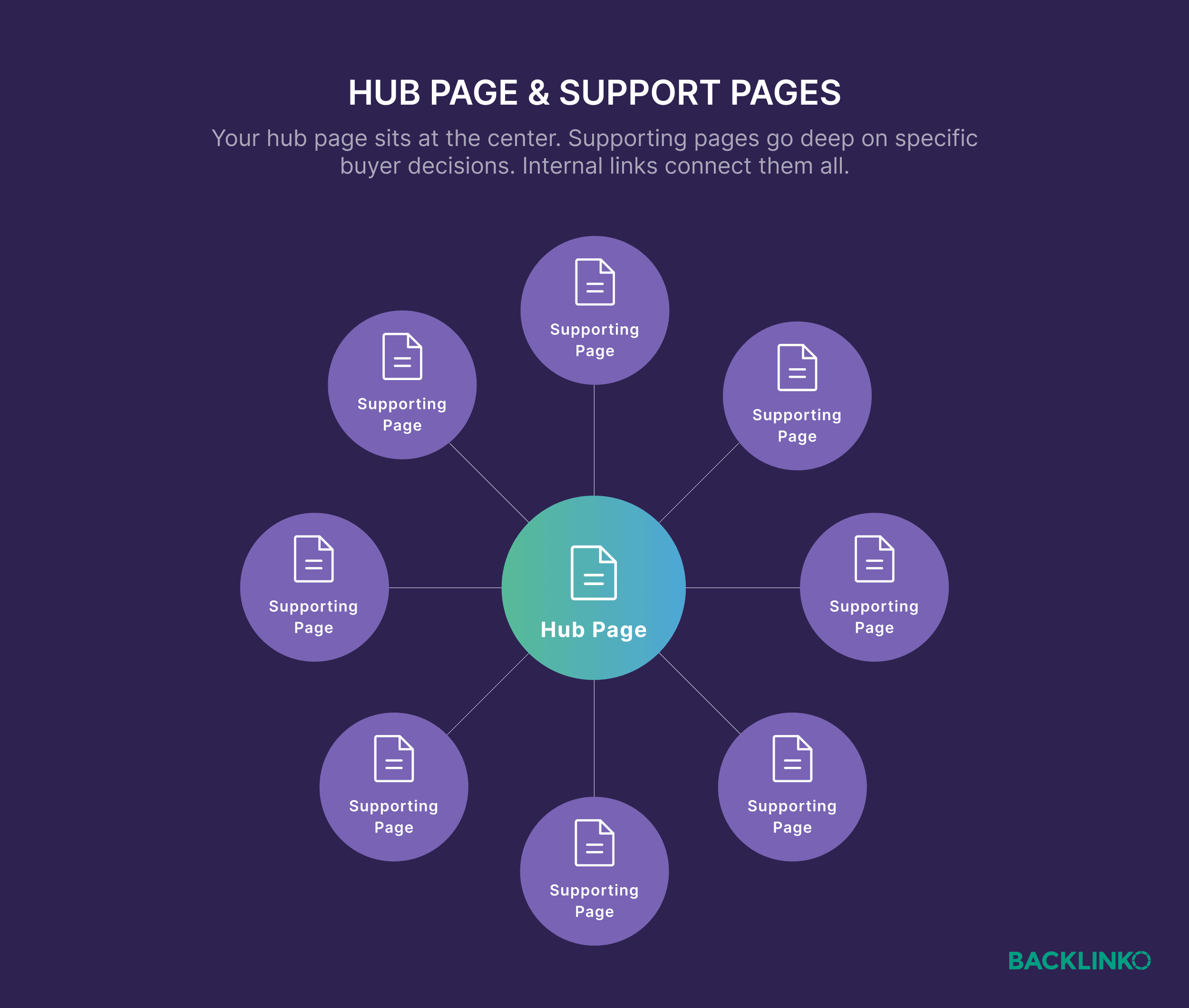
- The main Dutch oven product page (The Dutchess).
- Supporting content pages (e.g., "Gift Basket Ideas for the Home Cook," "Gifting FAQs," a hypothetical "Annual Report on Cookware Gifting Trends").
For brands with an existing content library, an existing category page, a subcategory page, or an industry-specific landing page might be repurposed as this hub, requiring strategic content optimization and internal linking adjustments. The "On-Site Foundation Planner" tool aids in identifying the optimal existing page or planning for a new one.
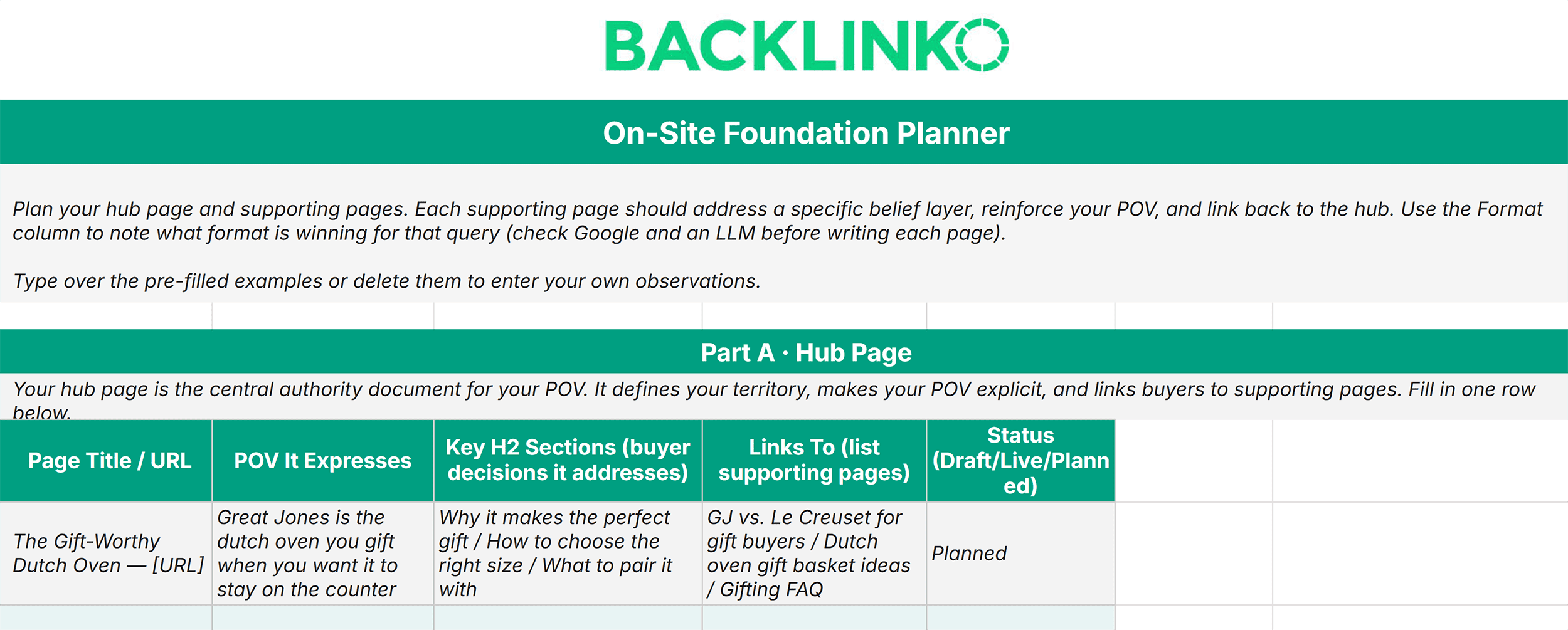
Developing Supporting Pages: Supporting pages delve deeper into specific aspects of the POV, providing granular proof at various stages of the buyer journey. These pages directly address the proof assets identified as missing or weak in Step 4. For Great Jones, addressing the comparison gap identified earlier, supporting pages might include:
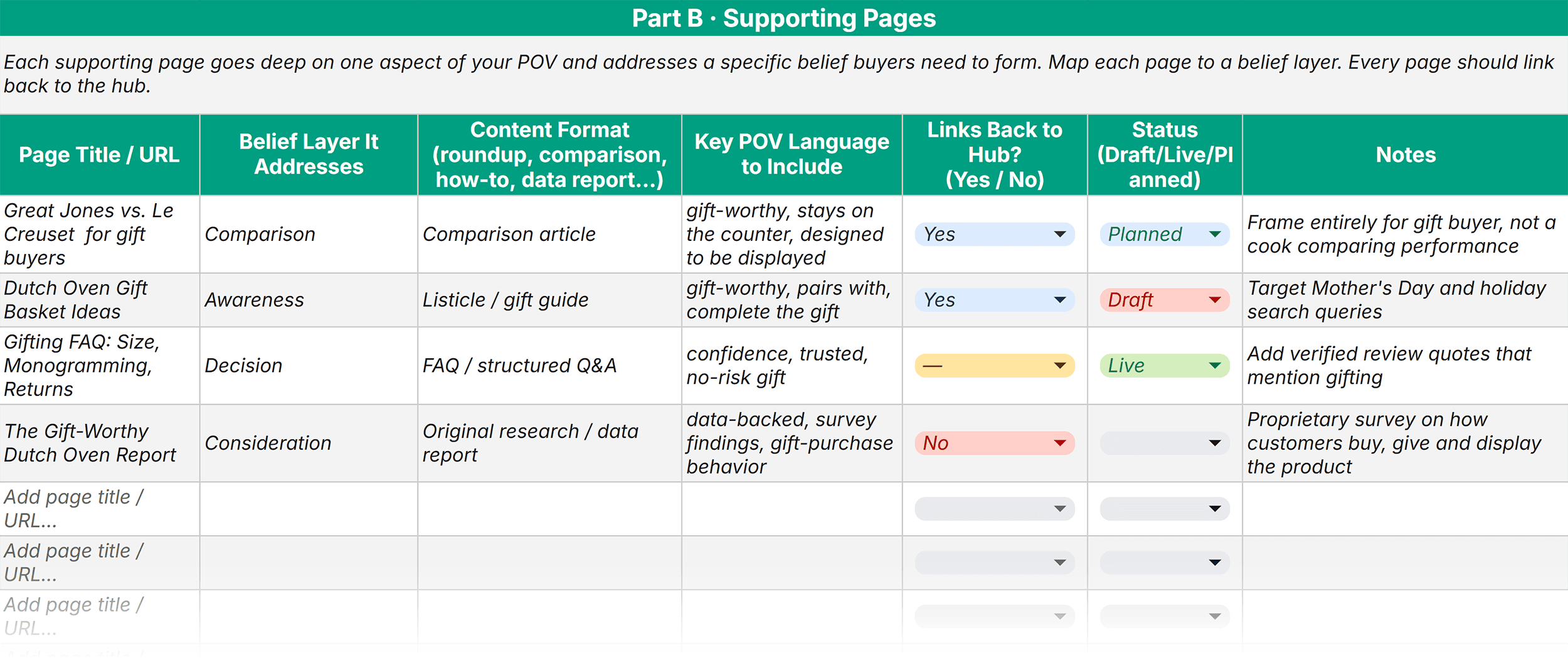
- "The Dutchess vs. Competitor X: Why Our Dutch Oven is the Perfect Gift."
- "Gifting a Dutch Oven: A Guide to Styles, Colors, and Personalization."
- "Real Stories: How The Dutchess Became a Cherished Gift" (case studies/testimonials).
- "The Longevity of a Gift: Caring for Your Great Jones Dutch Oven" (addressing durability as a gift value).
These pages would contain detailed information, independent test results (if available), expert opinions, and customer testimonials that reinforce the "gifting" narrative. The "On-Site Foundation Planner" helps systematically outline these necessary supporting pages, ensuring comprehensive coverage and reinforcement of the chosen POV.
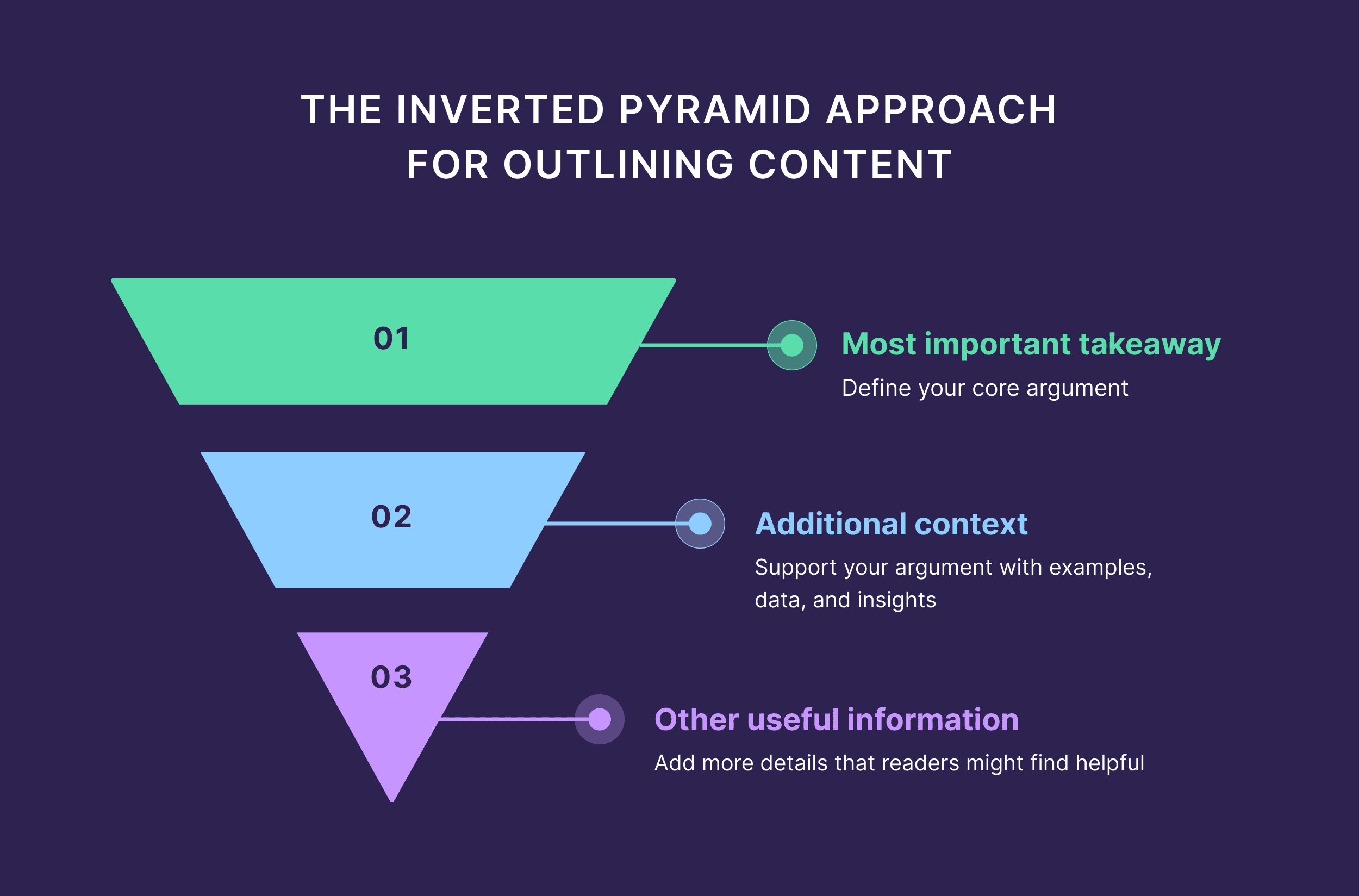
Structuring Pages for Readers and Machines: Effective on-site content is designed for both human readability and machine interpretability. The "inverted pyramid" approach ensures that the most crucial information is presented first, allowing for quick scanning by users and efficient processing by search engine crawlers and LLMs. Each page must also adhere to technical best practices:
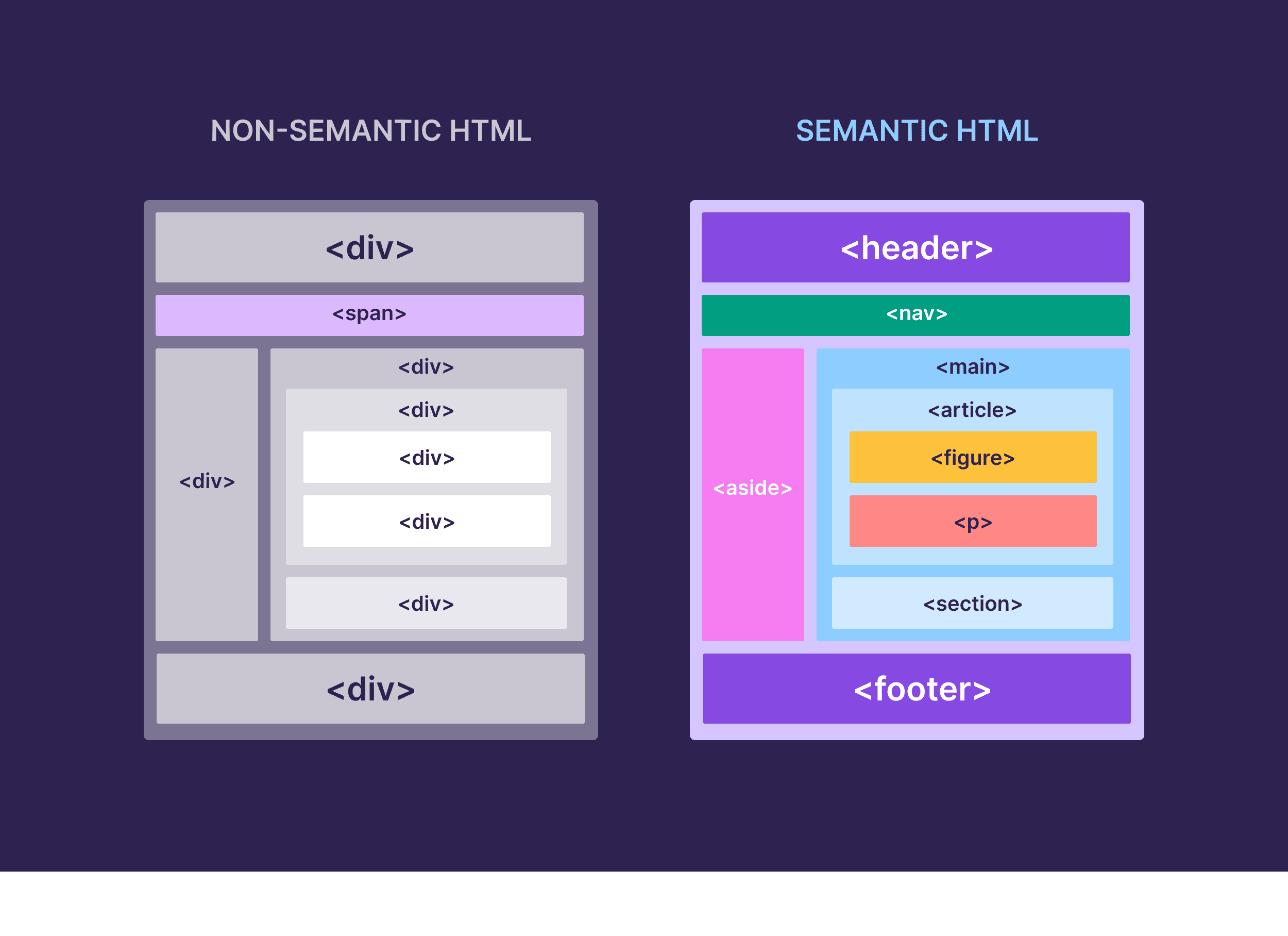
- Clear Headings (H1, H2, H3): Logically organize content and signal topic hierarchy.
- Semantic HTML: Use appropriate tags (e.g.,
<article>,<section>,<aside>) to provide structural meaning, helping machines understand content relationships. - Targeted Keywords: Naturally integrate relevant keywords and semantic variations related to the POV.
- Schema Markup: Implement structured data (e.g., Product Schema, How-To Schema, FAQ Schema) to explicitly communicate the page’s content and context to search engines.
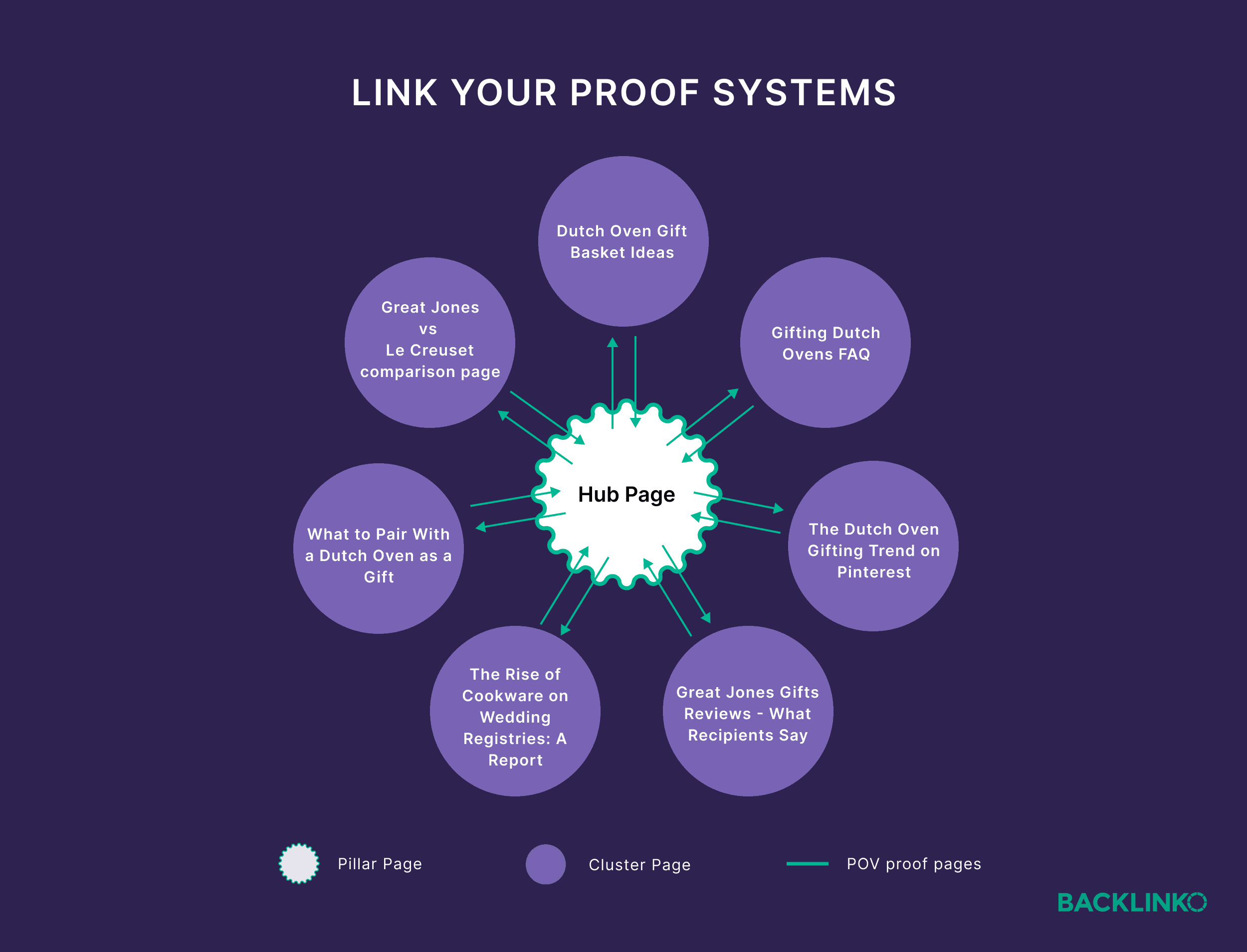
Strategic Internal Linking: Linking pages together transforms individual content pieces into a powerful "proof system." This internal linking strategy is critical for distributing authority and signaling topic relevance. Best practices include:
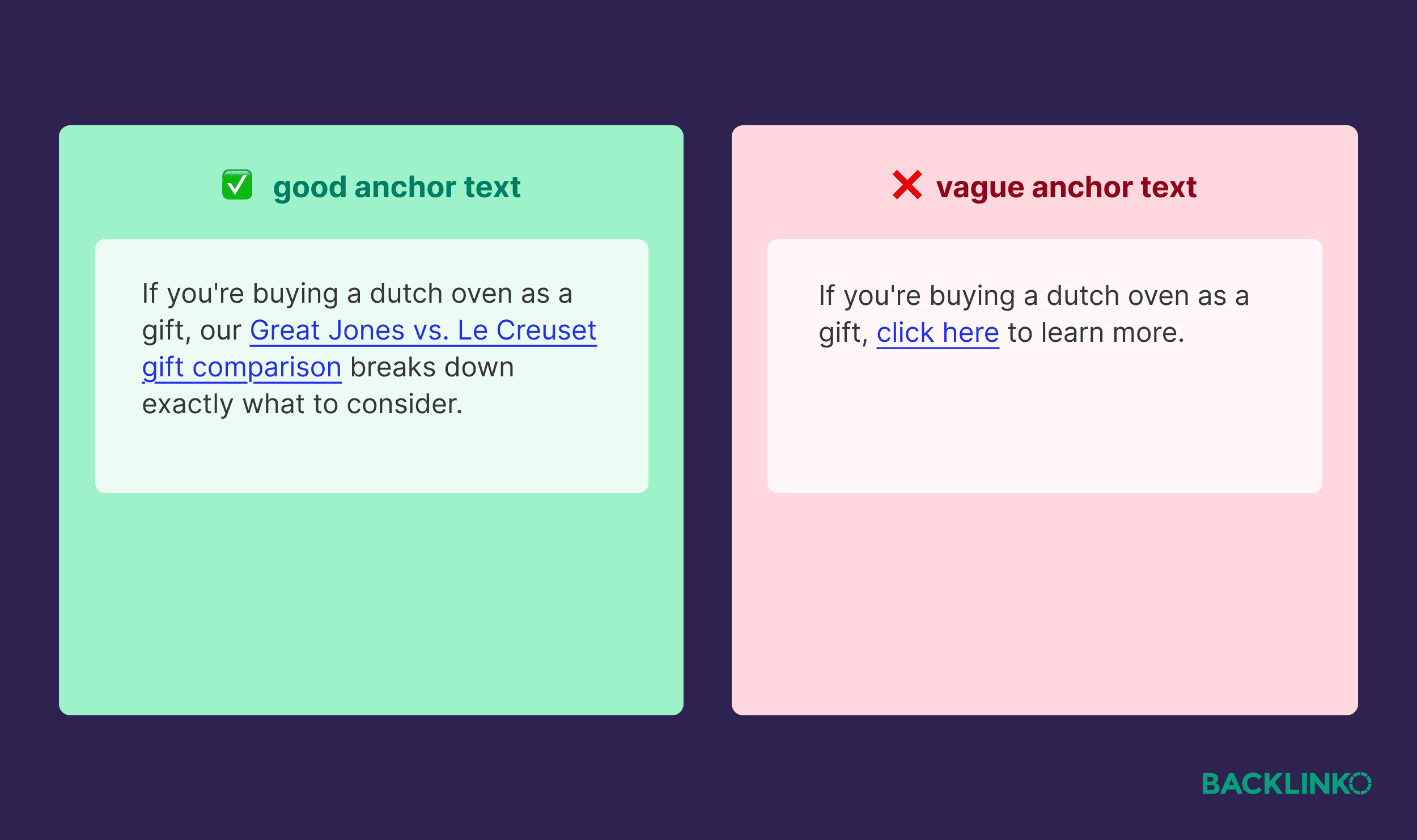
- Contextual Links: Embed links naturally within the body text, using descriptive anchor text that clearly indicates the linked page’s content (e.g., "explore our guide to selecting the perfect wedding gift Dutch oven"). Avoid generic phrases like "click here."
- Hub-and-Spoke Model: Ensure the hub page links to all supporting pages, and supporting pages link back to the hub. Relevant supporting pages should also link to each other where logical.
- Deep Links: Link to specific sections or paragraphs within pages to provide precise context.
By meticulously building this on-site foundation, Great Jones would create a robust internal network of content that clearly communicates its expertise in "Dutch ovens for gifting" to both potential customers and sophisticated AI systems.
Step 6: Creating an Off-Site Proof System
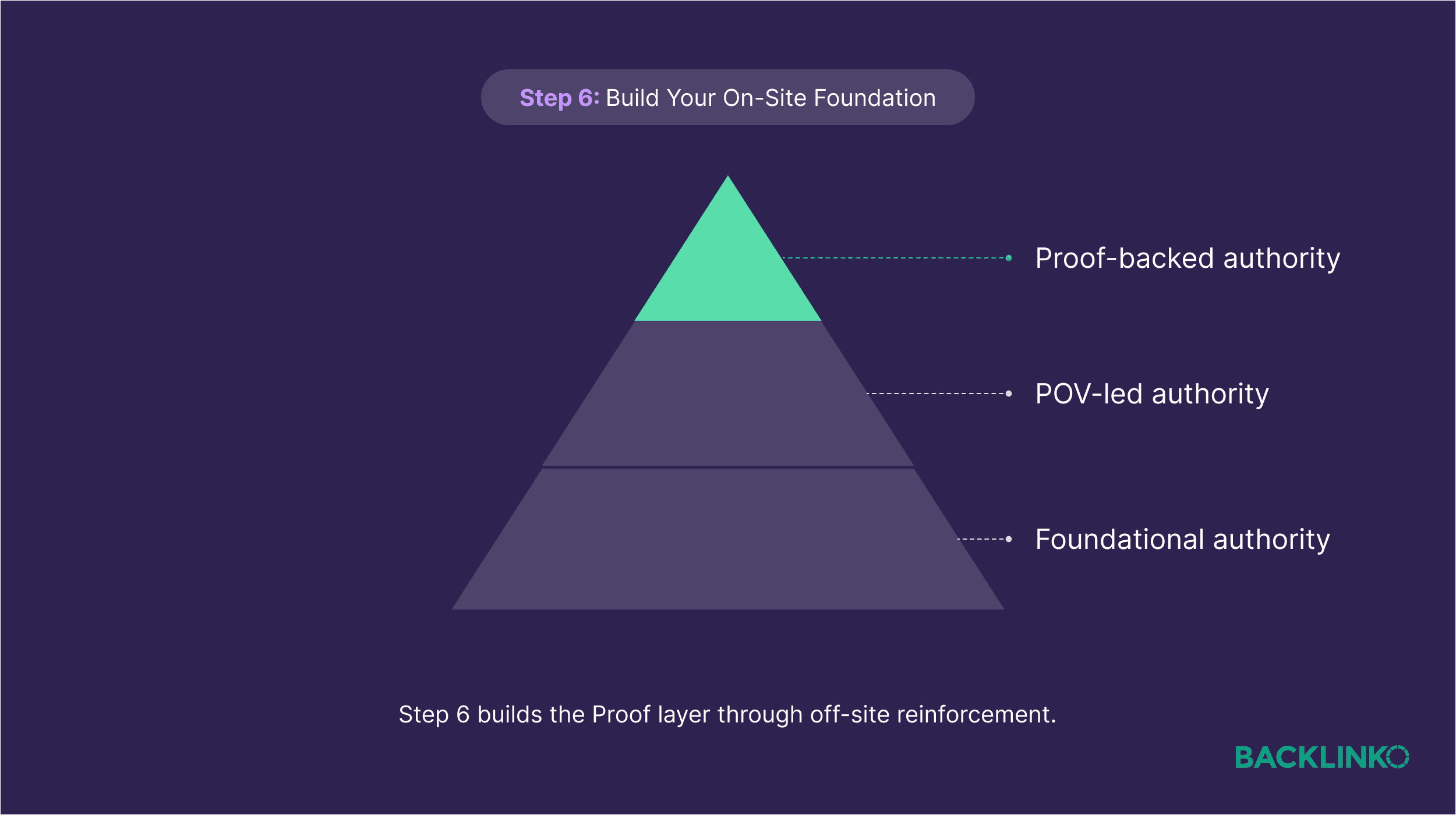
A robust on-site foundation is essential, but it is insufficient to achieve true topical authority in the age of AI search. As Amanda Milligan underscores, "You can publish comprehensively on a subject, but if that position is not externally validated, it will not carry the same weight with search engines and LLMs." This highlights the critical importance of an "off-site proof system" – a strategic effort to reinforce the brand’s POV in the diverse external spaces where buyers and AI systems seek trusted information.
Developing a Signature Proof Point: The process begins with identifying or creating a "signature proof point" – a unique, original insight, story, or data finding about the chosen topic that is compelling enough for external parties to reference, share, or build upon. This could be:
- Original Research: A study or report based on proprietary data.
- Unique Methodology: A novel approach or framework for understanding a problem.
- Compelling Case Study: A detailed success story illustrating the POV.
- Expert Opinion: A thought-leading perspective from an authoritative figure within the brand.
For Great Jones and its "Dutch ovens for gifting" POV, a powerful signature proof point could emerge from their own sales data. For instance, if internal analytics revealed a 4x spike in Dutch oven purchases in the two weeks preceding Mother’s Day, this could be distilled into a "State of Mother’s Day Cookware Gifting" report. This report, offering unique market insights, would serve as a valuable asset for various distribution channels. This single insight, strategically amplified, would consistently reinforce the association: "Great Jones = gifting."
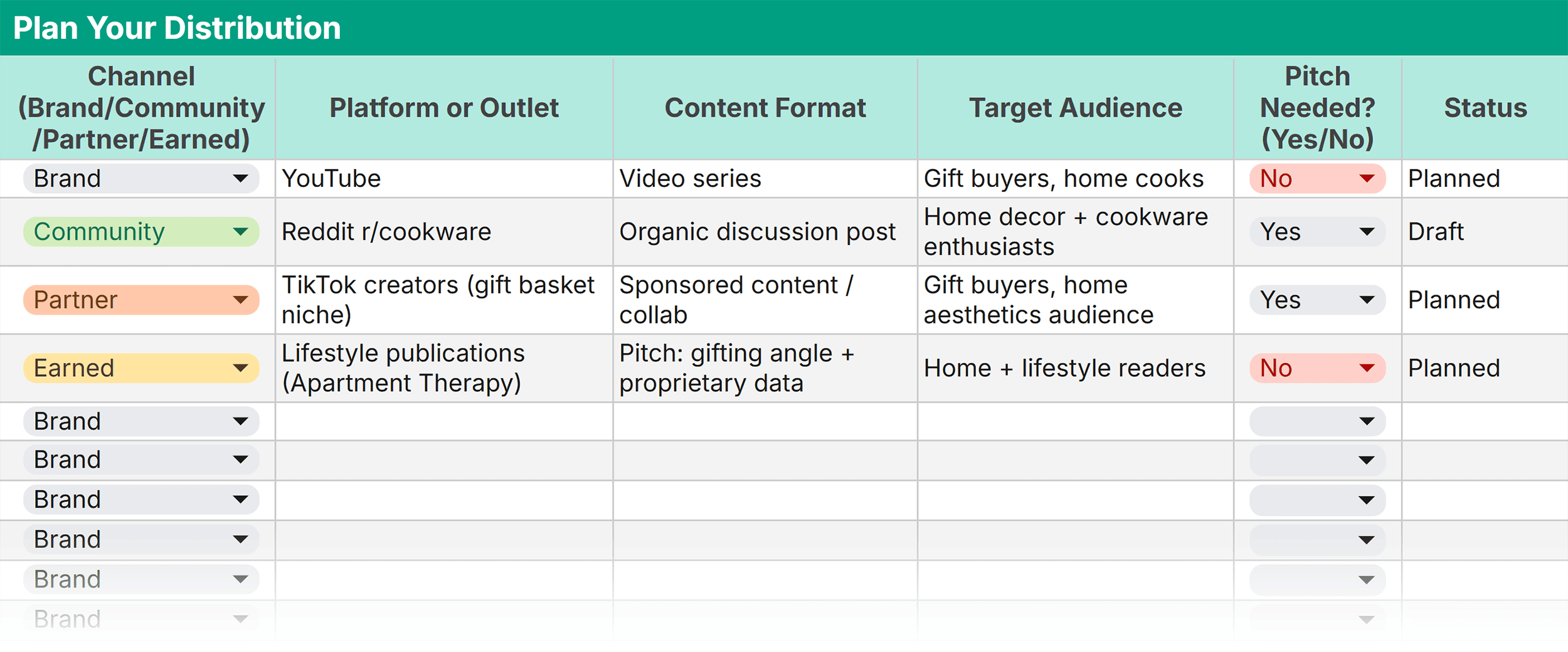
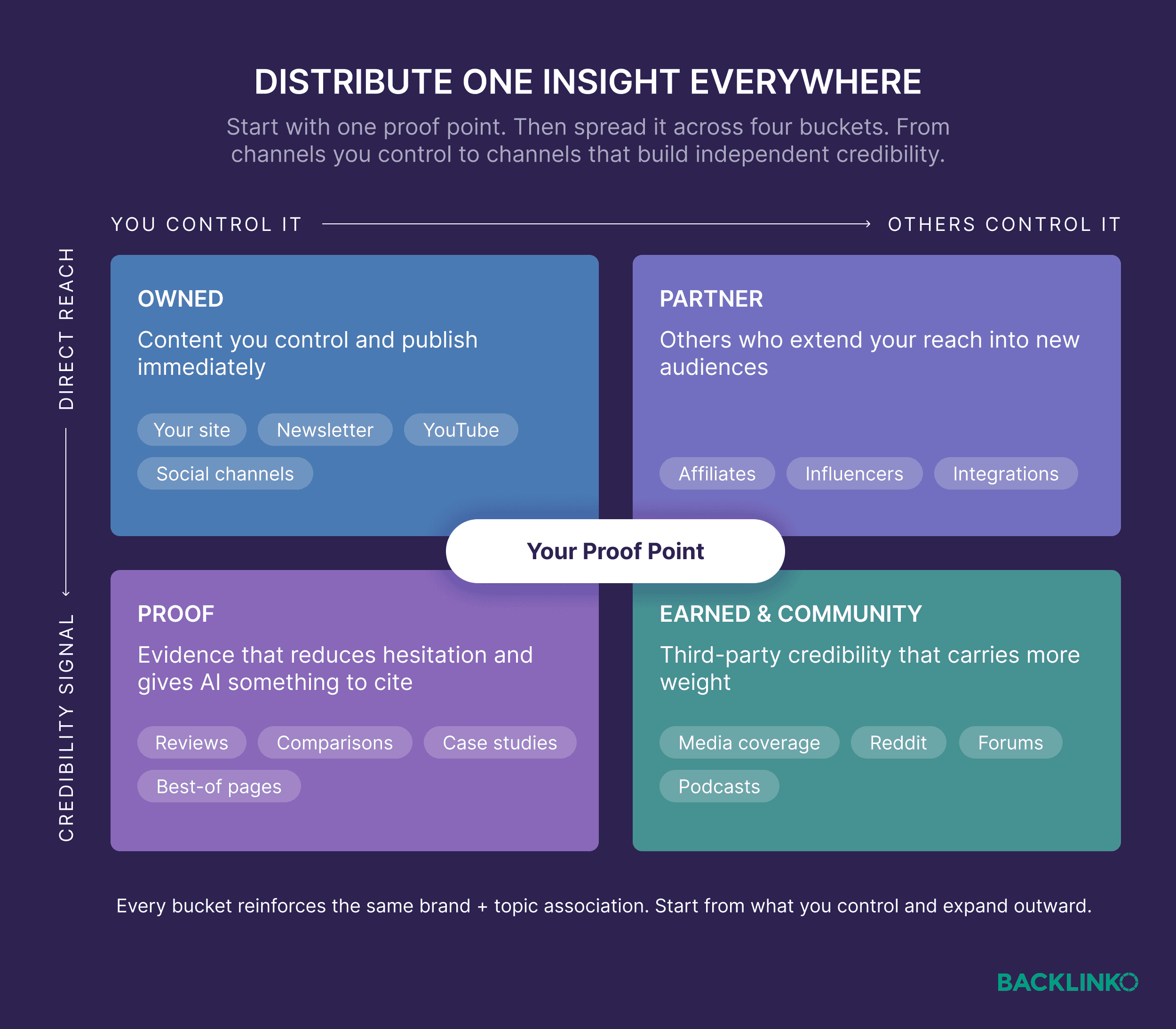
Distributing Your Proof Point Across Channels: Once a signature insight is developed, a multi-channel distribution strategy is paramount. This ensures the POV reaches diverse audiences and influential platforms, thereby accumulating external validation. The four main buckets for distribution are:
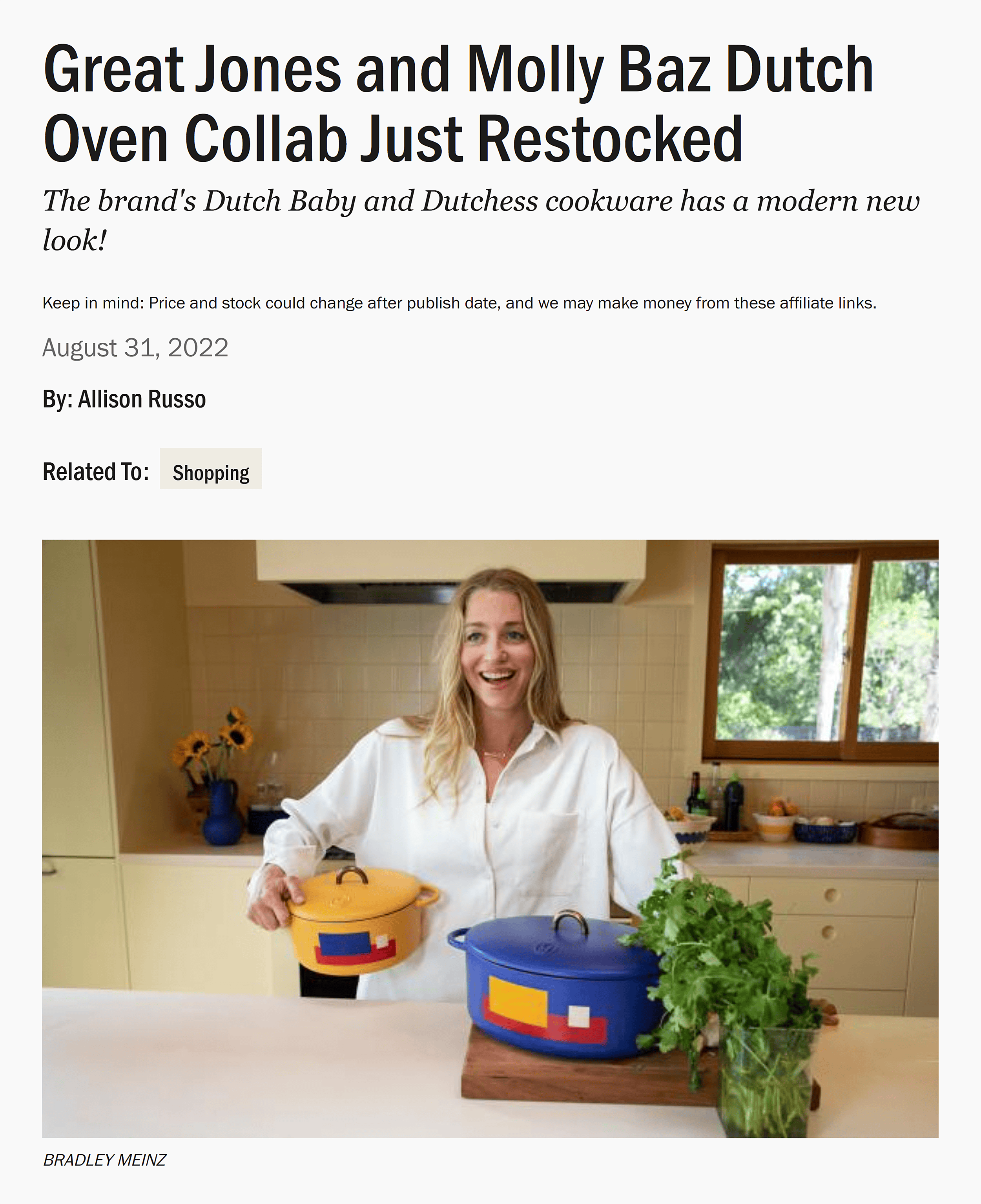
- Owned Channels: Leveraging the brand’s own platforms (blog, social media, email newsletters, YouTube, podcast) to share the insight. For Great Jones, this would include a dedicated blog post summarizing the "gifting report," a video explaining the findings, and social media campaigns promoting gift ideas.
- Earned Media: Pitching the insight to journalists, editors, and industry influencers for editorial coverage. This could involve sending the "gifting report" to lifestyle publications, food blogs, and gift guide curators.
- Shared Media: Engaging with online communities, forums, and social platforms where the target audience congregates. Great Jones could initiate discussions on Reddit’s r/gifts or r/cooking, sharing snippets of their report and engaging with users seeking gift advice.
- Paid Media: Utilizing advertising to amplify the proof point to a broader, targeted audience. This might involve running social media ads or native content promotions featuring the "gifting report" or specific gift-centric product bundles.
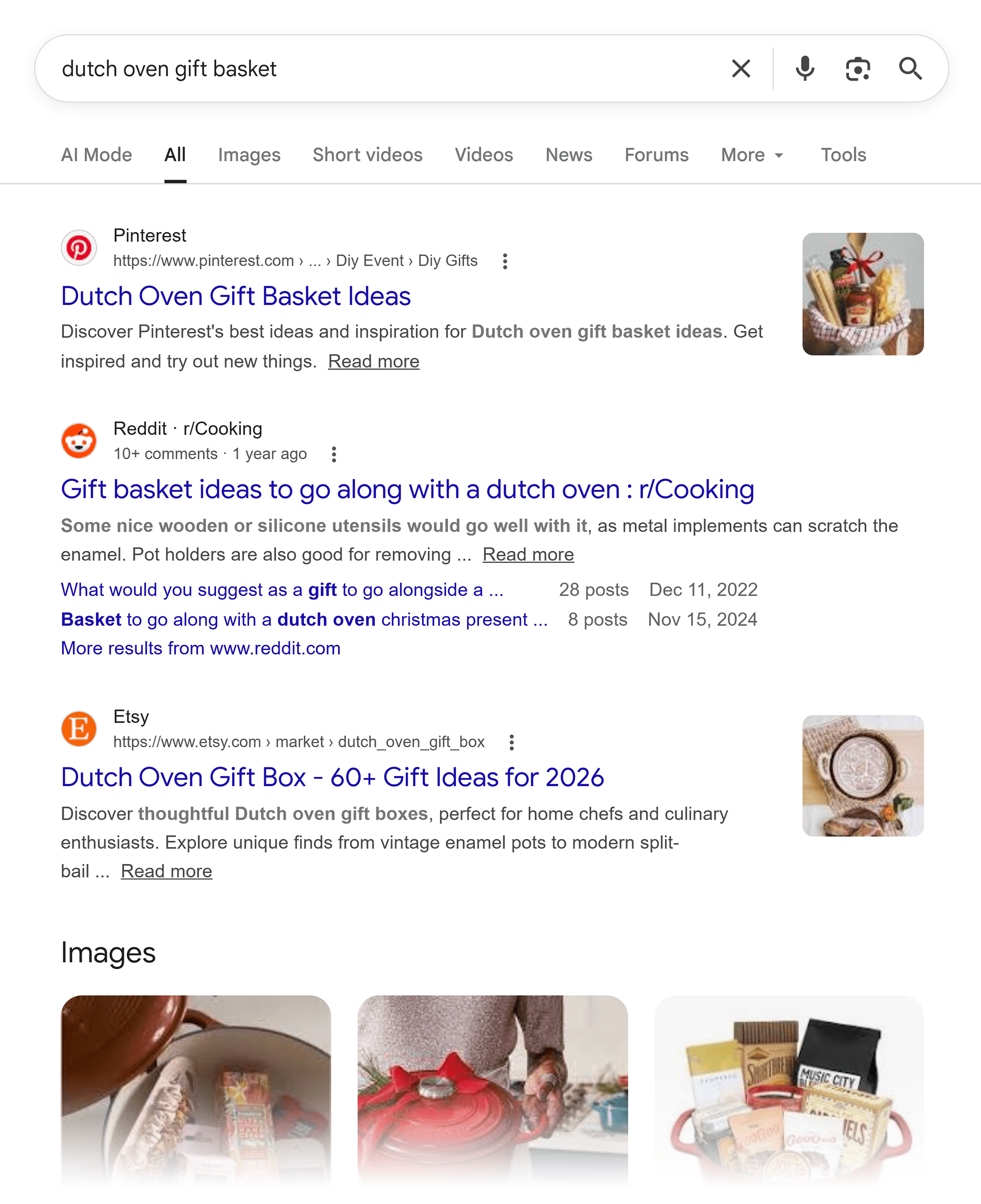
For each bucket, brands must identify specific publications, platforms, or communities where the insight is most relevant and impactful. Running targeted searches on Google and LLMs (e.g., "Dutch oven gift basket ideas") can reveal which sites and sources are frequently cited, indicating high-authority platforms to target. Great Jones already possesses a significant social media following, media clout, and collaborations with prominent figures like cookbook author Molly Baz. This existing infrastructure provides a powerful springboard for a focused distribution strategy. Leveraging these connections to disseminate their "gifting report" would solidify their POV across a trusted network. For example:
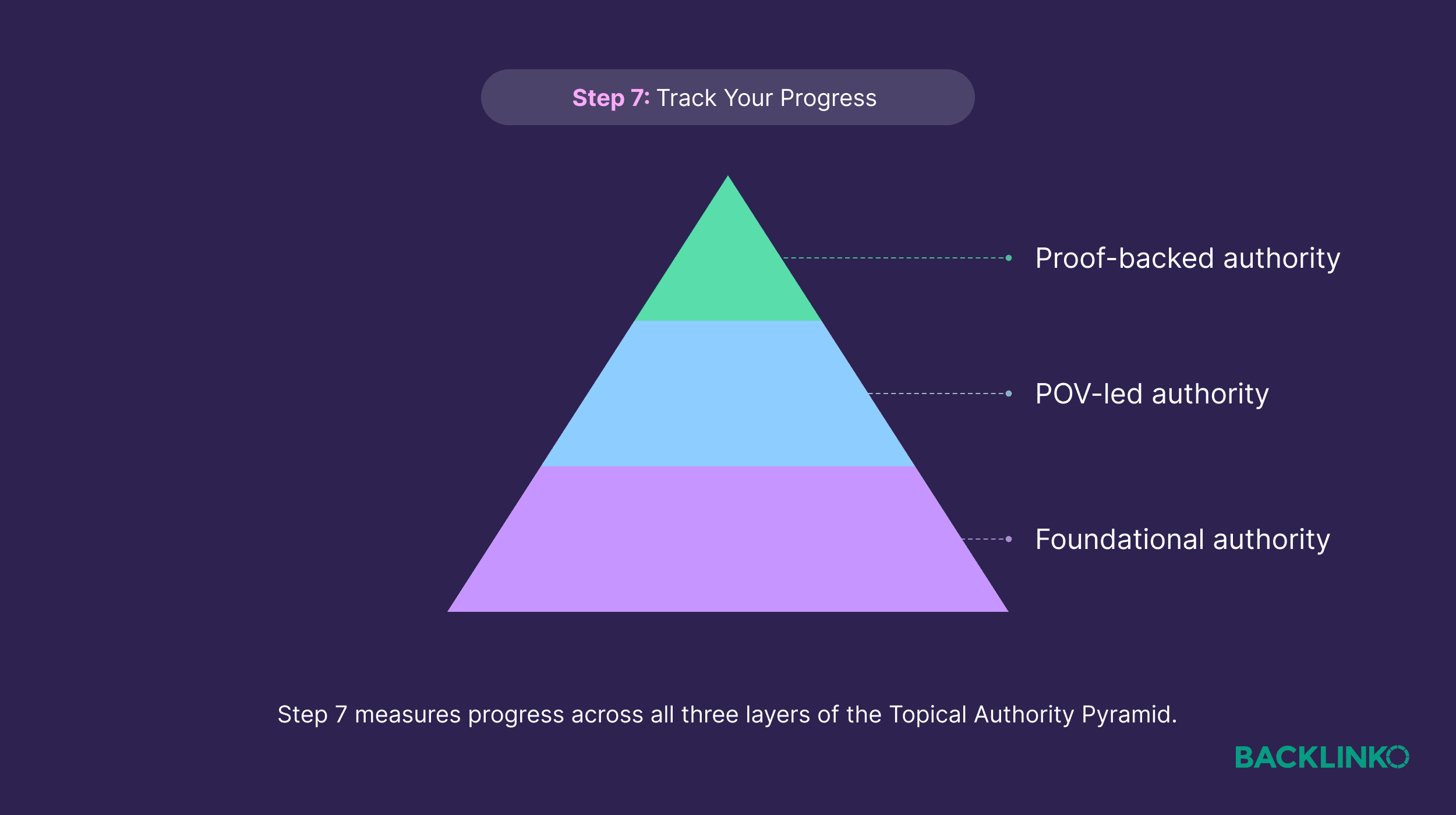
- Press Release: Distribute the "State of Mother’s Day Cookware Gifting" report to Good Housekeeping, Real Simple, and Food Network.
- Influencer Collaboration: Partner with gift-focused influencers or culinary personalities to create content around gifting The Dutchess.
- Educational Content: Develop short-form videos for Instagram/TikTok demonstrating creative Dutch oven gift wrapping or pairing ideas.
- Community Engagement: Participate in gift-related discussions on specialized forums, citing their research and offering genuine advice.
This comprehensive off-site strategy ensures that the "Great Jones = gifting" association is not merely an internal declaration but a widely recognized and externally validated truth, significantly bolstering their topical authority.
Step 7: Tracking Topical Authority Progress
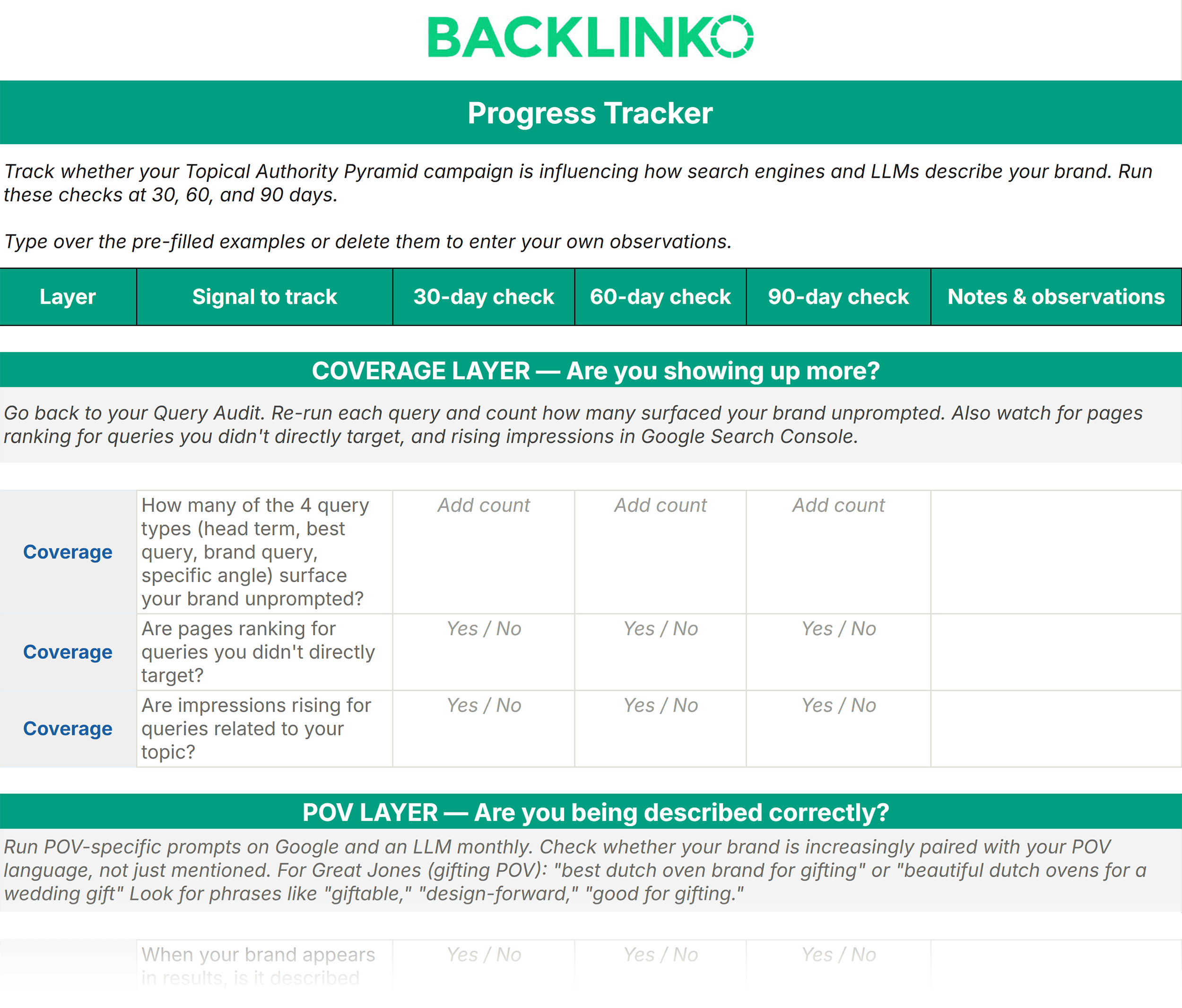
After systematically building the Topical Authority Pyramid, the final and ongoing step is to meticulously track progress. This involves monitoring whether the strategic efforts are genuinely influencing how search engines and Large Language Models (LLMs) perceive and describe the brand in relation to its chosen Point of View (POV). Continuous monitoring allows for adjustments and refinement of the strategy. A dedicated "Progress Tracker" spreadsheet, updated at 30, 60, and 90-day intervals, is crucial for this process.

Foundational Layer: Are You Showing Up More?
Tracking the foundational layer assesses whether the brand’s overall topical footprint is expanding. This involves comparing current visibility against the baseline established in Step 2.
- Query Visibility: Re-run the four query types (head term, best query, brand query, specific angle) on Google and LLMs. For Great Jones, the goal is to see increased unprompted appearances for non-brand Dutch oven queries, especially "Dutch ovens for gifting." Showing up in two or three new, relevant queries within 90 days would signal significant progress.
- Organic Performance: Monitor Google Search Console (GSC) for rising impressions and clicks for keywords related to the target topic and POV. Semrush’s Organic Research tool can track keyword rankings and visibility for both the brand and its competitors, providing insights into market share shifts.
- SERP Features: Observe if the brand’s content is appearing in rich snippets, featured snippets, People Also Ask boxes, or AI-generated summaries for target queries.
POV Layer: Are You Being Described Correctly?
This layer tracks the language used to describe the brand, specifically looking for an increasing association with the chosen POV.
- LLM Prompts: Regularly prompt LLMs with POV-specific queries (e.g., "What are the best Dutch ovens for wedding gifts?" or "Why is Great Jones a good choice for a housewarming gift?"). Analyze the wording in their responses. Is the Dutchess being described as "a great house-warming gift," "splurge-worthy," or "the kind of gift that gets displayed"? This indicates the POV is landing effectively.
- Sentiment Analysis: Use tools like Semrush’s Brand Monitoring or Perception reports to track mentions across the web. Look for keyword pairings (e.g., "Great Jones + gift," "Dutchess + wedding") and analyze the sentiment surrounding these mentions. An increase in positive sentiment directly linking the brand to gifting is a key indicator.
- Review Language: Scrutinize new customer reviews on e-commerce sites and third-party platforms. Are customers spontaneously mentioning the product’s suitability as a gift or its aesthetic appeal in a gifting context?
Proof Layer: Are Others Confirming Your POV?
The proof layer focuses on third-party validation—whether external sources are actively supporting and reinforcing the brand’s POV.
- Citation Tracking: Monitor if the signature proof point (e.g., Great Jones’s "State of Mother’s Day Cookware Gifting" report) is being cited or referenced by other publications, blogs, or industry reports. This is a strong signal of external validation.
- Backlink Profile: Use tools like Semrush’s Backlink Audit to track new backlinks to the hub and supporting pages. Are high-authority, relevant sites linking to the content, and is the anchor text descriptive of the POV?
- Community Mentions: Actively monitor niche communities and forums (e.g., Reddit, Facebook groups) for unprompted recommendations of the brand in relation to its POV. When the brand