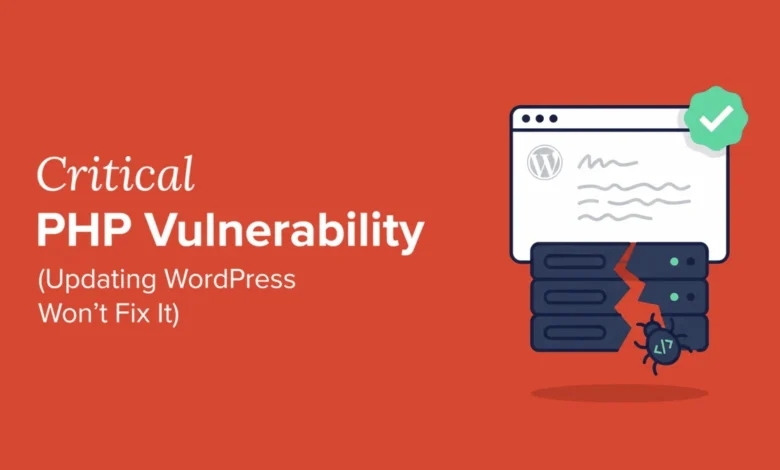
The global digital infrastructure faced an unexpected security hurdle today as the PHP security team issued emergency patches to address two critical vulnerabilities affecting widespread installations of the programming language. Disclosed on October 21, 2026, these severe security flaws introduce the risk of unauthenticated remote code execution (RCE), allowing malicious actors to execute arbitrary code on vulnerable web servers without requiring any login credentials or prior authorization. Compounding the urgency of the situation, details regarding the exploits leaked publicly prior to the official release of the patches, leaving a narrow window for administrators to secure their systems before active exploitation could begin.
Because PHP serves as the foundational scripting language powering nearly 76 percent of all websites with a known server-side language, including the vast majority of WordPress installations globally, the discovery has triggered widespread concern across the web hosting and development communities. Website administrators, particularly those managing WordPress platforms, are being strongly urged to audit their server environments and apply the necessary updates immediately to prevent potential system compromises, data exfiltration, or complete site takeovers.
Understanding the Vulnerabilities and the Threat Landscape
The newly patched vulnerabilities strike at the core of how web servers process incoming HTTP requests and execute PHP scripts. Remote code execution is widely considered the most dangerous class of software vulnerability because it grants attackers the ability to bypass application-level authentication entirely. By leveraging these flaws, an unauthorized third party could inject malicious scripts, install backdoors, deploy ransomware, or turn the compromised server into a node within a larger botnet.
What elevates the severity of this specific incident is the premature disclosure of vulnerability details. In the cybersecurity industry, a zero-day exploit or an accidental early leak drastically compresses the theoretical timeline defenders have to react. While security maintainers race to develop, test, and distribute cryptographic signatures and software patches, malicious actors armed with leaked proof-of-concept exploit code can begin scanning the public internet for vulnerable endpoints almost simultaneously. Consequently, systems running unpatched versions of PHP are exposed to automated attack scripts capable of probing thousands of domains per minute.
Security analysts emphasize that standard WordPress security plugins, firewall rules, and core updates—while crucial for overall site defense—cannot fully mitigate an underlying vulnerability in the server-side programming language itself. Because the flaw exists within PHP rather than the WordPress codebase, the remediation must occur at the server environment level.
The Chronology of the Emergency Release
The sequence of events leading up to the October 21, 2026 emergency patches highlights the delicate balance between responsible disclosure and rapid threat mitigation within open-source ecosystems.
- Early October 2026: Initial anomaly reports and internal testing reveal severe security lapses in specific PHP processing functions, prompting confidential triage by the core PHP security team.
- Mid-October 2026: Technical specifics regarding the vulnerabilities inadvertently leak across developer forums and security channels, accelerating the urgency for an emergency patch rollout.
- October 21, 2026: The PHP security team officially bypasses standard release cycles, deploying emergency patches designed to neutralize the remote code execution vectors.
- Present Day: Hosting providers, server administrators, and content management system maintainers issue widespread advisories urging immediate upgrades and server-level patching.
This timeline underscores the modern reality of web security, where the speed of automated threat actors often outpaces traditional administrative update cycles.
Navigating PHP Version Support and Compatibility
Determining whether a website is at risk requires an understanding of the PHP version currently active on the hosting server. PHP follows a strictly defined lifecycle management policy where each major and minor release is actively supported for two years with bug fixes and security patches, followed by an additional year of security-only updates.
Websites operating on legacy versions—specifically PHP 8.1 and all older iterations—have officially reached their end-of-life (EOL) status. This means these older branches no longer receive regular security maintenance or backported patches from the official PHP development team. Because the newly discovered vulnerabilities impact core structural components, sites running unsupported PHP versions cannot simply download a minor patch; they must perform a major version upgrade to a supported release branch (such as PHP 8.2, 8.3, or 8.4 depending on compatibility) to achieve immunity.
A common point of confusion for platform administrators is the distinction between updating a content management system like WordPress and updating the underlying server environment. Updating WordPress core, plugins, or themes modifies the PHP files that comprise the application, but it has no bearing on the PHP engine installed on the hosting server. Because PHP runs at the server architecture level, modifications must be executed via the hosting provider’s control panel, command-line interface (CLI), or through direct communication with technical support teams.
Immediate Action Plan for Site Administrators
To safeguard digital assets against potential exploitation, website owners and system administrators should execute a structured remediation protocol without delay:
- Verify Current PHP Version: Log into the web hosting control panel (such as cPanel, Plesk, or proprietary hosting dashboards) or check the Site Health screen within the WordPress dashboard to identify the exact PHP version currently running the site.
- Review Hosting Provider Advisories: Leading web hosting companies—including Bluehost, Hostinger, SiteGround, HostGator, DreamHost, and WP Engine—frequently issue automated notifications or provide native one-click PHP version selectors. Check the hosting dashboard for emergency update notifications.
- Execute Version Upgrades: If the server is running an unsupported or vulnerable version, upgrade to the latest stable release of PHP. Before initiating the upgrade in a live production environment, it is best practice to take a complete website backup and verify theme and plugin compatibility to prevent fatal errors or the dreaded "White Screen of Death."
- Utilize Staging Environments: For complex business websites or enterprise e-commerce platforms, developers should test the PHP upgrade on a staging clone first to identify deprecated code or compatibility conflicts before pushing changes live.
- Contact Hosting Support: Website owners lacking technical familiarity with server management should immediately open a support ticket with their hosting provider, requesting confirmation that the server has been patched against the latest PHP remote code execution vulnerabilities or asking them to perform the version upgrade safely.
Broader Implications for the Web Hosting Ecosystem
The discovery of critical flaws in foundational programming languages like PHP triggers ripple effects across the entire digital economy. Beyond individual blog administrators, enterprise web hosting providers face immense operational pressure to patch thousands—sometimes millions—of isolated server environments simultaneously.
Industry analysts note that incidents of this scale accelerate the push toward automated server management and mandatory lifecycle enforcement. Many hosting companies are increasingly implementing policies that automatically upgrade customer sites to supported PHP versions once an older branch reaches absolute end-of-life, minimizing user error and closing security gaps before malicious actors can capitalize on them. Furthermore, this event serves as a stark reminder of the interconnected nature of modern software supply chains. A vulnerability in a foundational language cascades instantly down to millions of dependent frameworks, content management systems, and web applications.
As the digital landscape continues to evolve, proactive vulnerability management, rigorous dependency tracking, and rapid communication channels between core developers and hosting providers remain the primary defenses against sophisticated remote execution threats. For WordPress users, remaining vigilant, maintaining active backups, and ensuring prompt server-level updates are no longer optional best practices—they are absolute necessities for maintaining operational integrity and data security online.