Bringing Podcasting to Jetpack: Automattic Expands Creator Tools within the WordPress Ecosystem

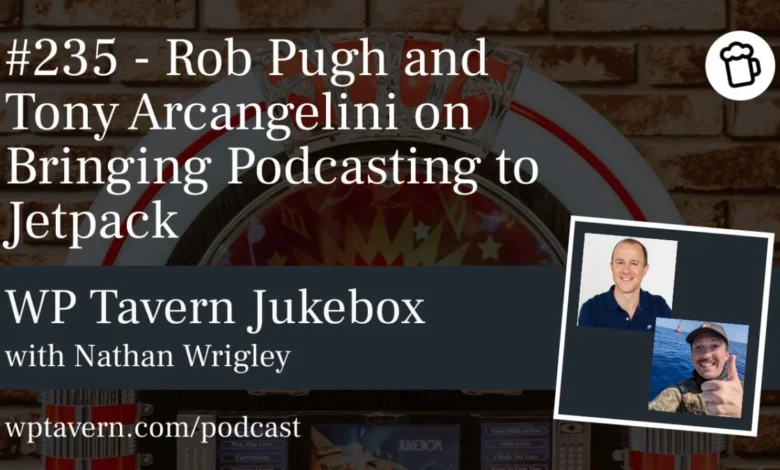
The digital creator economy has witnessed a massive shift toward decentralized content ownership, and WordPress is positioning itself at the center of this movement with the latest integration of native podcasting features into the Jetpack plugin. For years, the barrier to entry for independent podcasters—who often rely on third-party hosting platforms—has been the technical complexity of managing audio feeds, distribution, and site infrastructure simultaneously. By integrating robust podcasting capabilities directly into the Jetpack suite, Automattic, the company behind WordPress.com and the Jetpack plugin, aims to provide a unified "home" for creators, allowing them to manage their blog, newsletter, and podcast under a single roof without sacrificing data portability.
The Evolution of WordPress Podcasting
For nearly two decades, WordPress has served as the backbone for the majority of the world’s websites, yet podcasting remained an area dominated by external services. Historically, WordPress users who wanted to host a podcast were required to either manually configure RSS feeds or rely on specialized third-party plugins that were often disconnected from the core user experience. While WordPress.com offered basic audio features, they were limited in scope and lacked the advanced distribution tools required for a modern podcasting workflow.
The introduction of podcasting into the Jetpack plugin marks a significant departure from these fragmented solutions. According to Rob Pugh and Tony Arcangelini, two long-standing members of the Automattic team who have spent years building tools for creators, the initiative is designed to bridge the gap between simple blogging and complex media distribution. By leveraging Jetpack’s existing infrastructure—including its performance, security, and newsletter-sending capabilities—the platform now offers a cohesive experience that mimics the ease of use found in "walled garden" services like Substack or Patreon, but with the critical advantage of open-source ownership.
Technical Integration and User Workflow
The new feature set is engineered to simplify the end-to-end podcasting journey. At its core, the system utilizes standard WordPress posts, which are converted into podcast episodes by assigning them a specific category and embedding an audio file via a dedicated block. This architectural decision ensures that users do not need to learn a new, complex interface; if they know how to publish a blog post, they can publish a podcast episode.
The system also supports advanced markup, including Podcasting 2.0 standards, which allow for chapters, transcripts, and enhanced metadata. Once a post is published, Jetpack handles the automatic distribution of the RSS feed to major platforms such as Apple Podcasts, Spotify, and Amazon Music. Furthermore, the integration with Pocket Casts—a platform also owned by Automattic—allows for nearly instantaneous approval and distribution, bypassing the multi-day waiting periods often associated with traditional podcast directories.
Data Ownership vs. Walled Gardens
A central theme in the current digital landscape is the tension between platform dependency and data sovereignty. Many creators have flocked to proprietary platforms like Substack, drawn by the ease of newsletter and podcast integration. However, these platforms often impose limitations on monetization, design customization, and audience portability.
Automattic’s strategy is rooted in the belief that creators should not be locked into a single provider. By using WordPress and Jetpack, creators retain full control over their content, their mailing lists, and their site’s aesthetic. If a creator decides they want to integrate e-commerce via WooCommerce or implement a custom design, the WordPress ecosystem provides the necessary flexibility. In contrast, proprietary platforms often restrict such modifications, making it difficult for creators to scale their business according to their specific needs.
Supporting Data and Strategic Implications
The implications for the podcasting market are significant. Currently, there are millions of active podcasts globally, with a large percentage of creators struggling to maintain a consistent presence across multiple platforms. By automating the "one-publish event"—where a single click triggers the distribution of audio to podcast players, the publication of a blog post, and the sending of a newsletter to subscribers—Jetpack significantly reduces the administrative burden on independent creators.
Furthermore, the integration of AI-driven tools represents the next phase of this development. Jetpack AI, which is increasingly being woven into the WordPress experience, is poised to assist creators with transcription, show notes generation, and episode titling. This creates a feedback loop where the cost of content production decreases, while the quality and accessibility of the media increase.
Official Stance on Future Development
Automattic’s leadership emphasizes that this is only the beginning of their investment in the podcasting space. While the current toolset focuses on the essentials—hosting, RSS feed management, and distribution—future updates are expected to include streamlined migration paths from third-party hosting providers.
"We are seeing a renewed focus on ownership across the technology space," noted Rob Pugh. "WordPress has remained the best way to do that. For us to be able to offer these tools to users shows everyone that you can own your blog, your newsletter, and your podcast together."
The company is also actively working to address the "closed internet" problem. By providing transparent analytics that show listeners’ behavior across different platforms—such as where listeners are coming from and which episodes are performing best—they are empowering creators to make informed decisions rather than operating in the dark.
The Broader Impact on the WordPress Ecosystem
The addition of these features to Jetpack serves as a broader proof-of-concept for the versatility of the WordPress platform. As the lines between different media formats—text, audio, and video—continue to blur, the demand for a single, reliable content management system becomes more pronounced.
For the average creator, the barrier to launching a professional-grade podcast is now lower than it has ever been. By lowering these barriers, Automattic is effectively challenging the dominance of proprietary podcasting services. Whether this will lead to a mass migration of creators back to the open web remains to be seen, but the infrastructure is now in place to support such a shift.
For those looking to adopt the platform, the transition is intended to be fluid. Whether a creator is starting from scratch or migrating an existing catalog of hundreds of episodes, the goal is to ensure that the content remains portable. In an era where platforms frequently change their algorithms and monetization policies, the stability provided by an open-source, self-hosted solution offers a compelling value proposition that proprietary competitors may struggle to match.
Conclusion
The integration of podcasting into Jetpack is more than just a new feature; it is a strategic effort to reclaim the role of the website as the central hub of a creator’s digital presence. By providing the tools necessary to compete with specialized media platforms while maintaining the freedom and flexibility of WordPress, Automattic is attempting to redefine the standards of independent publishing. As more creators prioritize ownership and long-term brand building, the ability to manage a podcast alongside a newsletter and a professional website within one unified ecosystem may prove to be the deciding factor for the next generation of content creators.