Why Your Brand Is Invisible to Search Engines and AI Tools and How to Fix It

Modern digital marketing has evolved beyond the traditional confines of sleek website design, robust on-page optimization, and seamless user experiences. Despite possessing high-performing websites and rich content libraries, numerous businesses remain completely invisible to modern search engines and artificial intelligence tools. This invisibility stems from a fundamental shift in how digital gatekeepers evaluate online credibility. Contemporary search engines like Google and generative artificial intelligence models such as OpenAI’s ChatGPT no longer evaluate an organization based solely on its owned digital properties. Instead, these algorithms cross-reference third-party mentions, external validations, and independent endorsements from credible sources across the wider internet to construct a comprehensive entity profile.

The Mechanics of Third-Party Validation
To understand why traditional search and AI discovery engines rely so heavily on external validation, one must examine how search infrastructure has transformed over the past decade. Historically, ranking algorithms prioritized keyword density, meta tags, and inbound hyperlinks. While these elements retain baseline utility, the introduction of semantic search and large language model (LLM) integration has shifted the focus toward entity-based indexing and natural language context.
When a user submits a query to an AI-driven search engine or a conversational assistant, the underlying model generates a response by synthesizing vast datasets gathered from across the web. If a brand lacks a strong digital footprint outside its own domain, the algorithm lacks the contextual training data required to recommend it. Consequently, every independent reference—whether published in a major industry journal, discussed within a specialized community forum, or highlighted in a multimedia broadcast—functions as a vote of confidence. These external touchpoints establish topical authority and prove to automated systems that a business exists as a recognized, trustworthy entity in the real world.
The Divergence Between Linked and Unlinked Mentions

Digital marketers typically categorize third-party references into two primary classifications: linked mentions and unlinked mentions. Both variants serve distinct functions within a comprehensive optimization strategy.
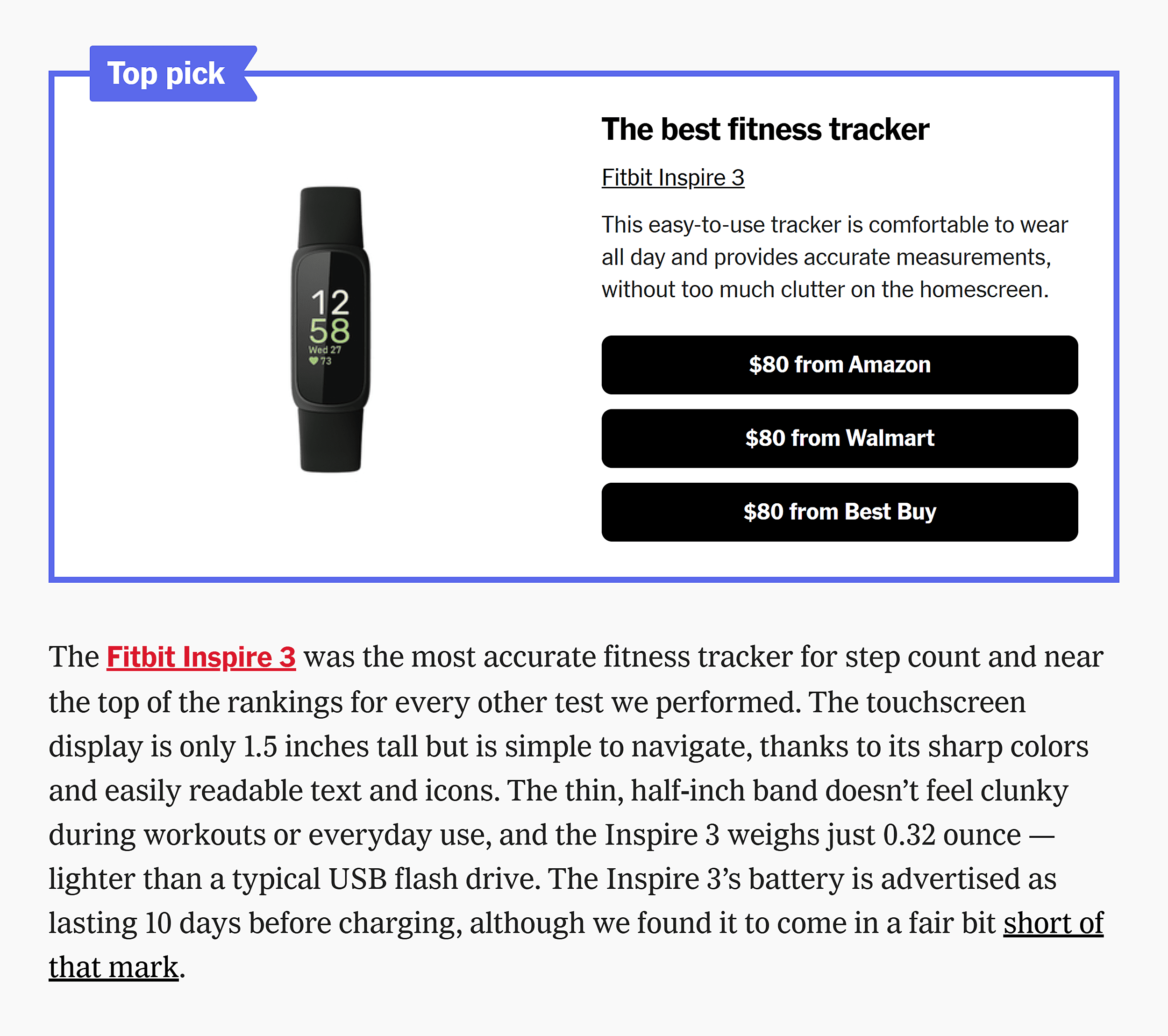
Linked mentions incorporate both the brand name and a direct, clickable hyperlink routing traffic back to the target domain. These references pass critical link equity, domain authority, and direct referral traffic to the destination site. An example of this occurs when a major publication like The New York Times compiles a definitive buyer’s guide for fitness technology, explicitly naming a product line and linking directly to the manufacturer’s product page.
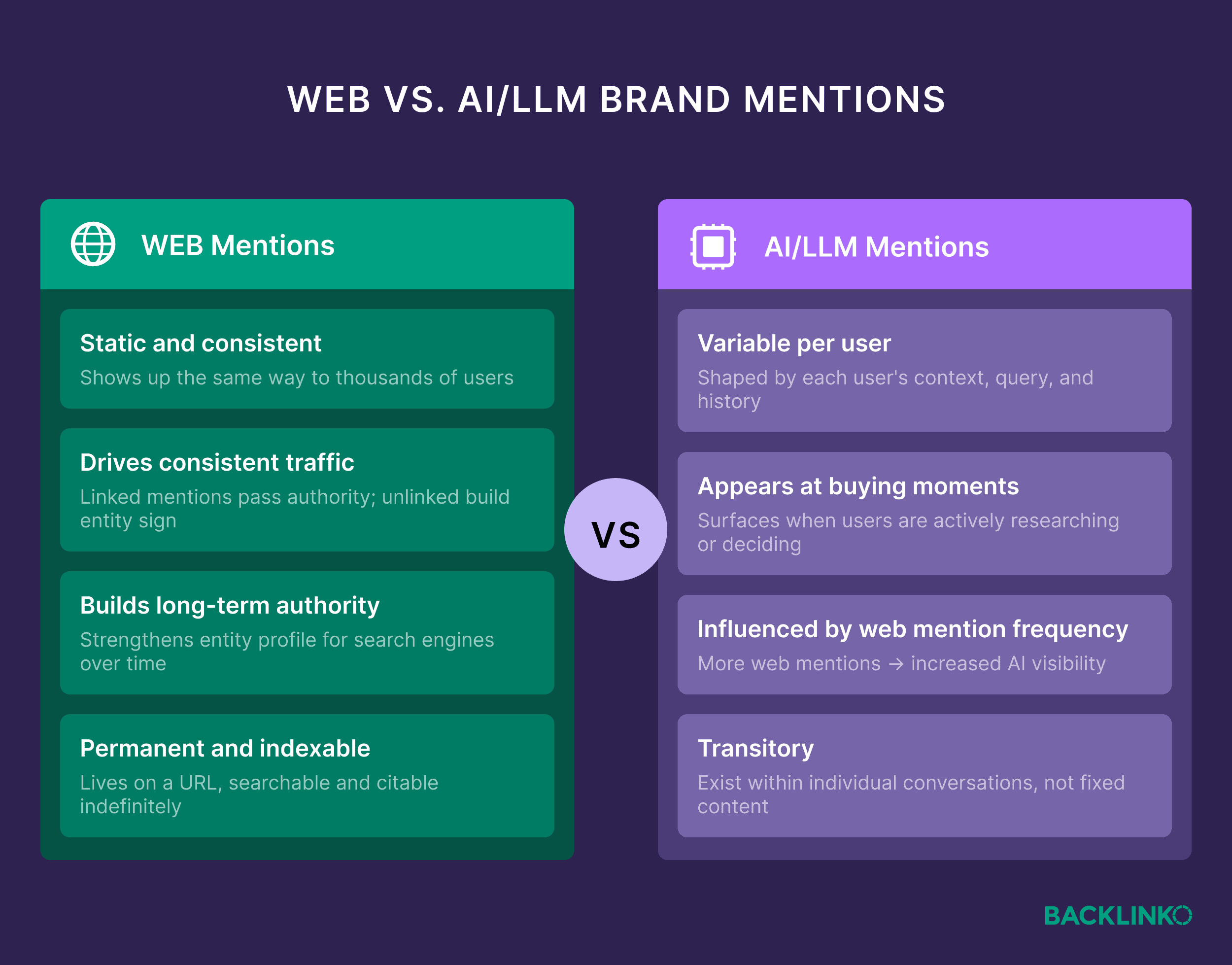
Conversely, unlinked mentions reference the brand name or its specific products without incorporating an outbound hyperlink. These occurrences frequently populate high-intent community platforms such as Reddit, professional Slack workspaces, or specialized podcast discussions. While unlinked mentions fail to generate direct referral traffic or pass traditional PageRank authority, they provide invaluable contextual data for search engines and large language models. Automated systems parse the surrounding natural language to evaluate sentiment, use cases, and product associations, embedding the brand deeply into the semantic Knowledge Graph.
Web Content Versus Generative AI Responses
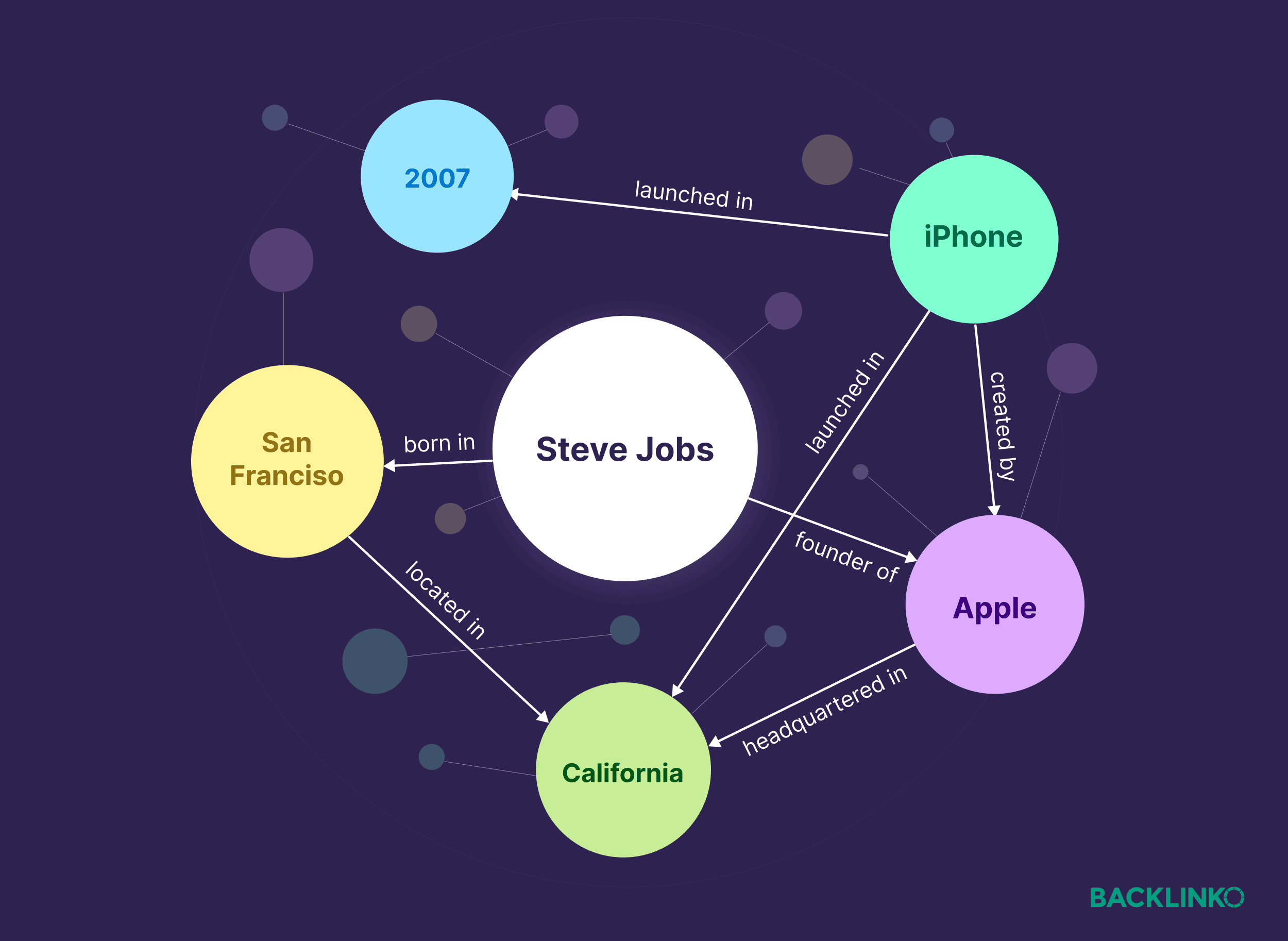
A critical distinction exists between traditional web-based brand visibility and generative AI discovery. Web mentions are static; a published article or forum thread remains accessible in an identical format to potentially millions of users over an extended period.
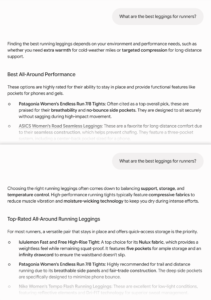
In contrast, mentions generated by large language models are dynamic and highly contextualized. When a user asks an AI assistant to recommend a software solution, the resulting output varies based on the user’s explicit prompt history, geographical location, personal browsing context, and conversational nuances. These specific LLM recommendations frequently materialize within the confines of a private chat session and do not exist as static web pages accessible to the general public.

Despite this operational difference, web mentions serve as the foundational training and retrieval material that LLMs utilize. When an AI assistant recommends a specific brand, it draws heavily upon the aggregated terminology, sentiment, and authoritative framing found across thousands of static web pages. Therefore, earning consistent, high-quality web mentions is a mandatory prerequisite for achieving reliable visibility in generative AI search results.
The Three Pillars of a High-Quality Brand Mention
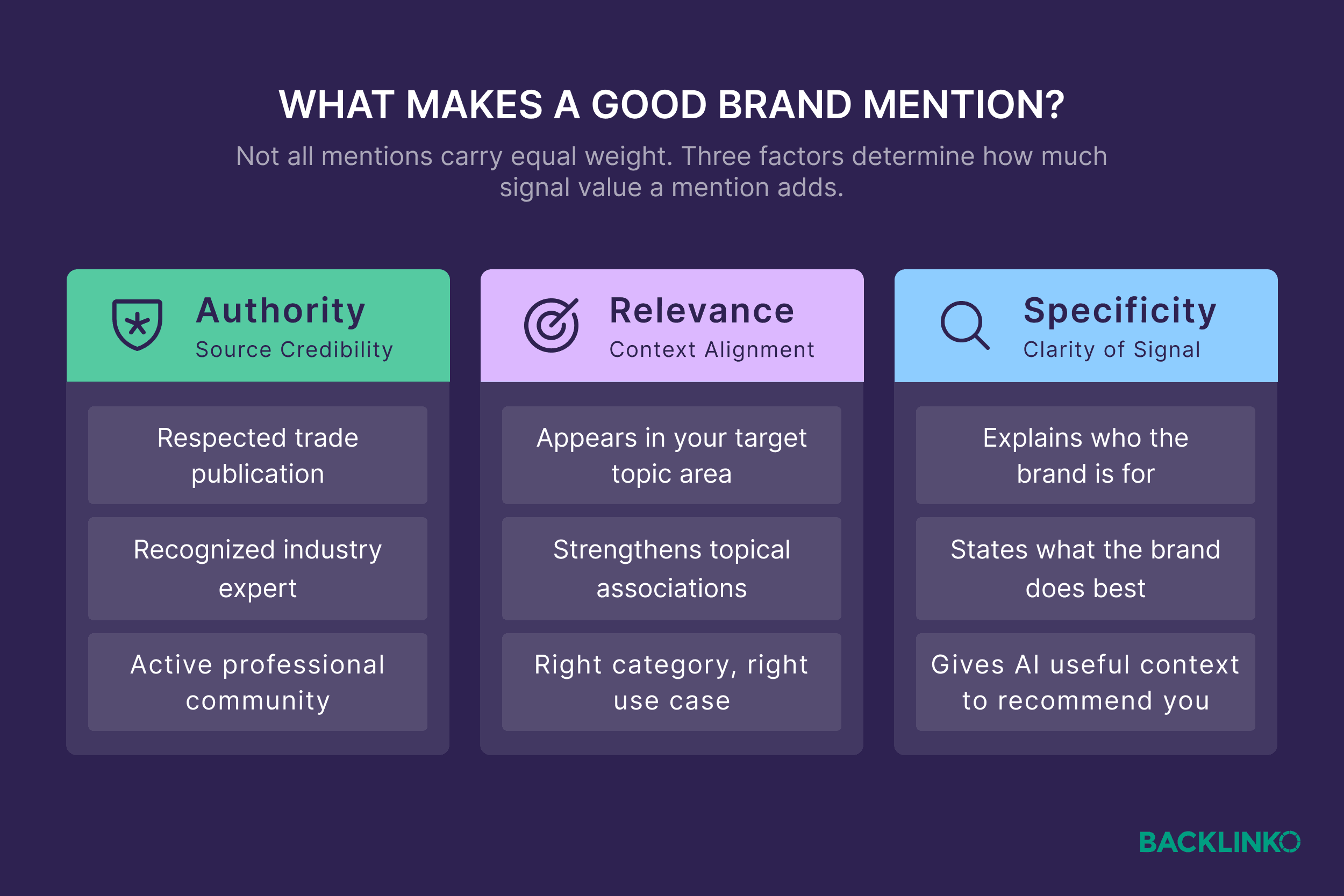
Not all brand mentions carry equal weight within algorithmic evaluation models. Industry analysts categorize the efficacy of a brand reference based on three core pillars: authority, relevance, and specificity.
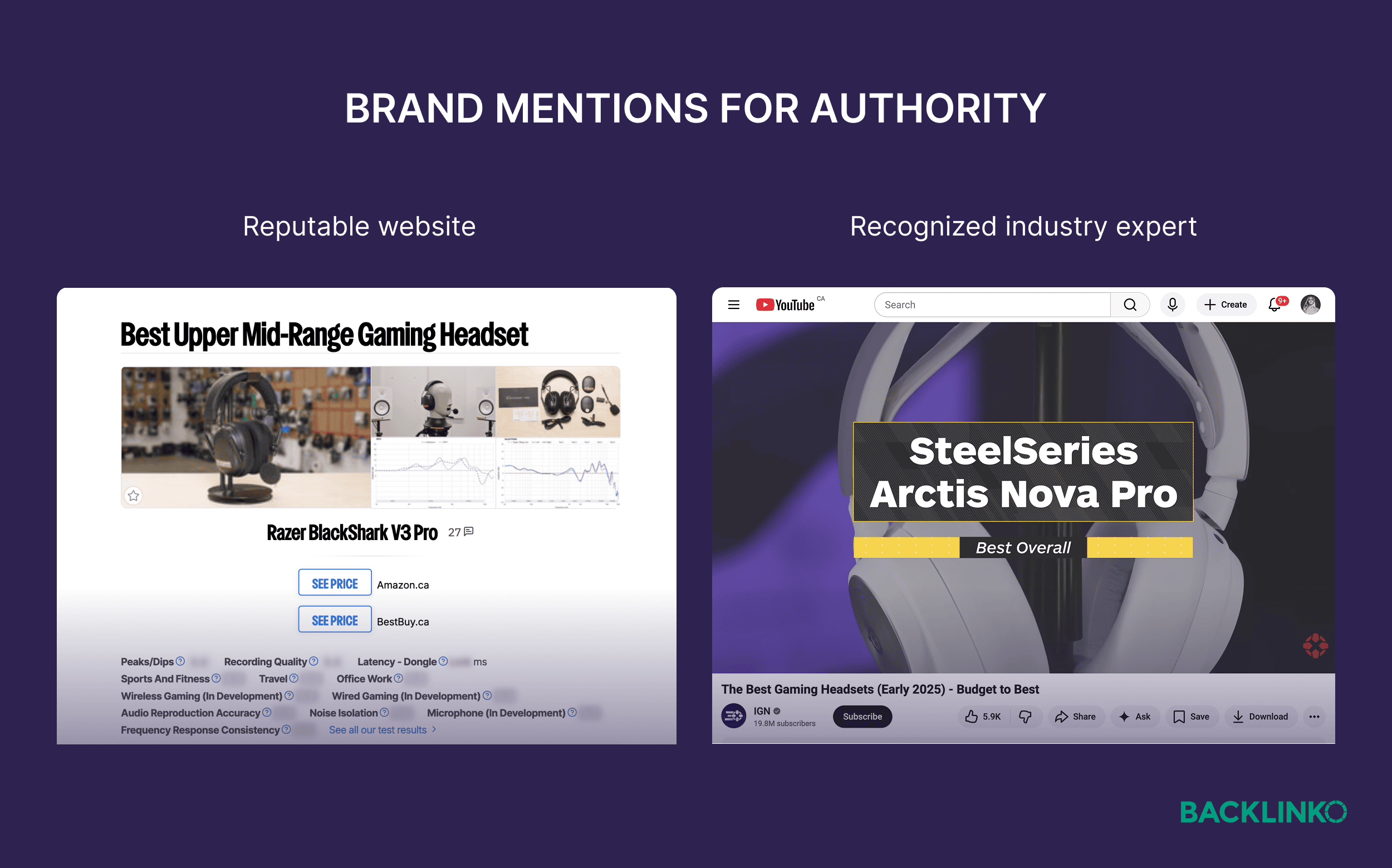
Authority dictates the underlying credibility of the publishing source. A feature article in a respected trade publication or a legacy media outlet sends exponentially stronger signals to search engines than a vague reference on an obscure, low-traffic blog devoid of topical history. For example, when gaming hardware manufacturer SteelSeries is prominently featured in technical evaluations published by established hardware review boards, automated algorithms register these endorsements as high-confidence signals.
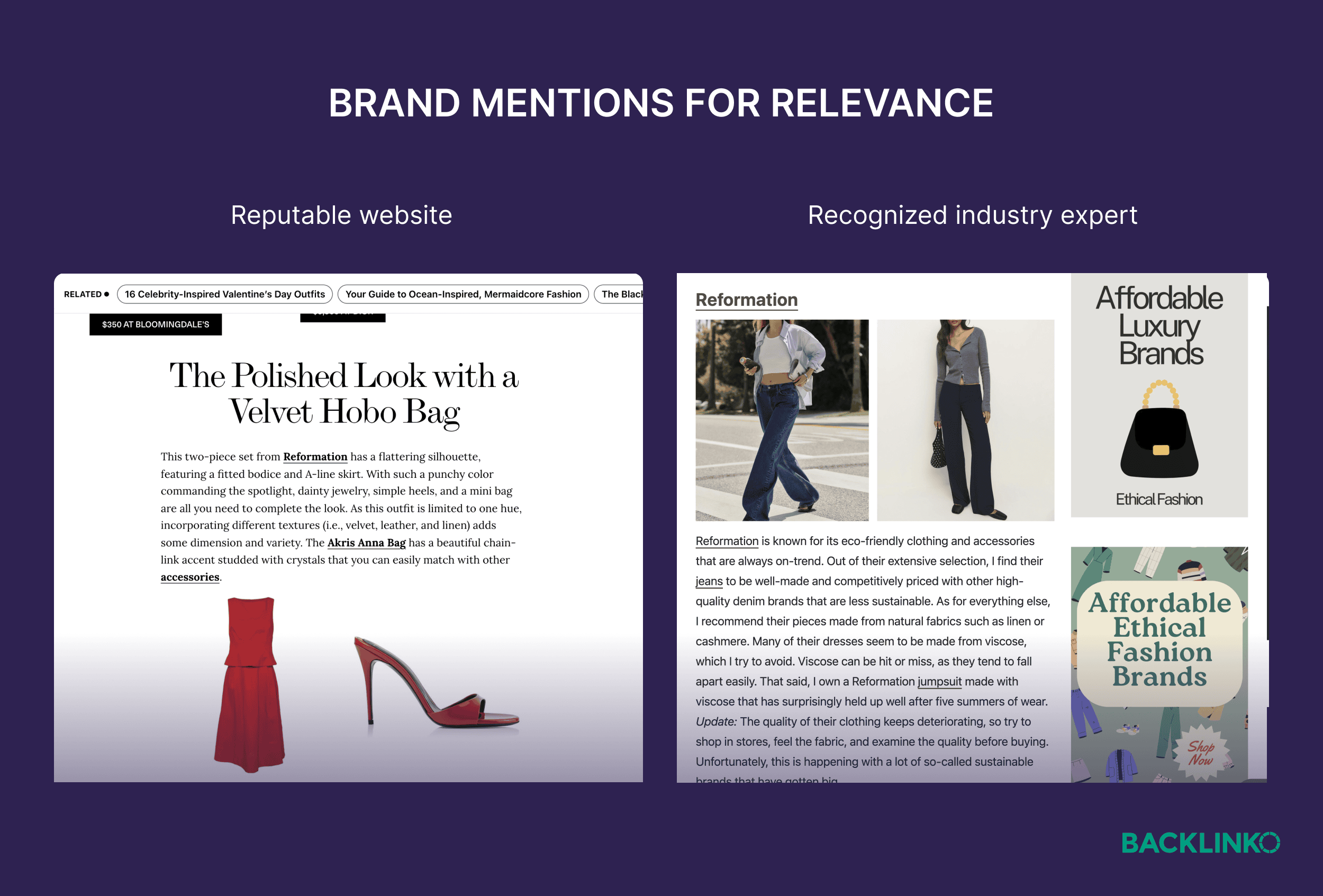
Relevance operates on a dual level, encompassing both topical alignment and industrial context. If a sustainable fashion brand like Reformation receives consistent coverage within articles detailing eco-friendly wardrobe alternatives and ethical manufacturing standards, it reinforces its topical authority within the fashion sector. If the same brand were mentioned on an unrelated automotive blog, the contextual value would diminish significantly.
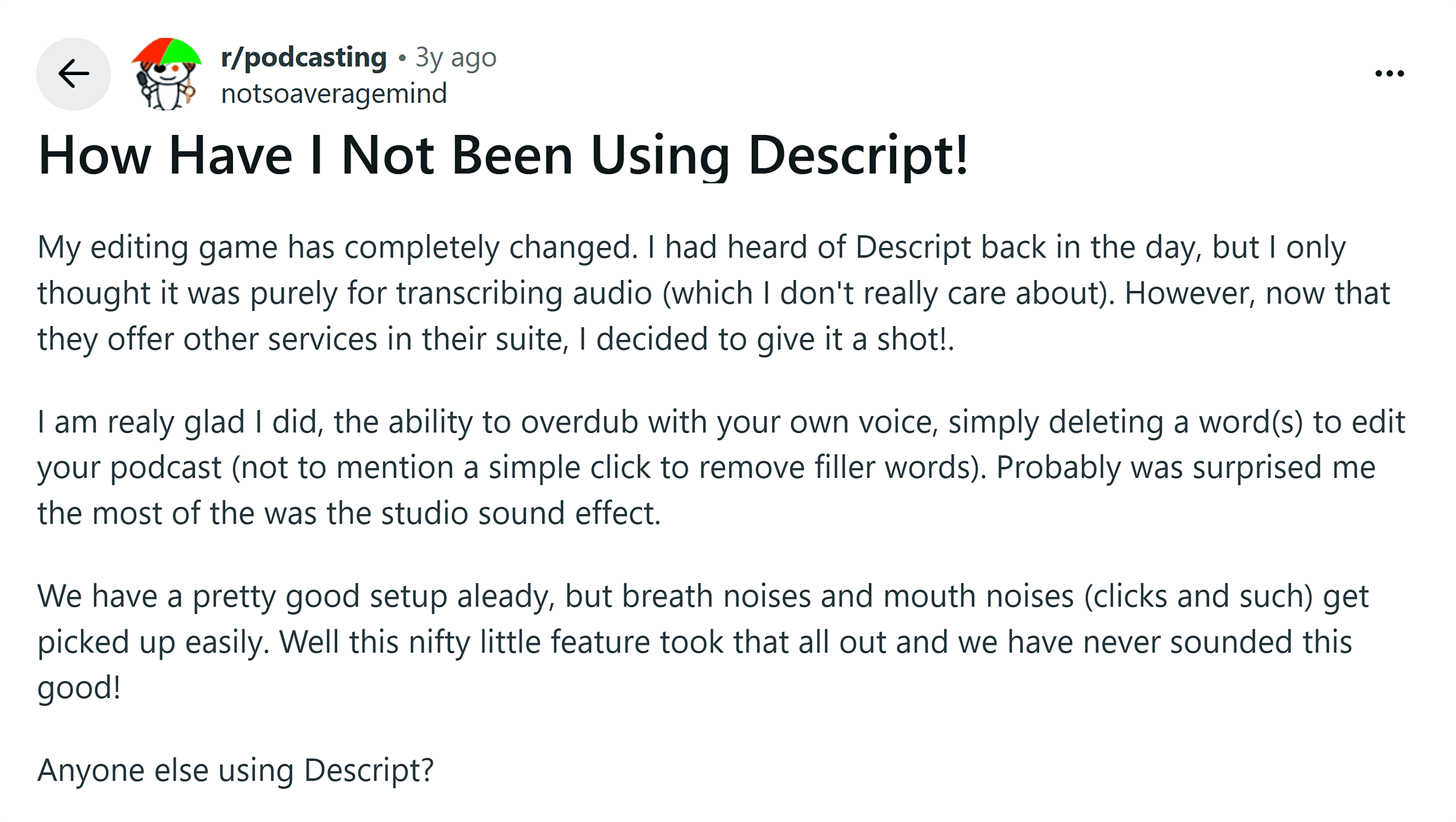
Specificity represents the final critical component. Shallow or generic references yield minimal algorithmic benefit. A truly valuable brand mention incorporates granular details, including specific use cases, feature breakdowns, performance metrics, and quantitative outcomes. When power users on community forums dissect the precise workflow advantages of a video editing suite like Descript—detailing specific transcription speeds and editing shortcuts—search engines and AI systems absorb clear, actionable signals regarding the product’s core utility and optimal market positioning.
Four Proven Tactics to Earn Valuable Brand Mentions
Securing consistent brand mentions requires a deliberate, proactive public relations and content strategy. Industry leaders routinely deploy four primary tactics to earn high-value references regardless of their starting market share.
- Creating Data-Driven, Citable Content
Original proprietary research remains one of the most reliable methods for generating sustained brand mentions. When an organization conducts comprehensive studies that answer hotly debated industry questions, citing that proprietary data becomes mandatory for other writers and researchers.
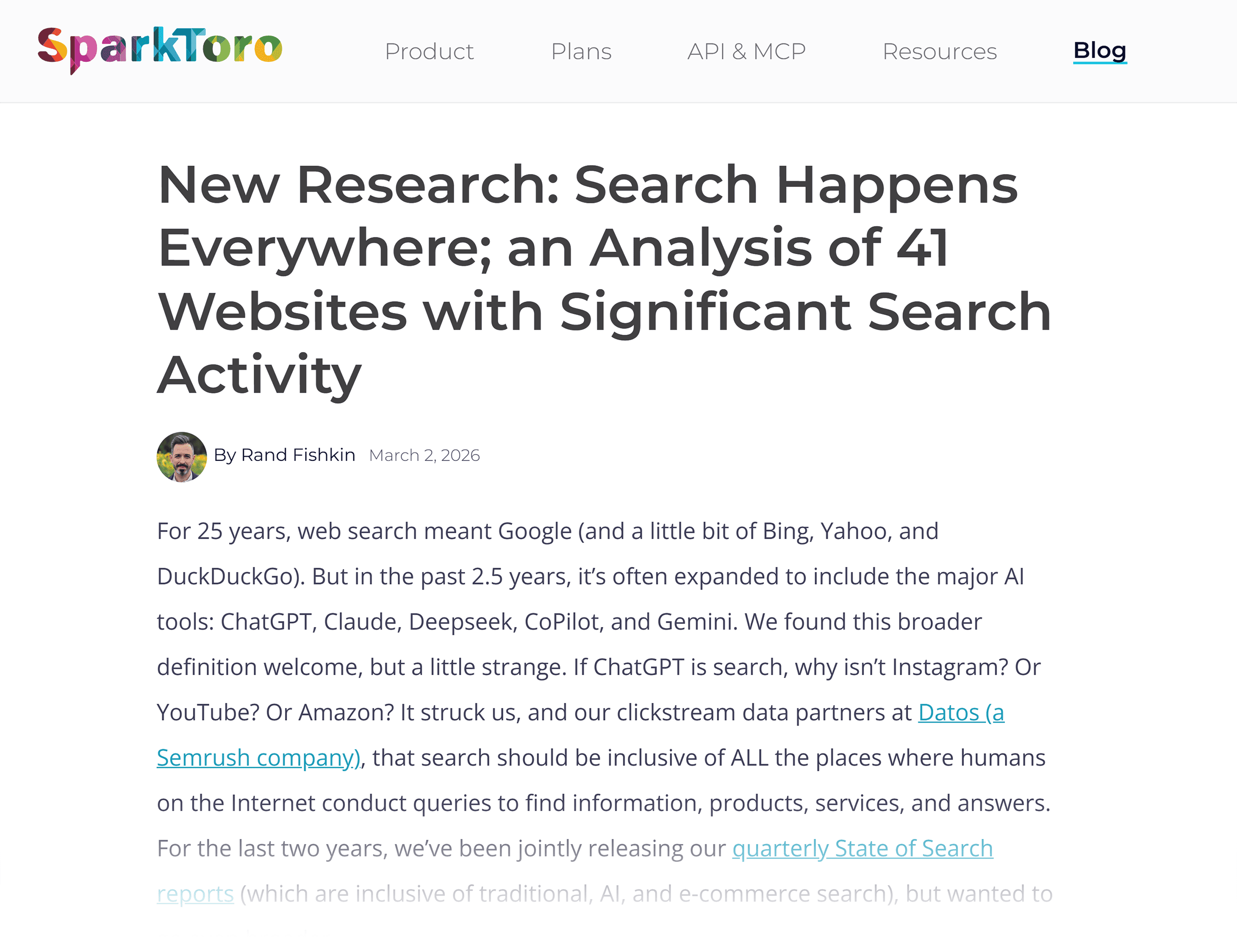
A prominent example of this strategy involves research published by SparkToro in partnership with Datos, which investigated the distribution of search queries across various platforms. By addressing a contentious debate within the SEO community regarding Google’s market share versus alternative platforms like ChatGPT, the study provided definitive empirical evidence for industry professionals. Consequently, practitioners cited the research across independent news outlets, analytical blogs, and discussion forums, permanently embedding SparkToro’s brand into the discourse.
To replicate this success, organizations must analyze customer pain points, sales call transcripts, and community forums to identify unanswered questions lacking empirical data. By fielding proprietary surveys, analyzing internal data aggregates, or partnering with data analytics firms, brands can publish definitive reports optimized for easy citation. Incorporating executive summaries, clean data visualizations, and readily downloadable datasets ensures that journalists and content creators can reference the findings effortlessly.
- Partnering Through Co-Created Assets and Campaigns
Collaborative marketing initiatives allow two or more complementary brands to pool their audiences and generate mutual visibility. When distinct organizations co-create campaigns, industry events, or product lines, independent discussions naturally reference both entities in identical contexts.
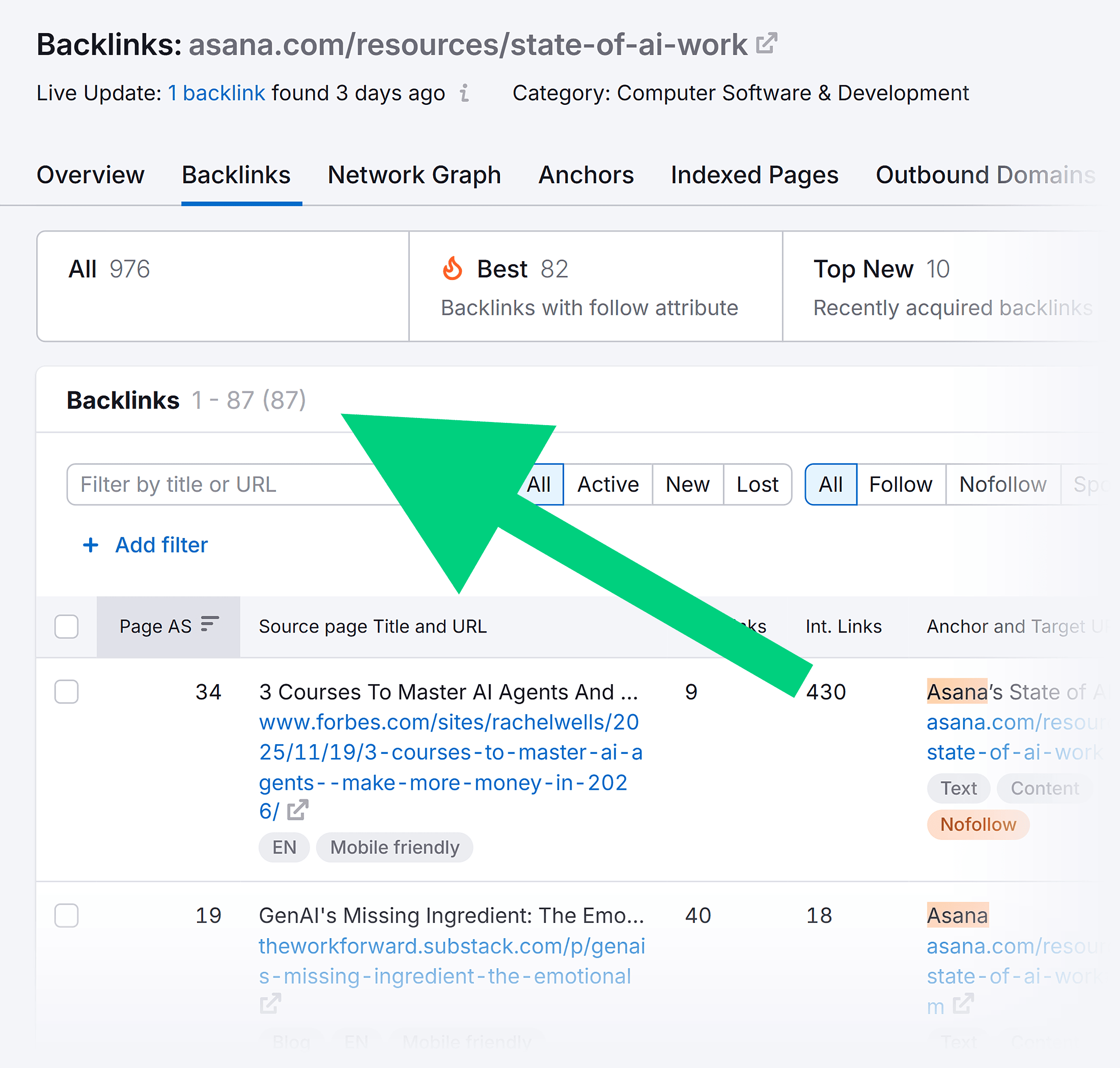
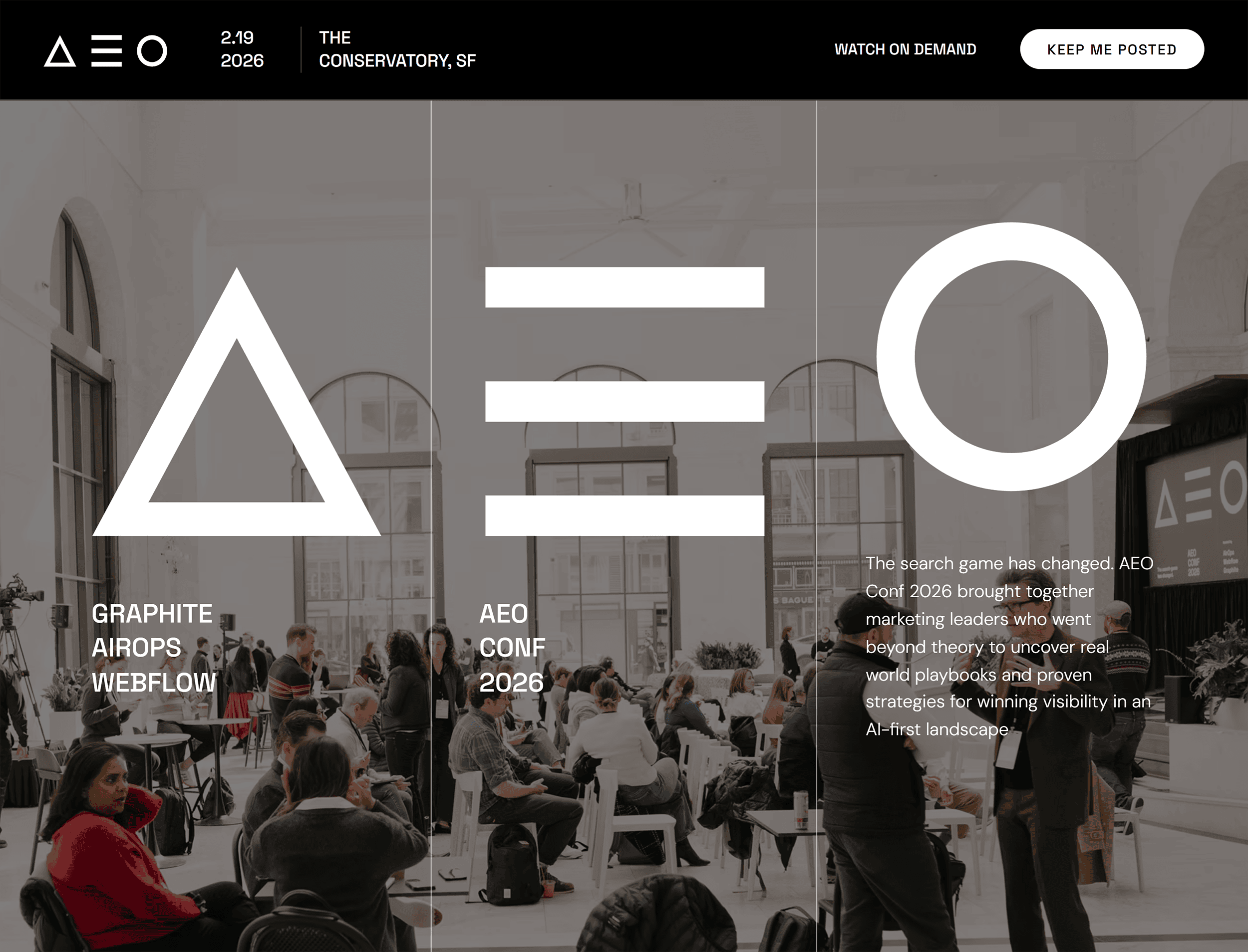
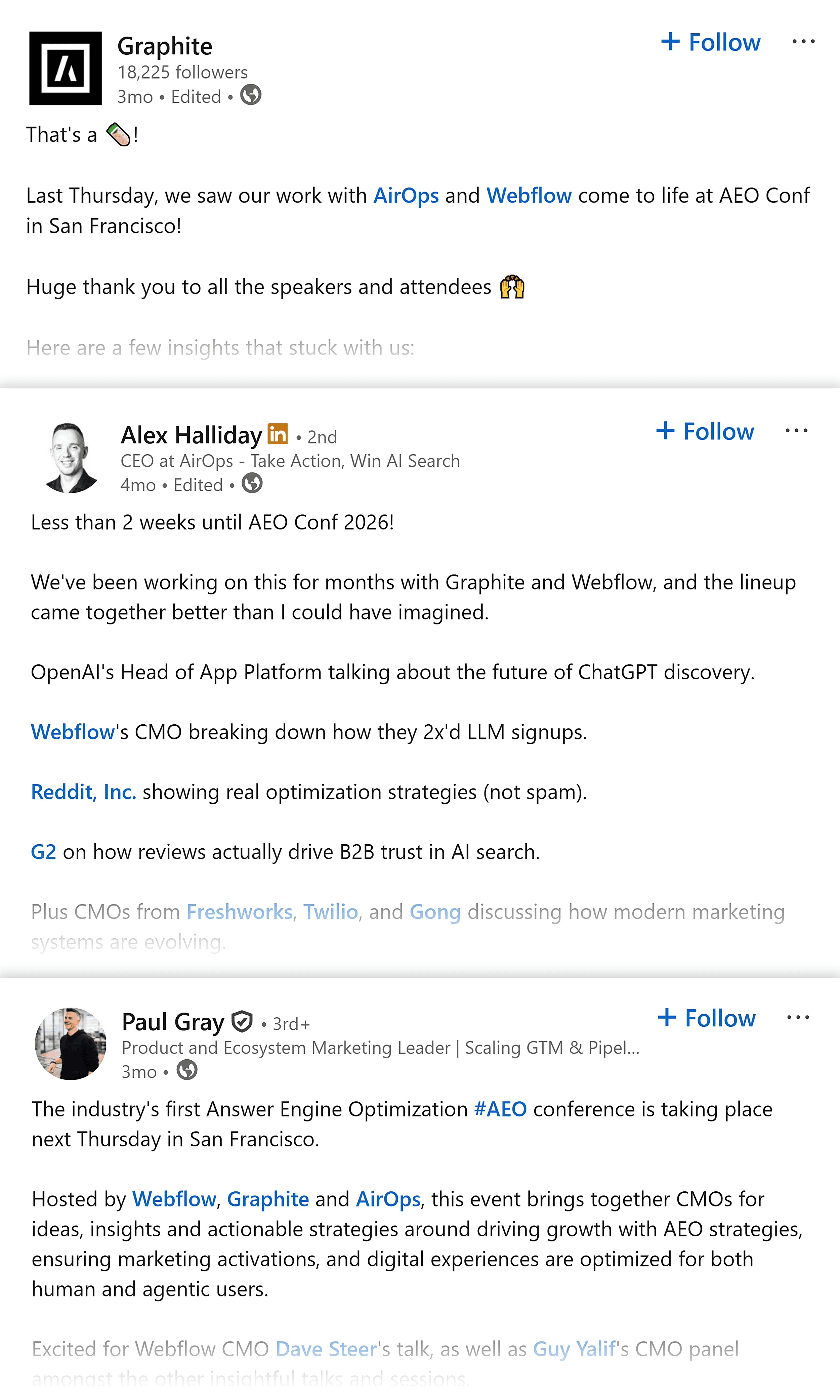
A notable application of this strategy is observed in high-profile industry events such as the AEO Conference, which was co-hosted by technology firms Graphite, AirOps, and Webflow. By uniting three non-competing entities operating within adjacent segments of the web publishing and AI ecosystem, the event captured the attention of overlapping target audiences. Pre-event promotional materials, speaker announcements, and post-event attendee recaps consistently mentioned all three brands in tandem.
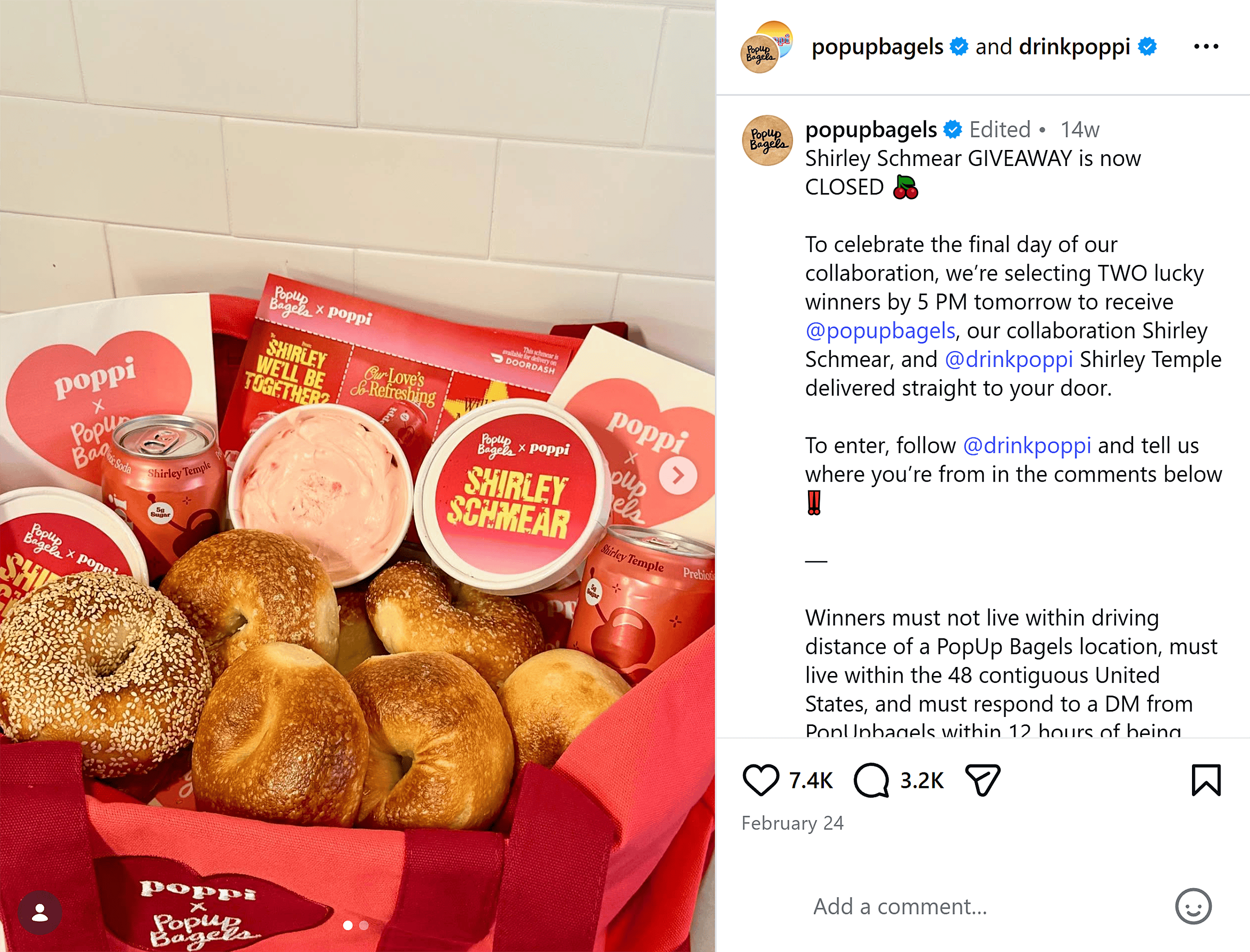
This sustained co-occurrence trains search engines and LLMs to associate the participating brands with shared topical domains. Beyond corporate events, strategic co-branded product releases—such as beverage brand Poppi partnering with PopUp Bagels to release a limited-edition cream cheese flavor—demonstrate how physical collaborations can trigger massive spikes in social media tags, user-generated video reviews, and mainstream press coverage.
- Featuring External Experts and Brands in Content
Elevating external industry leaders, practitioners, and complementary brands within proprietary content incentivizes those contributors to share the finished asset with their own expansive networks. This dynamic expands brand visibility into previously untapped communities.
Publishing platforms designed for digital marketers, such as Slate, successfully utilized this approach by featuring interviews and insights from prominent industry voices like Zaria Parvez. By placing the expert’s insights at the absolute center of webinars and analytical case studies, the brand secured organic amplification when the featured experts shared the content with hundreds of thousands of followers on platforms like LinkedIn.
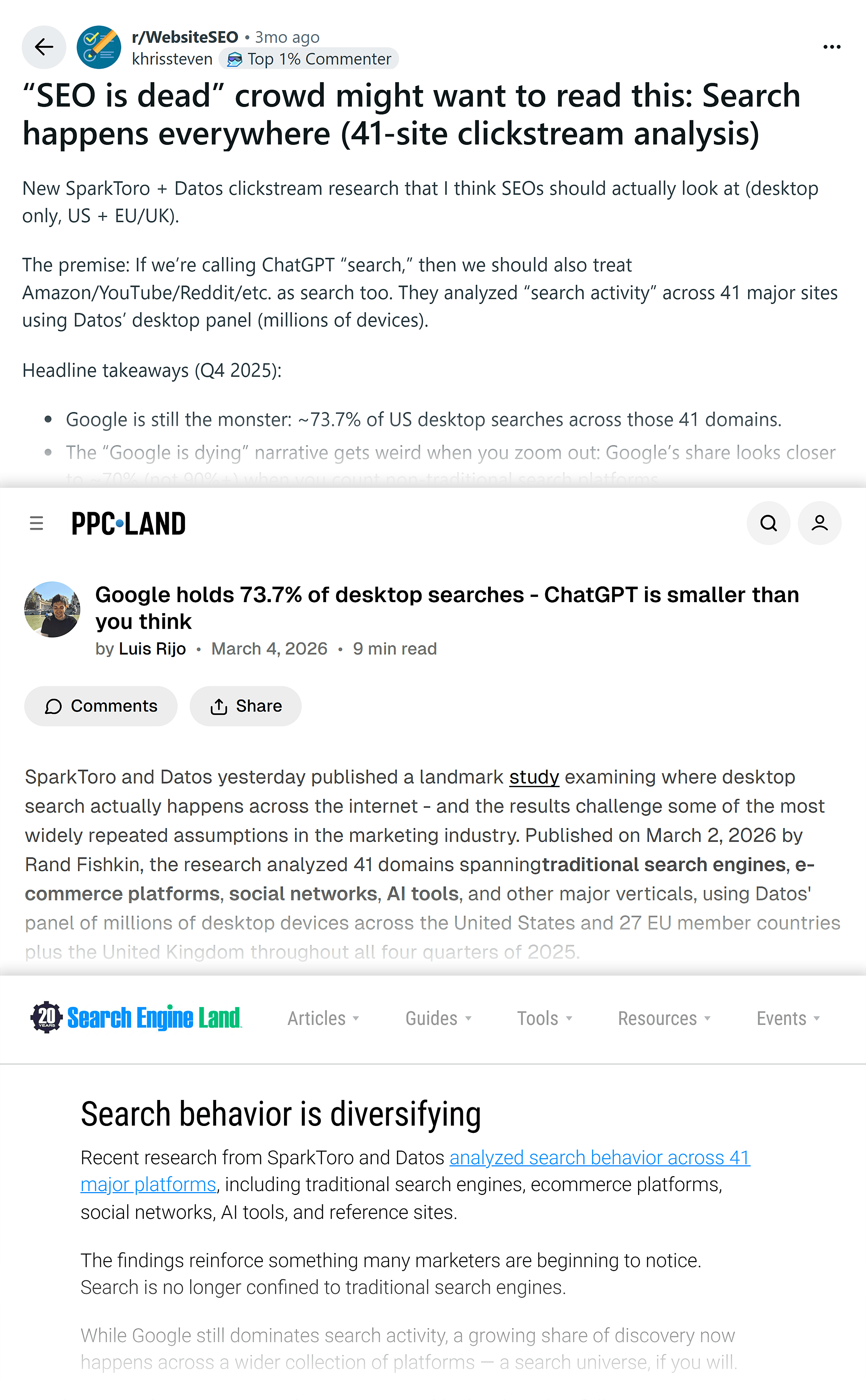
Similarly, executing comprehensive expert roundups, collaborative benchmark reports, and specialized podcast interview series allows organizations to tap into the authority of trusted voices. When interview episodes are framed around the specific expertise of the guest—such as executive interview podcasts produced by competitive intelligence platforms like Klue—guests willingly distribute the episodes to their personal and professional networks, generating organic brand mentions in the process.
- Contributing Subject Matter Expertise via Digital PR
Proactively placing executive leadership and subject matter experts onto established external media platforms represents a powerful digital PR strategy. When credible journalists quote an executive or industry podcasters interview a company founder, the resulting brand mention inherits the authority of the host platform.
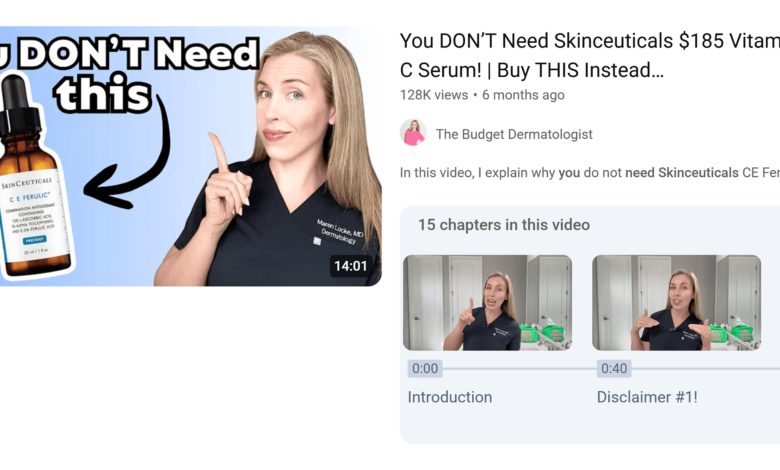
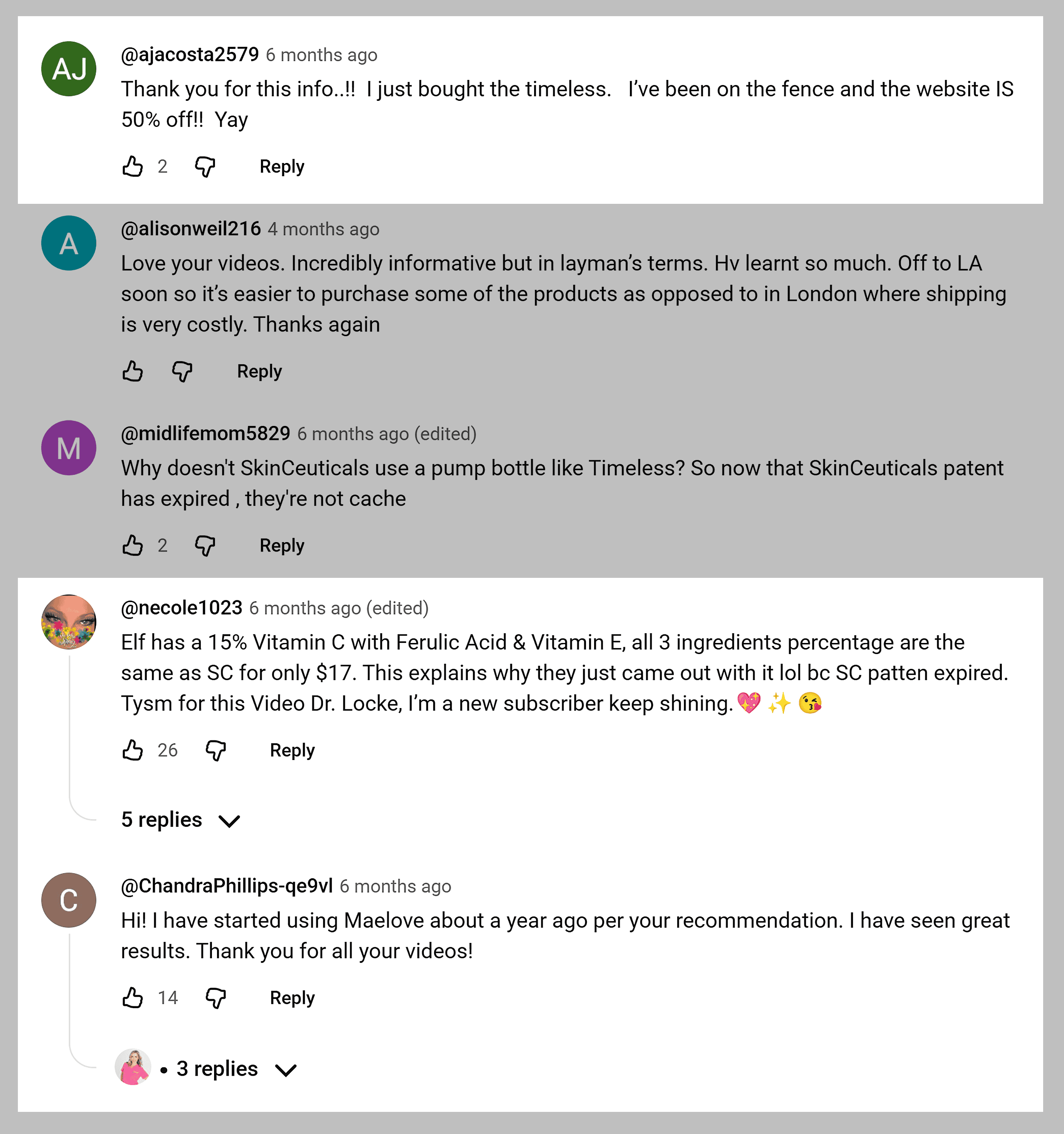
For example, when Kailey Bradt, CEO of Sonsie Skin, appeared as a guest on the Shopify Masters podcast, her brand secured comprehensive visibility across YouTube video descriptions, structured chapter markers, dedicated show notes, and official Shopify blog summaries. These multi-channel placements provide robust reference material for AI indexing engines.
When pitching external outlets, executives must prioritize providing genuine educational value to the host’s audience rather than pushing direct commercial pitches. By sharing operational playbooks, scaling frameworks, or proprietary lessons learned, leaders can secure high-visibility placements in the exact podcasts, publications, and digital channels where their target audience actively seeks information.
Tracking and Reporting Brand Mentions to Leadership
Demonstrating the return on investment (ROI) for brand mention campaigns requires a structured tracking and reporting framework. Marketing leaders must monitor mention volume, sentiment shifts, and domain authority to prove strategic value to executive stakeholders.
Google Alerts serves as an accessible baseline tool for tracking web references. By establishing alerts for brand names, common misspellings, executive names, and key product lines, teams can capture daily digests of new mentions. However, because Google Alerts frequently overlooks niche industry forums, subreddits, and specialized community boards, teams must supplement these automated alerts with weekly manual audits across search engines and social platforms.
For comprehensive analysis, organizations deploy advanced social listening and brand monitoring software, such as the Semrush Brand Monitoring app, Brandwatch, or Mention. These platforms aggregate conversations across global news sites, review aggregates, blogs, and social networks, providing critical sentiment analysis that categorizes mentions as positive, neutral, or negative.
Additionally, backlink analytics tools allow digital marketing teams to filter inbound links by specific anchor text strings containing the brand name. This filtering isolates true brand mentions from generic hyperlinks, enabling analysts to track the growth of unique referring domains over quarterly reporting periods.
When presenting findings to executive leadership, metrics must be translated into strategic narratives. Instead of merely reporting raw numerical growth, reports should emphasize the qualitative impact of high-authority placements. A standard monthly executive summary should articulate the total volume of mentions earned, highlight the percentage of positive sentiment, and showcase the estimated monthly audience reach of the most prestigious publishing sources secured during the period.
By systematically executing these strategies, modern organizations can build an inescapable digital footprint, ensuring that both traditional search engines and advanced artificial intelligence models recognize, trust, and prominently recommend their brand.
Related posts: