Unpacking the $119.4 Billion SEO Services Industry: Spending Habits, Client Satisfaction Challenges, and Evolving Expectations

The landscape of Search Engine Optimization (SEO) services has undergone a profound transformation in recent years, propelled by dynamic shifts in search behavior, the integration of artificial intelligence (AI) into search algorithms, and intensifying competition across virtually every industry. A comprehensive report, drawing data from multiple authoritative sources including a survey of 1,200 business owners, sheds light on the current state of this vital industry, revealing critical insights into spending patterns, client satisfaction, and the factors shaping successful partnerships.

A Booming Market with Significant Investment
The financial commitment to SEO and digital marketing consulting in the United States alone is staggering, with organizations projected to spend an estimated $119.4 billion in 2025. This figure underscores the critical importance businesses place on online visibility and organic growth in an increasingly digital-first economy. While the overall market is robust, spending habits among businesses vary considerably.
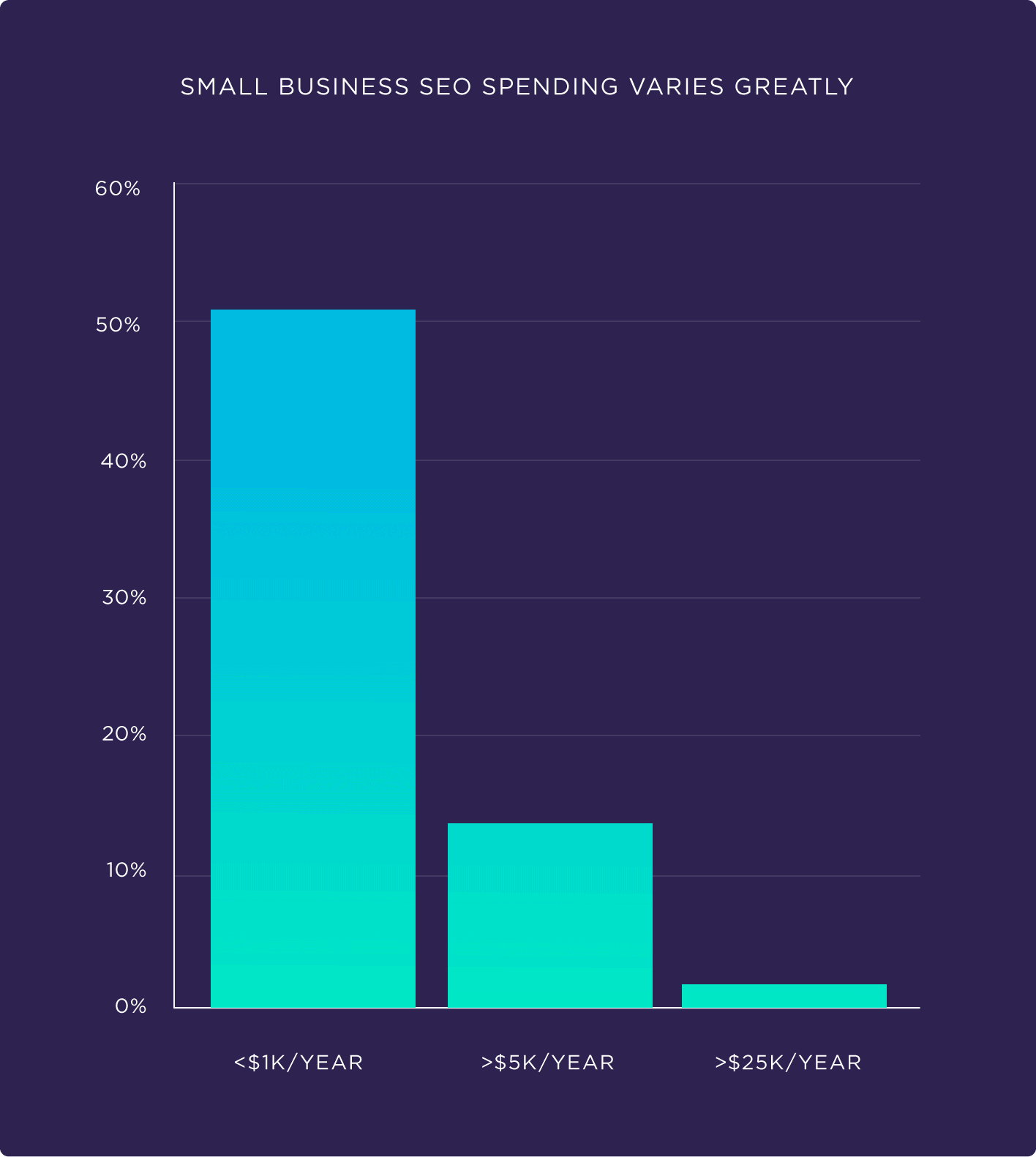
Earlier research from 2019 indicated that small businesses typically allocated around $497.16 per month to SEO services. However, this average masks a wide distribution in investment levels. The recent data shows that half of all respondents spend less than $1,000 annually on SEO, suggesting a significant segment of micro and small businesses operating on tight budgets. In contrast, a smaller but substantial portion (14%) invests over $5,000 per year, with an elite 2% committing more than $25,000 annually. This segmentation highlights the diverse needs and resource capacities within the business ecosystem, from local storefronts seeking basic visibility to ambitious startups and established enterprises aiming for aggressive market capture.
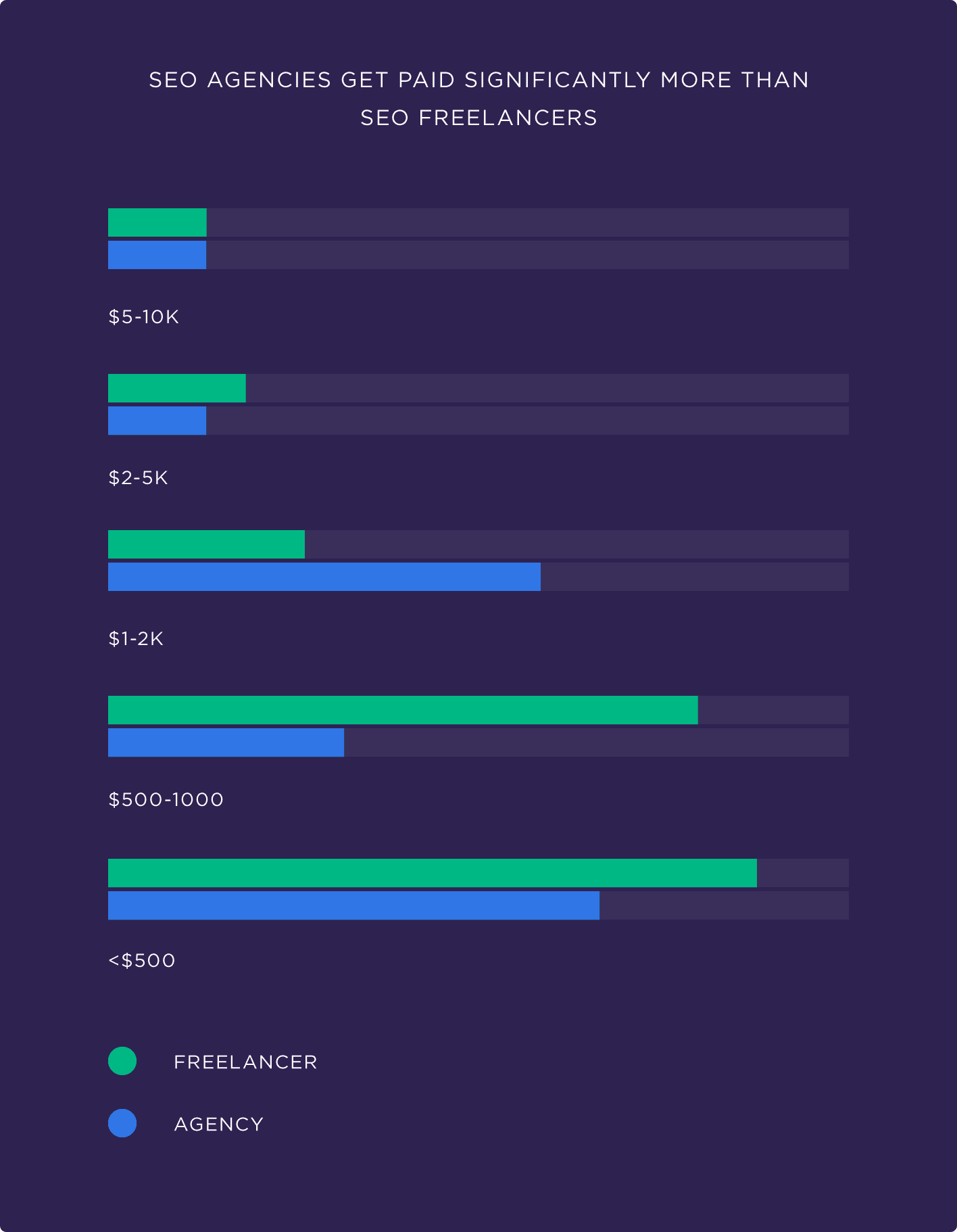
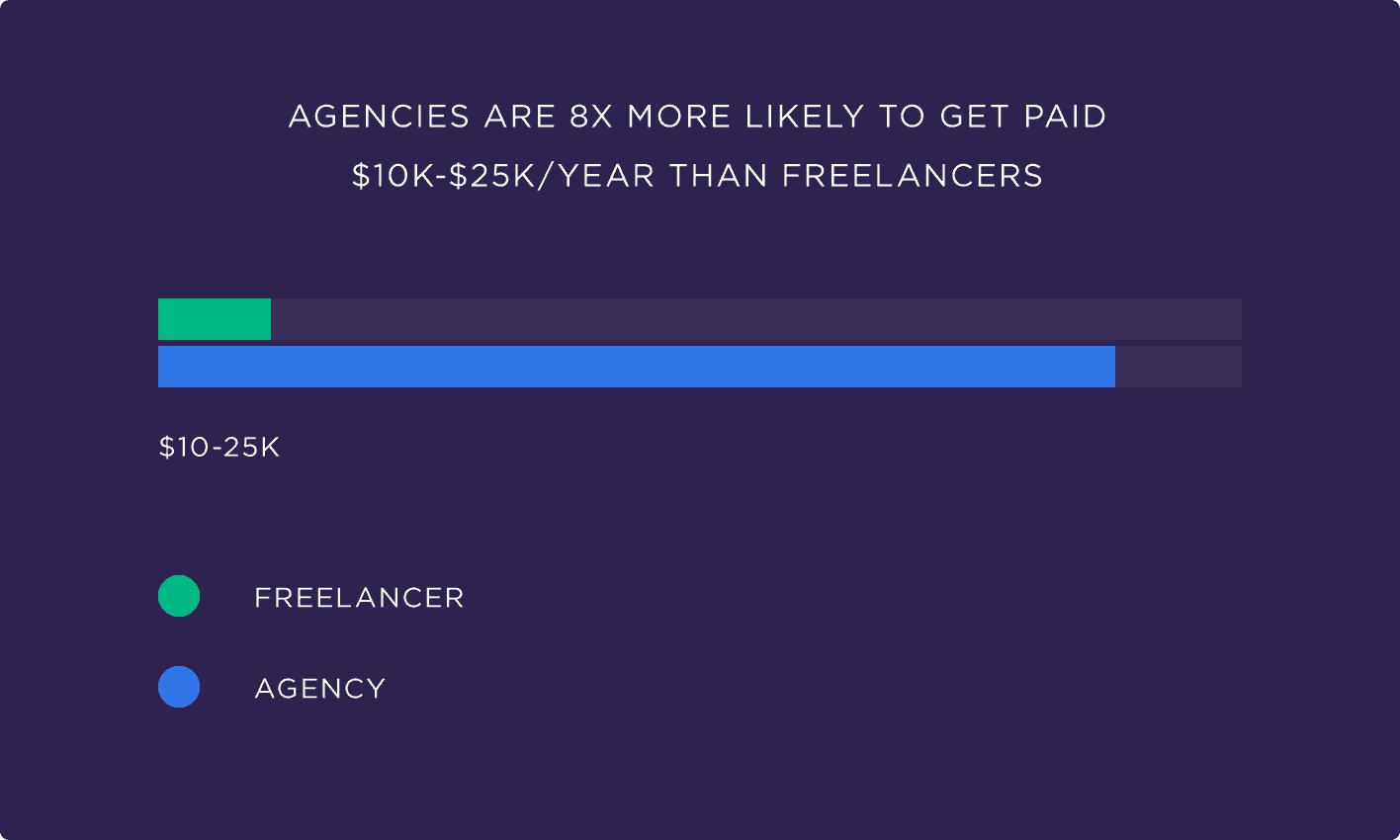
A notable distinction also emerges between the remuneration of agencies and freelance SEO providers. Agencies, often equipped with broader teams, specialized tools, and established processes, are twice as likely to secure monthly retainers in the $1,000-$2,000 range compared to freelancers, who predominantly operate within the $500-$1,000 bracket. Furthermore, agencies overwhelmingly dominate the high-end market, with 24% of small businesses working with agencies spending between $10,000-$25,000 per year, a figure eight times higher than those engaging freelancers at similar price points. This disparity suggests that larger investments are often channeled towards integrated solutions and perceived reliability offered by agencies.
The Intricate Link Between Spending and Satisfaction
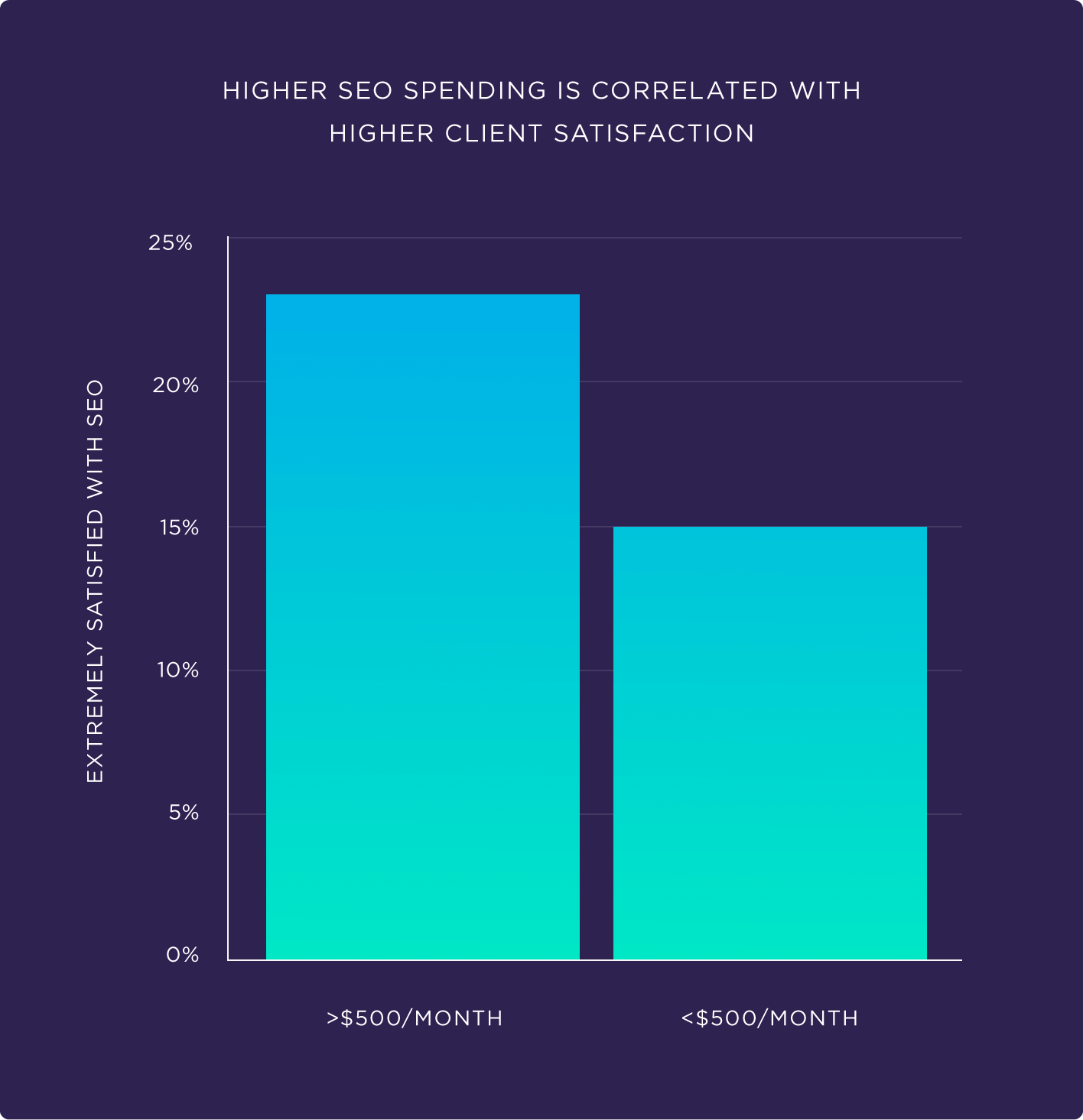
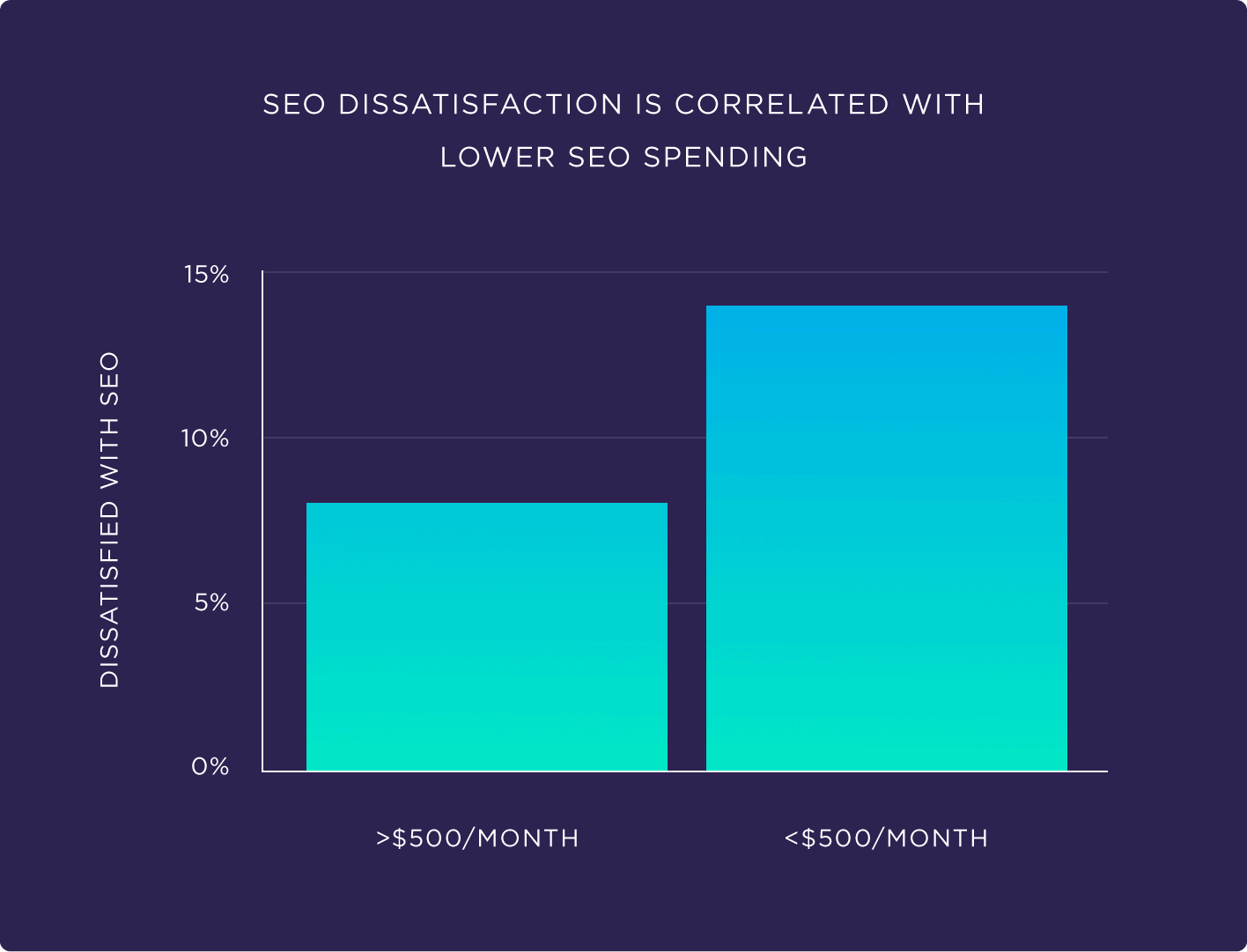
A key finding challenges the notion that all SEO services deliver equal value, irrespective of cost. The report establishes a strong correlation between higher spending on SEO and elevated client satisfaction, particularly within the small business segment. Clients investing over $500 per month were found to be 53.3% more likely to report being "extremely satisfied" with their SEO provider compared to those spending less. Conversely, business owners in the lower spending tier (under $500/month) were 75% more prone to dissatisfaction.
This trend persisted across all provider types, whether clients engaged freelancers, agencies, or a hybrid model. This suggests that adequate investment often translates into access to more experienced professionals, comprehensive strategies, superior tools, and more dedicated resources, all of which contribute to better outcomes and a more positive client experience. It underscores that while cost-effectiveness is important, under-investing in SEO can lead to suboptimal results and frustration.
Navigating the Provider Search: Reputation Reigns Supreme
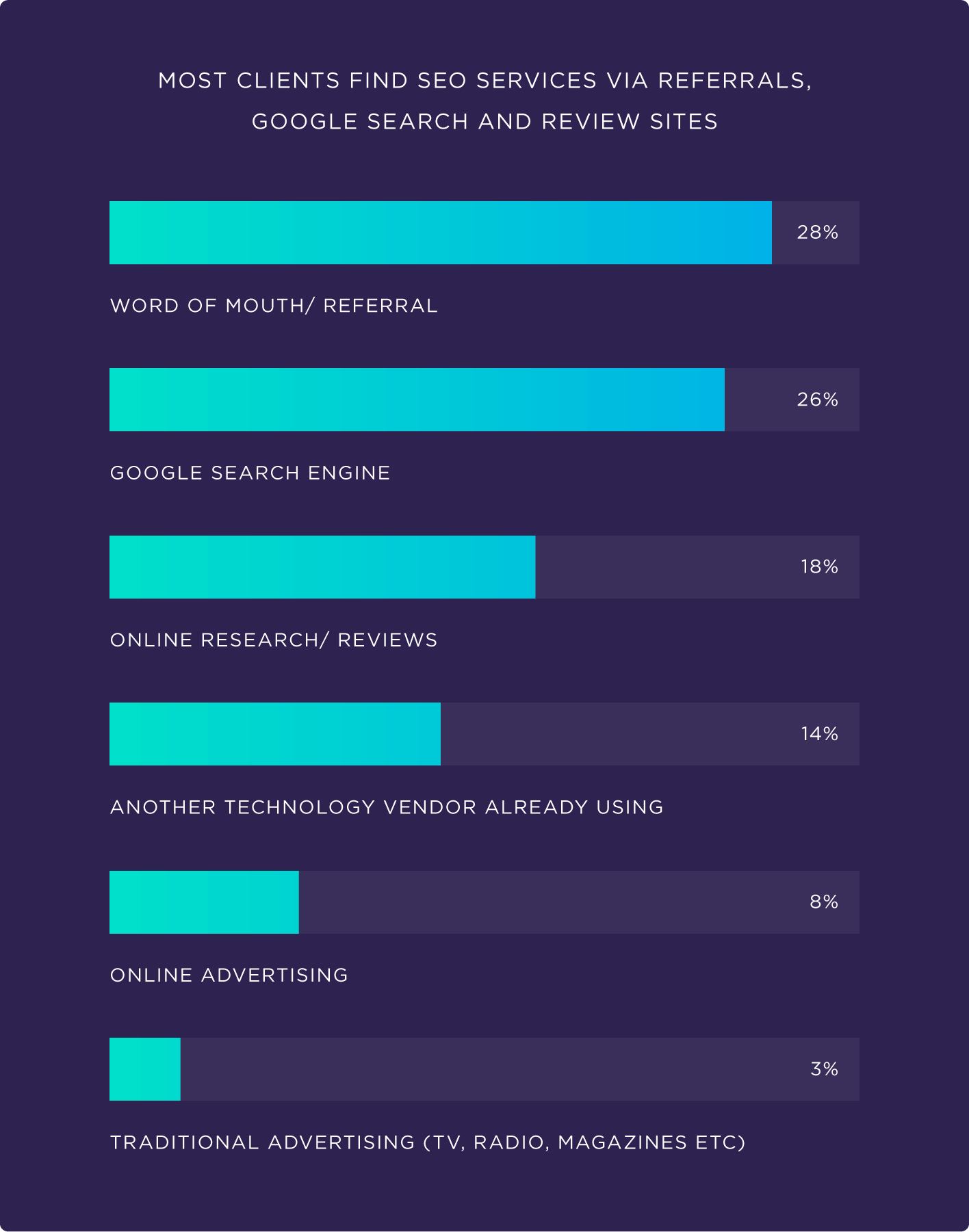
When businesses set out to hire an SEO agency or freelancer, their search typically begins in familiar and trusted channels. Referrals, Google searches, and online review platforms like Yelp are the predominant methods. This highlights the importance of word-of-mouth marketing and a strong online presence for SEO providers themselves. Interestingly, only a small fraction (8%) of SEO clients found their current provider through online advertising, and even fewer through offline advertising or referrals from other vendors. This indicates that traditional trust-building mechanisms remain paramount in this service sector.
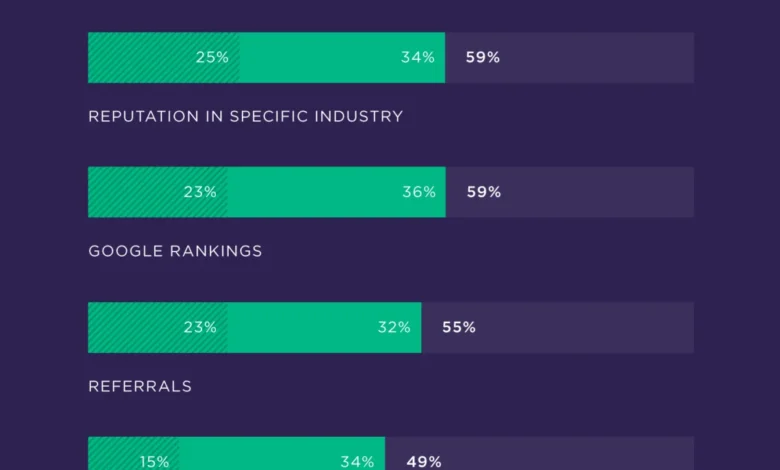
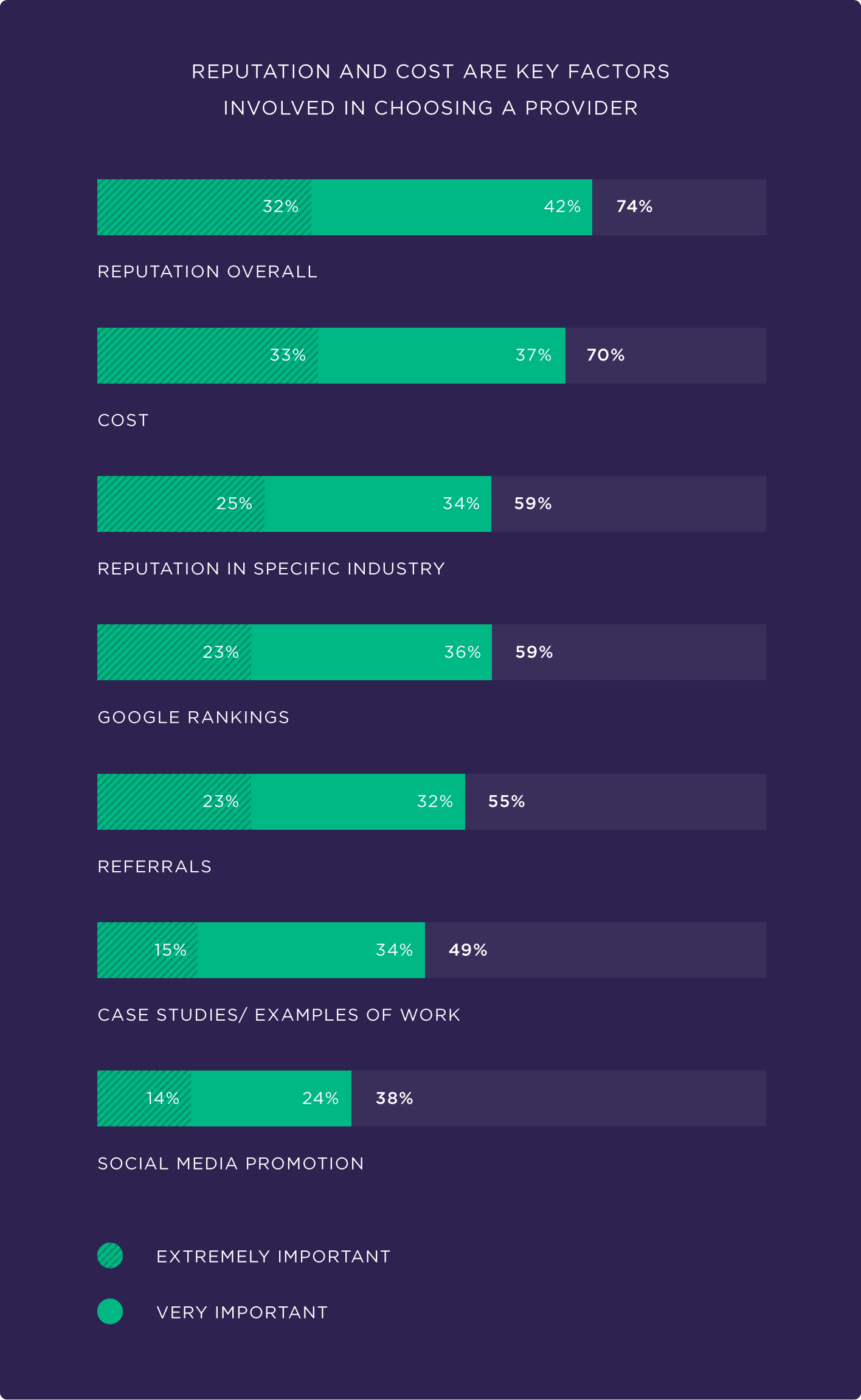
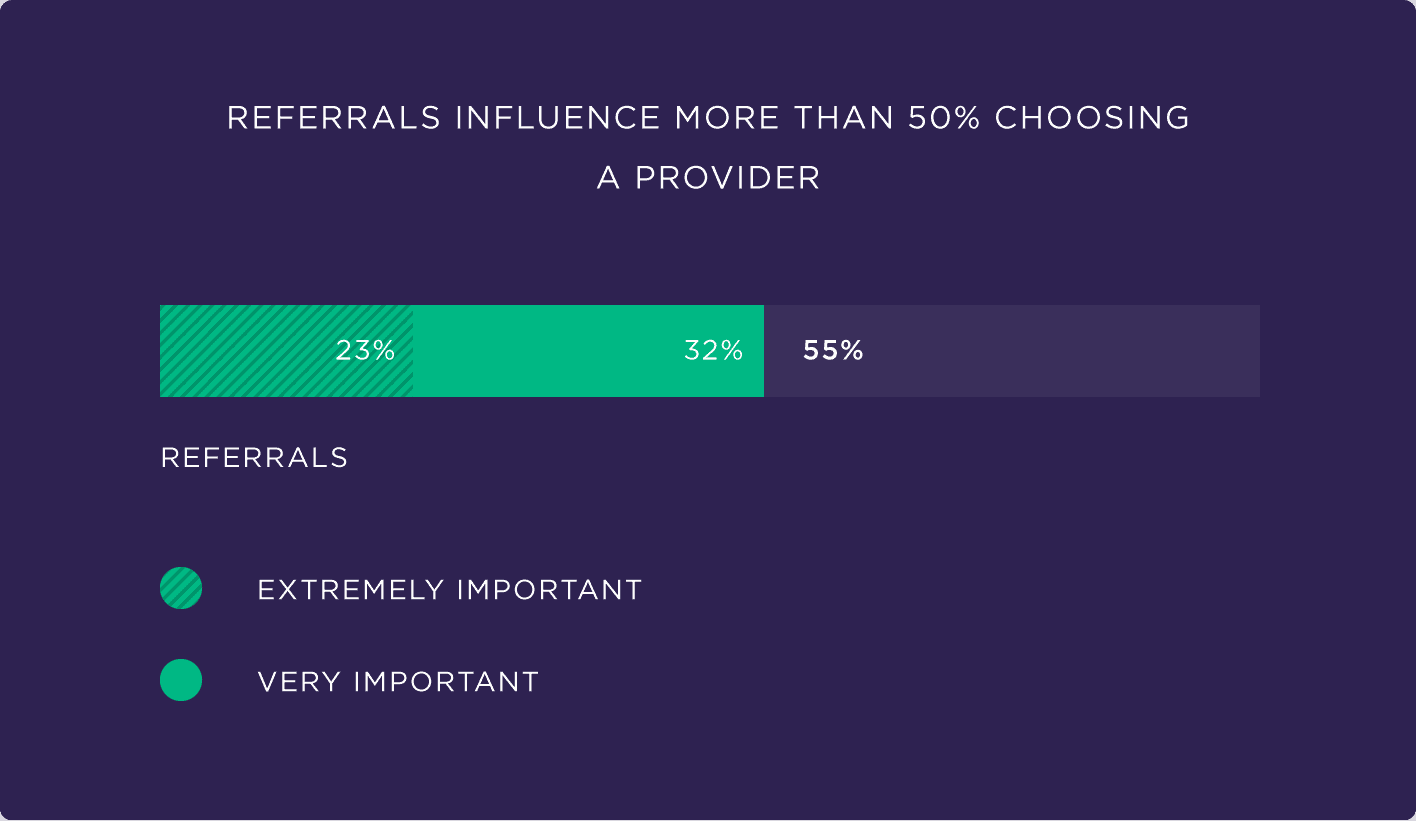
Reputation emerges as the single most critical factor in the selection process, with 74% of business owners deeming an SEO provider’s reputation "very" or "extremely" important. Monthly cost and the provider’s own Google rankings also feature prominently in decision-making. While factors like client case studies and social media presence hold less weight, they are not entirely insignificant. For instance, 55% of respondents cited referrals as an important consideration, showcasing the enduring power of recommendations.
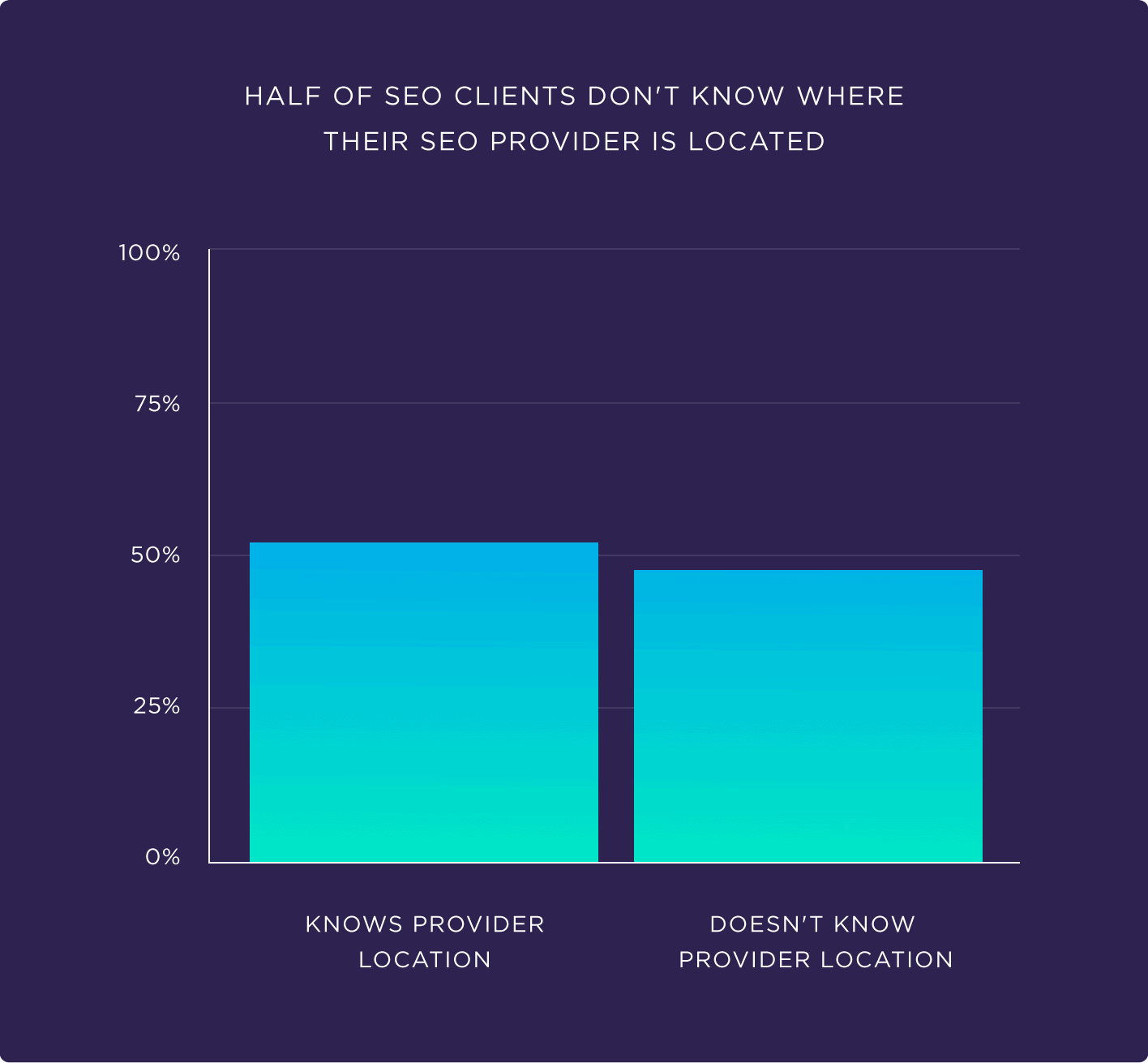
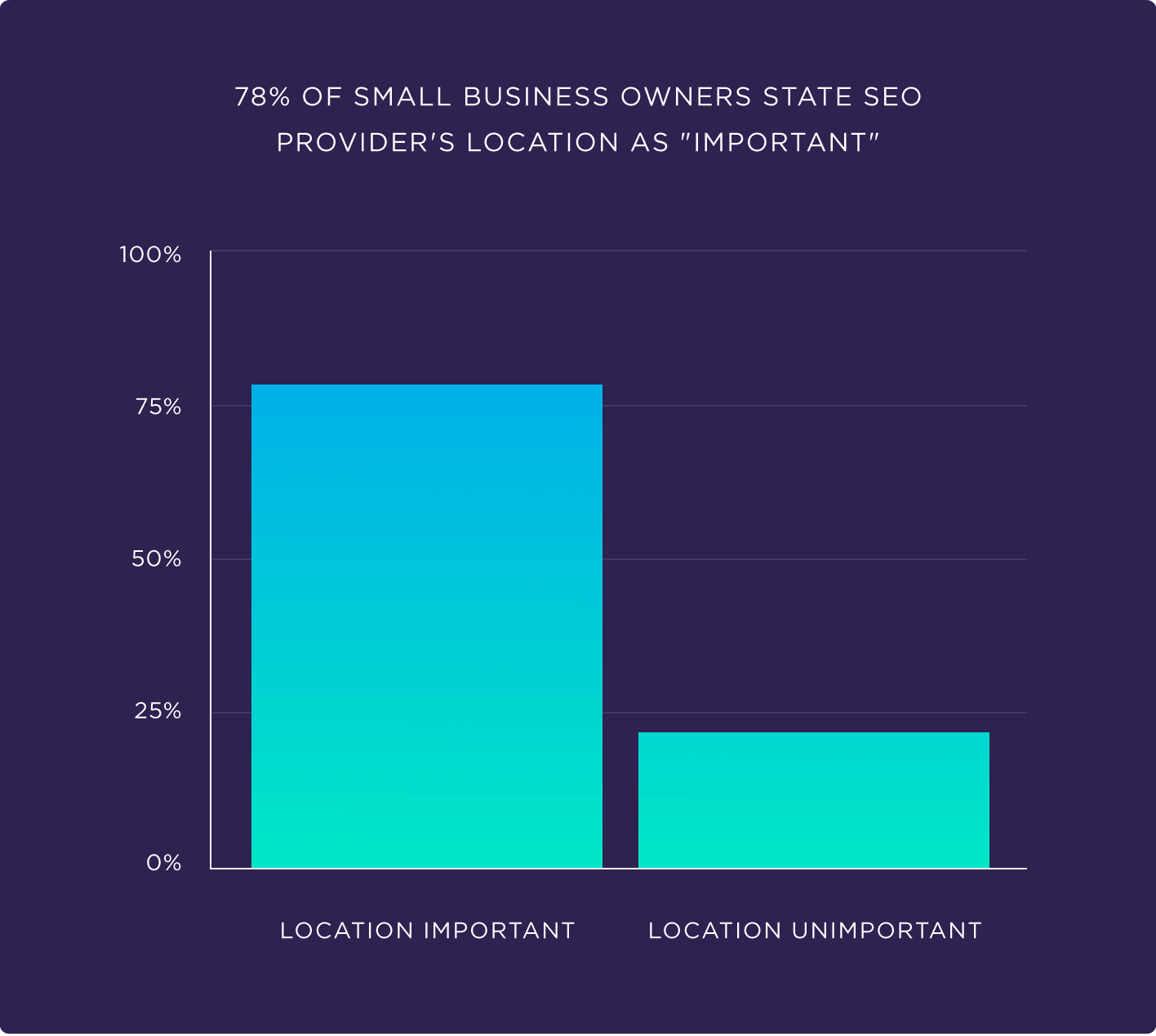
Intriguingly, despite the increasingly global and remote nature of work, a provider’s physical location still holds significant sway for many. While only 51% of clients knew their SEO provider’s exact location, a substantial 78% of US-based small businesses considered a known location "extremely" or "very" important. This suggests a preference for perceived local accountability, easier communication, or familiarity, which SEO providers can leverage by clearly showcasing their physical presence, as exemplified by agencies like Siege Media.
Client Expectations: A Focus on Tangible Business Growth
Businesses engage SEO services with clear objectives, primarily centered on tangible growth. A recent 2025 survey highlighted that a remarkable 91% of businesses utilizing SEO services reported a positive impact on their website performance and marketing goals. This high success rate fuels equally high expectations.
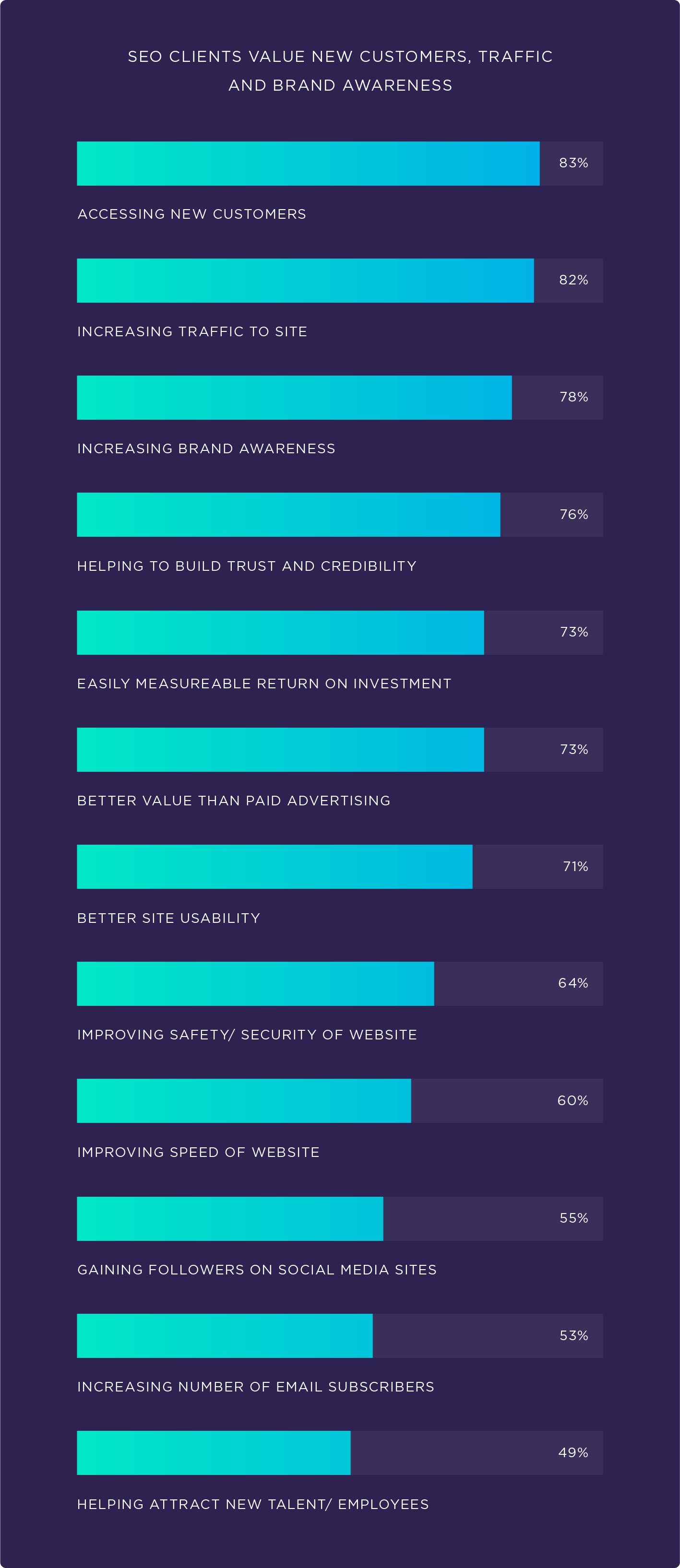
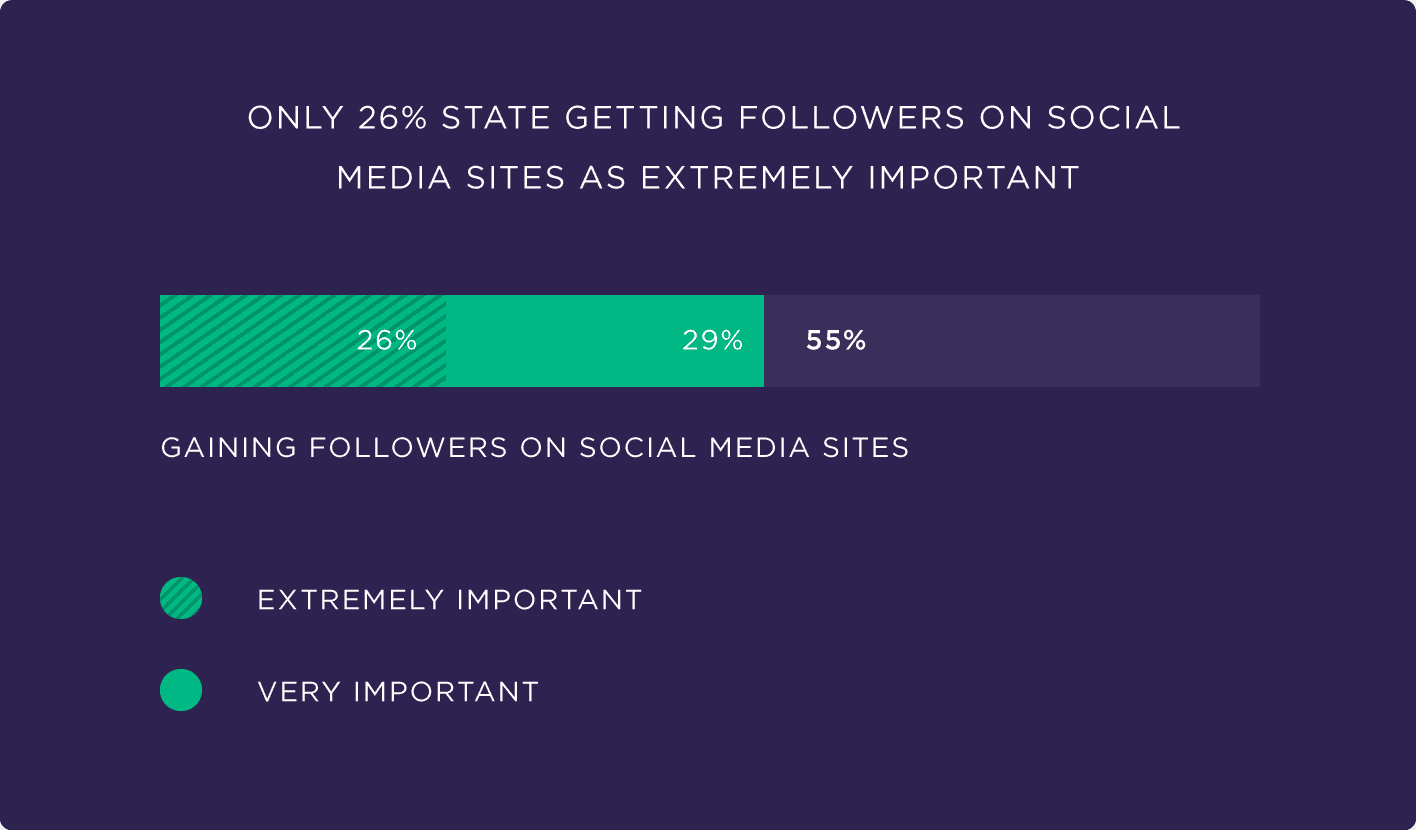
The core expectations from SEO services revolve around "accessing new customers," "increasing traffic," "increasing brand awareness," and "building trust." These goals directly align with fundamental business growth imperatives. In contrast, objectives like "gaining social media followers," "increasing email subscribers," or "helping to attract new talent" were considered relatively less important. This divergence is crucial for SEO providers to understand: clients are primarily interested in the bottom line – more customers and more visibility – rather than vanity metrics or auxiliary marketing efforts. Agencies that can frame their services and report their progress in terms of these core business objectives are far more likely to foster satisfied and long-term relationships.
The Lucrative Returns of SEO and the AI Advantage
SEO is widely recognized as one of the most cost-effective marketing channels, boasting an impressive average Return on Investment (ROI) of approximately 22:1, meaning businesses can expect to earn $22 for every $1 invested. Furthermore, around one in three (34%) qualified leads originate directly from SEO initiatives, underscoring its potency as a lead generation engine.
However, this ROI is not uniform, varying significantly across industries. Sectors like Medical Device (1,183% ROI), Higher Education & College (994% ROI), and Oil & Gas (906% ROI) demonstrate exceptionally high returns, often breaking even within 10-13 months. Other industries, such as B2B SaaS (702% ROI, 7 months breakeven) and Construction (681% ROI, 5 months breakeven), also show robust performance. Even E-commerce, with a 317% ROI and 9 months to breakeven, represents a highly attractive investment. These figures illustrate the strategic advantage of organic search across diverse economic landscapes.
The rapid advancements in AI are also profoundly impacting SEO ROI. The report indicates that 39% of businesses report a "moderate increase" and 29% claim a "significant ROI increase" attributed to AI in SEO. Only a negligible 1% reported a reduction. This suggests that AI-powered tools and strategies are enhancing efficiency, improving content quality, and providing deeper analytical insights, thereby amplifying the effectiveness of SEO campaigns.
The Client Satisfaction Conundrum and High Turnover
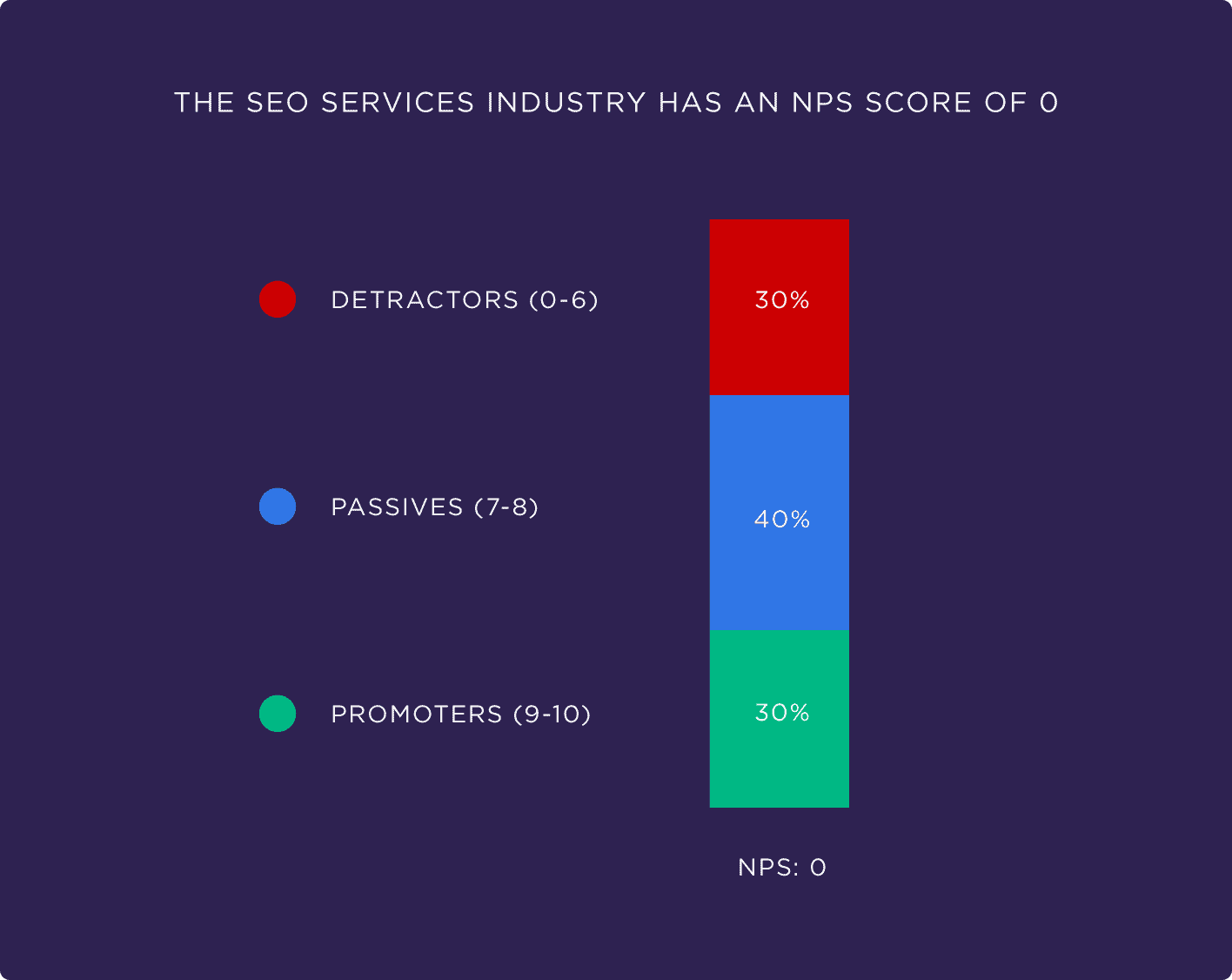
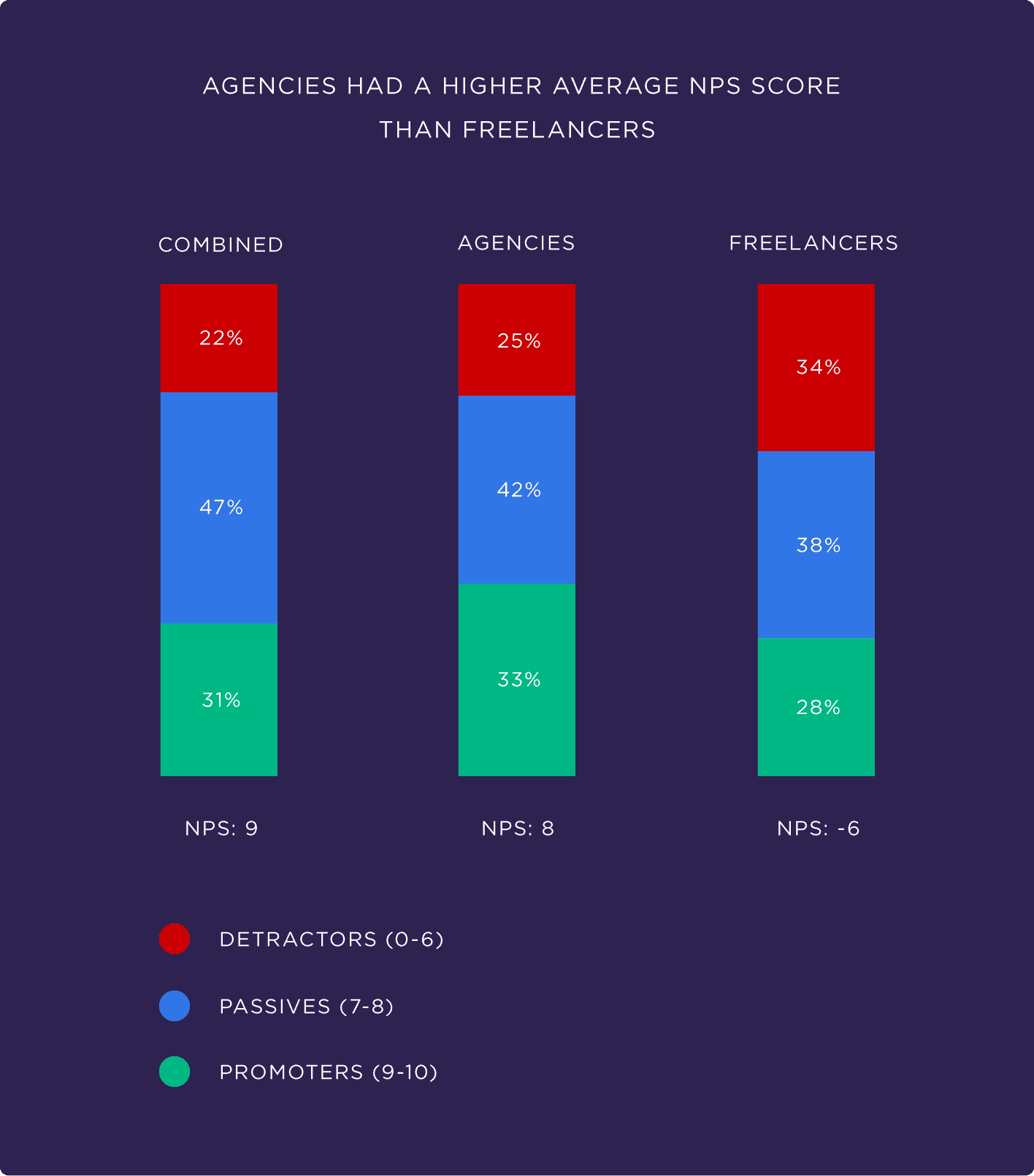
Despite the impressive ROI potential, overall client satisfaction with SEO services remains notably low. Using the Net Promoter Score (NPS), a widely accepted metric for customer loyalty, the SEO services industry registered an average score of 0, indicating that clients are "not likely to recommend" their providers. Only 30% of small business owners would recommend their current SEO provider, with an equal percentage (30%) identifying as "detractors" who would likely leave a negative review.
This low satisfaction likely contributes to the industry’s high turnover rate. A significant 65% of small business owners have worked with multiple SEO providers, and a quarter (25%) have engaged three or more different providers. While clients do not switch providers impulsively – existing clients stay for an average of three years, and lapsed clients give their providers an average of two years to deliver results – the propensity to switch is high. A segment of "rapid switchers" (10% of panelists) changed three or more providers within a single year, highlighting a persistent challenge in client retention.
Unpacking Dissatisfaction: Beyond Just Results

Delving deeper into the reasons behind low satisfaction and high turnover, the report reveals a multifaceted issue extending beyond mere performance. While "dissatisfaction with business results" (82%) and "cost" (81%) are primary drivers for switching providers, other factors play a crucial role.
A surprising insight is that many unhappy clients partially blame themselves. Half (50%) expressed a need for more training to fully leverage SEO, and 28% admitted to lacking the internal staff resources to benefit properly. This points to a significant knowledge gap and resource limitation on the client side, where even good SEO work can falter due to a client’s inability to implement recommendations or understand their value.
Furthermore, a lack of clarity and transparency from providers exacerbates dissatisfaction. 27% of clients found SEO "confusing and unclear" about services, and 25% were "not sure what I am really paying for." This highlights a critical communication breakdown. When clients don’t understand the work being done or its direct impact, even positive results may go unappreciated, leading to perceptions of unreliability or poor value.
Qualitative feedback from lapsed clients consistently echoed themes of unmet promises, poor communication, and a lack of tangible results, often expressed as "no return on investment" or "they didn’t deliver what they said they would." Conversely, satisfied clients praised their providers for delivering results, clear communication, responsiveness, and acting as genuine partners in their business growth.
Bridging the Knowledge Gap: The Role of "Web Savviness"
The report also found a strong correlation between a client’s "web savviness" and their satisfaction levels. While 37% of SEO clients self-reported as "somewhat" or "not very" web-savvy, existing, satisfied clients were twice as likely to consider themselves "extremely web savvy" compared to lapsed clients.

This suggests that clients with a better understanding of digital marketing concepts are better equipped to comprehend the strategies, progress, and long-term benefits of SEO. They can more effectively collaborate with their providers, prioritize recommendations, and see the value in the work being done. For SEO providers, this implies a crucial responsibility to educate their clients, translate technical jargon into business-centric language, and ensure that reporting focuses on measurable outcomes that resonate with client objectives (e.g., "leads" and "sales" rather than "title tags" and "backlinks").
Implications for the Future of SEO Services
The findings paint a picture of an industry undergoing rapid evolution, marked by high investment, significant potential ROI, yet struggling with client satisfaction and retention. For SEO providers, the path forward involves:
- Enhanced Transparency and Communication: Moving beyond technical reports to clear, business-focused explanations of activities, progress, and ROI.
- Effective Expectation Management: Clearly outlining the long-term nature of SEO, realistic timelines, and what clients can expect at different investment levels.
- Client Education: Investing in resources and processes to help clients understand SEO’s value, enabling them to be more effective partners.
- Demonstrating Tangible Value: Consistently linking SEO efforts to core business objectives like customer acquisition, traffic growth, and brand building.
- Prioritizing Reputation and Referrals: Recognizing that word-of-mouth and a strong online presence are still the most potent client acquisition channels.
- Considering Location Visibility: For US-based businesses, clearly communicating location can build trust.
For businesses seeking SEO services, the report emphasizes the importance of:
- Strategic Investment: Recognizing that higher investment often correlates with higher satisfaction and better outcomes.
- Clear Objectives: Defining what truly matters for their business (customers, traffic, brand awareness) and communicating these to providers.
- Active Engagement: Being prepared to understand and implement recommendations, dedicating internal resources where necessary.
- Thorough Vetting: Prioritizing providers with strong reputations, relevant Google rankings, and transparent communication.
As the SEO industry continues to adapt to AI-driven search and ever-changing user behavior, fostering stronger client relationships through transparency, education, and a relentless focus on delivering demonstrable business results will be paramount for sustained success and growth. The $119.4 billion market is ripe with opportunity, but only for those providers who can consistently bridge the gap between technical expertise and client understanding.