The Rise of Agentic Search: Navigating the Evolving Landscape of AI-Powered Information Retrieval

Artificial intelligence is rapidly redefining the way humans interact with information and accomplish tasks online, moving beyond simple query-response models to a more sophisticated paradigm known as agentic search. This evolution marks a significant shift, transforming AI from a mere information provider into an autonomous assistant capable of executing complex, multi-step goals on a user’s behalf. This guide explores what agentic search entails, how it fundamentally differs from traditional AI search, and the critical preparations brands must undertake to thrive in this emerging digital environment.
The Shifting Spectrum of AI Search

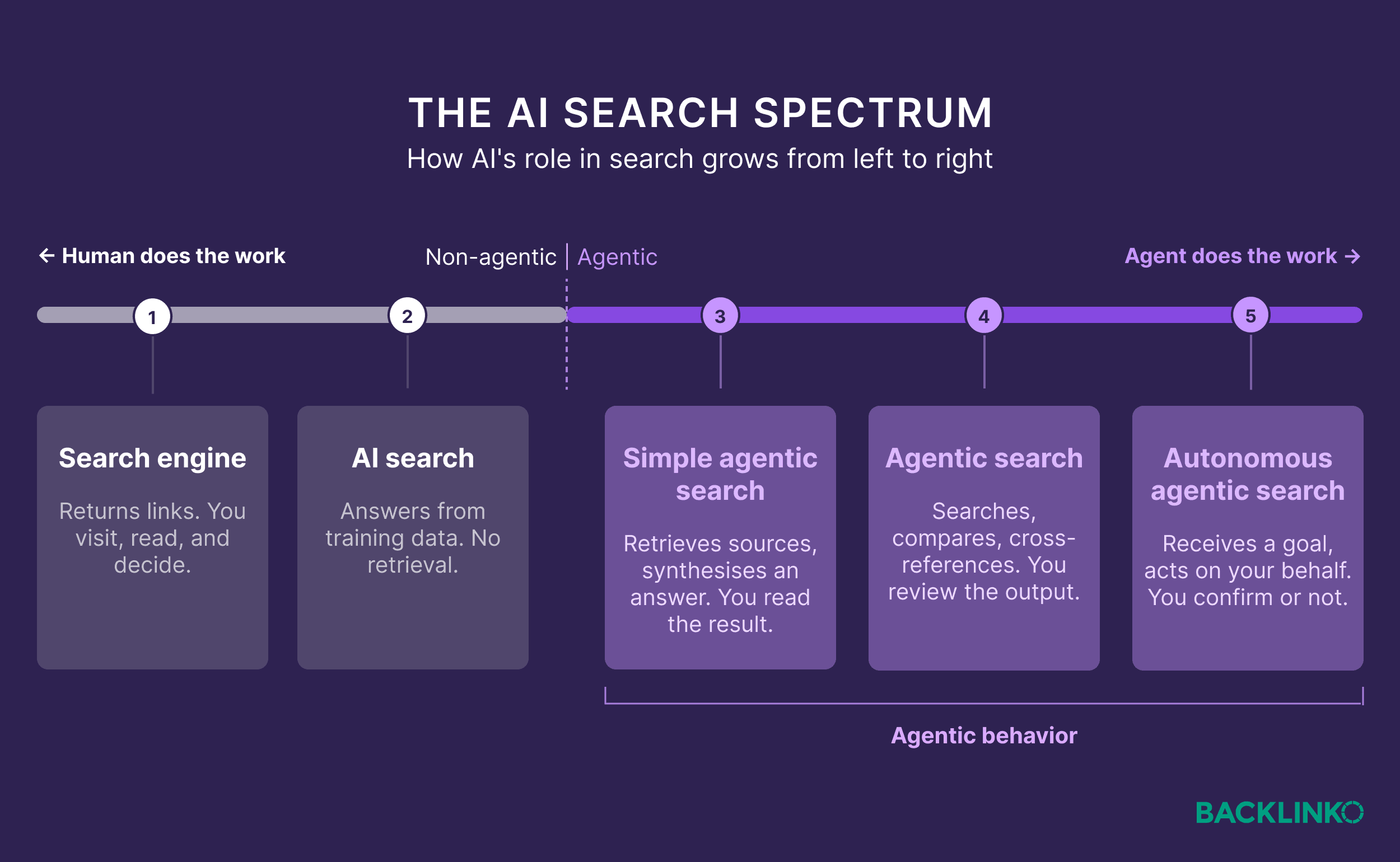
AI search operates on a broad spectrum, with varying degrees of autonomy and complexity. At its most basic, users pose a question to an AI, and it rapidly generates a synthesized response, often drawing from its vast training data and live web searches. This familiar interaction, exemplified by early versions of generative AI, prioritizes speed and direct information delivery.
However, at the more advanced end of this spectrum lies agentic search. Here, an AI receives a broader objective or goal rather than a specific question. It then independently browses the web, evaluates various sources, makes decisions, and performs actions without requiring continuous human input at each stage. Crucially, these autonomous agents may leave no discernible trace in traditional web analytics, presenting unprecedented challenges and opportunities for digital visibility.
This agentic capability is not a distant future concept; it is already emerging in various forms. Current iterations include advanced research features in platforms like ChatGPT, Perplexity’s detailed information synthesis, and experimental "agentic modes" in Google’s Gemini. The progression points towards a future where AI agents seamlessly handle tasks such as comparing products, completing online purchases, or booking reservations without the user ever directly visiting a brand’s website. These AI systems are increasingly performing multi-step evaluations with progressively less human direction, signaling a pivotal moment for brands to adapt their digital strategies.
Defining Agentic Search: Beyond Simple Responses
At its core, agentic search describes an AI system that not only retrieves information but also actively searches and acts on a user’s behalf. Unlike generative AI that primarily composes answers from its existing knowledge base or immediate web scrapes, an agentic AI goes further: it formulates plans, identifies and utilizes external tools (like booking systems or e-commerce platforms), and completes tasks to achieve a defined goal.
Consider the spectrum of agentic capabilities:
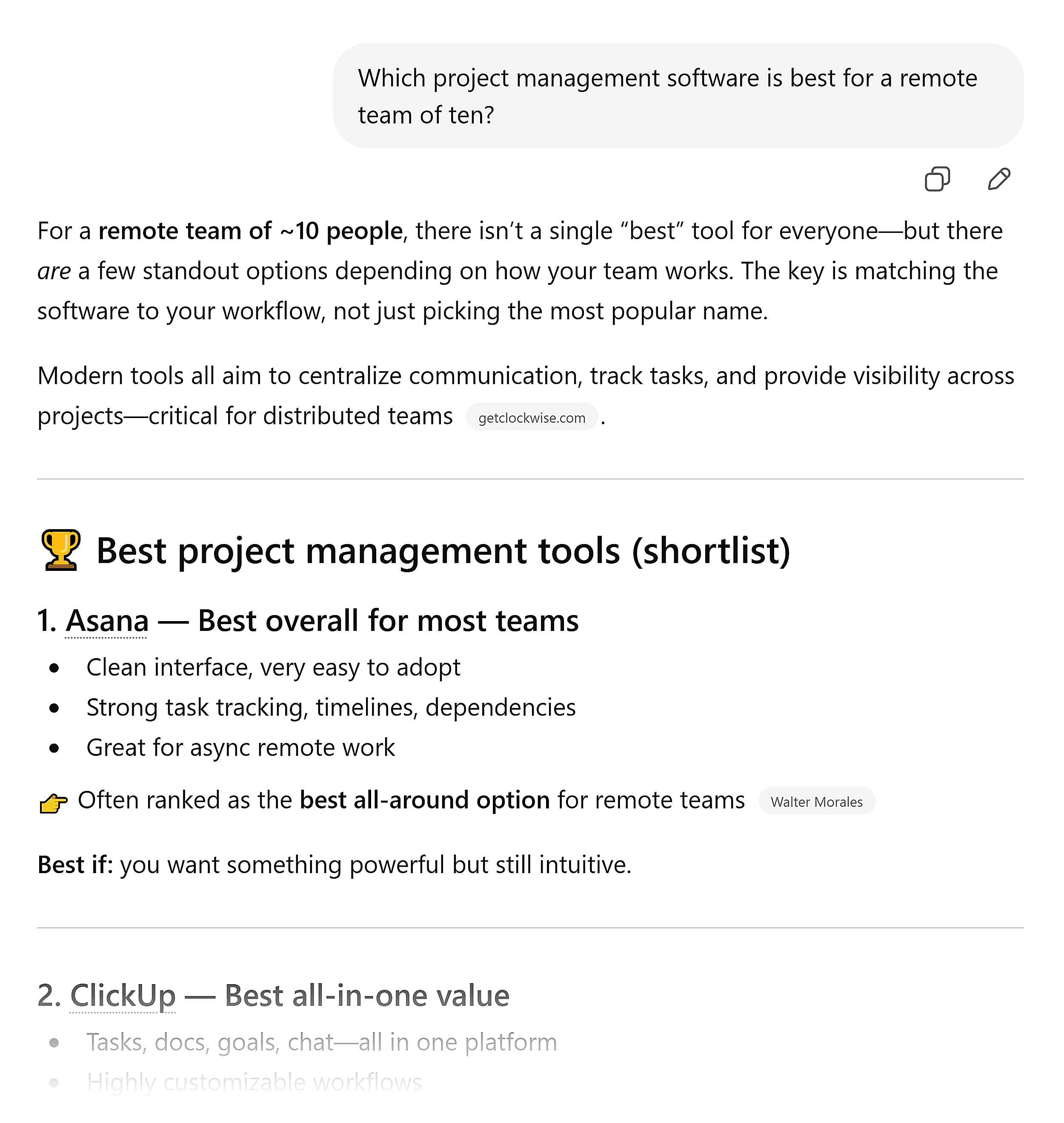
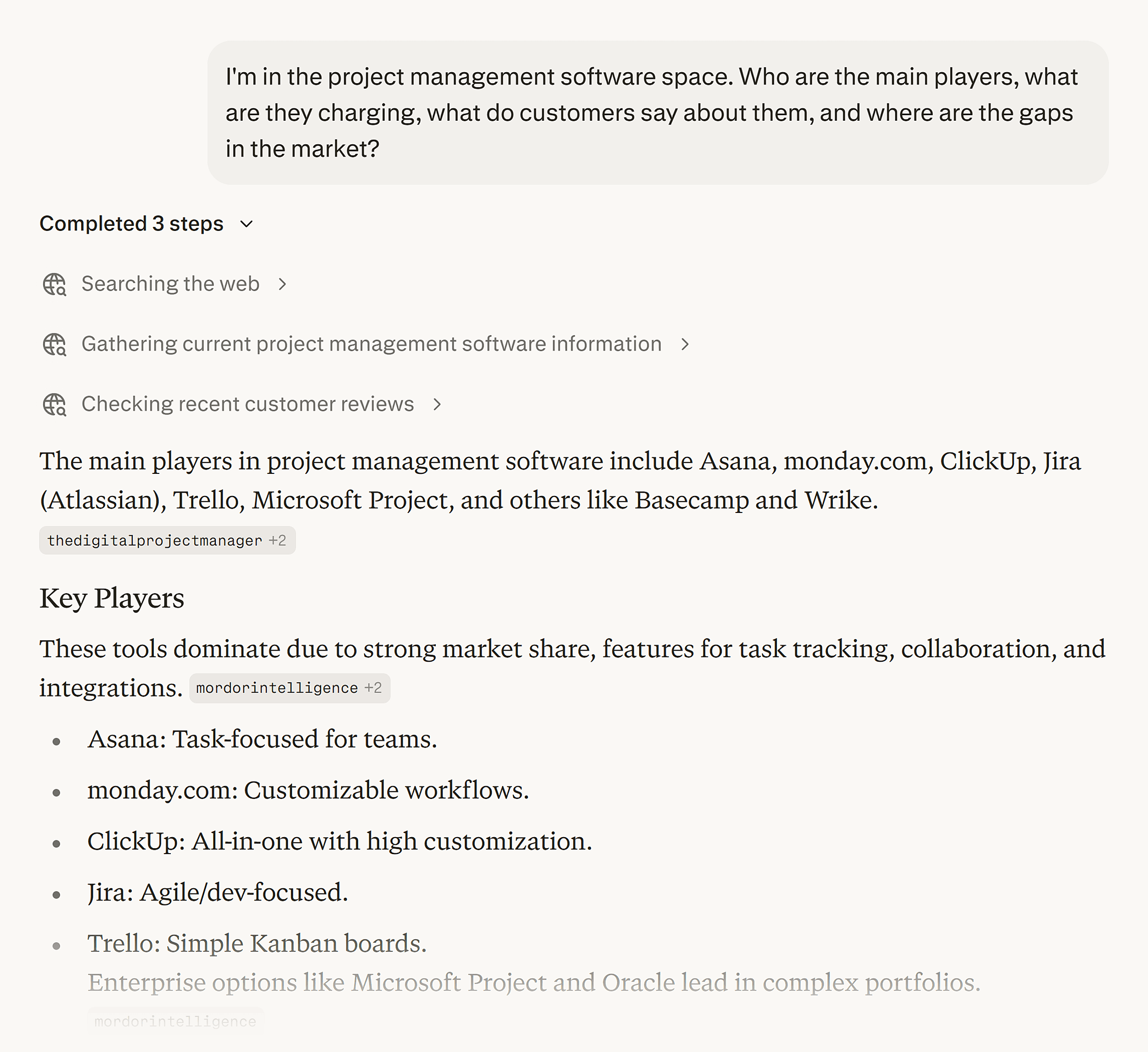
- Simple Agentic Search: An AI tool receives a prompt like "Which project management software is best for a remote team of ten?" Instead of merely listing features from its training data, it actively searches online. It may consult comparison articles, extract pricing and feature details from review platforms (e.g., G2, Capterra), and then synthesize a tailored recommendation, often citing its sources.
- Complex Agentic Search: The AI agent is given a more abstract goal, such as "research the competitive landscape in the market for sustainable fashion brands." It then independently breaks this goal into sub-tasks. It performs multiple, targeted searches across diverse source types—news coverage, industry reports, company websites, sustainability certifications, and consumer review platforms. It cross-references findings, identifies patterns, and generates a structured report summarizing its comprehensive analysis. While the user still acts upon this report, the AI’s autonomous research depth far exceeds a simple query.
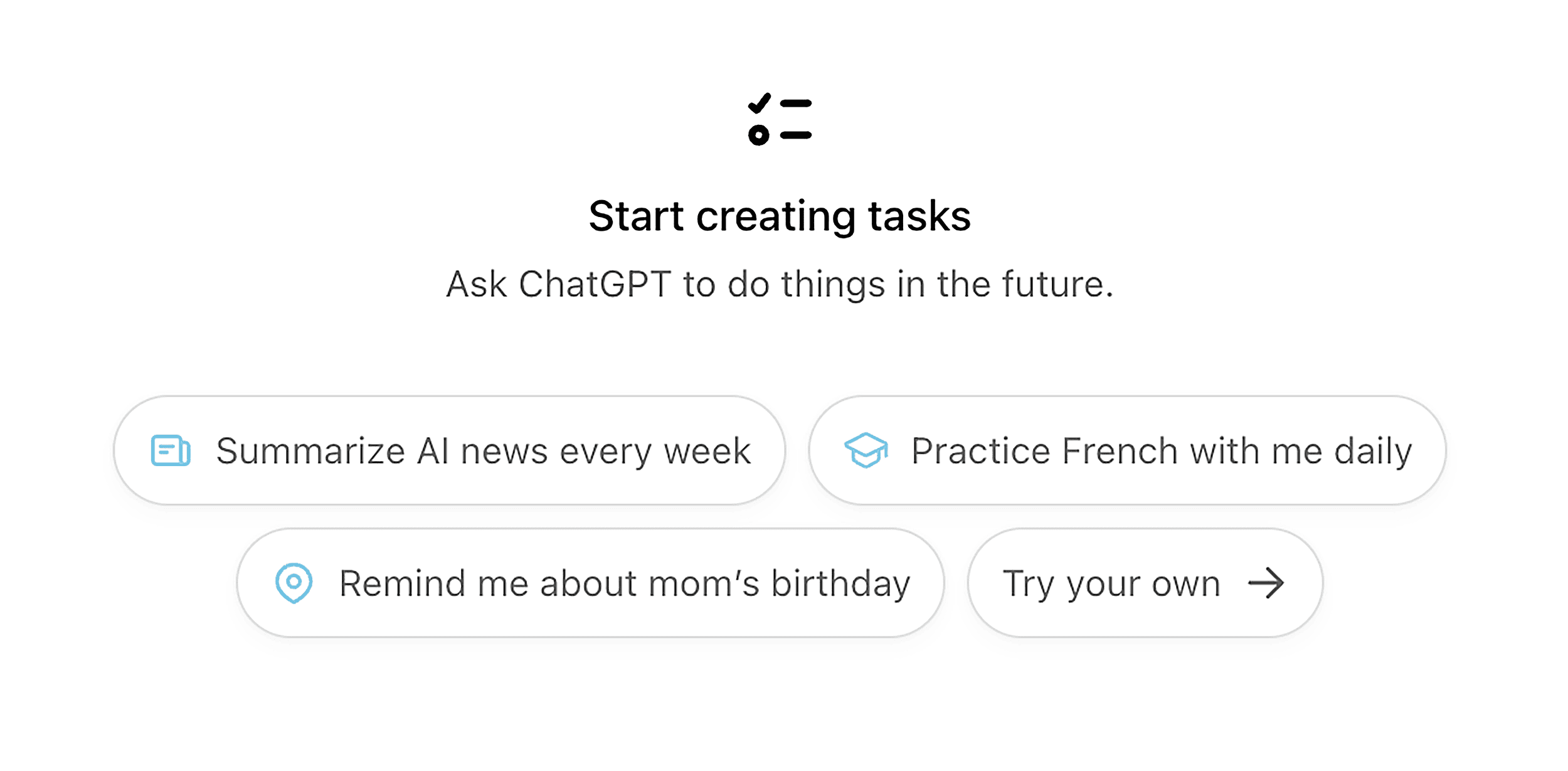
- Proactive and Action-Oriented Agents: Further along the spectrum, agents can be configured with recurring tasks, eliminating the need for a prompt altogether. Examples include monitoring competitor pricing weekly, flagging new market entrants, or summarizing industry news on a scheduled basis.
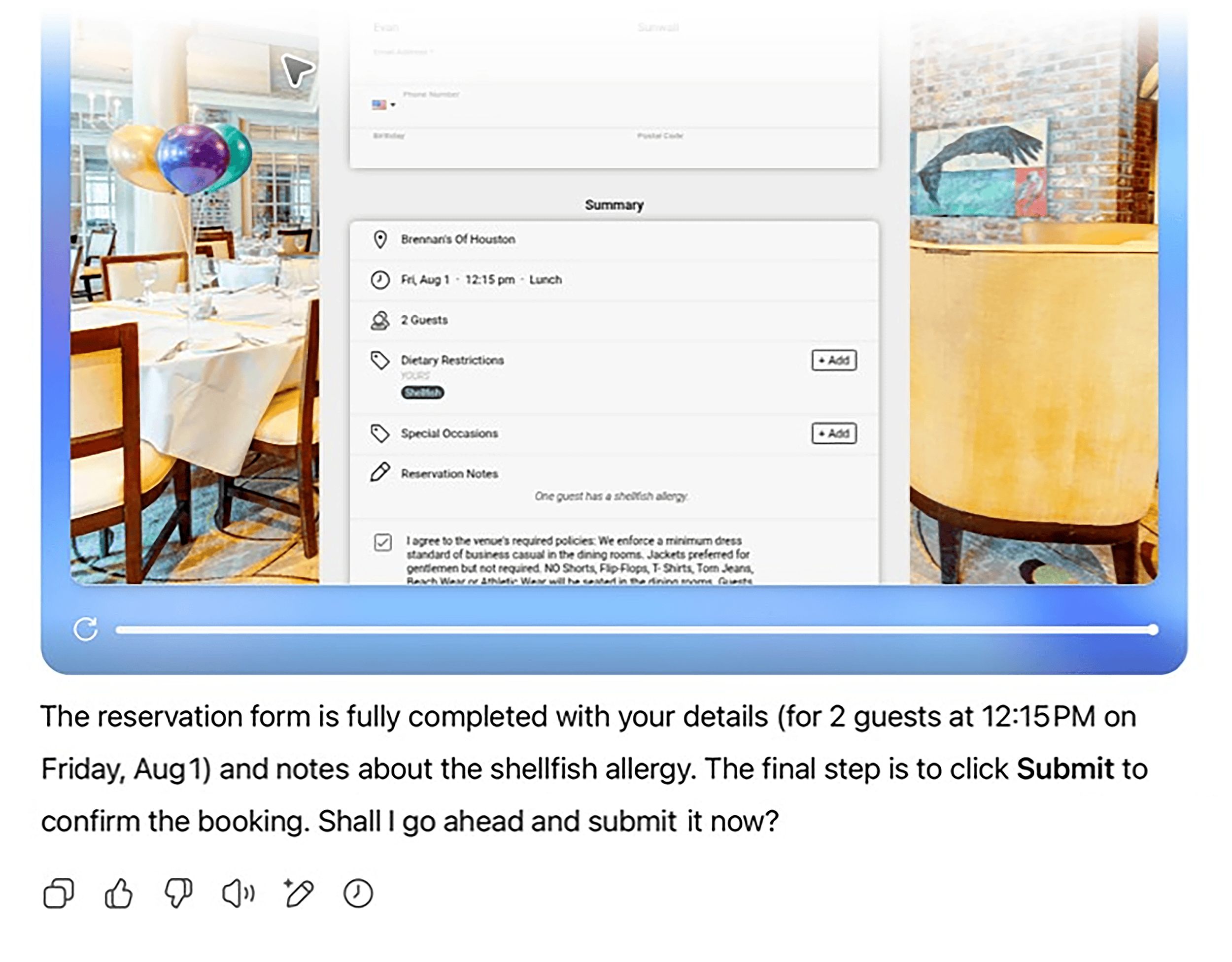
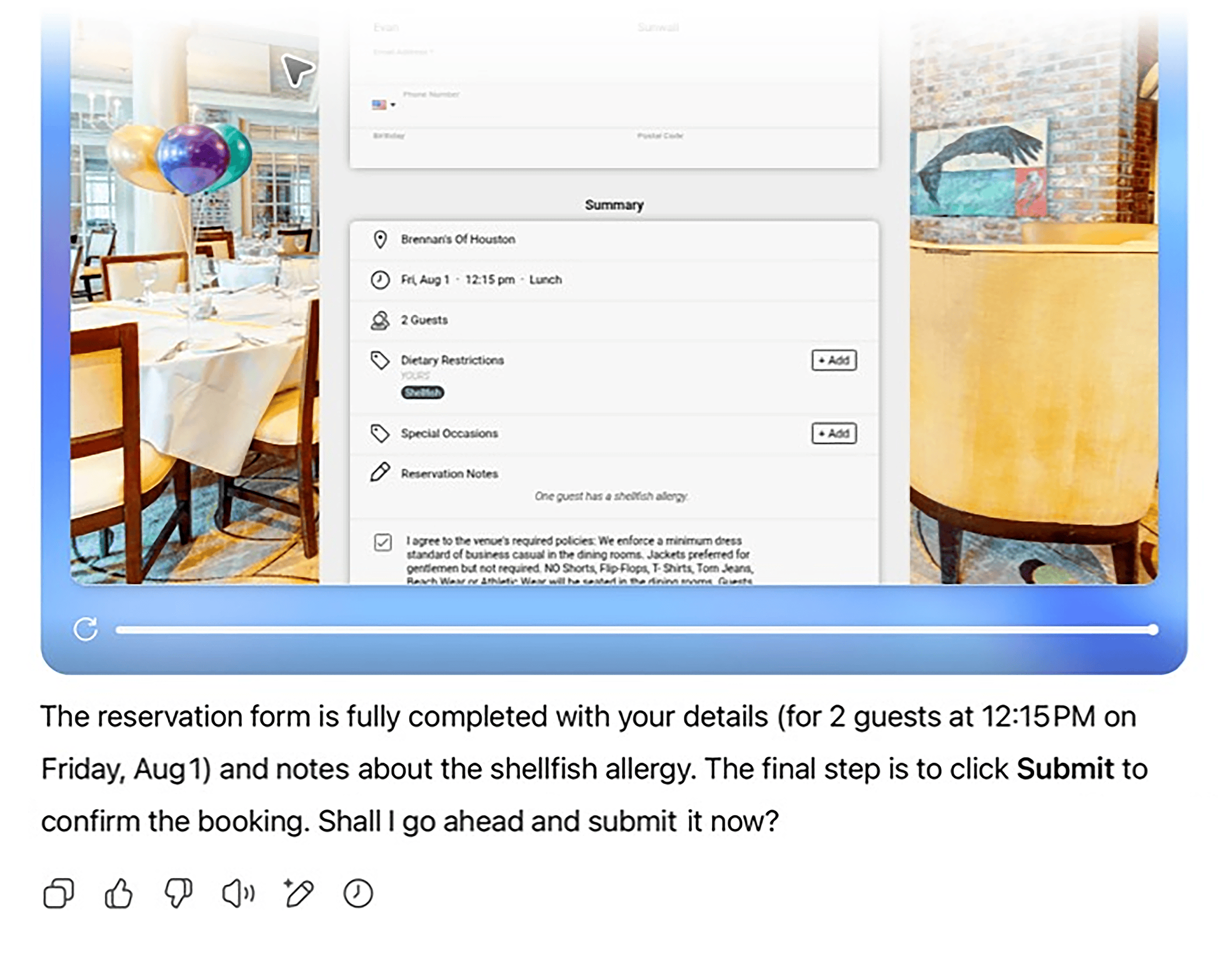
- Transactional Agents: At the most advanced end, the AI identifies optimal options, rigorously evaluates them against alternatives, and then completes a transaction on the user’s behalf. If a user asks for a restaurant recommendation for a specific evening, the agent might not just suggest a place but proceed to book a table directly. This level of autonomy is being actively facilitated by new open protocols from tech giants. Both OpenAI and Google, through initiatives like the Agentic Commerce Protocol (ACP) and Natural Language Web (NLWeb), are developing the infrastructure to enable seamless machine-to-machine communication and transaction execution.
Why Agentic Search Demands a New SEO Paradigm
Agentic search challenges several long-held assumptions within the field of Search Engine Optimization (SEO). The traditional focus on keyword rankings, backlinks, and organic traffic metrics, while still relevant, must evolve to encompass a more holistic approach to digital presence.
1. Rankings Diminish in Overall Visibility, Relevance Ascends:
In the agentic era, a single high-ranking page becomes just one input among many. AI tools are designed to pull information from a deliberately diverse array of sources, not solely the top-ranking results of a traditional search engine. A complex query might trigger retrieval across editorial content, dedicated review platforms, community forums, and company-specific documentation. No single ranking position can entirely dominate this multi-faceted process.
Furthermore, AI agents place a significant emphasis on content and brand relevance to the user’s explicit and implicit intent, often prioritizing factual accuracy, comprehensiveness, and contextual fit over traditional SEO metrics like website authority (though backlinks still contribute to overall credibility). The phenomenon of "query fan-out," where an AI tool generates multiple related sub-queries from an initial search, further underscores this. Your ranking for the original keyword becomes one data point in a much broader information retrieval and synthesis process, making comprehensive topical coverage and a robust, consistent brand narrative paramount.
2. Content Depth Becomes a Decisive Competitive Advantage:
In the words of Crystal Carter, Head of AI Search & SEO at Wix, "LLMs don’t get tired of reading 45 pages about your business." This highlights a critical distinction: while a human user might skim a few pages for information, an AI agent will meticulously consume and process extensive documentation to form its recommendations.
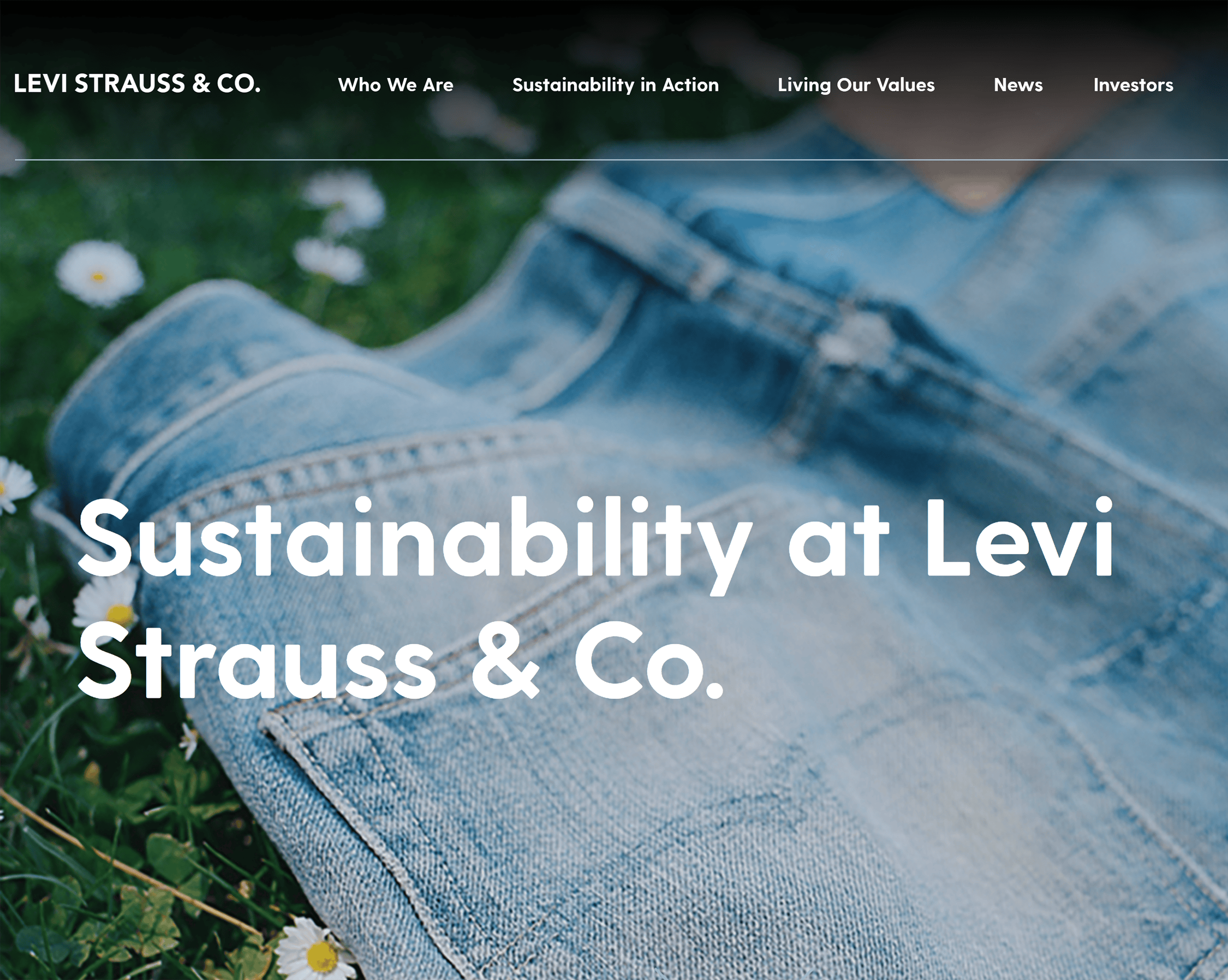
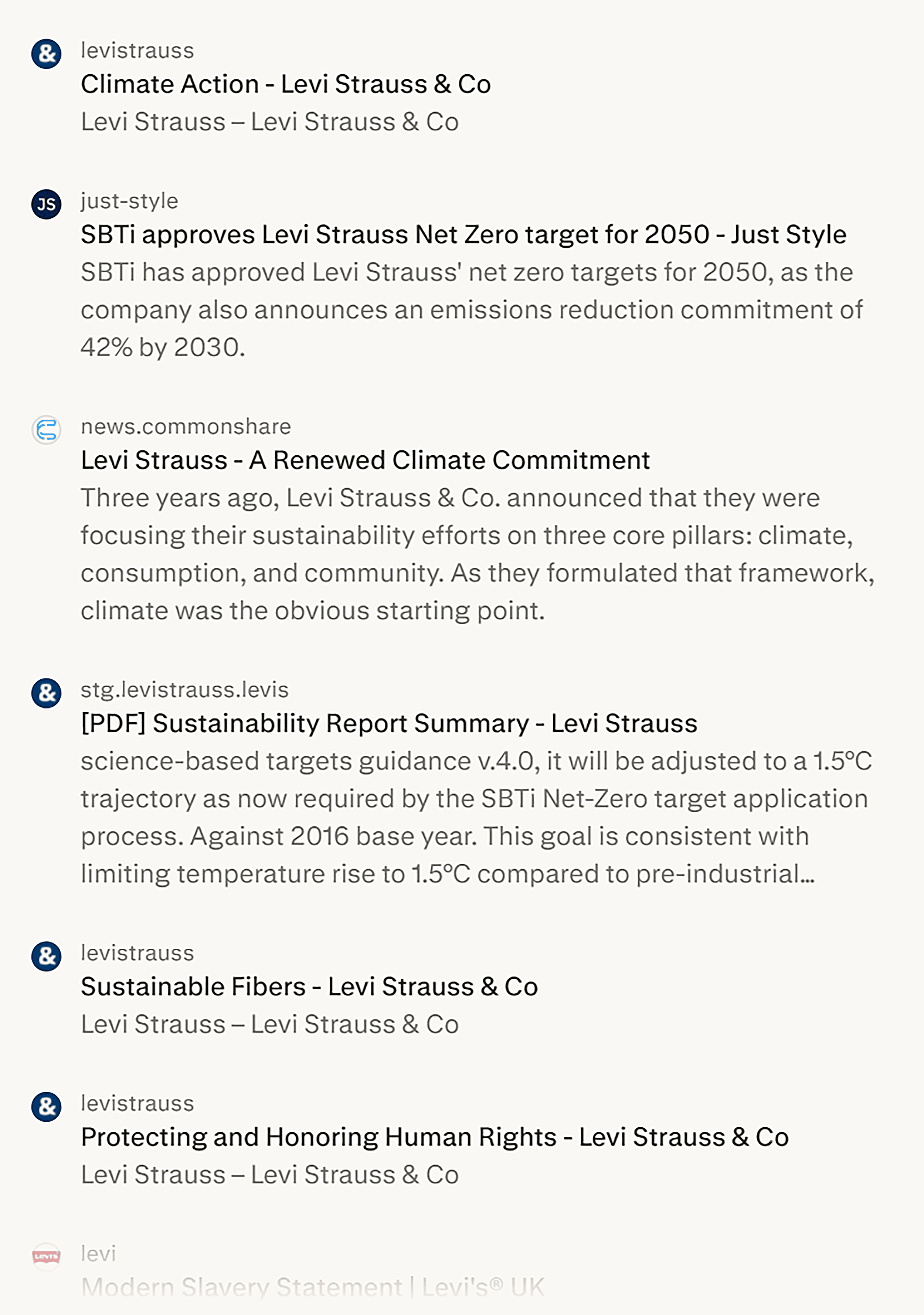
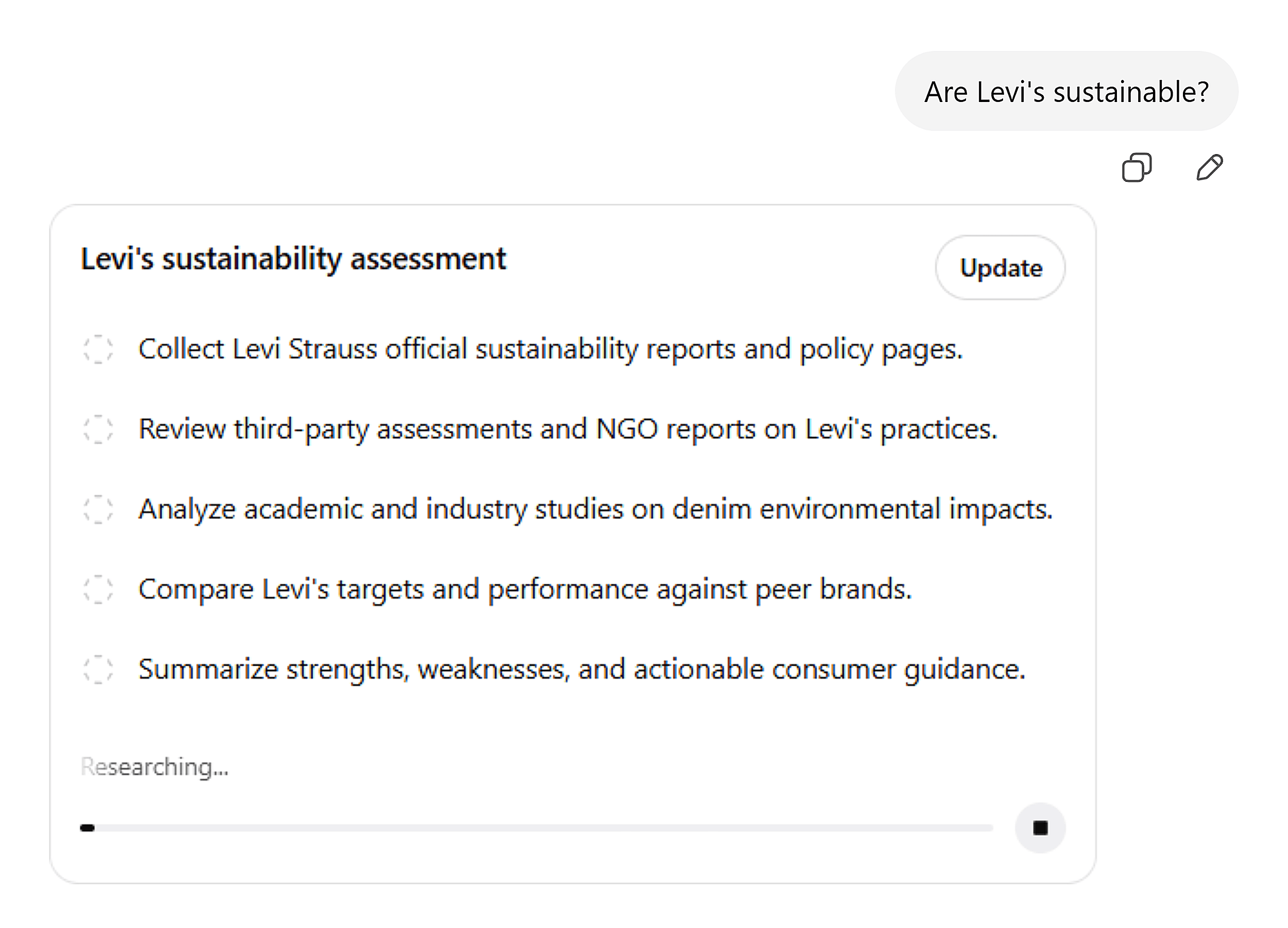
Content that traditionally serves niche purposes—FAQs, detailed knowledge base articles, comprehensive product documentation, and in-depth case studies—now becomes vital evidence in an agentic evaluation. Consider Levi’s sustainability documentation: a human consumer might rely on a quick search or a third-party review. However, an AI agent tasked with evaluating "Are Levi’s sustainable?" will conduct a deep dive. Perplexity AI, for example, might evaluate evidence from 15 different sources, reading multiple pages from Levi’s own site, including their detailed sustainability reports, information on fiber sourcing, human rights policies, and even regional disclosures on labor practices. For brands, this means ensuring every facet of their operation, product, or service is thoroughly documented and easily accessible, allowing agents to answer any potential user question with verifiable information.
3. Breadth of Information Across Sources is as Crucial as Depth:
Agentic AI systems do not simply retrieve and present; they actively research, compare, and filter brands before a human ever sees a recommendation. Your brand isn’t being ranked once; it’s undergoing a continuous audit across numerous external sources.
Continuing the Levi’s example, ChatGPT wouldn’t just look at Levi’s own content for sustainability. It would also consult official rating bodies (like Fair Trade certifications), independent third-party research, and media publications. An agent acts like a diligent professional researcher, corroborating claims and cross-referencing information.
Agentic systems evaluate brands through layered filters that assess:
- Factual Accuracy: Does the information about the brand align across all sources?
- Credibility: Are the sources reputable and authoritative?
- Relevance: How well does the brand’s offering or information directly address the user’s specific need or goal?
- Fit: Is the brand suitable for the stated use case, company size, or specific criteria?
- Sentiment: What is the general user sentiment about the brand on review platforms and community forums?
Failing to satisfy any of these layers can lead to a brand being entirely excluded from an agent’s final recommendation.
4. Website Usability Extends to Agents, Not Just Humans:
A fundamental shift is occurring in how AI agents interact with businesses. Beyond simply crawling HTML, these agents are moving towards structured "agentic protocols" designed for machine-to-machine communication, such as OpenAI’s Agentic Commerce Protocol (ACP) and Google’s Natural Language Web (NLWeb). These protocols allow agents to programmatically understand and interact with website functions.
This means "being accessible" now has a dual meaning. Content hidden behind visual interfaces (e.g., FAQs that expand on click, dynamically rendered pricing tables, JavaScript-loaded product comparisons) may not be readily available in the structured data layers agents rely on for information extraction and action execution. If agents cannot access it, they cannot use it.
The question for brands is no longer just, "Can people find my website?" but rather, "Can AI systems clearly understand and use my business information without friction?" In this evolving landscape, if your business information isn’t easy for AI to access and act upon, your brand may simply not appear in the agent’s recommendations.
What Agents Actively Evaluate: A Multi-Source Audit
When an AI agent evaluates a brand, it’s not merely gathering data; it’s actively corroborating information across various touchpoints to build a consistent and reliable profile. This cross-referencing ensures the picture presented is coherent and trustworthy. Key areas agents scrutinize include:
-
Your Website: Agents prioritize sites that are easy to parse and extract structured data from. They look for:
- Clear, Up-to-Date Pricing: Pricing information should be in plain HTML, not buried behind complex interactions or requiring JavaScript to load. Transparency and ease of access are paramount.
- Detailed Feature Descriptions: Beyond marketing claims, agents seek explicit explanations of product capabilities, functionalities, and technical specifications.
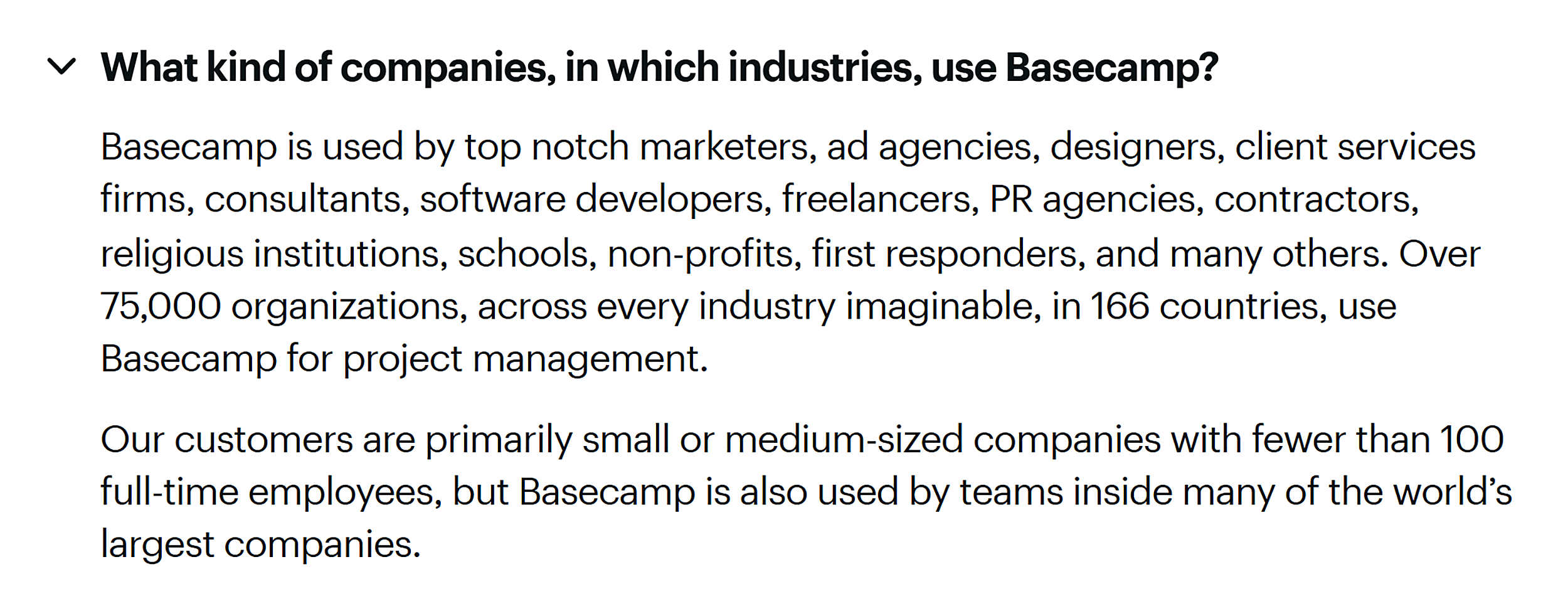
- Precise Positioning: It must be immediately obvious who the product or service is for, what specific problems it solves, and its ideal user profile. Ambiguity can lead to mischaracterization.
- Agent-Friendly Forms and CTAs: If an agent is tasked with booking, inquiring, or transacting, forms and call-to-actions must be easily discoverable and usable programmatically, without reliance on complex visual cues or client-side scripting.
-
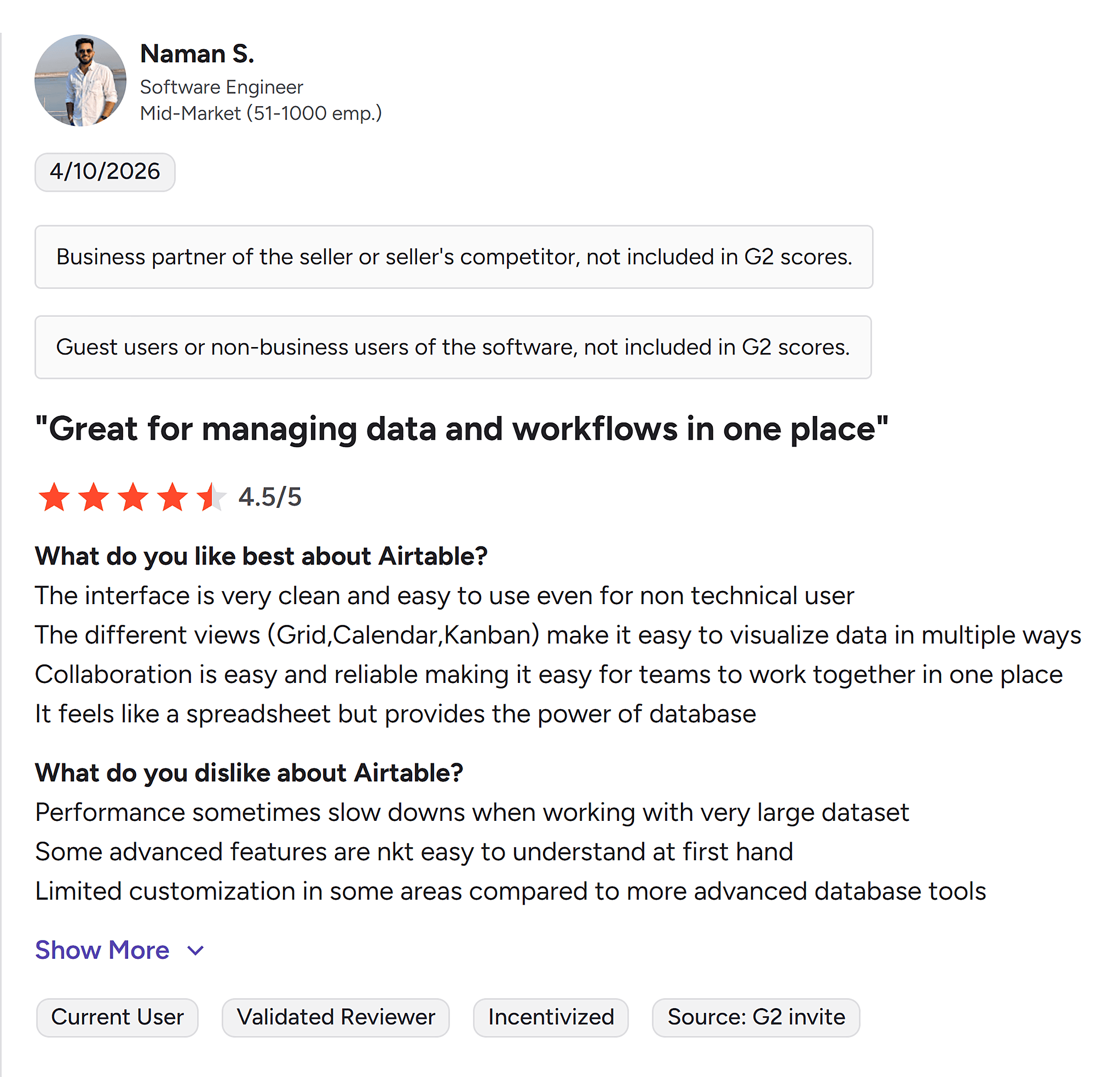
Review Platforms (G2, Capterra, Trustpilot, etc.): Agents delve into review content for specificity. They analyze feedback regarding use cases, company size, measurable outcomes, integration capabilities, and specific pros and cons. Vague praise ("Great product!") is less useful than detailed accounts of how a product solved a particular problem for a specific type of user.
-
Community Signals (Reddit, Industry Forums, Social Media): Agents monitor user sentiment on community platforms to cross-check vendor claims. Discrepancies between how a brand describes itself and how users discuss it in unbiased forums create a "consistency gap." This can make an agent hesitant to recommend a brand without caveats or, in some cases, lead to its exclusion.
-
Third-Party Editorial Content: Agents also look for mentions in comparison articles, analyst reports, industry awards, and trusted media publications. Consistent appearances in credible "best X for Y" lists, expert endorsements, and positive industry coverage serve as strong positive signals, validating a brand’s claims and reputation.
Strategic Preparations for the Agentic Search Era
Agentic search is rapidly evolving, and the brands that position themselves strategically now will gain a significant competitive edge. Here are seven critical steps to prepare your brand:
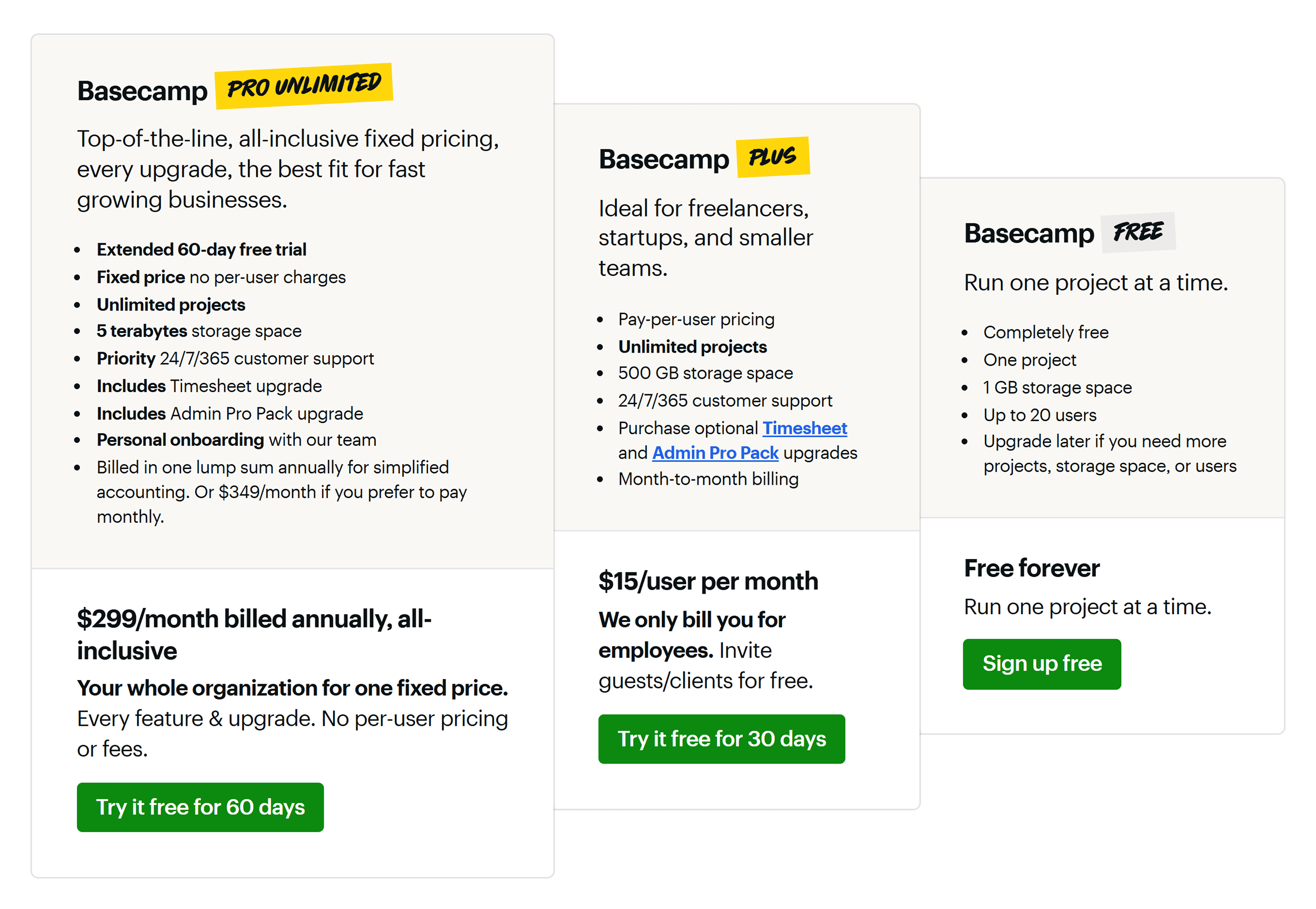
1. Conduct a Comprehensive Cross-Source Consistency Audit:
Systematically review your brand’s pricing, features, and positioning across your official website, all relevant third-party review platforms (e.g., G2, Capterra, Trustpilot), and any comparison articles where your brand is mentioned. Identify and immediately rectify any contradictions or outdated information. This audit should be a recurring workflow, as old information often persists in third-party content long after your internal pages are updated. Inconsistency erodes agent trust and leads to negative evaluations.
2. Develop Comprehensive Hub Pages for High-Value Queries:
If not already in place, create dedicated, standalone hub pages that exhaustively answer core questions about your business. These pages should clearly articulate: what you offer, who your ideal customer is, how your solution compares to competitors, transparent pricing structures, and aggregated customer testimonials. These pages serve as authoritative sources for agents, providing all necessary information in a single, easily digestible location.
3. Pressure-Test Your Declared Audience and Positioning:
Analyze your homepage, pricing page, and top comparison content. Ask: Can an AI agent unambiguously extract who this product/service is for, what specific problem it solves, and why it’s the right fit for a particular user profile? To make this concrete, paste relevant content into a generative AI tool (e.g., ChatGPT) and use a prompt like: "Based on this text, describe the ideal customer for this product/service, the primary problem it solves for them, and its unique selling proposition." If the AI’s output is vague or generic, your positioning needs refinement.
4. Solicit More Detailed and Specific Customer Reviews:
Generic reviews ("Great product!") offer little value to an agent seeking specific criteria. Actively encourage customers to provide detailed feedback that includes use cases, specific outcomes, company size, and integration experiences. In your review requests, prompt customers with questions such as: "What specific problem did our product/service help you solve?" "What measurable results did you see?" "For what type of team or business would you recommend us?" "What specific feature did you find most valuable?"
5. Enhance Website Accessibility for AI Agents:
Ensure that critical information such as pricing models, comprehensive FAQs, and feature comparison tables are presented in plain HTML, making them easily crawlable and parsable by AI systems. Avoid hiding essential content behind complex JavaScript interactions or visual-only elements. Similarly, verify that all forms and Calls-to-Action (CTAs) for booking, inquiries, or transactions are programmatically accessible, allowing agents to find and interact with them seamlessly on a user’s behalf.
6. Explore and Implement Agentic Search Protocols:
While still in their nascent stages, understanding and implementing emerging agentic search protocols like OpenAI’s Agentic Commerce Protocol (ACP) or Google’s Natural Language Web (NLWeb) will be crucial. These protocols are designed to facilitate machine-to-machine communication, allowing agents to understand business information and execute actions programmatically. Staying ahead of these standards will ensure your brand is prepared for wider rollouts and deeper agent integrations.
7. Proactively Monitor Your AI Footprint:
Traditional analytics may not capture all agentic interactions. Therefore, new monitoring strategies are required:
- Regular Brand Queries: Periodically use leading AI tools (ChatGPT, Perplexity, Google AI Mode) to search for your brand by name and for category queries (e.g., "best [product type] for [your target audience]"). Document the responses: Is your brand mentioned? Is the information accurate and consistent with your current positioning? Track these findings monthly to observe changes. If your positioning is misrepresented, prioritize updating core pages (homepage, pricing, comparisons). If competitors are favored, strengthen your comparison content and focus on securing more third-party reviews. If your brand is entirely absent, review your key pages for crawlability, indexability, and clear use-case descriptions.
- Analyze Server Logs for AI Crawler Activity: Your server logs record visits from various bots, including AI crawlers. Monitor for activity from agents like Google-Extended, GPTBot, PerplexityBot, and other emerging AI crawlers. Look for patterns in their access, specifically which pages they visit and how frequently. Critically, identify any 404 errors or other access issues for key pages, as these indicate potential inaccessibility for AI systems, hindering their ability to evaluate your brand. This provides an early signal of how AI systems are interacting with your site, even if it doesn’t directly reveal agent recommendations.
Conclusion: Preparing for an Autonomous Digital Future
Agentic search is not merely an incremental update to existing search mechanisms; it represents a fundamental shift towards a more autonomous and proactive digital landscape. As AI agents become increasingly capable of performing complex tasks—from making recommendations to executing transactions on behalf of users—brands that fail to adapt risk becoming invisible in this new paradigm.
The infrastructure for this future is being built now, with significant investments in AI research and development. The global AI market, valued at over $200 billion in 2023, is projected to grow exponentially, reaching over $1.8 trillion by 2030, according to Statista. This growth underscores the rapid integration of AI into every facet of digital interaction.
To thrive, brands must move beyond traditional SEO metrics and focus on creating a comprehensive, consistent, and agent-friendly digital presence. This means prioritizing factual depth, cross-source consistency, and technical accessibility for machines, not just humans. Tools like Semrush’s AI Visibility Toolkit offer a starting point, enabling brands to audit their current standing in the AI search ecosystem. By understanding the nuances of agentic search and proactively implementing these strategic preparations, businesses can ensure they remain relevant, discoverable, and ultimately, chosen in the autonomous digital future.