WordPress Market Share Slips Below 60 Percent as SaaS Competitors Gain Ground in 2026

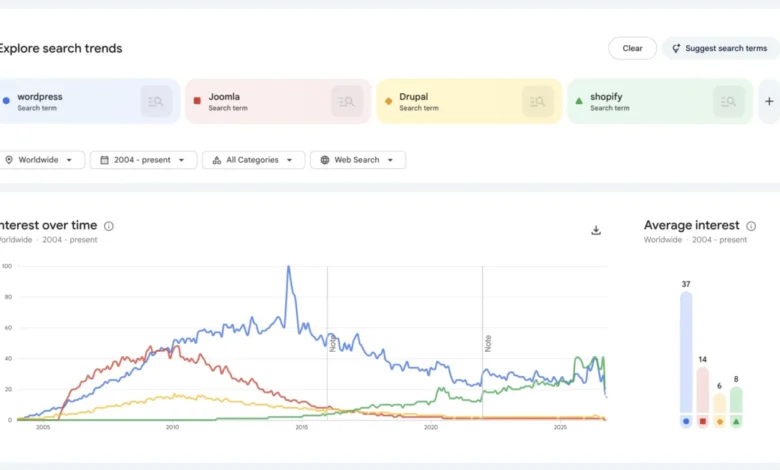
The content management system (CMS) landscape is undergoing its most significant shift in over a decade. As of November 13, 2026, WordPress—the long-standing titan of web publishing—has seen its market share dip to 57.9%, falling below the critical 60% threshold. While WordPress remains the dominant infrastructure for the internet, data from W3Techs reveals that this is its lowest market penetration since 2013. This decline is not merely a statistical anomaly but a reflection of a broader migration toward Software-as-a-Service (SaaS) platforms, which prioritize ease of use, managed security, and out-of-the-box ecommerce functionality.

The current CMS market encompasses approximately 218.8 million websites, a figure extrapolated from the 67.7% of the 323 million domains monitored by Netcraft that utilize some form of content management. Within this vast ecosystem, the competitive pressure from platforms like Shopify, Wix, and Squarespace has intensified, suggesting a fundamental change in how businesses and individual creators approach website deployment.
A Chronology of CMS Dominance
The history of the modern web has been defined by the rise of open-source software, with WordPress leading the charge since the mid-2000s. Its growth was meteoric, rising from a blogging tool to the backbone of nearly half of all websites. However, the trajectory has slowed. In January 2022, WordPress hit a peak, commanding over 65% of the CMS market. Since then, the platform has faced a steady erosion of its share.
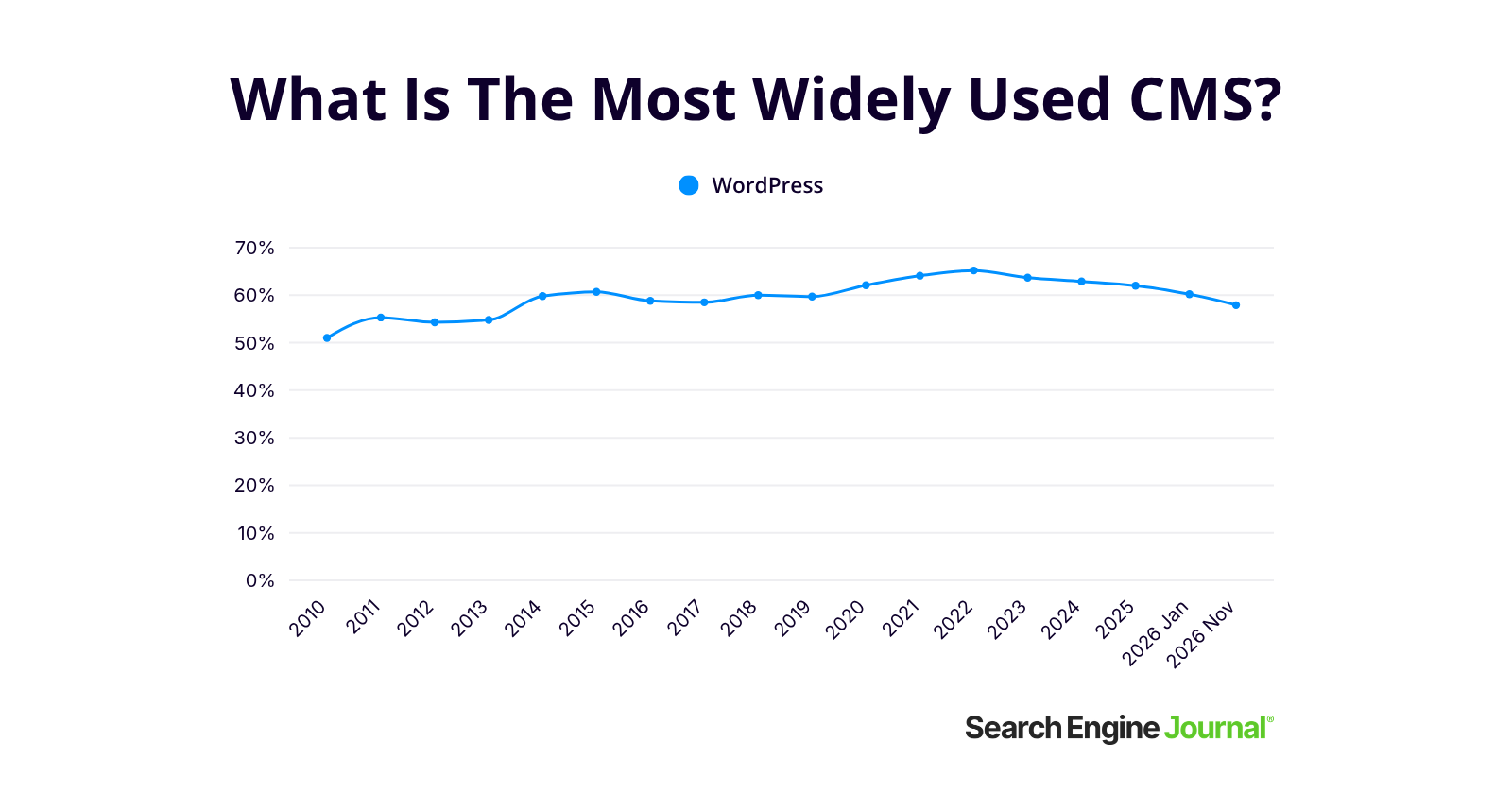
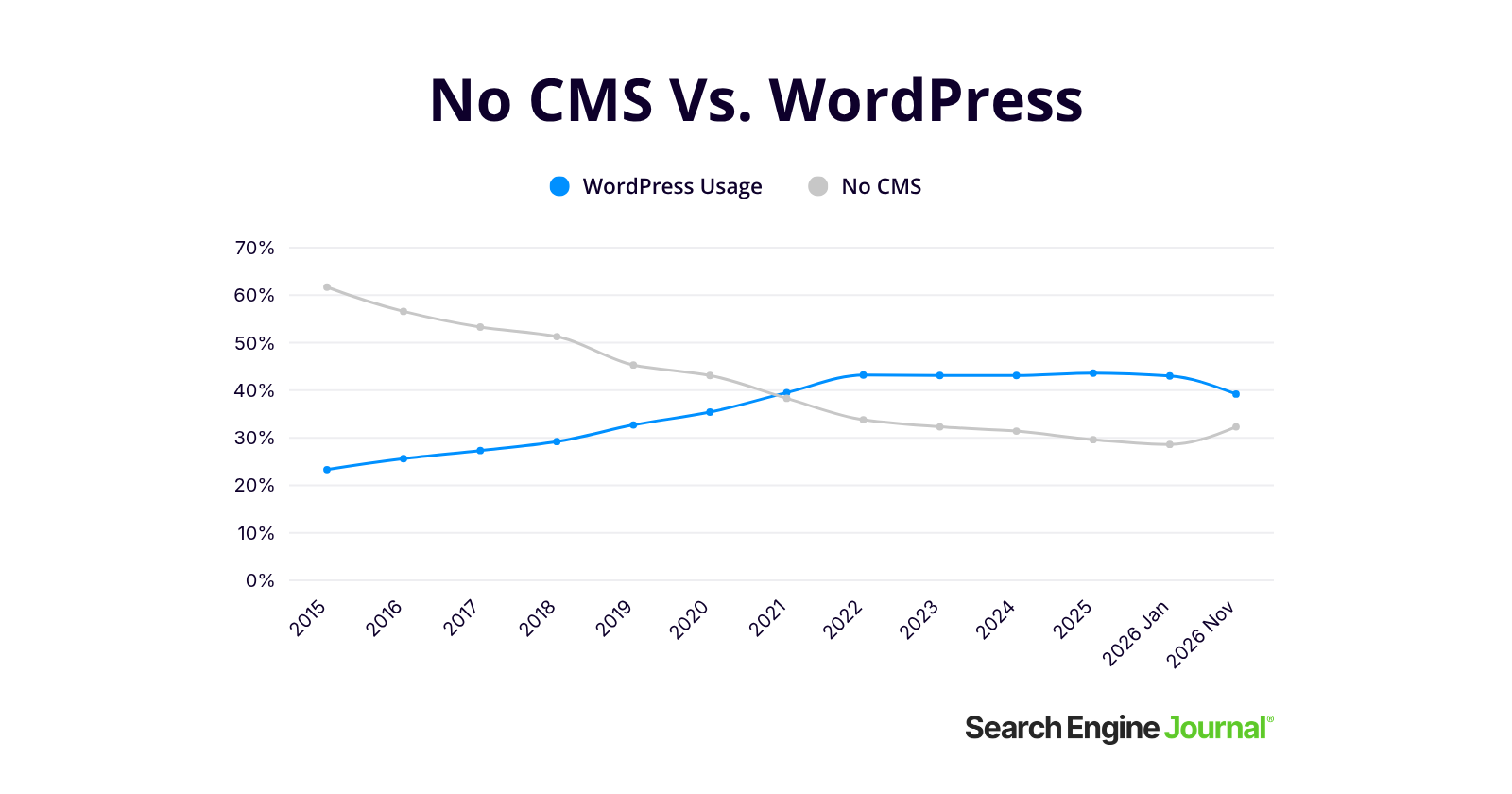
Historical data provides context to this trend. WordPress previously dipped under the 60% mark in 2016, 2017, and 2019, yet those instances were minor corrections compared to the current sustained decline. From January 1, 2026, to mid-November, the platform’s market share dropped from 60.2% to 57.9%. More importantly, its usage across all websites surveyed by W3Techs fell from 43.0% to 39.2%. This decline is coupled with a rise in the "No CMS" category, which increased from 28.6% to 32.3% in the same period. While this category includes custom-coded sites, it also reflects a movement away from the traditional, plugin-heavy architecture that WordPress requires.
The Rise of the SaaS Challenger
While WordPress struggles with the complexity of core updates and plugin compatibility, SaaS-based competitors have captured market share by offering streamlined, "all-in-one" solutions.
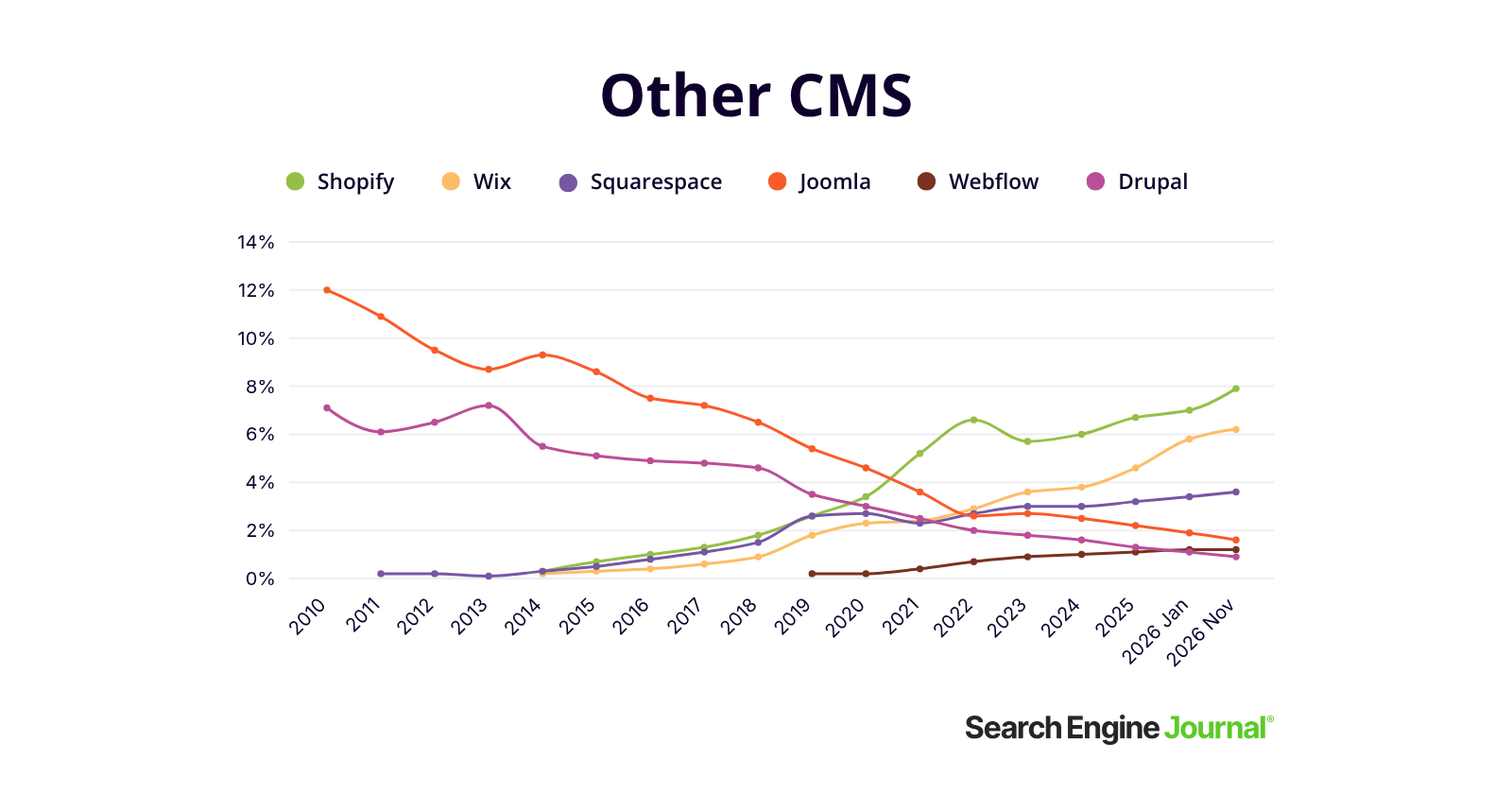
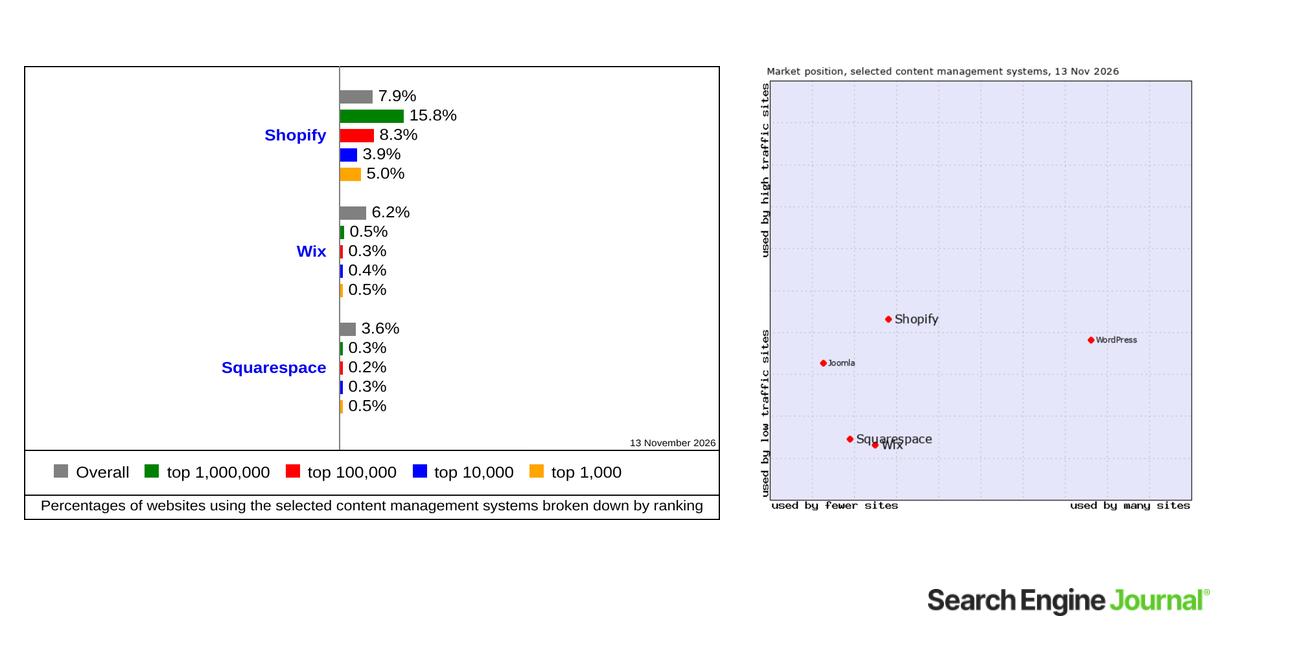
Shopify, in particular, has emerged as the primary beneficiary of this shift. As of November 2026, Shopify holds 7.9% of the CMS market, up from 7.0% at the start of the year. Its usage across all surveyed websites has climbed to 5.4%. Unlike open-source platforms that require significant technical oversight, Shopify provides an integrated environment for ecommerce that appeals to both small businesses and enterprise-level retailers.
Wix and Squarespace have followed similar growth patterns, catering to the demand for design-forward, low-maintenance platforms. Wix now commands a 6.2% share of the CMS market, while Squarespace has grown to 3.6%. These figures represent a clear preference among new users for platforms that eliminate the need for manual server-side management, security patching, and complex plugin dependency chains.
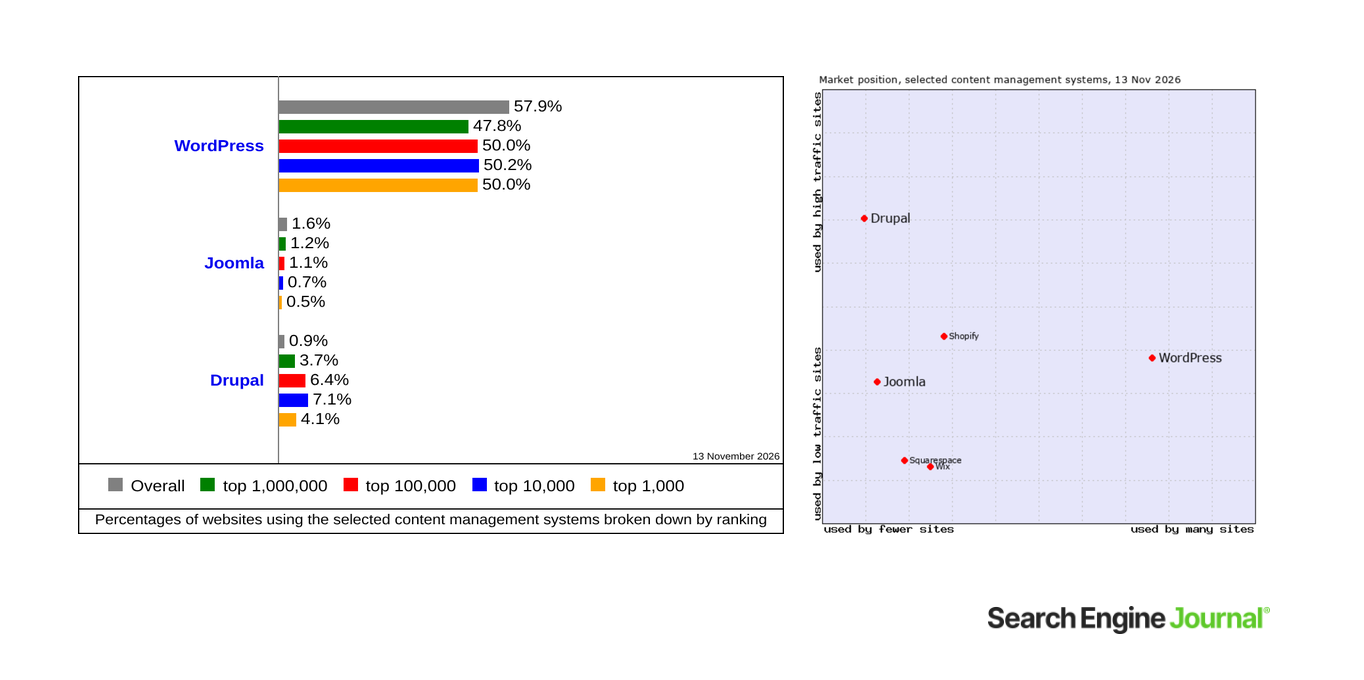
Conversely, legacy open-source platforms like Joomla and Drupal have seen their influence wane. Once the primary alternatives to WordPress, Joomla now accounts for only 1.6% of the market, while Drupal has slipped to 0.9%. These platforms, which were once the favorites of professional web developers, have struggled to pivot toward the non-technical user base that now dominates the digital market.
Ecommerce: The WooCommerce vs. Shopify Battle
The competition is perhaps most visible in the ecommerce sector. WooCommerce, which operates as a plugin within the WordPress ecosystem, has historically been the market leader. However, its dominance is being tested. Current data shows that WooCommerce powers 11.4% of all websites with a known CMS, while Shopify has surged to 7.9%.
While WooCommerce remains the volume leader, the technical requirements of maintaining a WordPress-based store—such as hosting, caching, and security updates—are driving many merchants toward the managed convenience of Shopify. In the broader ecommerce-specific survey conducted by W3Techs, WooCommerce maintains a 47% share compared to Shopify’s 32.7%. However, the trend lines indicate that if the current pace continues, the gap between the two will narrow significantly within the next 24 months.
Strategic Implications for Professionals
For digital strategists, SEO professionals, and business owners, the shifting market share holds profound implications. The reliance on WordPress as the default CMS is no longer a guaranteed strategy. As platforms like Shopify and Wix mature, they are increasingly capable of handling complex technical SEO requirements, once the exclusive domain of WordPress.
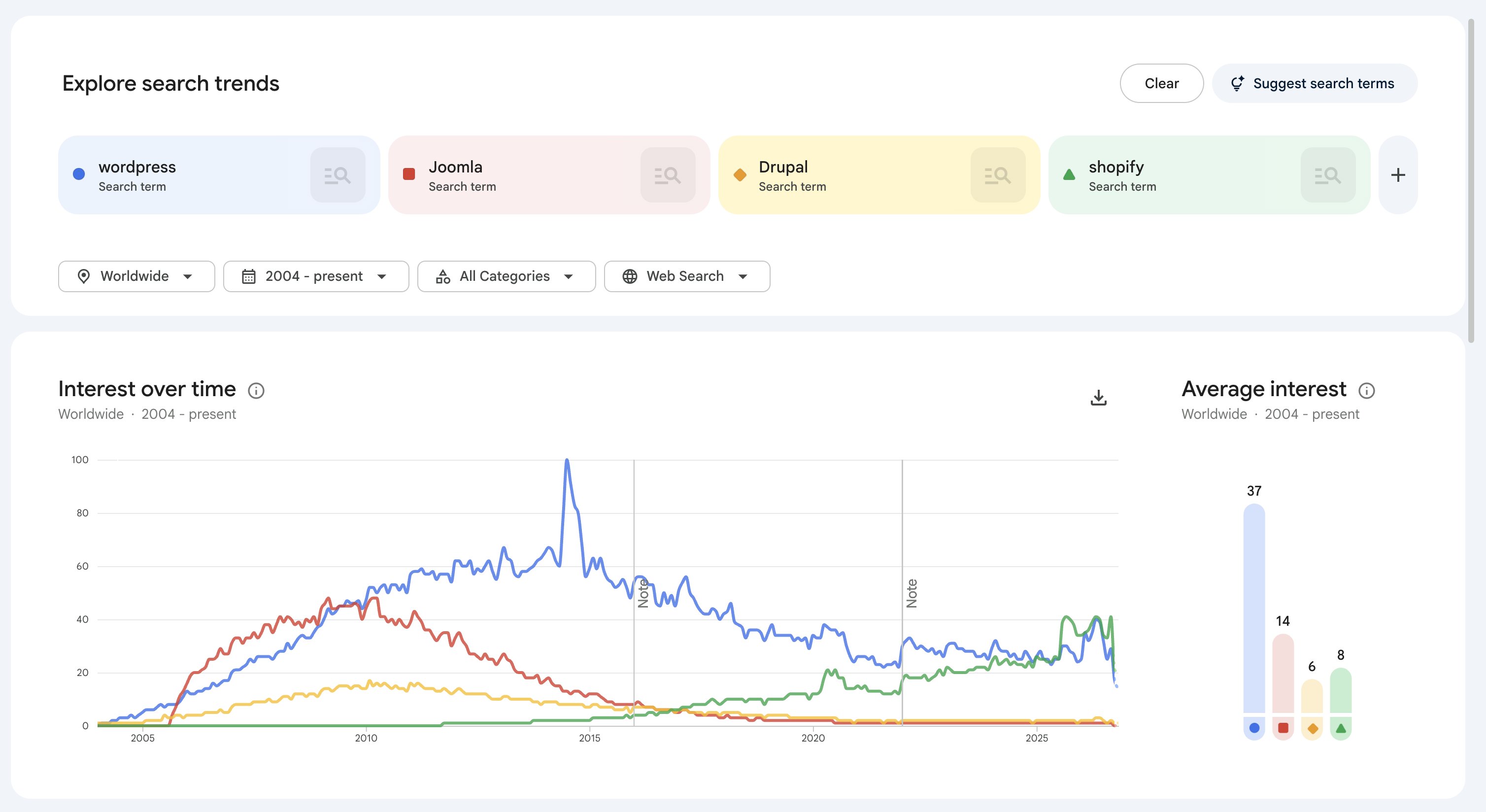
The rise of AI-driven development and "vibecoding"—the practice of using natural language to build or modify site architecture—may further accelerate the trend away from traditional, manually managed CMS platforms. If users can achieve high-performance results without navigating the backend complexities of an open-source system, the "No CMS" or "headless" category is likely to see even further expansion.
Future Outlook and Industry Response
Industry observers note that while WordPress remains the largest single ecosystem, the market is becoming increasingly fragmented. The sheer volume of websites currently utilizing WordPress ensures that it will remain a critical focus for developers and agencies for years to come. However, the days of near-total market saturation are likely behind it.
The primary challenge for WordPress in the coming years will be to balance its commitment to open-source flexibility with the ease-of-use standards set by SaaS competitors. Meanwhile, for professionals in the digital space, the diversification of skills—moving beyond WordPress to include proficiency in Shopify and other managed platforms—is becoming a necessity.
As of late 2026, the data confirms a pivotal moment: the market is moving toward managed, simplified, and purpose-built solutions. Whether WordPress can reverse its current downward trend or whether it will continue to cede ground to more agile competitors will be the defining narrative of the next decade of web infrastructure.
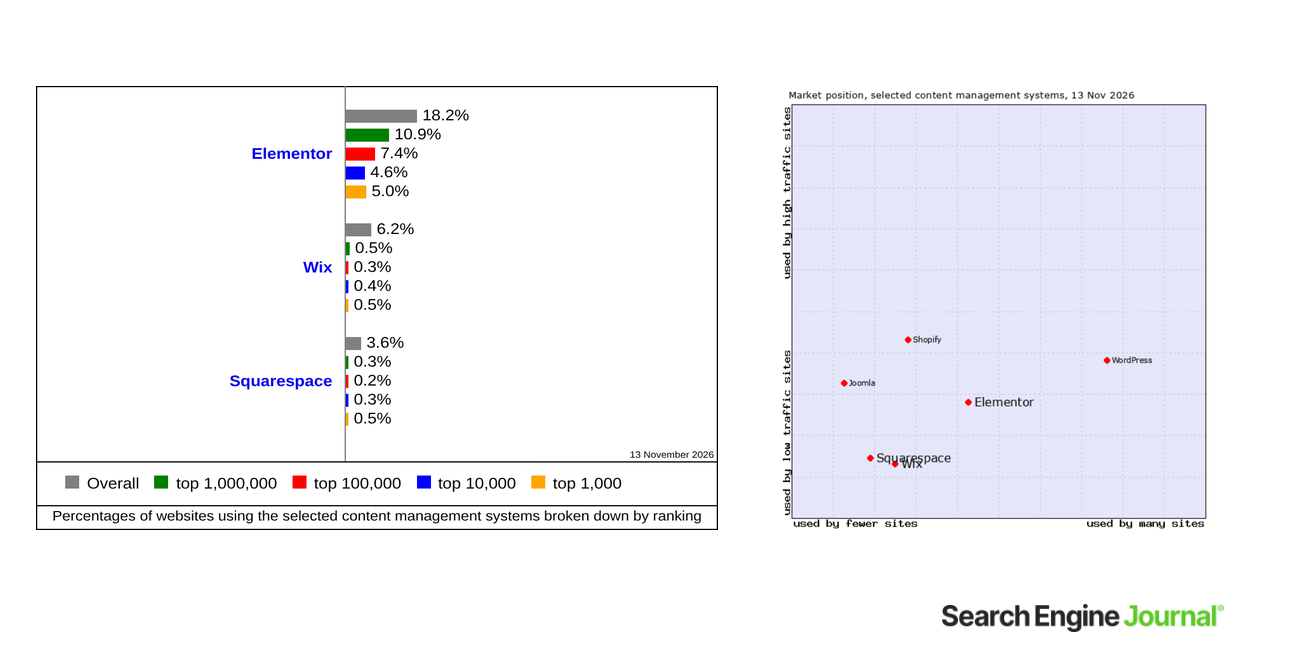
Summary Table: CMS Market Share (November 13, 2026)
| Platform | CMS Market Share | Usage (All Sites) |
|---|---|---|
| WordPress | 57.9% | 39.2% |
| Shopify | 7.9% | 5.4% |
| Wix | 6.2% | 4.2% |
| Squarespace | 3.6% | 2.4% |
| Joomla | 1.6% | 1.1% |
| Webflow | 1.2% | 0.8% |
| Drupal | 0.9% | 0.6% |
Data Source: W3Techs. Market share figures refer to the percentage of websites with a known CMS; usage refers to the percentage of all websites surveyed.
As the digital landscape evolves, the criteria for choosing a CMS have shifted from pure technical capability to a focus on total cost of ownership, security, and time-to-market. The dominance of any single platform is no longer the status quo, and the 2026 figures serve as a definitive benchmark for this new era of platform pluralism.