Website Marketing in 2026: Navigating the Shift Beyond the Traditional Homepage

The landscape of website marketing has undergone a fundamental transformation, rendering legacy tactics obsolete in a digital ecosystem dominated by artificial intelligence and decentralized customer journeys. Historically, digital marketing strategies prioritized a direct pipeline: attract visitors to a corporate website, guide them through a funnel, and convert them into paying customers. While the corporate website remains the central hub for transactions and deep engagement, market research indicates that a vast majority of the consumer decision-making process now occurs entirely beyond the boundaries of owned domains.
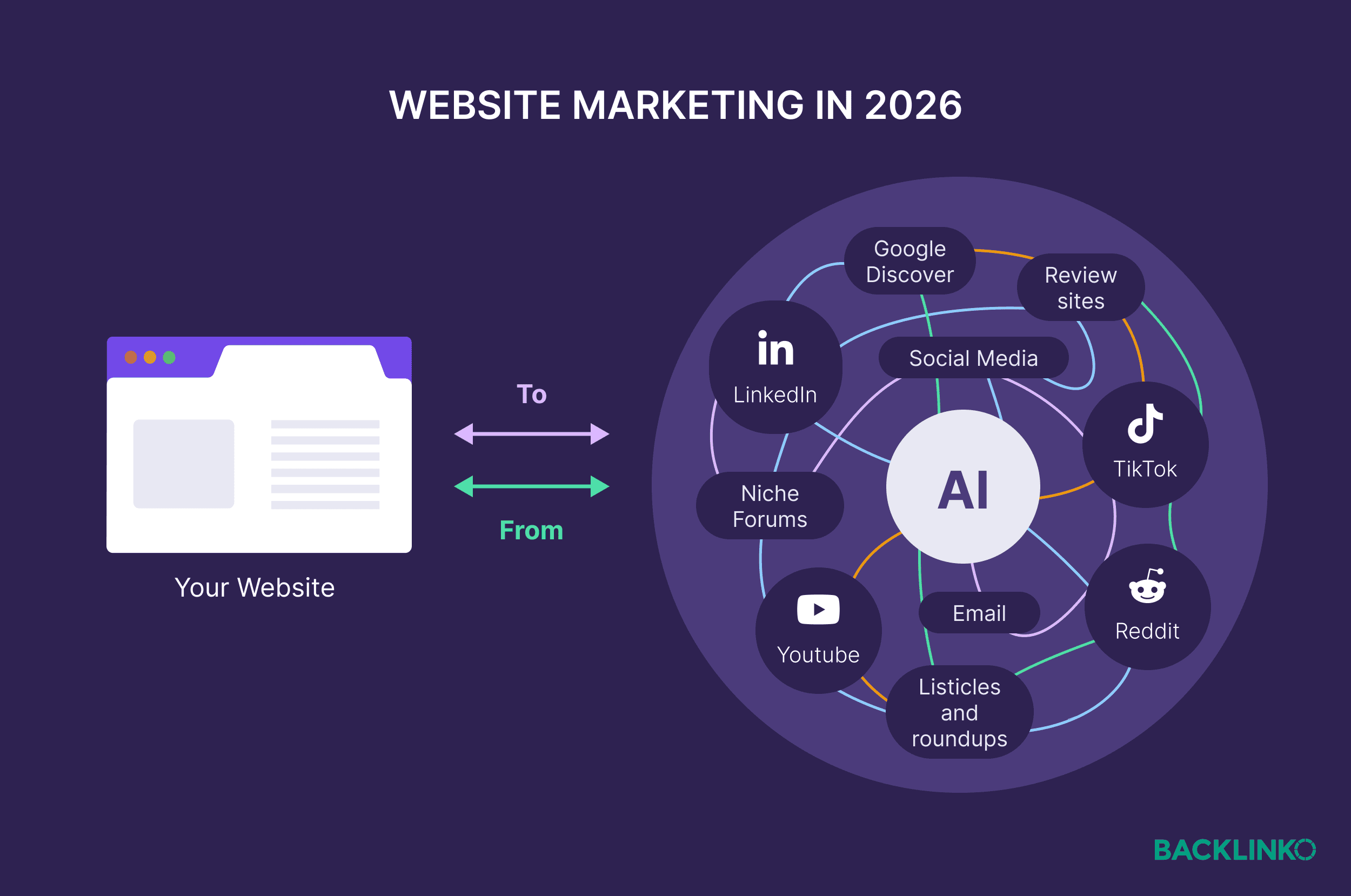
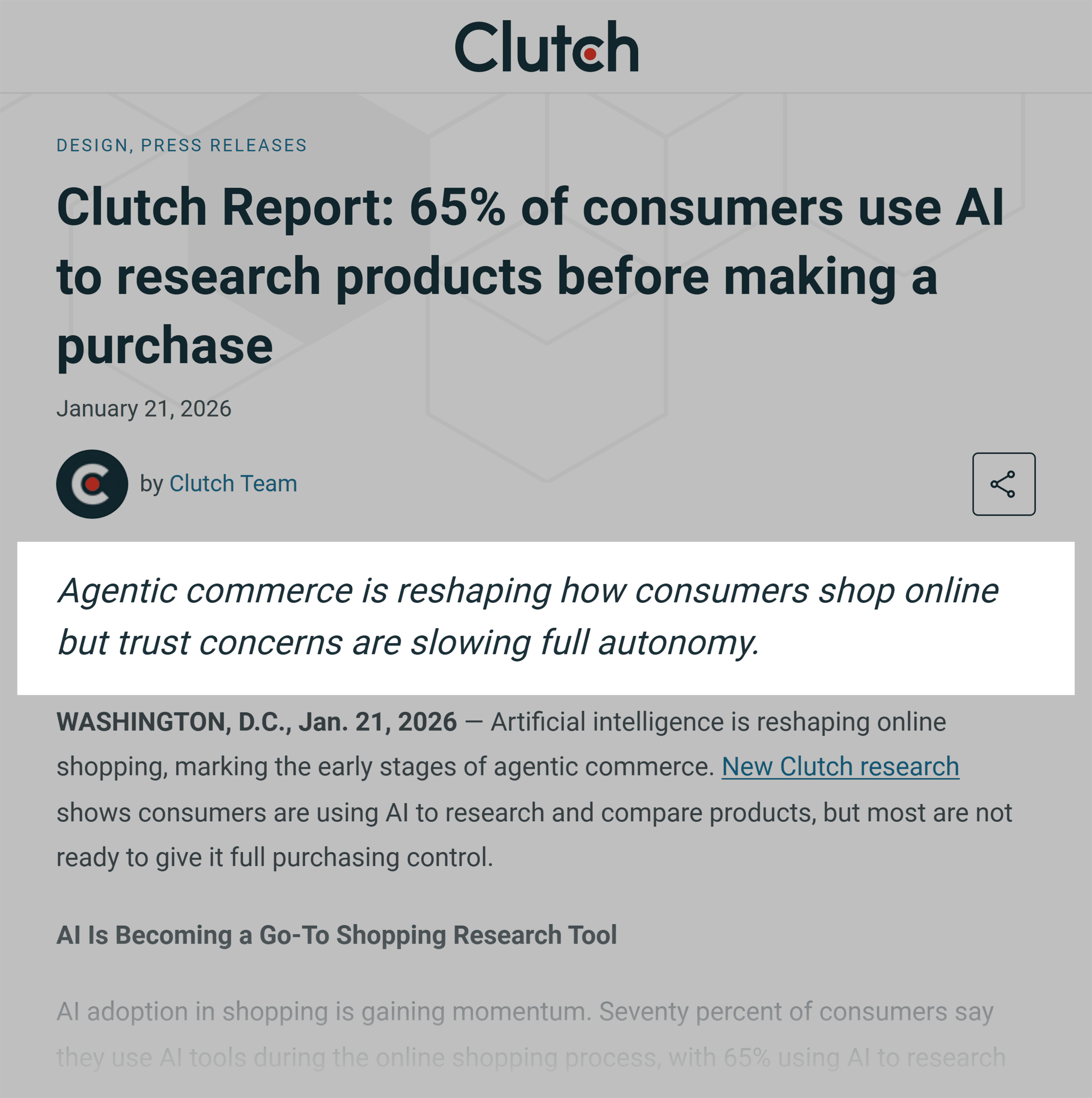
Data from recent market surveys highlight a profound shift in consumer behavior. Over 65 percent of modern buyers now leverage artificial intelligence tools, specialized forum discussions, and social media networks to research products, compare alternatives, and form definitive brand opinions before ever visiting a company’s official landing page. Consequently, an organization’s digital footprint outside its primary website heavily dictates its inbound traffic quality and overall conversion potential. Brands that fail to establish visibility and credibility across external touchpoints risk losing prospective customers before the evaluation phase even begins.
The Evolution of Discovery: AI and Human Touchpoints
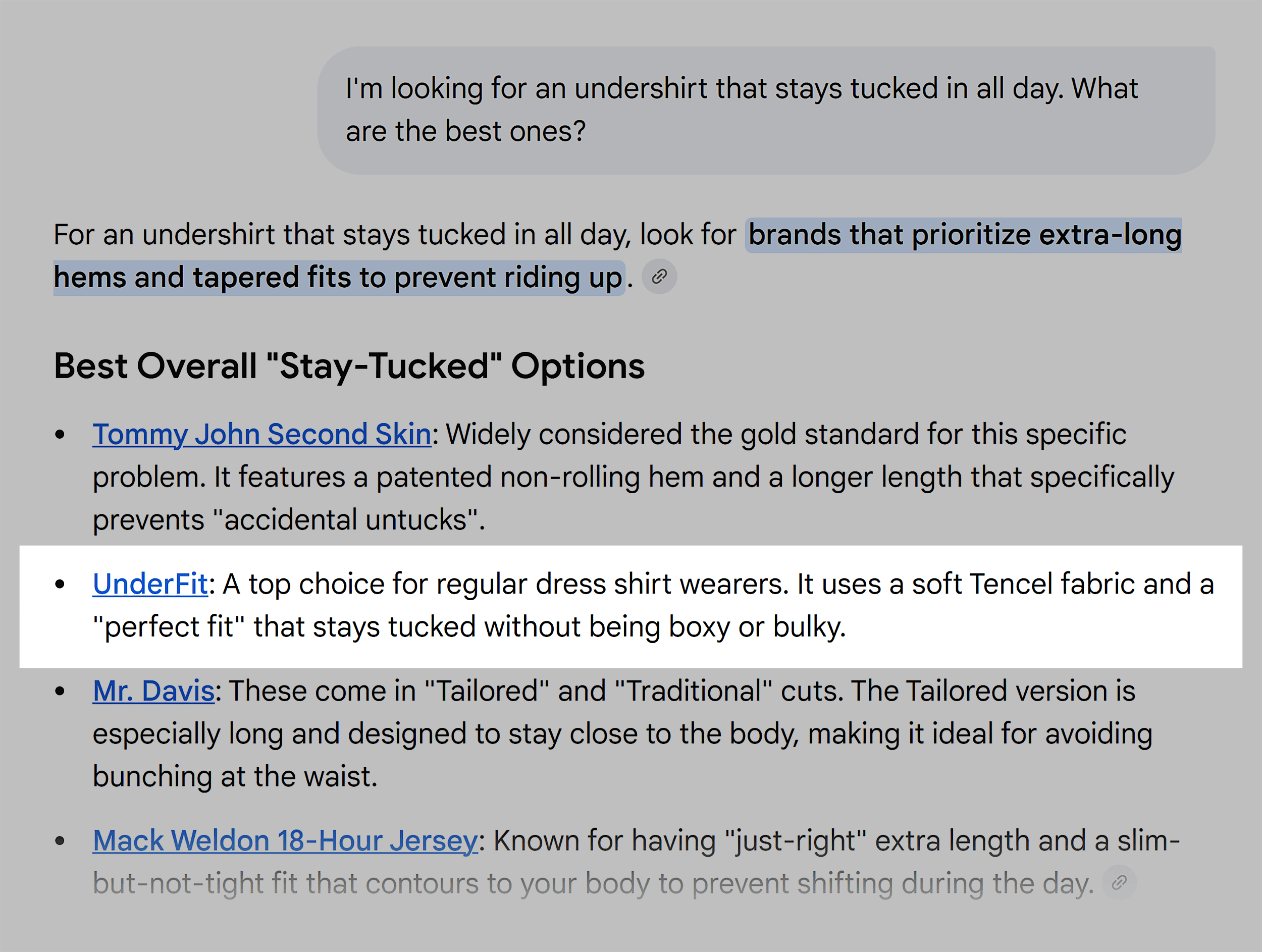
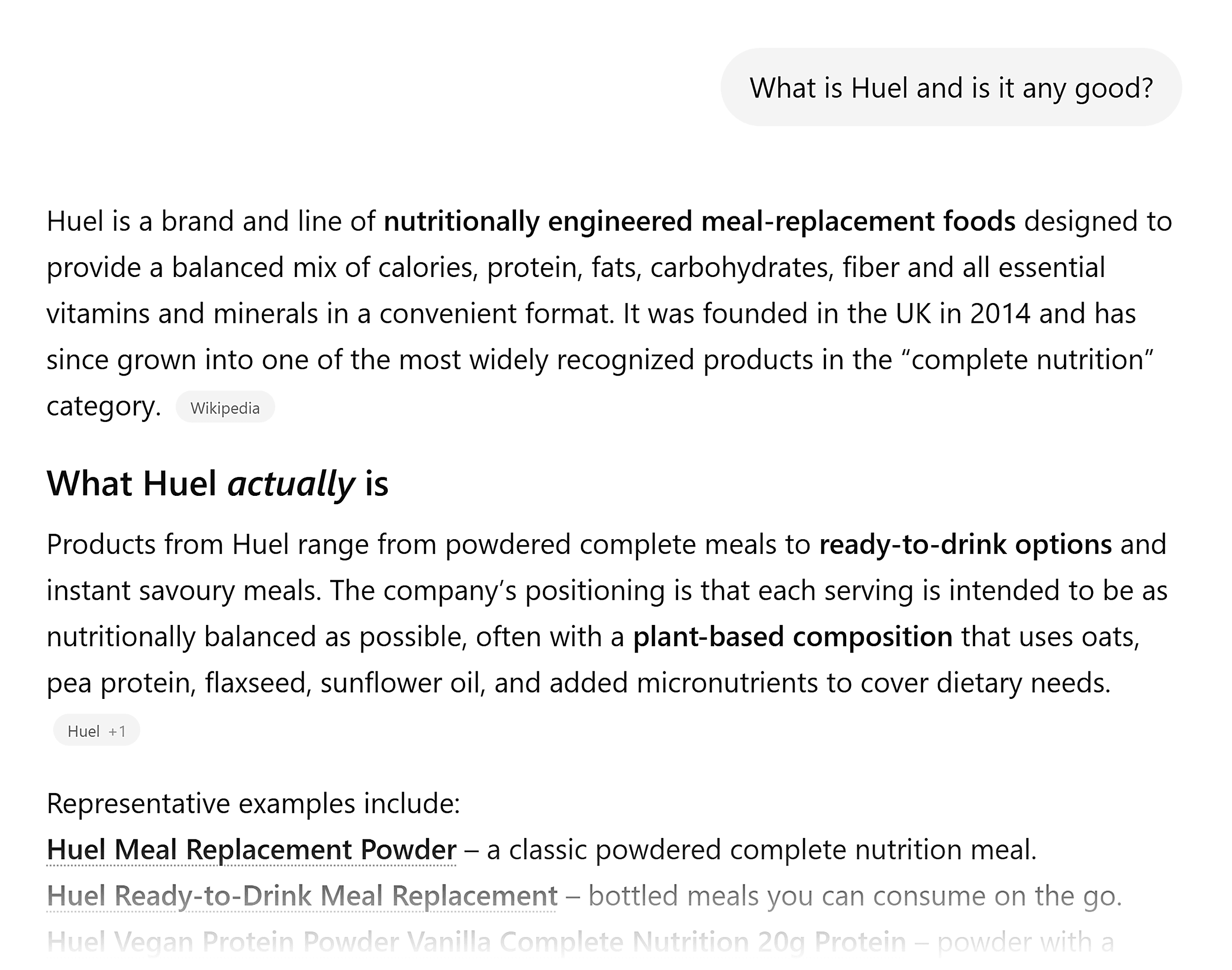
The rise of generative search engines and large language models (LLMs) has redefined how information is synthesized and presented to users. When modern buyers query AI assistants for product recommendations or industry solutions, these models synthesize data from a diverse web of third-party mentions, Reddit threads, review aggregates, and media coverage. If a brand lacks a cohesive, well-documented narrative across these external platforms, AI models may mischaracterize the business or omit it entirely from consideration.

To adapt to this reality, forward-thinking enterprises are engineering how the internet describes their brand. This process begins with the establishment of a rigorous brand messaging strategy—a standardized, documented lexicon that outlines core positioning, unique value propositions, and specific product benefits. Consistency is critical. When marketing teams, sales representatives, executive leadership, and external partners utilize uniform terminology across press releases, community forums, and social channels, they reinforce a clear categorical association in both human perception and LLM training data.
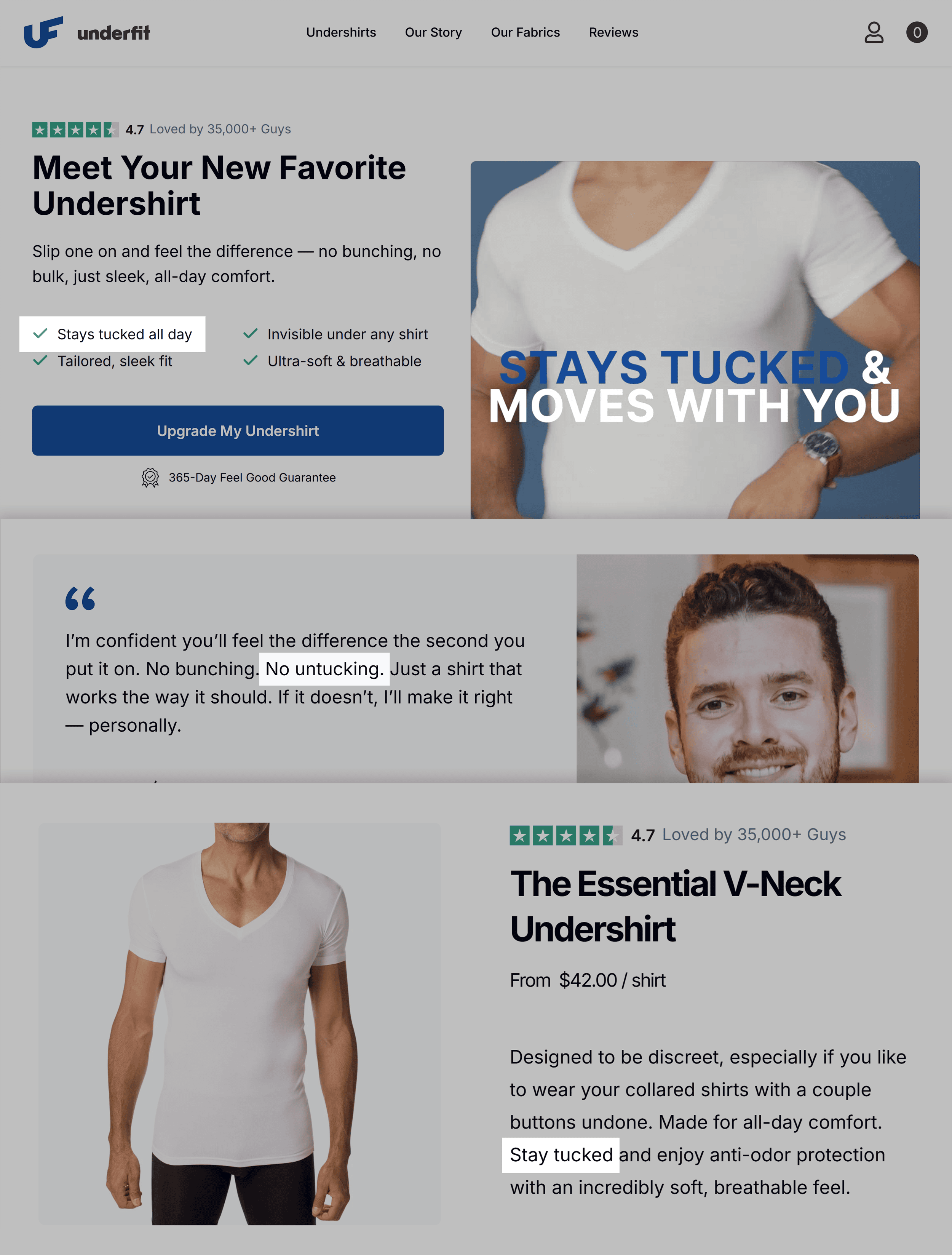
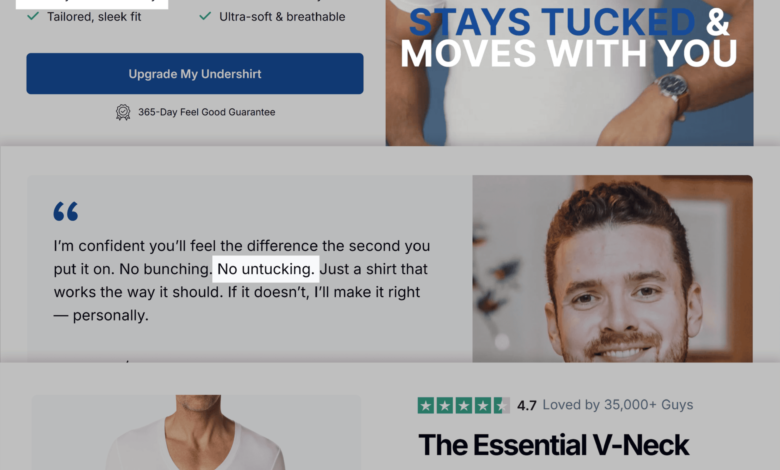
For example, successful ecommerce and SaaS brands ensure that their primary product advantages are repeatedly highlighted across off-site reviews, industry roundups, and community discussions. When an AI tool parses this data ecosystem, the persistent association between the brand name and specific benefit phrases allows the algorithm to accurately recommend the product during high-intent user queries.
Structural Optimization for Human and Machine Parsing
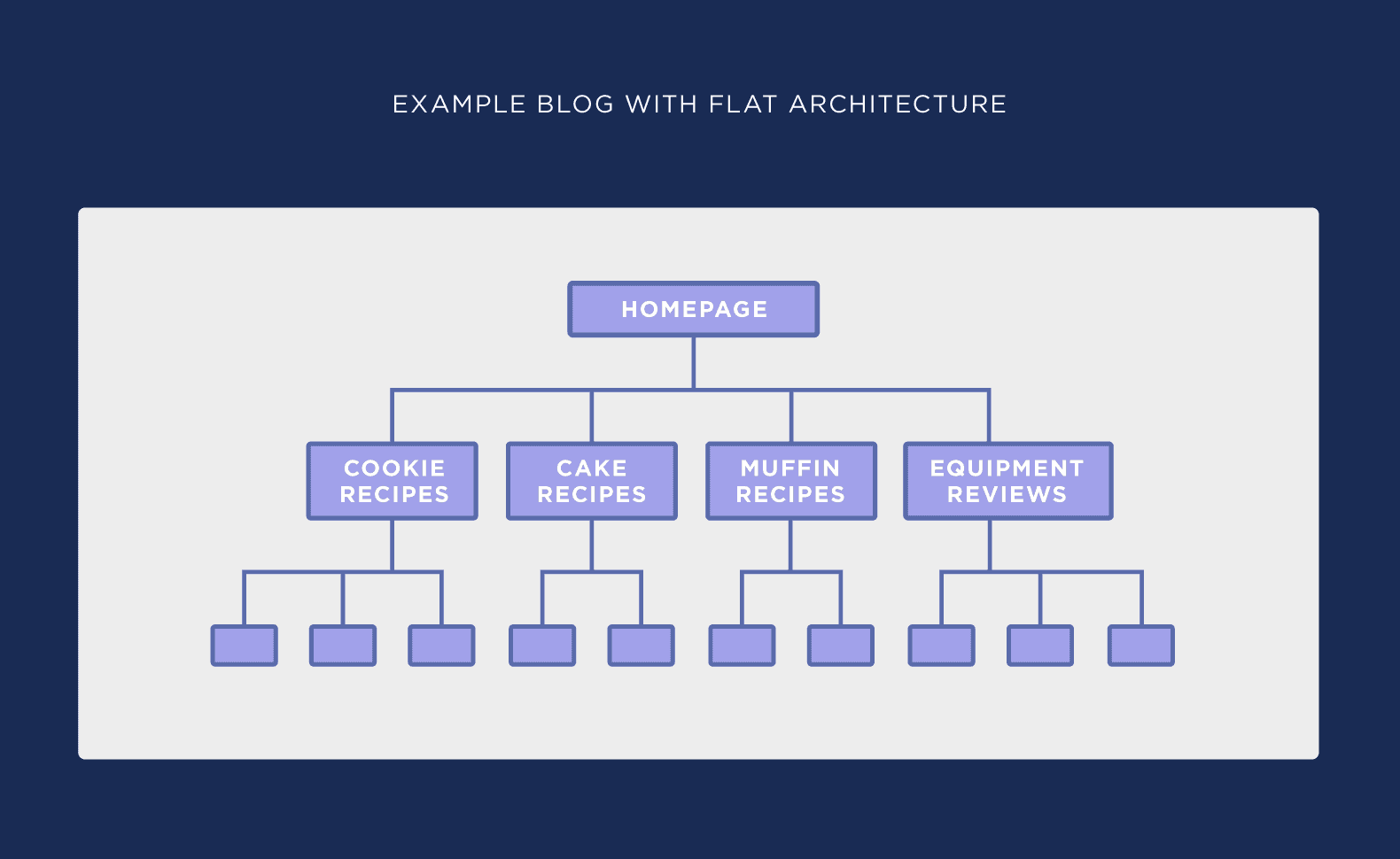
While external visibility establishes initial trust, a brand’s website must be architected to satisfy both human users and machine crawlers seamlessly. Modern website architecture must move away from convoluted, deep-nested hierarchies in favor of flat, logical structures that allow search engines and AI parsers to index content efficiently.
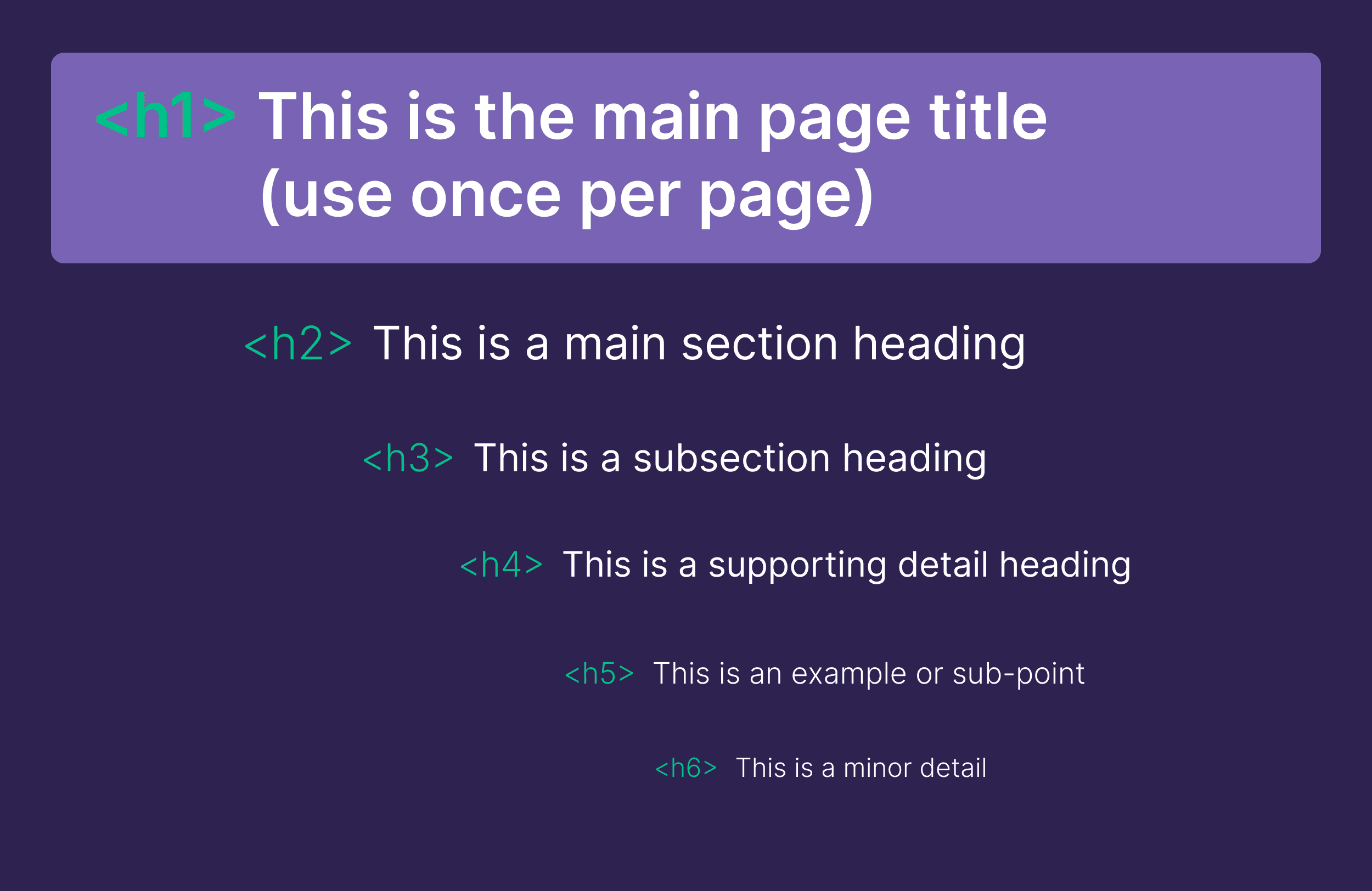
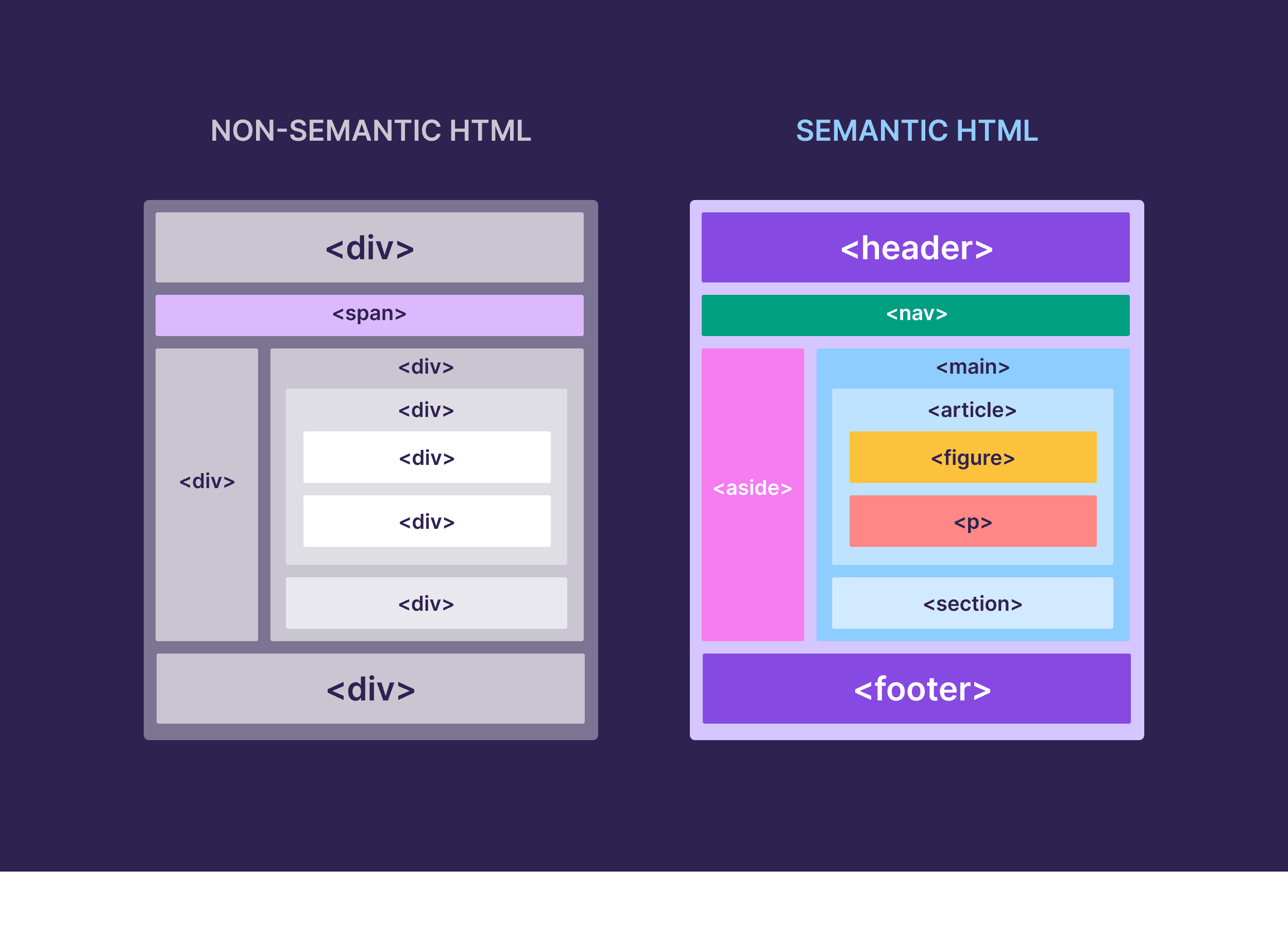
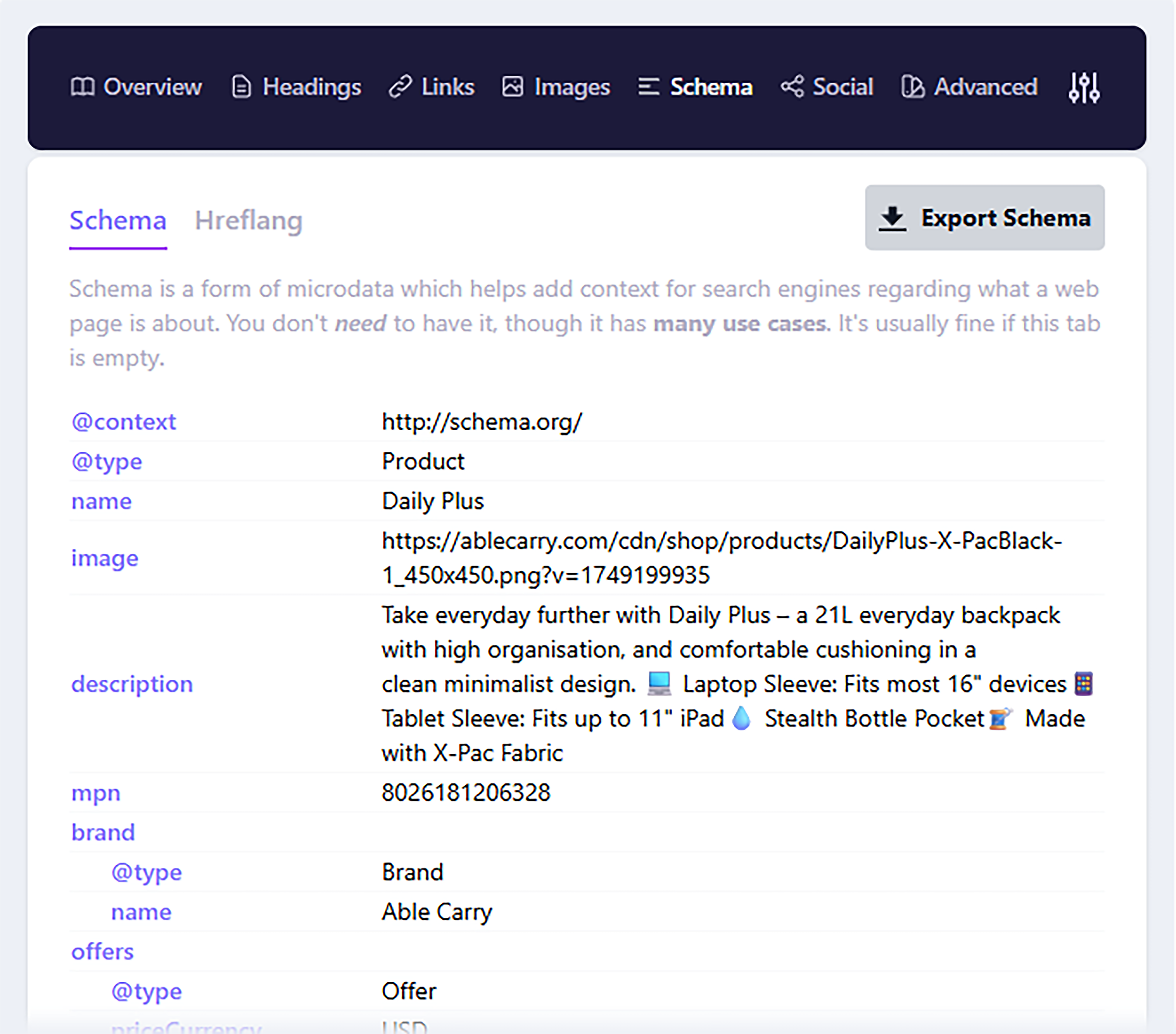
At the code level, the implementation of semantic HTML is paramount. Proper utilization of heading tags (H1, H2, H3), structured lists, and explicit section elements provides clear hierarchy, making it effortless for automated systems to interpret content context and meaning. Furthermore, the integration of robust schema markup acts as a digital metadata layer, explicitly defining entities, products, FAQs, and organizational details for search engines.
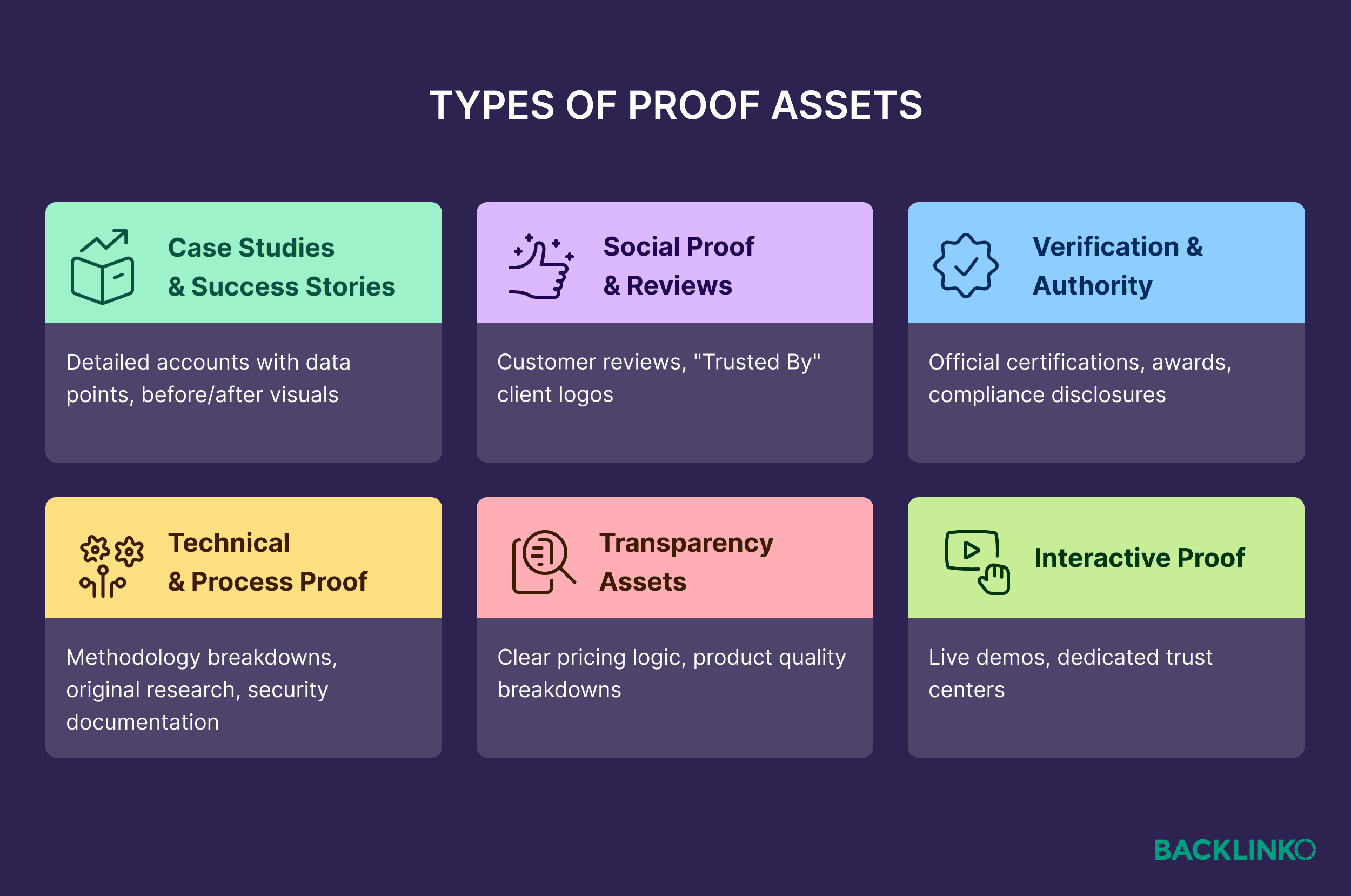
Concurrently, brands must curate and publish comprehensive "proof assets." These digital trust signals—ranging from verified customer reviews and third-party security audits to measurable case studies and uptime data—provide the empirical evidence necessary to substantiate marketing claims. Industry analysts note that skeptical buyers in sectors such as financial services and enterprise software heavily rely on these proof assets to alleviate cognitive friction and security anxiety during the final stages of the purchase journey.
The Integration of Video and Cross-Platform Trust
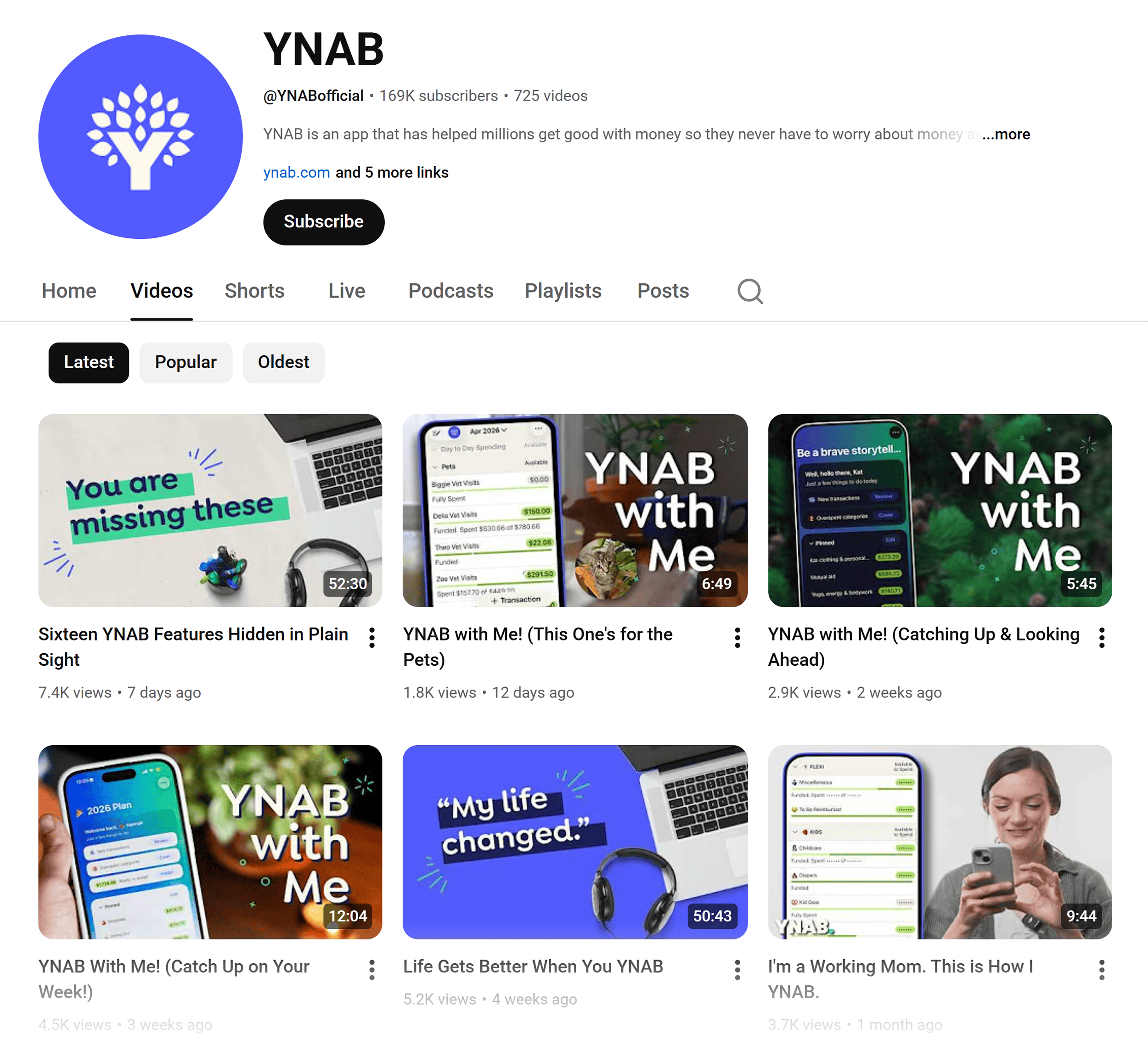
The proliferation of digital content has increased the demand for authentic, human-centric media. Video marketing has emerged as a critical driver of brand familiarity and consumer confidence. Long-form video platforms, such as YouTube, allow organizations to establish deep authority through comprehensive tutorials, product evaluations, and educational explainers. By addressing complex buyer questions before a transaction takes place, brands can shorten the sales cycle and attract high-intent traffic.
Simultaneously, short-form video content distributed across platforms like TikTok, Instagram Reels, and LinkedIn reinforces brand recall through consistent, bite-sized value delivery. Rather than relying on high-production advertising, successful brands focus on answering recurring customer objections and support queries derived directly from real-world interactions.
This multi-platform presence feeds directly into the corporate website, creating a cohesive journey where users arrive not as cold prospects, but as informed evaluators who already recognize the people and principles behind the brand.
Capitalizing on Algorithmic Feeds and Zero-Click Environments
The emergence of personalized content feeds, such as Google Discover, has introduced a new paradigm for organic traffic acquisition. Unlike traditional search queries driven by explicit user intent, Discover delivers content based on browsing behavior and demonstrated interests, functioning similarly to an editorial news feed.
Securing visibility in Discover requires a distinct editorial approach. Content must be packaged with compelling imagery, timely angles, and headlines that clearly convey stakes, tension, or industry developments. By aligning content with emerging trends, regulatory shifts, or macroeconomic changes, publishers can capture significant traffic spikes from mobile users navigating interest-based feeds.
However, the growth of zero-click search environments—where users receive direct answers from AI summaries or featured snippets without clicking through to a source—places unprecedented pressure on conversion rate optimization (CRO). Because arriving visitors are already pre-educated and further down the purchase funnel, organizations must relentlessly audit their digital properties to eliminate friction and anxiety. Streamlining navigation, accelerating page load speeds, clarifying pricing, and deploying behavioral email triggers ensure that heightened visitor intent successfully converts into measurable revenue.
The Broader Economic Implications and Strategic Outlook
The structural changes in website marketing observed in 2026 reflect a broader maturation of the digital economy. As automated tools and AI generation lower the barrier to entry for content creation, the intrinsic value of anonymous corporate content has depreciated. Consequently, market leaders are increasingly relying on visible human leadership, authentic community participation, and rigorous content repurposing frameworks to maintain competitive advantage.
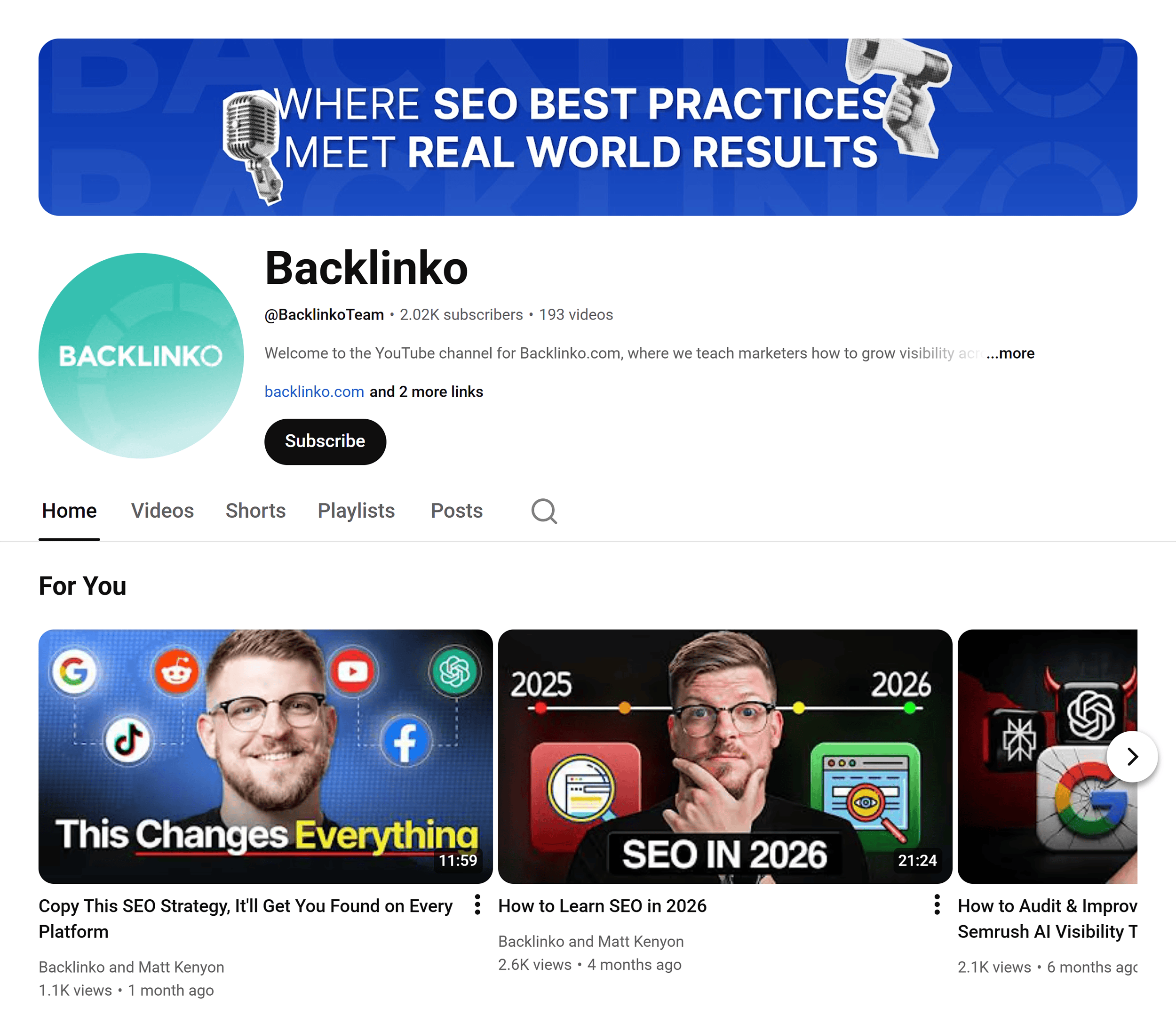
Thought leadership initiatives—fronted by recognizable executives, founders, or subject matter experts—humanize corporate entities and build resilient moats against algorithmic volatility. By actively participating in niche communities without resorting to overt self-promotion, brands earn organic mentions that ultimately influence both human buyers and the foundational training sets of artificial intelligence.
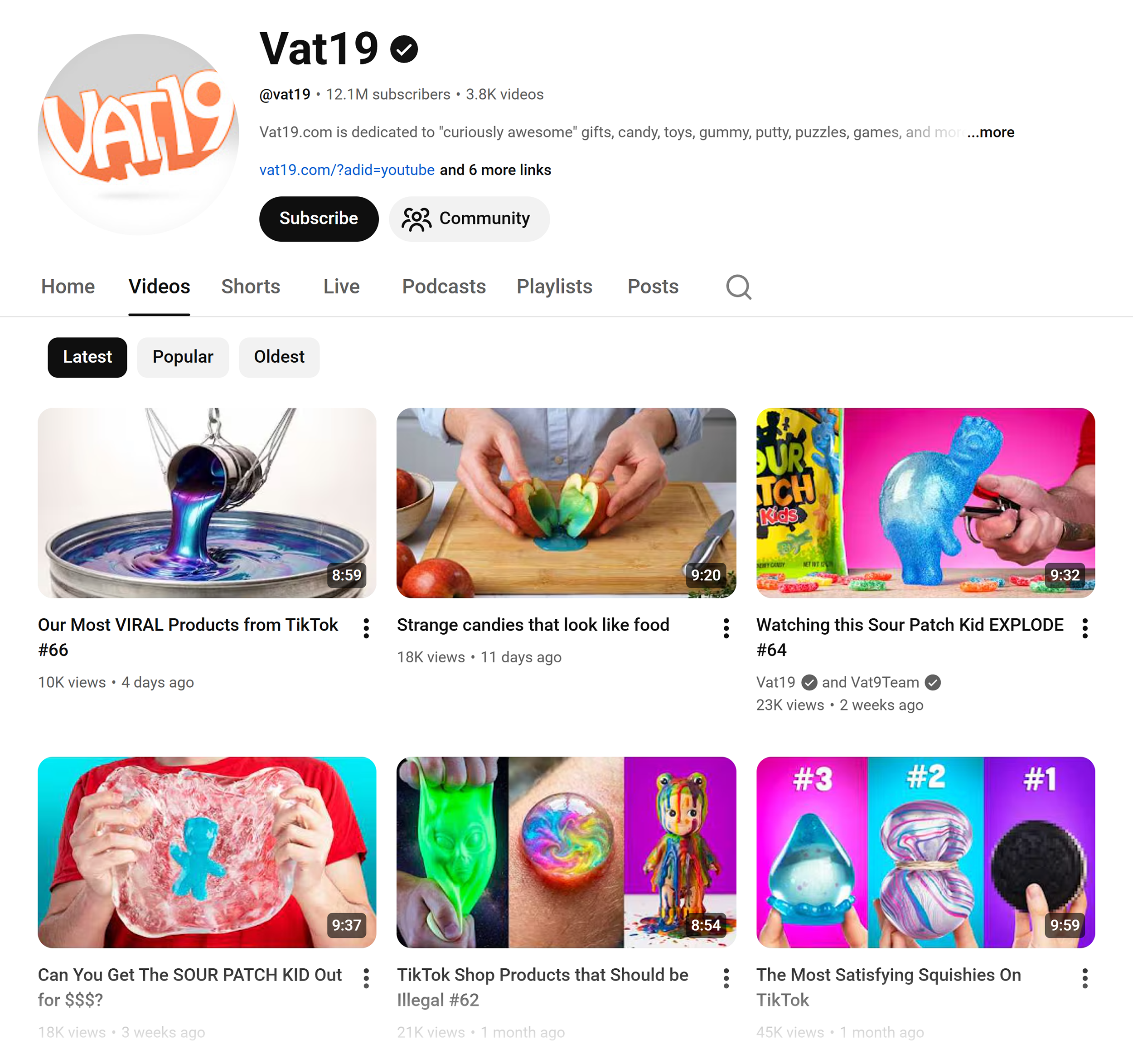
Ultimately, website marketing in 2026 is no longer an isolated discipline confined to a single domain. It is an integrated, omnichannel strategy that recognizes trust as a distributed asset. Organizations that harmonize their on-site architecture with robust off-site visibility, human-led storytelling, and conversion-focused design will continue to thrive in an increasingly complex digital landscape.