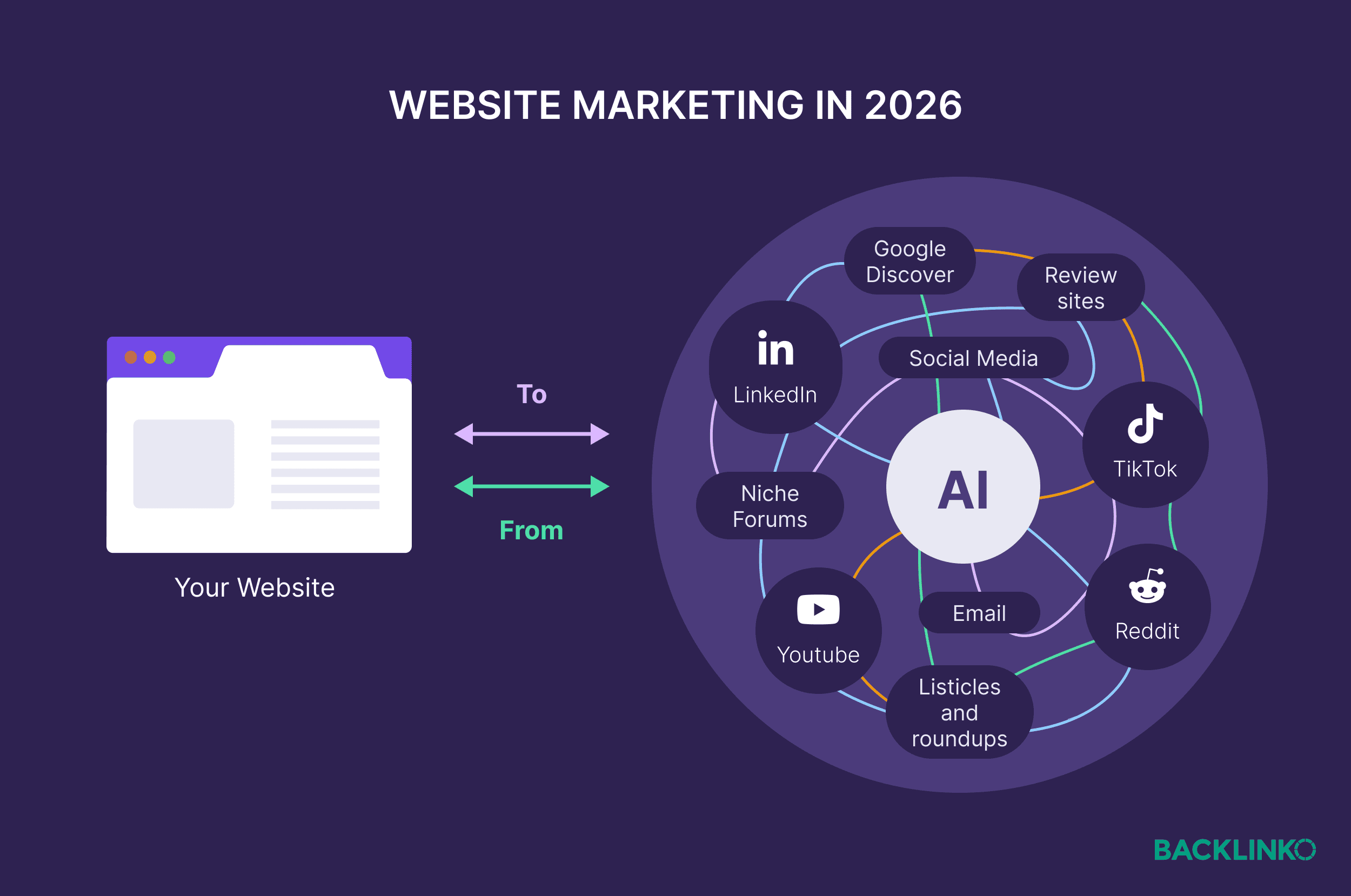
Website Marketing in 2026 Requires Adaptation to AI Search and Multi-Platform Journeys


The paradigm of digital discoverability has undergone a fundamental transformation, rendering traditional inbound marketing models insufficient for contemporary enterprise growth. Historically, digital strategy focused heavily on direct-to-site optimization: attracting raw volume via search engines and converting that traffic locally. Today, data indicates that the consumer decision-making journey has decentralized significantly. Before a prospective customer ever navigates to a corporate landing page, they have frequently synthesized opinions derived from artificial intelligence aggregators, peer-to-peer communities, and decentralized social networks. Consequently, organizations failing to secure visibility and institutional credibility across these external touchpoints struggle to capture high-intent traffic.
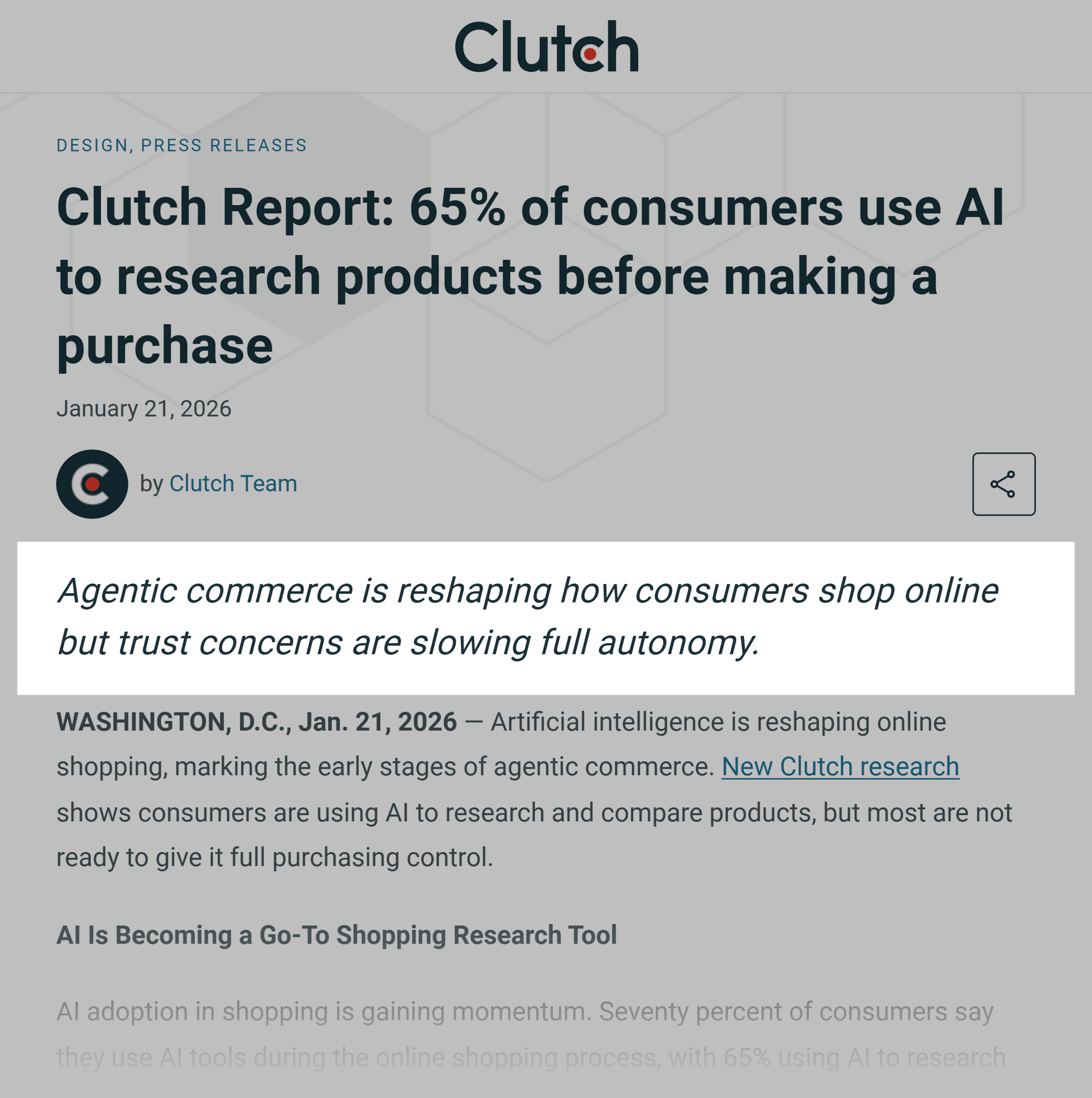
Industry data highlights the urgency of this structural shift. Recent surveys from market research firm Clutch indicate that over 65% of enterprise and consumer buyers utilize generative artificial intelligence tools for initial product research and comparative analysis prior to visiting a primary website. This behavioral evolution means that brand narratives are often pre-authored by large language models (LLMs) before the customer enters a controlled corporate environment. For marketing executives, the modern challenge is twofold: engineering how external algorithms and human communities characterize the brand, while simultaneously ensuring that the core website converts pre-educated, high-intent visitors efficiently.
The Mechanics of Brand Perception in the Age of Large Language Models

To maintain control over a brand’s narrative across automated engines and human networks, companies must implement rigorous brand messaging frameworks. In previous decades, brand guidelines primarily served creative and design departments. In the current technological landscape, these documents act as foundational inputs that train the lexical associations of AI architectures. By establishing a documented, consistent taxonomy—defining core value propositions, product positioning, and precise problem-solving capabilities—organizations ensure that external publishers, community participants, and algorithms utilize uniform terminology.

Consistency across digital footprints reinforces semantic patterns that large language models rely on for entity recognition. For instance, direct-to-consumer apparel brands that consistently emphasize specific functional attributes—such as garments engineered to remain tucked during physical activity—frequently dominate AI-generated recommendation summaries for those specific use cases. When prospective buyers query conversational search interfaces, the algorithms synthesize these repeated off-site mentions to formulate recommendations.
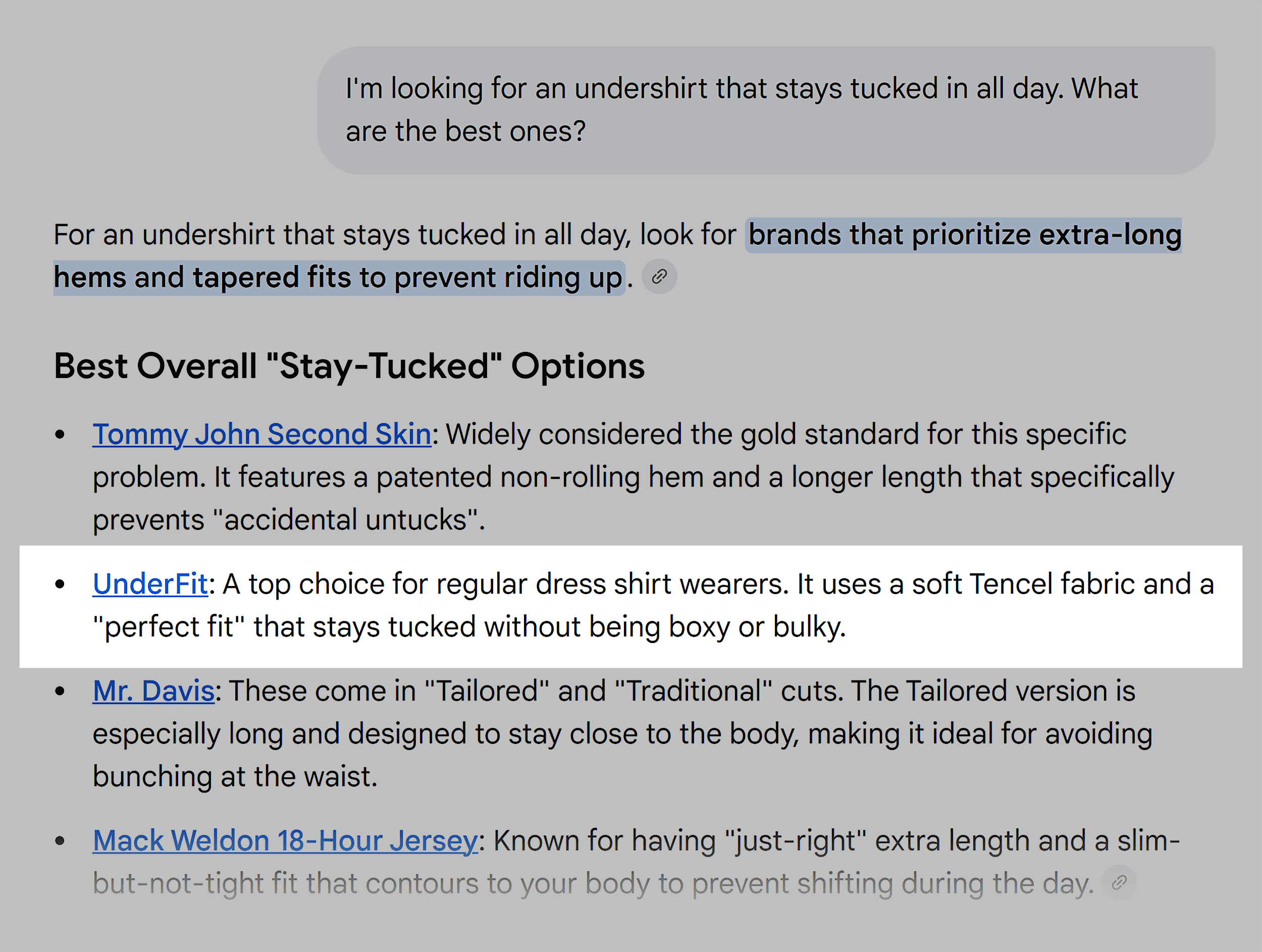
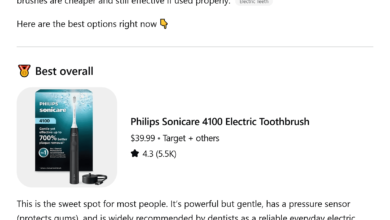
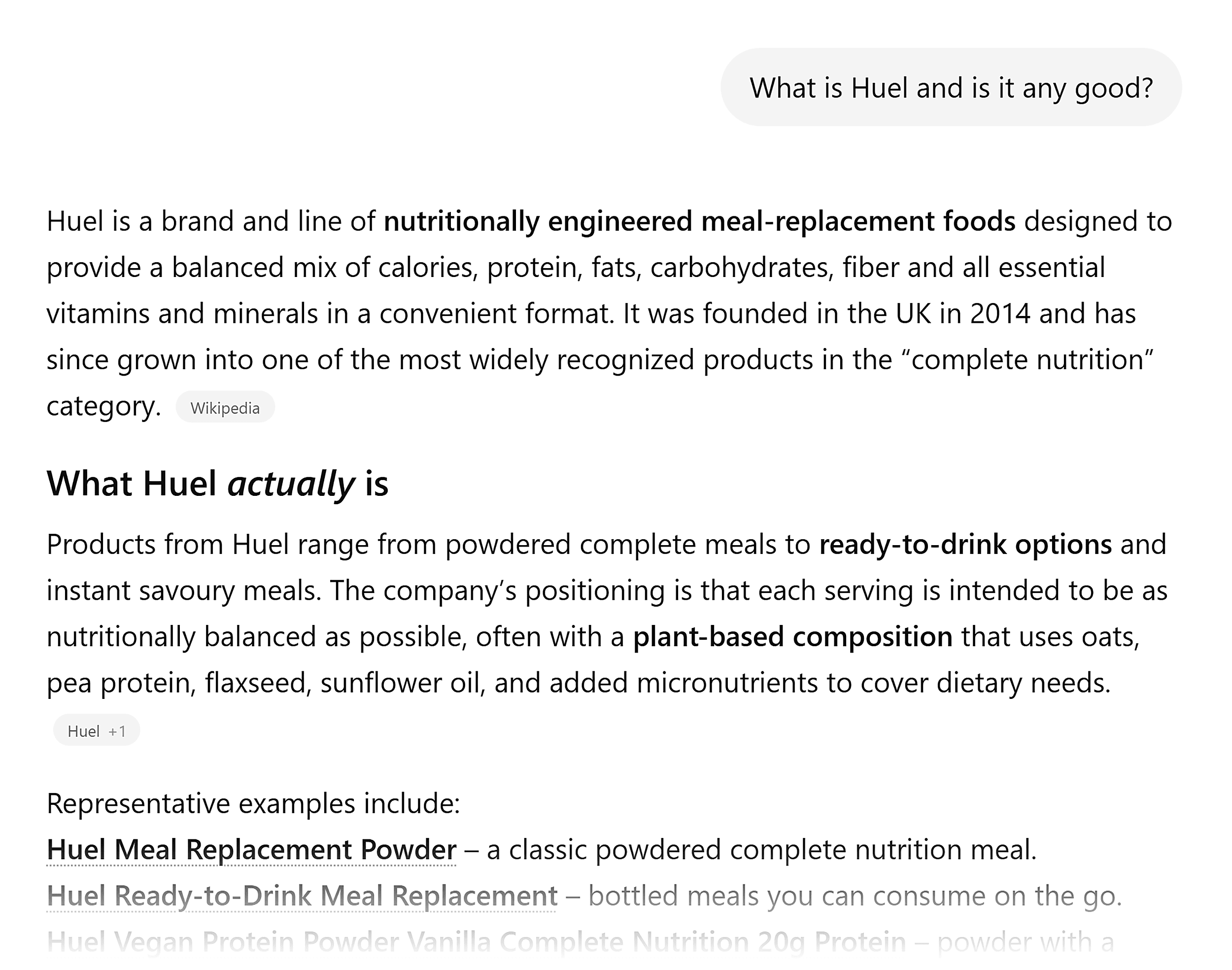
Evaluating this digital footprint requires an active audit methodology. Marketing teams must routinely query major LLMs with transactional and informational prompts—such as inquiries regarding category leaders or specific brand attributes—to analyze the prevailing AI-generated narrative. Evaluating whether these machine-generated summaries accurately reflect the core value proposition allows organizations to identify reputational gaps, correct misinformation, and strategically deploy content to reinforce accurate brand positioning.
Structural Optimization for Dual Audiences: Humans and Algorithms
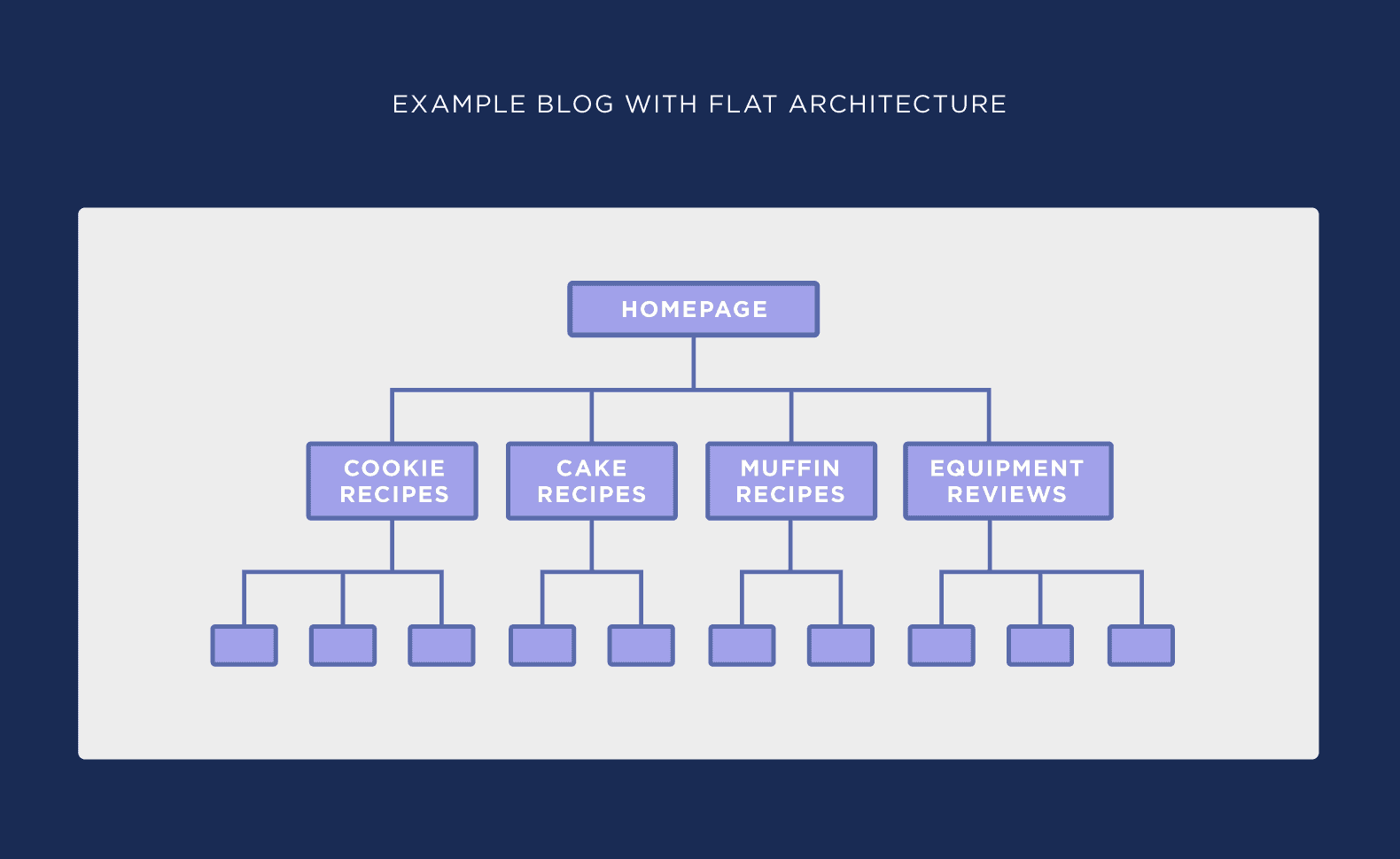
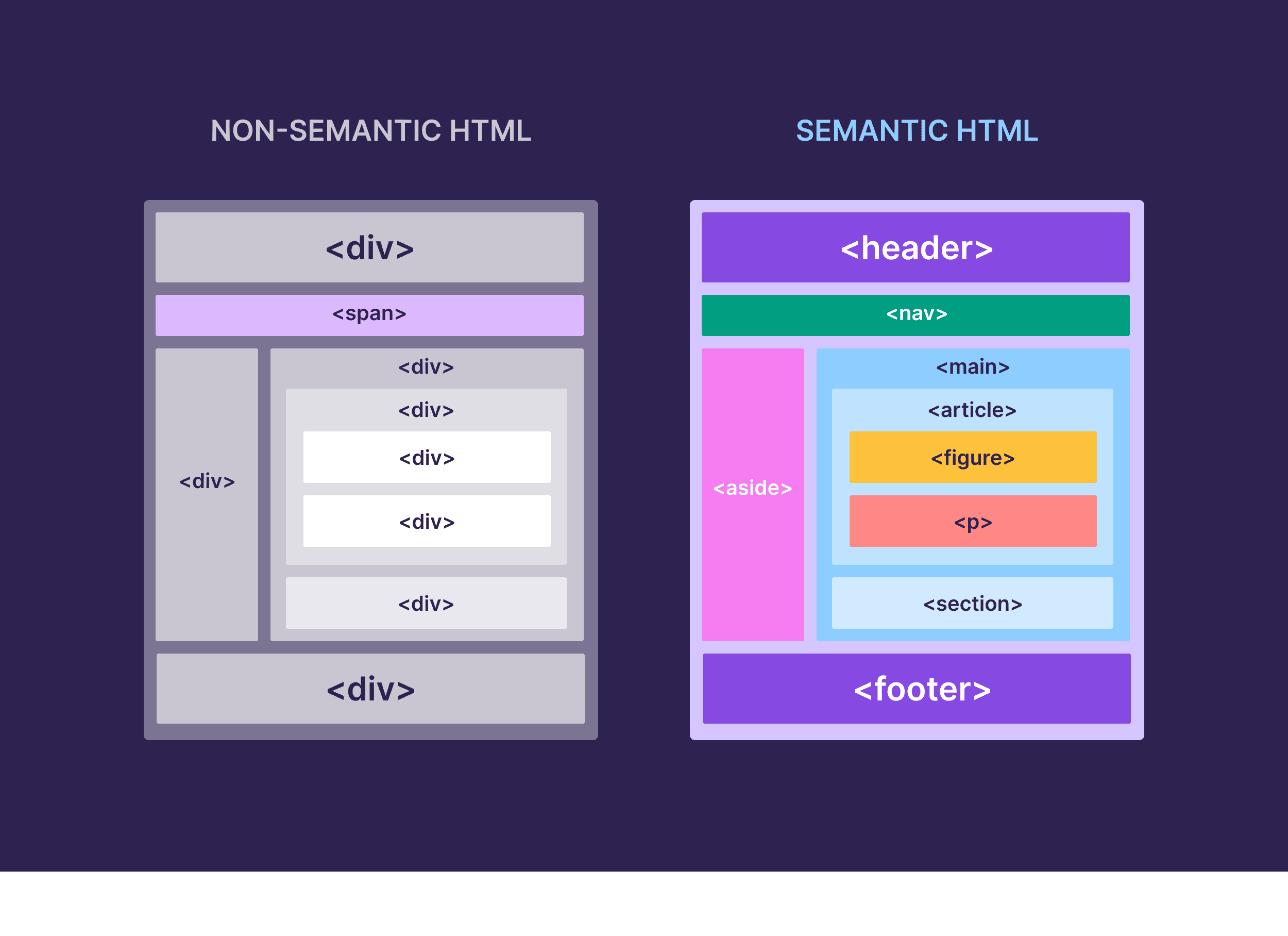
Securing visibility across the broader internet must be complemented by website architectures designed for dual interpretation by both human users and automated parsers. Modern technical optimization extends beyond keyword density; it requires logical hierarchy, clean semantic HTML, and rigorous schema markup.

Search engines and large language models increasingly favor sites structured with clear topical authority and frictionless readability. Flat site architectures, descriptive headings, and well-organized data tables enable web crawlers to parse complex information rapidly. Furthermore, the strategic deployment of structured data (schema markup) provides explicit contextual signals regarding product specifications, authorship, organizational identity, and customer reviews. These structural enhancements reduce computational friction for indexing systems, thereby increasing the likelihood that a brand’s primary assets are accurately synthesized and displayed across diverse search interfaces, including emerging conversational and multimodal query environments.
The Rise of Zero-Click Ecosystems and Conversion Rate Optimization

The proliferation of zero-click search behaviors—whereby users extract definitive answers directly from search engine result pages or AI summaries without executing outbound clicks—has fundamentally altered traffic dynamics. While overall raw traffic volume for informational queries may experience downward pressure, the visitors who ultimately navigate to a corporate website arrive with significantly higher purchase intent and advanced contextual understanding.
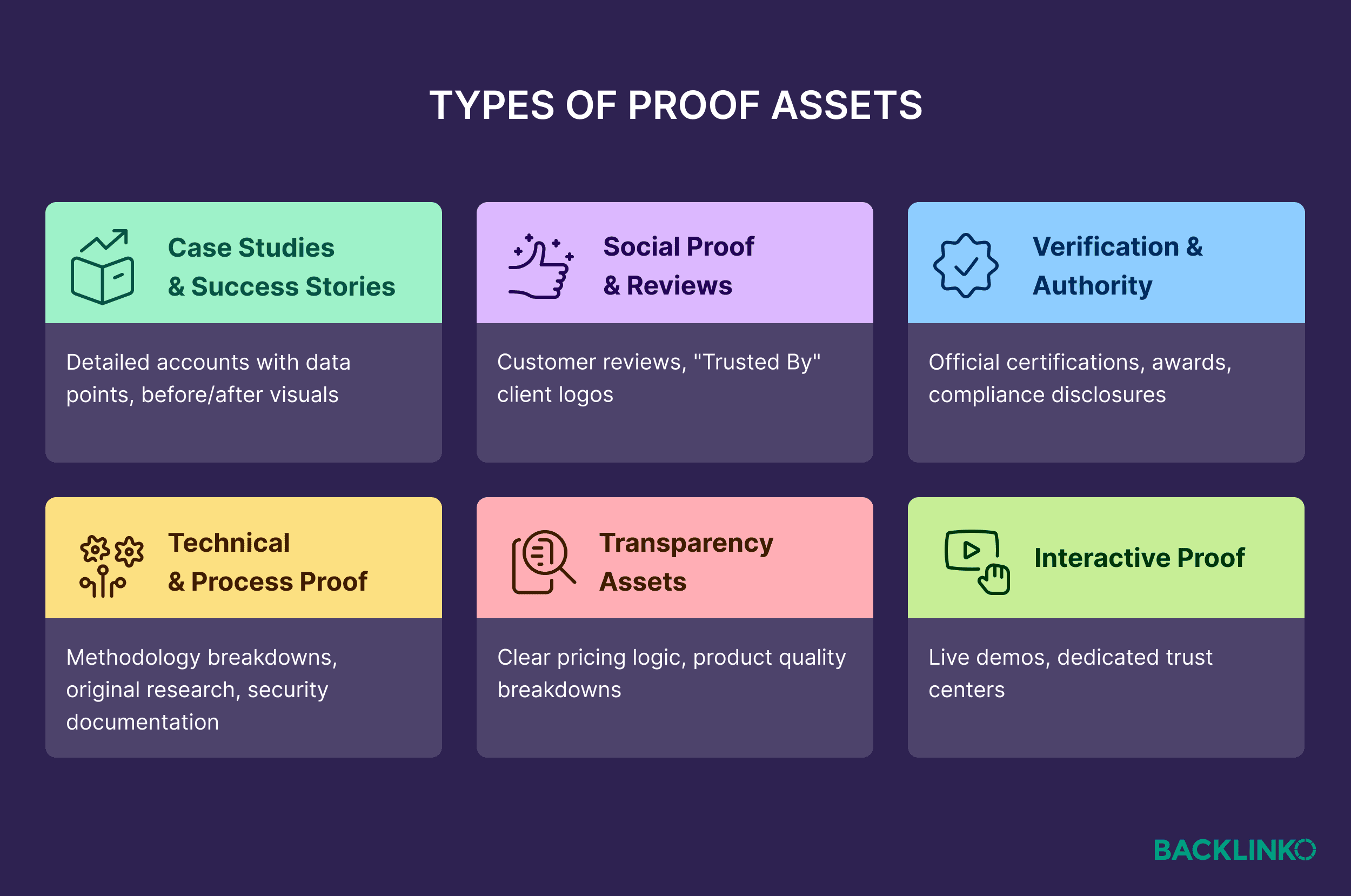
This shift elevates conversion rate optimization (CRO) from a secondary tactical consideration to a core revenue driver. Because contemporary visitors require less top-of-funnel education upon arrival, web properties must immediately eliminate friction and anxiety. Friction encompasses technical obstacles such as excessive page load times and convoluted navigation, while anxiety relates to psychological hesitation driven by unclear pricing, absent security credentials, or opaque return policies.

Enterprises are responding by auditing pages closest to the point of conversion—such as product pages, pricing matrices, and checkout funnels—to ensure absolute clarity. Additionally, organizations increasingly deploy behavioral targeting via email automation. By synchronizing website telemetry with customer relationship management systems, brands can dispatch personalized follow-up communications triggered by specific user interactions, such as abandoned pricing page visits or post-purchase milestones. This continuity leverages the psychological principle of reciprocity, nurturing warm intent into completed transactions.

Diversifying Visibility: Google Discover and Third-Party Authority
Beyond traditional search engine optimization, capturing high-velocity traffic increasingly depends on algorithmic curation feeds such as Google Discover. Operating on personalized, interest-based delivery models, Discover rewards content characterized by topical timeliness, compelling visual assets, and high editorial stakes. Organizations are adapting by incorporating dedicated "Discover lanes" within their content calendars, intentionally reframing evergreen topics to align with current industry developments, regulatory shifts, or macroeconomic trends.

Simultaneously, third-party validation platforms—including niche forums, Reddit communities, and specialized review sites—serve as the primary trust engines for both human buyers and AI training models. Modern visibility strategies dictate active, non-promotional participation within these ecosystems. By contributing expert insights and supporting community discussions without aggressive self-promotion, brands cultivate authentic credibility that algorithms subsequently ingest and reflect in their output.

Implications for Enterprise Strategy

The evolution of website marketing reflects a broader maturation of the digital economy. The era of relying exclusively on direct search engine optimization and localized landing page conversion has yielded to an interconnected ecosystem where brand equity is distributed across videos, social networks, AI models, and peer communities.

Organizations that successfully adapt to this environment view their primary website not as an isolated destination, but as the authoritative anchor of a decentralized customer journey. By engineering consistent brand messaging, optimizing for dual-audience parsing, leveraging authentic human representation, and maintaining active visibility across third-party networks, enterprises can secure sustainable competitive advantages in an increasingly automated marketplace.
Related posts: