Google Ads introduces new Invalid Traffic Overview Card for enhanced transparency in advertising spend

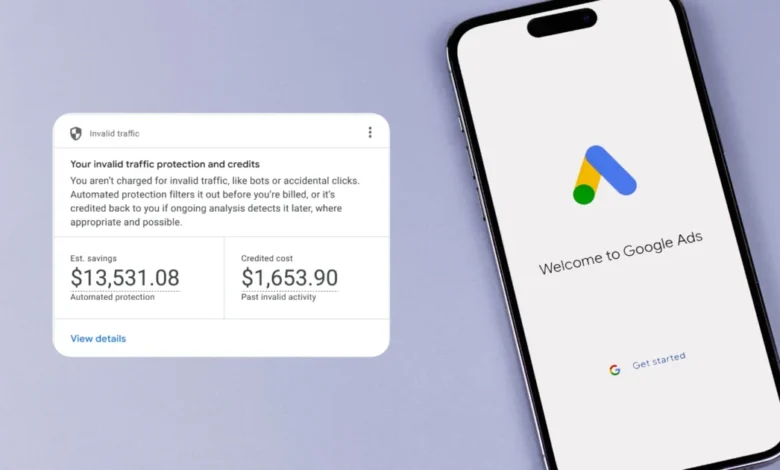
Google has officially launched a new Invalid Traffic Overview Card within its advertising ecosystem, a move designed to provide advertisers with unprecedented visibility into how the platform handles non-human or malicious engagement. This feature centralizes data regarding invalid activity—such as bot interactions, accidental clicks, and intentional traffic inflation—that occurs both before and after the billing cycle. By consolidating these metrics into a single interface, Google is attempting to address long-standing concerns from advertisers regarding the lack of transparency in ad-spend reconciliation.
The rollout, which began this week on a global scale, marks a significant shift in how Google communicates the efficacy of its automated fraud-prevention systems. Previously, advertisers were forced to navigate a fragmented reporting process, often manually reconciling campaign-level performance reports against monthly billing invoices to ascertain whether they had received credits for fraudulent activity. The new card, accessible via the Google Ads Overview page under the Campaigns tab, streamlines this by providing a comprehensive view of filtered activity, complete with daily trends and campaign-specific breakdowns.
Context and Historical Challenges in Ad Fraud Management
The issue of invalid traffic (IVT) has been a persistent pain point for the digital advertising industry since its inception. Advertisers consistently operate with the fear that their budgets are being siphoned off by automated scripts, competitors attempting to exhaust daily budgets, or accidental clicks that provide no actual value to the business.
Google’s historical approach to this has been the deployment of a dual-layered defense system: automated real-time filtering and retroactive manual reviews. For years, the company maintained that the vast majority of invalid interactions were caught before they ever reached an advertiser’s invoice. However, the "black box" nature of this process—whereby advertisers knew that Google was filtering traffic but lacked granular data on the scale of those efforts—created a trust gap.
This announcement follows a growing trend of "platform transparency" initiatives. As regulatory bodies in the European Union and the United States continue to scrutinize the digital advertising supply chain, major players like Google are under increased pressure to demonstrate that their automated systems are both robust and auditable. By providing this reporting, Google is essentially providing a receipt for the "invisible" work its security infrastructure performs daily.
Breaking Down the New Reporting Capabilities
The new Invalid Traffic Overview Card introduces three distinct reporting pillars that provide a more nuanced look at how ad budgets are protected.
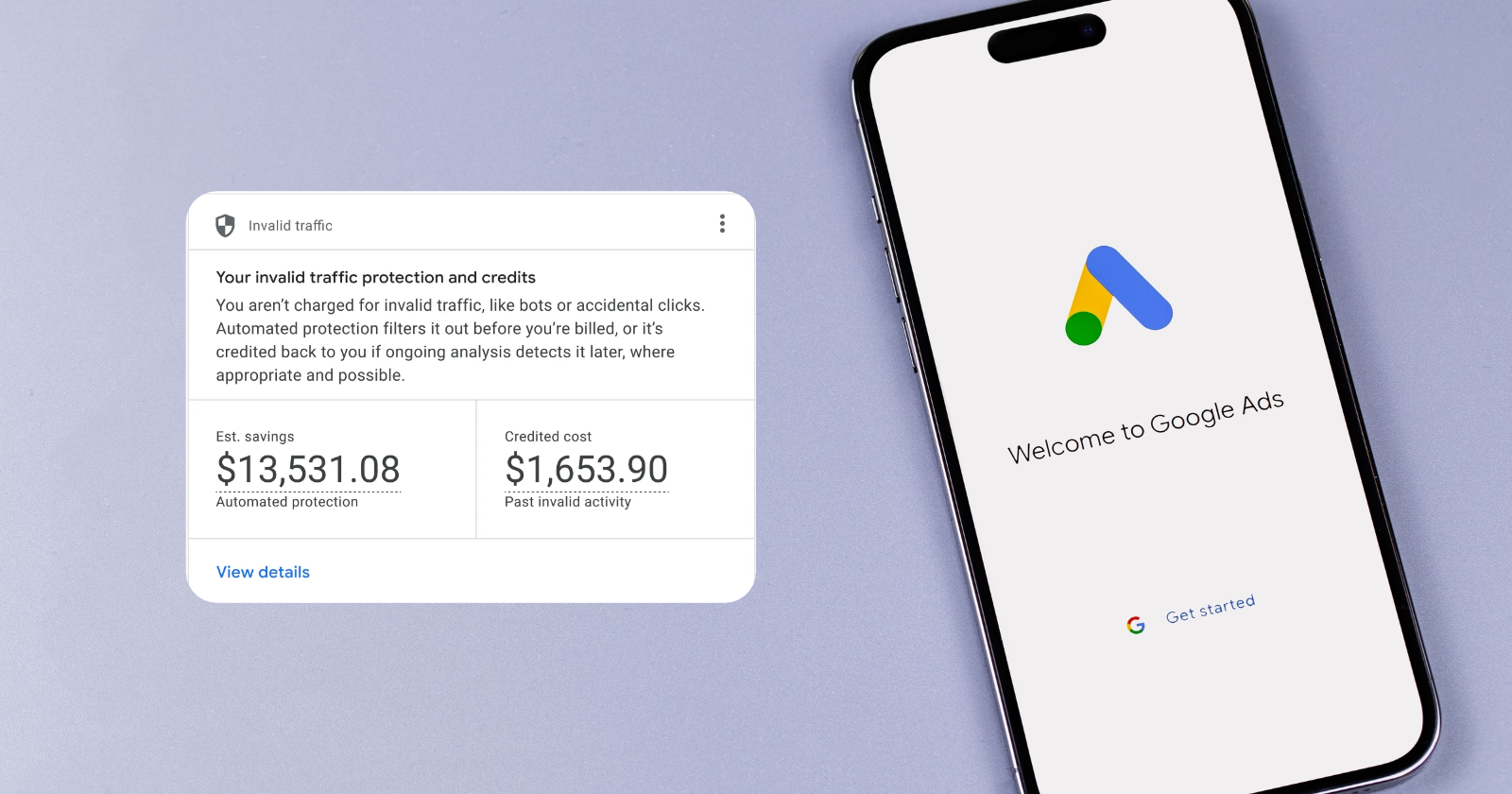
First, the tool reports on activity filtered before billing. This represents the "preventative" work done by Google’s algorithms, ensuring that advertisers are not charged for clicks that are deemed invalid in real-time. Second, the tool highlights post-billing credits. These are adjustments made after an audit or a secondary review identifies invalid activity that initially bypassed the real-time filters. Finally, the card provides an estimated savings figure—a crucial addition that allows marketers to quantify the financial impact of Google’s security measures.
When an advertiser selects the "View details" option, the platform provides a deeper dive, offering a daily trend chart. This is particularly useful for identifying sudden spikes in bot traffic, which could correlate with specific external events or shifts in the competitive landscape. Additionally, the feature is fully integrated into Search Ads 360, ensuring that enterprise-level clients managing large, multi-account portfolios can access the same level of transparency as those using standard Google Ads accounts.
Navigating the Nuances of Performance Metrics
A critical point of confusion for many advertisers is the relationship between invalid traffic credits and standard performance metrics. Google has confirmed that the introduction of this card does not change the core functionality of the platform’s reporting. Specifically, standard campaign metrics—such as Cost, CPC, and CPA—are "locked" at the end of each month to maintain consistency with historical billing records.
If a credit is issued after the month has closed, the standard Campaigns table will not retroactively update to show a lower cost. This separation is necessary to prevent data volatility, which would complicate long-term performance analysis. However, for advertisers requiring high-fidelity reporting, Google has introduced the "Invalid Activity Credit: Search & PMax" report within the Report Editor. This specialized tool allows users to view "Adjusted Cost" and "Adjusted Cost per Conversion" metrics, retroactively attributing credits to the dates the ads actually served. This ensures that the financial data remains accurate for tax and internal audit purposes without destabilizing the primary campaign reporting view.
Industry Implications and Strategic Limitations
While the launch of the Invalid Traffic Overview Card is a clear win for transparency, industry analysts warn that advertisers should interpret these figures with a degree of caution.
A primary consideration is that the "estimated savings" figure is highly dependent on campaign scale. A high-spend, high-volume account will naturally exhibit a larger dollar amount of filtered invalid traffic compared to a smaller account. Therefore, an increase in filtered traffic does not necessarily indicate a rise in malicious activity; it may simply reflect the overall growth of the campaign. Advertisers are advised to look at the percentage of traffic deemed invalid relative to total traffic, rather than focusing exclusively on the raw dollar amount, to determine if their campaigns are being disproportionately targeted by bad actors.
Furthermore, it is essential to distinguish between "invalid traffic" and "low-quality leads." Ginny Marvin, the Google Ads Liaison, has been clear in recent communications that the system is designed to stop fraudulent technical interactions—not to guarantee the quality of human behavior. An account may see very little invalid traffic, yet still suffer from poor conversion rates or low-quality leads. This is because users who are "real" humans may still click on ads and submit forms that fail to meet an advertiser’s specific business criteria.
Consequently, the new reporting tool should be viewed as one piece of a broader lead-quality strategy. Advertisers must continue to integrate their Google Ads data with CRM (Customer Relationship Management) platforms to track the actual downstream value of their leads. If a high volume of leads is being generated but few are converting into sales, the solution likely lies in refining targeting, audience segments, or landing page messaging, rather than seeking solutions in traffic filtering.
Looking Ahead: The Future of Ad Verification
The introduction of this tool signifies an evolution in the relationship between platforms and advertisers. As AI-driven bot traffic becomes more sophisticated, the challenge of maintaining a clean advertising environment is only going to grow. Google’s decision to pull back the curtain on its internal filtering mechanisms suggests that the company is moving toward a more collaborative model of fraud management.
For the average marketer, this update provides a much-needed tool for internal reporting. When stakeholders or finance departments question the integrity of advertising spend, marketing teams now have a standardized, Google-provided report to justify their investment and demonstrate the value of the platform’s security protocols.
As of late 2026, the rollout is continuing across all global regions. Users who do not yet see the card on their Overview page should expect access within the coming days. By leveraging the data provided in these new reports, advertisers can gain a clearer understanding of the "hidden" economics of their campaigns, allowing for better-informed decisions and a more robust defense against the persistent, evolving threat of invalid digital traffic. While it is not a silver bullet for all quality-related concerns, it represents a significant step forward in the ongoing quest for accountability within the programmatic advertising space.