The Hidden Crisis in Modern SEO: Why Your Brand Can Rank #1 on Google Yet Be Completely Invisible to AI

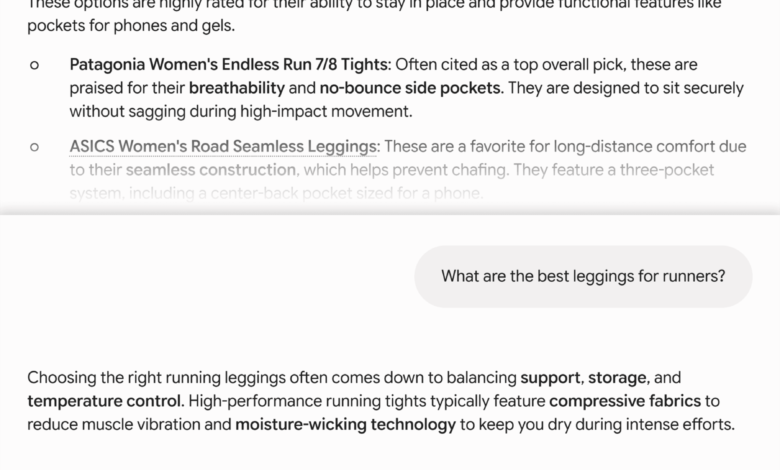
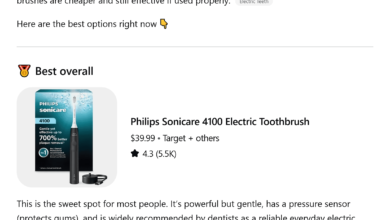
In the rapidly evolving landscape of digital search, achieving a coveted first-place ranking on Google no longer guarantees commercial visibility. As millions of consumers and B2B buyers pivot toward generative artificial intelligence and large language models (LLMs) to conduct pre-purchase research, an alarming disconnect has emerged between traditional search engine optimization (SEO) success and AI discoverability. A brand may dominate traditional search engine results pages (SERPs) with a pristine profile of blue links, yet remain entirely absent from the conversational recommendations generated by AI chatbots. Worse still, businesses increasingly face instances of inaccurate or outdated summaries generated by AI systems, directly undermining consumer trust and corporate revenue.
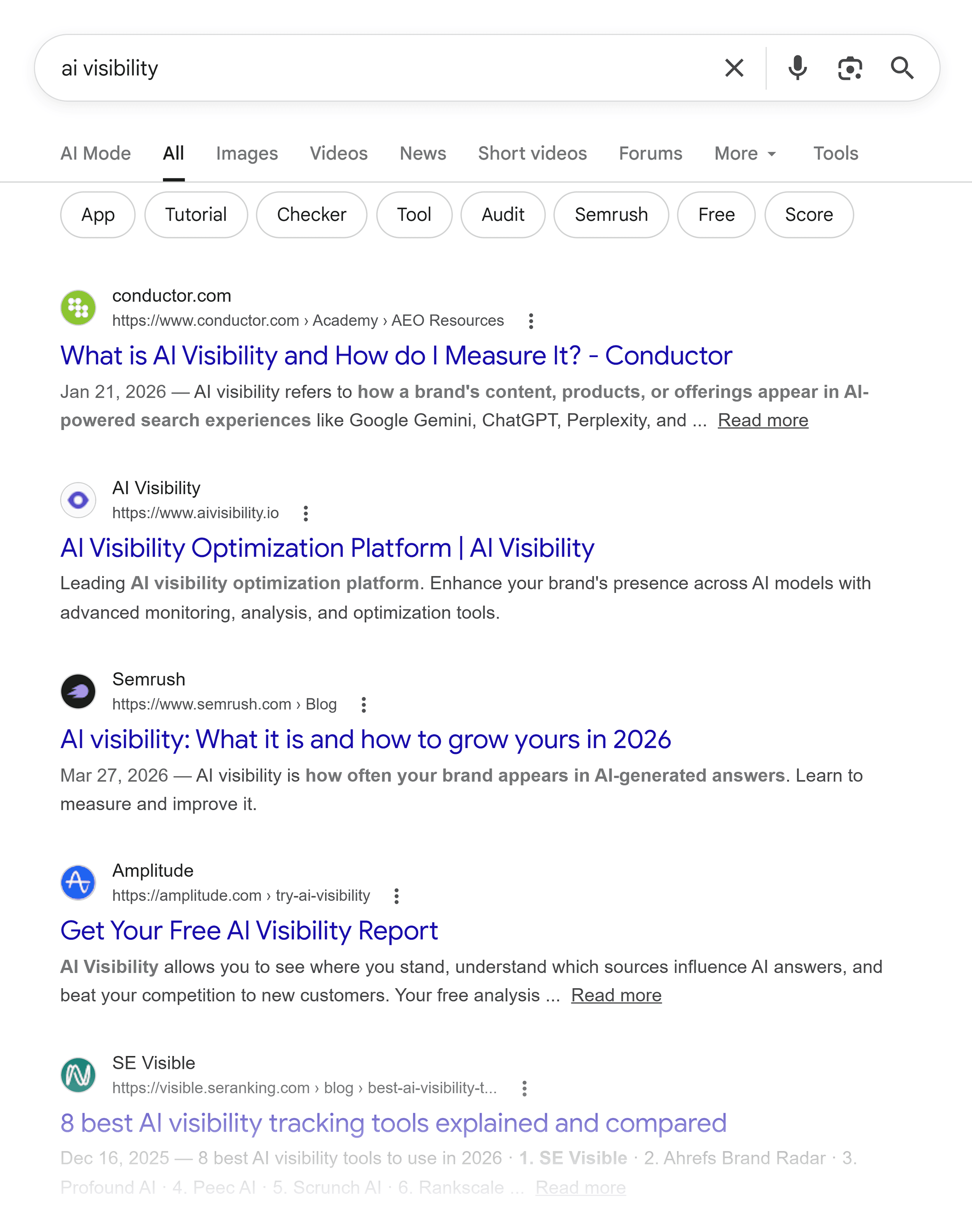
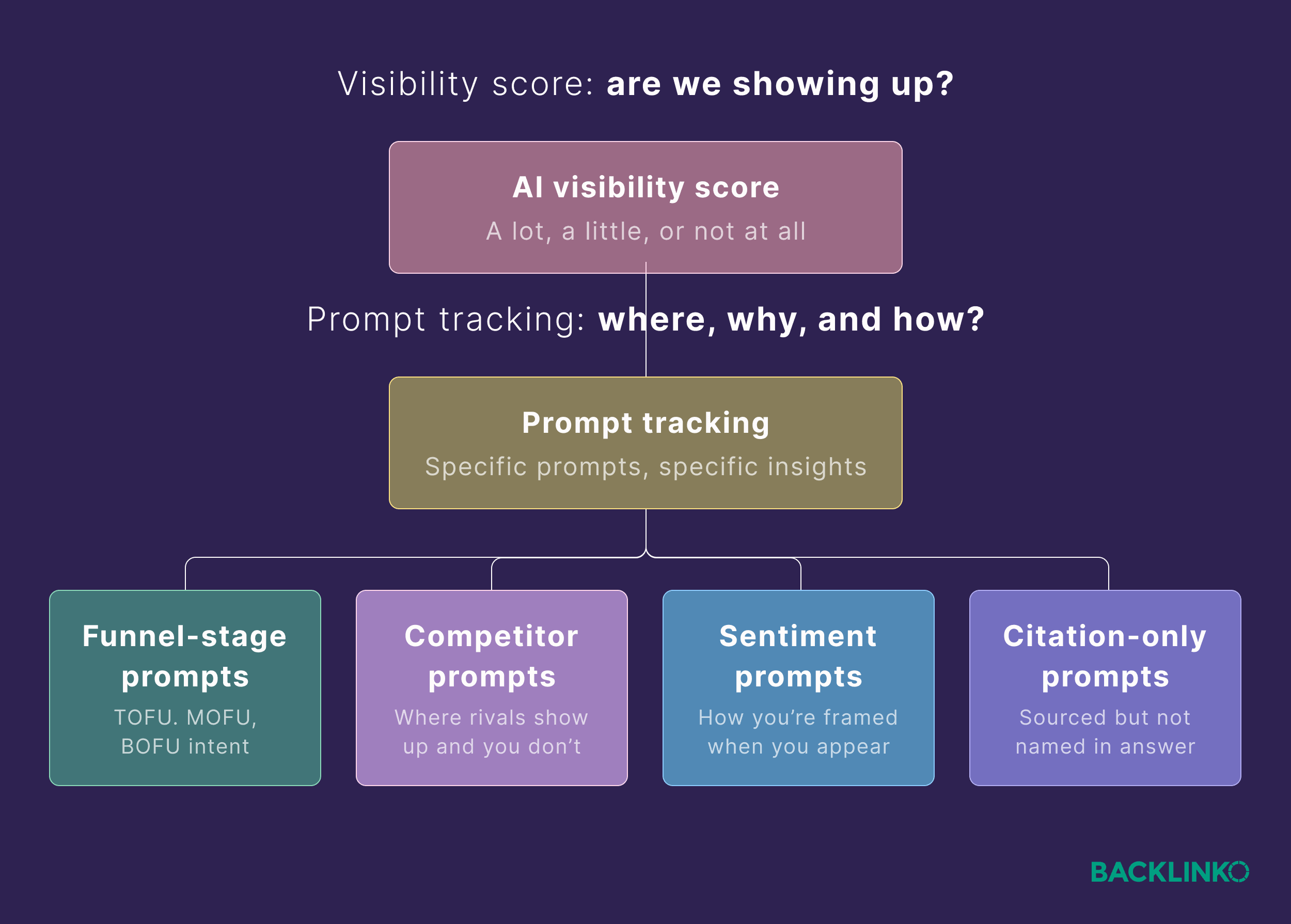
To combat this emerging visibility gap, digital marketers and search strategists are adopting a new methodology known as prompt tracking, or LLM visibility tracking. Unlike conventional rank tracking—which relies on static metrics to determine where specific URLs land on SERPs for predefined keywords—prompt tracking monitors how, when, and in what context a brand is mentioned or cited within generative AI responses over time. Because LLMs synthesize vast corpuses of data on the fly to generate unique, context-dependent answers rather than static lists, understanding a brand’s footprint in the AI ecosystem requires an entirely new framework of measurement.
The Shift from Keywords to Conversational Context
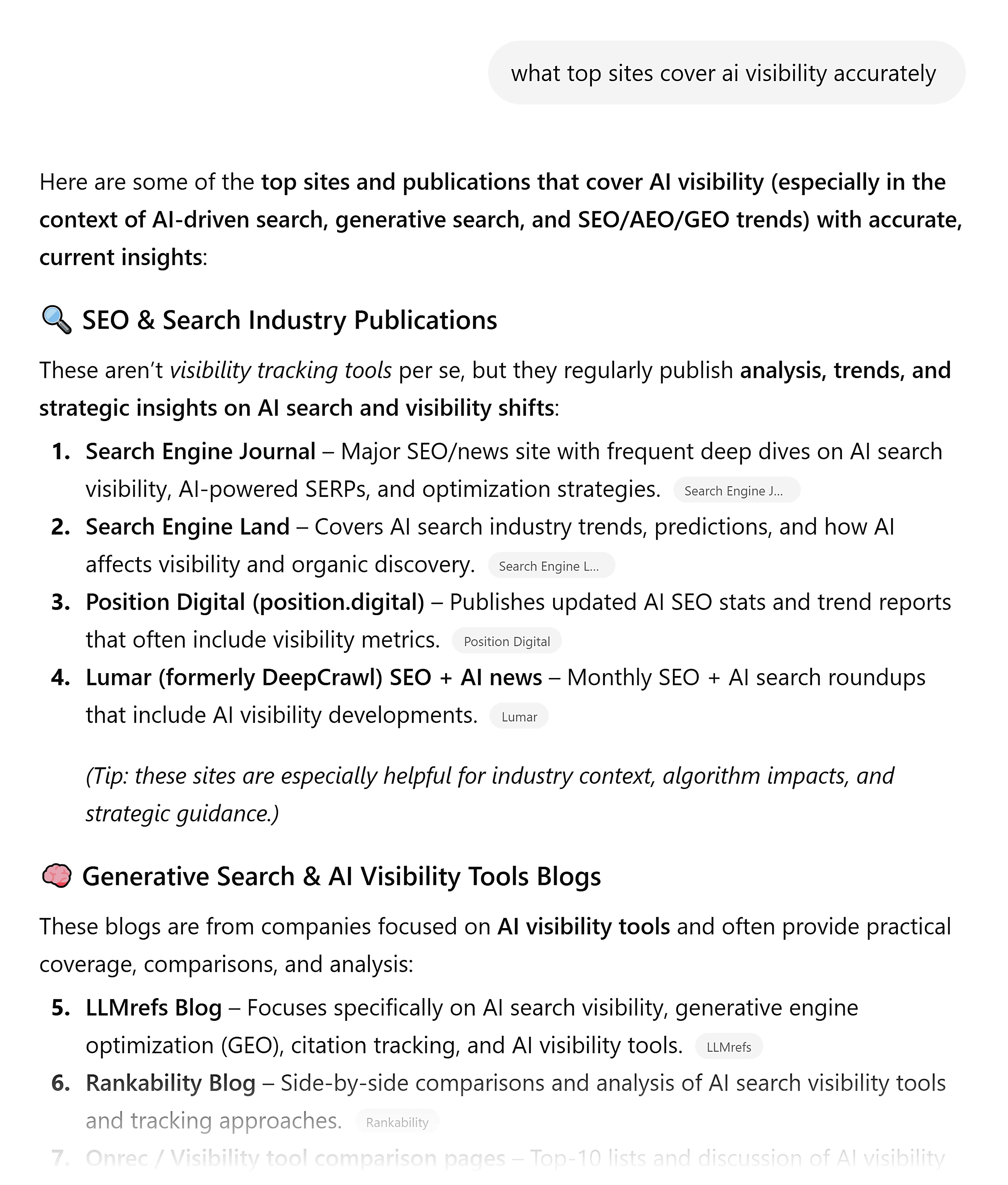
The technological underpinnings of traditional search engines and generative AI models differ fundamentally. Traditional rank tracking asks a straightforward question: "How close are our URLs to position one for this specific keyword?" In contrast, large language models operate on probabilistic text generation. They pull from diverse training data and real-time indices to construct a tailored response for every individual query. Consequently, a user can enter the exact same prompt twice into an AI tool such as ChatGPT, Google Gemini, or Anthropic’s Claude and receive two entirely different answers.
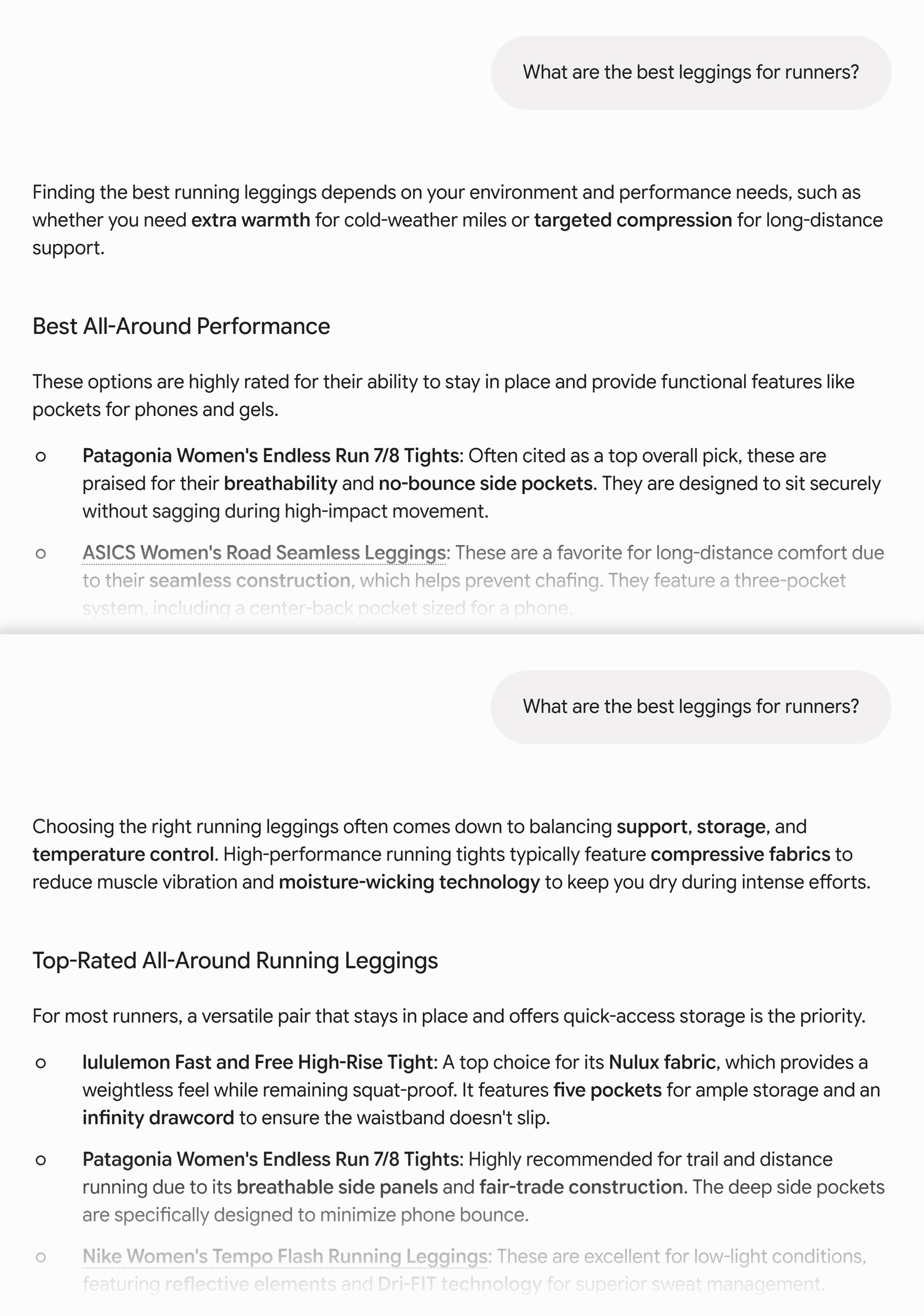
This non-deterministic behavior shifts the strategic priority for brands. Securing the absolute first mention in an AI-generated response matters less than ensuring the system consistently communicates accurate, positive attributes about the organization to the appropriate target audience across multiple iterations of similar prompts. Without a systematic monitoring framework, organizations remain entirely blind to their standing in the burgeoning "answer economy."
Recent industry data underscores the urgency of this transition. According to a comprehensive study published by Orbit Media, approximately 55 percent of United States internet users now rely on generative AI as their primary or frequent research tool, with 32 percent explicitly utilizing these platforms for product recommendations. Furthermore, a 2026 AI search insight report from G2 revealed that 71 percent of B2B software buyers currently depend on AI chatbots for preliminary product research, marking a sharp increase from 60 percent just one year prior. These statistics point to a fundamental shift in consumer behavior: an escalating share of potential buyers learn about products and services exclusively through AI interfaces without ever visiting a traditional corporate website.
Decoding Prompt Tracking: Structure, Strategy, and Implementation
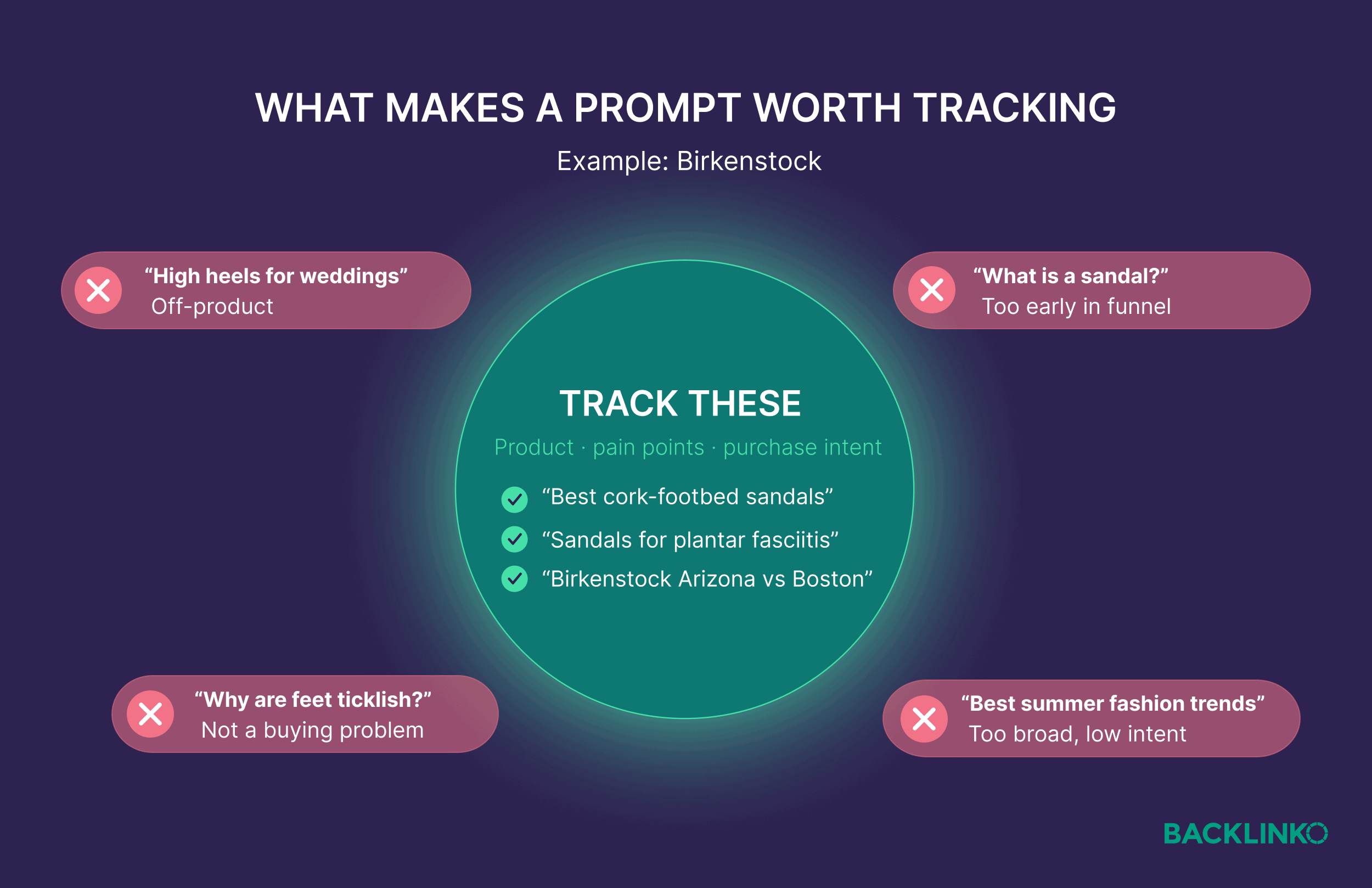
Effective prompt tracking requires a deliberate, structured approach rather than an indiscriminate collection of every possible user query. Industry experts advise categorizing tracked prompts into distinct behavioral clusters that map directly to the buyer’s journey: definition queries, comparison queries, evaluation queries, and reputation queries.
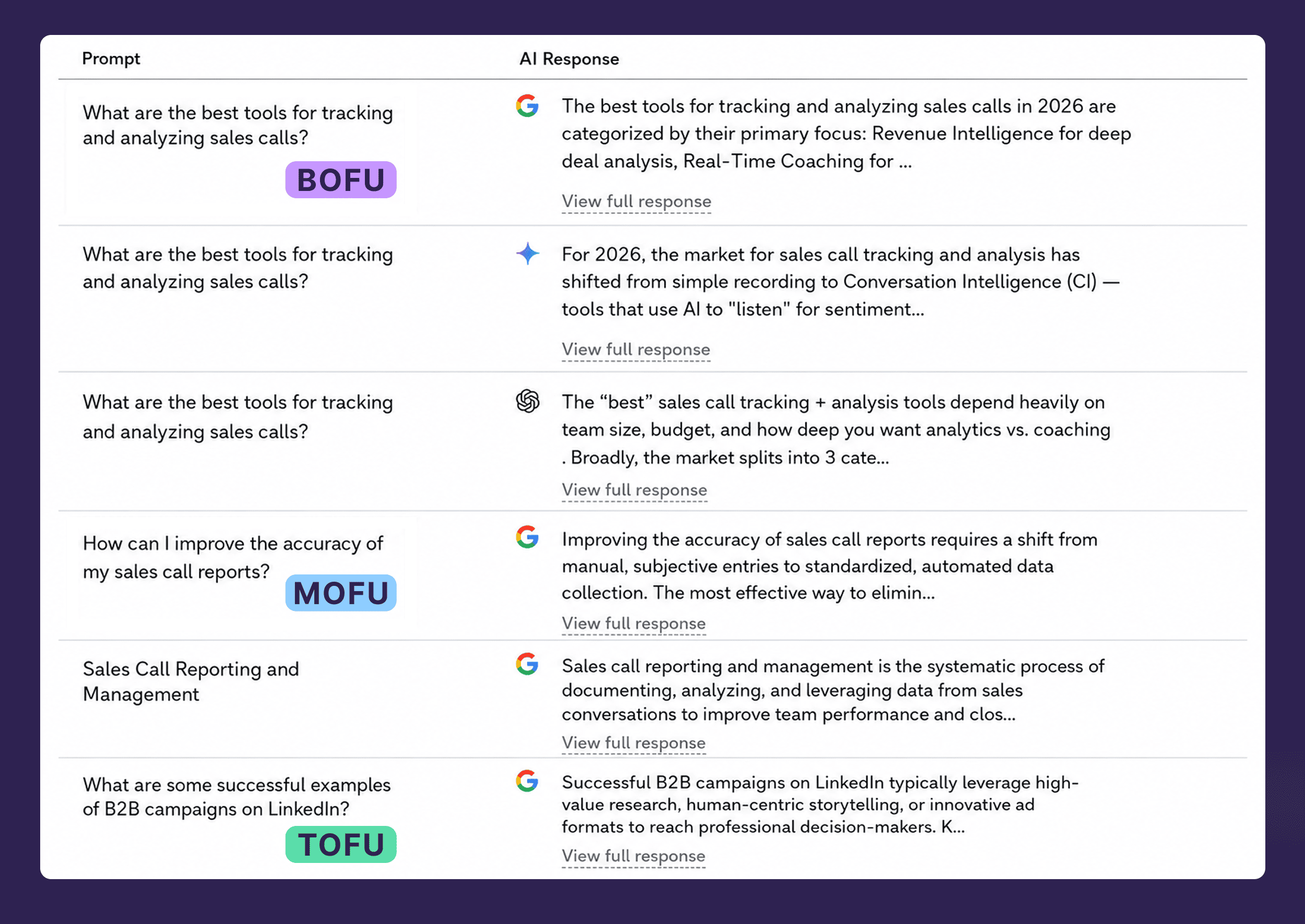
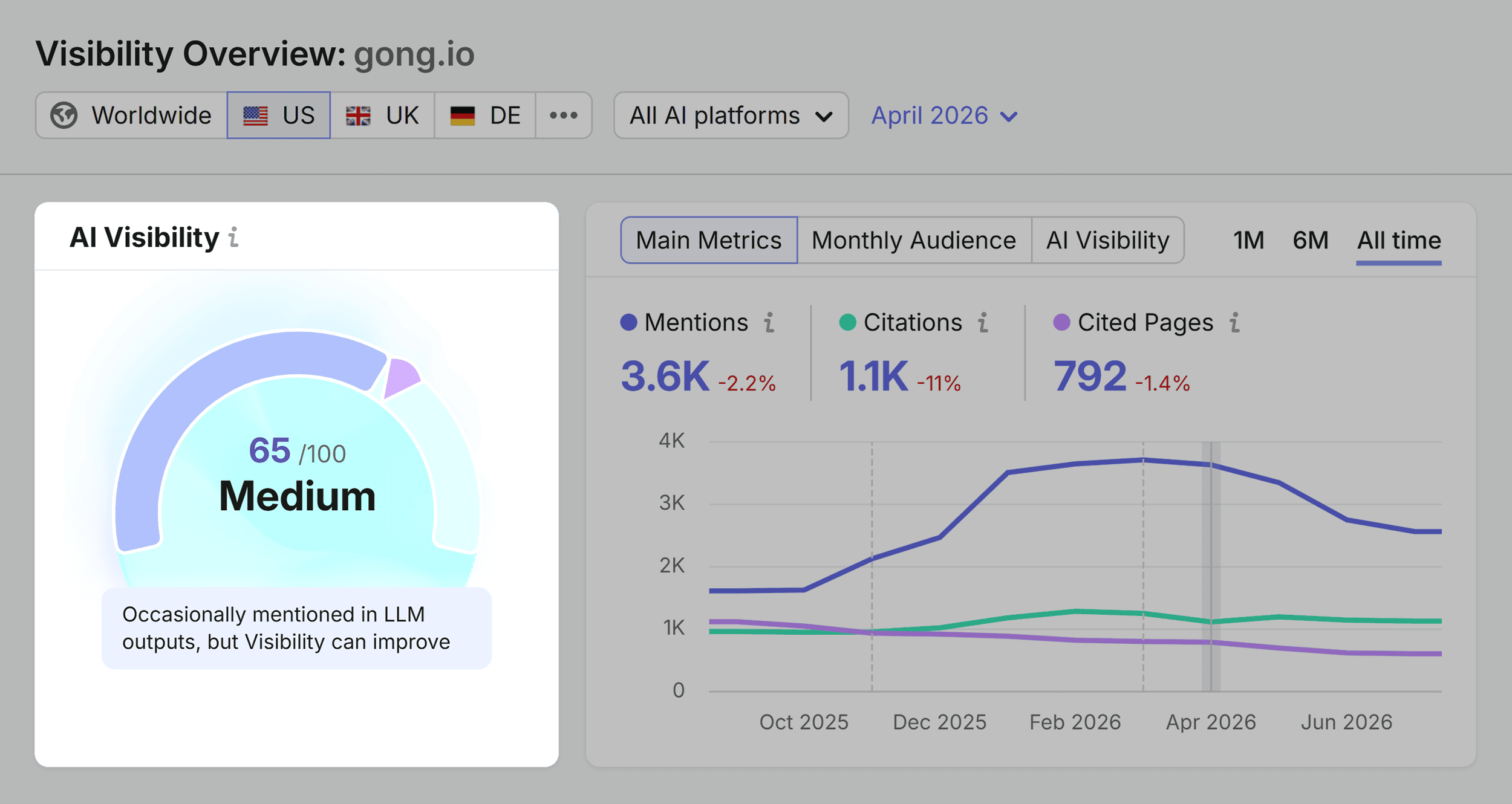
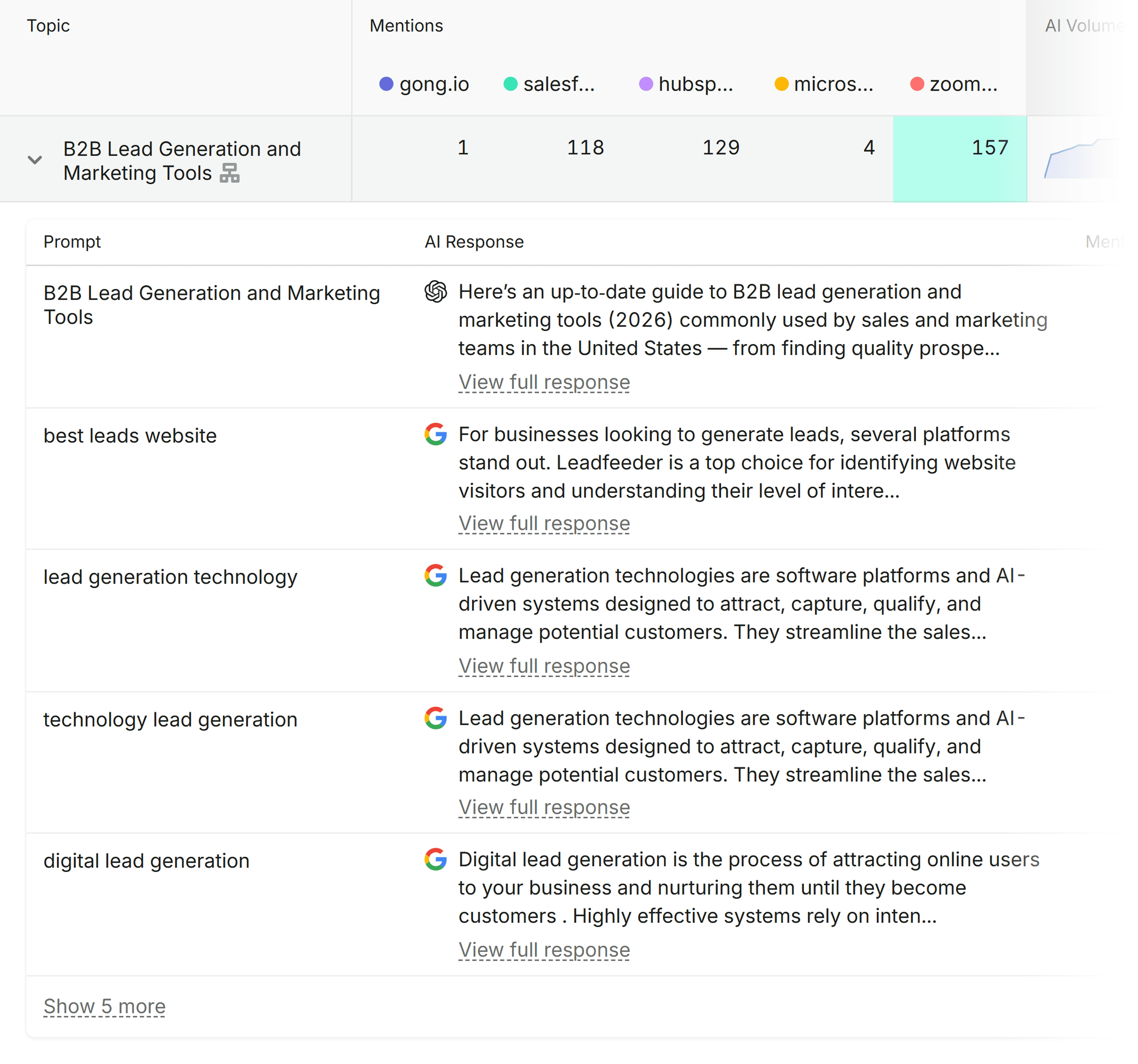
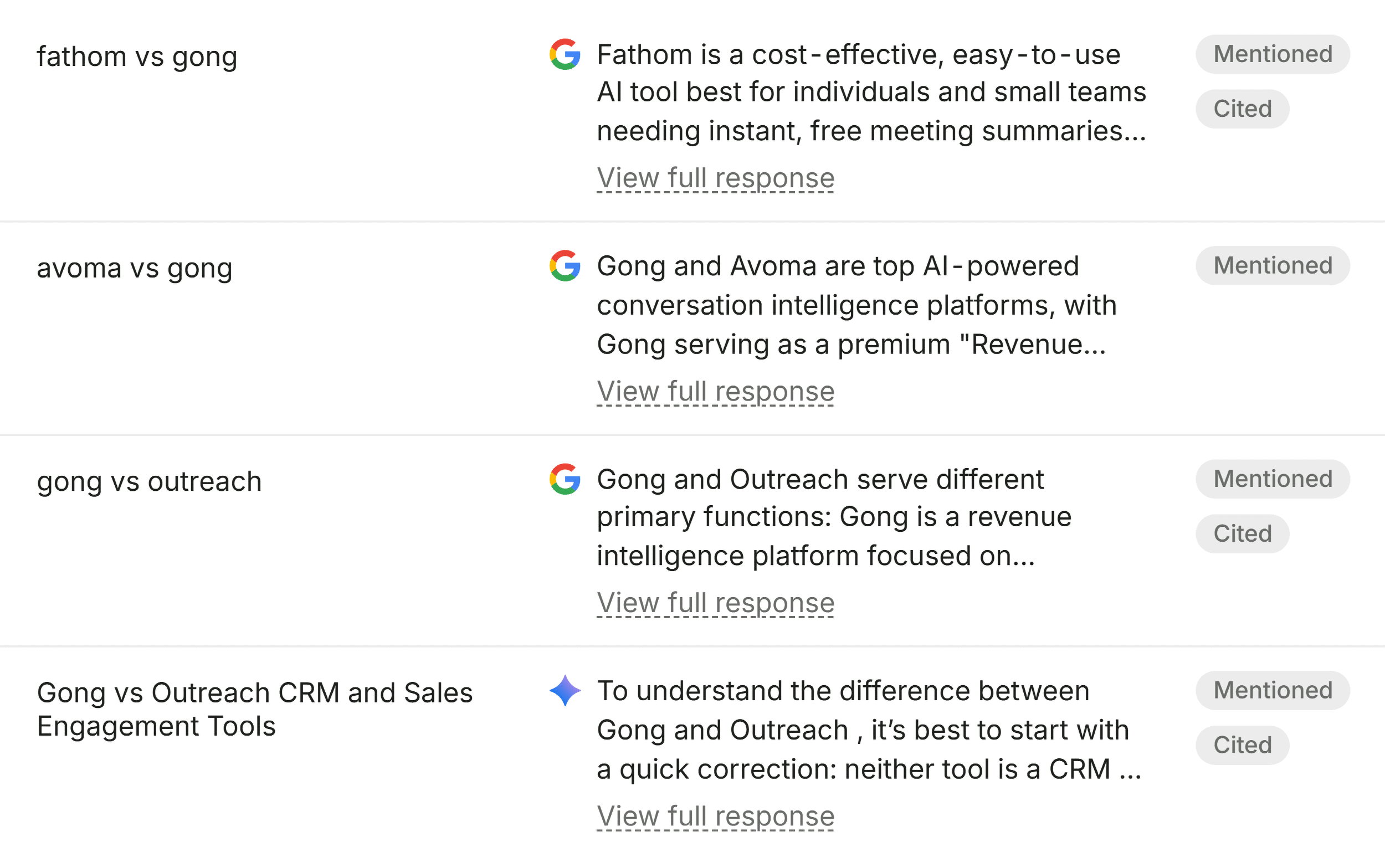
Top-of-funnel (TOFU) prompts, such as general definitions, rarely drive conversions and are generally considered low priority for commercial tracking. Conversely, bottom-of-funnel (BOFU) prompts—such as software comparisons, integration inquiries, and pricing evaluations—offer vital directional intelligence. For example, enterprise platforms like sales intelligence provider Gong and social media management leader Hootsuite actively monitor comparison prompts against direct competitors to identify visibility shortfalls and optimize their digital content strategies accordingly.
Industry practitioners emphasize that prompt tracking is not universally applicable. Businesses that rely entirely on localized word-of-mouth or physical foot traffic, such as independent neighborhood contractors, often gain little immediate return from investing in complex AI visibility audits. However, for organizations operating in competitive digital marketplaces with active content ecosystems, prompt tracking serves as a vital diagnostic compass.
Building an initial prompt tracking framework typically begins with a curated set of 20 to 30 strategic prompts distributed across four to six core use cases or product lines. Professionals executing these audits generally follow a disciplined, multi-step process:
- Setting up a centralized tracking matrix to log prompts, target platforms, mention rates, sentiment, and cited sources.
- Executing prompts across multiple major LLMs—including ChatGPT, Google Gemini, Microsoft Copilot, and Perplexity—to account for proprietary data weighting and retrieval-augmented generation differences.
- Conducting multiple runs per session where feasible to calculate accurate mention and citation frequencies.
- Documenting competitor appearances alongside brand metrics to benchmark category performance.
- Reviewing data trends on a weekly basis while reserving strategic decision-making for monthly evaluations to filter out short-term algorithmic variance.
Analyzing the Data: Moving from Metrics to Actionable Strategy
Interpreting generative AI tracking data demands patience and analytical discipline. Because AI models undergo frequent silent updates and exhibit inherent training biases—such as favoring global enterprises over localized entities—single-week drops in visibility can easily be statistical flukes rather than systemic failures. Analysts recommend establishing a baseline over four consecutive weeks before implementing corrective measures.
When consistent downward trends or visibility gaps emerge, strategists look closely at the third-party sources cited by the LLMs. Industry research indicates that up to 85 percent of brand mentions within AI-generated responses originate from third-party authority sites, review platforms, and discussion forums such as Reddit, G2, TechRadar, and Capterra. If an AI platform repeatedly cites specific external publications while omitting a brand in a critical product category, marketing teams can prioritize PR outreach, profile optimization, and review collection campaigns targeting those specific publications.
Another critical phenomenon identified by search strategists is "ghost ranking," a scenario where a brand’s content appears in the AI platform’s citation panel or source footnotes, yet the model ultimately recommends a competitor in the primary text response. Addressing ghost ranking requires comprehensive audits of the cited external profiles to ensure product descriptions, pricing details, and feature sets are robust, up-to-date, and optimized for machine readability.

Ultimately, prompt tracking functions as a strategic navigational tool rather than a static performance scoreboard. By focusing on high-intent, bottom-of-funnel queries, monitoring trends rather than isolated data points, and systematically addressing third-party citation gaps, forward-thinking brands can secure their position in the automated conversations shaping the future of global commerce.