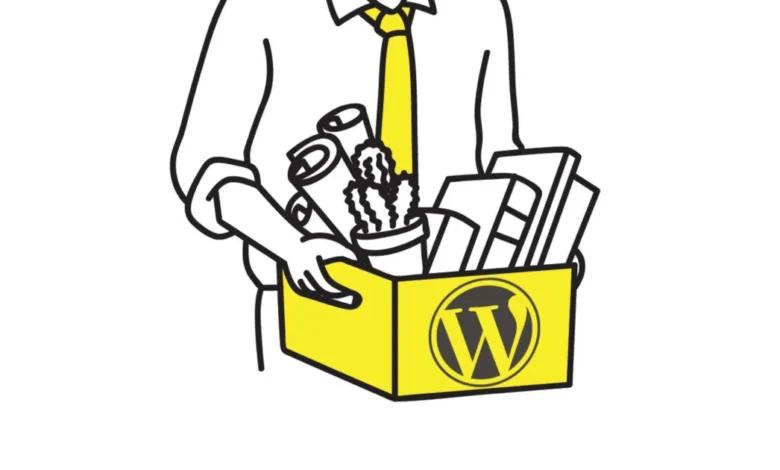
The landscape of the open-source web has shifted dramatically following the decision by the Automattic board of directors to place co-founder and CEO Matt Mullenweg on a paid leave of absence. This move, which marks a historic turning point for the company behind the WordPress.com platform and a primary contributor to the WordPress project, follows a period of intense organizational volatility and escalating legal challenges. In a move to stabilize leadership, the board has appointed Chief Financial Officer Mark Davies to steer the company on an interim basis.
The transition, confirmed by internal communications and reports from 404 Media, follows a period of mounting friction between Mullenweg and the executive leadership team. In a message disseminated to staff via Slack, Mullenweg alleged that his removal was the result of a coordinated effort, claiming he was blindsided by the board’s resolution. He noted that he was provided with the resolution only 50 minutes before an Executive Leadership Team (ELT) meeting and was denied requests for independent legal counsel to review the terms.
A Timeline of Escalating Conflict
The removal of Mullenweg does not occur in a vacuum; it is the culmination of months of deteriorating relations between Automattic, its leadership, and the broader WordPress ecosystem. The tension originated largely from Mullenweg’s aggressive campaign against WP Engine, a managed WordPress hosting provider.
- September 2024: The conflict reached a fever pitch when Mullenweg publicly characterized WP Engine as a "cancer" to WordPress, initiating a series of public confrontations that disrupted the ecosystem.
- Late September 2024: Automattic issued a cease-and-desist letter to WP Engine, citing trademark infringement and intellectual property disputes.
- October 2024: WP Engine filed a lawsuit against Automattic and Mullenweg, alleging extortion and abuse of power. The filing highlighted that Mullenweg had demanded payments from WP Engine to the WordPress Foundation.
- Late 2024 – Early 2025: As the litigation progressed, court documents began to surface revealing that Mullenweg’s digital communications were subject to scrutiny. Reports surfaced that his personal devices—a laptop and a phone—could not be located for discovery purposes, leading to accusations of evidence spoliation.
- March 2026: The board of directors, citing the need for corporate governance stability and the mitigation of legal risk, moved to place Mullenweg on leave.
The Legal and Operational Fallout
The lawsuit filed by WP Engine has placed Automattic in a precarious legal position. Central to the dispute are allegations that Mullenweg leveraged his position at both the WordPress Foundation and Automattic to force business concessions from a competitor. The request for sanctions against Mullenweg, based on the inability to produce requested electronic records, has compounded the firm’s legal woes.
Independent e-discovery vendors, including those representing Automattic, have faced difficulties in retrieving essential correspondence. The narrative that critical data was lost during a failed backup process has drawn significant criticism from legal observers, who argue that in a corporate environment of this scale, such lapses in data preservation are highly irregular. The presiding judge in the WP Engine case has previously expressed skepticism regarding these technical failures, hinting at the potential for a preliminary injunction that could significantly curb Mullenweg’s ability to influence the ecosystem as he had previously.
The Erosion of WordPress Market Dominance
Beyond the boardroom and the courtroom, the "nuclear war" initiated by Mullenweg has had tangible consequences for the WordPress brand. For years, WordPress has held the position of the world’s most popular content management system (CMS), powering over 40% of the web. However, recent market analysis suggests that this dominance is beginning to soften.
Data from industry trackers indicates a stagnation in new WordPress installations, coupled with a growing exodus of users toward alternative platforms like Webflow, Squarespace, and headless CMS solutions. This shift is partially attributed to the perception of instability within the WordPress project. When the leader of a project explicitly targets a major service provider, developers and enterprise clients often view the platform as a risky investment.
Furthermore, attendance figures for WordCamp events—the lifeblood of the WordPress community—have shown a marked decline. These conferences, once vibrant hubs for professional networking and open-source collaboration, have seen participation wane as community members express fatigue over the recent controversies. The polarization of the developer community has led to a fractured ecosystem, where many plugin and theme developers are reconsidering their long-term reliance on the platform.
Challenges in the Plugin Ecosystem
The broader WordPress infrastructure is also facing a dual threat from technological shifts and internal mismanagement. The plugin ecosystem, which once thrived on a model of democratized web development, is currently experiencing a "slow-motion decline." Many independent developers report that their paid user bases are shrinking as users move away from legacy plugin architectures.
Simultaneously, the rise of AI-driven development has created a paradox for the ecosystem. While AI tools have increased the speed at which plugins can be developed, they have also led to a surge in the discovery of security vulnerabilities. Because much of the legacy code within the WordPress plugin directory has not been audited for modern security standards, the platform has become a frequent target for automated exploitation. The lack of clear, unified leadership at Automattic has made it increasingly difficult to coordinate a standardized security response to these emerging threats.
Implications for the Future of Automattic
The appointment of Mark Davies as interim leader signals a shift toward a more traditional corporate governance model. Investors and stakeholders in Automattic are likely looking for a period of "de-escalation"—a cooling of the rhetoric surrounding WP Engine and a return to professional, non-confrontational business practices.
However, the challenge for the board is significant. Mullenweg is not merely a CEO; he is the face of the WordPress project. His personal brand is inextricably linked to the software. Replacing him requires more than just a change in management; it requires a delicate navigation of the relationship between a for-profit entity (Automattic) and a non-profit open-source project (WordPress.org).
If the board fails to decouple the two effectively, the perception of "corporate capture" of the open-source project will likely persist. This could embolden fork attempts or accelerate the migration of top-tier developers to competing frameworks that offer more governance transparency.
Stakeholder and Community Sentiment
Reactions to the news have been varied. Within the enterprise sector, there is a sense of relief that the volatility may soon subside. Business leaders who rely on WordPress for high-traffic, mission-critical websites have expressed hope that the board will prioritize stability over the ideological battles that have defined the past year.
Conversely, some long-time community contributors have expressed concern that the removal of Mullenweg could lead to a loss of the "visionary" spirit that originally fueled WordPress. However, the prevailing sentiment on industry forums and developer communities is that the project requires a period of neutral, professional oversight to repair the damage done to its reputation.
Conclusion: A Turning Point
The ouster of Matt Mullenweg is the most significant leadership change in the history of the WordPress ecosystem. It highlights the dangers of allowing personal grievances to dictate corporate strategy and underscores the fragility of open-source projects when they are tethered to the individual whims of a founder-CEO.
As Automattic moves forward under the guidance of Mark Davies, the company faces a tripartite mission: resolving the high-stakes litigation with WP Engine, restoring trust within the developer community, and addressing the technical stagnation that has plagued the platform. Whether these efforts will be sufficient to reverse the declining market share remains to be seen. What is clear, however, is that the era of "nuclear" management at the top of the WordPress hierarchy has, at least temporarily, come to an end. The industry will be watching closely to see if the board can steer the company toward a more stable and collaborative future, or if the cracks in the foundation of the world’s most popular CMS have already become too deep to repair.