The Ultimate Guide to Prompt Tracking: How to Monitor Your Brand in AI Search

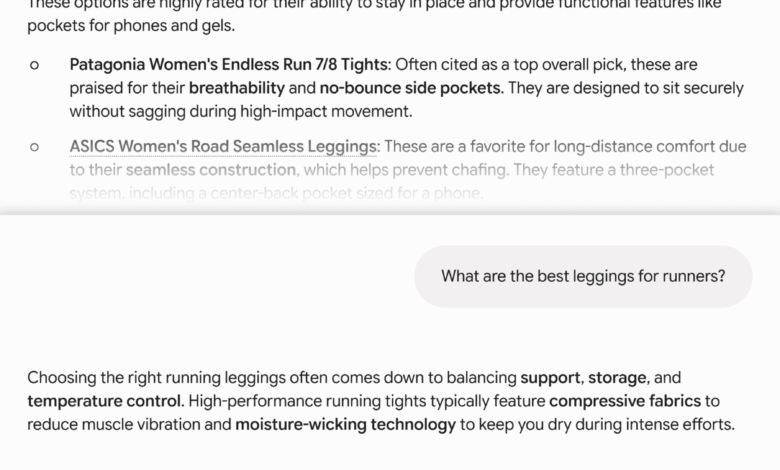
As the digital landscape evolves, securing the top organic spot on traditional search engine results pages is no longer a guarantee of market visibility. Today, consumers increasingly bypass traditional search engines entirely, relying instead on conversational artificial intelligence and large language models (LLMs) to research categories, compare products, and make purchasing decisions. A brand can hold the premier position on Google while remaining entirely absent from—or inaccurately represented within—the generative AI dialogues that shape modern consumer behavior.
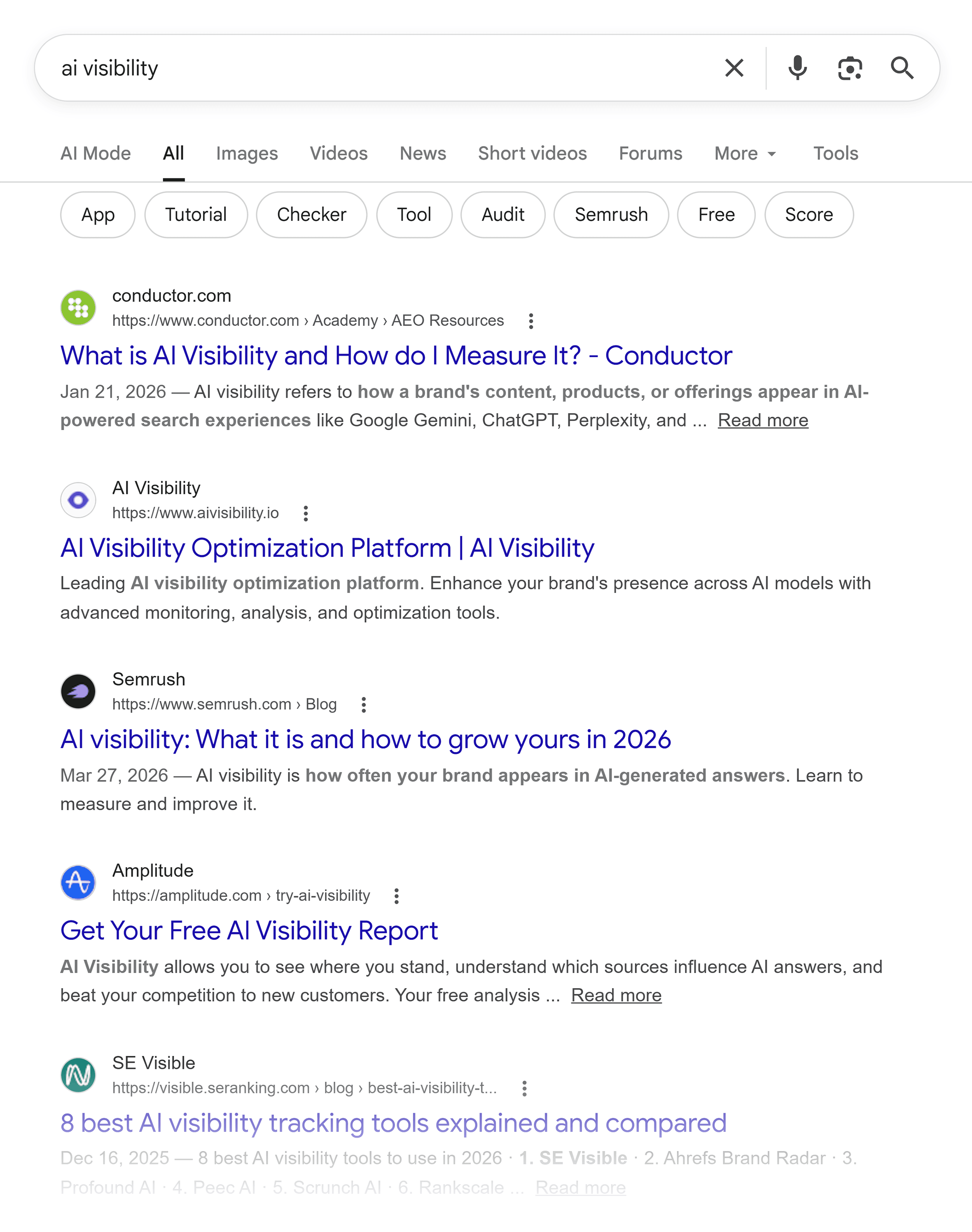
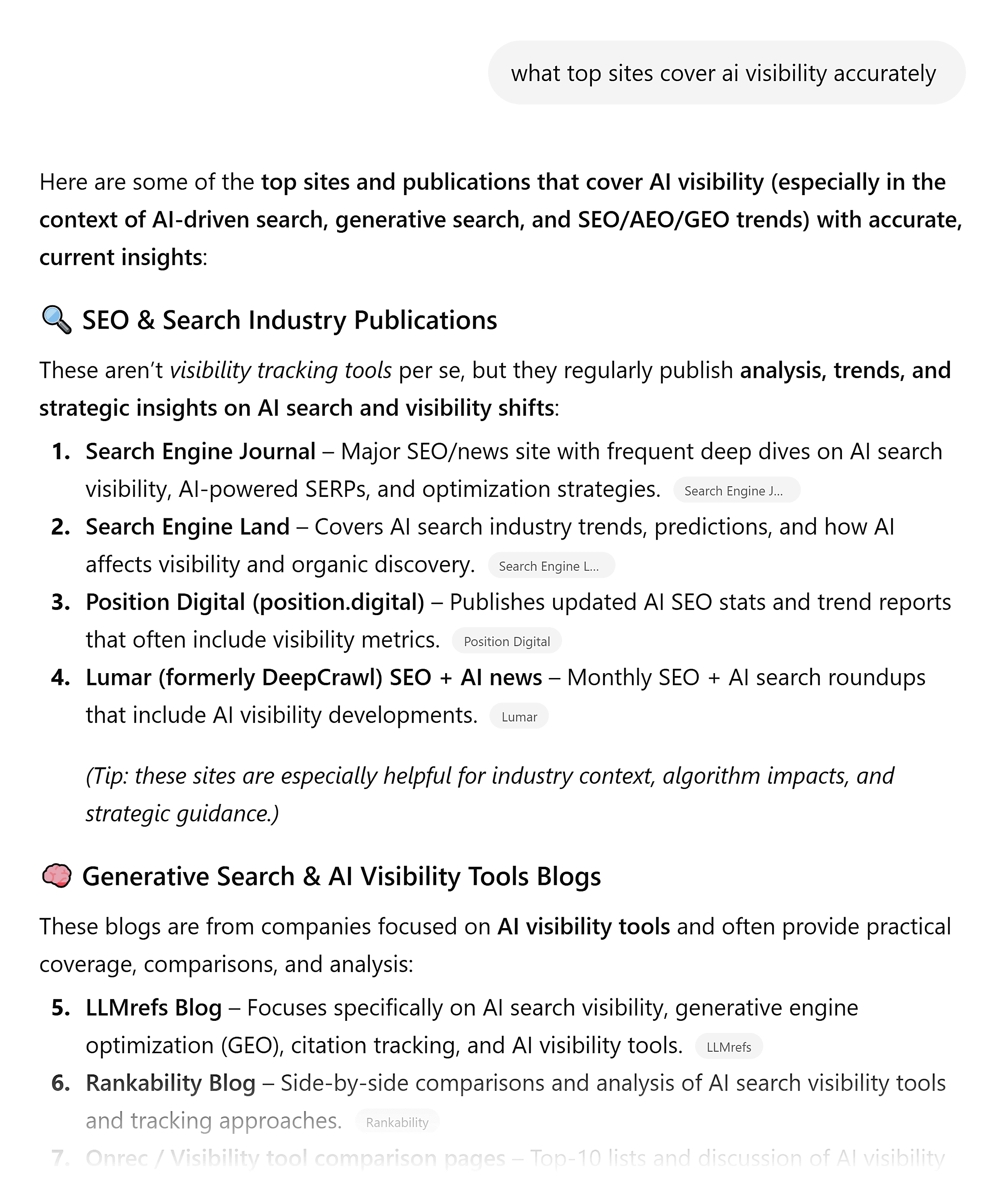
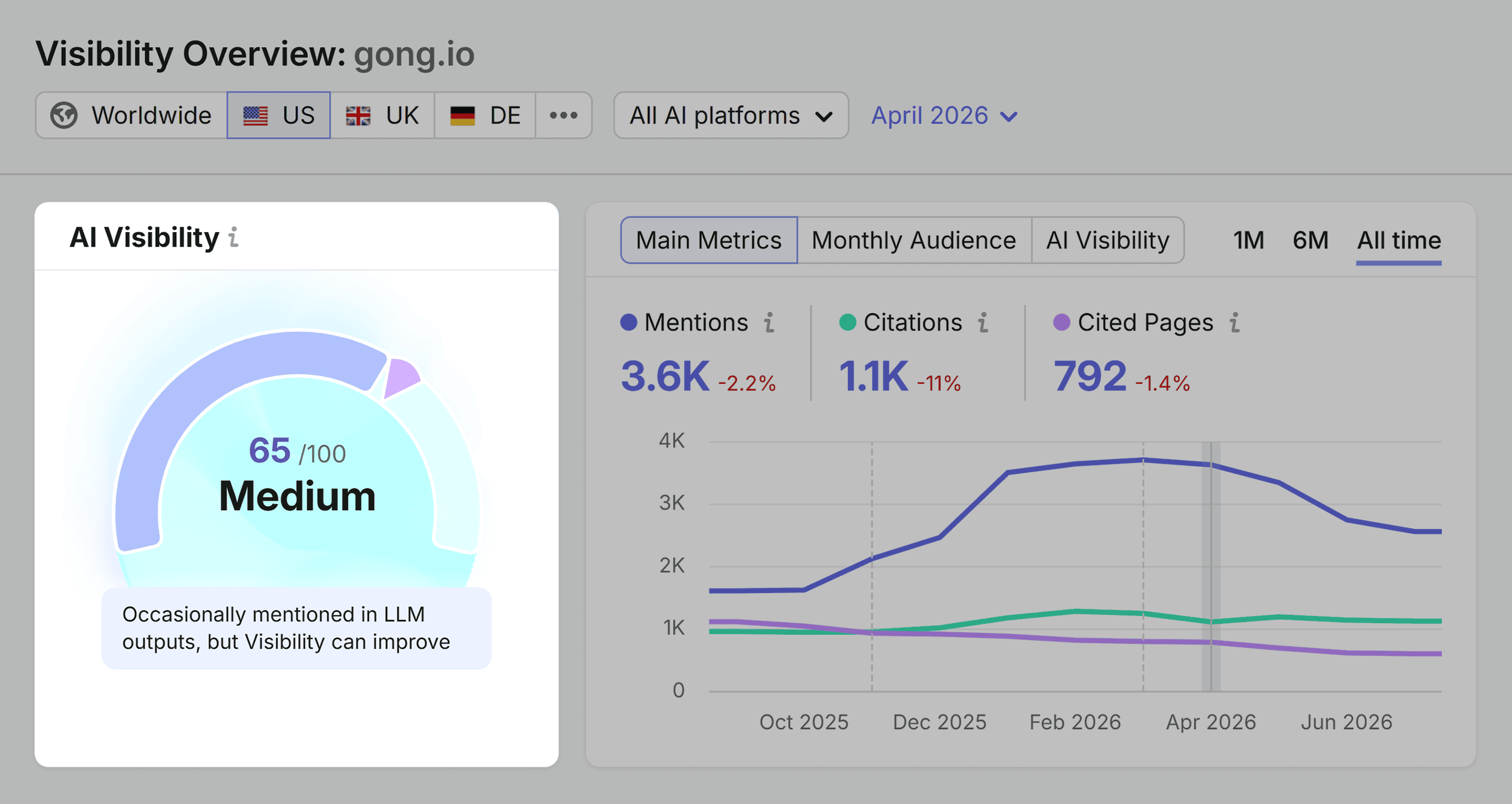
This shift has given rise to a critical new discipline known as prompt tracking, or LLM visibility tracking. Unlike conventional search engine optimization (SEO) rank tracking, which measures URL placement against static keyword lists on search engine results pages (SERPs), prompt tracking monitors how frequently, accurately, and contextually a brand appears within dynamic AI-generated responses over time.
The Genesis of the AI Search Shift
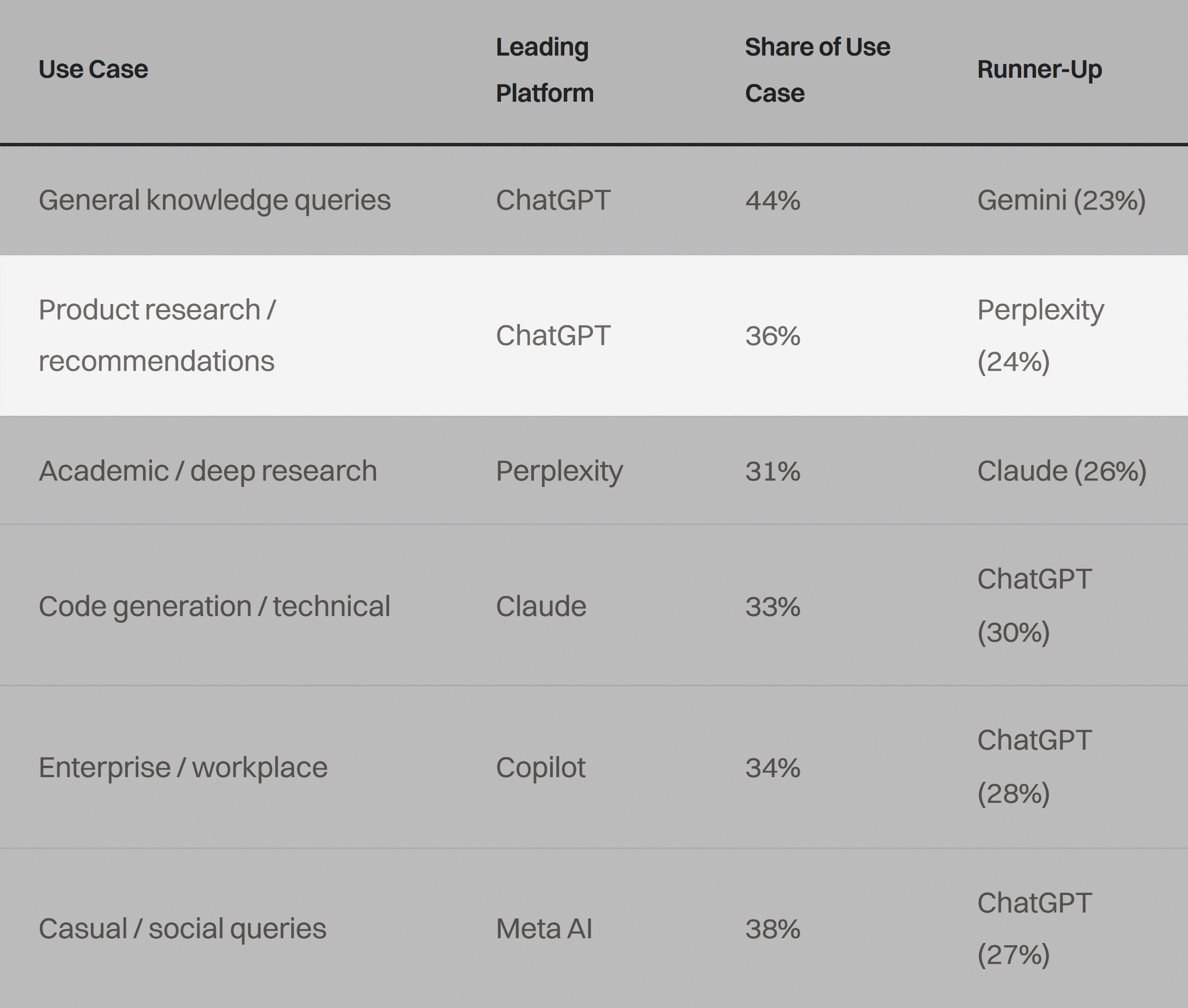
The transition from keyword-based search to conversational discovery represents one of the most significant evolutions in digital marketing history. According to recent data from an Orbit Media study, approximately 55 percent of United States internet users now rely on AI as a primary or frequent research tool, with 32 percent utilizing these platforms explicitly for product recommendations. Furthermore, research from G2 indicates that 71 percent of business-to-business (B2B) software buyers now rely on AI chatbots for product research, marking a sharp increase from previous years.
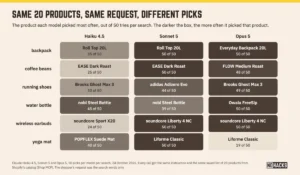
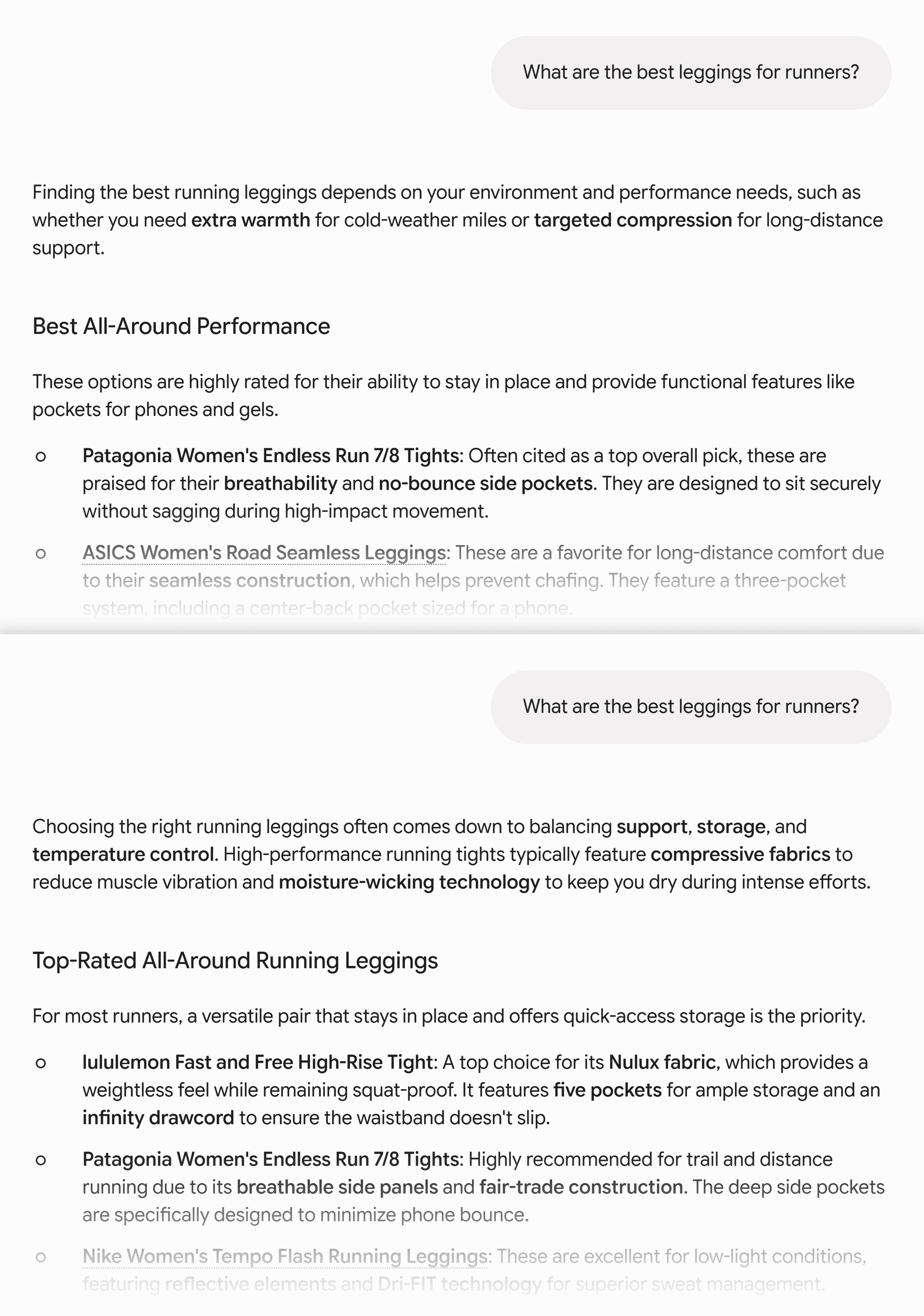
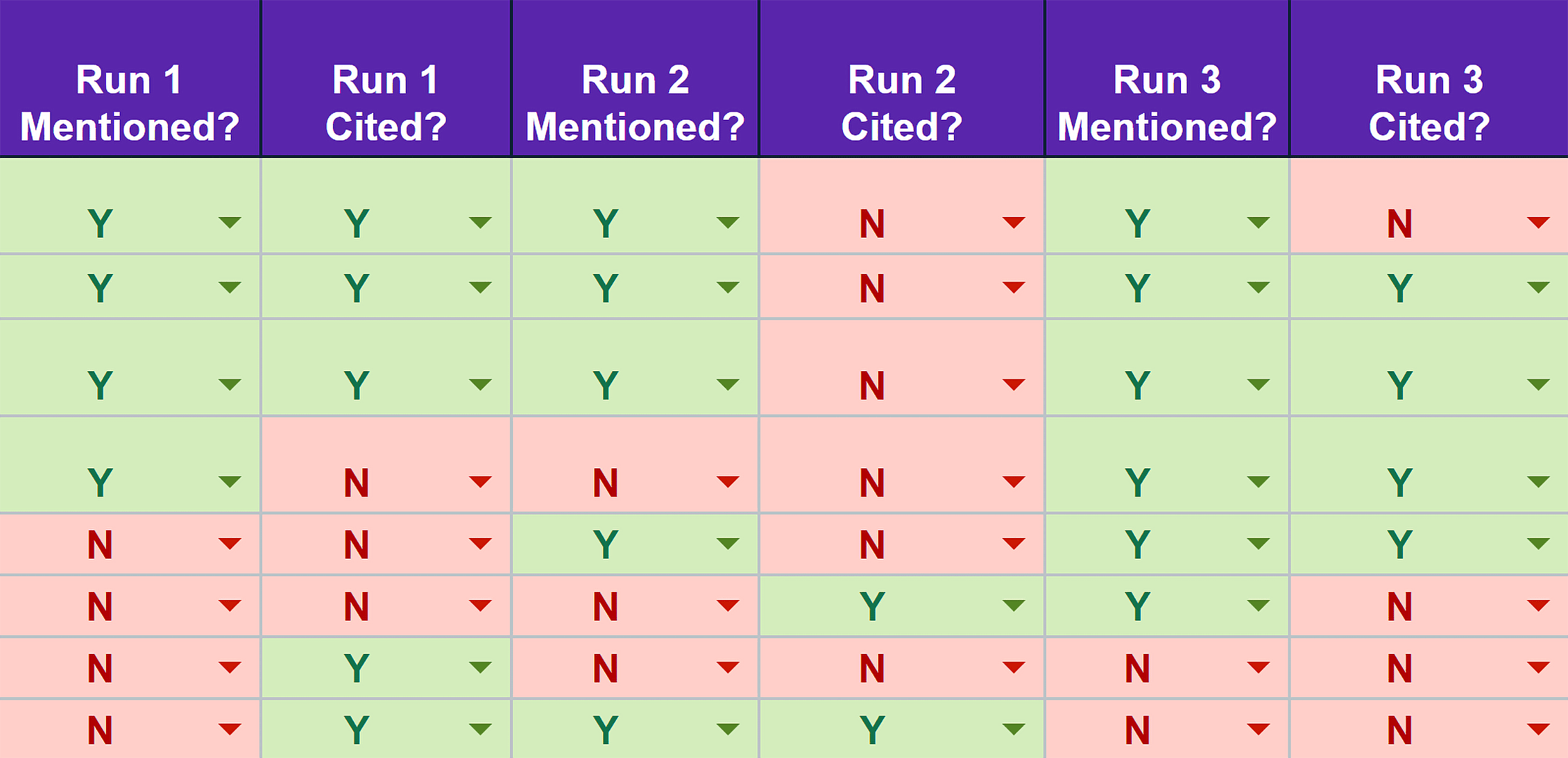
Unlike traditional search engines that present users with a static index of ten blue links, LLMs synthesize massive datasets to generate a unique, context-aware response tailored to each individual interaction. Because these models are non-deterministic, identical prompts executed sequentially can yield entirely different brand mentions and recommendations. Consequently, marketing executives can no longer measure success merely by tracking a single keyword ranking. Instead, they must evaluate how consistently true, positive information about their brand is communicated to the right target audience across diverse prompt variations.
Understanding Prompt Tracking and Directional Intelligence
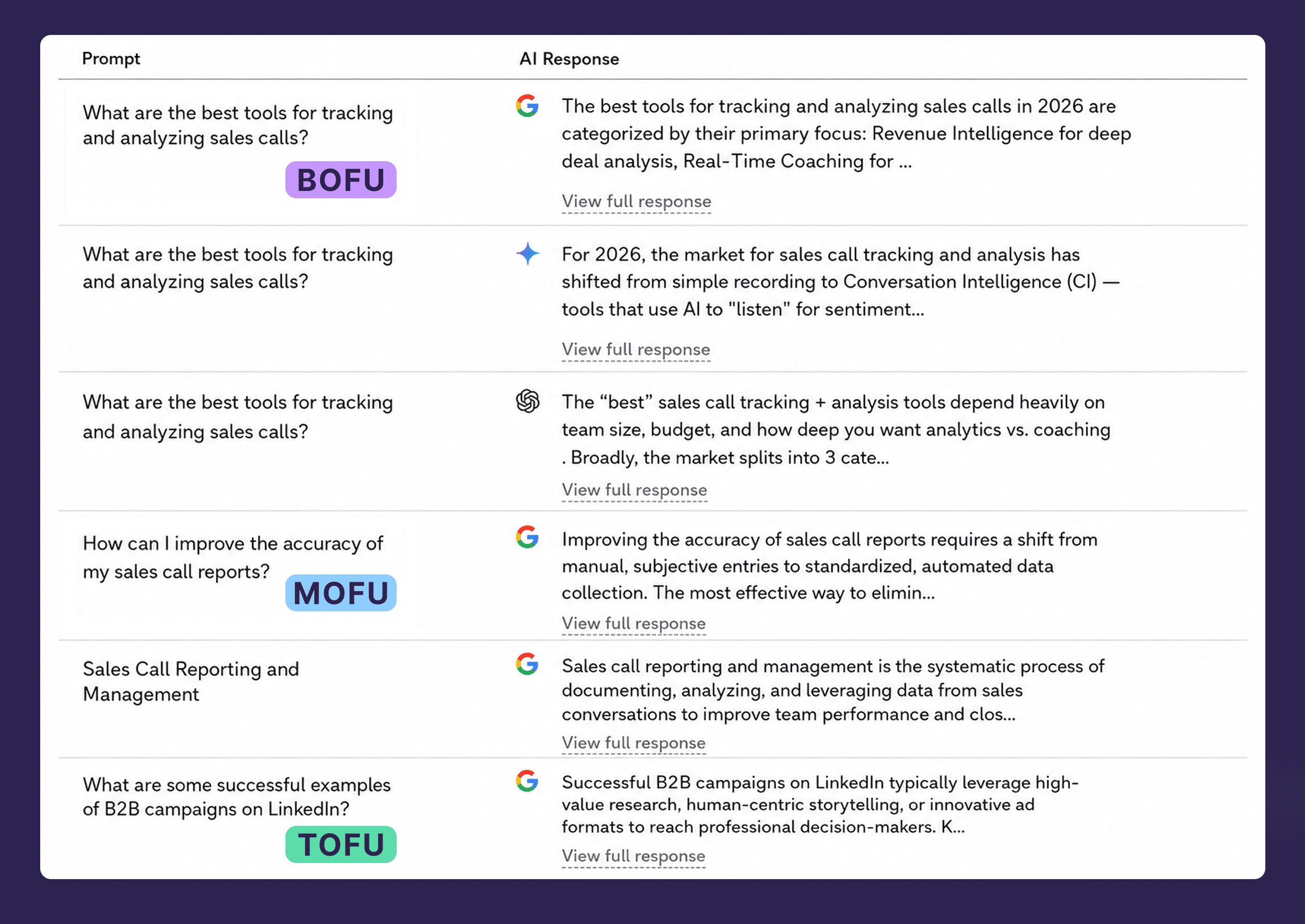
Prompt tracking serves as a directional intelligence mechanism, allowing organizations to identify visibility gaps—specific queries or buying scenarios where a brand consistently fails to appear—and systematically close them.
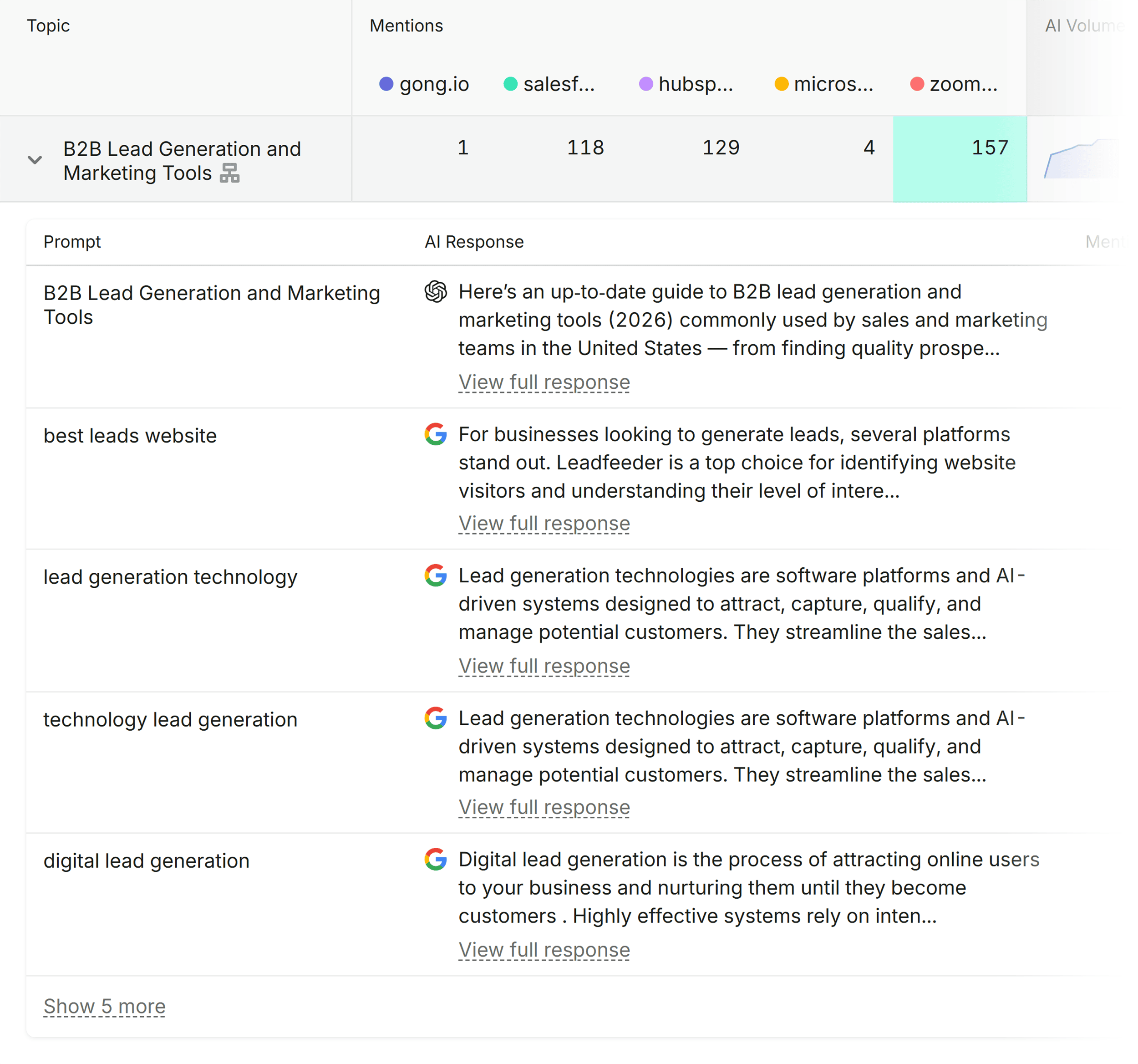
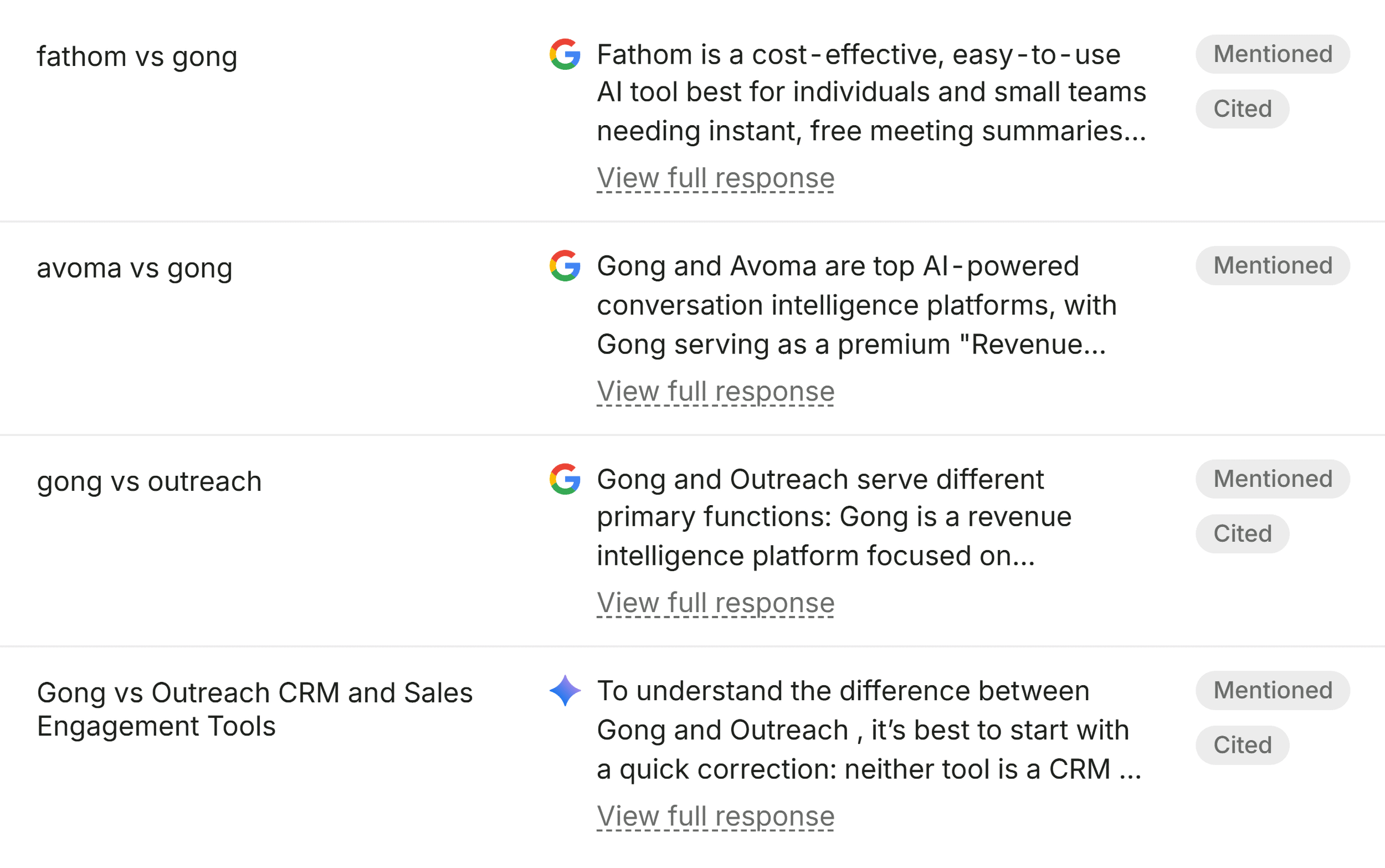
Industry experts emphasize that prompt tracking is most valuable for organizations with established digital footprints, active content engines, and competitive product categories where comparison prompts heavily influence purchasing decisions. For instance, high-growth B2B software companies, national e-commerce retailers, and enterprise service providers face fierce competition within AI search interfaces, where buyers frequently utilize evaluative prompts such as software comparisons, integration inquiries, and feature evaluations.
Conversely, prompt tracking offers limited utility for hyper-local businesses heavily dependent on Google Business Profiles and word-of-mouth referrals, or for organizations lacking the resources to act upon the data collected. Without a structured content strategy capable of addressing identified visibility gaps, investing in prompt tracking yields little actionable return.
Building and Executing a Prompt Tracking Strategy
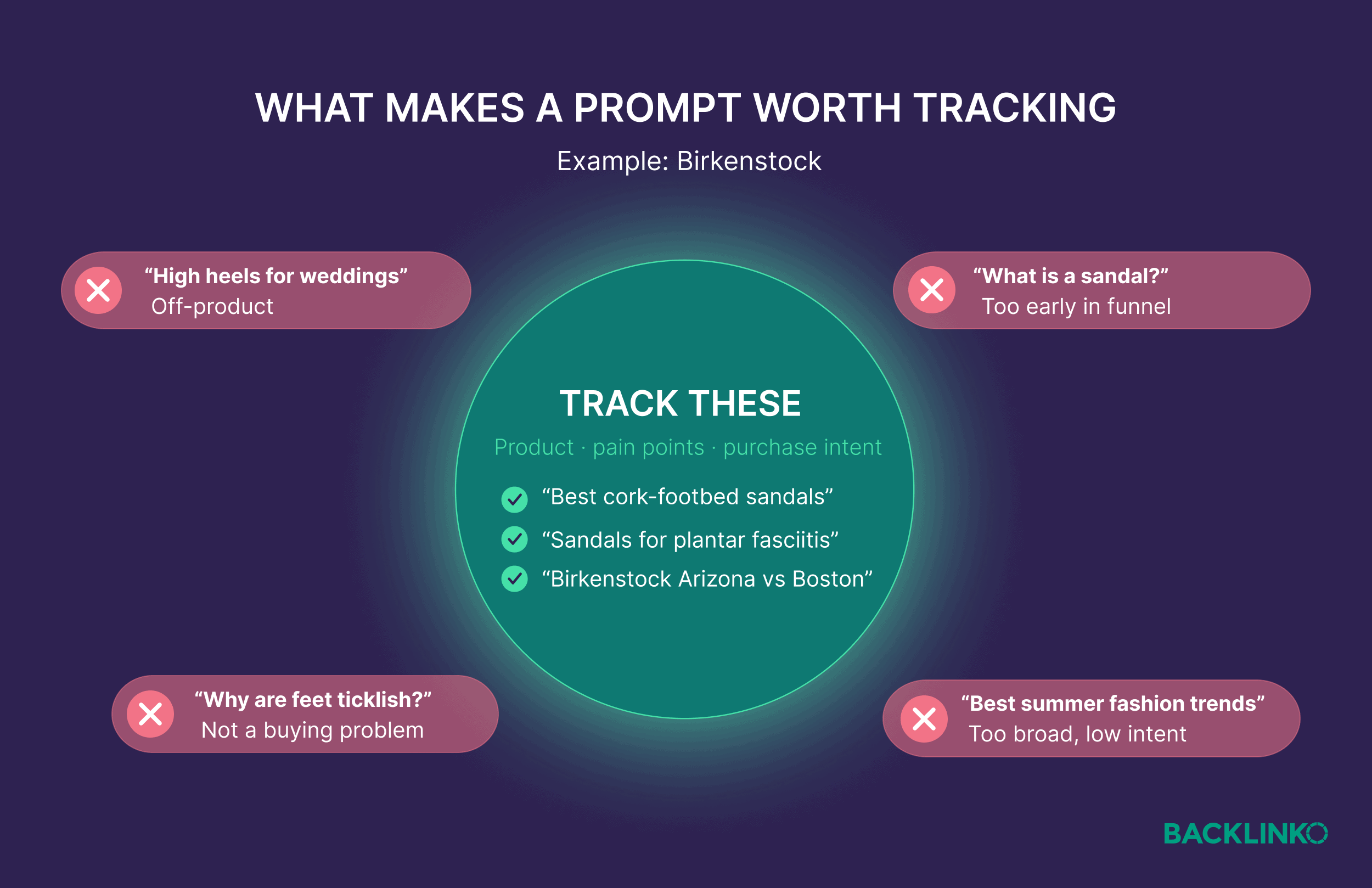
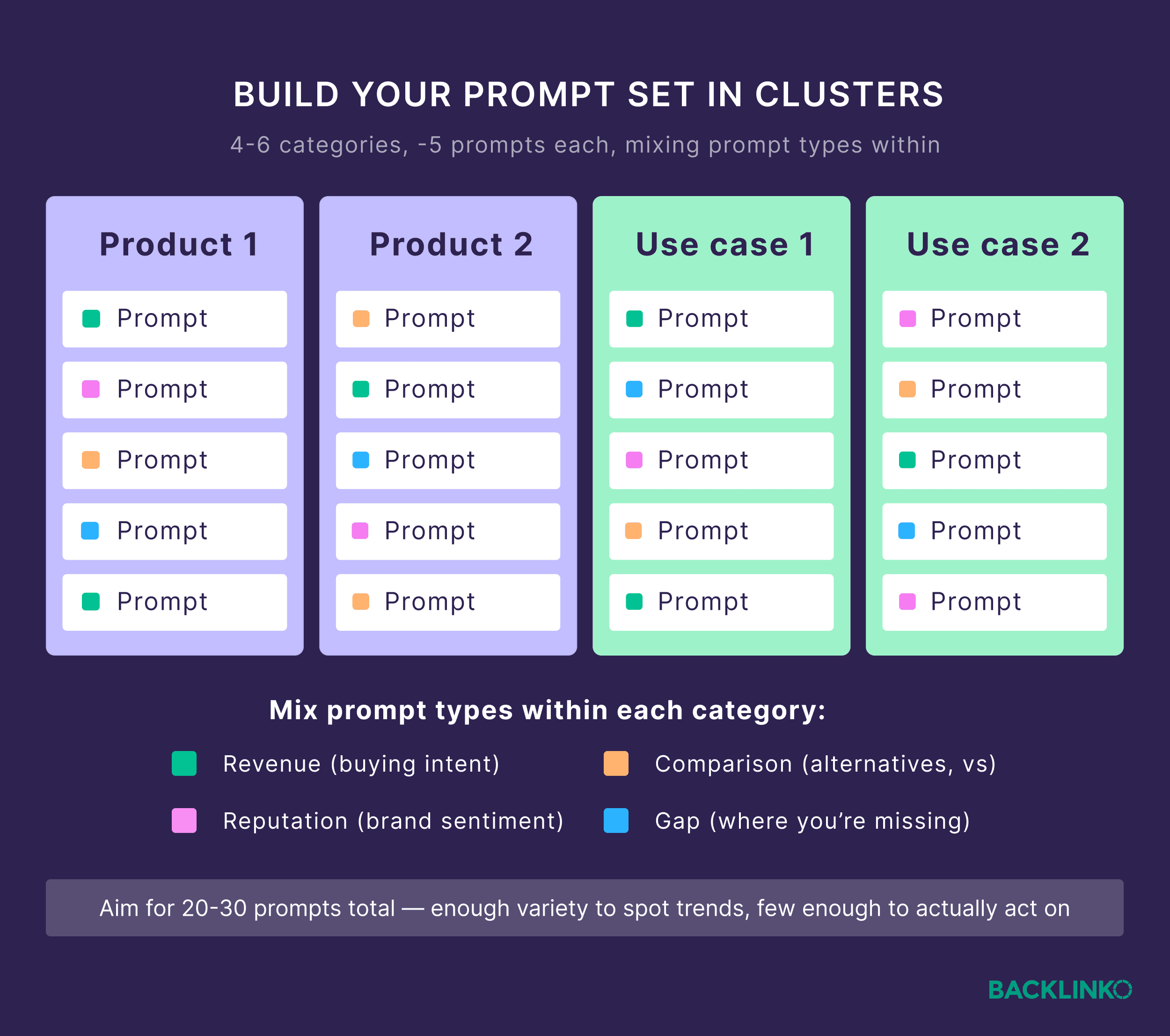
Implementing a robust prompt tracking framework requires careful curation of the prompt set. Rather than attempting to track every conceivable query, organizations must focus on high-intent phrases mapped directly to audience pain points, product offerings, and bottom-of-the-funnel (BOFU) decision-making moments.
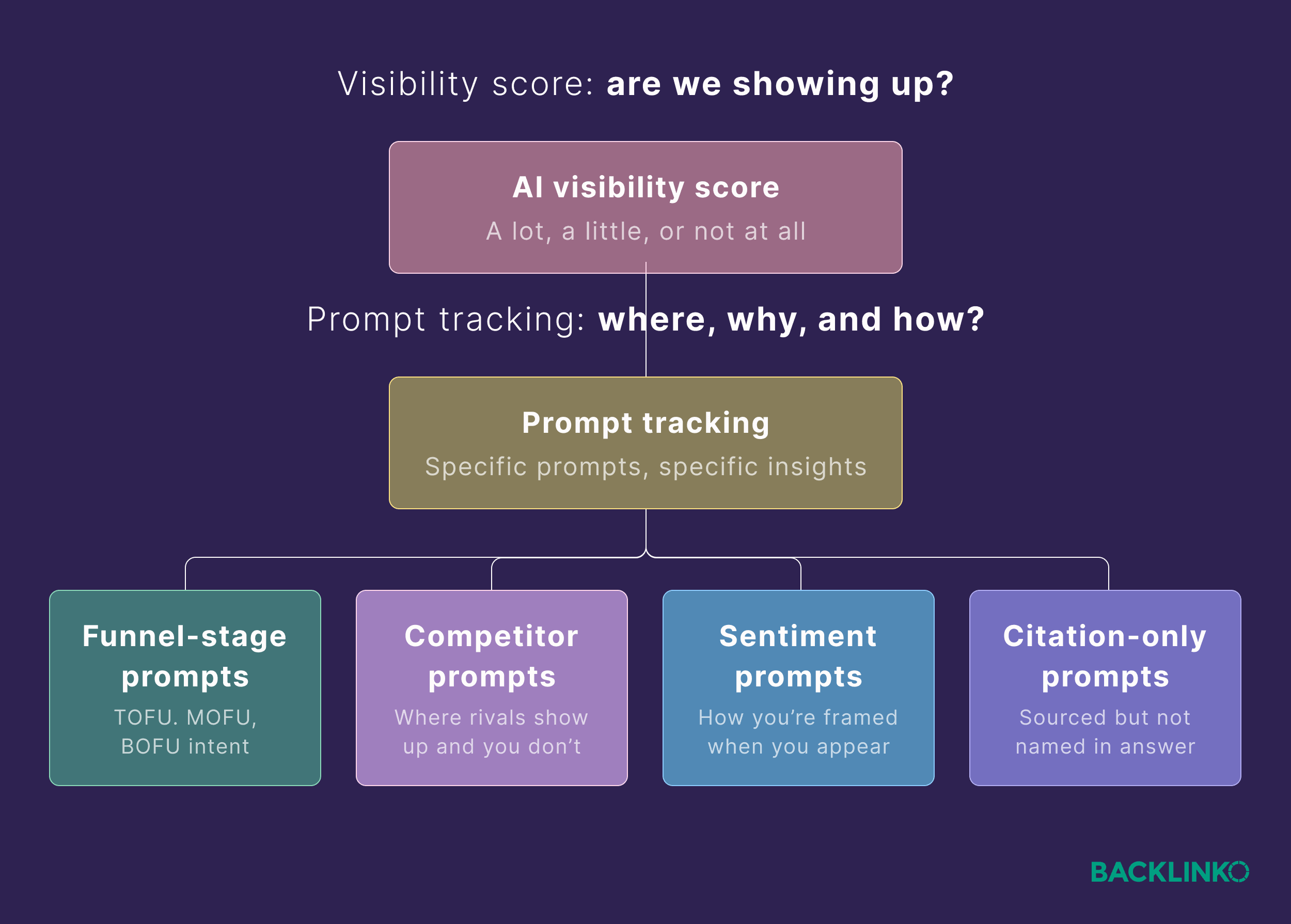
Prompts are generally categorized into four primary types: evaluation prompts, which assess solutions for specific use cases; comparison prompts, which contrast a brand directly against competitors; reputation prompts, which investigate customer satisfaction and reliability; and gap prompts, which target uncovered niche requirements.

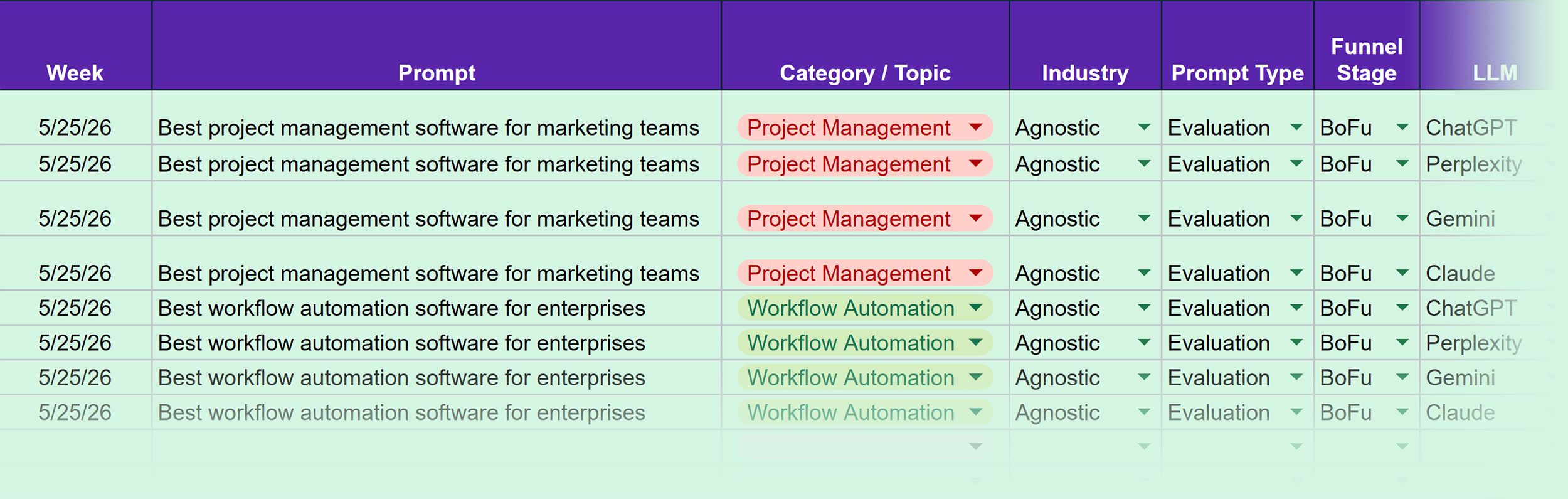
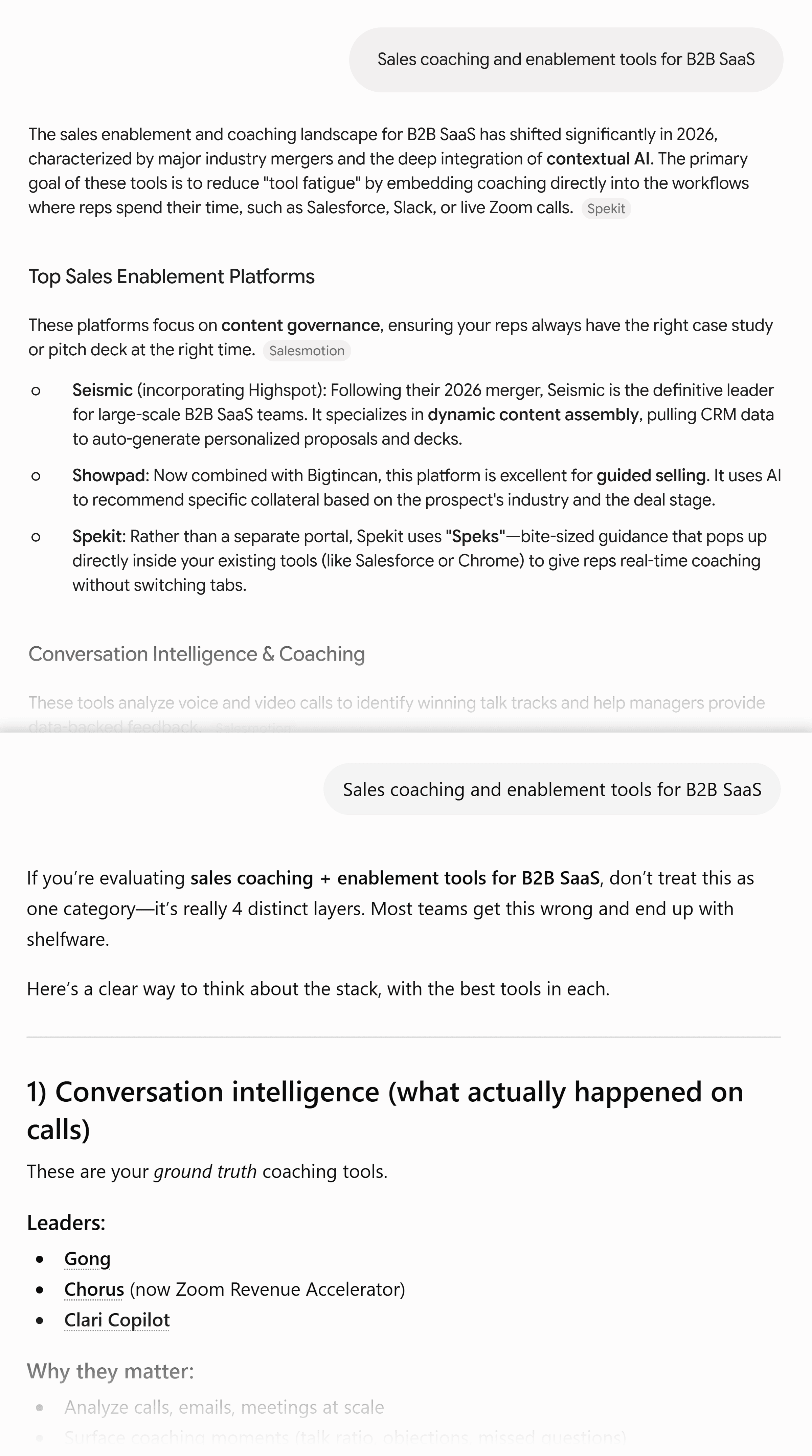
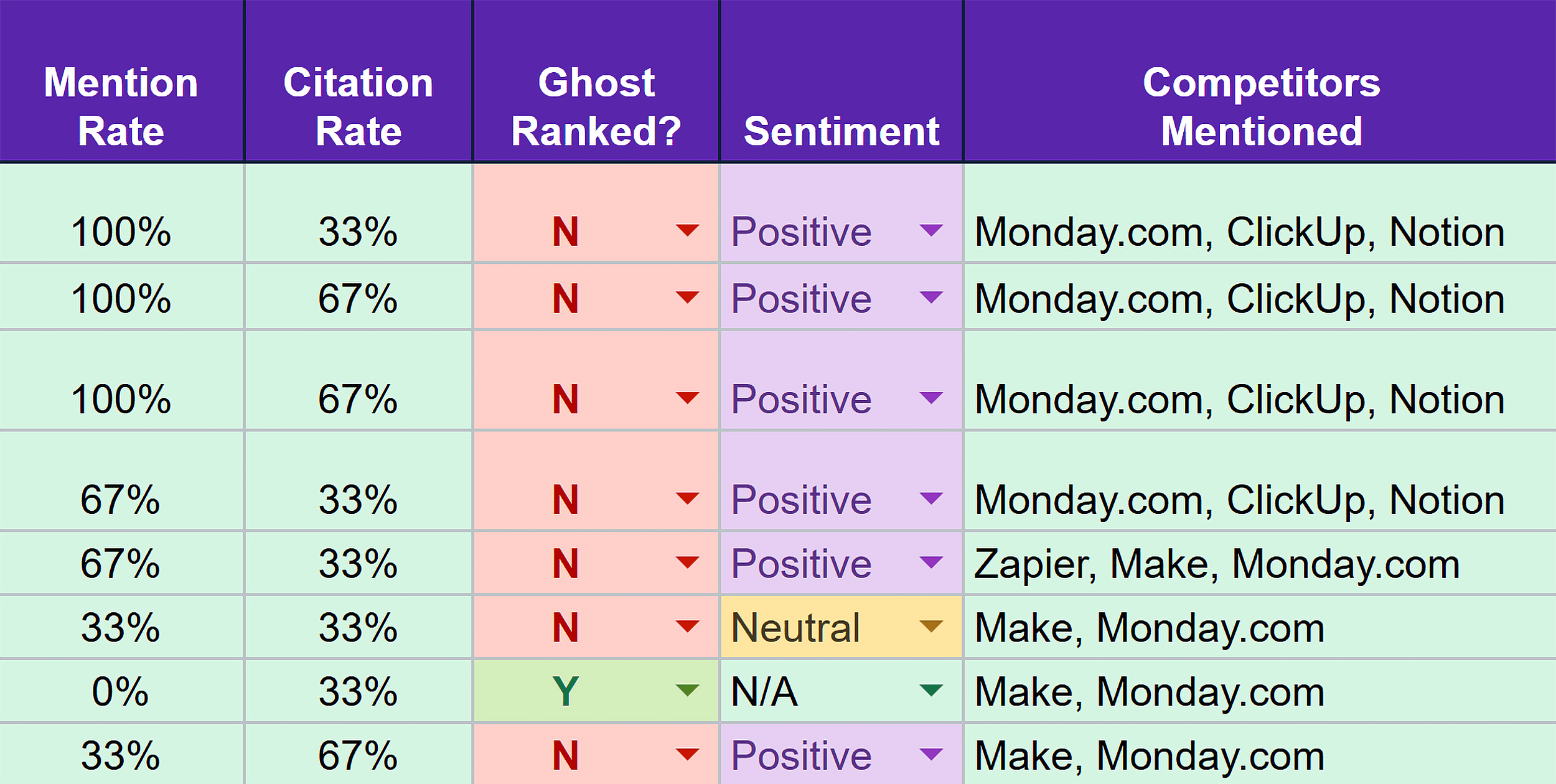
Organizations typically initiate tracking manually using structured spreadsheets, logging prompts weekly across major generative platforms such as OpenAI’s ChatGPT, Google Gemini, Anthropic’s Claude, and Perplexity. Advanced digital marketing agencies, such as Digital Commerce Partners, have refined this process through methodologies like the "Constraint Map," which cross-references fundamental consumer "jobs-to-be-done" with specific purchasing constraints—such as budget limits or integration requirements—to generate comprehensive prompt libraries.
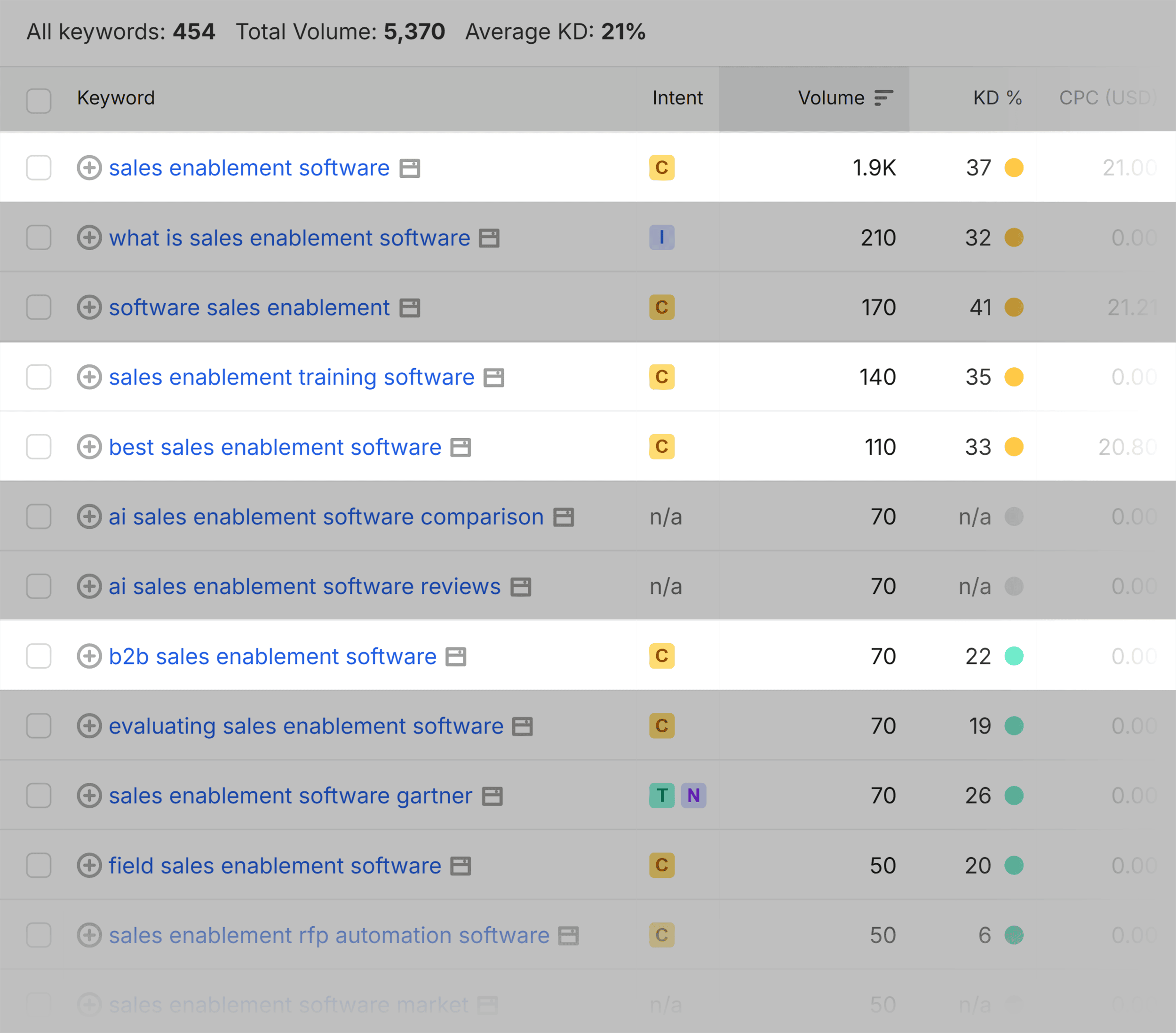
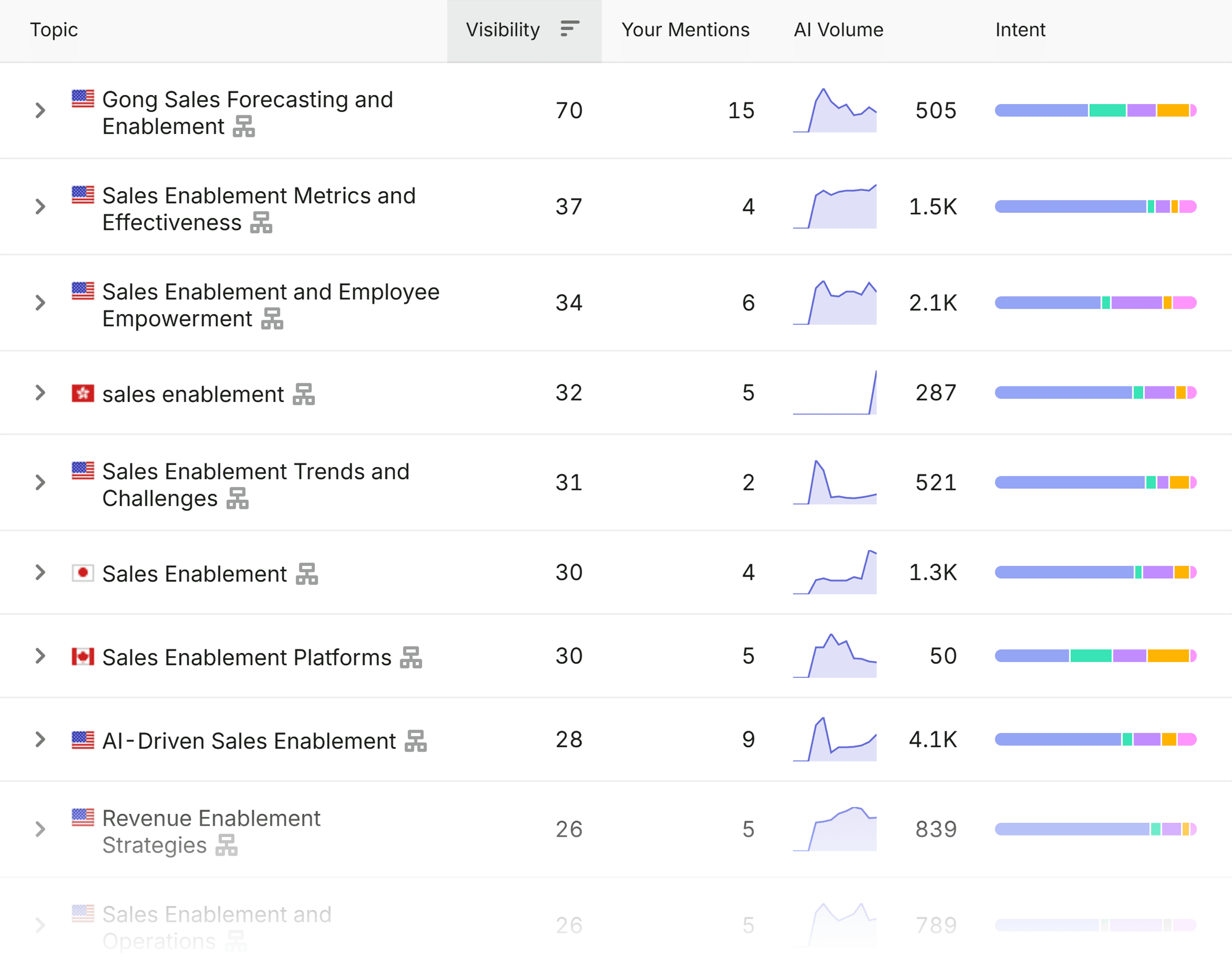
As tracking scales, automated platforms like Semrush’s AI Visibility tool provide deeper analytics, mapping exact LLM prompt volumes, tracking competitor co-occurrences, and identifying third-party source citations that influence AI outputs.
Reading Data and Taking Strategic Action
A primary challenge in prompt tracking is managing the inherent variance of LLM outputs. Industry professionals caution against reacting to short-term fluctuations, noting that a single week of reduced visibility often represents natural algorithmic variability rather than a systemic issue. Analysts recommend observing trends over a sustained period of four consecutive weeks before implementing strategic adjustments.
When a sustained downward trend or persistent visibility gap is identified, marketing teams deploy targeted remediation strategies. Research demonstrates that approximately 85 percent of brand mentions within LLMs originate from trusted third-party sources, such as review platforms, industry publications, and community forums. Therefore, when AI models consistently cite specific review sites or expert publications, organizations must prioritize auditing and improving their presence across those external channels.
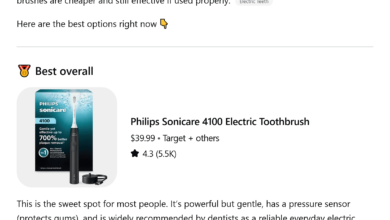
Additionally, brands must guard against "ghost ranking"—a phenomenon where a brand’s content appears in an AI model’s citation panel, yet the model ultimately recommends a competitor in the narrative response. Resolving ghost ranking typically requires updating product documentation, securing comprehensive customer reviews, and ensuring that third-party profile descriptions accurately reflect current product capabilities.
Implications for the Future of Digital Marketing
As conversational AI continues to capture a dominant share of consumer and enterprise research, prompt tracking is transitioning from an experimental tactic to an essential component of corporate brand management. Organizations that fail to monitor and optimize their presence within LLM ecosystems risk losing significant market share to competitors who actively manage their generative AI footprint.
By shifting focus away from vanity metrics and toward rigorous, trend-based prompt tracking, brands can ensure they remain visible, accurate, and influential within the automated conversations defining the future of commerce.
Related posts: