The contemporary corporate rush to integrate artificial intelligence into standard business workflows has frequently resulted in operational farce rather than strategic efficiency. A decade after organizations blundered through the initial waves of digital transformation by treating systemic operational overhauls as mere IT updates, modern enterprises are making identical errors with artificial intelligence. According to workplace strategist and author Paul Boag, whose 2014 publication Digital Adaptation analyzed the systematic failures of early web and mobile transitions, current AI rollouts suffer from a fundamental misdiagnosis of the challenge at hand. Rather than viewing artificial intelligence as a profound cultural and structural evolution, corporate leadership continues to treat it as a routine software deployment, leaving employees alienated, insecure, and inadequately supported.
The Historical Echo: A Decade of Misguided Transformation
To understand the current friction surrounding artificial intelligence, industry analysts point directly to the digital transformation era of the early 2010s. During that period, corporate IT departments rapidly deployed content management systems, customer relationship management platforms, and enterprise intranets. Concurrently, customer-facing divisions rushed to launch mobile applications and early personalization engines.
The strategy behind these implementations relied almost exclusively on technology procurement. Organizations measured success by software deployment metrics rather than user adoption rates or operational utility. Internal tools remained notoriously difficult to navigate, while external digital products often failed to align with actual consumer needs.
Historical data from business research firms during the 2010–2015 period consistently indicated that over 70% of digital transformation initiatives failed to meet their stated objectives. The primary culprit was rarely technical failure; rather, it was organizational resistance, poor change management, and a complete disregard for the human workflows underpinning daily operations. Today, enterprise adoption of generative artificial intelligence mirrors this trajectory precisely. Senior management teams, driven by market hype and competitive anxiety, purchase enterprise-wide software licenses—such as Microsoft Copilot Studio—and consider the digital integration complete. Minimal role-specific training is provided, leaving staff members under intense pressure to demonstrate productivity gains using unfamiliar tools without clear operational guidance.
The Human Element: Addressing Employee Apprehension and Motivation
The primary divergence between historical digital transformations and current artificial intelligence adoption lies in the psychological weight of the technology. While enterprise software updates of the past threatened established routines, artificial intelligence directly threatens employment security. Employees across industries have absorbed public narratives regarding workforce automation, creating a baseline of institutional anxiety that standard corporate reassurances fail to alleviate.
Furthermore, the fundamental value proposition of artificial intelligence within the modern workplace is misaligned from the perspective of the individual worker. Executive leadership champions artificial intelligence primarily for its capacity to drive productivity—allowing organizations to extract higher output within compressed timeframes. However, for a salaried employee working a standard schedule, increased productivity rarely translates into reduced hours or financial compensation. Instead, it frequently results in heightened expectations and an expanded workload within the same designated hours.
To counteract this structural disincentive, organizational psychologists and workplace consultants suggest framing artificial intelligence through the lens of employee enablement rather than sheer output maximization. Successful adoption strategies typically begin by helping staff identify the most tedious, repetitive aspects of their daily responsibilities—administrative tasks that consistently drain morale—and demonstrating how automated tools can alleviate those specific pain points. When change is presented as a direct improvement to the quality of daily working life, resistance diminishes significantly.
Chronology of Enterprise Friction: From Bureaucracy to Shadow AI
The operational friction caused by rigid corporate governance typically follows a predictable timeline during major technological shifts:
- The Top-Down Mandate (Months 1–3): Leadership announces an organization-wide artificial intelligence strategy, purchasing generalized enterprise licenses and issuing broad directives for staff to integrate the technology into their daily duties.
- The Training Vacuum (Months 3–6): Employees receive generic, non-contextual training. Without understanding how the tools apply to specialized departments—such as legal, human resources, or user experience research—adoption stalls.
- The Bureaucratic Bottleneck (Months 6–9): Specialized teams develop innovative use cases that exceed the capabilities of sanctioned enterprise software. They submit requests to IT steering committees for alternative tools, entering a prolonged review cycle that stifles momentum.
- The Rise of Shadow AI (Months 9–12): Frustrated by bureaucratic delays and software limitations, employees bypass corporate networks entirely, utilizing personal accounts on external platforms such as ChatGPT or Claude via mobile devices or home networks.
- The Regulatory Crackdown (Year 2): Organizations discover unsanctioned usage, leading to punitive policies, blocked domains, and heightened fear of disciplinary action, which drives employee experimentation further underground.
This cycle highlights a critical vulnerability in modern IT governance. When centralized technology stacks fail to accommodate specialized departmental workflows, employees inevitably seek unauthorized alternatives. During the digital transformation era, this manifested as "shadow IT," with workers utilizing unapproved cloud storage solutions like Dropbox to bypass slow internal procurement. In the modern context, "shadow AI" presents severe data security and compliance risks, as proprietary corporate data is routinely processed through external, unmonitored systems.
Rather than responding to shadow AI with blanket bans and disciplinary threats, organizational experts advise treating unauthorized usage as diagnostic data. High rates of shadow AI usage within a specific department clearly indicate where sanctioned enterprise tools are failing to meet operational demands.
Cultivating Psychological Safety and Flexible Governance
Overcoming institutional resistance requires an environment where experimentation is actively encouraged and protected. Historically, corporate cultures maintain rigid Key Performance Indicators (KPIs) and zero-tolerance policies for operational errors. When employees are simultaneously instructed to innovate with artificial intelligence and penalized for initial inefficiencies or mistakes—such as excessive token consumption or flawed prompt outputs—they logically revert to familiar, risk-averse behaviors.

Industry benchmarks suggest that successful technology adoption relies heavily on peer-to-peer social proof rather than top-down memos. Rather than targeting resistant staff members first, organizations achieve superior results by identifying internal enthusiasts who are already experimenting with artificial intelligence organically. By providing these early adopters with dedicated time and a platform to share practical use cases with colleagues, organizations leverage organic momentum.
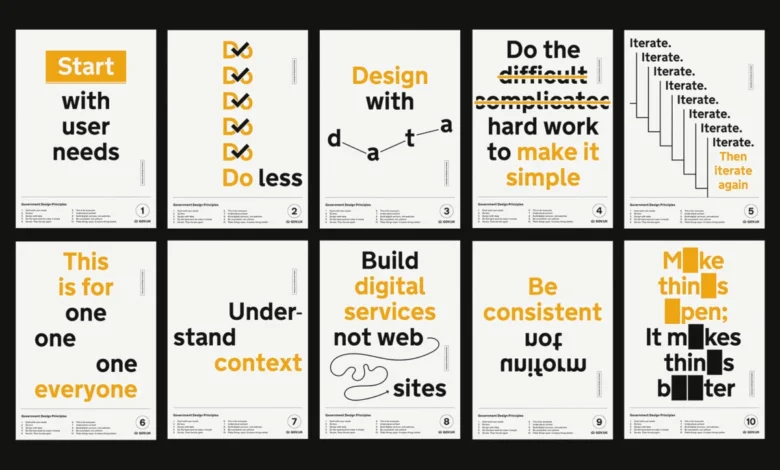
Concurrently, governance frameworks must evolve. Traditional compliance models rely on exhaustive policy documents that induce anxiety and paralysis. Modern governance models favoring adaptability—such as the concise, principle-based guidelines utilized by digital government services—provide clear boundaries while granting staff the autonomy to exercise professional judgment.
Broader Implications and Strategic Imperatives
The ongoing missteps in artificial intelligence integration carry significant financial and operational implications. Market data indicates that billions of dollars are currently being allocated toward software licenses and infrastructure that remain underutilized due to poor change management. Organizations that fail to recognize artificial intelligence as a holistic cultural transformation risk not only wasted capital but also severe talent attrition as frustrated employees navigate poorly managed workplaces.
Ultimately, the trajectory of artificial intelligence adoption depends on the willingness of leadership to look past the technological allure and address the human infrastructure of the enterprise. By prioritizing psychological safety, aligning productivity gains with genuine employee benefits, and establishing flexible governance models, organizations can bridge the gap between technological potential and operational reality.