Filestack Redefines Modern Content Infrastructure with Advanced Media Upload Transformation and Global Delivery Solutions

The digital landscape is currently experiencing an unprecedented surge in media consumption, placing significant pressure on developers and organizations to manage vast quantities of user-generated and third-party content. As web applications become more visually intensive, the technical overhead required to handle file uploads, format conversions, and high-speed delivery has reached a critical threshold. Managing media is a notoriously difficult task for engineering teams attempting to build proprietary solutions, particularly when handling assets from diverse external sources. Files are frequently submitted in inconsistent states, varying wildly in dimensions, file types, and metadata quality. To address these systemic challenges, Filestack has emerged as a comprehensive utility designed to upload, transform, and deliver media in the most optimal style imaginable, effectively abstracting the complexity of media management into a streamlined API-driven workflow.
The Evolution of Media Management Infrastructure
In the early iterations of the web, file management was a manual, server-side process that required extensive custom code for every supported file type. Developers had to write scripts to handle multipart form data, manage temporary storage, and interface directly with local or cloud-based file systems. This approach was not only time-consuming but also prone to security vulnerabilities and scalability bottlenecks. The rise of the "API economy" has shifted this paradigm, allowing companies to offload non-core infrastructure to specialized service providers. Filestack represents the pinnacle of this evolution, providing a robust middle layer that handles the entire lifecycle of a digital asset.
The journey for developers begins with a streamlined onboarding process. Filestack offers a 21-day free trial that provides full access to its extensive libraries of code, allowing teams to prototype and validate the technology without immediate financial commitment. Central to the platform’s success is its documentation, which serves as a comprehensive resource for developers. It features detailed code samples and usage information that bridge the gap between initial implementation and advanced customization. By providing a low barrier to entry, the platform has positioned itself as a standard for startups and enterprises alike that prioritize rapid deployment and reliability.
Streamlining the Upload Process through Multi-Source Integration
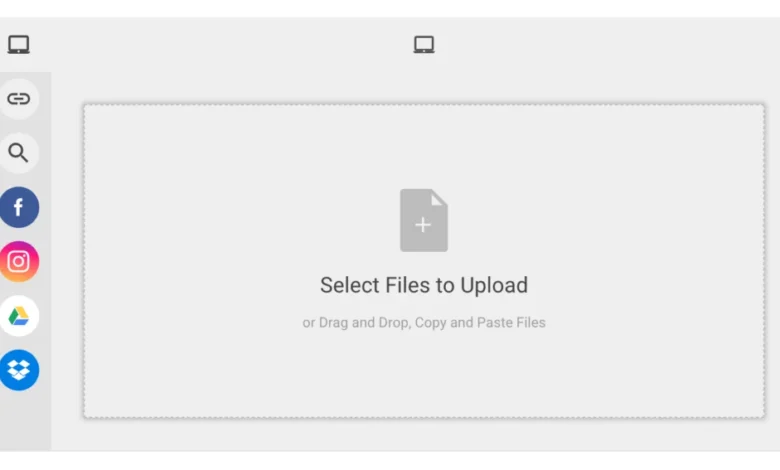
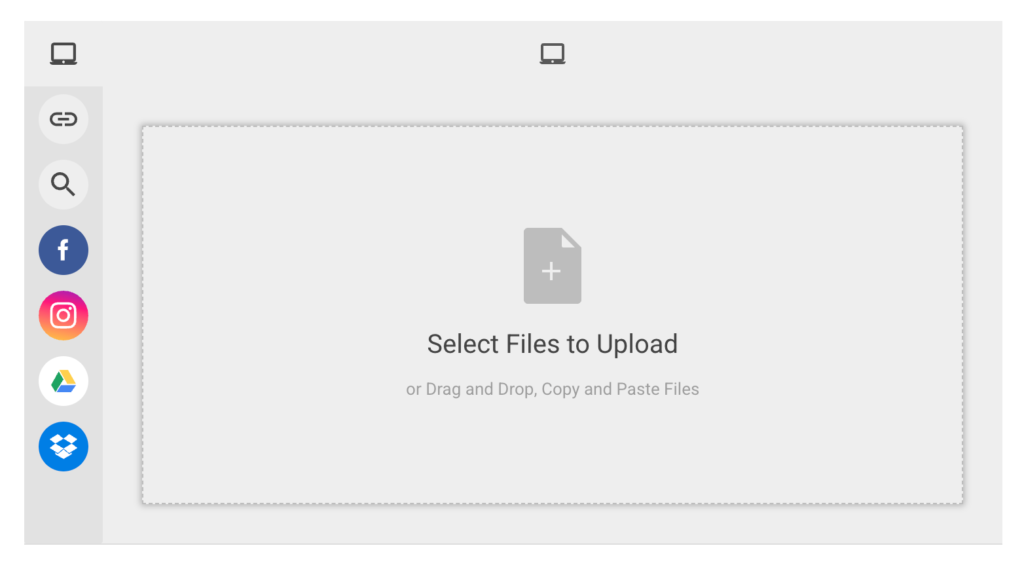
The first pillar of the Filestack ecosystem is its sophisticated upload architecture. At the frontend level, the platform provides an elegant, highly functional, and feature-filled file uploading UI component known as the Filestack Picker. This component can be initialized with just a few lines of JavaScript, instantly providing users with a professional interface that supports drag-and-drop functionality and local file selection.
Beyond local uploads, the utility integrates with over 20 popular cloud services, including Google Drive, Dropbox, GitHub, Facebook, and Instagram. This multi-source capability is critical in a modern context where users often store their assets across various platforms. By allowing direct cloud-to-cloud transfers, Filestack significantly reduces the bandwidth burden on the user’s local device and improves the overall success rate of large file transfers.
For organizations that require backend-driven workflows, Filestack provides specialized libraries for languages such as Python. This allows for automated server-side uploads where parameters like storage location (e.g., Amazon S3), specific directory paths, and custom metadata tags can be defined programmatically. This flexibility ensures that whether a file is being uploaded by an end-user or an automated internal process, the data remains organized and accessible within the organization’s existing storage hierarchy.
Real-Time Transformation and Programmatic Image Manipulation
Once a file is securely stored within the Filestack environment, the focus shifts to transformation. In a world where content must be consumed across mobile devices, tablets, and high-resolution desktop monitors, the ability to dynamically adjust media is essential. Users may upload any type of file at any size or format; Filestack enables developers to quickly and easily transform those files into something more suited to the application’s specific requirements.
The transformation engine operates primarily through URL parameters, a method that allows for real-time manipulation without the need for pre-rendering multiple versions of an asset. For example, a developer can resize an image to a specific width, apply a sepia filter, and add a polaroid-style border simply by appending commands to the file’s CDN URL. These transformations are not limited to basic image editing; they extend to complex workflows including video transcoding, document conversion (such as converting a Word document to a PDF), and optical character recognition (OCR).
Furthermore, Filestack offers a dedicated Transformation UI, allowing end-users to perform their own edits before a file is finalized. This capability is particularly valuable for platforms that require user-generated content to meet specific aesthetic or technical standards, such as profile pictures or marketplace listings. By combining these automated and user-directed tools, developers can ensure that every asset is perfectly optimized for its intended use case.
Global Delivery and the Importance of CDN Caching
The final and perhaps most critical stage of the media lifecycle is delivery. The performance of an application is often judged by its loading speed, and unoptimized media is the primary cause of high latency. To combat this, Filestack utilizes a sophisticated Content Delivery Network (CDN) to ensure that assets are served from the edge location closest to the end-user.
Filestack’s CDN architecture is designed for maximum efficiency. When a Filestack URL is accessed for the first time—whether it is a raw file or a transformed version—the system caches the result. This cached copy remains active for 30 days, during which time subsequent requests for the same URL are served almost instantaneously from the cache. If a file is not requested again within that period, it is purged and re-cached only upon its next request. This intelligent caching strategy minimizes storage costs while maximizing delivery speed, directly impacting user retention and business conversion rates. Reliability in rendering is not merely a technical luxury; it is a fundamental requirement for maintaining consumer trust in a competitive digital marketplace.
Technical Analysis: Security and Compliance in Media Handling
In the modern regulatory environment, the security of uploaded files is a paramount concern. Standard file upload forms are frequent targets for malicious actors seeking to inject scripts or upload infected files. Filestack addresses these risks by providing an additional layer of security between the user and the application server. The platform includes built-in virus scanning and malware detection capabilities, ensuring that every file is vetted before it reaches the client’s storage or is served to other users.
Moreover, the platform’s compliance with international data standards—such as GDPR and SOC2—provides organizations with the necessary legal assurances to handle sensitive user data. By outsourcing the handling of these files to a compliant provider, companies can reduce their own liability and simplify their data protection impact assessments. This aspect of the service is particularly relevant for industries such as healthcare, finance, and education, where data integrity and privacy are strictly regulated.
Industry Implications and the Future of Content Delivery
The shift toward specialized media APIs like Filestack reflects a broader trend in software engineering: the movement toward modular, service-oriented architectures. By offloading the "heavy lifting" of media management, internal development teams are freed to focus on their core product features and unique value propositions. This leads to faster development cycles and more resilient applications.
Data suggests that optimizing image delivery can reduce page weight by up to 80%, leading to significant improvements in Search Engine Optimization (SEO) rankings and mobile user experience. As 5G technology continues to proliferate and visual content becomes even more dominant through high-definition video and augmented reality, the demand for sophisticated transformation and delivery engines will only increase.
Industry analysts suggest that the next frontier for media management will involve deep integration with Artificial Intelligence (AI). We are already seeing the beginnings of this with automated tagging, sentiment analysis of images, and AI-driven cropping that identifies the "interest area" of a photo. Filestack’s current infrastructure is well-positioned to integrate these emerging technologies, providing a future-proof solution for businesses navigating the complexities of the modern web.
Conclusion
Filestack offers an incredibly flexible, powerful, and useful platform that addresses the holistic needs of modern media management. From the initial moment of upload through the intricate processes of transformation and the final stages of global delivery, the service provides a seamless pipeline that takes files from source to consumer. By reducing the technical debt associated with custom media handling and providing a scalable, secure, and high-performance infrastructure, Filestack has established itself as an essential tool for any organization looking to thrive in a media-centric digital economy. Whether for a small-scale developer or a global enterprise, the platform’s ability to optimize every aspect of the media lifecycle ensures that the focus remains where it belongs: on delivering a superior experience to the end-user.