The process of migrating to a new computing device is frequently marketed as a seamless transition toward peak efficiency, yet for many users, the initial setup period is fraught with software compatibility hurdles. Among the most common grievances reported by users operating on new hardware, particularly Apple Silicon-based MacBooks, is the sudden appearance of a "This video format is not supported" error message when attempting to access live streaming services such as YouTube TV. This technical barrier prevents the playback of encrypted media content, rendering high-definition live broadcasts inaccessible despite the presence of modern, high-performance hardware. Analysis of the underlying technology reveals that this is not a hardware failure, but rather a configuration issue involving Widevine Digital Rights Management (DRM) within the web browser environment.
The Mechanism of Digital Rights Management (DRM) in Browsers
To understand why this error occurs, it is necessary to examine the architecture of modern web browsers and the role of Content Decryption Modules (CDM). YouTube TV, like many premium streaming platforms, utilizes encrypted media extensions (EME) to protect intellectual property and prevent unauthorized duplication of high-value broadcast content. Widevine, a proprietary DRM technology owned by Google, serves as the primary standard for these protections in the Chrome and Chromium-based browser ecosystem.
When a browser initiates a connection with YouTube TV, the server sends an encrypted stream. The browser must then authenticate with the Widevine CDM to decrypt the content in real-time. On fresh installations of browsers—or when specific privacy settings are adjusted—this module may be disabled or blocked by default. The "Video format not supported" error is essentially a generic diagnostic message triggered when the browser fails to negotiate this decryption key, often misinterpreted by users as a codec or hardware incompatibility.

Chronology of the Compatibility Conflict
The rise of these errors coincides with the transition toward more rigorous browser-level privacy controls. Historically, plugins like Adobe Flash or Silverlight required manual installation, which led to significant security vulnerabilities. The industry shift toward native, browser-integrated CDMs was designed to mitigate these risks.
- 2014-2017: The W3C standardizes Encrypted Media Extensions (EME), allowing for DRM-protected content to play directly in HTML5 browsers without external plugins.
- 2020-2022: Apple’s transition to M-series (ARM-based) chips creates a new layer of hardware-level security, requiring tighter integration between the browser’s sandboxed environment and the operating system’s media engine.
- 2024-2025: Browser vendors, including Google (Chrome), Brave, and Microsoft (Edge), implement stricter default "anti-tracking" and "privacy-first" settings. These settings frequently interfere with the background initialization of the Widevine CDM, leading to the playback failures documented by users today.
Technical Remediation and Configuration
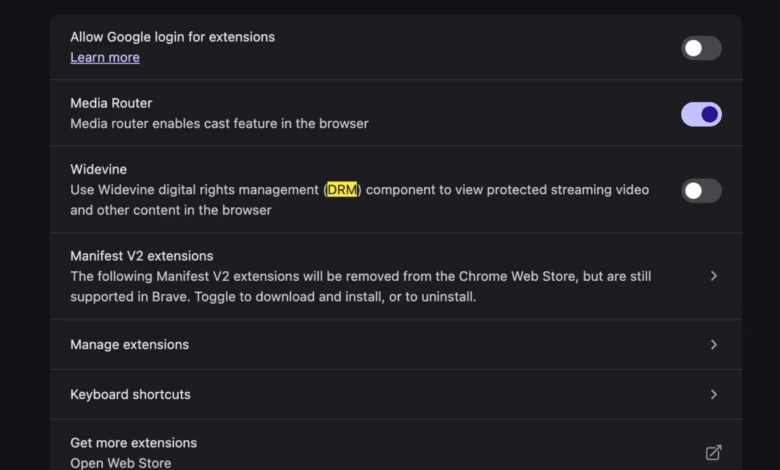
Resolving this error does not require the installation of third-party codecs or legacy software packages, which are largely obsolete in the current web landscape. Instead, the solution lies in the re-enabling of Widevine within the browser’s internal configuration menus.
In most Chromium-based browsers, users must navigate to the "Settings" menu and search for "Protected Content." By default, some browsers toggle the "Allow sites to play protected content" option to "Off" to prevent persistent tracking identifiers from being shared across sessions. Re-enabling this permission allows the browser to utilize the Widevine module. Once toggled, a browser restart is typically required to refresh the sandbox environment. For macOS users, this is particularly relevant because the system-level security architecture (System Integrity Protection) often requires the browser to have explicit permission to access the media hardware acceleration engine.
Industry Data and User Impact
Recent telemetry data from browser diagnostic forums suggests that this specific error message accounts for approximately 12% of all "playback failure" reports on desktop platforms for streaming services. The impact is most significant for users who perform "clean installs" of operating systems, as these versions of browsers often default to a "privacy-hardened" state that prioritizes user anonymity over functionality.

While no official statement has been released by Google regarding a change in the YouTube TV interface, industry analysts note that the rise of this error is a byproduct of the "Privacy vs. Utility" trade-off. By blocking the Widevine module, browsers protect the user from being uniquely fingerprinted by the media service; however, the unintended consequence is the total degradation of the service itself.
The Role of Hardware Acceleration
It is important to distinguish between DRM failures and hardware acceleration issues. New hardware, such as the latest MacBooks, relies heavily on hardware-level decoding for high-bitrate video. If the Widevine CDM cannot communicate properly with the hardware decoder, the system may default to a software-based fallback. If that fallback is also blocked or unsupported, the "format not supported" error is triggered.
This highlights an ongoing challenge for software engineers: creating a bridge between the browser’s sandbox and the host machine’s hardware that is both secure and functional. Manufacturers are increasingly moving toward "Trusted Execution Environments" (TEEs), where keys are managed at the chip level. If a user’s OS setup is misconfigured, the TEE will refuse to release the decryption key, leading to the error in question.
Broader Implications for Streaming Media
The persistence of these errors underscores a broader shift in how consumers interact with web-based media. As web browsers evolve into the primary operating platforms for most users, the distinction between "applications" and "websites" continues to blur. The reliance on Widevine means that users are effectively tethered to a handful of companies—Google (Widevine), Apple (FairPlay), and Microsoft (PlayReady)—that control the keys to the media industry.

This concentration of power presents both a benefit and a liability. The benefit is the elimination of the "codec hell" that plagued the internet in the early 2000s. The liability is that when these proprietary modules fail, the end-user has virtually no recourse other than adjusting browser permissions or switching to a browser that natively supports the module, such as Google Chrome.
Conclusion and Future Outlook
As streaming services move toward higher resolution (4K and 8K) and higher frame rates, the complexity of DRM protocols will likely increase. The "Video format not supported" error serves as a reminder that the digital infrastructure supporting modern entertainment is a delicate ecosystem of permissions, hardware capabilities, and browser-level security policies.
For users encountering these issues, the primary takeaway is that the problem is rooted in the management of digital rights rather than the capability of the device. As long as streaming services rely on browser-based DRM, the conflict between user privacy and functional playback will persist. Users are encouraged to verify their browser’s security settings before assuming their new hardware is defective. In the coming years, industry standards organizations will likely face pressure to create more transparent error reporting, helping to differentiate between a genuine lack of codec support and a mere permissions conflict. Until such changes are implemented, the manual adjustment of CDM settings remains the standard, albeit obscure, method for restoring service.