The Unseen Battle for AI Visibility: Why Google’s First Page Isn’t Enough in the Era of Query Fan-Out

The digital landscape is undergoing a profound transformation, challenging long-held assumptions about content visibility and search engine optimization (SEO). While securing a coveted spot on Google’s first page has historically been the holy grail for content creators, a new phenomenon known as "query fan-out" is reshaping how content achieves recognition, particularly within the burgeoning realm of Large Language Models (LLMs) like ChatGPT and Perplexity. This emerging dynamic reveals that content can rank highly in traditional search results and yet remain uncited or unmentioned by AI systems, marking a pivotal shift in the strategic imperatives for digital content.
Understanding Query Fan-Out: The AI’s Deeper Dive
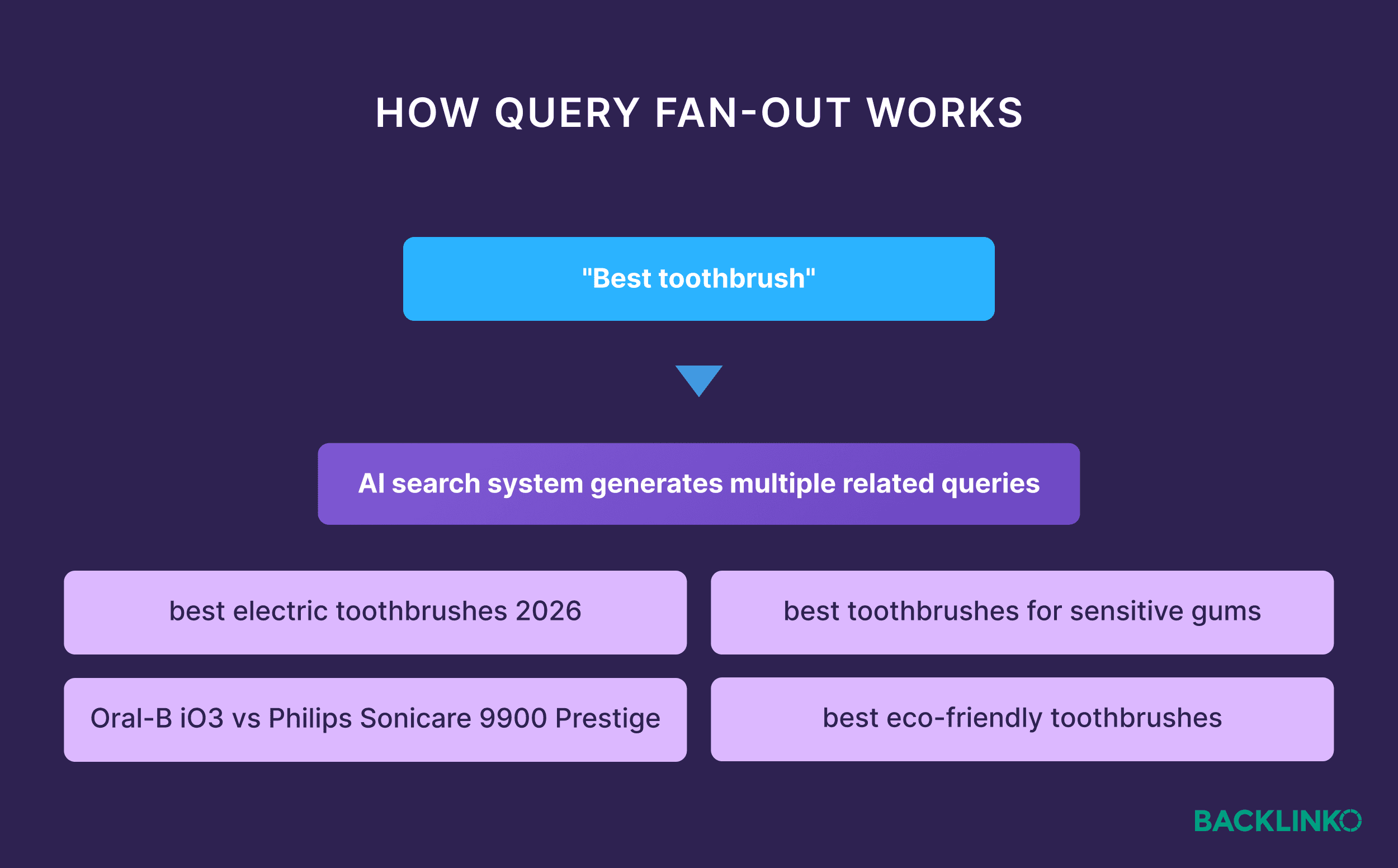
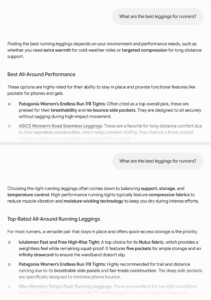
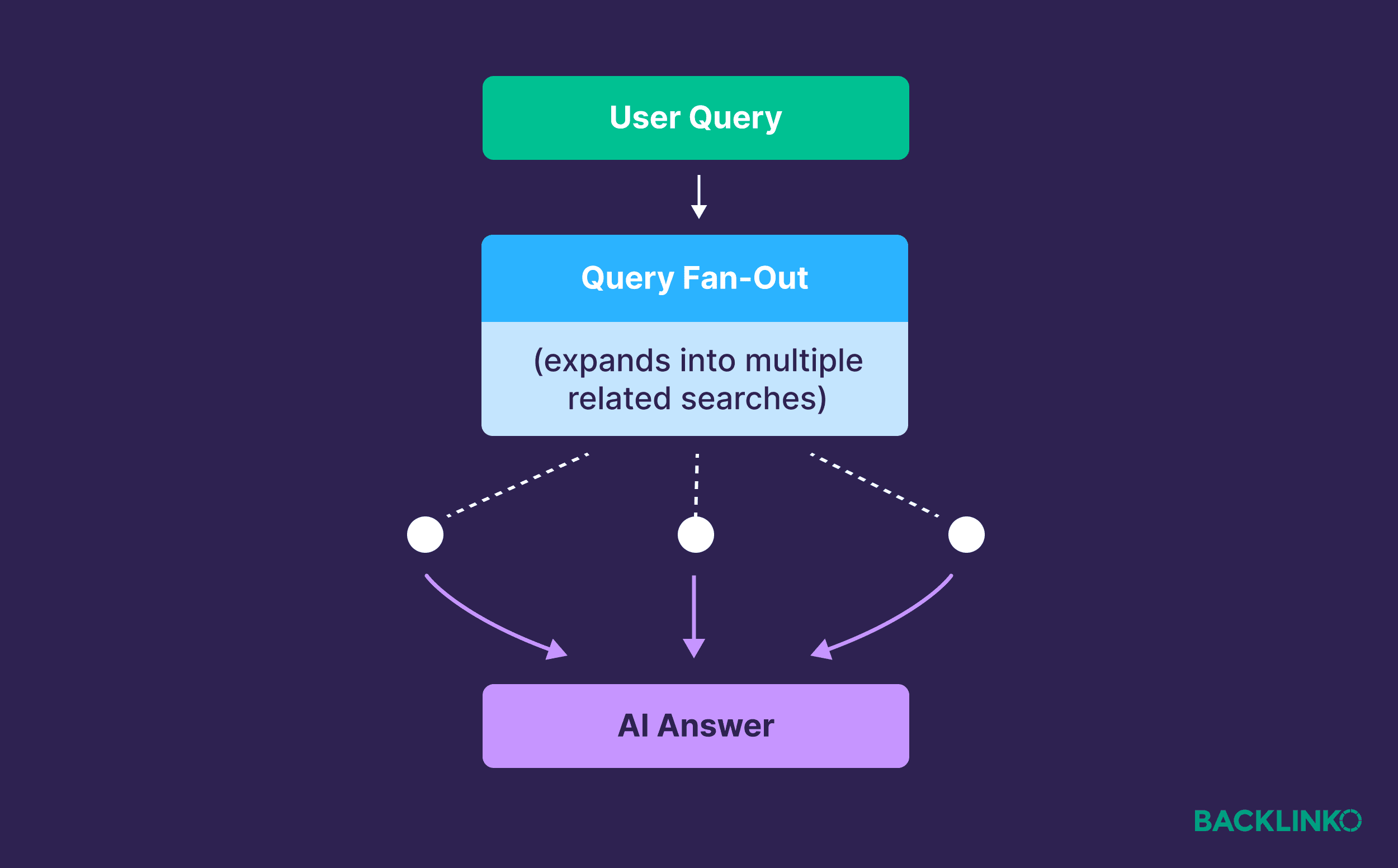
At its core, query fan-out is a sophisticated background process employed by advanced AI systems to construct comprehensive and nuanced answers to user queries. Unlike traditional search engines that primarily return a ranked list of web pages based on keyword relevance and authority, LLMs delve deeper. When a user poses a question, these AI systems do not simply default to the top-ranking page. Instead, they initiate a series of related "sub-queries" or "micro-searches" behind the scenes. This process allows the AI to "fan out" the original query, exploring various facets, contexts, and related topics to build a more complete and coherent response.
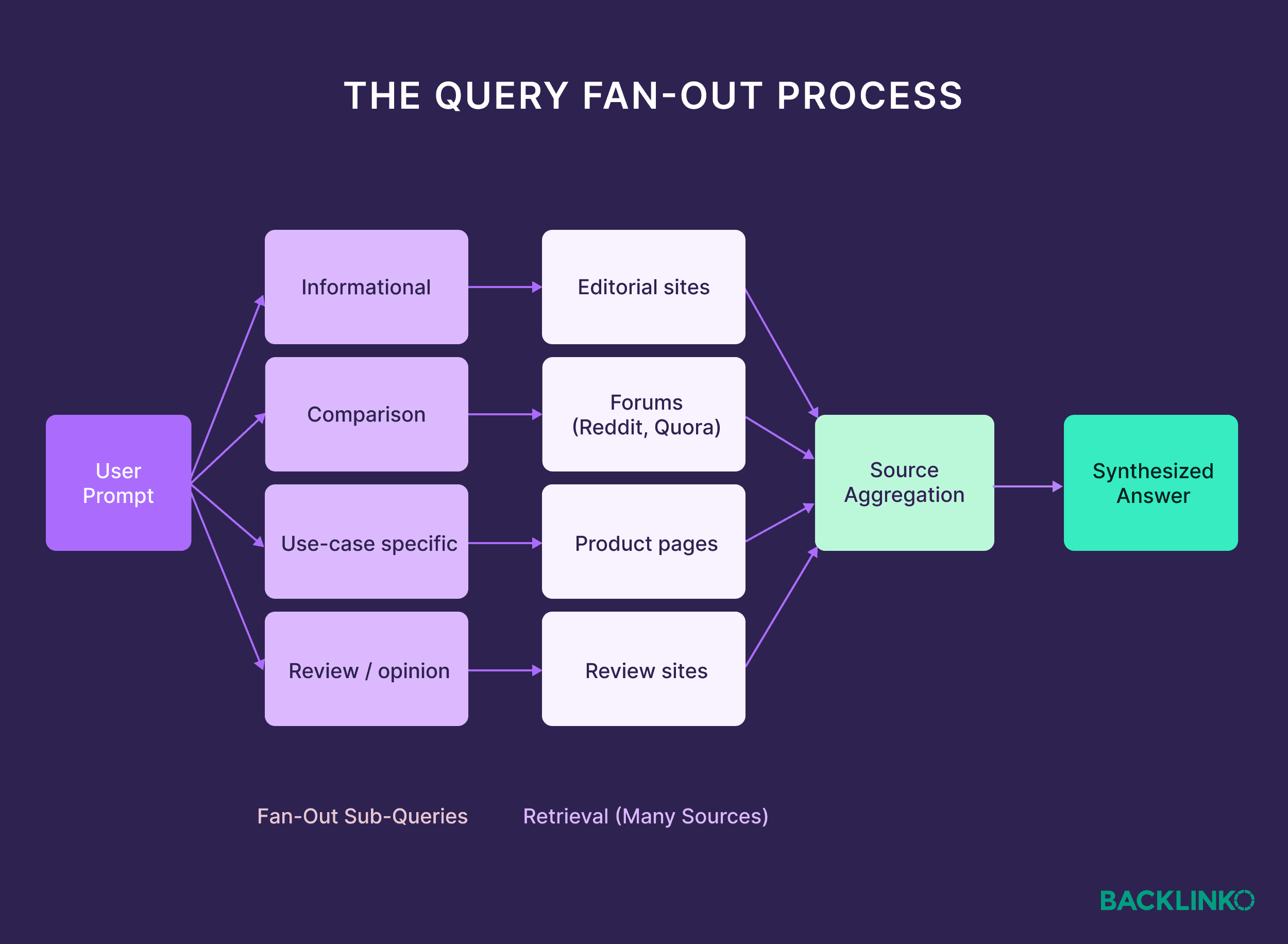
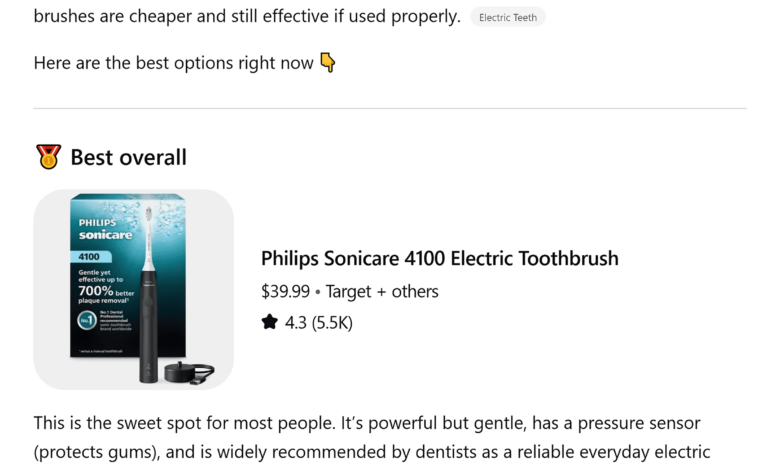
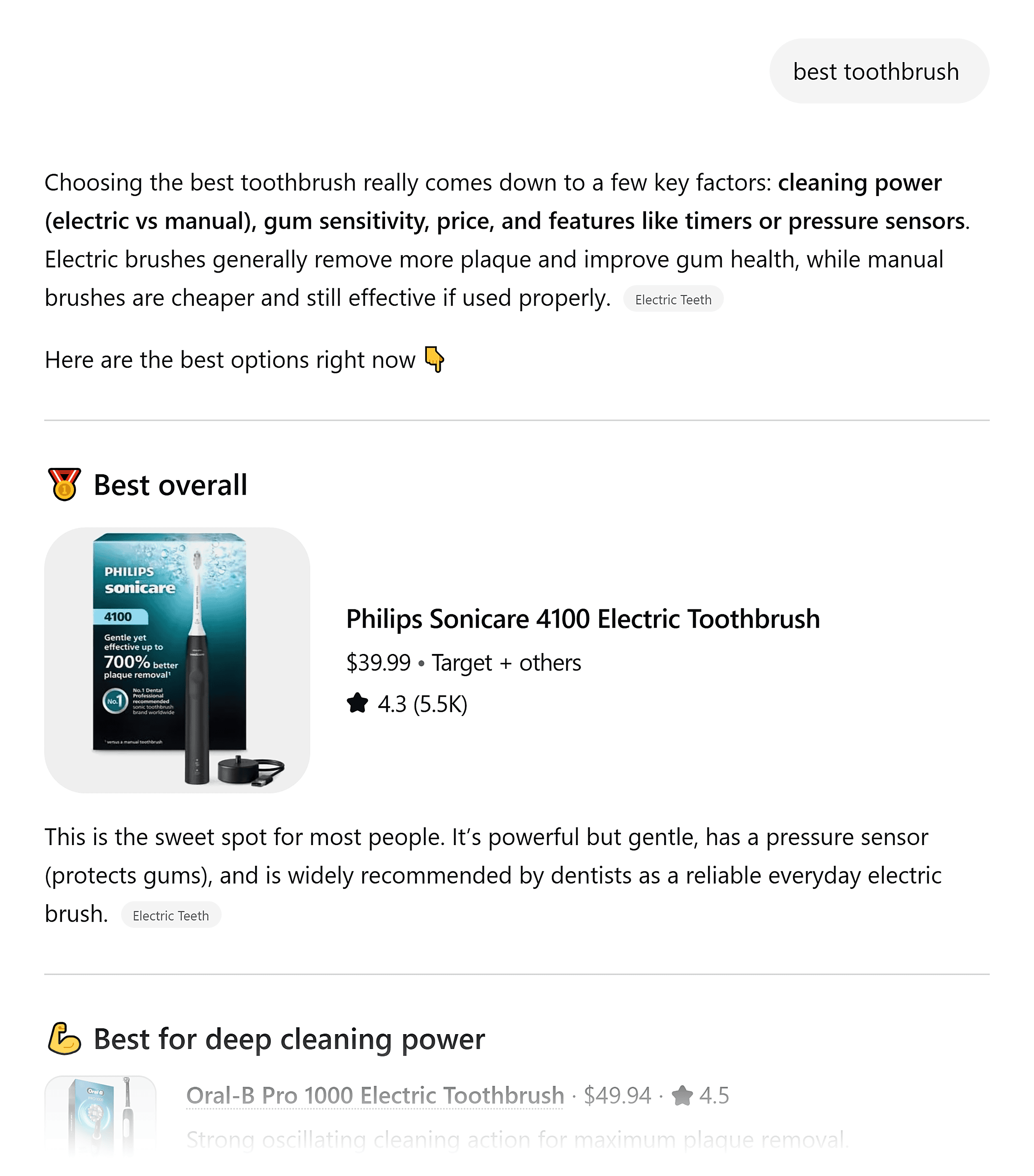
For instance, a seemingly simple query such as "best toothbrush" might trigger a cascade of internal sub-queries: "best electric toothbrushes [current year]," "best toothbrushes for sensitive gums," "Oral-B vs. Philips Sonicare comparison," "eco-friendly toothbrush options," or even "average price range for premium toothbrushes." The AI then sifts through a multitude of sources—ranging from reputable editorial sites and academic papers to consumer review platforms, Reddit threads, and specialized product pages—to gather relevant information for each sub-query. The ultimate goal is to synthesize these disparate pieces of information into a single, comprehensive answer that anticipates and addresses the user’s underlying needs, often going beyond the explicit phrasing of the initial prompt.
This methodology contrasts sharply with the earlier, more linear models of information retrieval. Query fan-out is not a mere rephrasing of the original search term, nor is it simply a broader keyword search. It represents a semantic understanding of intent, where the AI attempts to grasp the full scope of what a user might want to know about a topic. This shift underscores that for AI visibility, "coverage and retrievability" have become paramount, even more so than traditional ranking position. While high rankings remain beneficial, they are no longer a guaranteed gateway to AI citation.
The Evolution of Search: A Chronological Shift
The journey from rudimentary keyword matching to sophisticated AI-driven query fan-out reflects the rapid evolution of search technology. Historically, search engines relied heavily on keywords, backlinks, and on-page optimization to rank content. The introduction of semantic search in the early 2010s began to shift the focus towards understanding user intent and contextual relevance. However, the advent of generative AI and large language models in the early 2020s marked a more dramatic inflection point.
These advanced AI systems, trained on vast datasets of text and code, developed the capability to not just retrieve information but to understand, interpret, and generate human-like text. This meant moving beyond merely pointing users to a web page; now, AI could answer questions directly, drawing insights from numerous sources. This capability necessitated a more intelligent method of information gathering, giving rise to query fan-out. It’s a move from "where can I find this information?" to "tell me everything I need to know about this." This progression has compressed the user’s research journey, allowing for a consolidated information experience that traditional search results could not offer.
Key Implications for Content Strategy and AI Visibility
The rise of query fan-out introduces several critical shifts that demand a fundamental rethinking of content strategy:
-
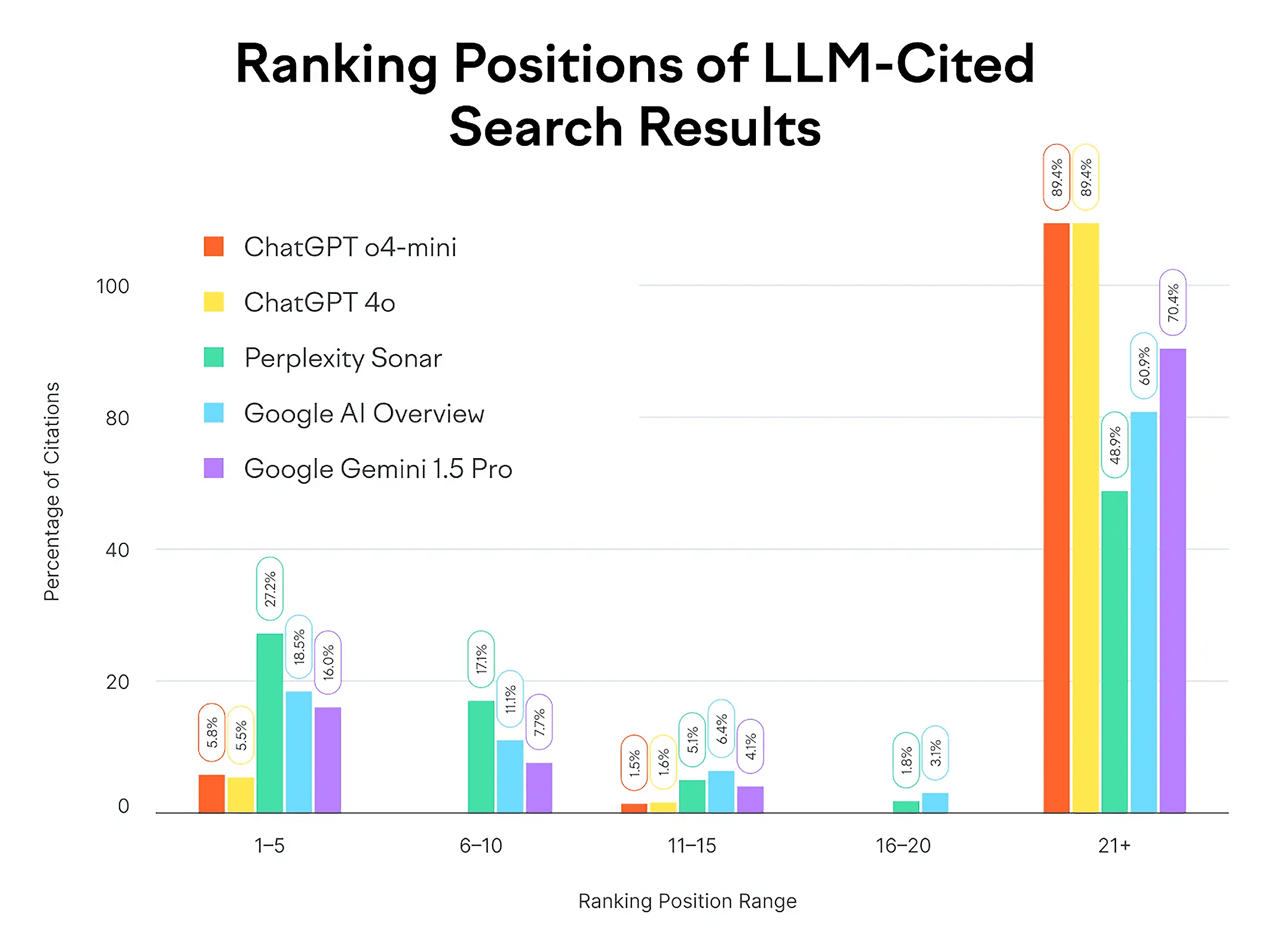
Diminished Reliance on Top Rankings for AI Citations: Perhaps the most startling revelation for SEO professionals is that a top-ranking position on Google’s traditional SERP does not automatically translate to AI citations. A comprehensive study by Semrush indicated that nearly 90% of ChatGPT’s citations originate from pages ranking 21st or lower in standard search results. Similarly, Perplexity and Google’s AI features demonstrate a similar pattern. This data decisively debunks the notion that only first-page content is valuable to AI, instead emphasizing that content’s relevance, depth, and ability to directly answer specific sub-queries are more critical.

-
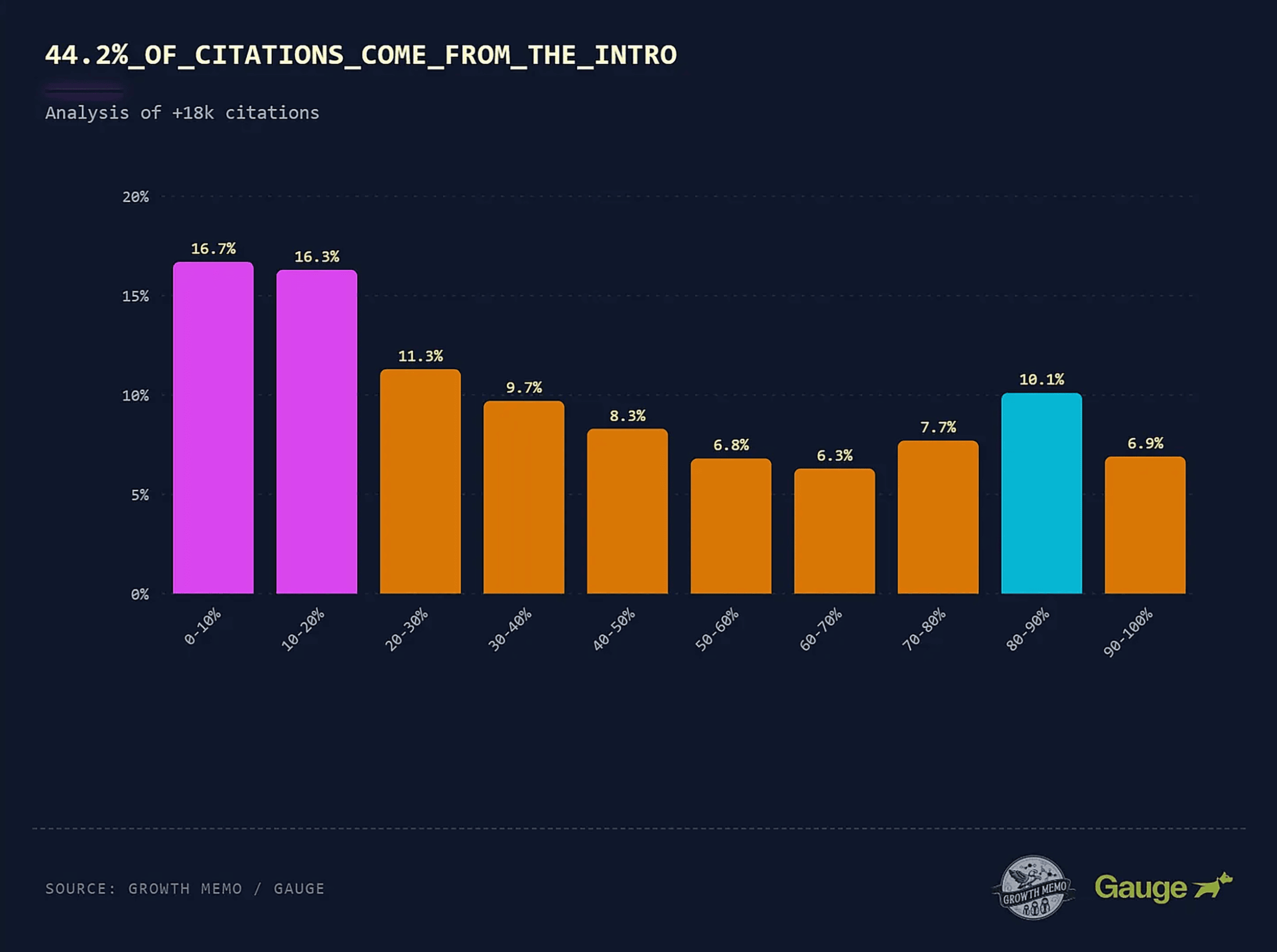
AI Retrieves Passages, Not Entire Pages: Unlike a human user who navigates to a web page, an AI system often extracts specific passages that directly resolve a sub-query. This means that the conciseness and clarity of your answers, particularly in the initial sections of your content, are crucial. Analysis by growth advisor Kevin Indig on 1.2 million ChatGPT responses revealed that 44.2% of citations came from the first 30% of a page, with 31.1% from the middle, and only 24.7% from the final third. This data strongly suggests that front-loading direct answers to common questions significantly increases the likelihood of being cited. Content needs to be structured in "atomic" units, where each section or paragraph can stand alone as a useful answer.
-
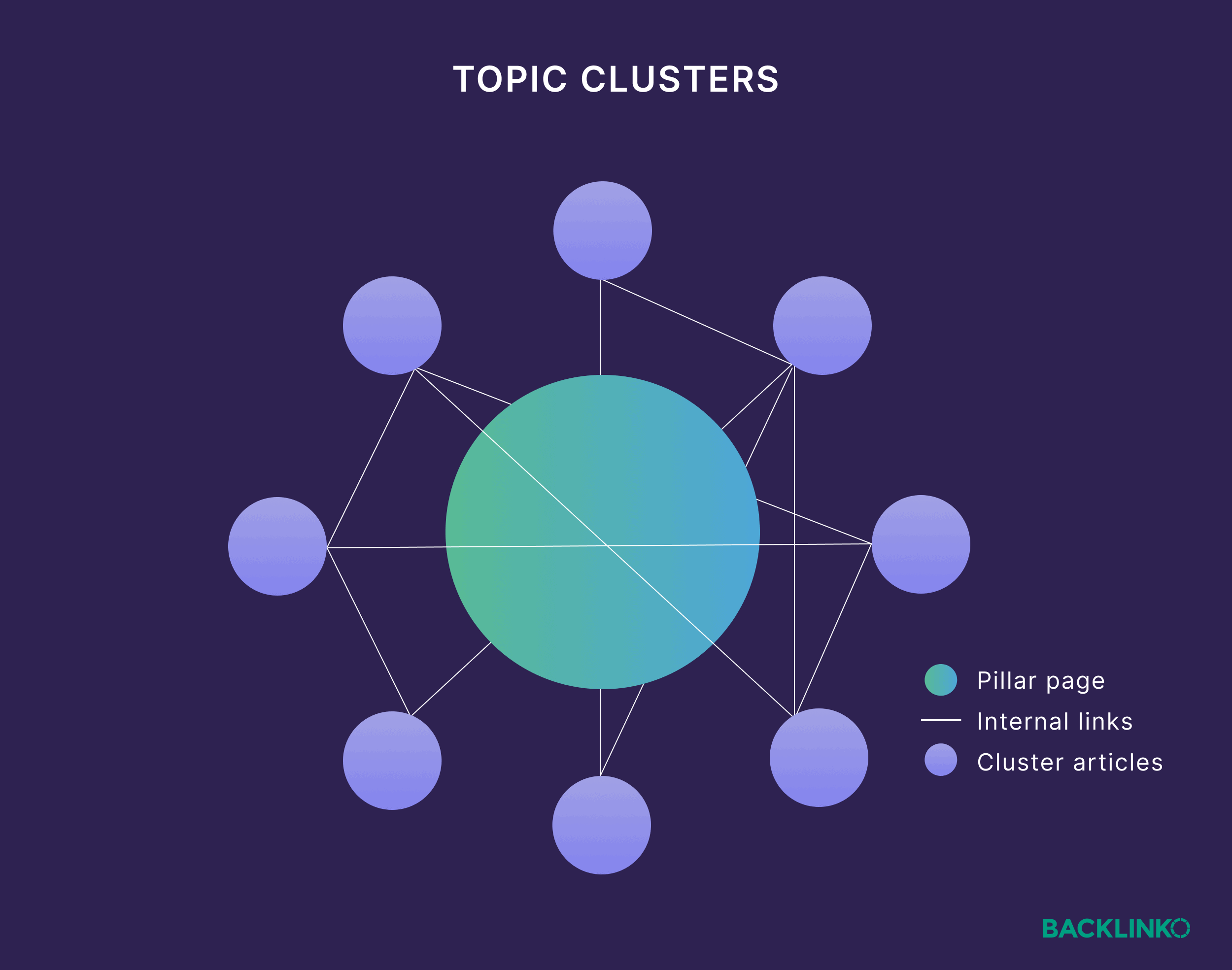
Competition Shifts from Keywords to Comprehensive Topic Coverage: Traditional SEO often revolved around optimizing individual keywords. Query fan-out, however, operates on the principle of comprehensive topical understanding. To be consistently cited by AI, content must demonstrate broad, well-connected coverage across an entire topic. This reinforces the importance of content strategies like "pillar pages" and "topic clusters," where a central, authoritative piece of content links out to several supporting articles that delve into related sub-topics. Such a structure allows AI to perceive a site as a reliable and exhaustive source of information on a given subject, making it more likely to pull from its various pages to answer diverse sub-queries.
-
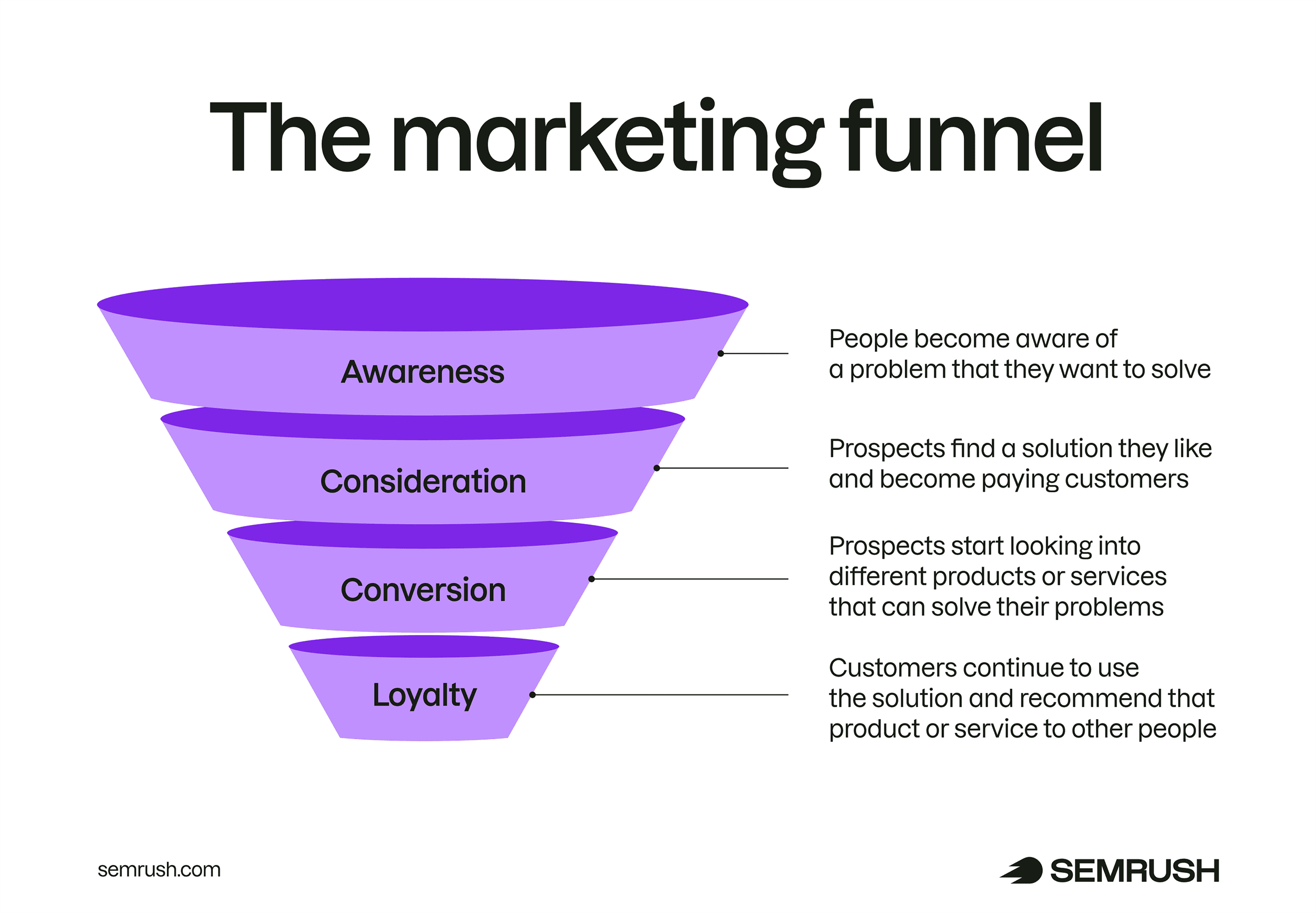
The Collapsed Buying Journey: Marketers have long segmented the buyer’s journey into distinct stages: awareness, consideration, and decision, tailoring content for each. With AI-powered search, these stages can effectively collapse into a single interaction. A user’s initial high-intent question can prompt an AI to fan out into sub-queries that cover informational context (awareness), comparative analyses (consideration), and specific product or service details (decision). The AI then synthesizes this into one holistic answer. This implies that content can no longer afford to be siloed by funnel stage; instead, it must be capable of serving multiple intents within a single, interconnected ecosystem to capture the full spectrum of user needs.
The Query Fan-Out Workflow: A Strategic Framework for AI Visibility
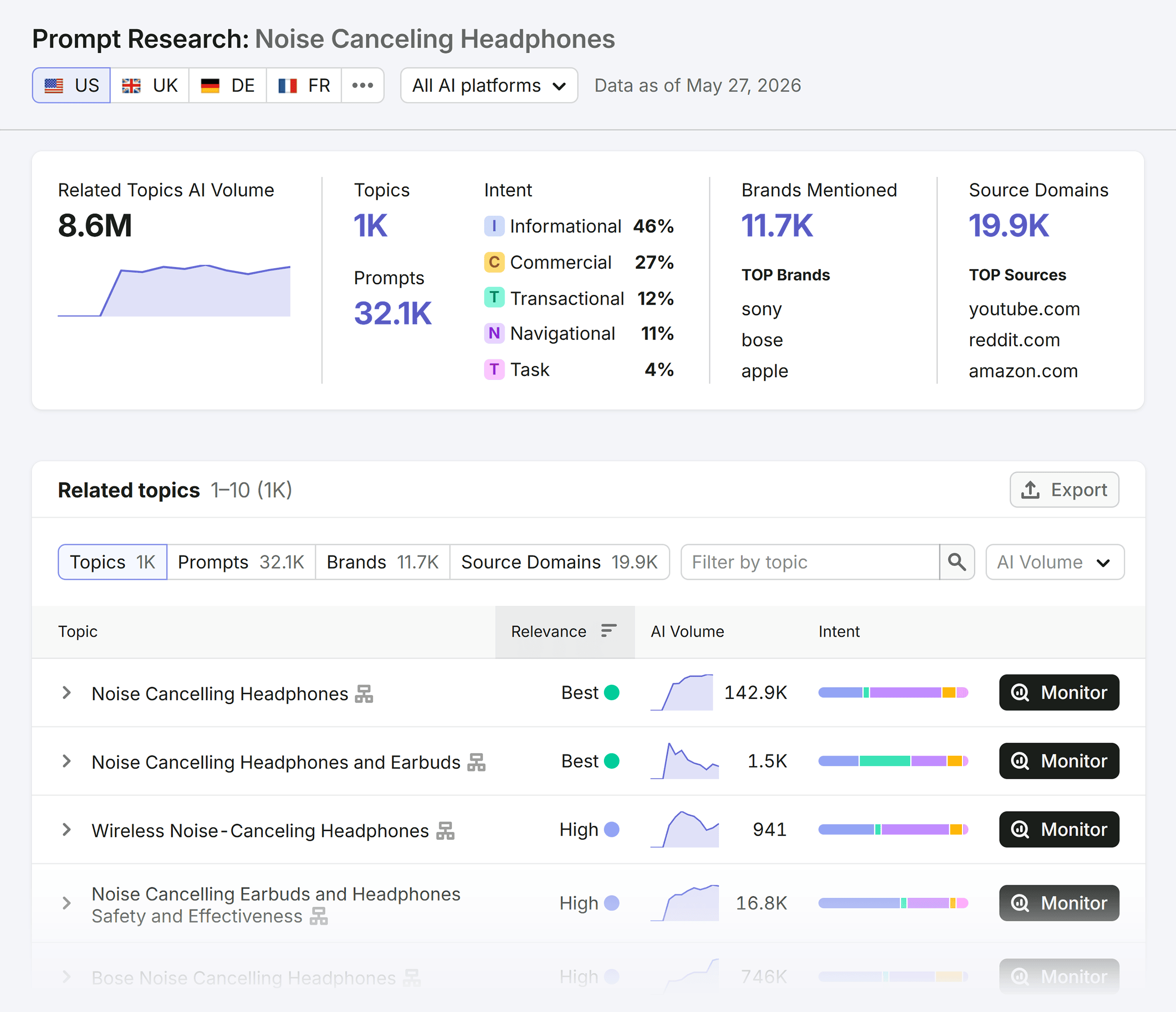
To adapt to this new paradigm and enhance AI visibility, content creators and marketers must adopt a refined, six-step workflow:
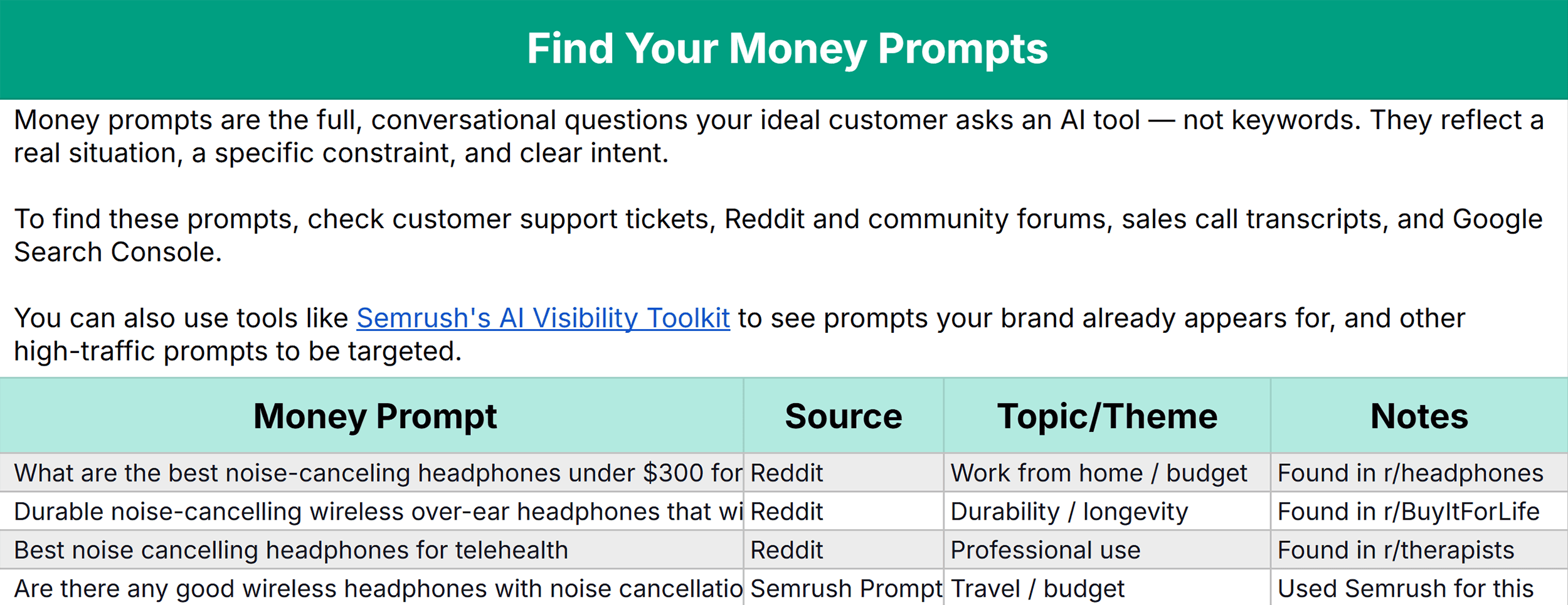
Step 1: Identify "Money Prompts" – The New High-Intent Queries
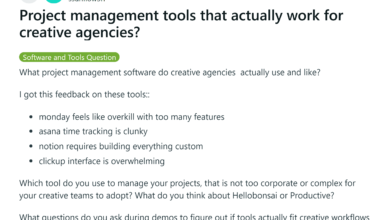
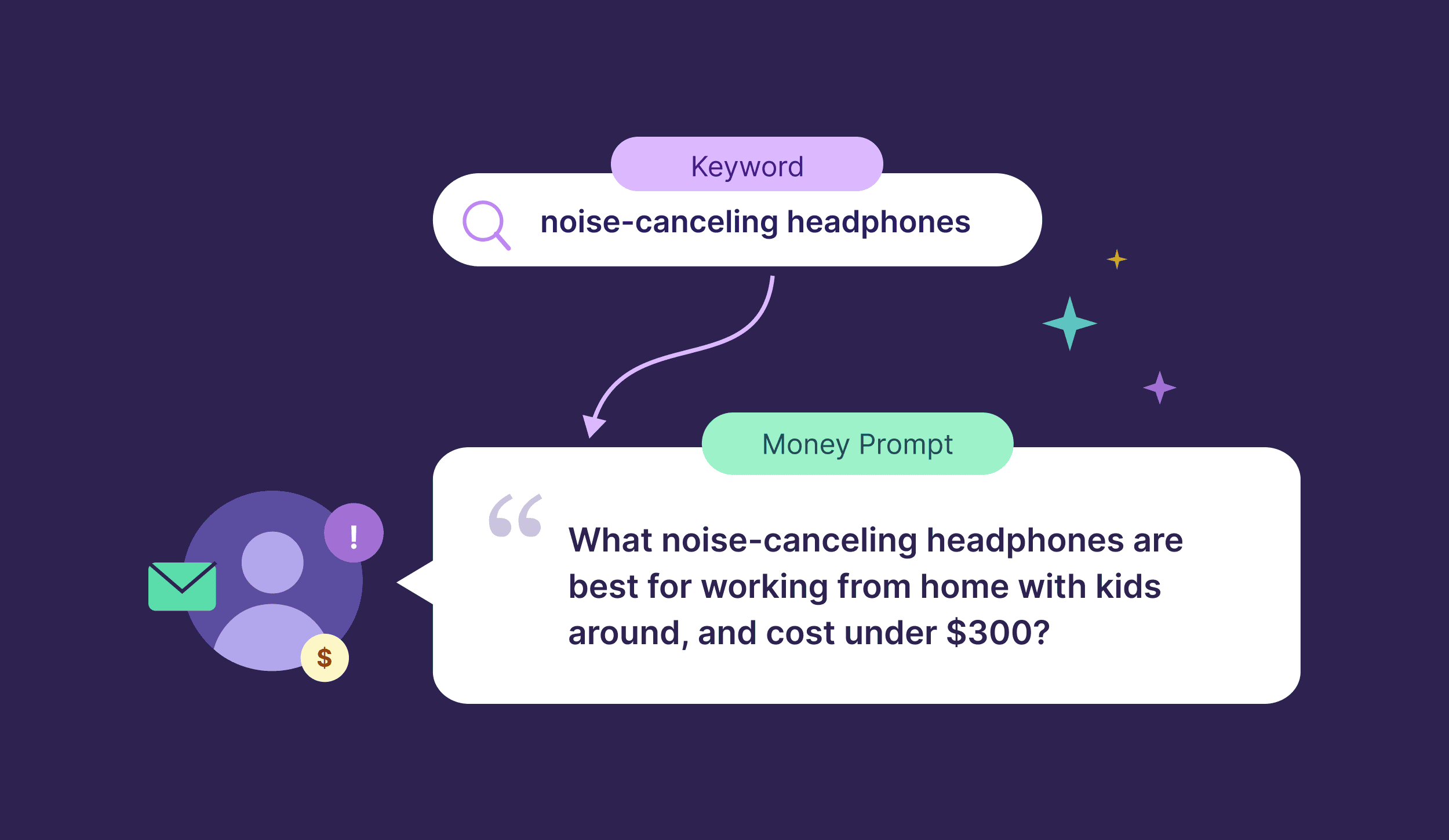
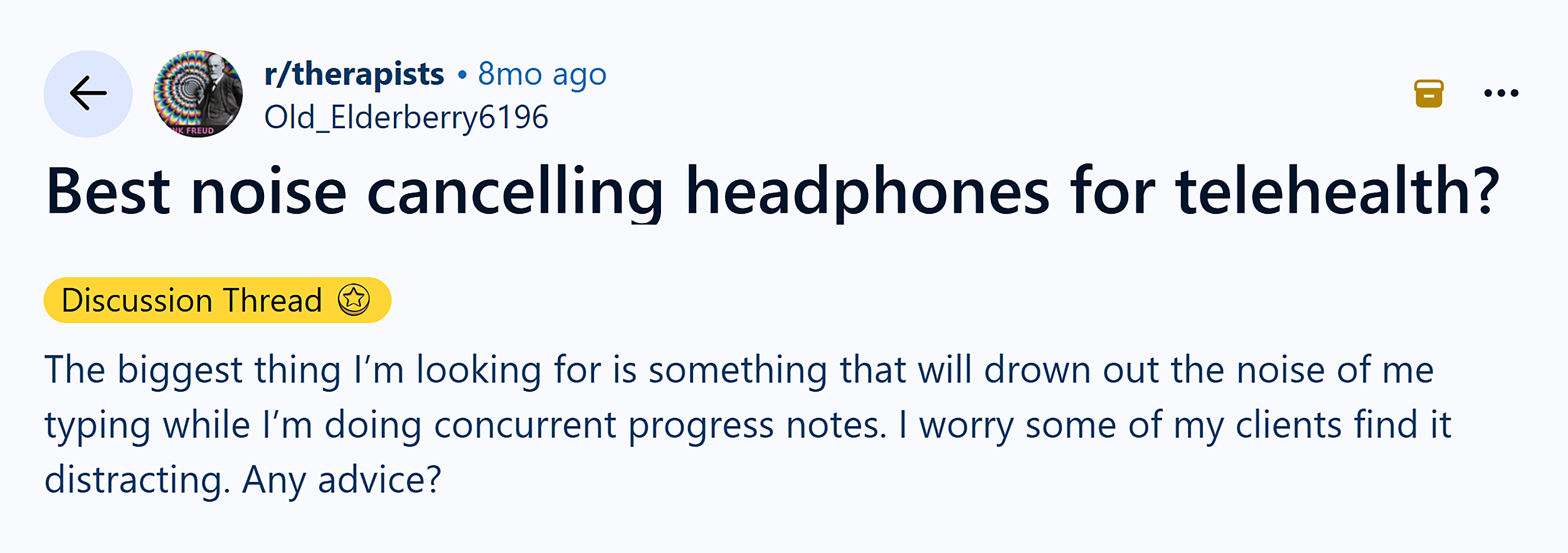
"Money prompts" are the conversational phrases or questions that ideal customers would pose to an AI tool when seeking solutions that your product or service provides. These differ from traditional commercial-intent keywords by their natural language and specificity. For example, instead of "noise-canceling headphones," a money prompt might be "What noise-canceling headphones are best for working from home with kids around, and cost under $300?"
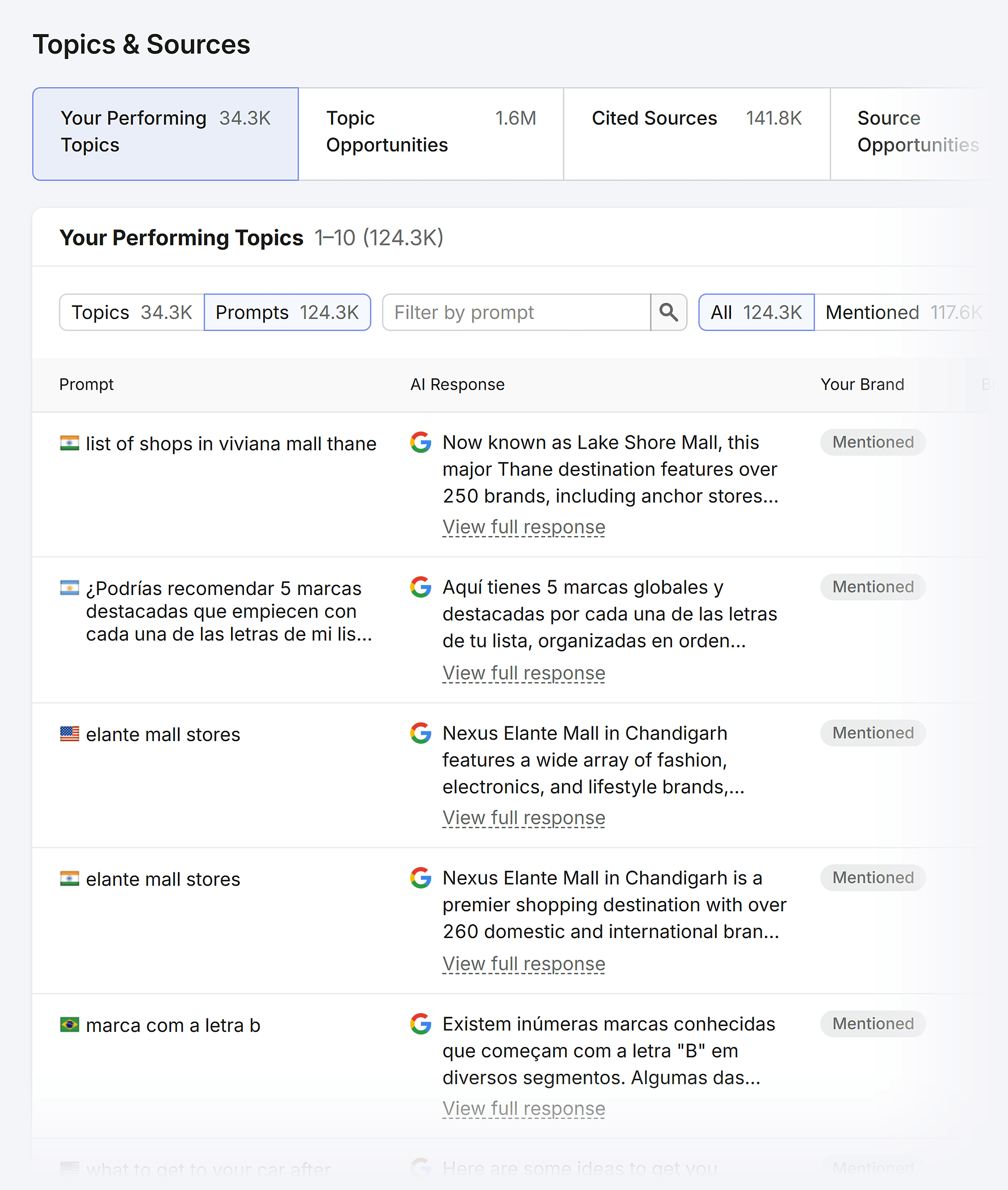
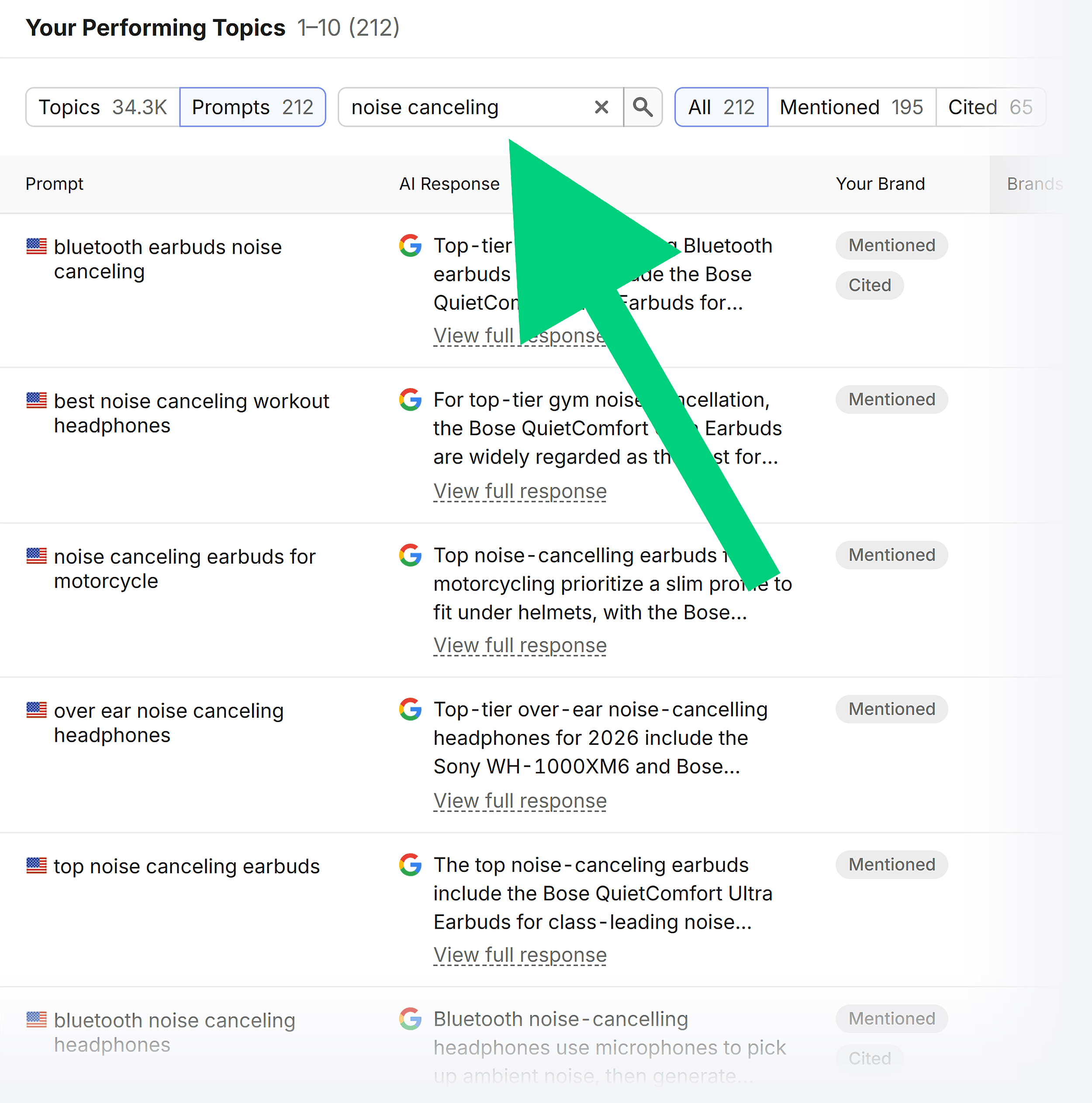
To find these, leverage platforms where real users ask questions: forums like Reddit, Q&A sites, and customer support transcripts. Specialized AI SEO tools, such as Semrush’s AI Visibility Toolkit, are invaluable here. By analyzing prompts where your brand already appears in AI answers (via the "Topics & Sources" report), you can identify existing strengths. For brands with less AI visibility, the "Prompt Research" tool can reveal high-engagement prompts within your industry. Documenting these prompts in a structured spreadsheet forms the foundation of your strategy.
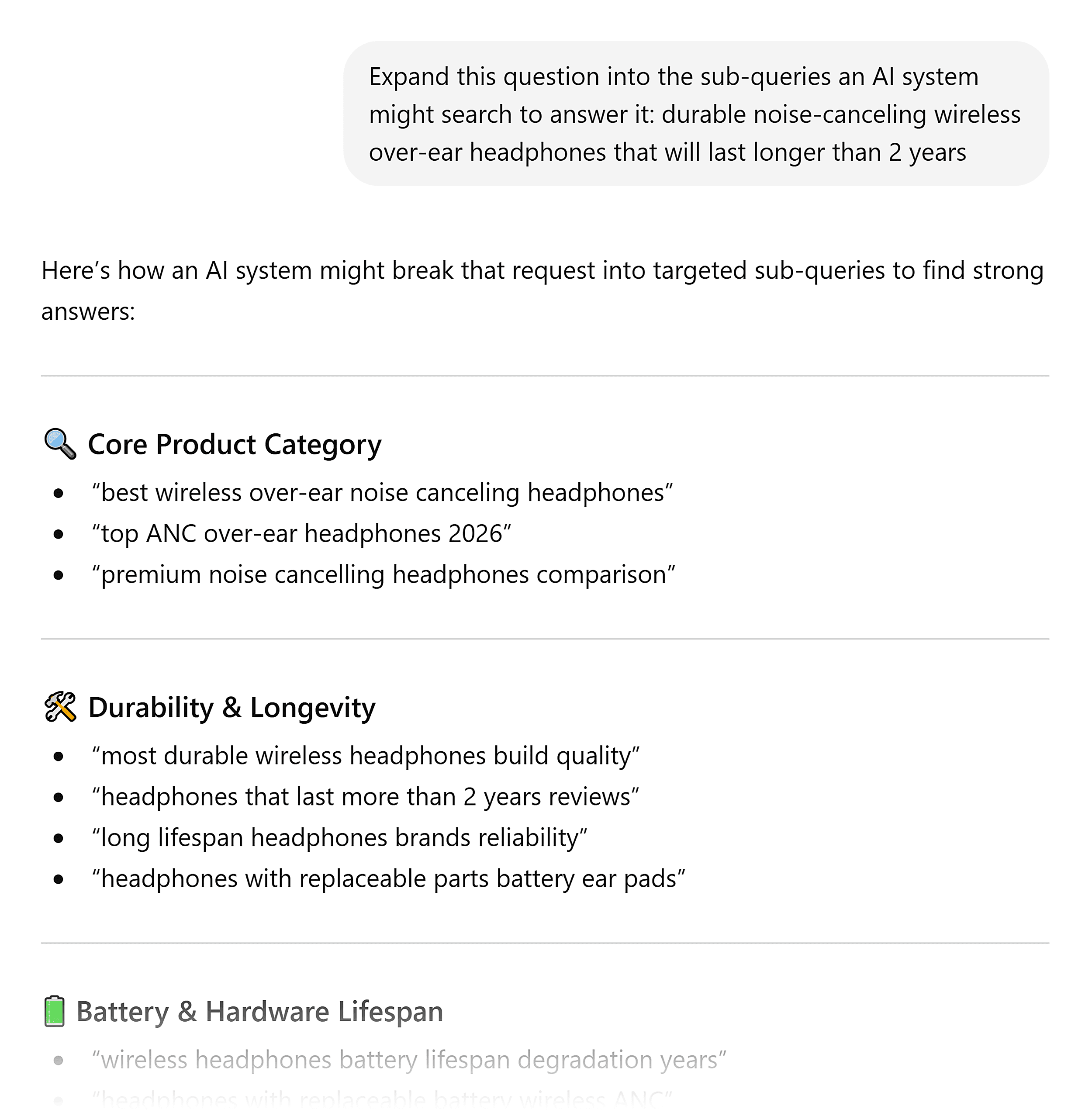
Step 2: Generate and Categorize Your Fan-Out Set
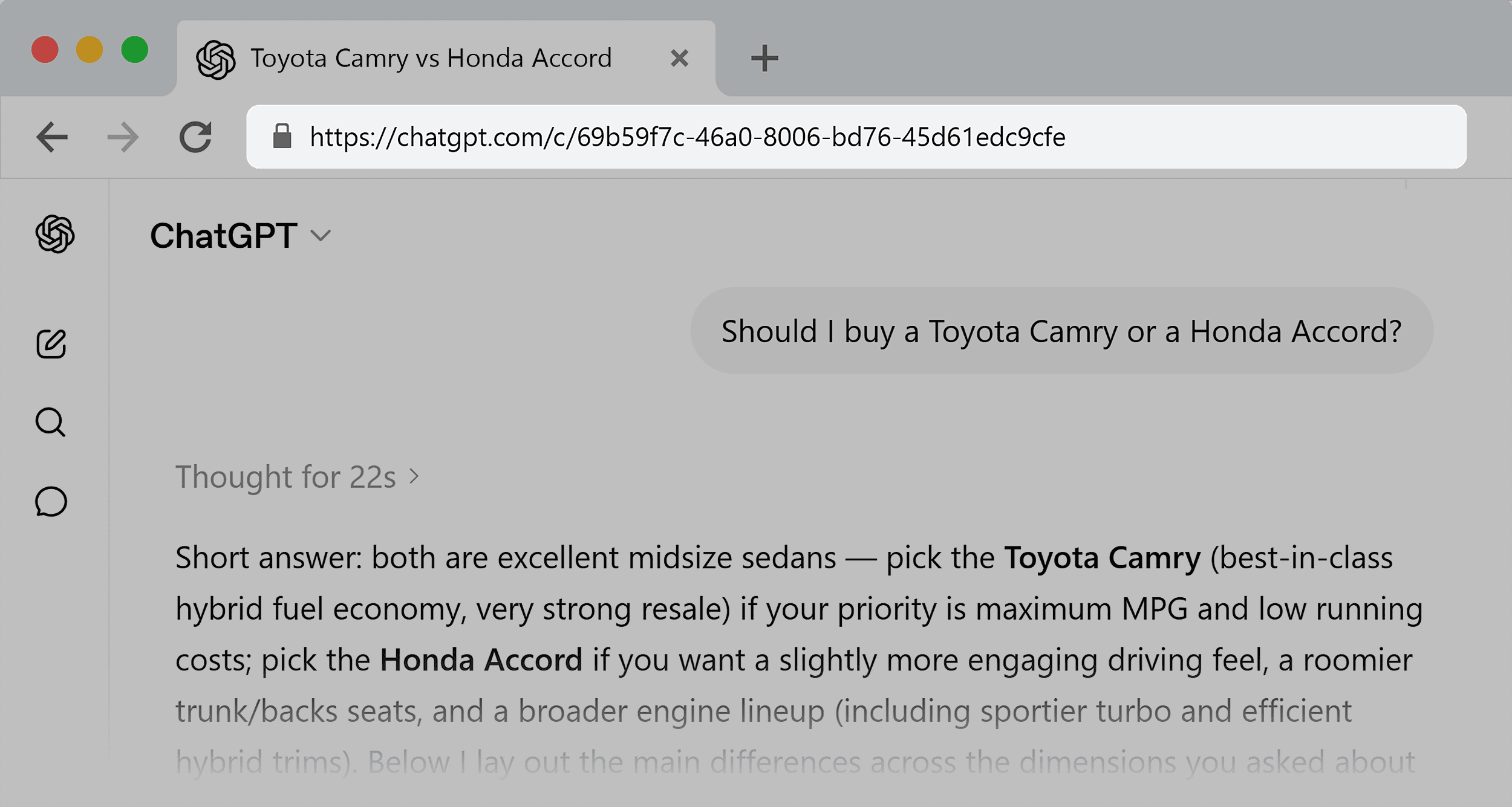
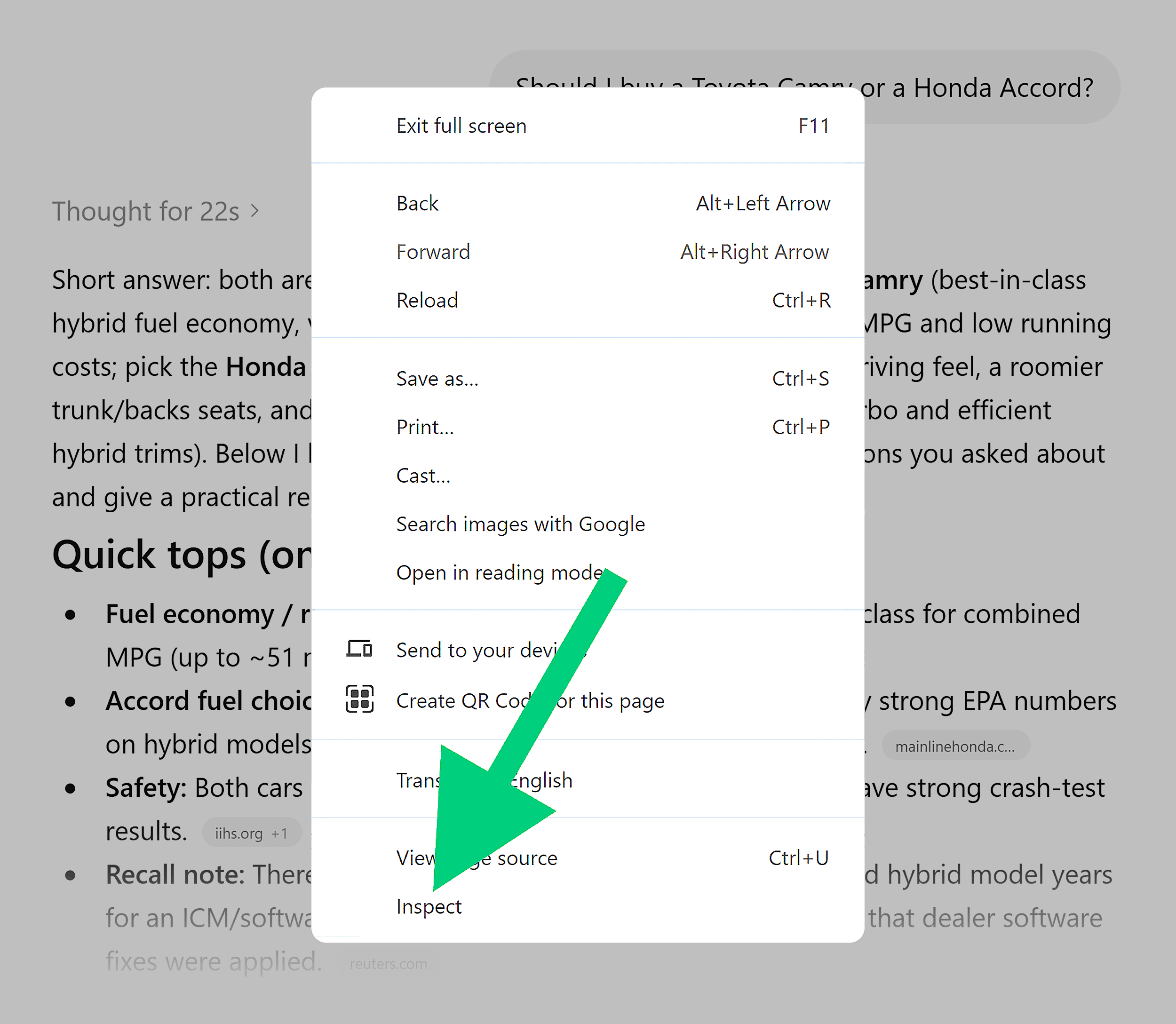
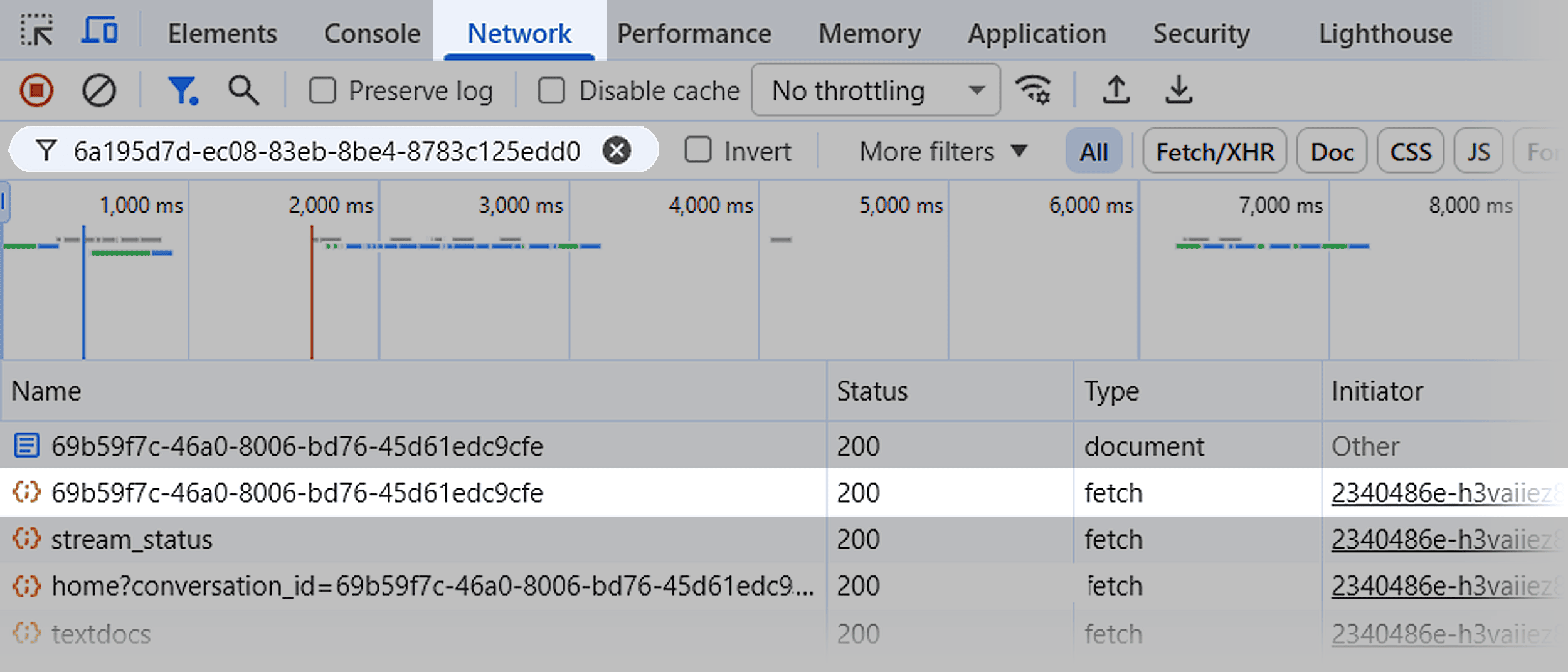
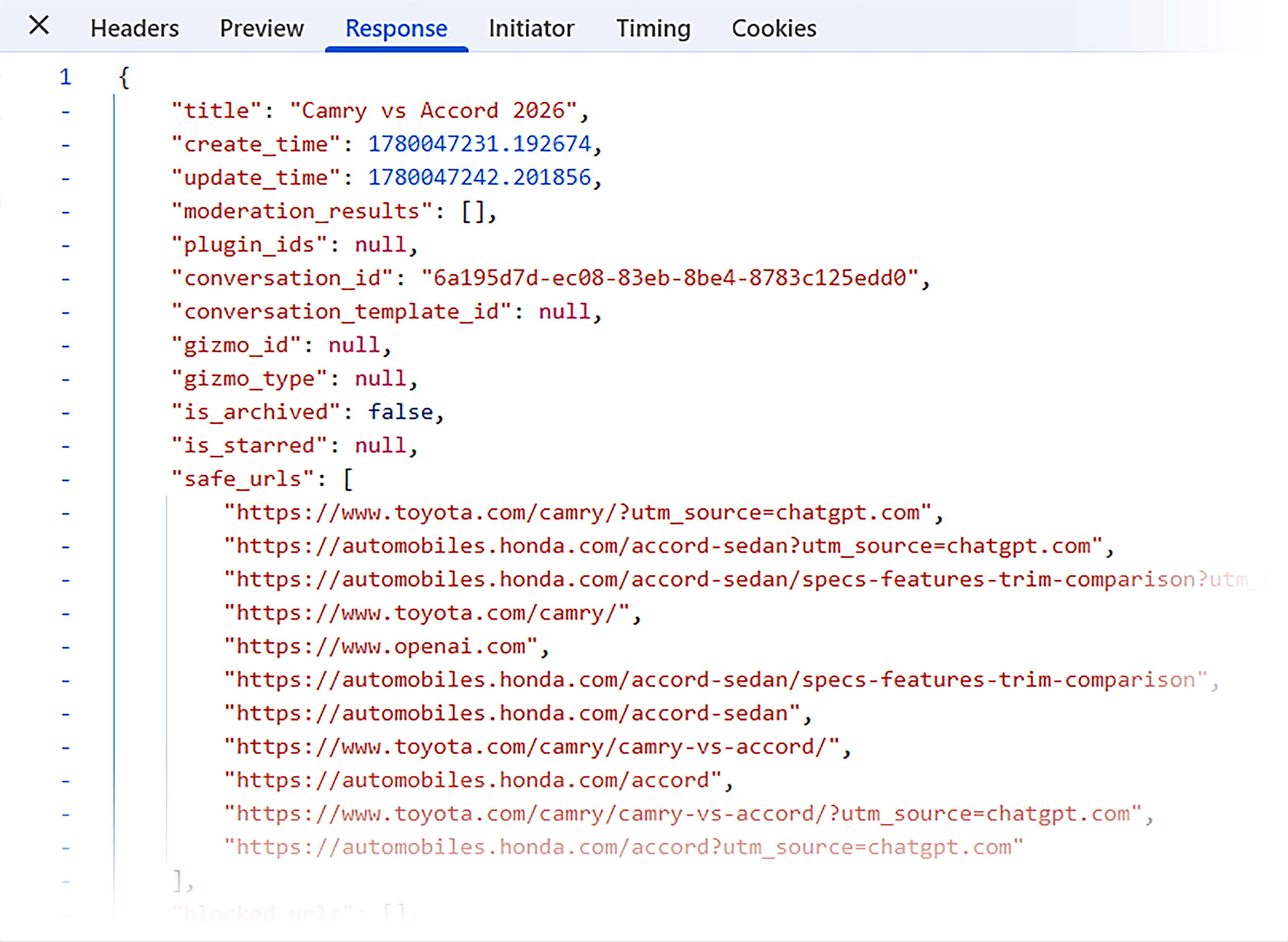
Once money prompts are identified, the next step is to understand the full spectrum of sub-queries an AI might generate from them. This can be done manually by using a prompt template in an LLM (e.g., "Act as an AI system performing query fan-out. For the prompt ‘[Your Money Prompt]’, list the top 10 sub-queries you would generate to build a comprehensive answer, categorized by type."). Tools like Backlinko’s ChatGPT Query Fan-Out Chrome Extension can automate this, revealing the actual sub-queries ChatGPT runs.
Categorizing these sub-queries is crucial for strategic content planning:
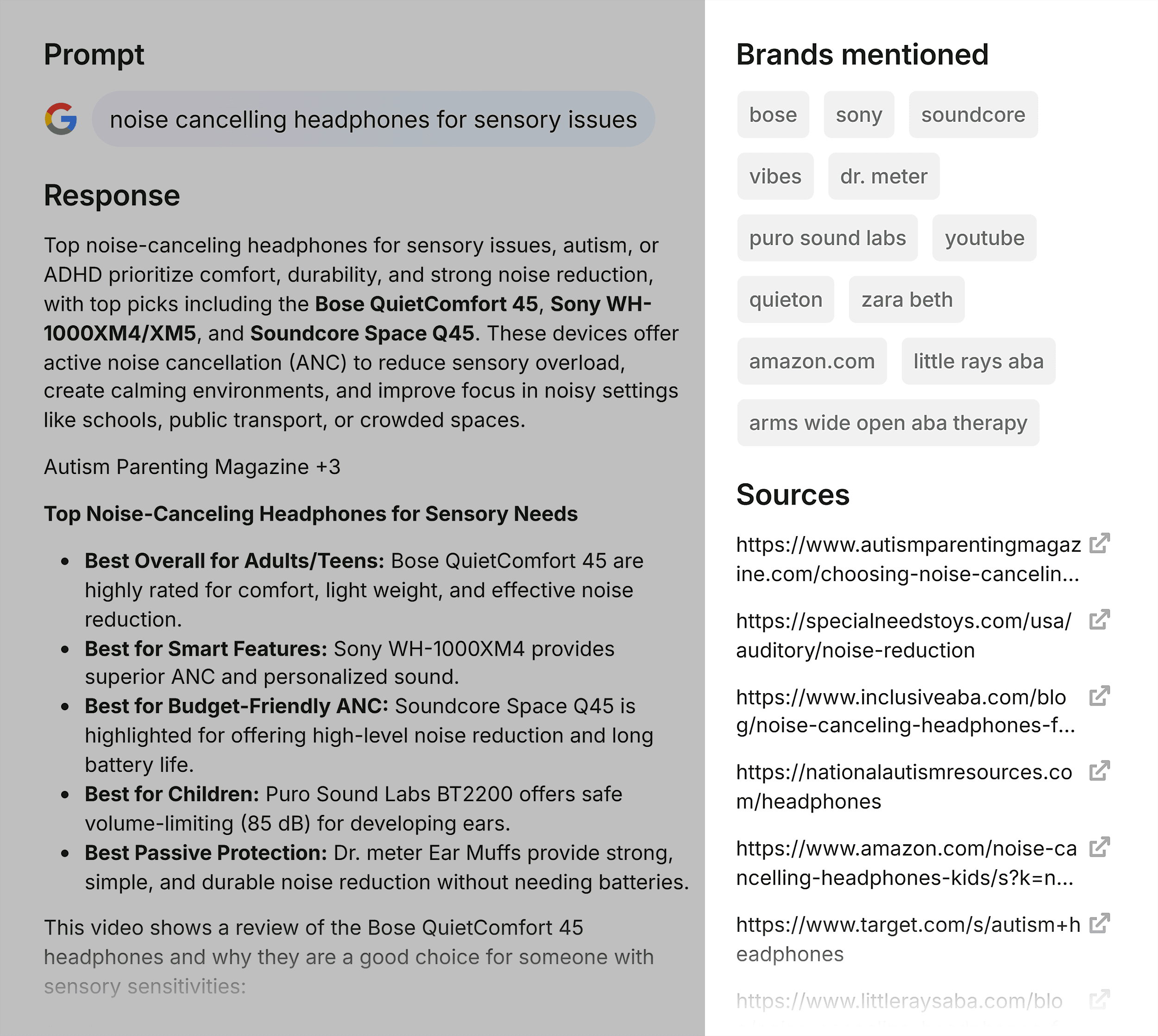
- Reformulation: A rephrased version of the original prompt.
- Comparative: Queries weighing options (e.g., "X vs Y").
- Implicit: Addressing unstated user needs.
- Personalized: Tailored to specific situations or preferences.
- Entity Expansion: Deep dives into specific brands, products, or people.
- Related: Connected topics the AI anticipates the user might explore next.
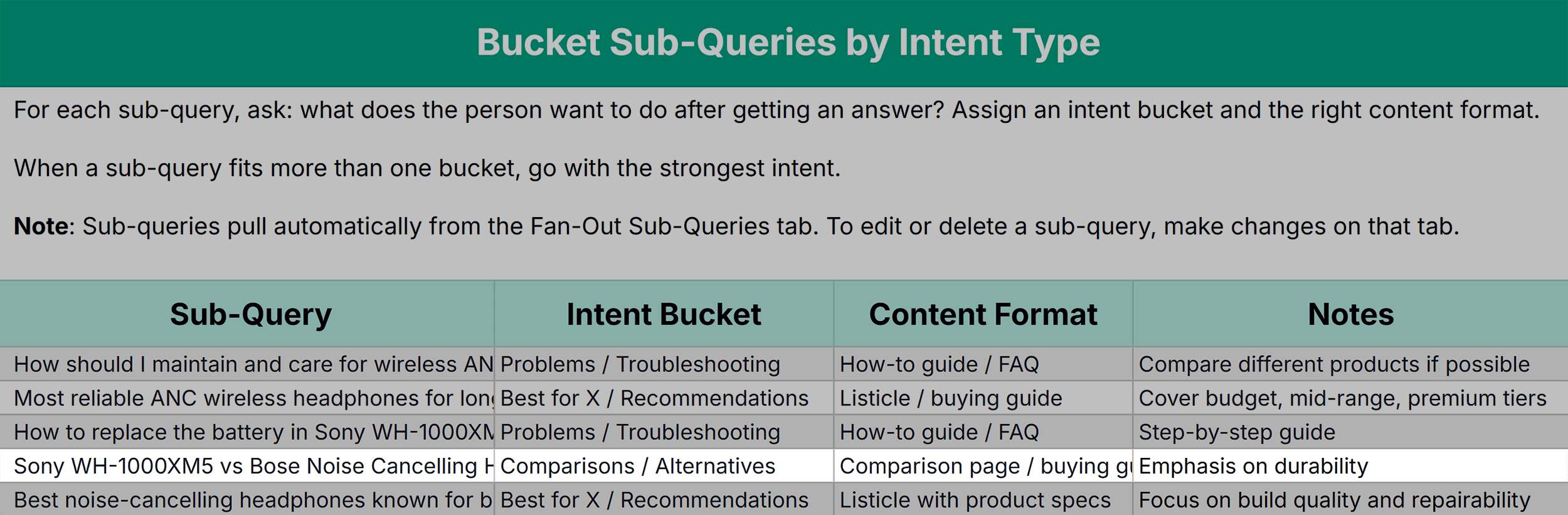
Step 3: Bucket Sub-Queries by Intent Type
Understanding the underlying intent behind each sub-query dictates the appropriate content format. Ask: "What does the user actually want to do after getting an answer?"
- Definitions/Basics: "What is X?", "How does X work?" (Content: Explainer articles, glossary sections).
- Comparisons/Alternatives: "X vs Y," "alternatives to X" (Content: Comparison pages, head-to-head sections).
- Best for X/Recommendations: "Best option for a specific use case" (Content: Listicles, buying guides).
- Problems/Troubleshooting: "How to fix X," "why does X happen" (Content: How-to guides, FAQ sections).
- Pricing/Value: "How much does X cost," "is X worth it" (Content: Pricing pages, value comparison sections).
- Social Proof/Discussions: "Reviews," "Reddit opinions," "user experience" (Content: Review roundups, user feedback sections).
Mapping sub-queries to these intent buckets ensures that new or optimized content directly addresses the user’s need, increasing its chances of AI extraction.
Step 4: Audit Existing Content for Gaps and Competitive Landscape
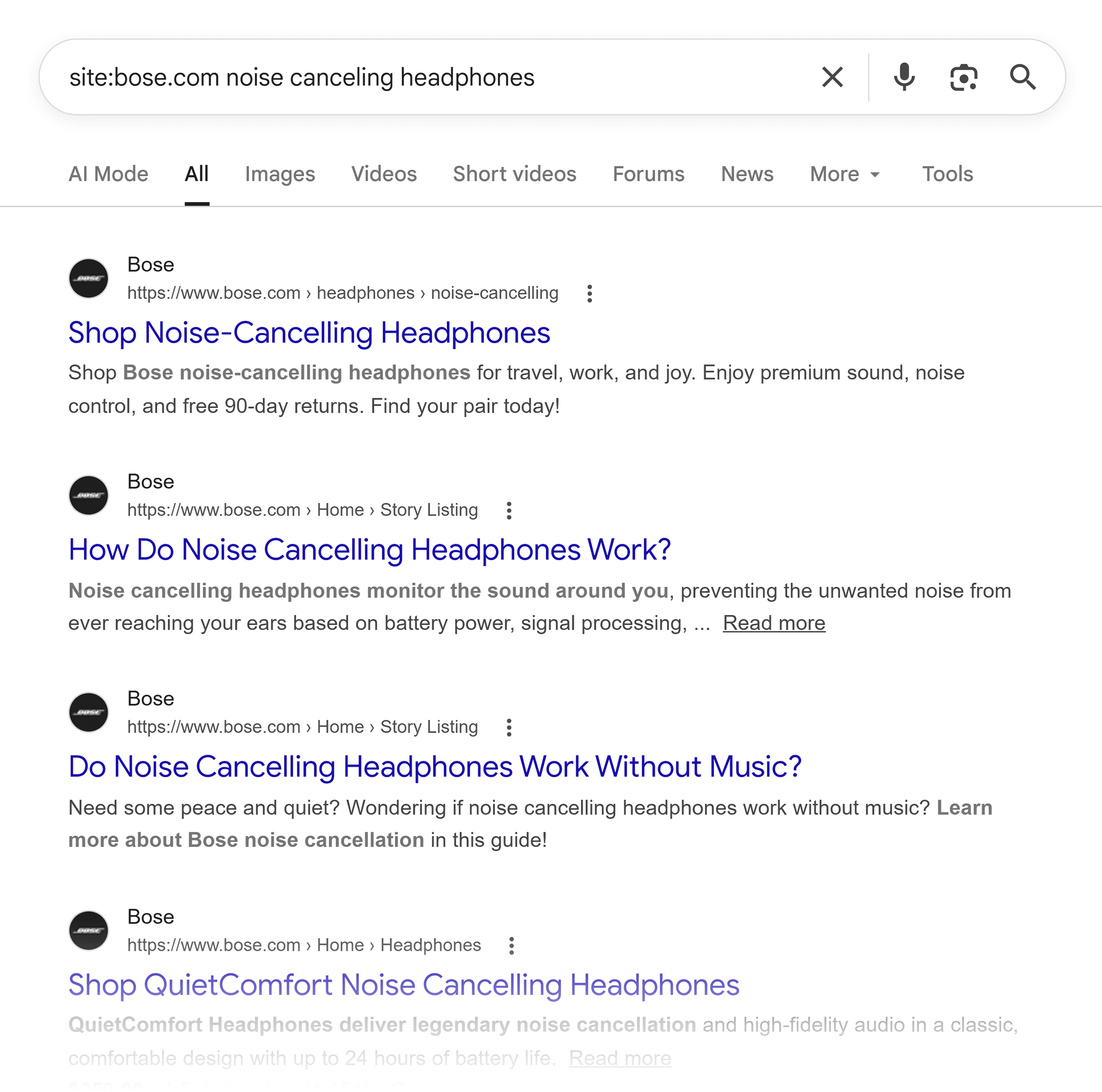
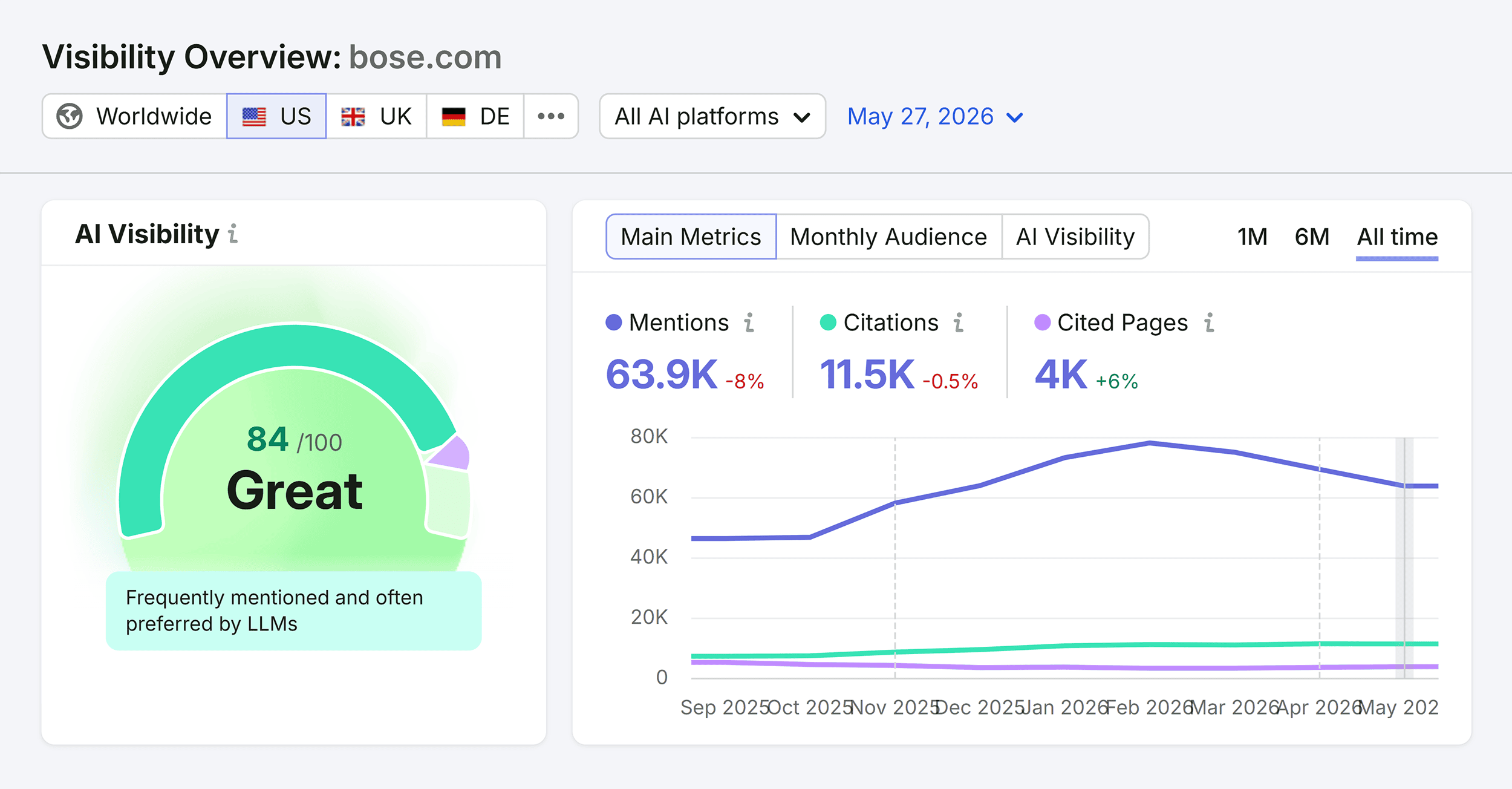
Conduct a thorough audit of your current content using a "site:yourdomain.com [sub-query topic]" Google search. Evaluate each page’s coverage for relevant sub-queries:
- Not Covered: No existing content addresses the sub-query. This is an opportunity for new content creation.
- Partially Covered: The topic is mentioned, but not fully resolved or presented in an AI-extractable format. Requires adding dedicated, self-contained sections.
- Fully Covered: The sub-query is comprehensively answered in a dedicated, extractable manner. Focus on monitoring and regular updates.
Simultaneously, use tools like the AI Visibility Toolkit to identify competitors appearing for your money prompts. This insight highlights areas where competitors are gaining AI traction and where you need to strengthen your presence.
Step 5: Structure Content for Optimal AI Extraction
Content must be engineered for AI parseability. This means:
- Front-Load Answers: Place direct answers to specific questions at the beginning of sections or pages.
- Clear Headings and Subheadings: Use H2, H3, H4 tags logically to break down content, making it scannable and signaling distinct topics to AI.
- Short, Concise Paragraphs: Avoid dense blocks of text. Each paragraph should ideally convey a single idea.
- Structured Data (Implicit and Explicit): While not always explicit schema, think in terms of structured answers. Use bullet points, numbered lists, tables (like comparison tables or pros/cons lists), and bold text to highlight key information.
- Direct Calls to Action (if applicable): While AI answers often aim to be self-contained, clear next steps on your page can still guide users who click through.
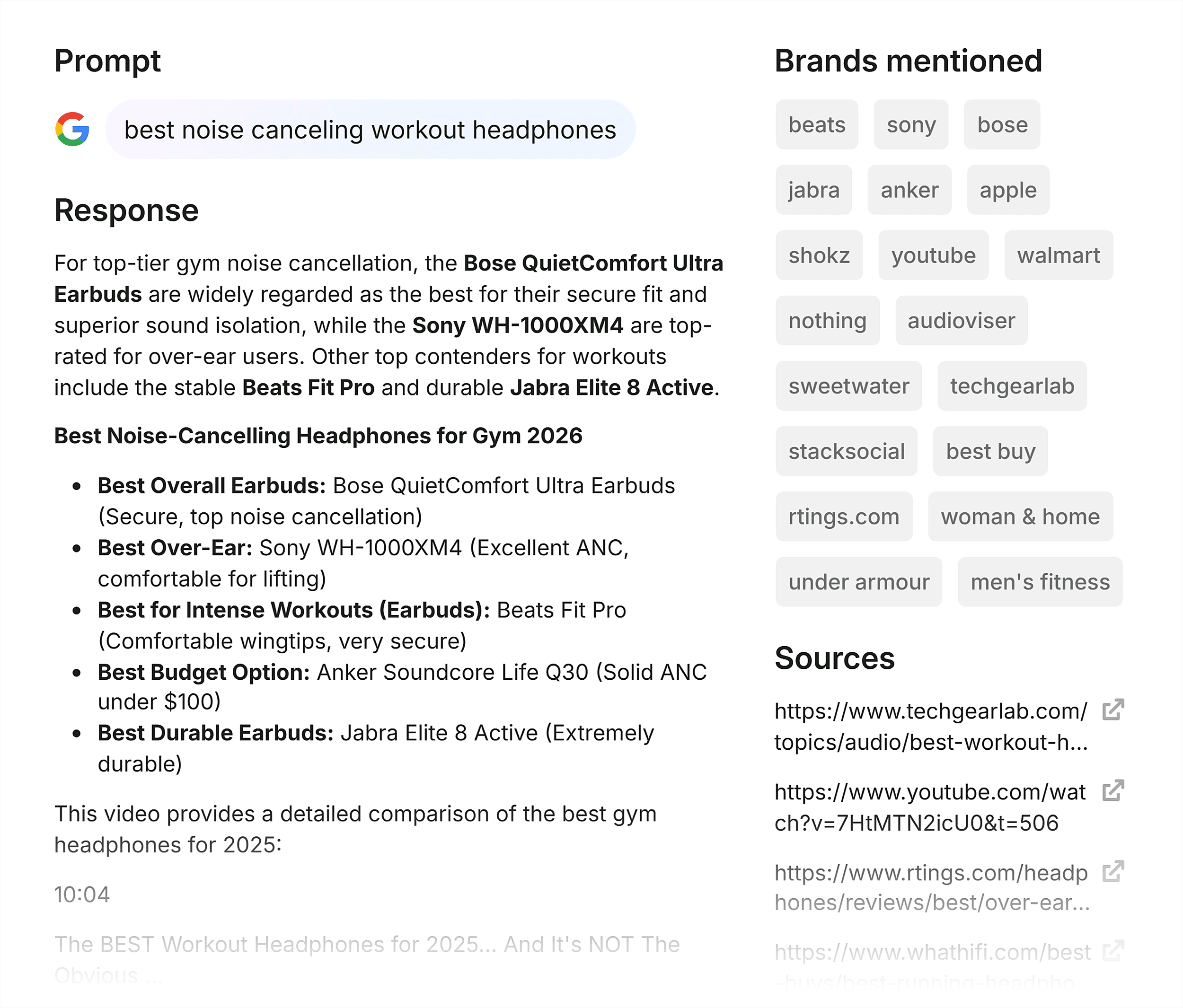
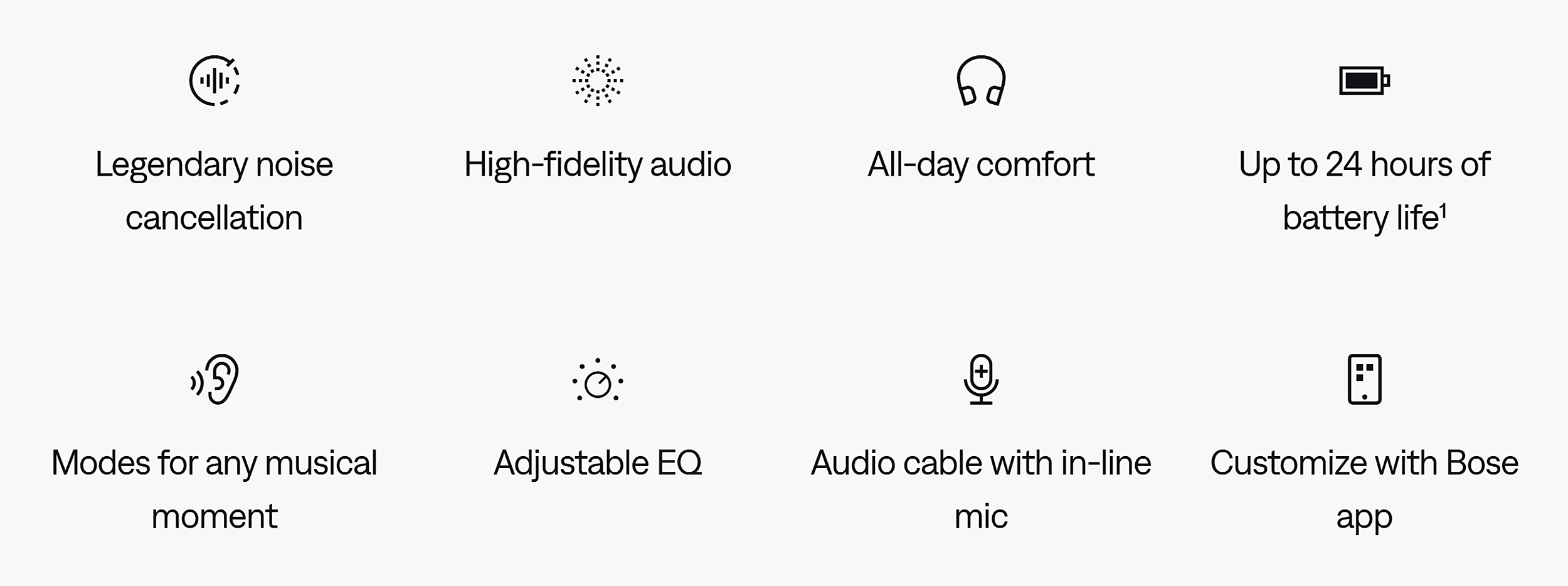
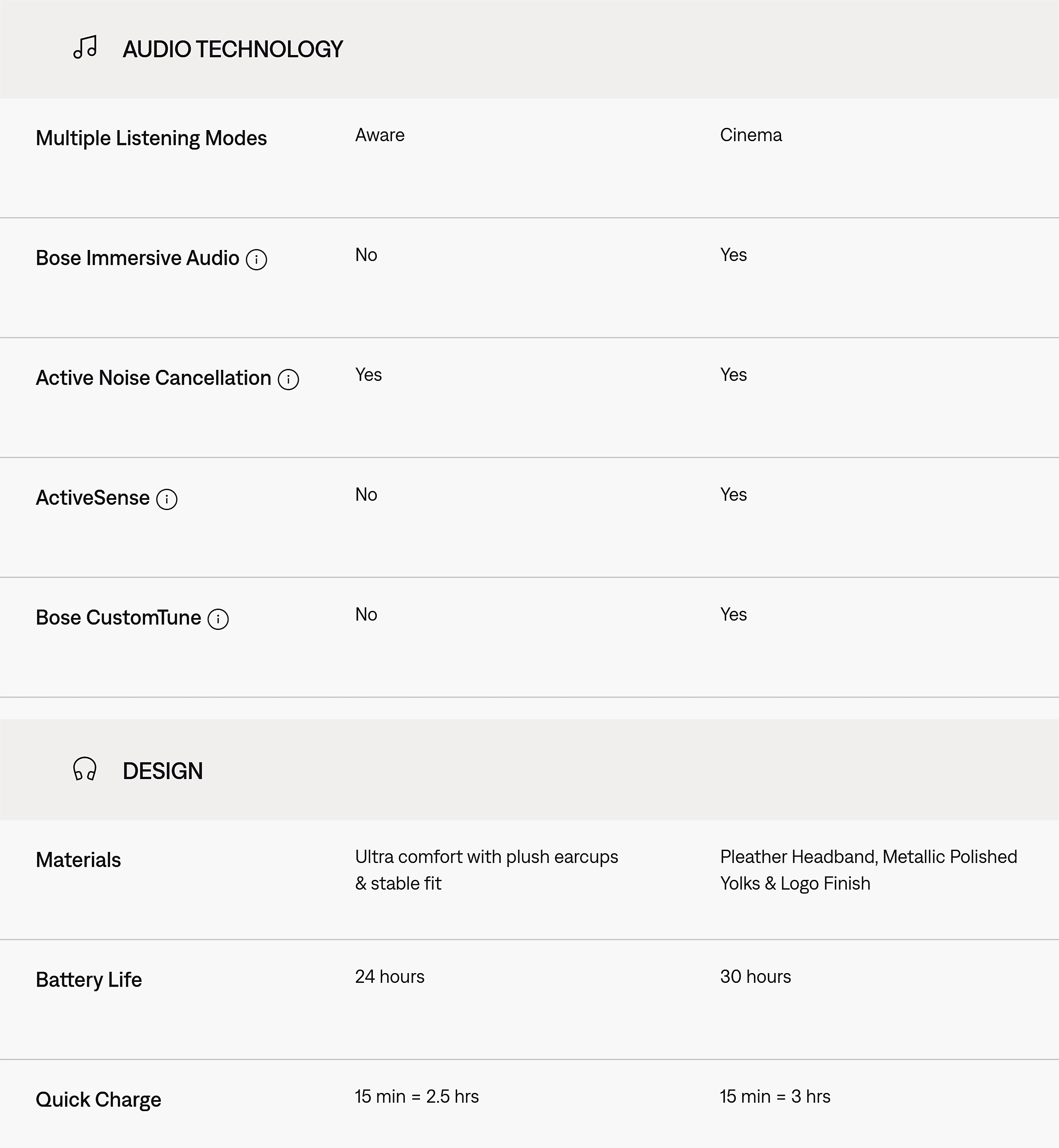
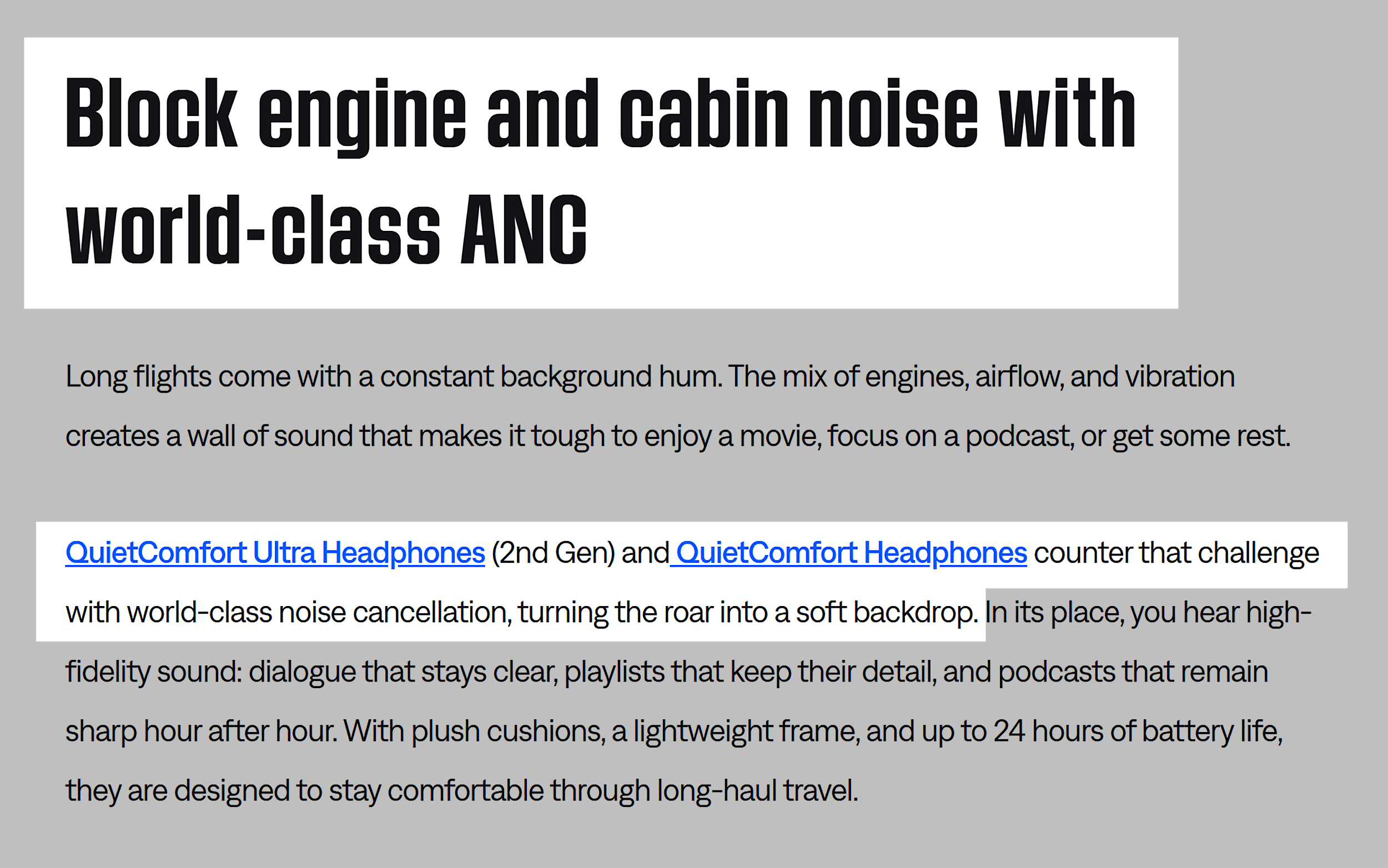
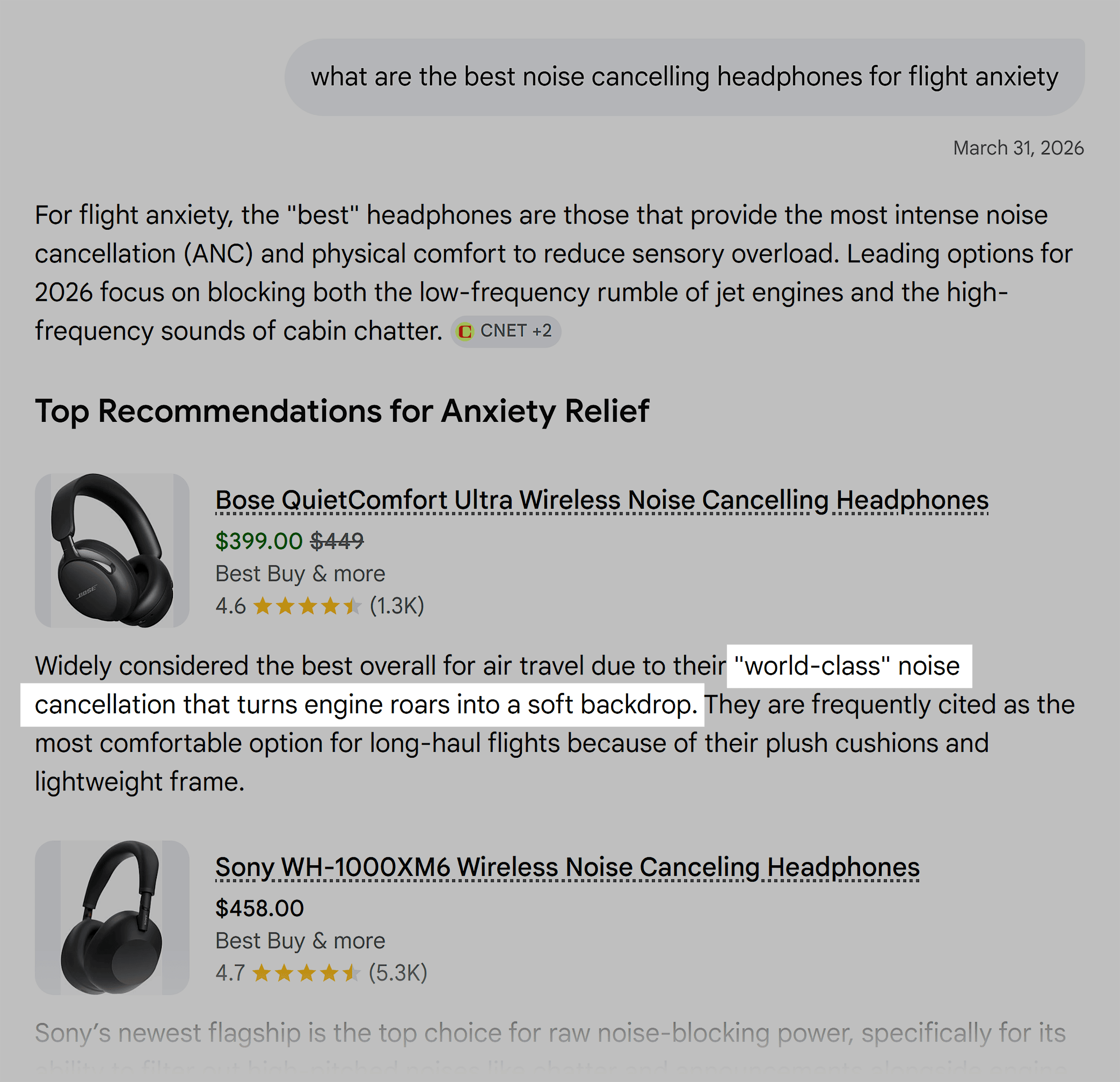
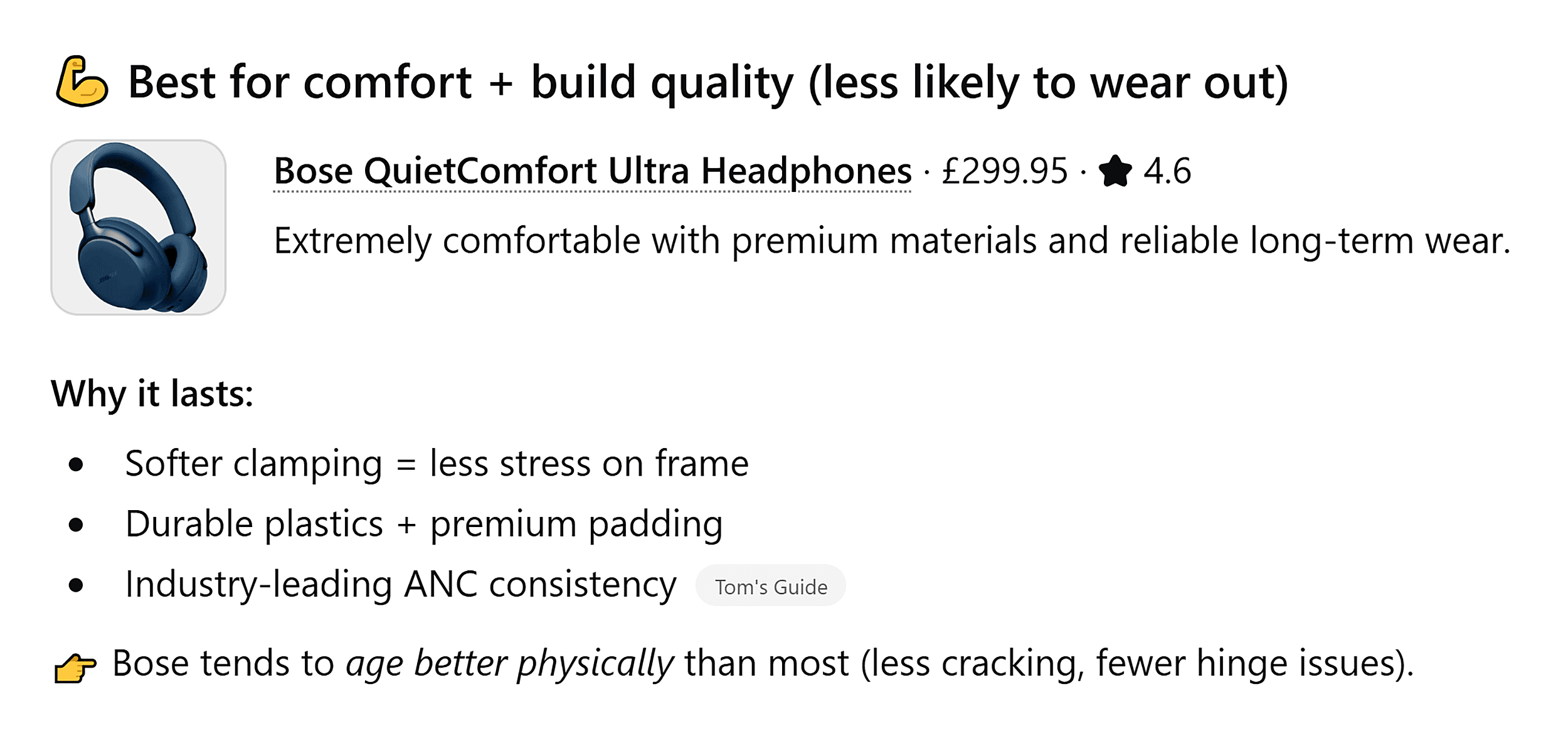
The example of Bose’s product pages effectively demonstrates this: front-loaded claims ("24 hours of battery life"), structured comparison tables for specifications, and dedicated landing pages for specific use cases (e.g., "noise-canceling headphones for flights"). This approach makes it easy for AI to extract precise information for personalized prompts like "best noise-canceling headphones for flight anxiety."
Step 6: Measure and Adapt Performance in AI Search
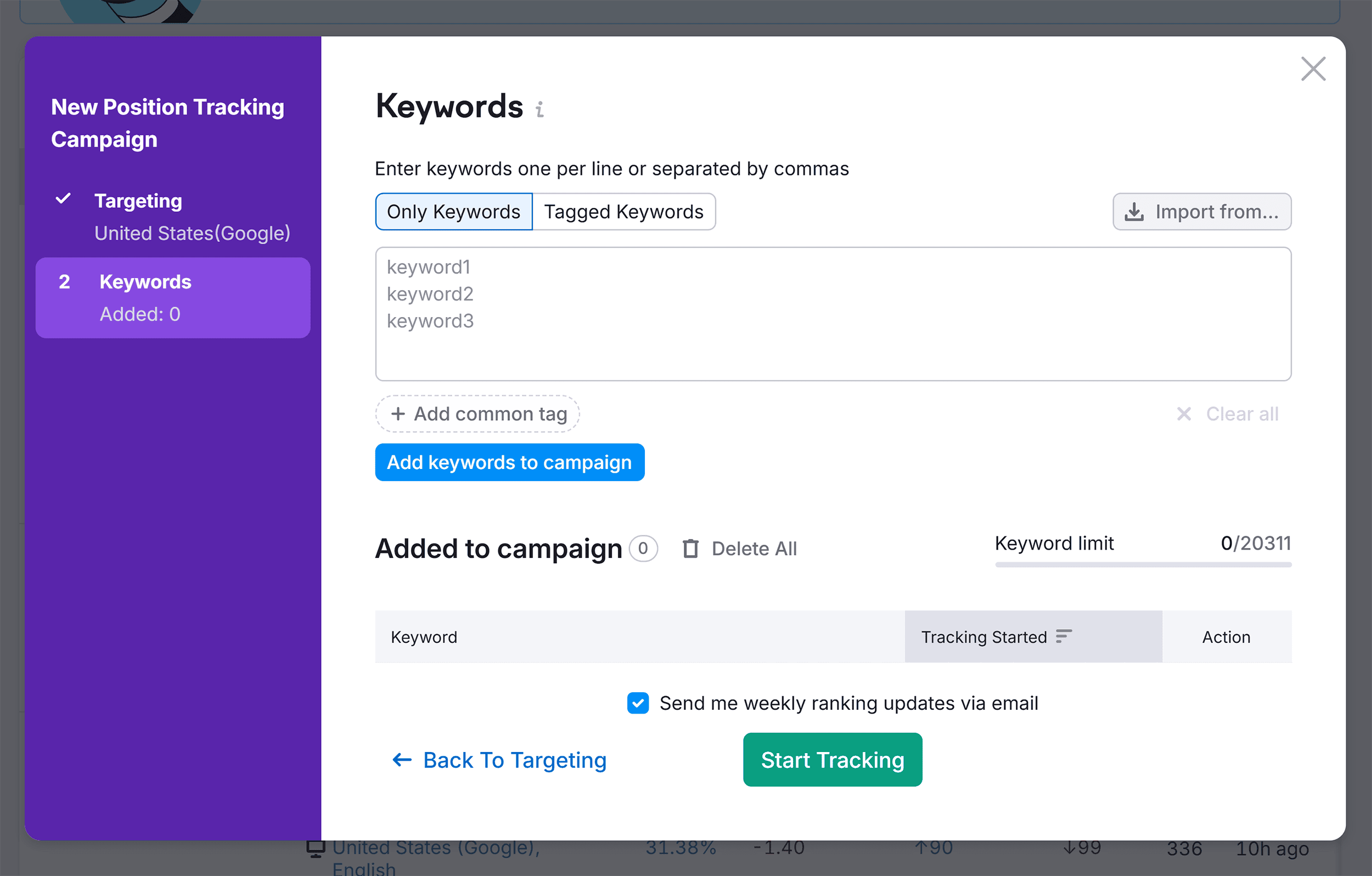
The AI search landscape is dynamic, requiring continuous monitoring. Track your money prompts in various LLMs (manually or using tools like Semrush’s Prompt Tracker) to understand:
- Whether your brand is being cited.
- The exact passages or content elements being used.
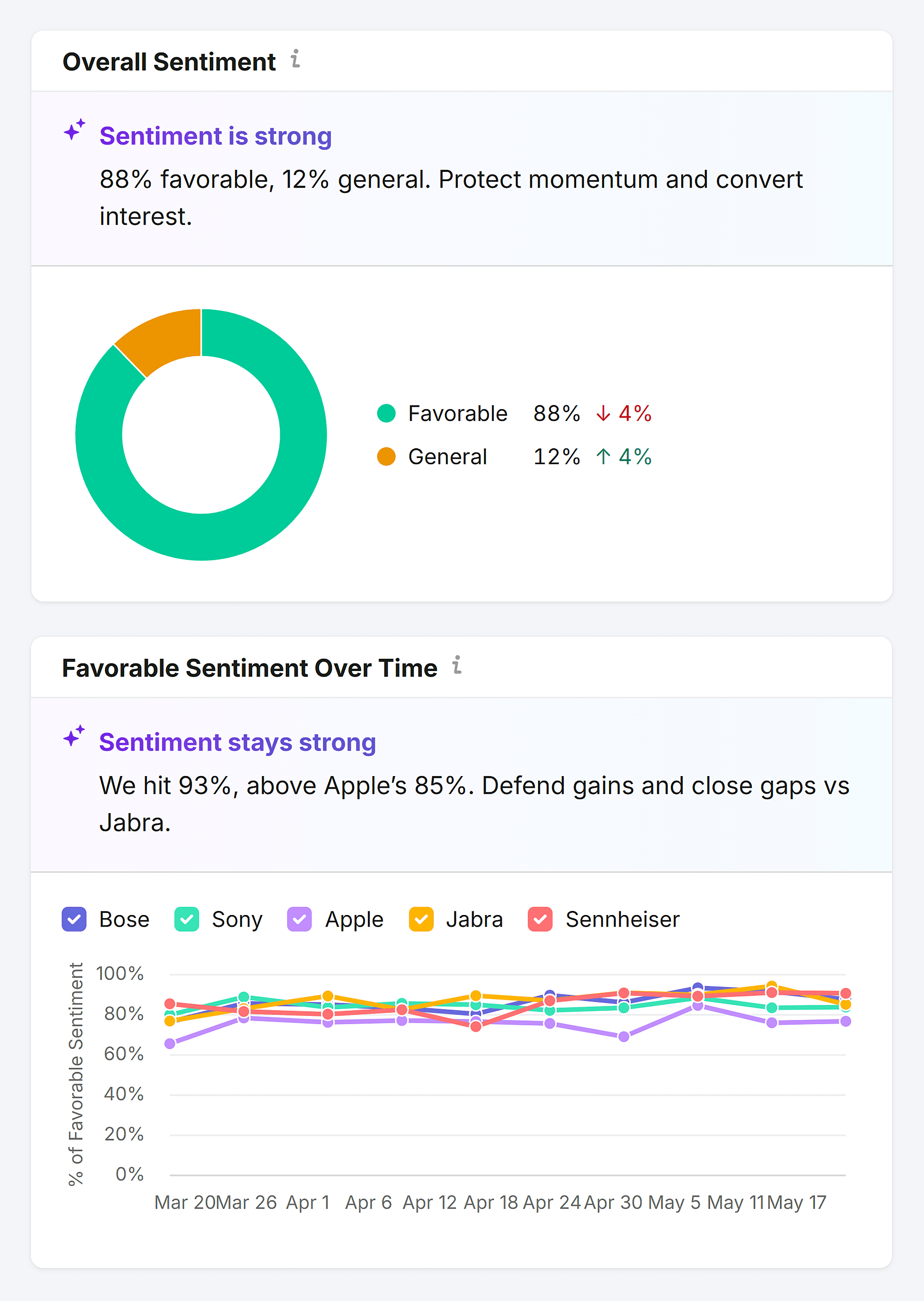
- How your brand is being described (sentiment analysis).
- Competitor performance and shifts in AI visibility.
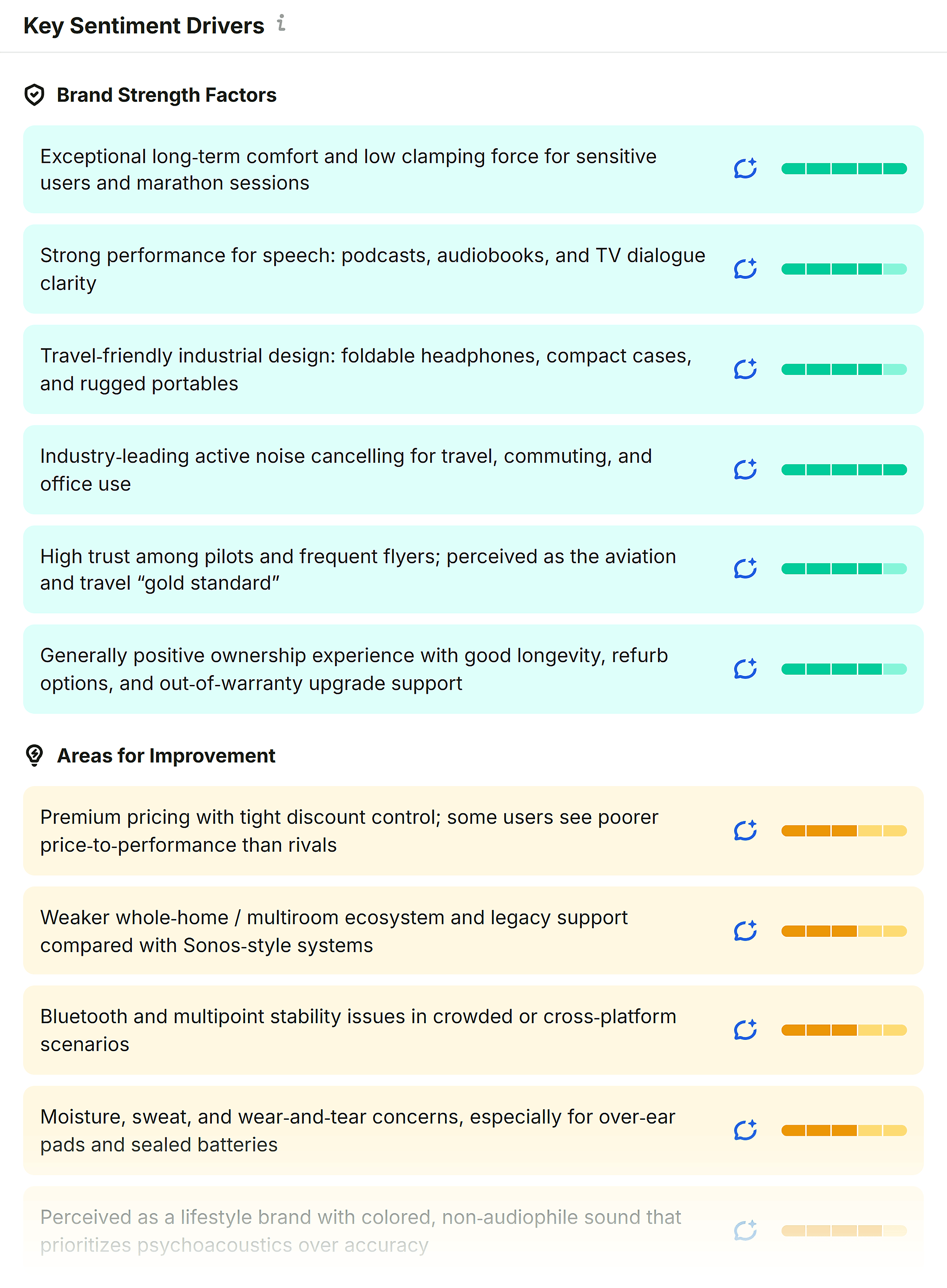
Tools like Semrush’s Visibility Overview provide an AI visibility score to benchmark your performance against competitors, while the Perception tool tracks brand sentiment and identifies key drivers (both strengths and weaknesses) mentioned by LLMs. This ongoing feedback loop is crucial for iterative content refinement and staying ahead in the AI search race.
Platform-Specific Nuances of Query Fan-Out
The implementation of query fan-out varies across different AI platforms, necessitating tailored optimization approaches:
-
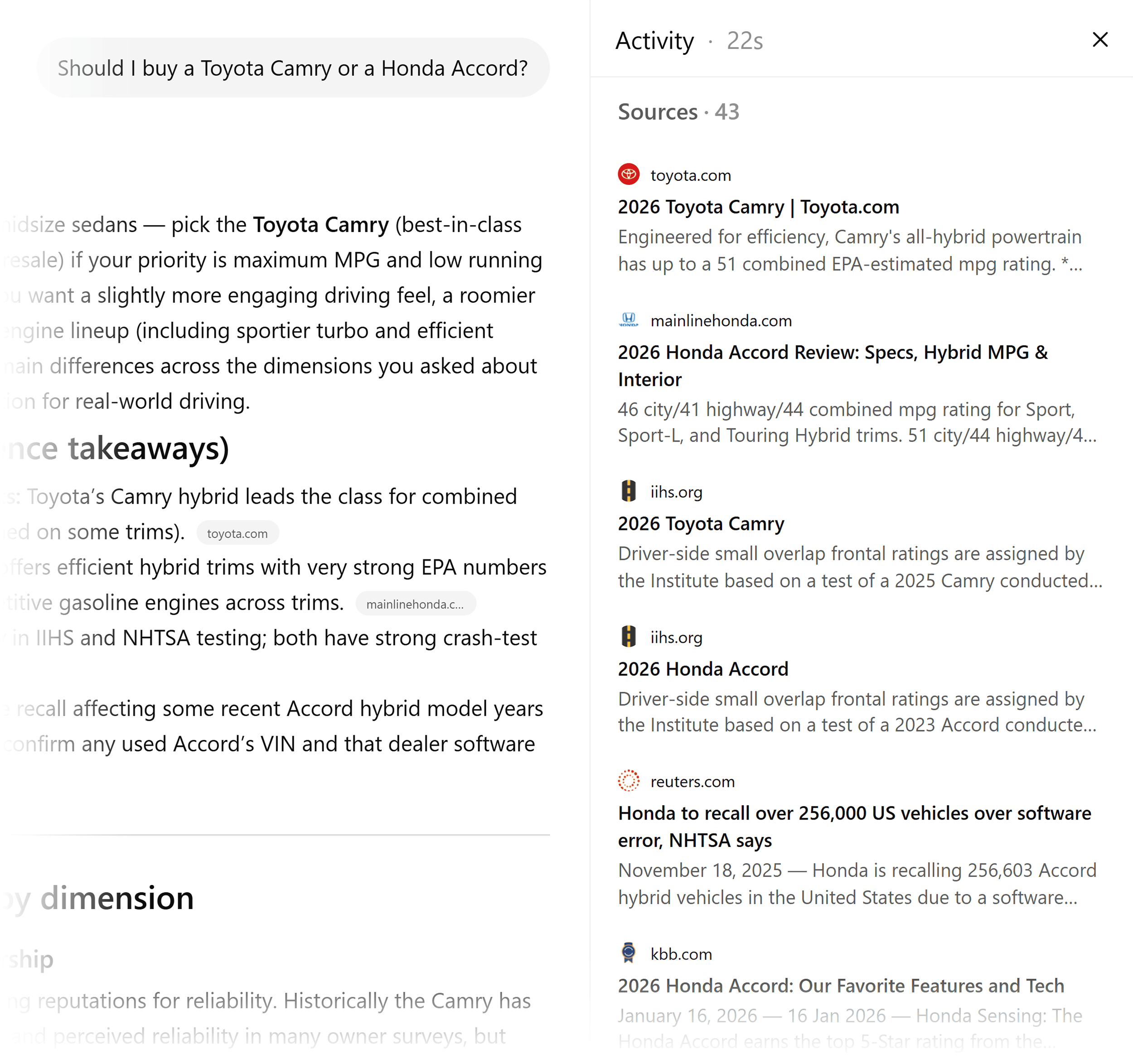
ChatGPT: Often relies on its vast training data for simple, factual queries. However, for questions requiring fresh data, comparisons, or real-world insights, it executes live web searches. Its "Thinking mode" clearly demonstrates the reasoning and source-gathering process. Content optimization for ChatGPT benefits from topical authority and comprehensive coverage, as it pulls from diverse sources including forums and review sites.
-
Perplexity: Employs a dual-layered fan-out, combining conversational context (user’s past interactions, inferred preferences) with real-time web searches. This means content must be both specific and self-contained to maintain accuracy regardless of the personalized context Perplexity might apply.
-
Claude: Distinguished by its initial phase of clarifying user intent through interactive widgets before generating a response. This leads to fewer, more targeted sub-queries. For Claude, content that directly addresses specific, well-defined use cases or provides clear-cut answers to common dilemmas is highly effective.
-
Google AI Overviews and AI Mode: Google’s AI Overviews offer concise, summary-style answers with cited sources, akin to enhanced featured snippets. Google AI Mode, a dedicated conversational tab, handles complex, multi-part questions with greater depth. Both synthesize information from Google’s existing web index. Optimization for Google’s AI features heavily emphasizes front-loading answers, using descriptive subheadings, and structuring content so that individual passages are self-sufficient and clearly resolve distinct questions. While Google doesn’t explicitly expose its sub-queries, advanced SEOs have found methods using tools like Screaming Frog with Gemini API integration to infer them.
The Future of Content: Beyond the Click
The era of query fan-out signals a fundamental shift in how digital content is valued and consumed. It moves beyond the traditional metric of organic clicks to a new emphasis on being the source of accurate, comprehensive, and extractable information for AI systems. Brands that embrace this paradigm by focusing on deep topical coverage, structured content, and understanding the nuances of AI query processing will be the ones that achieve true AI visibility.
This means content creators must become adept at not just writing for humans, but also for machines. The quality, accuracy, and comprehensiveness of content will become even more critical, reinforcing the core principles of E-E-A-T (Experience, Expertise, Authoritativeness, Trustworthiness). The challenge is not just to rank, but to be deemed the most reliable and relevant fragment of information by an intelligent system. This strategic imperative will redefine content creation, demanding a more meticulous and holistic approach to digital presence.