WPBeginner Spotlight 28: WPVibe Hits 50,000 Sites, a New WPForms Dashboard, and Two WordPress Security Updates

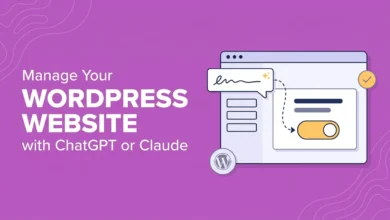
September marked a monumental turning point for the WordPress ecosystem, characterized by the deep integration of artificial intelligence assistants into core platform mechanics and foundational plugins. As AI tools like Claude, ChatGPT, and Cursor evolve from peripheral conversational bots into active administrative utilities, website management has shifted toward natural language commands. Platform administrators can now oversee backups, form analytics, digital storefronts, and fundraising initiatives simply by typing conversational instructions. This technological leap, however, coincided with essential maintenance demands, as core developers and leading plugin authors pushed critical security patches to address vulnerabilities across WordPress and WooCommerce.
The rapid convergence of AI capability and content management systems is largely driven by standardized protocols such as the WordPress Abilities API. This architecture allows disparate plugins to expose their native functionalities in a structured format that external large language models can comprehend and execute safely. Consequently, September witnessed an unprecedented surge in plugin compatibility, allowing site administrators to streamline routine, repetitive web operations. Industry analysts view this transition as a natural maturation of the platform, moving past basic content generation into functional site operations, server-side automation, and cross-platform fleet management.
WPVibe Achieves 50,000 Installs Alongside Fleet Management and Expanded Integrations
At the forefront of this AI-driven shift is WPVibe, a free Model Context Protocol (MCP) plugin that bridges WordPress installations with popular AI assistants. Demonstrating rapid market adoption, the plugin crossed the 50,000 active installations milestone by the close of September. This achievement followed a blistering growth trajectory that saw WPVibe pass 20,000 active sites early in the month and reach 40,000 installs on September 23, maintaining a flawless five-star rating on the official WordPress.org repository.
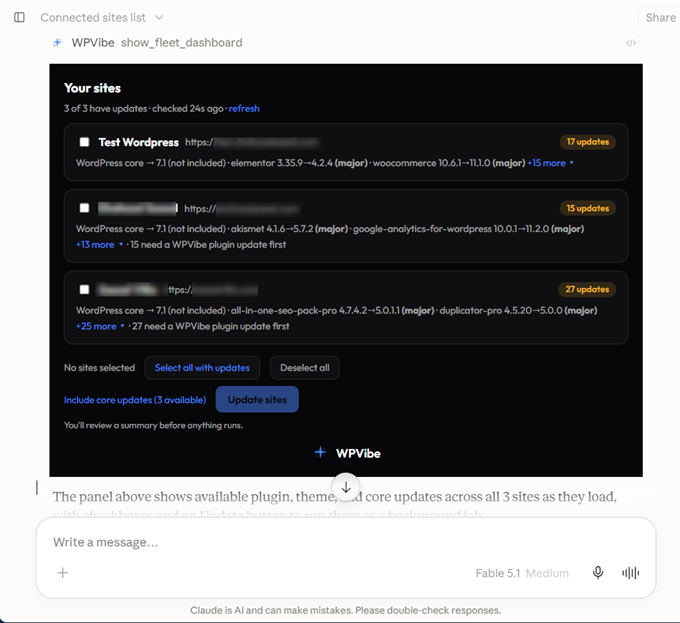
Syed Balkhi, sharing the milestone publicly, highlighted the rollout of WPVibe’s new Fleet Management feature. Designed specifically for agencies and multi-site operators, this capability allows users to query an AI assistant regarding pending updates across an entire portfolio of websites and execute those updates from a single chat window. Unlike traditional bulk management tools, WPVibe incorporates automated health checks, running diagnostics before and after each update to confirm operational integrity. Core WordPress updates are intentionally excluded from automated batch processing unless explicitly invoked, pausing execution to require manual authorization. Furthermore, tasks continue safely in the background even if the browser tab is closed, isolating errors so that a failure on one site does not halt operations on others.
Alongside fleet controls, WPVibe expanded its supported plugin ecosystem through the WordPress Abilities API, teaching AI assistants how to interact with advanced backup utilities, form builders, and ecommerce tools using standardized recipes. To ease initial adoption, developers introduced a simplified four-step setup screen directly within the WordPress admin dashboard. This interface performs bidirectional connection tests, diagnosing common roadblocks—such as security plugins restricting application passwords—and presenting actionable, plain-language troubleshooting guidance.
WPForms Streamlines Data Analysis with a Unified Dashboard
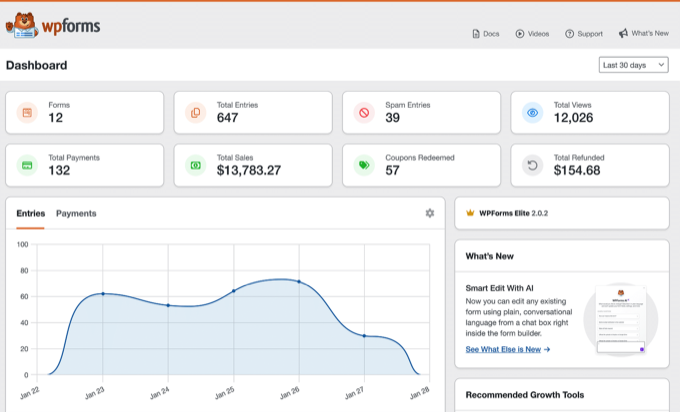
In the realm of lead generation, WPForms—utilized across more than 6 million websites—addressed a long-standing user friction point by launching a centralized reporting dashboard on September 17. Historically, site administrators were forced to navigate into individual form settings to evaluate performance metrics, conversion rates, and financial submissions. The new dashboard aggregates this data into a single, side-by-side comparative view accessible immediately upon logging into the WPForms admin menu.
The interface presents comprehensive metrics covering total entries, revenue generation, payment statuses, and form view counts across all deployed forms. Available out-of-the-box for both premium tiers and the free WPForms Lite edition, the dashboard requires no complex configuration. This release was quickly followed by the introduction of WPForms QR Codes, a feature enabling creators to generate scannable physical or digital codes linked directly to specific forms, facilitating frictionless mobile data capture at live events, brick-and-mortar storefronts, and promotional displays.
Core Security Fixes and the Roadmap to WordPress 7.2
Security remained a paramount concern throughout September, prompting aggressive patching schedules from the WordPress core release team. WordPress 7.1.1 debuted on September 17, delivering 17 core bug fixes, 19 block editor improvements, and 11 critical security patches, including a vulnerability reported by Rafie Muhammad of Awesome Motive. This was swiftly followed on September 22 by WordPress 7.1.2, which addressed a critical edge-case vulnerability that could allow unauthenticated attackers to trick servers into loading local PHP files under specific theme and server configurations. The core security team notably backported this fix to legacy installations dating back to WordPress 4.7.
Concurrently, the development team published the official roadmap for WordPress 7.2, slated for release in early December 2026. The upcoming development cycle focuses heavily on performance optimization, design tools expansion, and further refinement of the block editor framework. Addressing community speculation, core maintainers reaffirmed their stance that native AI features will remain housed within specialized plugins rather than migrating directly into WordPress core, emphasizing that integration must be preceded by proven, widespread adoption and clear utility.
Duplicator 5.0 and the Evolution of Automated Backups
Data safety received a major upgrade with the release of Duplicator 5.0 on September 22. Commanding an install base exceeding 1 million active sites, the backup and migration plugin implemented deep AI integration via the WordPress Abilities API. Connected AI assistants can now verify existing backups, initiate comprehensive or database-specific archives, and confirm completion statuses directly through conversational commands.
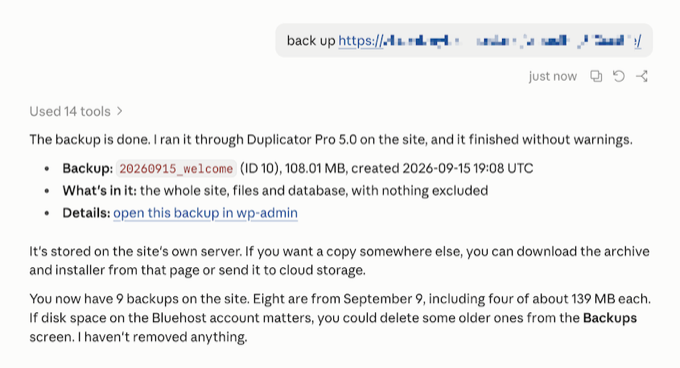
This functionality introduces an essential safety barrier for AI-driven site modifications, allowing assistants to automatically secure a restore point before executing batch edits or plugin updates. In addition to AI backup capabilities, Duplicator 5.0 overhauled its underlying architecture by migrating its professional-tier backup engine into the free core plugin, introducing automated performance tuning, and optimizing resource management to prevent server timeouts during large-scale migrations.
Ecommerce and Non-Profit Innovations: Easy Digital Downloads and Charitable
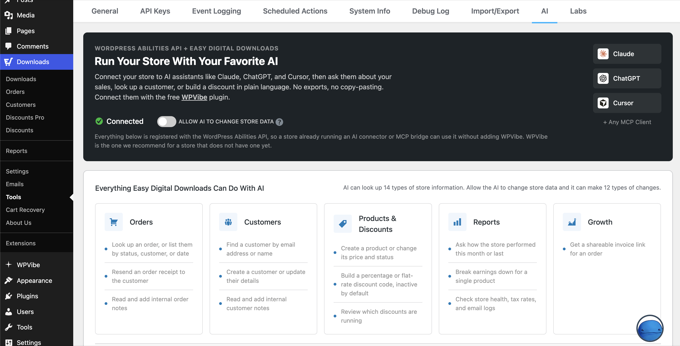
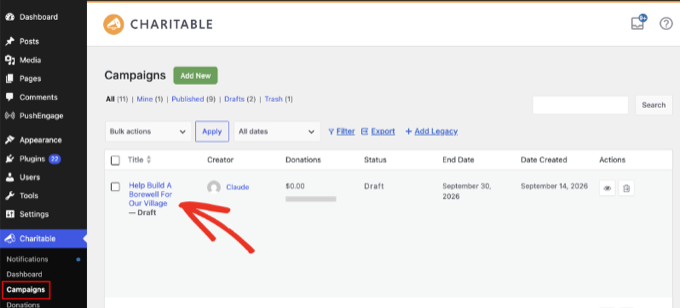
Digital commerce platforms experienced similar architectural enhancements. Easy Digital Downloads released version 3.7.1 on September 23, incorporating 25 distinct AI abilities that empower store owners to manage orders, customer accounts, digital products, discount structures, and real-time sales reporting through natural language instructions. Similarly, the nonprofit donation plugin Charitable introduced write-support via the Abilities API, enabling administrators to generate fundraising campaign drafts, log offline checks, and adjust donor parameters via conversational AI. Furthermore, Charitable rolled out Tiered Rates for Fee Relief, allowing charities to configure flexible, sliding-scale percentage and fixed-fee structures based on donation thresholds rather than relying on rigid, flat-rate gateway fees.
Localization and Privacy Compliance Advancements
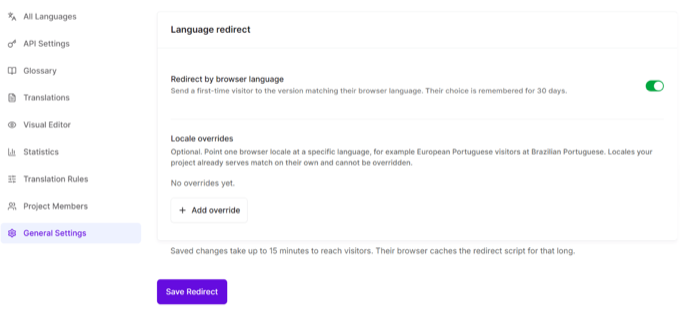
Global website reach expanded through updates to Universally, an AI-powered translation service that released version 1.0.9 with native automatic language redirect capabilities. By detecting a visitor’s browser language settings, the system dynamically routes traffic to the appropriate localized version while respecting user preference cookies for a 30-day window. This capability was further compounded by a new integration with the BuddyBoss community platform, which translates user-generated forum posts and comments in real time, bridging communication gaps across multilingual member bases.
In the compliance sector, ConsentLayer addressed ongoing regulatory challenges by launching Cookie Inspector, a free Google Chrome extension designed to audit website cookie deployments. The tool allows developers and legal compliance officers to inspect active tracking scripts, verify the exact timing of cookie placement, and confirm whether consent banners successfully block third-party trackers prior to explicit user opt-in.
Broader Ecosystem Updates and Strategic Implications
The wider WordPress plugin marketplace experienced steady developmental momentum throughout the month:
- WooCommerce released version 11.1 on September 1, introducing native variation galleries and order withdrawal capabilities, followed by two maintenance and security patches (11.1.1 and 11.1.2) and the advancement of WooCommerce 11.2 to beta status. Additionally, the platform resurrected "Purple," its official block theme, currently undergoing public beta testing.
- QuickSnip, the screen recording tool founded by Syed Balkhi, introduced a dedicated Loom importer to facilitate seamless enterprise migrations.
- PushEngage released free Chrome and Firefox browser extensions utilizing AI to instantly draft and schedule push notifications.
- OptinMonster deployed Campaign Teasers and granular Analytics Exports to streamline agency reporting workflows.
- Smash Balloon expanded its social feed capabilities to include direct Airbnb review ingestion and Facebook Events API routing.
- Sugar Calendar introduced customizable attendee registration forms for ticketed events and RSVPs.
- Thrive Themes executed a comprehensive interface redesign for Thrive Leads alongside automated drip schedule notifications for Thrive Apprentice courses.
- WPConsent crossed 200,000 active installations, introducing Banner Analytics to track user engagement with privacy notices.
- All in One SEO (AIOSEO) extended its TruSEO optimization scoring framework to category and tag archives.
- Uncanny Automator released versions 7.5 and 7.6, expanding native integrations with modern workflow tools while granting all Lite users starter access to the Uncanny Agent AI assistant.
- Pretty Links launched an integrated UTM Builder to simplify marketing campaign parameter tracking.
- Advanced Coupons introduced Tiered Cart Discounts and loyalty point redemption pathways for WooCommerce merchants.
- BuddyBoss debuted its highly requested Email Digest feature, offering members customizable daily or weekly notification rollups.
- StoreAgent enabled secure MCP-based AI connections for WooCommerce storefronts, allowing merchants to automate inventory reporting and coupon generation.
- aThemes released a dedicated Delivery and Pickup module within its Merchant Pro toolkit.
- Heroic Inbox added advanced saved views to help support agents triage high-volume customer service queues.
On an institutional level, WordPress Executive Director Mary Hubbard assumed the presidency of the Open Website Alliance, an inter-community coalition uniting Drupal, Joomla, TYPO3, and WordPress to advocate for open-source web standards. Concurrently, Automattic launched Spacefast, a specialized hosting environment tailored for static sites and applications generated by conversational AI agents.
Industry analysts observe that September’s rapid deployment of AI-native capabilities signals a permanent structural evolution in content management. By standardizing administrative protocols and prioritizing security hardening, the WordPress ecosystem is successfully bridging the gap between advanced artificial intelligence and practical web infrastructure, reducing administrative overhead while empowering developers to scale operations with unprecedented efficiency.