Beyond the Google Ecosystem: A Comprehensive Guide to Navigating the Modern Search Landscape


For the better part of two decades, the act of "searching" has become synonymous with a single corporate entity. With Google commanding 91.04% of global search engine referrals as of October 2026, the company’s infrastructure has effectively become the primary lens through which the internet is viewed. However, the maturation of artificial intelligence, the rise of niche-focused discovery tools, and an increasing public demand for data privacy have catalyzed a shift in how users navigate the web. While Google remains the standard for general-purpose discovery, it is increasingly being supplemented—or replaced—by specialized alternatives designed to solve problems that a single, monolithic search box cannot address.
The evolution of search is no longer about finding a list of blue links; it is about selecting the right tool for a specific intent. Whether the objective is to generate a conversational synthesis of complex data, audit a competitor’s visibility, or maintain total anonymity from tracking algorithms, the modern search landscape is now a multi-layered ecosystem.

The Rise of AI-Native Discovery and Answer Engines
The most significant shift in search behavior since the late 2010s is the move from keyword-based indexing to generative, conversational interfaces. ChatGPT and Perplexity have emerged as the frontrunners in this space, representing a fundamental change in how information is retrieved.

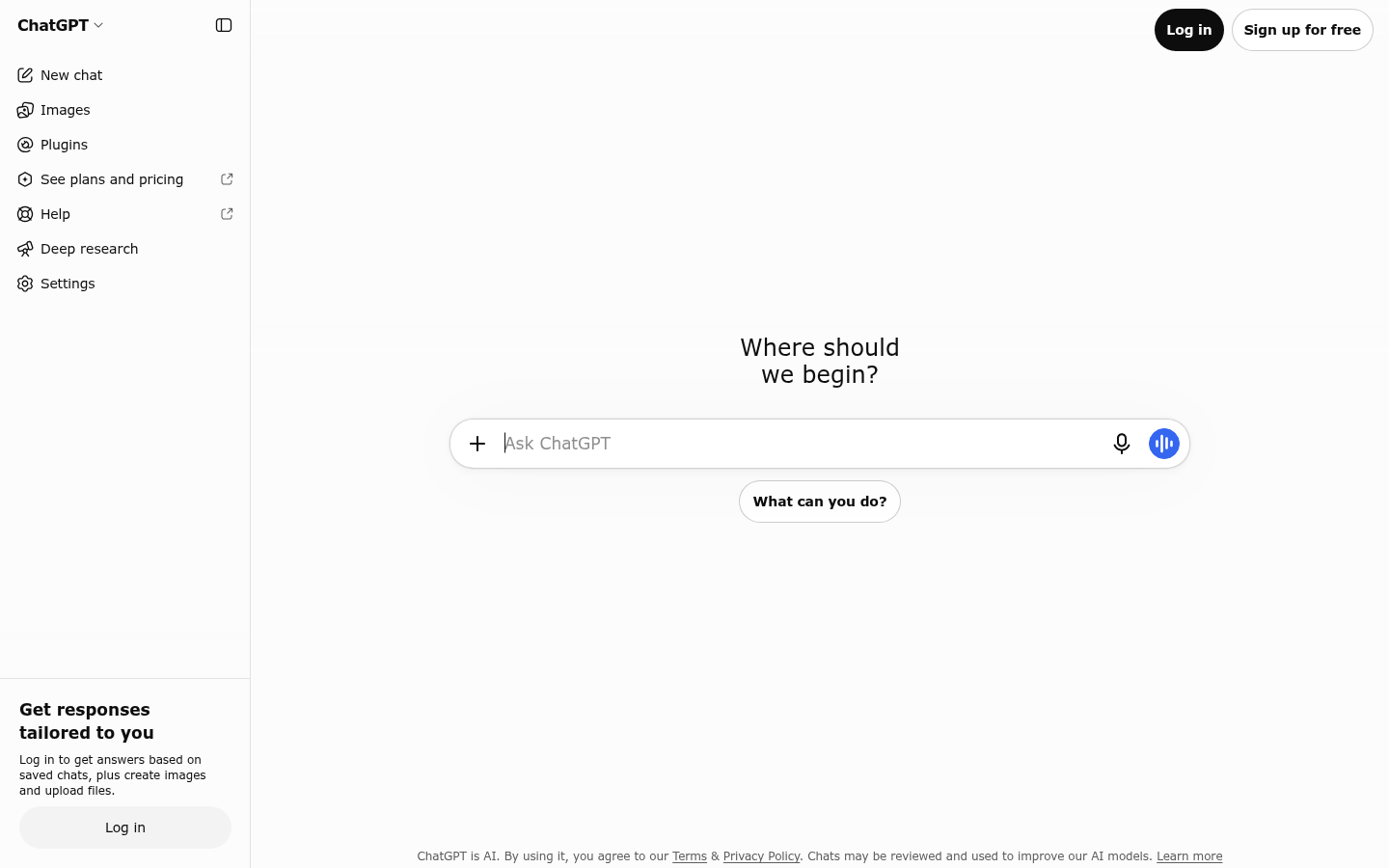
ChatGPT, which reported approximately 6 billion monthly web visits in October 2026, functions less like a search engine and more like an analytical assistant. Its core utility lies in its ability to maintain context over a long-running dialogue, allowing users to compare methodologies, define obscure concepts, and synthesize current web information without needing to restart their inquiry with new queries. While OpenAI’s integration of live web retrieval has made it a viable tool for fact-checking, it is vital to note that these models are not independent indices; they act as aggregators of data that often rely on existing search infrastructures.
Perplexity, with 88.3 million monthly visits, occupies a slightly different niche. It prioritizes a "research-first" model that emphasizes source attribution. By performing multiple simultaneous queries and distilling them into a single, cohesive answer backed by citations, Perplexity significantly reduces the "cognitive load" on the user. For SEO professionals and marketers, these platforms serve as critical test benches. Analyzing which sources Perplexity cites for high-intent B2B keywords provides a roadmap for modern content strategy—visibility in an AI summary is fast becoming as valuable as a traditional organic ranking.
Regional Hegemony and the Global Search Map
While global market share is dominated by U.S.-based companies, the search landscape in Asia and Eastern Europe tells a different story. In China, Baidu holds a 49% referral share, functioning as a comprehensive ecosystem that includes maps, cloud-based document storage, and its own encyclopedic knowledge base (Baike). Similarly, South Korea’s Naver maintains a 42.25% share by focusing on community-driven content, including its "Cafés" and "Knowledge iN" platforms, which often provide more localized, socially validated answers than a general global search engine.
In Russia, Yandex maintains a dominant 70.22% referral share. Its longevity and deep integration into the Russian-language internet make it an essential tool for any organization attempting to monitor brand sentiment or local market trends in the region. These regional engines demonstrate that "search" is a culturally contingent activity; users in these markets often prefer a "portal" experience—where news, social, and search are bundled—rather than the minimalist, ad-heavy experience preferred by Western giants.
Privacy as a Differentiator
The search market has also fractured along the lines of personal ethics and data security. DuckDuckGo, with 681.9 million monthly visits, has successfully positioned itself as the standard for privacy-conscious users. By stripping away the personal search-history profiles that fuel targeted advertising, DuckDuckGo provides a "neutral" search environment. However, users must distinguish between privacy and index independence; much of DuckDuckGo’s underlying data is still sourced from Microsoft Bing.
Startpage takes this a step further by acting as a privacy-focused proxy, allowing users to pull results from Google while shielding their personal identity from the search provider. Kagi, a paid, subscription-based engine, represents the most extreme end of this spectrum, offering users granular control over their results by allowing them to "rank up" or completely block specific domains. For power users, the ability to curate a bespoke search experience is worth the monthly premium.
The Role of Specialist and Historical Archives
Beyond general-purpose engines, the ecosystem includes tools designed for specific formats. The Wayback Machine, operated by the Internet Archive, is an essential tool for digital forensics and historical verification, allowing users to view cached versions of websites long after they have been updated or removed. In the professional sphere, LinkedIn has become the definitive search engine for human capital, effectively replacing traditional directories. Meanwhile, Openverse offers a specialized index of openly licensed media, providing a streamlined way for creators to find assets that are cleared for reuse.

Chronology of the Modern Search Shift
The current state of search is the result of a rapid, three-year acceleration:
- January 2023: The rapid adoption of ChatGPT triggers a "Code Red" response within traditional search companies, sparking a race to integrate Large Language Models (LLMs) into standard search results.
- May 2024: Google formally introduces "AI Overviews" to the U.S. market, marking the end of the traditional "10 blue links" era.
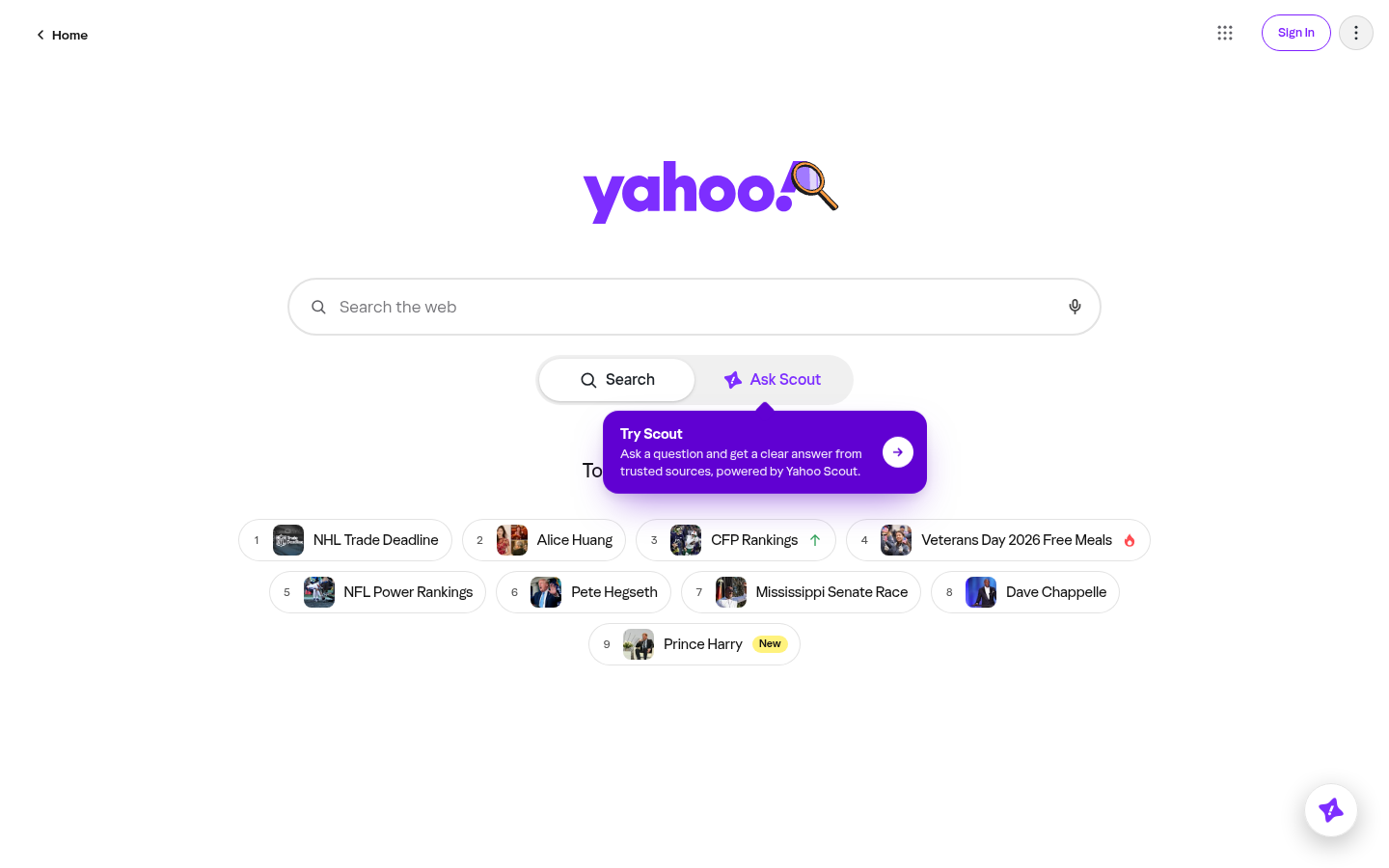
- January 2026: Yahoo launches its "Scout" AI answer engine, signaling that even traditional legacy portals are pivoting toward generative, context-aware discovery.
- November 2026: Market data shows that while Google remains the dominant entry point, user activity is increasingly fragmented across specialized AI, regional, and privacy-focused platforms.
Implications for Marketers and Business Strategy
The fragmentation of search has profound implications for digital marketing. Historically, SEO was synonymous with "optimizing for Google." Today, a successful strategy requires a multi-platform audit. If a brand is failing to appear in the citations of an AI answer engine or is invisible to a regional powerhouse like Naver or Baidu, it is effectively invisible to a significant, high-intent portion of the global market.
To measure success in this environment, businesses must evolve their analytics. While Google Analytics 4 (GA4) remains the industry standard, it must be configured to track not only organic search from Google but also "dark traffic" and referrals from AI-native engines. Marketers should focus on "share of intent"—the frequency with which their brand or content is surfaced across the specific platforms their target audience uses, rather than simply tracking raw clicks.
Conclusion: A Curated Future
The era of the "one-size-fits-all" search engine is effectively over. Users are increasingly segmenting their behavior: using ChatGPT for complex research, DuckDuckGo for daily browsing, and specialized tools like the Wayback Machine or WolframAlpha for niche inquiries. For the average user, the ability to choose an engine that matches the specific task—be it data calculation, privacy, or localized community discovery—is a significant improvement over the static, ad-driven results of the past.
As AI continues to refine its ability to synthesize information, the primary goal for the search industry will shift from "finding information" to "verifying truth." In a landscape where answers are generated rather than retrieved, the value of the original, high-quality source—the primary publisher—becomes more critical than ever. The future of search belongs not to the biggest engine, but to the most accurate and contextually relevant one.