GLS and DPD to Merge German Parcel Operations in Major Industry Consolidation

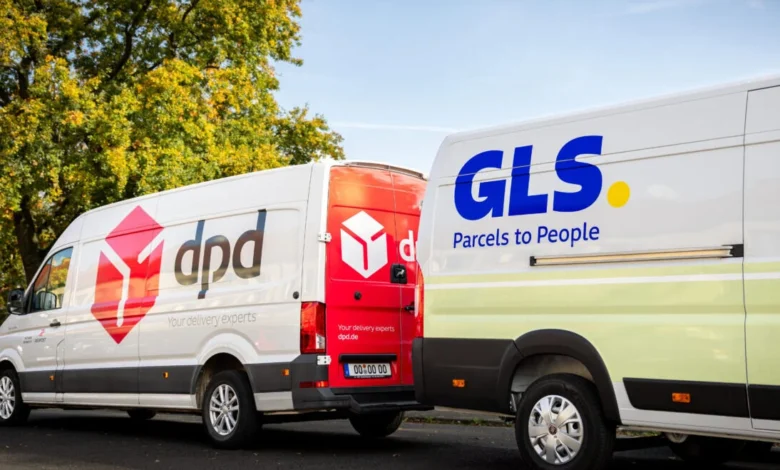
The German logistics landscape is poised for a significant transformation as GLS and DPD have announced plans to merge their domestic parcel delivery operations into a unified joint venture. This strategic consolidation, subject to rigorous review by competition authorities, marks the end of an era for the DPD brand within Germany, which has operated as a staple of the national delivery network for nearly half a century. Under the proposed structure, the combined entity will operate exclusively under the GLS brand, signaling a major shift in market positioning for the parcel delivery sector in Europe’s largest economy.
The proposed merger represents a decisive move by Geopost, the parcel delivery subsidiary of France’s La Poste, and the GLS Group, a subsidiary of the British postal giant Royal Mail. According to the structural agreement, GLS will hold a commanding 80 percent stake in the newly formed joint venture, while Geopost will retain a 20 percent minority interest. While the DPD brand will be retired in Germany, it will continue to function independently across its international network, maintaining its presence in nearly twenty countries, including the United Kingdom, France, Belgium, and the Netherlands.
A Half-Century of Logistics History
To understand the weight of this announcement, one must look at the historical trajectory of DPD. Founded in April 1976 as Deutscher Paket Dienst, the company was established by a consortium of eighteen transport firms. At the time, it served as Germany’s first private alternative to the state-run postal monopoly, fundamentally changing how businesses and consumers approached logistics.
In 2001, the company underwent a pivotal transition when it was acquired by French interests, eventually integrating into the Geopost network. Over the subsequent decades, DPD became a household name, synonymous with the rapid growth of German e-commerce. Its exit from the German market under its own brand is not merely a corporate restructuring but the conclusion of a fifty-year legacy that helped shape the modern German supply chain.
Chronology of Cooperation and Consolidation
The path toward this merger was not abrupt; it followed a period of increasing operational synergy between the two firms.
- 1976: DPD is founded in Germany, establishing the foundation for private parcel delivery.
- 2001: Geopost acquires DPD, aligning the German operation with the French postal group.
- 2024: GLS and DPD formally begin collaborating on infrastructure, specifically by integrating their pickup and drop-off (PUDO) networks to increase density and efficiency.
- March 2025: The companies launch "Inboxx," a carrier-open parcel locker network designed to compete with the extensive locker infrastructure of DHL.
- Late 2025: The announcement of the merger agreement signals the intent to fold DPD’s German operations into the GLS Group, creating a consolidated entity.
This progression reflects a broader industry trend where the rising costs of "last-mile" delivery—the most expensive and complex segment of the logistics chain—are forcing competitors to seek economies of scale. By combining their logistics networks, GLS and DPD aim to eliminate redundant routing and overlapping delivery routes, which have historically eroded profit margins in an increasingly competitive environment.
Market Dynamics and the Competitive Landscape
The German parcel market is a high-stakes arena, dominated for years by DHL, the logistics arm of Deutsche Post. The combined entity of GLS and DPD will process over 700 million parcels annually, generating a collective revenue of approximately 4 billion euros. Despite these impressive figures, the combined market share is estimated at roughly 20 percent.
In contrast, DHL maintains a dominant position, controlling over 40 percent of the German market. The remaining market share is contested by Amazon Logistics—which has aggressively expanded its proprietary delivery network—and smaller, specialized players like Hermes and UPS.
Analysts note that while the merger is intended to create a more formidable challenger to DHL, it also concentrates market power. By reducing the number of major service providers, the deal could lead to a decrease in competitive pricing options for online retailers and SMEs. The "Bonn-based market leader," as DHL is often referred to in German business circles, now faces a competitor that is structurally more efficient, though still roughly half its size.
The Inboxx Expansion and Infrastructure Strategy
A critical component of the joint venture’s future strategy is the Inboxx network. Launched earlier this year, the initiative is a response to the massive success of parcel lockers, which offer consumers convenience while lowering the cost of missed deliveries.
Currently, the network boasts approximately 16,000 locations. The joint venture partners have committed to an aggressive expansion plan, targeting 25,000 locations by the end of 2030. This infrastructure investment is vital; as e-commerce continues to grow, the ability to offer reliable, accessible, and automated drop-off points has become a prerequisite for maintaining market share. By pooling their capital and geographic coverage, GLS and DPD are positioning themselves to challenge the supremacy of DHL’s "Packstation" network, which has long been the industry benchmark for locker-based delivery.
Official Perspectives and Regulatory Hurdles
Neither GLS nor Geopost has publicly detailed the specific internal restructuring plans for the thousands of employees currently working under the DPD banner in Germany. However, industry observers anticipate that the merger will necessitate significant workforce integration and the rationalization of sorting hubs.
The merger is currently pending review by the Bundeskartellamt, Germany’s federal competition authority. The agency is expected to scrutinize the deal for potential antitrust violations, particularly concerning the reduction of choice for end-users and retailers. In similar past instances, regulators have occasionally required companies to divest certain assets or maintain open access to logistics networks to ensure that the merger does not stifle innovation or lead to monopolistic pricing.
Spokespeople for the companies have framed the merger as a necessity for "long-term sustainability" in a market burdened by rising labor costs, volatile fuel prices, and the requirement for massive investment in decarbonizing delivery fleets. By combining resources, the companies argue they can more effectively fund the transition to electric vehicles (EVs) and sustainable logistics hubs, a transition that requires significant capital expenditure.
Broader Economic Implications
The consolidation of GLS and DPD serves as a bellwether for the European logistics sector. As parcel volumes plateau following the post-pandemic e-commerce boom, companies are finding that "growth at all costs" is no longer a viable strategy. Instead, the focus has shifted toward operational density.
For the German economy, which relies heavily on efficient supply chains, the impact of this merger will be felt across several tiers:
- For Retailers: The immediate concern is whether a reduction in the number of carriers will trigger price hikes for shipping contracts. With fewer "big three" style competitors, the bargaining power of the parcel providers increases.
- For the Environment: The merger could be a net positive for carbon emissions. By consolidating routes, the new entity can reduce the number of half-empty trucks on the road, a common issue in the last-mile delivery sector.
- For the Logistics Labor Market: The consolidation will likely lead to a streamlining of management roles and potential consolidation of sorting centers. However, the labor-intensive nature of parcel delivery means that the core demand for drivers and warehouse staff is expected to remain stable, though perhaps under new management policies.
Conclusion
As the German market awaits the final word from competition authorities, the industry is already bracing for the transition. The disappearance of the DPD brand in Germany marks the end of a long-standing identity, yet it heralds a new, more consolidated chapter for the logistics sector. Whether the new, expanded GLS will successfully disrupt DHL’s dominance remains to be seen, but the intent is clear: to create a leaner, more efficient, and more technologically capable delivery giant ready to face the demands of the 2030s. The success of this venture will depend not only on the integration of physical assets and IT systems but also on the company’s ability to maintain service quality while navigating the complexities of a highly scrutinized regulatory environment.
Related posts: