AWeber vs Kit: A Comprehensive Comparison of Leading Email Marketing Platforms for E-commerce

As of November 2026, the landscape for digital marketing software has shifted significantly, forcing business owners to choose between platforms that emphasize streamlined, automated sales funnels and those that prioritize user-friendly guidance and budget-conscious support. The two primary contenders in this space, Kit (formerly known as ConvertKit) and AWeber, offer distinct value propositions that cater to different segments of the digital economy. While AWeber has long been a staple for small business owners seeking reliable support and intuitive design tools, Kit has aggressively positioned itself as the premier choice for creators and e-commerce stores that rely on sophisticated, purchase-triggered automation.
The evolution of these platforms reflects a broader industry trend toward "commerce-first" email marketing. As of late 2026, the integration between email service providers and storefronts—such as Shopify, WooCommerce, and various digital product marketplaces—has become the primary driver for subscription upgrades. Understanding the technical and financial nuances of these services is essential for any merchant looking to maximize their return on investment in an increasingly competitive digital marketplace.
The Strategic Divide: Pricing and Scalability
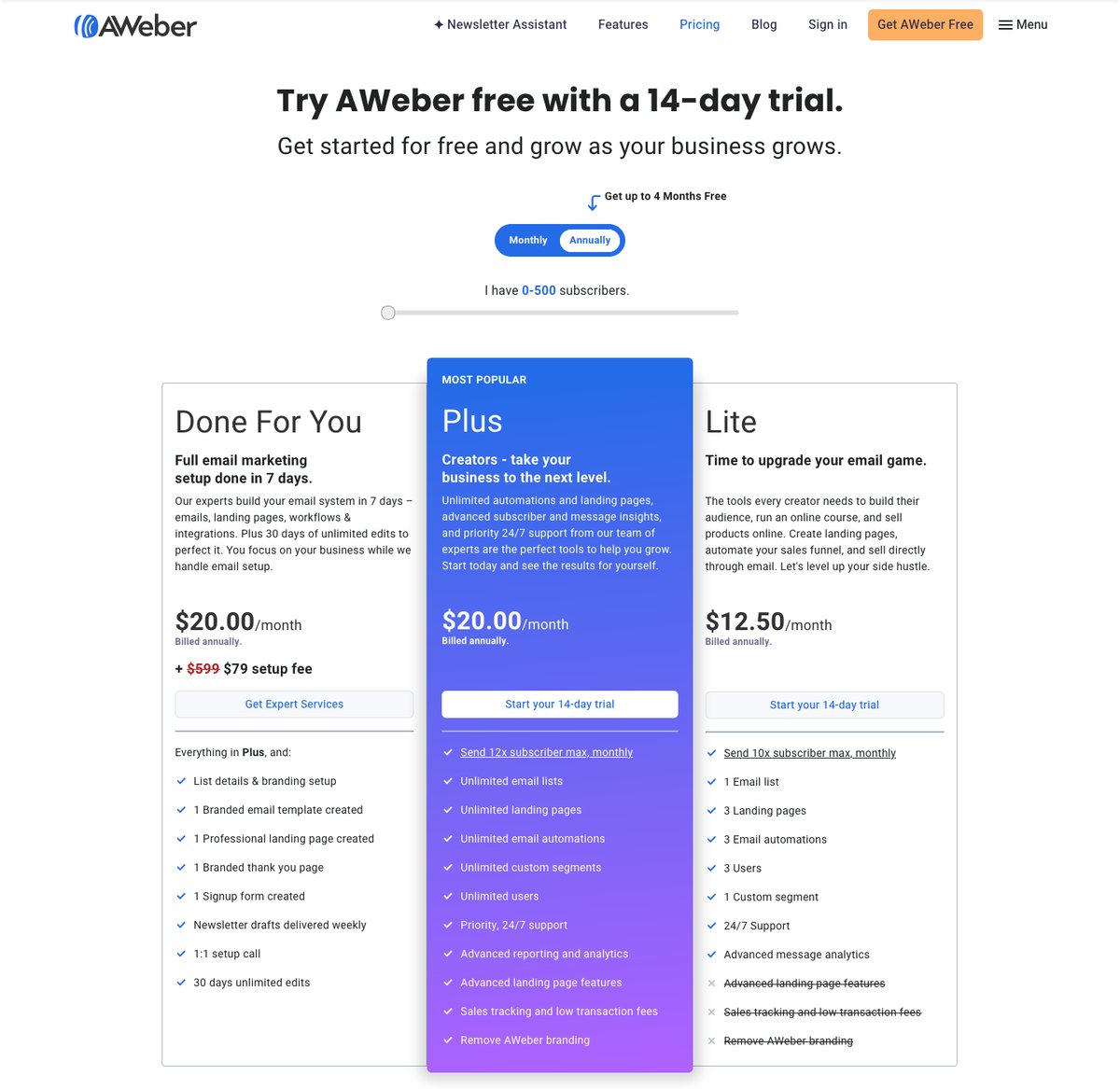
The fundamental difference between AWeber and Kit lies in their approach to pricing models and subscriber growth. AWeber has maintained a competitive edge for small-to-medium businesses by offering lower entry-level pricing. Its "Lite" plan, starting at $12.50 per month when billed annually, provides a robust set of features for beginners, including access to hundreds of templates and 24/7 support. However, this lower price point comes with limitations, such as a cap on the number of automations and monthly sends relative to list size.
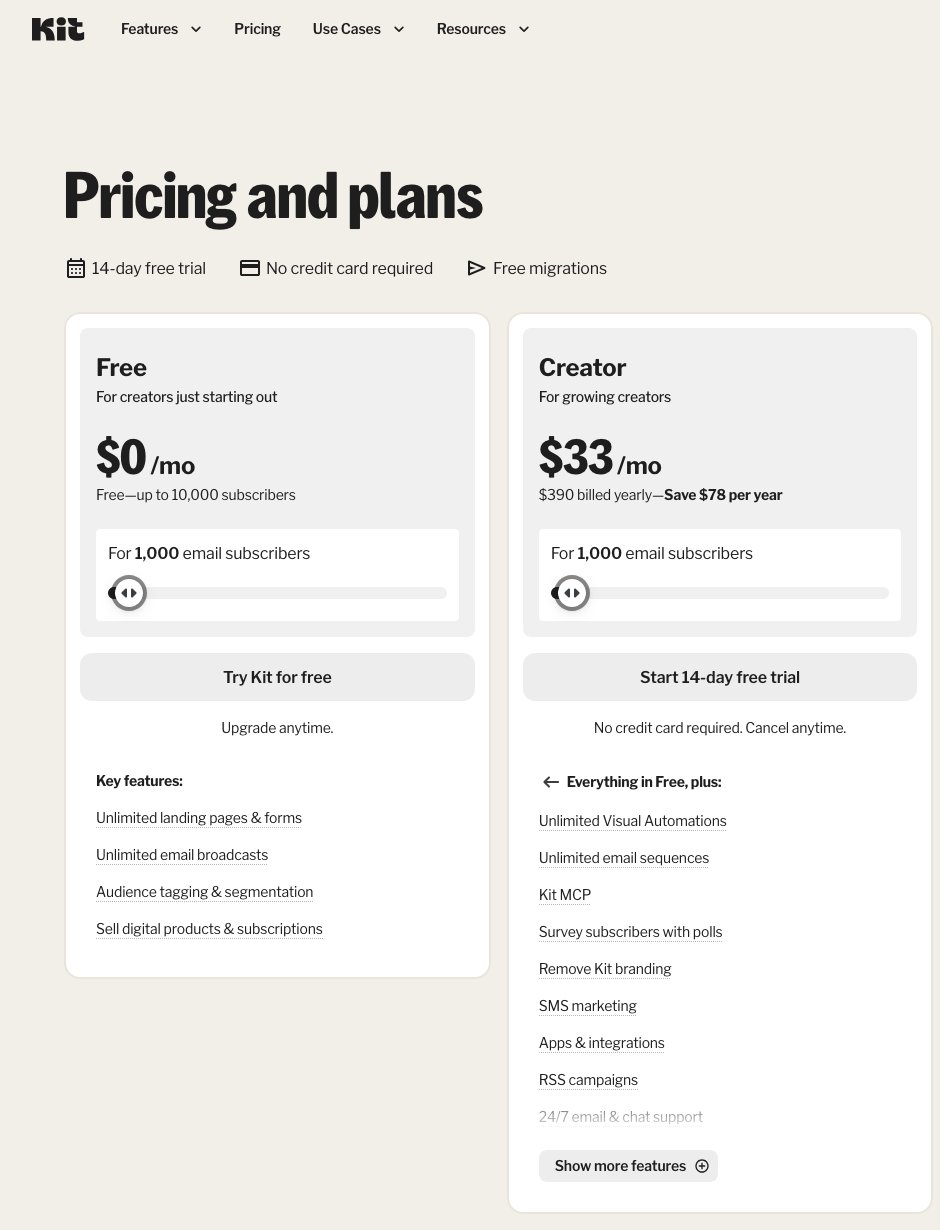
Conversely, Kit has doubled down on its identity as a platform for growth. While it offers a generous free plan that supports up to 10,000 subscribers, the platform restricts its most powerful features—such as automated sequences and e-commerce integrations—to its paid "Creator" and "Pro" tiers. With the Creator plan starting at $33 per month (billed yearly), the barrier to entry is higher. However, for users who rely on high-volume automation and complex tagging systems, the lack of sending limits and the flexibility of its visual automation builder often justify the higher price tag.
Historical data from the past year suggests that users who anticipate rapid list growth tend to favor Kit, as its "one subscriber, one cost" model prevents the double-billing issues sometimes reported by users of list-based systems like AWeber, where a single contact might be counted multiple times if they exist on multiple lists.

Selling Online: The Technical Edge
For online merchants, the ability to recover lost revenue is paramount. In this arena, Kit has established a clear technical lead through its deep integration with platforms like Shopify and Fourthwall. Its "Abandoned Checkout" workflow is a sophisticated, pre-built automation that triggers based on real-time data from a user’s shopping cart. This feature, which is accessible to anyone on the Creator plan, allows merchants to automatically send a sequence of recovery emails featuring the exact products a customer left behind.
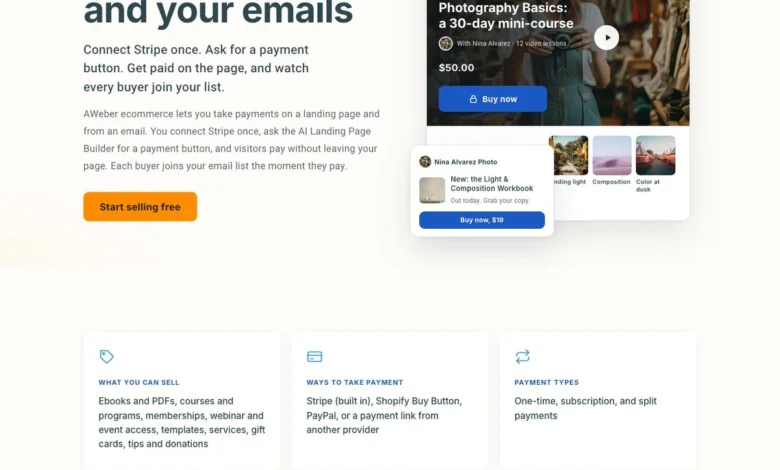
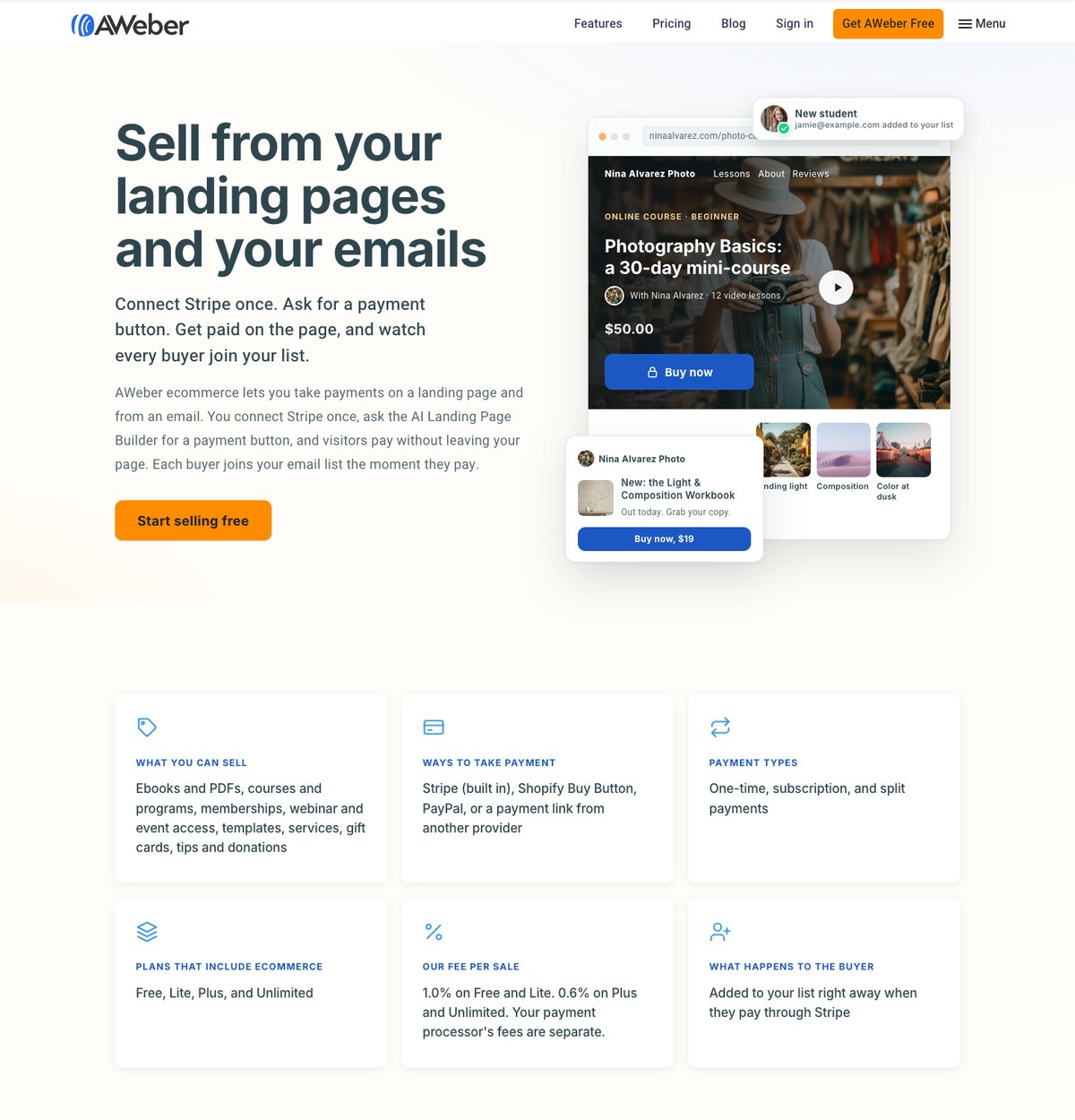
AWeber also offers e-commerce functionality, but its implementation is generally viewed as more manual. While it allows for purchase tagging and integration with Stripe, its documentation for abandoned cart recovery often requires users to set up custom workflows or rely on secondary app integrations. For a store owner managing hundreds of SKUs, the "out-of-the-box" capability of Kit’s product blocks—which allow users to drag and drop dynamic product images and descriptions directly into an email—provides a more seamless experience than the text-heavy or static image approach often required by AWeber’s standard editor.
Automation and the Shift Toward Logic-Based Marketing
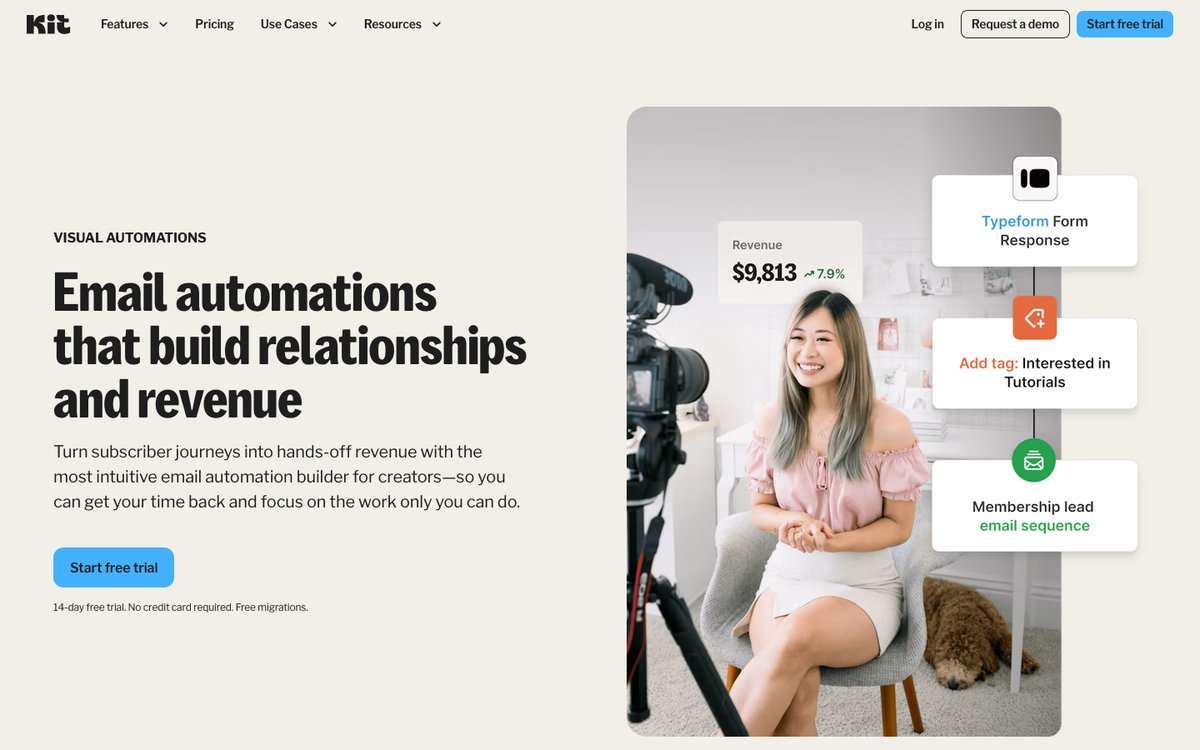
The sophistication of automation has become a central battleground in 2026. Kit’s visual automation builder is designed for creators who want to build complex, branching customer journeys. By utilizing tags, merchants can create a "subscriber profile" that evolves based on behavior—purchases, link clicks, and content preferences. This allows for highly targeted messaging that moves beyond generic newsletters.
AWeber’s approach, while equally functional for basic needs, is built on a more traditional logic. Its automation builder is sufficient for a standard welcome series or a basic post-purchase follow-up, but it lacks the visual depth and intuitive interface found in Kit’s workspace. However, AWeber has countered this by integrating AI-driven content generation. For business owners who struggle with the "blank page" problem, AWeber’s AI writing tools can draft subject lines and full email copy based on a few prompt keywords, providing a significant time-saving advantage that Kit currently relies on third-party integrations to achieve.
User Experience and Support Infrastructure
A key differentiator for AWeber remains its commitment to human-centric support. It is currently one of the few platforms in the industry that offers phone support, a feature that remains a decisive factor for many small business owners. In a 2026 survey of digital marketing users, respondents cited the ability to speak with a live agent during the initial domain authentication phase as a primary reason for choosing AWeber over competitors.
Kit, by contrast, has shifted its support model toward a digital-first, AI-assisted experience. While its 24/7 live chat and email support for paid users are efficient, the initial interaction is almost always handled by an automated bot. For power users and those managing large-scale operations, this is often preferred, but for a local entrepreneur navigating the complexities of DMARC and DKIM records for the first time, the absence of a direct phone line can be a friction point.
Implications for Future Growth
The choice between AWeber and Kit is ultimately a choice between two different operational philosophies. AWeber is designed to be a "guide"—it offers more templates, more hand-holding, and a more conservative, reliable environment for those who want to get set up and start sending emails without a steep learning curve. Its "Done For You" service, which offers a professional setup of templates and landing pages for a fee, illustrates this commitment to service.
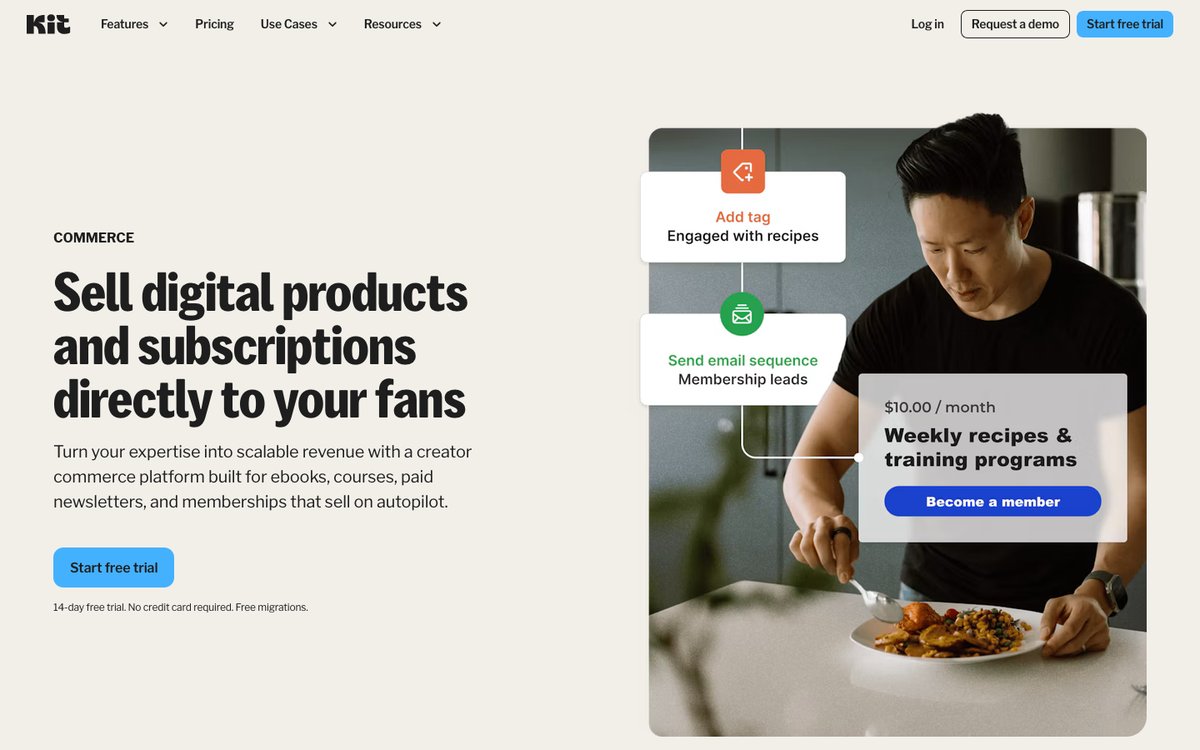
Kit is designed to be an "engine"—it assumes the user has a clear vision for their growth and provides the high-level tools, such as advanced segmentation and native product integrations, necessary to scale that vision. The platform’s focus on "Creator" tools, including the ability to host paid newsletters and sell digital products directly within the interface, positions it as an all-in-one hub rather than just an email service.
Summary of Performance
As of November 2026, the industry consensus suggests that if a business’s primary objective is e-commerce integration and high-level automation, the investment in Kit’s Creator plan is likely to yield higher returns. The technical capability to handle abandoned carts, product-specific tagging, and complex subscriber segments outweighs the additional monthly cost for most active online retailers.
However, for small businesses, service-based providers, or those just starting their journey into email marketing, AWeber remains the more cost-effective and approachable solution. Its superior library of templates, combined with its accessibility and live support, makes it a safer entry point for beginners who may not yet need the advanced features that Kit offers.
Both companies continue to iterate rapidly. As we look toward 2027, the focus for both providers is expected to move toward predictive analytics—using AI to suggest not just when to send an email, but exactly what product a specific customer is most likely to purchase next. Regardless of which platform a business owner chooses, the baseline requirement remains the same: authenticate your sending domain, prioritize list hygiene, and choose the software that aligns with your current technical capabilities rather than your future aspirations. Both platforms currently offer 14-day trials, and it is highly recommended that potential users run a parallel test, building a simple welcome automation on both interfaces, to determine which workflow feels most intuitive for their specific team.