Allegro accelerates growth to record pace as third-quarter results reveal robust expansion across Central and Eastern Europe

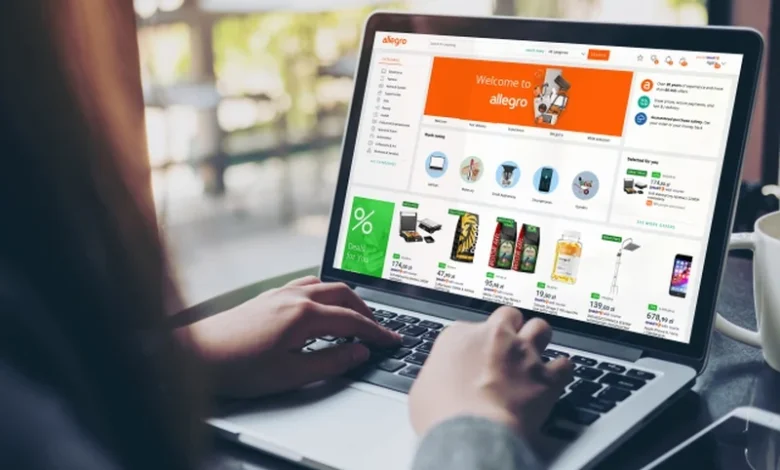
The Polish e-commerce landscape is undergoing a significant shift as Allegro, the region’s dominant online marketplace, reports its fastest Gross Merchandise Value (GMV) growth rate since 2022. According to the company’s latest quarterly financial disclosures, the platform saw a 14.7 percent year-on-year increase in GMV within its home market of Poland during the third quarter. This surge in volume has not only fortified its domestic leadership but has also catalyzed a broader trend of rising profitability across the entire Allegro Group, signaling a successful pivot toward operational efficiency and aggressive international scaling.
The reported figures underscore a pivotal moment for the Warsaw-listed firm. Having already posted a solid 13.7 percent GMV increase during the first half of the year, the third-quarter performance suggests that Allegro is gaining momentum as it heads into the critical year-end shopping season. This financial trajectory is supported by a significant expansion in the company’s active user base, which now stands at 21.5 million across all operations, with 15.8 million of those buyers located within Poland.
The Role of Artificial Intelligence in Operational Efficiency
A cornerstone of Allegro’s recent success is its commitment to technological integration, specifically the deployment of AI-driven tools designed to streamline the merchant experience. In September, the company finalized the rollout of advanced AI assistants to its entire partner seller base. The impact of this initiative has been immediate and measurable: the company reports that 94 percent of all sales quality inquiries and operational issues are now resolved autonomously, without the need for human intervention.
By offloading the administrative burden of marketplace compliance and customer service queries to AI, Allegro has empowered its sellers to focus on inventory management and growth strategies. This technological leap has contributed directly to the company’s improved profit margins. In Poland, revenue grew by 17.1 percent, and the GMV margin reached 6.6 percent, driving a 19.2 percent year-on-year increase in adjusted EBITDA. Analysts note that such high-margin growth, achieved while simultaneously scaling the user base, is a testament to the platform’s maturing infrastructure and the scalability of its automated support systems.
International Expansion: A New Growth Engine
While the Polish business remains the bedrock of Allegro’s financial health, the company’s international operations are beginning to outpace its domestic performance. The Group’s consolidated international GMV surged by 17.8 percent in the third quarter, with adjusted EBITDA for these markets jumping by an impressive 22.9 percent.
This growth is largely attributed to Allegro’s strategic entry into Czechia, Slovakia, and Hungary. The integration of these three markets into the Allegro ecosystem has been marked by a 102 percent year-on-year increase in GMV, driven by heightened customer loyalty and a 23 percent increase in purchase frequency among the 5.7 million active international buyers. The company’s ability to replicate its Polish success model—characterized by low shipping costs, massive inventory, and high-frequency engagement—in these neighboring territories suggests that the brand is successfully exporting its value proposition.
Looking ahead, Allegro has set ambitious targets for its international arm. The Group has explicitly stated its intention to close the year with a GMV that is 2 billion euros higher than the 2025 baseline for its international marketplaces. While these ventures are currently in a growth-heavy investment phase, the company projects a transition to a break-even status by 2029, a timeline that is being closely monitored by investors and market analysts.
Strategic Diversification and the Ukrainian Pilot
As part of its long-term growth strategy, Allegro is actively diversifying its geographic reach and service offerings. The recent launch of pilot export services to consumers in Ukraine represents a calculated expansion, opening the Polish marketplace to a potential pool of 12 million additional active buyers. This move is part of a broader "beyond the platform" strategy, which aims to provide consumers with a seamless "brand store" experience, regardless of whether they are purchasing directly through Allegro or through the platform’s expanding list of integrated retail partners.
The company’s leadership views these steps as necessary for transitioning from a traditional e-commerce marketplace to a comprehensive digital commerce ecosystem. By extending its proprietary logistics and payment tools to third-party stores, Allegro is positioning itself to capture value outside of its primary web domain.
Leadership Perspectives and Future Outlook
Reflecting on the quarterly results, Allegro CEO Marcin Kuśmierz emphasized that client satisfaction serves as the primary catalyst for the company’s financial health. "Client satisfaction is the measure of our success and drives our business growth, efficiency, and scale, as we have accelerated GMV growth at record-high profitability in Poland," Kuśmierz stated in a recent press briefing. He further noted that the company is "doubling down on breakthrough partnerships and AI development" to ensure that the platform remains the primary destination for holiday shopping across its operating territories.
Early data from the fourth quarter suggests that the momentum is sustained. "The first weeks of Q4 show GMV growth was even faster in Poland and continues to double in value internationally," Kuśmierz added. This suggests that the investments made in logistics and merchant tools are yielding a high return on investment as consumer demand spikes during the holiday season.
Market Context and Implications
The success of Allegro’s third quarter arrives at a time when European e-commerce is facing macroeconomic headwinds, including inflationary pressure and changing consumer spending habits. However, Allegro’s ability to grow GMV while improving EBITDA margins suggests that the company has effectively captured market share from smaller, less efficient players.
The integration of AI into the seller interface is particularly significant. By reducing friction, Allegro has increased the appeal of its platform for small and medium-sized enterprises (SMEs) that previously found marketplace compliance cumbersome. This, in turn, has widened the product selection available to consumers, creating a virtuous cycle of increased traffic and higher conversion rates.
Furthermore, the expansion into Central and Eastern Europe demonstrates a clear roadmap for regional consolidation. By standardizing the shopping experience across borders—while respecting local language and logistics requirements—Allegro is building a brand identity that transcends local borders. The goal of reaching a 2-billion-euro GMV increase by the end of the year on international markets is a bold indicator of confidence, suggesting that the company believes it has achieved product-market fit in its new territories.
As Allegro enters the final months of the fiscal year, the market will likely focus on the sustainability of these growth rates. Key metrics to watch will include the pace of active buyer acquisition in the new international markets and the degree to which the Ukrainian pilot program can scale without significantly impacting short-term profitability. With a robust technological backbone, a clear international strategy, and a rapidly expanding user base, Allegro appears well-positioned to maintain its lead in the highly competitive Central European retail sector. The company’s transition toward an integrated commerce platform, which extends its influence beyond its own web storefront, marks the beginning of a new chapter in its corporate evolution.