Why Site Migrations Are Triggering Unexpected Indexing Failures in Modern Search Environments


In recent months, a concerning pattern has emerged among webmasters and SEO professionals: websites that undergo a domain migration are increasingly encountering significant hurdles in getting their content re-indexed by Google. While site migrations have historically been considered standard operational procedures, the current climate suggests that the threshold for inclusion in Google’s search index has shifted, leaving many site owners struggling to maintain their search visibility after moving to a new domain.
Evidence suggests that a domain migration may act as a catalyst for a comprehensive quality reassessment. When a site moves, it essentially undergoes a "re-introduction" to Google’s indexing systems. During this phase, if the site fails to meet the search engine’s modern standards for originality and "helpful content," it may be denied re-entry into the index, regardless of whether the technical implementation of the migration was flawless.
The Anatomy of a Migration Failure
The standard technical checklist for a domain migration typically includes updating the "Change of Address" tool in Google Search Console (GSC), implementing comprehensive 301 redirects, updating internal linking structures, and ensuring the new domain’s sitemap is correctly submitted. Historically, when these steps were completed, Google would transfer the domain authority and index status from the old site to the new one over a period of weeks.

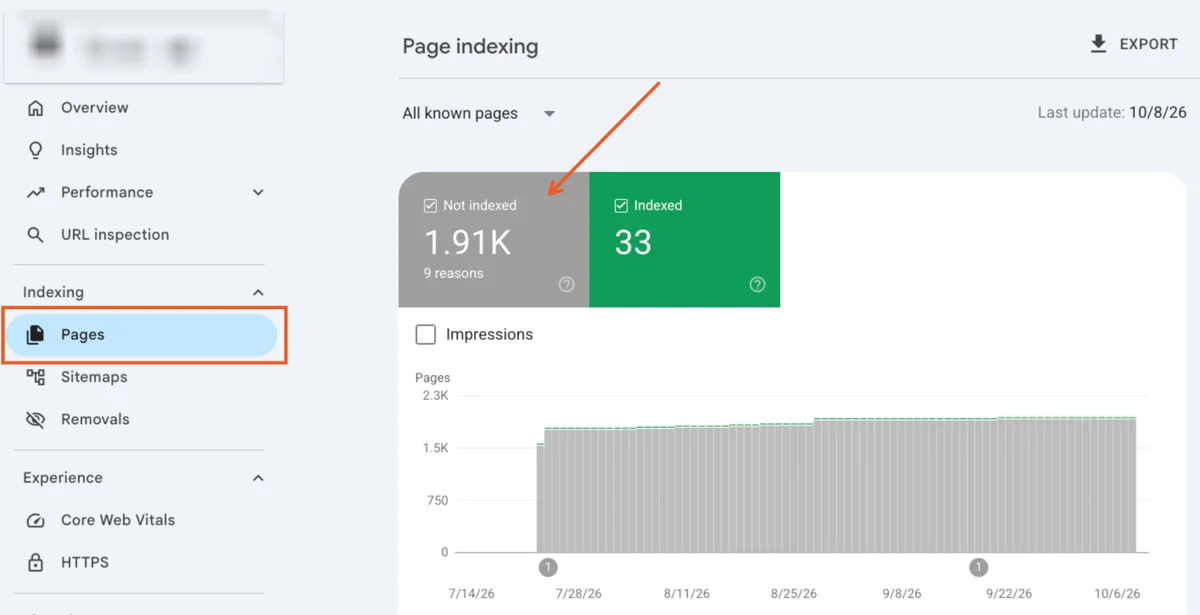
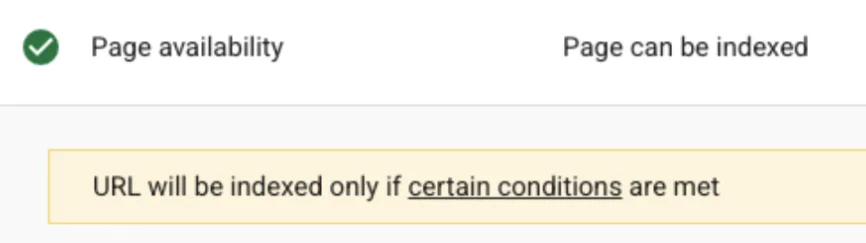
However, recent case studies present a different reality. In one notable instance, a hobby-focused blog—which had maintained stable rankings for years—migrated to a new domain. Despite performing all technical requirements correctly, the site owner reported that 98% of the new domain’s URLs remained unindexed after four months. A live test within GSC confirmed that the pages were accessible to Googlebot, yet they were flagged as "crawled – currently not indexed."
This status indicates that Google is not experiencing technical difficulty in reaching the content; rather, the algorithm is making an active decision to exclude the pages from its search results. According to Google’s own documentation, pages may be excluded from the index if they do not meet a specific threshold of quality, even if no manual actions or technical errors are present.
Shifting Quality Thresholds and the "Commodity" Problem
The core issue appears to be a disconnect between legacy site performance and modern indexing requirements. The "Helpful Content" initiatives launched by Google over the past several years have placed an increasing premium on unique, original information.
Many websites that have historically relied on "commodity content"—information that is essentially interchangeable with dozens of other sources across the web—are finding that they are no longer being rewarded by the algorithm. When a site stays on its original domain, it may benefit from historical trust signals that mask its lack of originality. However, once that site moves to a new domain, the "reset" button is pressed. Google’s crawlers, operating under updated guidelines, assess the new site with fresh eyes. If the content lacks a distinct perspective, unique data, or specialized expertise, the system may determine that the site provides no incremental value to the search index.
Why Legacy Sites May Remain Indexed Longer
A critical question for many site owners is why a site might perform adequately on an old domain while failing immediately upon migration. The answer likely lies in the nature of "authority signals" and the weight Google places on historical data.
Established domains often carry years of backlinks, user engagement metrics, and behavioral data that act as a buffer against algorithmic adjustments. When a migration occurs, that buffer is significantly diminished. The search engine is forced to evaluate the content on its merits rather than its history.
Current analysis indicates that if Google were to apply its most stringent quality standards to the entire web simultaneously, a massive percentage of existing sites would likely lose their index status. This suggests that the current indexing "bottleneck" experienced during migrations is a preview of the ongoing evolution of search, where the bar for entry into the index is being raised systematically.
Timeline and Expected Recovery
Under normal circumstances, a domain migration can take anywhere from several weeks to several months to complete. However, the four-month window observed in recent failed cases suggests that the delay is not merely a matter of processing time.
If a site has not achieved significant indexation after four months, it is highly probable that the issue is not technical latency but an algorithmic assessment of the site’s value. In such cases, waiting for the search engine to change its mind is often counterproductive. The focus must instead shift toward structural content audits and a fundamental re-evaluation of the site’s editorial strategy.
Strategic Recommendations for Site Owners
For those facing post-migration indexing issues, the path forward requires a shift from technical SEO to content strategy. The following steps are recommended:
- Technical Validation: Before assuming a quality issue, verify the technical integrity of the migration. Use GSC’s "Live Test" to confirm that Googlebot can reach the page and that there are no robots.txt or canonical issues preventing indexing.
- The "Originality" Audit: Analyze previously high-performing pages. Use critical evaluation to determine if the content provides a unique perspective or original research that cannot be found elsewhere. If the content is widely available across other sites, it is likely categorized as "commodity" and will struggle to gain traction.
- Strategic Content Upgrades: Rather than producing more volume, focus on producing a smaller set of high-value, highly original articles. This involves integrating personal experience, unique data, or original photography that provides a definitive answer to search queries.
- Consider a Fresh Start: In extreme scenarios where a domain has been deeply impacted by quality filters, it may be necessary to reconsider the content strategy entirely. If the site’s primary value proposition is deemed redundant by search algorithms, incremental changes may not be enough. In some instances, launching a new domain with a refined, high-value editorial focus may be the most efficient path forward.
Implications for the Broader SEO Landscape
The trend of "indexing resistance" following migrations underscores a broader shift in how search engines view the value of the web. Google is clearly moving away from indexing every piece of content that is technically "crawlable." Instead, they are prioritizing content that serves a distinct purpose and offers a clear, unique value proposition to the user.
For digital publishers, this means that the era of "content at scale" without unique insight is coming to an end. The implications are clear: indexing is no longer a given; it is earned through the consistent demonstration of unique value. As these algorithmic shifts continue to evolve, site owners must prepare for a future where content quality is not just a ranking factor, but a fundamental requirement for basic visibility in search results. The era of technical SEO as a standalone strategy is fading, replaced by a holistic requirement for high-utility, original content that satisfies the evolving needs of the modern searcher.