The landscape of digital information retrieval faces a significant legal challenge as a major coalition of media organizations, led by The New York Times, has initiated a high-stakes lawsuit against Brave Software, the developer of the privacy-focused Brave browser and Brave Search. Filed on November 2, 2026, the complaint alleges that Brave has systematically scraped, copied, and repurposed more than 30 billion webpages without authorization or a transparent opt-out mechanism for content creators. Central to the litigation is the claim that Brave is not merely providing a consumer-facing search engine, but is actively harvesting data to fuel the burgeoning artificial intelligence industry by selling access to its proprietary search index.
The Core Allegations: Beyond Standard Indexing
The crux of the legal action centers on the distinction between traditional web crawling and the commercialization of data for Large Language Model (LLM) training and retrieval-augmented generation (RAG). While search engines have historically operated under the implicit agreement that crawling leads to traffic redirection, The New York Times argues that Brave has bypassed this social contract.
According to the legal filing, Brave supplies its "Brave Search API" to major AI developers, including Anthropic, Cohere, Mistral, Perplexity, and xAI. The complaint asserts that Brave provides these entities with "extracted page chunks and source metadata" specifically formatted to satisfy the ingestion requirements of AI models. This process effectively removes the need for AI companies to perform their own scraping and, crucially, removes the necessity for the AI to provide a link or attribution back to the original source. By providing pre-processed, "chopped up" content, Brave is accused of enabling an ecosystem where AI platforms can provide answers to user queries without ever sending traffic to the websites that produced the information.
Chronology of the Dispute
The conflict represents the culmination of years of tension between independent search providers and traditional publishers.
- 2023: Brave publishes promotional content highlighting its collaboration with Anthropic, detailing how the Brave Search API powers web connectivity for the Claude AI chatbot.
- March 2025: Anthropic formally lists Brave Search as a "subprocessor," solidifying the commercial relationship. Independent researchers, such as developer Simon Willison, confirm via testing that Claude’s responses mirrored specific search results found only within Brave’s index.
- July 2026: News Corp initiates a legal challenge against Brave, alleging that the company uses obscured crawler tactics to prevent publishers from identifying and blocking their bots.
- November 2, 2026: The New York Times, along with a group of major publishers including the Chicago Tribune and the New York Daily News, files a comprehensive lawsuit accusing Brave of copyright infringement and unauthorized commercial exploitation of intellectual property.
The "No Name" Crawler Controversy
A significant technical and ethical grievance raised by the plaintiffs concerns Brave’s "robots.txt" policy. The robots.txt protocol is the industry-standard mechanism by which website owners communicate which automated crawlers are permitted to access their content. Typically, companies like Google, OpenAI, and Bing publish specific, identifiable user agents (e.g., "GPTBot").
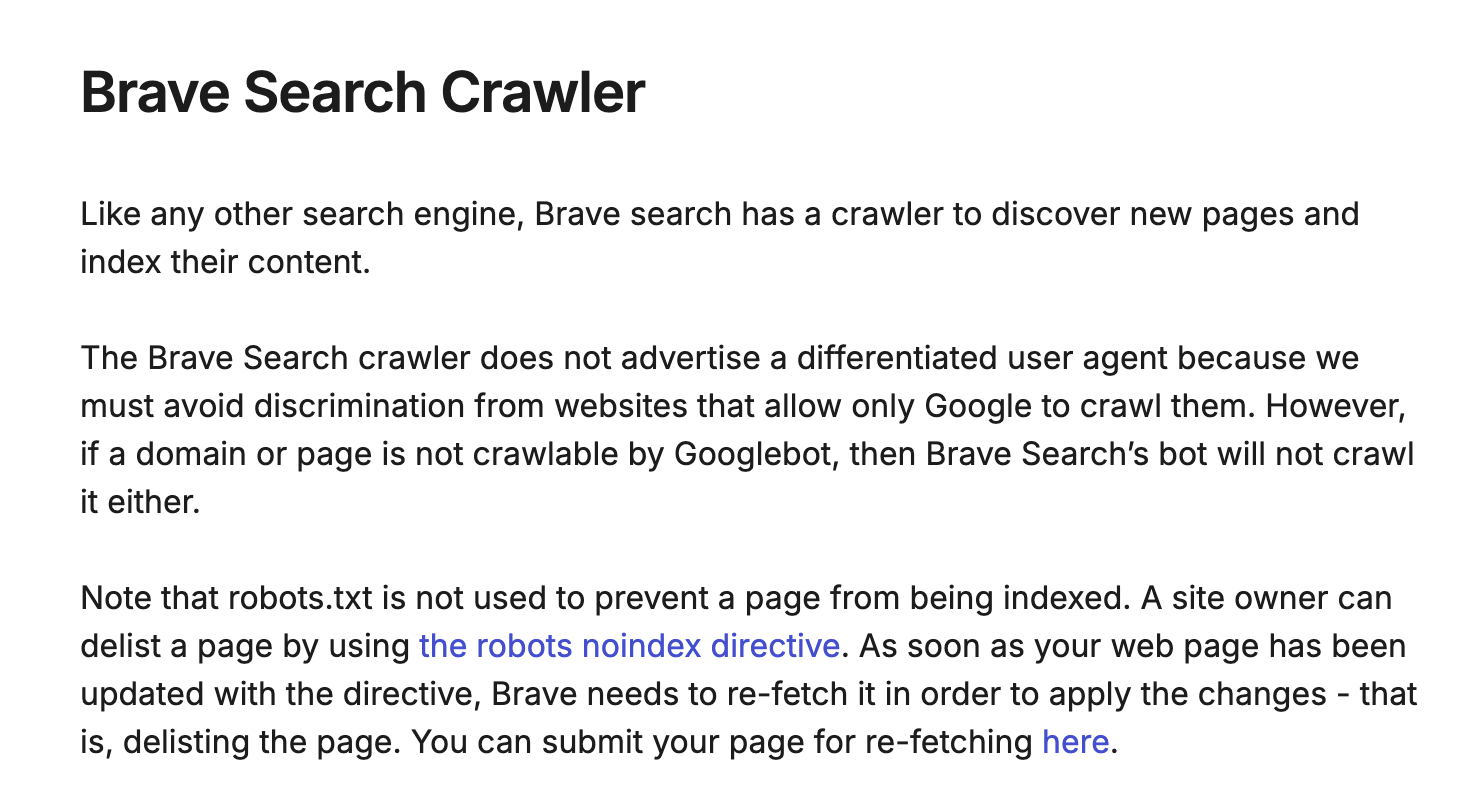
Brave, however, maintains that its crawler does not utilize a differentiated user agent. In its official help documentation, the company acknowledges that its crawler is anonymous by design. Brave justifies this by claiming that many websites operate under a "Google-only" policy, automatically blocking any bot that is not the Googlebot. By masking its identity or piggybacking on the permissions granted to Google, Brave ensures it can index vast portions of the web that might otherwise opt out of third-party AI training.
For publishers, this creates an impossible scenario: if a site administrator wishes to block Brave’s index from being sold to AI companies, they must also block Google, a move that would be catastrophic for their site’s search engine visibility and traffic. The Times has characterized this as an intentional "refusal to release the name of its web crawler," effectively stripping publishers of their right to control how their content is used in the AI era.
Data Aggregation and Market Implications
Brave’s infrastructure is massive. With over 30 billion pages in its index and millions of new pages added daily, the company has positioned itself as a critical backend provider for AI assistants. The implications of this are twofold: first, the technical accuracy of AI models depends on real-time data access; second, the economic viability of independent journalism depends on traffic-driven revenue.
When an AI model uses Brave’s API to retrieve data, it receives a summary or a snippet. If the user never clicks through to the original article, the publisher loses the opportunity to display advertisements, gain subscribers, or build a relationship with the reader. Because the AI is providing an answer derived from the index, the "transaction" is considered complete within the chat interface. This fundamentally breaks the referral model that has sustained the web for three decades.
Official Stances and Industry Reactions
As of the time of the filing, Brave has not issued a formal response to the specific allegations brought by The New York Times. However, the company has historically defended its actions by framing them as essential to the existence of any competitive search engine. In previous disputes with entities like News Corp, Brave argued that indexing the web is a fundamental requirement for a functioning search engine and that its practices fall under the umbrella of standard search indexing protocols.
Industry analysts suggest that this case could set a vital precedent for "fair use" in the age of AI. If the court finds that selling search results to AI companies for the purpose of model training or direct-answer generation constitutes a transformative use of copyrighted material, it could force a massive restructuring of how search indices are licensed. Conversely, if the court rules in favor of Brave, it may effectively lower the barrier to entry for AI developers, potentially accelerating the decline of traffic to original publishers.
The Future of Web Visibility
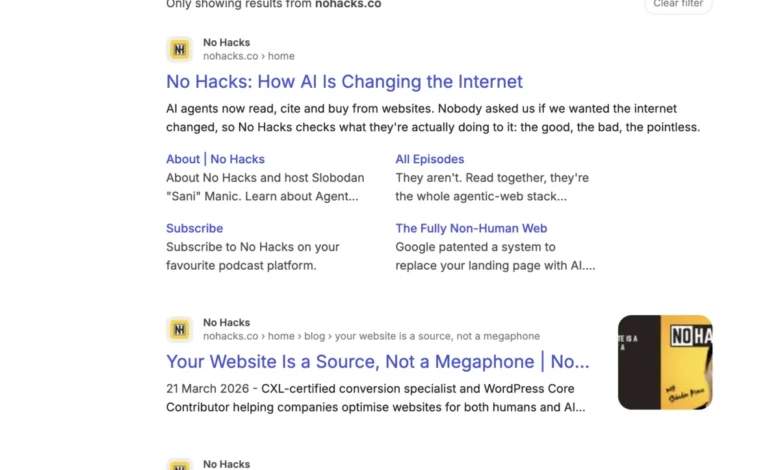
For the average website owner, the visibility of their content in Brave’s index is a matter of public record. By utilizing the site:domain.com command on the Brave search interface, publishers can see exactly what has been archived. Many have noted that the results often include outdated descriptions or cached snapshots, indicating that Brave acts as a repository of historical web content, not just a live discovery engine.
The current legal standoff highlights a growing divide between the architects of the new AI-powered internet and the organizations that provide the source material. With multiple high-profile media companies now pursuing litigation, the judiciary will be forced to weigh the right of search engines to index the open web against the rights of publishers to govern how their creative output is monetized. As the case proceeds, the outcome will likely force a change in how crawlers are identified, how AI-search partnerships are structured, and perhaps most importantly, how the value of information is defined in a world where users may never need to click a link to get an answer.