Fox Completes $22 Billion Acquisition of Roku in a Landmark Streaming and TV Merger


Fox Corporation has officially finalized its massive $22 billion acquisition of Roku, marking one of the most transformative media and technology transactions of the decade. Announced on Friday, November 6, 2026, the completion of this high-profile deal brings the pioneering streaming platform—founded in 2002—directly under the corporate umbrella of Fox. According to corporate disclosures released alongside the announcement, the newly unified entity now commands a position as the third-largest television business in the United States when measured by total household viewership.
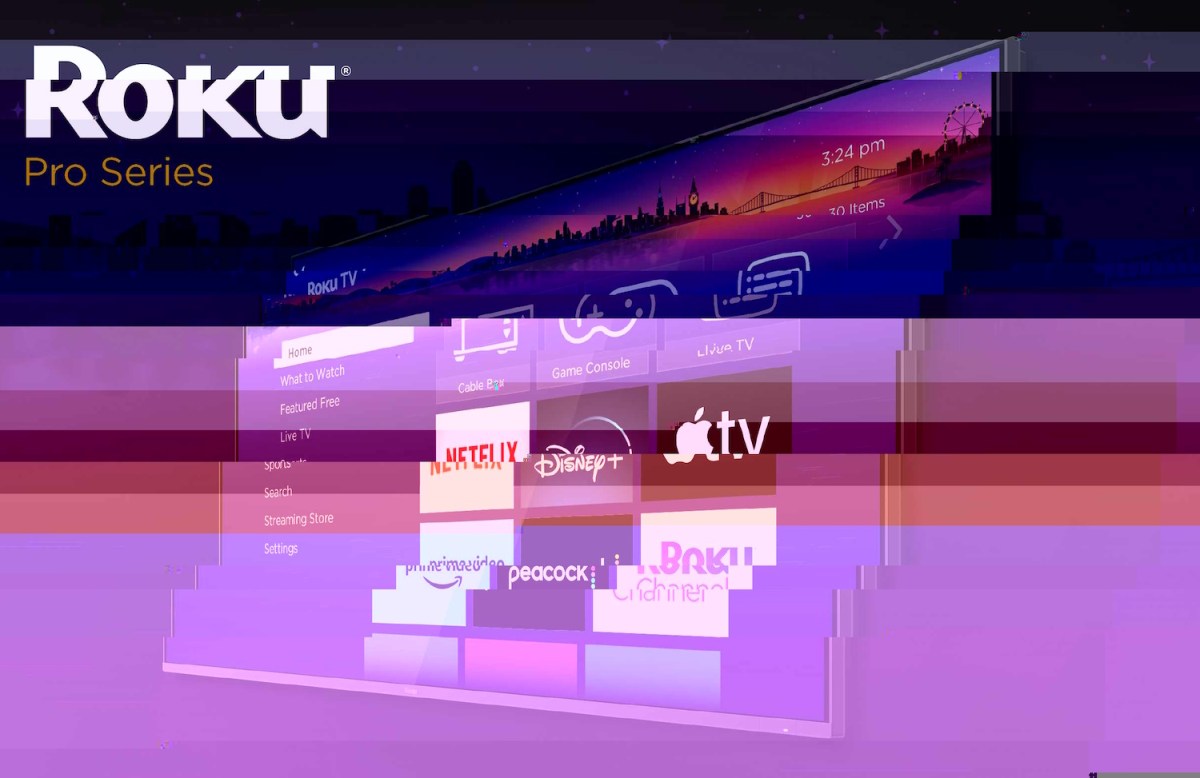
The transaction reshapes the American media landscape, bridging legacy broadcast television with cutting-edge connected TV (CTV) infrastructure. By absorbing Roku’s sprawling ecosystem, Fox gains immediate, direct access to a massive active user base spanning more than 100 million households. Industry analysts note that this strategic union is designed to accelerate Fox’s transition away from traditional cable and satellite distribution dependencies, positioning the legacy broadcaster to capture a significantly larger share of the modern digital advertising market.
A Streamlined Integration Following Rapid Regulatory Clearance
The finalization of the merger arrives significantly ahead of initial corporate projections. When the $22 billion agreement was first unveiled to the public in June 2026, executive leadership from both companies anticipated that the complex regulatory review process would stretch well into the first half of 2027. Instead, the transaction crossed the finish line in late autumn, fueled by swift cooperation with federal antitrust regulators and a strategic consent decree.
The path to completion was not entirely without hurdles. Just two months prior to the closing date, the United States Department of Justice (DOJ) intervened by issuing a formal "second request" for information. This mandatory antitrust inquiry required both Fox and Roku to compile and submit extensive supplemental documentation, data sets, and operational metrics to satisfy federal investigators that the merger would not unlawfully stifle market competition or harm consumer choice.
Speculation mounted throughout October regarding the fate of the transaction under federal scrutiny. However, early November reports indicated that the deal was poised to clear regulatory hurdles under a specialized consent decree. With federal clearance secured, leadership from both organizations expedited the closing process, officially consummating the multi-billion-dollar merger on Friday morning.
Chronology of a Megadeal: From June Announcement to November Closing
The swift convergence of Fox and Roku represents a masterclass in corporate acceleration within the modern media sector. To fully understand the gravity of the transaction, industry observers have mapped the key milestones of the acquisition timeline:
- June 15, 2026: Fox Corporation officially announces its intention to acquire Roku in a landmark cash-and-stock transaction valued at approximately $22 billion. Initial press releases project a completion timeline targeting the first half of 2027, contingent upon standard shareholder approvals and federal regulatory clearances.
- September 9, 2026: The U.S. Department of Justice escalates its oversight of the merger, issuing a formal second request for information. The move signals a deep-dive antitrust review, temporarily casting doubt on the anticipated timeline and prompting heightened scrutiny from financial markets.
- Early November 2026: Reports surface across financial media outlets suggesting that the DOJ is prepared to clear the acquisition under the framework of a consent decree, allaying fears of a prolonged legal blockade or outright block.
- November 6, 2026: Fox Corporation officially announces the completion of the $22 billion acquisition, just months after its initial announcement. The integration process begins immediately, uniting Fox’s broadcast and cable assets with Roku’s dominant operating system and streaming hardware footprint.
Leadership Perspectives and Vision for the Future
The merger brings together two entities with vastly different origins—one rooted in traditional broadcast news and sports entertainment, and the other established during the infancy of digital streaming devices. Despite these differing backgrounds, executive leadership from both sides emphasized a shared commitment to preserving innovation while leveraging expanded resources.
Roku founder Anthony Wood, who launched the company more than two decades ago with the vision of transforming how humanity consumes television content, addressed the acquisition directly in a prepared statement.
"हम ने दो दशक पहले Roku की शुरुआत लोगों को टीवी देखने का एक बेहतर तरीका देने के लिए की थी, और आज वह मिशन नहीं बदलता है। जो बदलता है वह हमारी पहुंच और संसाधन हैं," Wood stated, emphasizing continuity of purpose. ("We started Roku more than two decades ago to give people a better way to watch TV, and that mission doesn’t change today. What does change is our reach and resources.")
Wood reassured consumers, developers, and platform partners that the core operational ethos of the company would remain intact under Fox ownership. "Our teams will keep building and innovating as they always have, now with the support and capabilities of Fox behind us," he added.
From Fox’s perspective, the acquisition represents a definitive pivot toward the future of entertainment delivery. Executives at the network have repeatedly stressed the necessity of owning direct-to-consumer pipelines in an era defined by cord-cutting and the steady migration of advertising dollars away from linear television.
Strategic Implications: Transforming Advertising and Audience Reach
The business logic underpinning the $22 billion valuation relies heavily on data monetization, ad-tech integration, and expanded viewership metrics. For decades, traditional television networks operated on broad, demographic-based advertising models. In contrast, the connected TV ecosystem allows for hyper-targeted, addressable advertising combined with real-time attribution measurement.
By integrating Roku’s operating system—which powers millions of smart TVs and streaming sticks across North America—Fox gains unprecedented insight into viewer habits, preferences, and engagement patterns. The strategic implications of this data fusion include:
- Enhanced Ad Targeting: Fox can now pair its premium live sports, news, and entertainment inventory with Roku’s first-party data capabilities. This synergy allows advertisers to deliver precision-targeted campaigns across both linear broadcasts and streaming environments.
- Reduced Reliance on Pay-TV Intermediaries: As traditional cable and satellite subscriber bases continue to erode, the acquisition provides Fox with a direct conduit to over 100 million households. This minimizes the network’s vulnerability during carriage disputes with traditional multichannel video programming distributors (MVPDs).
- Scale in the Connected TV Marketplace: With the acquisition finalized, the combined entity possesses the scale necessary to compete aggressively against tech conglomerates and other legacy media giants that have built proprietary streaming platforms.
- Streamlined Content Distribution: Roku’s user interface can now be strategically optimized to feature Fox-owned properties, sports packages, and news channels prominently, potentially lowering customer acquisition costs for Fox’s standalone streaming services.
Broader Industry Impact on the Media and Entertainment Sector
The completion of the Fox-Roku merger is widely expected to trigger a fresh wave of consolidation and strategic realignment across the global media and technology sectors. As content creators face mounting pressure to secure direct-to-consumer distribution channels, standalone hardware and software platforms have become exceedingly attractive acquisition targets.
For years, technology companies and traditional media conglomerates have danced around various partnership models, ranging from simple content-licensing agreements to complex joint ventures. The direct acquisition of a major operating system by a legacy broadcaster signals a new phase in the streaming wars—one where vertical integration extends all the way from the production studio down to the consumer’s remote control.
Competitors in both the broadcasting and technology spaces will undoubtedly monitor the integration closely. Questions remain regarding how third-party streaming apps operating on the Roku platform will be treated, and whether regulatory bodies will maintain stringent oversight of the merged company’s data-sharing and advertising practices under the terms of the aforementioned consent decree.
Nevertheless, as of November 2026, the Rubicon has been crossed. Fox Corporation stands firmly transformed, wielding the massive technological infrastructure and audience reach of Roku to cement its status as a dominant force in the next generation of television and digital media.