Amazon expands its FBA Returnless Resolutions program to European markets to streamline logistics and reduce costs for third-party merchants.

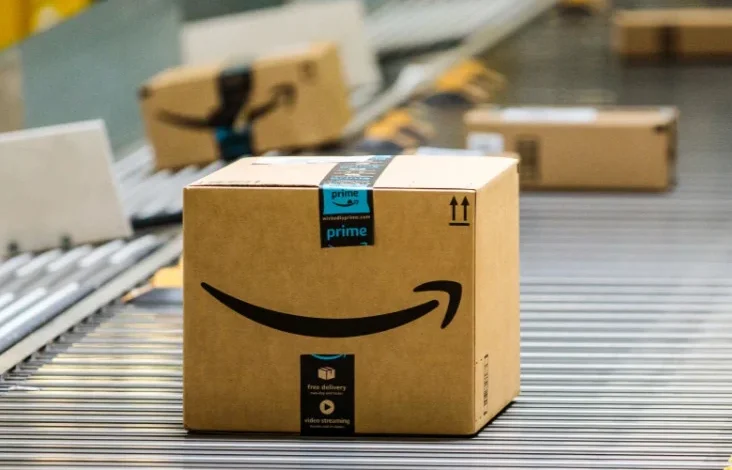
The logistical landscape of European e-commerce is undergoing a significant shift as Amazon officially rolls out its "Returnless Resolutions" program across its primary marketplaces in the United Kingdom, Germany, Italy, France, and Spain. This strategic expansion, previously exclusive to Amazon’s North American operations, allows third-party sellers utilizing Fulfillment by Amazon (FBA) to authorize automatic refunds for customers without requiring the physical return of the purchased merchandise. As online retailers grapple with the escalating financial burden of reverse logistics—the process of moving goods from the consumer back to the seller or warehouse—this policy serves as a targeted intervention to mitigate overheads associated with shipping, labor, and inventory processing.
The Financial Mechanics of Reverse Logistics
Reverse logistics remains one of the most significant pain points for modern retailers. According to industry data, the cost of processing a single return can often exceed 50% of the item’s original sale price once shipping, inspection, repackaging, and re-stocking fees are factored in. For low-margin, low-cost goods, the return process is frequently a net-negative operation for the merchant. By eliminating the return requirement, Amazon aims to provide a streamlined alternative that protects seller margins on inexpensive items while simultaneously improving the customer experience through expedited refund processing.
Under the new program, merchants can define their own eligibility parameters, specifically setting a maximum item price between 1 and 75 euros. This flexibility ensures that sellers can tailor the policy to their unique profit margins. The program can be applied universally across a seller’s entire inventory or restricted to specific Amazon Standard Identification Numbers (ASINs). This granular control is essential, as it allows merchants to protect high-value inventory while automating the disposal or "no-return" process for items where the logistics costs are prohibitively high relative to the item’s value.
Chronology and Operational Implementation
The introduction of FBA Returnless Resolutions in Europe follows a lengthy trial period in the United States, where the program has been a standard tool for FBA sellers for several years. Amazon’s decision to bring this functionality to Europe aligns with its ongoing efforts to harmonize seller tools across its global infrastructure.
The implementation process is automated through Amazon’s backend systems. When a customer initiates a return request, Amazon’s algorithms evaluate the transaction based on several variables: the item price, the specific product category, the seller’s account health, and the customer’s individual return history. This assessment layer is intended to prevent systemic abuse; for example, customers with a history of excessive returns or suspicious activity are less likely to be granted a "no-return" refund. If the request does not meet the criteria, the customer is prompted to follow standard return procedures, ensuring that high-value or suspicious items are still handled through conventional channels.
Market Context and the Rise of Free Returns
The timing of this rollout is particularly notable given the shifting expectations of European consumers. While businesses are desperate to curtail the costs of returns, recent data indicates that "free returns" remain a dominant competitive requirement, particularly in the DACH region (Germany, Austria, and Switzerland). Consumer surveys suggest that a significant percentage of shoppers will abandon a purchase if they perceive the return policy as too restrictive or costly.
However, the cost of this consumer convenience has become unsustainable for many retailers. In recent years, companies across the European Union have begun experimenting with return fees and more stringent policies to curb "serial returning"—a phenomenon where shoppers purchase multiple sizes or colors with the intention of returning most of them. Amazon’s Returnless Resolutions program represents a middle ground: it maintains the appearance of a generous, hassle-free return policy for the customer while effectively outsourcing the decision-making process to an automated system that prioritizes the seller’s bottom line.
Implications for Seller Inventory Management
A critical component of the program is the treatment of the returned inventory. Under the Returnless Resolutions framework, merchants are not compensated for the loss of inventory value. Because the customer is permitted to keep the item, the seller essentially writes off the cost of the goods sold. Furthermore, even though the physical item does not return to the warehouse, these transactions are still counted toward the seller’s return rate metrics.
However, Amazon has provided a key safeguard: these specific "returnless" transactions are exempt from the company’s "High Return Rate" fees. This distinction is vital for sellers who manage high-volume, low-cost catalogs, as it prevents the accumulation of penalties that might otherwise be triggered by frequent customer dissatisfaction or product issues.
Critical Reception and Industry Concerns
Despite the potential for cost savings, the program has met with a measured response from the seller community. The primary criticism centers on the lack of control over the "no-return" outcome. Some sellers have expressed concerns that Amazon’s automated algorithm might be too lenient, allowing customers to keep items that could have been salvaged or resold.
"The math is tricky," notes one retail consultant specializing in Amazon FBA strategies. "For a seller, you have to decide if the cost of the labor required to inspect and re-label a returned product is truly higher than the wholesale cost of that item. In many cases, it is. But if the system is abused—if customers realize they can effectively get items for free—it creates a significant leakage in revenue that is hard to track."
There is also the matter of inventory integrity. Because the seller does not receive the item back, they have no way of verifying the reason for the return or assessing whether the product was damaged or defective. This limits the seller’s ability to perform quality control or identify manufacturing flaws that might be driving the returns. For businesses that rely on customer feedback to improve product design, the "no-return" policy effectively creates a data blind spot.
Future Outlook and Strategic Adjustments
The deployment of this program underscores Amazon’s broader strategy of deep automation in its logistics network. By reducing the volume of physical parcels flowing back to its fulfillment centers, Amazon is effectively increasing its own warehouse capacity and reducing the carbon footprint associated with reverse logistics.
For the European market, the long-term impact of this policy will likely depend on how sellers calibrate their price thresholds. It is expected that as more data becomes available, sellers will refine their ASIN-specific rules to identify which products are "high-risk" (prone to abuse) and which are "high-cost-to-return" (ideal for this program).
Ultimately, Amazon’s move reflects a maturation of the e-commerce sector in Europe. As the market moves past the era of aggressive, unconditional growth and into a period of efficiency and profit optimization, retailers are increasingly forced to choose between the cost of customer retention and the preservation of inventory. Through FBA Returnless Resolutions, Amazon is providing a sophisticated, albeit controversial, mechanism for sellers to navigate that delicate balance. Whether this program becomes the industry standard or remains a niche tool for specific product categories remains to be seen, but its arrival in Europe signals that the logistics of the "no-return" economy is now a permanent feature of the retail landscape.
Related posts: