Breuninger accelerates European expansion as it enters eleven new markets to reach a total of 24 countries

German premium department store group Breuninger has announced a significant escalation in its international growth strategy, marking a pivotal moment in the company’s digital transformation. By launching its online operations in eleven additional European nations, the family-owned retailer has effectively doubled its geographic footprint, bringing its total active markets to 24. This expansion follows a series of strategic launches earlier this year, signaling a determined effort to solidify its position as a dominant player in the European premium fashion and lifestyle sector.
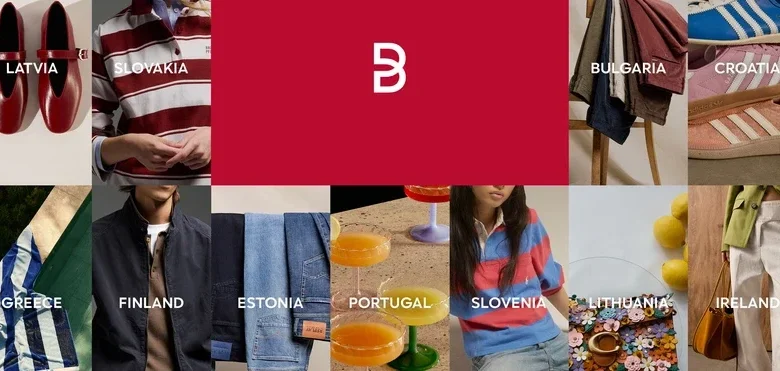
The newly entered markets include Finland, Estonia, Latvia, Lithuania, Ireland, Bulgaria, Slovenia, Slovakia, Croatia, Portugal, and Greece. To facilitate a seamless entry into these diverse regions, Breuninger has rolled out an English-language version of its online store, ensuring accessibility for a broad international customer base. This move is not merely an increase in shipping logistics; it represents a calculated attempt to scale the brand’s influence beyond its traditional Central European stronghold.
A Chronology of Digital Transformation
The path to this latest expansion began well over a decade ago. While Breuninger has been a household name in Germany since its founding in 1881, its transition into a digital-first retailer is a relatively modern phenomenon. The company launched its inaugural online shop in 2008, a move that allowed the traditional brick-and-mortar giant to test the waters of e-commerce.
For several years, the digital store served primarily as an extension of the physical department stores. However, the retail landscape’s rapid evolution—catalyzed by changing consumer habits and the rise of digital-native fashion platforms—prompted a strategic shift. In 2020, the company reached another milestone with the introduction of its digital marketplace model, a platform designed to host curated third-party brands alongside the company’s own inventory.
The momentum gathered speed in the first half of this year. In a series of targeted launches, Breuninger extended its digital reach into Denmark, Sweden, and Romania. These markets served as a testing ground for the brand’s logistical capabilities and market reception outside of its DACH (Germany, Austria, Switzerland) core. Having successfully navigated these entries, the company felt confident in initiating this current, larger-scale expansion across eleven more nations.
Strengthening the Digital Ecosystem
The expansion is not limited to the storefronts themselves. Breuninger is simultaneously broadening the reach of its proprietary marketplace and its loyalty program, BEYOND. The marketplace, which has been a cornerstone of the company’s digital strategy in Germany since 2020, is now being introduced to Poland, Austria, and the Netherlands. This integration of a marketplace model is crucial; it allows Breuninger to diversify its product offering without the immediate need for massive inventory holding, thereby increasing agility in a volatile fashion market.
Furthermore, the BEYOND loyalty program, which incentivizes repeat purchases and fosters brand affinity, is being rolled out to these new territories. By offering personalized experiences and exclusive rewards to international customers, the company aims to mirror the success of its German loyalty infrastructure, which has been instrumental in maintaining customer retention rates in a highly competitive premium segment.
Leadership Perspectives on Growth
The leadership at Breuninger views these developments as the next logical step in ensuring the company’s long-term viability. Holger Blecker, CEO of Breuninger, underscored the necessity of this shift during the announcement. "With the simultaneous launch in eleven additional European countries, we are taking a major and important step in our internationalization strategy and strengthening our online business as a key growth driver for Breuninger," Blecker stated. He emphasized that the expanded presence creates a necessary foundation for long-term growth, enabling the company to tap into new customer segments that were previously beyond reach.
Dr. Felix Kreyer, Chief Customer Officer at Breuninger, echoed this sentiment, framing the expansion as a holistic integration of various digital channels. "Our online shop, marketplace, and BEYOND complement each other in our digital growth strategy," Kreyer noted. By weaving these elements together, the company is not just selling products; it is curating a lifestyle destination. According to Kreyer, the objective is to solidify Breuninger’s role as a digital fashion and lifestyle authority in Europe, ensuring that the brand remains relevant as consumer preferences shift toward omnichannel shopping experiences.
Industry Context and Competitive Landscape
The timing of this expansion is noteworthy. The European e-commerce market for fashion and luxury goods is currently characterized by intense competition. Giants such as Zalando and Mytheresa have already established massive, pan-European infrastructures, creating a high barrier to entry for traditional retailers attempting to pivot to digital.
However, Breuninger occupies a specific niche. Unlike pure-play e-commerce platforms, it leverages a hybrid model that combines the prestige and heritage of its physical department stores with the reach of a digital marketplace. This "phygital" approach—where the digital experience is backed by the reputation and operational expertise of established luxury retail—serves as a distinct competitive advantage.
From a market analysis perspective, the decision to expand into nations such as Ireland, Greece, and the Baltic states reflects a move toward under-served premium markets. While many competitors focus on saturated markets like France or the UK, Breuninger’s entry into smaller or emerging economies suggests a "land-and-expand" strategy. By capturing early market share in these regions, the company can establish brand loyalty before major competitors consolidate those spaces.
Strategic Implications and Future Outlook
The implications of this move are manifold. First, it signifies a massive increase in operational complexity. Managing supply chains, localized marketing, and customer support across 24 markets requires robust technological infrastructure and data management. The company’s ability to maintain high service standards in these new regions will be the primary determinant of its long-term success.
Second, the expansion suggests a shift in the company’s revenue mix. As the online division becomes a more significant driver of total revenue, Breuninger is effectively transforming into a technology-enabled retailer. This transition necessitates constant investment in UX/UI design, data analytics, and artificial intelligence to personalize the shopping experience for diverse European cultures.
Finally, the expansion of the marketplace model into Poland, Austria, and the Netherlands indicates a move toward a more scalable business model. By partnering with premium brands and allowing them to sell on the Breuninger platform, the company is effectively mitigating the risks associated with traditional inventory management. This allows the retailer to offer a wider, more curated selection of luxury items while sharing the logistical burdens with partners.
Looking ahead, analysts anticipate that Breuninger will likely continue to optimize its supply chain and logistics network to support this new volume. The company may also look to enhance its regional distribution centers to reduce shipping times, a critical factor in the premium fashion segment where customers expect rapid fulfillment.
As Breuninger enters this new phase of its 143-year history, it faces the challenge of maintaining the "premium" identity that has defined its physical stores while scaling its digital operations to meet the demands of a pan-European audience. The next 12 to 18 months will be critical, as the company monitors metrics related to customer acquisition costs, conversion rates, and the efficacy of its BEYOND loyalty program in these new markets. For now, the retailer’s aggressive expansion stands as a testament to the resilience of traditional department stores that are willing to embrace the digital future with conviction.