The Best Zendrop Alternatives for 2026: A Comprehensive Guide for Dropshipping Scalability

The dropshipping landscape for 2026 has evolved significantly, shifting away from reliance on singular, all-encompassing platforms toward more specialized, cost-efficient, and automated solutions. While Zendrop has long maintained a dominant market share by bundling coaching, private labeling, and rapid fulfillment, an increasing number of store owners are seeking alternatives to optimize their margins and gain greater control over their supply chains. Based on an extensive review of eight leading dropshipping applications—evaluated against six core metrics including pricing, shipping velocity, automation, branding, integration, and reputation—it is clear that the "best" alternative depends heavily on a merchant’s specific operational needs.
The current marketplace dynamics reflect a clear trend: merchants are moving away from high-cost, bundled subscriptions toward modular platforms that allow them to pay only for the services they require. For instance, high-volume sellers are increasingly prioritizing platforms that support multi-channel selling, while emerging brands are favoring providers that offer low-cost, high-quality private labeling.
The Evolution of the Dropshipping Model
Historically, dropshipping was defined by the "AliExpress-to-Shopify" bridge, characterized by high latency and unpredictable quality. Zendrop disrupted this model by providing a curated layer of US-based fulfillment and improved customer service protocols. However, as the 2026 market matures, the competitive landscape has shifted. Platforms like DSers, AutoDS, and CJ Dropshipping have refined their offerings to address the gaps that persistent Zendrop users often cite, such as the high cost of the "Plus" subscription tier and the restrictive nature of its private-label application process.
The shift is further driven by the rise of social commerce. With platforms like TikTok Shop and Instagram shopping becoming essential revenue streams, retailers require deeper API integration capabilities than legacy dropshipping apps historically provided.
Comparative Analysis of Leading Alternatives
DSers: The Efficiency Leader
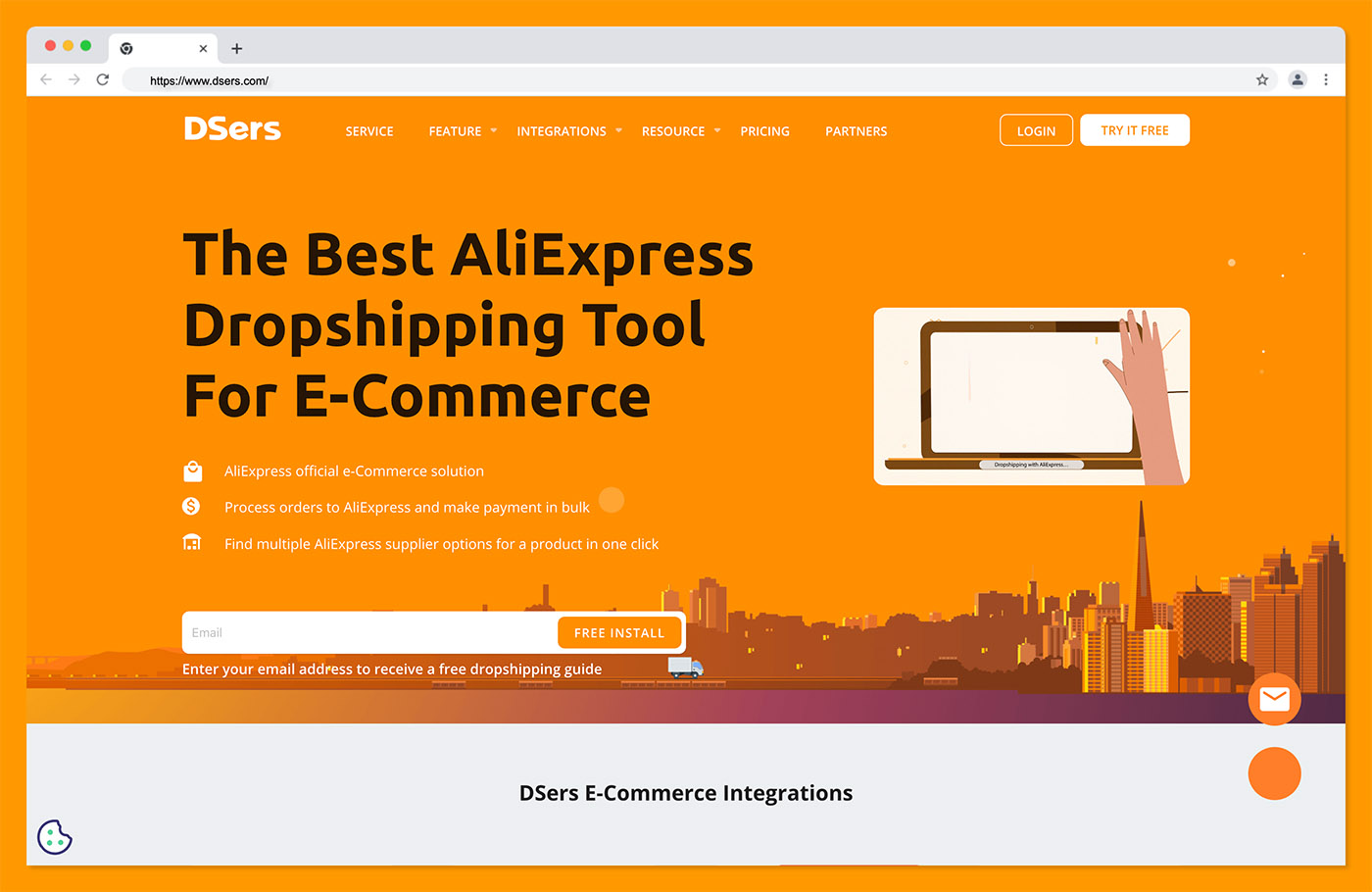
DSers has emerged as the premier alternative for merchants looking to slash operational overhead. By leveraging an official partnership with AliExpress, DSers allows for the seamless management of bulk orders, which is critical for scaling.
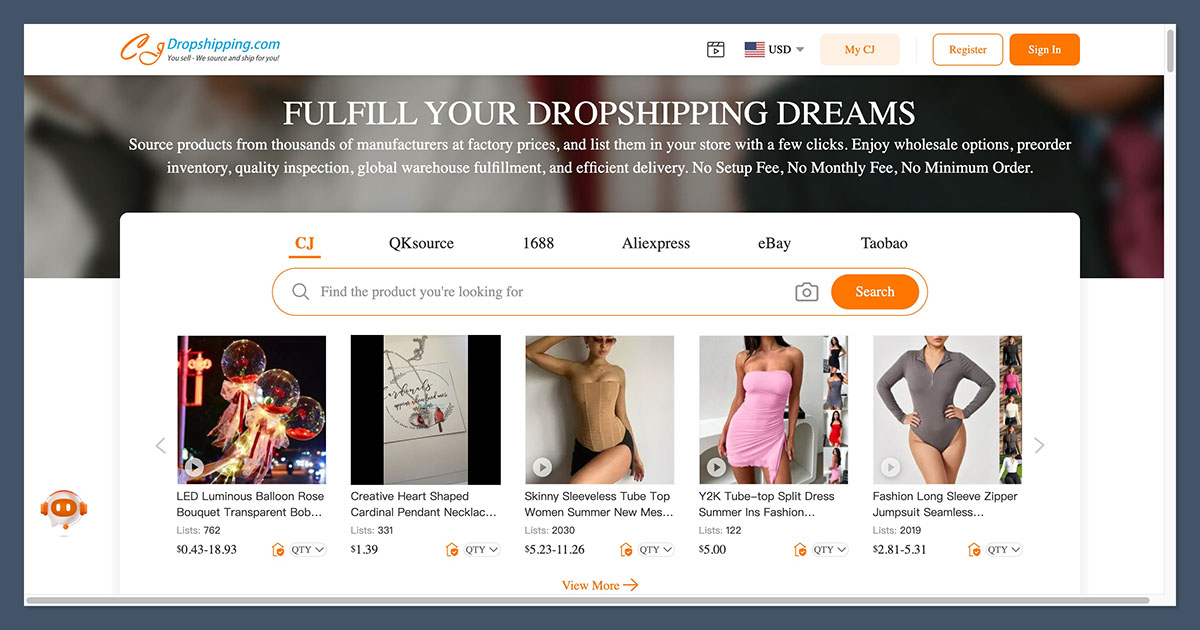
- Key Advantage: The "Basic" plan is entirely free, supporting up to three stores and 3,000 products. This creates an immediate cost saving of nearly $1,000 per year compared to comparable premium tiers.
- Operational Trade-off: While the software is robust, it does not function as a fulfillment network. Merchants are still sourcing from global suppliers, meaning shipping times are often contingent upon the specific supplier’s efficiency rather than a centralized warehouse guarantee.
AutoDS: The Multi-Channel Powerhouse
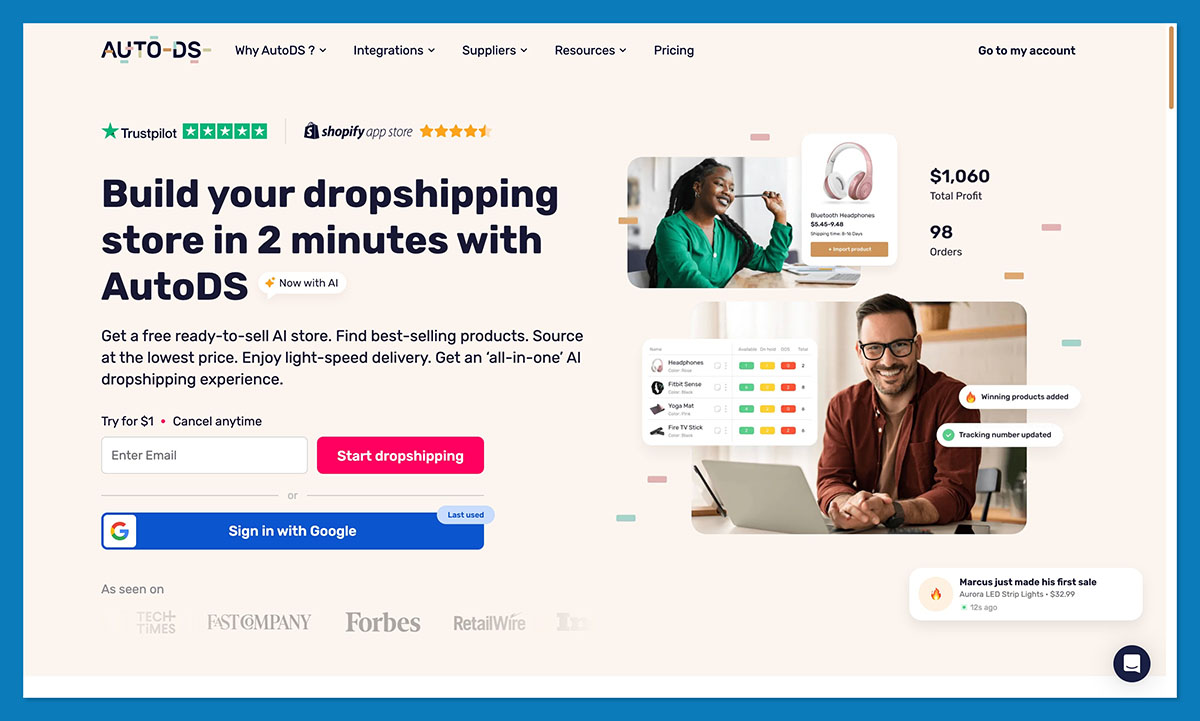
AutoDS is the preferred solution for merchants operating across multiple platforms, including Amazon, Etsy, and eBay.
- Strategic Value: Unlike Zendrop, which is primarily optimized for Shopify, AutoDS offers native integrations with eight distinct sales channels. This makes it an ideal tool for cross-platform inventory management.
- Market Context: Following the acquisition of AutoDS by Fiverr in 2024, the platform has integrated advanced product research features that help merchants identify winning products before they hit saturation. However, users should note that automation features, such as auto-ordering, often require additional monthly fees.
CJ Dropshipping: The Domestic Logistics Specialist
For brands prioritizing fast, domestic shipping within the United States and Europe, CJ Dropshipping remains the industry standard.
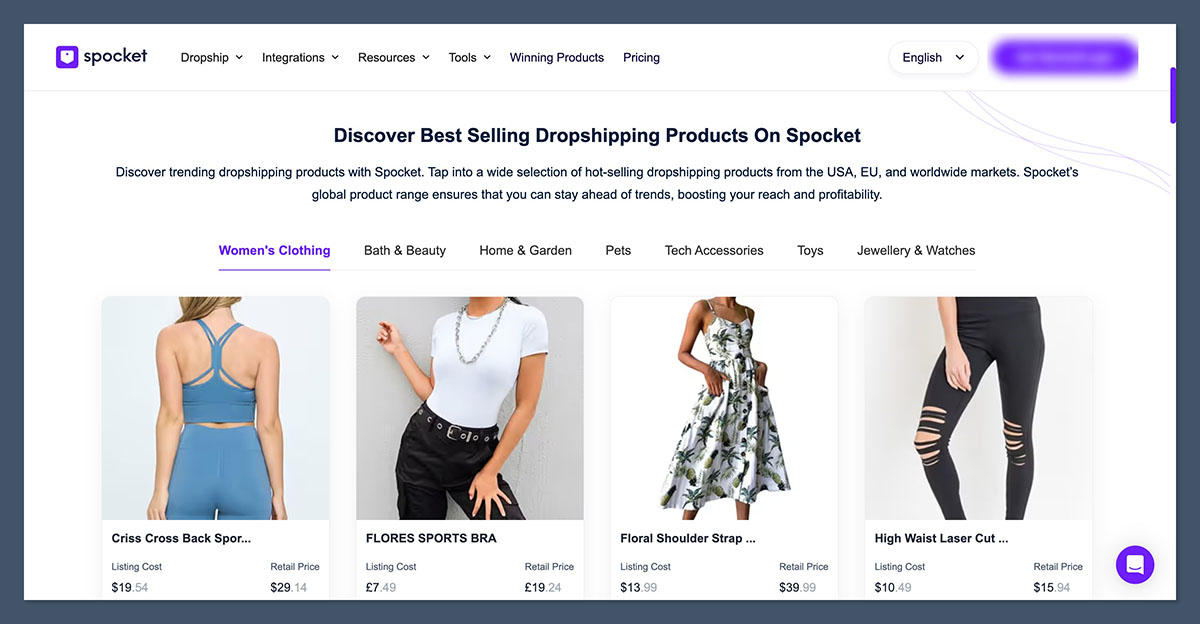
- Logistics Focus: By maintaining physical warehouses in key regions like Kentucky and Los Angeles, CJ enables delivery windows of three to eight business days.
- Branding Capability: Unlike Zendrop’s rigid approval process for private-label goods, CJ offers a more accessible path for custom packaging, including branded mailers and inserts, which is a major factor for brands seeking to build long-term customer loyalty.
Spocket and EPROLO: Boutique and Budget Solutions
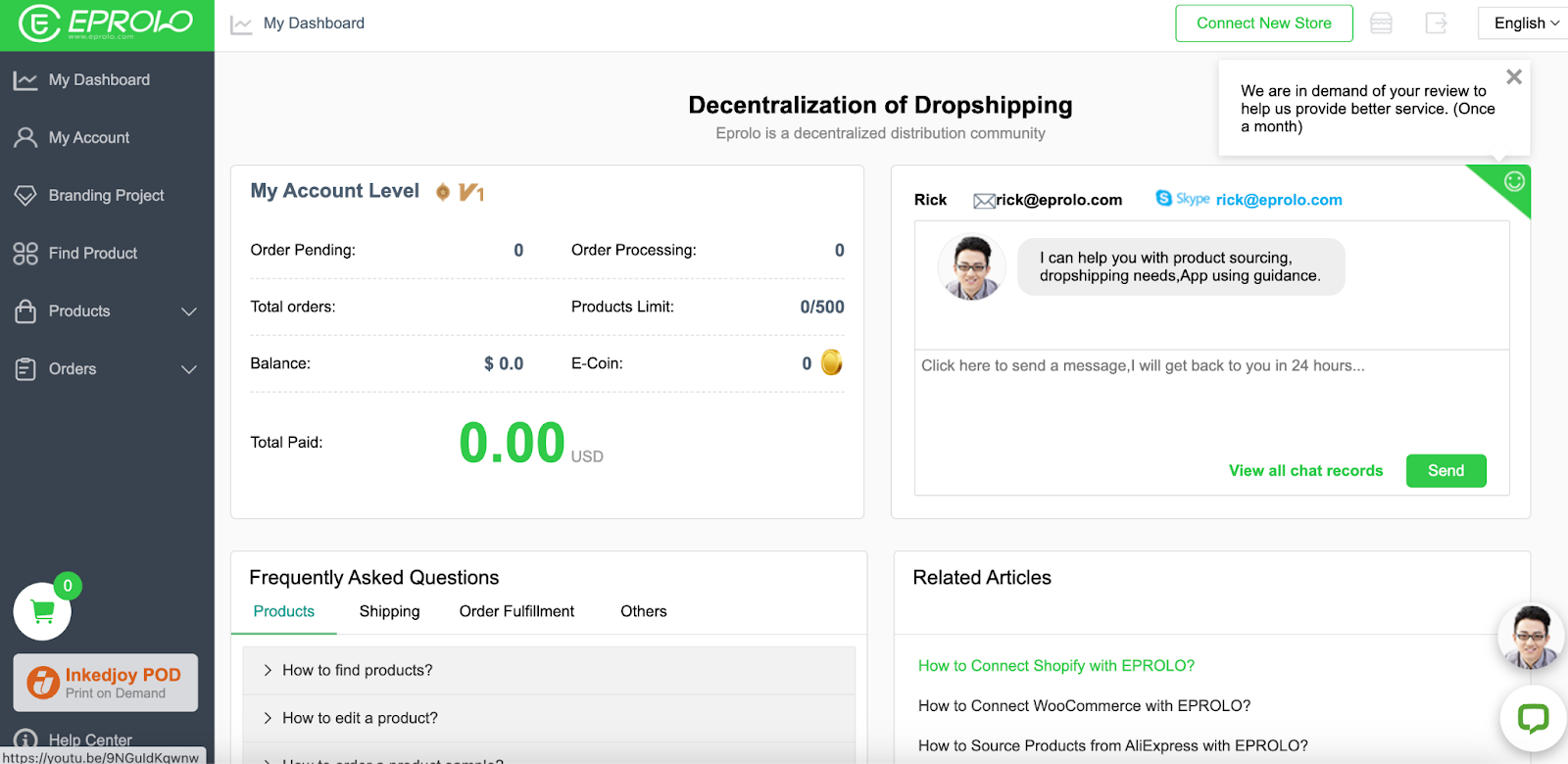
Spocket caters to the mid-market segment, specifically those targeting the US and EU markets. Its catalog is heavily curated to avoid the quality issues often associated with generic dropshipping items. Meanwhile, EPROLO serves as the most viable entry point for "branding on a budget." Its $19.90/year "Branding Lite" add-on provides access to custom labels and hangtags, offering a low-friction entry point for entrepreneurs who are not yet ready to commit to high-volume private label manufacturing.
Data-Driven Performance Metrics
The decision to migrate from one platform to another is not purely financial; it is a strategic logistical choice. In our testing, we utilized a standardized Shopify environment to compare order synchronization speeds and product mapping success rates.
| Platform | Best Use Case | Primary Limitation |
|---|---|---|
| DSers | Subscription cost reduction | No internal fulfillment network |
| AutoDS | Multi-channel automation | No permanent free plan |
| CJ Dropshipping | Domestic (US/EU) speed | Inconsistent warehouse stock |
| Spocket | Premium EU/US sourcing | Higher per-unit product costs |
| EPROLO | Budget branding | Potential for stock-outs |
The "Switching" Protocol: Ensuring Continuity
A common concern for store owners is the fear of breaking live listings during a transition. Industry experts emphasize that a "re-mapping" strategy is superior to a "delete-and-re-import" strategy. By maintaining the original product handle and URL in Shopify and simply updating the supplier source within the new application, merchants can ensure that SEO rankings, customer reviews, and historical data remain intact.
Step-by-Step Transition Strategy:
- Inventory Audit: Export your current product list, including SKUs, descriptions, and current price points.
- Sample Testing: Before disconnecting your current provider, place a sample order through the new app to verify the quality and the actual shipping duration.
- Variant Mapping: Dedicate time to ensure that variants (size, color, material) are correctly mapped to the new supplier’s IDs to prevent shipping errors.
- Phased Migration: Begin by migrating only your top 10% of performing products. Once the order sync is validated for 72 hours, proceed with the remaining catalog.
Implications of Platform Consolidation
The broader impact of this shift is the commoditization of the dropshipping software itself. As AI-driven supplier mapping becomes standard—as seen with DSers’ recent AI optimization features—the competitive advantage is shifting away from software features and toward supplier relationship management.
Retailers should view these platforms not as permanent partners, but as tools that may need to be swapped as their store grows. A store starting with DSers to minimize costs may eventually pivot to CJ Dropshipping as they prioritize faster shipping and custom packaging to increase their average order value (AOV).
Final Assessment
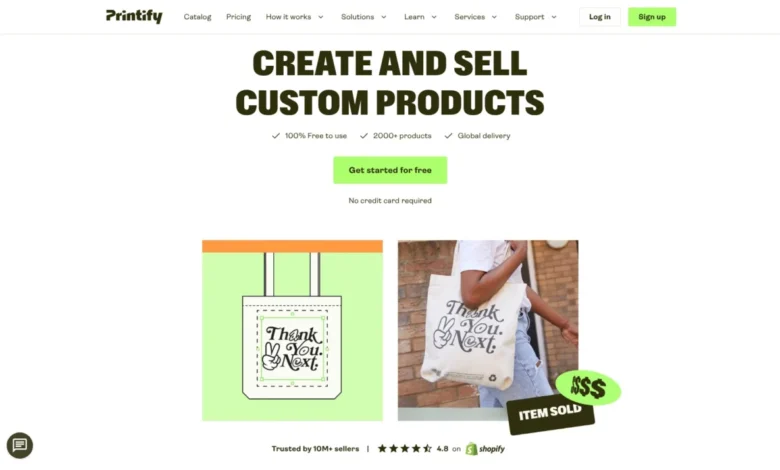
The choice to replace a platform like Zendrop should be driven by specific operational pain points. If the primary challenge is cost, the migration to DSers or the adoption of CJ Dropshipping’s no-subscription model is advisable. If the challenge is brand identity and customer experience, the investment in Printify for print-on-demand or the use of EPROLO for custom packaging is the most logical step.
As we look toward the remainder of 2026, the most successful merchants will be those who remain platform-agnostic, choosing the best tool for the specific product niche they are currently serving. Regardless of the choice, the focus must remain on the customer experience—specifically, delivery reliability and packaging quality—as these factors remain the most significant drivers of customer retention in an increasingly crowded e-commerce space.
Related posts: