LimeWire Launches Developer API to Democratize Generative AI Integration for Global Creators

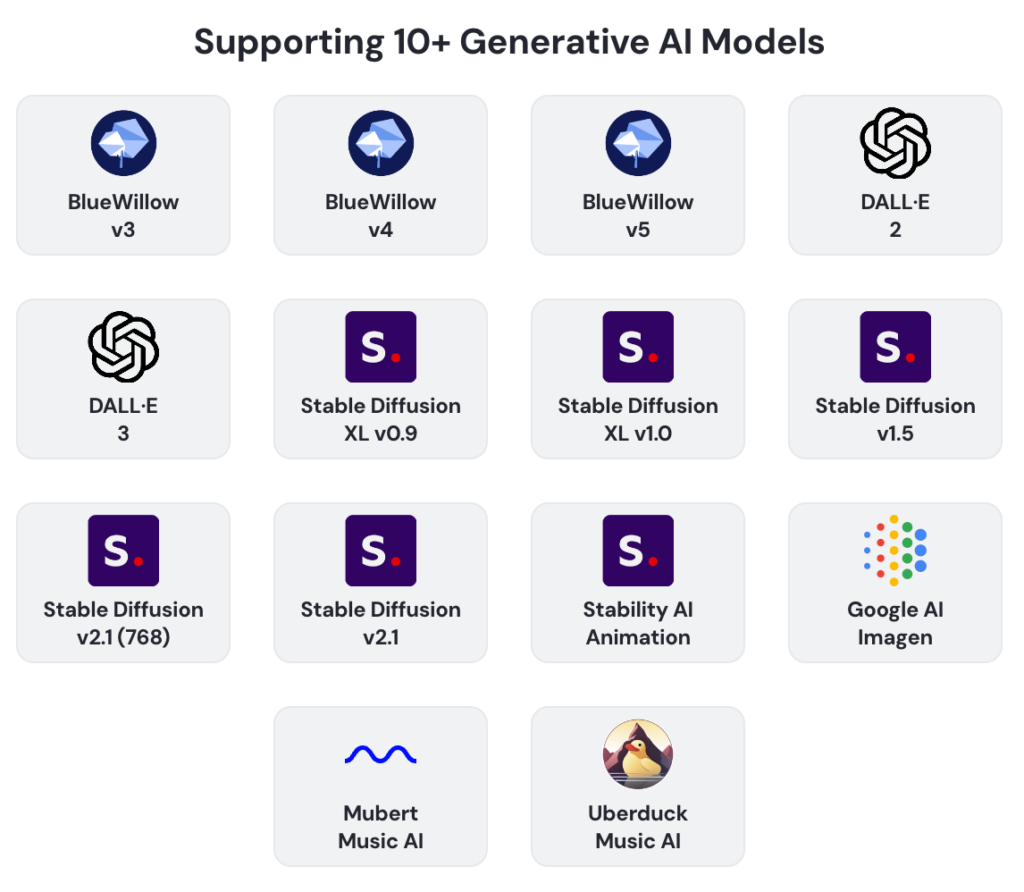
The landscape of digital content creation underwent a significant shift this week as LimeWire announced the official release of its Developer API, a robust interface designed to allow engineers and software developers to integrate sophisticated generative AI capabilities directly into their own platforms. While LimeWire has successfully pivoted from its historical roots as a file-sharing service to a prominent hub for AI-generated media, this new release marks a strategic transition toward becoming a foundational infrastructure provider in the rapidly expanding artificial intelligence ecosystem. By providing programmatic access to image generation and upscaling tools, LimeWire is positioning itself as a middleware provider for a generation of developers looking to automate visual storytelling without the need for bespoke machine learning pipelines.
The Evolution of the LimeWire Brand
To understand the significance of this release, one must consider the trajectory of LimeWire over the past three years. Following a long period of dormancy after its initial closure in 2010, the brand was acquired and relaunched in 2022 with a focus on digital collectibles and, eventually, generative artificial intelligence. The platform’s transition into an AI-centric studio was driven by the surge in demand for intuitive tools that allow average users to produce high-fidelity artistic content.
The launch of the Developer API follows a series of incremental updates to the platform’s web-based studio, which currently boasts a suite of tools for image creation, video generation, and musical composition. By moving the API into public release, LimeWire is effectively opening its backend engine to external ecosystems, allowing developers to call upon its models to create dynamic, on-the-fly assets.
Technical Specifications and Implementation
The newly released API offers a straightforward RESTful architecture, prioritizing ease of implementation for developers. The documentation outlines two primary workflows: image generation via text-to-image prompts and high-resolution upscaling for existing assets.
For image generation, the process requires a standard POST request directed to the /image/generation endpoint. Developers must provide a descriptive prompt and define the desired aspect ratio. The system is designed to handle the heavy computational load, returning a generated image asset in response. This removes the "cold start" problem for many developers who would otherwise have to manage GPU clusters or third-party cloud-based AI environments.

The upscaling functionality, accessed through the /image/upscaling endpoint, allows for a 4x increase in image resolution. This feature is particularly valuable for e-commerce, content management systems (CMS), and social media platforms where low-resolution generated images often require refinement before being displayed in professional environments. By offloading these intensive upscaling processes to LimeWire’s servers, external platforms can maintain faster performance and lower latency.
Market Context: The Demand for Integrated AI
The move by LimeWire comes amidst a broader industry trend toward the "API-fication" of generative AI. According to recent market analysis from firms such as Gartner and Forrester, the generative AI market is expected to grow at a compound annual growth rate (CAGR) of over 30% through 2030. Much of this growth is predicated on the ability of non-specialized applications to "plug in" to advanced models.
Historically, integrating AI into a website or application was a prohibitive endeavor for small-to-medium enterprises due to the high costs of training proprietary models and the logistical challenges of infrastructure management. Platforms like LimeWire, alongside competitors such as OpenAI and Midjourney, are creating a new market tier where high-quality generative capabilities are treated as a utility, similar to cloud storage or payment processing.
The implications for the publishing and blogging sectors are substantial. Currently, many content creators spend significant time navigating stock image databases to find visual representations that align with their written work. The integration of a generative API allows for a dynamic workflow: a CMS could theoretically analyze the sentiment or keyword density of a drafted article and automatically generate a bespoke featured image, significantly reducing administrative overhead and licensing costs associated with traditional stock photography.
Industry Implications and Ethical Considerations
While the technical ease of the API is a major selling point, the release also highlights the ongoing discourse regarding copyright, provenance, and the ethical use of generative AI. As developers begin to bake these tools into third-party applications, the question of content ownership becomes paramount. LimeWire’s current model emphasizes the "creator" aspect, suggesting that the integration is intended to empower individual expression. However, the integration of these APIs into larger corporate workflows necessitates a clearer understanding of terms of service regarding the commercial rights of generated assets.
From a technical standpoint, the reliance on a single API provider creates a "vendor lock-in" scenario. Developers must weigh the convenience of LimeWire’s API against the necessity of maintaining flexibility should the service provider change its pricing or model architecture. Nevertheless, for startups and independent developers, the speed-to-market advantage offered by such APIs often outweighs the risks of long-term dependency.
A Chronology of Recent Advancements
The rollout of the Developer API is the culmination of a roadmap established by LimeWire in late 2023. Key milestones include:
- Q4 2023: Expansion of the LimeWire web studio to include video-to-video generation and advanced style transfer tools.
- January 2024: Introduction of internal token systems to incentivize creators within the LimeWire ecosystem.
- March 2024: Beta testing of the Developer API among a select group of independent contractors and partner software houses.
- Late March 2024: Official public release of the Developer API, accompanied by full documentation and support resources.
The Broader Impact on Digital Infrastructure
The democratization of these tools marks a fundamental shift in the relationship between software developers and creative assets. Previously, digital assets were static entities—images uploaded once and served indefinitely. With the advent of APIs like LimeWire’s, assets can become fluid, generated in real-time based on user behavior, environmental context, or real-time data feeds.
For instance, a personalized news app could generate a unique hero image for every single user, tailored to their specific interests or the specific nuance of the article they are reading. This level of hyper-personalization was previously the domain of massive tech giants with their own internal research labs. By providing this capability to the general developer population, LimeWire is effectively flattening the playing field.
Future Outlook and Strategic Direction
Looking forward, industry observers anticipate that the next phase of this rollout will include advanced features such as fine-tuning models on specific datasets, increased rate limits for enterprise-level partners, and potentially the integration of multimodal capabilities (such as generating audio or sound effects alongside visual assets).
The success of this initiative will likely depend on the stability of the API and the transparency of the model’s evolution. As developers integrate these endpoints into production-grade applications, the requirement for 99.9% uptime and consistent output quality will become the primary benchmark for success.
Ultimately, LimeWire’s decision to open its doors to developers suggests a move away from the "walled garden" approach of many consumer-facing AI apps. By positioning itself as a backbone for other applications, the company is betting that the future of AI is not just in the hands of those who use the website, but in the hands of the engineers who build the internet. Whether this move will be sufficient to secure a long-term foothold in an increasingly crowded generative AI marketplace remains to be seen, but the initial technical offering provides a compelling argument for developers to begin experimenting with the capabilities of the LimeWire platform. As the digital economy continues to favor automation and real-time content generation, the ability to programmatically access high-quality AI assets is no longer a luxury—it is becoming a standard requirement for competitive digital products.