Beyond the First Page: How AI Search Engines Use Query Fan-Out to Reshape Content Visibility

The traditional search engine optimization (SEO) playbook is undergoing a radical structural transformation. For decades, digital marketers operated under a straightforward paradigm: secure a top-three ranking on Google, capture the majority of click-through traffic, and maintain authority through backlinks and targeted keywords. However, the rapid proliferation of generative artificial intelligence and Large Language Models (LLMs)—including ChatGPT, Perplexity, Claude, and Google AI Overviews—has decoupled traditional ranking positions from actual brand citations. Data indicates that a website can successfully rank on the first page of traditional search engine results pages (SERPs) while remaining entirely ignored by conversational AI systems.
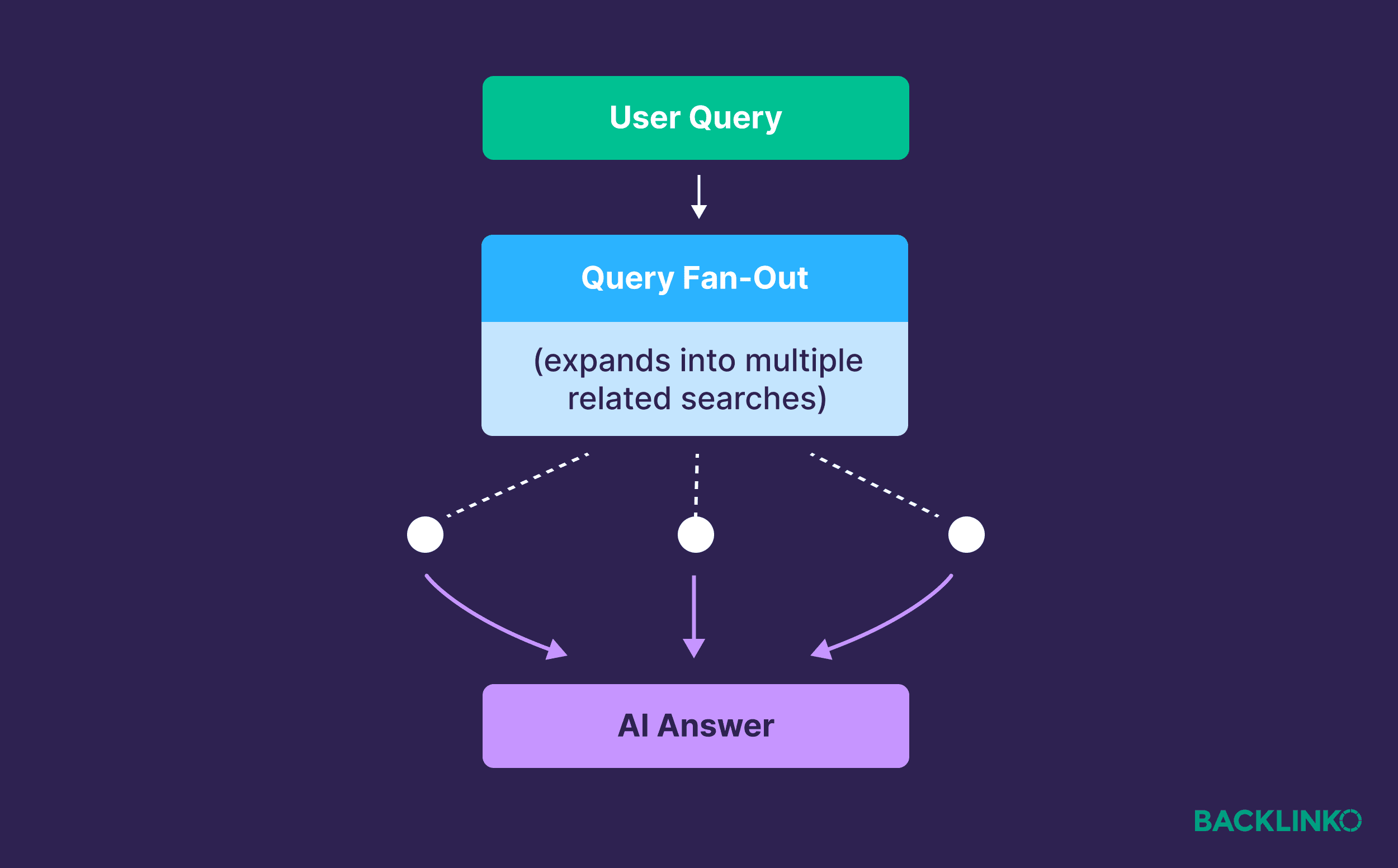
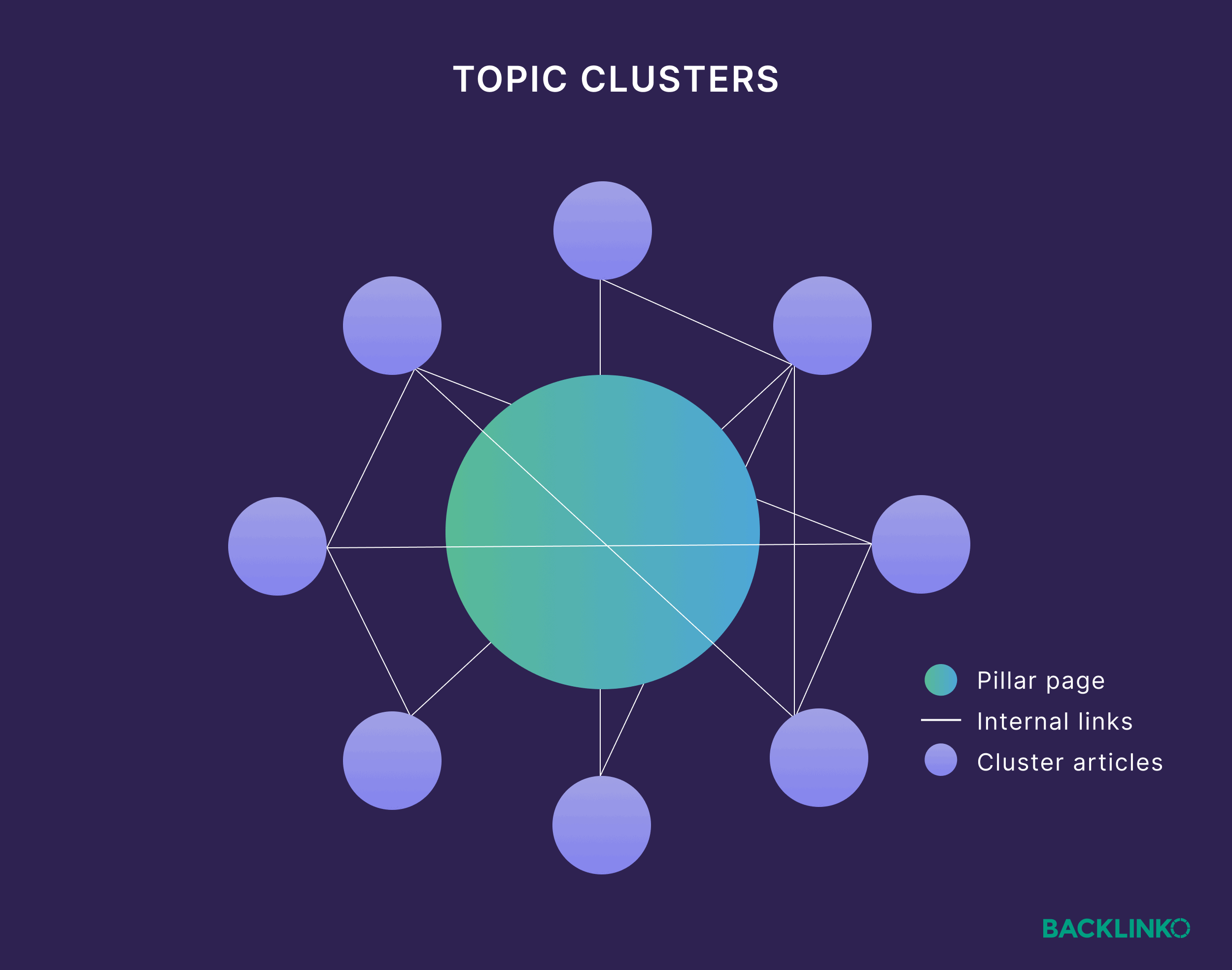
Understanding this disconnect requires analyzing a core background mechanism utilized by modern AI search engines known as "query fan-out." As consumer search behavior shifts away from short, fragmented keyword strings toward conversational, multi-intent prompts, AI systems must adapt their information retrieval processes. Rather than treating a user prompt as a monolithic query that maps directly to a single top-ranking web page, generative AI engines break down a single user request into multiple related sub-queries behind the scenes. This architectural shift means that digital visibility in the age of AI search is no longer governed solely by page-level ranking power, but by comprehensive topic coverage, content retrievability, and granular passage extraction.
The Mechanics of Query Fan-Out and Information Synthesis
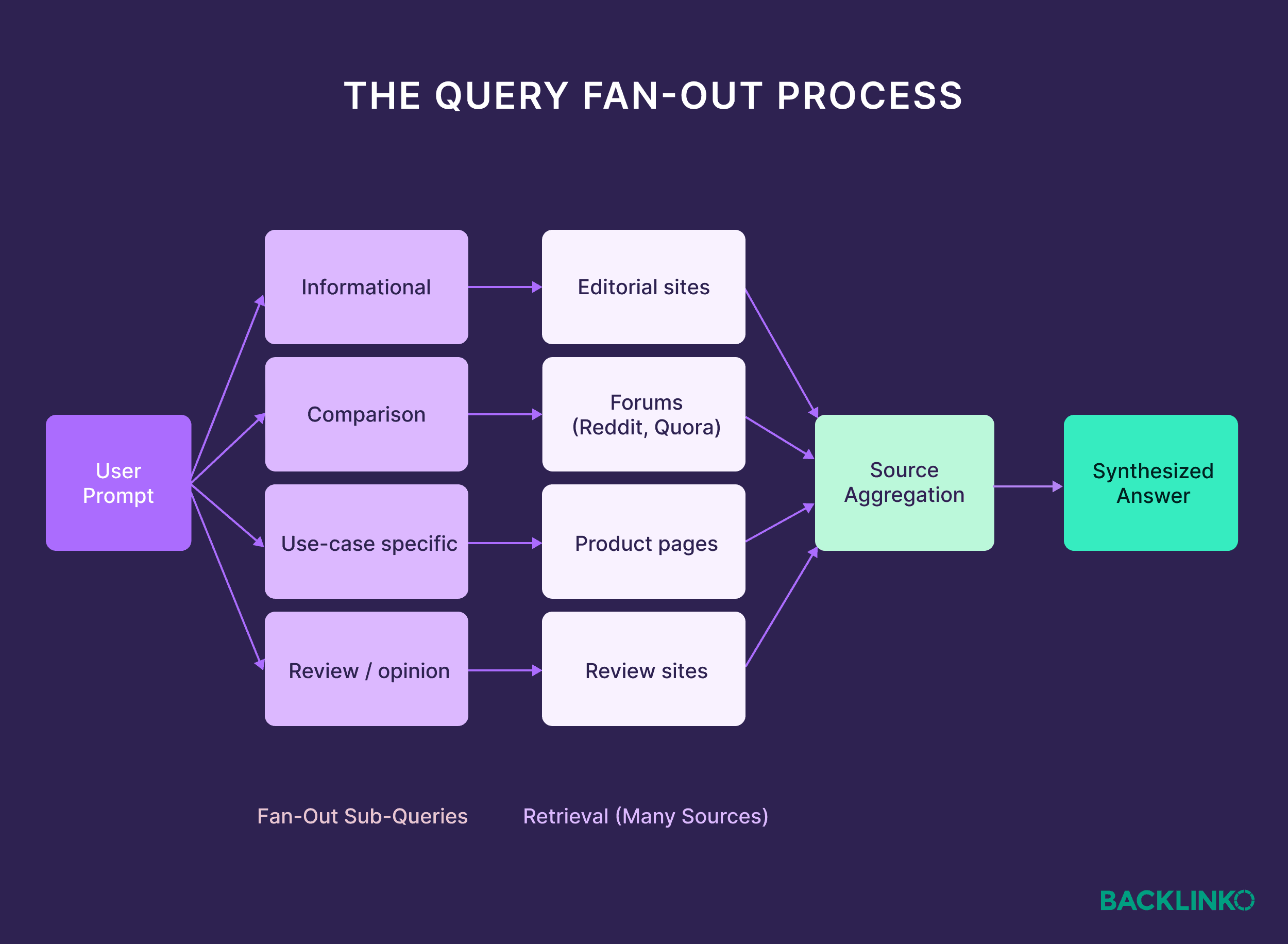
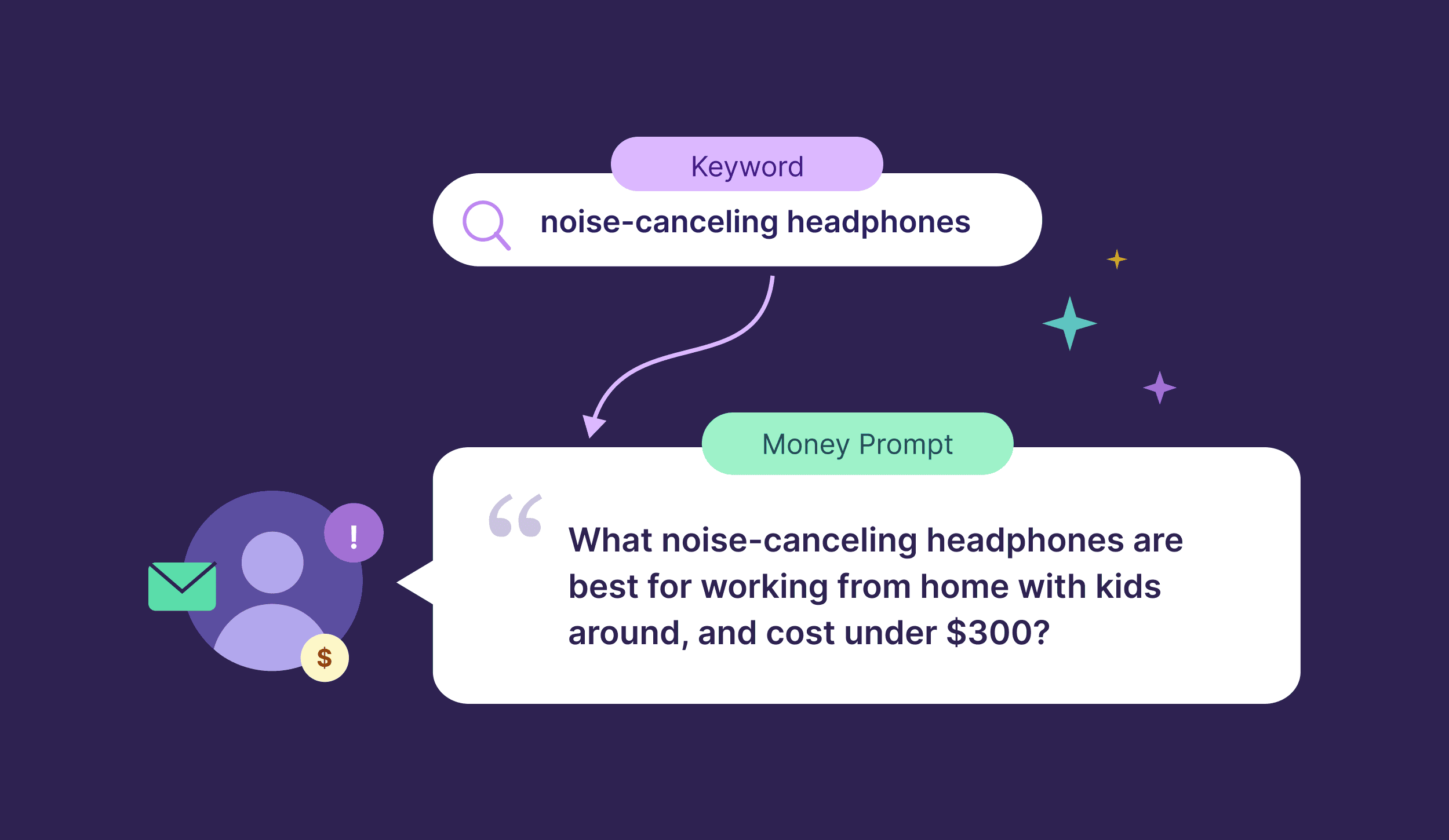
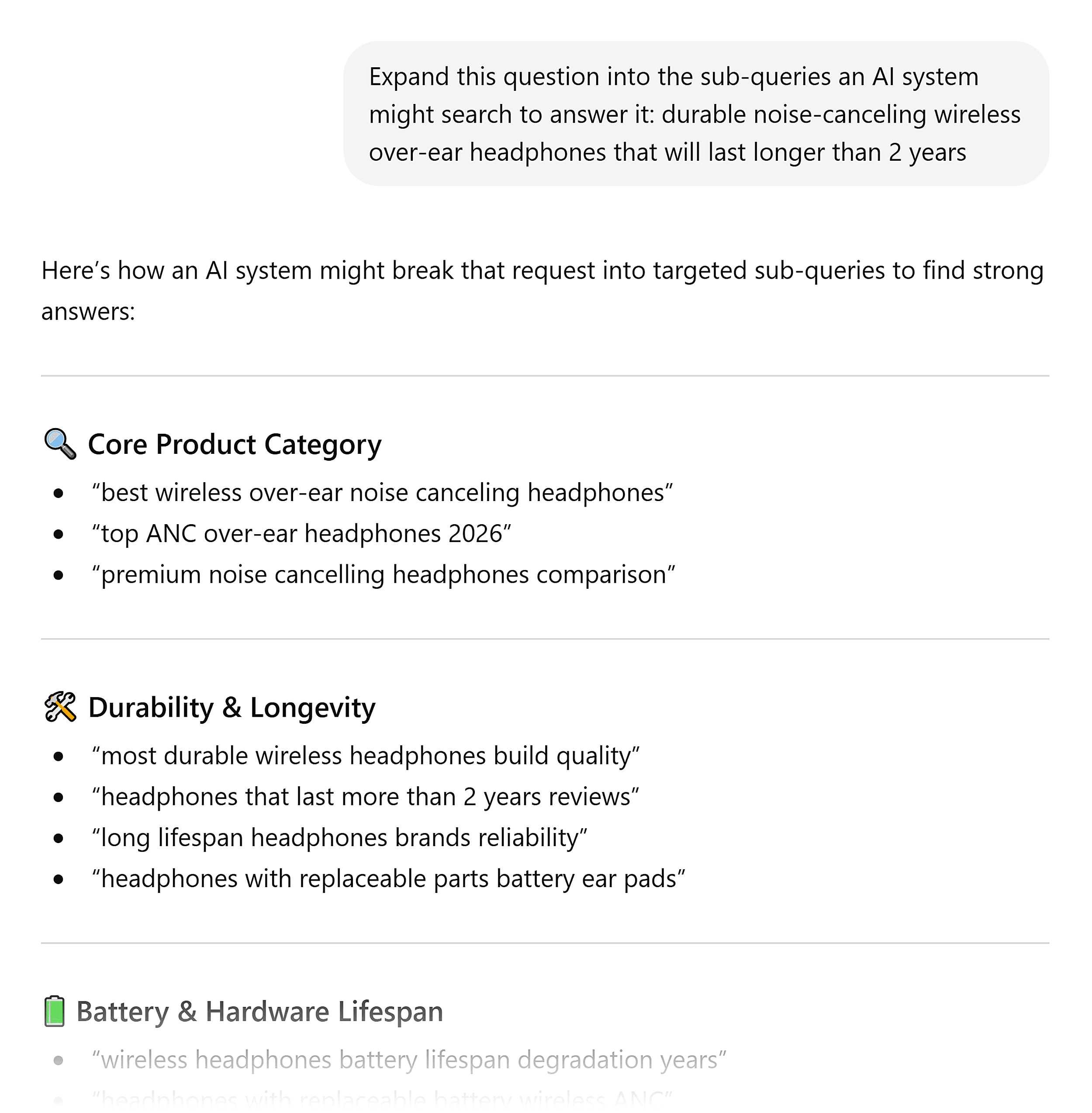
To understand why traditional SEO metrics are failing to fully capture AI search traffic, digital strategists must examine the step-by-step mechanics of how LLMs construct answers. When a user inputs a conversational query—often referred to in modern optimization as a "money prompt"—the AI system initiates an internal reasoning phase. During this phase, the algorithm engages in query expansion, fragmenting the primary user intent into a series of derivative sub-questions designed to cover every possible dimension of the topic.
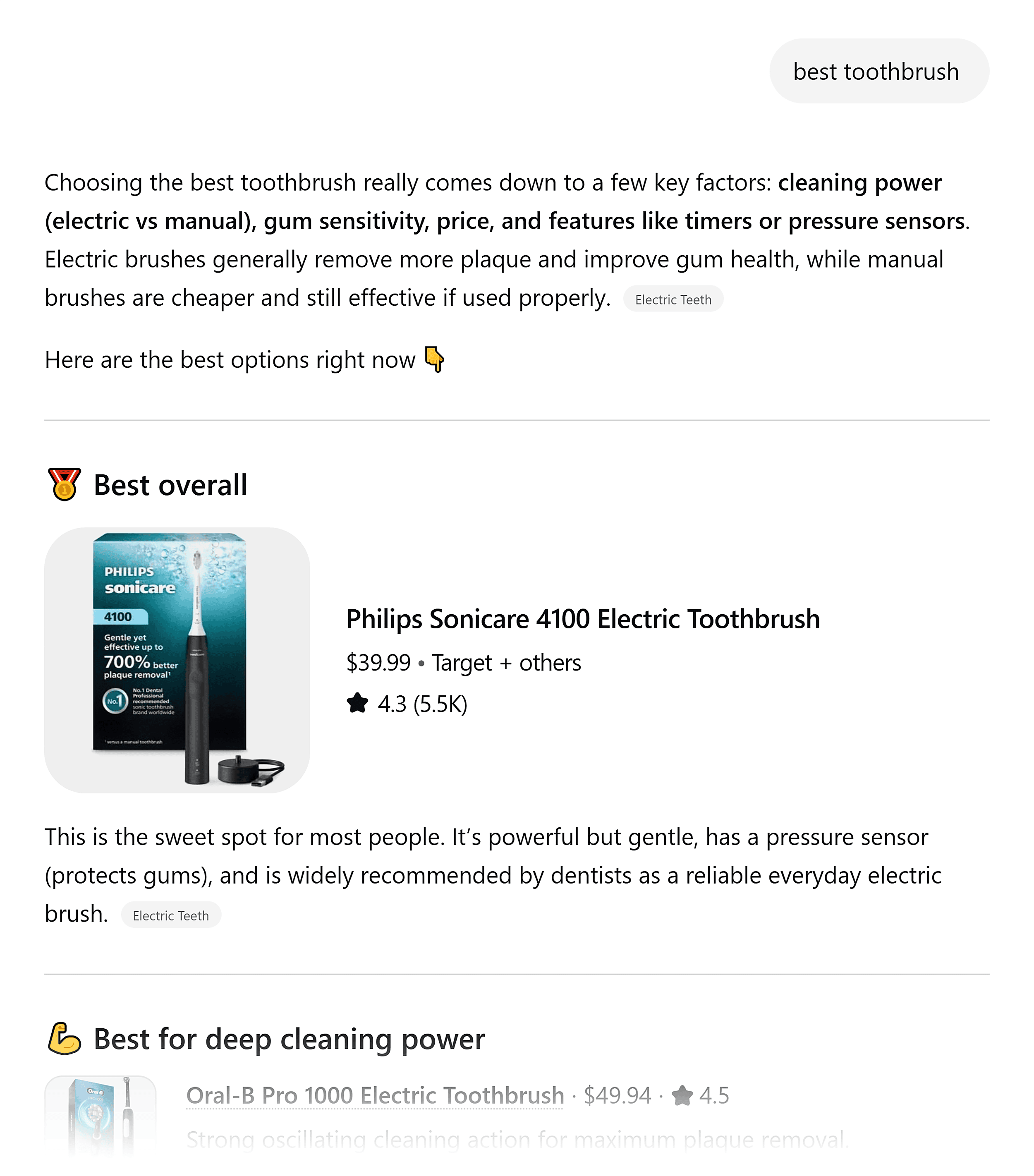
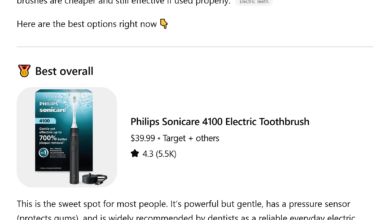
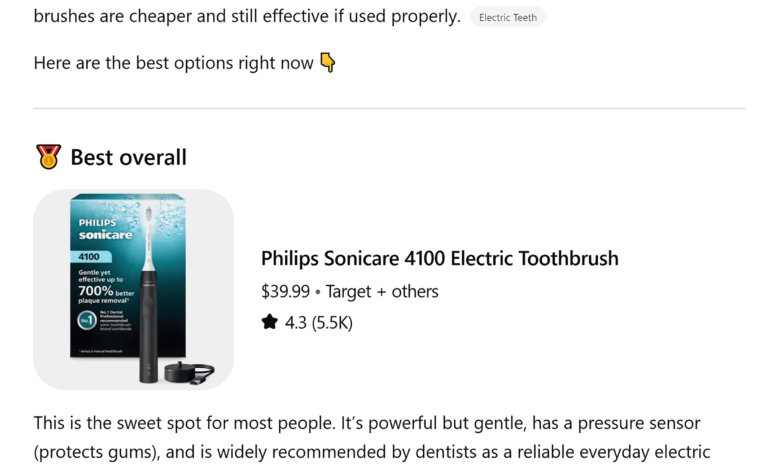
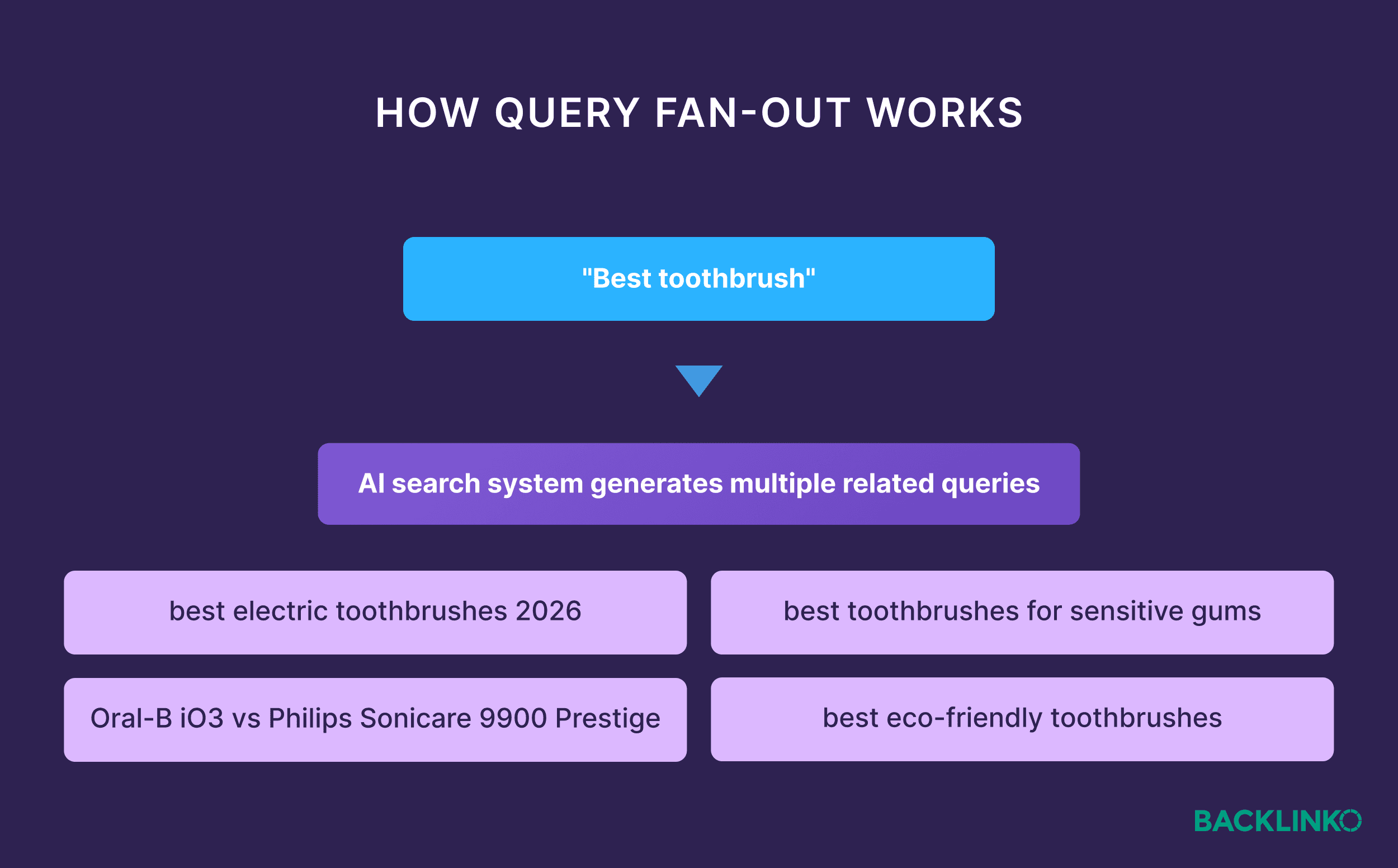
For example, a user asking an AI assistant to recommend the "best toothbrush" is not issuing a simple keyword command. Behind the scenes, the AI executes a query fan-out process that might trigger parallel sub-searches such as "best electric toothbrushes of the current year," "best toothbrushes for sensitive gums," "Oral-B versus Philips Sonicare head-to-head performance," and "affordable eco-friendly toothbrushes."
By executing these sub-queries simultaneously, the AI casts a wide net across the web index. It aggregates editorial reviews from authoritative publications, crowd-sourced user opinions from platforms like Reddit, and specific product specification pages. It then synthesizes these disparate data points into a single, cohesive, multi-faceted response. Consequently, if a brand’s content only addresses the high-level term but lacks deep, structured coverage of the specific sub-queries generated during the fan-out process, the LLM will bypass that brand entirely in favor of more comprehensive secondary sources.
Empirical Evidence and the Shift in Citation Dynamics
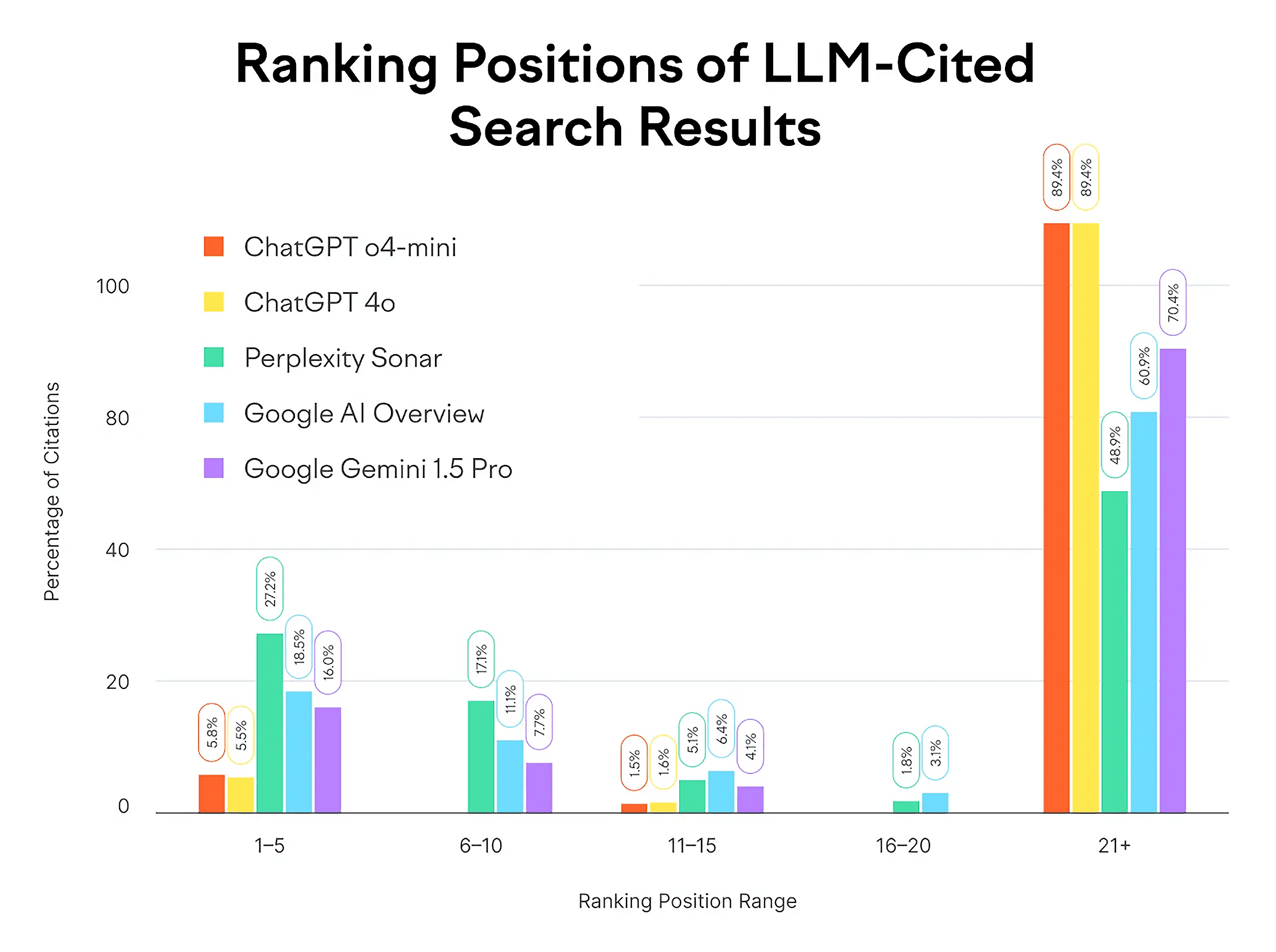
Recent empirical studies highlight the stark divergence between traditional search visibility and LLM citation patterns. An extensive analysis conducted by Semrush revealed that ChatGPT cites web pages residing beyond the top 20 traditional ranking positions in nearly 90% of instances. Similarly, a comprehensive data review of over 1.2 million ChatGPT responses by digital growth strategist Kevin Indig demonstrated that LLMs do not consume or evaluate content as monolithic pages; instead, they parse specific passages.
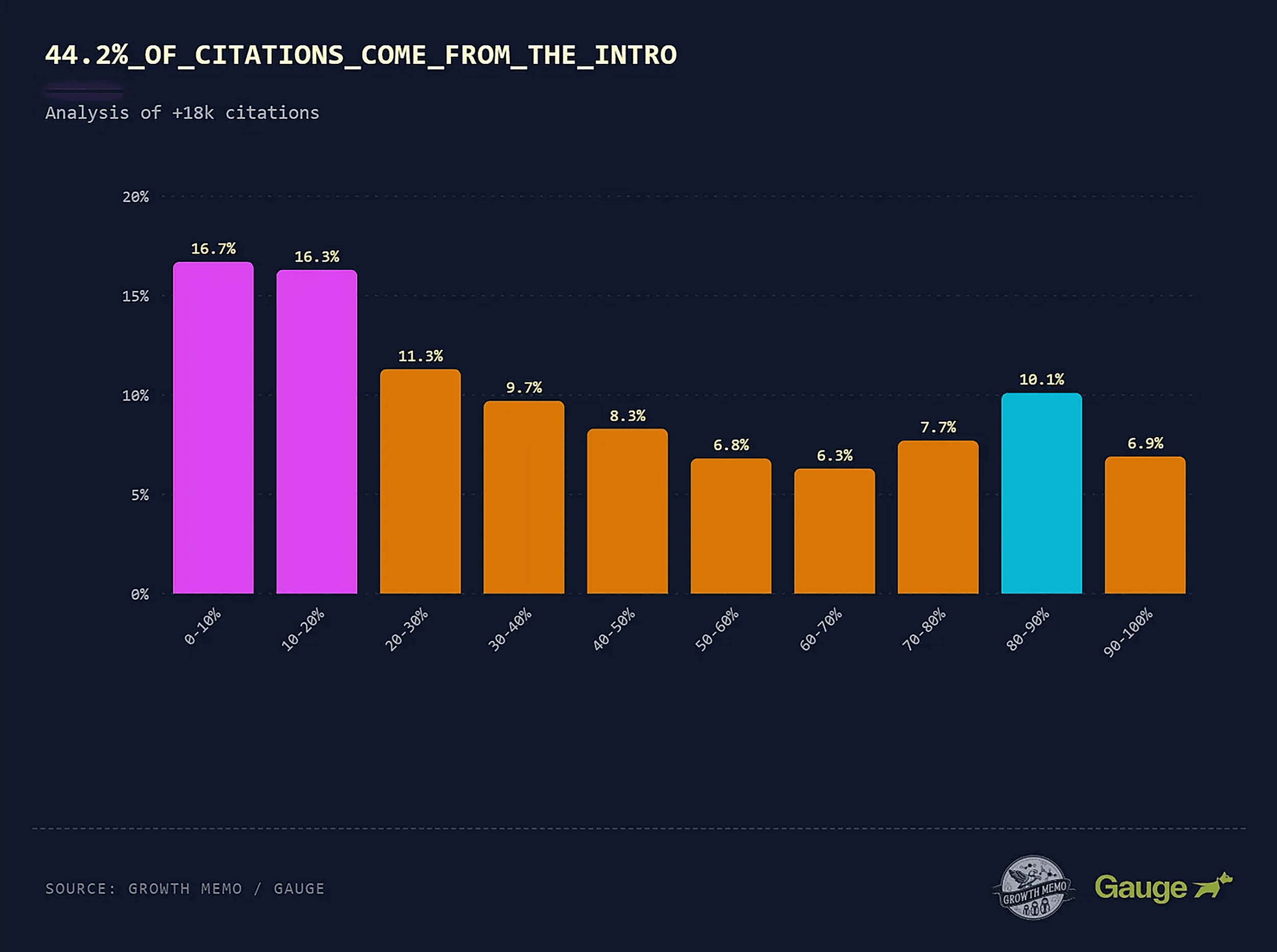
Indig’s research found that 44.2% of all AI citations originate from the first 30% of a referenced web page. An additional 31.1% of citations are pulled from the middle sections, while only 24.7% come from the final third of a document. This distribution underscores a critical technical reality: AI systems prioritize high-density, easily extractable answers located early within a document structure. If an authoritative answer is buried beneath excessive introductory prose or spread thinly across a lengthy article, the AI retrieval mechanism is less likely to successfully parse and cite the passage.
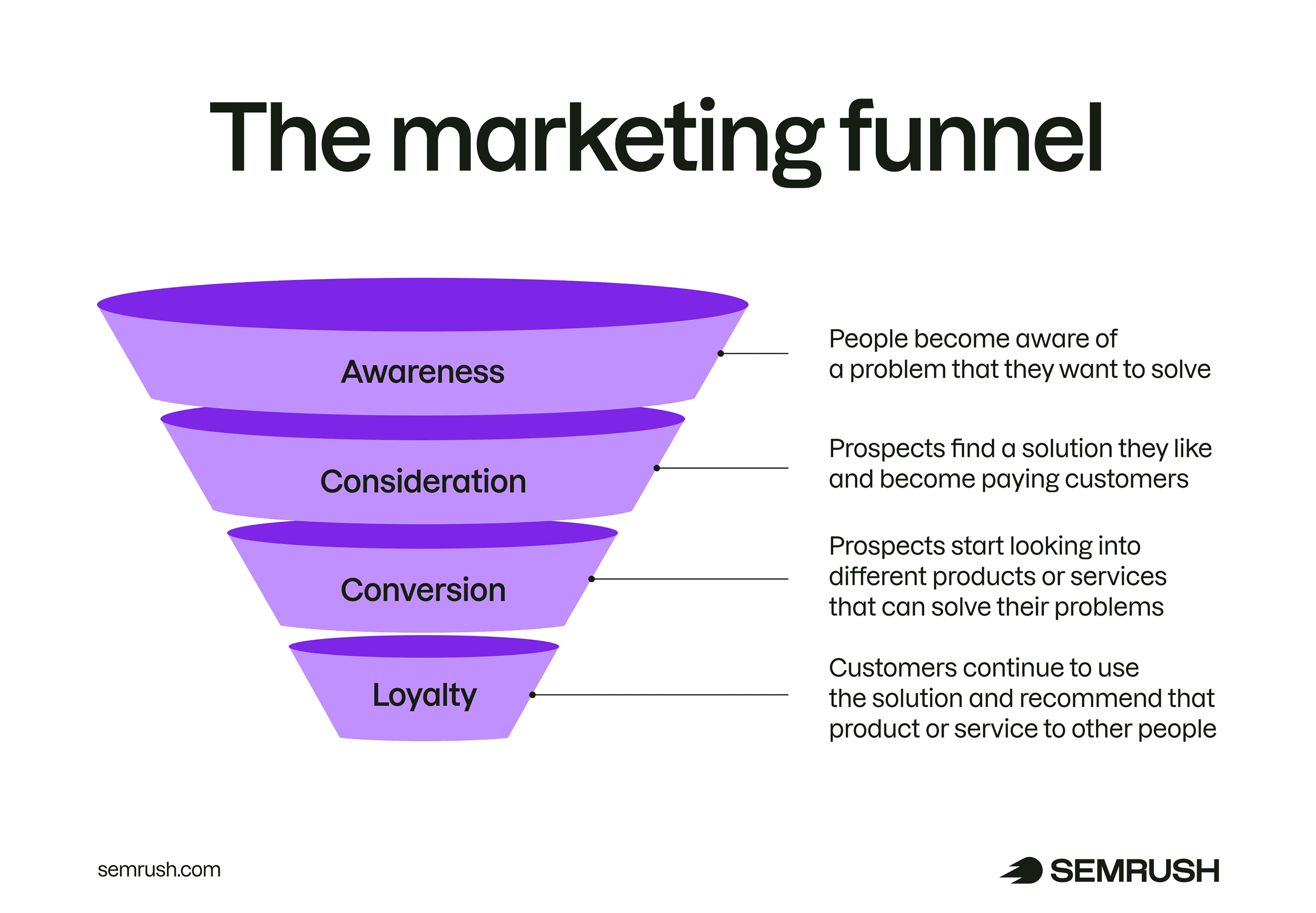
Furthermore, this operational shift has compressed the traditional marketing funnel. Historically, consumer behavior was modeled as a linear progression spanning awareness, consideration, and decision phases, with marketers developing distinct content assets tailored to each specific stage. Query fan-out collapses this entire journey into a single micro-interaction. A single user prompt immediately triggers the AI to retrieve awareness-level definitions, consideration-level comparative data, and decision-level pricing specifications concurrently. As a result, content must be structured to accommodate multi-intent navigation within a single digital asset.

Strategic Implications for Content Architecture and Optimization

Adapting to the era of query fan-out requires a fundamental revision of digital content strategies. Organizations can no longer rely on single-keyword optimization models. Instead, modern optimization demands a six-step workflow designed to capture high-impact sub-queries and establish comprehensive topical authority.
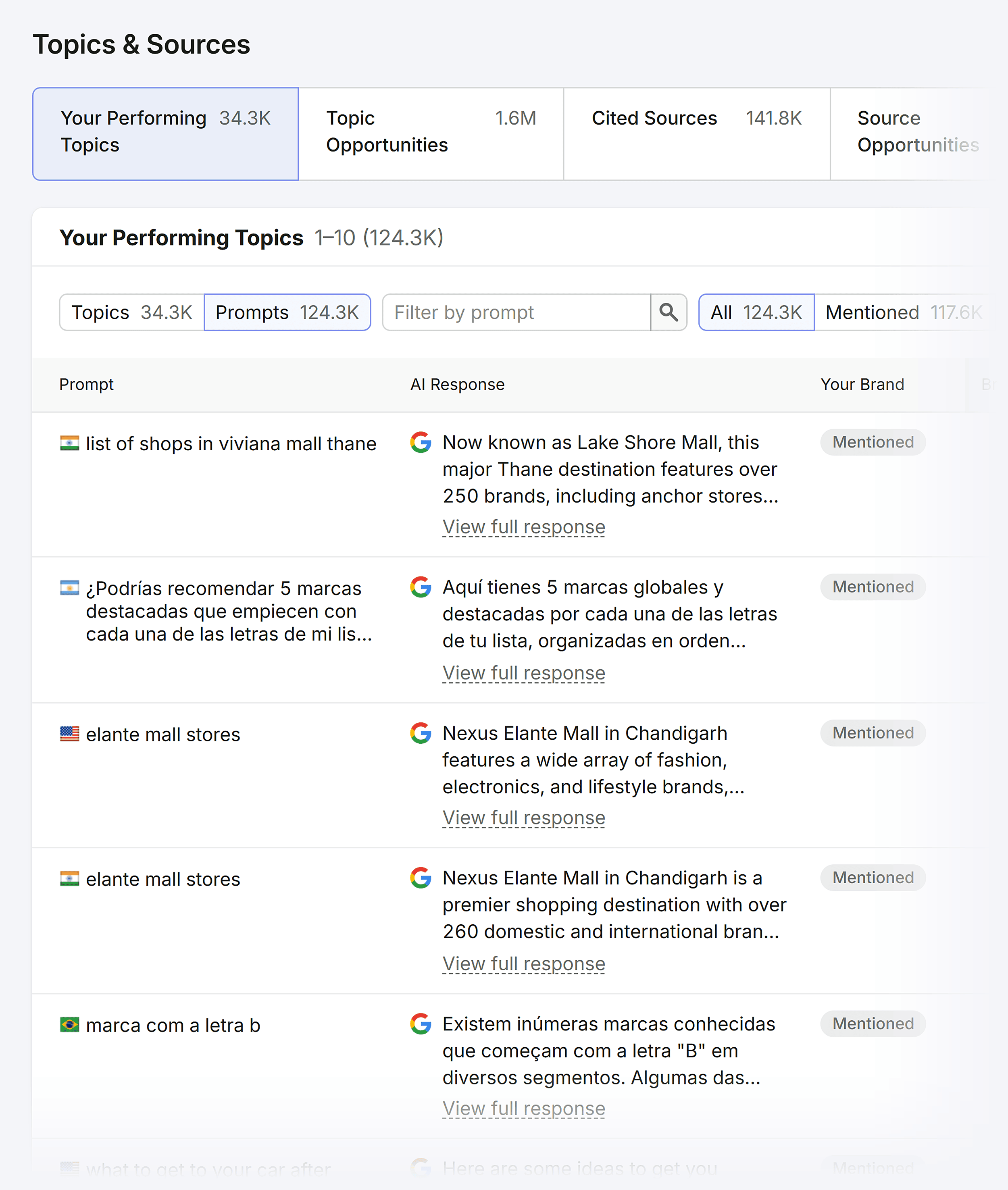
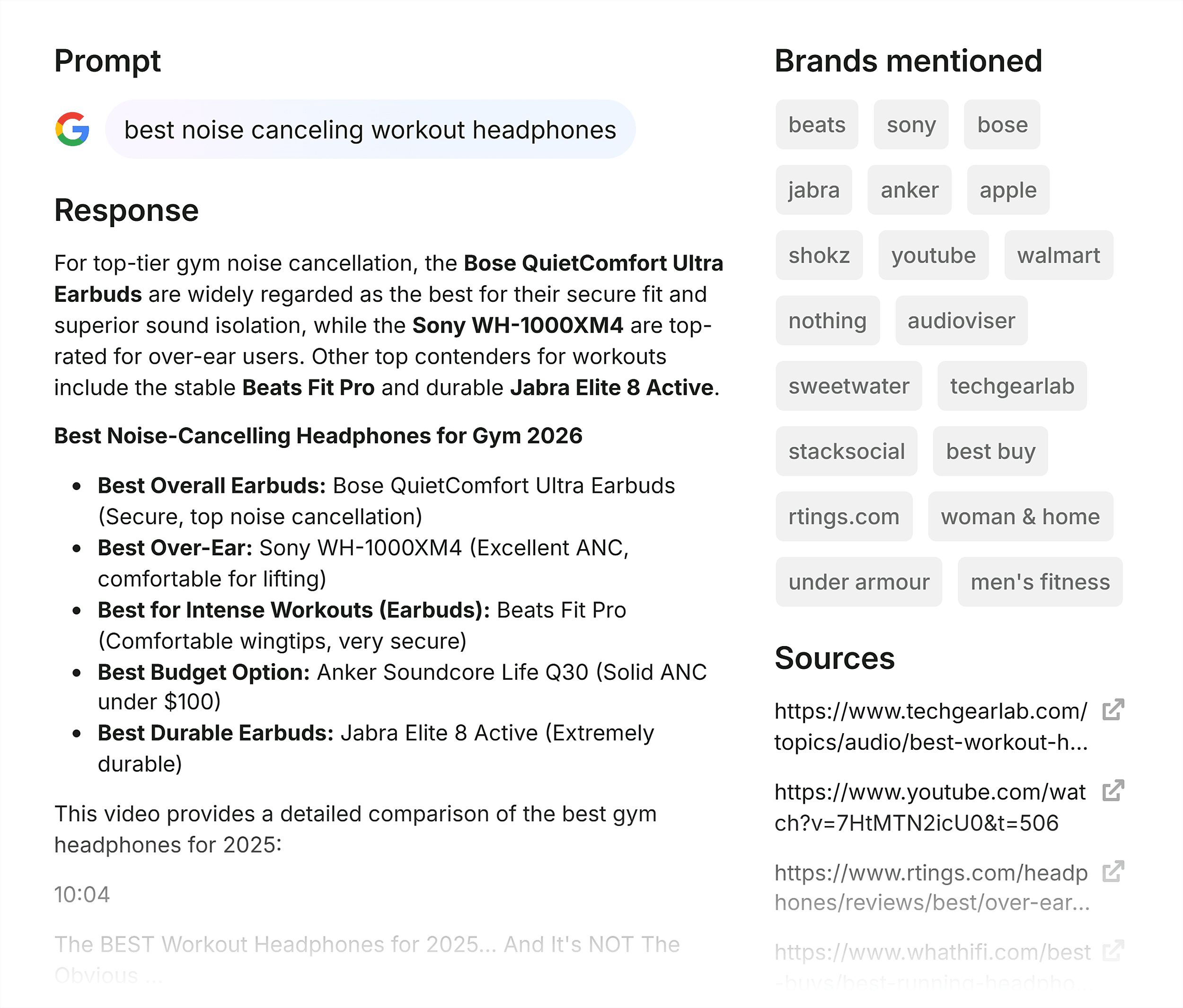
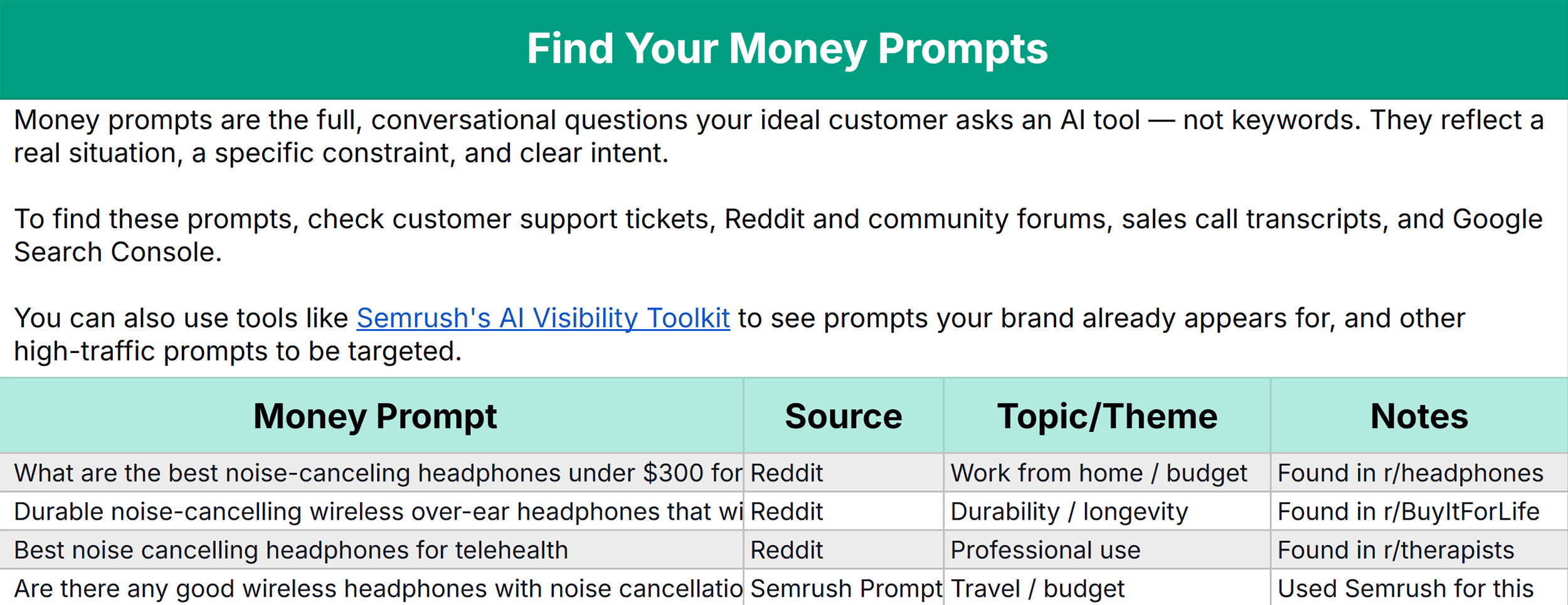
The first phase involves identifying organizational "money prompts"—conversational, high-intent questions that target audiences naturally submit to AI systems when seeking solutions. Unlike traditional keywords, these prompts encompass specific constraints, use cases, and budget parameters. By leveraging specialized AI visibility toolkits, digital marketers can audit their current brand footprint, discover existing AI citations, and identify the exact third-party sources and competitor brands appearing alongside them in LLM outputs.
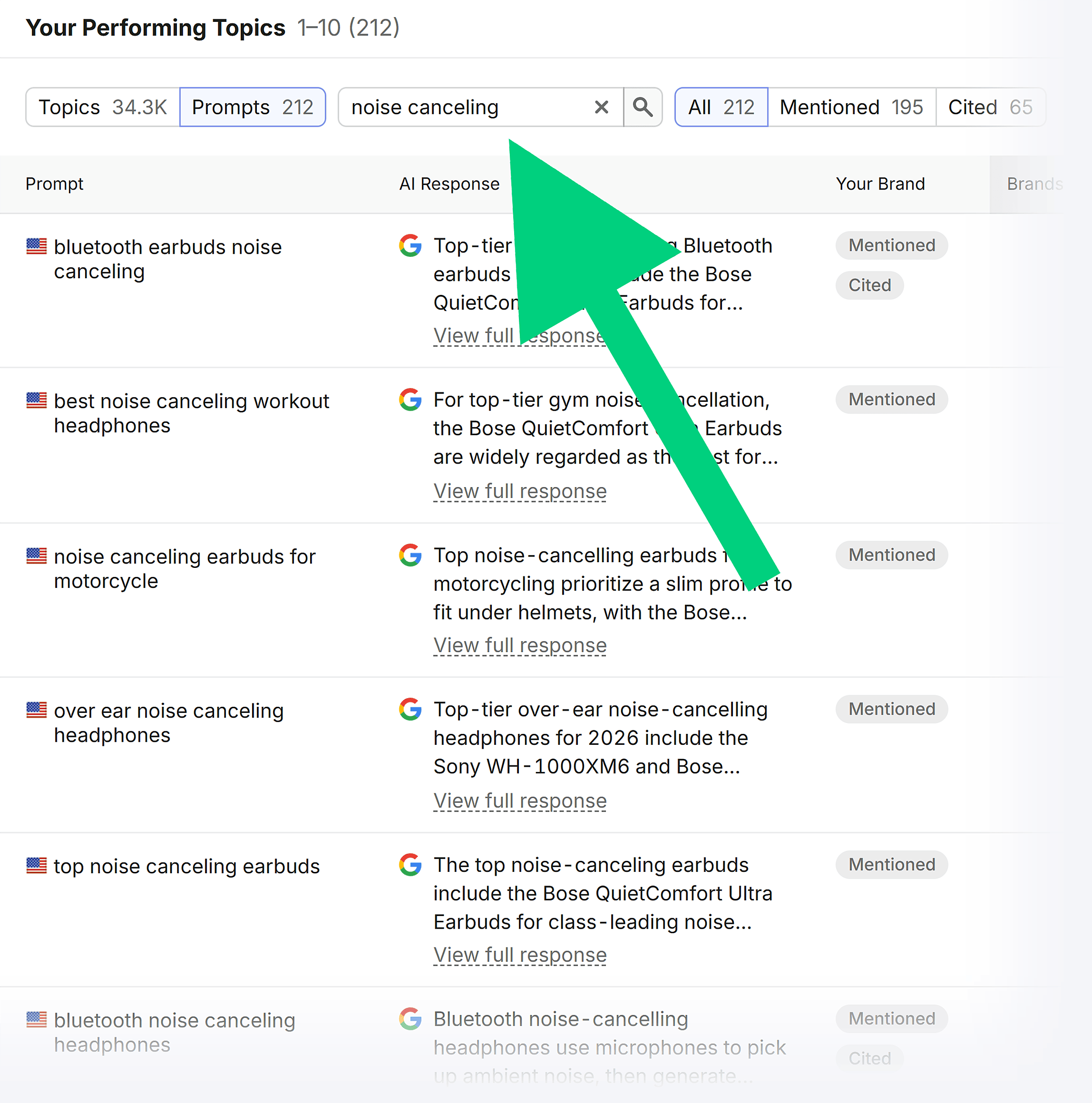
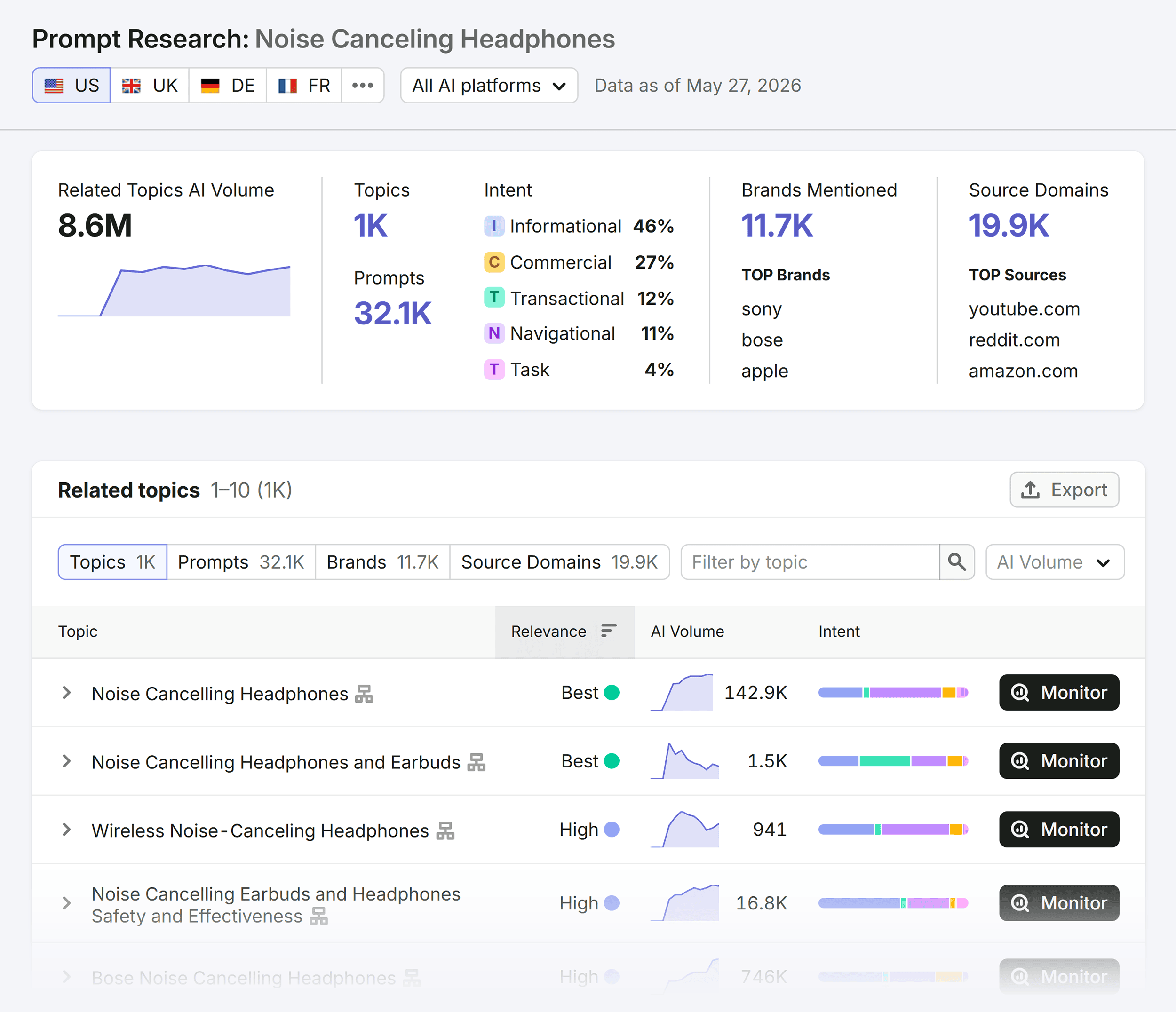
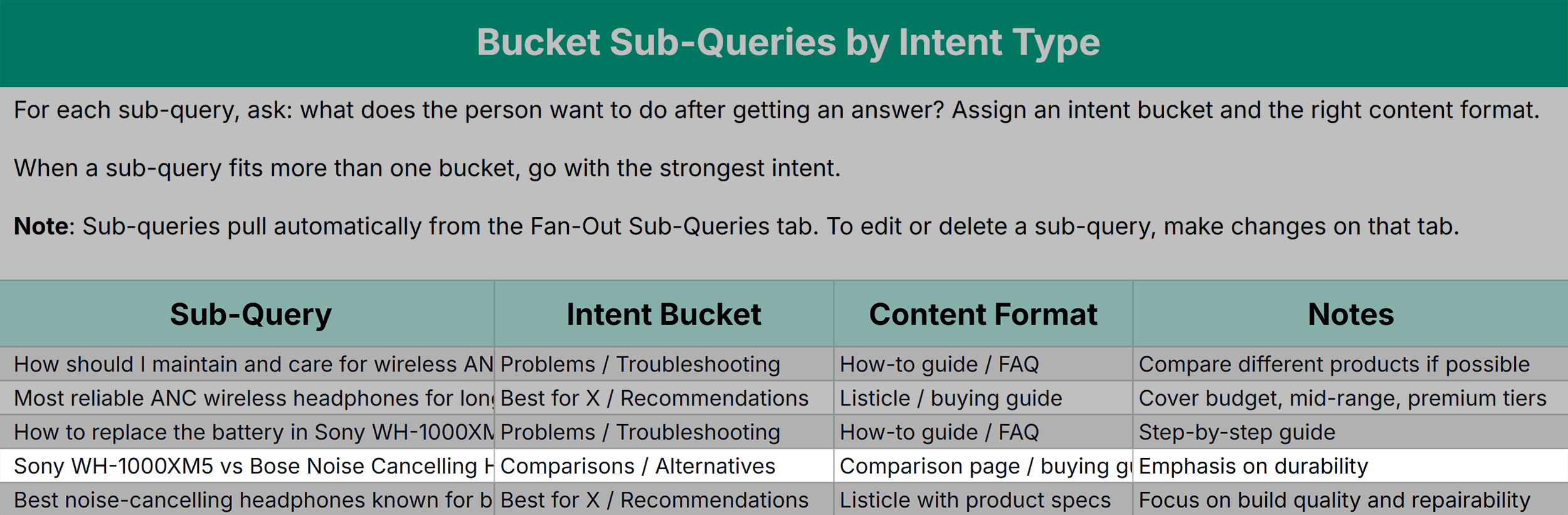
The second and third phases require generating structured fan-out sets and categorizing them by intent buckets—such as definitions, direct comparisons, troubleshooting, value pricing, and social proof. Once sub-queries are classified, content auditors must execute rigorous content gap analyses using advanced search operators to determine whether existing corporate assets fully answer, partially address, or completely omit these derivative questions.
The fourth and fifth phases focus on content structuring and machine readability. To maximize retrievability, content creators must front-load direct answers, utilize scannable bullet points, integrate structured comparison tables, and deploy descriptive subheadings that match the exact phrasing surfaced during the query fan-out analysis. Brands that successfully align their digital assets with these structural requirements—such as Bose’s deployment of scenario-specific landing pages for niche use cases like flight anxiety—demonstrate significantly higher retention rates within generative search citations.
Platform-Specific Behaviors Across Major LLM Ecosystems
While query fan-out is a universal characteristic of generative search, different AI platforms exhibit distinct operational architectures that influence how content is retrieved and cited:
- ChatGPT: For standard informational queries, ChatGPT relies primarily on its extensive pre-trained parameters. However, when complex, comparative, or real-time data is requested—particularly when operating in advanced reasoning or "thinking" modes—it executes live web searches driven by complex internal query expansion.
- Perplexity: Operating as a conversational search engine, Perplexity executes a dual-layer fan-out process. It simultaneously evaluates conversational context and user history to personalize constraints before launching external web searches for real-time verification.
- Claude: Prioritizing intent clarification, Claude often prompts users with interactive preference questions before generating a synthesized response, resulting in fewer but highly targeted internal search expansions.
- Google AI Overviews and AI Mode: Google’s ecosystem translates traditional indexing power into condensed, feature-snippet-style summaries while expanding complex queries across multiple parallel searches within its dedicated AI search environment.
Analytic Implications and Future Outlook
The rise of query fan-out signals a maturing digital marketplace where raw domain authority and traditional backlink profiles are no longer sufficient guarantees of digital discoverability. As artificial intelligence continues to intermediate the relationship between consumers and information providers, visibility will belong exclusively to organizations that master contextual depth, structured information design, and comprehensive topical coverage. Brands that fail to adapt their content strategies to satisfy the multi-dimensional demands of query fan-out risk becoming invisible to the fastest-growing segment of digital search traffic.