The Deja Vu of Tech Disruption: Why Modern Artificial Intelligence Rollouts Are Repeating the Failures of Digital Transformation

Corporate strategies surrounding artificial intelligence adoption are frequently drawing sharp criticism from industry analysts and change-management experts who argue that organizations are systematically repeating the historic mistakes of the digital transformation era. More than a decade after enterprises struggled to integrate content management systems, customer relationship databases, and early mobile applications, contemporary corporations are approaching artificial intelligence with the same narrow, technology-first mindset. Rather than recognizing advanced machine learning and generative tools as profound cultural shifts, leadership teams continue to treat implementation as a simple IT procurement exercise, leaving employees anxious, unsupported, and ill-equipped to navigate sweeping operational changes.
A Decade of Misguided Deployments: Historical Context
To understand the current friction surrounding artificial intelligence in the workplace, industry observers point back to the mid-2010s, a period defined by the rush toward digital transformation. During this timeframe, organizations invested heavily in enterprise software, cloud infrastructure, and customer-facing mobile platforms. However, internal studies and post-implementation reviews from that era repeatedly highlighted a fatal flaw: executives focused exclusively on deploying new software while entirely neglecting human factors, workflow integration, and user experience.
Internal systems introduced during the digital transformation wave were frequently difficult to navigate, resulting in low adoption rates. On the customer-facing side, applications often failed to resonate because companies prioritized technological novelty over actual utility. Experts note that the parallels to the current artificial intelligence boom are striking. Senior management teams across global enterprises are once again subscribing to software licenses—such as enterprise-grade generative assistants and studio environments—and considering their strategic mandates fulfilled after a single, generic training session.
The Human Element: Culture, Productivity, and Employee Anxiety
The primary systemic failure in contemporary artificial intelligence rollouts lies in the misinterpretation of technology as a substitute for organizational culture. While digital transformation initiatives frequently generated skepticism, the integration of artificial intelligence carries a uniquely heightened psychological burden for the workforce: job displacement anxiety. Employees across diverse sectors are acutely aware of labor market trends and headlines predicting widespread automation, rendering top-down assurances largely ineffective.
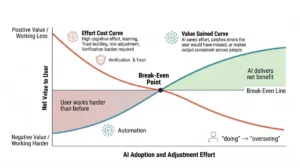
Furthermore, economic incentives for adoption remain poorly aligned. From an executive perspective, artificial intelligence is primarily championed as a driver of operational productivity—enabling staff to produce higher volumes of work in compressed timeframes. However, for the average employee, this productivity dividend rarely translates into tangible benefits. Workers remain bound to traditional schedules and standard compensation structures, while facing increased output expectations without receiving additional time or financial compensation. Consequently, organizations face a fundamental motivation crisis. Change-management specialists emphasize that without framing artificial intelligence as a mechanism to eliminate tedious administrative burdens and genuinely improve daily working lives, voluntary adoption will remain low.
The Cost of Rigid Governance and the Rise of Shadow IT
Compounding the cultural friction is a pervasive corporate culture of risk aversion and rigid governance. When organizations demand rapid technological adoption while simultaneously maintaining zero-tolerance policies for operational errors, they create a paralyzing paradox. Employees who make mistakes while experimenting with novel tools often face harsh scrutiny or formal reprimands, discouraging proactive exploration.
This environment of fear directly drives the emergence of shadow technology. When official enterprise tools are overly restricted by bureaucratic steering committees, licensing limits, or rigid compliance frameworks, staff frequently circumvent internal channels. Employees increasingly utilize personal accounts on consumer-facing platforms via mobile devices or home networks to complete daily tasks.

Information security analysts warn that shadow artificial intelligence poses severe compliance and data governance risks. When sensitive corporate data is entered into uncontrolled external applications, organizations lose visibility and oversight. Rather than suppressing these behaviors through punitive policies or blocked domains, organizational researchers advise leadership teams to analyze shadow usage patterns as diagnostic indicators of where official enterprise software is failing to meet operational requirements.
Strategic Recommendations and the Path Forward
Addressing these systemic adoption failures requires a fundamental shift in corporate strategy. Industry analysts recommend four critical pillars for successful artificial intelligence integration:
- Prioritize Human-Centric Change Management: Enterprises must allocate sufficient time and psychological safety for staff to experiment, fail, and rebuild procedural knowledge without immediate threats to performance metrics or annual reviews.
- Foster Peer-Led Communities: Rather than relying solely on top-down memorandums or formal, generalized training courses, organizations should identify internal enthusiasts, provide them with dedicated experimentation time, and leverage social proof to drive organic adoption.
- Streamline Governance Frameworks: Overly complex policy documents should be replaced with concise, principle-based guidelines that empower employees to exercise common sense within defined ethical boundaries.
- Adopt Flexible Technological Infrastructure: IT departments must move away from rigid, one-size-fits-all software mandates and establish agile approval processes that accommodate diverse departmental needs.
Ultimately, market analysts warn that the greatest risk facing modern enterprises is not moving too quickly with artificial intelligence, but rather moving too slowly while ignoring the human and cultural foundations required for sustainable technological integration.