Content can rank on the first page of Google and still never be cited or mentioned by LLMs.

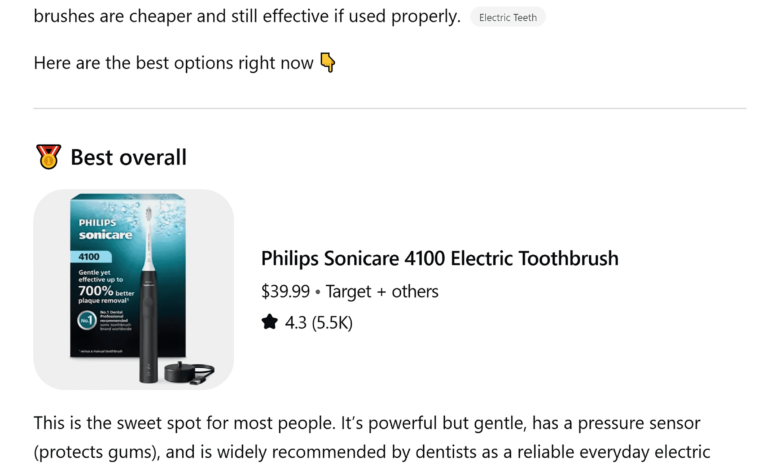
The evolving landscape of digital visibility presents a significant challenge for content creators and marketers: achieving top search engine rankings no longer guarantees mentions or citations from Large Language Models (LLMs) like ChatGPT, Perplexity, and Google’s AI Overviews. This disconnect, initially perplexing, becomes clear upon understanding a critical background process employed by AI systems: query fan-out. This mechanism fundamentally reshapes how information is discovered, processed, and presented by artificial intelligence, demanding a strategic re-evaluation of content optimization.
The Evolution of Search and the Rise of Query Fan-Out
For decades, traditional Search Engine Optimization (SEO) revolved around keywords, backlinks, and page authority, aiming to secure high organic rankings. A user would type a query, and the search engine would return a list of relevant web pages. The goal was to appear at the top of that list. However, the advent of sophisticated AI systems has ushered in a new era of conversational search, where users expect direct, comprehensive answers synthesized from multiple sources, often without needing to click through to individual pages.
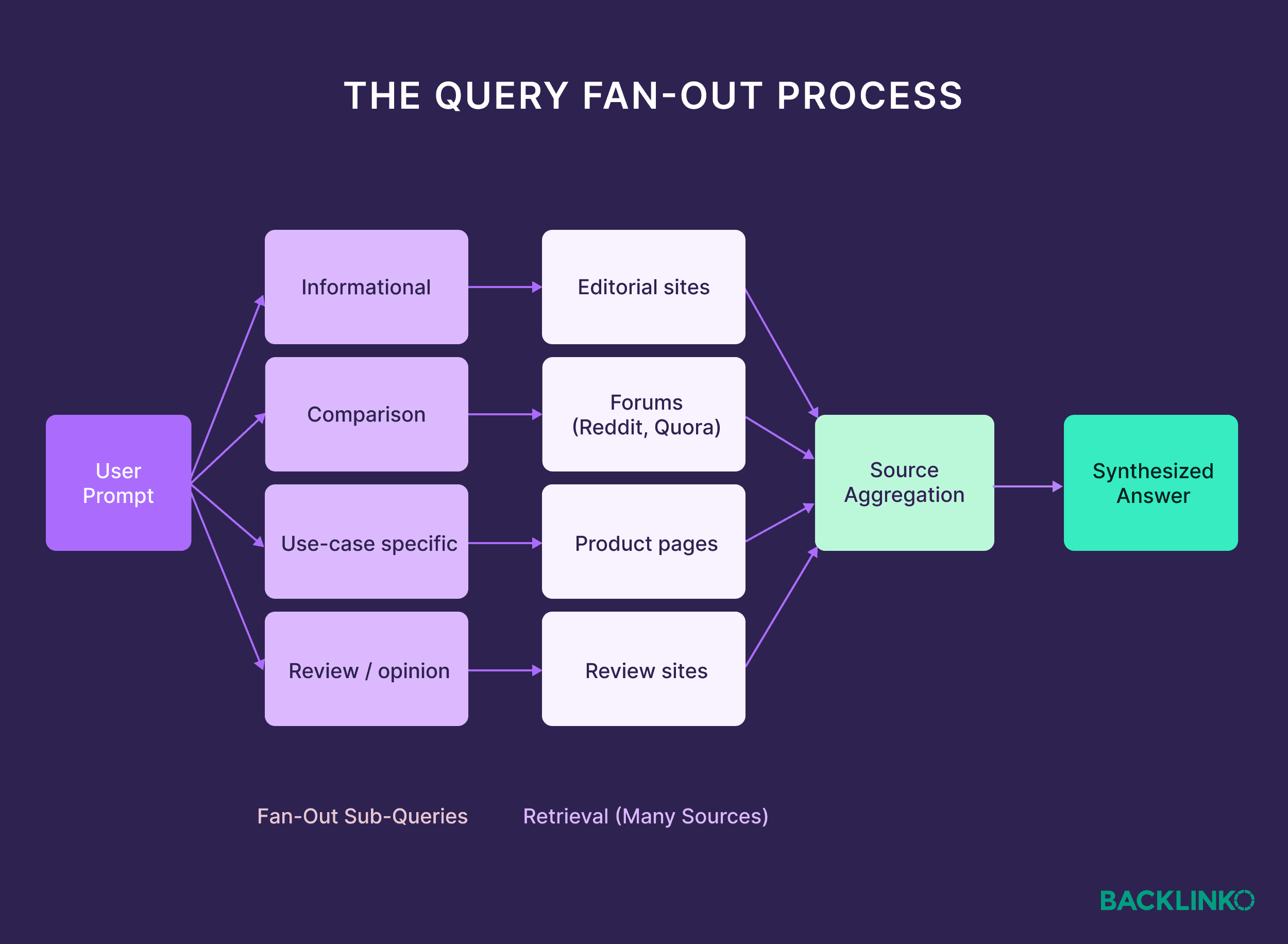
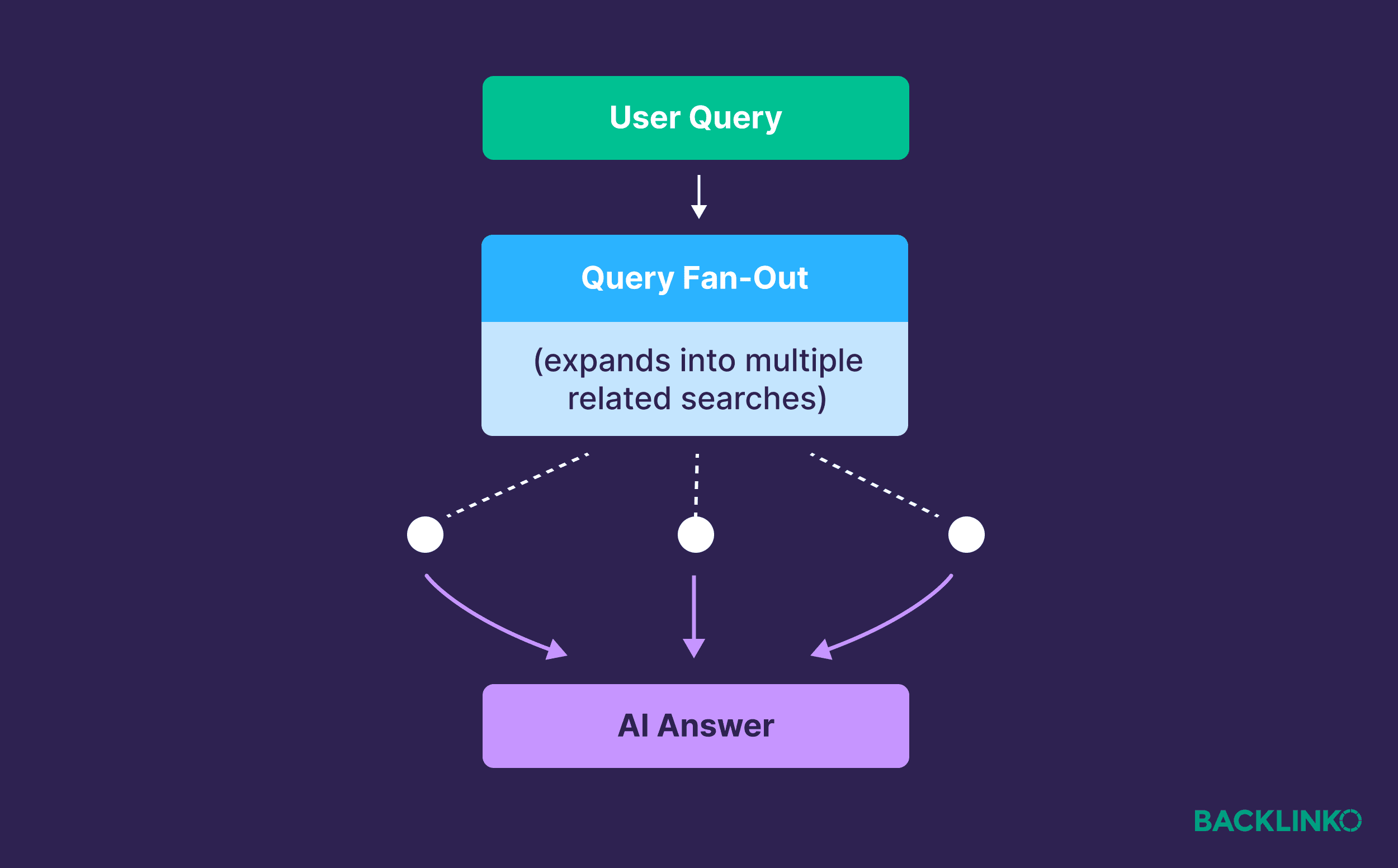
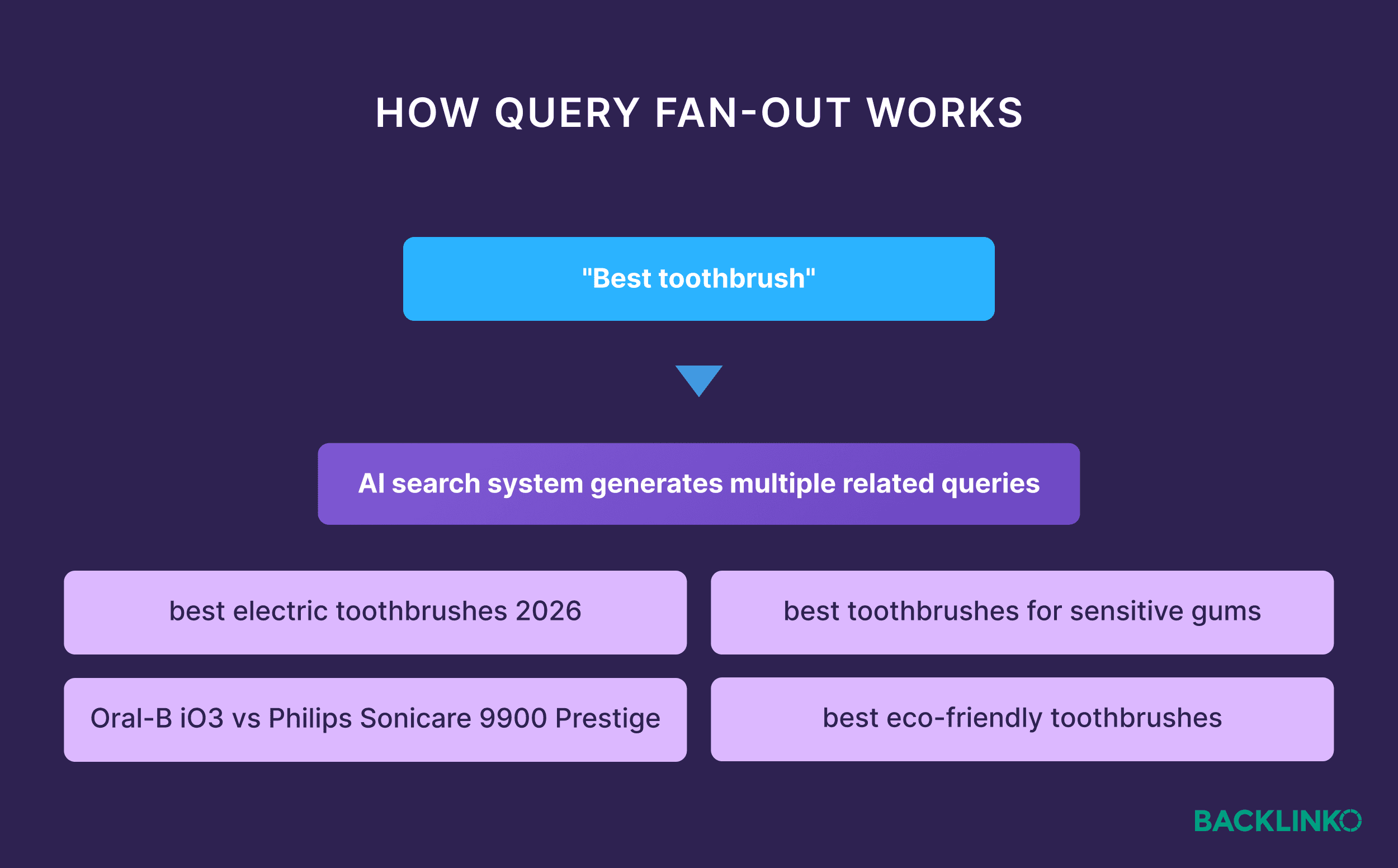
This shift necessitates a more intelligent information retrieval system. LLMs are designed not merely to match keywords but to understand the underlying intent and nuances of a user’s question. To achieve this, AI employs a process known as query fan-out. When a user poses a question to an AI, the system doesn’t simply retrieve the single best-ranking page for that exact query. Instead, it initiates a series of related, often implicit, sub-searches behind the scenes. These sub-queries aim to dissect the user’s intent, explore various facets of the topic, and gather information from a broad spectrum of reliable and relevant sources, irrespective of their traditional search ranking position. This comprehensive approach allows the AI to construct a nuanced and complete answer, anticipating follow-up questions and covering a wider informational scope.
Understanding Query Fan-Out: A Deeper Dive
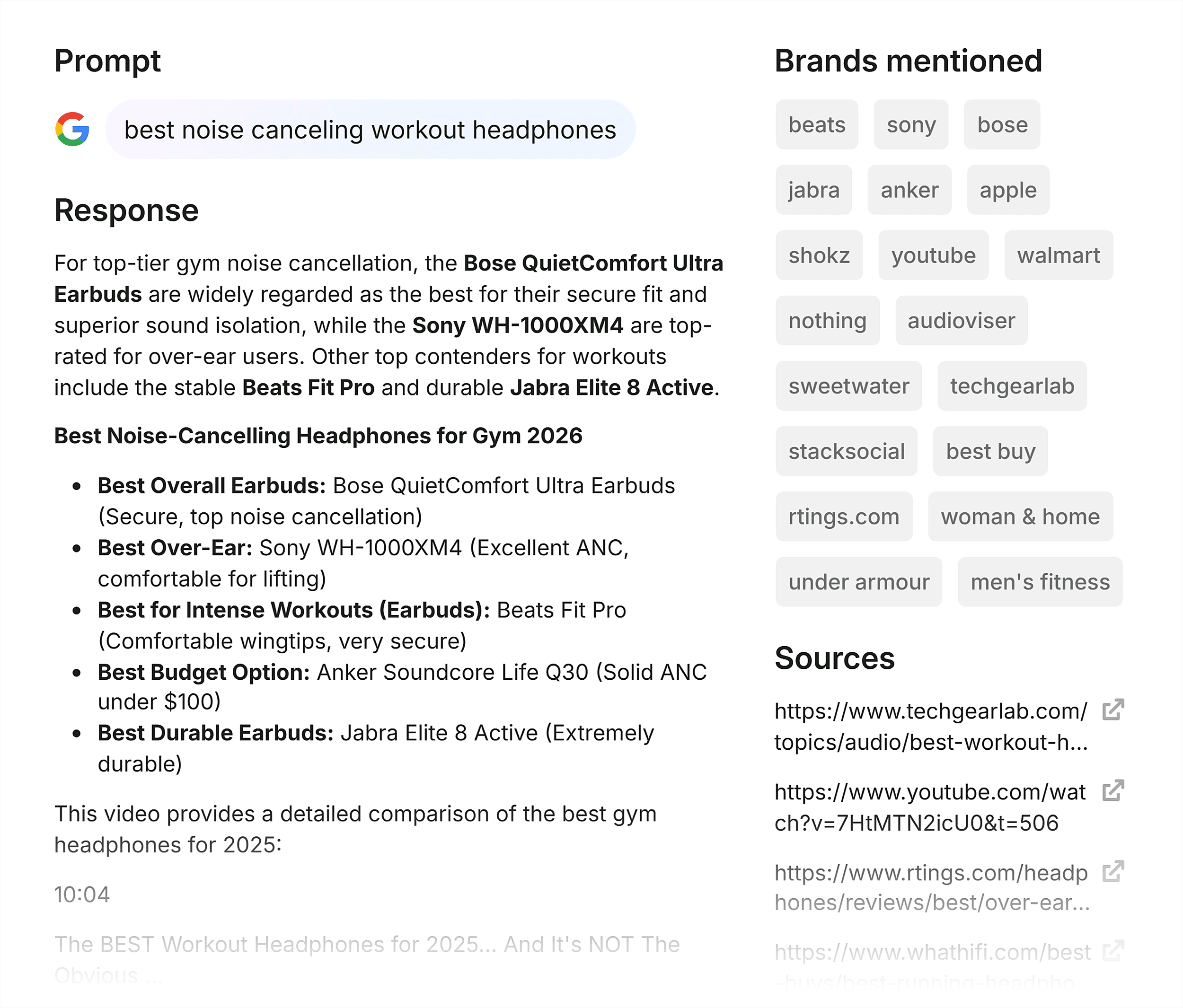
Query fan-out is a multi-layered process. Imagine asking an AI, "What’s the best noise-canceling headphone?" A traditional search engine might prioritize pages optimized for "best noise-canceling headphones." An AI, leveraging query fan-out, would break this down into several related sub-questions, such as:
- "Best electric noise-canceling headphones [year]" (to get up-to-date product recommendations)
- "Best noise-canceling headphones for sensitive ears" (addressing a specific use case)
- "Bose vs. Sony noise-canceling headphones" (for comparative analysis)
- "Affordable noise-canceling headphones under $150" (considering budget constraints)
- "Reviews of noise-canceling headphones for travel" (seeking social proof and specific scenarios)
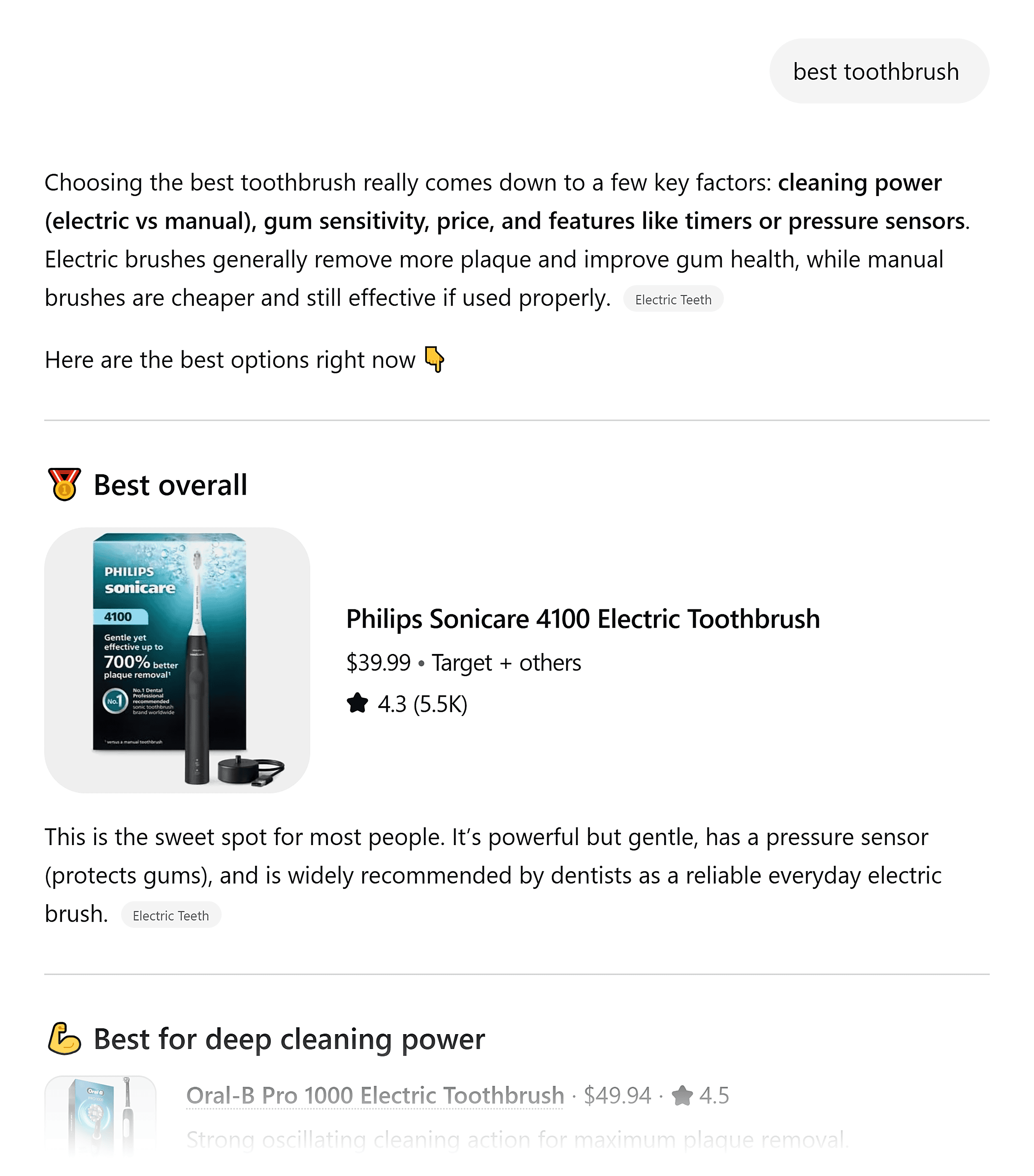
The AI then retrieves information from diverse sources—ranging from reputable editorial sites and product review platforms to community forums like Reddit and direct product pages—to synthesize a holistic answer. This synthesized response aims to cover top picks, price ranges, use-case breakdowns, and comparisons, effectively anticipating the user’s needs beyond the initial two-word prompt.
Crucially, query fan-out is not simply a rephrasing of the original query, nor is it limited to simple, factual questions. It’s a dynamic, multi-faceted process designed to build a complete informational context, drawing from the vastness of the web to deliver a comprehensive, human-like response.
The Paradigm Shift: Why AI Visibility Differs from Traditional SEO
The mechanics of query fan-out introduce several fundamental shifts that content strategists must acknowledge to secure AI visibility:
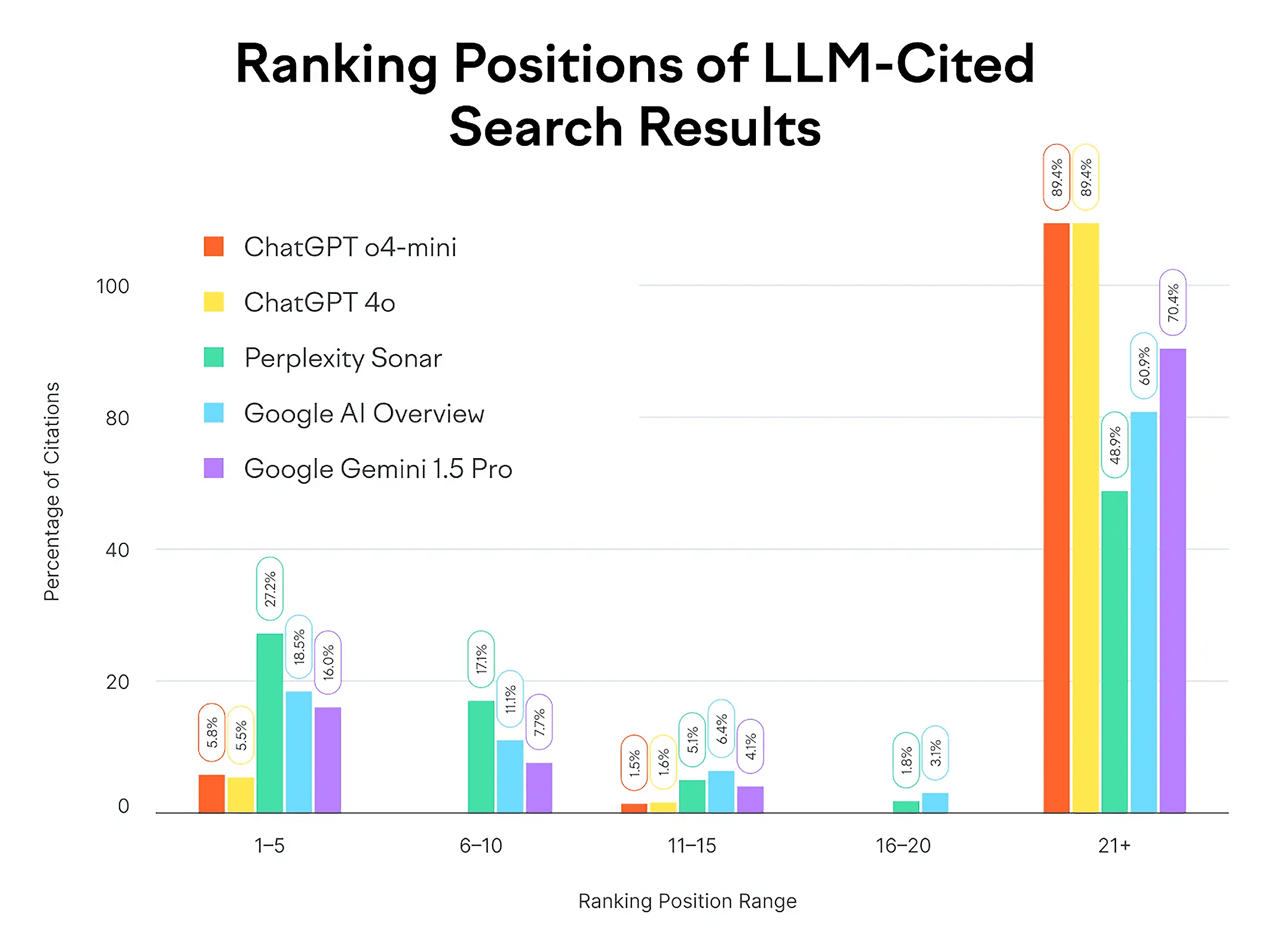
- Top Rankings Don’t Guarantee AI Citations: A Semrush study revealed that ChatGPT cites pages ranking 21st or lower almost 90% of the time. This stark data indicates that while high rankings are beneficial for traditional organic search, they are not a prerequisite for AI mentions. AI prioritizes relevance and completeness for specific sub-queries, meaning a deeply informative passage on page 25 could be cited over a top-ranking but less specific article.
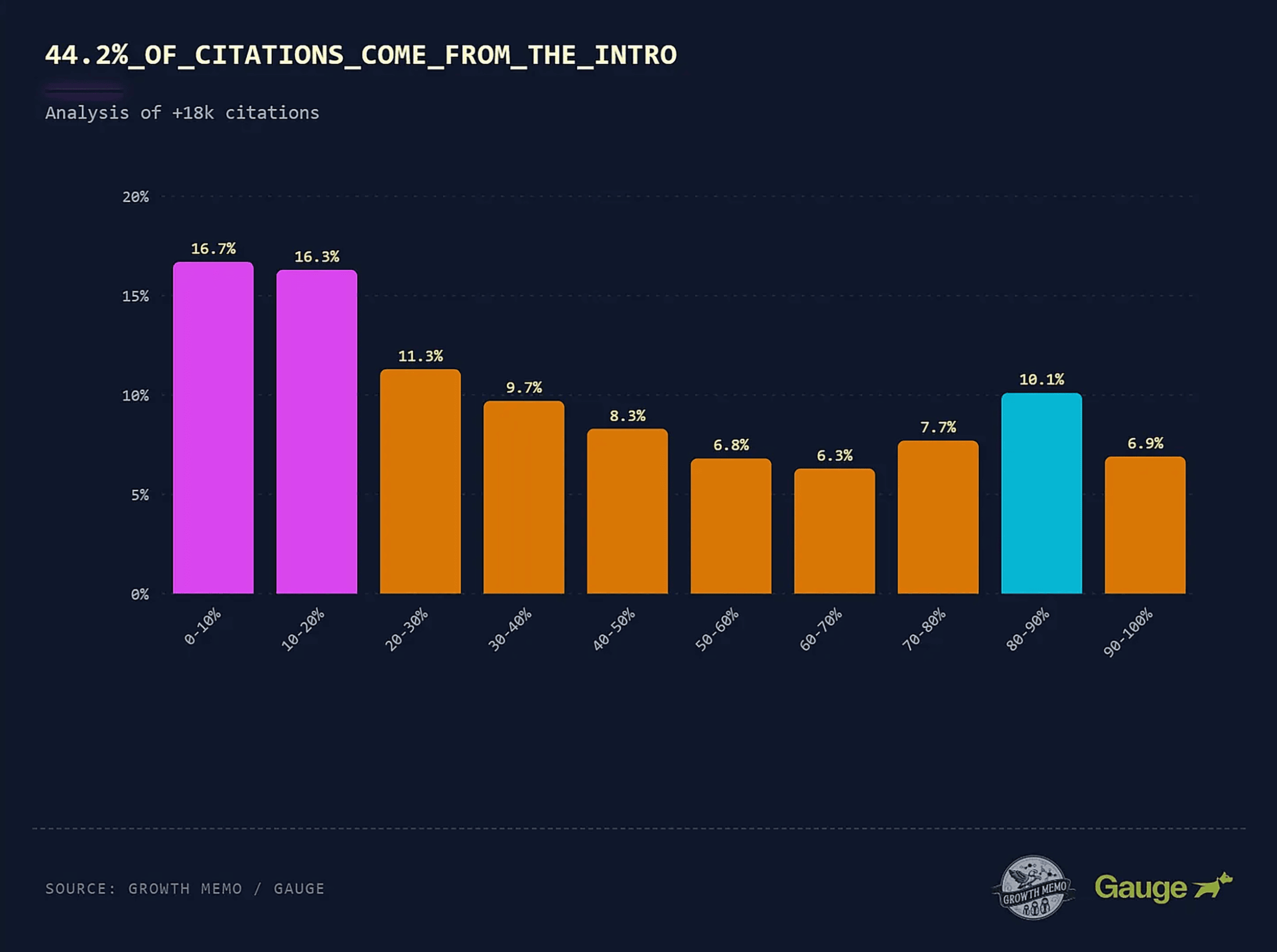
- AI Retrieves Passages, Not Entire Pages: Unlike traditional search, which directs users to a full web page, AI systems are designed to extract and synthesize specific passages that directly answer a sub-query. This means content needs to be structured in easily digestible, self-contained segments. Research by growth advisor Kevin Indig found that 44.2% of ChatGPT citations originate from the first 30% of a page, underscoring the importance of front-loading critical information and answers.
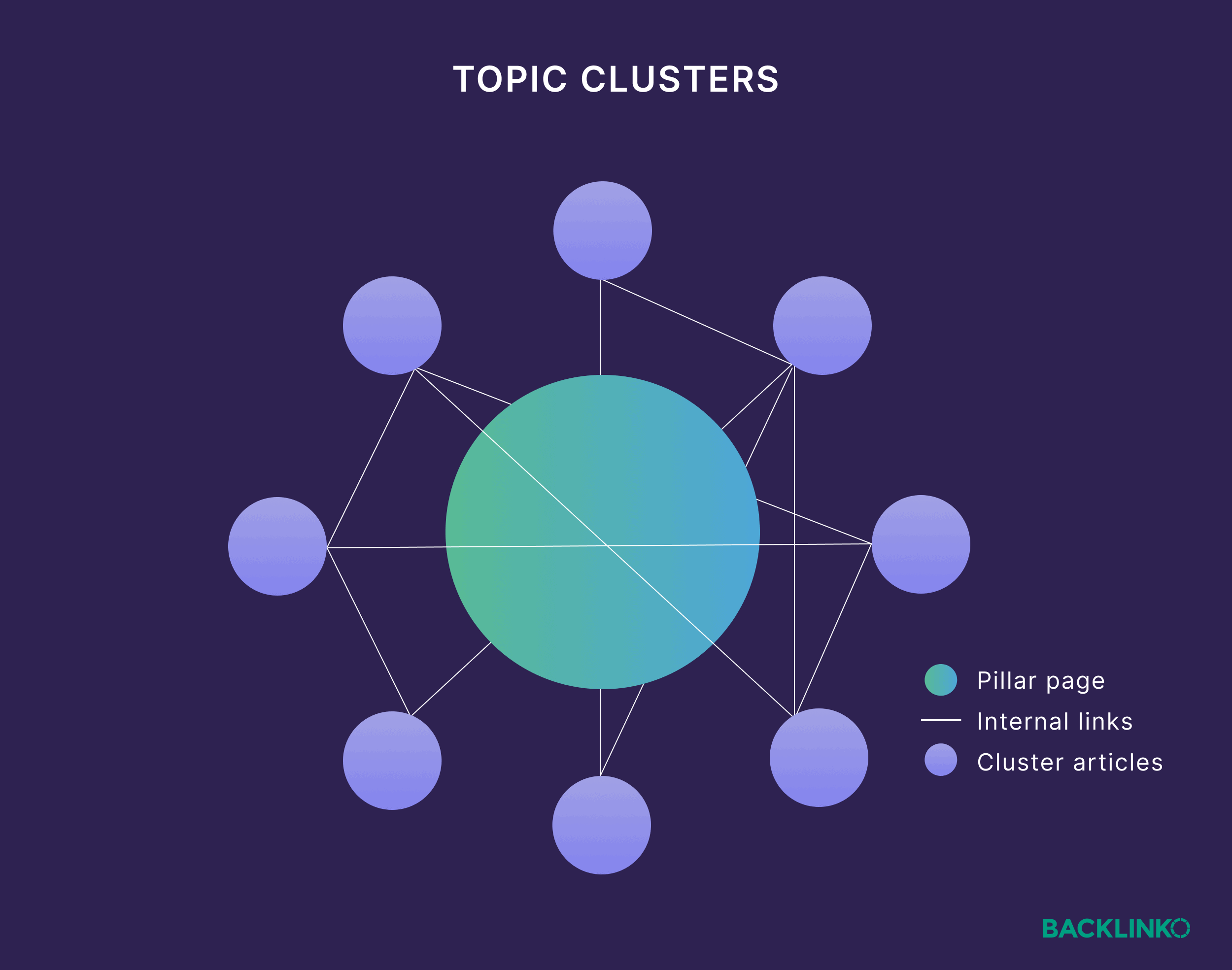
- Competition Spans Topics, Not Just Keywords: Traditional SEO often focuses on optimizing individual pages for specific keywords. With query fan-out, AI evaluates content based on its comprehensive coverage of an entire topic. This makes "topical authority" paramount. Content strategies built around pillar pages and interconnected topic clusters, where a broad subject is covered extensively through a network of related articles, are more likely to be recognized and cited by AI.
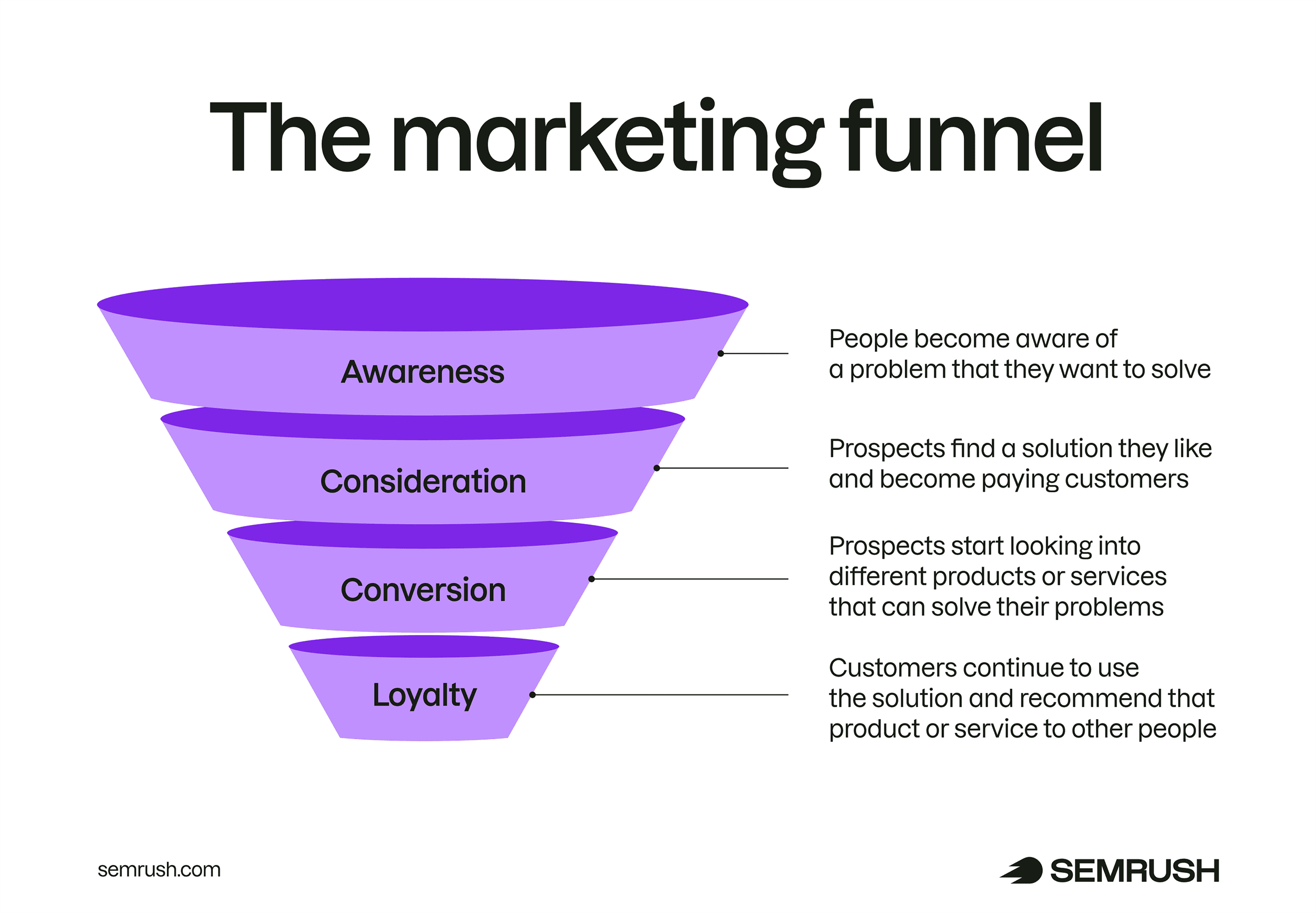
- The Buying Journey Collapses: Historically, marketing funnels segmented content into distinct stages: awareness, consideration, and decision. AI-driven conversational search compresses these stages. A single high-intent prompt can trigger the AI to gather information spanning all funnel stages—from basic explanations (awareness) to detailed comparisons (consideration) and specific product recommendations (decision). Content must now be equipped to serve multiple stages simultaneously, providing holistic answers within a single interaction.
Strategic Imperatives for Content Creators: The Query Fan-Out Workflow

To thrive in this new environment, content strategies must be re-engineered around the principles of query fan-out. Here’s a six-step workflow to enhance AI visibility:
1. Identifying High-Value "Money Prompts"
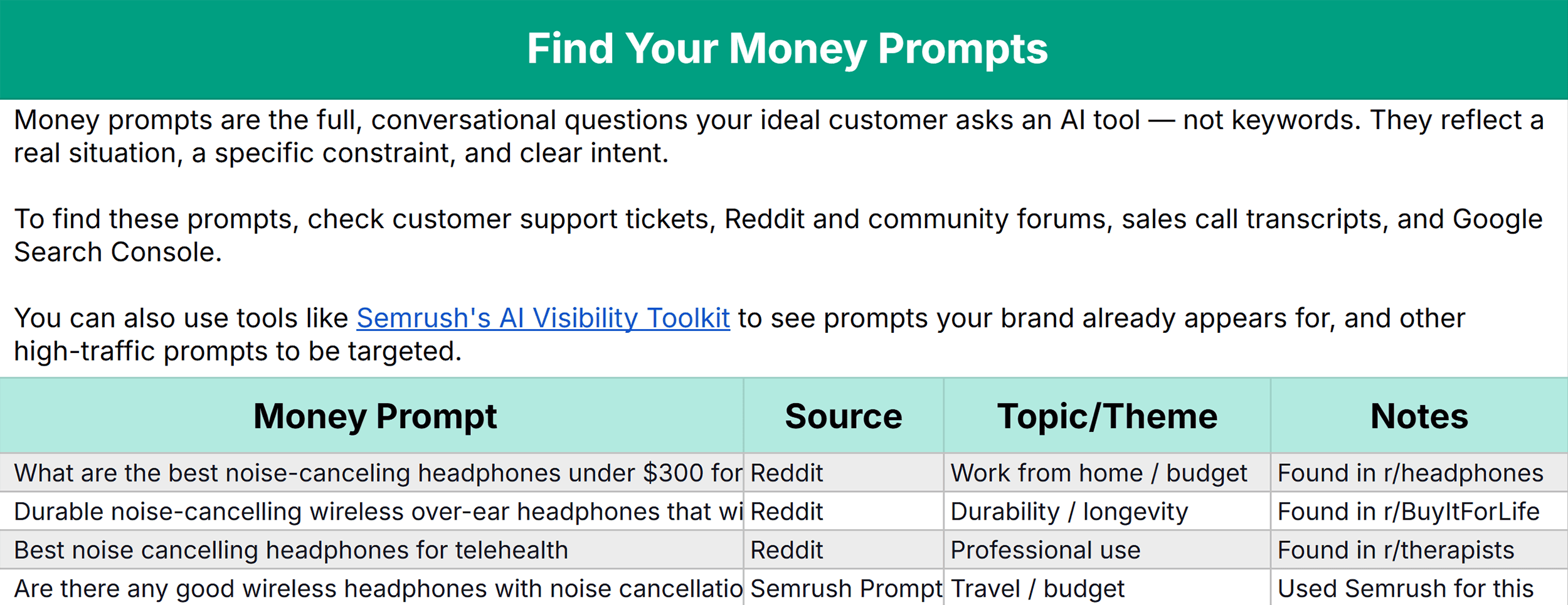
The first step is to pinpoint "money prompts"—conversational queries or questions that your ideal customers would ask an AI when seeking solutions that your product or service provides. These are the AI SEO equivalent of high-commercial-intent keywords. They are specific, detailed, and often imply a clear need or problem.
- How to Find Them:
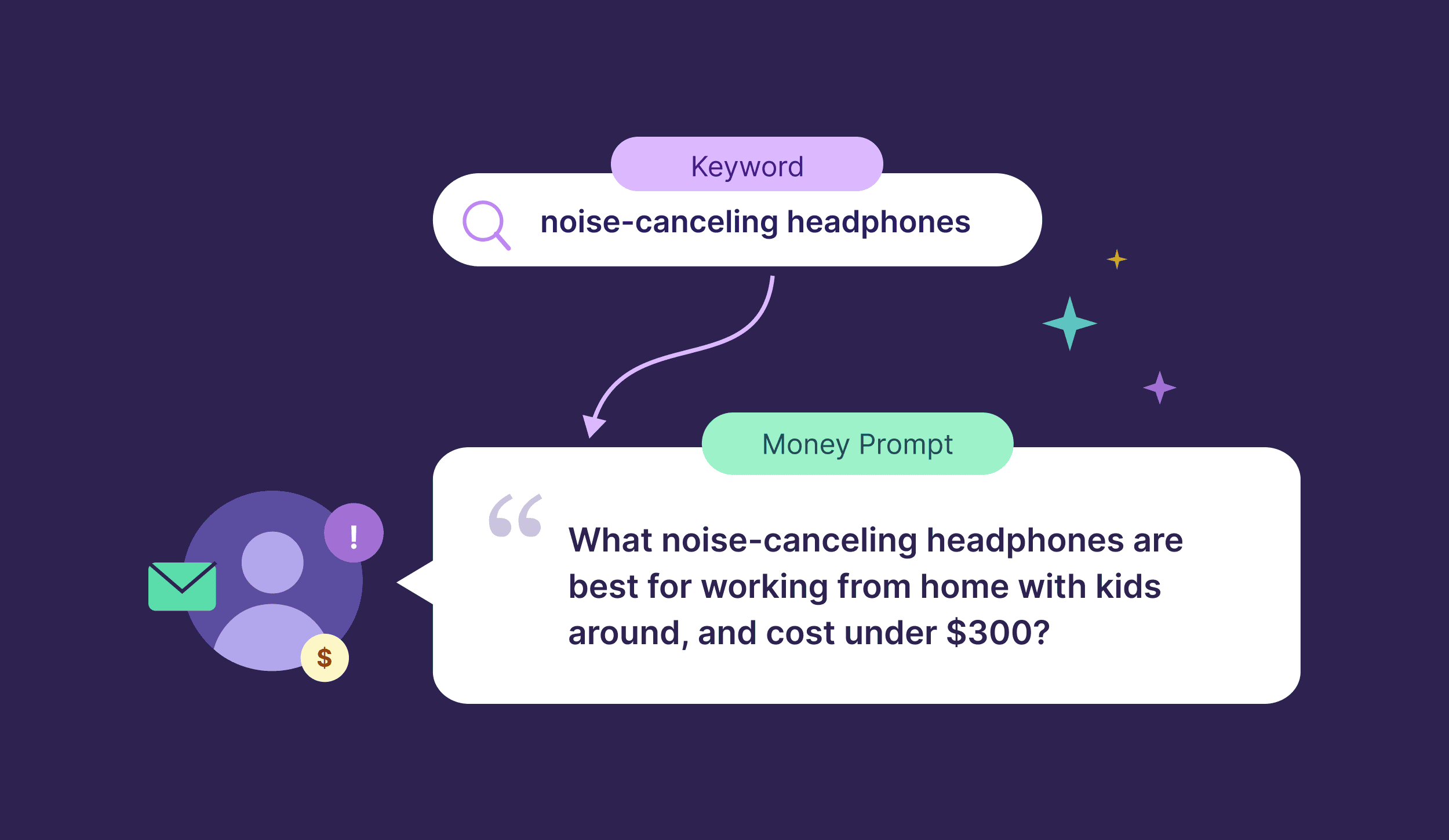
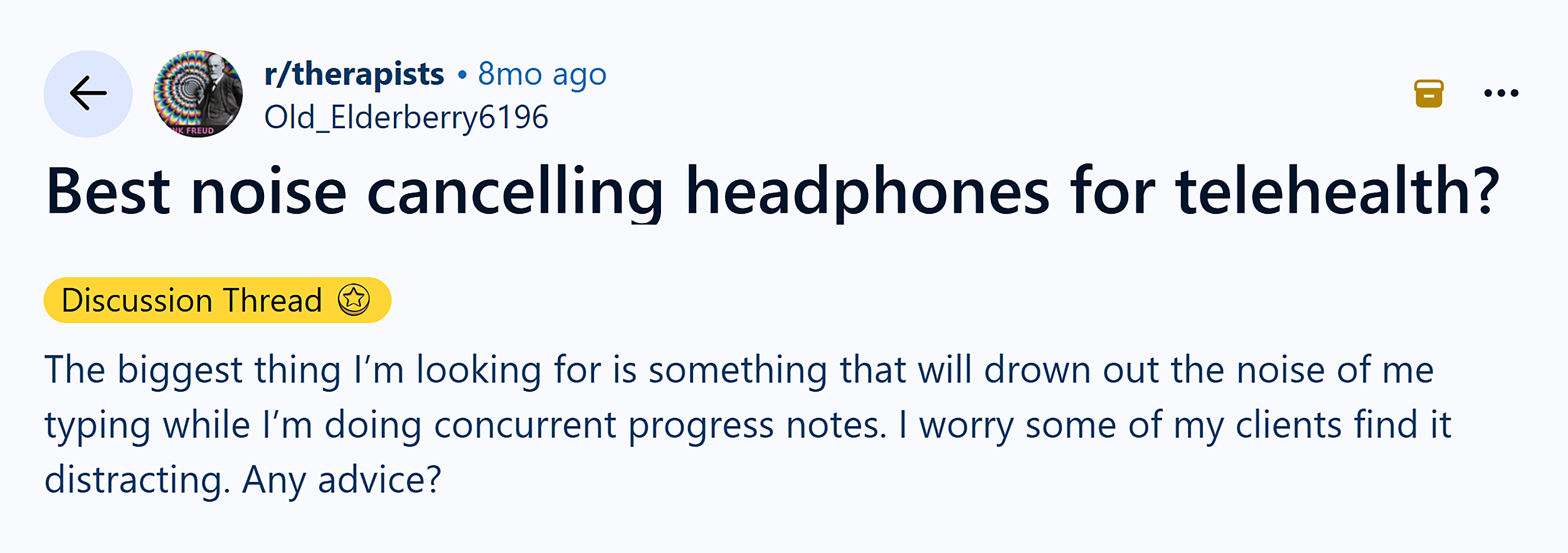
- Listen to Your Audience: Analyze customer support logs, sales call transcripts, social media discussions, and community forums (like Reddit) for real-world questions. For instance, instead of "noise-canceling headphones," look for "What noise-canceling headphones are best for working from home with kids around, and cost under $300?"
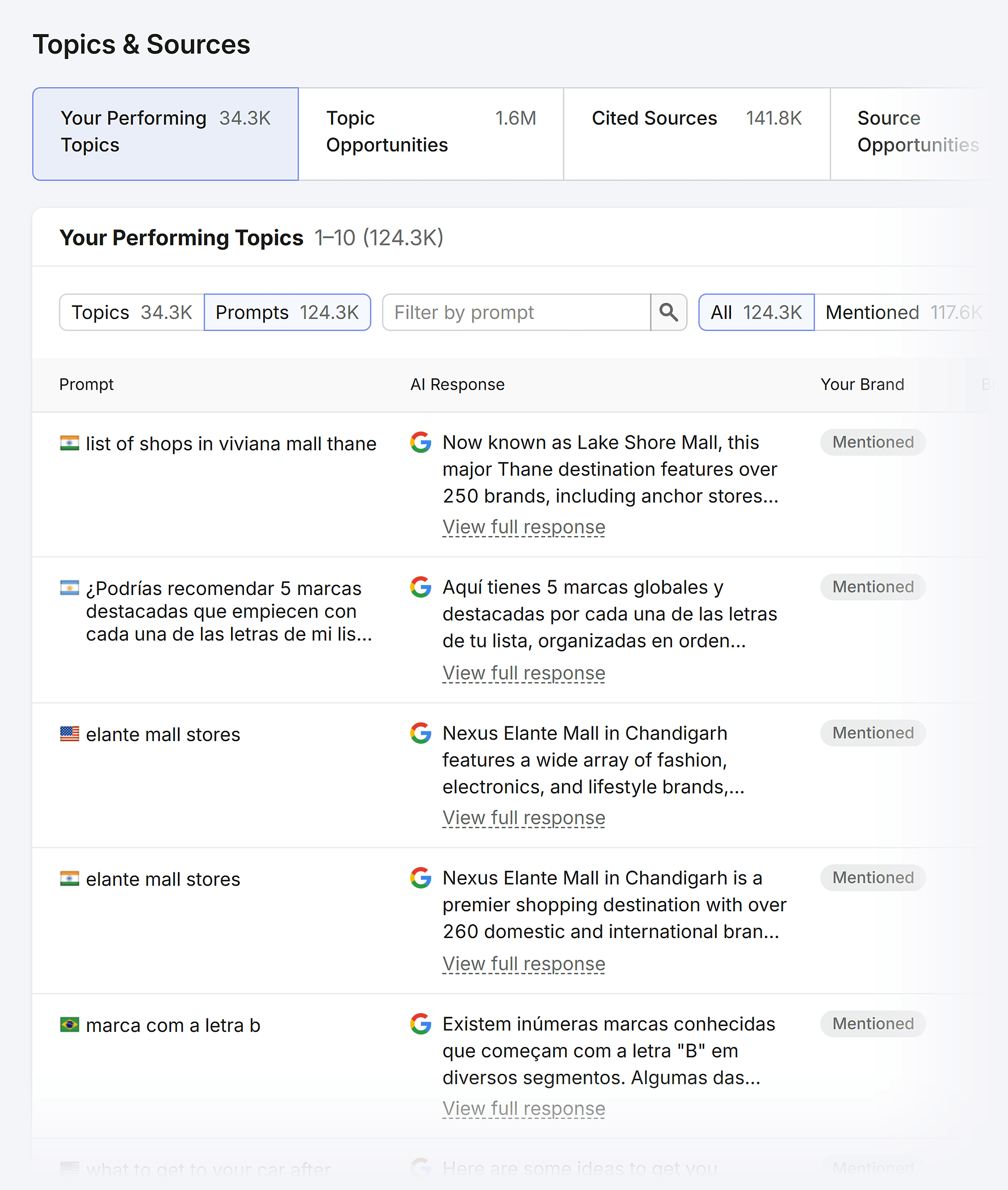
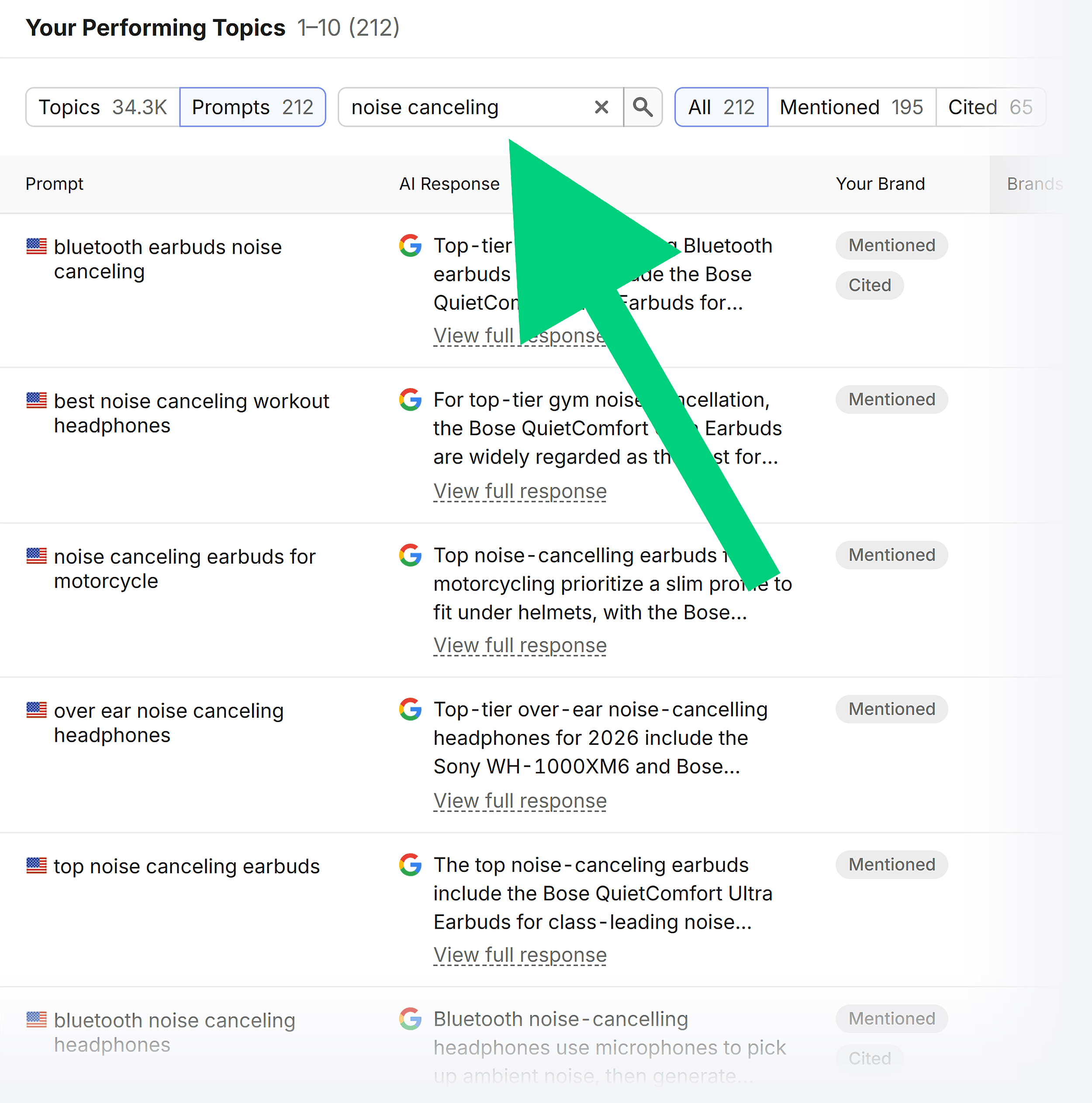
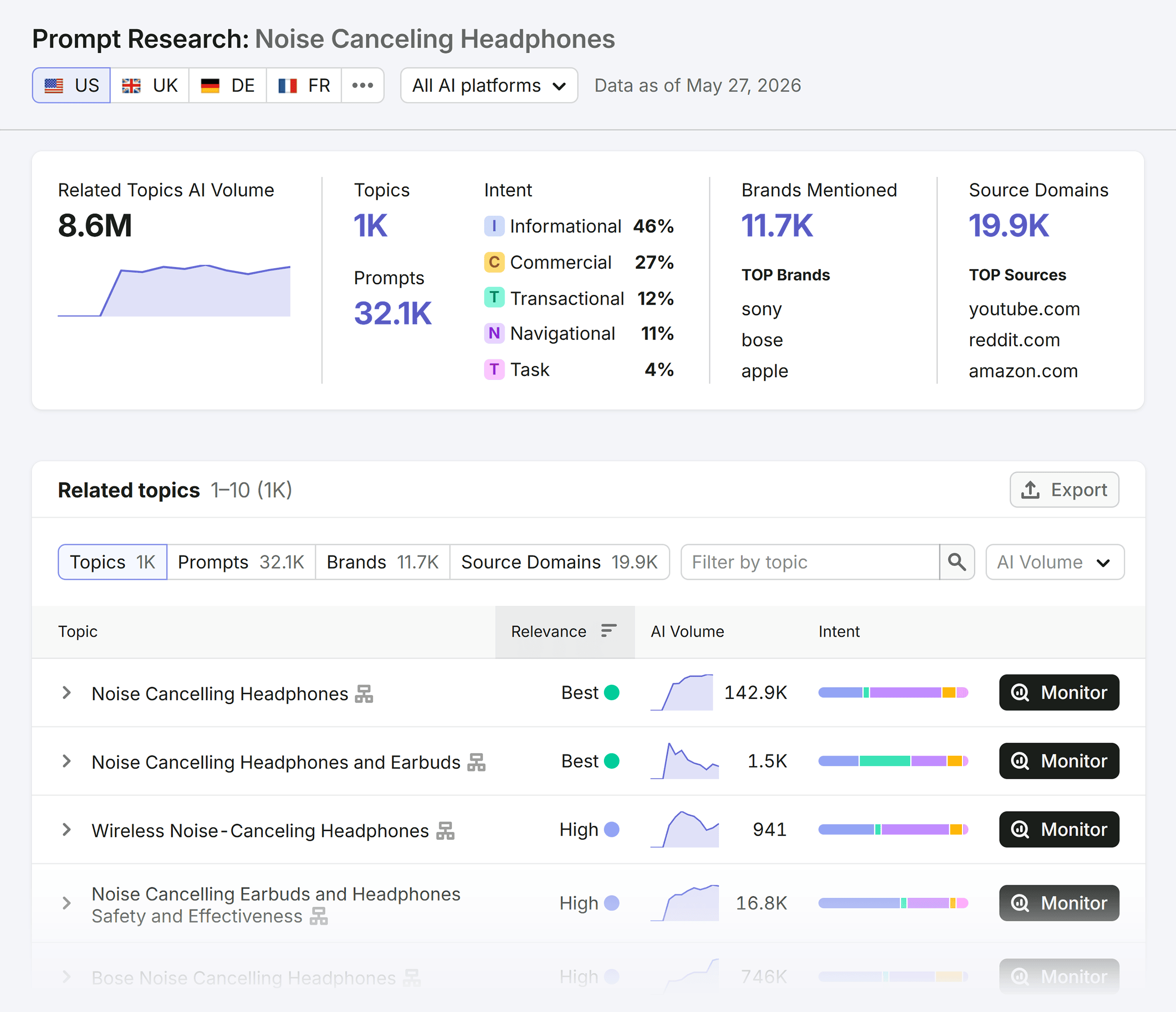
- Utilize AI Search Data Tools: Tools like Semrush’s AI Visibility Toolkit provide actual user prompts and AI responses, allowing you to see where your brand already appears or where competitors are gaining traction. This data helps identify high-priority prompts that are already generating AI answers.
2. Unpacking the "Fan-Out Set"
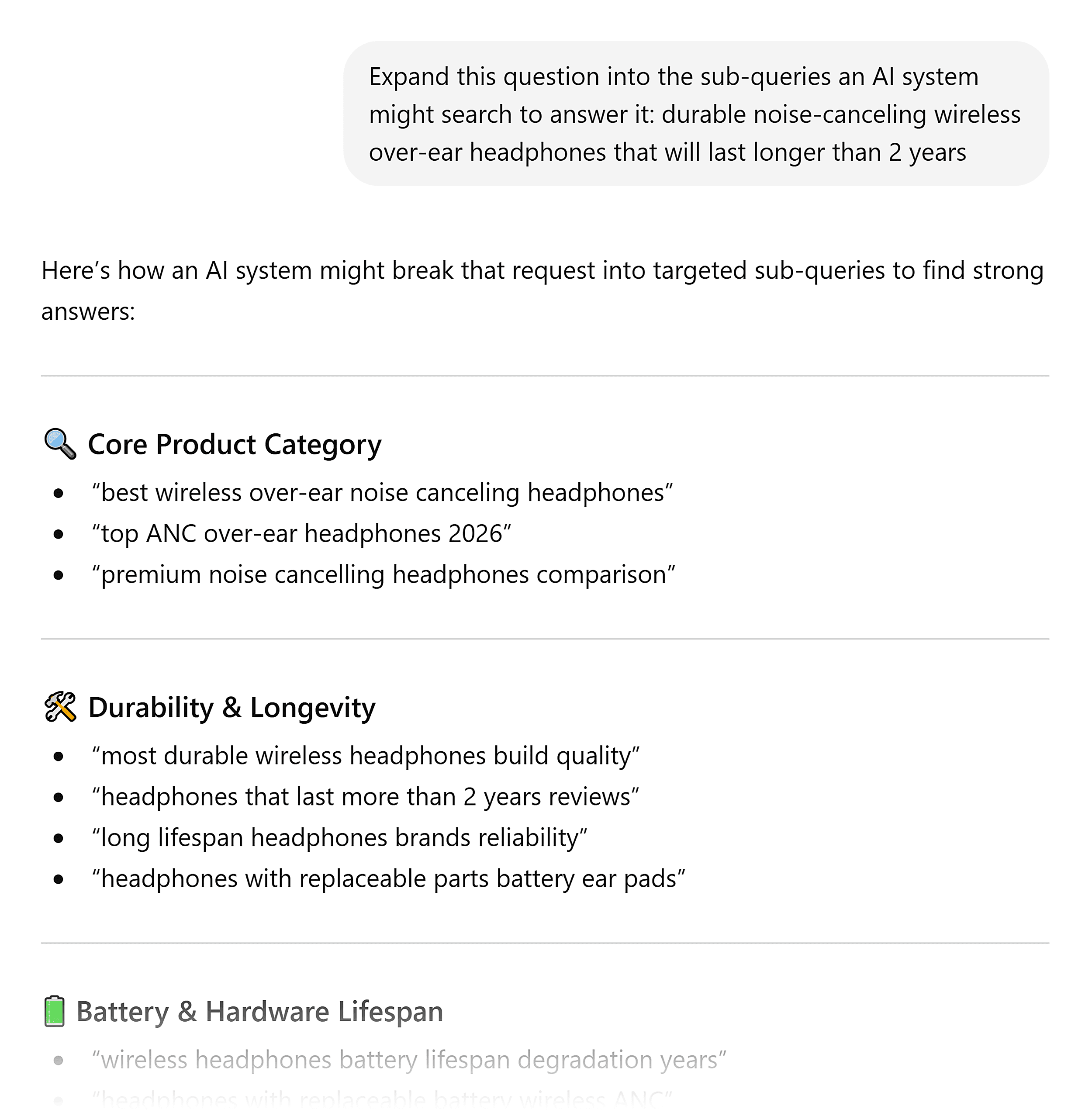
Once money prompts are identified, the next crucial step is to understand the sub-queries that an AI system generates from them. This "fan-out set" reveals the full spectrum of a user’s potential underlying needs and related informational gaps.
- Manual Method (ChatGPT): Input your money prompt into ChatGPT. To uncover the hidden sub-queries, you can use browser developer tools. After getting a response, right-click, select "Inspect," navigate to the "Network" tab, filter by "Fetch/XHR," and locate the conversation’s unique ID. In the "Response" tab, search for "queries" to reveal the exact internal searches ChatGPT performed.
- Automated Tools: Specialized tools, such as Backlinko’s ChatGPT Query Fan-Out Tool (a Chrome extension), can automatically capture and display the sub-queries generated by ChatGPT in real-time.
- Categorization: Assign a query type to each sub-query to understand its nature:
- Reformulation: A reworded version of the original prompt.
- Comparative: Weighs multiple options against each other.
- Implicit: Addresses an unstated but implied user need.
- Personalized: Tailored to specific situations or preferences.
- Entity Expansion: Drills into a specific brand, product, or person.
- Related: A connected topic the AI anticipates the user might explore next.
3. Categorizing Intent for Precision Content
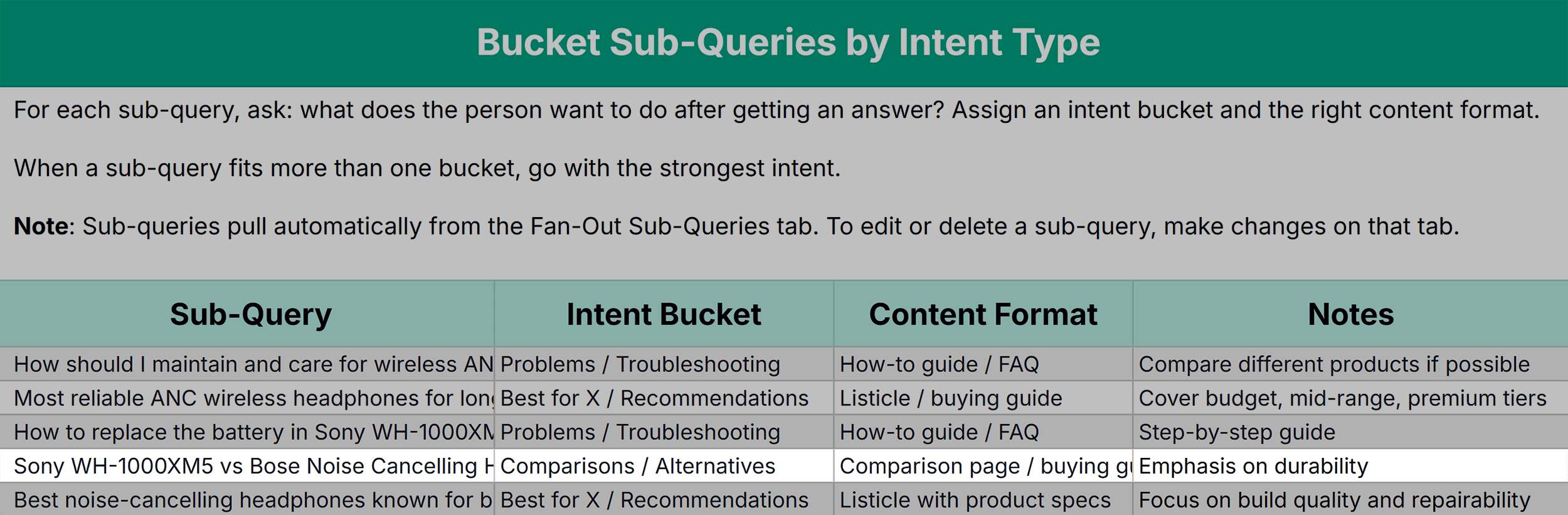
After generating the fan-out set, bucket these sub-queries by their underlying user intent. This informs the optimal content format and approach for each. The core question to ask is: "What does the user actually want to do after getting this answer?"
- Key Intent Buckets and Content Formats:
- Definitions/Basics: (e.g., "how do noise-canceling headphones work") -> Explainer articles, glossary sections.
- Comparisons/Alternatives: (e.g., "Apple AirPods Max vs. Sony WH-1000XM4") -> Dedicated comparison pages, head-to-head sections.
- Best for X/Recommendations: (e.g., "best noise-canceling headphones for working from home") -> Listicles, buying guides, use-case specific product pages.
- Problems/Troubleshooting: (e.g., "how to get rid of background noise in audio") -> How-to guides, FAQ sections.
- Pricing/Value: (e.g., "are there any good wireless headphones with noise cancellation under $150?") -> Pricing pages, value comparison sections.
- Social Proof/Discussions: (e.g., "best earbuds for calls in noisy environment Reddit") -> Review roundups, user feedback sections.
4. Conducting a Comprehensive Content Audit
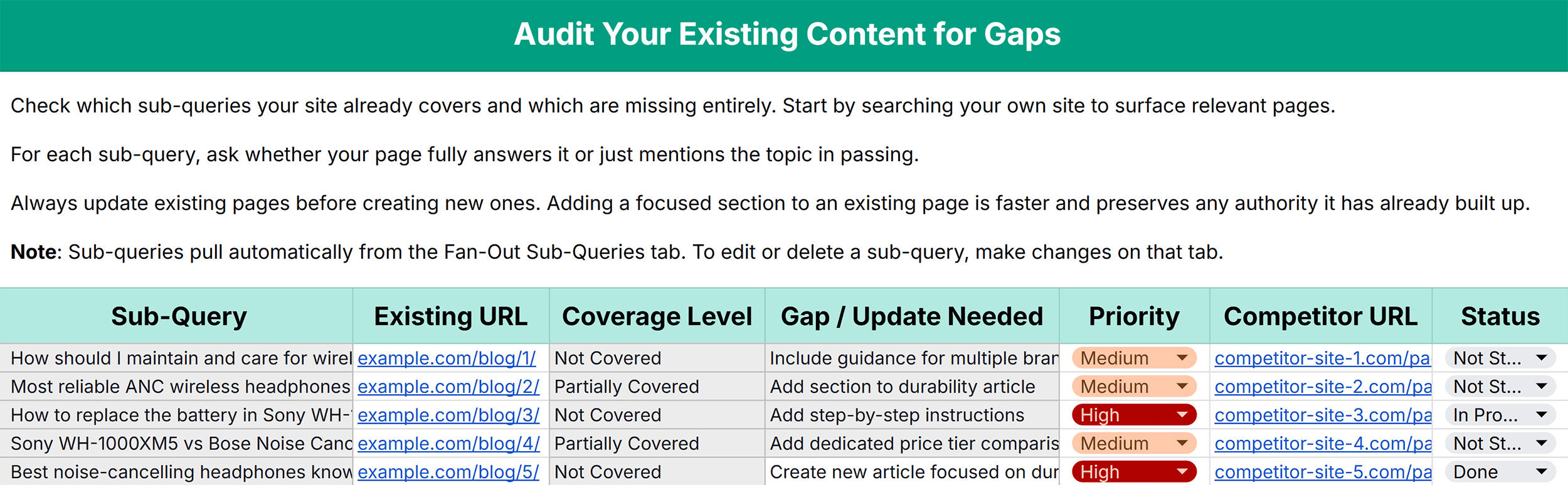
With sub-queries categorized by intent, conduct a thorough audit of your existing content to identify coverage gaps.
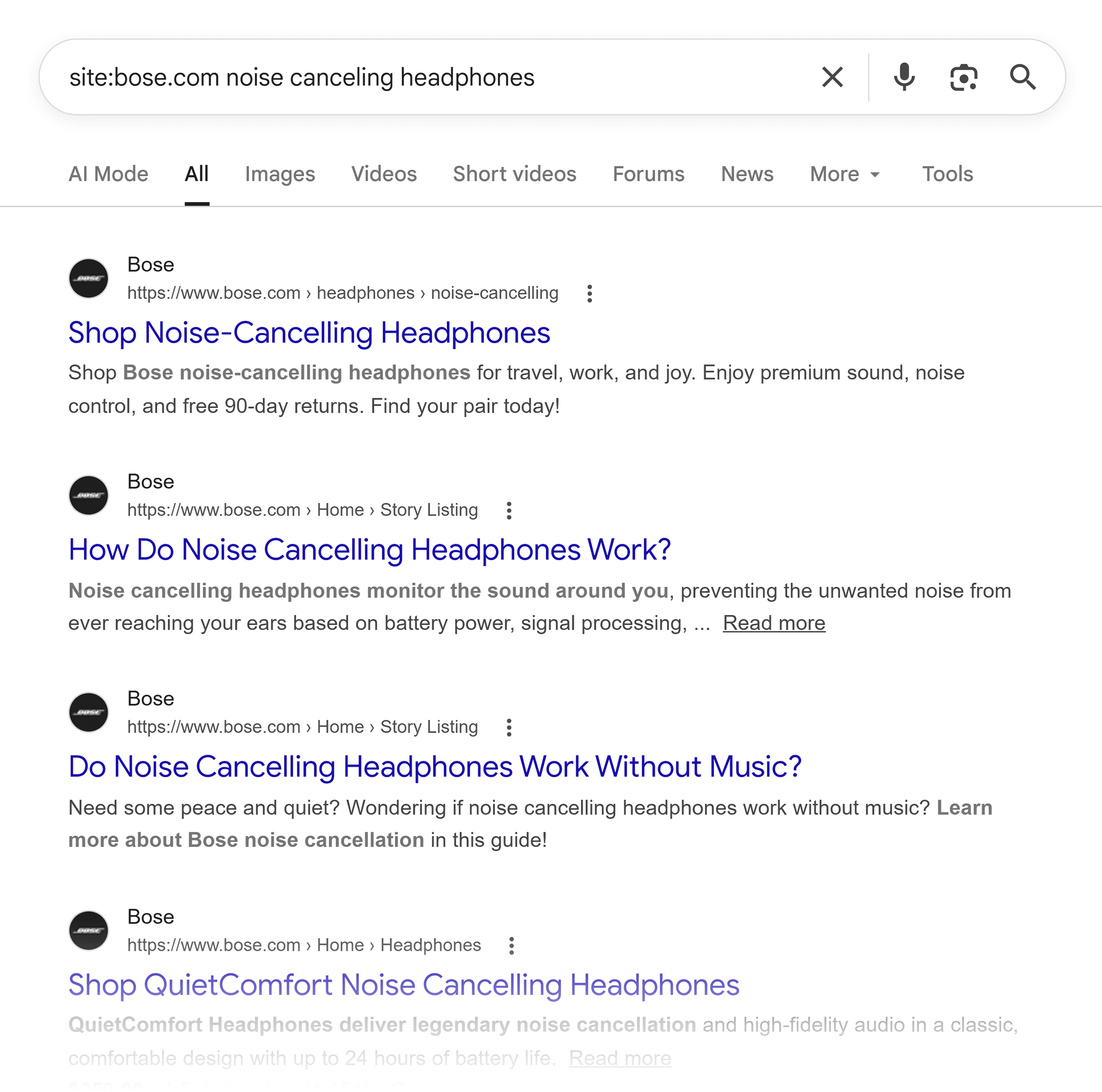
- On-Site Search: Use
site:yourdomain.com [sub-query topic]on Google to find relevant pages. - Evaluate Coverage:
- Not Covered: No content addresses the sub-query directly. -> Action: Create new, dedicated content.
- Partially Covered: The topic is mentioned but not fully resolved. -> Action: Expand existing pages with dedicated, self-contained sections.
- Fully Covered: A page or section completely answers the sub-query. -> Action: Monitor and maintain.
- Competitor Analysis: Use AI visibility tools (like Semrush) to see which competitors are being cited for your money prompts. This highlights opportunities to gain ground or protect existing visibility.
5. Optimizing Content for AI Extraction
Creating the right content is only half the battle; it must also be structured for AI to easily find, parse, and utilize.
- Self-Contained Answers: Ensure each section or passage can stand alone and provide a complete answer without relying on surrounding context.
- Clear and Descriptive Headings: Use H1, H2, H3 tags effectively to signal topic changes and hierarchical information. Headings should be direct answers or questions.
- Structured Data and Tables: Present key facts, specifications, comparisons, and pros/cons in structured formats like tables, bullet points, and numbered lists. This makes information highly extractable for AI.
- Concise Language: Avoid jargon where possible, and get straight to the point. AI prioritizes clarity and directness.
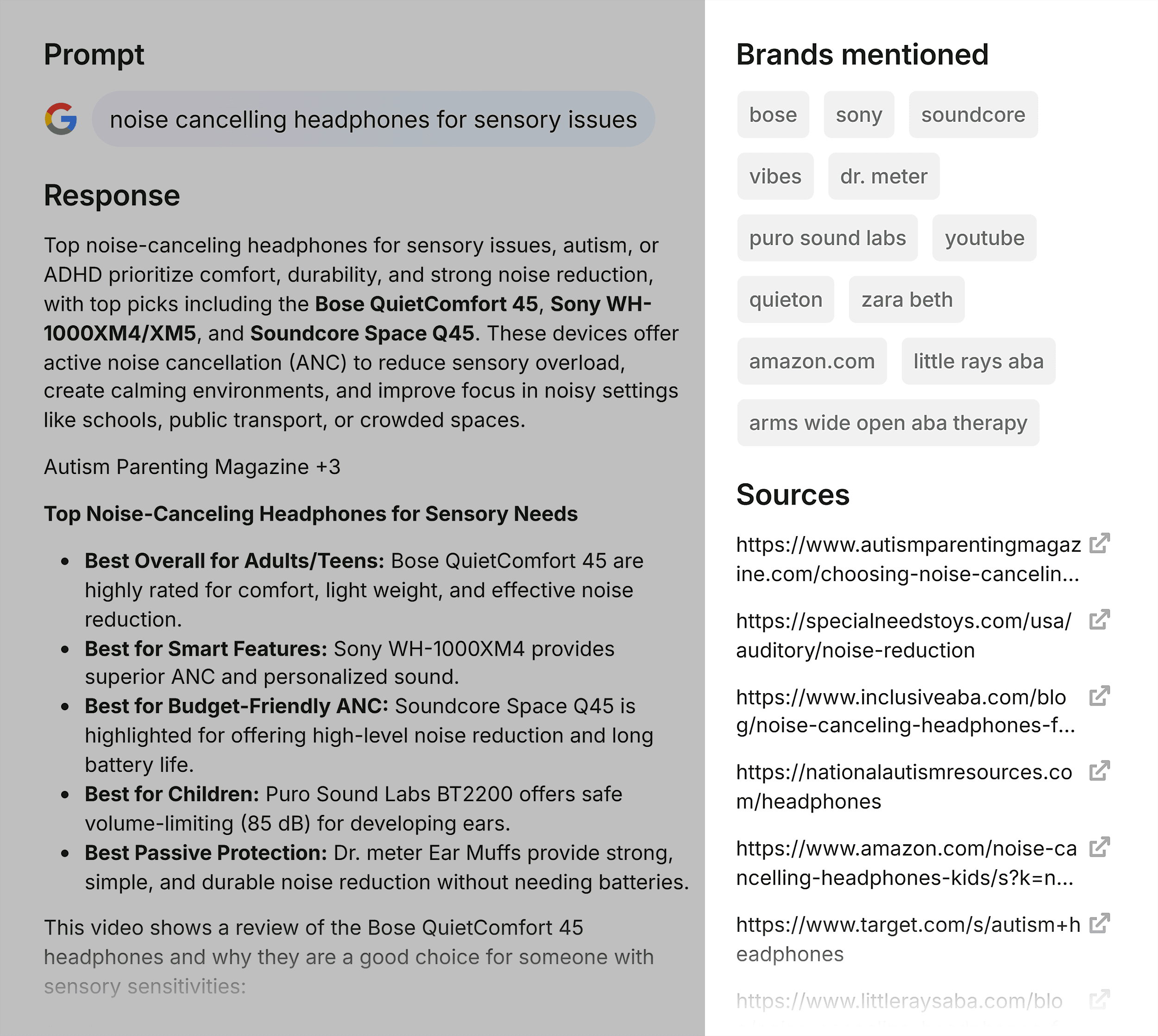
- Use-Case Specificity: Develop content that directly addresses specific scenarios or user needs, as AI often fans out into these niche contexts. For example, Bose creates dedicated landing pages for "noise-canceling headphones for flights," which directly matches AI’s tendency to fan out into such personalized queries.
6. Monitoring and Adapting: Measuring AI Search Performance
The final step is continuous monitoring of your performance in LLMs. AI search is dynamic, and strategies must evolve.
- Track Money Prompts: Regularly check if your content is being cited for your identified money prompts across various LLMs (ChatGPT, Perplexity, Google AI Overviews).
- Utilize AI Visibility Tools: Tools like Semrush’s Prompt Tracker can automate this, alerting you to changes in brand mentions. The Visibility Overview tool tracks your AI visibility score against competitors, providing a macro view of your performance.
- Analyze Sentiment: Tools like Semrush’s Perception tool can track how LLMs describe your brand, identifying strengths (e.g., "industry-leading noise cancellation" for Bose) and weaknesses (e.g., "over-the-ear models not sweatproof"), which can inform future content strategy.
- Iterate and Refine: The process is cyclical. New sub-queries will emerge, and competitor strategies will shift. Regular audits and content updates are essential to maintain and grow AI visibility.
How Query Fan-Out Works Across Different Platforms
While the core concept of query fan-out is consistent, its implementation varies across LLMs, impacting how content should be optimized.
- ChatGPT: For basic informational queries, ChatGPT often relies on its extensive training data. However, for questions requiring fresh data, comparisons, or real-world insights, it performs live web searches and citations. Content should be robust enough to be authoritative from its training data, but also current and well-structured for live searches.
- Perplexity AI: This platform excels at combining conversational context with real-time web searches. It often performs an initial internal scan, considering the user’s past interactions and implied preferences, before launching external searches. This means content needs to be highly specific and self-contained to remain accurate and useful, regardless of the unique context Perplexity might layer over it.
- Claude: Claude distinguishes itself by often seeking clarification from the user before generating an answer. It prioritizes understanding intent, leading to fewer but more targeted fan-out sub-queries. Content optimized for Claude should focus on directly addressing specific, well-defined use cases rather than attempting to cover every conceivable angle on a single page.
- Google AI Overviews and AI Mode: Google’s AI Overviews provide concise, AI-generated summaries directly within search results, with clickable source citations. AI Mode offers a more interactive, conversational search experience for complex queries. Both synthesize information from Google’s web index. For these platforms, content must be front-loaded with answers, use descriptive subheadings, and be structured so individual passages can function as standalone, extractable summaries. Dan Hinckley’s tutorial on extracting Google’s fan-outs using Screaming Frog and the Gemini API offers advanced insights for deep optimization.
Broader Implications for Digital Strategy
The shift towards query fan-out and AI-driven search signifies a profound evolution in digital strategy. It moves beyond a singular focus on traditional search rankings to a more nuanced appreciation of comprehensive topical authority, passage-level optimization, and user intent. Brands that embrace this change will be better positioned to engage with audiences in the conversational interfaces of the future. The emphasis is now on becoming a definitive, trustworthy, and easily extractable source of information across the entire spectrum of a topic, ensuring that when an AI "thinks" about a user’s question, your brand’s expertise is consistently part of the answer. This calls for a content strategy that is agile, deeply user-centric, and meticulously structured for AI consumption.