The Fragility of Fixed-Height Layouts and the Transition to Intrinsic Web Design Principles.

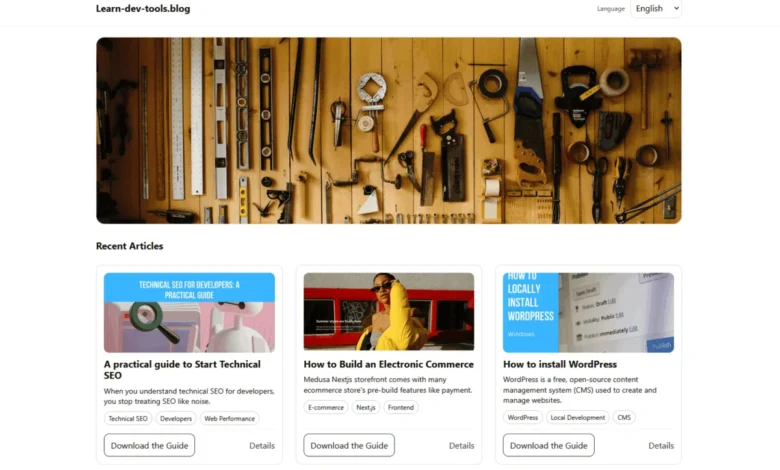
The modern web development landscape is currently navigating a significant shift from "pixel-perfect" static designs to resilient, intrinsic layouts that prioritize content flexibility over rigid visual containers. For years, the industry standard for UI components, particularly in the construction of informational cards and grid-based galleries, relied on fixed-height specifications. While these fixed dimensions offer a sense of aesthetic symmetry in design mockups, they have increasingly been identified as a primary source of structural failure when exposed to the unpredictable nature of real-world data.
The core conflict arises when a designer’s static vision meets the dynamic realities of the live web. In a typical development workflow, a designer provides a mockup where every element is perfectly aligned; titles are uniform in length, excerpts are curated to fit exactly three lines, and images share identical aspect ratios. However, as these components transition into production environments, they frequently encounter variables that the initial design did not account for, such as content updates, internationalization, and user-driven accessibility settings.
The Chronology of Component Degradation
The failure of fixed-height layouts typically follows a predictable timeline, beginning with the implementation of a "stable" design. In the initial phase, a developer implements CSS rules that enforce strict vertical limits, often using specific pixel values for card heights. To maintain a clean appearance, secondary properties such as overflow: hidden or -webkit-line-clamp are employed. These act as a "safety net," masking any content that exceeds the designated space.
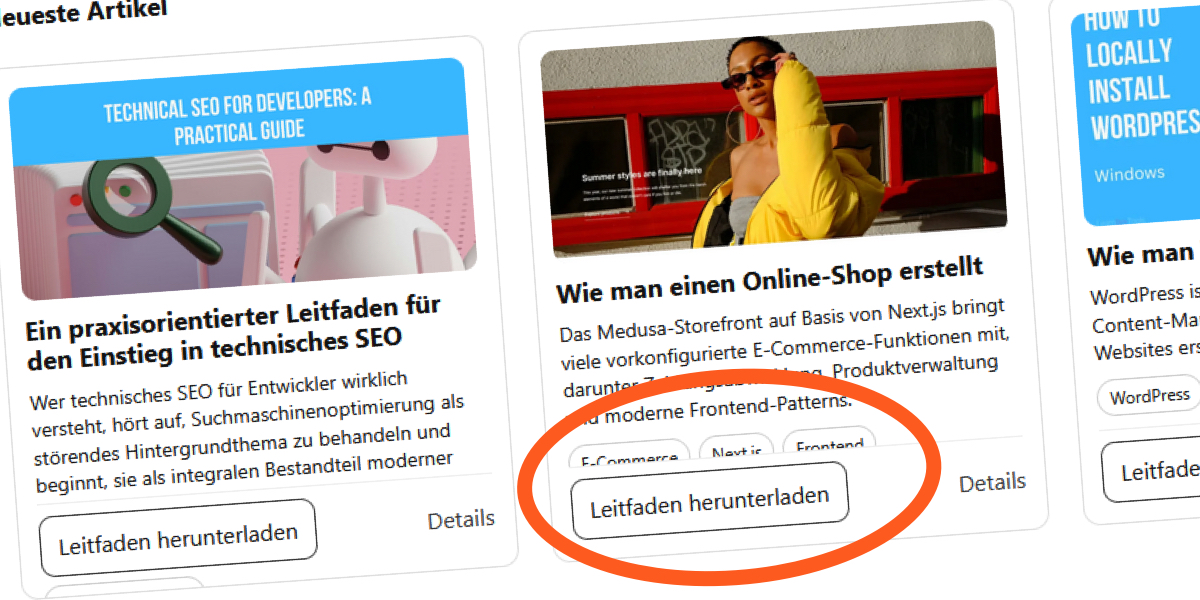
The second phase occurs during content population. When editorial teams introduce headlines that are slightly longer than the placeholder text, the layout remains visually intact but begins to suppress information. The third and most critical phase of failure is triggered by external factors: translation and accessibility.
Data from internationalization (i18n) studies indicates that translating English text into languages such as French or Italian typically results in a 20% to 30% increase in word count. German, known for its compound nouns, often produces even longer strings that lack natural break points. When these translations are injected into fixed-height containers, the text either overlaps with neighboring elements or is truncated so severely that the user loses the context of the information.

Finally, the layout faces the "accessibility test." According to the Web Content Accessibility Guidelines (WCAG) Success Criterion 1.4.4, web content must remain functional when text is resized up to 200%. Users with low vision or digital eye strain frequently increase their browser’s default font size. In a fixed-height container, this increase in text size creates internal pressure; because the container cannot grow, the text must either collide with other UI elements or disappear, rendering the component unusable for a significant portion of the population.
Technical Analysis of Fragile CSS Patterns
The technical debt associated with fixed-height layouts is often rooted in three specific CSS patterns: explicit height declarations, absolute positioning for internal actions, and over-reliance on line clamping.
When a developer sets a property like height: 375px, they are overriding the browser’s natural ability to calculate dimensions based on content. This creates a "ceiling" that the content cannot penetrate. Furthermore, to keep call-to-action buttons at the bottom of these cards, developers often use position: absolute. While this effectively pins the button to the bottom of the container, it removes the element from the document flow. Because the button is no longer "seen" by the other elements, the developer must manually reserve space using padding.

Industry analysis suggests that these manual estimates are rarely accurate across all viewports. If a button’s text wraps to a second line due to a language change or a font size increase, it will inevitably overlap with the text above it because the reserved padding was based on a single-line assumption.
The use of line-clamp is another common defensive strategy. While it provides a visual "mute button" for overflowing text, it is often used as a crutch to avoid addressing underlying layout issues. If a layout only "works" because 40% of the content is being hidden, the design is effectively failing to communicate the very information it was built to deliver.
Transitioning to Intrinsic Sizing and Resilient Architecture
To solve these systemic issues, the web development community is moving toward intrinsic sizing—a methodology where the container’s dimensions are determined by the sum of its internal parts. This approach leverages modern CSS features like Flexbox and Grid to create layouts that are both visually aligned and structurally flexible.

The first step in refactoring a fragile component is the removal of the fixed height. By allowing the browser to calculate height naturally, the component can expand to accommodate any amount of text. To maintain the "equal height" look that designers desire, developers are increasingly utilizing CSS Grid’s default behavior. When elements are placed in a grid, the align-items: stretch property ensures that all cards in a row match the height of the tallest card, without requiring a single hard-coded pixel value.
The second refinement involves the use of Flexbox for internal card structure. By setting a card to display: flex with a flex-direction: column, the developer can use the flex: 1 property on the card’s body or description. This instruction tells the browser to allow that specific section to grow and fill all available vertical space, pushing the action buttons to the bottom of the card naturally while keeping them within the document flow. This eliminates the need for absolute positioning and fragile padding estimates.
Furthermore, fluid typography using the CSS clamp() function has emerged as a vital tool for responsiveness. By declaring font-size: clamp(1rem, 2vw, 1.25rem), developers can ensure that text scales smoothly between a defined minimum and maximum size based on the viewport width. This prevents titles from becoming overbearingly large on small screens or insignificantly small on large displays, further reducing the risk of layout collisions.

The Role of Stress Testing in Modern UI Development
To ensure the longevity of a component, technical leads are now advocating for "stress test" protocols during the development phase. Rather than testing components with ideal "Lorem Ipsum" text, developers are encouraged to simulate worst-case scenarios:
- The German/French Test: Replacing English strings with their longer translated counterparts to check for overflow.
- The Accessibility Test: Increasing the browser’s default font size to 200% to ensure the layout expands vertically rather than breaking.
- The "Broken Image" Test: Removing images to see if the card maintains its structural integrity when media fails to load.
- The Unbroken String Test: Inserting long, continuous strings (such as URLs or technical terms) to test how the container handles overflow and word-breaking.
By building these stress tests into the development workflow—often through simple CSS "stress classes" that can be toggled during review—teams can identify and fix structural weaknesses before they reach the end user.
Broader Impact and Industry Implications
The shift away from fixed-height layouts is not merely a technical preference; it has significant implications for business ROI and user retention. A resilient layout reduces the long-term maintenance costs of a website. When a component is built to be "content-agnostic," editorial teams can update copy without needing a developer to "tweak" the CSS for every minor change.

Moreover, in an era of globalized digital products, the ability to support multiple languages seamlessly is a competitive advantage. Companies that ignore intrinsic design often find themselves in a cycle of "hotfixing" their UI every time they enter a new market, leading to fragmented codebases and inconsistent user experiences.
From a legal and ethical standpoint, the move toward flexible layouts aligns with the global push for digital inclusivity. As governments worldwide strengthen web accessibility laws (such as the European Accessibility Act), the "pixel-perfect" mindset is being replaced by a "user-perfect" philosophy. In this new paradigm, the success of a design is measured not by its adherence to a static mockup, but by its ability to remain functional, readable, and beautiful across an infinite variety of devices, languages, and user needs.
Ultimately, the fragility of fixed-height layouts serves as a reminder of the web’s unique nature as a medium. Unlike print, the web is fluid and uncontrollable. The most successful modern designs are those that embrace this fluidity, using the browser’s inherent logic to create interfaces that are as robust as they are elegant.