Google Ads Rolls Out Video Campaign Groups for Enhanced YouTube Reach and Frequency Optimization

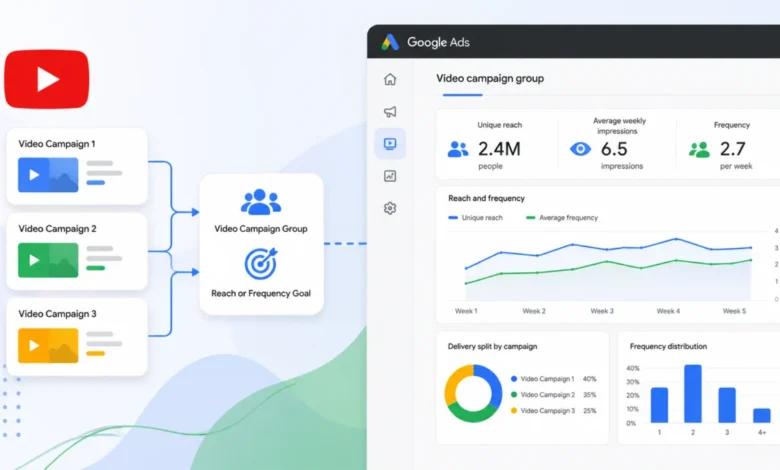
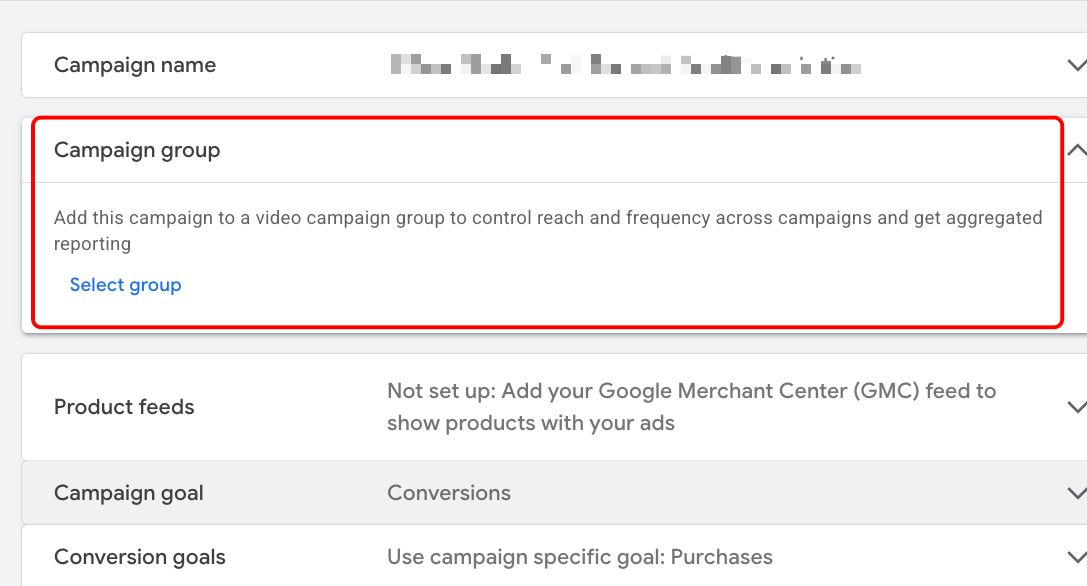
Google Ads has introduced video campaign groups for YouTube reach and frequency campaigns, a significant development designed to streamline advertising efforts by allowing advertisers to coordinate delivery across multiple video campaigns. This new functionality enables optimization toward a unified reach or frequency objective, addressing long-standing challenges in managing complex video advertising strategies. The primary goal of this feature is to simplify campaign management, enhance audience reach, and mitigate the risk of overexposure, thereby improving overall media efficiency and campaign performance on YouTube.
Unpacking the New Feature: Video Campaign Groups
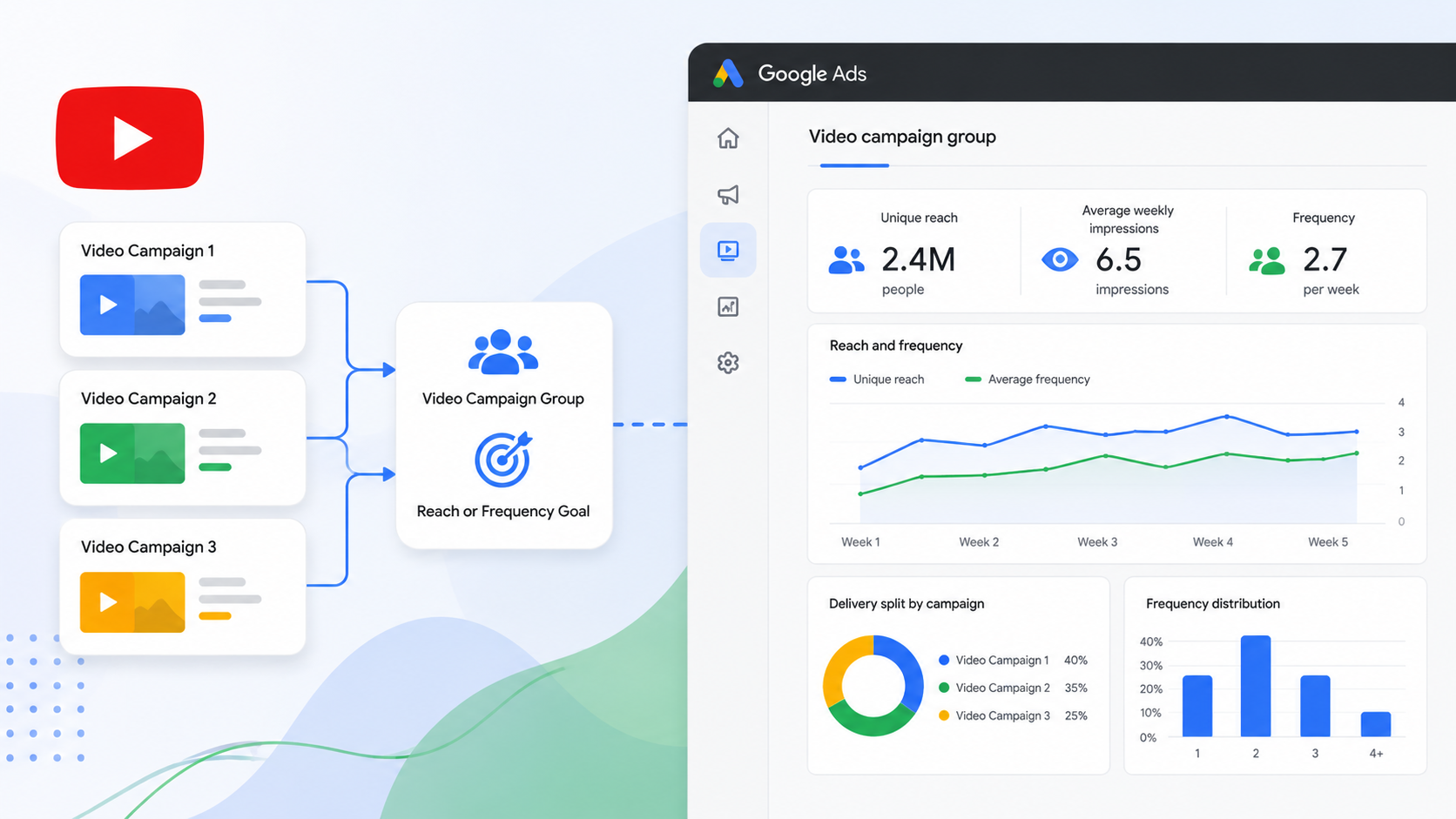
The global rollout of video campaign groups within Google Ads marks a pivotal moment for advertisers leveraging YouTube as a core component of their marketing mix. This feature allows advertisers to aggregate several distinct video campaigns under a singular strategic umbrella, defining a collective reach or frequency target. Crucially, while operating under this shared objective, advertisers retain granular control over individual campaign elements, including budget allocation, creative assets, targeting parameters, and other specific settings. This blend of centralized optimization with decentralized control offers a flexible framework for sophisticated advertising strategies.
A key enhancement accompanying this update is the introduction of unified reporting. Previously, advertisers would need to compile and analyze data from disparate campaigns to gauge overall performance against reach and frequency goals. The new system provides a consolidated view, offering comprehensive insights into metrics vital for understanding audience engagement and campaign effectiveness. While the original source did not explicitly list all metrics, typical unified reporting for such groups would encompass total unique reach, average frequency across the grouped campaigns, overall impressions, video views, cost per unique reach, and other aggregated performance indicators, allowing for a holistic assessment of the entire group’s impact. This centralized data dashboard promises to significantly reduce manual reporting efforts and provide clearer, actionable insights for media buyers and strategists.
The Strategic Imperative: Why Reach and Frequency Matter
At the heart of effective advertising lies the delicate balance between reach and frequency. Reach refers to the number of unique individuals exposed to an advertisement, while frequency denotes the average number of times each unique individual is exposed within a given period. Both are critical for brand awareness, recall, and ultimately, driving consumer action. Insufficient reach means a message fails to connect with a broad enough audience, limiting potential impact. Conversely, inadequate frequency can result in a message being forgotten or failing to resonate deeply enough.
The challenge, however, is managing frequency effectively to avoid both under-exposure and overexposure. Under-exposure can lead to wasted ad spend as the message doesn’t stick. Overexposure, on the other hand, can lead to ad fatigue, negative brand sentiment, and diminishing returns on investment. Consumers bombarded with the same ad repeatedly are likely to develop irritation, actively ignore subsequent impressions, or even develop negative perceptions of the brand. This highlights the importance of an optimal frequency, a concept supported by various industry studies.
Google’s announcement references a Meridian marketing mix modeling (MMM) study, which found that an optimal frequency of 2.7 impressions per week resulted in a 19% increase in Return on Investment (ROI). This specific data point underscores the tangible financial benefits of precise frequency management. By enabling advertisers to set and manage frequency targets across multiple campaigns simultaneously, video campaign groups directly facilitate achieving such optimal exposure levels. This capability helps ensure that ad spend is directed efficiently, maximizing the impact of each impression without leading to audience burnout. For brands, this translates into more effective brand building, improved message recall, and a higher likelihood of influencing purchasing decisions.
Evolution of YouTube Advertising and Advertiser Challenges
YouTube has grown exponentially since its inception, evolving from a nascent video-sharing platform into a global media powerhouse and a cornerstone of digital advertising. With over 2 billion logged-in monthly users and countless hours of video content consumed daily, it represents an unparalleled opportunity for advertisers to connect with diverse audiences through engaging video formats. The platform’s advertising ecosystem has matured significantly, offering a wide array of ad formats, targeting capabilities, and bidding strategies.
However, as the complexity and scale of YouTube advertising have grown, so too have the challenges faced by advertisers. Managing multiple video campaigns, often with different objectives (e.g., brand awareness, product launch, retargeting), creative assets, and budget allocations, has traditionally been a resource-intensive endeavor. Advertisers and media agencies have had to manually monitor reach and frequency performance on a campaign-by-campaign basis, often resorting to intricate spreadsheets and custom dashboards to gain a holistic view. This fragmented approach made it difficult to prevent audience overlap between campaigns, leading to inefficiencies where the same user might see ads from different campaigns for the same brand within a short period, resulting in overexposure.
The lack of a unified control mechanism for reach and frequency across an advertiser’s entire YouTube presence meant that media planners often spent considerable time and effort attempting to manually synchronize campaign deliveries. This was particularly cumbersome for large brands running extensive, multi-phase awareness campaigns that required careful sequencing and frequency capping across various creative iterations and audience segments. The manual overhead not only consumed valuable time but also increased the margin for error, potentially leading to suboptimal media buys and missed opportunities for maximizing unique audience reach. Video campaign groups directly address these pain points by offering a centralized coordination mechanism, thereby freeing up advertisers to focus more on overarching audience strategy rather than the minutiae of individual campaign adjustments.
Chronology of Google’s Automation Efforts and Industry Trends
The introduction of video campaign groups is not an isolated development but rather aligns with a broader, long-term strategy by Google to enhance automation, simplify campaign management, and optimize performance across its advertising platforms. Over the past few years, Google Ads has steadily rolled out features aimed at centralizing controls and leveraging machine learning to improve advertising efficiency.
One prominent example is the launch of Performance Max, a goal-based campaign type that allows advertisers to access all of their Google Ads inventory from a single campaign. Performance Max leverages automation to optimize performance across search, display, YouTube, Gmail, and Discover feeds, demonstrating Google’s commitment to cross-channel optimization. Similarly, the evolution of Smart Bidding strategies, which use AI to optimize bids in real-time for various conversion goals, reflects this trend towards intelligent automation.
This progression underscores a fundamental shift in digital advertising: from a focus on granular, manual control over every minute setting to a more strategic, outcome-oriented approach where automation handles the complex, real-time adjustments. Advertisers are increasingly looking for tools that can coordinate delivery, optimize budgets, and improve targeting across a multitude of channels and campaign types without sacrificing transparency or control over strategic objectives. Video campaign groups can be seen as a direct extension of this philosophy, bringing sophisticated, coordinated optimization to the realm of YouTube video advertising. This move also reflects a broader industry trend where ad tech platforms are investing heavily in AI-driven solutions to manage the increasing complexity of the digital media landscape, aiming to deliver better ROI for advertisers through smarter, more integrated campaign execution.
Industry Perspectives and Anticipated Benefits
The digital advertising industry is poised to welcome this new feature with significant interest, particularly among large brands, media agencies, and performance marketers who manage extensive YouTube advertising portfolios. For advertisers, the immediate and most tangible benefit is simplified campaign management. The ability to group campaigns under a shared reach or frequency goal means less time spent on manual adjustments and more time dedicated to creative strategy, audience insights, and overall business objectives.
Media agencies, often tasked with managing numerous client campaigns, will likely find video campaign groups invaluable for improving operational efficiency. By centralizing optimization and reporting, agencies can better demonstrate campaign effectiveness to clients, provide clearer performance summaries, and allocate resources more strategically. This can lead to improved client satisfaction and stronger agency-client relationships.
From Google’s perspective, this update reinforces its position as a leading advertising platform by providing advanced tools that address critical advertiser needs. By making it easier for brands to achieve optimal reach and frequency on YouTube, Google encourages greater investment in its video advertising offerings, potentially leading to increased ad spend and market share. The implicit message is clear: Google is committed to continuously evolving its platform to deliver superior value and performance for advertisers.
Paid Search Expert Arpan Banerjee, who first spotted and shared a screenshot of the update, highlighted the practical impact this feature could have on campaign managers. The streamlined workflow and enhanced control over audience exposure are expected to be key advantages, particularly for those orchestrating large-scale awareness campaigns where precise frequency management is paramount.
Broader Implications for Digital Advertising
The introduction of video campaign groups carries several broader implications for the digital advertising landscape. Firstly, it signifies a continued shift towards audience-centric planning. By allowing advertisers to focus on how their message reaches and resonates with unique individuals across multiple campaigns, the feature encourages a more holistic view of the consumer journey rather than siloed campaign management. This aligns with modern marketing principles that prioritize customer experience and brand consistency.
Secondly, it is likely to foster greater media efficiency. Reducing unnecessary overlap and ensuring optimal frequency across campaigns means less wasted ad spend. This can free up budget for further experimentation, expansion into new markets, or investment in higher-quality creative assets, ultimately leading to a more impactful advertising presence. In an environment where every marketing dollar counts, tools that enhance efficiency are highly valued.
Thirdly, this development further blurs the lines between traditional media planning and digital media execution. The ability to coordinate reach and frequency across a digital platform like YouTube brings it closer to the sophisticated media planning capabilities traditionally associated with television and other broadcast media. This integration of strategic planning with automated execution is a powerful combination that enhances the sophistication of digital video advertising.
Finally, the move strengthens Google’s competitive edge in the video advertising space. As other platforms vie for advertising budgets, offering advanced tools that simplify complex tasks and improve ROI becomes a critical differentiator. This feature could influence how advertisers allocate their video ad budgets, potentially consolidating more spend on YouTube and within the Google Ads ecosystem due to the enhanced control and efficiency offered.
Future Outlook: Expanding to Display & Video 360
Looking ahead, Google has confirmed that the video campaign group feature will expand to Display & Video 360 (DV360) in the near future. This planned integration is a significant piece of information, as DV360 is Google’s demand-side platform (DSP) for programmatic advertising, used by larger agencies and advertisers for sophisticated, data-driven media buying across a vast network of publishers, including YouTube.
The extension to DV360 will allow advertisers to coordinate reach and frequency across multiple YouTube line items within the programmatic platform. This will provide an even greater level of control and optimization for advertisers running complex, omnichannel campaigns, allowing them to manage YouTube video exposure in conjunction with other display and video inventory purchased programmatically. This future development underscores Google’s ambition to offer seamless, integrated solutions for media buying across its entire advertising stack, catering to the needs of advertisers at every scale and level of sophistication.
Conclusion
The rollout of video campaign groups for YouTube reach and frequency campaigns in Google Ads represents a significant step forward in simplifying and optimizing video advertising. By providing a centralized mechanism to manage audience exposure across multiple campaigns while preserving granular controls, Google is empowering advertisers to achieve greater media efficiency, reduce ad fatigue, and maximize the impact of their video content. This feature aligns with Google’s broader strategy of automation and smart optimization, offering a robust solution that is expected to enhance campaign performance, streamline workflows for advertisers and agencies, and ultimately drive better returns on investment in the dynamic landscape of digital video advertising. As the feature expands to Display & Video 360, its strategic importance within the broader programmatic ecosystem will only grow, further cementing YouTube’s role as an indispensable platform for effective video communication.