Why High-Ranking Websites Are Missing Out on AI Citations and How Query Fan-Out is Redefining Digital Discovery

The rules of online visibility are undergoing a profound transformation as artificial intelligence redefines how consumers discover information. For years, digital marketers and content creators focused on a singular objective: securing a top-three ranking on Google search engine results pages (SERPs). However, recent market shifts reveal that a website can comfortably sit on the first page of traditional search engines while remaining entirely invisible to Large Language Models (LLMs) such as ChatGPT, Perplexity, and Claude.
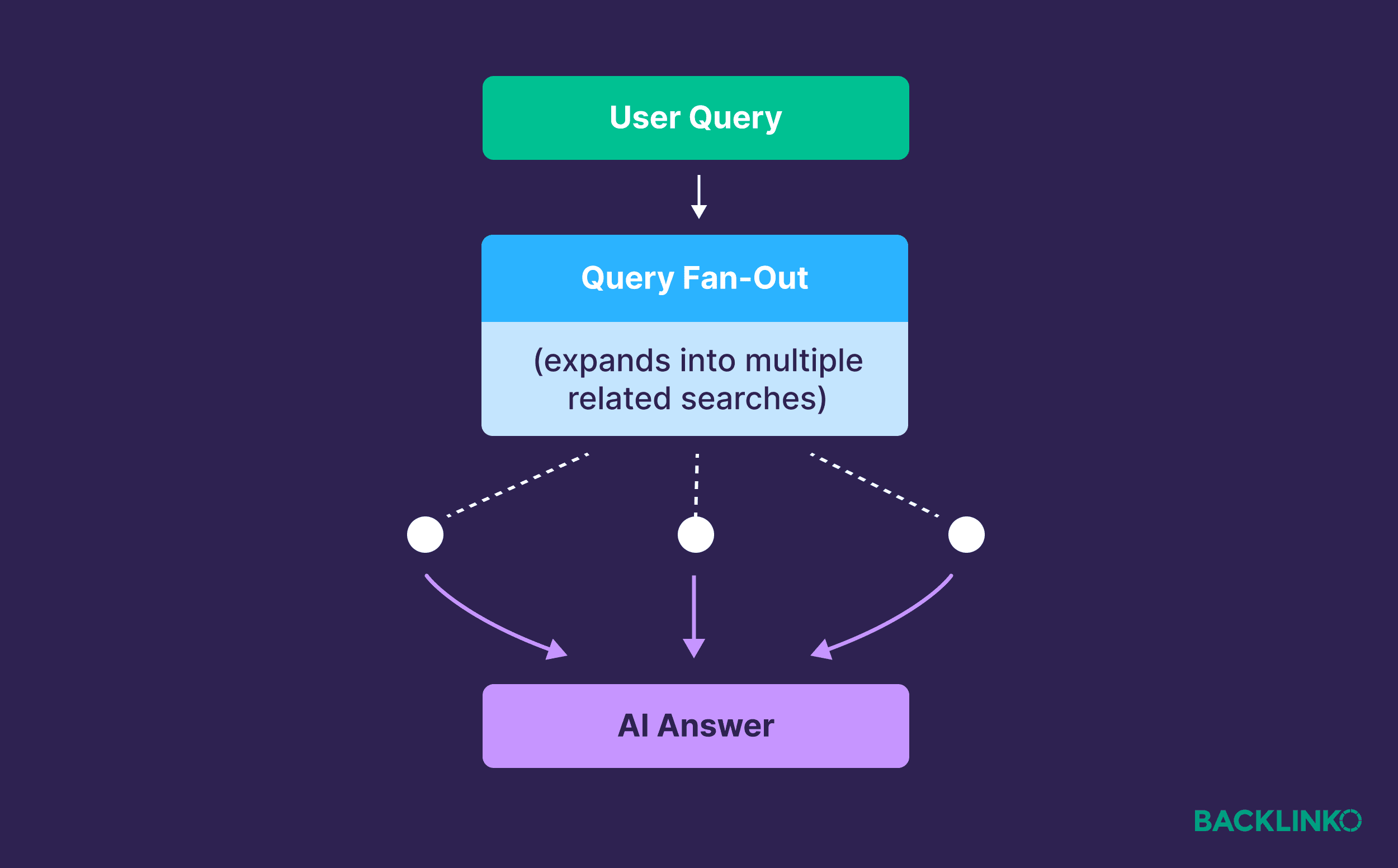
This disconnect has left many organizations puzzled as to why their meticulously optimized content is ignored by AI-powered search interfaces. The answer lies in a foundational architectural process used by modern AI systems known as "query fan-out." Understanding this background process is no longer optional for digital strategists; it is critical for survival in an ecosystem where AI search engines increasingly dictate consumer journeys.
The Mechanics of Query Fan-Out in Modern AI Search
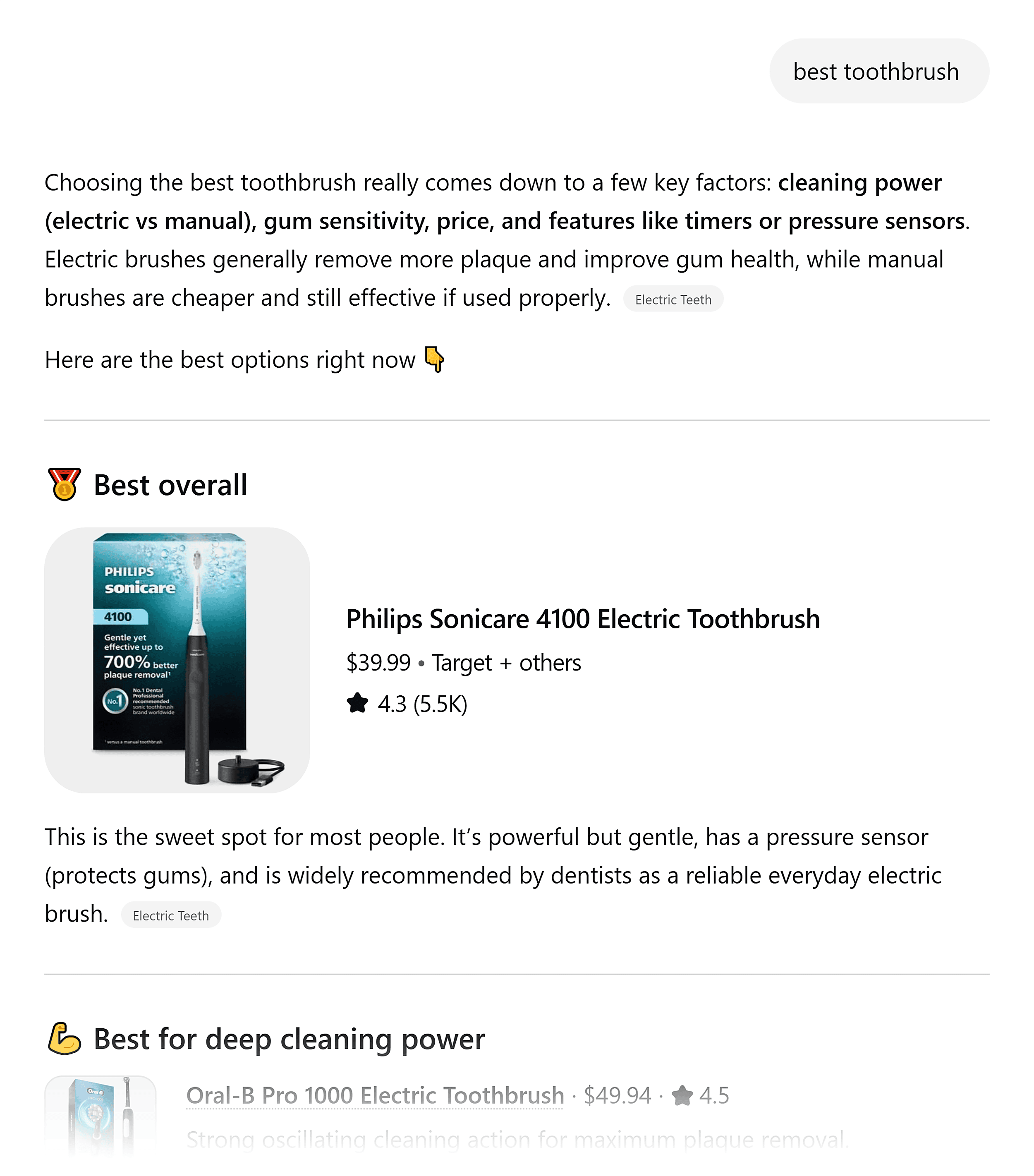
To comprehend why traditional SEO metrics are falling short, one must examine what happens behind the scenes when a user submits a prompt to an LLM. Unlike traditional search engines that evaluate a keyword string against a direct index of web pages, generative AI models approach queries with deep linguistic and contextual reasoning.
When a user asks a complex or conversational question—referred to in the industry as a "money prompt"—the AI system does not immediately default to the highest-ranking conventional page. Instead, it initiates a background mechanism called query fan-out. The AI system breaks the single user query down into multiple related sub-queries, effectively "fanning out" to investigate different facets of the topic simultaneously.
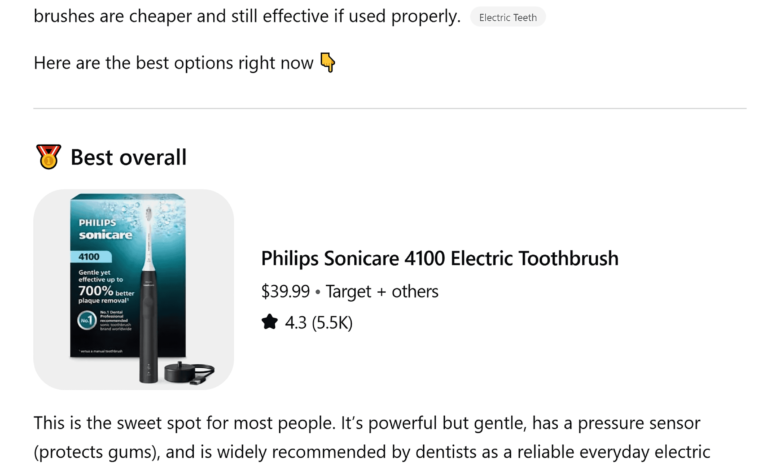
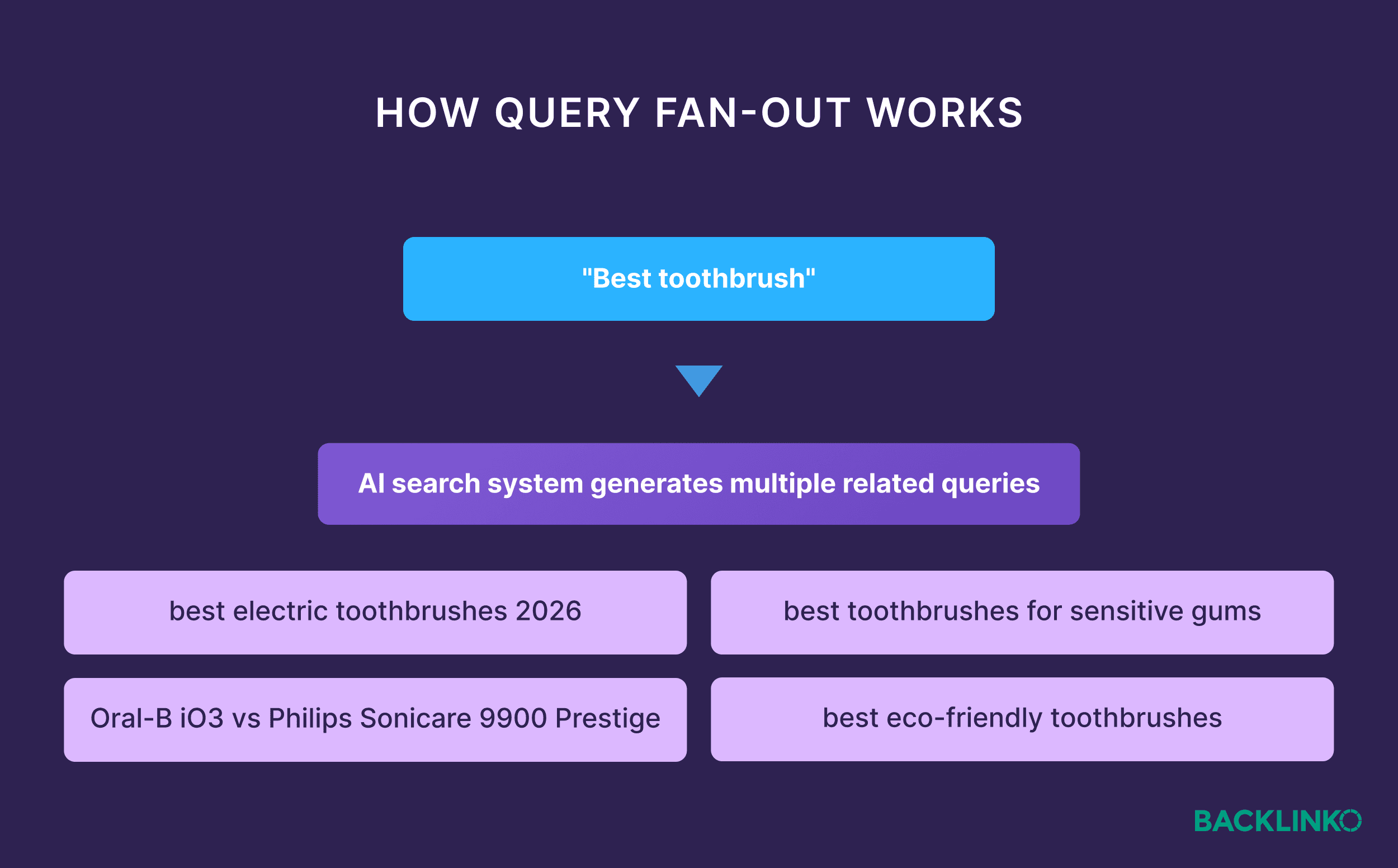
For instance, a broad user prompt like "best toothbrush" triggers a cascade of underlying sub-queries behind the scenes. These can include variations such as "best electric toothbrushes for sensitive gums," "Oral-B versus Philips Sonicare head-to-head comparisons," and "eco-friendly toothbrush pricing and availability."
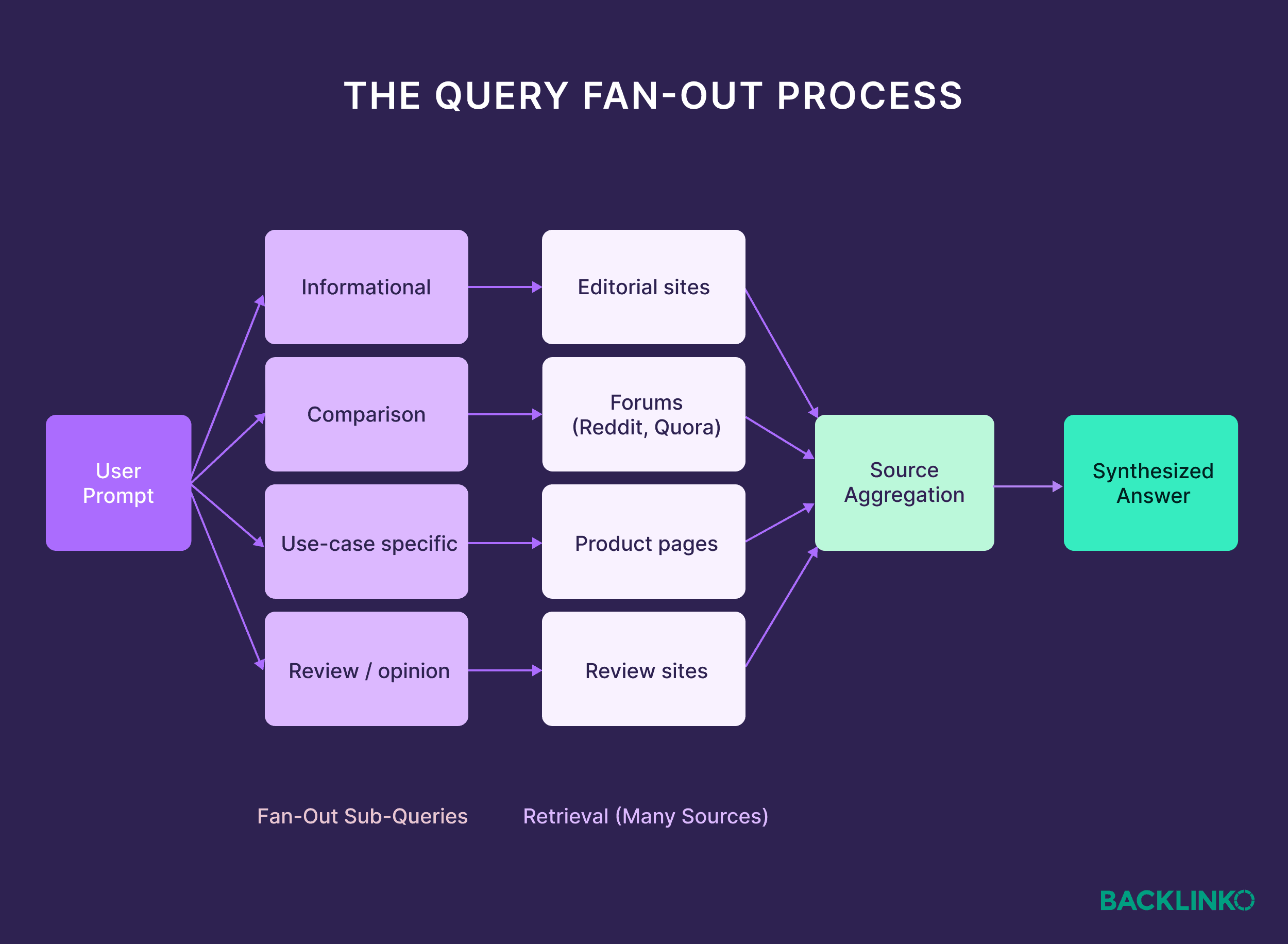
Rather than relying on a single authoritative source, the AI system gathers data from a diverse array of origins—ranging from editorial review sites and specialized product pages to consumer forums like Reddit. It then synthesizes these disparate pieces of information into a single, cohesive, comprehensive answer. If a brand’s content or third-party mentions do not appear within the results of those specific background sub-queries, the brand will likely be omitted from the final AI response altogether.
Shifting Paradigms: Why Traditional Rankings Are No Longer King
The rise of query fan-out has challenged several long-held assumptions within the digital marketing and search optimization industries. Data gathered from recent studies by prominent analytics platforms and search researchers illustrates a significant divergence between traditional ranking positions and LLM citations.
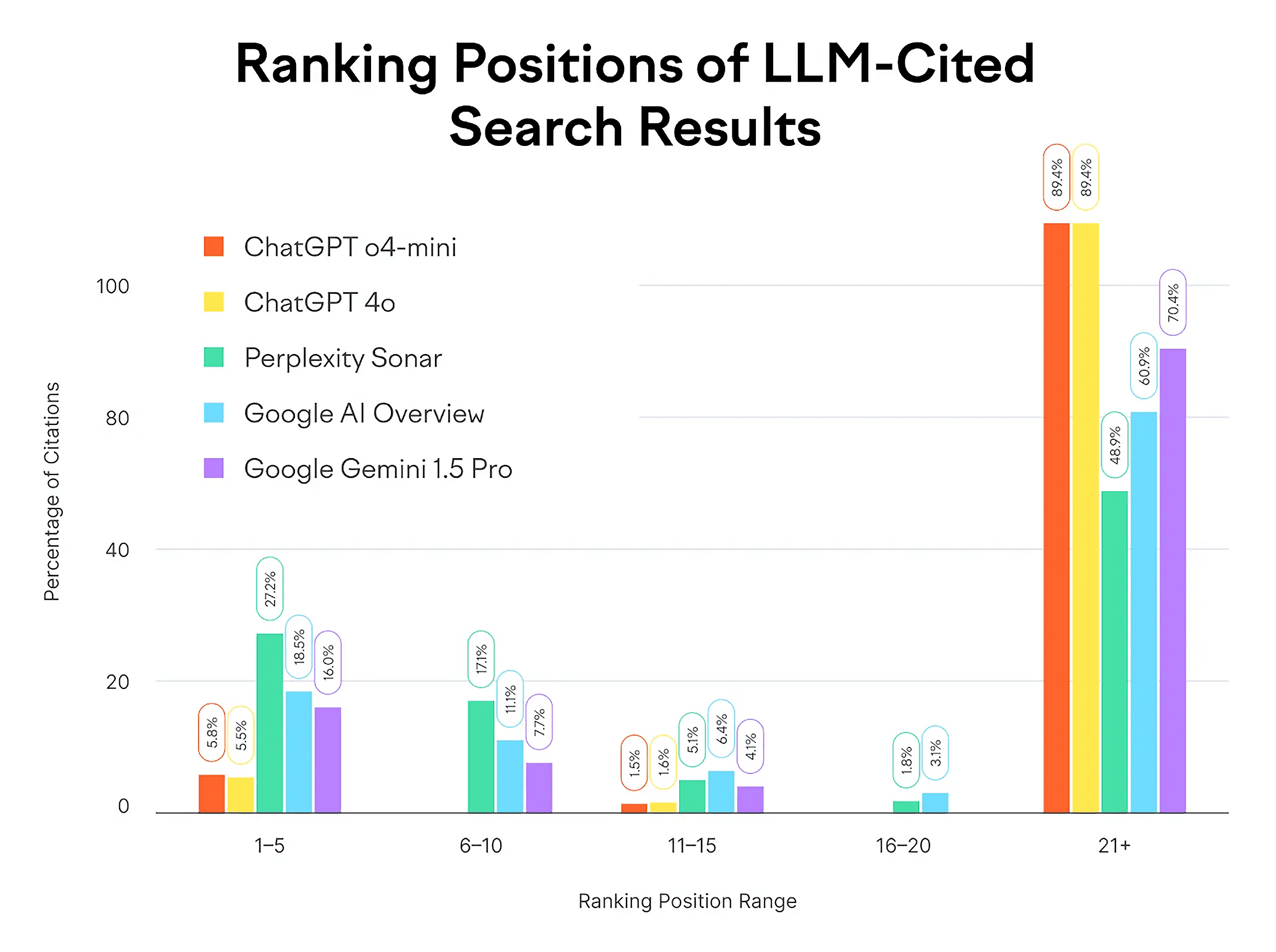
A widely cited study by Semrush revealed that ChatGPT cites web pages positioned at 21 and below in traditional search rankings nearly 90% of the time. Similarly, platforms like Perplexity and Google AI Overviews routinely pull information from deep within search results rather than exclusively favoring the top three organic links. This occurs because AI systems prioritize contextual relevance, passage retrievability, and comprehensive topic coverage over raw domain authority or backlink volume alone.

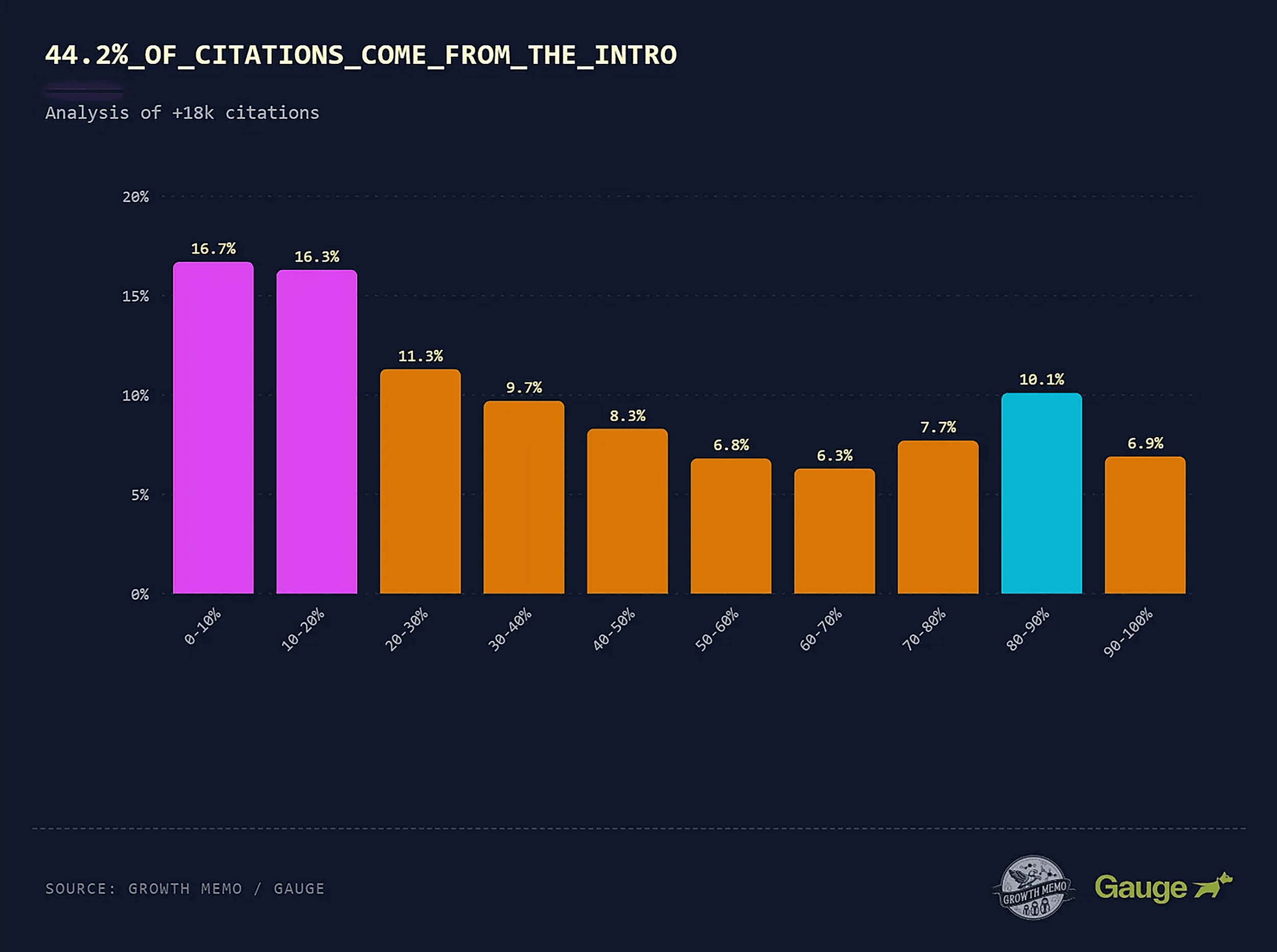
Furthermore, research into how AI models process web pages indicates that content extraction happens at the passage level rather than the page level. Analysis of over one million ChatGPT responses conducted by growth strategist Kevin Indig showed that roughly 44.2% of citations originate from the first 30% of a referenced web page. An additional 31.1% of citations come from the middle sections, with the remaining 24.7% pulled from the final third. This data emphasizes that front-loading direct, concise answers is vital for securing AI visibility.

The Collapse of the Traditional Marketing Funnel
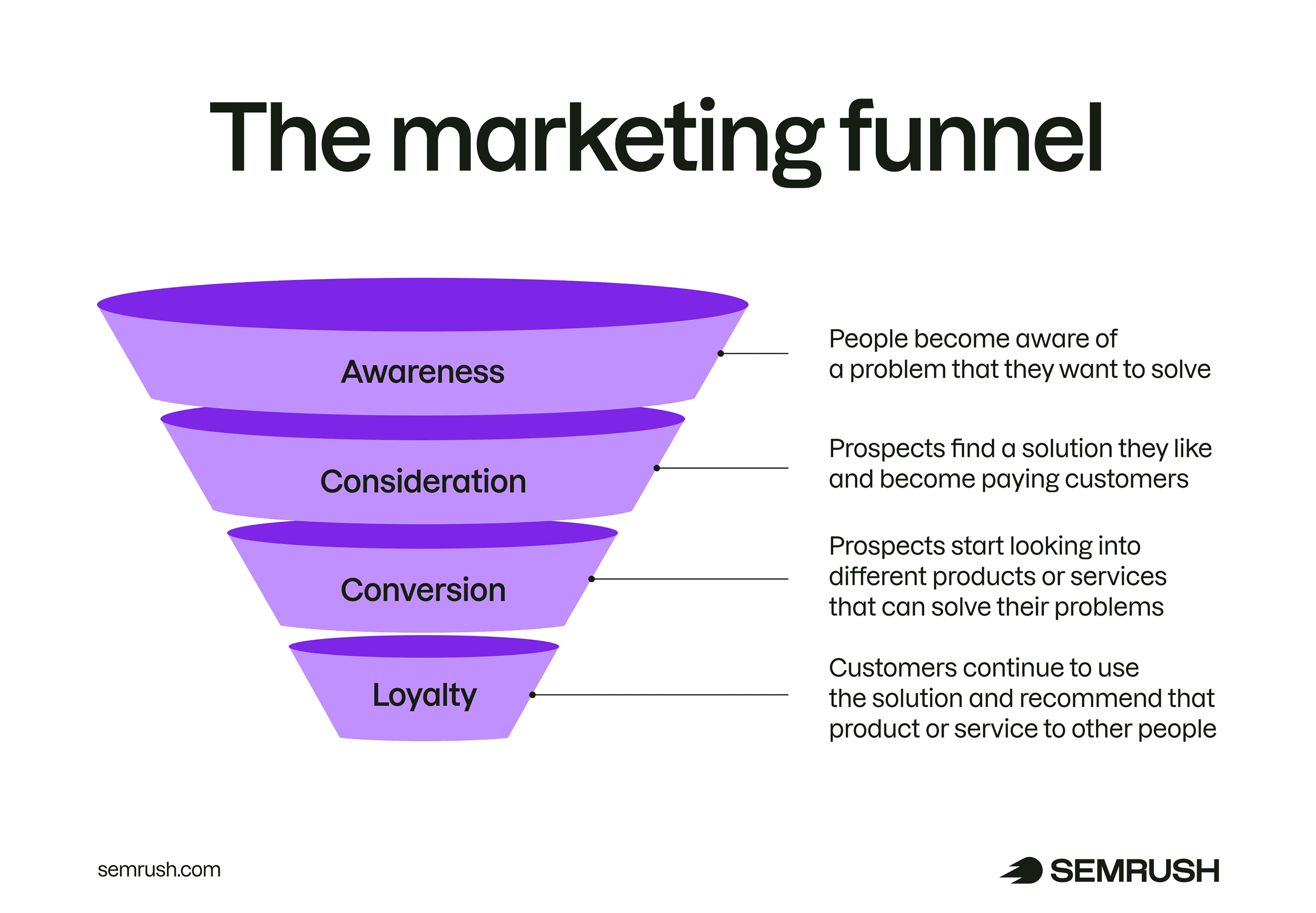
For decades, digital strategy has been anchored to the linear marketing funnel: awareness, consideration, and decision. Content creators meticulously built distinct assets targeted at each individual stage of the buyer’s journey. Query fan-out, however, effectively collapses these stages into a single, compressed interaction.
When an AI system processes a high-intent user prompt, its background sub-queries simultaneously pull awareness-level definitions, consideration-level comparisons, and decision-level pricing specifications into a single output. Consequently, the entire buyer’s journey can transpire within a single conversational prompt. Modern content strategies must therefore adapt to create multi-faceted resources capable of servicing the entire funnel simultaneously, rather than relying on isolated keyword-targeted landing pages.
A Six-Step Workflow to Optimize Content for Query Fan-Out
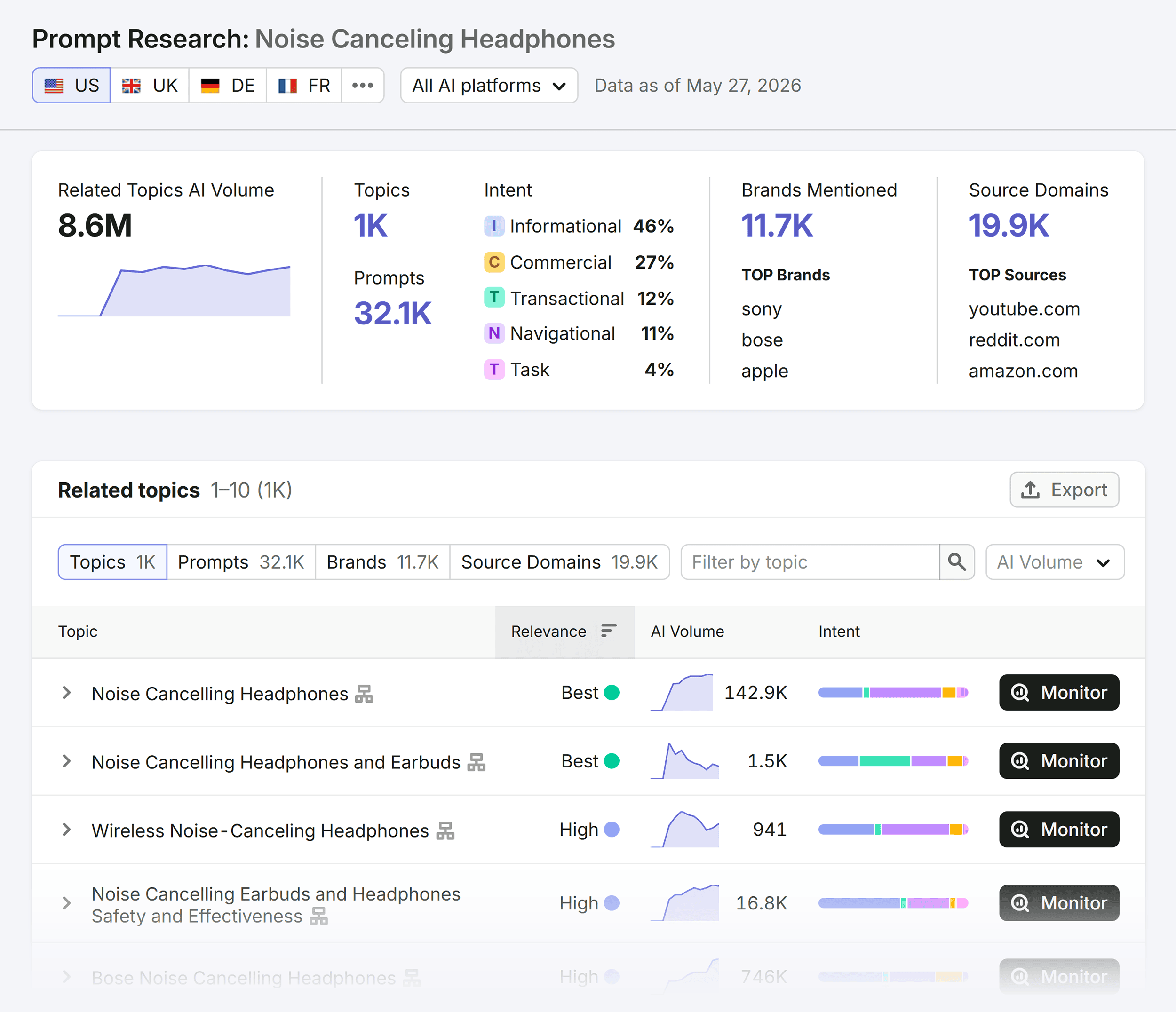
To capture AI citations and improve visibility across generative search platforms, content strategists must implement a repeatable, structured workflow tailored to the realities of query fan-out.
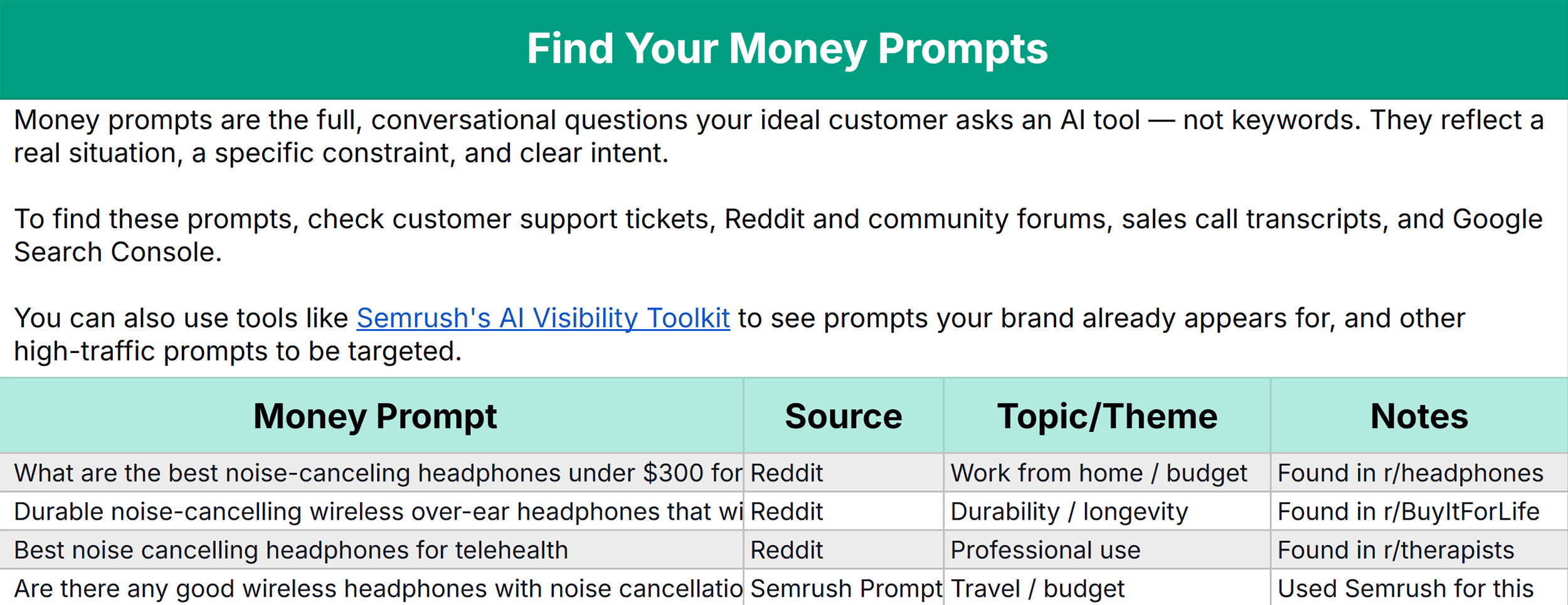
Step 1: Identify High-Intent Money Prompts
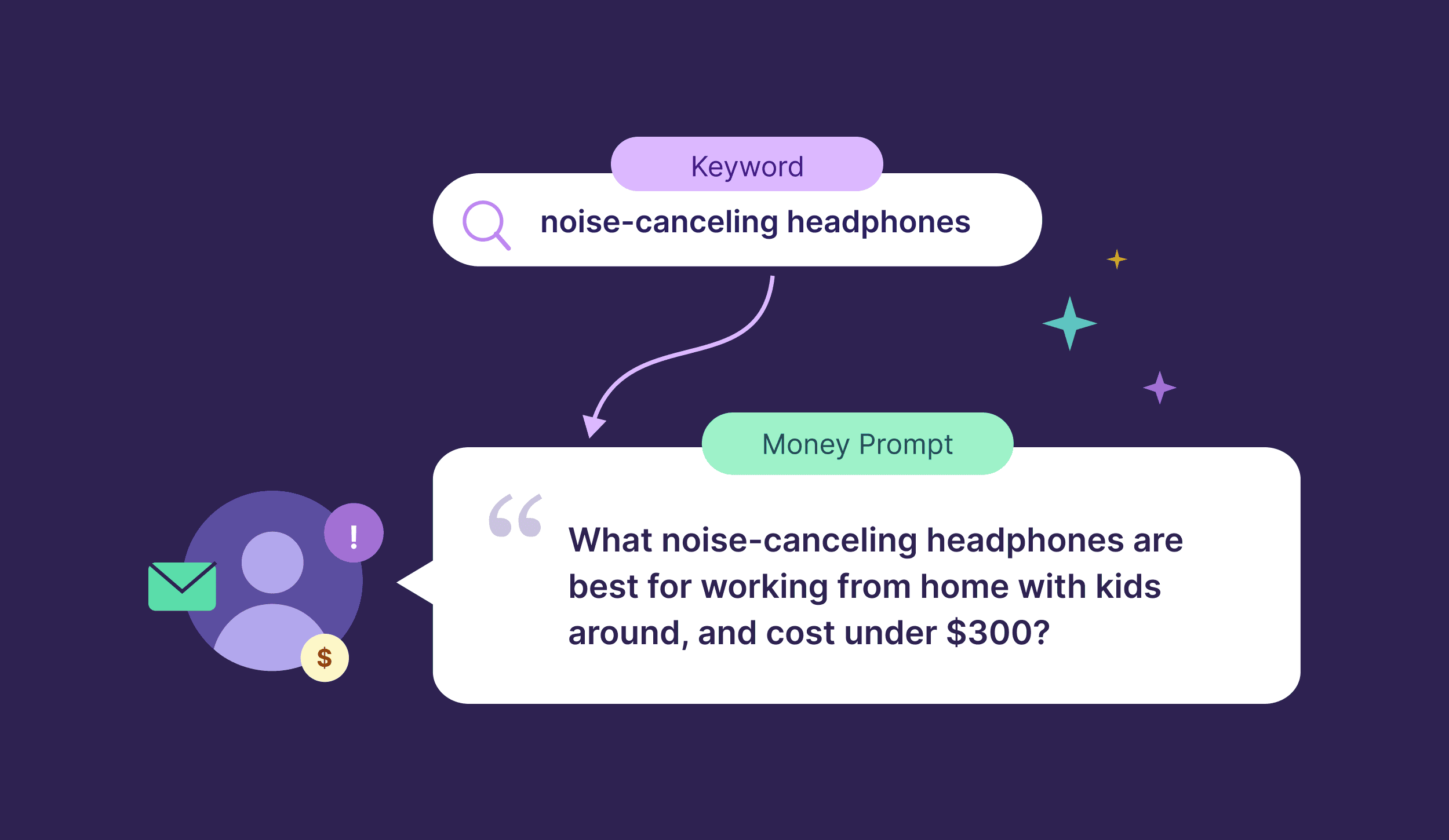
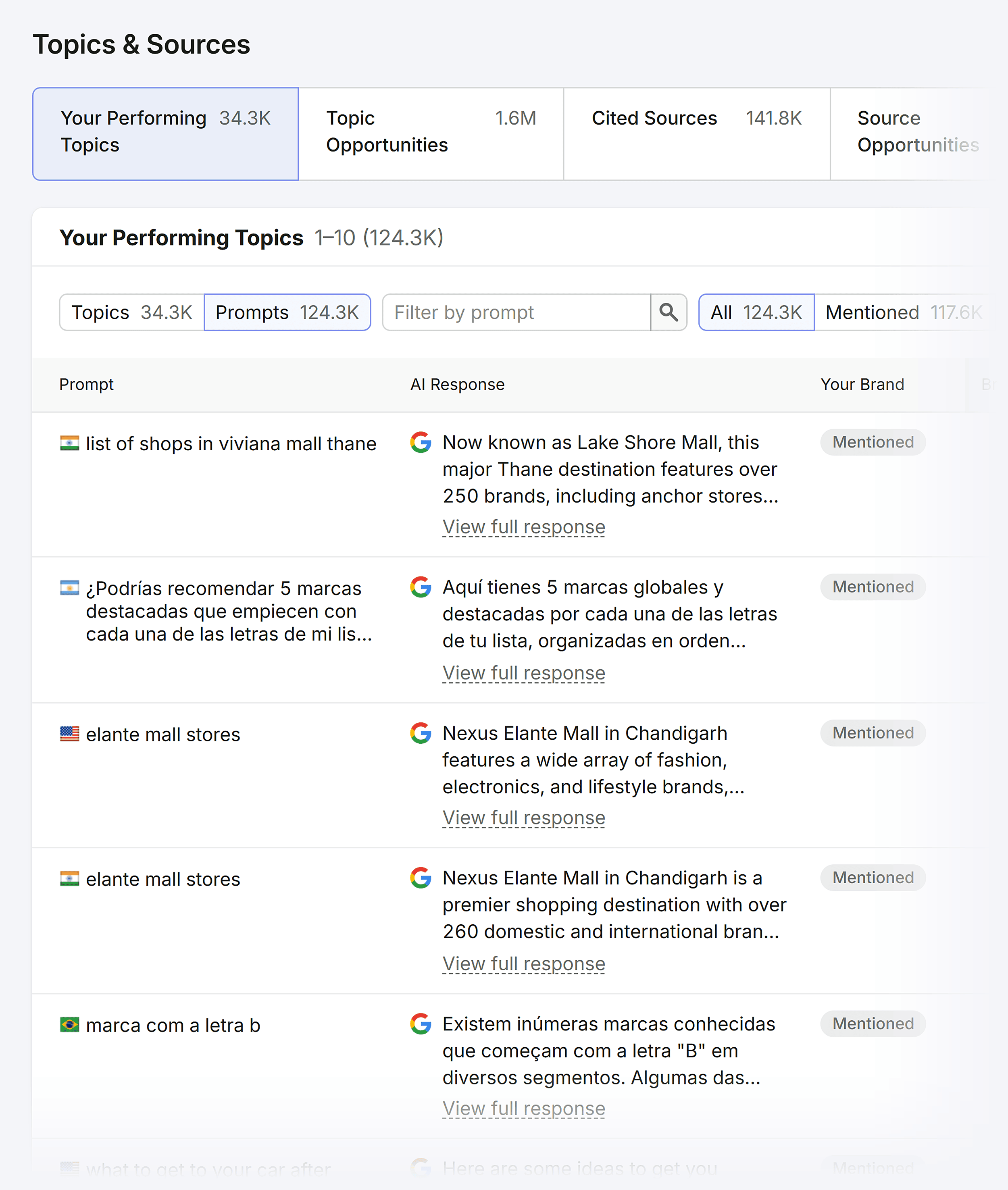
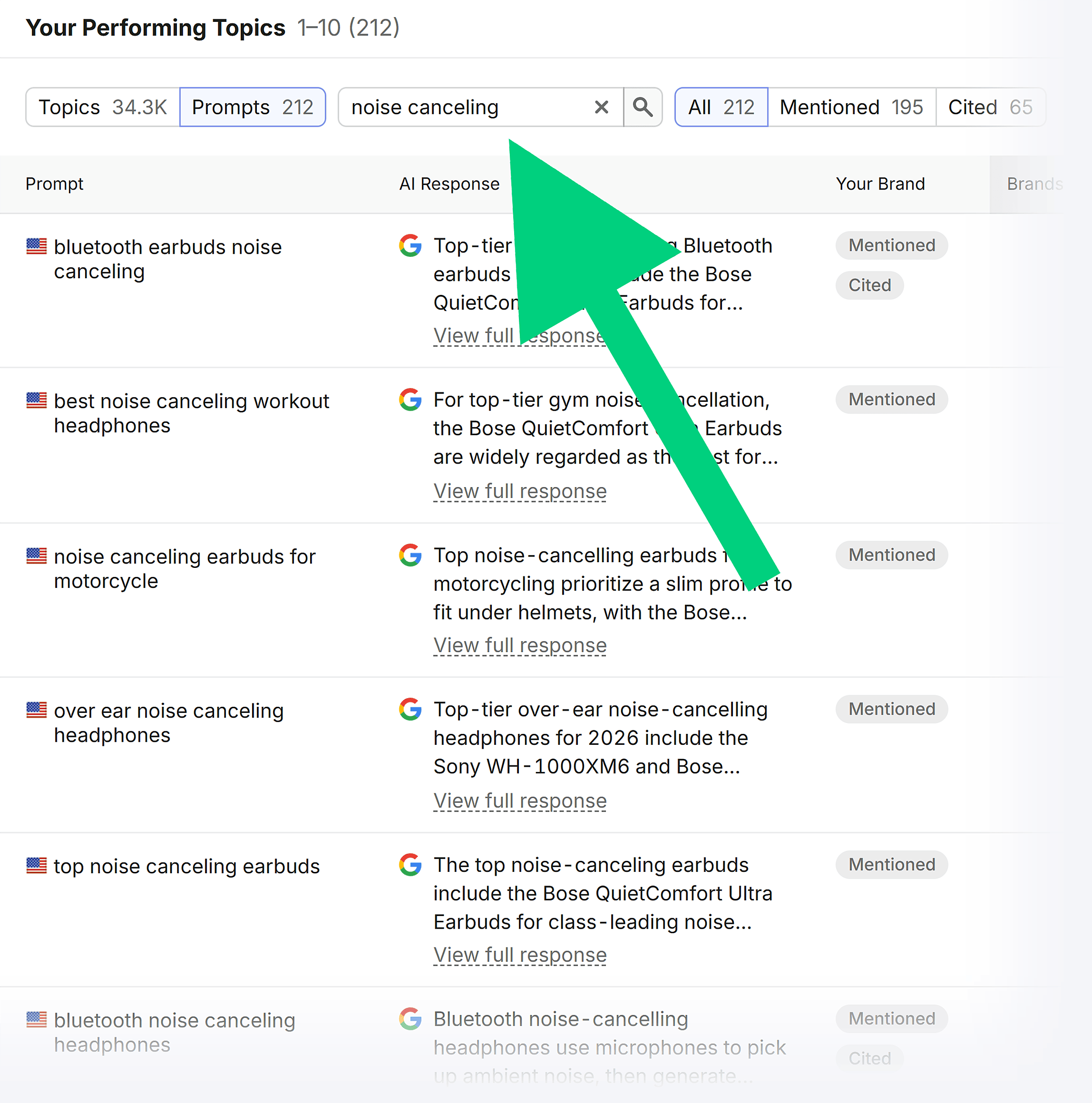
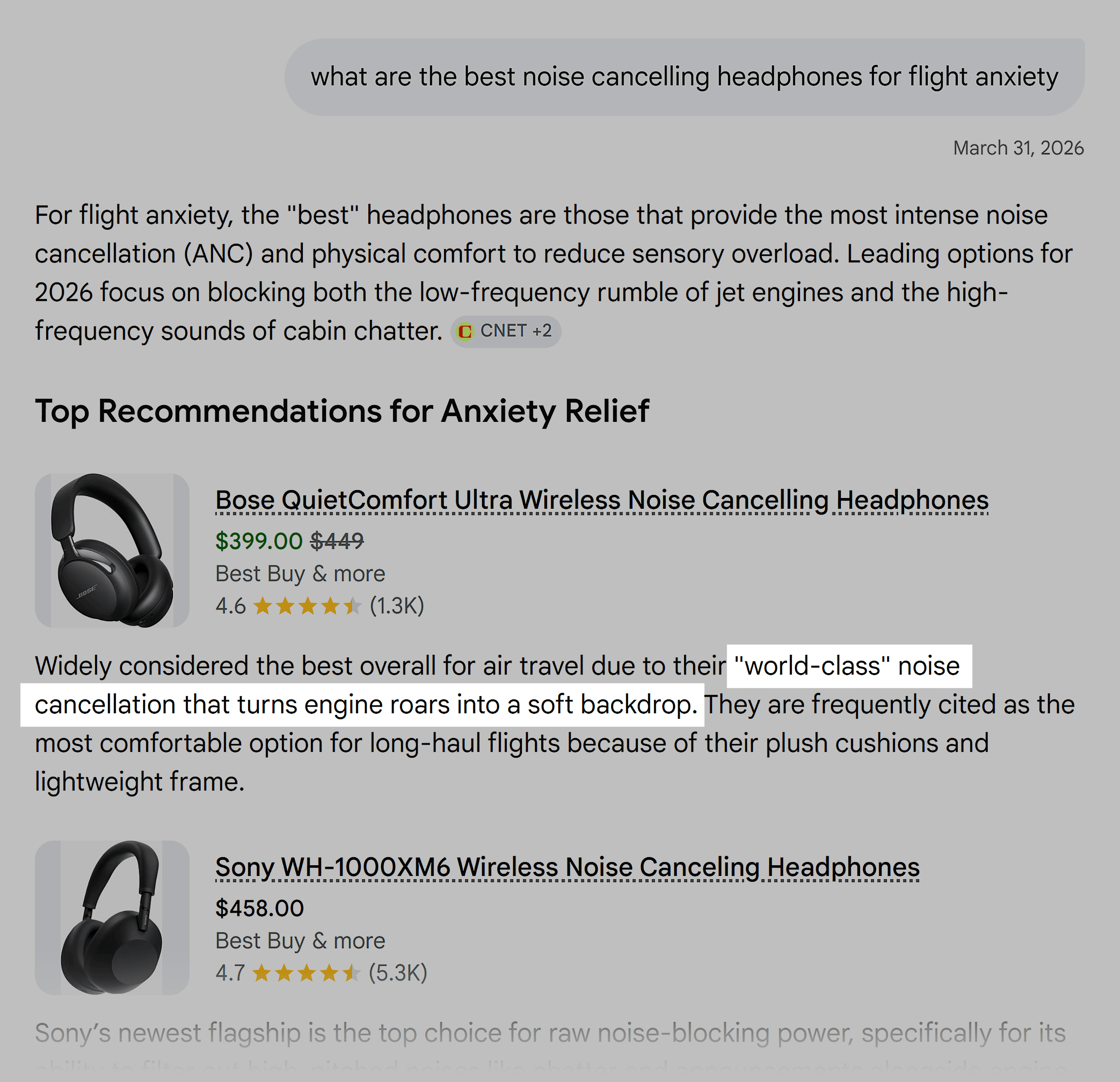
Money prompts are conversational, highly specific questions that your ideal customer would ask an AI assistant to solve a problem your product or service addresses. Unlike simple keywords, money prompts carry strong commercial intent. For example, while "noise-canceling headphones" is a traditional keyword, "what noise-canceling headphones are best for working from home with children and cost under $300?" is a money prompt. Utilizing specialized toolkits such as Semrush’s AI Visibility Toolkit allows brands to analyze exact prompts driving AI traffic in their industry.
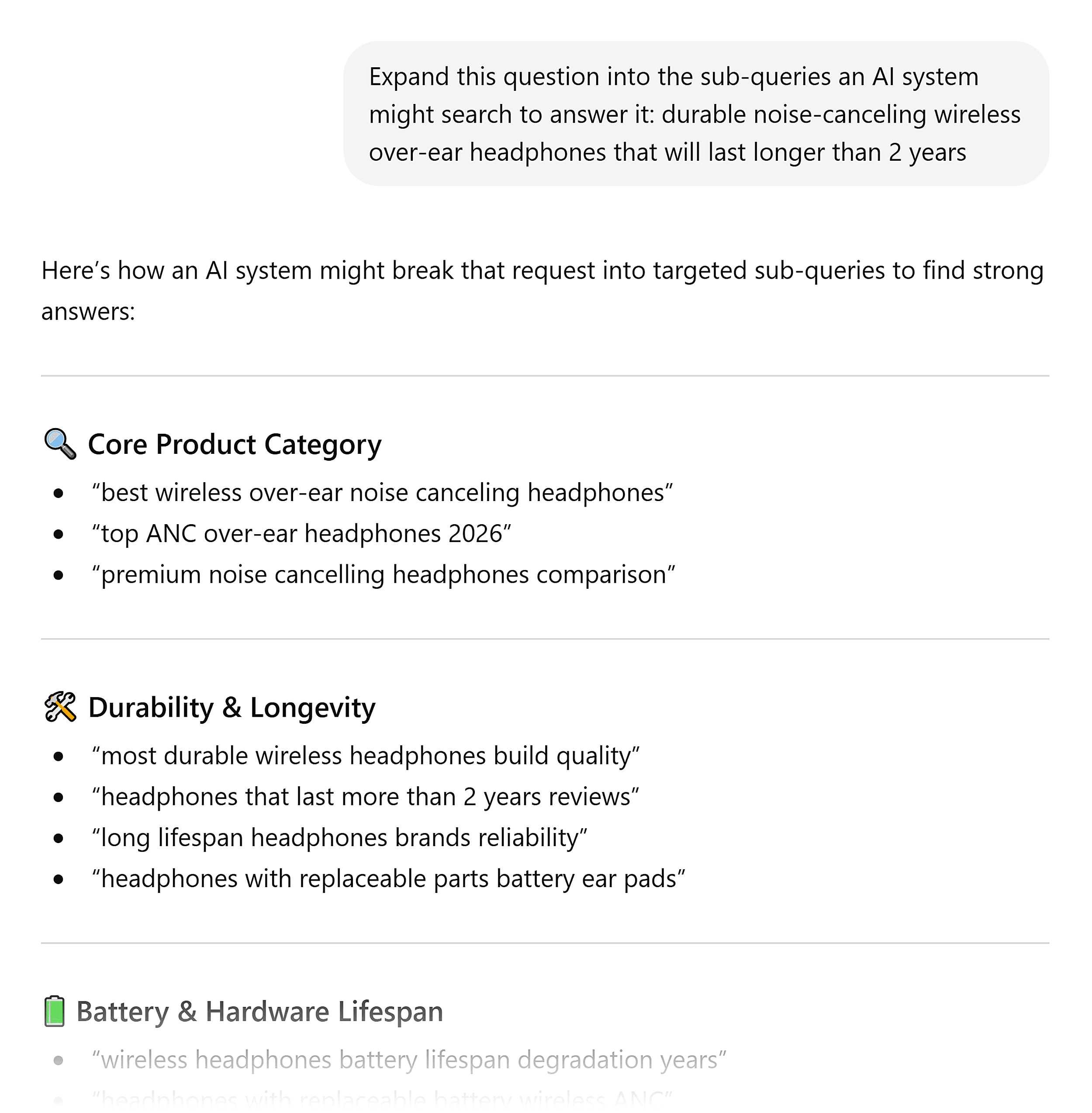
Step 2: Generate and Analyze the Fan-Out Set
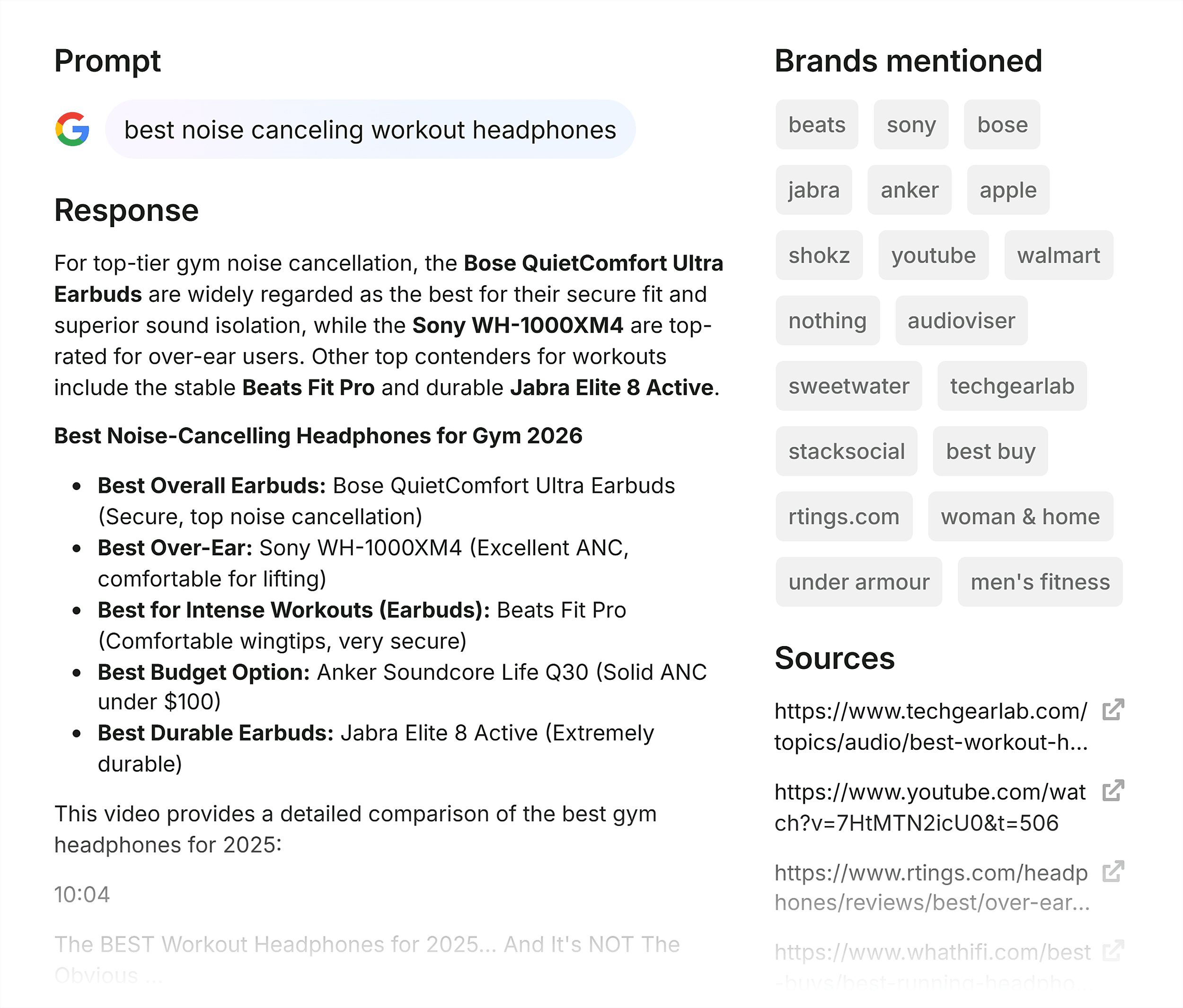
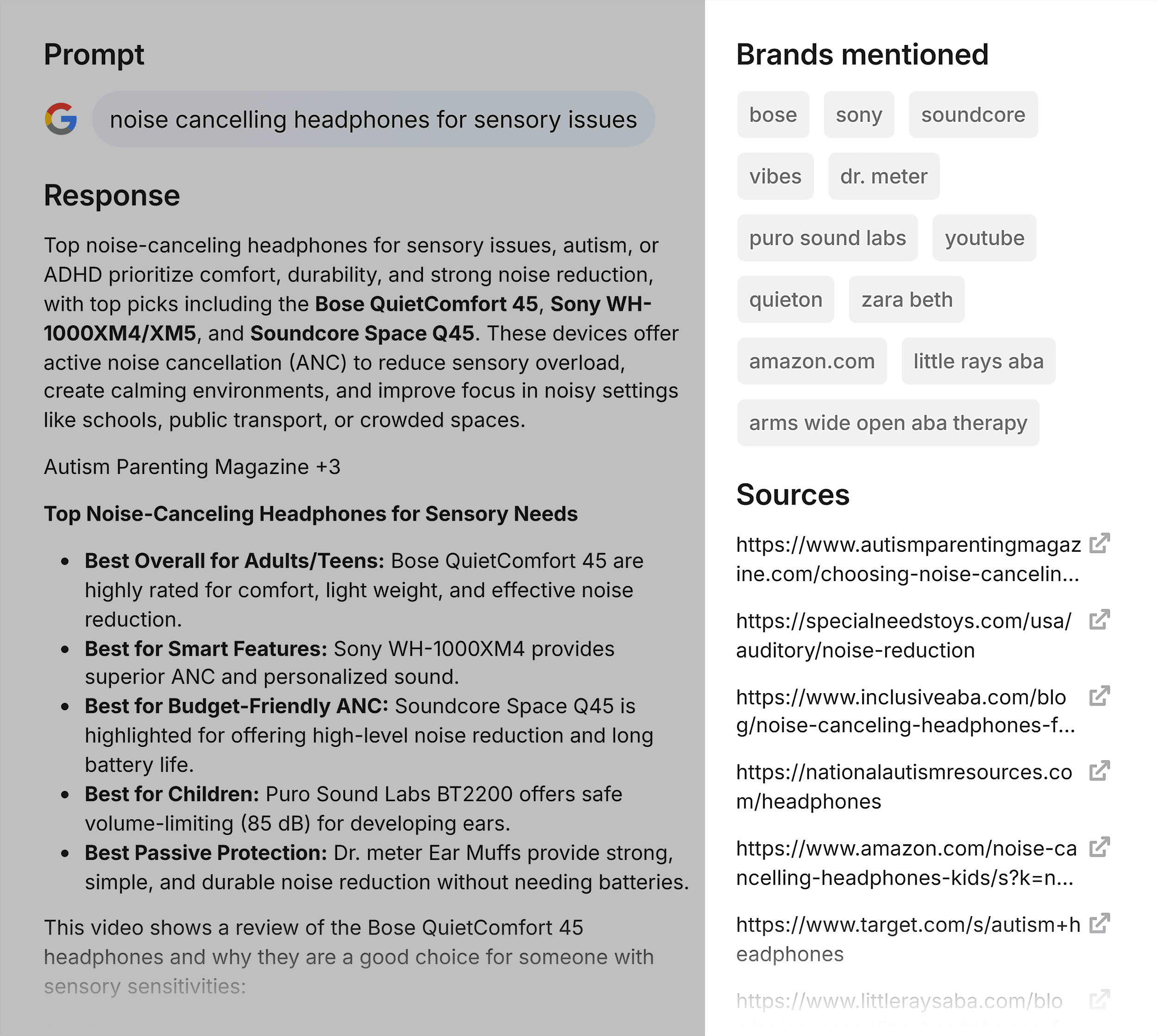
Once money prompts are identified, the next step is to uncover the underlying sub-queries generated by AI systems. This can be achieved manually by prompting LLMs or by utilizing automated browser extensions and developer network inspections to extract internal search parameters. Categorizing these sub-queries into types—such as reformulations, comparisons, implicit needs, personalized constraints, and entity expansions—reveals critical content gaps.
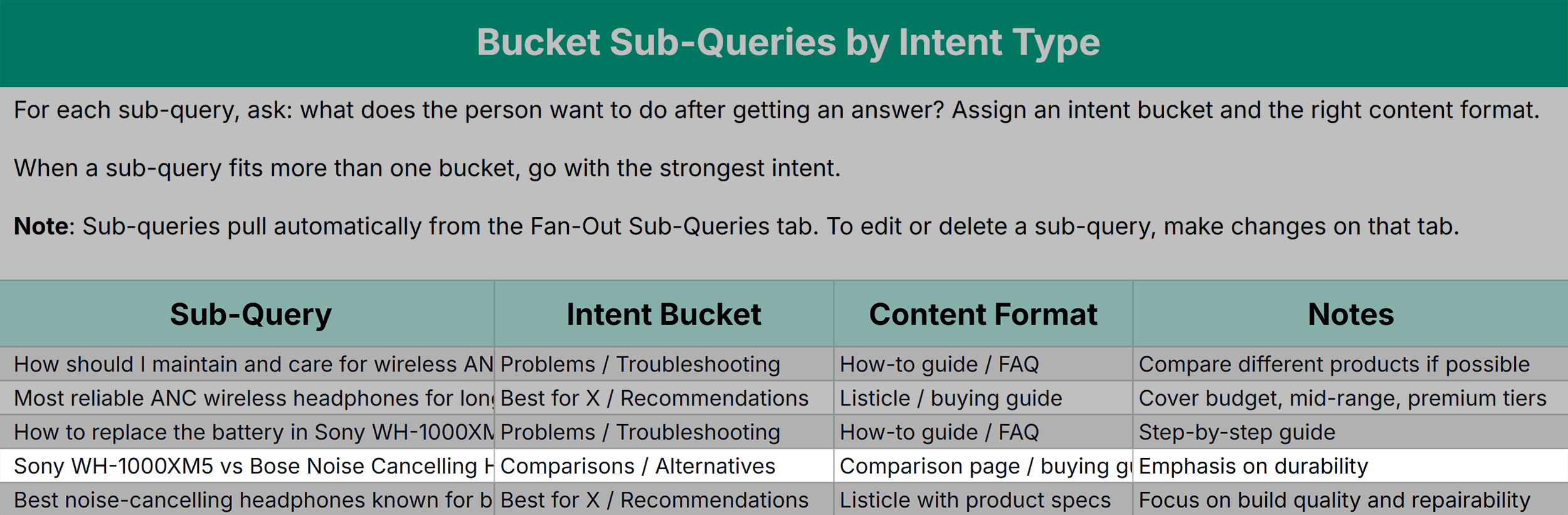
Step 3: Bucket Sub-Queries by Intent Type
Sub-queries must be grouped according to user intent. Whether a query falls into a definition bucket, a comparison bucket, a problem-solving bucket, or a pricing bucket, the content format must match the user’s underlying goal. For instance, comparative sub-queries require structured head-to-head comparison tables rather than general introductory text.
Step 4: Conduct a Comprehensive Content Gap Audit
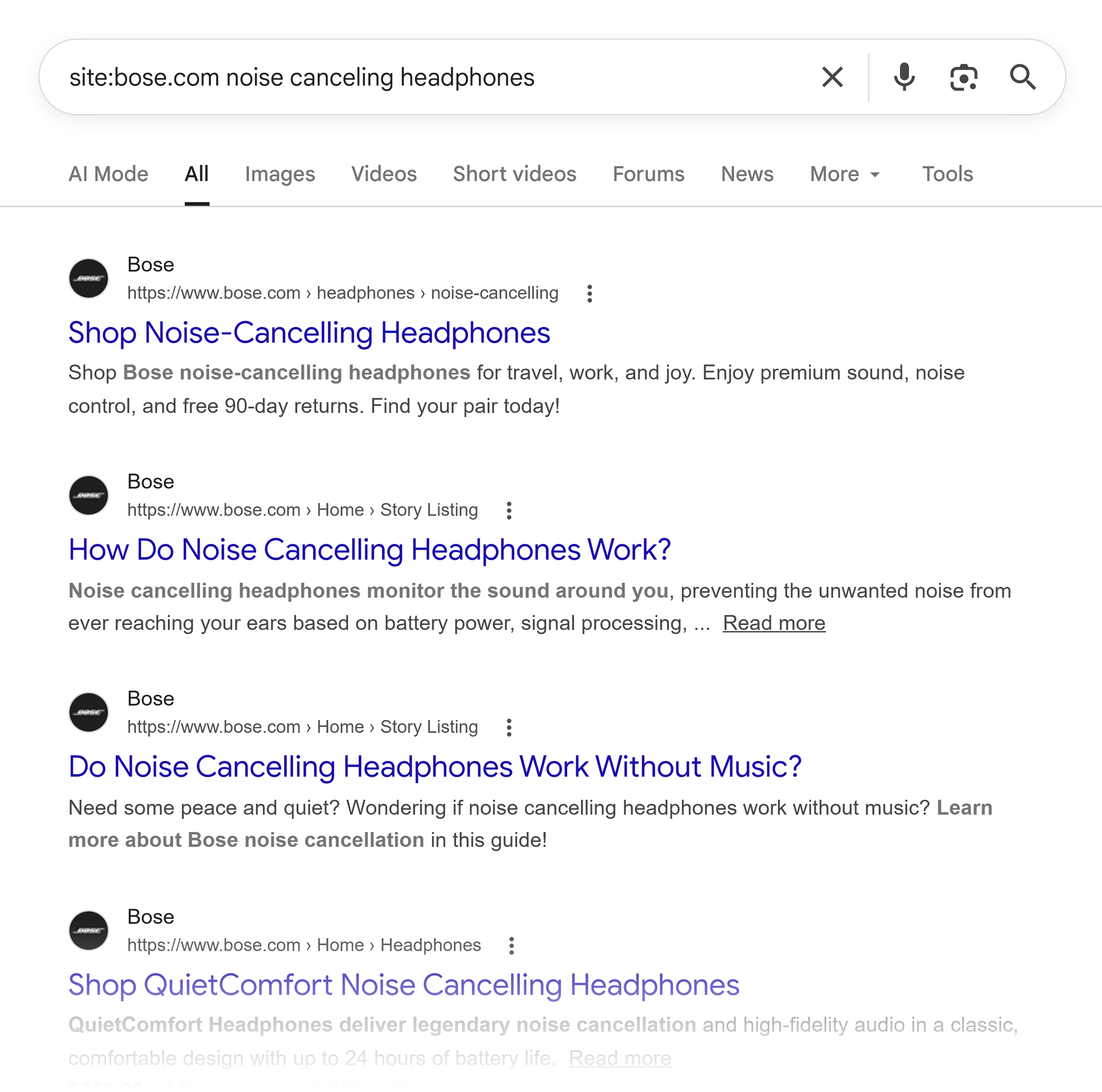
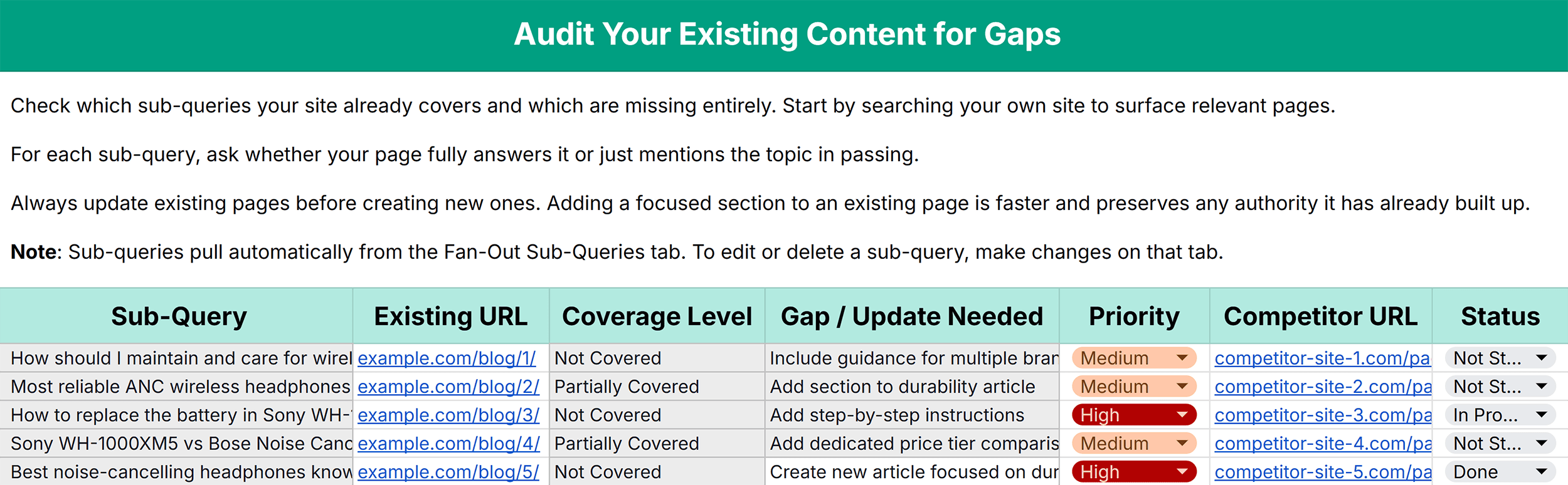
By evaluating existing web assets against the gathered sub-query sets, organizations can identify unaddressed topics, partial coverages, and fully covered areas. Competitor analysis is vital during this stage; observing which brands successfully populate AI answers for specific sub-queries provides a blueprint for securing similar visibility.
Step 5: Structure Content for Clean AI Extraction
AI systems favor content that is easily parsed and extracted. Structuring pages with clear, descriptive subheadings, bulleted lists, and prominently placed product specifications ensures that LLMs can accurately pull standalone passages without relying on surrounding context. Front-loading direct answers to common questions significantly increases the likelihood of citation.
Step 6: Measure and Monitor AI Performance
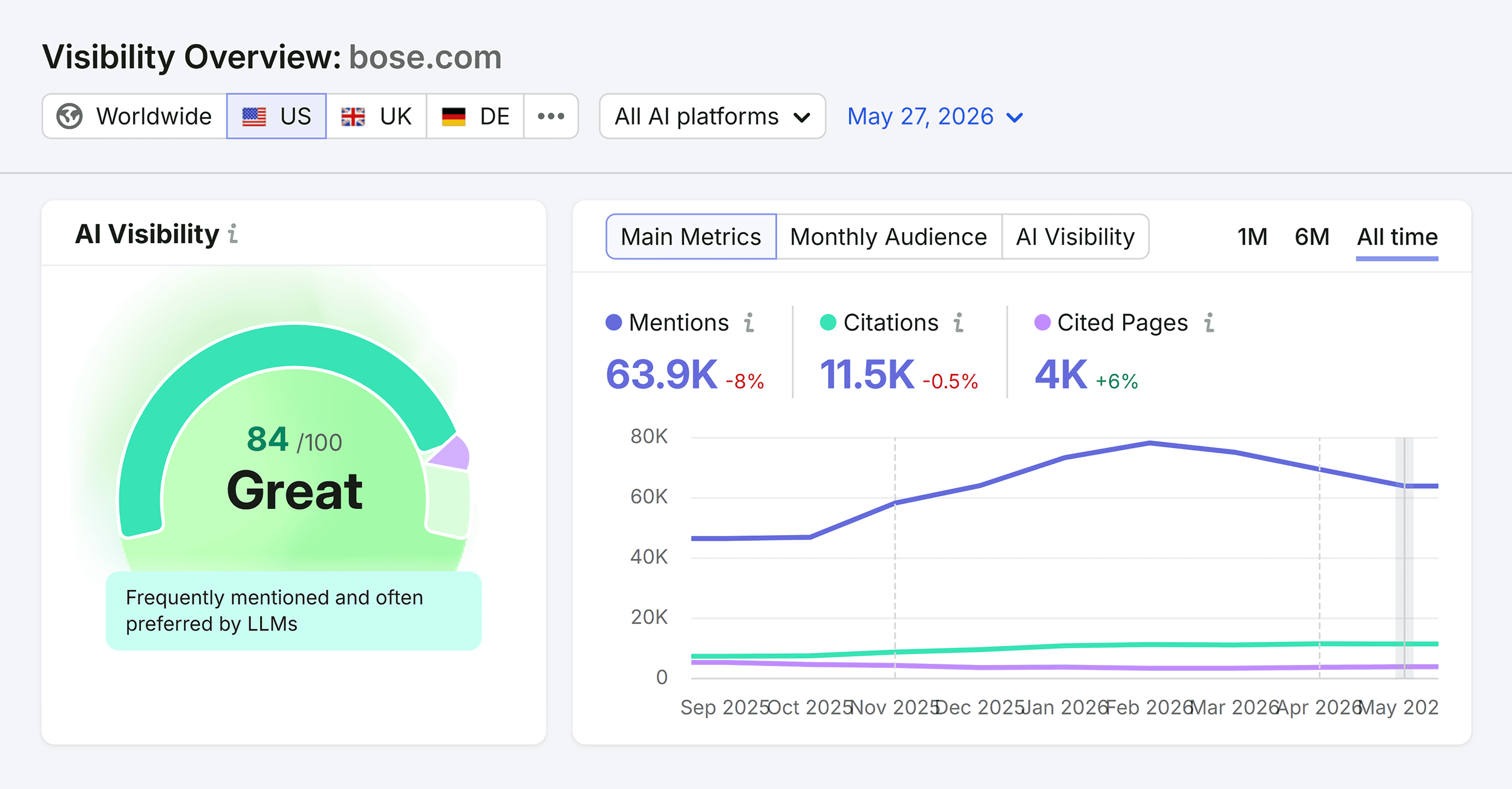
Tracking performance in generative search requires ongoing vigilance. Because manual tracking across multiple LLMs is labor-intensive, automated tools like prompt trackers and visibility overview dashboards are increasingly utilized to monitor brand mentions, sentiment shifts, and competitive positioning over time.
Platform-Specific Nuances in AI Search Behavior
Different AI platforms handle query fan-out through distinct architectural approaches, requiring nuanced optimization strategies:
- ChatGPT: Employs internal reasoning models and executes live web searches when queries require fresh data, comparative analysis, or real-time information.
- Perplexity: Combines conversational context and user history with real-time web retrieval, pulling from a broad spectrum of external sources simultaneously.
- Claude: Prioritizes intent clarification by asking users targeted questions before executing searches, resulting in fewer but highly focused sub-queries.
- Google AI Overviews and AI Mode: Synthesize Google’s massive organic index into concise summaries and conversational multi-part answers, prioritizing passage-level authority and structured data.
Broader Implications for the Future of Digital Marketing
The transition toward query fan-out as a primary discovery mechanism represents a fundamental shift in the digital landscape. Organizations that cling exclusively to traditional keyword-based SEO strategies risk losing significant market share as consumers increasingly bypass standard search engine result pages in favor of synthesized AI answers.
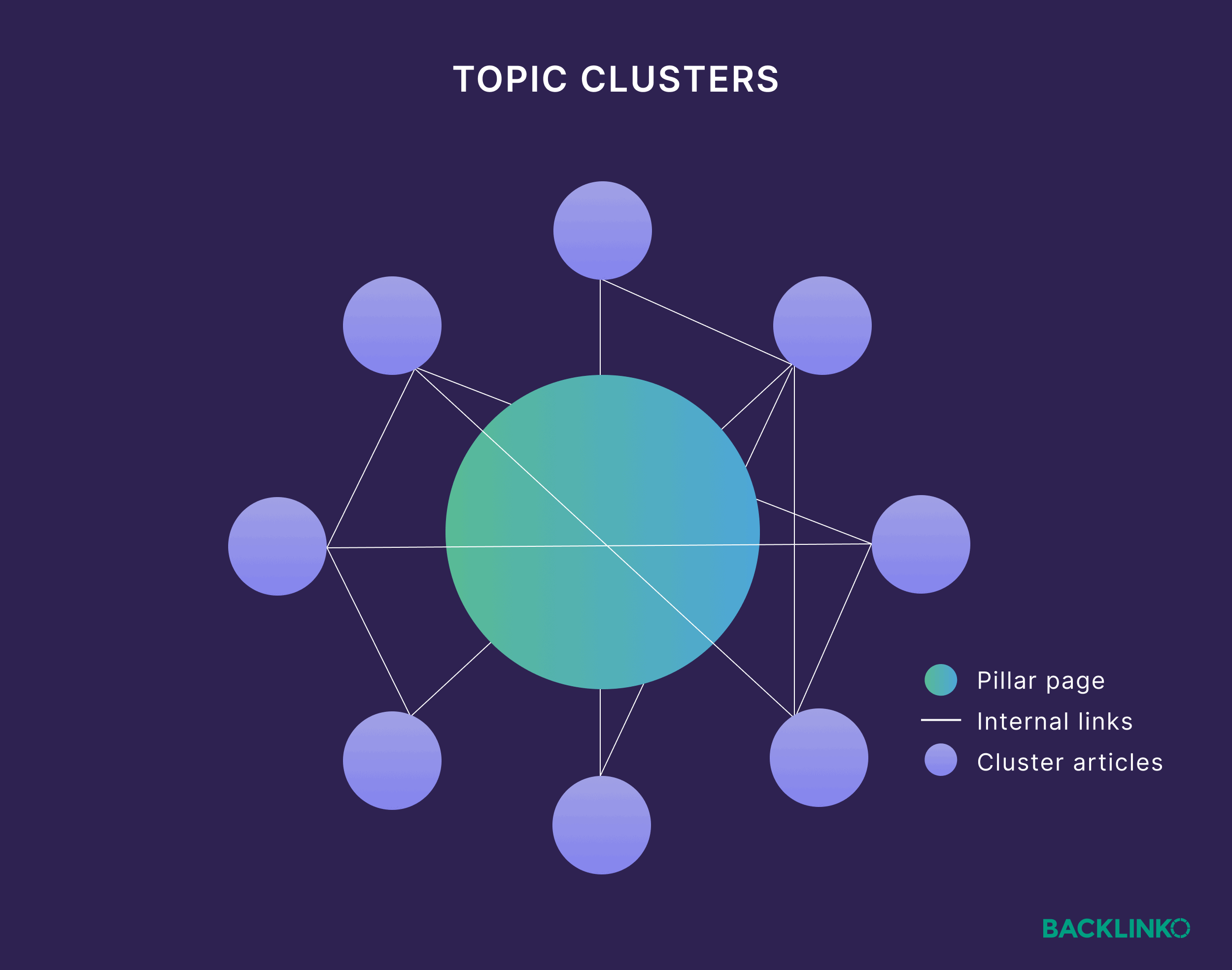
Success in the age of generative search requires a holistic commitment to topical authority, rigorous content structuring, and a deep understanding of how information is processed and retrieved by algorithms. By aligning content creation workflows with the mechanics of query fan-out, brands can secure sustained visibility, earn valuable AI citations, and maintain a competitive edge in an evolving technological environment.