KFC and Taco Bell Locations in Puerto Rico Go Dark as Yum! Brands Sever Ties with Longtime Operator Encanto Restaurants

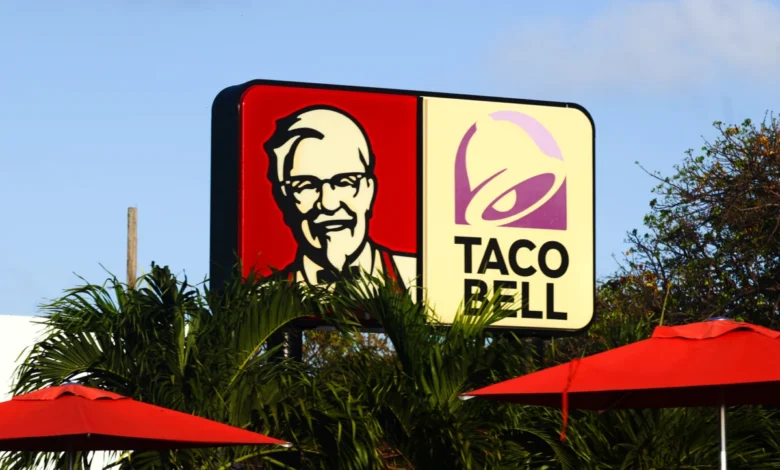
Residents and visitors across Puerto Rico seeking a familiar fast-food fix are currently out of luck, following a sweeping and sudden corporate upheaval that has shuttered every single KFC and Taco Bell location on the island. The abrupt closures stem from a decisive executive maneuver by parent conglomerate Yum! Brands, which formally severed its long-standing operational ties with Encanto Restaurants, the local franchise entity that had managed the fast-food footprints for decades.
The unexpected disruption leaves hundreds of employees facing uncertain futures and temporarily erases two of the most ubiquitous American culinary brands from the Puerto Rican commercial landscape. As corporate executives in Louisville, Kentucky, scramble to chart a path forward, local consumers are left wondering when—or if—they will see their favorite fried chicken and tacos return to neighborhood strip malls and urban thoroughfares.
The Immediate Fallout and Consumer Impact
The scope of the shutdown is comprehensive. Across the island, from the bustling metropolitan center of San Juan to smaller regional municipalities, drive-thrus are barricaded, dining rooms are locked, and digital ordering portals have been abruptly disabled. For a populace accustomed to the reliable convenience of global fast-food chains, the absence of KFC and Taco Bell has created an immediate vacuum in the local quick-service restaurant (QSR) market.
Social media channels managed by the brands have turned into customer service message boards, filled with inquiries from bewildered patrons. In response, official channels have issued brief statements acknowledging the frustration while reassuring the public that the closures are intended to be temporary.
"We hope to be able to serve you again very soon," KFC Puerto Rico posted on its official Instagram account, attempting to strike an optimistic tone amidst operational chaos. Representatives for Yum! Brands echoed this sentiment, emphasizing to business trade publications and wire services that corporate leadership is moving "as quickly as possible to welcome customers back" under new, vetted operational leadership.
Behind the Breakup: Standards, Compliance, and Corporate Dissatisfaction
The dissolution of a franchise relationship of this magnitude is exceedingly rare in the fast-food industry, typically occurring only when corporate standards of operation, financial health, or regulatory compliance have severely eroded.
According to official statements released by Yum! Brands, the multinational parent company was forced into what it characterized as a "difficult decision." Corporate leadership concluded that Encanto Restaurants "can no longer operate in a way that meets our standards." While Yum! Brands has remained tight-lipped regarding specific operational failures—citing ongoing legal and corporate transitions—industry analysts suggest that such drastic actions usually follow prolonged disputes over supply chain management, store maintenance, employee welfare compliance, or royalty and financial obligations.
Encanto Restaurants, for its part, has maintained a conspicuous silence in the wake of the announcement. Despite numerous inquiries from regional and national media outlets, including prominent requests for comment from The Associated Press, the local operating company has not issued a formal public defense or explanation. This lack of communication has fueled intense speculation within Puerto Rico’s business community regarding the internal financial or managerial pressures that may have led to the sudden termination of the franchise agreement.
A Rich Historical Footprint: Decades of Culinary Presence on the Island
The termination of Encanto Restaurants brings a sudden halt to a multi-decade commercial legacy that helped shape the modern fast-food culture of Puerto Rico. The relationship between the island and these global brands is deeply woven into the local retail history.
The historical timeline of Kentucky Fried Chicken in Puerto Rico dates back to 1967, an era when American fast-food expansion into Caribbean territories was still in its infancy. For nearly sixty years, KFC became a staple of family gatherings, weekend treats, and urban dining across the island.
Nearly two decades later, in 1985, Encanto Restaurants expanded its portfolio by acquiring the operating rights for Taco Bell on the island. Over the subsequent decades, Taco Bell successfully integrated itself into the local palate, adapting its marketing and, to some extent, its menu offerings to resonate with Puerto Rican consumers.
For generations of island residents, Encanto Restaurants was not merely a corporate entity, but a ubiquitous provider of local employment and community economic activity. The abrupt severance of these ties marks the end of an era for the local franchise sector, wiping away operational structures that had stood for nearly half a century in the case of KFC.
The Search for a New Franchise Partner
With the entire infrastructure of both brands sitting idle, Yum! Brands faces the monumental logistical challenge of finding, vetting, and onboarding a new master franchisee capable of managing a massive multi-unit operation in a distinct geographic and economic market.
Operating franchise networks in Puerto Rico presents unique economic complexities. Businesses on the island must navigate distinct shipping and logistics costs associated with island imports, local labor laws, unique tax structures, and vulnerability to severe weather events such as tropical storms and hurricanes. Consequently, any incoming franchise partner must possess substantial capital reserves, robust operational infrastructure, and deep familiarity with the Puerto Rican regulatory and commercial environment.
Industry insiders note that acquiring the rights to an established, turnkey network of dozens of dormant restaurants can present a lucrative opportunity for well-capitalized hospitality conglomerates or private equity firms. However, the immediate capital expenditure required to audit store conditions, retrain staff, update equipment, and restore supply chains will be formidable.
Yum! Brands has not yet disclosed a definitive timeline for securing a new partner, nor has it clarified whether the existing physical storefronts will be immediately acquired by the incoming operator or if a phased reopening process will be implemented store by store.
Broader Economic and Employment Implications
Beyond the temporary inconvenience for consumers craving a Crunchwrap or a bucket of original recipe chicken, the shutdown carries profound economic consequences for Puerto Rico’s labor market.
The sudden cessation of operations immediately impacts hundreds of frontline workers, shift supervisors, store managers, and administrative personnel employed by Encanto Restaurants. In a territory that has battled persistent economic headwinds, high unemployment rates, and population migration over the past decade, the sudden loss of income for these workers represents a significant local hardship.
Labor advocates and local economists have raised concerns regarding the legal and financial protections afforded to the displaced workforce. Questions remain regarding whether employees will receive severance packages, how their accrued benefits will be handled, and whether the incoming franchise partner will offer priority rehiring to former Encanto personnel once doors eventually reopen.
Furthermore, the closure ripples through secondary and tertiary supply chains on the island. Local vendors, food distributors, packaging suppliers, and maintenance contractors who relied on the steady, high-volume demand of dozens of KFC and Taco Bell outlets now face a sudden contraction in their own business revenues.
Fact-Based Analysis: What Lies Ahead for Yum! Brands in the Caribbean
As the dust settles on this corporate divorce, business analysts are evaluating the broader implications for Yum! Brands’ strategy in international and territorial markets. The company, which also oversees Pizza Hut and The Habit Burger Grill, relies heavily on reliable franchise partners to maintain its global footprint and shareholder value.
The willingness of Yum! Brands to pull the plug entirely—rather than attempting a prolonged corporate bailout or forced restructuring of Encanto Restaurants—signals a zero-tolerance policy regarding brand standards and operational integrity. By absorbing the short-term revenue losses associated with total market closure, corporate leadership is signaling to its global network of franchisees that adherence to brand metrics is non-negotiable.
For Puerto Rican consumers, the waiting game has officially begun. Whether the transition to a new operator will take weeks, months, or longer remains to be seen. What is certain, however, is that when KFC and Taco Bell eventually reopen their doors across the island, they will do so under entirely new management, closing a historic chapter and opening an uncertain new era for fast-food dining in Puerto Rico.