The paradigm of search engine optimization is undergoing its most radical transformation since the inception of commercial web crawlers. As artificial intelligence models, large language models (LLMs), and conversational search engines reshape how global users discover information, traditional onsite optimization is no longer sufficient to secure top-tier visibility. Recent empirical data underscores a fundamental shift in the digital ecosystem: third-party validation, earned media, and offsite authority now dictate which brands populate AI-generated answers.
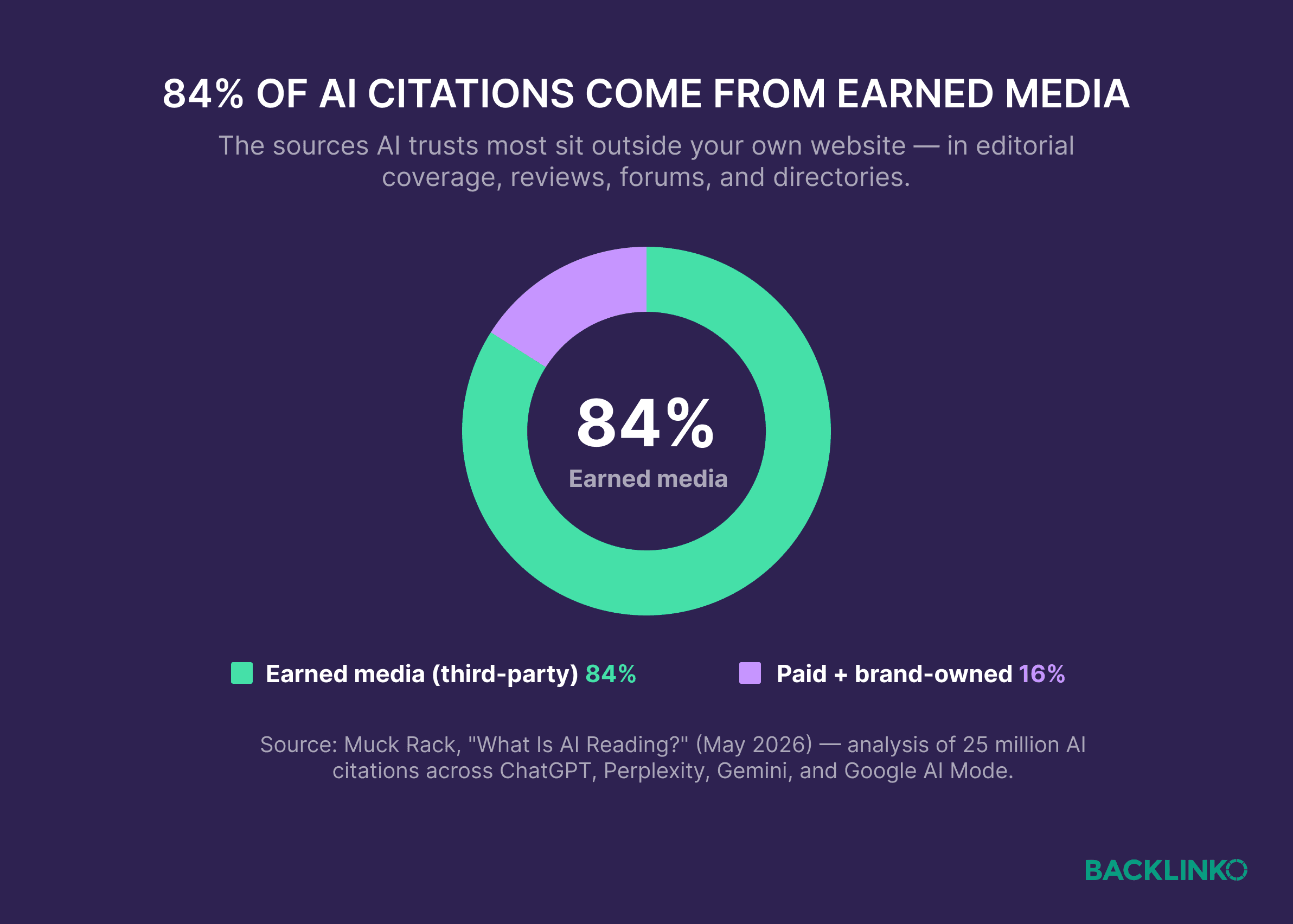
According to a comprehensive industry study conducted by Muck Rack, a staggering 84 percent of all citations generated by artificial intelligence search tools originate from earned media. This includes editorial coverage, critical reviews, community forums, and independent third-party sources. Rather than relying primarily on a website’s internal architecture or self-promotional content, modern AI algorithms aggregate, cross-reference, and synthesize data from a diverse web-wide footprint. Consequently, corporate visibility in AI responses is inextricably linked to how frequently and authoritatively a brand is referenced across external digital channels.
The Mechanics of AI Information Retrieval and the Decline of Self-Promotion
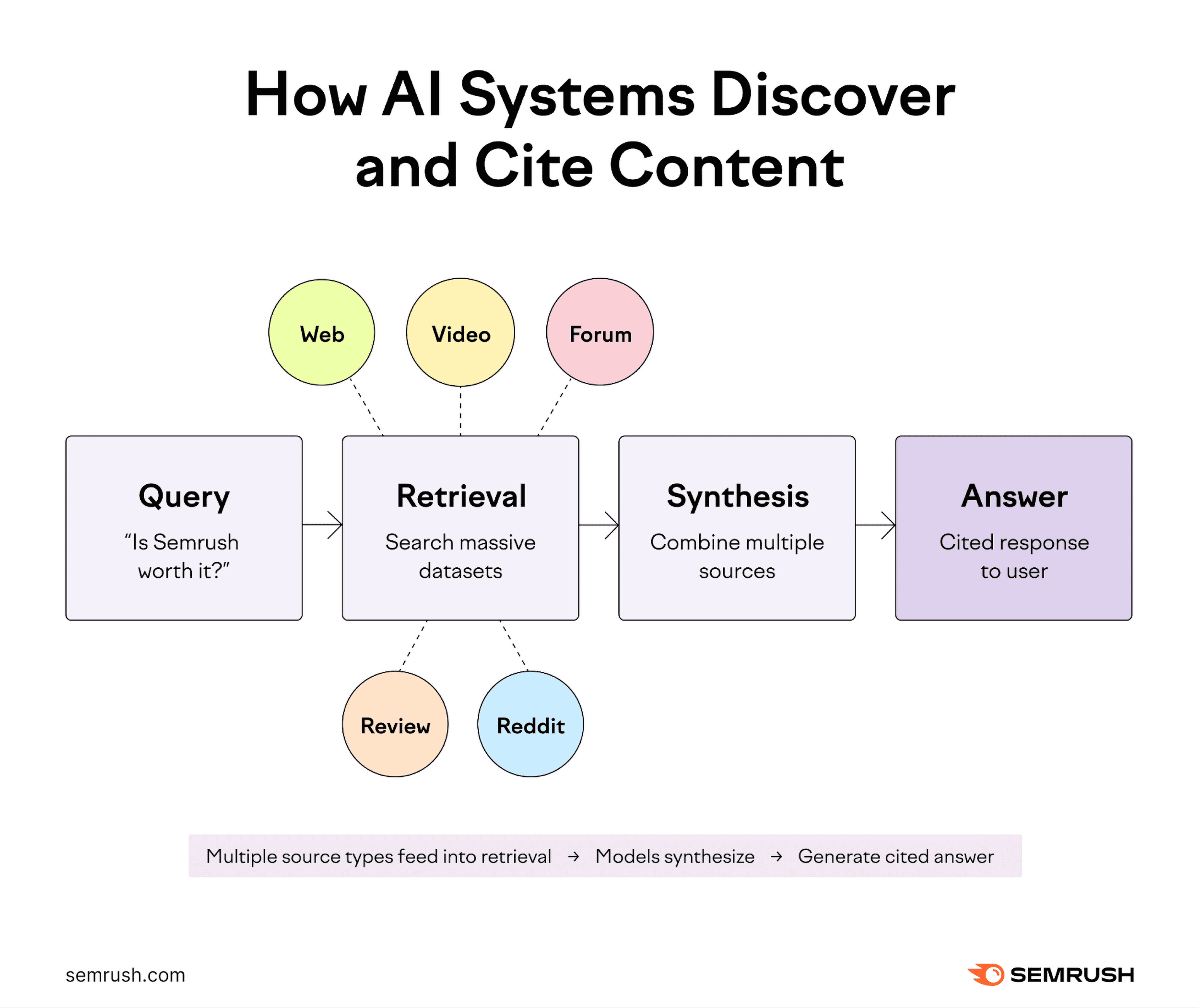
To understand why traditional SEO tactics are taking a backseat to comprehensive digital public relations, one must examine how LLMs process information. Unlike legacy search engines that predominantly scan individual web pages for exact-match keywords and evaluate basic metadata, generative AI systems deploy complex retrieval-augmented generation (RAG) frameworks. When a user enters a query, the system polls a vast corpus of training data and real-time web indexes, distilling multiple viewpoints into a singular, synthesized response.
If a brand relies solely on its proprietary domain for marketing, AI models often view this information with a degree of algorithmic skepticism. In contrast, when an organization is repeatedly validated by respected trade publications, academic journals, peer-reviewed forums, and industry influencers, the LLM assigns a higher trust score to that entity.
Data-Led Public Relations as a Catalyst for High-Authority Backlinks
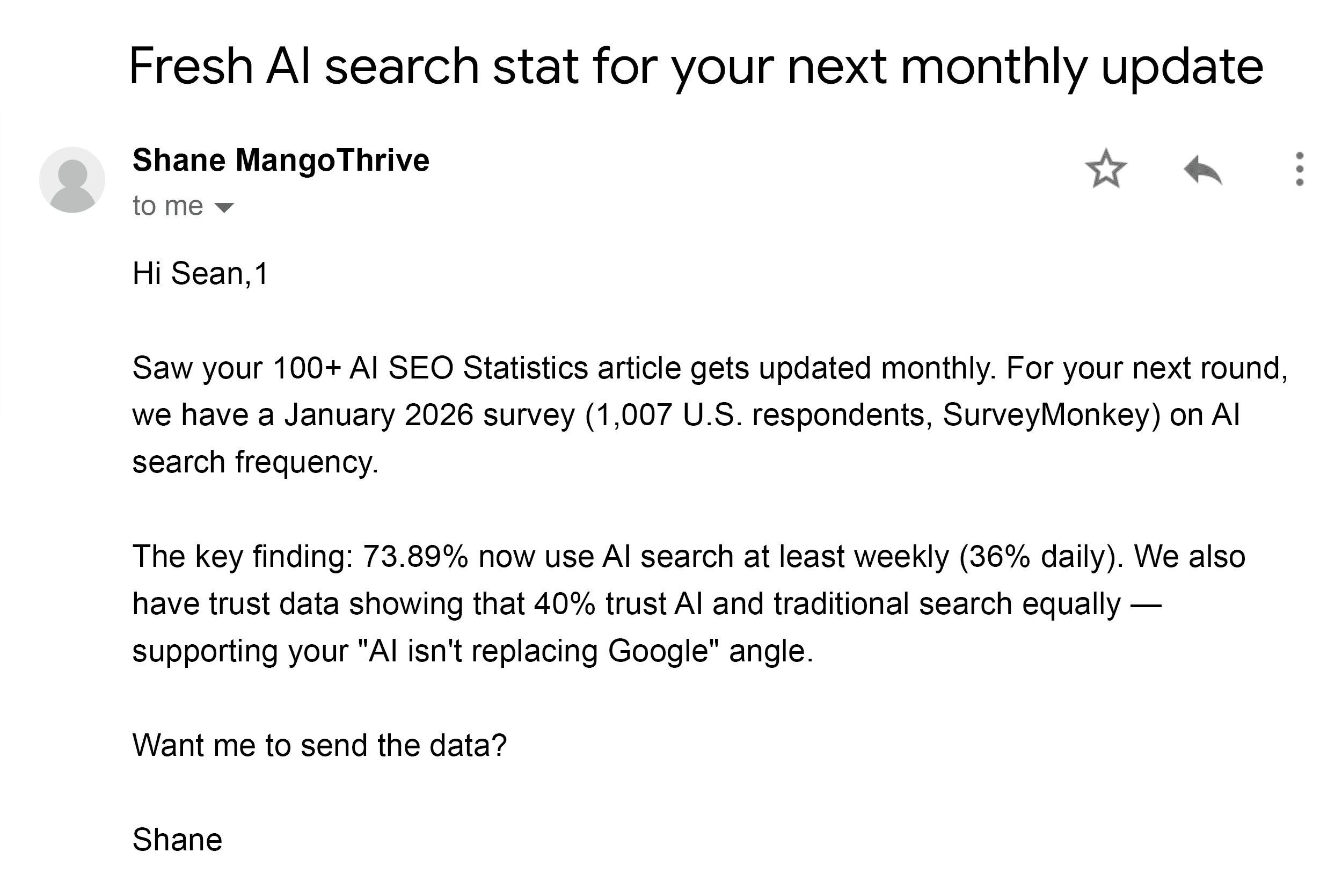
Among the most effective methodologies for securing offsite authority is data-led public relations. This strategy involves conducting original industry research, publishing comprehensive statistical reports, and distributing these findings to relevant journalists, bloggers, and market analysts. In an era plagued by generic, AI-generated content, credible data remains a high-value currency for media outlets seeking factual support for their reporting.
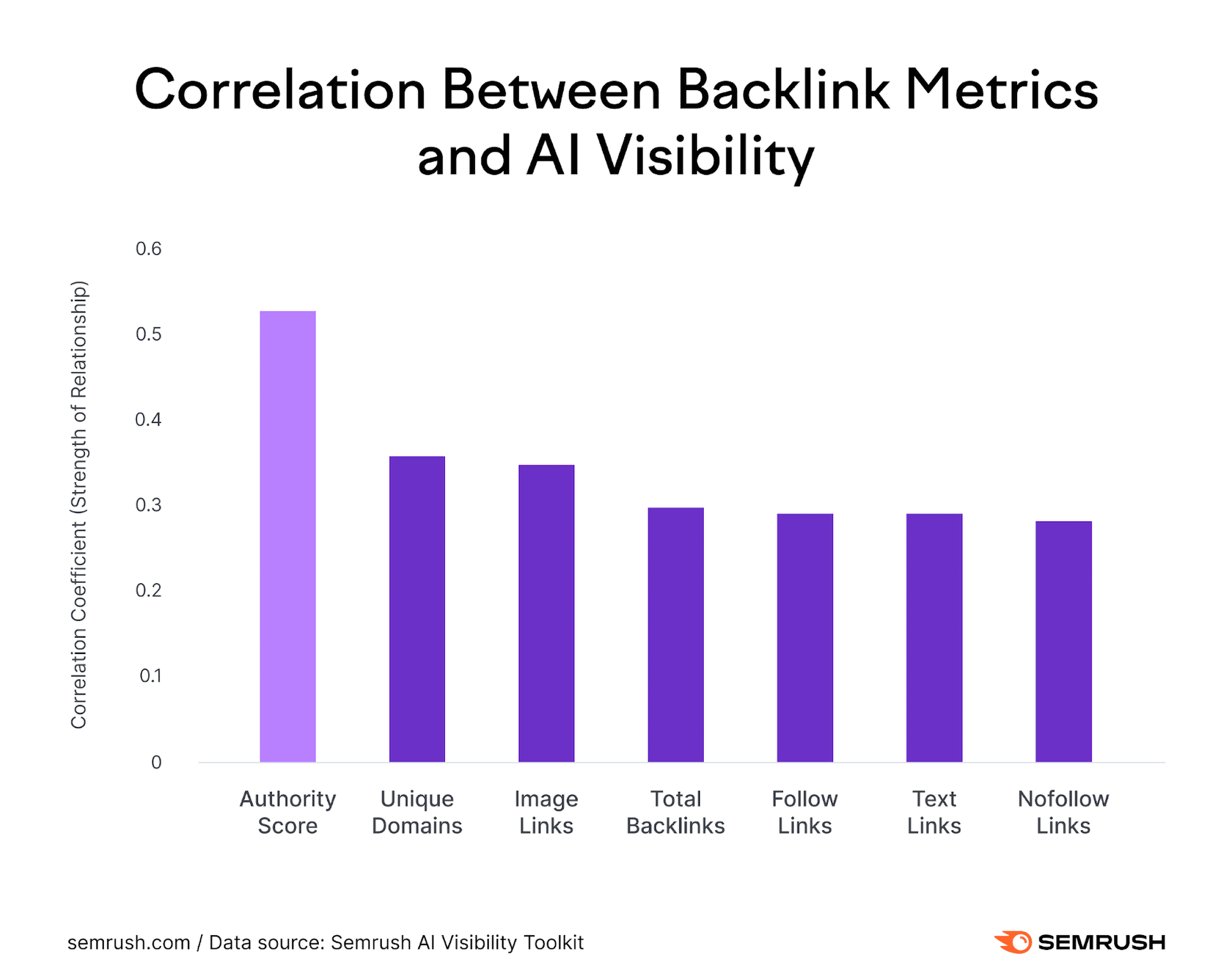
Empirical research from Semrush analyzing over 1,000 domains reveals a direct statistical correlation between robust backlink profiles and high visibility in AI-generated answers. Furthermore, insights from digital marketing agency Seer Interactive highlight domain authority and high-quality backlinks from websites with a Domain Authority (DA) of 60 or higher as the two most influential metrics driving AI discovery.
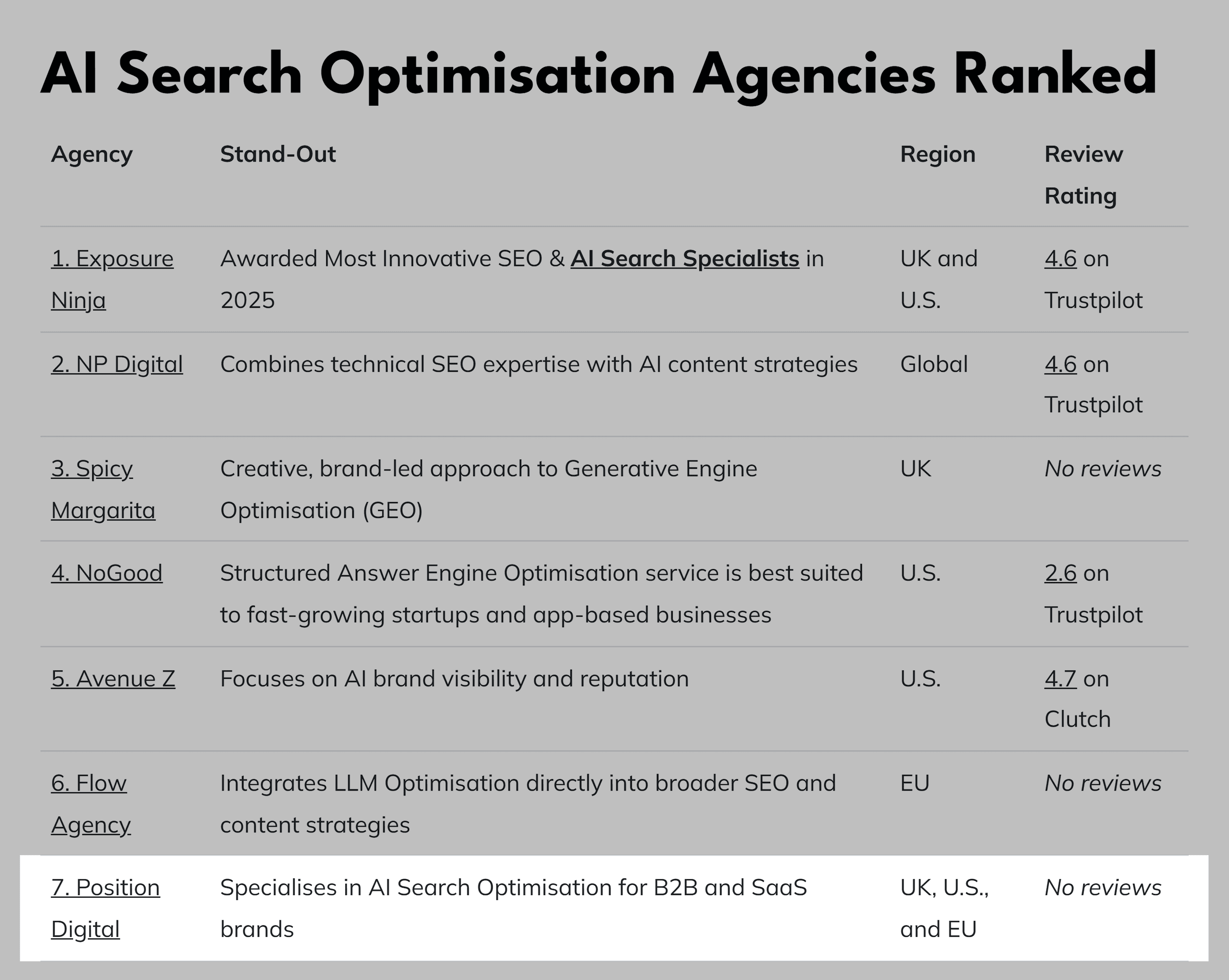
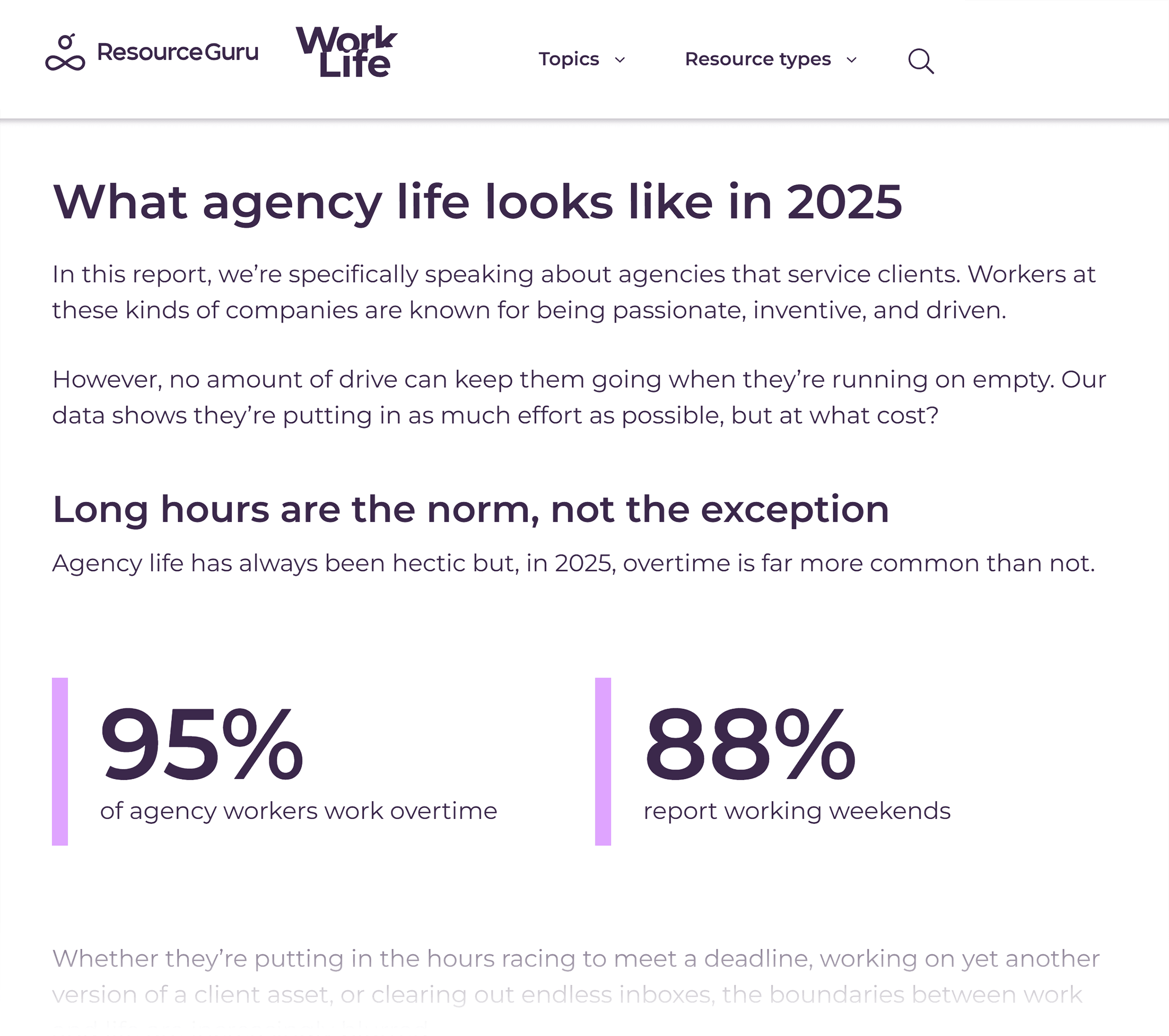
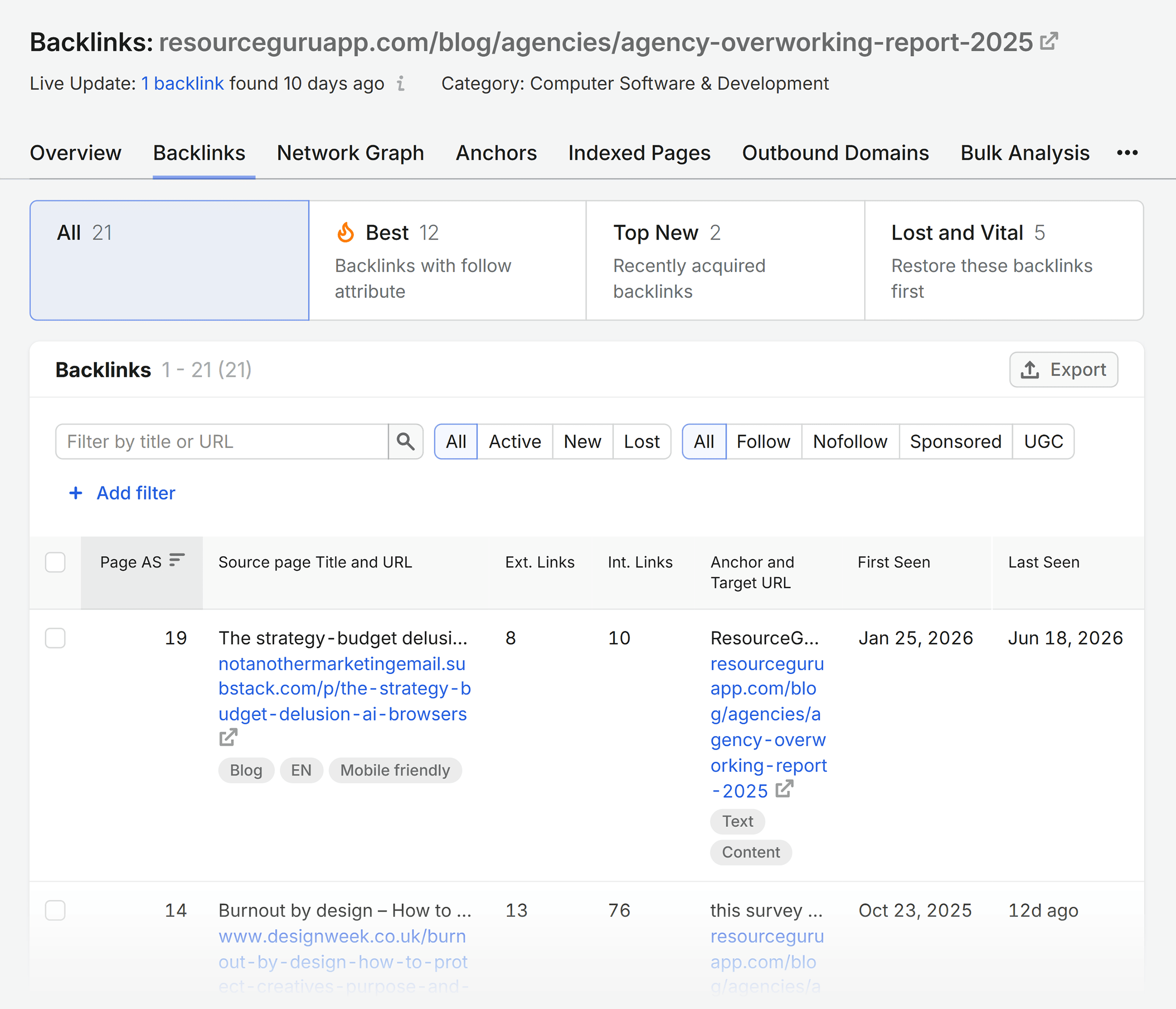
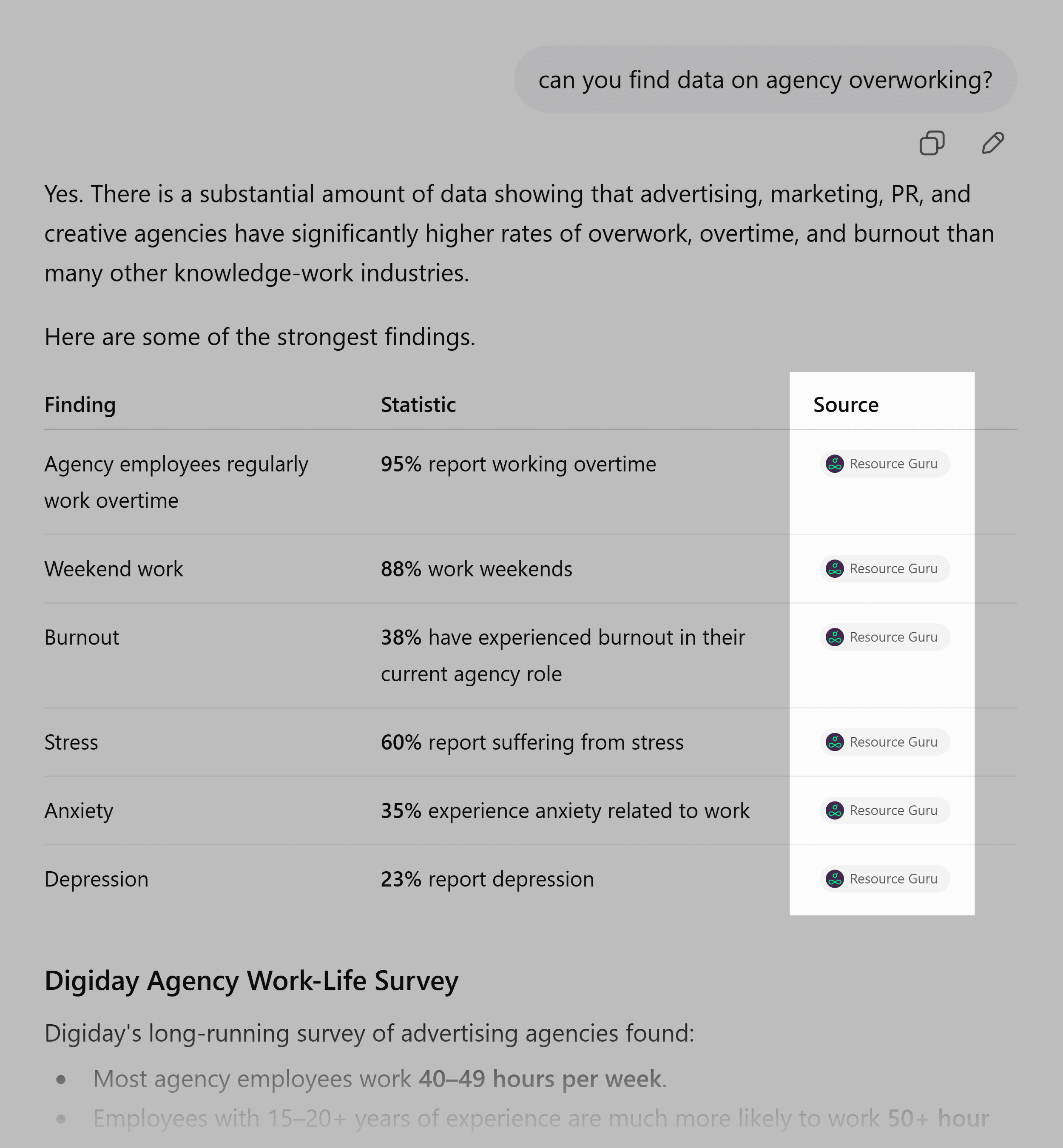
Brands that invest in rigorous primary research frequently reap substantial offsite dividends. For instance, when project management platform Resource Guru published its "Agency Overworking Report," the proprietary data naturally generated dozens of high-value backlinks from top-tier financial and business publications, including Forbes. Months after its initial release, the report continues to be referenced natively by ChatGPT and other LLM-driven search interfaces, proving that original data acts as a permanent anchor for AI citations.
Targeting AI Citations Through Model-Specific Outreach
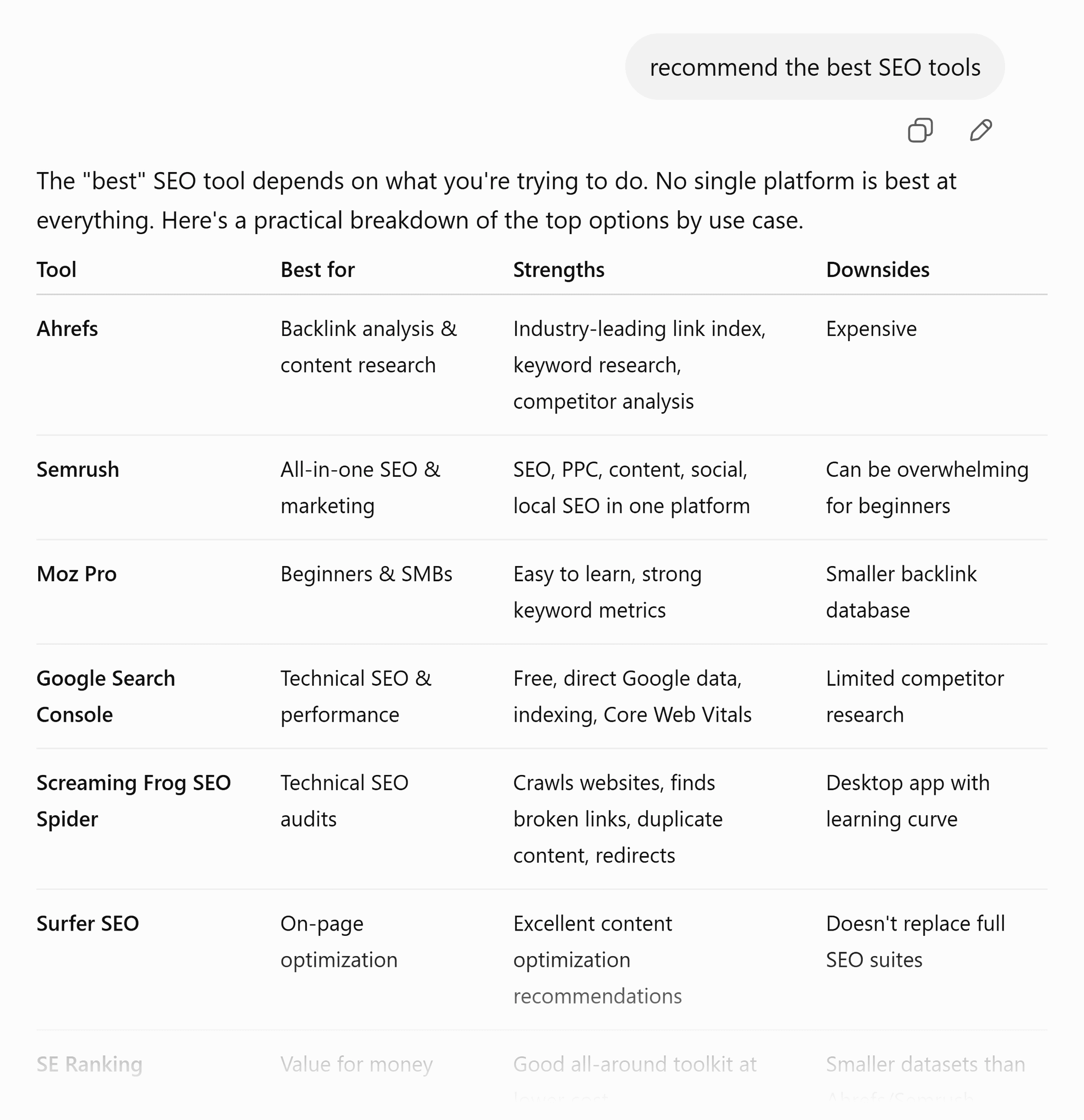
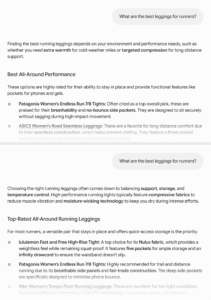
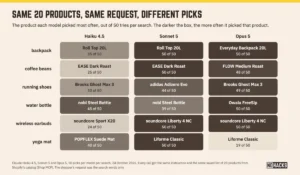
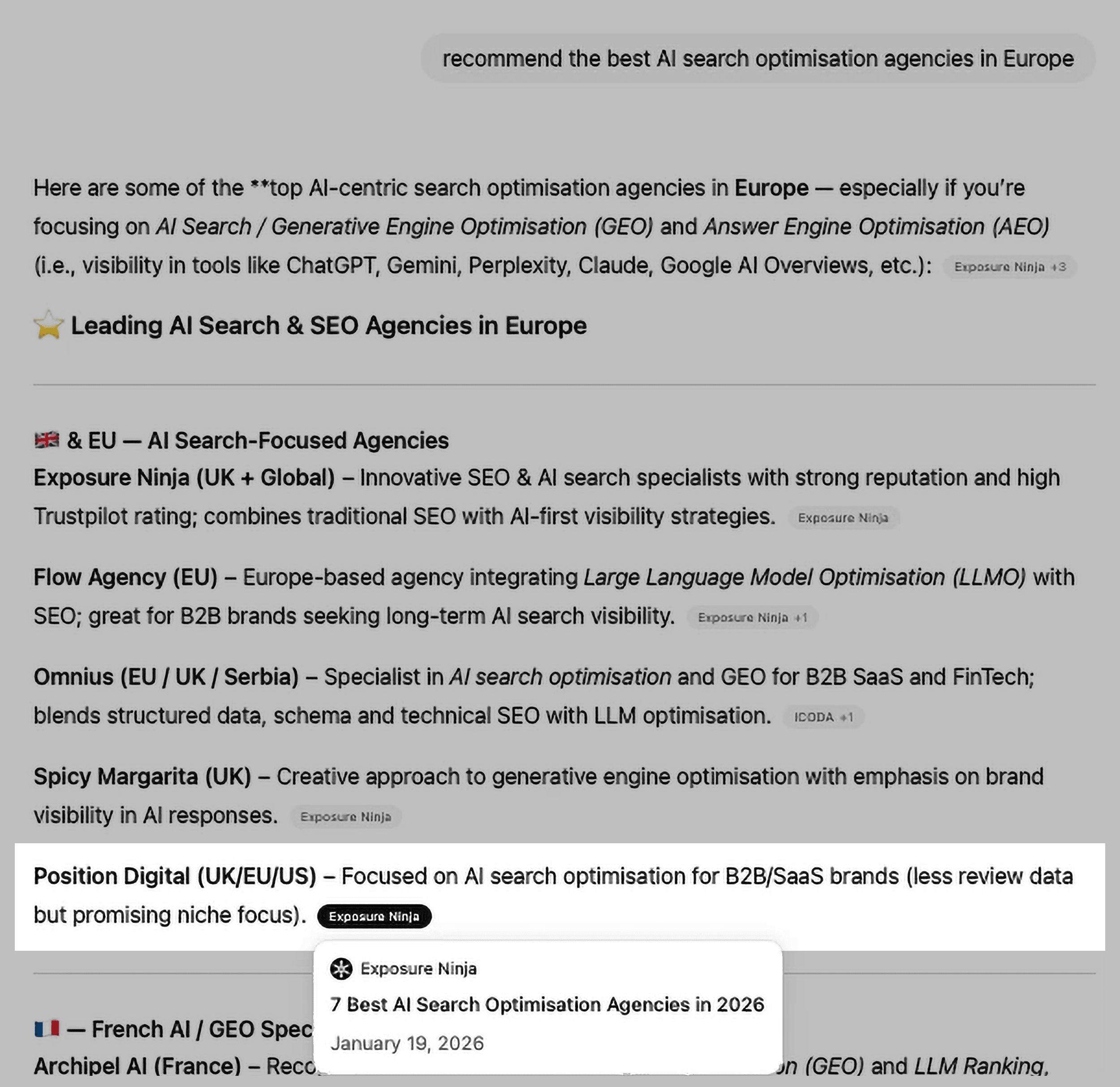
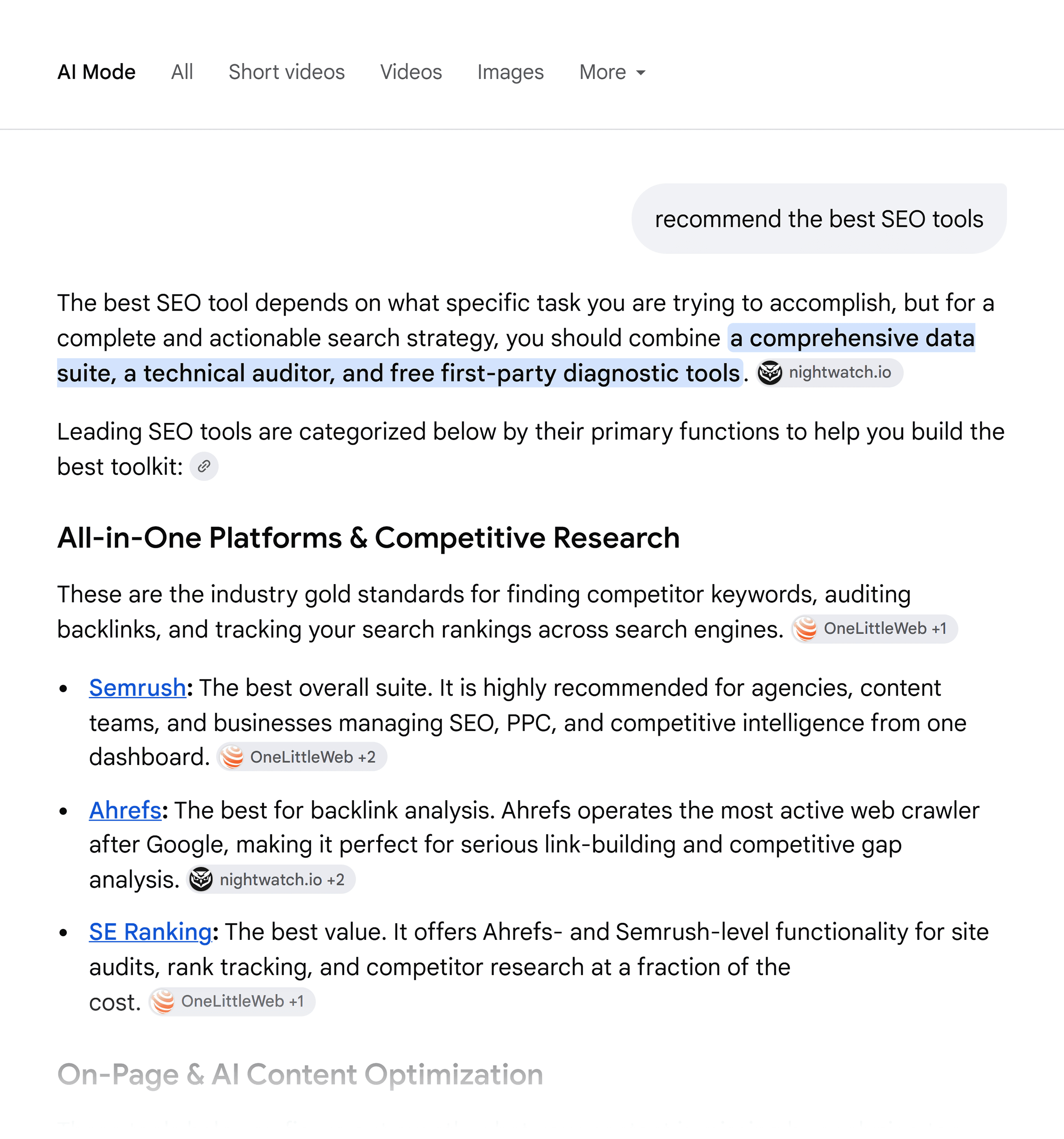
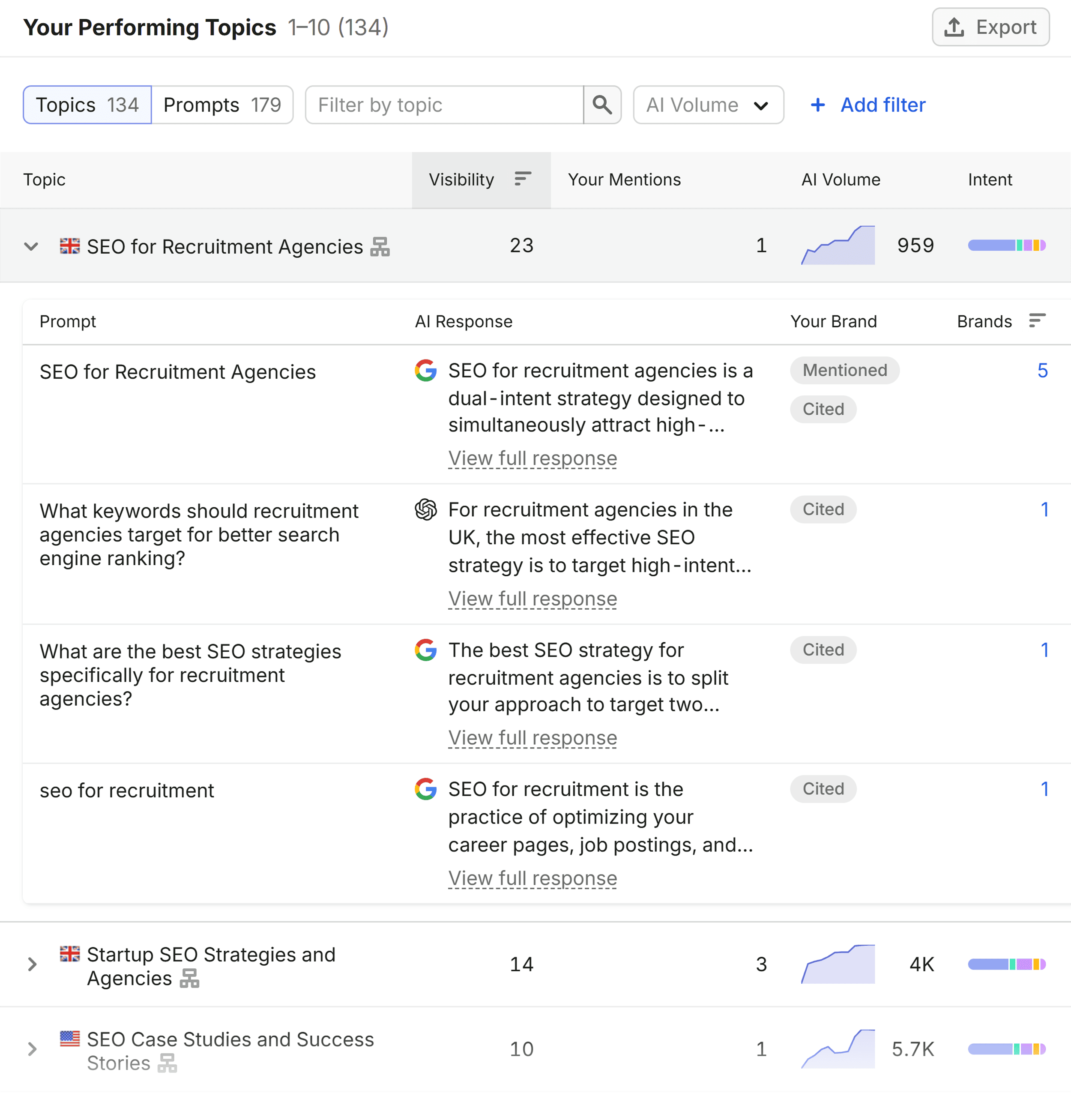
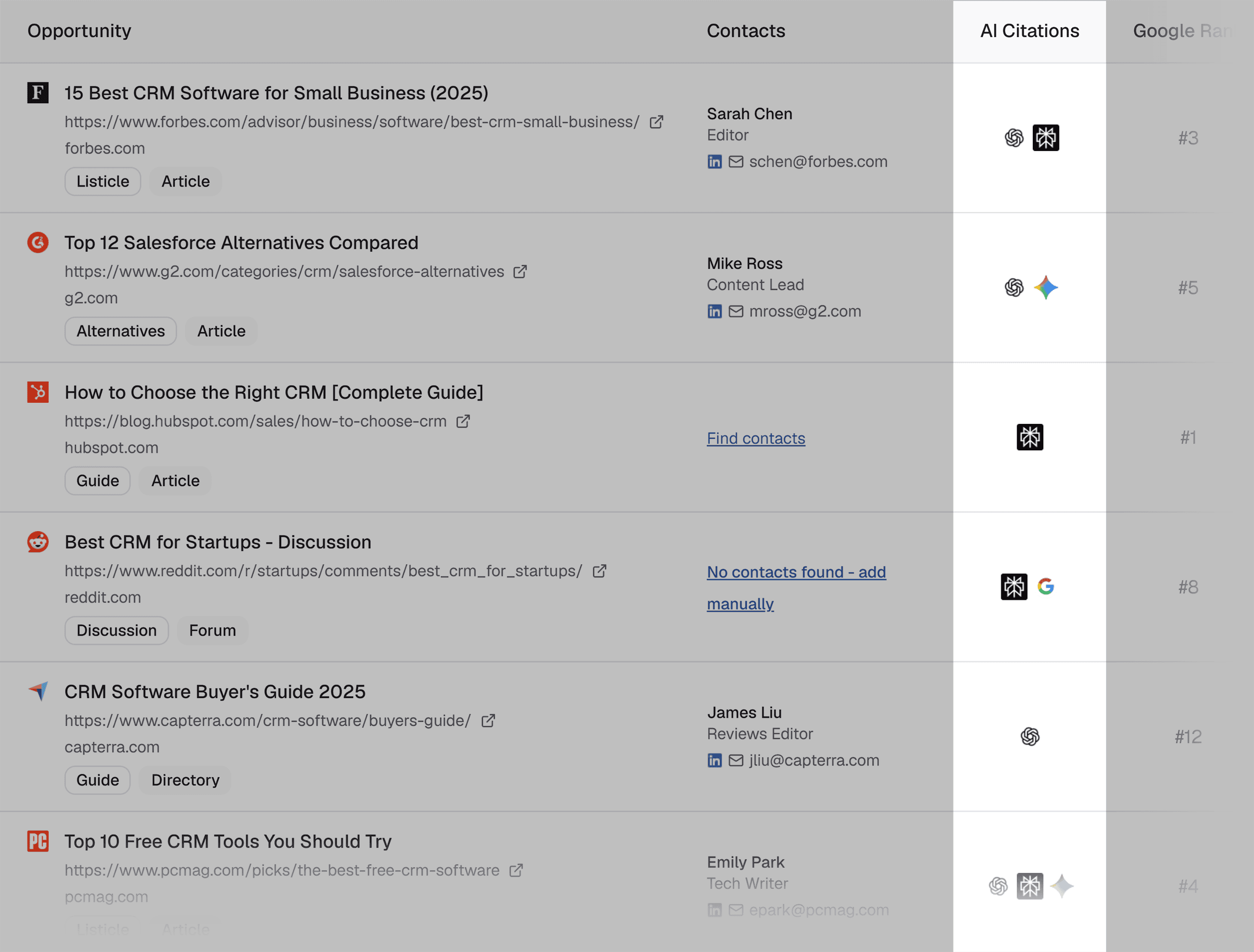
Because different AI models favor distinct data ecosystems, modern digital PR requires a targeted approach to citation outreach. A query entered into Google’s AI-powered search features may pull from entirely different sources than the same prompt submitted to OpenAI’s ChatGPT or Anthropic’s Claude.
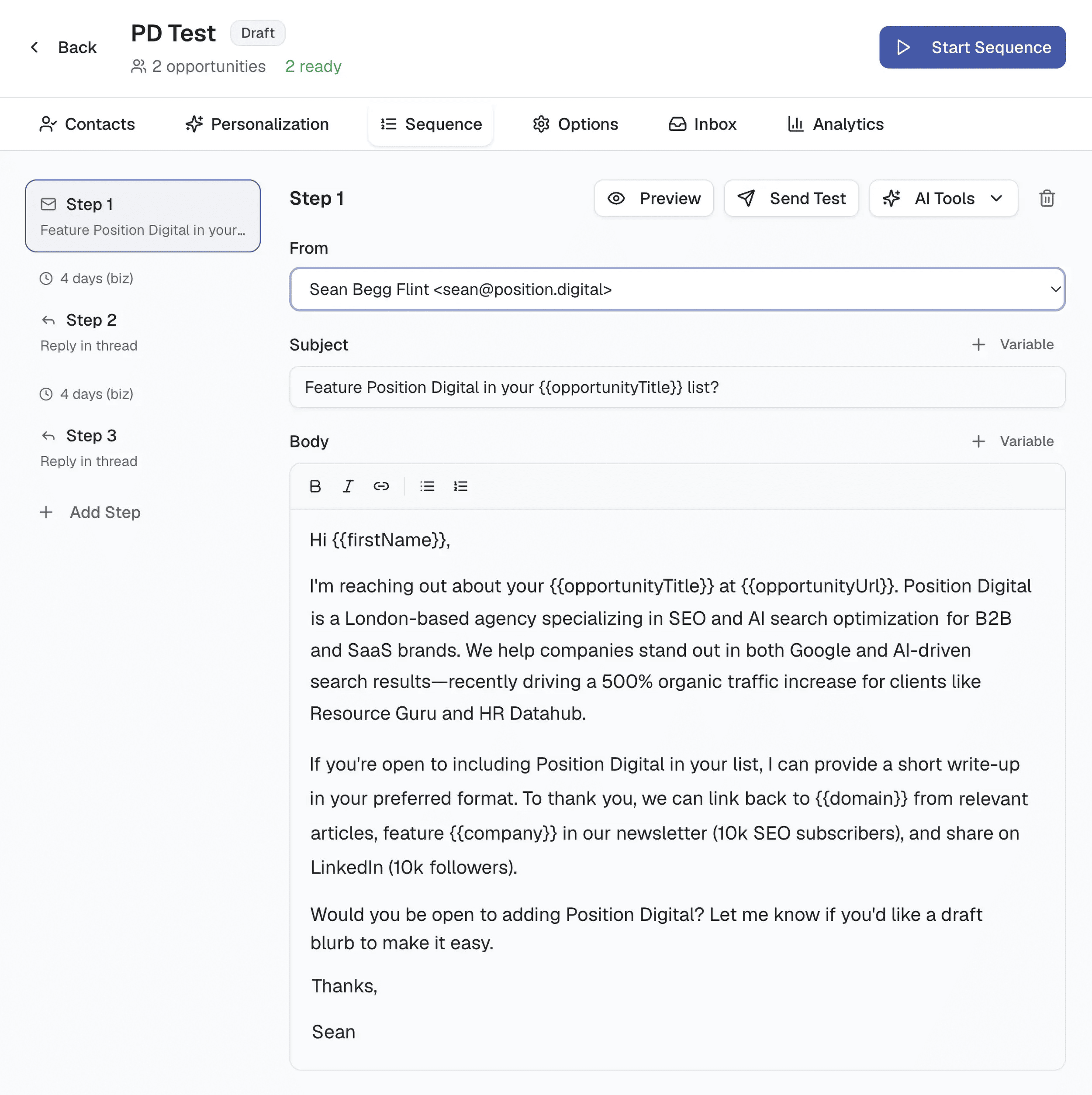
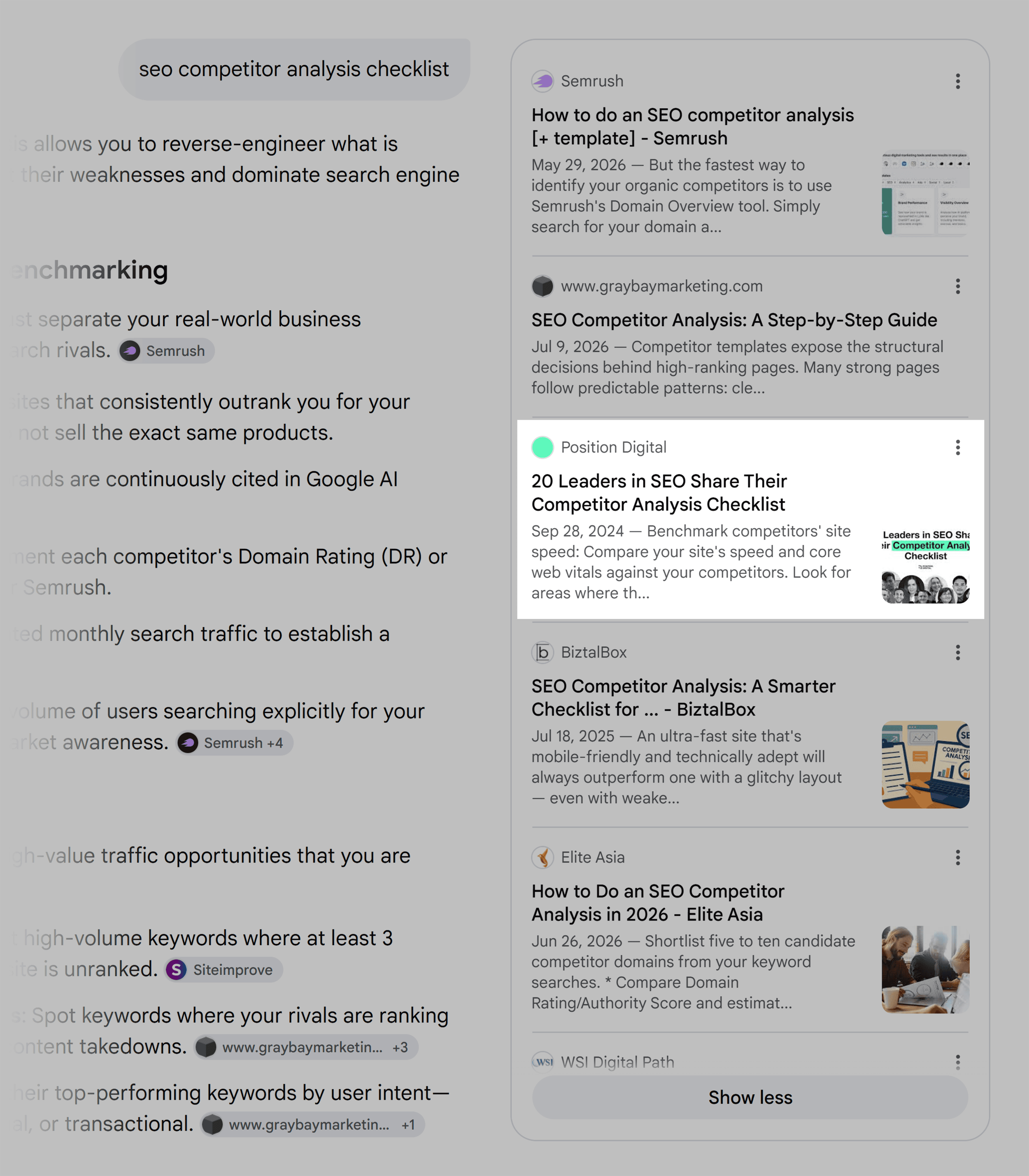
To capitalize on this behavior, marketing teams are increasingly adopting structured outreach campaigns focused on "listicles" and comparison guides—the exact formats that LLMs frequently scrape when compiling recommendations for "best of" queries. By auditing the specific sources cited for target user prompts, brands can proactively pitch journalists and editors to secure inclusion in these high-ranking roundups. Successful outreach campaigns typically involve providing concise, ready-to-publish company summaries, proprietary insights, or reciprocal visibility to streamline the editorial update process.
Reactive Public Relations and the Advantage of Speed
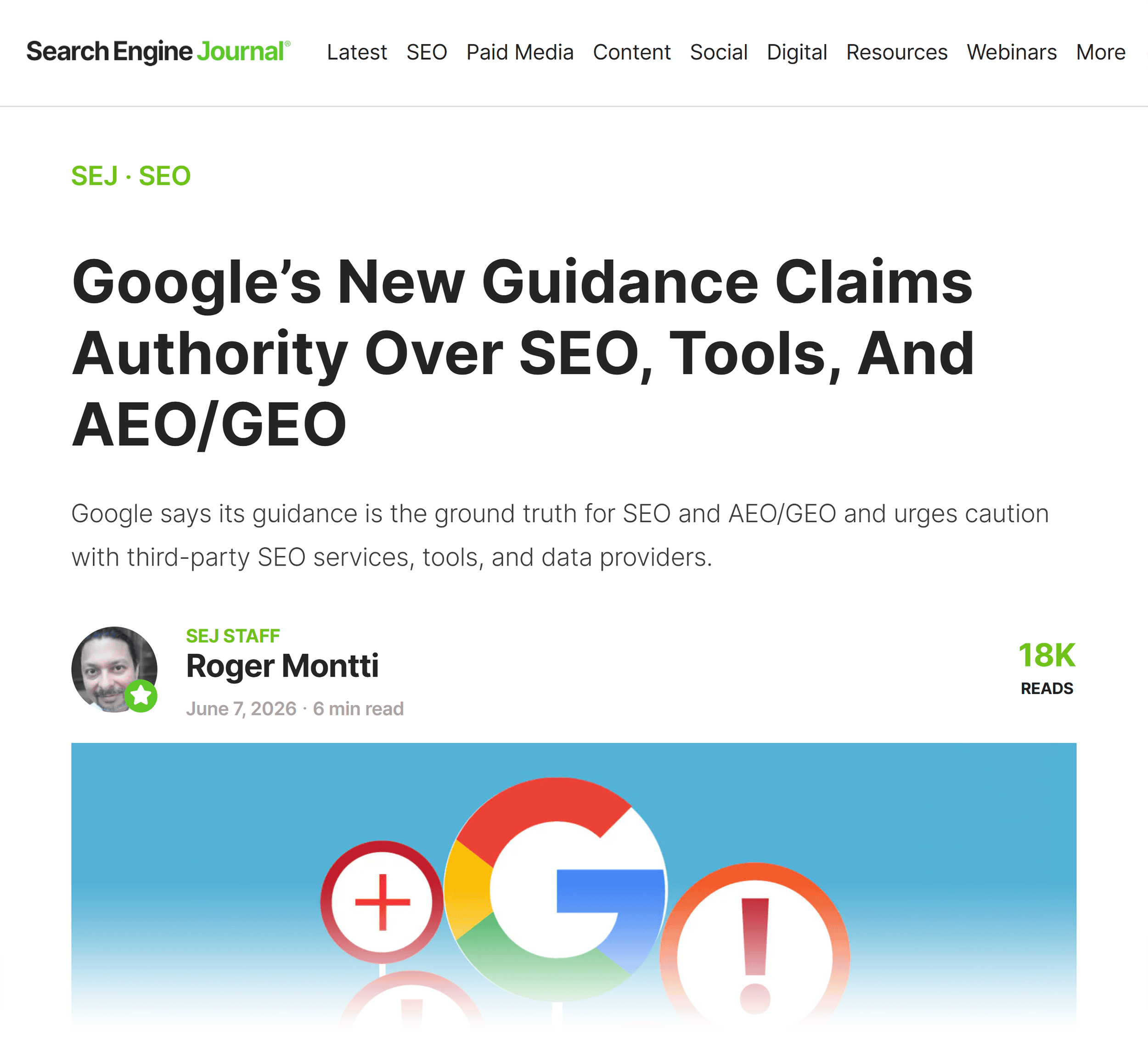
While traditional PR campaigns require weeks of strategic planning, reactive public relations relies on rapid execution. When breaking news, regulatory changes, or viral industry trends occur, LLMs face a distinct operational challenge: training data cutoffs prevent them from relying on historical knowledge.
During these critical windows, AI systems must aggressively crawl the live web for fresh reporting and expert commentary. Organizations that publish timely analyses, expert reactions, or firsthand journalistic coverage within hours of a major event position themselves as primary sources for the web. Media outlets covering the breaking news naturally link to these agile commentators, creating a pathway for the content to be indexed and cited by AI engines before competitors can mobilize.
The Amplification Effect of Ego Bait and Thought Leadership
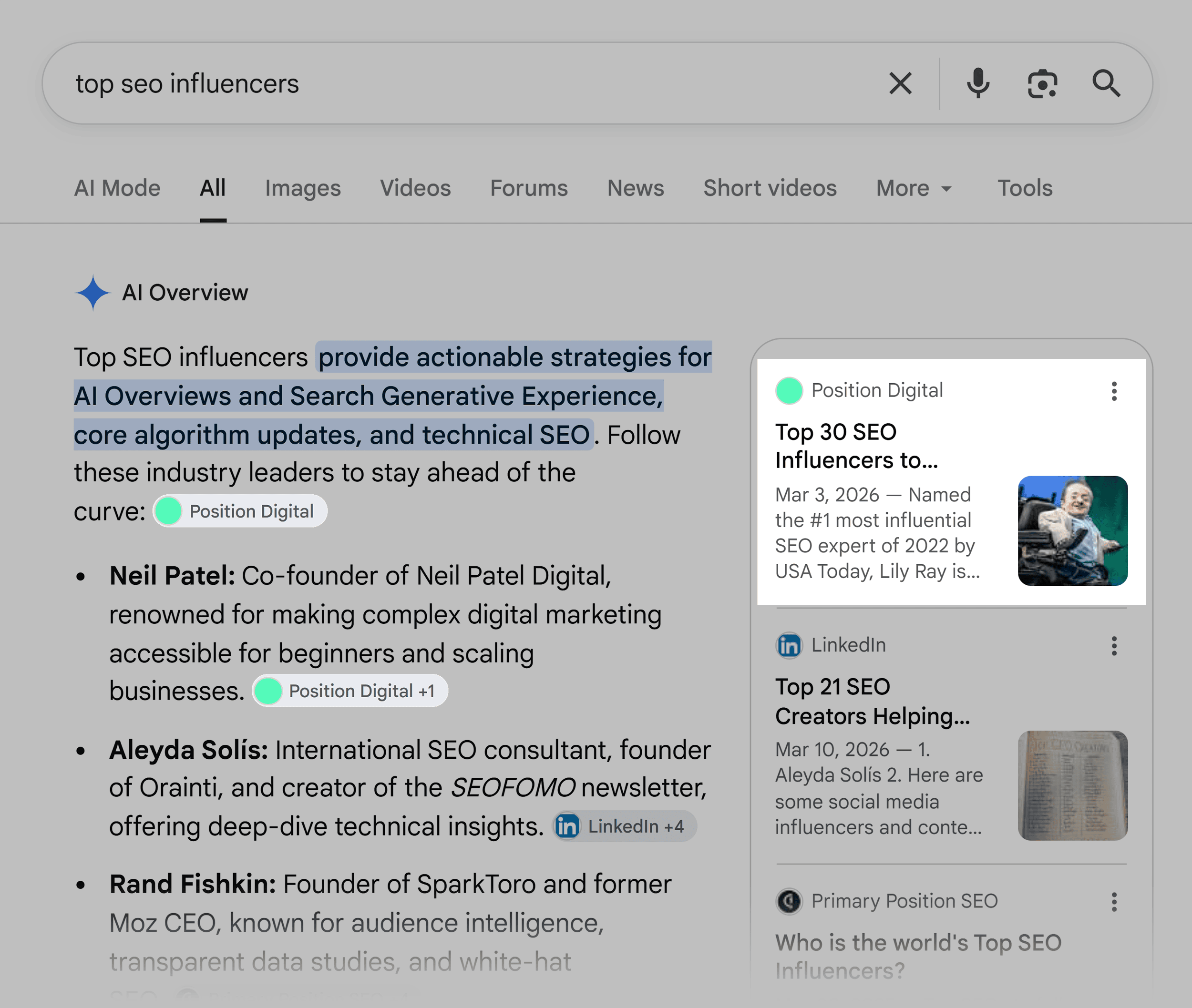
Ego bait—the practice of featuring industry experts, thought leaders, and influencers within original content—serves a dual purpose in the AI search landscape. First, it introduces verifiable trust signals. Studies examining AI citation patterns indicate that articles incorporating verified expert commentary receive significantly more citations in conversational search engines than those relying solely on anonymous authorship.
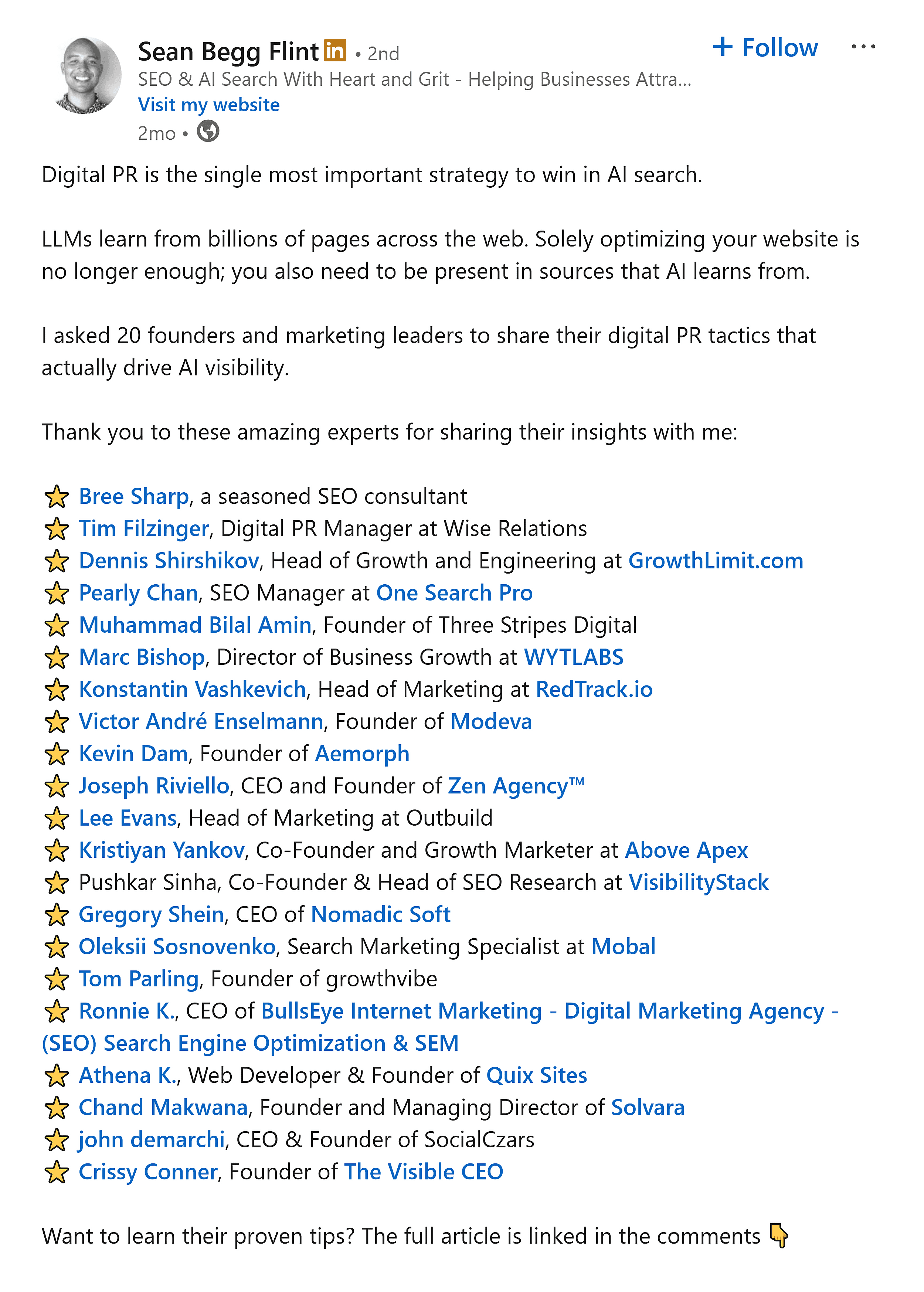
Second, ego bait establishes an organic distribution network. When recognized professionals are featured in a report or article, they frequently share the content across their personal and professional networks, driving social engagement, inbound links, and cross-platform mentions.
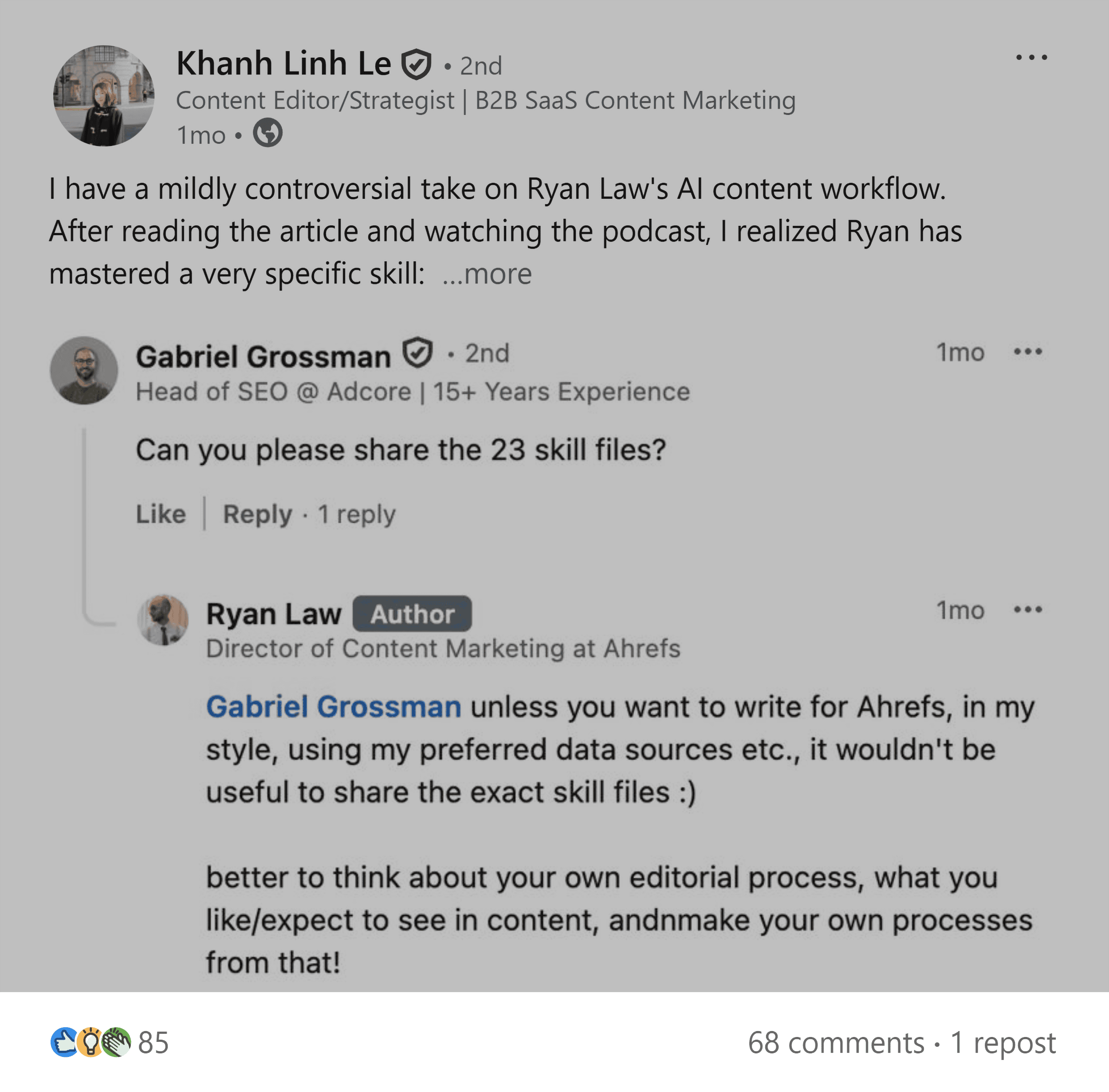
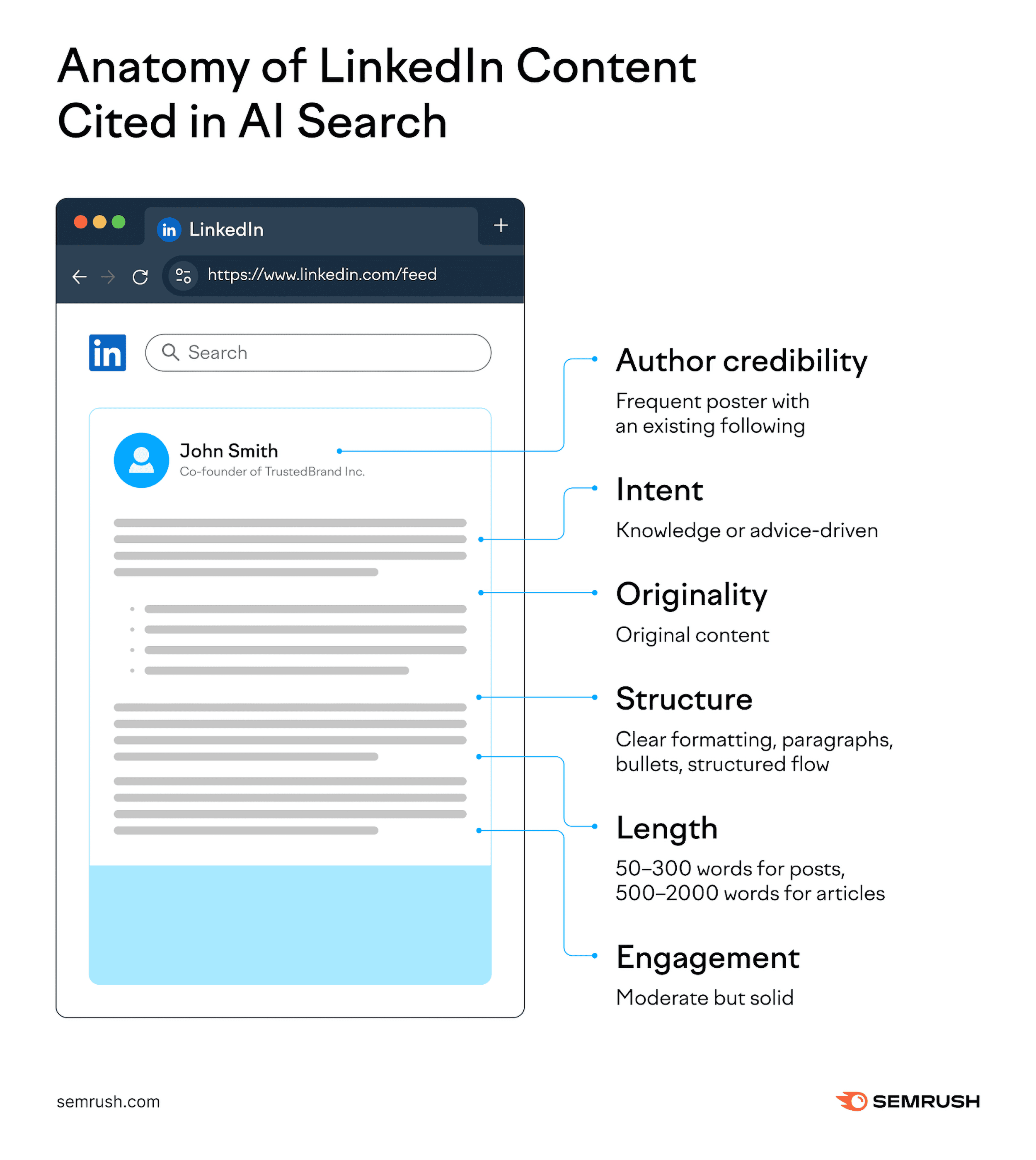
This ecosystem overlaps heavily with traditional thought leadership. Content designed to challenge conventional industry wisdom—often distributed via professional networking platforms like LinkedIn or through high-profile guest blogging frameworks—drives intense debate and community engagement. Because LLMs heavily index professional networking sites and independent blogging platforms, a dominant personal and corporate brand presence across these networks directly translates into elevated AI visibility.
The Critical Role of Community Building and Independent Reviews
Perhaps the most disruptive finding in recent AI search research is the degree to which algorithms prioritize neutral, community-driven platforms over corporate marketing materials. Semrush studies analyzing enterprise visibility indicate that consumer-generated discussions on platforms like Reddit and Quora are frequently cited by LLMs ahead of official corporate blogs.
Similarly, research from Seer Interactive analyzing hundreds of thousands of AI responses demonstrated that brands lacking a baseline presence on review aggregation sites—such as Trustpilot or G2—suffer from drastically lower AI citation rates compared to competitors with active, reviewed profiles. When an AI model evaluates conflicting claims regarding a product’s utility, it consistently defaults to the consensus found across independent consumer reviews and public forums.
Consequently, modern digital PR strategies must incorporate active, transparent community engagement. Rather than engaging in overt self-promotion—which is rapidly flagged and penalized by community moderators—brands must participate in relevant discussions as genuine subject-matter experts, offering objective advice and assistance.
Implications for the Future of Brand Discovery
As conversational search continues to displace traditional blue links, the rules of digital visibility have permanently shifted from technical keyword optimization to holistic brand reputation management. Digital PR is no longer merely a branding exercise designed to secure occasional press coverage; it is the foundational infrastructure of modern search engine optimization. Brands that successfully align their offsite PR efforts with the information-seeking patterns of large language models will dominate AI-driven discovery, while those that rely solely on self-promotion risk algorithmic obscurity.