The Ultimate Guide to Brand Mentions in the Age of Search Engines and Artificial Intelligence

In the modern digital landscape, possessing an immaculate website, compelling content, and a seamless user experience is no longer a guarantee of online visibility. Despite adhering to every traditional Search Engine Optimization (SEO) best practice, businesses frequently find themselves invisible to both conventional search engines and emerging artificial intelligence tools. This phenomenon occurs because platforms like Google and ChatGPT evaluate far more than on-page optimization; they actively analyze how the broader internet discusses, references, and frames a brand to determine its authenticity, authority, and overall market standing.

When credible third-party publications, industry experts, and engaged online communities mention a business, they construct a digital footprint of trust. This comprehensive guide explores the mechanics of brand mentions, distinguishes between web-based references and Large Language Model (LLM) citations, outlines four actionable strategies to secure high-value mentions, and details how marketing teams can effectively track these metrics to demonstrate return on investment (ROI) to corporate leadership.
Understanding the Anatomy of Brand Mentions
A brand mention is formally defined as any external reference to a business, product, or executive by an independent third party. These references can manifest across a diverse array of digital mediums, including journalistic articles, community forums, video streaming platforms, podcasts, and social media threads. Fundamentally, these citations are categorized into two primary classifications: linked mentions and unlinked mentions.
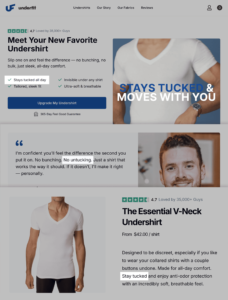
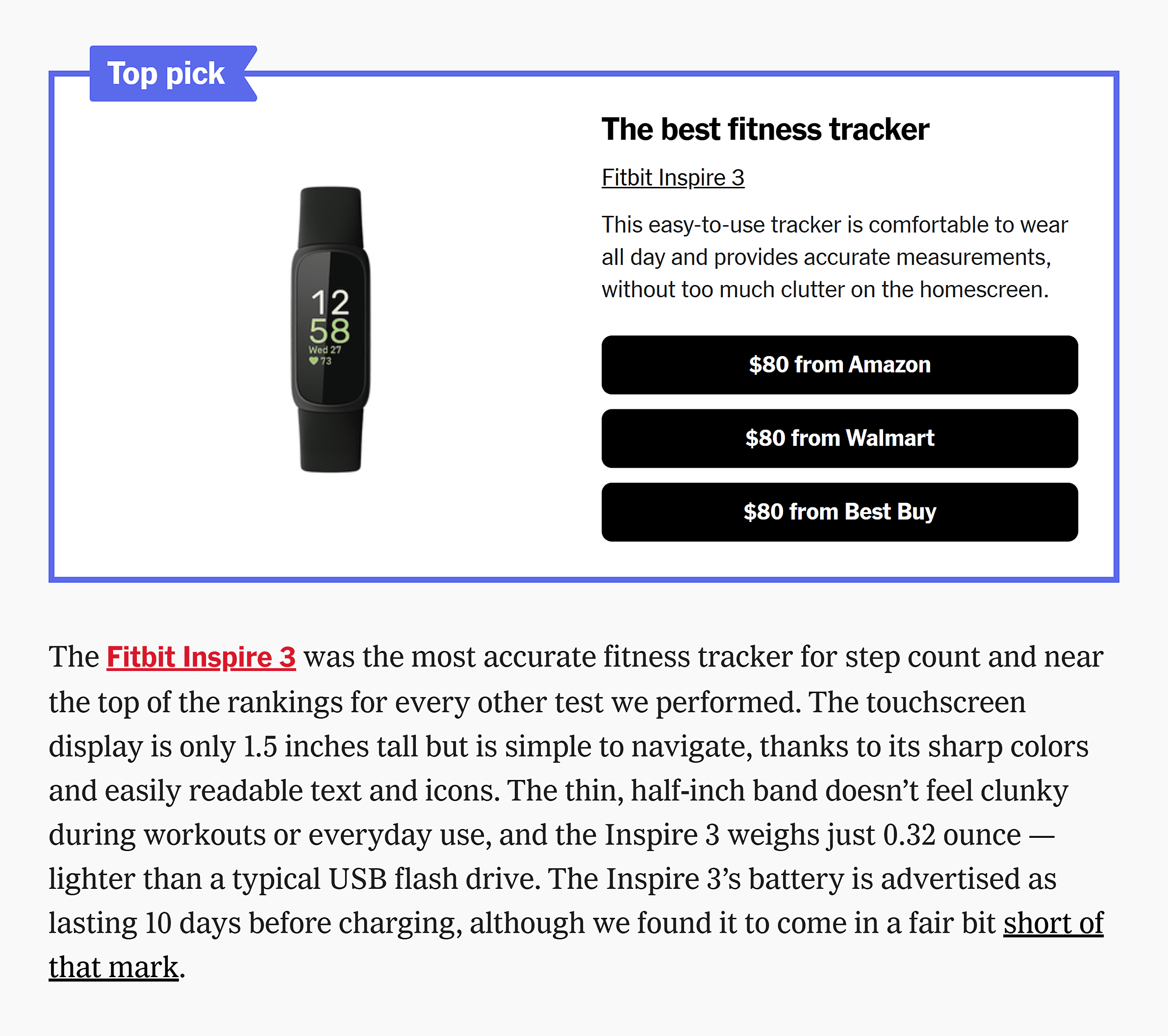
Linked mentions incorporate both the textual reference of the brand name and a direct, clickable hyperlink leading to the company’s domain. For example, a consumer lifestyle publication reviewing the best fitness trackers might mention Fitbit while embedding a direct hyperlink to the manufacturer’s product specification page. Conversely, unlinked mentions reference the brand identity explicitly within the prose without providing a navigational hyperlink—such as a user discussing their preferred running watch on a community platform like Reddit without attaching a URL.
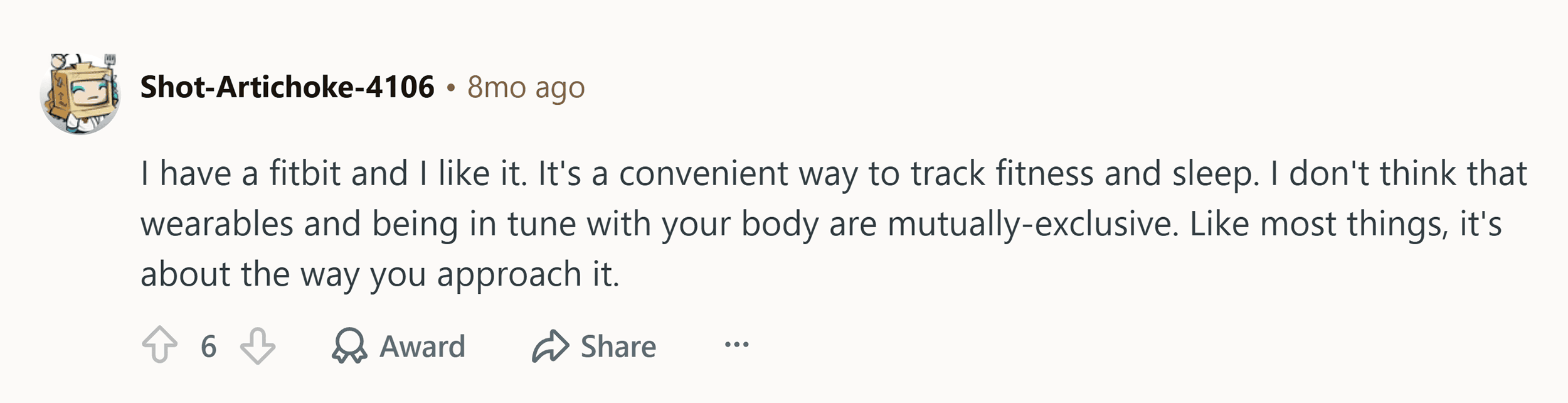
The strategic value of each type varies. Linked brand mentions actively pass "link equity," authority, and direct referral traffic to a destination domain. Unlinked mentions, while lacking the direct referral traffic component, provide critical contextual data for search engine algorithms and generative AI systems, helping them establish a semantic understanding of the brand entity. Both forms are indispensable to a robust digital visibility strategy.
Web Versus Large Language Model Mentions
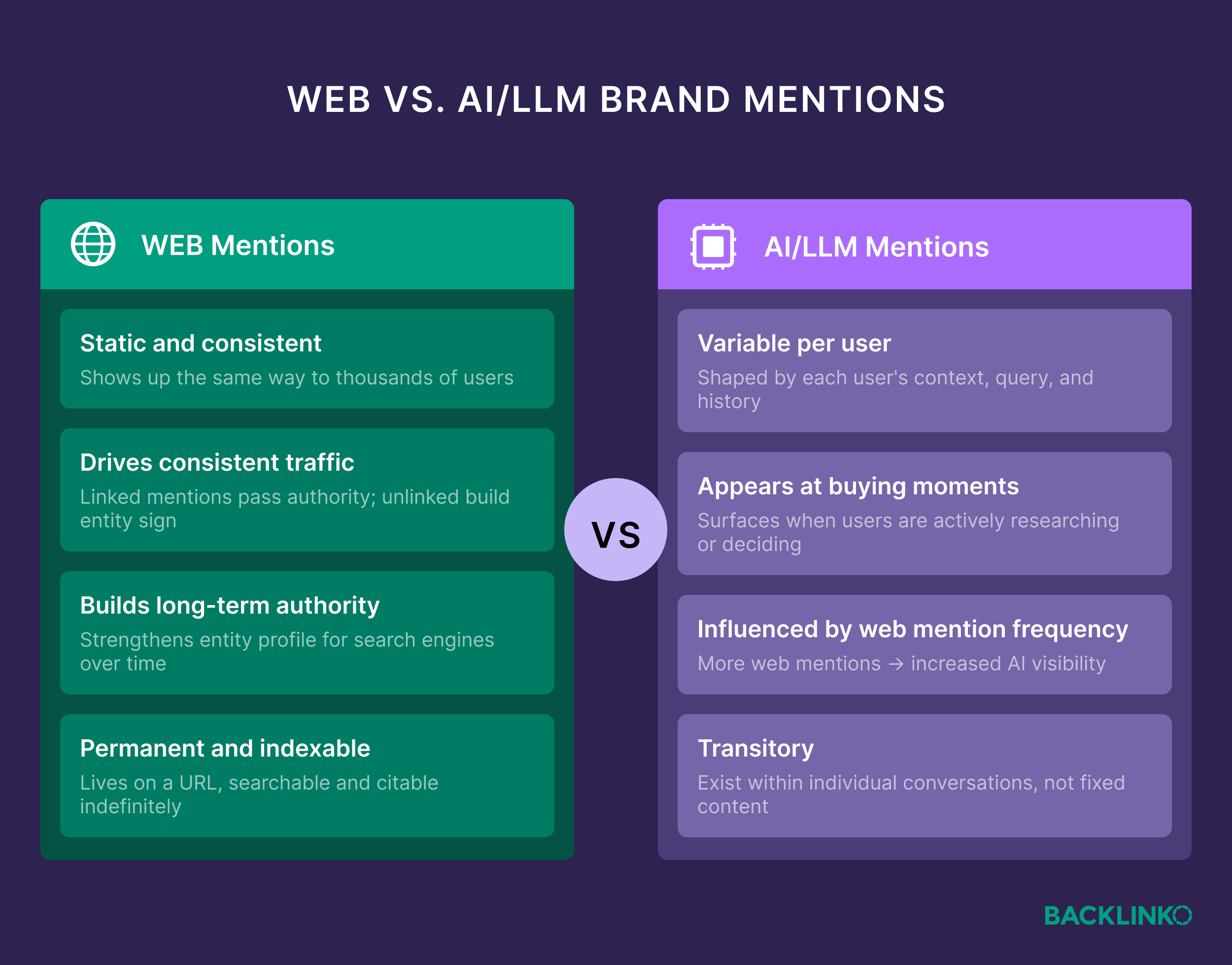
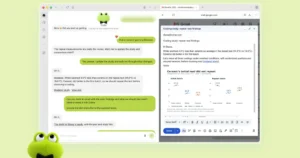
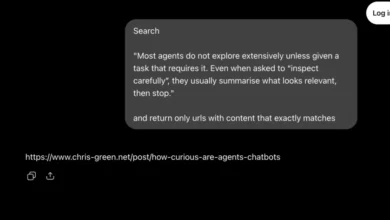
A distinct operational difference exists between traditional web mentions and citations generated by generative artificial intelligence models. When an LLM such as ChatGPT or Claude mentions a brand within a conversational response, that interaction is dynamic and personalized. The citation is shaped by the user’s specific conversational context, prompt history, and query parameters, existing purely within the lifespan of that singular chat session.
In stark contrast, a traditional web mention is static, permanent, and accessible to potentially thousands of concurrent users via search engine result pages (SERPs). Securing broad visibility across trusted web domains acts as the foundational input for LLMs. Because artificial intelligence models train on and retrieve information from a wide corpus of authoritative web text, achieving consistent, positive coverage across relevant online sources dramatically increases the probability that an AI tool will recommend the brand to users seeking solutions.
The Evolving Significance of Brand Mentions
While brand reputation has always been a cornerstone of commercial success, digital brand mentions have escalated in importance due to fundamental shifts in how information is indexed and retrieved.

Signaling Authority to Search Engines
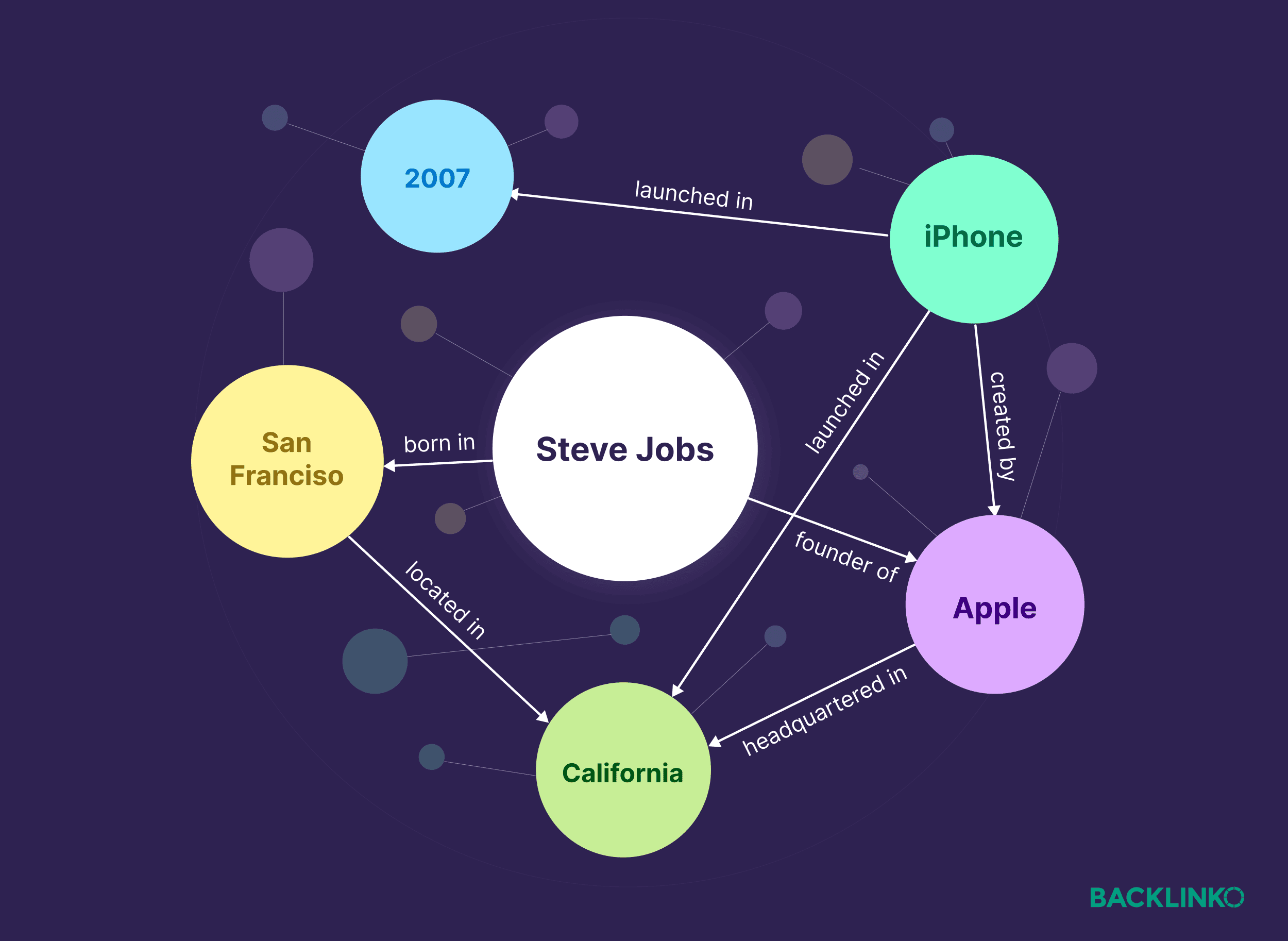
Search engines evaluate corporate entities by analyzing the sentiment, frequency, and context of conversations taking place across the worldwide web. Entities are cataloged within complex databases, such as Google’s Knowledge Graph, which maps multidimensional relationships between people, organizations, concepts, and locations. Brand mentions serve as the primary algorithmic feed that refines this entity-level understanding, enabling search engines to accurately determine whether a company is a recognized leader in its respective niche.
Expanding Reach to Untapped Audiences
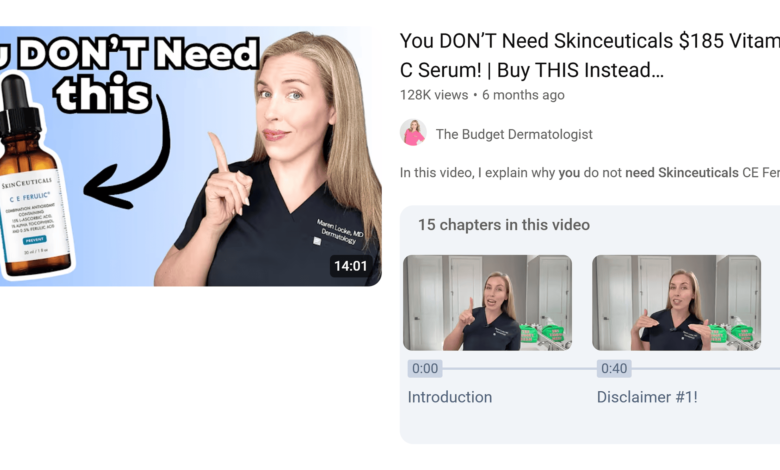
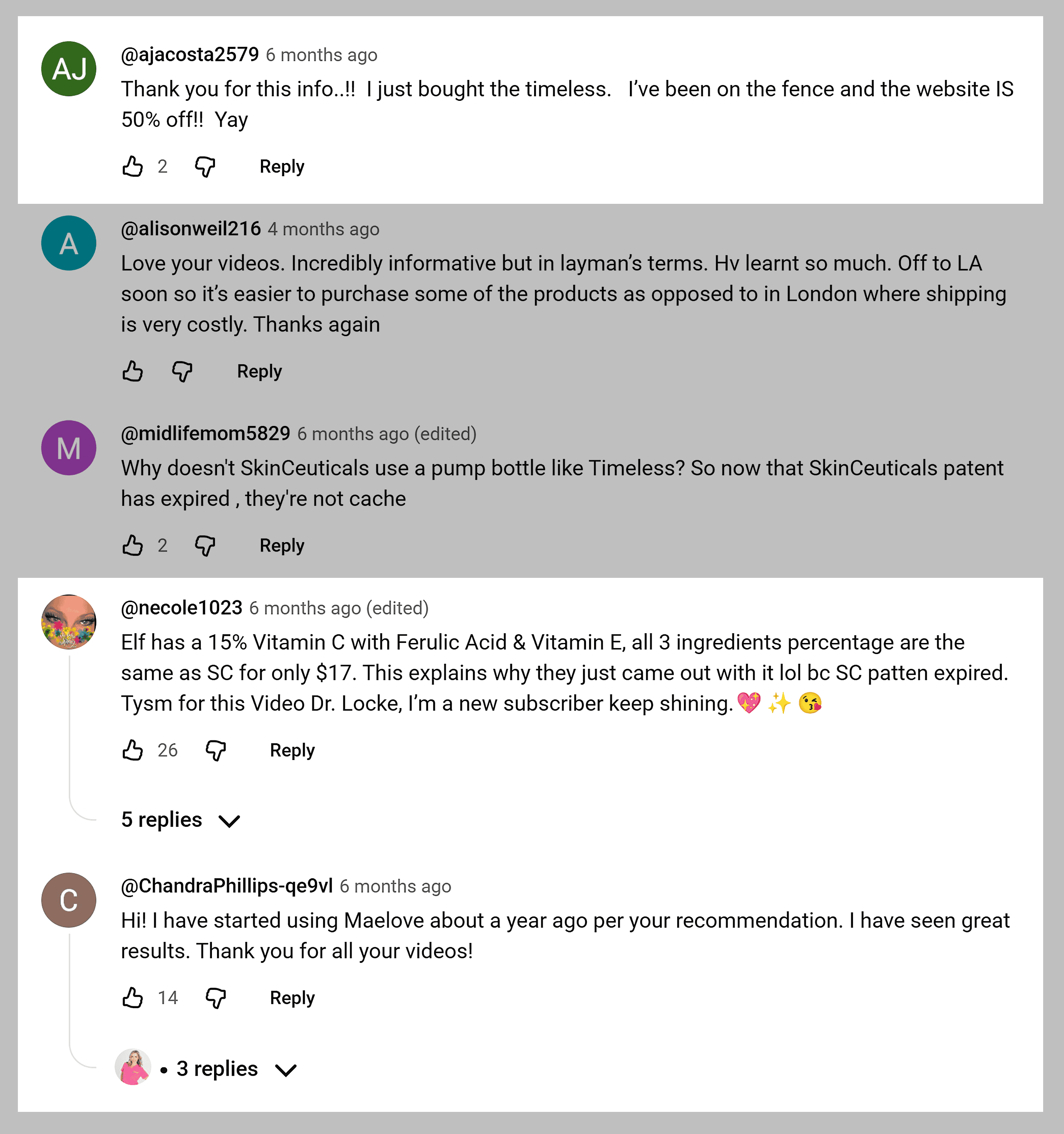
External references expose businesses to prospective customers who may not be actively searching for that specific brand. When a respected industry authority, niche YouTuber, or specialized podcaster recommends a product as a superior alternative, they introduce the brand to an entirely new demographic. Industry analyses routinely demonstrate that consumer trust heavily influences purchasing decisions originating from peer recommendations and influencer reviews, driving conversions from audiences outside the company’s immediate marketing funnel.
Powering Artificial Intelligence Recommendations
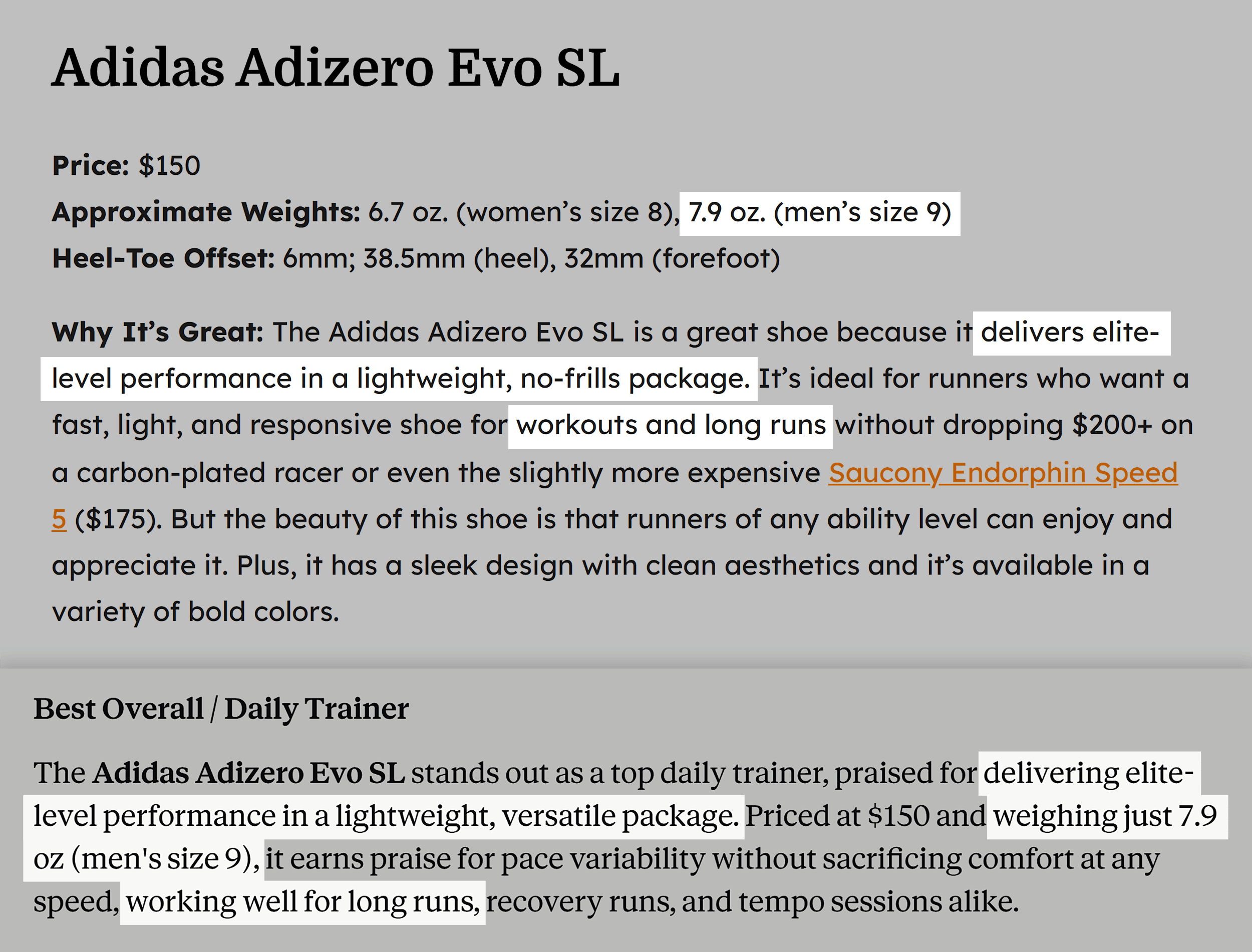
Generative AI models synthesize vast quantities of web data to formulate recommendations. When an LLM describes a product using specific phrasing—such as highlighting a running shoe for offering "elite-level performance in a lightweight, no-frills package"—it is frequently mirroring the language established in foundational web reviews and journalistic roundups. Consequently, authoritative web mentions directly dictate how artificial intelligence systems perceive and articulate a brand’s value proposition.
Defining Characteristics of a High-Quality Brand Mention
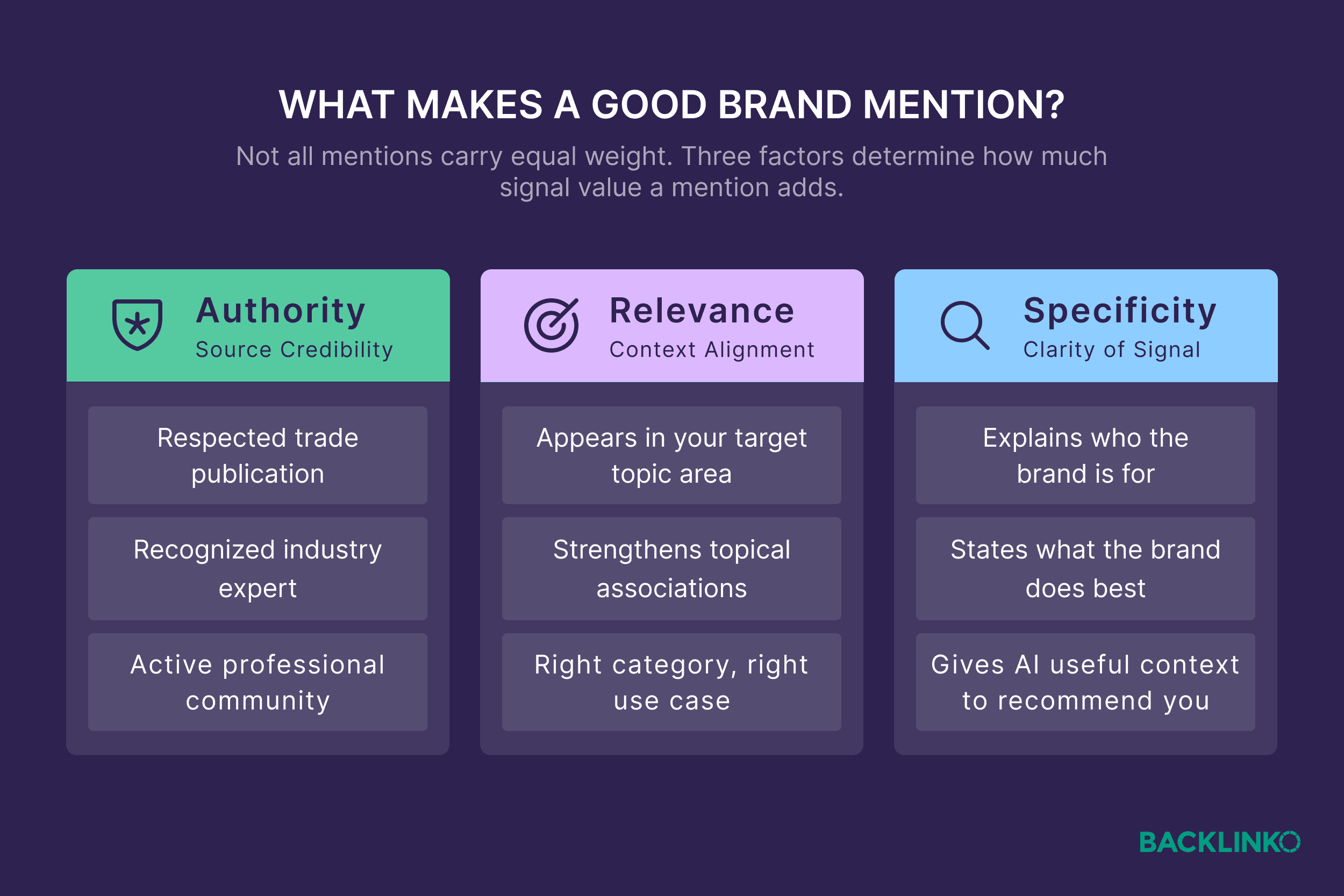
Not all brand mentions carry equal weight in the eyes of search algorithms and AI systems. Three core pillars dictate the quality and impact of any given citation: authority, relevance, and specificity.
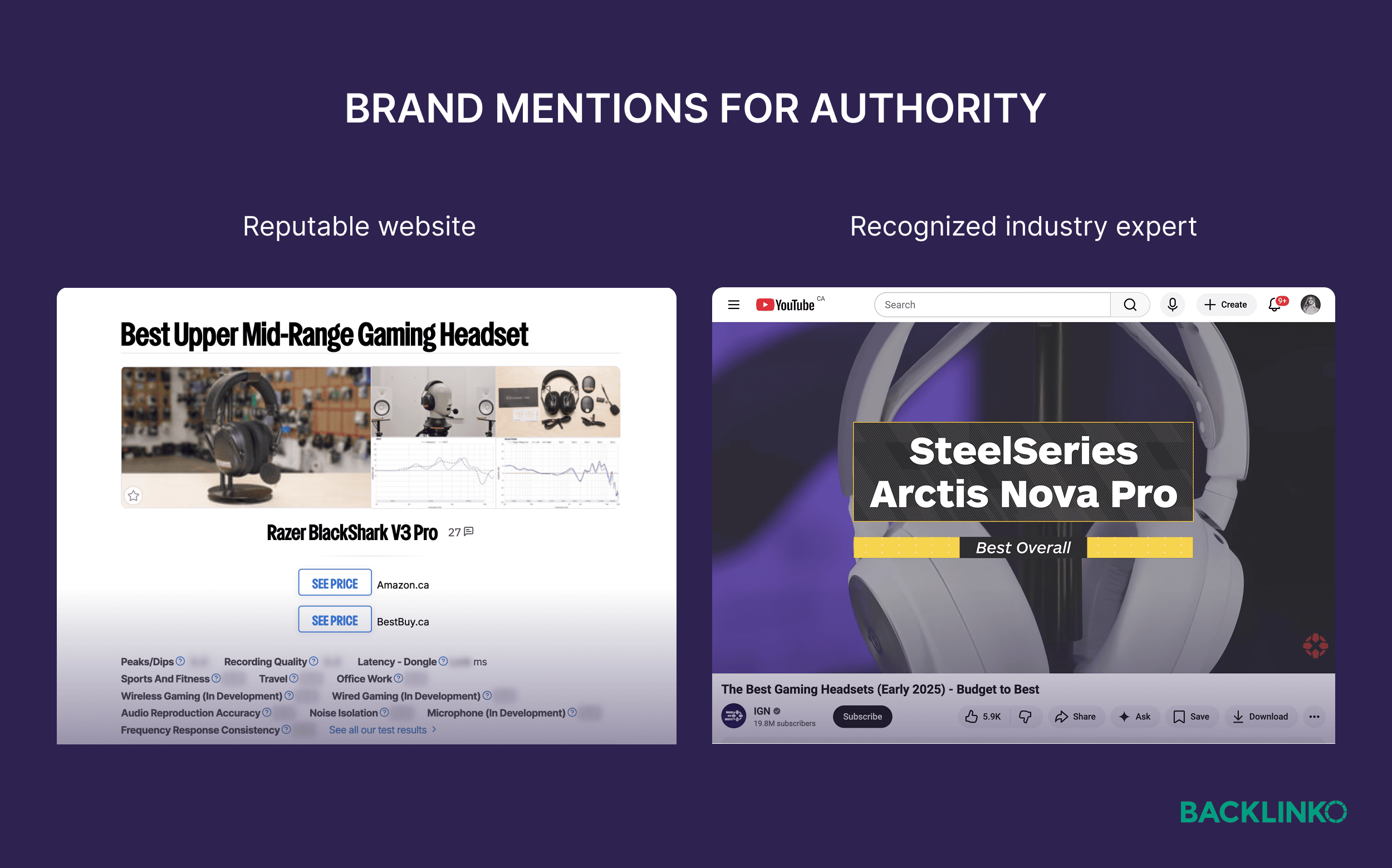
Authority refers to the domain strength and editorial credibility of the platform publishing the reference. A mention within a globally recognized trade publication or mainstream news outlet transmits exponentially stronger trust signals than an ambiguous reference on an obscure, low-traffic blog.
Relevance operates on a dual plane. First, the mention must occur within a topical context that aligns with the brand’s core offerings to build robust topical authority. Second, the publishing domain itself must belong to the same industry or a closely related vertical.
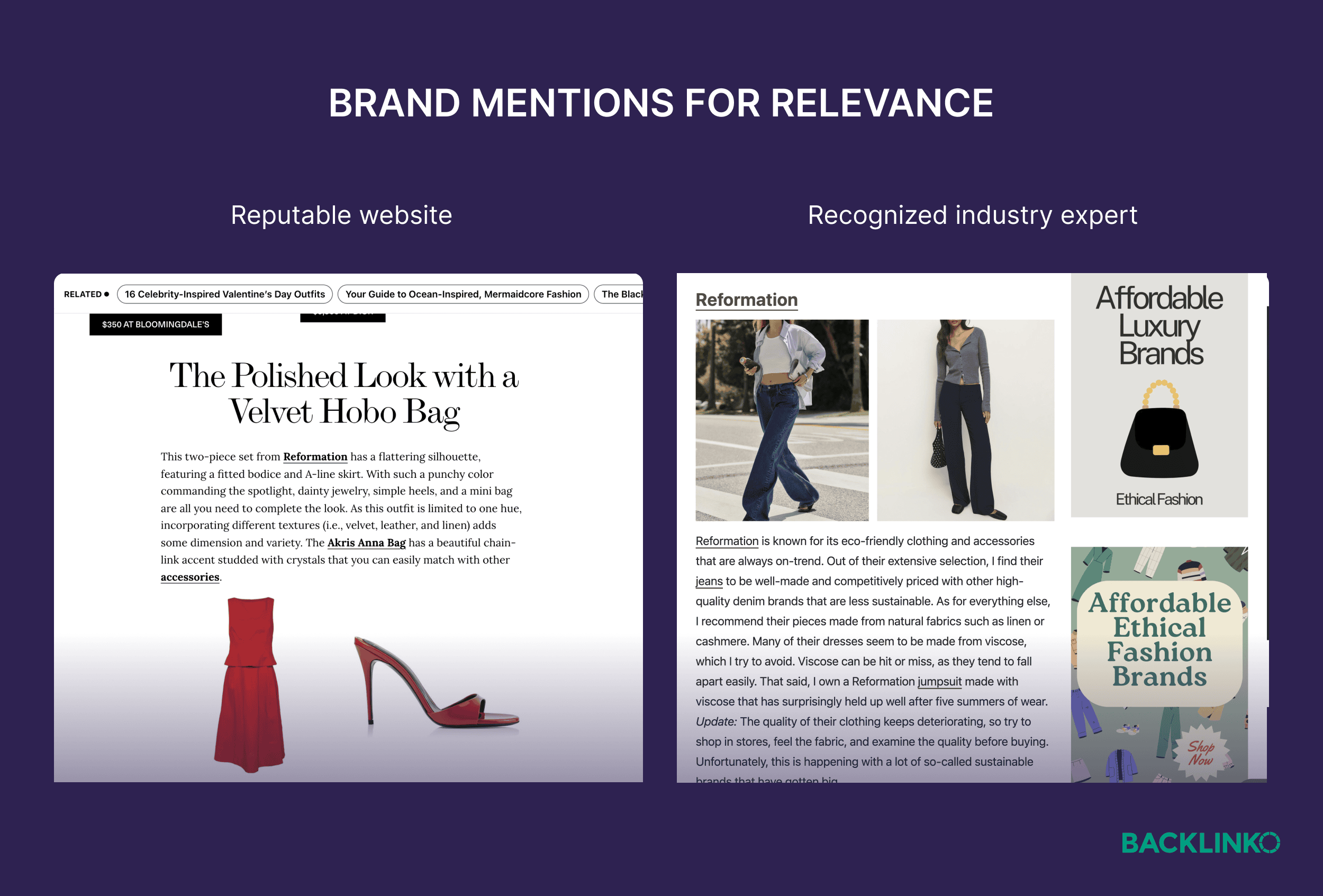
Specificity ensures that the mention provides actionable, detailed information regarding the brand’s features, use cases, or consumer benefits. General passing references yield minimal algorithmic value, whereas detailed descriptions outlining specific software capabilities or product advantages furnish search engines and LLMs with clear data points on when and why the brand should be recommended.
Four Strategic Tactics to Earn Valuable Brand Mentions
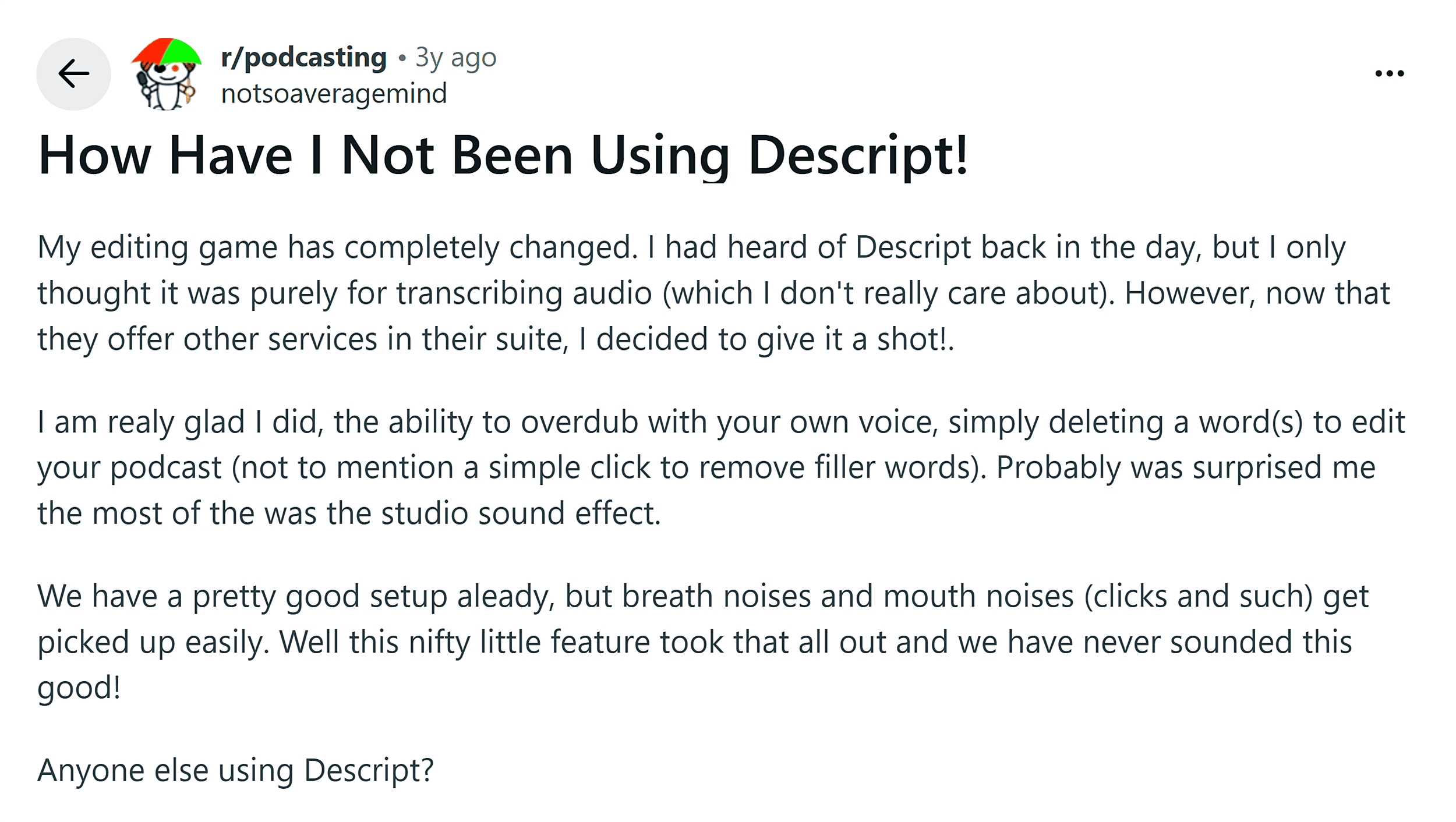
Securing consistent, high-value brand mentions requires a proactive, value-driven approach to marketing and public relations. Organizations can utilize four primary methodologies to build sustainable brand visibility.
- Creating Data-Driven, Citable Research Assets
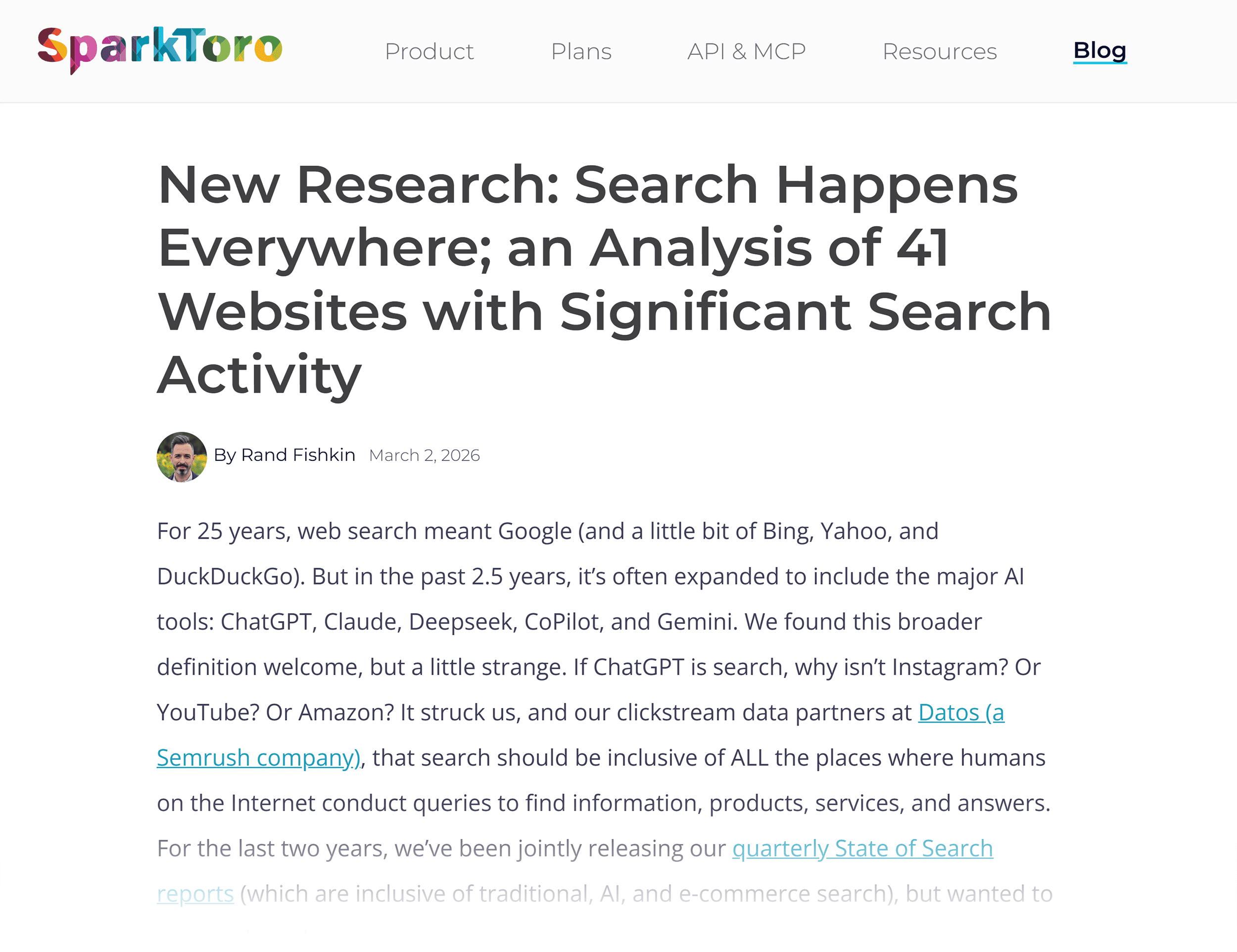
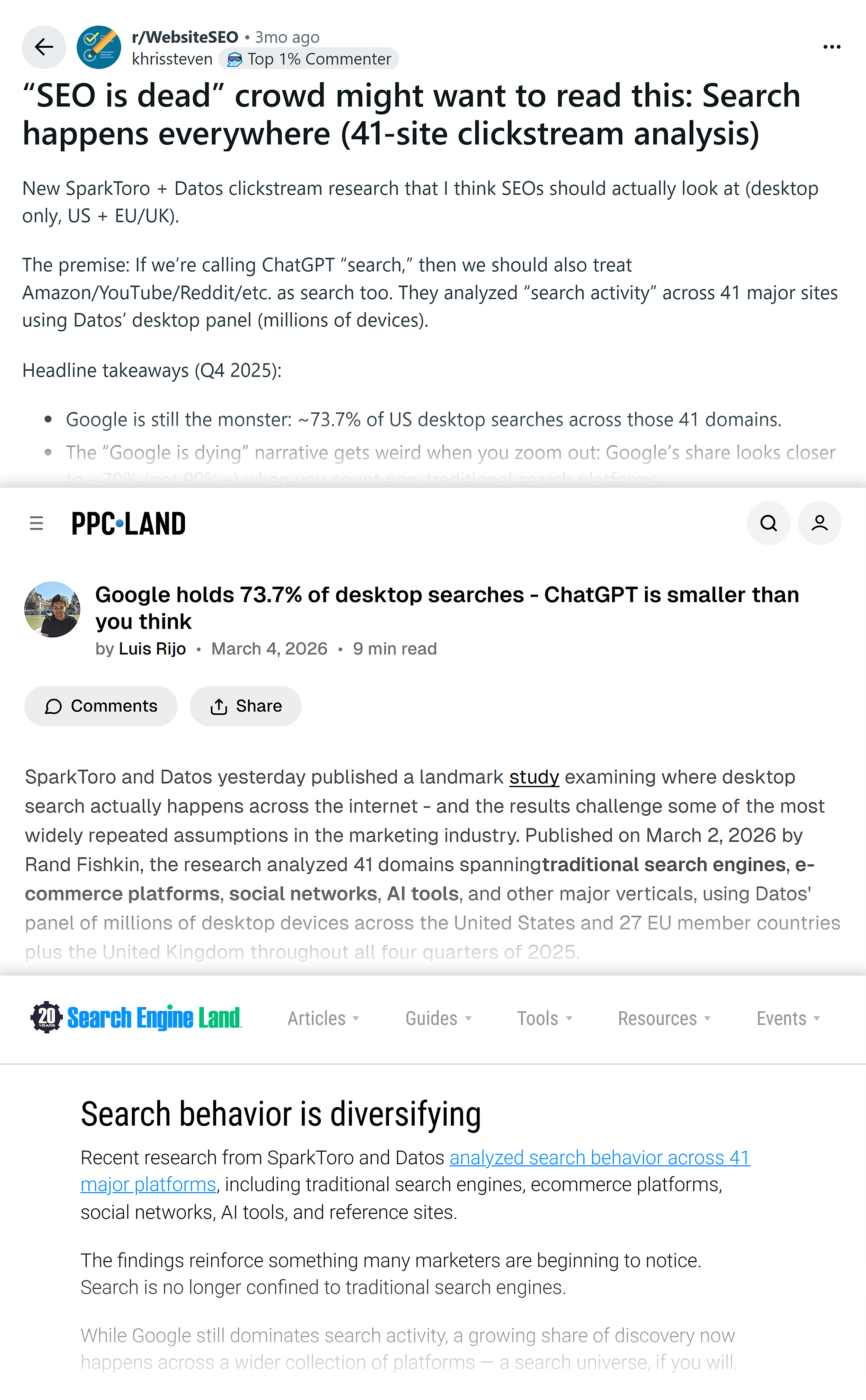
Original proprietary research represents one of the most reliable avenues for earning long-term brand mentions. By conducting rigorous studies that address actively debated industry questions, companies position themselves as primary data sources. When industry peers, journalists, and analysts discuss these topics, referencing the original study necessitates citing the brand. Successful execution requires identifying knowledge gaps within communities, executing structured surveys or data analyses, and packaging the findings with clear visualizations and executive summaries that simplify external citation.
- Partnering with Complementary Brands on Co-Created Assets
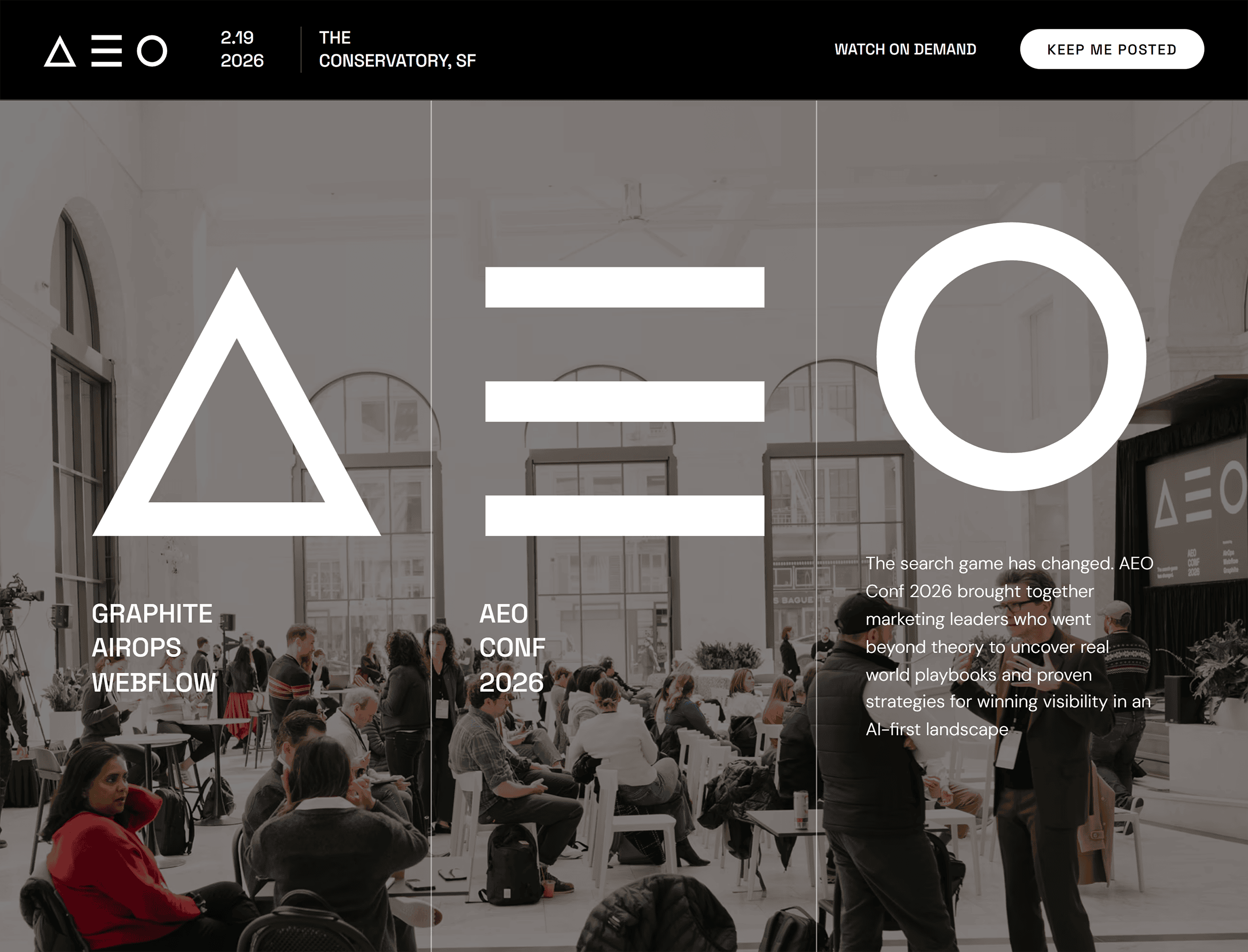
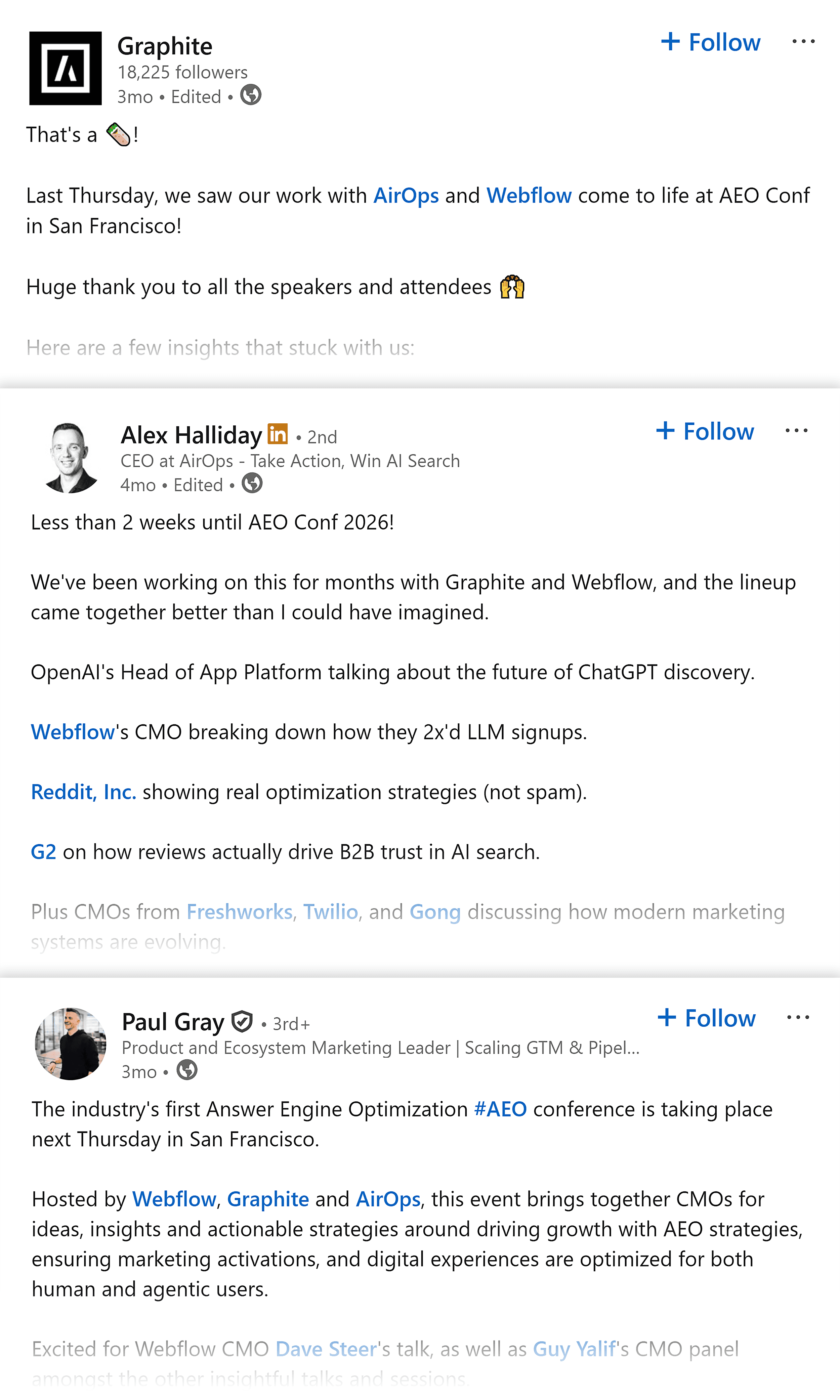
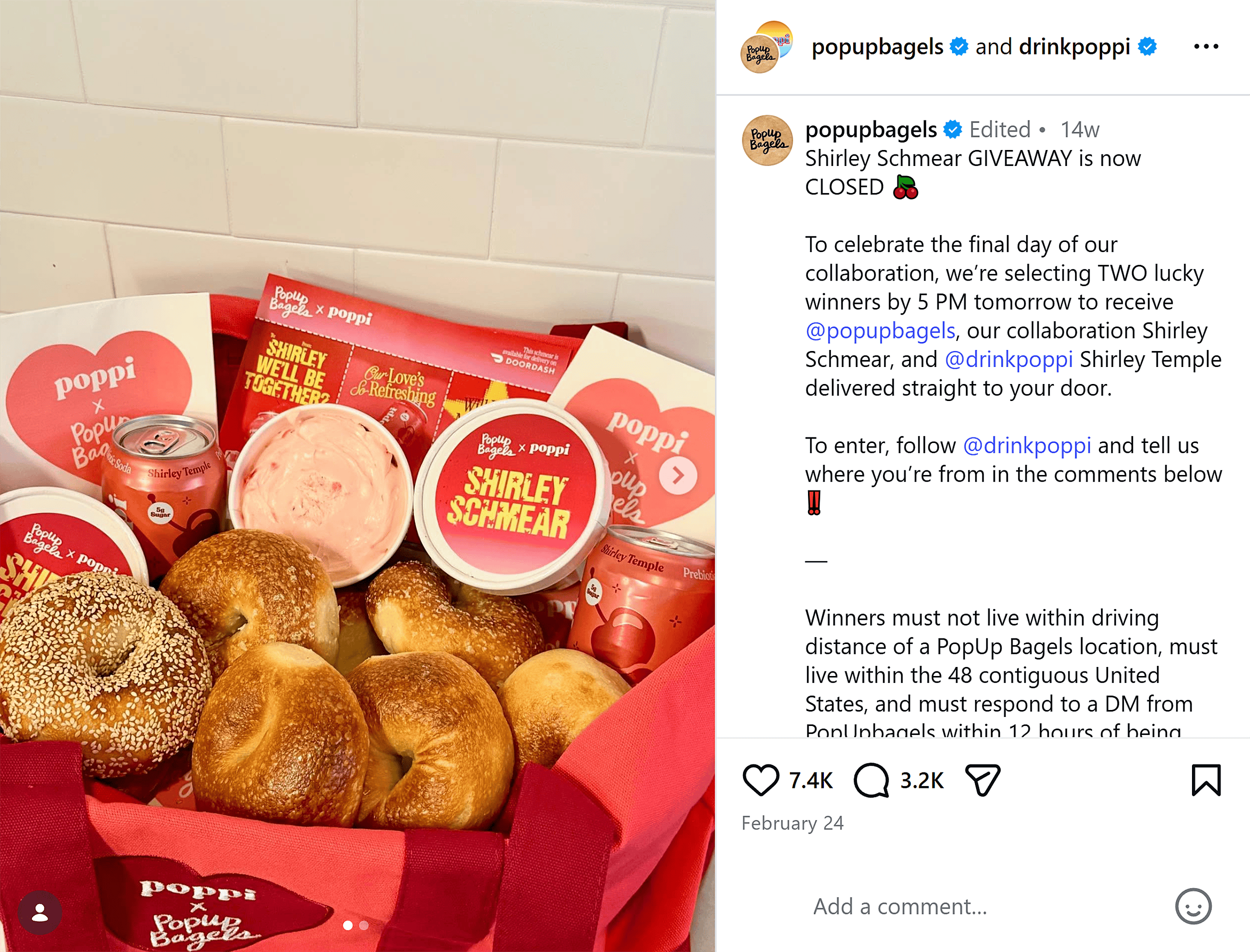
Collaborating with non-competing brands that share a similar target audience amplifies reach exponentially. Joint initiatives—such as co-hosted virtual conferences, industry benchmark reports, or strategic product collaborations—generate substantial buzz across multiple distinct marketing channels. When two or more recognized brands are consistently mentioned in tandem across independent news outlets, social platforms, and community discussions, algorithms establish strong co-occurrence associations, cementing the brands’ shared topical authority within AI models.
- Featuring Industry Experts and Complementary Brands in Content
Elevating external thought leaders, industry experts, and partner brands within proprietary content incentivizes those contributors to share the material with their own extensive networks. Formats such as expert roundups, comprehensive benchmark reports featuring external commentary, and in-depth executive interview series place the interviewee’s insights at the forefront. This mutual value exchange encourages organic amplification, translating into high-visibility brand mentions across professional networks and social media platforms.
- Contributing Subject Matter Expertise Through Digital Media Relations
Proactively pitching executive and subject-matter expertise to established podcasts, niche publications, and industry newsletters yields authoritative digital PR coverage. Rather than promoting company products directly, successful practitioners focus on delivering educational frameworks, tactical playbooks, and proprietary insights tailored to the host audience’s primary pain points. Securing regular speaking slots or interview features across channels frequented by target buyers establishes durable brand mentions embedded within show notes, transcripts, and editorial features.
Methodologies for Tracking and Reporting Brand Mentions
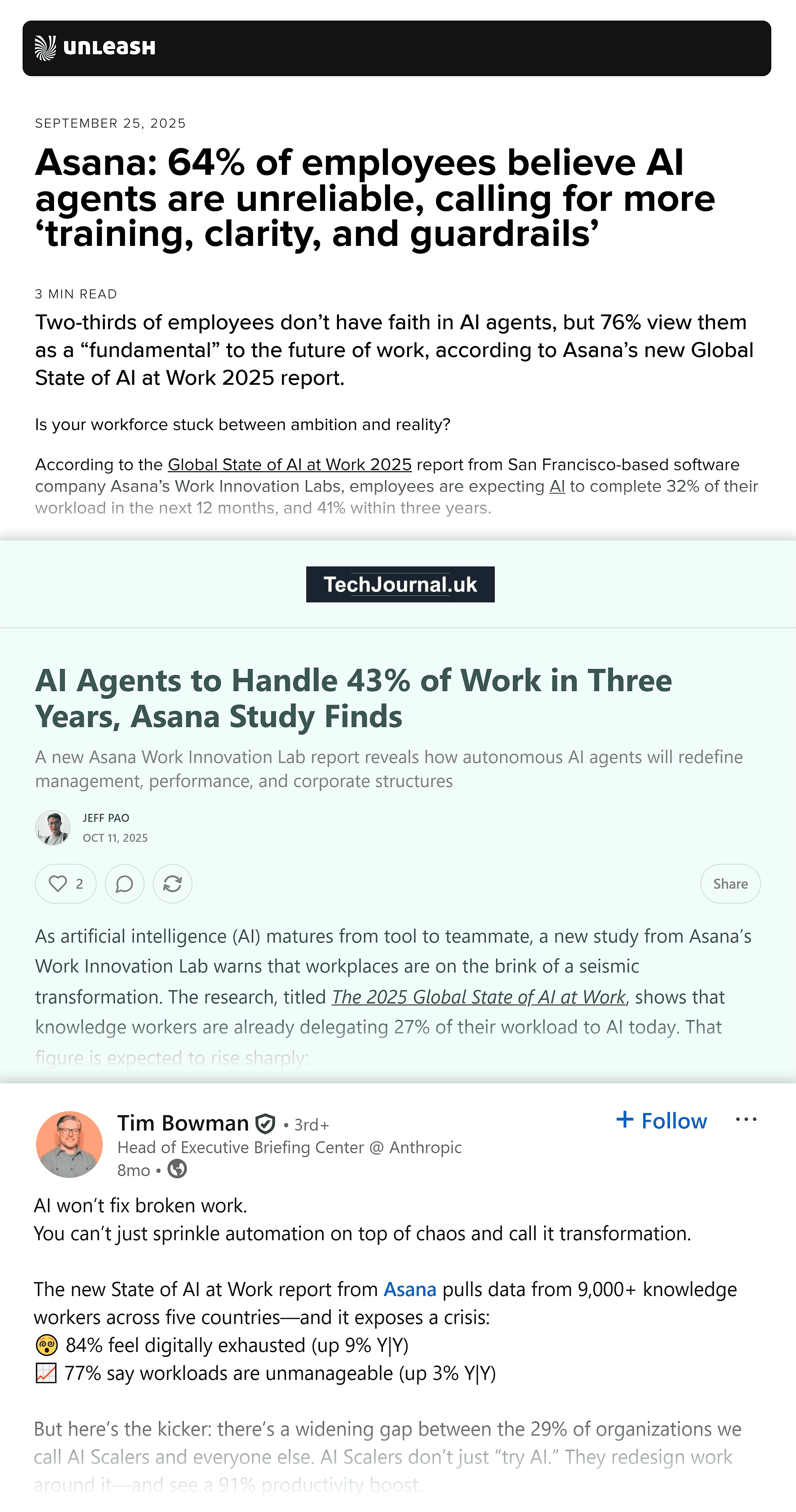
To justify marketing expenditures and refine ongoing strategies, organizations must systematically monitor and measure their brand citation growth. Three primary methods facilitate comprehensive tracking.
Google Alerts and Manual Verification
Configuring Google Alerts for brand names, executive titles, product lines, and key competitors provides a baseline daily digest of web activity. Because automated alerts frequently miss community forums and niche subreddits, marketing teams must supplement these automated feeds with scheduled manual searches across social listening platforms, video repositories, and news aggregators. Reporting this data involves tracking overall mention volume growth, identifying high-authority placements, and summarizing estimated audience reach for executive leadership.
Advanced Social Listening Platforms
Enterprise-grade software applications allow organizations to capture real-time sentiment analysis, volume metrics, and source categorizations across social networks, review sites, and digital blogs. Reporting dashboards should communicate not only the raw volume of mentions but also the ratio of positive sentiment and the specific digital channels driving the highest concentrations of engagement.
Backlink and Anchor Text Analytics
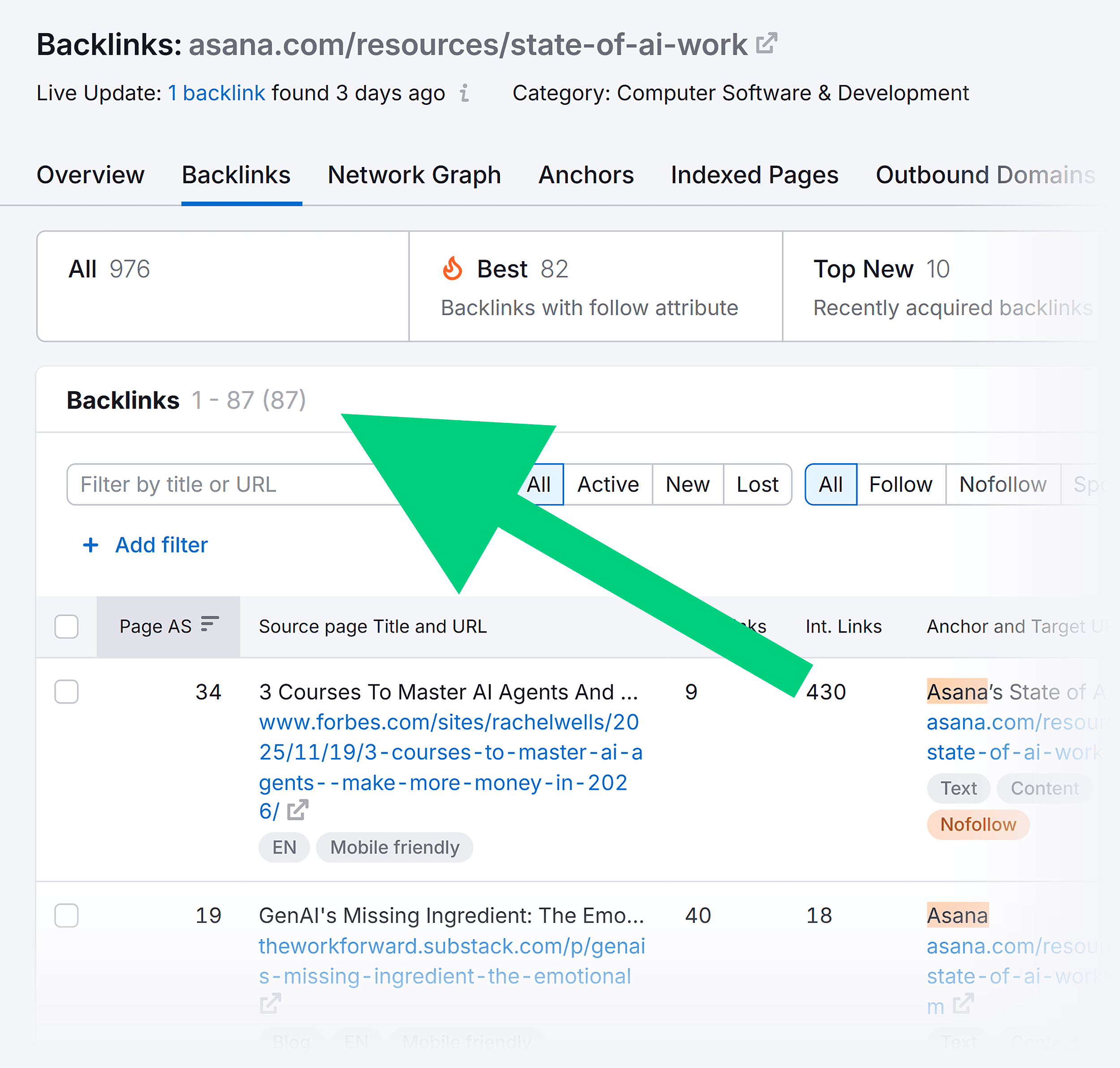
Utilizing professional SEO analytics suites enables teams to audit incoming hyperlinks and isolate instances where the brand name is actively utilized within the anchor text. Tracking unique referring domains over quarterly cycles allows marketing leaders to demonstrate a tangible correlation between PR campaigns, digital visibility growth, and subsequent improvements in organic search and AI search positioning.
Conclusion
Brand mentions have evolved from traditional public relations metrics into critical ranking factors for both search engines and artificial intelligence systems. By systematically earning authoritative, relevant, and specific citations through data-driven research, strategic partnerships, expert collaborations, and targeted digital PR, businesses can establish an undeniable digital presence. In an era dominated by automated information retrieval, cultivating a trusted brand reputation across the wider web remains the most effective strategy to ensure a company is consistently recognized, recommended, and impossible to ignore.