Organic Answers Optimization: The Convergence of SEO and AEO in Modern Digital Marketing

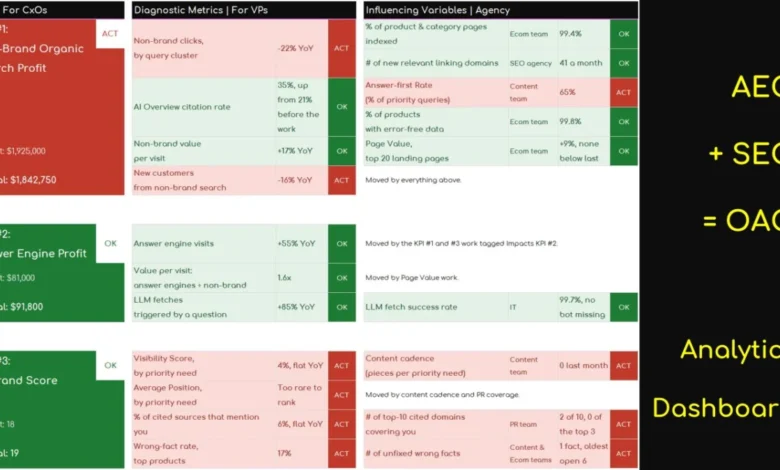
The digital marketing landscape is undergoing a structural transformation, prompting industry professionals to adopt a unified framework known as Organic Answers Optimization (OAO). As consumer behavior shifts away from traditional keyword-based searches toward conversational AI and automated task completion, legacy paradigms like Search Engine Optimization (SEO) and Answer Engine Optimization (AEO) are increasingly recognized as two sides of the same coin. Rather than treating these strategies as distinct disciplines, modern marketing analytics demands a cohesive approach to influence machine recommendations and capture consumer demand across an evolving digital ecosystem.
The Evolution of Consumer Discovery: From Search to Complete
To understand the necessity of OAO, industry analysts point to a clear chronological evolution in consumer search behavior over the past decade. For years, the standard paradigm involved keyword-driven queries on traditional search engines, returning a mix of sponsored links and organic blue links that required users to independently research and navigate multiple websites.
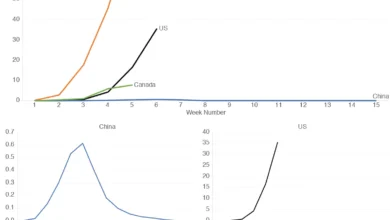
In recent years, this behavior has shifted dramatically, particularly among younger demographics. Approximately half of Generation Z consumers now rely primarily on large language models (LLMs) and conversational interfaces to obtain direct, synthesized answers rather than a list of URLs. Instead of searching for fragmented keywords, users formulate complex, context-rich queries detailing specific parameters, constraints, and preferences.
More recently, this behavior has entered a third phase: task completion. A growing segment of digital consumers now utilizes AI agents not only to discover products and services but to execute transactions autonomously. By delegating the final stages of purchasing to automated systems, consumers are bypassing traditional retail sites altogether. Industry data indicates that while traditional search engines still command the majority of total traffic and revenue, AI-driven channels are capturing a disproportionate share of high-intent consumer influence and generating superior conversion values.
Data-Driven Realities: The Shift in Traffic and Revenue
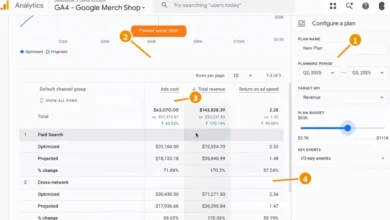
Recent retail and analytics data underscores the financial impact of this behavioral migration. According to multi-channel retail analytics from Adobe and Shopify, visits originating from LLM recommendations convert at significantly higher rates and deliver higher average order values compared to traditional organic search channels. Specifically, LLM-driven visits have been shown to yield up to 53 percent more revenue per visit than legacy channels, while converting approximately 50 percent better than conventional organic search traffic.
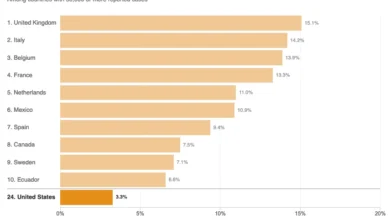
Concurrently, traditional metrics are reflecting systemic declines. Year-over-year organic search traffic across many enterprise websites has dropped by 20 to 30 percent, while alternative traffic from answer engines has grown from nominal figures to low single digits. Because a significant portion of consumer queries now terminate without a click—industry estimates suggest roughly two-thirds of U.S. Google searches end on the search engine results page without driving traffic to an external site—relying solely on website session counts is no longer an accurate measure of brand influence.
The Strategic Imperative for a Unified OAO Scorecard
Historically, enterprise marketing departments have maintained strict operational silos, separating traditional SEO teams from content and digital PR units tasked with managing emerging AI visibility. However, industry strategists argue that internal divisions hinder performance because modern algorithms evaluate brands across an integrated matrix of first-party text, third-party mentions, multimedia assets, and technical accessibility.
A unified OAO scorecard addresses these challenges by realigning measurement around overarching business outcomes rather than isolated channel metrics. By consolidating performance data, organizations can eliminate redundancies, reconcile conflicting agency reports, and incentivize cross-functional collaboration. This unified view ensures that executive leadership and corporate finance departments receive a transparent assessment of how digital content influences automated recommendations and translates into tangible revenue.
Methodological Challenges and Analytics Integrity
As organizations transition to OAO frameworks, analytics professionals emphasize the critical distinction between reliable measurement methodologies and superficial metrics. The proliferation of third-party SEO and AEO tools has introduced varying degrees of data quality, with some vendors utilizing proprietary estimates that risk misleading decision-makers.
Experts caution against relying on unverified claims regarding prompt transparency. Because major AI providers do not disclose comprehensive, raw prompt logs to third parties, visibility tools must rely on probabilistic modeling and panel data. While these methodologies can provide directional insights into brand positioning, they should not be mistaken for exact figures. Marketers are advised to evaluate data collection practices rigorously to avoid the pitfalls of inaccurate reporting—often summarized in analytics circles as the risk of "garbage in, landfill out."
Core Key Performance Indicators for OAO Success
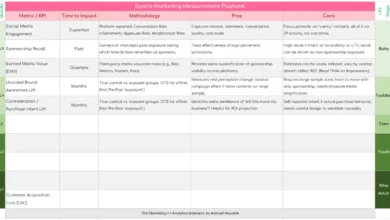
To establish a rigorous framework for organic answers optimization, data analysts recommend focusing on a streamlined set of Key Performance Indicators (KPIs) tied directly to financial performance. Rather than tracking an overwhelming volume of vanity metrics, enterprise scorecards should center on three foundational pillars:
-
Non-Brand Organic Search Profit: This metric isolates the financial return generated by unpaid search visits from consumers who did not explicitly search for the brand name. Because brand-name searches exhibit low incrementality, focusing on non-brand acquisition measures the true efficacy of content in capturing new market demand.
-
Answer Engine Profit: Quantifying the commercial return driven by conversational platforms and AI assistant channels helps secure necessary investments in structured content, audio-visual assets, and technical optimizations that facilitate agent crawling.
-
AI Brand Score: A probabilistic measure evaluating how frequently and prominently a brand is recommended by AI models when category-level questions are asked without brand identifiers. This score serves as a modern digital proxy for unaided brand awareness and share of voice within LLM ecosystems.
Broader Implications and Future Outlook
The broader market implications of the shift toward OAO are profound. As automated agents take on a larger role in consumer decision-making, the visibility of corporate websites will increasingly depend on structured data architecture, robust third-party validation, and comprehensive content distribution across multiple digital touchpoints.
Industry observers note that while traditional search engines remain dominant—particularly among older demographics holding significant purchasing power—the structural transition toward automated discovery is accelerating. Organizations that proactively restructure their measurement methodologies, break down internal silos, and invest in a unified OAO strategy will be best positioned to protect their market share and capture future revenue streams. By combining strategic foresight with rigorous, data-backed execution, modern enterprises can successfully navigate the next era of digital discovery and mitigate the risks of unforeseen market disruption.