Snapchat Unveils Global Luxury Shopper Study Highlighting the Power of Social Media and Peer Validation in High-End Retail

The evolving relationship between high-end fashion, prestigious jewelry, and digital platforms has reached a critical juncture, as evidenced by a comprehensive new study released by Snapchat. Titled to capture the modern consumer mindset, the report investigates the fundamental shifts in how luxury shoppers discover, evaluate, and ultimately purchase high-end goods. Conducted in partnership by APP Media and the Ifop group, the exhaustive research surveyed more than 9,000 luxury consumers spread across nine distinct global markets, providing a panoramic view of an industry traditionally guarded in its marketing methodologies.
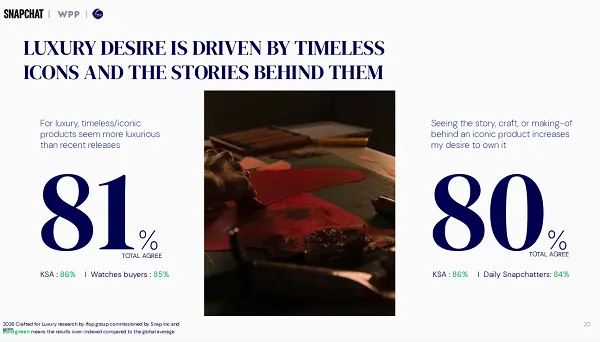
At its core, the study underscores a profound democratization and digitalization of the luxury universe. While high-end brands once relied heavily on exclusive print campaigns, private viewings, and traditional runway shows to cultivate an aura of untouchable prestige, modern luxury consumers increasingly look to digital and social ecosystems for inspiration. According to the findings, 76 percent of general luxury shoppers agree that social media platforms successfully bridge the gap, making them feel intrinsically close to the luxury universe. This sentiment is even more pronounced among Snapchat’s dedicated user base, where an impressive 84 percent report feeling a close connection to high-end brands through social channels.
The publication of this report comes at a time when luxury conglomerates and independent high-end designers alike are aggressively rethinking their digital footprints. As younger demographics—specifically Millennials and Generation Z—continue to accumulate purchasing power, brands face mounting pressure to meet these consumers where they spend the majority of their time: on mobile devices and messaging applications. Snapchat’s new data aims to provide brand strategists, media planners, and marketing executives with actionable intelligence to navigate this high-stakes digital transition.
Background Context and the Digital Transformation of Luxury Retail
For decades, the luxury retail sector maintained an arm’s-length relationship with digital platforms, fearing that broad accessibility might dilute the perceived exclusivity and scarcity that underpins high-end pricing. Brands cultivated a fortress mentality, prioritizing physical boutiques on high-street avenues like Fifth Avenue in New York or Avenue Montaigne in Paris, alongside glossy spreads in high-fashion magazines.
However, the global disruptions of recent years accelerated a paradigm shift. Lockdowns, travel restrictions, and the rapid digitization of daily life forced luxury houses to embrace e-commerce and digital storytelling out of necessity. What began as a defensive survival strategy quickly matured into a proactive embrace of digital innovation. Augmented reality (AR) try-ons, virtual showrooms, and immersive social media campaigns transformed from novelty features into essential components of the luxury retail funnel.
Snapchat positioned itself strategically at the forefront of this transformation. Through advanced AR camera features, personalized messaging functionalities, and targeted ad placements, the platform has cultivated a unique environment where discovery meets intimacy. The new report by APP Media and the Ifop group serves as a quantitative validation of this strategy, offering empirical proof that social media is no longer merely a top-of-funnel awareness tool, but a critical driver of purchase validation and conversion.

Methodology and Scope of the Global Study
To ensure the findings were statistically robust and reflective of worldwide consumer behavior, the research partners designed a multi-market methodology. The survey captured responses from over 9,000 self-identified luxury consumers across nine major global economies, encompassing established Western markets as well as high-growth regions in Asia-Pacific and the Middle East.
Respondents were screened based on their purchasing habits, ensuring that participants actively bought high-end apparel, accessories, fine jewelry, cosmetics, or luxury travel experiences. The research instrument was structured to unpack several critical pillars of modern consumer behavior, including:
- Primary motivations driving luxury purchases.
- The psychological impact of product scarcity and exclusivity.
- The influence of peer recommendations and closed-loop messaging on buying decisions.
- Content formats and storytelling styles that resonate most effectively with high-end shoppers.
By aggregating this cross-border data, the report moves beyond anecdotal observations, offering a data-backed blueprint for brands seeking to optimize their marketing expenditures across digital channels.
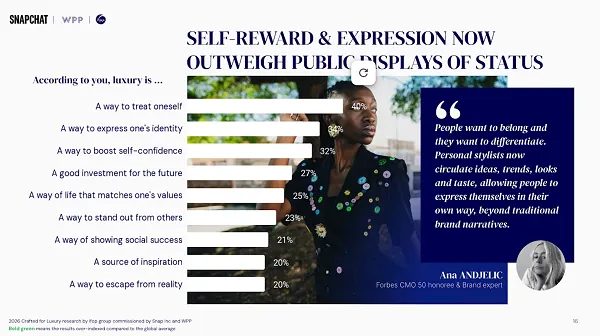
The Power of Peer Validation and Closed-Loop Messaging
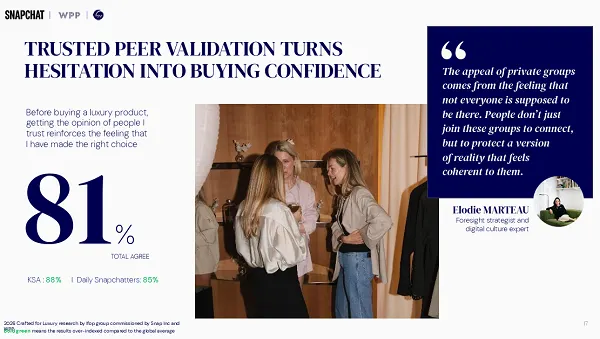
One of the most compelling insights surfaced by the study relates to the mechanics of trust and validation during the luxury purchasing journey. Buying a high-ticket item—whether a luxury timepiece, a designer handbag, or haute couture—is rarely an impulsive decision. Consumers typically engage in extensive research, seeking reassurance from trusted circles before committing substantial financial resources.
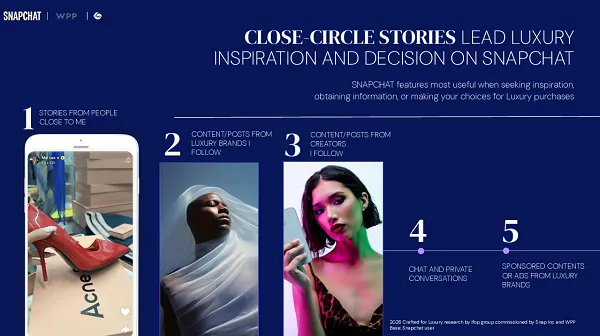
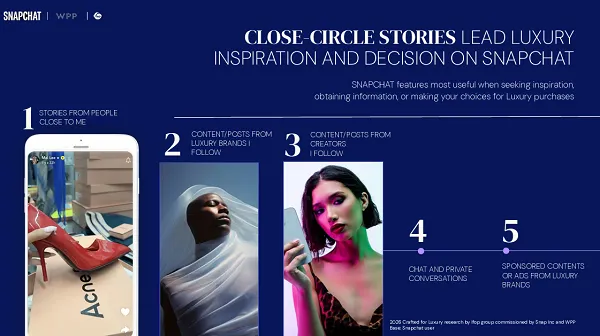
This dynamic aligns uniquely with Snapchat’s architectural design. Unlike public-broadcast social networks focused on algorithmic feeds and viral reach, Snapchat was built fundamentally around close personal connections, private messaging, and intimate sharing among small groups of friends. The platform’s survey data reveals that content originating from close personal connections serves as a primary catalyst for luxury purchase decisions among Snapchat users.
When a user shares a prospective luxury purchase, an unboxing video, or a virtual try-on with their inner circle via Snapchat, the feedback they receive carries disproportionate weight. This peer-to-peer validation bridges the gap between digital aspiration and real-world acquisition. For luxury brands, this highlights the necessity of creating shareable digital assets—such as AR lenses that users can send directly to friends for immediate opinions—effectively transforming the consumer base into an organic, trusted sales force.
Strategic Implications for Marketing Planners
The comprehensive data points included in the report offer tactical guidance for brand managers looking to refine their annual marketing strategies. Beyond peer validation, the study delves into the psychological drivers of luxury acquisition, shedding light on how concepts like scarcity and exclusivity function in a hyper-connected digital environment.
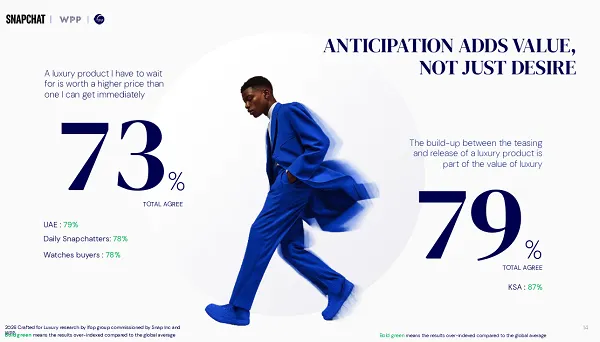
Traditionally, scarcity was communicated through limited production runs communicated via elite channels. In the digital age, scarcity can be simulated and amplified through interactive features, timed drops, and exclusive digital collectibles or AR filters available only to a select audience. The Snapchat report provides benchmarks on how modern luxury shoppers respond to these scarcity tactics, giving marketers clear indicators of how to generate urgency without compromising brand equity.
Furthermore, the research details the specific creative formats that capture the attention of affluent consumers. High-end shoppers are notoriously discerning; generic advertisements or overly commercial messaging frequently alienate them. Instead, the data suggests that luxury consumers respond favorably to immersive, narrative-driven content that respects their intelligence and offers genuine aesthetic or experiential value. Short-form video, high-resolution imagery, and interactive augmented reality experiences that allow users to visualize products in their own personal spaces rank among the most effective formats for driving engagement and intent.
Industry Reactions and Broader Market Impact
Following the publication of the report, retail analysts and digital marketing experts have weighed in on its broader implications for the luxury sector. Industry commentators note that as customer acquisition costs rise across traditional digital advertising channels, luxury brands must find more authentic ways to integrate into consumer lives.
"The findings reinforce what forward-thinking luxury executives have suspected for some time: luxury is deeply personal, and consumers look to their trusted communities to validate their taste," noted a prominent digital retail strategist. "Platforms that facilitate intimate, private sharing—rather than just public broadcasting—hold a distinct advantage in moving consumers from passive admirers to active buyers."
Moreover, the study challenges outdated assumptions regarding the demographics of luxury shoppers. The data indicates that younger consumers are entering the luxury market at earlier ages, heavily influenced by digital content and peer recommendations. For legacy luxury houses, adapting to this reality is not merely an option, but an existential imperative. Brands that fail to establish a meaningful presence in these digital ecosystems risk losing relevance with the next generation of high-net-worth individuals.
Looking Ahead: The Future of Luxury Digital Engagement
As augmented reality technology continues to advance and messaging platforms introduce increasingly sophisticated commerce capabilities, the intersection of luxury retail and social media will only deepen. Snapchat’s global report provides a timely roadmap for brands navigating this complex terrain.
By understanding that 84 percent of its users view social platforms as a gateway to the luxury universe, and recognizing the pivotal role of close-knit peer validation, luxury brands can recalibrate their digital strategies. The challenge moving forward will lie in balancing the timeless allure of exclusivity with the modern demand for accessibility, interactivity, and community-driven validation.
Ultimately, the study serves as a clear signal to the high-end retail industry: the future of luxury shopping is social, collaborative, and deeply rooted in the digital connections forged every day on mobile platforms. Brands that successfully harness these dynamics will capture not only the attention of the modern consumer, but their enduring loyalty as well.