Navigating the New Digital Landscape: How ‘Query Fan-Out’ Reshapes AI Visibility and Content Strategy

The landscape of digital visibility is undergoing a profound transformation, challenging long-held tenets of search engine optimization. Content that traditionally ranks on the first page of Google may, surprisingly, go unnoticed and un-cited by large language models (LLMs) such as ChatGPT, Perplexity, and Claude. This paradigm shift is largely driven by a sophisticated background process employed by AI systems known as "query fan-out," a mechanism that fundamentally redefines how information is retrieved and synthesized. Understanding this process is no longer optional for digital marketers and content creators; it is essential for maintaining relevance and ensuring brand presence in the burgeoning era of AI-powered search.
The Evolution of Search: From Keywords to Conversational AI
For decades, digital search operated predominantly on a keyword-matching model. Users entered specific terms, and search engines returned a list of web pages ranked by relevance, authority, and various other signals. SEO professionals meticulously crafted content to target these keywords, striving for the coveted top-ranking positions. The introduction of semantic search marked an evolution, allowing engines to understand the meaning and intent behind queries, moving beyond mere keyword strings. However, the advent of generative AI has ushered in a new, more dynamic phase: conversational search.
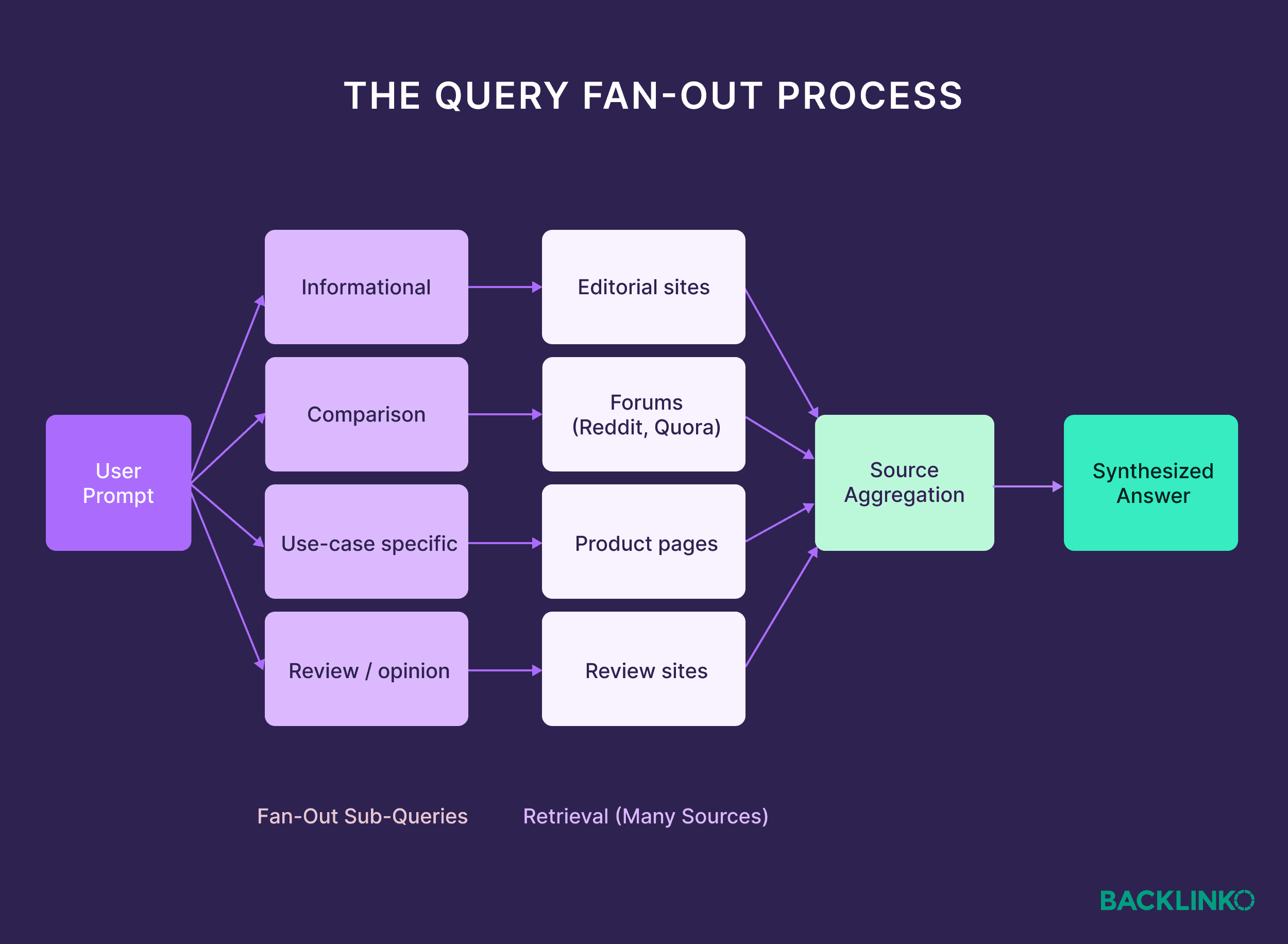
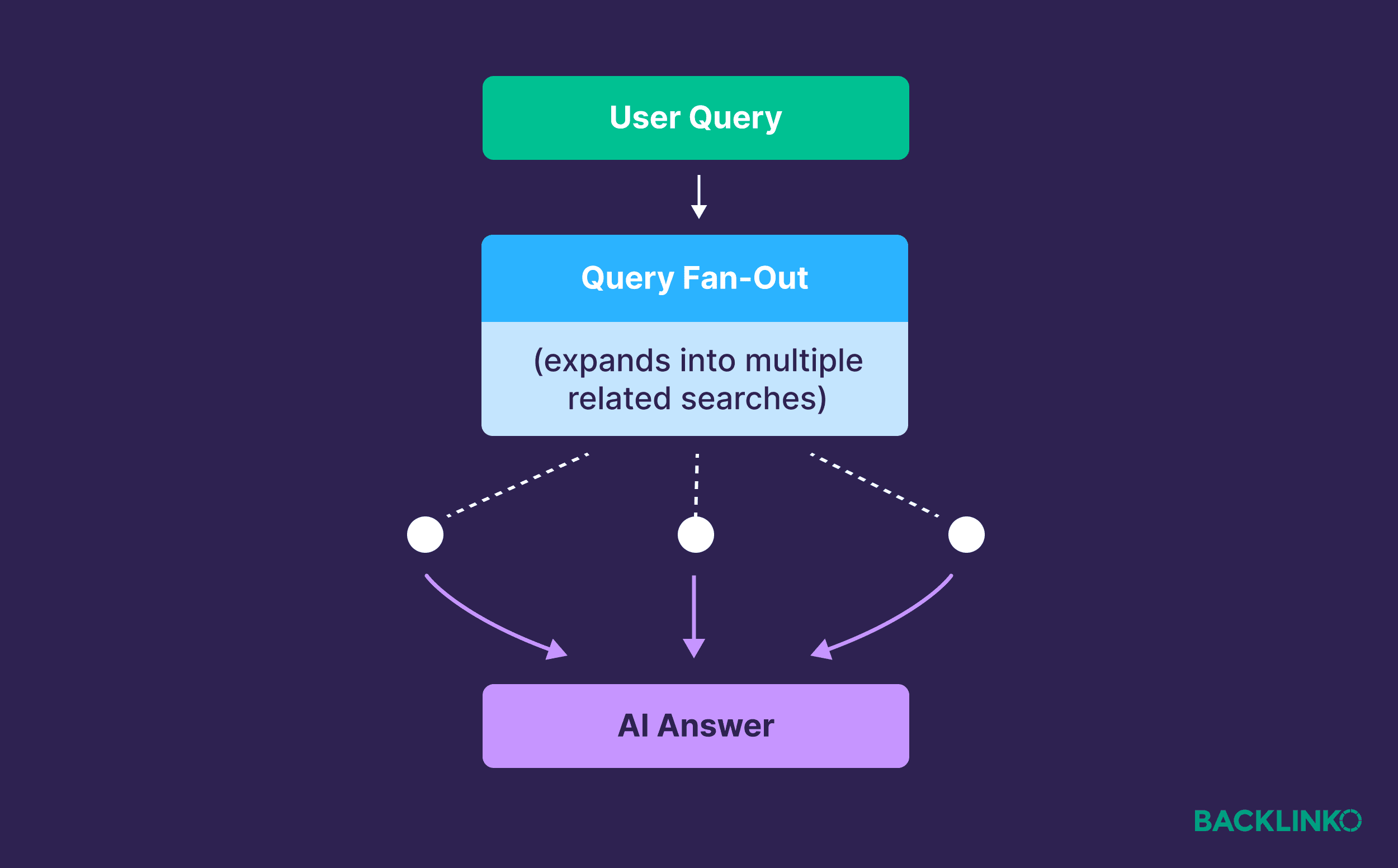
Unlike traditional search, AI systems are designed to provide direct, comprehensive answers rather than merely links. When a user poses a question to an LLM, the system doesn’t simply default to the highest-ranking web page. Instead, it initiates a complex internal process that mimics a human researcher, systematically breaking down the initial query into a multitude of related sub-questions. This "fanning out" of the query allows the AI to explore a broader spectrum of information, pulling data from diverse and often unexpected sources. The critical implication is that visibility in AI search hinges not on a page’s conventional rank, but on its coverage of a topic and the retrievability of its specific passages.
Deconstructing Query Fan-Out: A Multi-faceted Approach to Answers
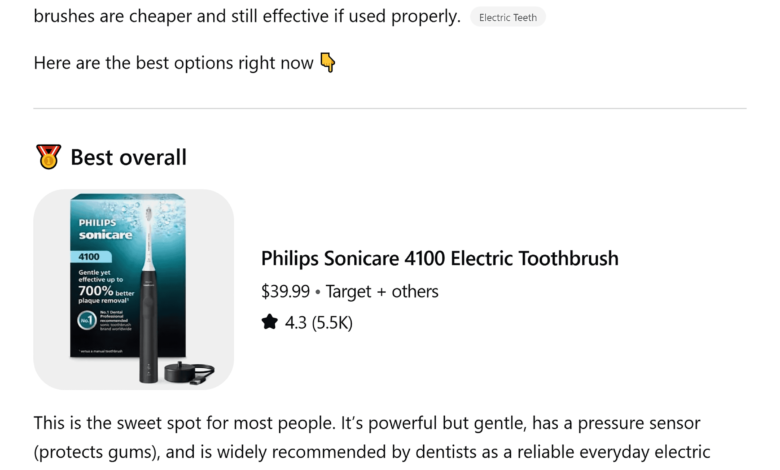
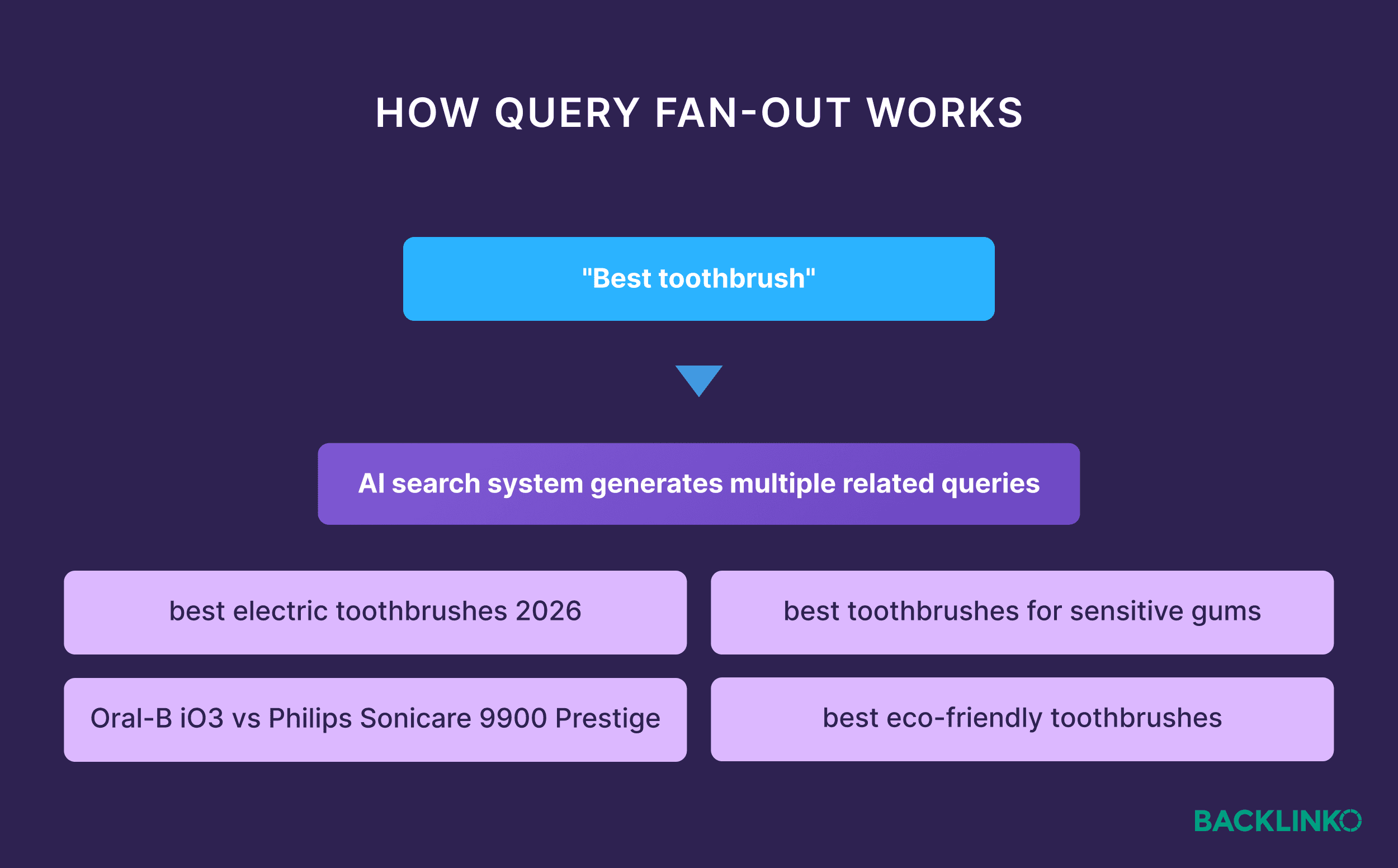
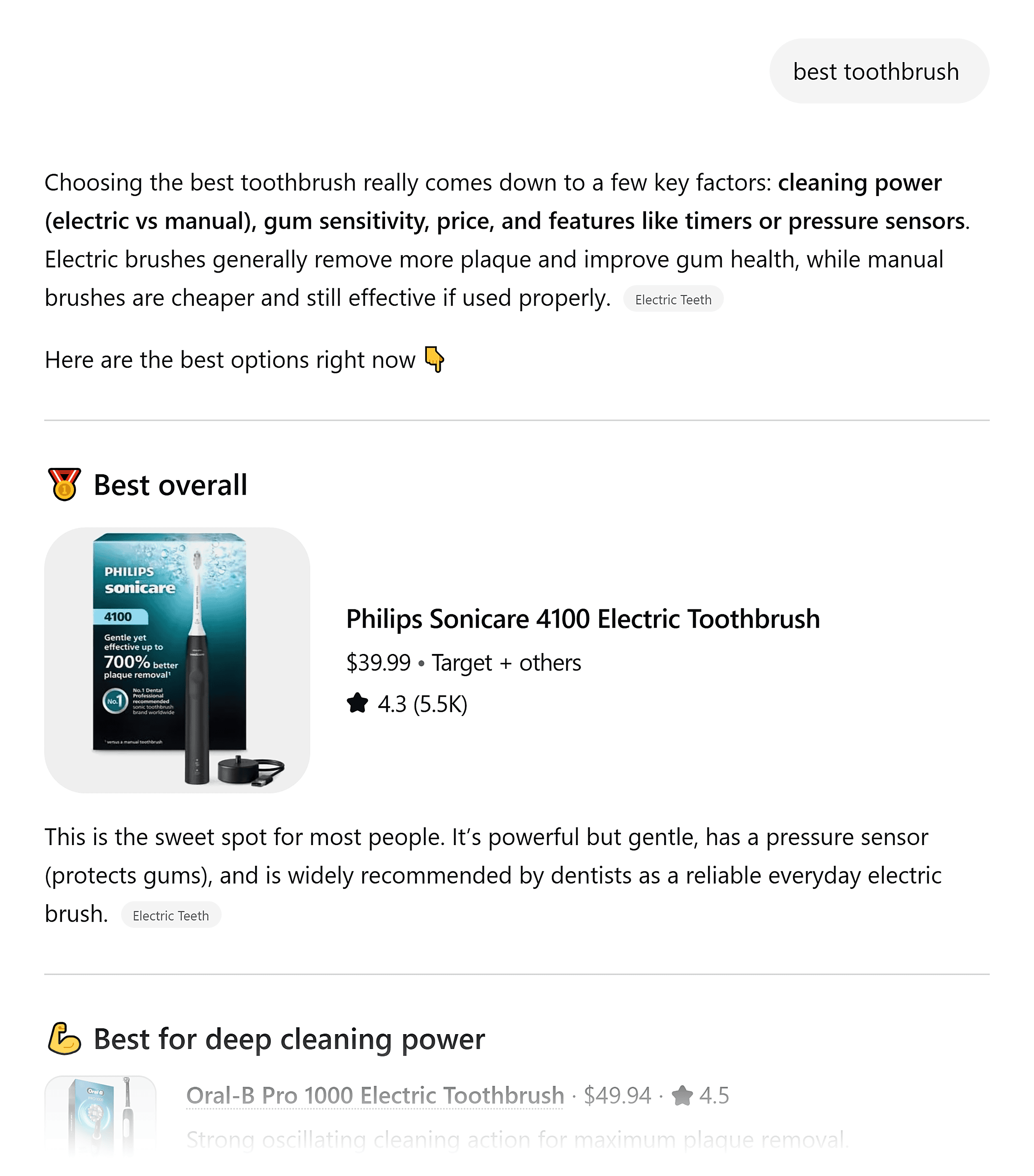
Query fan-out is an intricate process where an AI search system dissects a single user query into multiple, distinct sub-queries to construct the most helpful and exhaustive response. Imagine a user asking a seemingly simple question like "best toothbrush." A traditional search engine might prioritize pages optimized for that exact keyword. However, an AI system employing query fan-out would, behind the scenes, generate a series of deeper, more nuanced inquiries. These might include:
- "Best electric toothbrushes [current year]" (seeking current recommendations)
- "Best toothbrushes for sensitive gums" (addressing specific user needs)
- "Oral-B vs. Philips Sonicare comparison" (providing comparative analysis)
- "Eco-friendly toothbrush options" (exploring specific values)
- "How long do toothbrushes last?" (addressing implicit longevity concerns)
Each of these sub-queries is then used to pull information from a wide array of sources, extending beyond typical editorial sites to include Reddit threads, comparison articles, product pages, scientific studies, and user reviews. The AI then synthesizes this disparate information into a single, cohesive, and comprehensive answer, anticipating and addressing multiple facets of the user’s potential needs, even if the initial prompt was brief. This process is fundamentally different from simply executing related searches or leveraging semantic understanding; it’s an active, investigative construction of knowledge.
It is crucial to differentiate query fan-out from other search concepts. It is not merely about identifying keyword variations; rather, it’s about expanding the user’s intent into a network of related information needs. It transcends basic semantic search by actively generating new, relevant queries based on a deep understanding of the topic and typical user journeys. The goal is to provide a holistic answer, not just a list of documents.
The Shifting Sands of AI Visibility: Key Implications for Content Strategy
The rise of query fan-out necessitates a fundamental reevaluation of content strategy. The metrics and approaches that guaranteed visibility in traditional search are no longer sufficient for AI environments. Four critical shifts underscore this new reality:

-
Top Rankings Are Not a Prerequisite for AI Citations:
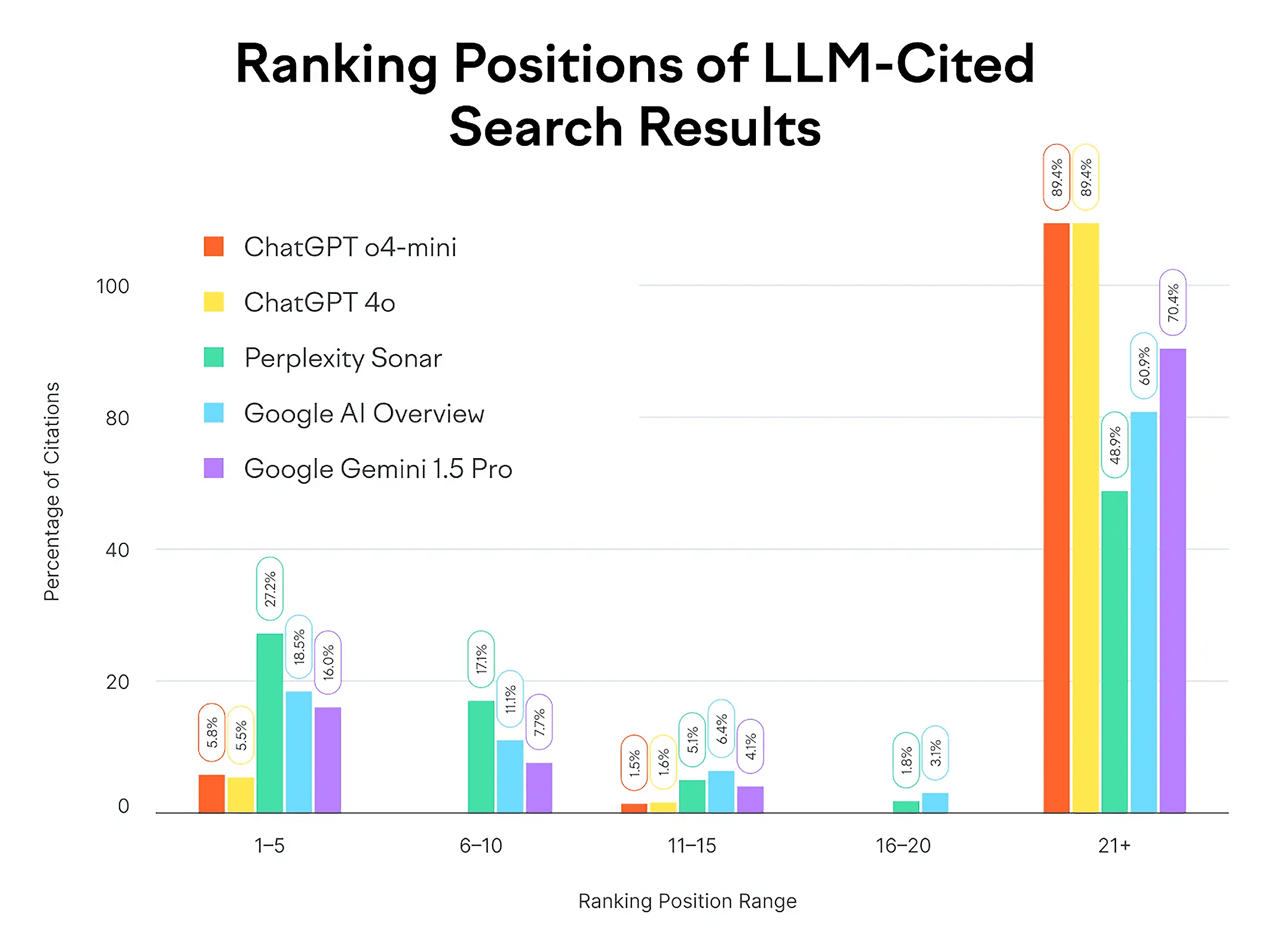
A groundbreaking study by Semrush revealed that ChatGPT frequently cites pages ranking outside the traditional top 10, with almost 90% of its citations coming from pages in position 21 or lower. Perplexity and Google’s AI features exhibit similar patterns. This data demonstrates that an article doesn’t need to be a top-ranking search result to be considered a valuable source by an LLM. Instead, the AI prioritizes the most relevant and reliable passage for a specific sub-query, irrespective of the page’s overall domain authority or its general search ranking. This democratizes visibility to some extent, allowing niche, authoritative content to be discovered and cited even if it lacks the robust SEO profile of larger competitors.
-
AI Retrieves Passages, Not Entire Pages:
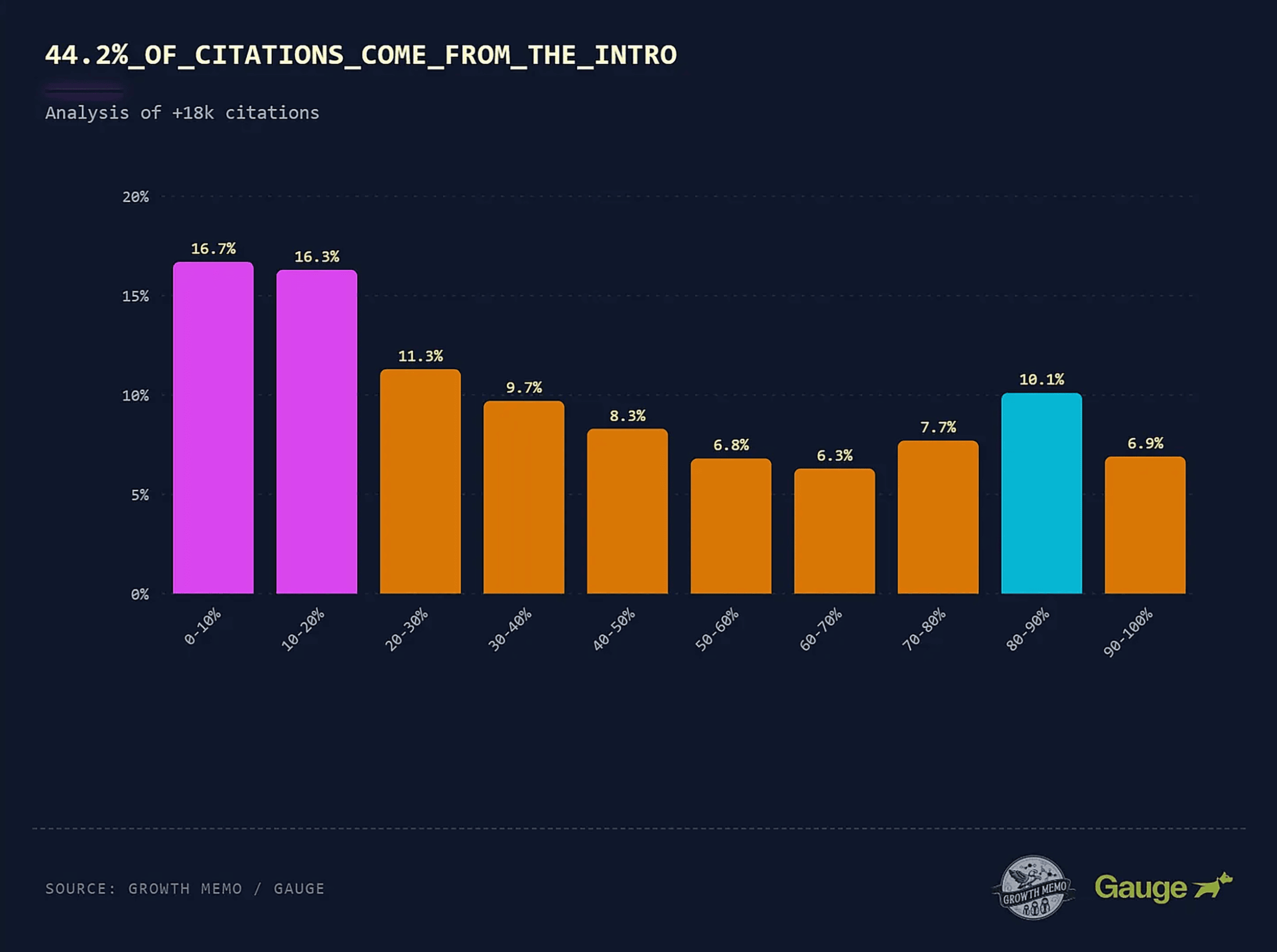
Unlike traditional search, which directs users to a web page, AI systems are designed to extract and synthesize specific passages of text that directly answer a sub-query. This means that an AI may pull a single paragraph or even a sentence from a lengthy article if it precisely addresses a particular point. Data analyzed by growth advisor Kevin Indig further supports this, indicating that 44.2% of citations in ChatGPT responses originate from the first 30% of a page, with 31.1% from the middle and 24.7% from the final third. This highlights the importance of front-loading critical information and ensuring that answers are concise, self-contained, and easily digestible by the AI. Content creators must think of their articles as a collection of individually extractable answers rather than a monolithic piece of content.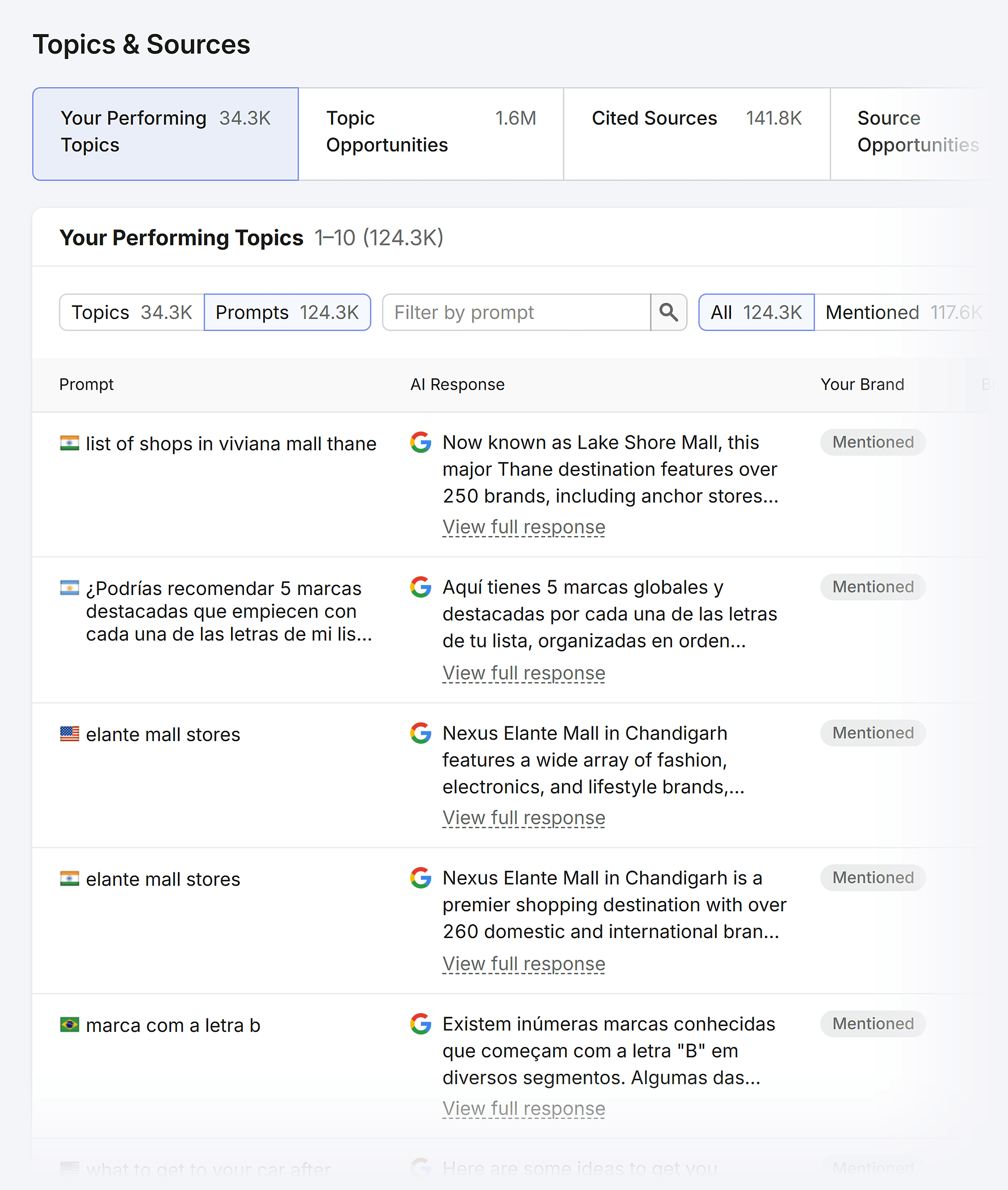
-
Competition Spans Entire Topics, Not Just Individual Keywords:
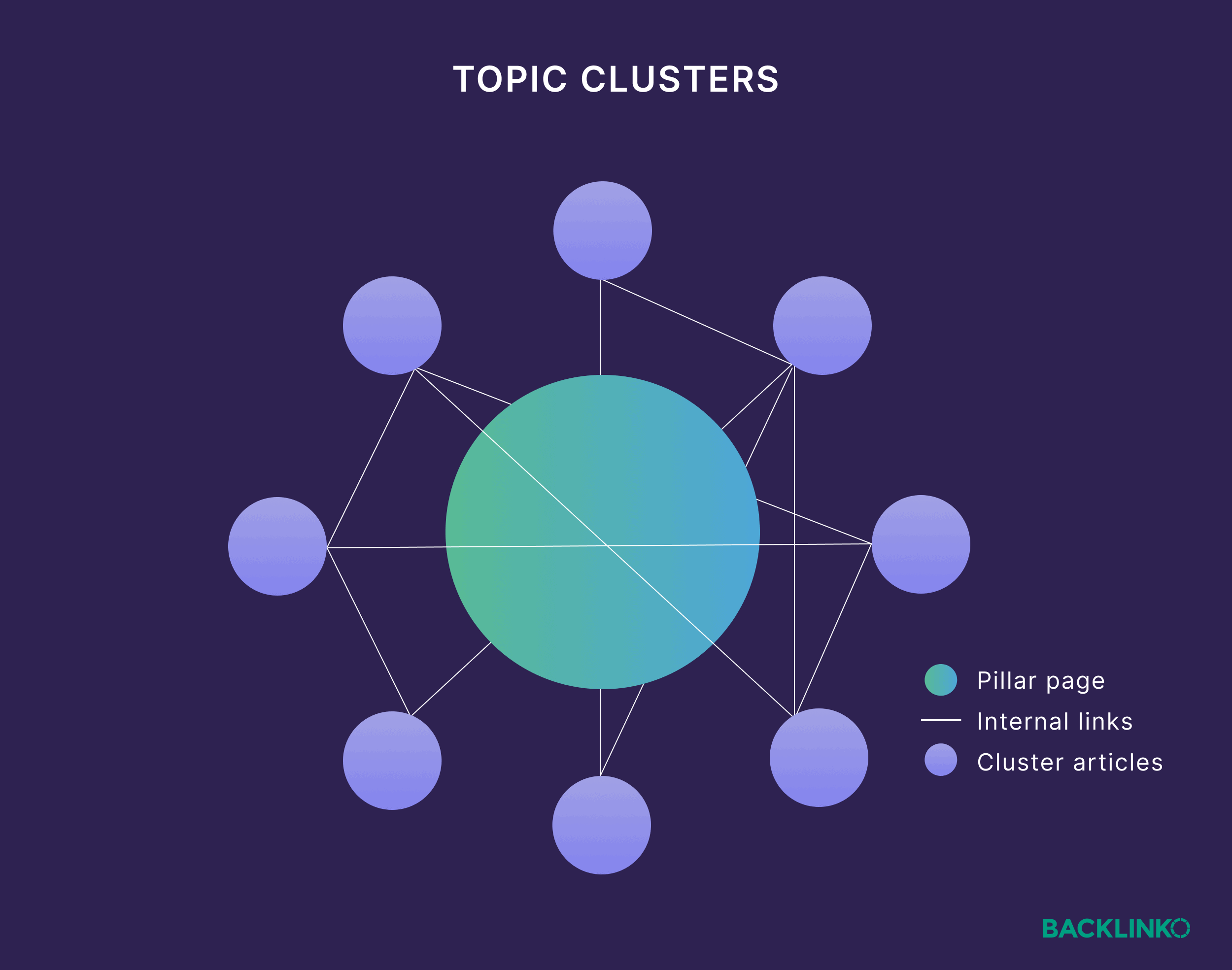
Traditional SEO often revolves around optimizing for individual keywords. Query fan-out, however, elevates the importance of comprehensive topical coverage. An AI aims to understand and answer an entire subject holistically. Therefore, content strategies must shift from a keyword-centric approach to a topic-centric one. This aligns with the concept of "topic clusters" and "pillar pages," where a central, comprehensive pillar page is supported by numerous interlinked cluster content pieces that delve into related sub-topics. By establishing deep, broad, and well-connected coverage across a topic, brands increase their chances of being recognized as an authority by AI, thereby enhancing their overall AI visibility.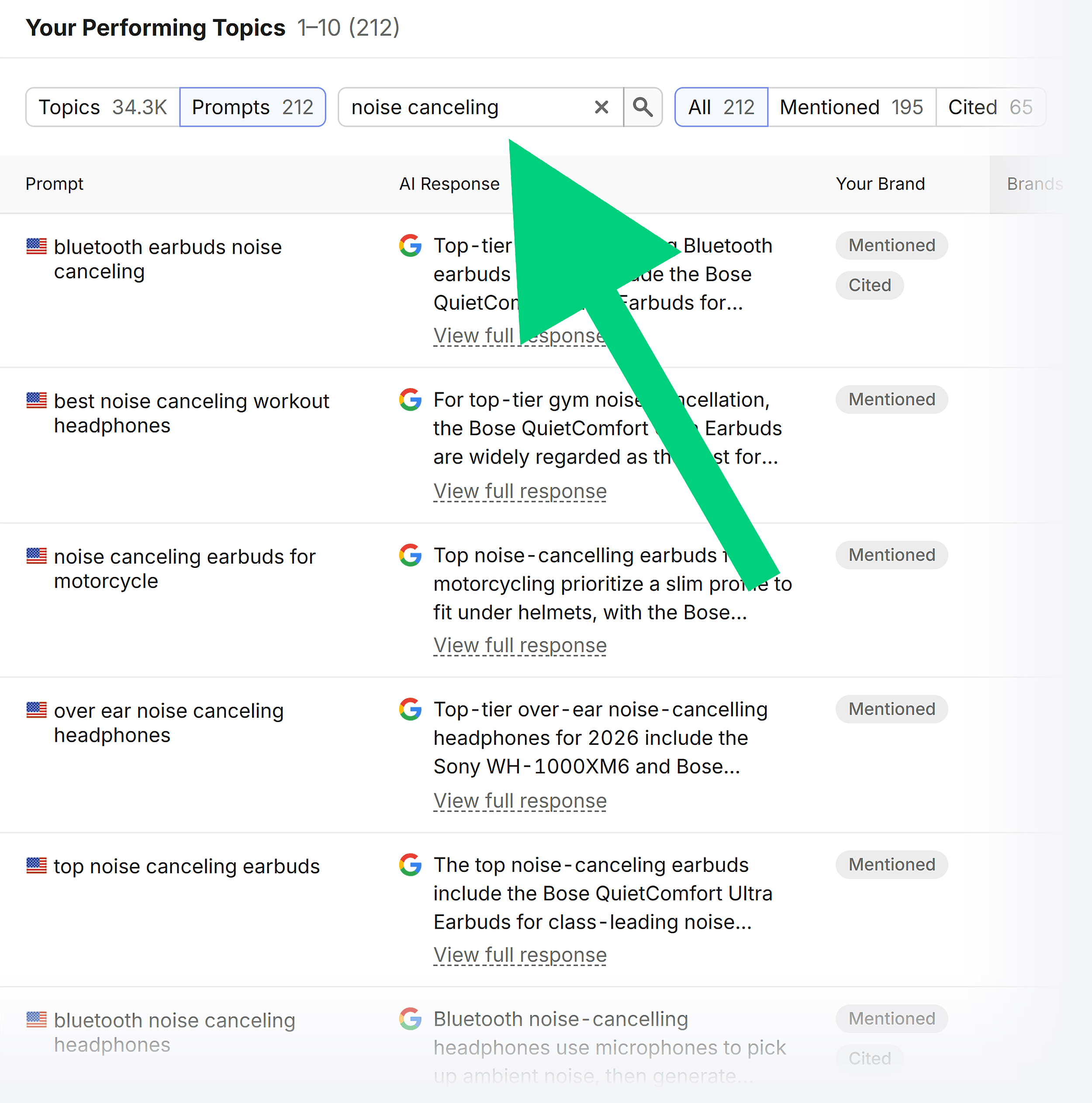
-
Query Fan-Out Collapses the Buying Journey:
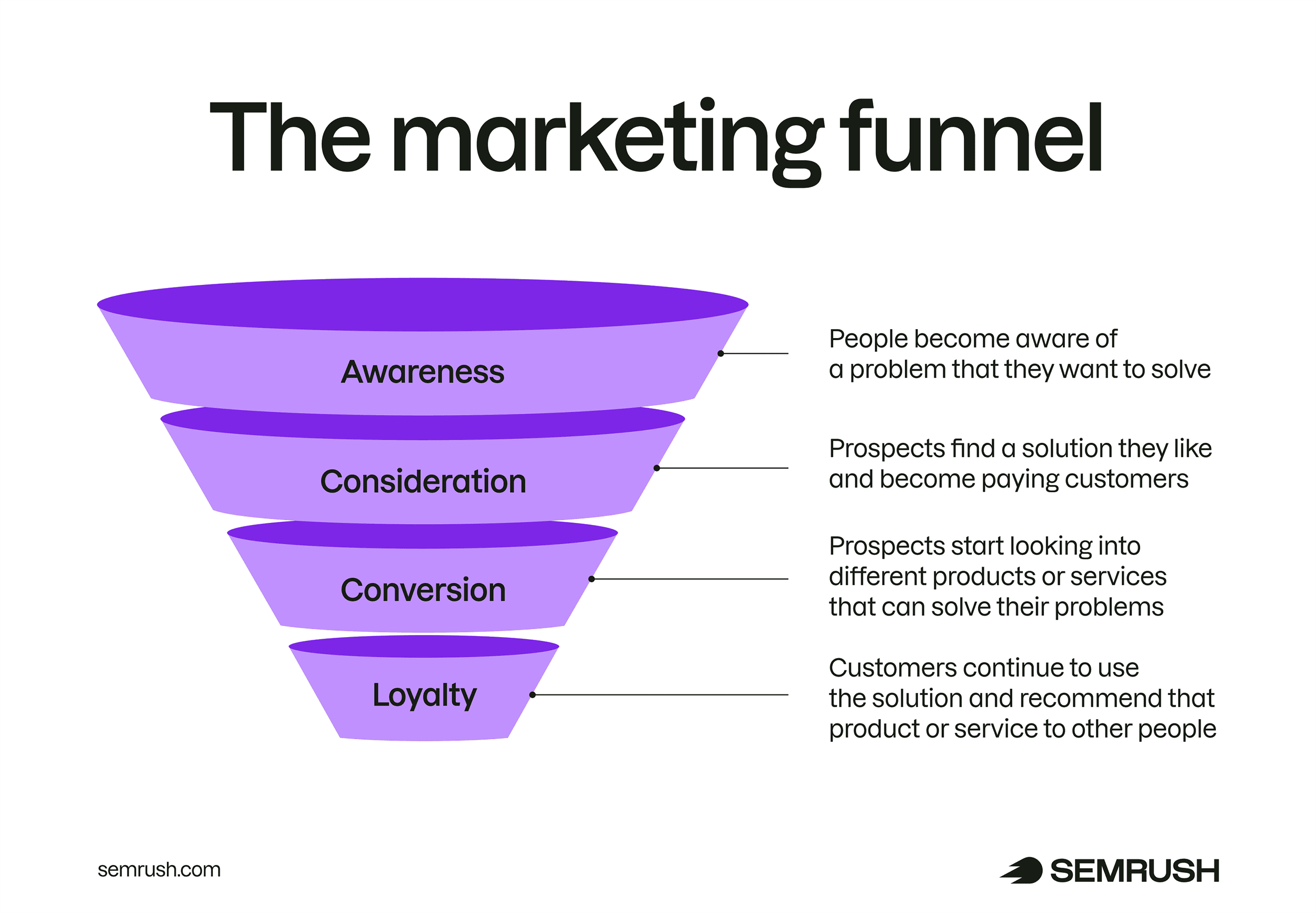
The traditional marketing funnel assumes a linear progression from awareness to consideration to decision. Content was often segmented to target users at each stage. With AI, this linear path is disrupted. A single, high-intent query can trigger a fan-out process that pulls information relevant to awareness (e.g., definitions), consideration (e.g., comparisons), and decision (e.g., pricing, specific recommendations) simultaneously. The AI synthesizes all this into one comprehensive answer. This means content can no longer afford to be siloed into single-stage objectives. Instead, each piece of content, especially those targeting "money prompts," must be capable of addressing multiple stages of the buying journey within a single interaction.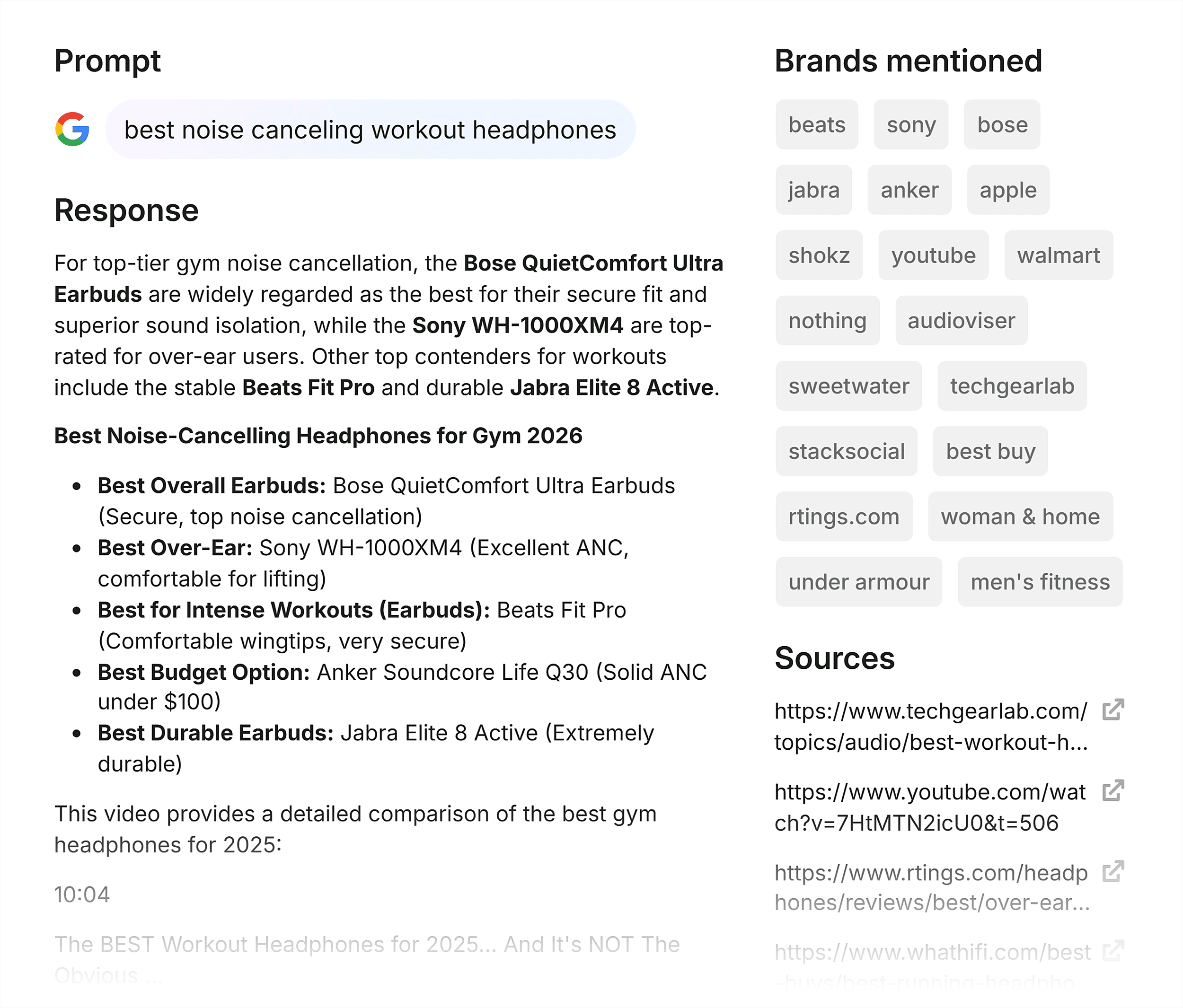
The Query Fan-Out Workflow: A Strategic Blueprint for AI Visibility
To adapt to this evolving landscape, content creators and digital strategists need a structured approach. The following six-step workflow provides a repeatable framework for optimizing content for query fan-out and increasing AI citations:
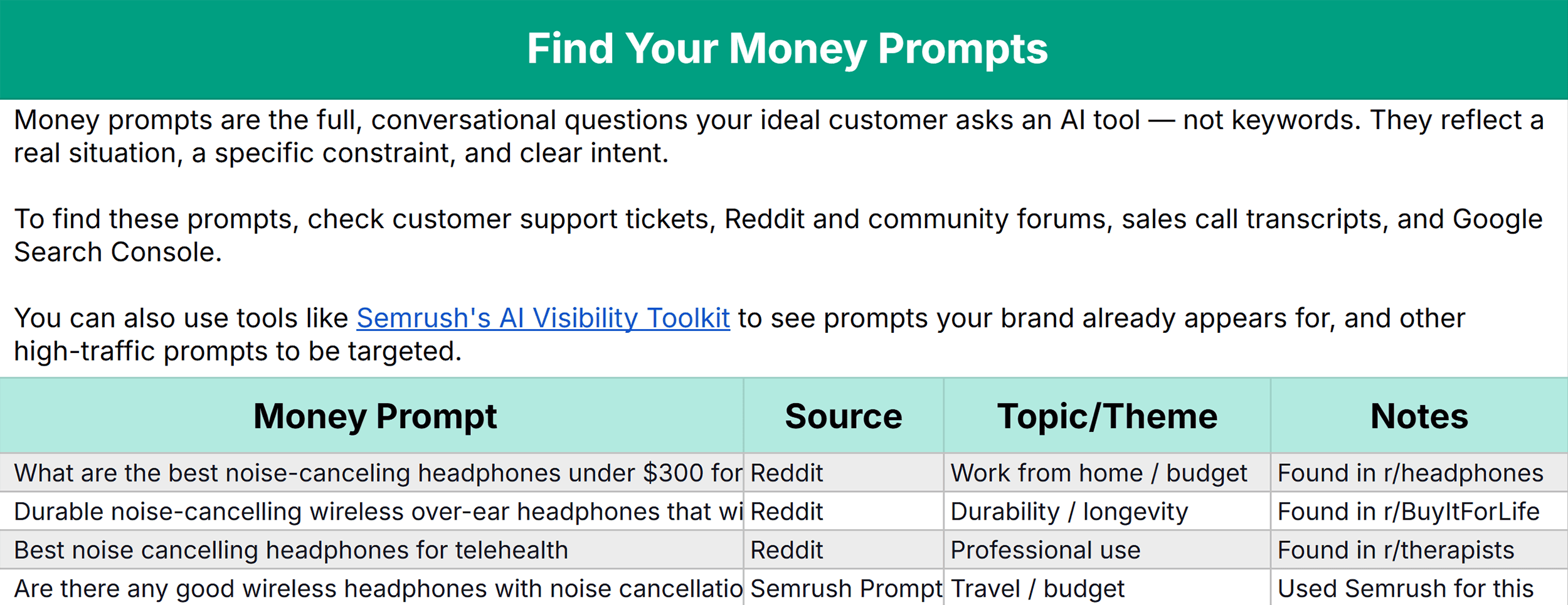
Step 1: Identify Your "Money Prompts"
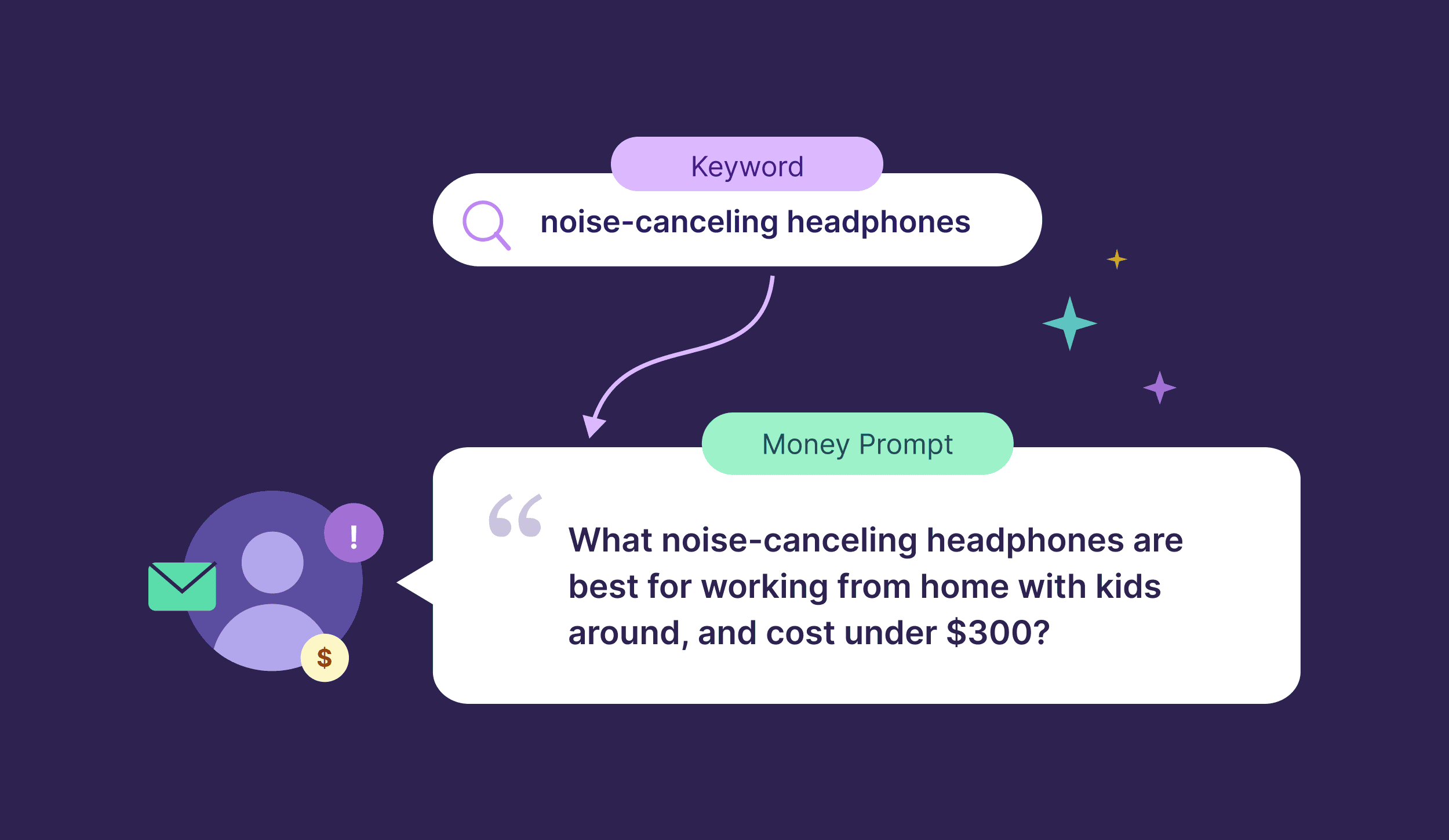
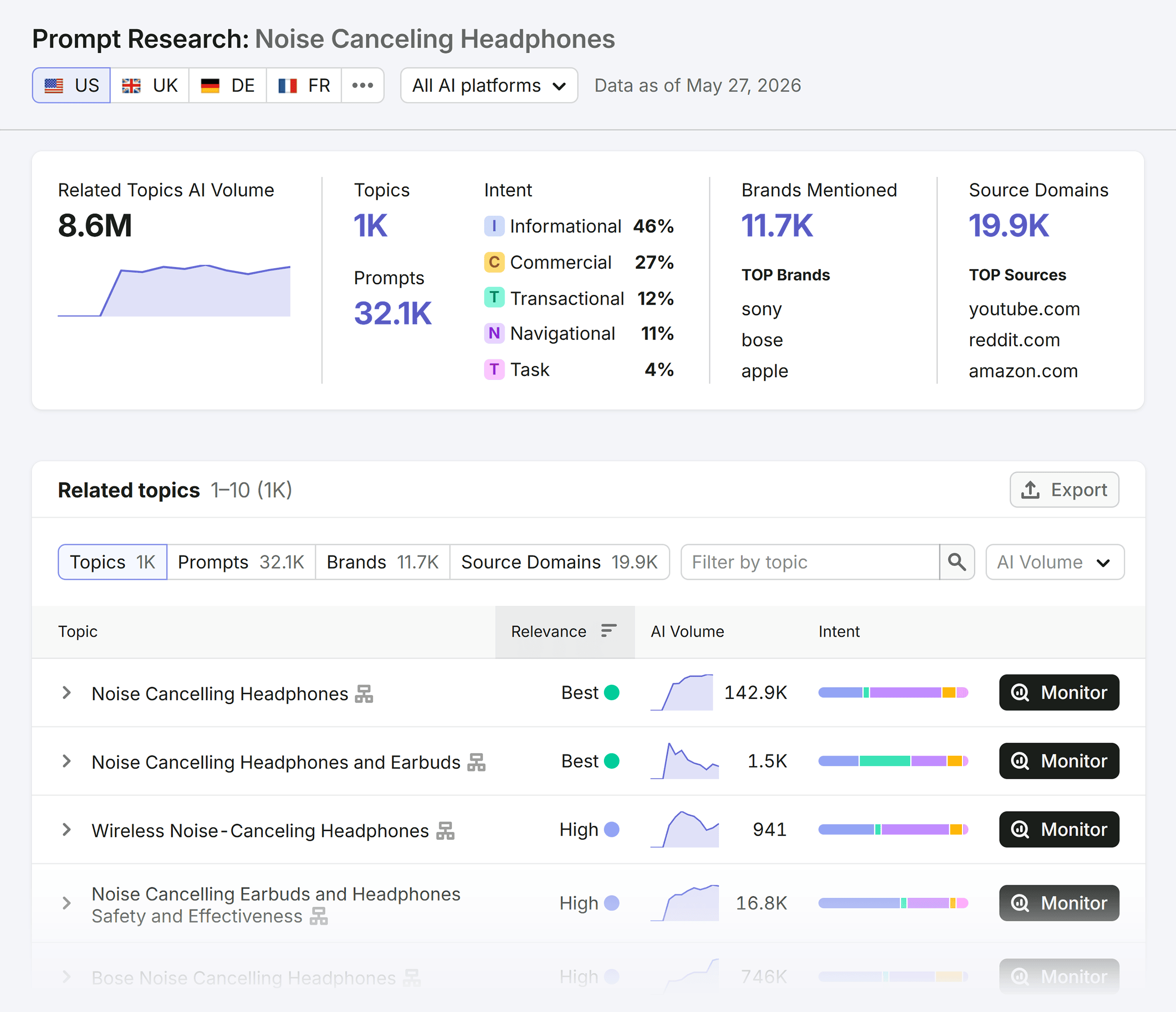
Money prompts are the highly specific, conversational phrases or questions that your ideal customer would ask an AI tool when seeking solutions that your product or service provides. These are the AI SEO equivalent of high-commercial-intent keywords. They are characterized by a clear intent to solve a problem, often including specific constraints, comparisons, or needs. For instance, while "noise-canceling headphones" is a keyword, "What noise-canceling headphones are best for working from home with kids around, and cost under $300?" is a money prompt.
Sources for identifying money prompts include:
- Forums and Communities: Platforms like Reddit are goldmines for understanding real user questions, their pain points, and the specific language they use. Searching for your product or topic here can reveal invaluable use-case specific prompts (e.g., "best noise-canceling headphones for telehealth" or "durable noise-canceling headphones for travel").
- AI Visibility Toolkits: Specialized tools, such as Semrush’s AI Visibility Toolkit, provide direct insights into what users are typing into AI tools and how AI systems are responding. By analyzing your brand’s existing AI presence or exploring industry-wide prompts, you can uncover high-priority money prompts where your audience is already seeking answers.
Step 2: Generate Your Fan-Out Set
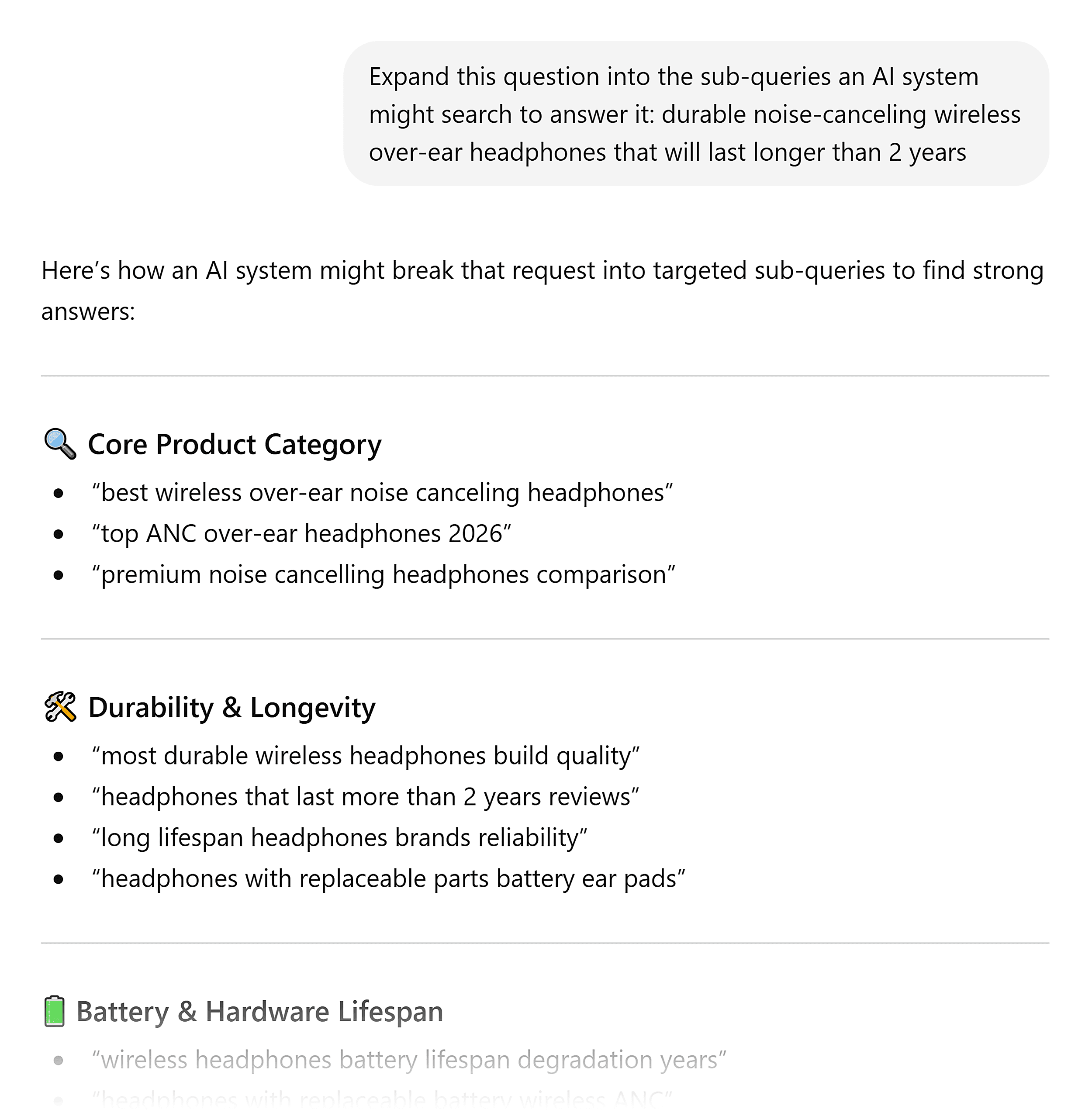
Once money prompts are identified, the next step is to understand how AI expands them into sub-queries. This can be done manually or with dedicated tools.
- Manual Generation (Using LLMs): Paste a money prompt into an AI platform (like ChatGPT) and use a template such as: "Given the prompt ‘[Your Money Prompt]’, what sub-queries would an AI system generate to provide a comprehensive answer, and what category does each sub-query fall under (e.g., Definitions, Comparisons, Use-Case Specific, Problem/Solution)?" This provides a direct glimpse into the AI’s internal reasoning process. Repeating this across various LLMs can reveal different expansion patterns.
- Automated Tools: Browser extensions like Backlinko’s ChatGPT Query Fan-Out Tool can capture real-time sub-queries generated by ChatGPT, categorizing them into types like Reformulation, Comparative, Implicit, Personalized, Entity Expansion, and Related queries. These categories are crucial as they inform the type of content needed to address each sub-query.
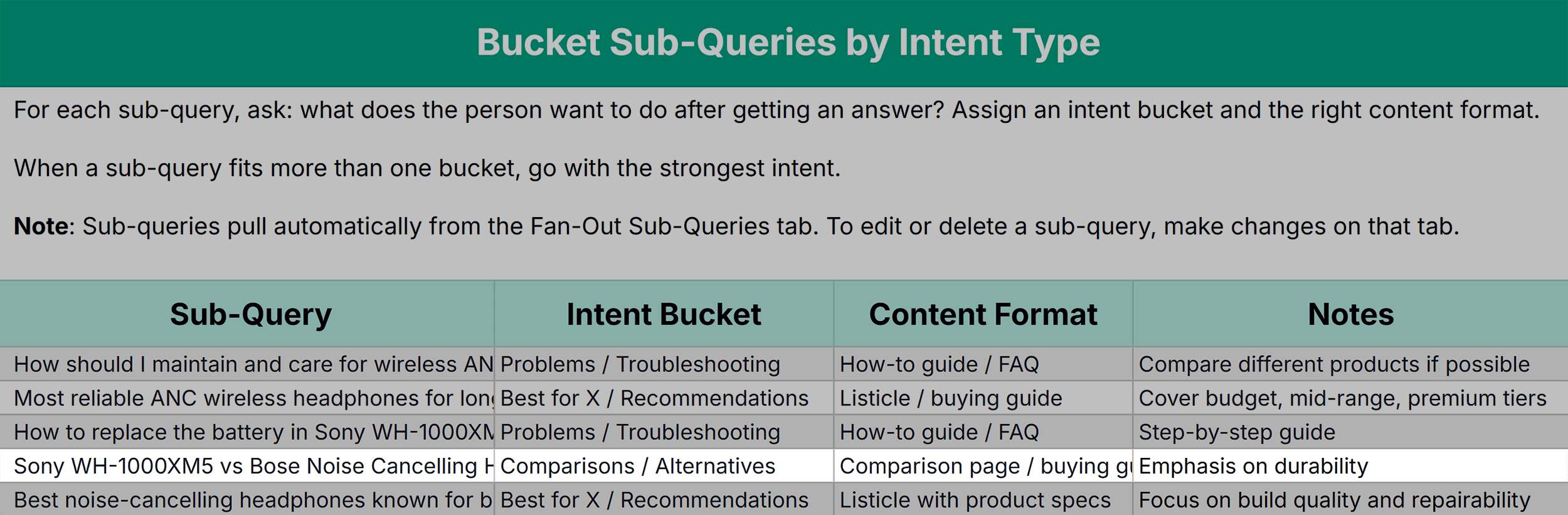
Step 3: Bucket Sub-Queries by Intent Type
Categorizing sub-queries by user intent is vital for shaping content. The core question to ask is: "What does the user intend to do after getting an answer to this sub-query?" This helps determine the most appropriate content format. For example, "Sony vs. Bose Noise Canceling Headphones" clearly indicates a "comparison" intent, necessitating a head-to-head comparison page or a structured table.
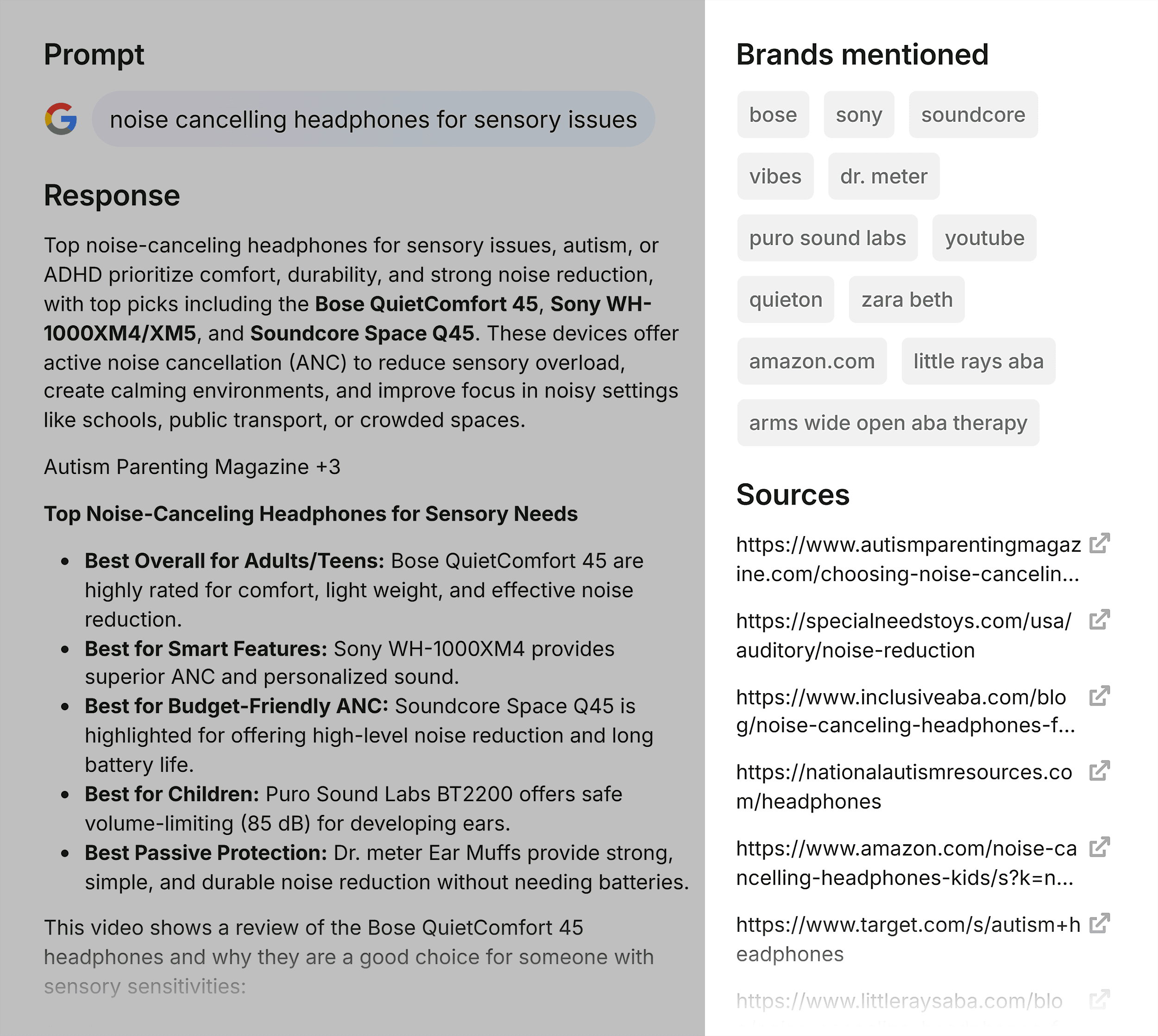
Common intent buckets include:
- Definitions/Basics: What is X? How does X work? (Content: Explainer articles, glossary sections).
- Comparisons/Alternatives: X vs. Y, alternatives to X. (Content: Comparison pages, detailed sections).
- Best for X/Recommendations: Best option for a specific use case. (Content: Listicles, buying guides, use-case specific landing pages).
- Problems/Troubleshooting: How to fix X, why does X happen? (Content: How-to guides, FAQ sections).
- Pricing/Value: How much does X cost, is X worth it? (Content: Pricing pages, value analysis sections).
- Social Proof/Discussions: Reviews, user experiences. (Content: Review roundups, user feedback sections).
Step 4: Audit Your Existing Content for Gaps
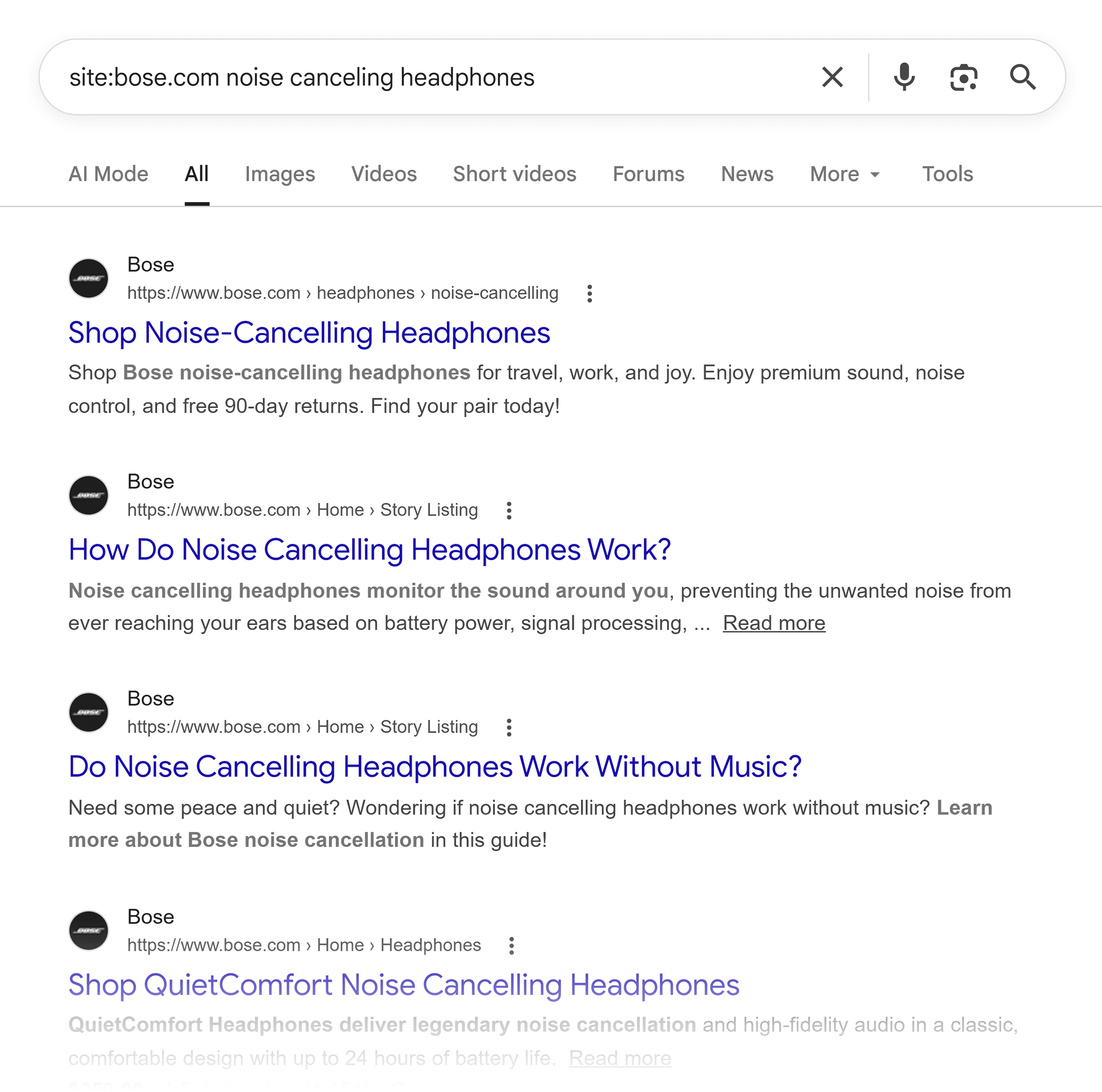
With sub-queries and their intents identified, conduct a thorough content audit to determine existing coverage.
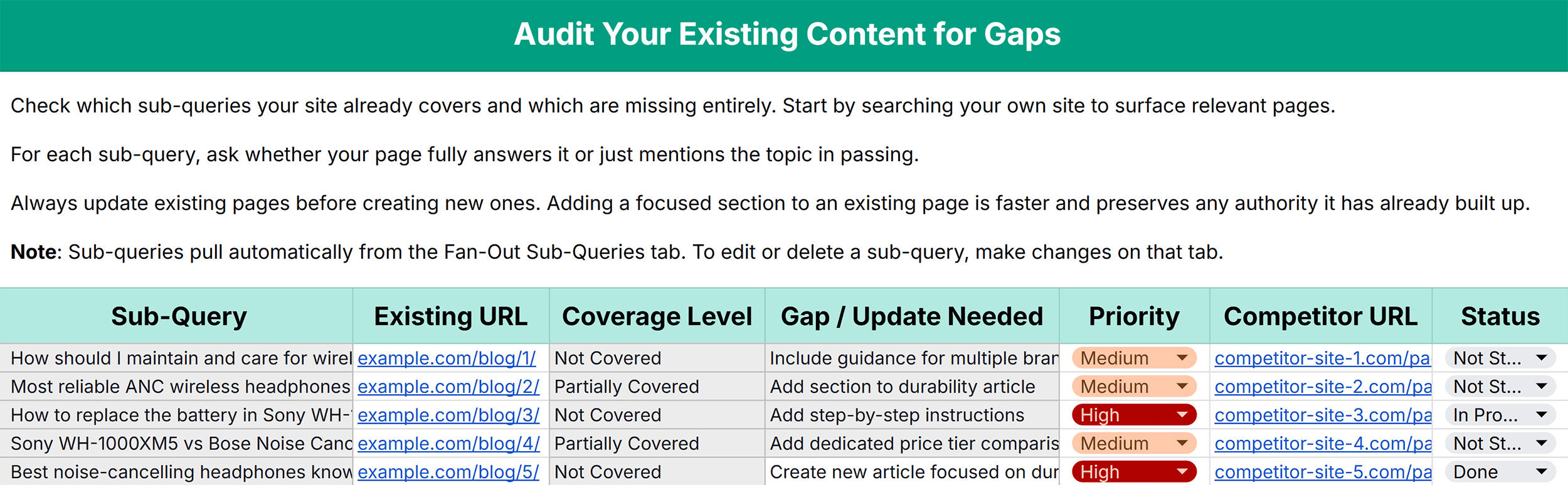
- Site Search: Use "site:yourdomain.com [sub-query topic]" in Google to locate relevant pages on your site.
- Evaluate Coverage:
- Not Covered: No existing content addresses the sub-query. This signifies a content gap requiring new creation.
- Partially Covered: The topic is mentioned but not fully resolved or is buried within broader content. This requires adding a dedicated, self-contained section.
- Fully Covered: A specific section or page comprehensively answers the sub-query, ready for AI extraction. These need ongoing monitoring.
- Competitor Analysis: Utilize AI visibility tools (like Semrush’s) to see which competitors are being cited for your money prompts. If competitors are mentioned and your brand isn’t, it indicates a critical gap to close. If your brand is already cited alongside competitors, focus on strengthening that content to maintain or improve your position.
Step 5: Structure Your Content for AI Extraction
This is where the theoretical understanding translates into practical implementation. The goal is to make content explicitly clear and easily parsable by AI.
- Address Gaps: Create new pages or dedicated sections for "not covered" sub-queries. Enhance "partially covered" content by adding self-contained answers that directly resolve the sub-query without requiring extensive surrounding context.
- Optimized Structure:
- Clear Headings and Subheadings (H2, H3, H4): Use descriptive headings that precisely mirror potential sub-queries. This signals to AI what information follows.
- Direct Answers First: Front-load the most crucial information. Answer the question immediately, then provide supporting details.
- Tables and Lists: Present comparative data, specifications, pros/cons, and steps in structured formats that are easy for AI to extract.
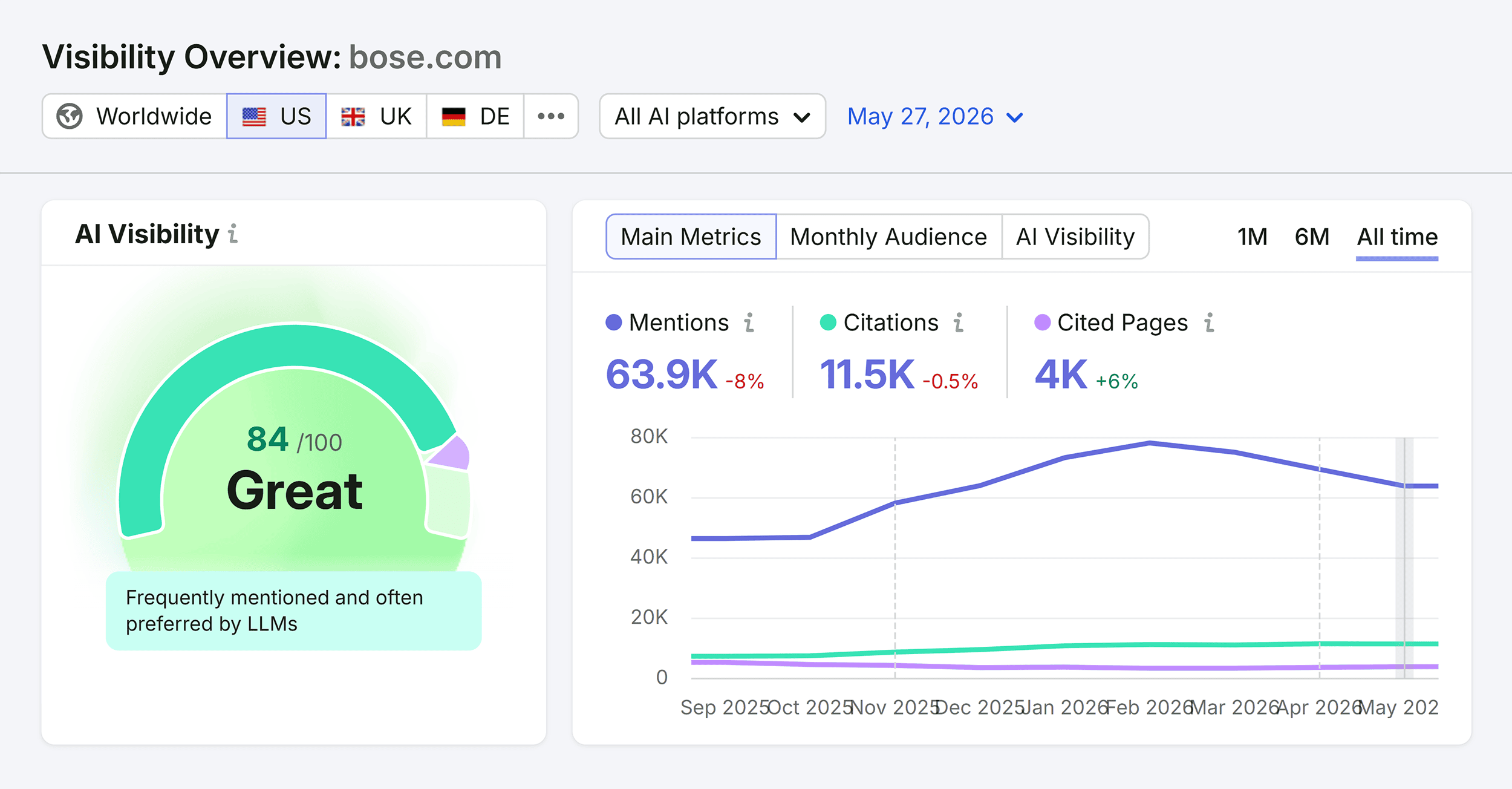
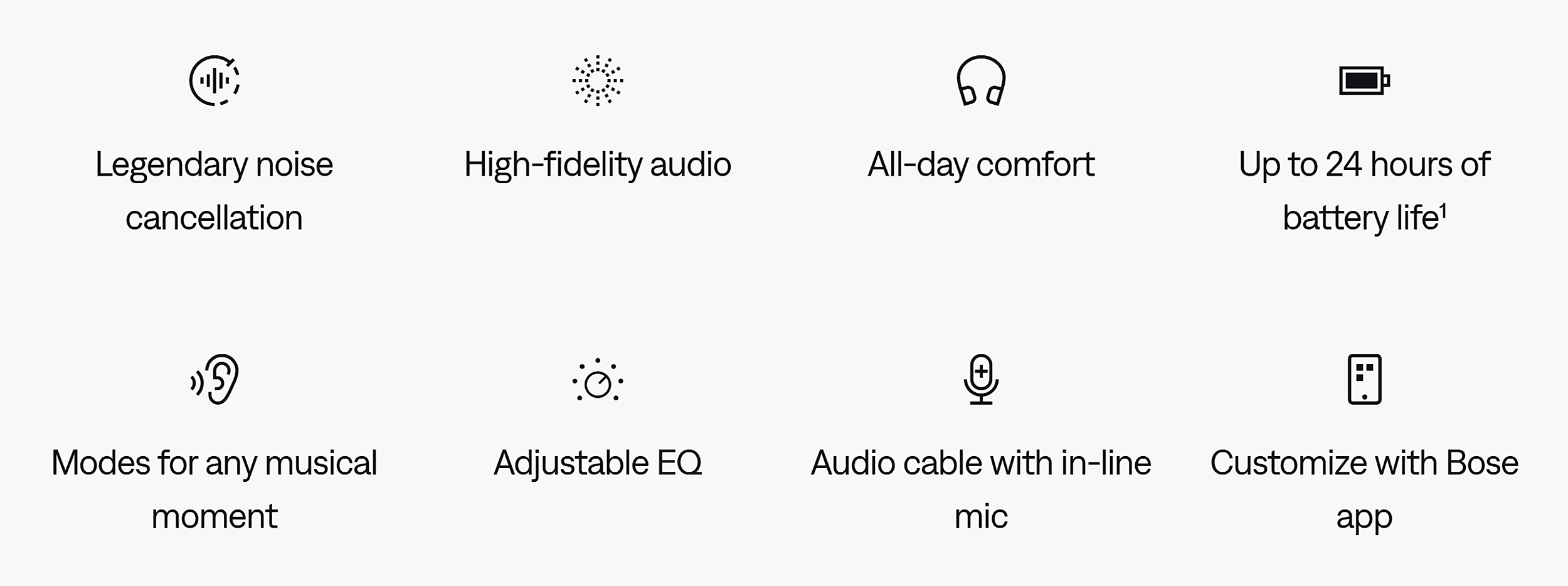
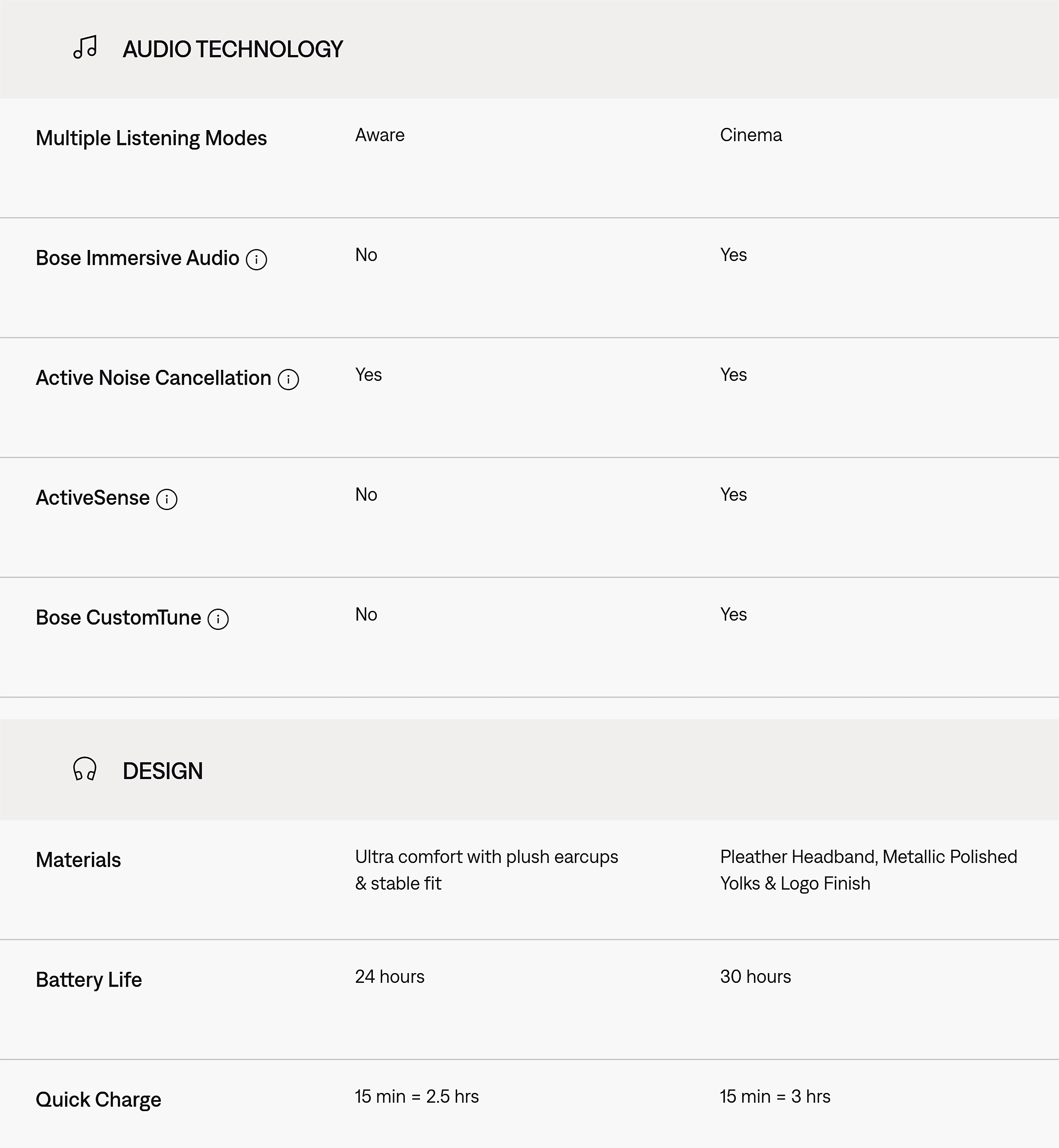
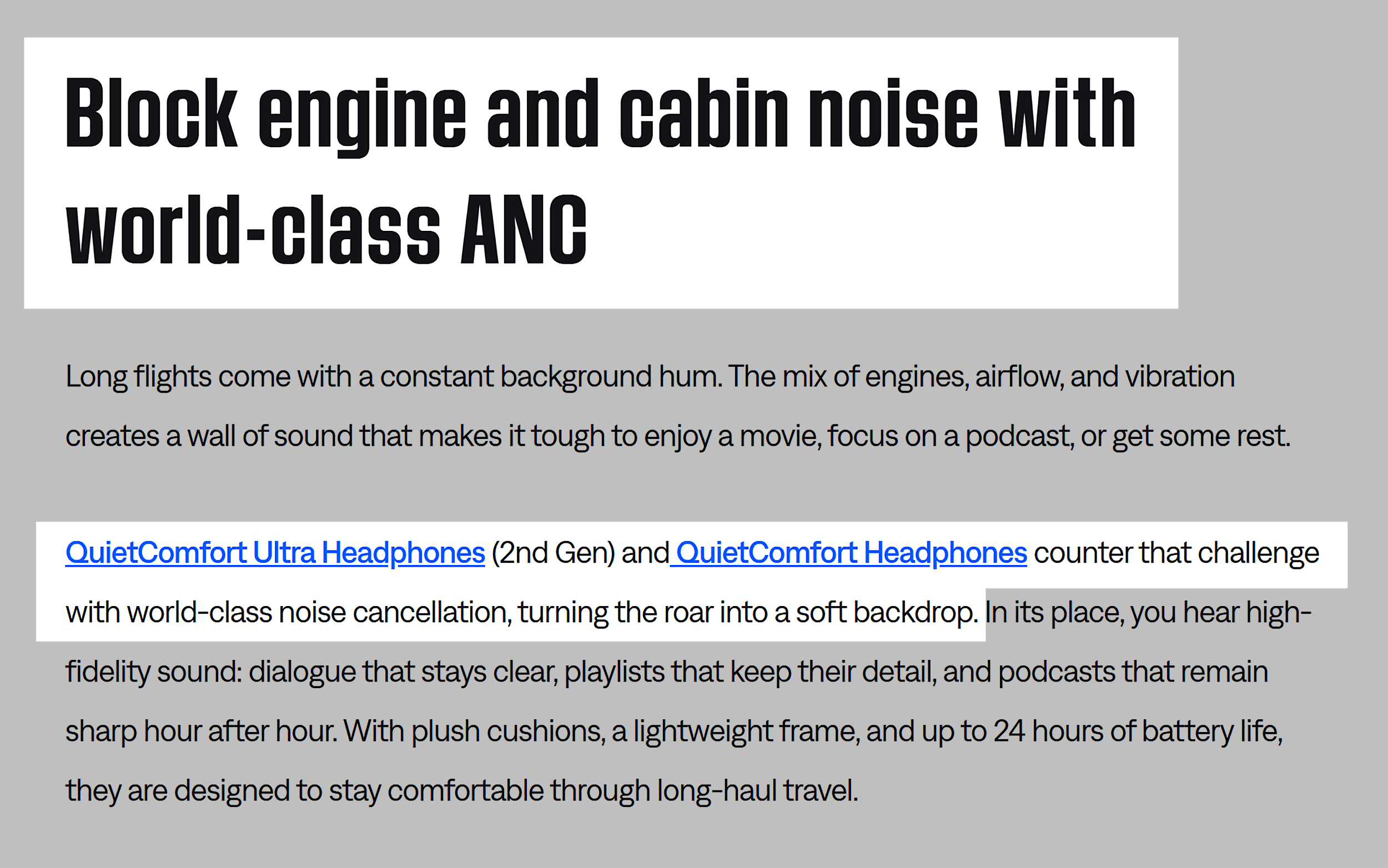
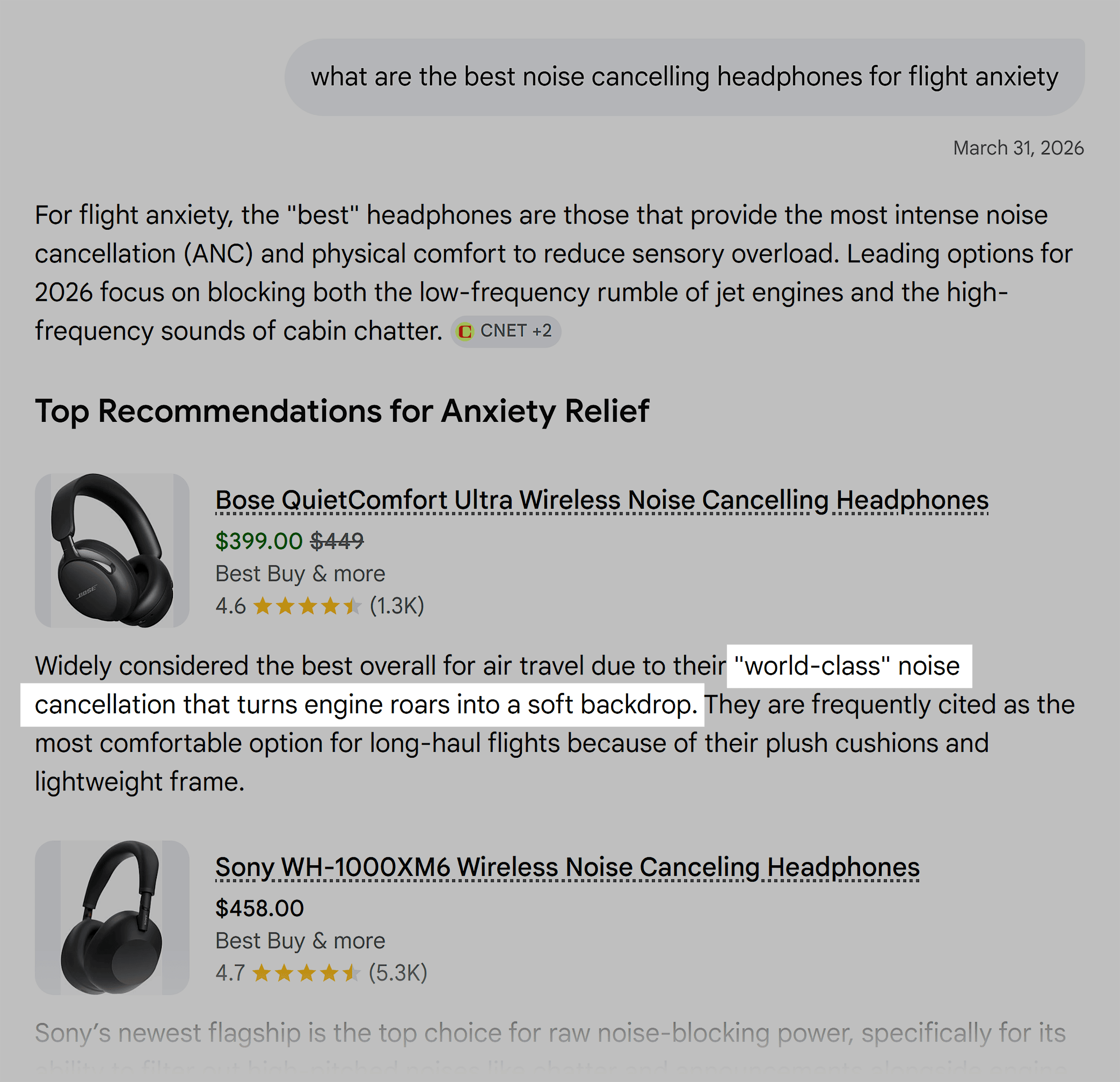
- Descriptive Language: Use clear, unambiguous language tailored to specific use cases and scenarios (e.g., "noise-canceling headphones for flights" rather than just "travel headphones"). Bose’s strategy of creating dedicated landing pages for use cases demonstrates this effectively, leading to AI recommendations matching specific user scenarios.
- Internal Linking: Ensure a robust internal linking structure that connects related content within your topic clusters. This helps AI understand the breadth and depth of your topical authority.
Step 6: Measure Your Performance in AI Search
The AI search landscape is dynamic, requiring continuous monitoring and adaptation.
- Track Money Prompts: For each identified money prompt, regularly check:
- Is your brand mentioned in the AI’s answer?
- Is your specific content cited as a source?
- Are competitors being mentioned more frequently or favorably?
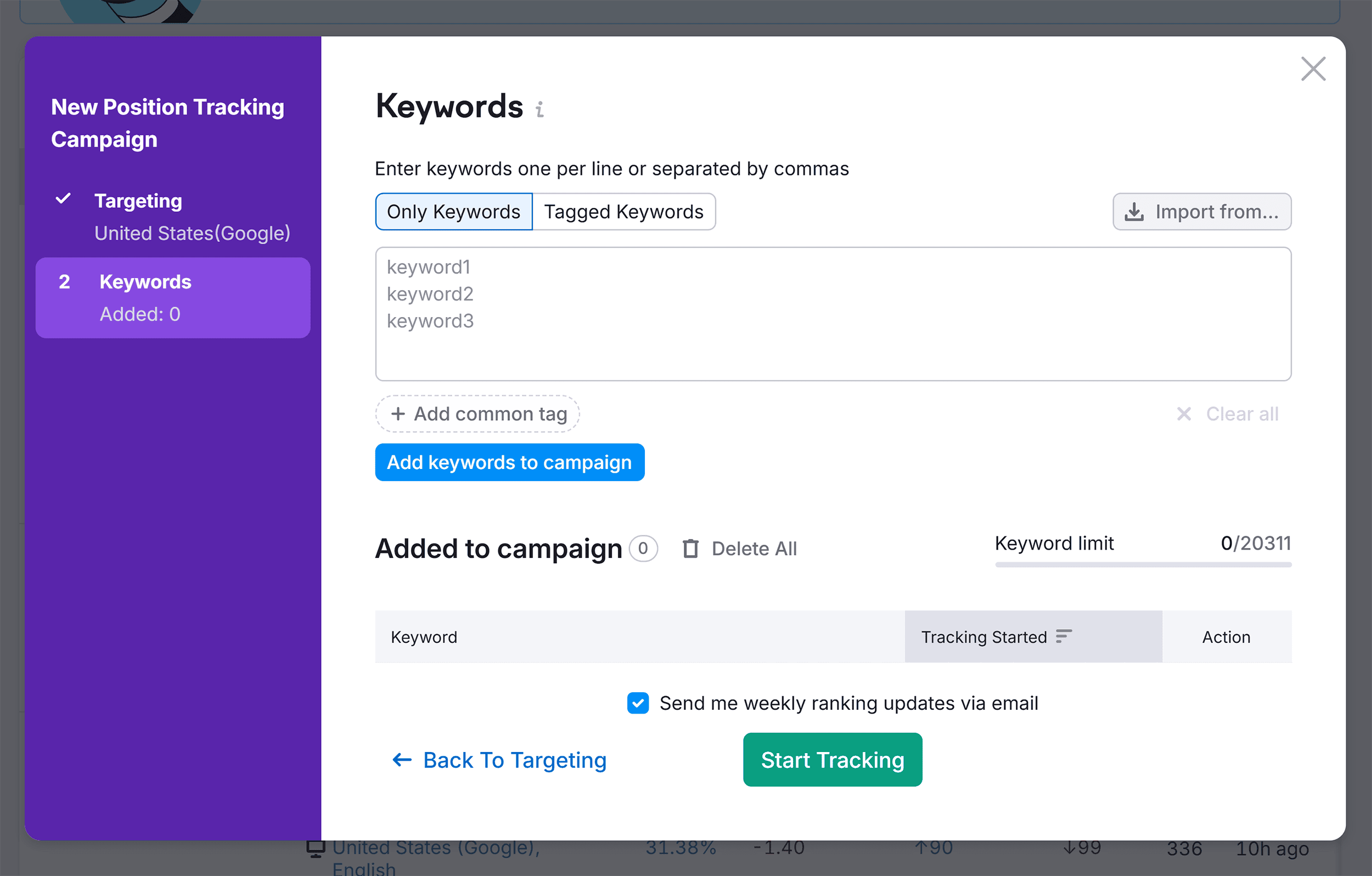
- Manual Tracking: Conduct incognito searches in various LLMs for your money prompts and manually record the outcomes.
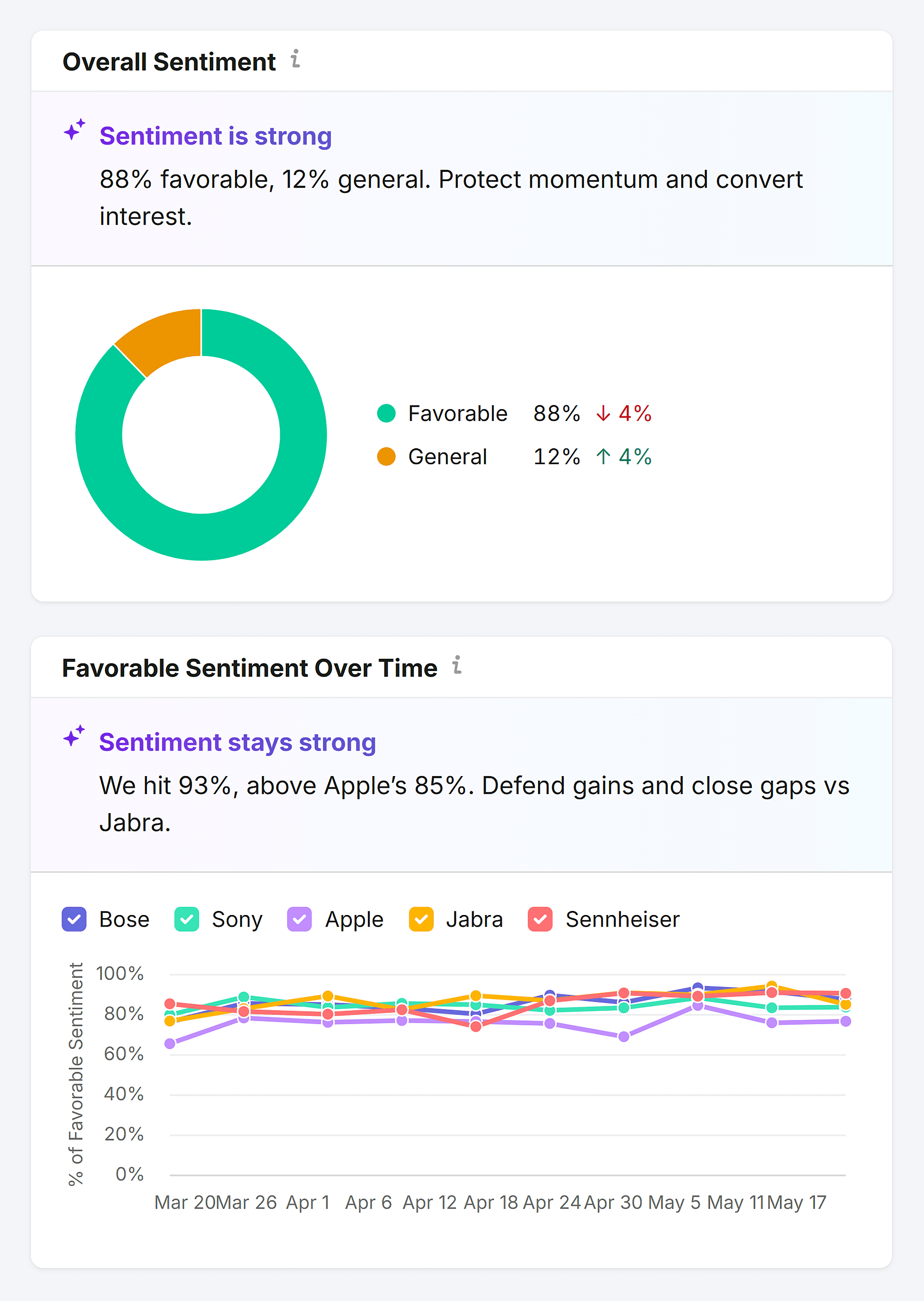
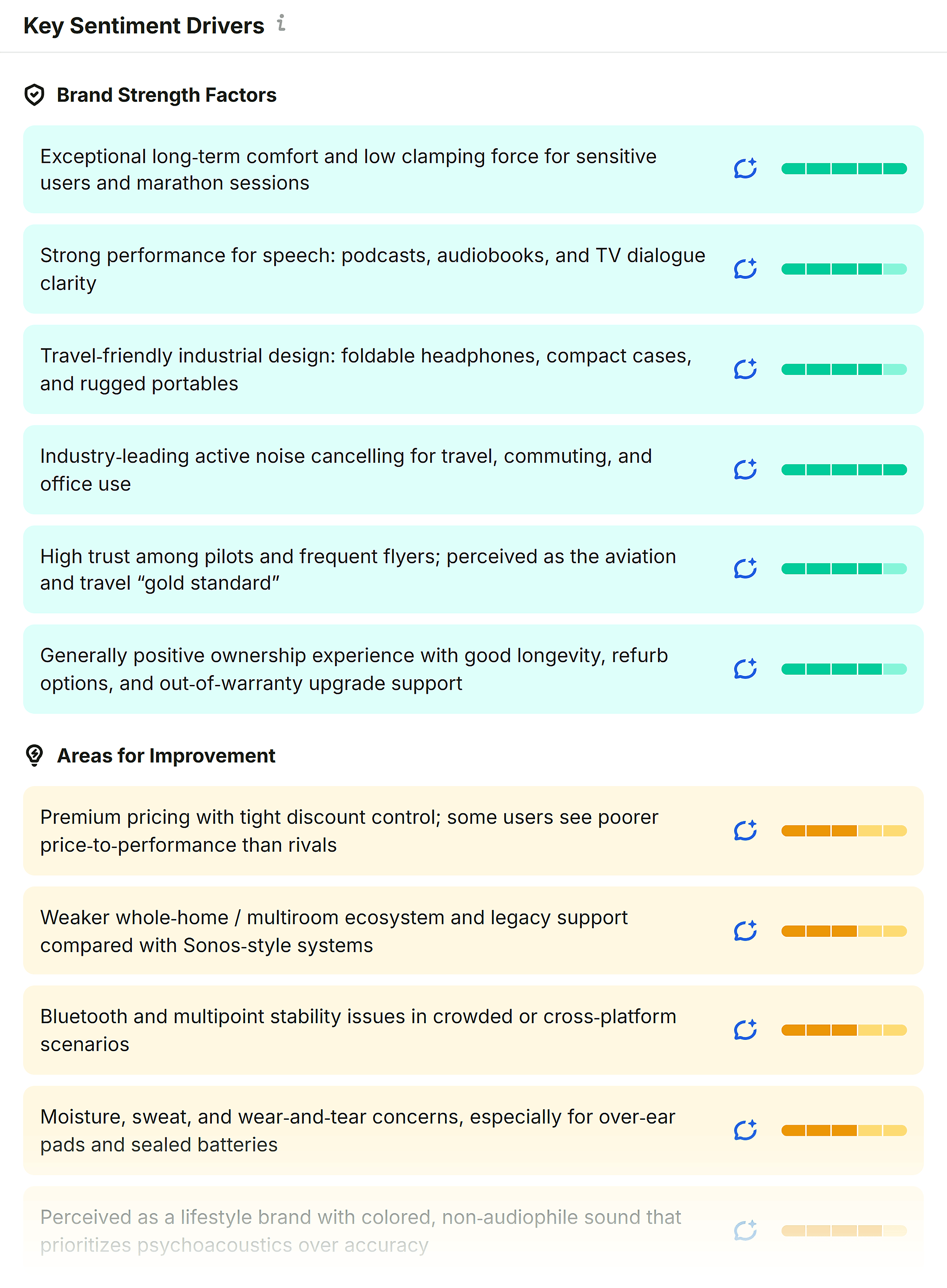
- Automated Tracking Tools: Tools like Semrush’s Prompt Tracker can automate this process, alerting you to changes in AI mentions for your target prompts. The AI Visibility Overview provides a comparative score against competitors, while the Perception tool tracks brand sentiment within AI responses, highlighting strengths (e.g., "industry-leading noise cancellation") and weaknesses (e.g., "over-the-ear models not sweatproof") that can inform future content strategy.
- Iterative Refinement: Revisit your content strategy based on performance data. Update existing content, create new pieces, and refine your structure as AI models evolve and user query patterns shift.
Query Fan-Out Across Different AI Platforms: Nuances in Retrieval
While the core principle of query fan-out remains consistent, its execution and the resulting implications vary across different AI platforms:
-
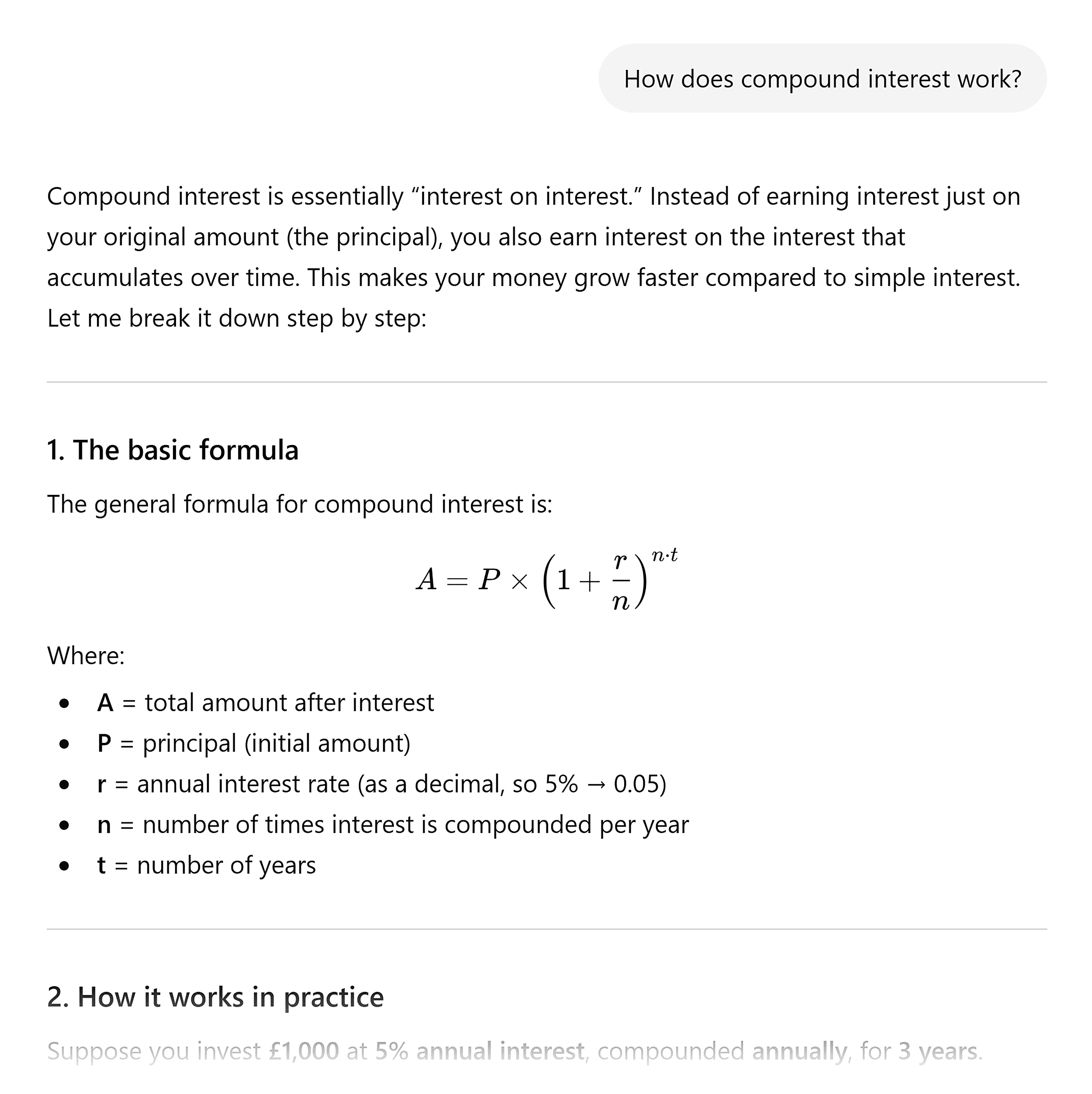
ChatGPT: This LLM often begins by "reasoning internally" using its vast training data. However, for queries requiring fresh data, real-time comparisons, or current information, it will initiate live web searches. Identifying these internal sub-queries in ChatGPT can be done by inspecting browser developer tools (Network tab, searching for "queries" within the response payload). This reveals the specific informational needs ChatGPT attempted to fulfill, offering a direct target for content optimization. Topical authority, extending to third-party sources like Reddit and review sites, is crucial here.

-
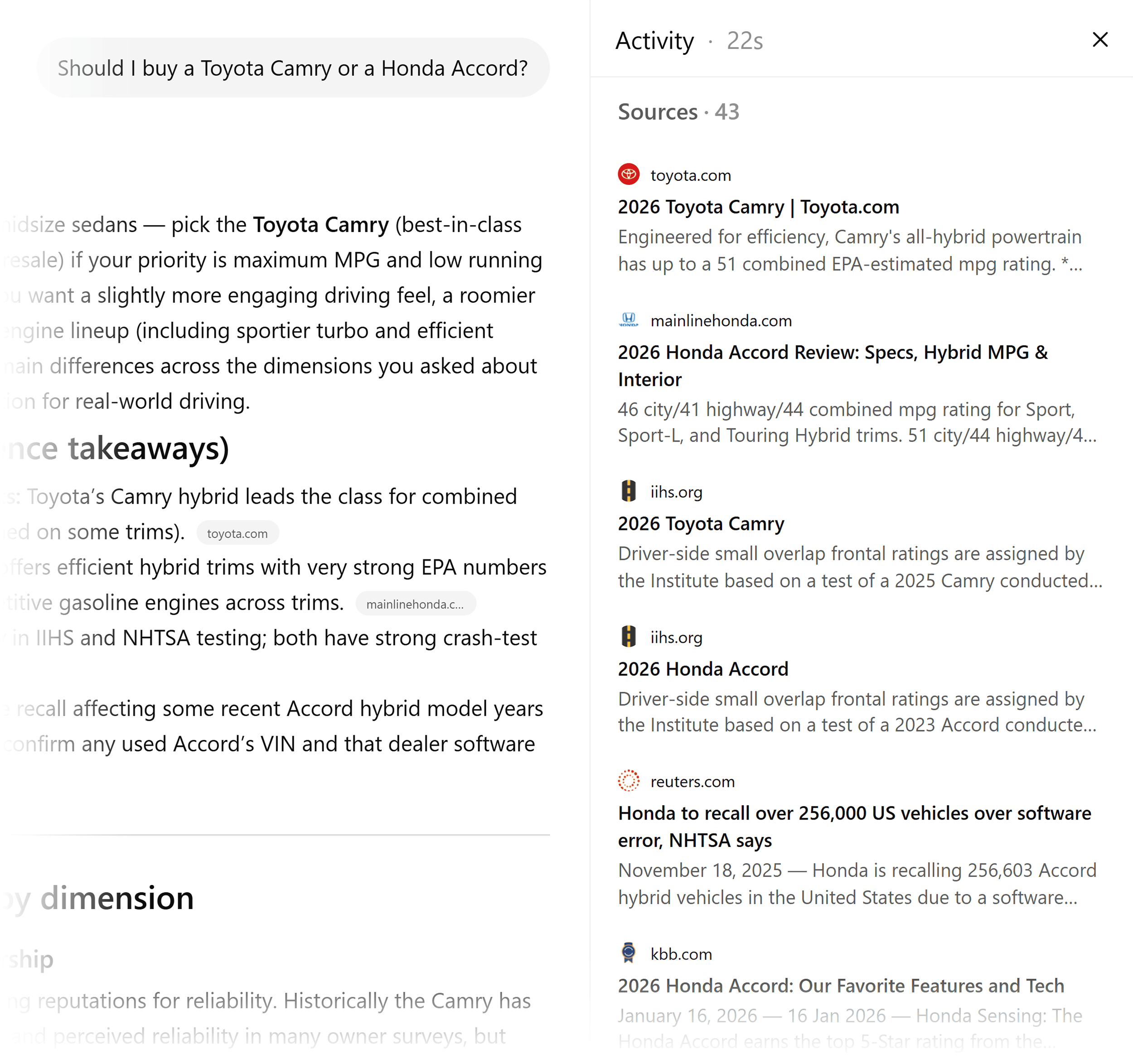
Perplexity: Perplexity employs a dual-layer fan-out, combining conversational context (past user interactions, implicit preferences) with real-time web searches. This means the AI may pair your content with unforeseen user history, making it imperative for your content to be highly specific and self-contained to remain accurate and useful in varied contexts. Perplexity often shows its sub-queries directly, offering transparent insights into its information-gathering process.
-
Claude: Claude distinguishes itself by prioritizing "clarifying questions" before generating a response. When presented with a broad query, it may prompt the user for specific preferences or constraints. This interactive approach leads to fewer, more targeted fan-out sub-queries. For content, this implies focusing on directly answering specific, well-defined use cases rather than attempting to cover every conceivable angle on a single page. Content that anticipates these clarifying questions and provides clear answers will likely perform well.
-
Google AI Overviews and AI Mode: Google AI Overviews provide concise, AI-generated summaries directly within search results, with sources often listed in a clickable sidebar. AI Mode, a dedicated conversational search tab, offers more interactive depth for complex queries. Both synthesize information from Google’s existing web index. While Google does not publicly expose its sub-queries, SEO experts have devised methods using tools like Screaming Frog with the Gemini API to infer these fan-outs. For Google’s AI features, optimization largely mirrors best practices for extractable content: front-load answers, use descriptive subheadings, and ensure individual passages are self-sufficient.
Conclusion: Adapting to a Future of AI-Driven Discovery
The emergence of query fan-out as a core mechanism in large language models signifies a pivotal shift in the digital ecosystem. Traditional SEO metrics, while still valuable for organic search, no longer guarantee visibility in AI-powered environments. The new mandate for brands and content creators is to cultivate a content strategy rooted in comprehensive topical coverage, passage-level retrievability, and an acute understanding of user intent across a fragmented, multi-stage buying journey.
The focus must move from merely ranking pages to ensuring that distinct, authoritative content passages are readily discoverable and extractable by AI systems. By meticulously identifying "money prompts," generating detailed fan-out sets, auditing content for gaps, structuring information for AI extraction, and continuously measuring performance, businesses can strategically position themselves to thrive in this evolving digital landscape. The future of online visibility belongs to those who adapt their content not just for human readers, but for the sophisticated, query-fanning intelligence of AI.