The Comprehensive Guide to Prompt Tracking: Mastering LLM Visibility in Modern Search

The digital marketing landscape has undergone a seismic shift, transforming how brands are discovered, evaluated, and purchased by modern consumers. For decades, search engine optimization (SEO) has been defined by a predictable formula: ranking number one on Google meant securing a prominent spot on a page featuring ten blue links. However, the rapid ascent of generative artificial intelligence and large language models (LLMs) has rewritten the rules of digital visibility. Today, a brand can hold the top organic ranking on traditional search engines while remaining entirely invisible to conversational AI tools.
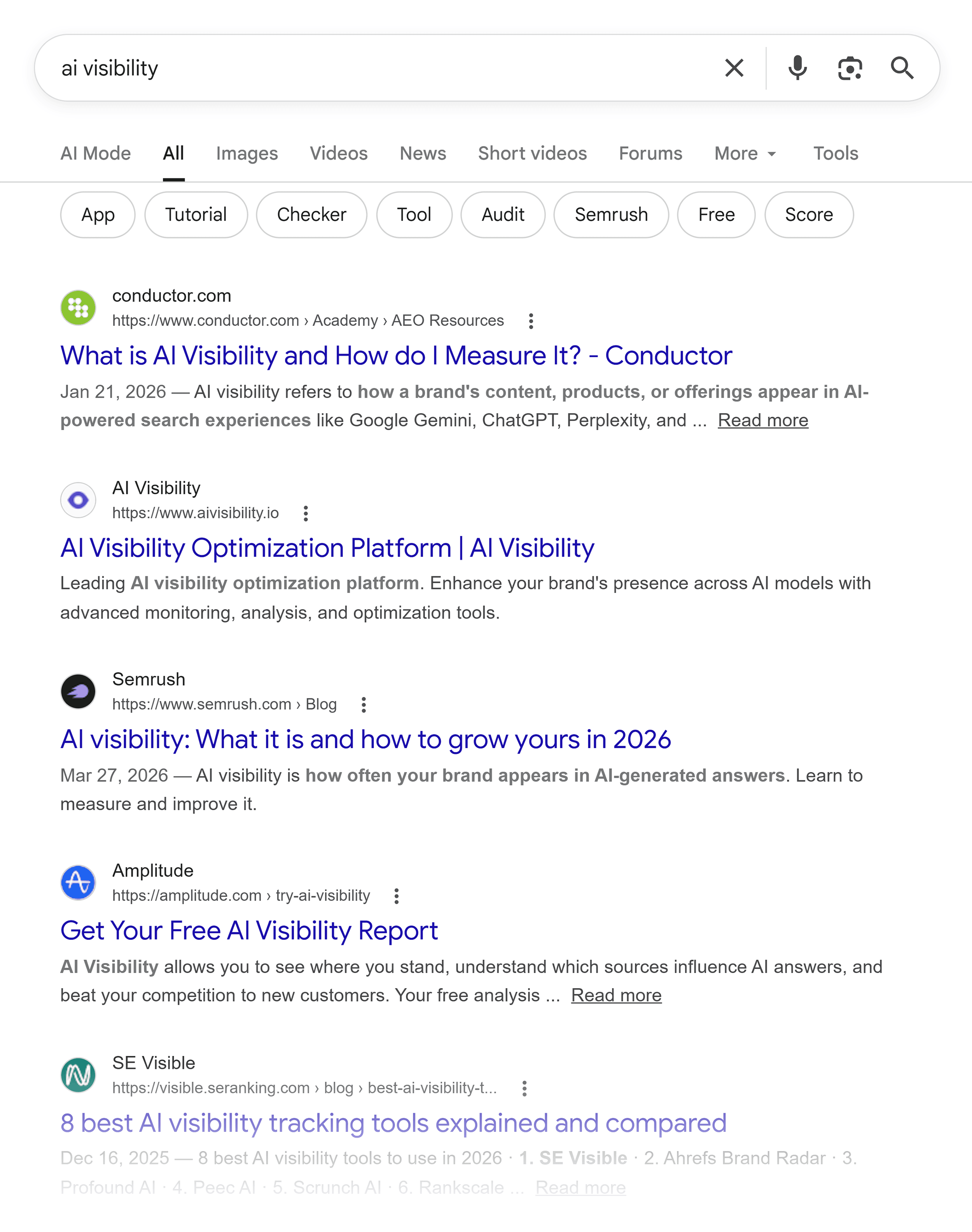
As millions of internet users transition from traditional search engines to AI-driven discovery platforms, understanding and monitoring this new environment has become imperative for businesses of all sizes. This evolution has given rise to a specialized discipline known as prompt tracking, or LLM visibility tracking. Unlike legacy SEO tools that measure static URL positions on search engine results pages (SERPs), prompt tracking monitors how, when, and where a brand is mentioned or cited across dynamic, conversational AI answers over time.
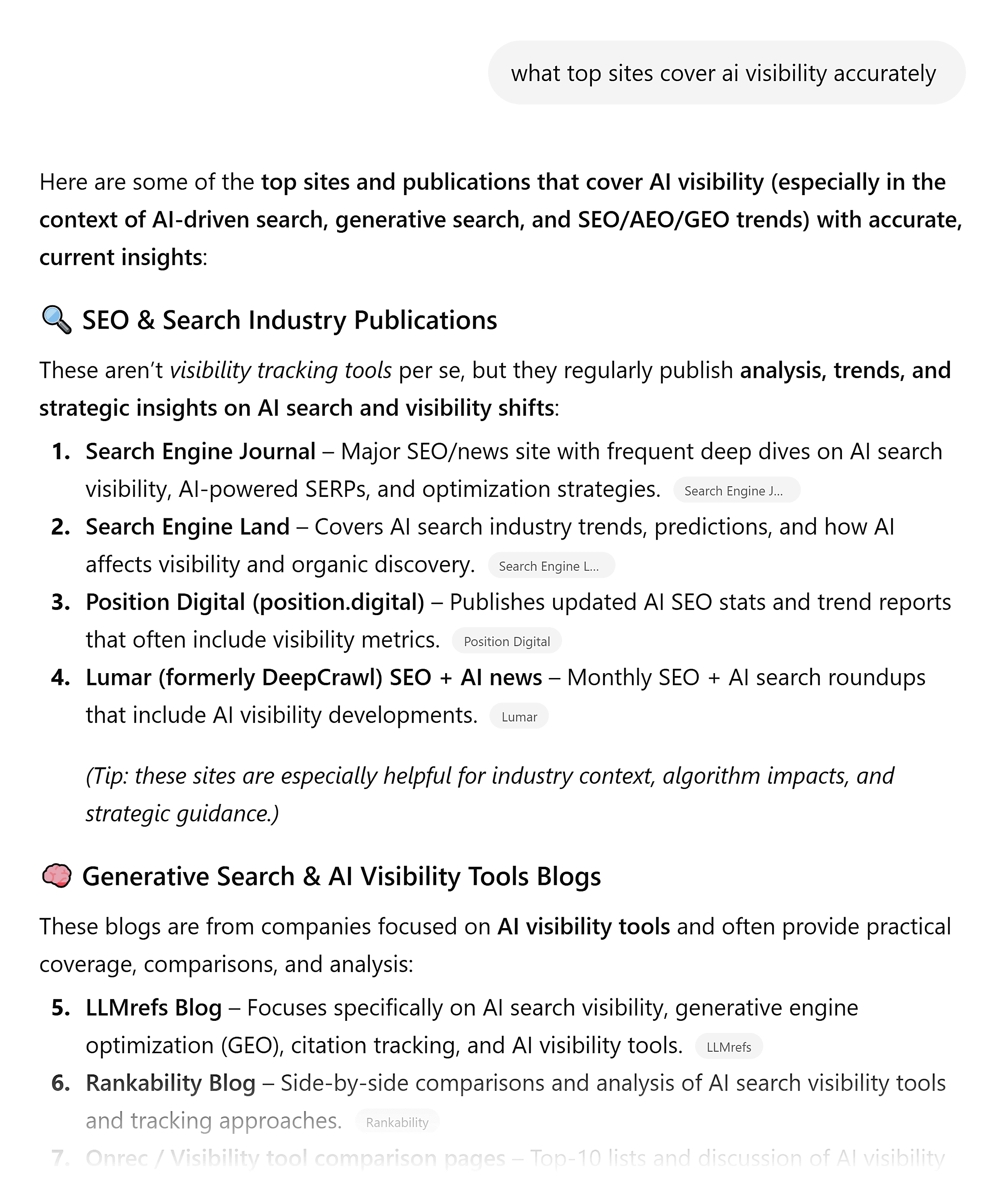
The Transition from Traditional Search to Generative AI Discovery
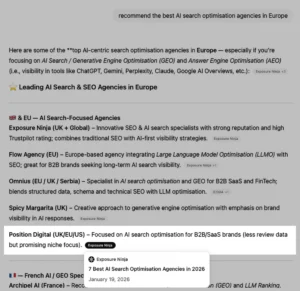
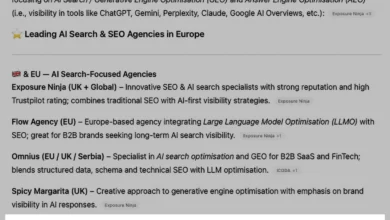
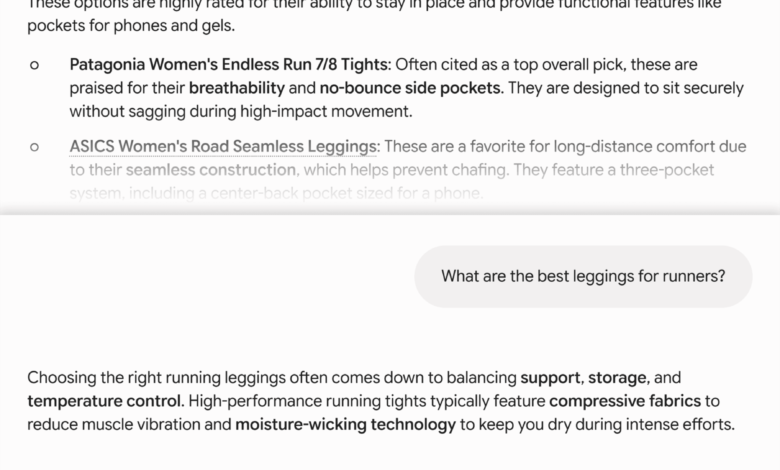
To comprehend the necessity of prompt tracking, one must first examine the fundamental mechanics of large language models. Traditional search engines crawl the web to index pages, serving a static list of URLs in response to specific keywords. In contrast, generative AI platforms such as OpenAI’s ChatGPT, Google Gemini, and Perplexity do not rely on a static ranking of links. Instead, they ingest massive datasets to synthesize unique, conversational responses tailored to the specific context of each user’s query.
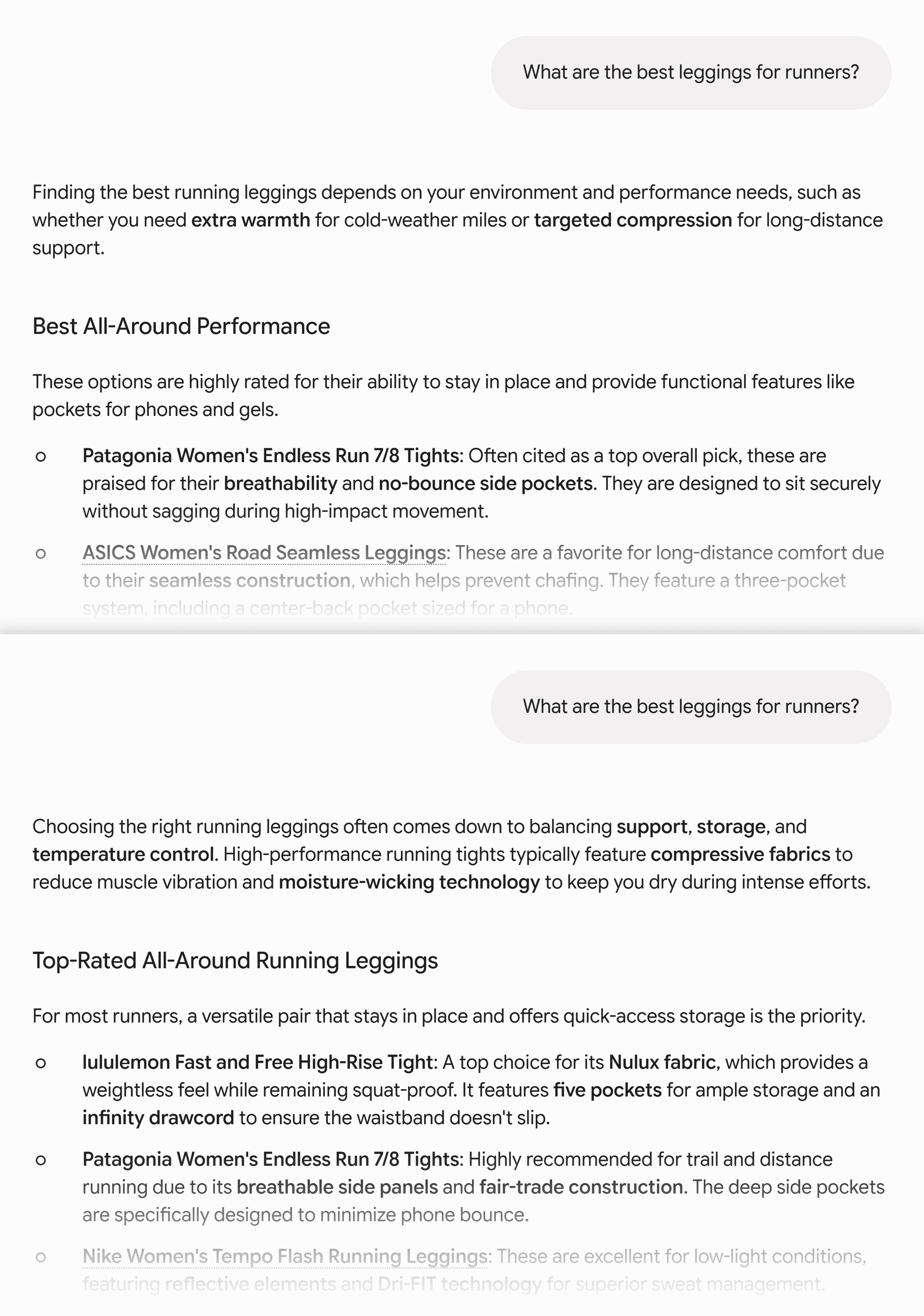
This non-deterministic nature means that asking the exact same question twice can yield entirely different outputs. Furthermore, AI platforms frequently pull from a diverse array of sources—including third-party review sites, forums, and scholarly articles—to formulate recommendations. Consequently, achieving a favorable position in AI-generated answers depends less on occupying the absolute first mention and more on consistently delivering true, positive brand associations to the right audience across numerous interactions.
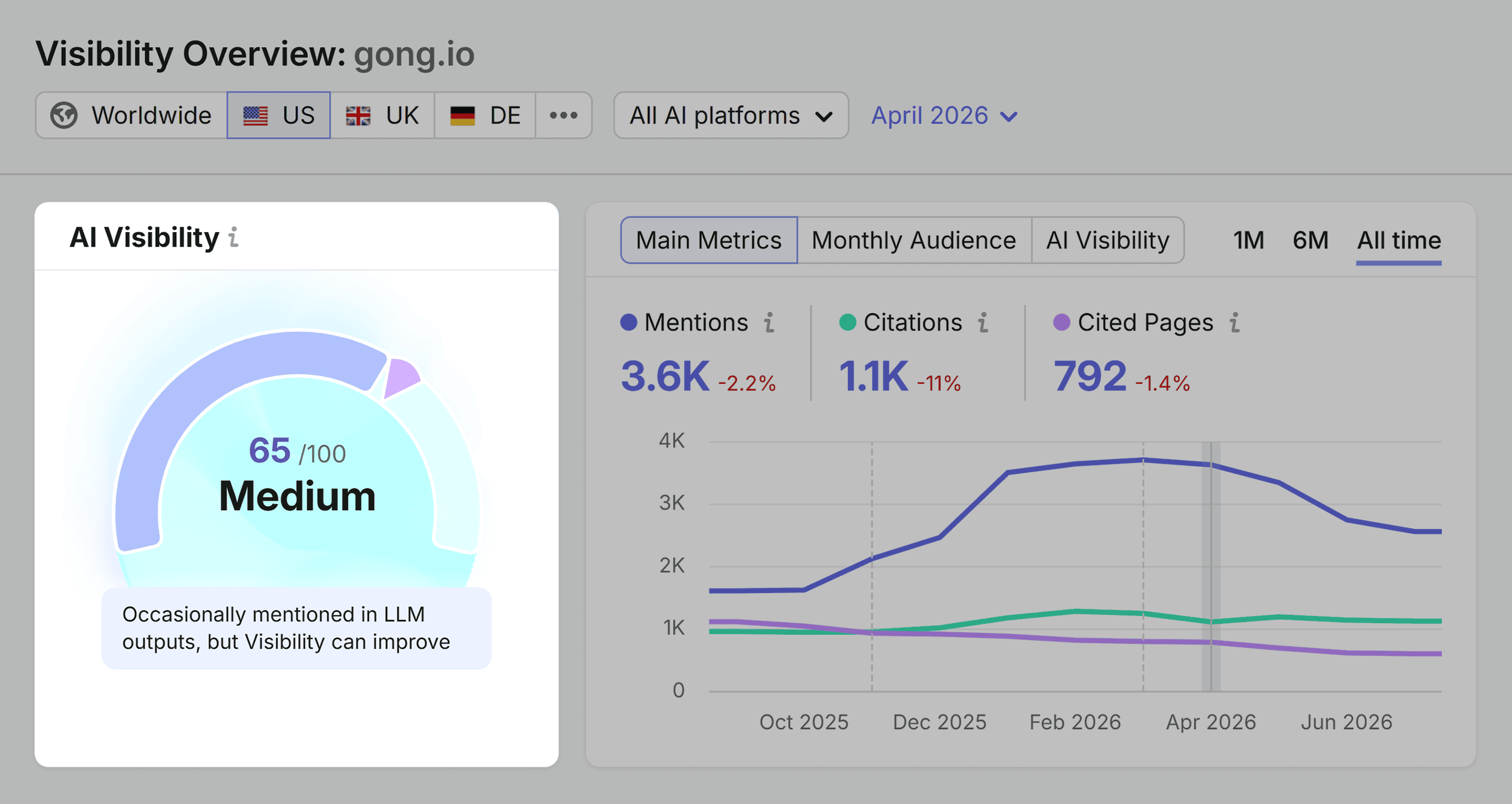
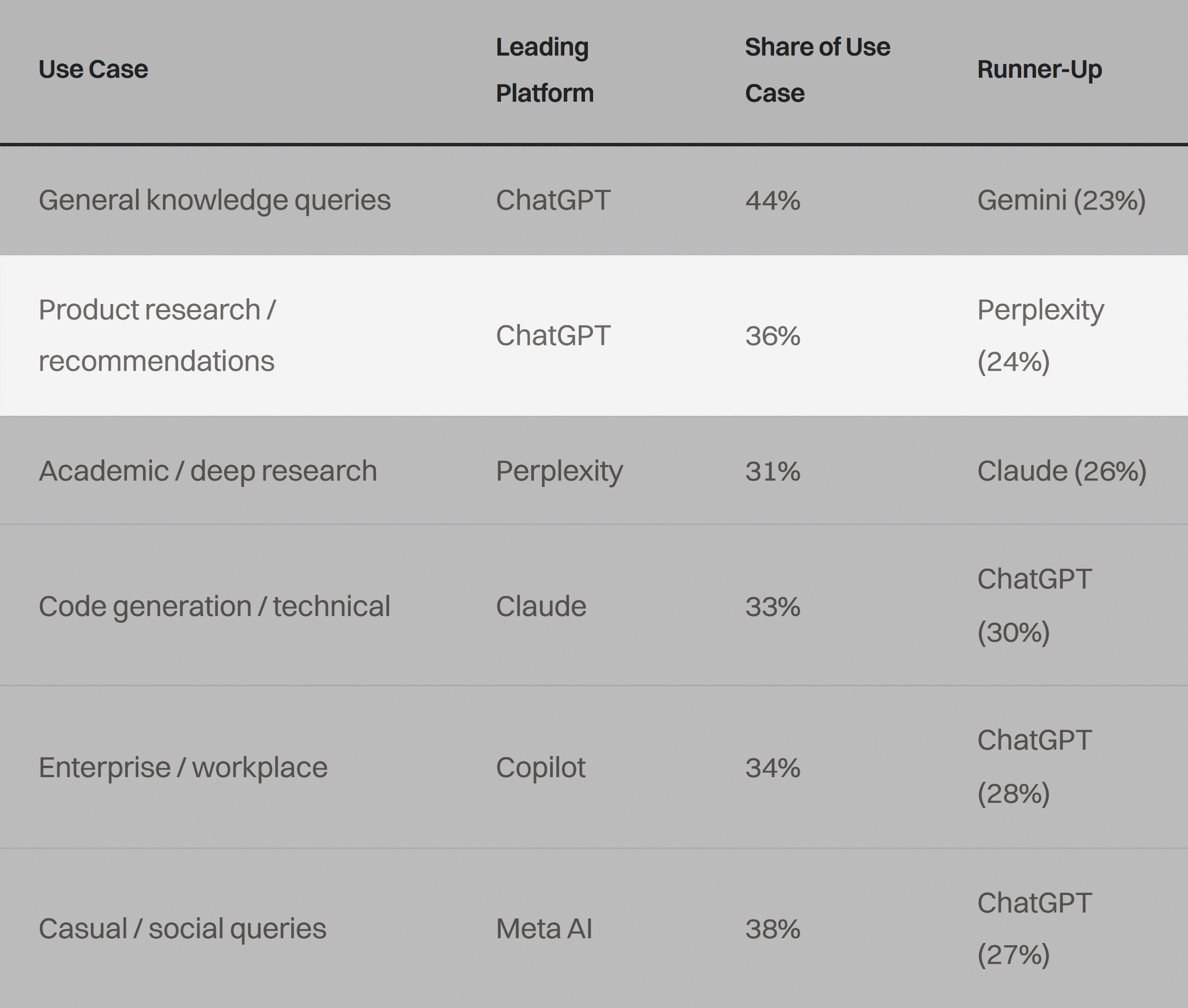
Recent industry data highlights the urgency of this paradigm shift. According to an adoption study published by Orbit Media, 55 percent of United States internet users now rely on conversational AI as a primary or frequent research tool, with 32 percent explicitly utilizing these systems for product recommendations. Similarly, data from G2’s 2026 AI Search Insight Report indicates that 71 percent of B2B software buyers currently rely on AI chatbots for product research, a notable increase from 60 percent in the previous year. These statistics underscore a critical business reality: a growing segment of prospective buyers forms brand opinions and makes purchasing decisions inside AI environments without ever visiting a company’s official website.
Why Conventional SEO Metrics Fall Short
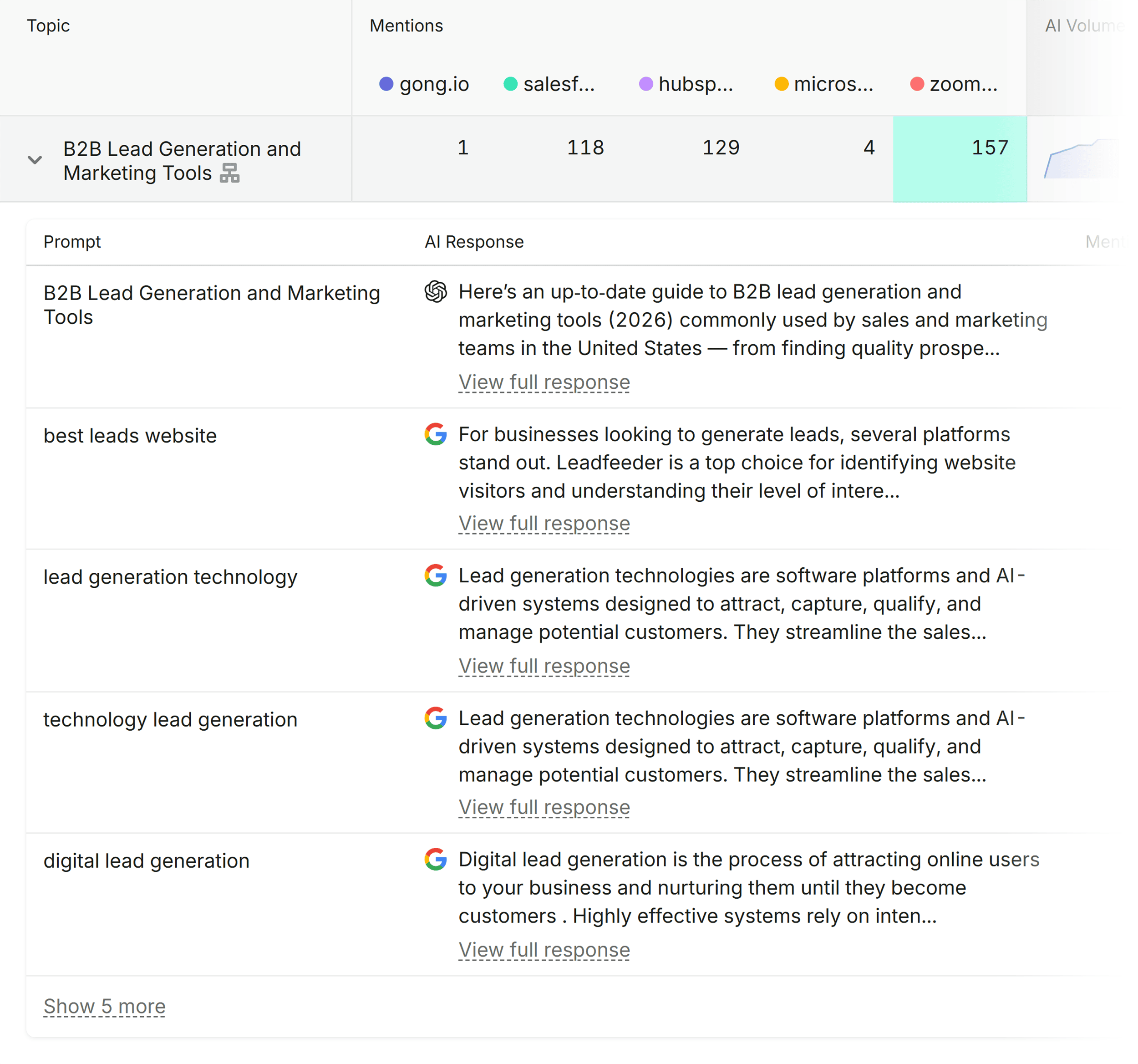
Businesses accustomed to tracking keyword rankings often struggle to adapt to the fluid nature of AI visibility. In traditional SEO, success is measured by proximity to the top position for a designated keyword. In the realm of LLMs, however, a brand may be referenced favorably in one session, omitted entirely in the next, or misrepresented due to outdated training data.
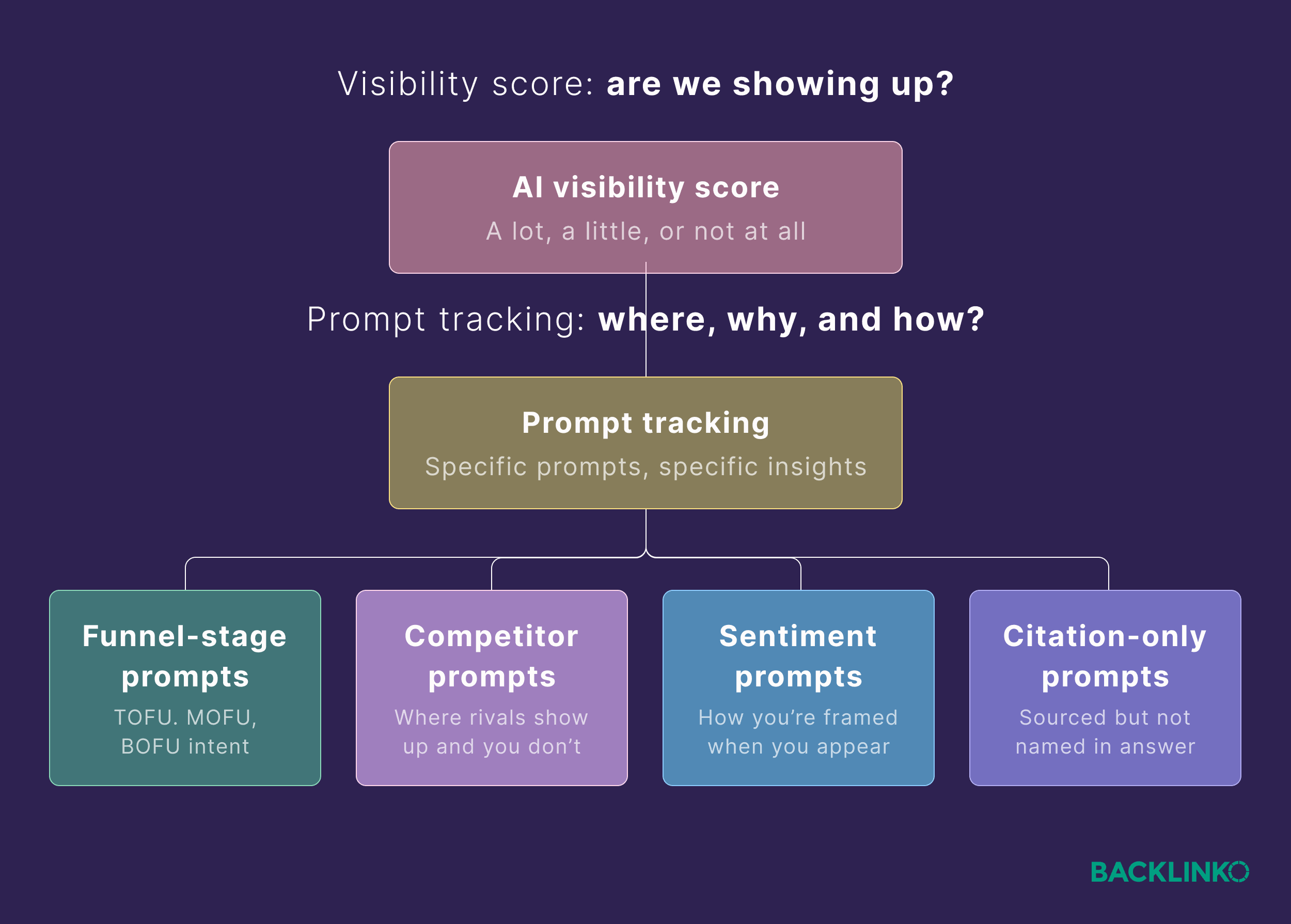
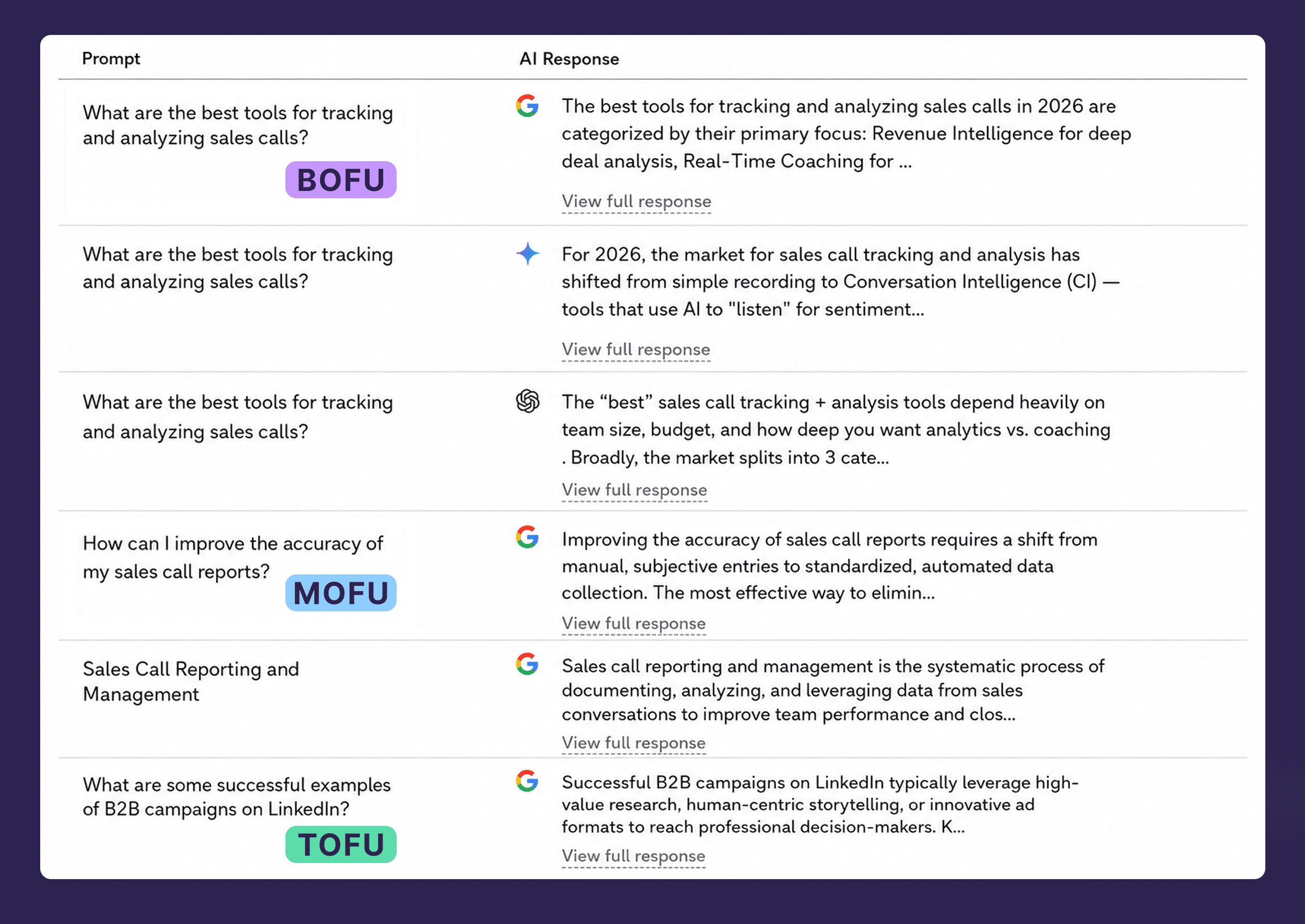
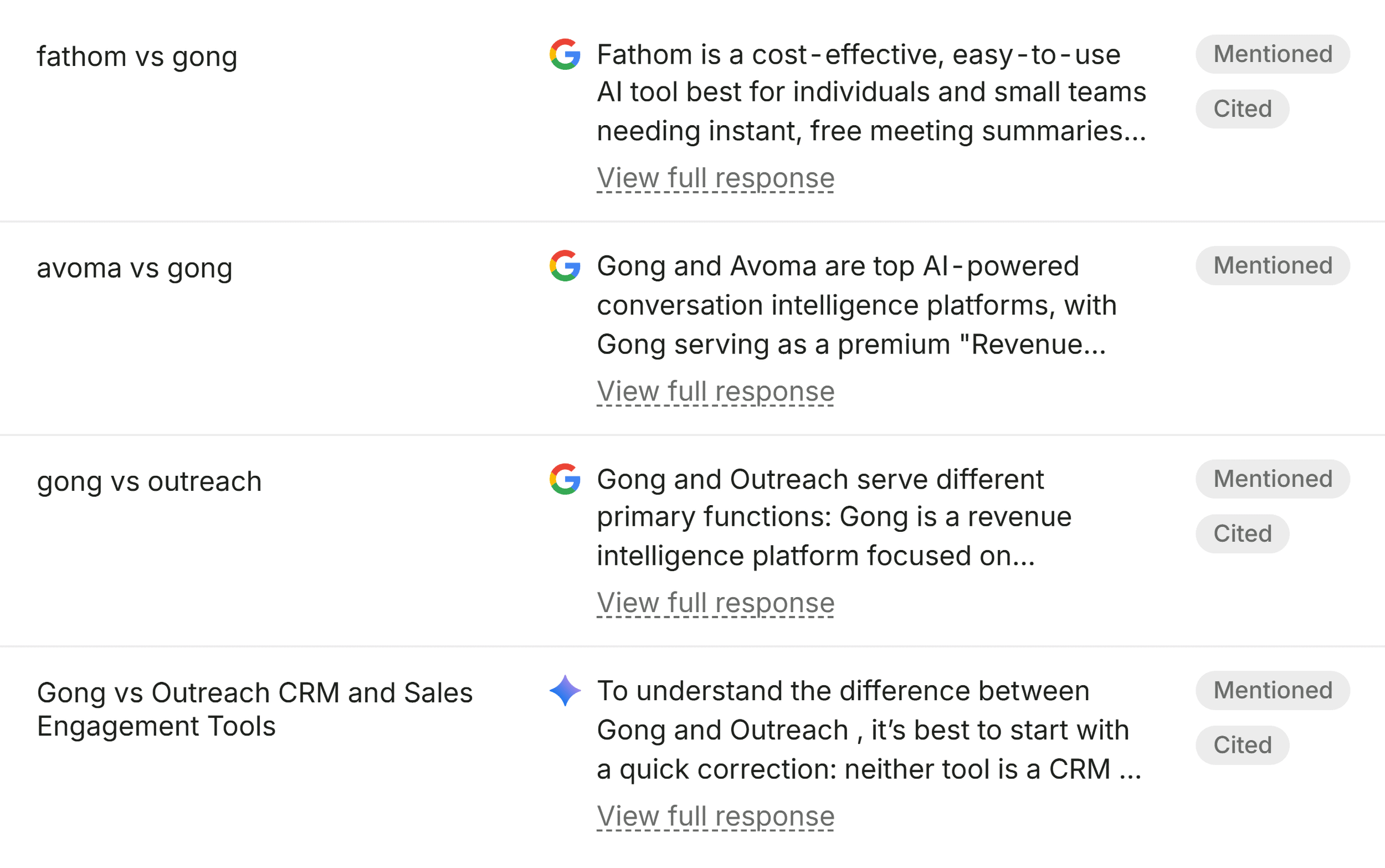
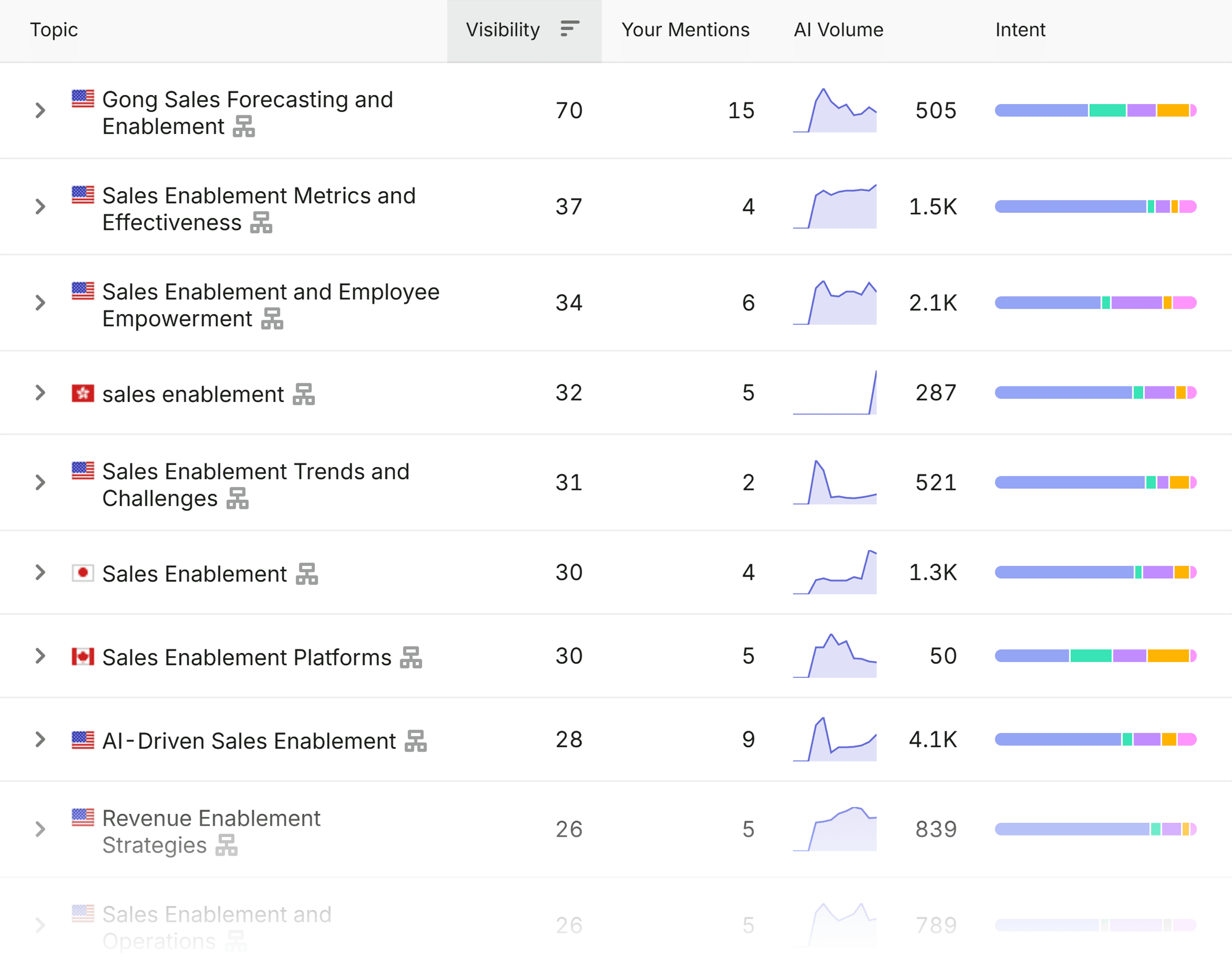
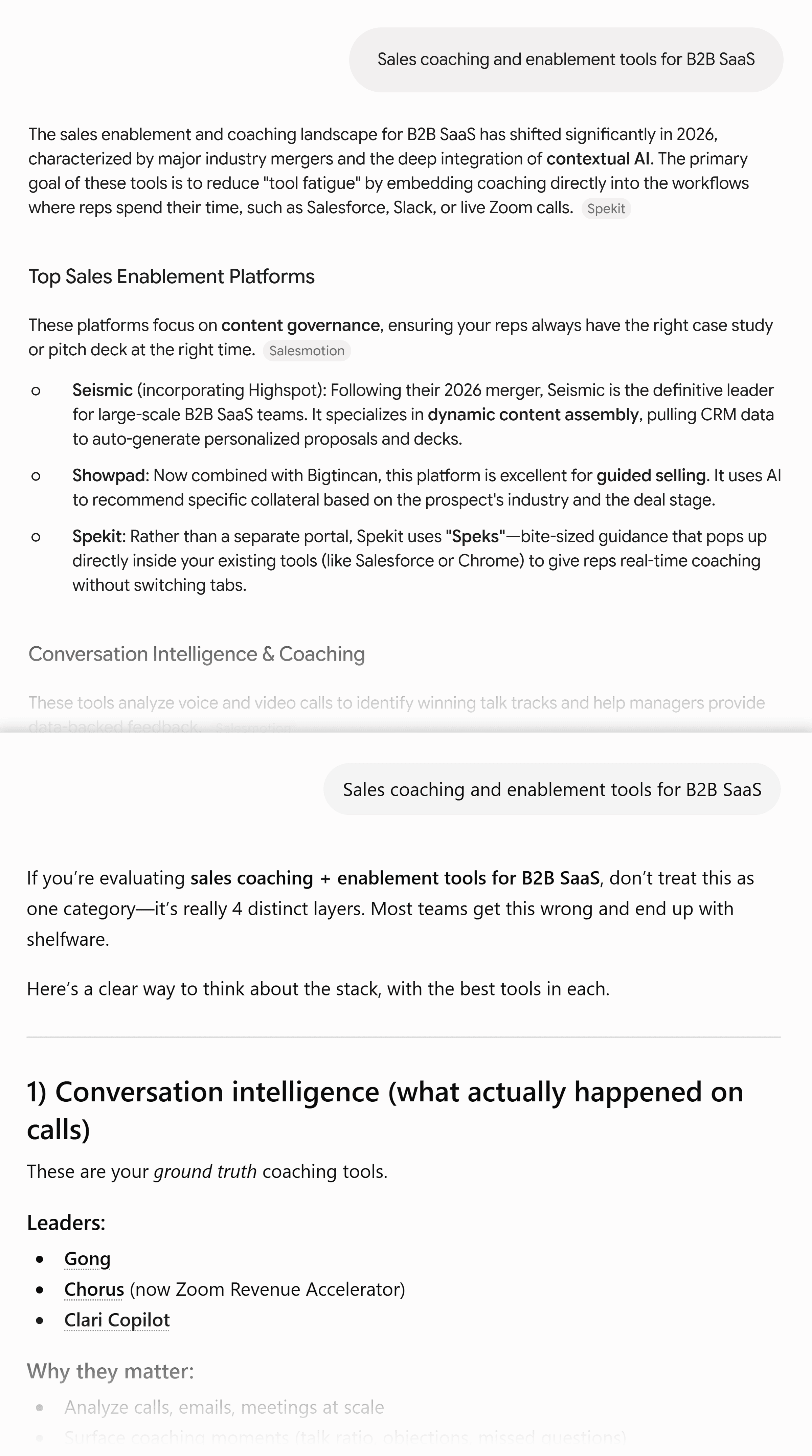
Without a dedicated prompt-tracking framework, organizations are essentially operating blind. They miss crucial directional intelligence, failing to recognize visibility gaps—specific conversational queries where competitors consistently dominate the narrative. For instance, enterprise software companies like Gong maintain high overall AI visibility scores by appearing across top-of-funnel (TOFU), middle-of-funnel (MOFU), and bottom-of-funnel (BOFU) prompts. However, a granular analysis often reveals specific product lines or niche features where competing solutions capture the majority of AI recommendations. Prompt tracking allows marketing and communications teams to isolate these weaknesses, identify underlying content deficiencies, and deploy targeted corrective measures.
Building and Executing an Effective Prompt Tracking Strategy
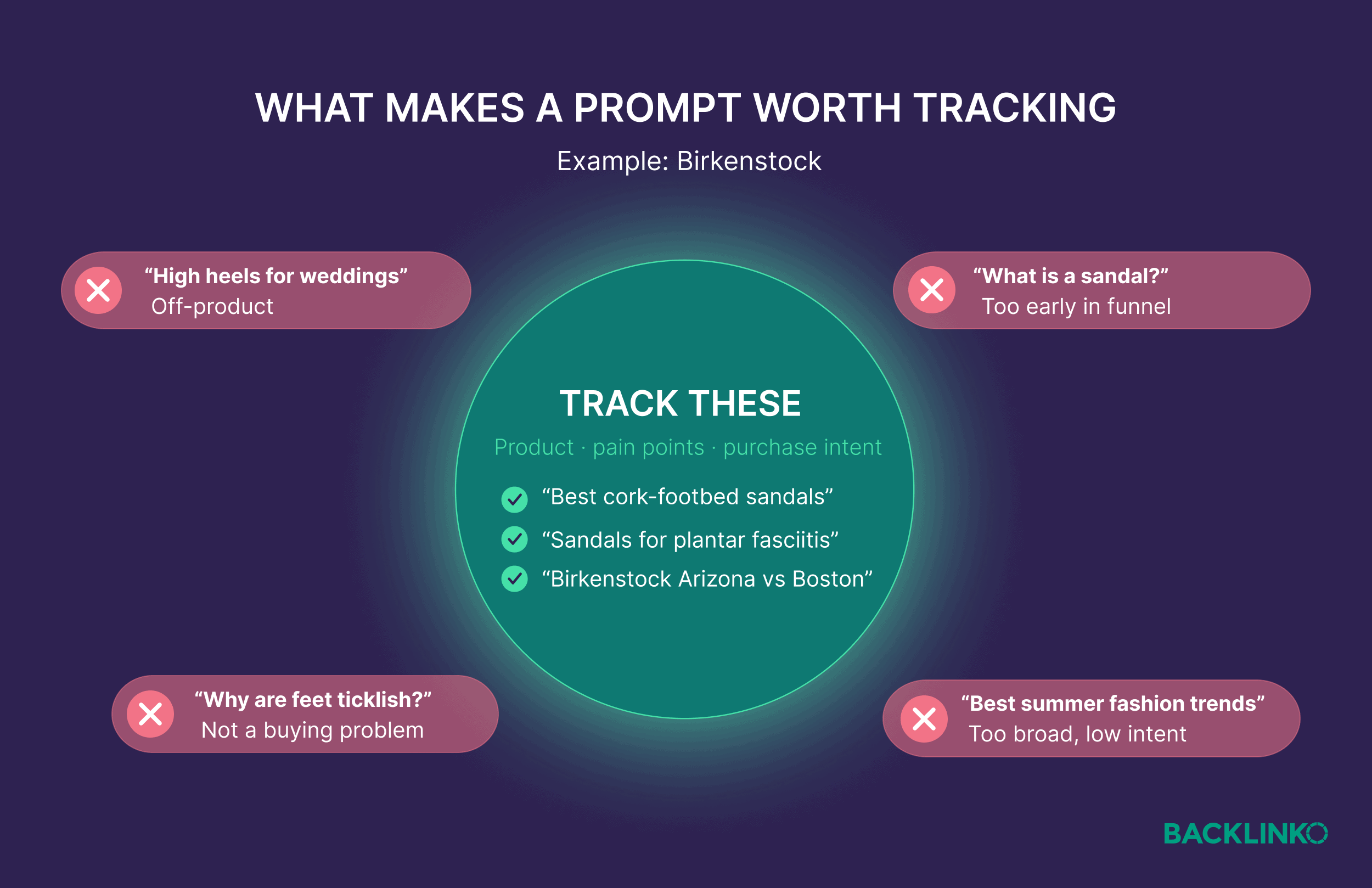
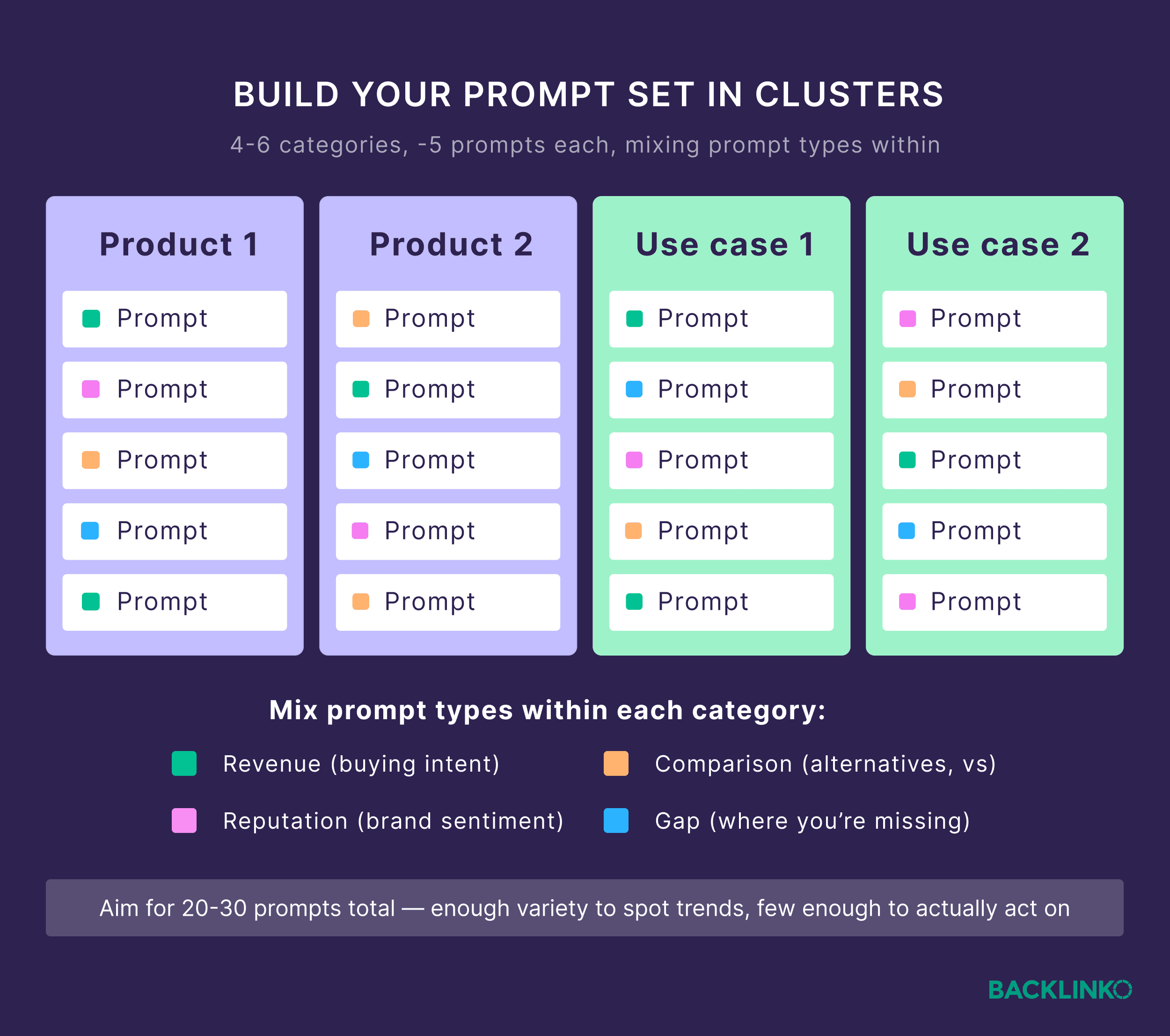
Implementing a robust prompt tracking program does not require monitoring every conceivable user query. Instead, digital strategists recommend curating a targeted set of 20 to 30 prompts distributed across 4 to 6 core categories that directly align with a company’s product offerings, audience pain points, and high-intent purchasing moments.
Effective prompt sets typically encompass four primary categories:
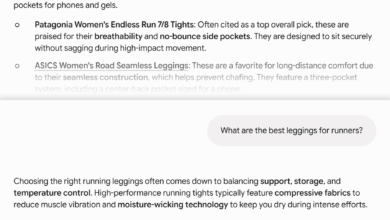
- Evaluation Prompts: Inquiries where users ask for the best solutions within a specific category (e.g., "Best project management software for marketing teams").
- Comparison Prompts: Direct comparisons between competing brands (e.g., "How does Brand A compare to Brand B?").
- Reputation Prompts: Inquiries regarding customer satisfaction, reliability, or value (e.g., "Is Brand X worth the price?").
- Gap Prompts: Specialized or niche inquiries designed to uncover missing visibility areas in secondary markets.
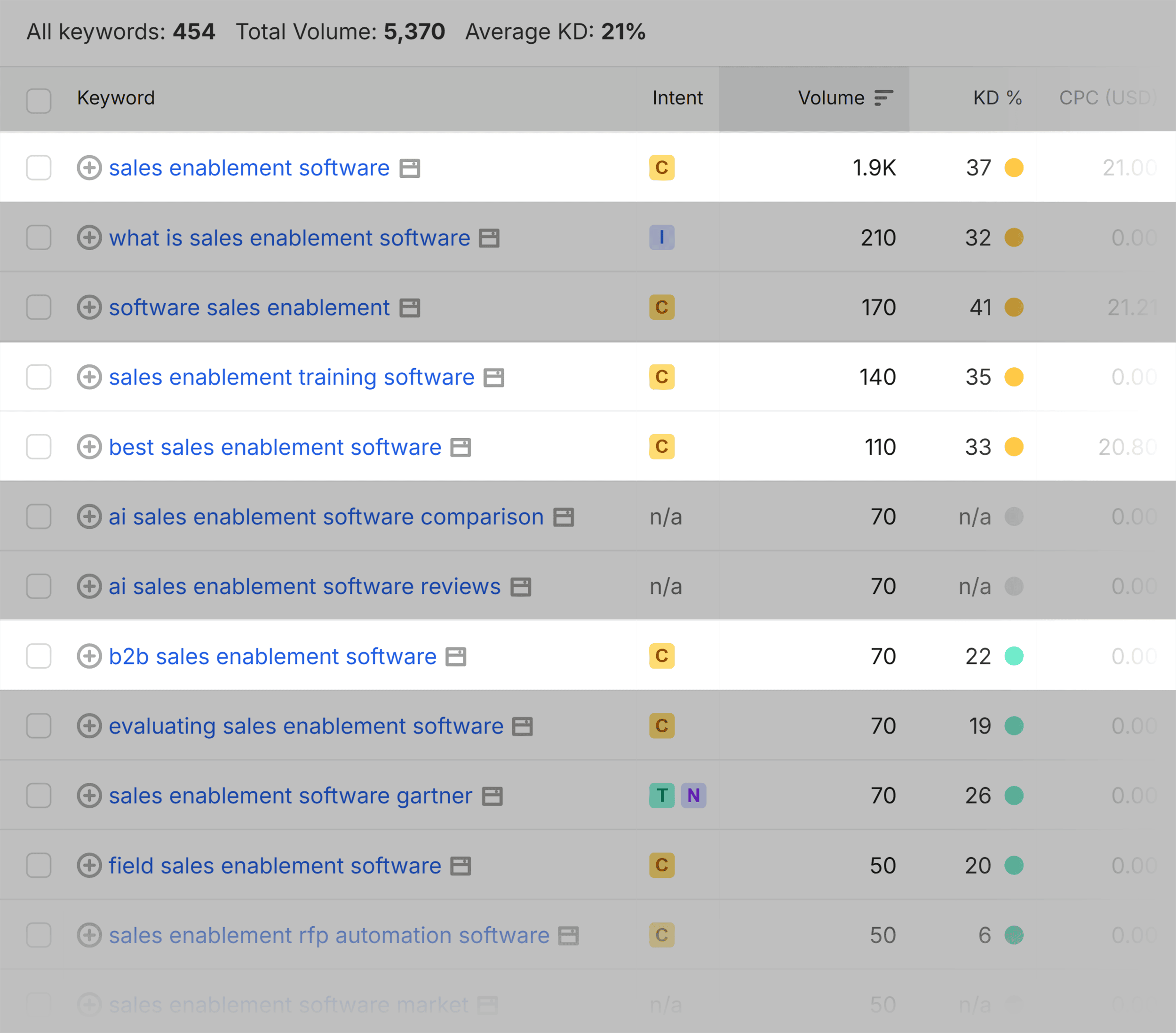
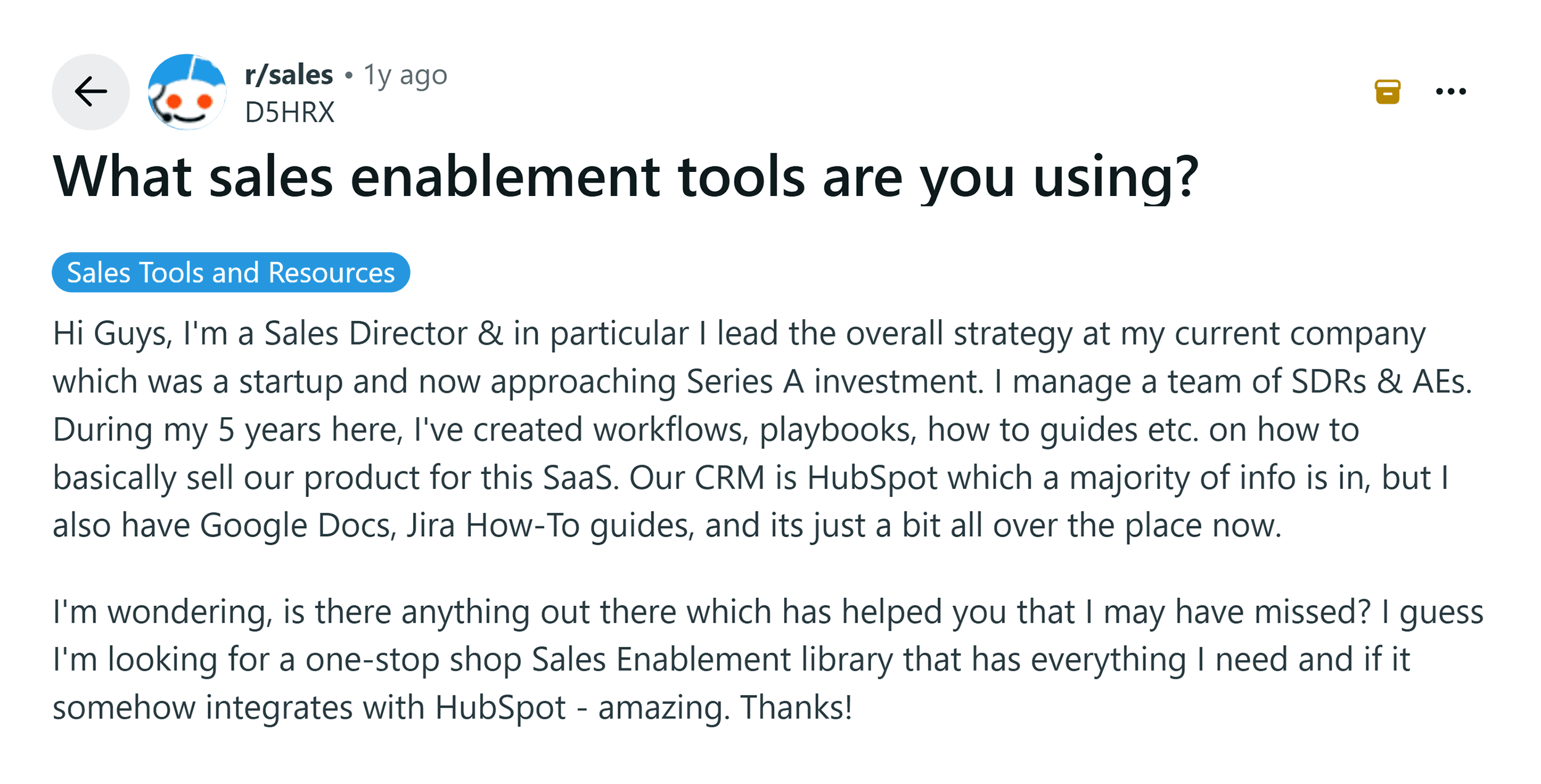
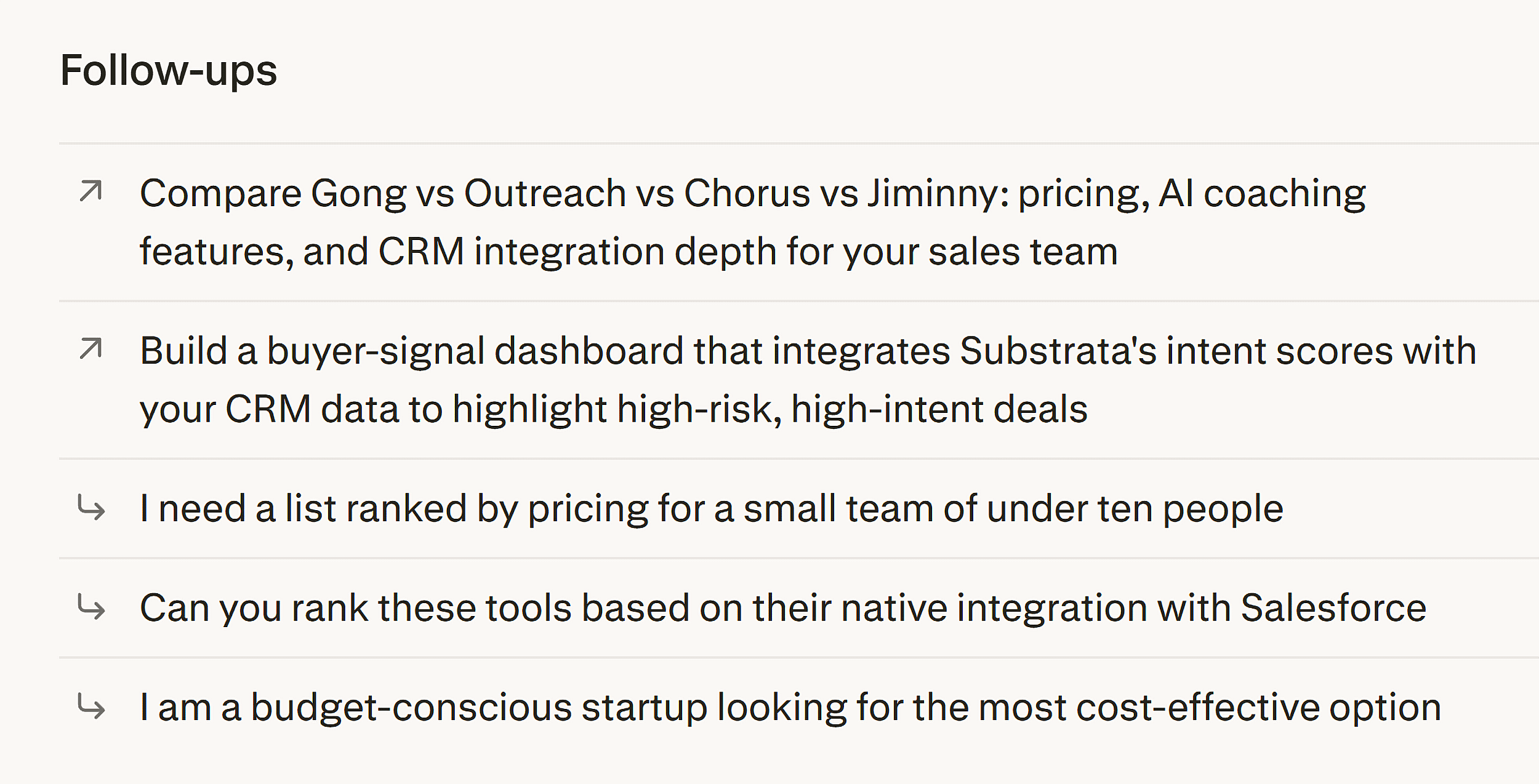
To gather these prompts, organizations can leverage traditional keyword research tools to identify commercial and transactional intent queries, analyze community forums like Reddit to capture authentic user phrasing, and review conversational follow-up suggestions generated by platforms like Perplexity. Automated solutions, such as Semrush’s AI Visibility tool, further streamline this process by providing actual LLM prompt volume data, ranked by frequency and user demand.
Establishing a Step-by-Step Monitoring Workflow
Getting started with prompt tracking requires a disciplined, systematic approach. Industry experts recommend a six-step methodology to ensure data integrity and actionable insights:
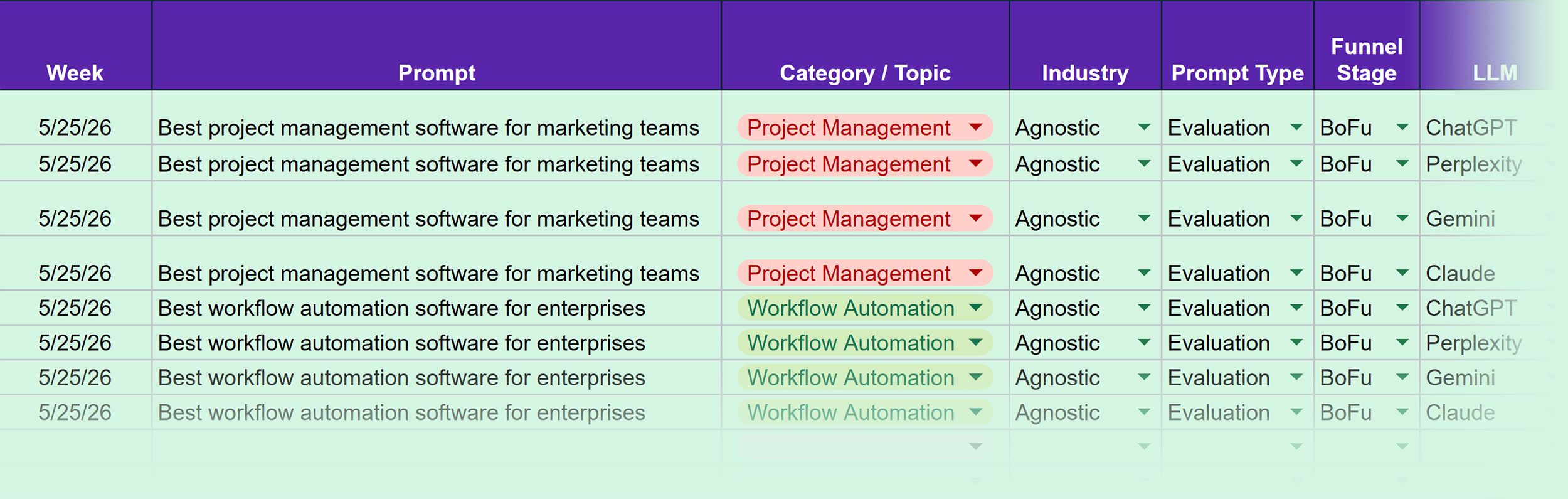
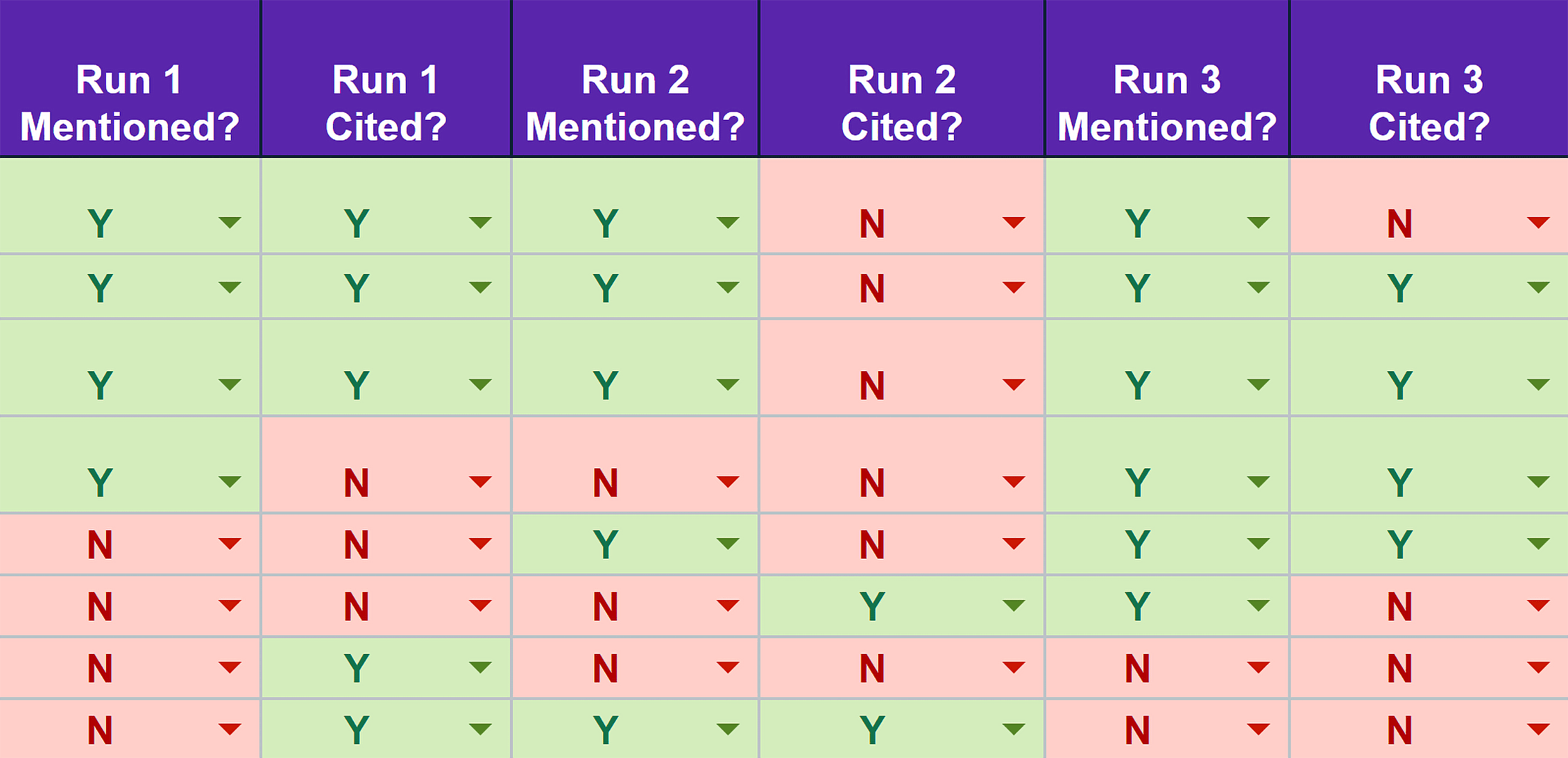
- Create a Structured Tracking Sheet: Establish a centralized document to log prompts, categorization tags, target LLMs, mention rates, sentiment, and competitor presence.
- Query Multiple LLMs: Avoid relying on a single AI platform. Run tracking prompts across major engines including ChatGPT, Gemini, Perplexity, and Copilot to account for differing data sources and indexing behaviors.
- Conduct Multiple Runs (Optional): Where time permits, execute prompts multiple times per session to calculate precise mention frequencies and account for model variance.
- Log Competitor Activity: Systematically record which competitor brands appear alongside your own in AI outputs to identify emerging market threats or successful competitor strategies.
- Review Weekly, Act Monthly: Avoid reacting impulsively to single-week fluctuations. Natural variability in LLM outputs requires observing trends over a minimum of four consecutive weeks before implementing strategic changes.
- Scale with Automation: As tracking requirements expand beyond initial manual limits, transition to automated AI visibility platforms to monitor broader prompt clusters efficiently.
Interpreting Data and Avoiding Common Misreads
Analyzing generative AI metrics requires caution to prevent misinformed strategic pivots. A common pitfall for organizations is misinterpreting a single week of diminished visibility as a systemic failure, when it may simply represent temporary model volatility. Conversely, artificially inflating tracking sheets with heavily branded queries—inquiries containing the company’s explicit name—will yield misleadingly positive visibility scores that offer no genuine business intelligence.
When a sustained downward trend is identified across four or more weeks, digital marketing teams must investigate the root causes. Often, the solution involves updating on-site documentation, securing placements in authoritative third-party publications frequently cited by LLMs, or engaging in proactive public relations and review management campaigns. Research indicates that approximately 85 percent of brand mentions in AI outputs originate from third-party sources; therefore, optimizing off-site visibility on trusted platforms like G2, Capterra, Reddit, and industry trade publications is often the most effective lever for improving AI recommendation rates.
Implications for the Future of Brand Discovery
As artificial intelligence continues to reshape the architecture of global information retrieval, prompt tracking is transitioning from an experimental tactic to an essential component of corporate strategy. Organizations that master LLM visibility tracking gain a distinct competitive advantage, enabling them to safeguard their market reputation, correct inaccurate information before it impacts sales, and ensure their products remain central to modern consumer research. By replacing guesswork with structured, data-driven observation, businesses can successfully navigate the complexities of the answer economy and secure their position in the future of digital discovery.