SEO Services Industry Navigates Complexity with $119.4 Billion Annual Spending Amidst Evolving Landscape

The landscape of SEO services has undergone profound transformations in recent years, propelled by dynamic shifts in consumer search behavior, the integration of AI-powered search results, and an ever-intensifying competitive environment across virtually all industries. A comprehensive new report, drawing upon data from multiple authoritative sources including a survey of 1,200 business owners, sheds critical light on the current state of this vital digital marketing sector, revealing significant spending, varied client satisfaction levels, and key factors influencing provider selection and retention.

A Multi-Billion Dollar Industry Under Scrutiny
The sheer scale of investment in search engine optimization underscores its perceived importance in the modern economy. In 2025, companies within the United States are projected to spend a staggering $119.4 billion annually on SEO and digital marketing consulting. This monumental expenditure reflects the increasing understanding among businesses that a robust online presence and high visibility in search engine results are no longer optional but fundamental to survival and growth.
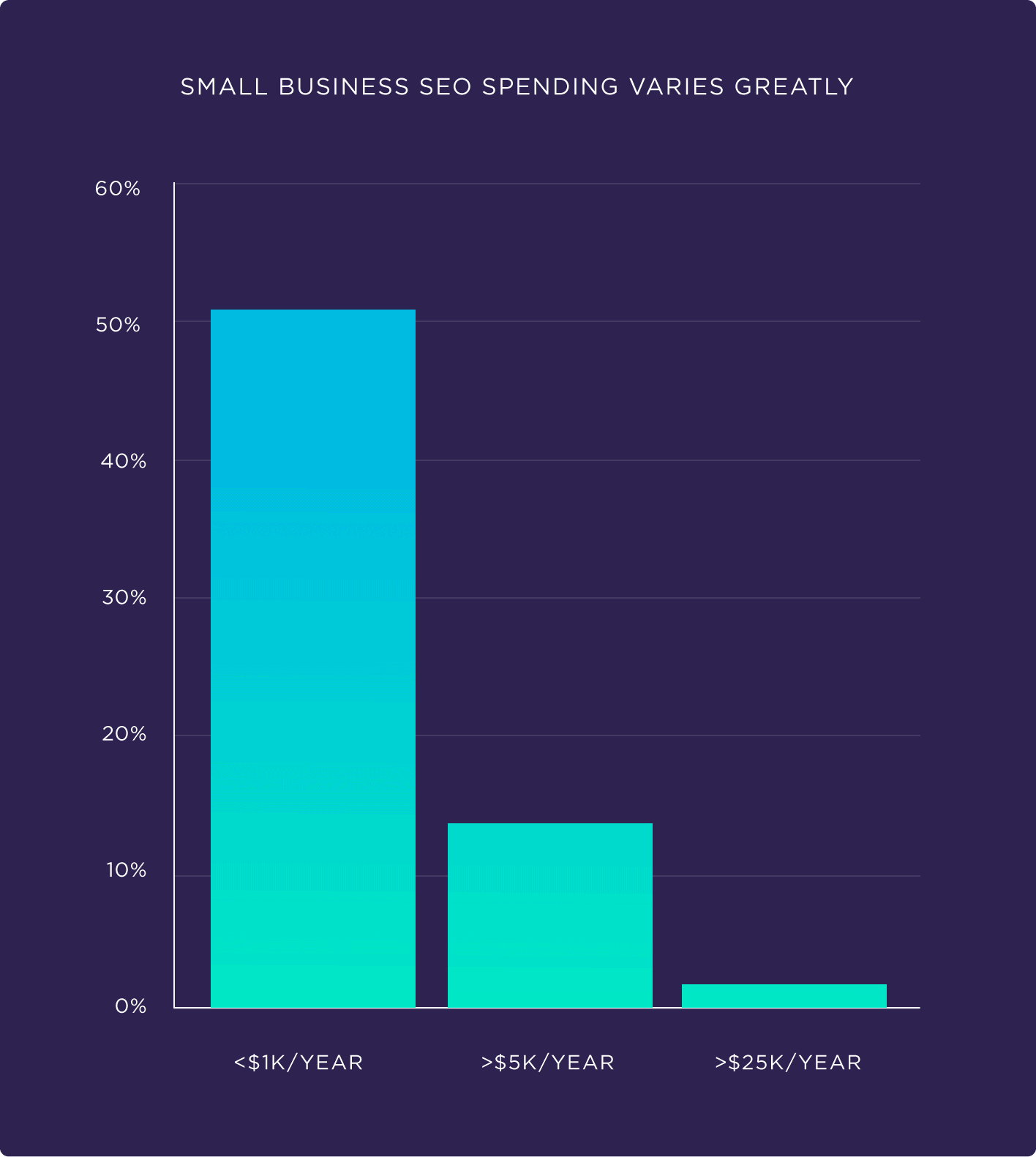
Despite this substantial financial commitment, the report highlights a significant disparity in how these funds are allocated and the resulting satisfaction. While the average small business was found to spend approximately $497.16 per month on SEO services in earlier research (2019 data), the current analysis reveals a wide spectrum of investment. Half of all respondents reported annual SEO spending of less than $1,000, indicating a large segment of businesses making minimal investment. In stark contrast, 14% invest over $5,000 annually, with a select 2% dedicating more than $25,000 per year to SEO initiatives.
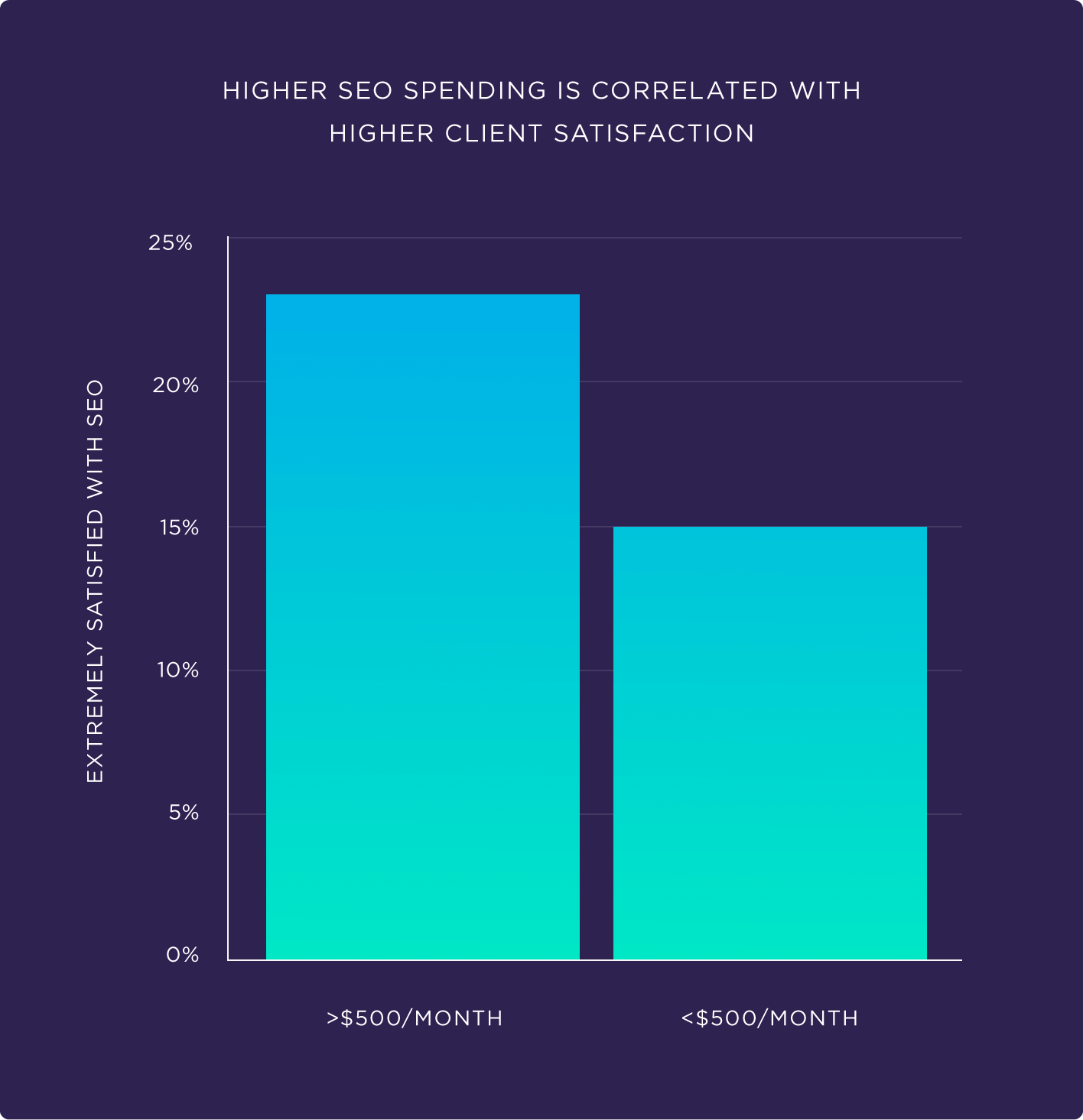
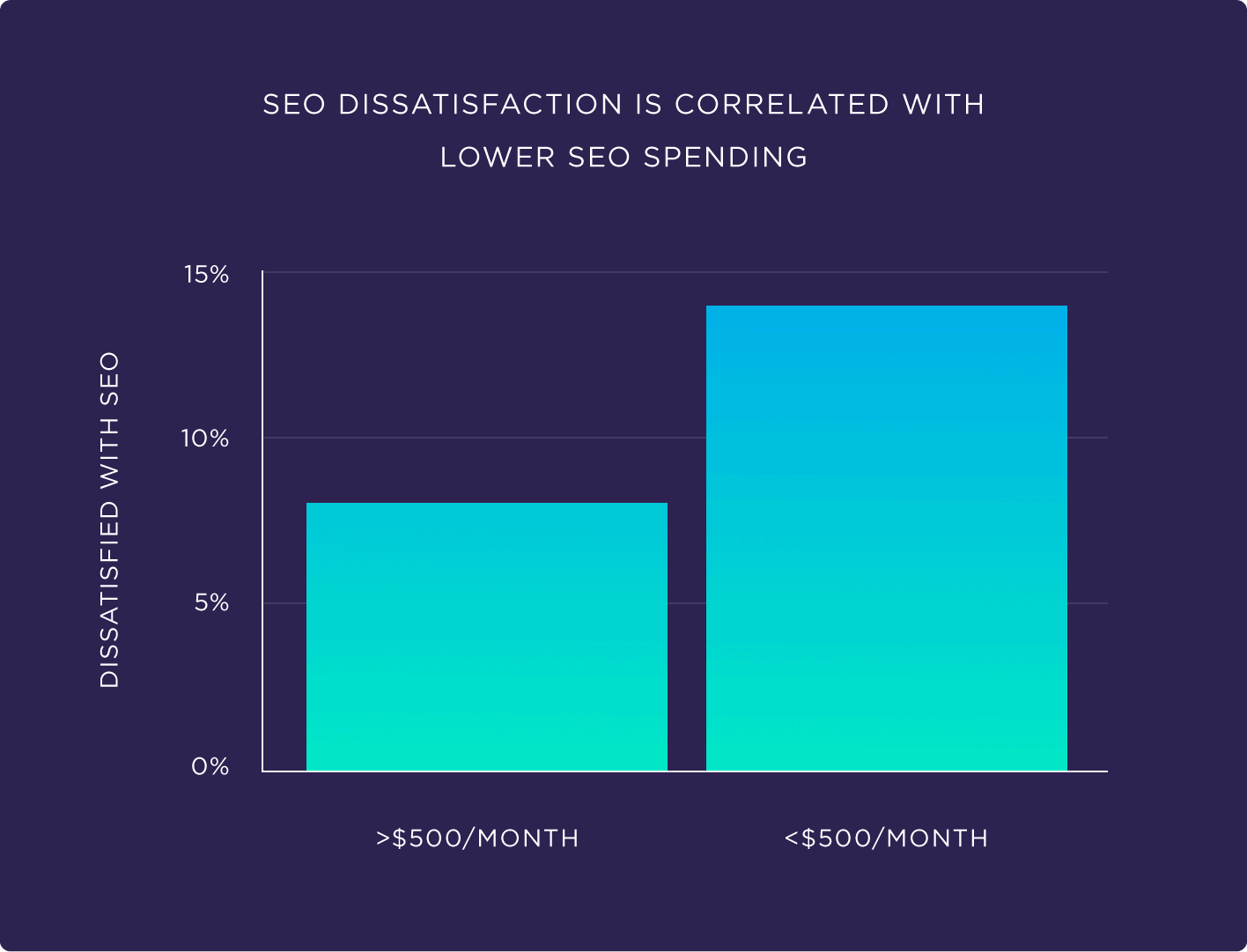
A crucial finding is the strong correlation between higher spending and elevated client satisfaction, particularly within the small business segment. Clients investing over $500 per month were found to be 53.3% more likely to be "extremely satisfied" compared to those spending less. Conversely, business owners with lower monthly expenditures (under $500) were 75% more likely to express dissatisfaction. This suggests a fundamental truth in the SEO realm: adequate investment is often a prerequisite for achieving the desired results and, consequently, client contentment.
Provider Dynamics: Agencies vs. Freelancers
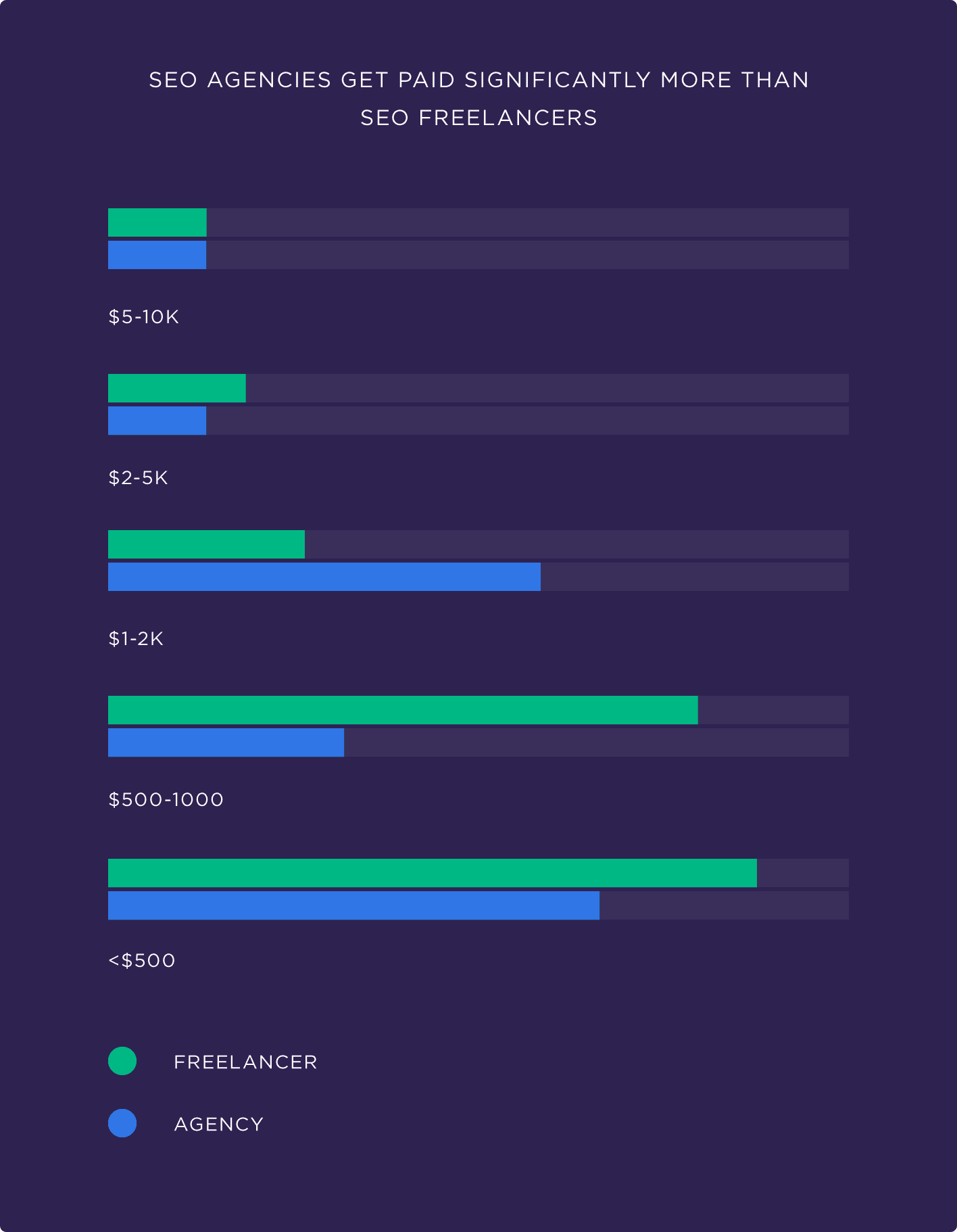
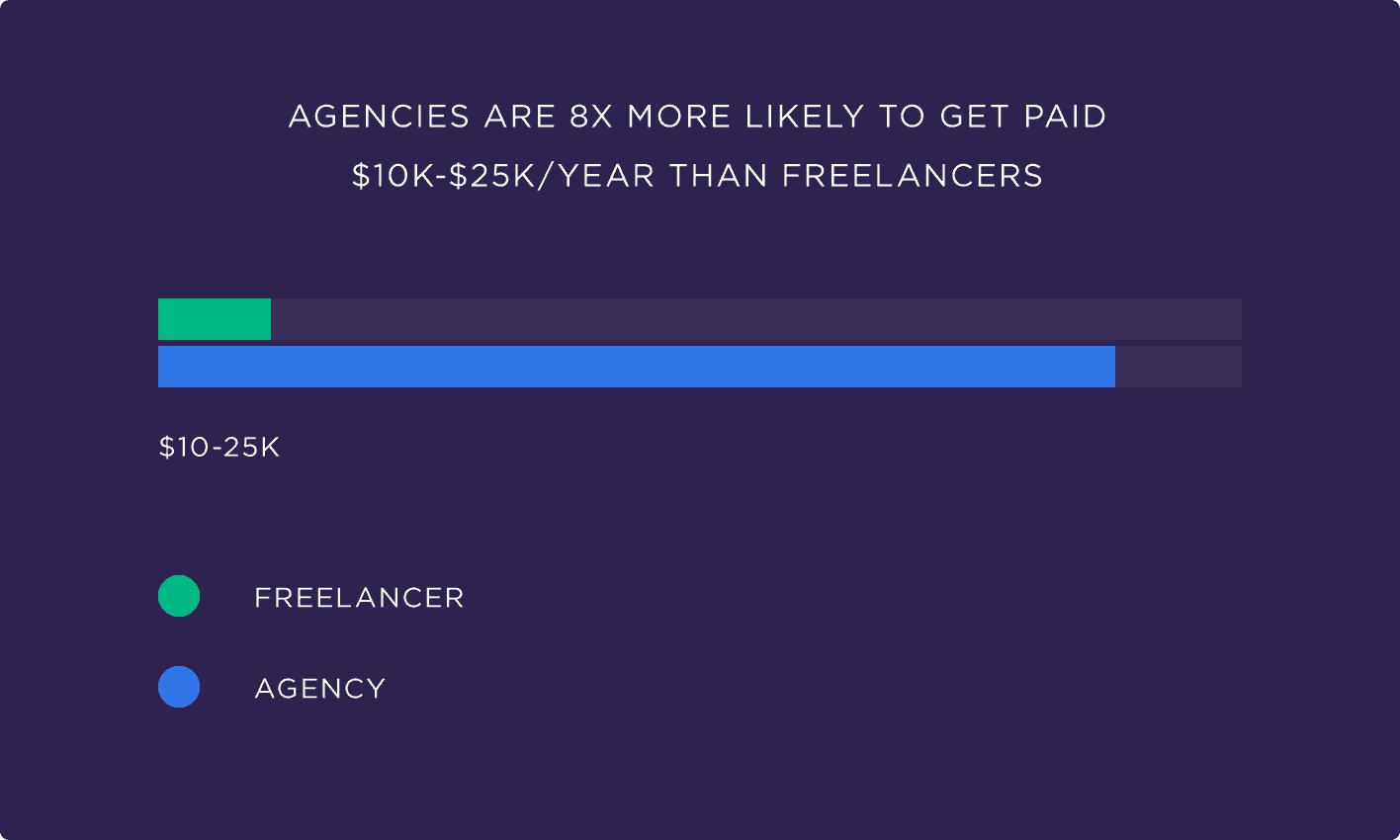
The report also dissects the market dynamics between different types of SEO providers. Agencies, benefiting from their typically broader resource base and established infrastructures, command significantly higher fees than freelance SEO professionals. Agencies were twice as likely to secure monthly payments in the $1,000-$2,000 range compared to freelancers, who predominantly operate within the $500-$1,000 bracket. Furthermore, agencies overwhelmingly dominate the high-end market, with 24% of small businesses working with agencies spending $10,000-$25,000 per year on SEO, compared to a mere 2% for freelance engagements. This discrepancy points to a perceived value and capability gap, with businesses willing to invest more for the comprehensive services and stability often associated with agencies.
The Quest for the Right SEO Partner: Reputation Reigns Supreme
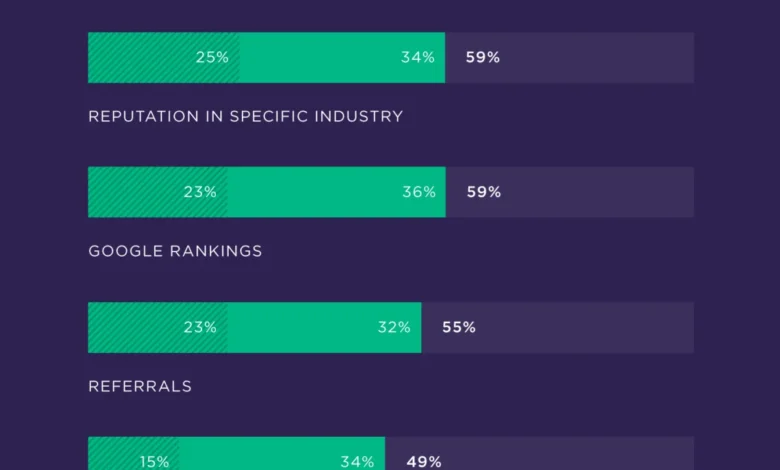
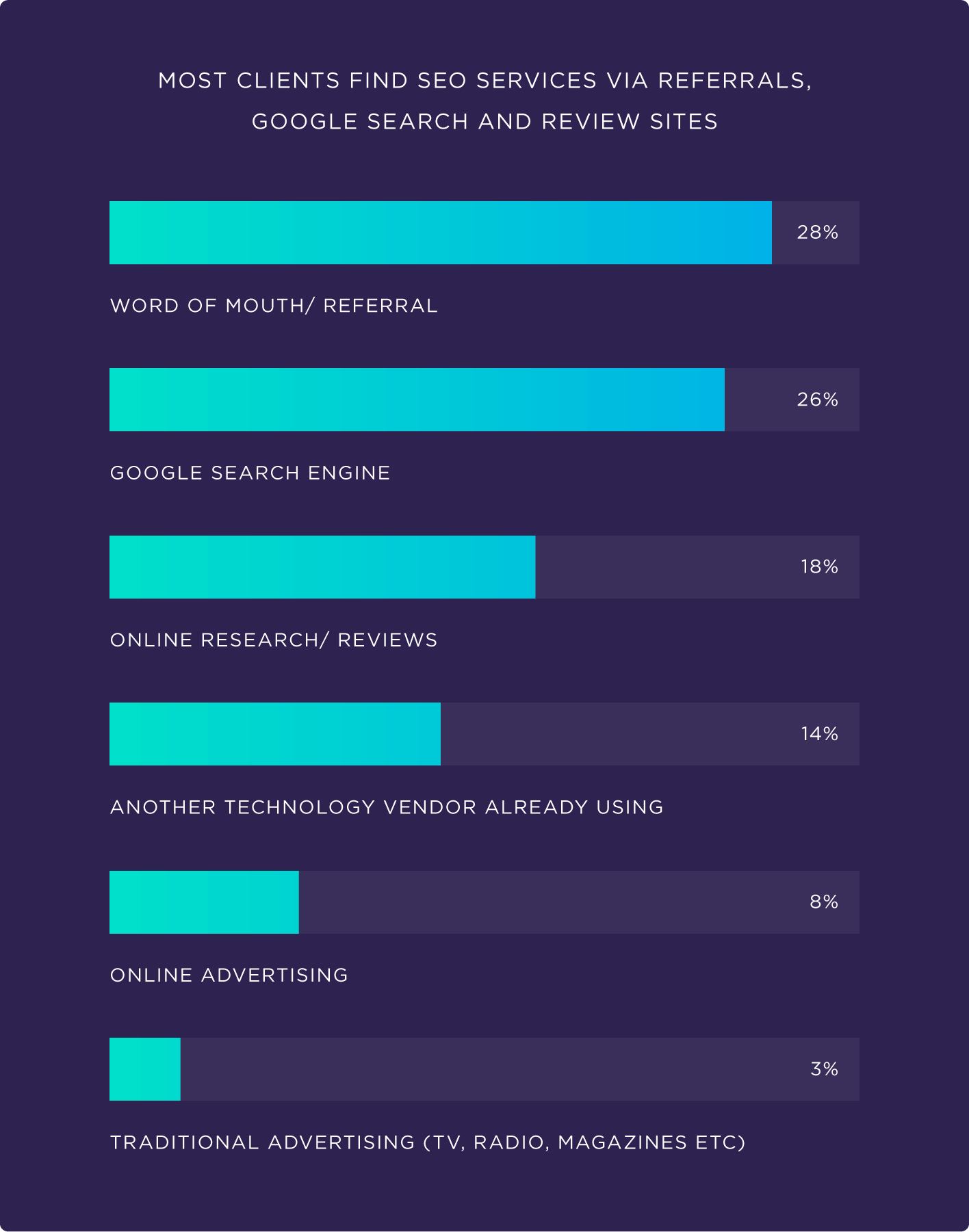
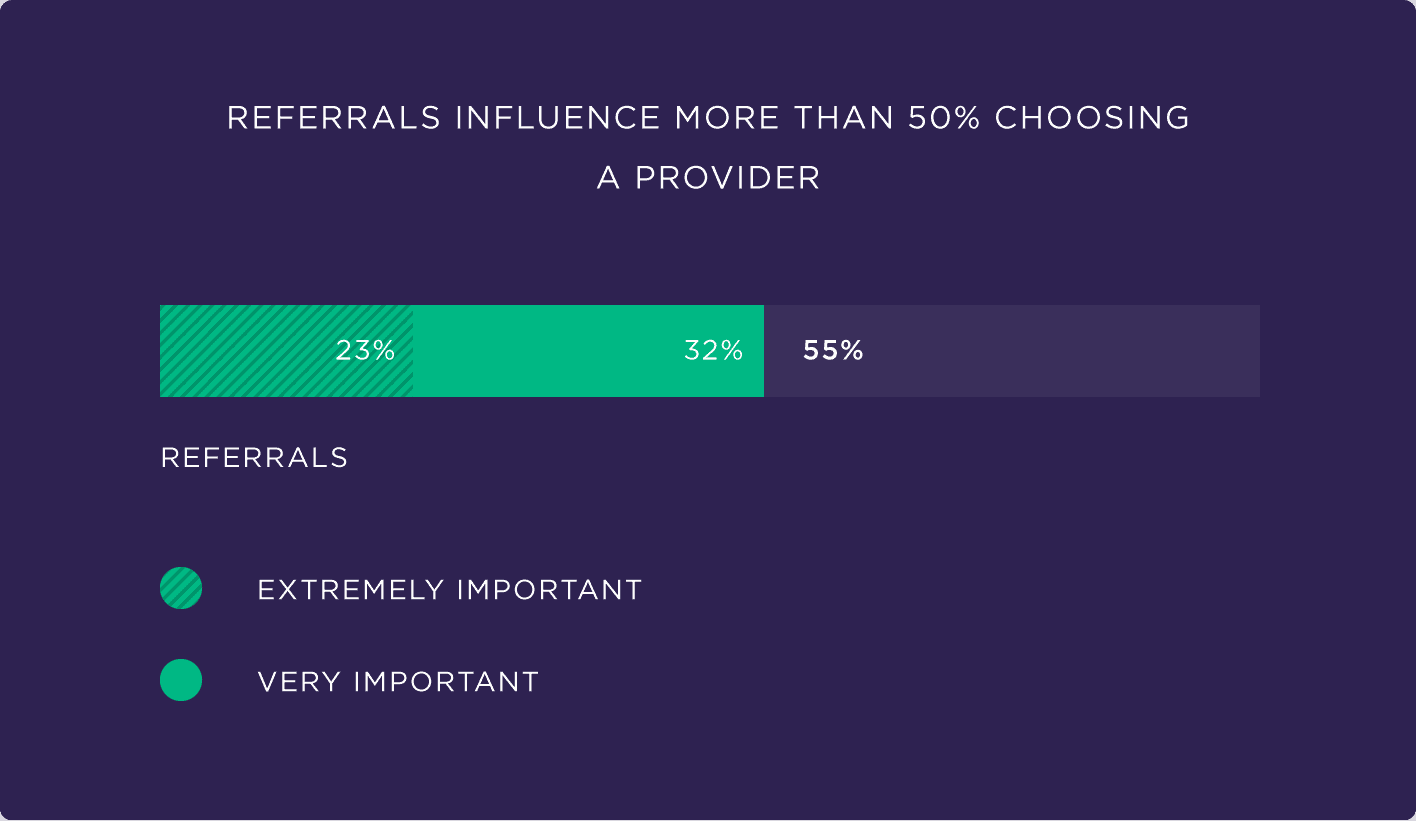
When businesses embark on the search for an SEO provider, their pathways are remarkably consistent. The majority of small business owners identify potential partners through trusted referrals, direct Google searches, and online review platforms such as Yelp. Interestingly, online advertising plays a minor role in this initial discovery phase, with only 8% of clients finding their current provider through such means. This highlights the enduring power of word-of-mouth and organic search visibility even for businesses specializing in organic search.
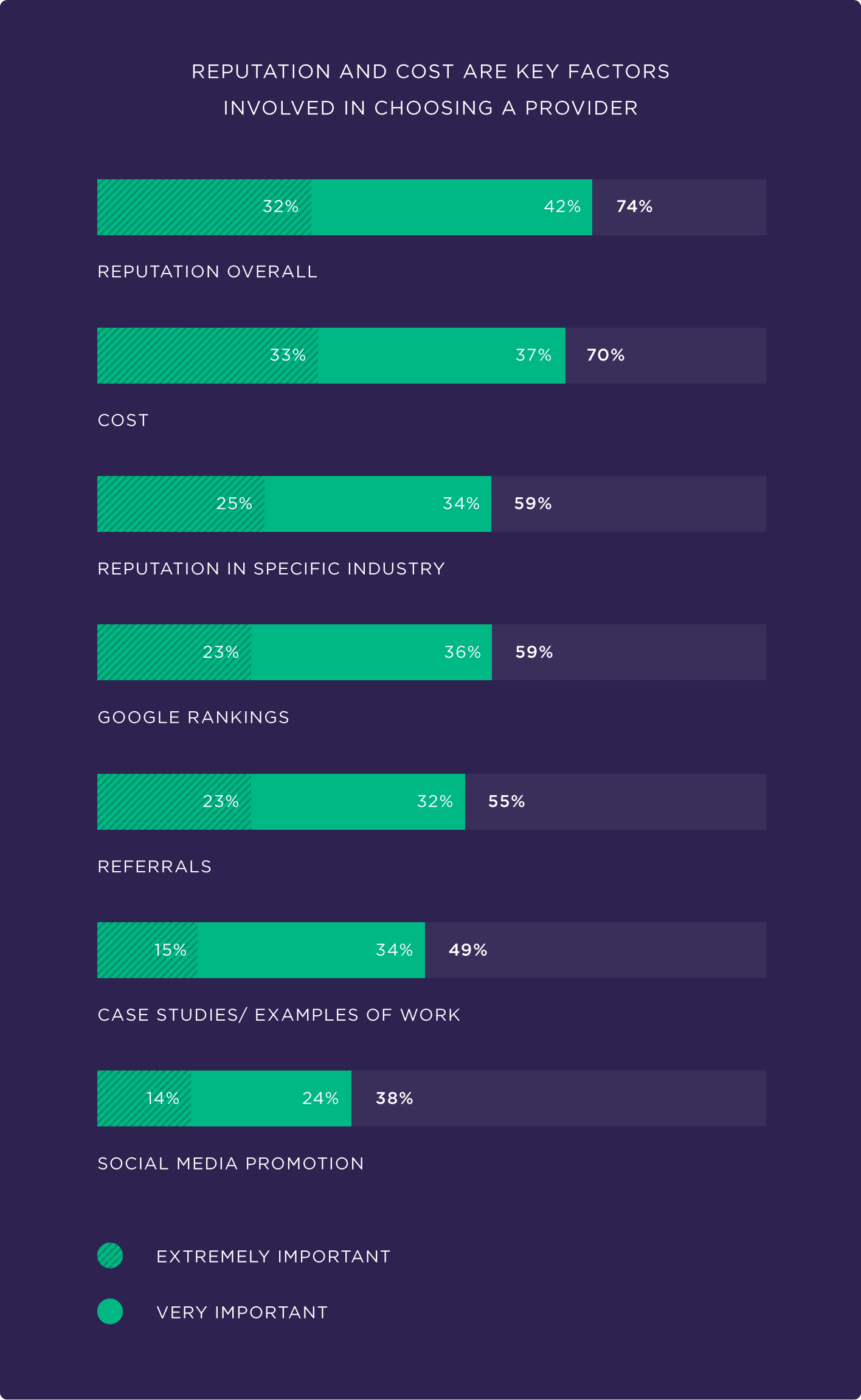
The decision-making process for selecting a provider is heavily influenced by a few key factors. Reputation stands out as paramount, with 74% of business owners deeming it "very" or "extremely" important. Monthly cost and the provider’s own Google rankings are also significant considerations, serving as tangible indicators of competence and value. While factors like client case studies and social media presence hold less weight individually, they contribute to the overall perception of a provider’s reputation.
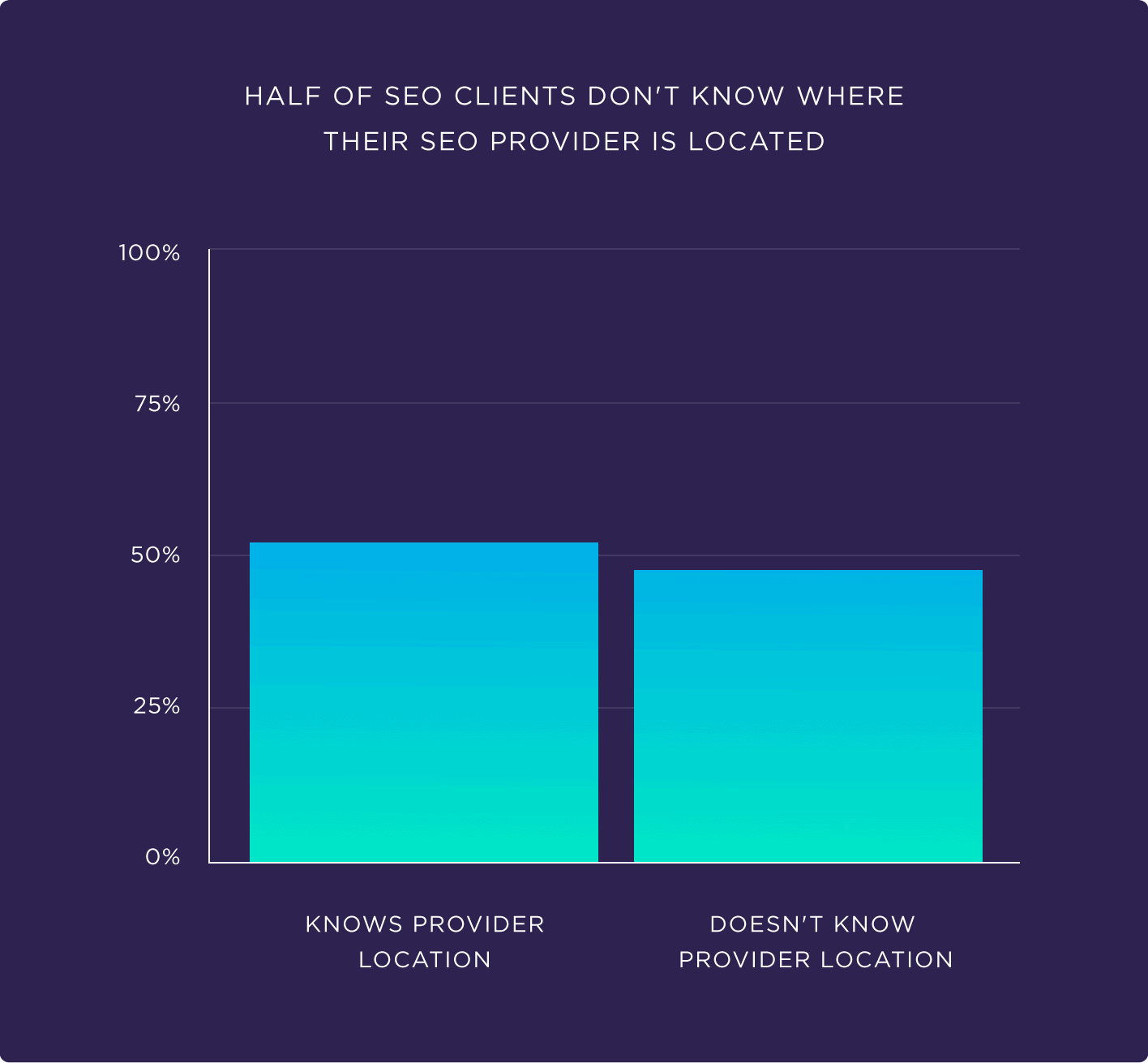
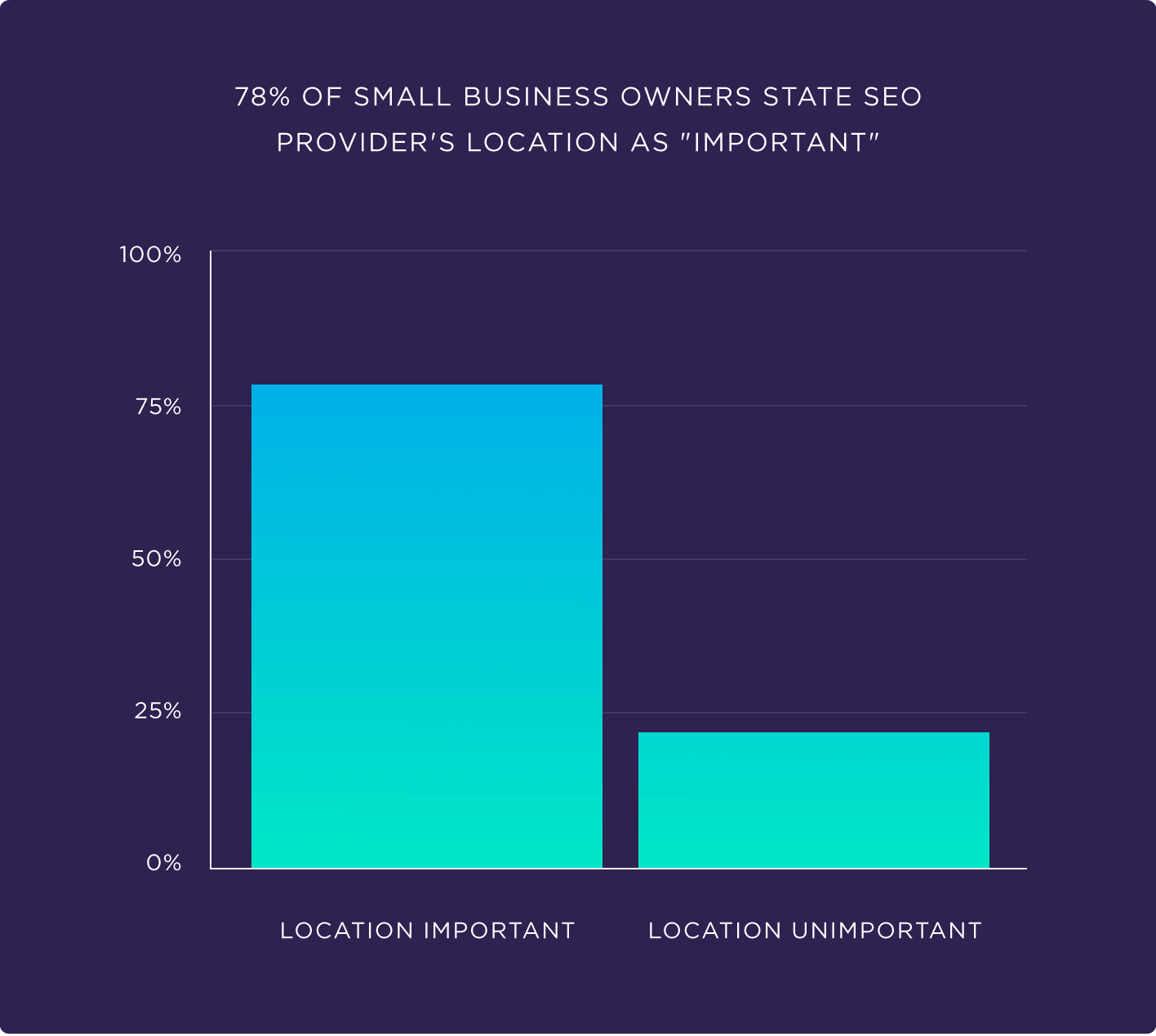
A surprising insight from the report is the importance of a provider’s physical location. Despite the increasingly global and remote nature of digital services, 78% of US-based small businesses consider knowing their provider’s location "extremely" or "very" important, with 46% emphasizing it as "extremely important." This suggests a desire for perceived proximity, accountability, or perhaps the option for in-person meetings, even if rarely exercised. SEO providers are encouraged to prominently display their location, perhaps even with visual cues like office photos, to foster trust and meet this client expectation.
High Expectations and the AI Revolution
The demand for SEO services continues its upward trajectory, primarily driven by the increasing complexity of search algorithms and the impracticality for many businesses to manage sophisticated SEO strategies in-house. A substantial 61% of companies seek external SEO expertise due to a lack of internal knowledge, while others outsource due to time constraints, resource limitations, or the inability to achieve scalable results independently.
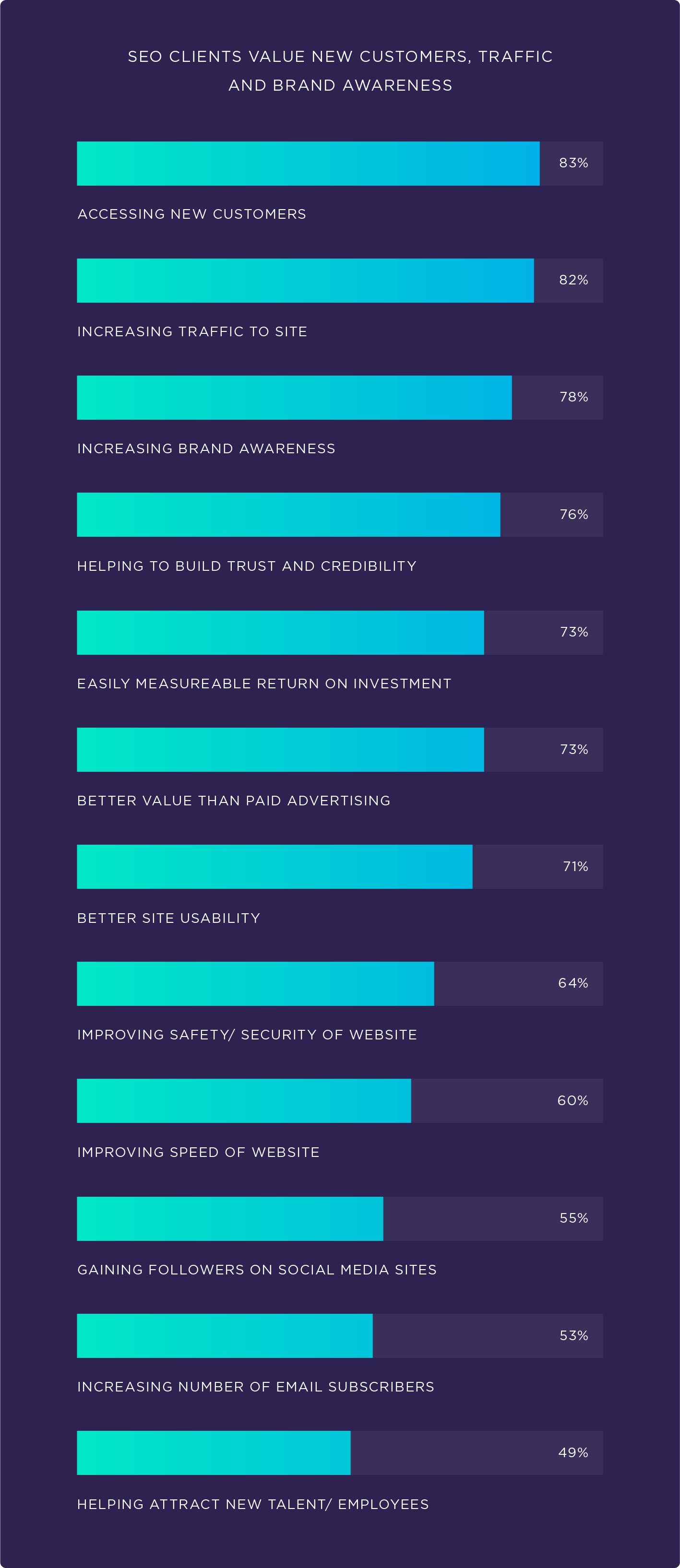
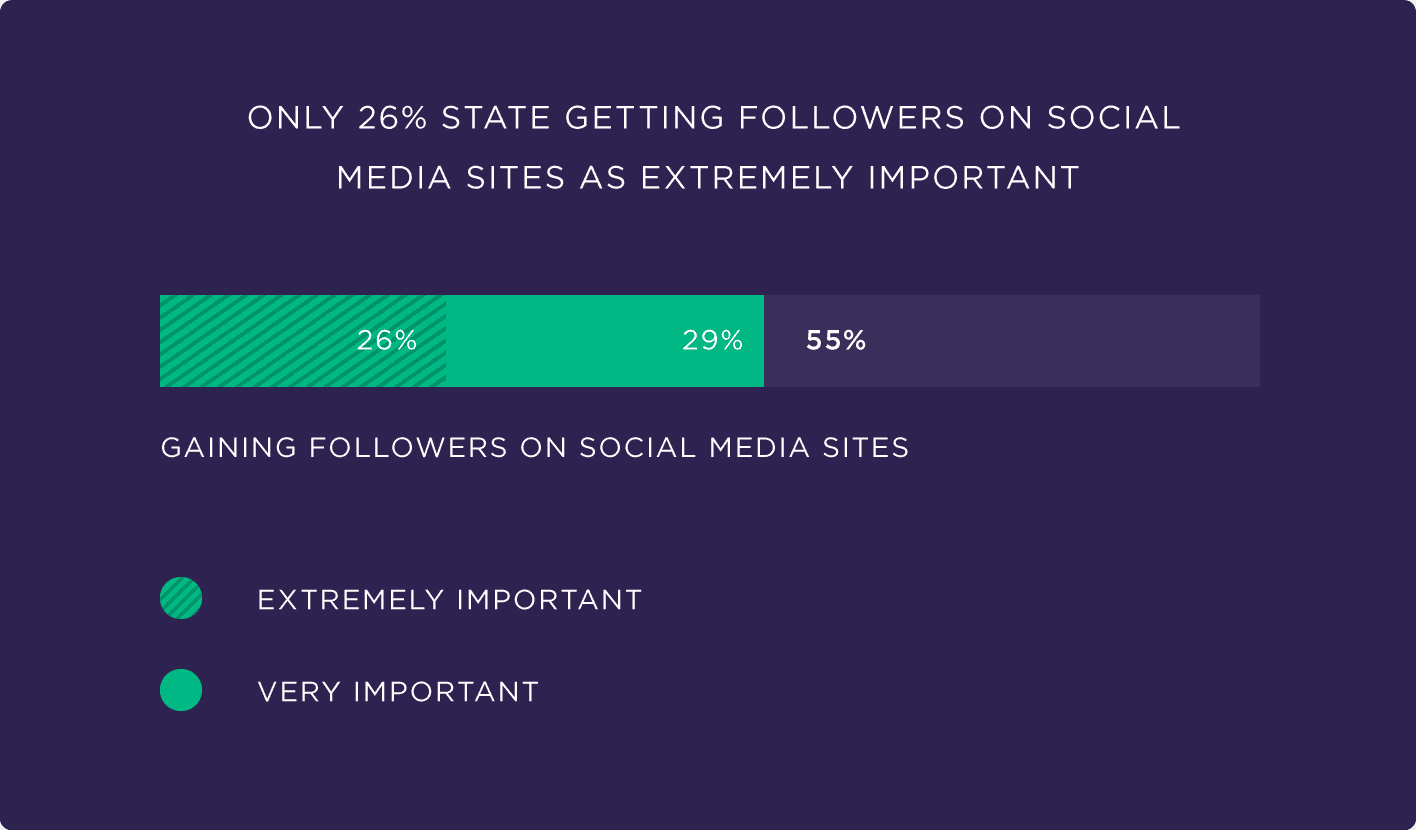
Business owners harbor clear and high expectations from their SEO investments. The most critical objectives identified are "accessing new customers," "increasing traffic," "increasing brand awareness," and "building trust." Conversely, goals like "gaining social media followers" and "increasing email subscribers" are considered less vital. This divergence underscores the need for SEO providers to align their communication and reporting with these core business objectives, focusing on tangible impacts like leads and sales rather than vanity metrics.
The rapid emergence of Artificial Intelligence (AI) is already having a tangible impact on SEO’s perceived value. A 2025 survey indicated that 91% of SEO service users reported a positive impact on website performance and marketing goals. Within this context, AI’s influence is largely seen as beneficial, with 39% of respondents reporting a "moderate increase" and 29% a "significant ROI increase" due to AI integration in their SEO strategies. Only a marginal 1% believe AI reduces their SEO ROI, signaling a strong positive outlook on AI’s role in future SEO effectiveness.
SEO ROI: A Deep Dive into Industry Performance
SEO is widely lauded as one of the marketing channels offering the highest return on investment. Industry estimates frequently peg the average ROI at an impressive 22:1, implying that for every dollar invested, businesses can expect to earn approximately $22 in return. Furthermore, about one in three qualified leads (34%) are directly attributable to SEO efforts.
However, the report meticulously details that this ROI varies significantly across different industries, reflecting unique market conditions, competitive landscapes, and customer acquisition costs.
- Medical Device: 1,183% ROI, 13 months to breakeven
- Higher Education & College: 994% ROI, 13 months to breakeven
- Oil & Gas: 906% ROI, 10 months to breakeven
- Industrial IoT: 866% ROI, 7 months to breakeven
- Pharmaceutical: 826% ROI, 9 months to breakeven
- Manufacturing: 813% ROI, 9 months to breakeven
- Biotech: 788% ROI, 8 months to breakeven
- Solar Energy: 770% ROI, 9 months to breakeven
- Commercial Insurance: 758% ROI, 9 months to breakeven
- B2B SaaS: 702% ROI, 7 months to breakeven
- Construction: 681% ROI, 5 months to breakeven
- HVAC Services: 678% ROI, 6 months to breakeven
- IT Staffing: 612% ROI, 10 months to breakeven
- Legal Services: 526% ROI, 14 months to breakeven
- Healthcare: 532% ROI, 11 months to breakeven
- Financial Services: 447% ROI, 9 months to breakeven
- E-commerce: 317% ROI, 9 months to breakeven
These figures underscore that while SEO is a powerful investment, strategic considerations and tailored approaches are crucial for maximizing returns within specific sectors. Industries with higher average contract values or longer customer lifecycles often demonstrate higher ROI, reflecting the compounding nature of organic traffic.
The Paradox of Low Client Satisfaction and High Turnover
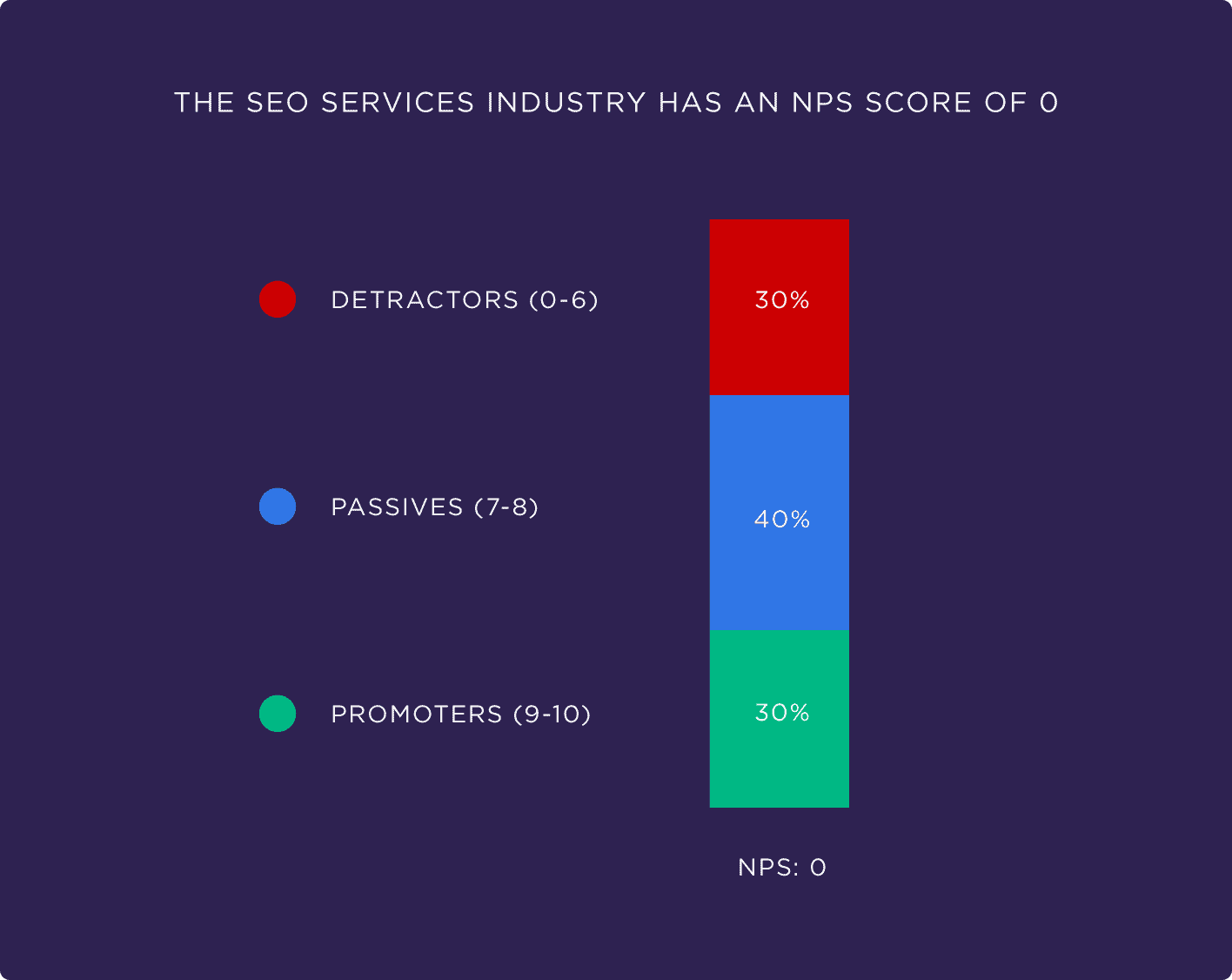
Despite the significant investment and promising ROI, overall client satisfaction with SEO services remains notably low. Using the Net Promoter Score (NPS) methodology, the report reveals a stark reality: only 30% of small business owners would recommend their current SEO provider to a friend or colleague. Alarmingly, an equal percentage (30%) identified as "detractors," indicating they would actively discourage others from using their current or previous provider. This translates to an industry-wide NPS score of 0, signaling a widespread sentiment of "not likely to recommend." While marketing agencies generally achieved higher NPS scores than freelancers, all provider types exhibited low satisfaction levels.
This dissatisfaction fuels a high rate of turnover within the industry. A significant 65% of small business owners have worked with at least one SEO provider previously, and a quarter (25%) have engaged with three or more providers. This "churn" indicates a persistent search for a better fit or more effective service. However, the data also suggests that clients don’t switch capriciously; existing clients typically remain with a provider for an average of three years, and lapsed clients give their providers an average of two years to deliver before moving on. A smaller, more volatile segment, termed "rapid switchers," constitutes 10% of panelists who have worked with three or more providers within a single year.
Unpacking the Roots of Dissatisfaction: Beyond Just Results

To understand the underlying causes of this widespread dissatisfaction, the report delves deeper than mere performance metrics. It identifies a surprising degree of self-blame among unhappy clients. Half of the dissatisfied respondents (50%) expressed a feeling of needing "more training to fully benefit from what SEO offers," while 28% admitted to lacking the "staff resources to properly benefit from SEO." This suggests that a significant portion of the problem lies not solely with the SEO provider’s capabilities but also with the client’s internal preparedness and understanding. Many businesses may underestimate the internal effort required to implement SEO recommendations or fail to prioritize necessary changes due to a lack of comprehension.
Another critical factor contributing to low satisfaction is a pervasive lack of clarity and transparency. Over a quarter (27%) of clients found SEO to be "confusing and unclear about what services they offer," and 25% stated, "I am not sure what I am really paying for with SEO." This communication gap often leads to frustration, even when a provider is delivering valuable work. When clients do not understand the process or the direct link between services rendered and business outcomes, their perception of value diminishes.
While a lack of results and poor ROI are undeniably major drivers for switching providers (cited by 82% and 81% of lapsed clients, respectively), they are not the sole reasons. A substantial 80% of lapsed clients indicated they "found a better option on their own," highlighting a proactive search for alternatives rather than simply abandoning SEO altogether. Poor customer service and unresponsiveness were also significant factors, cited by 34% of clients. Interestingly, being "pitched by a competitor" was a relatively minor reason for departure, suggesting that client loyalty can be maintained through consistent satisfaction, even in the face of external offers.
The "Web Savviness" Divide: A Call for Better Communication
A fascinating correlation emerges from the data: existing, satisfied clients are twice as likely to describe themselves as "extremely web savvy" compared to lapsed clients. Overall, 37% of SEO clients self-reported as "somewhat" or "not very" web savvy. This "web savviness" divide is a critical insight for the industry. Less tech-literate clients may struggle to grasp complex SEO jargon (e.g., "title tags," "CSS," "backlinks") and therefore fail to connect the dots between technical work and tangible business benefits.
This finding underscores the imperative for SEO providers to transcend technical language and communicate in terms clients truly understand: increased leads, higher sales, enhanced brand visibility, and improved search engine rankings. By reframing their services and reports around these business-centric outcomes, providers can bridge the knowledge gap, foster greater understanding, and ultimately cultivate higher client satisfaction and retention.

Conclusion and Implications
The SEO services industry, while robust and growing, faces significant challenges in client satisfaction and retention. The insights gleaned from this extensive report offer a roadmap for both businesses seeking SEO expertise and providers aiming to build lasting client relationships. For businesses, it emphasizes the importance of understanding their own internal resources and clearly defining expectations. For SEO providers, it highlights the critical need for transparent communication, a focus on business-oriented results over technical jargon, and a proactive approach to demonstrating ROI. By addressing these foundational issues, the industry can evolve to deliver not just exceptional technical performance, but also exceptional client experiences that foster trust, loyalty, and sustained growth.
This report was compiled using data from multiple sources, including a survey conducted by Northstar Research Partners. The survey methodology is detailed in a comprehensive PDF report. Backlinko, owned by Semrush, is committed to delivering world-class SEO insights based on hands-on experience and rigorous data analysis. Unless otherwise stated, content is authored by Semrush Inc. employees or paid contractors.