Google Introduces Connected App Integrations in AI Mode in Search, Revolutionizing User Actions and Digital Ecosystems

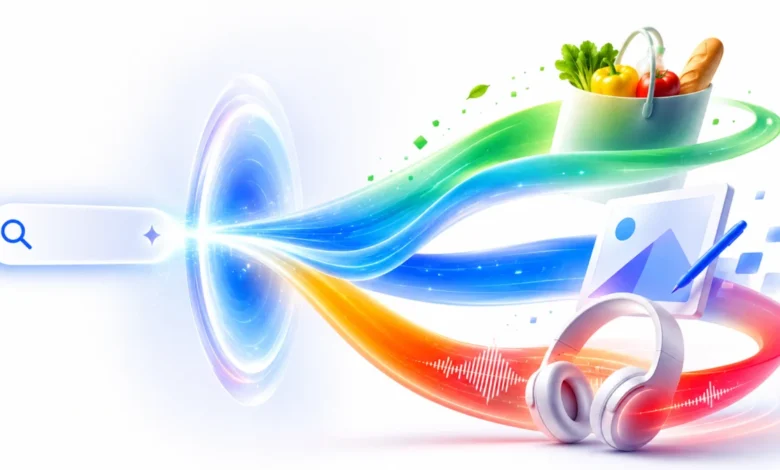
Google has commenced the rollout of sophisticated connected app integrations within its AI Mode in Search, a pivotal development enabling users across the United States to link directly with popular services such as Instacart, Canva, and YouTube Music. This integration is designed to facilitate immediate action on AI-generated responses, marking a significant evolution in how users interact with Google’s search platform and external applications.
The Dawn of Actionable AI in Search
The core of this new functionality, dubbed "Apps in AI Mode," allows users to securely connect their accounts from supported third-party services directly within Google Search’s AI interface. According to official statements from Google, the primary objective is to streamline the user journey by drastically reducing the number of steps required to transition from planning a task within Search to its completion within an associated application. This initiative aims to bridge the gap between information retrieval and direct action, transforming Google Search from merely an information gateway into a comprehensive action hub.
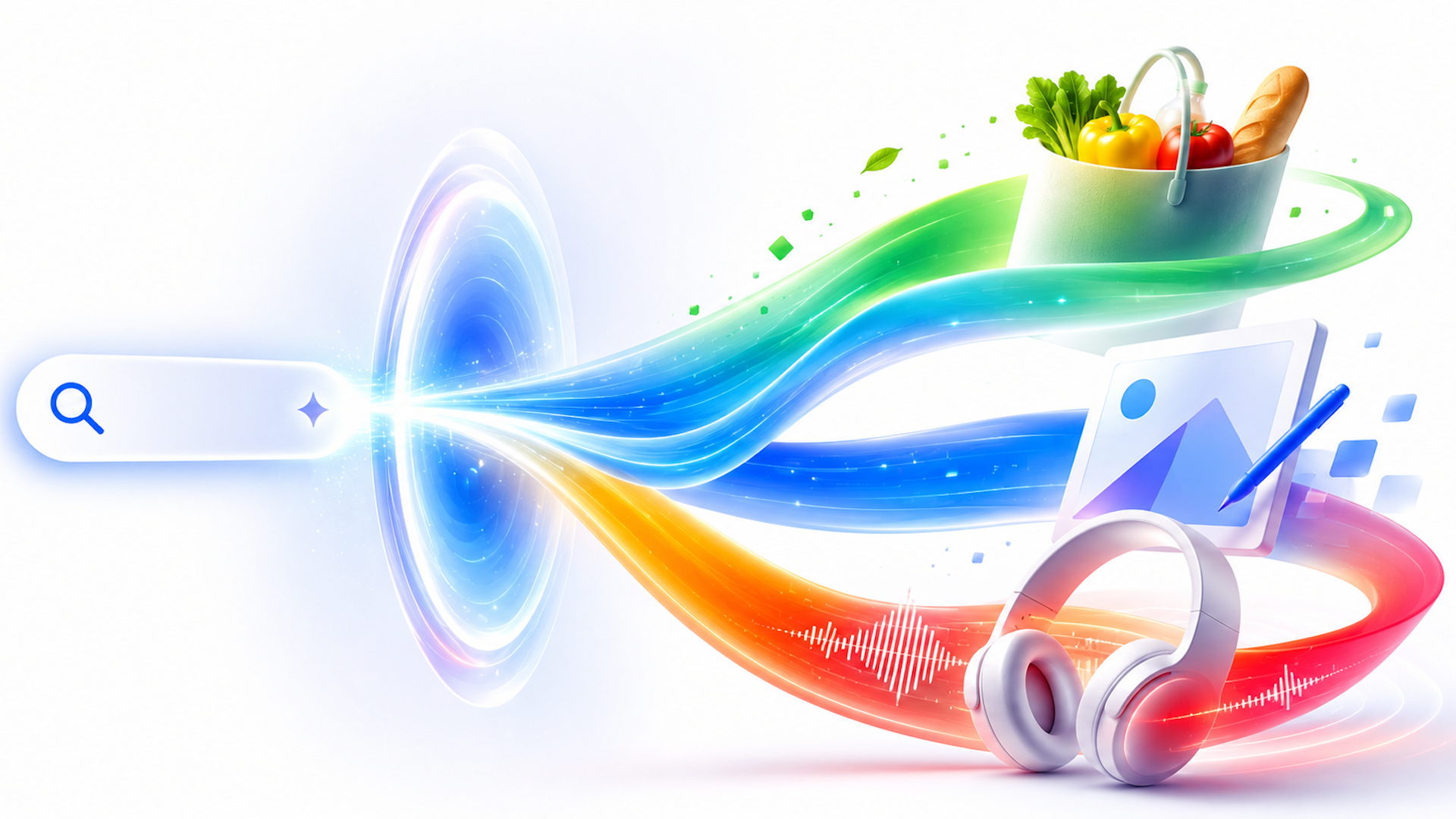
For instance, a user planning a meal could receive an AI-generated recipe in Search and, with Instacart connected, immediately add the necessary ingredients to a shopping cart without ever leaving the Google interface. Similarly, design ideas generated by AI could be instantly transferred to Canva for further refinement, or music recommendations could be directly added to a YouTube Music playlist. This seamless integration promises a more fluid and efficient digital experience, potentially reshaping user expectations for digital interactions. The emphasis on secure connections underscores Google’s commitment to user privacy and data protection, vital aspects given the sensitive nature of linking personal accounts and facilitating transactions.
Initial Integrations: A Glimpse into the Future
Google has strategically chosen initial partners that span diverse and high-engagement categories, showcasing the broad applicability of this new feature. The highlighted examples provide a clear illustration of the intended user benefits:
- Shopping with Instacart: Imagine searching for "easy weeknight dinner recipes." Google’s AI Mode could not only provide a recipe but, with Instacart connected, offer a direct option to "Add all ingredients to Instacart cart," enabling immediate grocery procurement. This bypasses the traditional steps of noting ingredients, opening a separate app, searching for items, and adding them manually.
- Design with Canva: For users exploring creative projects, an AI prompt like "ideas for a birthday party invitation" could yield visual concepts. The integration with Canva would then allow users to "Open in Canva" to customize a template or start a new design directly, leveraging the AI-generated inspiration.
- Music Discovery with YouTube Music: A query such as "upbeat workout playlist" could result in AI-curated song suggestions. With YouTube Music linked, these suggestions could be directly added to a new or existing playlist, or even played instantly, offering an uninterrupted flow from discovery to consumption.
These initial integrations are indicative of a broader strategy to embed actionable capabilities across various aspects of daily digital life, from e-commerce and creative endeavors to entertainment and productivity. The selection of these partners reflects areas where users frequently move between search and dedicated application environments, making them ideal candidates for this streamlined approach.
A Strategic Evolution: Google’s AI Journey
This rollout is not an isolated event but a significant milestone in Google’s overarching strategy to integrate artificial intelligence deeply into its core products, particularly Search. The journey began in earnest with the introduction of the Search Generative Experience (SGE), first unveiled at Google I/O in May 2023. SGE marked a paradigm shift from traditional keyword-based results to comprehensive, AI-generated summaries and conversational interactions, aiming to provide more complete answers and anticipate follow-up questions.
The development of AI Mode and its connected app integrations represents the next logical step in this evolution. While SGE focused on enhancing information delivery, "Apps in AI Mode" extends this to action delivery. This strategic pivot positions Google not just as a search engine, but as an intelligent agent capable of facilitating tasks across a vast digital ecosystem. It is a direct response to the increasing sophistication of AI models and the growing user demand for more intelligent and proactive digital assistance.
The competitive landscape also plays a crucial role. With rivals like Microsoft integrating AI-powered Copilot into Bing and Windows, and standalone AI chatbots like ChatGPT gaining massive traction, Google is under pressure to continually innovate and differentiate its offerings. By embedding actionable AI directly into Search, Google aims to solidify its dominance and provide a more compelling and comprehensive user experience that goes beyond what traditional search engines or standalone AI models can offer. This move reinforces Google’s ambition to remain at the forefront of AI innovation and application.
The Chronology of AI in Google Search
Google’s journey towards an AI-centric search experience has been a gradual yet accelerating process:
- Early 2010s: Integration of knowledge graph and semantic search, moving beyond keyword matching to understanding context and entities.
- Mid-2010s: Introduction of RankBrain (2015), an AI system used to process a significant portion of daily search queries, particularly novel ones. This marked a foundational step in applying machine learning to core search ranking.
- Late 2010s: Deep learning models, such as BERT (Bidirectional Encoder Representations from Transformers, 2019) and MUM (Multitask Unified Model, 2021), were deployed to better understand natural language, complex queries, and multilingual information, significantly improving search relevance.
- May 2023: Google I/O keynote unveils the Search Generative Experience (SGE), initially as an opt-in experiment within Search Labs. SGE introduces AI-powered overviews at the top of search results, conversational follow-ups, and more dynamic search experiences.
- Throughout 2023-2024: SGE undergoes continuous refinement and expansion, gradually rolling out to more users and incorporating new features like image generation and draft writing capabilities directly within Search.
- Recent Announcement: The introduction of connected app integrations in AI Mode, marking the transition from AI-powered answers to AI-powered actions within the search interface. This represents a critical step in making Google Search an even more integral part of users’ daily workflows.
This timeline demonstrates a clear trajectory: from enhancing the understanding of queries, to providing richer information, and now to enabling direct interaction and task completion within the search environment.
The User Experience: Convenience Meets Control
For the end-user, the promise of connected apps in AI Mode is unparalleled convenience. The ability to move from intent to action within a single interface eliminates friction points, saving time and effort. This aligns with broader trends in digital consumer behavior, where users increasingly expect seamless, personalized, and efficient interactions with technology. The integration means less switching between apps, fewer manual data entries, and a more unified digital experience.
However, such deep integration also raises important considerations, particularly regarding user control and privacy. Google emphasizes secure connections, implying users have explicit control over which apps are linked and what data is shared. Transparency about data flow between Google and third-party apps will be crucial for building and maintaining user trust. Users will need clear mechanisms to manage their connected apps, revoke access, and understand the scope of data sharing. As digital ecosystems become more intertwined, the balance between convenience and privacy remains a central challenge for tech companies. Google’s success in this endeavor will largely depend on its ability to empower users with clear, actionable controls over their data and connections.
Implications for the Digital Landscape
The introduction of connected app integrations in AI Mode carries profound implications across various sectors of the digital economy.
For Brands and Marketers:
This development fundamentally alters the landscape for search engine optimization (SEO) and digital marketing. Traditionally, the goal of SEO has been to drive traffic to a brand’s website or landing page. With AI Mode facilitating direct actions within Google Search, the concept of "zero-click searches" – where users find answers or complete tasks without ever visiting an external site – is amplified.
- Reduced Organic Traffic: Brands may see a further reduction in organic traffic to their websites as users complete tasks directly within Google. This necessitates a re-evaluation of SEO strategies, moving beyond mere visibility to optimizing for actionability within the AI environment.
- New Visibility Channels: Conversely, it opens new avenues for visibility. Being integrated into Google’s AI Mode means brands can be directly presented as solutions at the point of user intent. The challenge will be to optimize for these new AI-driven recommendation and action pathways.
- Focus on AI Optimization: Marketers will need to understand how Google’s AI selects and recommends connected apps. This could involve ensuring product data is well-structured, services are clearly defined, and perhaps even optimizing for specific AI prompts or integration points.
- Branding and Trust: The brands that Google chooses to integrate will gain significant exposure and implicit endorsement. Building strong brand recognition and trust becomes even more critical for being selected and utilized in this direct action environment.
- Monetization Shift: Google’s traditional advertising model might evolve. While standard search ads will likely persist, new monetization opportunities could arise from direct action integrations, potentially through affiliate models, transaction fees, or premium placement within AI-generated responses.
For App Developers:
For developers of third-party applications, this presents a dual-edged sword.
- Increased Reach and User Acquisition: Being integrated into Google’s AI Mode offers an unprecedented opportunity to acquire new users and increase engagement. Millions of Google Search users could be funneled directly into their services.
- Dependence on Google: However, it also increases dependence on Google’s platform. App developers may find themselves needing to align closely with Google’s integration guidelines and strategies, potentially ceding some control over the user experience or data.
- "Co-opetition" Dynamic: This creates a "co-opetition" dynamic, where Google simultaneously acts as a partner and a potential competitor. While integrating Instacart, Google also has its own shopping features; while integrating YouTube Music, it also controls YouTube. Developers must weigh the benefits of increased exposure against the risks of being "enshrined" within Google’s ecosystem.
- Innovation Pressure: Developers will be under pressure to continually innovate and offer unique value propositions to ensure their apps remain compelling choices even when integrated into Google’s broader AI framework.
For Google’s Ecosystem:
This move significantly strengthens Google’s position as a central orchestrator of digital activity.
- Enhanced Ecosystem Lock-in: By providing a seamless pathway from search to action, Google deepens user engagement within its own ecosystem, making it even more indispensable for daily tasks.
- Data Aggregation and Insights: The integration of connected apps provides Google with an even richer tapestry of user data, offering deeper insights into user intent, preferences, and behaviors across a wider range of activities. This data can be invaluable for refining its AI models, personalizing user experiences, and developing future products.
- New Monetization Avenues: Beyond traditional search advertising, Google can explore new monetization models tied to these direct actions, potentially through revenue sharing with partners or by leveraging its extensive data to create more targeted and effective advertising within the connected app experience.
- Expansion of AI Capabilities: This integration pushes the boundaries of what AI can do within a search context, moving beyond information provision to active task execution, solidifying Google’s leadership in applied AI.
Expert Perspectives and Industry Reactions
While direct statements from all parties are not yet available, industry observers and experts anticipate a range of reactions. Google’s internal teams are likely to tout this as a monumental step in user convenience and a testament to their AI prowess, emphasizing the "secure connections" and "reduced friction." App developers, particularly those initially integrated, are likely to express optimism about the expanded reach and user acquisition opportunities, though privately, some might harbor concerns about increased dependence on Google and the potential for Google to eventually offer similar functionality directly.
SEO professionals and digital marketers, as noted, are likely to view this with a mix of apprehension and strategic urgency. Many will immediately begin dissecting the implications for traffic and conversions, recognizing the need to adapt quickly to a world where "being found" increasingly means "being actionable" within Google’s AI interface. User reactions are expected to be largely positive regarding convenience, though privacy advocates will likely scrutinize the data sharing agreements and controls. The overarching sentiment will likely be one of significant transformation, recognizing that Google is once again redefining the rules of the digital game.
The Broader Context: The Zero-Click Search Phenomenon
This initiative is a powerful accelerant to the "zero-click search" phenomenon, a trend that has been growing for years. Initially, zero-click searches occurred when Google provided direct answers to simple queries (e.g., "what time is sunset?"). With the rise of featured snippets and the Knowledge Panel, more complex questions could be answered without a click. SGE took this to an entirely new level by synthesizing information into comprehensive AI-generated overviews.
Connected app integrations now elevate zero-click searches from passive information consumption to active task completion. Users can now search, get an AI-generated response, and act on it – all within Google’s interface. This has profound implications for the open web and the business models of countless websites and content creators who rely on organic search traffic. While Google argues this provides a better user experience, critics may view it as Google further enclosing users within its own ecosystem, potentially at the expense of external websites and independent publishers. The balance between user convenience and the health of the open web will be a subject of ongoing debate.
Looking Ahead: The Expanding Horizon of Connected Apps
Google has explicitly stated its intention to work with more partners and add additional app integrations beyond the initial set. This indicates a long-term vision to expand the "Apps in AI Mode" functionality across a much wider array of services and industries. We can anticipate integrations with productivity tools, travel services, financial apps, smart home devices, and more. The rollout provides Google with a powerful new mechanism to connect search activity directly with shopping carts, design templates, music playlists, and potentially countless other actions, all managed within its AI-powered search environment.
The success and expansion of this program will depend on several factors: user adoption, the willingness of third-party developers to integrate, and Google’s ability to maintain a secure and trustworthy environment. As AI continues to advance, the distinction between search, personal assistant, and operating system will increasingly blur, with Google’s AI Mode poised to become a central nexus for managing digital life. This initiative represents not just an incremental update, but a fundamental redefinition of the Google Search experience, with far-reaching consequences for users, businesses, and the entire digital ecosystem.